Just in:
Govt opposes Arlekar’s PSC action // Ta’ziz finalises $1.39bn funding for Ruwais industrial facilities // Cloudflare unveils Zero Wire vulnerability intelligence service // Fast Just Got Fastest: STING Energy Boost™ Celebrates Kimi Antonelli’s Formula 1® World Championship and the Fan Energy Behind It // AI trust gap reveals distinct retail priorities: Divergent paths to consumer growth in Hong Kong and the GBA // UK air traffic outage inflicted £33m financial losses // CR Longdation Aethereal Cybersecurity × Global Cybersecurity Alliance (GCSA) Join Hands to Establish the “AI and Cybersecurity Research Centre” // Oil and chip shares retreat after Democratic victories // Emirates Group records AED 4.1 billion half-year profit // e-Crime Bureau Signs Cybersecurity Partnership With Smart Africa, Reinforcing Its Global Expansion // OpenAI identifies 948 Linux privilege escalation flaws using AI // Dubai boat show confirms international shipyard line-up for November // Democrats capture Senate majority with seven Republican seats // The “1st Greater Bay Area Health and Longevity Summit & Awards Ceremony” concludes successfully in Macao // As AI Reshapes Education, Singapore Convenes Global Dialogue on the Future of Early Childhood Education // SC to examine students’ exam plea today // ADIA and partners establish $1.4 billion aviation venture // Meraas showcases five residential zones at Dubai Design Week // xCube Access Welcomes Entrust Capital Limited  Expanding Access to Professional Portfolio Management // Utilities pursue ₹1,992 cr in unpaid bills //

News related to
data

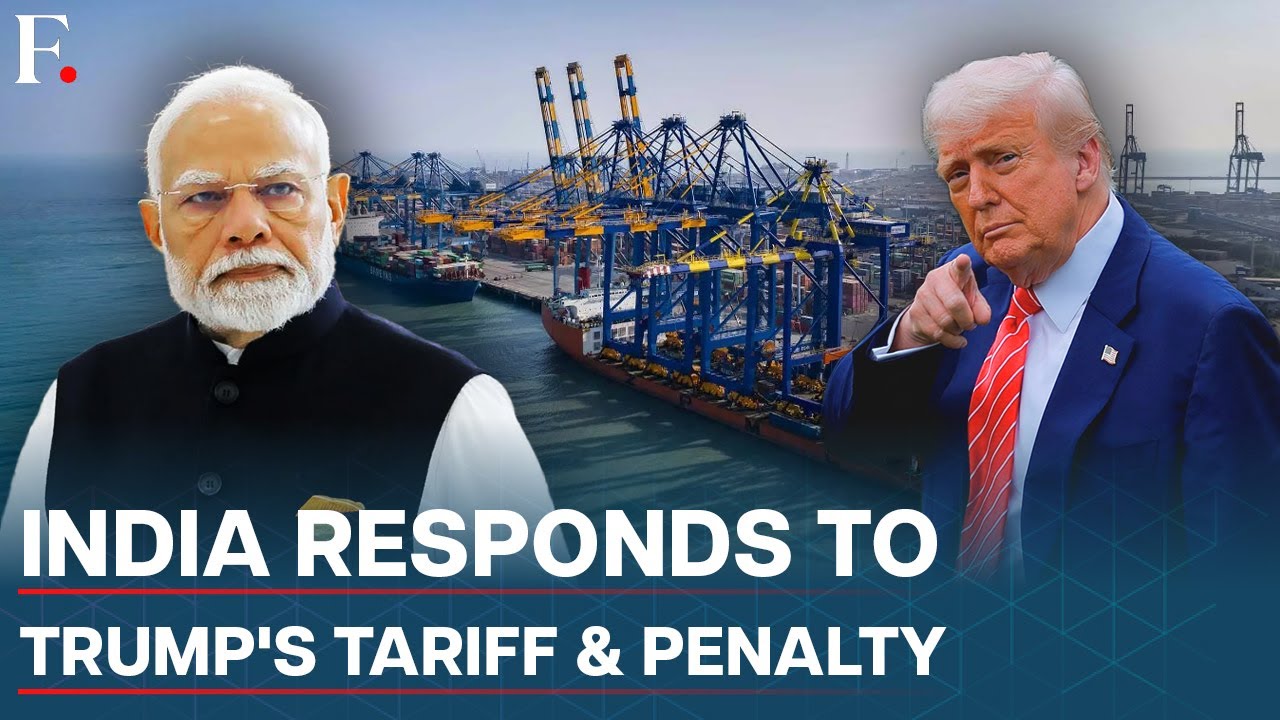
US President Donald Trump has announced plans to significantly raise tariffs on exports from India, citing the country’s oil purchases from Russia as the primary reason for the move. The statement marks an escalation in tensions between the two countries, with both sides having clashed over trade policies and geopolitical issues in recent years.

Trump’s remarks, made on social media, have ignited a strong response from New Delhi, which views the threat as unjustified and damaging to its economic interests. The US President criticized India’s ongoing imports of Russian crude oil, calling the move a betrayal, as the West intensifies efforts to isolate Moscow over its invasion of Ukraine. He pointed out that India’s purchases were then being resold on the international market for profits, further compounding the situation.

The US government has consistently condemned the sale of Russian oil to countries that are still buying from Moscow amid global sanctions designed to cripple the Russian economy. These sanctions, which were imposed by the US and its allies in response to Russia’s aggressive actions in Ukraine, have led to a complex diplomatic web, with several nations, including India, caught in the middle.

While the US and European Union have significantly reduced their oil imports from Russia, countries like India and China have stepped in to fill the gap, buying discounted crude oil from Moscow. India, in particular, has ramped up its purchases of Russian energy, a decision that is seen by many as a strategic move to secure energy resources at lower costs. These purchases have helped India maintain its economic growth amidst the energy price crisis exacerbated by the war in Ukraine.

The announcement by Trump that tariffs on Indian goods would be substantially raised could have serious repercussions for trade between the two nations. India is one of the United States’ largest trading partners, and any significant tariffs would undoubtedly affect a range of industries, from agriculture to technology. In 2022, the bilateral trade between the two countries surpassed $150 billion, with India exporting a wide array of goods to the US, including textiles, chemicals, and pharmaceuticals.

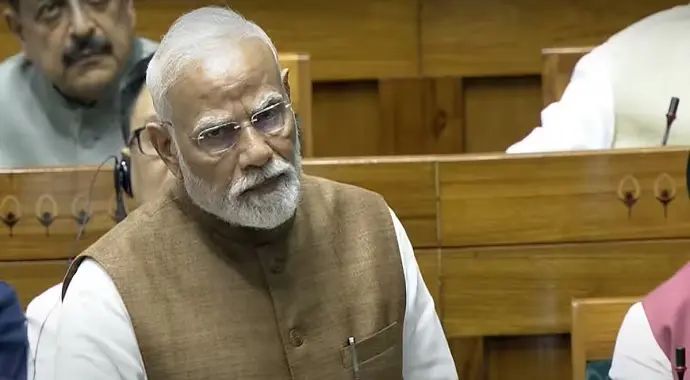
The Indian government, however, has rejected Trump’s claims, arguing that its oil purchases from Russia are in line with its energy security needs and do not violate any international laws. New Delhi has maintained a neutral stance on the war in Ukraine, calling for dialogue and diplomacy to resolve the crisis rather than escalating sanctions and pressure on Russia.

India’s position reflects a broader strategy of balancing its foreign relations with both the West and Russia. While it maintains strong ties with the US and Europe, it also values its long-standing relationship with Russia, particularly in defense and energy sectors. Over the years, Russia has been a reliable supplier of defense equipment to India, a factor that continues to shape India’s foreign policy decisions.

The economic impact of higher tariffs could have a ripple effect on both countries’ economies. India could face higher costs for its exports to the US, which might lead to inflationary pressures within certain sectors. For the US, such tariffs could result in higher prices for American consumers on imported goods, potentially exacerbating inflation at a time when the country is already grappling with economic challenges.

The political fallout from Trump’s threat to raise tariffs could further complicate efforts to resolve trade disputes between the US and India. Both nations have been working on strengthening their strategic and economic ties, but issues like tariffs and energy trade could undermine this progress. Negotiations over trade deals, such as the proposed free trade agreement, may now face significant hurdles as both sides dig in their heels.

The decision to increase tariffs on India could also have wider implications for the global economy. It might set a precedent for other nations to retaliate against countries purchasing Russian oil, particularly those in the Global South who have not been willing to fully sever their economic ties with Moscow. This could potentially fragment the global energy market even further, making it harder for countries to secure stable and affordable energy supplies.

This development highlights the growing division between the US-led West and countries that have opted to remain neutral or continue engaging with Russia. As the war in Ukraine shows no sign of abating, the economic and diplomatic repercussions of these decisions are likely to continue shaping global relations for the foreseeable future.


With its signature ‘All-Day Chill’ the gaga café phenomenon comes to Galaxy Macau, marking outlet number 99 for the Shenzhen-born brand that’s quietly redefining contemporary café culture MACAU SAR – Media OutReach Newswire – 5 August 2025 – Galaxy Macau™ Integrated Resort (“Galaxy Macau”) today officially opened gaga, the Shenzhen-born dining group’s 99th outlet and first-ever non-mainland location, in Macau. In a natural evolution for China’s most […]

BANGKOK, THAILAND – Media OutReach Newswire – 5 August 2025 – The Metropolitan Electricity Authority (MEA), a leading electricity distributor across Bangkok, Nonthaburi, and Samut Prakan, is proud to announce its recent accolades at the Asia Responsible Enterprise Awards (AREA) 2025, an award ceremony organized by leading NGO Enterprise Asia to celebrate ESG-conscious corporations. MEA’s unwavering commitment to sustainable community development and robust ESG initiatives has earned […]

By Nantoo Banerjee US President Donald Trump is becoming increasingly unpredictable, if not crazy, with his freakish combination of styles to deal with countries and issues – from trade to diplomacy. The 25 percent import tariff on India since last Friday may not considerably hurt India’s export trade with the US, but it threatens to […]


Dubai has seen a marked surge in its real estate sector in 2025, with 24 major property projects completed in the first half of the year. These developments, worth a combined Dh4.5 billion, are part of a wider trend that reflects the city’s growing demand for residential units and integrated communities. According to the Dubai Land Department, there are currently 726 active projects under construction across the […]

French artificial intelligence startup Mistral is engaged in discussions to secure up to $1 billion in funding, which could elevate its valuation to $10 billion, according to reports from industry insiders. The company is in talks with several investors and venture capital firms, alongside Abu Dhabi-based MGX, to bolster its growth. This funding will enable Mistral to further develop its large language models and accelerate the commercial […]

Abu Dhabi’s non-oil foreign trade has seen a remarkable surge in the first half of 2025, marking a robust 34.7% growth to AED 195.4 billion compared to AED 145 billion in the same period of 2024. This growth highlights the ongoing strength of the emirate’s economic diversification efforts, underpinned by its expanding infrastructure and logistical capabilities.

The first six months of 2025 saw a significant increase across various trade segments. Non-oil exports jumped by 64%, reaching AED 78.5 billion, up from AED 47.9 billion in the first half of 2024. This surge underscores the growing demand for products manufactured and processed in Abu Dhabi, with key sectors such as chemicals, metals, and machinery playing a pivotal role in this expansion. The rise in exports reflects the emirate’s increasing competitiveness in international markets, driven by its strong manufacturing base and strategic trade agreements with global partners.

On the import front, Abu Dhabi recorded a 15% increase, amounting to AED 80 billion in H1 2025, up from AED 70 billion in the same period last year. This increase in imports is largely attributed to a growing demand for raw materials and technological advancements, as the emirate continues to develop its industrial and technological sectors. Imports have supported the growth of local industries, providing them with the necessary components to maintain high levels of production and innovation.

Meanwhile, re-exports also showed a healthy rise, increasing by 35% to surpass AED 36 billion, compared to AED 26.6 billion during the same period in 2024. Re-exports have become an increasingly vital part of Abu Dhabi’s trade strategy, leveraging the emirate’s strategic location as a key logistics hub. The UAE’s positioning between Asia, Europe, and Africa has made it an essential node for goods flowing to and from global markets. Abu Dhabi’s efficient ports and transport infrastructure further enhance its appeal as a re-export centre, enabling businesses to access regional and international markets more easily.

Key factors contributing to the growth of Abu Dhabi’s non-oil trade include the continuous improvement of its infrastructure, the advancement of logistics services, and the emirate’s strategic positioning as a global trade hub. The development of world-class airports, ports, and transportation networks has facilitated the smooth movement of goods, bolstering trade flows and enhancing the efficiency of supply chains. Additionally, the UAE’s free trade agreements with various countries and regions have opened up new markets for Abu Dhabi’s goods, further driving growth.

The performance of the non-oil trade sector is also a testament to the success of the UAE’s economic diversification policies. The country has long sought to reduce its reliance on oil revenues by fostering growth in other sectors such as manufacturing, trade, and services. Abu Dhabi, in particular, has been at the forefront of this push, with substantial investments in infrastructure, innovation, and education.

Abu Dhabi Customs has played a key role in supporting this growth by enhancing border management and customs procedures, making it easier for businesses to trade globally. Customs reforms and the adoption of digital technologies have streamlined the trade process, reducing delays and costs for traders and facilitating smoother transactions across borders.

Advertisements

Oil prices fell sharply after OPEC+ announced plans to raise its production output by 547,000 barrels per day, effective from September. The decision, which came in line with market expectations, has raised fresh concerns about the potential for a global oversupply, especially as fears mount over the long-term impact of economic challenges driven by the US-led trade war.

Brent crude dipped toward $69 per barrel, while West Texas Intermediate hovered near $67, reflecting a sharp pullback following the announcement. The decision to increase output marks a shift in OPEC+ strategy, after several months of production cuts aimed at stabilising oil prices during periods of uncertain demand. However, with global economic headwinds, particularly from trade tensions and slowing growth in major economies, questions are now being raised about whether this increase in supply could overwhelm demand.

Analysts have pointed out that the ongoing US-China trade conflict may be having a profound effect on global energy consumption. The trade war, which has led to tariffs and retaliatory measures between the two largest economies, continues to disrupt global supply chains and dampen business activity. Slower growth in industrial production and manufacturing in key markets has prompted concerns that energy demand could continue to weaken in the face of broader economic struggles.

The increase in production from OPEC+ countries, particularly from the likes of Saudi Arabia, Russia, and Iraq, comes at a critical juncture for global oil markets. While the move was made to ease rising prices and provide some breathing room for oil-dependent economies, the effect of this policy shift is complex. Economists argue that by adding more barrels to an already fragile market, OPEC+ could inadvertently drive down prices further, straining the economic recovery in various parts of the world.

For the time being, the immediate impact of the decision has been reflected in market reactions, with investors showing caution. Oil futures have displayed heightened volatility in response to these developments, as traders remain uncertain about how the oil market will balance the twin pressures of increased supply and potential demand weakness.

The decision was met with mixed reactions from within OPEC+ itself, with some members pushing for a more aggressive increase in output, while others expressed concerns about the potential for exacerbating the supply glut. The divergence of views within the coalition underscores the challenges facing the organisation as it attempts to navigate global economic headwinds. Some member states with economies heavily reliant on oil exports may welcome the production increase as a means to inject more revenue into their national coffers. However, the overall effect on oil prices may ultimately prove counterproductive, especially as the US energy sector continues to grow and exert pressure on global markets.

The decision by OPEC+ to increase output by this amount is also raising questions about the future of production cuts and supply management. The group has made strides to curtail output in recent years in a bid to boost prices, but with uncertainty surrounding demand forecasts, it remains to be seen whether these additional barrels will be absorbed by the market or contribute to further price erosion.

Some market watchers have speculated that the OPEC+ move could be an attempt to pre-emptively counterbalance a potential slowdown in demand as a result of ongoing geopolitical tensions. The trade war, for instance, has prompted governments to enact policies aimed at reducing energy consumption and shifting toward greener, more sustainable energy sources, all of which could place long-term downward pressure on fossil fuel consumption.

Amid these shifting dynamics, some experts are also questioning whether OPEC+ will be able to continue its production increase strategy without facing backlash from consumers and governments alike. With many nations already feeling the strain of high fuel prices, there is a growing sentiment that increasing output may not be the best course of action, particularly in light of concerns about the broader economic slowdown.

Cybersecurity firm Vectra AI has expanded its global operations by opening a new office in Bangalore, a strategic move to reinforce its presence in the Asian market. The company, which focuses on AI-powered threat detection, aims to meet the growing demand for advanced cybersecurity solutions across the region.

The new office will serve as a hub for both engineering and sales operations, marking a significant step in Vectra’s growth strategy. Bangalore, known as India’s tech capital, was chosen due to its thriving tech ecosystem, which is home to a number of global IT giants and startups. This location allows Vectra to tap into the city’s strong talent pool and access a rapidly expanding market for cybersecurity services.

As cyber threats become increasingly sophisticated and widespread, the demand for AI-based cybersecurity solutions has surged globally. Vectra’s decision to set up in Bangalore is part of a broader trend among international tech firms looking to capitalize on India’s growing digital landscape. With a booming digital economy, India is experiencing an uptick in cybercrime, creating an urgent need for advanced cybersecurity measures.

Vectra AI’s technology uses machine learning and AI to detect, investigate, and respond to cyber threats in real-time. The firm’s platform is designed to give enterprises a proactive approach to securing their digital infrastructure by identifying vulnerabilities and malicious activity earlier than traditional methods. The company’s expansion into Bangalore comes at a time when businesses worldwide are prioritizing security, especially as remote work environments and digital transformation continue to rise.

The new office is also expected to boost local job creation in the region. Vectra has been actively recruiting top talent from local universities and the wider IT sector. The firm is looking to hire software engineers, data scientists, and sales personnel to support the growing demand for its solutions. The company’s leadership has expressed confidence that the Bangalore office will play a key role in advancing its technological capabilities and expanding its customer base across Asia.

The company’s move follows a series of investments aimed at expanding its reach. Vectra AI has raised millions in funding in recent years to accelerate its research and development efforts. With the cyber threat landscape continually evolving, the company is positioning itself as a key player in providing solutions that not only detect threats but also help organizations respond to and mitigate attacks effectively.

The Bangalore office will collaborate closely with Vectra’s other offices in the US and Europe, helping to streamline the company’s global operations. It will also serve as a base for expanding partnerships with local firms and government agencies, further cementing Vectra’s commitment to addressing the growing cybersecurity challenges in Asia.

eToro, the globally recognised trading platform, revealed plans to introduce tokenized US stocks and exchange-traded funds on Ethereum. This announcement, made during a global webinar titled ‘eToro Unlocked: Trade Without Boundaries’, marks a significant development in the integration of traditional financial assets with blockchain technology.

The initiative aims to bridge the gap between conventional finance and the burgeoning world of decentralised finance. By utilising Ethereum’s blockchain, eToro will allow users to trade tokenized versions of US stocks and ETFs. This move follows the growing trend of decentralised financial products that provide greater accessibility and transparency to global markets. The tokenisation of these assets is expected to enable fractional ownership, meaning investors can hold and trade portions of stocks and ETFs without the need for a large capital outlay.

This shift is in line with a wider industry push towards blockchain adoption. Major financial institutions, including banks and asset managers, have explored tokenisation as a way to simplify processes, reduce costs, and make trading more efficient. By offering these products on a platform like eToro, which boasts millions of active users, the company is positioning itself as a key player in the digital asset space.

As of now, traditional trading platforms have been somewhat slow to incorporate blockchain technologies, particularly when it comes to mainstream products like equities and ETFs. However, tokenisation is rapidly gaining traction, with the promise of faster transactions, lower fees, and enhanced security. Ethereum, due to its widespread use and robust smart contract capabilities, has emerged as a leading blockchain for such innovations.

The rollout of tokenized US stocks and ETFs will occur in phases. Initially, a select group of eToro users will be given early access to these digital assets, with the plan for a broader launch depending on regulatory approval and market demand. Despite the novelty of tokenised equities, the platform’s offering will be fully compliant with the relevant financial regulations, ensuring that users can trade with confidence.

eToro’s move to embrace Ethereum-based tokenisation comes at a time when other financial services firms are also investigating blockchain’s potential in transforming asset management. For instance, firms like Fidelity and Grayscale have pioneered offerings that allow traditional investment in cryptocurrency, while companies such as JP Morgan and Goldman Sachs have been integrating blockchain technologies into their existing infrastructure.

However, it remains to be seen whether tokenised assets can truly revolutionise the way investors interact with traditional financial products. While blockchain technology offers numerous advantages, including faster settlement times and reduced friction in cross-border trading, the challenge lies in widespread adoption. Regulatory hurdles and market acceptance will play key roles in determining whether tokenisation becomes mainstream or remains a niche offering.

Nonetheless, the trend is gaining momentum. Tokenisation is seen as a way to democratise access to high-value assets that were previously reserved for wealthier investors or institutions. By breaking down these assets into smaller, more affordable fractions, eToro aims to give a wider audience the opportunity to diversify their portfolios, gain exposure to US stocks and ETFs, and participate in a global marketplace.

As eToro has expanded its offerings in recent years, it has positioned itself as a platform that seeks to empower users by providing more trading options and access to a range of global financial products. This tokenisation project is part of eToro’s broader vision of a more open and inclusive financial ecosystem, where geographical and financial barriers are diminished through technological advancements.

The Indian government has launched a substantial ₹1 lakh crore initiative aimed at advancing research and development in DeepTech sectors, which include artificial intelligence, biotechnology, and clean energy. The move seeks to position India at the forefront of technological innovation while addressing pressing global challenges, such as climate change and health issues, through groundbreaking advancements.

The scheme, which is the largest of its kind in the country, provides financial support through low-interest loans and grants to organisations engaged in pioneering research within these high-tech fields. This initiative is designed to fuel India’s transition to a knowledge-based economy, empowering domestic companies to compete on the global stage.

The programme has been met with widespread enthusiasm across industries, particularly for its potential to create high-skilled jobs and promote sustainable growth. Industry experts believe that the government’s focus on DeepTech will provide the necessary infrastructure for start-ups and established companies to undertake transformative research, particularly in AI and biotechnology, areas that are expected to revolutionise industries globally.

The scheme is structured to benefit both large-scale enterprises and smaller start-ups, ensuring a wide distribution of opportunities across the technology ecosystem. By offering loans with highly favourable interest rates, the government is incentivising private investment in research and innovation. These funds can be used for a variety of purposes, including product development, infrastructure creation, and collaboration with academic institutions. The emphasis on clean energy projects is particularly timely, given the global push towards sustainability and reducing carbon footprints.

Aimed at fostering a more robust R&D culture, this initiative also ties into broader national objectives, such as strengthening India’s technological independence and making strides towards self-reliance. By facilitating the creation of homegrown technologies, the government hopes to reduce the nation’s dependence on foreign technologies and build a self-sustaining innovation ecosystem.

The programme is expected to bring a ripple effect, spurring greater investment in the country’s deep-tech space. This comes at a time when global investors are showing increasing interest in emerging markets like India, particularly in sectors that address environmental concerns and healthcare challenges. Experts suggest that this initiative could make India a major player in AI, clean energy, and biotech, which have seen explosive growth globally.

This initiative builds upon earlier steps taken by the government to boost technological innovation. A notable example is the government’s push for AI adoption across industries, with initiatives such as the National AI Strategy. Moreover, India’s growing digital infrastructure, which includes expanding internet access and cloud capabilities, is seen as a foundation for the country to lead in cutting-edge research and development.

With AI poised to reshape industries such as healthcare, agriculture, and education, the government’s focus on AI-driven projects through this scheme could significantly enhance the country’s global competitiveness. For example, AI technologies are expected to play a critical role in optimising supply chains, improving healthcare diagnostics, and even contributing to smarter urban planning and infrastructure.

Similarly, India’s biotechnology sector, which has been a cornerstone of the nation’s medical advancements, stands to benefit enormously from the new scheme. Biotechnology holds promise for breakthroughs in disease treatment, diagnostics, and sustainable agricultural practices. With government backing, researchers and innovators will have access to the necessary resources to push the boundaries of what is currently possible in life sciences.

The clean energy component of the scheme is particularly crucial in the context of global environmental concerns. India, as one of the world’s largest emitters of carbon dioxide, has made ambitious commitments to reduce its carbon footprint, and this initiative is aligned with those goals. By providing financial incentives for renewable energy projects, including solar, wind, and hydrogen energy, the government is fostering an ecosystem conducive to green innovation.

The scheme also complements India’s broader economic reforms aimed at boosting manufacturing and technological self-sufficiency under the “Make in India” programme. By nurturing DeepTech innovation, India could develop indigenous solutions that cater not just to domestic needs but also to international markets, enhancing its stature as a hub for cutting-edge technology.

As part of its effort to ensure the programme’s success, the government is also facilitating partnerships between industry players and academia. This collaborative approach is intended to strengthen the research base and bridge the gap between innovation and practical application. Partnerships with international research bodies are also expected to enhance India’s global position in deep-tech innovation.

The U. S. Office of Special Counsel has initiated a formal investigation into Jack Smith, the prosecutor overseeing key legal cases against former U. S. President Donald Trump. This move marks a significant escalation in a series of actions targeting Smith, widely viewed as a central figure in the growing legal battle surrounding Trump. The investigation stems from allegations of misconduct during Smith’s tenure as special counsel, […]

A significant infrastructure development has been completed in Dubai, with the opening of an 800-metre tunnel designed to alleviate the city’s growing traffic congestion. The newly constructed tunnel, featuring four lanes in each direction, spans from the junction with Al Khail Road to the existing Sheikh Mohammed Bin Zayed Road. This is part of a larger, ongoing effort to streamline traffic and accommodate Dubai’s expanding population. The […]

The world of cybersecurity has entered an uncharted realm, where artificial intelligence is not only a weapon for cyber attackers but also a critical tool in defending against these increasingly sophisticated threats. As cybercriminals turn to AI to power their attacks, the race is on to develop AI-driven systems that can outthink and outpace malicious algorithms. One of the key figures in this rapidly evolving landscape is […]

ExxonMobil has launched the third edition of its flagship “EXCITE” programme, designed to foster innovation and collaboration within the energy sector. The initiative underscores the company’s commitment to strengthening partnerships and supporting the growth of businesses across the region. This year’s programme introduces enhanced features, offering participants more opportunities to engage with cutting-edge technologies and expert insights.

The EXCITE programme, which was first introduced in 2021, has quickly become a key component of ExxonMobil’s regional strategy, aimed at driving long-term sustainability in the energy sector. Each edition of the programme has sought to build on the lessons of the previous one, refining its approach based on feedback from participants and industry trends. This year’s launch represents a significant step forward, with ExxonMobil seeking to leverage its extensive expertise to address the most pressing challenges in the sector.

A focal point of this year’s programme is the integration of digital transformation initiatives. As the global energy landscape evolves, ExxonMobil has placed a strong emphasis on technology as a tool for enhancing operational efficiency and fostering innovation. By providing participants with access to advanced digital platforms and data analytics tools, the company aims to empower businesses to develop more effective, data-driven solutions.

The EXCITE programme is open to a wide range of organisations, including startups, entrepreneurs, and established companies. Participants gain exposure to ExxonMobil’s vast network of industry leaders and technical experts, providing invaluable mentorship and collaboration opportunities. Through a series of workshops, seminars, and collaborative projects, participants are able to gain a deeper understanding of the latest trends and technologies shaping the future of energy.

A key highlight of this edition is the increased focus on sustainability. As environmental concerns continue to dominate global discussions, ExxonMobil has emphasised the importance of developing solutions that promote energy efficiency, reduce carbon emissions, and support the transition to cleaner energy sources. The company has committed to driving the adoption of renewable energy technologies and promoting the development of sustainable solutions that align with global environmental goals.

The first two editions of EXCITE saw significant success, with numerous startups and small businesses gaining the opportunity to scale their operations through partnerships with ExxonMobil and other stakeholders in the energy sector. These collaborations have led to the development of innovative technologies and processes that are helping to shape the future of energy production and consumption.

The programme also addresses the growing demand for skilled professionals in the energy industry. By offering participants access to training and development opportunities, ExxonMobil is helping to bridge the skills gap in the sector, ensuring that the next generation of energy leaders is well-equipped to tackle the challenges ahead.

ExxonMobil has consistently been at the forefront of efforts to drive innovation and sustainability within the energy sector. With the launch of the third edition of EXCITE, the company is reinforcing its role as a key player in the global energy transition. The programme serves as a testament to ExxonMobil’s ongoing commitment to advancing technologies and solutions that will help meet the world’s growing energy needs while addressing climate change.

A statue honouring Satoshi Nakamoto, the elusive figure behind Bitcoin, has been stolen from its site in Lugano, Switzerland. The monument, unveiled in late 2024, had become an iconic representation of the enigmatic creator of the cryptocurrency, whose true identity remains one of the tech world’s greatest mysteries.

The statue, a large sculpture depicting the name “Satoshi Nakamoto” etched into a series of metallic layers, had captivated visitors and crypto enthusiasts alike since its installation. Situated in the heart of Lugano, it symbolised the city’s growing embrace of blockchain technology and cryptocurrency. For many, the statue was more than just art; it was a tribute to the digital revolution that Bitcoin sparked more than a decade ago.

Authorities were alerted to the theft in the early hours of the morning, when a security guard noticed the conspicuous absence of the monument, which had previously stood proudly at the centre of a public park. The area, which had been carefully monitored by surveillance cameras, now bears only the faint traces of the statue’s former presence, leaving behind a curious and eerie emptiness.

Lugano, a city with strong ties to the cryptocurrency world, had seen significant developments in recent years to become a leading hub for blockchain-based businesses. The city’s proactive approach in fostering crypto-related innovation was epitomised by the statue’s unveiling in 2024, making the theft a significant blow to the region’s reputation.

Local police have launched an investigation into the incident, with officials suggesting that the thieves may have targeted the statue for its material value, given its considerable worth as a work of art. The theft of public art is not uncommon, but the involvement of a high-profile piece linked to one of the most famous figures in tech history has drawn international attention.

Security experts have raised concerns over the vulnerability of public art installations, particularly those linked to high-profile and controversial figures. While the statue’s theft may have been opportunistic, some speculate that it could have been taken as a statement against the pervasive influence of cryptocurrency in traditional finance sectors. Others argue that the absence of the statue only reinforces the mystery of Nakamoto’s identity, highlighting the growing divide between Bitcoin’s revolutionary vision and the material world it inhabits.

A spokesperson for the city’s municipal government expressed their regret over the theft and assured the public that they would work closely with law enforcement to identify the perpetrators. “We are committed to preserving our city’s artistic and technological heritage, and we will take all necessary steps to ensure that such an incident does not occur again,” they said in a statement.

The statue’s disappearance has ignited conversations within the cryptocurrency community, with many speculating on the reasons behind its removal. Some see it as an attempt to erase the legacy of Nakamoto, who has long remained an enigma. Others argue that the theft could be a commentary on the volatile and unpredictable nature of cryptocurrency itself.

Lugano had embraced Bitcoin and blockchain technology with open arms, with the city offering various incentives to crypto companies and developers. It became one of the first cities in the world to allow its citizens to pay for public services with Bitcoin. With this deep connection to the digital currency, the theft of Nakamoto’s statue could be seen as a blow to the city’s ambitions to be at the forefront of the global cryptocurrency movement.

While authorities have not yet identified any suspects, there has been no shortage of theories circulating within the tech community. Some believe that the statue could resurface on the black market, where it might fetch a significant price. Others suggest that the theft could be part of a larger movement aimed at discrediting or disrupting the cryptocurrency space.

OPEC+ members are poised to approve a significant increase in oil output at a crucial meeting scheduled for Sunday. Sources indicate that the group will likely raise production, though discussions are still ongoing over the exact size of the hike for September. The decision follows rising concerns about global oil supplies and the potential for further disruptions from Russia. This move comes as the international community grapples […]

Alpha Dhabi Holding has reported a significant surge in its second-quarter net profit for 2025, reaching AED 4.53 billion, marking a 118% increase from AED 2.08 billion during the same period in 2024. This growth reflects the investment conglomerate’s strategic positioning in Abu Dhabi’s dynamic market and its diversified portfolio of high-value assets. Revenue for the quarter also saw an uptick, rising to AED 18.4 billion from […]

Arabian Post Staff -Dubai US-based artificial intelligence company Anaconda, Inc. has raised $150 million in a Series C funding round, marking a significant milestone in its expansion plans. Mubadala Capital, the asset management arm of Abu Dhabi’s Mubadala Investment Company, is among the key investors. This round, led by US software investor Insight Partners, aims to accelerate Anaconda’s growth, focusing on new AI capabilities, strategic acquisitions, and […]

Despite mounting international tensions and growing calls for sanctions, India has confirmed its commitment to continuing oil purchases from Russia. The decision, which has drawn both support and criticism, comes in the face of strong opposition from Western powers, particularly the United States.

India’s robust relationship with Russia, especially in energy sectors, remains central to its strategy to ensure energy security amid global market volatility. While the United States has intensified its warnings against increasing trade with Russia, citing geopolitical risks and the ongoing war in Ukraine, Indian officials assert that the decision aligns with the country’s broader economic interests and long-term energy goals.

The timing of the announcement comes as global oil prices continue to fluctuate, driven by factors ranging from OPEC+ production cuts to the ripple effects of the Russia-Ukraine conflict. With Russia now facing significant sanctions from the West, including oil price caps and restrictions on exports, India has emerged as one of the largest buyers of Russian crude oil, navigating complex international pressures while keeping its energy needs in focus.

India’s oil imports from Russia soared in the wake of the war in Ukraine, particularly after Western nations moved to isolate Moscow from the global market. The country, which historically sourced much of its oil from the Middle East, found Russian oil a lucrative alternative as Western sanctions created discounts, allowing India to tap into a relatively cheap energy supply.

Russia, in turn, welcomed the partnership, as it opened new markets and ensured continued demand for its oil. According to official sources, Russia’s increased sales to India, and other non-Western nations, helped offset some of the lost revenue due to sanctions.

India’s government, however, has been careful to position its stance within a framework of neutrality. Public statements highlight that the nation’s energy decisions are based on its own national interest, focusing primarily on economic stability and the welfare of its people. Officials have also pointed out that India is among the world’s most energy-hungry nations and needs to secure a steady and affordable supply of oil to support its growing population and economic expansion.

Internationally, this trade has sparked debates over the moral and strategic implications of engaging with Russia. Critics argue that by maintaining ties with Russia, India risks undermining global efforts to isolate Moscow, particularly as Western governments seek to enforce stricter sanctions. They point out the tensions between India’s non-alignment policy and its deepening economic relationship with a nation under international scrutiny.

On the other hand, some argue that India’s approach reflects a pragmatic understanding of its own strategic priorities, particularly the need to balance international relationships with domestic requirements. With rising fuel costs and inflation becoming pressing issues for many nations, securing affordable energy resources has become a matter of national security.

India’s oil trade with Russia, however, is not without its challenges. Western nations have long pressured India to reduce its dependence on Russian energy. The Biden administration, particularly, has warned that India’s continued imports could strain relations, especially as the US seeks to maintain solidarity with its European allies in pressuring Russia. Washington’s position on the matter is clear: nations that continue to do business with Russia will face consequences, with potential impacts on trade and geopolitical ties.

Yet, India’s economic and geopolitical imperatives make it unlikely to back down. As part of the BRICS group, which also includes Brazil, Russia, China, and South Africa, India has voiced its commitment to a multipolar world order where nations can pursue their own economic paths, free from external coercion. India has also consistently argued for the need for dialogue and peaceful resolution in the Russia-Ukraine conflict, advocating for diplomacy over military escalation.

The ongoing conflict has undeniably reshaped global energy dynamics, forcing countries to reassess their energy strategies and alignments. While India’s stance has garnered significant attention, its broader approach is seen as part of an evolving foreign policy that seeks to advance national interests without being swayed by external pressures.

By K Raveendran Donald Trump’s aggressive tariff regime, launched under the guise of bolstering American strength and reclaiming lost economic ground, has triggered a worldwide response that may ultimately defeat the very goal it seeks to achieve. Framed as a nationalist project to assert America’s economic primacy, the tariff war has turned out to be […]

Dr Imran Khalid On July 26, 2025, amid the grandeur of Shanghai’s World Artificial Intelligence Conference and High-Level Meeting on AI Governance, China unveiled what may well become the defining moment in the transformation of global artificial intelligence – its AI Global Governance Action Plan and the bold proposal to create a World Artificial Intelligence Cooperation Organization, initially headquartered in Shanghai. These moves signal not just China’s […]

KUALA LUMPUR, MALAYSIA – Media OutReach Newswire – 2 August 2025 – In commemoration of Breastfeeding Week 2025, XIXILI shows its commitment to inclusivity by collaborating with Ricca Tai, a licensed pharmacist with a special focus on mothercare, post-natal wellness, and breastfeeding support, to provide expert breastfeeding advice for mothers. XIXILI’s Award Winning Ultra Soft Pansy Wireless Nursing Bra “Breastfeeding can be both rewarding and challenging, particularly […]

By Nitya Chakraborty It is not a cliché to say that our powerful Prime Minister Narendra Modi’s moment truth has arrived after 11 years of ruling the country as the unchallenged leader. The 25 per cent tariff hike on Indian exports announced by the United States President Donald Trump on Wednesday and taking effect from […]
VISHNU RAJA
RYO YAMADA
HITORI GOTOH
IKUYO KITA