News related to
data

Over 40 per cent of current agentic AI initiatives are projected to be halted by the close of 2027, Gartner warns, owing to spiralling costs, opaque business value and insufficient risk frameworks. Despite overwhelming industry enthusiasm, most ventures remain confined to pilot stages or proofs of concept and are driven more by hype than by tangible returns. Gartner’s senior director analyst, Anushree Verma, cautions that many vendors are indulging […]

Robinhood has launched micro futures contracts for Bitcoin, Solana and XRP in the United States, enabling retail investors to take directional positions or hedge portfolios with significantly lower capital than standard futures contracts. The offering is accessible to Robinhood’s roughly 26 million funded accounts and is anticipated to democratise access to crypto derivatives.

Micro futures are scaled-down versions of their full-size counterparts, requiring considerably less margin and making them appealing to smaller-scale traders. Industry observers note that each micro XRP contract represents 2,500 XRP with a tick value of about US $1.25, a stark contrast to the 50,000‑unit standard contracts with US $25 ticks. Similarly, micro Solana contracts use a 25‑token multiplier with 0.5 SOL tick increments, each worth US $1.25.

This expansion rounds out Robinhood’s crypto futures suite, which began with Bitcoin and Ether micro futures in January. The addition of XRP and Solana follows what the platform described as strong customer interest and increased regulatory clarity around these tokens. In April, CME Group unveiled institutional-grade XRP futures, underscoring growing market demand.

Robinhood’s strategic acquisitions are reinforcing its crypto ambitions. In June, it completed the US $200 million acquisition of Bitstamp, securing over 50 global licences and bolstering its infrastructure. In May, it acquired Canadian crypto firm WonderFi for US $179 million, integrating platforms such as Bitbuy and Coinsquare into its ecosystem. Data from Robinhood shows crypto notional trading volumes surged to US $11.7 billion in May—a 36 per cent rise month‑on‑month and 65 per cent higher year‑on‑year.

Market participants have welcomed the move toward more accessible derivatives. Robinhood’s “trading ladder” feature allows users to enter and exit positions with precision. The platform also ensures near 24‑hour cash‑settled trading windows, operating between 6 p.m. and 5 p.m. ET.

The decision by Robinhood aligns with a wider industry trend—other platforms, including Coinbase and Charles Schwab, are increasingly offering crypto‑derivatives to satisfy retail and institutional demand. Analysts have described the launch of micro futures as a “gateway” for newer investors who previously found full‑size contracts beyond their reach.

Permissive regulatory signals are reinforcing this shift. XRP’s legal battle with the US Securities and Exchange Commission is advancing toward a resolution typically viewed as favourable for token classification, which has helped restore market confidence and paved the way for enhanced derivative offerings. Solana, meanwhile, has seen robust activity in decentralised finance and NFTs, further stimulating interest in derivative products.

Robinhood’s move also places it in stronger competition with institutional players like CME Group, whose Solana futures trading volume recently hit 1.75 million contracts. By offering micro futures, Robinhood is targeting the lower‑tier end of the market while building out its position in crypto derivatives.

Retail engagement appears crucial to market liquidity. By enabling smaller investors to gain exposure with modest capital—and reduced margin risk—Robinhood may broaden participation and deepen markets for XRP and Solana. However, some industry figures caution that rising complexity may attract regulatory attention, underscoring the importance of robust risk management and investor education.

Robinhood’s micro futures launch reflects its continued strategy of expanding crypto tools after rolling out spot trading in 2018 and its later push into crypto derivatives. With assets under management growing and institutional integrations via Bitstamp and WonderFi at scale, the platform is positioning itself as a full‑service crypto brokerage.

Dubai residents can now view their personal credit report and credit score directly within the DubaiNow app following a newly launched integration with Etihad Credit Bureau. The partnership enables users to access crucial credit information with a single tap—bringing financial insights closer to everyday urban life.

Officials emphasise that this move reflects a strategic direction toward seamless digital service delivery. Marwan Ahmad Lutfi, Director General of Etihad Credit Bureau, underscored the bureau’s commitment to national digital transformation, noting the use of advanced APIs to simplify user access to credit data. Matar Al Hemeiri, CEO of Digital Dubai Government Establishment, added that the integration reinforces Dubai’s position as a hub for digital innovation and aligns with the “We the UAE 2031” vision for a connected, smart society.

DubaiNow, developed by Digital Dubai, offers over 300 services — ranging from bill payments and health records to official documentation. The inclusion of credit reports and scores builds on its role as a one-stop platform for private and government services. This feature eliminates the need for separate logins or visits to multiple platforms—credit information is now readily accessible to users seeking clarity on their financial standing.

Earlier, Etihad Credit Bureau successfully integrated with Abu Dhabi’s TAMM platform, and this step represents a widening push across emirates to bridge credit services with digital portals. Sources highlight that such integrations are part of a broader effort to promote financial literacy, transparency, and empowered decision‑making among residents. Access to credit scores supports informed borrowing and better personal finance management.

Although specific usage metrics have not been disclosed, industry analysts see significant potential. By delivering real-time credit insights directly inside an app used daily by millions, the integration might reduce friction in credit awareness, which could lead to more responsible lending and borrowing—even small improvements in payment discipline or credit visibility can have outsized impact on personal financial health.

Affordability remains a factor: Etihad Credit Bureau’s website lists the cost of a personal credit report at AED 84, with a standalone credit score costing AED 10.50. However, it is not yet clear whether these fees apply within DubaiNow or if special rates have been arranged for app users. Users should check within the app for pricing details.

Security is paramount. Etihad Credit Bureau employs stringent data encryption and authentication measures to protect sensitive credit information. DubaiNow leverages UAE Pass for identity verification, ensuring that only authorised individuals access their own financial data.

The integration occurs amid rapid digital government expansion across the Gulf, where unified platforms are central to delivering frictionless user experience. By adding credit insights to DubaiNow, authorities anticipate a future where financial and administrative services converge—expected to boost efficiency for users and public institutions alike.

Going forward, observers expect Etihad Credit Bureau to extend integration to further emirate-level services and fintech platforms, creating a comprehensive, country-wide credit information network. Proponents argue such a system would enhance economic resilience by embedding credit awareness into everyday digital interactions.

BYDFi, the Seychelles‑based crypto exchange, confirmed its role as an official partner at Seoul Meta Week 2025: METACON, held on 26–27 June at COEX’s third‑floor auditorium, joining industry giants such as Samsung, Google, Intel, Spotify, Kakao and GitHub.

Booth 11 at the event quickly emerged as a high‑traffic hub, drawing crowds eager to engage with BYDFi’s team and claim exclusive merchandise designed for attendees. Michael, co‑founder and CEO of BYDFi, praised Seoul Meta Week as “a venue to share our latest innovations and connect with forward‑thinking builders and traders from across the region”.

In tandem with its showcase, BYDFi announced its membership in South Korea’s CODE VASP Alliance. The move incorporates full integration of Travel Rule compliance technology, aligning with the nation’s Act on Reporting and Using Specific Financial Transaction Information. The exchange says this step strengthens transparency in cross‑platform asset transfers and positions BYDFi as a more secure and regulation‑aligned platform.

According to the company, this initiative forms part of a strategy to build a more unified global compliance framework, elevating industry standards and boosting user confidence.

In April, BYDFi launched MoonX at Paris Blockchain Week: a Web3 on‑chain trading platform integrated with Solana and BNB Chain. MoonX features real‑time market data, Smart Money tracking and copy‑trading for memecoin enthusiasts, signalling BYDFi’s evolution into a combined CEX‑DEX “dual‑engine” operator. Its presence at SMW 2025 emphasises this integration of centralised exchange speed with decentralised ecosystem transparency.

Founded in 2020, BYDFi serves over one million users in more than 190 countries. In 2025, Forbes named it among the best crypto exchanges and apps for beginners. Its platform spans spot and perpetual contracts, automated bots, copy trading and on‑chain tools, offering multi‑channel support for both novice and experienced traders.

Industry analysts note that compliance remains a central challenge for crypto exchanges seeking entry into regulated Asian markets. BYDFi’s involvement with CODE VASP and METACON suggests a strategic push to meld technological innovation with regional regulatory adherence. The Travel Rule technology integration is poised to set a precedent for exchanges aiming to enter South Korea’s tightly supervised financial landscape.

BYDFi’s CEX‑DEX model reflects a larger industry trend towards hybrid exchange services, catering to users demanding both liquidity and decentralised autonomy. MoonX’s Solana and BNB Chain alignment positions BYDFi in direct competition with other hybrid and on‑chain innovators such as dYdX and PancakeSwap.

Critics, however, caution that regulatory alignment alone doesn’t guarantee market penetration. Local adoption may depend on factors like fiat on‑ramps, customer support in Korean, and local partnerships. BYDFi’s prominent presence at SMW 2025 is a step towards building such ties, but the conversion of awareness into sustained user engagement will be the critical measure of success.

Across the exhibition halls at COEX, conversations centred on Web3’s real‑world applications—from decentralised identity to token‑based ecosystems. BYDFi’s booth became a focal point for these discussions, reinforcing its positioning not just as a trading venue, but as a Web3 infrastructure provider.

A north‑Toronto casino has been hit with a $350,000 penalty after permitting an unscheduled after‑party on its gaming floor without proper risk assessment or controls. Ontario’s Alcohol and Gaming Commission determined that the event violated multiple standards, exposing patrons to safety hazards and operational lapses. On 27 September 2024, an electronic dance music event held in the adjacent theatre overflowed into the Great Canadian Casino Resort Toronto. […]

Tesla has not formally announced plans to launch a smartphone, despite persistent online chatter. CEO Elon Musk has dismissed phone development as a low priority, describing it as “a lot of work” and saying he hopes the company never has to build one. Fact-checking organisations confirm that no credible media outlet has reported a Tesla phone release. Rumours of a “Tesla Pi Phone” or “Model Pi” have circulated […]

Claudia, a newly released open‑source graphical user interface for Anthropic’s Claude Code, brings a visually intuitive layer to the traditionally command‑line driven tool. Developed by YC‑backed Asterisk, this desktop application enables developers to manage projects, run interactive AI agents, and track progress—all through a local, privacy‑focused interface. The interface addresses growing frustrations among developers using Claude Code’s text‑only environment. Asterisk’s design employs Tauri for cross‑platform deployment, along […]

Advertisements

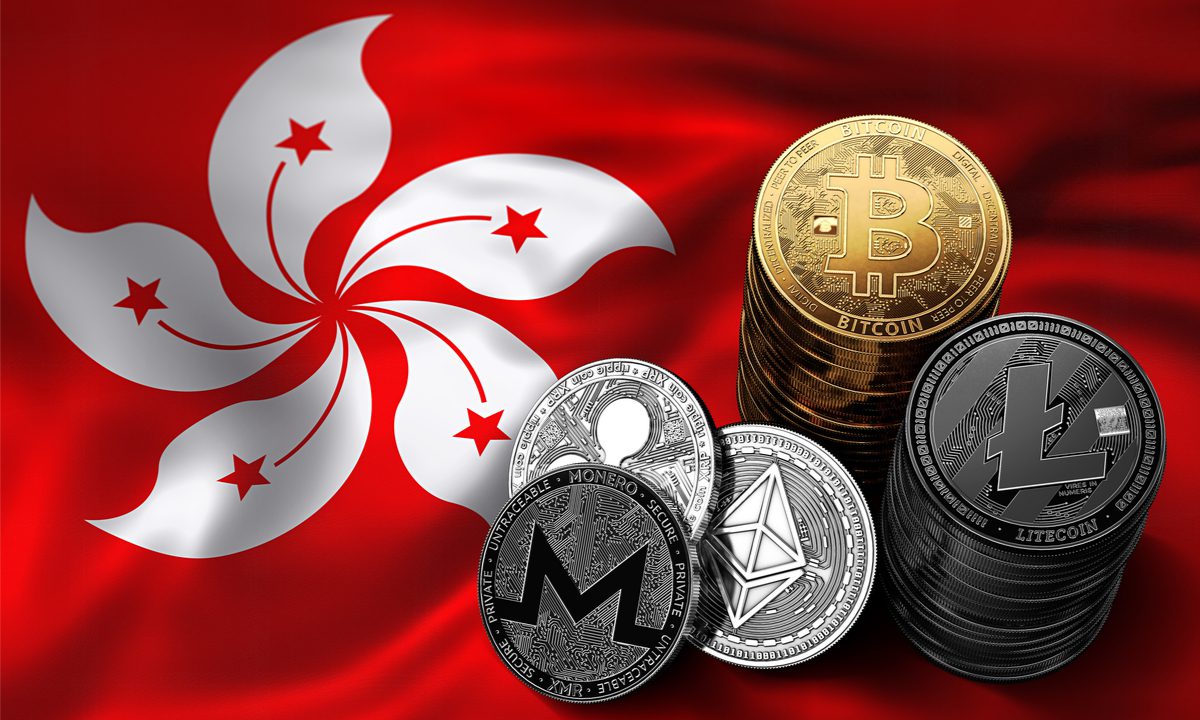
Hong Kong’s government on 26 June issued its Policy Statement 2.0 on the development of digital assets, signalling a decisive push to position the city at the forefront of the global crypto landscape. The statement introduces the comprehensive “LEAP” framework—Legal, Expand, Advance, People—underlining a mission to develop a trusted, innovative, and deeply integrated ecosystem for digital assets.

The regulatory reforms assign explicit oversight roles: the Securities and Futures Commission will licence digital asset exchanges, custodial and dealing services, while the Hong Kong Monetary Authority will govern bank-related activities in the sector. In addition, licensing regimes for stablecoin issuers and custodians are scheduled to commence on 1 August 2025, designed to strengthen anti‑money‑laundering safeguards, investor protection, and transparency in stablecoin issuance.

Central to Policy 2.0 is a commitment to tokenisation of traditional financial instruments and real‑world assets. The government will regularise issuance of tokenised government bonds, streamline stamp‑duty treatment for tokenised ETFs, and legislate to support tokenisation of assets such as precious and non‑ferrous metals, and renewable energy products. These bids aim to boost liquidity and broaden market access, aligning with existing initiatives such as the HK$6.8 billion in green bond token issuances since 2022.

Stablecoins also feature prominently, with proposals to pilot licensed stablecoins in public sector uses. Market consultation is seeking input on integrating these instruments into government operations and cross‑border payments, underpinned by stricter regulatory clarity. Tax incentives for private investment vehicles and family offices trading digital asset securities are expected in the 2025–26 fiscal year, aligning digital and traditional financial regimes.

International alignment is embedded in the blueprint. Hong Kong’s framework adheres to global standards—covering anti‑money‑laundering as per FATF, Basel Committee prudential supervision, IOSCO’s policy recommendations, and OECD crypto‑asset tax transparency measures. Complementary pilot schemes include HKMA’s “Project Ensemble” wholesale central bank digital currency trials, LME‑backed tokenisation of metal assets in Hong Kong warehouses, and a Cyberport‑sponsored incubator scheme to finance blockchain startups.

Since unveiling its original 2022 policy, the government has approved licences for over a dozen digital asset platforms, including nine trading licences and OTC frameworks, and supported tokenised bond issues by both government and corporate entities. Financial Secretary Paul Chan and SFC chief Julia Leung emphasise that this next phase marks a departure from pilot testing, transitioning toward institutionalisation and global competitiveness.

Industry leaders responded positively. Legal and compliance expert Cora Ang described the framework as “a strategic win” that aligns regulatory clarity with stablecoin and tokenisation growth. HashKey CEO Xiao Feng noted the city is entering a “new stage of maturity”, transitioning from sandbox environments to a substantive digital assets regime. Historical drivers such as the JPEX OTC fraud prompted regulators to enforce tighter custody and trading separation to protect investors.

Notably, fintech legal advisers in Hong Kong report surging demand. Firms are actively supporting issuance of tokenised gold and digital bonds, as banks like Bank of Communications and Zhuhai Huafa Group deploy digital debt instruments via licensed platforms. Meanwhile, legal specialists continue to advocate for derivatives, margin‑lending, and institutional frameworks targeted at professional investors.

Hong Kong’s strategic deployment of Policy 2.0 underlines a competitive counterbalance to rival jurisdictions such as Singapore, Dubai, and the US, each advancing their own crypto regulatory frameworks. The city’s alignment with global financial standards—alongside tailored incentives and public‑sector engagement—signals a comprehensive, forward‑leaning posture in digital asset finance.

By K Raveendran When Chief Justice B R Gavai stated the other day that the Constitution is supreme and all arms of governance come under it, it may have seemed like a routine assertion at a felicitation event in his hometown, but in India’s current political atmosphere, it was anything but routine. It was a […]

Trade between the European Union and the East African Community reached €7.7 billion in 2024, marking a robust surge in economic engagement. Data from the EAC Secretariat and the European Commission reveal that Kenya led this growth, accounting for 43 per cent of total EAC trade with Europe. Kenya’s ascent to prominence has been propelled by its position as the region’s primary link to European markets. Under the Economic Partnership […]

Finnish rock band The Rasmus will perform at The Agenda in Dubai on 27 October 2025, as part of their expansive Weirdo Tour, marking their sole Middle East appearance that year. Doors open at 19:00 with the concert slated to begin at 20:00, promising a two‑hour set blending classic hits and new material, with tickets starting from AED 300. Formed in Helsinki in 1994, The Rasmus rose to […]

GUIYANG, CHINA – Media OutReach Newswire – 27 June 2025 – Eco Forum Global Guyang 2025 will be held in Guiyang, Guizhou from July 5th to 6th. Guizhou, located in the southwest of China, is using an ecological pen to paint a gorgeous green picture along her mountains and rivers. From an ‘Experimental Zone’ to a ‘Pilot Zone’, Guizhou has embarked on a new path of green […]

A decision by Abu Dhabi National Oil Company to slash July shipments of its flagship Murban crude has led to significant trading losses for equity partners hedging their positions, with estimates reaching $12 per barrel. The move stunned major stakeholders, including BP Plc and TotalEnergies SE, forcing abrupt reshuffling in the derivatives market and weighing on profitability metrics. The volume cut, amounting to approximately 3–4 million barrels […]

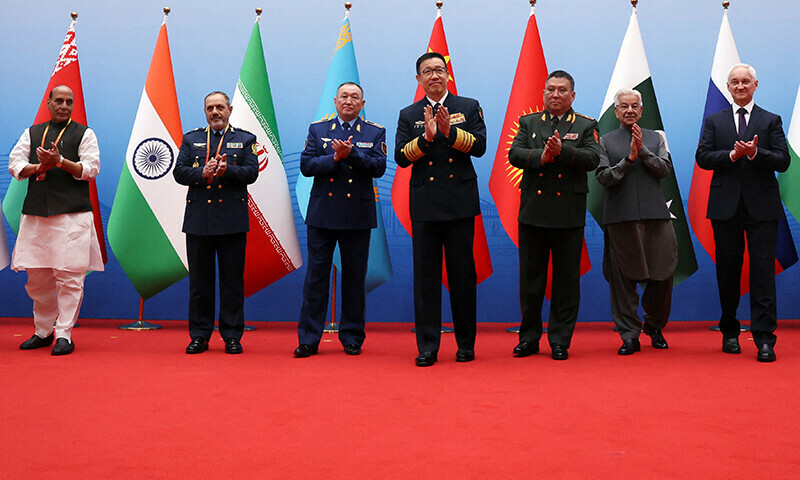
By Nitya Chakraborty India’s total diplomatic isolation was in show in the Shanghai Cooperation Organisation (SCO)’s defence ministers meet in Qingdao city in China on June 25 and 26 when a joint statement was prepared calling upon the members to jointly fight terror but there was no mention of Pahalgam killings on April 22 while […]

The Central Bank of the UAE expanded its gold reserves by 19.3 per cent in the first quarter of 2025, adding AED 4.444 billion to bring the total to AED 27.425 billion as of 31 March, up from AED 22.981 billion at the close of 2024. The bank’s latest statistical bulletin also reveals marked increases across demand, savings and time deposits, alongside robust payment-system activity. Heightened global market unpredictability and a strategic emphasis on diversifying […]

UNESCO has mobilised global policymakers, academics and civil society leaders in Bangkok to cement the adoption of its 2021 Recommendation on the Ethics of Artificial Intelligence, the world’s only universal AI ethics framework endorsed by all 194 member states. With over 1,200 delegates from 88 nations and more than 35 ministers present, the third Global Forum on the Ethics of AI underlined the urgency of embedding ethics […]

OVHcloud posted €271.9 million in revenue for its third quarter of fiscal 2025, representing organic growth of 9.3%, and confirmed its projection to exceed €1 billion in annual revenue. The Paris‑listed cloud provider attributed the Q3 gains to sustained demand for its Public Cloud arm, which grew 17.2% year‑on‑year to €53.6 million, and a revival in Private Cloud, with new customer intake climbing over 25% in its bare‑metal offering. Web […]

Santos has granted a six‑week exclusive due‑diligence period to a consortium led by Abu Dhabi’s National Oil Company, signalling serious progress towards its A$36.5 billion takeover proposal.

The consortium, comprising ADNOC’s investment arm XRG, Abu Dhabi Development Holding Company and private equity investor Carlyle, has placed an all‑cash offer of A$8.89 per share—representing a roughly 28 per cent premium on Santos’s previous closing price. Santos’s board is prepared to endorse the deal, pending satisfactory outcomes from due diligence, no better competing bids and approval by an independent fairness expert.

Should the offer proceed, it would mark Australia’s largest-ever all‑cash corporate takeover and rank among the top three transactions nationally—holding an enterprise value near A$36.4 billion.

The acquisition targets Santos’s LNG assets, including Australia’s Gladstone and Darwin facilities, plus substantial interests in Papua New Guinea’s LNG project and the forthcoming Papua LNG development. XRG aims to build an integrated gas and LNG portfolio capable of delivering 20–25 million tonnes annually by 2035.

Adhering to regulatory requirements, the consortium has signed confidentiality agreements and secured exclusive negotiating rights for this due‑diligence phase.

Santos’s management is forecasting a binding scheme implementation agreement before enabling a shareholder vote needing at least 75 per cent support, as per Australian scheme‑of‑arrangement rules. Shareholder approval will depend on a legal and financial assessment of the offer’s fairness.

While the consortium has pledged to maintain Santos’s Adelaide headquarters, preserve local employment, and continue momentum on major projects like the Barossa LNG development and Moomba carbon‑capture initiative, significant regulatory scrutiny lies ahead.

National oversight will involve multiple bodies: Australia’s Foreign Investment Review Board, ACCC, ASIC, and National Offshore Petroleum Titles Administrator; Papua New Guinea’s Securities and Competition commissions; and the US Committee on Foreign Investment due to Santos’s cross-border interests.

Analysts caution that the central risk is FIRB rejection, given Santos’s control over critical gas infrastructure. Potential remedies, like spinning off assets, may invite legal and decommissioning complexities.

South Australian state officials, including Premier Peter Malinauskas and Energy Minister Tom Koutsantonis, have highlighted the importance of protecting domestic jobs, the company’s base, and energy security—leveraging recent legislative powers to oversee licence transfers.

The political backdrop complicates matters, with Treasurer Jim Chalmers in caretaker mode ahead of a potential election. His decision will pivot on FIRB advice and the national interest implications.

Santos has endured pressures in recent years, including a near‑16 per cent drop in annual profit and a 41 per cent dividend cut in 2024. It also abandoned merger negotiations with Woodside that would have created an A$80 billion energy entity.

The consortium’s revised offer follows an initial A$8.00 bid in March, raised to A$8.60 later that month, and now stands at A$8.89—reflecting sustained negotiations and valuation uplifts. Should the agreement proceed, final receipt of regulatory and shareholder clearances could extend into early 2026.

This transaction underscores ADNOC’s growing appetite for strategic LNG assets in the Asia‑Pacific region and exemplifies broader Middle Eastern investment trends in global energy infrastructure. The outcome will influence the balance of power in Australia’s evolving LNG market and set significant precedents for future foreign investment decisions.


Bo Hines, digital asset policy adviser at the White House, confirmed that the United States is actively constructing the infrastructure necessary to support a Strategic Bitcoin Reserve. This initiative follows the executive order signed by President Trump on 6 March 2025, which established both a Strategic Bitcoin Reserve and a broader Digital Asset Stockpile. Hines highlighted that federal agencies have completed accounting for Bitcoin holdings, marking a pivotal step in consolidating treasury-held assets and enabling future acquisitions.

Hines explained that although the order does not compel public disclosure of cryptocurrency holdings, the Treasury may choose to publish a report voluntarily. He emphasised the administration’s inclination to increase government Bitcoin holdings in a budget-neutral way—likely by reallocating existing seized assets or surplus resources—without burdening taxpayers.

The crack team in Washington, including Hines and figures such as David Sacks, are framing Bitcoin as “digital gold”. They contend that, like traditional gold reserves, Bitcoin offers a durable store of value with no central issuer, making it strategically significant for national financial security. Experts point out that such an asset could act as a hedge against inflation and strengthen financial sovereignty, though critics warn of its volatility and speculative nature.

Infrastructure efforts have focused on establishing systems for secure custody, interagency transfer, and real-time accounting of government-held Bitcoin. Hines noted that laying this groundwork is essential before scaling up acquisitions. These efforts reflect a growing shift from regulatory wariness to strategic embrace of digital assets in U.S. policymaking.

Congress is also moving ahead with supporting legislation. The GENIUS Act, jointly advanced by Senators Cynthia Lummis and Tim Scott, is expected to be introduced before the August recess, while further crypto market structure legislation is targeted for completion by September. Hines pointed to this timeline during a session with the senators, underscoring a coordinated push to regulate and support the digital asset space.

State governments and private corporations have already launched Bitcoin-reserve-like initiatives, but the federal programme marks the first national-level effort. This move may be partly inspired by El Salvador’s state-level Bitcoin holding, a model that Hines reportedly examined during conversations with President Nayib Bukele.

Opposition to the federal SBR persists. Economists from the University of Chicago survey unanimously rejected borrowing to acquire crypto assets, citing the speculative nature of Bitcoin. International finance officials—with the European Central Bank in particular—warn that embracing Bitcoin could undermine conventional reserve strategies and monetary stability.

The initiative’s long-term success hinges on robust regulatory clarity. The executive order tasked agencies with full crypto asset accounting and mandated that the Treasury explore budget-neutral acquisition strategies, potentially reallocating portions of gold reserves. These moves aim to balance innovation with fiscal prudence.

As infrastructure construction progresses, the Treasury’s potential publication of federal Bitcoin holdings could signal a new era of transparency and mainstreaming of digital assets in public balance sheets. For stakeholders across government and finance, the outcomes of legislative drafts in the Senate and House will be watched closely.

Dubai’s Roads and Transport Authority has completed a trio of targeted road improvements in Business Bay, seeking to significantly enhance traffic flow, safety, and capacity in the high-density mixed-use district. The works — spanning arterial streets, service roads and bridge access — are part of a wider strategic plan to upgrade Dubai’s road network in line with growing urban demands. At the heart of the project is […]

YouTube will raise the minimum age to livestream independently to 16 from July 22, placing new responsibility on younger creators and aiming to strengthen protections for minors on the platform. Users aged 13 to 15 can still appear live, but only with a visibly present adult supervisor; otherwise, their live chat may be disabled, streams removed or, in repeated cases, channel streaming privileges revoked. This overhaul arrives amid […]

Understanding Asian Cancers and Diabetes Through an Asian Lens SINGAPORE – Media OutReach Newswire – 27 June 2025 – Tanoto Foundation today announced the funding of two transformative, Singapore-based medical research projects focused on diseases that disproportionately affect Asian populations: prevalent and aggressive cancers, and young-onset Type 2 diabetes. The multi-year initiatives aim to generate data-driven insights that can accelerate diagnosis, improve patient outcomes, and guide public […]

Alain Robert, the daredevil climber known as the French Spiderman, has ascended the 116‑metre Meliá Barcelona Sky Hotel without any ropes or harnesses to launch TIGERSHARK—claimed as the world’s first cryptocurrency backed by real‑world extreme sports feats. Clad in Tigershark-branded gear and accompanied by his son, former French Navy marine Julien Robert, he live-streamed the stunt via X to mark what organisers call a “Mission 1: Spiderman & Son” initiative.

Organisers describe TIGERSHARK as part of an emerging “Action Economy” in which each token is tied to real adrenaline-fuelled missions spanning big‑wave surfing, wingsuit flying, motocross and parkour. Holding the token grants access to private events, exclusive behind‑the‑scenes content and athlete “drops” – an attempt to fuse thrill‑seeking with blockchain community building.

Lilly Douse, spokesperson for Tigershark, emphasised the departure from traditional token launches: “not airdrops, not smoke and mirrors, but actual real‑world extreme feats, true adrenaline”. She added that the venture is betting on “guts and grits” as the currency’s value proposition.

Robert’s legacy as an urban climber spans more than 150 structures, including the Burj Khalifa, Eiffel Tower and Petronas Towers, all scaled without safety gear. At his current age in the early 60s, he remains committed to pushing boundaries—and this stunt launches a broader strategy merging sport, entertainment and crypto technology.

Discussions are already underway with elite athletes in other high‑risk disciplines—such as base jumping, parkour, wingsuiting and motocross—to participate in future missions. Tigershark’s roadmap includes sponsorships, branded merchandise, global events and athlete plugins, positioning itself as more than a token, but a fully-fledged action-sports brand powered by cryptocurrency.

The circus‑style unveiling has caught the attention of both crypto enthusiasts and adventure-sport communities. While token offerings tied to lifestyle and entertainment have a precedent, Tigershark’s novel angle lies in monetising raw human risk and authenticity. Crypto commentators on social media have amplified the narrative, describing the stunt as “the realest launch Web3 has seen” and “the wildest crypto launch ever”.

However, critics have raised concerns. The stunt’s stunt‑token concept may attract speculative interest, but some analysts warn linking token value to unpredictable physical events could introduce heightened volatility. Moreover, regulatory scrutiny looms over crypto ventures that employ unconventional marketing tactics, especially those involving public stunts with safety or legality risks.

Tigershark’s strategic focus on live‑streamed extreme feats and token‑holder exclusives mirrors broader trends in Web3: blending content, experience and community. Yet the project must deliver consistency and transparency. Observers will scrutinise whether future missions occur as scheduled, whether token economics remain sound, and whether token-holders genuinely receive promised perks.

By embedding risk and spectacle into its founding act, TIGERSHARK sets itself apart from conventional token launches. Early investor sentiment appears buoyed by novelty and potential for real‑world engagement. But delivering a sustainable “Action Economy” will require navigating regulatory complexities and proving that this fusion of blockchain and extreme sport can transform fleeting adrenaline into long‑term value.

Dubai has been chosen to host SIBOS in 2029, affirming its standing as a global nexus in financial services. The selection reflects growing confidence in its role as a strategic bridge in international banking, marking the beginning of SWIFT’s new hosting rotation featuring emerging financial hubs.

SWIFT—holder of SIBOS, an annual forum for payments, securities, cash management and trade—has scheduled the conference in Frankfurt, Miami, Singapore, and Paris, with Dubai confirmed for 2029. This shift inaugurates a four-year rotation that now includes key regions such as the Middle East, Africa, Latin America and Asia, signalling intent to broaden engagement beyond traditional centres.

This move underscores Dubai’s appeal, anchored in the growth of DIFC, which now hosts nearly 7,000 firms, including the region’s fintech core. SWIFT’s Rosemary Stone emphasised that expanding SIBOS to diverse locations will lend fresh perspectives vital amid accelerating technological shifts and growing fragmentation risks. SWIFT saw record traffic last year, and the conference consistently draws over 10,000 delegates.

UAE Banks Federation and supporting bodies—including DIFC, DWTC, DET and CBUAE—have been credited for bringing SIBOS back to the UAE after its inaugural MENA appearance in 2013. UBF chairman Abdulaziz Al‑Ghurair highlighted that hosting SIBOS 2029 recognises the UAE’s leadership in digital payments innovation and its dedication to payment security and efficiency under CBUAE guidance.

UBF director‑general Jamal Saleh noted that the federation’s National SWIFT User Group, launched in 2021, along with the region’s first SWIFT training centre, have built a strong skill base in payments protocols. He said the bid award demonstrates “global recognition of the UAE’s achievements in payments using advanced technologies under CBUAE’s guidance”.

DIFC’s rapid development since 2004 has turned Dubai into SWIFT’s “Gateway to Africa”, strategically connecting Europe, Asia and Africa. This position enhances Dubai’s role within SWIFT’s network of over 11,500 institutions across more than 200 countries.

Planners are expected to leverage SIBOS’s platform to demonstrate regional innovations, including national payment system strategies, fintech growth, and cyber‑security frameworks. The event offers a showcase for the UAE’s ambitions to expand financial inclusion, digital infrastructure, and regulatory maturity.

The SIBOS win also supports the federal strategy unveiled by the Central Bank in 2019 to enhance customer experience through secure, innovative payment mechanisms. Observers suggest the conference will spotlight initiatives such as real‑time payment, cross‑border settlement solutions, and cloud‑based financial services.

By setting 2029 in Dubai, SWIFT signals that emerging financial ecosystems are not only capable but essential hosts. The planned rotation to include regions beyond the traditional triad marks a pivot in SWIFT’s approach, prioritising breadth of perspective as the global banking system navigates fragmentation.

UBF and its partners have committed to delivering a polished event, guided by rising standards in event production and stakeholder integration. With backing from SWIFT, CBUAE and government tourism authorities, organisers expect delegates to gain both technical insights and policy‑driven dialogue on future‑proofing global finance.

VISHNU RAJA
RYO YAMADA
HITORI GOTOH
IKUYO KITA