News related to
data

Eric Trump, son of former U.S. President Donald Trump, has issued a stark warning to the global banking industry: without embracing cryptocurrency, particularly Bitcoin, banks could face extinction within the next decade. In a bold statement, he emphasised that financial institutions must adapt to the evolving landscape of digital finance or risk being rendered obsolete by the rise of decentralised financial systems. Trump’s remarks come at a […]

Microsoft CEO Satya Nadella has confirmed that between 20% and 30% of the company’s code is now written by artificial intelligence , underlining a significant shift in how software is being developed. Speaking at Meta’s LlamaCon conference, Nadella explained that AI’s growing role in coding reflects broader trends in the tech industry, where machine learning models and advanced algorithms are streamlining development processes and augmenting human programmers’ […]

The Instagram accounts of several high-profile Pakistani actors, including Hania Aamir and Mahira Khan, have been blocked in India, igniting a wave of speculation regarding the reasons behind the sudden move. The affected profiles, which boasted millions of followers, are now inaccessible to users across the border, while others, like Fawad Khan and the Pasoori singers Ali Sethi and Shae Gill, remain unaffected.

This action has raised questions about the influence of geopolitics on social media platforms, with many linking it to the ongoing tensions between India and Pakistan. The rationale behind the selective restriction of some accounts while allowing others to remain online has fueled debate about whether these moves are politically motivated or driven by different factors.

Reports suggest that the blocking of certain accounts, including those of Aamir and Khan, is likely connected to the complex political dynamics between the two nations. While both actors enjoy immense popularity in India, their affiliations with Pakistan have led to their profiles becoming targets amid heightened nationalist sentiments. The decision to block their accounts, however, has sparked an outcry from fans and industry insiders alike, with many expressing their concerns over the restrictions imposed on artists who have long been cultural icons.

Interestingly, despite the suspension of several profiles, some accounts, like those of Fawad Khan, Ali Sethi, and Shae Gill, continue to operate without hindrance. These artists have not faced similar restrictions, which has prompted some to speculate that Instagram’s decisions may not solely be influenced by national political relations but also by other internal policies or even the specific content shared by the users involved.

Fawad Khan, known for his roles in popular Indian television dramas, has remained an important figure in cross-border entertainment, particularly after the success of his shows and films in India. Despite the political challenges faced by the entertainment industry, Khan continues to maintain a strong fanbase in both countries. Similarly, the Pasoori track, which gained significant traction on global music platforms, has kept Ali Sethi and Shae Gill in the spotlight, with their Instagram accounts still accessible in India.

The differing treatment of these celebrities has led to further confusion, as critics point to the selective nature of the blocks. Some observers argue that it may not be a coincidence that the artists who still have access to their social media accounts tend to be those with a more neutral or apolitical public image. For instance, Fawad Khan’s involvement in humanitarian causes, and Sethi and Gill’s focus on music rather than overtly political statements, could have played a role in their profiles escaping the restrictions.

Social media platforms like Instagram have increasingly become an arena for diplomatic and political clashes. Over the past few years, the divide between India and Pakistan, exacerbated by conflicts and tensions over various issues, has had a marked impact on the entertainment industry. Artists from both sides of the border, especially those who have gained recognition in India or Pakistan, have faced scrutiny or even censorship, depending on the prevailing political climate.

This trend, however, has also highlighted the growing influence of digital platforms in shaping public opinion. As people increasingly turn to social media to connect with celebrities, access entertainment, and share opinions, the role of platforms like Instagram in regulating content has come under scrutiny. Critics argue that blocking accounts of artists could have broader implications, affecting the cultural exchange and soft power that both India and Pakistan have historically shared through film, music, and television.

India and Pakistan have a long history of cultural exchange, with artists from both countries enjoying success across the border. Pakistani dramas, films, and music have found a loyal audience in India, while Bollywood actors and singers have been embraced by fans in Pakistan. These cross-border collaborations have often been seen as a bridge between the two countries, offering a form of soft diplomacy that transcends politics. However, the rise of nationalist sentiments in both nations has led to growing restrictions on such collaborations, particularly in the wake of the 2016 Uri attack and subsequent tensions between the two governments.

With the blockage of these Instagram accounts, many are questioning whether the entertainment industry is being used as a tool for political statements, and whether the social media restrictions are an extension of these sentiments. The selective blocking of celebrity accounts could potentially signal the prioritisation of nationalistic policies over the freedom of expression, as the state’s influence over digital platforms grows.

The broader impact of these social media restrictions on the entertainment industry remains to be seen. For artists who have built their careers through online platforms, such as Instagram, the sudden loss of access to millions of followers in a major market like India is a blow to their brand and reach. The effect on their career prospects in India may be significant, as the platform serves as a primary means of communication with fans, especially during the promotional phases of their work.


The Grindery team has introduced Aventino, a new wallet infrastructure designed to streamline payments for AI agents. This development marks a significant advancement in the realm of artificial intelligence, offering an innovative solution aimed at improving the transaction process between AI agents and users. Aventino was launched after extensive efforts to build a permissionless payments layer for AI agents, making it easier for these systems to engage in secure, autonomous transactions without the need for human intervention.

Aventino, a developer-focused platform, seeks to solve the complex problem of integrating payment functionalities into AI systems. The wallet is crafted to provide smart wallets that allow AI agents to store, manage, and transfer digital assets seamlessly. The introduction of this platform opens up new opportunities for automation, enabling AI agents to handle transactions, subscriptions, and various forms of digital exchanges autonomously, with minimal oversight from humans.

Grindery, already known for its Telegram-based smart wallet, has taken a step further with Aventino, targeting developers seeking to build decentralized applications and tools for AI-driven systems. By offering a robust and scalable wallet infrastructure, Aventino positions itself as a crucial building block in the rapidly evolving world of AI and blockchain technology. Developers can now integrate these payment systems directly into their AI agents, facilitating a smoother user experience and greater functionality.

The importance of such infrastructure cannot be overstated, as AI systems continue to gain sophistication and autonomy. For AI agents to function efficiently in various real-world applications—whether in financial services, healthcare, or supply chain management—they need a secure and reliable method of handling transactions. Aventino’s design addresses this need by offering an easy-to-use interface that makes it simple for AI agents to interact with blockchain networks.

Aventino provides a permissionless structure, meaning it does not require centralised control or approval to facilitate transactions. This feature is particularly appealing in an age where decentralisation is a priority for many industries, including finance and AI. It also aligns with the growing push for greater transparency and security in digital finance systems. By offering a decentralised infrastructure, Aventino enhances the autonomy of AI agents, allowing them to make decisions and execute transactions without the need for a trusted third party.

The wallet infrastructure also integrates with existing blockchain ecosystems, including Ethereum, which is widely recognised for its smart contract capabilities. This compatibility ensures that AI agents using Aventino can easily participate in decentralized finance activities, as well as interact with a broader ecosystem of dApps. With the rise of DeFi, it is crucial for AI systems to have access to this fast-growing financial network, and Aventino positions itself as a gateway to these opportunities.

The development of Aventino is part of a broader trend of increasing automation within the digital economy. As AI continues to penetrate various industries, the demand for autonomous payment solutions grows. Traditional payment systems have limitations in handling the high volume and speed of transactions required by AI-driven systems. With Aventino, the Grindery team is offering a tailored solution that ensures AI agents can operate with the same efficiency and reliability expected from human-driven transactions.

Grindery’s approach to AI agent payments is also notable for its emphasis on ease of integration. Developers do not need to build their own payment systems from scratch. Instead, they can leverage Aventino’s infrastructure to quickly integrate payment capabilities into their AI systems. This not only saves time and resources but also allows developers to focus on other aspects of AI development, such as functionality and user experience.

The potential use cases for Aventino are vast. In industries like finance, AI agents can manage portfolios and execute trades based on real-time market data. In healthcare, they could manage patient records and process payments for services without human involvement. Similarly, in logistics, AI agents can oversee supply chain transactions, ensuring that payments are made on time and that goods are delivered as scheduled. Aventino enables these applications by ensuring that transactions are secure, fast, and reliable.

Grindery’s decision to design Aventino for developers shows a deep understanding of the needs within the AI and blockchain communities. The platform is built to offer flexibility, allowing developers to customise the wallets to meet the specific needs of their AI agents. Whether it’s a simple transaction or a more complex payment structure, Aventino can handle a variety of transaction types, providing developers with a powerful tool to bring their projects to life.

One of the core advantages of Aventino is its scalability. As AI adoption grows, so too will the demand for AI-driven payment solutions. Aventino’s infrastructure is designed to scale with the increasing complexity of AI systems and the growing volume of transactions. This ensures that the platform can accommodate the needs of both small developers and large enterprises as they seek to build more advanced AI applications.

Ripple’s attempt to acquire stablecoin issuer Circle for up to $5 billion has been declined, with the offer deemed insufficient by Circle’s leadership. The proposed acquisition, reported by Bloomberg, was intended to strengthen Ripple’s position in the stablecoin market, where its own RLUSD holds a comparatively modest market capitalisation of approximately $317 million. In contrast, Circle’s USDC boasts a market cap exceeding $60 billion, underscoring the significant disparity between the two entities.

The bid surfaced shortly after Circle filed for an initial public offering in early April, signalling its ambition to become a publicly traded company. Sources familiar with the matter indicate that Circle is prioritising its IPO plans and views the acquisition offer as undervaluing its market potential. Given the timing and Circle’s strategic direction, the rejection of Ripple’s bid aligns with its focus on independent growth through public listing.

Ripple, known for its XRP token and blockchain-based payment solutions, has not ruled out the possibility of revisiting the acquisition. However, no definitive decision has been made regarding a subsequent offer. The company has been actively expanding its portfolio, including the recent acquisition of prime brokerage firm Hidden Road for approximately $1.25 billion, aiming to enhance its infrastructure and service offerings in the digital asset space.

  Findings from independent study support existing aerosol chemistry analyses that suggest waterpipe use may result in lower exposure to harmful chemicals than cigarette smoking  The world’s first charcoal-free shisha product, OOKA, emits substantially lower levels of harmful and potentially harmful constituents (HPHCs) than both traditional charcoal-heated waterpipes and combustible cigarettes, according to a new peer reviewed study published  in Nature’s Scientific Reports.   The study provides substantive new […]

SINGAPORE – Media OutReach Newswire – 1 May 2025 – Fieldnotes, a premier online cake delivery service known for its artisanal creations, is unveiling its exclusive Mother’s Day collection titled ‘In Bloom, For Her’. The collection invites customers to show their love and appreciation for mothers with nature-inspired flavours and feature a special Mother’s Day weekend event at the brand’s Neil Road outlet, where attendees can experience […]

Advertisements

Alibaba has unveiled Qwen3, a new family of open-source large language models that the company describes as a significant milestone in the journey toward artificial general intelligence and artificial superintelligence . The flagship model, Qwen3-235B-A22B, has demonstrated superior performance in several benchmarks, surpassing models from OpenAI and DeepSeek. The Qwen3 series comprises six dense models and two Mixture-of-Experts models, ranging from 0.6 billion to 235 billion parameters. […]

The U.S. Securities and Exchange Commission has concluded its investigation into PayPal’s U.S. dollar-backed stablecoin, PYUSD, without pursuing any enforcement action, according to the company’s regulatory filing dated April 29. This development removes a significant regulatory hurdle for PayPal’s digital asset initiative.

The SEC’s inquiry began in November 2023 when PayPal received a subpoena from the Division of Enforcement, requesting documents related to the launch and structure of PYUSD. PayPal stated that it fully cooperated with the SEC’s requests. In February, the SEC notified PayPal that it had concluded its investigation and did not intend to recommend any enforcement action. Investigation With No Enforcement Action, The SEC drops investigation into PayPal’s stablecoin – Mitrade)

PYUSD, launched in August 2023, is designed to be fully backed by U.S. dollar deposits, including short-term Treasuries and cash equivalents, and is redeemable at a 1:1 ratio with the U.S. dollar. Despite its backing and PayPal’s prominent position in the digital payments space, PYUSD has faced challenges in gaining significant market share in a stablecoin market dominated by competitors like Tether and Circle. Investigation With No Enforcement Action, PayPal Says SEC Drops Probe Into Its Dollar-Pegged Stablecoin)

As of April 2025, PYUSD’s market capitalization stands at approximately $880 million, representing less than 1% of Tether’s $148.5 billion market cap. However, the stablecoin has experienced growth in 2025, with a 75% increase in circulating supply since the beginning of the year, although it remains 14% below its peak supply of just over $1 billion in August 2024.

PayPal has introduced initiatives aimed at bolstering PYUSD’s adoption. On April 23, the company announced a new loyalty offering that allows U.S. users to earn 3.7% annually for holding PYUSD on the platform. Additionally, on April 24, PayPal revealed a partnership with Coinbase to enhance the adoption of PYUSD, aiming to drive new and innovative use cases within the cryptocurrency community.

The SEC’s decision to close the investigation into PYUSD without enforcement action aligns with a broader trend of the agency concluding several crypto-related cases. In recent months, the SEC has ended probes into companies such as Crypto.com, Robinhood Crypto, Coinbase, and Gemini, indicating a potential shift in the regulatory approach towards the cryptocurrency industry. Investigation With No Enforcement Action)

This regulatory clarity comes as PayPal reported strong first-quarter earnings, with earnings per share surpassing Wall Street forecasts at $1.33 and revenue rising 1% year-over-year to $7.8 billion. The company also highlighted the completion of significant share repurchase activities during the quarter. Investigation With No Enforcement Action)

SINGAPORE – Media OutReach Newswire – 30 April 2025 – Coda, a leader in digital content monetization, today released its inaugural Environmental, Social, and Governance (ESG) Report, detailing its commitment to sustainable growth, responsible operations, and creating long-term value for its stakeholders. The report details its ESG commitments and progress to-date across three business-critical areas that align with the broader fintech and payments industry’s focus. They are […]

By K Raveendran Trump’s aggressive tariff war with China – built on a throwback protectionist logic more suited to the 1800s than today’s intertwined economy – has driven Chinese firms to redeploy their strategies. Major Chinese exporters, now facing punitive U.S. tariffs as high as 145 percent, are desperately seeking other markets and partners. Chinese […]


Telegram has partnered with Libre to tokenize $500 million worth of bonds, marking a significant step in the integration of traditional financial instruments with blockchain technology. This collaboration is set to bring Telegram’s bond offerings onto The Open Network , a blockchain designed to enable scalable and fast transactions. The move represents a noteworthy expansion of Telegram’s efforts to bridge the gap between conventional finance and decentralised finance .

The Telegram Bond Fund will serve as a platform through which these tokenized assets can be utilised within DeFi protocols. This integration allows the bonds, typically constrained to traditional markets, to become part of the rapidly growing blockchain-based financial ecosystem. By leveraging the TON network, Telegram and Libre aim to make bond trading more accessible, transparent, and efficient, tapping into the growing demand for tokenised assets in the DeFi space.

The use of blockchain technology for tokenizing bonds allows for fractional ownership, providing an opportunity for retail investors to participate in markets traditionally dominated by institutional investors. Blockchain’s inherent security and transparency features are expected to provide an additional layer of trust and legitimacy to bond markets. Investors will be able to trade these tokenized bonds with greater speed and efficiency compared to conventional methods, which often involve lengthy settlement times and high fees.

The Telegram Bond Fund’s tokenisation process will employ the TON blockchain to ensure a seamless transfer of digital assets. This process allows for bonds to be divided into smaller units, or tokens, which can be traded and transferred across the TON network. Each token will represent a share in the underlying bond, enabling investors to buy, sell, or hold them as they would any other digital asset. This could have profound implications for both the bond market and the broader DeFi space, which has long sought to integrate more traditional financial products into its decentralised framework.

For Telegram, the move is a strategic effort to expand its financial ecosystem beyond its messaging platform. Telegram has already introduced several innovative features, including its TON-based cryptocurrency wallet and TON coin. By introducing tokenised bonds, Telegram is broadening its financial services, positioning itself as a key player in the intersection of social media, messaging, and decentralised finance. The platform’s large user base offers a unique advantage, providing instant access to millions of potential investors who may be drawn to the ease of using Telegram for both social communication and financial transactions.

Libre’s role in the partnership is crucial, as it will facilitate the actual process of tokenisation and integration with DeFi protocols. The company has built its reputation by bridging traditional finance with blockchain technology, creating platforms that allow traditional assets to be digitised and traded on decentralised networks. Libre’s expertise in this area will enable the successful launch and operation of the Telegram Bond Fund, ensuring that the tokenised bonds adhere to the necessary legal and regulatory standards.

The integration of tokenised bonds into DeFi protocols opens up new possibilities for yield generation and liquidity provision. Investors will not only be able to buy and hold these digital bonds, but also engage in activities such as staking or lending within the TON network’s decentralised finance protocols. This could provide an additional avenue for users to earn returns on their investments, further increasing the appeal of tokenised bonds in the DeFi space.

As blockchain technology continues to mature, tokenisation of traditional assets like bonds is becoming increasingly common. This trend reflects a broader movement towards digitising traditional financial systems to make them more accessible, efficient, and user-friendly. For years, the potential for blockchain to revolutionise financial markets has been discussed, but the adoption of tokenisation is now gaining significant traction, with many believing that the future of finance lies in decentralised networks and digital assets.

Telegram’s entry into the bond tokenisation space is another step towards fulfilling this vision, making it possible for individuals to participate in financial markets in ways that were previously unavailable. It also signals the increasing importance of platforms like TON, which offer an infrastructure capable of supporting large-scale tokenisation projects. With the backing of a messaging platform as influential as Telegram, the success of this venture could pave the way for more established financial institutions to consider similar integrations with blockchain networks.

The regulatory landscape surrounding tokenisation remains a complex issue. While blockchain technology offers many advantages, including transparency and decentralisation, it also presents challenges in terms of legal compliance, especially when it comes to securities laws. However, Telegram’s entry into this market, along with the legal oversight provided by Libre, suggests that the project is designed to meet regulatory requirements, which may help alleviate concerns about the legality and legitimacy of tokenised bonds.

The South African rand edged lower on Tuesday, trading at 18.57 to the US dollar, as investors awaited clarity on the government’s revised fiscal strategy following the withdrawal of a proposed value-added tax increase. The currency’s 0.43% decline reflects market unease amid ongoing political disputes and fiscal recalibrations. Finance Minister Enoch Godongwana is expected to present a third iteration of the national budget after shelving plans to […]

A consortium of philanthropic organisations has launched a $500 million fund aimed at reducing maternal and newborn mortality rates across sub-Saharan Africa. The initiative, known as the Beginnings Fund, was announced in Abu Dhabi and is spearheaded by the Bill & Melinda Gates Foundation, the Mohamed Bin Zayed Foundation for Humanity, and other partners. The fund aims to save the lives of 300,000 mothers and infants by […]

Enabling customers to make better informed sustainability and business decisions 14 environmental data attributes now covering 70% of product turnover HONG KONG SAR – Media OutReach Newswire – 30 April 2025 – Schneider Electric, the leader in the digital transformation of energy management and automation, has launched its Environmental Data Program. This initiative, which builds on the legacy Green Premium label, provides customers with unique access to […]

Saturday Morning Breakfast Cereal by Zach Weinersmith By Zach Weinersmith | 2.3K Followers Read Ad-Free! Navigate this comic without interruption from ads. $2.92/month Billed as $34.99/annually start a 7-day free trial Already a member? Sign In Advertisement Five Favorites from Saturday Morning Breakfast Cereal If you love Saturday Morning Breakfast Cereal, you might also like: Advertisement Adblock test (Why?)

flynas has entered into an agreement with Safran to outfit its upcoming fleet of 60 Airbus A320neo aircraft with the latest-generation Z200 seats. The memorandum of understanding was formalised during the Arabian Travel Market in Dubai, with deliveries scheduled to commence in the latter half of 2025.

Each aircraft will feature a 174-seat configuration, comprising both Economy and Premium class sections. The Premium section, spanning four rows at the front of the cabin, will offer enhanced passenger comfort with wider seat pitch, adjustable headrests, and a middle seat blocker to provide additional personal space. The Economy class will be equipped with seats designed for medium- to long-haul flights, incorporating features such as smart cushions, portable electronic device holders, dual USB-A and USB-C power ports with 60W output, lower literature pockets, coat hooks, and cup holders.

Bander Almohanna, CEO of flynas, highlighted that this collaboration aligns with the airline’s expansion strategy, which aims to connect Saudi Arabia with 250 international destinations, accommodate 330 million passengers, and host 100 million tourists annually by 2030. He stated that the partnership with Safran is instrumental in reimagining flynas’ future cabins with smart design and advanced technologies, offering passengers a unique and comfortable travel experience.

Quentin Munier, Executive Vice President of Safran Seats France, expressed enthusiasm about the collaboration, noting that this marks Safran’s first partnership with flynas. He emphasized that the Z200 seats are designed to deliver benefits for both passengers and operators, enhancing comfort and operational efficiency.

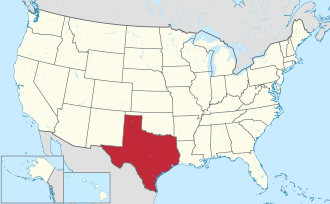
A federal judge in Texas has ruled that the U.S. Treasury Department’s Office of Foreign Assets Control acted beyond its legal authority when it sanctioned the cryptocurrency mixer Tornado Cash, permanently barring the agency from reimposing such sanctions.

Judge Robert Pitman of the U.S. District Court for the Western District of Texas issued the decision on April 28, stating that OFAC’s designation of Tornado Cash’s smart contracts in August 2022 exceeded the agency’s statutory powers. The court’s ruling follows OFAC’s earlier action on March 21, 2025, when it officially removed Tornado Cash from its Specially Designated Nationals and Blocked Persons List, effectively lifting the sanctions.

The sanctions had been imposed on Tornado Cash for allegedly facilitating the laundering of over $7 billion in virtual currencies, including funds stolen by North Korea’s Lazarus Group. However, the court found that OFAC’s action against the platform’s autonomous smart contracts was not supported by the International Emergency Economic Powers Act , which governs the agency’s sanctioning authority.

In November 2024, the U.S. Court of Appeals for the Fifth Circuit had already determined that OFAC had overstepped its authority by sanctioning Tornado Cash’s immutable smart contracts, which do not qualify as “property” under federal law. This appellate decision laid the groundwork for the Texas district court’s subsequent ruling, which emphasized that OFAC cannot reimpose sanctions on Tornado Cash in the future.

Despite the lifting of sanctions, the legal challenges for Tornado Cash’s developers persist. Roman Storm and Roman Semenov, co-founders of the platform, were indicted in August 2023 by the U.S. Department of Justice on charges including conspiracy to commit money laundering, conspiracy to operate an unlicensed money transmitting business, and conspiracy to violate the IEEPA. The DOJ alleges that Tornado Cash was used to launder more than $1 billion in criminal proceeds, including hundreds of millions of dollars for the Lazarus Group.

Roman Storm was arrested in Washington State and is currently awaiting trial, scheduled for July 2025. Roman Semenov remains at large and has been added to OFAC’s sanctions list. Additionally, Alexey Pertsev, another developer associated with Tornado Cash, was arrested in the Netherlands in August 2022 and was sentenced in May 2024 to five years and four months in prison for money laundering.

The court’s decision has significant implications for the regulation of decentralized technologies. By ruling that OFAC cannot sanction autonomous smart contracts, the judgment underscores the challenges regulators face in applying traditional legal frameworks to decentralized platforms that operate without centralized control.

MACAU SAR – Media OutReach Newswire – 30 April 2025 – In celebration of the 30th anniversary of diplomatic relations between China and Monaco, Galaxy Macau™ proudly presents the “Galaxy Music Gala: A Musical Journey from Monaco to Macau“. On May 21. This prestigious evening of classical music celebrates the deepening friendship between China and Monaco over the years with musical charm, further promoting exchanges and cooperation […]

The Democratic Republic of Congo and Rwanda have formalised a U.S.-mediated agreement aimed at drafting a peace deal by 2 May, marking a significant step towards resolving long-standing hostilities in eastern Congo. The declaration, signed in Washington on 25 April, commits both nations to respect each other’s sovereignty, cease support for armed groups, and establish a joint security mechanism to combat regional instability. The agreement was signed […]

Saturday Morning Breakfast Cereal by Zach Weinersmith By Mark Anderson | 4.6K Followers Read Ad-Free! Navigate this comic without interruption from ads. $2.92/month Billed as $34.99/annually start a 7-day free trial Already a member? Sign In Advertisement Five Favorites from Andertoons If you love Andertoons, you might also like: Advertisement Adblock test (Why?)

Jollibee Group remains the sole Philippine-based company to be recognized by the prestigious award MANILA, PHILIPPINES – Media OutReach Newswire – 29 April 2025 – The Jollibee Group, one of the world’s fastest-growing restaurant companies, has once again been recognized for its commitment to fostering a joyful workplace culture. For the fourth time, the company has received the Gallup Exceptional Workplace Award (GEWA)—a prestigious global recognition given […]

Matein Khalid My idea of nirvana Xanadu and Lotus Land is an eme​rging markets strategy bull session in the Waldorf cigar lounge with two bros who can dissect the best money making ideas in EM FX, EM sov debt and EM equities in the dozen odd countries where we see macro fairytales and masala shorts in sectors/countries on the precipice of emergi​ng nightmares from Brazil to Hong […]

Kazakhstan’s oil production from April 1 to 28 reached 1.814 million barrels per day , exceeding its OPEC+ quota of 1.473 million bpd by over 340,000 bpd, despite a 3% decline from March’s average. This overproduction continues a pattern observed in previous months, with March’s output at 1.8 million bpd, surpassing the quota by 332,000 bpd. The Chevron-led Tengiz oilfield, Kazakhstan’s largest, has been a significant contributor […]

VISHNU RAJA
RYO YAMADA
HITORI GOTOH
IKUYO KITA
Just in:
Middle East governments assess Iran war after US vote // AI trust gap reveals distinct retail priorities: Divergent paths to consumer growth in Hong Kong and the GBA // ADIA and partners establish $1.4 billion aviation venture // Vance attributes Republican midterm defeats to Iran conflict // Fast Just Got Fastest: STING Energy Boost™ Celebrates Kimi Antonelli’s Formula 1® World Championship and the Fan Energy Behind It // Vingroup And Legends Global Announce Strategic Partnership For VinFast – Trong Dong Stadium // ADIPEC leaders urge investment in global energy networks // Pinarayi faults UDF over mounting road crashes // BJP’s Aggressive Response Exposes Anxiety Over Opposition Unity // As AI Reshapes Education, Singapore Convenes Global Dialogue on the Future of Early Childhood Education // Burying Head In “India Made Poverty Reduction” Data Is Dangerous // Arrow Electronics showcases technologies advancing intelligent robotics, mobility and digital infrastructure // xCube Access Welcomes Entrust Capital Limited  Expanding Access to Professional Portfolio Management // Utilities pursue ₹1,992 cr in unpaid bills // XRG secures agreement for $1.45bn Australian LNG stake // U.S. Mid Term Result Is A Clear Verdict Against Trump’s Authoritarianism // DIP Holding targets Dh1.12 IPO price and $529m proceeds // Ta’ziz finalises $1.39bn funding for Ruwais industrial facilities // ADIA and partners establish $1.4 billion aviation venture // Assembly ruckus trial begins after 11 years //