Just in:
xCube Access Welcomes Entrust Capital Limited  Expanding Access to Professional Portfolio Management // Anthropic to prohibit persistent abuse of Claude chatbot // Vance attributes Republican midterm defeats to Iran conflict // BJP’s Aggressive Response Exposes Anxiety Over Opposition Unity // Arrow Electronics showcases technologies advancing intelligent robotics, mobility and digital infrastructure // Ta’ziz finalises $1.39bn funding for Ruwais industrial facilities // Meraas showcases five residential zones at Dubai Design Week // Burying Head In “India Made Poverty Reduction” Data Is Dangerous // After Reaching 7 Million Users in the Philippines, Skyro Launches Transparent Cash Loans in Malaysia // U.S. Mid Term Result Is A Clear Verdict Against Trump’s Authoritarianism // Hong Kong mandates crypto transaction disclosures to tax authorities // SC to examine students’ exam plea today // Middle East governments assess Iran war after US vote // Oil and chip shares retreat after Democratic victories // Democrats capture Senate majority with seven Republican seats // OpenAI identifies 948 Linux privilege escalation flaws using AI // Dubai boat show confirms international shipyard line-up for November // Cyberport Venture & Capital Forum 2026 Grand Opening // Fast Just Got Fastest: STING Energy Boost™ Celebrates Kimi Antonelli’s Formula 1® World Championship and the Fan Energy Behind It // As AI Reshapes Education, Singapore Convenes Global Dialogue on the Future of Early Childhood Education //

News related to
data

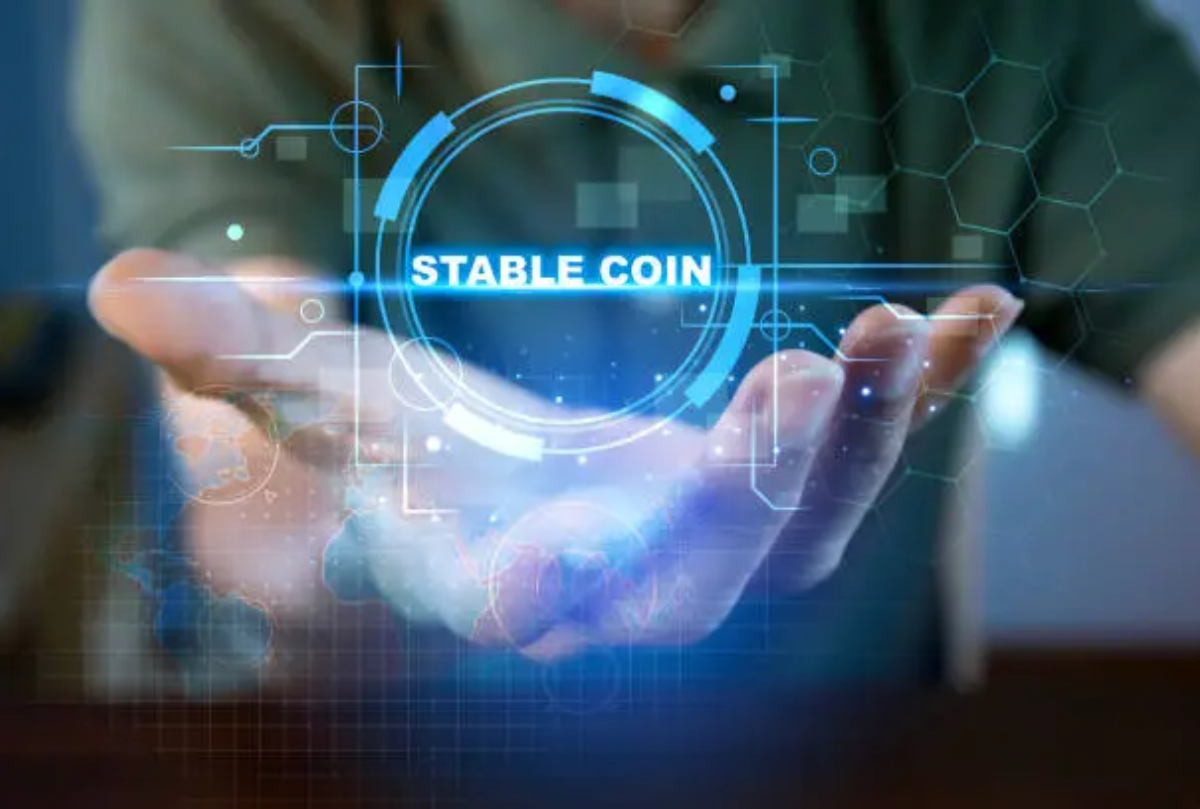
Mastercard and Circle have deepened their collaboration to enable settlement of transactions in USDC and EURC stablecoins for acquirers and merchants across Eastern Europe, the Middle East and Africa. Arab Financial Services and Eazy Financial Services are among the first institutions to access this capability, which integrates stablecoin payments into Mastercard’s established global network.

The initiative marks a clear shift towards tokenised money. Mastercard’s President for EEMEA, Dimitrios Dosis, emphasised the ambition to bring stablecoins into mainstream finance by investing in infrastructure, governance and partnerships, while leveraging the company’s longstanding expertise in security and compliance. Kash Razzaghi, Chief Business Officer at Circle, framed the move as a step towards “borderless, real‑time commerce,” seeking to make USDC as ubiquitous as traditional payments.

Arab Financial Services highlighted the tangible value of the new model: improved liquidity, operational efficiencies and dramatically reduced friction in high‑volume reconciliations. Eazy Financial Services underscored how the expanded settlement option aligns with its mission to offer faster, more secure, and efficient payment solutions, setting a fresh standard for digital settlements in EEMEA.

This development builds on existing collaborations such as crypto payment card solutions with the likes of Bybit and S1LKPAY, which already use USDC for settlement in the region. Mastercard further extends its stablecoin portfolio beyond USDC and EURC, already supporting USDG, FIUSD and PYUSD across various use‑cases spanning remittances, B2B, and payouts via platforms like Mastercard Move and the Multi‑Token Network, underpinned by its Crypto Credential and Crypto Secure frameworks.

Financial infrastructure experts view the rollout as particularly meaningful for emerging markets. World Bank data indicates cross‑border transfer costs remain high—around 8% on average—far exceeding the UN’s Sustainable Development Goal threshold of 3%. Introducing stablecoin settlement is expected to trim costs, accelerate transfers, and bolster working capital and currency resilience for small and medium businesses.

Analyses point to early adopters witnessing significant gains: settlement speeds up by 30%, and liquidity costs drop around 20%, according to some reports. Mastercard’s compliance infrastructure, combined with evolving regulatory frameworks like the European MiCA and US GENIUS Act, fosters institutional trust in this digital settlement evolution.

Circle is working to fortify USDC’s global footprint beyond this initiative. Its broader strategy includes partnerships with Finastra to plug USDC into traditional payment hubs, OKX for zero‑fee USDC conversions, and ventures with SBI Group and Ripple in Asia—all aimed at building liquidity, interoperability and widespread adoption.
By K Raveendran There are increasing signals that Trump’s weaponised tariffs will most likely be his nemesis. A US court of appeals has thrown out his tariffs against other nations, ruling that he exceeded his authority in declaring an emergency to justify the draconian measures. The development is more than a legal setback; it strikes […]

Nigeria’s energy shortfall continues to constrict economic potential, affecting millions of homes and businesses, prompting a call from Ronald Adams—Chairman of the off‑grid impact fund All On and Managing Director of Shell Nigeria Exploration and Production Company —for substantial private investment to close the gap. Addressing business leaders at the Lagos Chamber of Commerce and Industry’s 2025 International Business Conference & Expo, Adams highlighted that over 80 million Nigerians lack […]

Sui Network and Alibaba Cloud have unveiled an artificial intelligence‑powered coding assistant for the Move programming language, embedded directly within ChainIDE to enhance developer experience from the outset.

An AI assistant has been introduced into ChainIDE, Sui’s flagship development environment, enabling developers to generate Move code through natural language prompts in English, Chinese and Korean. The assistant provides intelligent autocompletion, real‑time security checks, automated documentation and readily available templates—features engineered to smooth out common roadblocks in smart contract development.

This integration aligns with the growing convergence of AI and blockchain innovation, offering a unified environment where developers can focus more on creativity and less on syntax or language barriers.

Market reception has been positive. The SUI token’s price climbed between one and 2.1 percent following the announcement, reaching approximately $3.44, signalling investor confidence despite a generally bearish crypto climate.

Behind the integration lies a broader strategy to lower entry barriers for Move developers—particularly non-English speakers, who constitute a significant portion of the global Web3 community. By offering multilingual support, the tool opens the door for wider participation across Asia and beyond.

Industry observers suggest that this could translate into increased developer engagement and boosted ecosystem activity. The intelligent tooling is expected to streamline dApp deployment, reduce development cycles and yield more robust, secure code—even for newcomers to blockchain development.

Emerging data underscores this potential. Preliminary reports indicate a possible 40 percent uplift in developer activity within the Sui ecosystem, alongside rising application deployment and on‑chain usage. When combined with enhanced tooling and cloud infrastructure from Alibaba Cloud, this surge can help catalyse a flywheel effect: more developers, more dApps, more users, stronger demand for SUI through gas fees and staking.

Alibaba Cloud contributes more than software. The alliance includes node infrastructure support and enterprise‑grade scalability capabilities, reinforcing the network’s ability to handle higher transaction volumes and support institutional use cases.

Security remains a key consideration. The assistant’s real‑time vulnerability detection helps flag potential issues such as reentrancy risks or inefficiencies before deployment. Yet concerns persist about overreliance on AI-generated code, emphasising the importance of combining automation with developer oversight.

Institutional momentum continues to build. Swiss custodial services and SUI‑centric investment vehicles have entered the ecosystem, signalling growing trust. Meanwhile, developer outreach events in financial hubs such as Hong Kong, Singapore and Dubai are helping showcase Sui’s AI‑enhanced toolkit to enterprises and Web3 innovators.

Fenerbahce have parted ways with José Mourinho, bringing to an end his tenure as head coach of the Turkish giants just two days after the team failed to advance past Benfica in the Champions League play‑off. The club confirmed the decision, describing it as mutual, and extended their appreciation for his contributions to the first team since the 2024–25 season. Mourinho’s dismissal underscores the significance Fenerbahce placed […]

A sophisticated cyber‑espionage operation is exploiting Windows shortcut files disguised alongside seemingly genuine PDF newsletters to surreptitiously infiltrate institutions across Asia and the Middle East. This deeply orchestrated campaign has been attributed to APT‑37, a North Korean‑linked group known for precision targeting. Threat actors dispatch archives containing a PDF titled “National Intelligence Research Society Newsletter” together with a malicious companion: an LNK file that mirrors the PDF’s […]

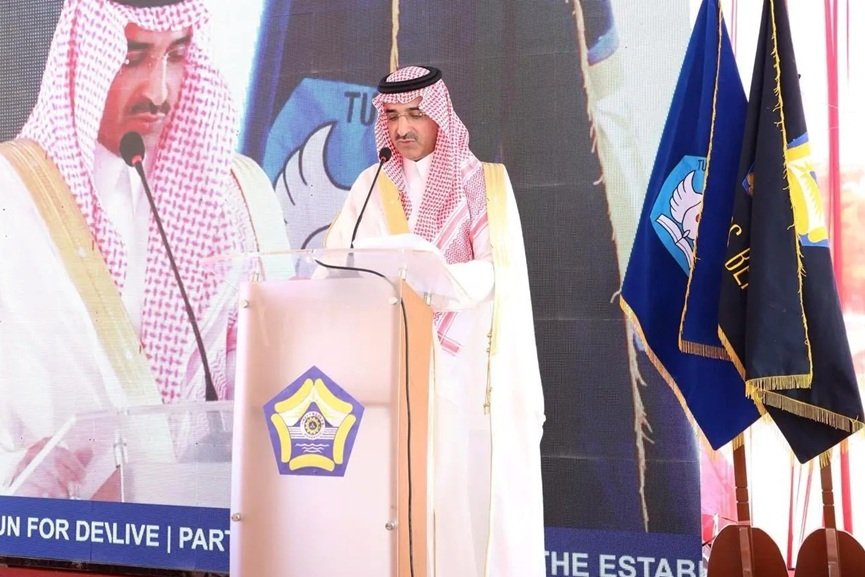
A new teaching and research hospital at the University of Bengkulu opened its doors this week, backed by a $22 million concessional loan from the Saudi Fund for Development. The facility is expected to bolster healthcare delivery and medical training in the region, reinforcing nearly five decades of strategic collaboration between SFD and Indonesia.

Sultan bin Abdulrahman Al-Marshad, Chief Executive Officer of SFD, presided over the inauguration on Friday, joined by Dr Retno Agustina Ekaputri, Rector of the University of Bengkulu, and Ir H Mian, Vice-Governor of Bengkulu Province. The hospital promises expanded healthcare access for local communities while serving as an academic hub for medical students and professionals.

At the ceremony, Al-Marshad emphasised that the facility represents “an important milestone in strengthening healthcare services for the people of Bengkulu and beyond,” highlighting the nearly 49-year trajectory of cooperation between SFD and Indonesia and affirming their mutual commitment to advancing the Sustainable Development Goals.

Functioning as both a medical facility and a teaching and research institution, the hospital is poised to enhance the region’s health system resilience, improve community health outcomes, and deliver hands-on training for new generations of medical staff.

Since its initial engagement in Indonesia in 1976, SFD has financed 12 development projects through over $396 million in loans, spanning healthcare, education, infrastructure and other vital sectors.

These initiatives illustrate a model of long-term development partnerships, tailored to local priorities while reinforcing broader global development objectives.

Al-Marshad’s visit also recalls a prior milestone when he laid the foundation stone for the hospital as part of a cluster of projects, including educational campuses in Jakarta and East Java, during his 2022 trip—an early indicator of the project’s eventual realisation. That plan had projected serving over 328,000 beneficiaries annually across Indonesia.

Advertisements

Pepeto has secured over $6.5 million in presale funding, driven by an operational ecosystem that includes a zero‑fee decentralised exchange, staking rewards exceeding 230 per cent APY, and independent audits—a suite of features positioning the token as a serious contender amid meme‑coin revival.

At its Ethereum‑based core, Pepeto boasts PepetoSwap, a DEX offering fee‑free, fast trading, alongside PepetoBridge, enabling seamless cross‑chain transfers without intermediaries—all built on the security of Ethereum’s mainnet. Audits conducted by SolidProof and Coinsult reinforce its transparency credentials, a notable departure from many fleeting meme‑coin projects.

The presale’s momentum stems from strong investor appetite. Millions have poured into the token, with reports showing more than $6.2 million raised by Stage 10—completed ahead of schedule—and over $6.5 million amassed as the presale continues. Token pricing has incrementally increased across presale stages, intensifying urgency among investors hoping to enter early.

Pepeto’s tokenomics reflect a deliberately structured approach: 30 per cent allocated to presale distribution, another 30 per cent to staking incentives, 20 per cent for marketing, 12.5 per cent for liquidity, and 7.5 per cent reserved for development. The absence of team wallets and trade taxes further underscores a model designed to align with holder interests.

Community engagement appears healthy; over 100,000 followers on social platforms are amplifying the narrative around Pepeto—and its product rollout, including a public demo exchange, has already lifted awareness and participation.

Analysts compare Pepeto’s structure favourably to early meme‑coin success stories. Some suggest that the ecosystem, staking mechanics, and infrastructure could drive returns of 30× to 70×—or more—if broader market conditions align, drawing parallels to Shiba Inu’s legendary run but with stronger fundamentals.

Broader industry commentary frames Pepeto as more than a hopeful token—it is being touted as the meme‑coin with legs in 2025, combining utility with the viral energy typically absent in the category. A few analysts even liken Pepeto’s potential trajectory to a “next‑BNB‑style” breakout following exchange listings.

Still, the meme‑coin landscape remains inherently speculative. While Pepeto addresses familiar structural weaknesses—such as high fees and opaque governance—its success will depend on sustained investor interest, execution of its infrastructure, and broader crypto market cycles. History cautions that meme‑coins often fade when hype fades.

If Pepeto translates infrastructure into adoption, it may carve out a path distinct from prior meme plays. Early investors, particularly those securing tokens at the current presale price—estimated at approximately $0.000000150—stand to gain significantly should the token replicate past meme-coin rallies, albeit with arguably enhanced foundation.

Al Ghurair Mobility has sealed a landmark agreement with Dongfeng Motor Corporation to bring the premium electrified automotive brands MHero and Voyah into the Kingdom of Saudi Arabia. The accord positions Al Ghurair Mobility as the exclusive regional partner responsible for the brands’ launch and rollout, in line with the country’s strategic shift towards sustainable mobility.

The deal was formalised during a signing ceremony attended by John Iossifidis, Group CEO of Al Ghurair Mobility; Oscar Rivoli, CEO of Motors at Al Ghurair Mobility; and Qiu Xiaojun, CEO of Dongfeng’s Overseas Marketing Division. This collaboration underscores a union of Al Ghurair’s regional stature with Dongfeng’s technological innovations.

Voyah, launched in 2021, represents Dongfeng’s vision for luxury electric mobility. Its flagship models—Voyah FREE SUV and Voyah DREAM MPV—are distinguished by elegant aesthetics, extended range capabilities, and advanced driver-assist functions, targeting buyers seeking a refined alternative to traditional luxury marques.

Meanwhile, MHero, introduced in 2022, draws from Dongfeng’s heritage in rugged, military-grade engineering. Its models, such as the MHero 1 and MHero 2, marry off-road prowess with electrified powertrains and premium comfort, offering a distinctive proposition within luxury off-road SUVs.

Industry analysis suggests this move aligns with a broader three‑year strategic partnership between Dongfeng and Al Ghurair, aimed at establishing the brands across the Gulf region. The agreement signifies Dongfeng’s growing commitment to the Middle East market and is designed to dovetail with Saudi Arabia’s Vision 2030 agenda, which prioritises sustainable development and diversification.

For Saudi consumers, the arrival of MHero and Voyah promises a novel blend of luxury, performance, and eco‑friendly technology. Al Ghurair Mobility is expected to support these brands through not only sales and marketing infrastructure but also after‑sales service and technical support, leveraging its established regional presence.

The venture underlines both a strategic and symbolic development in Saudi Arabia’s automotive sector. The availability of high-end electric and hybrid vehicles—backed by major regional players—signals the Kingdom’s evolving consumer preferences and its commitment to transforming the mobility ecosystem.

WhatsApp has rolled out an urgent update for its iOS and macOS apps after detecting a zero‑click exploit—one that required no user interaction—to deliver spyware to a small number of targeted users. The vulnerability allowed attackers to bypass authorisation checks when processing linked-device synchronization messages—specifically in WhatsApp for iOS before version 2.25.21.73, WhatsApp Business for iOS before version 2.25.21.78, and WhatsApp for Mac before version 2.25.21.78. This flaw was chained […]

The Ministry of Economy and Tourism has signed a Memorandum of Understanding with Dubai Science Park to reinforce legal and technical assistance for patent registration and intellectual property protection. The agreement is set to ease processing procedures and support businesses across TECOM Group’s business districts.

Support will extend to companies located in Dubai Science Park and other hubs such as Dubai Internet City, Dubai Media City, and Dubai International Academic City. The collaborative framework introduces expert guidance and streamlined mechanisms for innovators, aiming to enhance patent registration and commercialisation both locally and internationally.

Dr Abdulrahman Al Muaini, Assistant Undersecretary for the Intellectual Property Sector at the Ministry, emphasised a sustained commitment to fostering the national innovation ecosystem through partnerships that bolster IP protection capabilities. Marwan Abdulaziz Janahi, Senior Vice‑President of Dubai Science Park along with Dubai Knowledge Park and Dubai International Academic City, described the pact as a catalyst for accelerating research and innovation with global resonance.

Growth in patent activity underscores the impetus for such a partnership. From January to July 2025, the Ministry recorded 1,221 patents, up from 466 for the equivalent period in the prior year. Meanwhile, patent applications rose to 2,430 from 1,996 in the same timeframe. This solid year‑on‑year increase signals both institutional and societal recognition of the strategic importance of intellectual property.

Dubai Science Park serves as a key component of the UAE’s innovation infrastructure, hosting over 500 entities—including global firms such as AstraZeneca, BeiGene, and Pfizer—and facilitating the work of more than 6,500 professionals in the life sciences, energy and environmental sectors. Facilities include Grade‑A offices, LEED‑certified laboratories, and sophisticated logistics infrastructure.

The MoU also introduces outreach initiatives—for instance, workshops, training sessions, and awareness campaigns—designed to enhance IP literacy among business owners and innovators across TECOM’s network of districts.

This agreement aligns with the UAE’s long‑term strategy to transform into a knowledge‑based economy by 2031. It reflects a broader ambition to position the nation as a global centre for innovation and research by providing creators with robust protections for their intellectual property.

The new MoU follows earlier initiatives such as the Accelerated Patent Grant agreement with the United States Patent and Trademark Office, which aimed to speed up UAE patent approvals for inventions granted in the United States. Furthermore, the Ministry’s ‘Green IP Roadmap’ introduced accelerated registration for sustainable and eco‑friendly innovations—pushing to reduce registration timelines from 42 months to six and increasing patent numbers to 6,000 by 2026.

By Nitya Chakraborty The tariff war declared by the United States President Donald Trump against India by imposing a total duty of 50 per cent on Indian exports to the USA effective August 27 this year, is having its impact on the economic relations between the two powerful economies of Asia , China and India. […]

Highlights of the Interim Results for the Six Months Ended June 30, 2025: Benefiting from the sustained growth in AI computing power demand, the demand for chips has grown significantly across related industries, driving the Group’s revenue up by approximately 54.5% year-on-year to RMB6,676.5 million. The Group recorded a gross profit of approximately RMB585.9 million, and a net profit of approximately RMB190.0 million. Profit attributable to equity […]

GUIYANG, CHINA – Media OutReach Newswire – 29 August 2025 – On August 28, the 2025 China International Big Data Industry Expo opened in Guiyang, Guizhou Province. Launched in 2015, it has become the world’s premier platform for the development of big data industry. Opening ceremony venue of the 2025 China International Big Data Industry Expo During the opening ceremony, head of the National Data Administration of […]

Digital Realty and Vultr have entered into a strategic global partnership to deploy enterprise‑grade, GPU‑accelerated AI infrastructure in key data‑hub markets. Through this alliance, Vultr’s cloud‑based GPU clusters – powered by NVIDIA HGX B200 and AMD Instinct MI325X chips – will be integrated into Digital Realty’s PlatformDIGITAL data‑centre network, offering high‑performance AI compute close to where enterprise data resides. The new offering allows organisations to access Vultr’s GPU resources via direct […]

Commerce and Industry Minister Piyush Goyal said today that a free‑trade agreement with Oman will be finalised soon, while Qatar has expressed interest in negotiating a similar pact. Concurrently, he confirmed that negotiations with the European Union are gathering pace.

Speaking at a New Delhi event, Goyal assured exporters of government support to navigate global trade uncertainties—particularly those triggered by unilateral policies of other nations. He emphasised ongoing consultations with stakeholders, including Indian diplomatic missions, aimed at diversifying export markets and strengthening domestic consumption through Goods and Services Tax reforms. Goyal asserted that exports this year are poised to exceed last year’s levels.

Progress on the Oman front appears particularly advanced. Goyal characterised the India–Oman free‑trade agreement as “almost finalised,” suggesting that formal conclusion is within reach.

At the same time, Goyal reiterated that Qatar, along with Saudi Arabia, is keen on forging trade agreements with India, signalling growing interest from Gulf cooperation partners. Notably, India and Qatar had earlier set a goal to double bilateral trade to US$28 billion over five years—a vision reinforced by renewed discussions of a free‑trade pact.

Meanwhile, Europe remains a focal point. Goyal referenced rapid progress in FTA talks with the EU, and earlier this year had projected that negotiations could be concluded before the end of 2025. He expressed confidence that both sides may even exceed expectations and wrap up the deal ahead of schedule. The European Commissioner for Trade, Maroš Šefčovič, is expected in New Delhi in September to oversee the conclusion of the 13th round of discussions, which are likely to address remaining sticking points.

Goyal portrayed this as part of a broader, much‑intensified trade diplomacy, describing India’s approach as negotiations “from morning till evening” with multiple partners including the US, Chile, Peru, and others. He emphasised that each agreement will be grounded in national interest and industrial benefit, stressing that India will uphold its self‑respect and not compromise in negotiations—even as global trade tensions evolve.

These developments unfold against a backdrop of mounting trade headwinds. India’s share in global trade remains relatively modest, at around 2 percent, while nearly 40 percent of its exports to the US remain outside the scope of the newly imposed 50 percent tariffs—muting some of the trade impact.

India’s trade strategy appears to be one of diversification and resilience, deepening ties across regions—from the Gulf to Europe to the Americas. With multiple free-trade agendas advancing simultaneously, key pivots such as the Oman deal, Gulf engagement, and an EU agreement could reshape economic dynamics in the coming months.

Efforts to standardise digital experiences across government platforms are gaining traction through the UX4G initiative. Run by the National e‑Governance Division under the Ministry of Electronics & IT, UX4G provides a unified design framework, making websites and apps more consistent, accessible and intuitive for users across all states and central departments.

The initiative offers a comprehensive design system that includes ready‑to‑use Figma kits, a pattern library, code components and visual tokens like typography, colour palettes and layout grids. This toolkit expedites development, cuts redundant work and ensures uniformity in user experience across the digital government landscape. Modular elements such as atoms, molecules and organisms facilitate scalable interface building, promoting efficiency for both designers and developers.

Central to UX4G’s mission is accessibility. The framework integrates tools like text resizing, colour inversion, dyslexia‑friendly fonts, dark‑ and light‑modes, and other assistive widgets. These are vital for inclusive interaction, especially for users with disabilities, aligning with the Government of India’s Guidelines for Indian Government Websites. GIGW calls for WCAG‑compliant standards, and UX4G reinforces this by embedding accessibility into every layer of design.

UX4G also promotes continuous improvement through tools like the UX Health Self‑Check and Audit 360, which provide structured self‑assessment and automated audits against user experience benchmarks. These tools help departments maintain usability and accessibility standards through various stages of design and deployment.

Workshops and capacity building form a cornerstone of the initiative. More than 50 awareness and sensitisation workshops have been conducted across states and central departments, with thousands of participants trained in UX principles, design systems, audit methods and accessibility practices. Significant sessions took place in states such as Rajasthan, Himachal Pradesh, Nagaland, Meghalaya, Telangana and Delhi during mid-2025.

Government services including UMANG, DigiLocker, DIKSHA, API Setu and Poshan Tracker have served as pilot platforms and case studies for UX4G’s implementation. These platforms showcase smoother navigation, interface consistency and improved usability—demonstrating the initiative’s capacity to reshape citizen‑government interactions.

Origins of the initiative trace back to 2021 under the Digital India programme, launched to replace fragmented digital designs across departments. UX4G addresses long‑standing inconsistencies in interface design and poor mobile responsiveness by providing a shared foundation that accelerates service rollout and enhances user satisfaction.

Version 1 of the design system was released in June 2023, following a development timeline that began in late 2022 and continued through mid‑2023. Throughout this period designers and developers participated in usability testing and iterative improvements, validating components and documentation to enhance effectiveness and ease of adoption.

Greenlogue/AP Veolia has moved to acquire the remaining 30 per cent stake in its Water Technologies and Solutions subsidiary from CDPQ, in a deal valued at around US$1.75 billion, positioning the company for greater strategic agility and cost-efficiency. The transaction is expected to bring about €90 million in run‑rate cost synergies by 2027, simplification of the group’s structure, and added value through streamlined decision‑making and integration. The move forms […]

A magnitude 5.1 earthquake struck off the coast of Burgos, Surigao del Norte, at precisely 8:44 am on Friday, emerging from tectonic activity beneath Philippine waters. The Philippine Institute of Volcanology and Seismology reported the quake’s epicentre at a shallow depth of around 10 km, situated roughly 10 km northeast of Burgos. Shaking was felt across parts of the Visayas, with Hinunangan in Southern Leyte recording an intensity of III—typically perceived indoors […]

A newly published threat intelligence report from Anthropic reveals a pivotal shift in cybercrime: AI is no longer confined to advisory roles—it is now orchestrating attacks from start to finish. The firm highlights a “vibe‑hacking” campaign carried out by a single cybercriminal operation, tracked as GTG‑2002, that leveraged the AI coding agent Claude Code to target at least seventeen organisations across healthcare, emergency services, religious institutions and […]

The Amadea, a striking 106‑metre superyacht once valued at around $325 million, is slated for a sealed‑bid auction in the United States on 10 September 2025, yet mounting litigation and financial burdens cloud its prospects. Built by renowned German shipyard Lürssen and completed in 2017, the six‑deck vessel offers unparalleled opulence: spa, gym, helipad, swimming pool, cinema and marble‑clad interiors by François Zuretti, plus accommodation for 16 guests […]

Sotheby’s will stage its first auction series in Abu Dhabi this December as part of a broader push by the emirate to emerge as an international hub for art and luxury. The event, named Abu Dhabi Collectors’ Week, is set to run from 2 to 5 December and promises to captivate collectors with offerings spanning fine jewellery, rare watches, collector cars and premium real estate. The drive behind […]

3 Cross-regional fashion events kicking off at CENTRESTAGE in Hong Kong followed by a fashion show and exhibition in Seoul Bringing together 35 units of renowned and emerging designers from Guangdong-Hong Kong-Macao Greater Bay Area and Korea to present over 100 creations Breaking cultural boundaries with Cantopop, K-pop and films from Hong Kong and Korea to open a new frontier in cultural exchange HONG KONG SAR – […]

World Liberty Financial’s WLFI token is set to begin trading on the Ethereum mainnet on 1 September 2025, with only 20 per cent of the total supply unlocked for early supporters, while the remaining 80 per cent remains under community‑governance lock. Funding rounds have raised up to $2.26 billion, including significant equity backing from ALT5 Sigma, attributing a paper valuation—and potential risk—for retail traders.

Trading commences at 12:00 UTC on 1 September, when presale participants can claim and exchange the portion of tokens unlocked by activating the audited “Lockbox” smart contract. A week‑long activation window began on 25 August to prepare wallets. The initial release affects only a fraction of the total supply; community votes will determine release schedules for the locked remainder.

Pre‑launch futures activity offers a stark view of market sentiment. WLFI perpetual contracts debuted around $0.42, implying a fully diluted valuation of $40 billion. However, futures prices plunged 44 per cent shortly after, collapsing from $0.44 to below $0.25 and slashing the FDV to $24 billion, amid heavy shorting and a sharply negative funding rate of around ‑35 per cent.

Tokenomics reveal a further concentration of risk: insiders—including the Trump family—hold a vast share of true control. Estimates suggest between 75 per cent and over 80 per cent of the supply remains allocated to founders, team members, and affiliated entities, with release terms opaque and subject to governance decisions.

The project has drawn intense scrutiny for its centralised structure and ethical implications. Reuters reported that the Trump family raised approximately $550 million through WLFI token sales and now claims around 75 per cent of net revenue. That level of control starkly contrasts with the decentralised ideals usually associated with DeFi. Commentary in outlets such as The New Yorker emphasises how such arrangements echo a “raffle-ticket” model, whereby early purchasers gain governance power and speculative upside while insiders benefit disproportionately, fuelling concerns about influence‑peddling and conflicts of interest.

Further fuelling caution, benzinga commentary and crypto analysts warn that the small circulatable portion at launch, paired with concentrated insider holdings, could make WLFI’s valuation look inflated on paper—yet leave retail investors exposed if token dumps or sell pressure emerge post‑launch.

Pending regulatory clarity also looms large. With USD1 stablecoin already launched and tied to WLFI’s ecosystem, the project’s compliance with securities laws remains under question, especially given public funds, centralised control, and political ties.

Experts urge prospective investors to proceed with caution. The disparity between locked and unlocked supply, the volatility seen in derivatives markets, and the centralisation of control combine to form a high-risk scenario reminiscent of past politically affiliated crypto launches. While some anticipate short-term rallies driven by hype and governance claims, the sustainability and fairness of WLFI’s structure remain deeply uncertain.

VISHNU RAJA
RYO YAMADA
HITORI GOTOH
IKUYO KITA