News related to
prices

Japan’s investors are being pushed back towards overseas yield trades as the war involving Iran unsettles the country’s traditional refuge assets, weakens the yen and lifts the cost of imported energy. What had looked like a steadier domestic backdrop at the start of 2026 has been disrupted by a surge in oil prices, renewed pressure on the currency and a sharp reassessment of where Japanese savers and […]

Oil is repricing fast. Markets aren’t pricing the consequences. Brent crude has surged more than 55% in March to around $115 a barrel, one of the sharpest monthly moves on record, as conflict involving the US, Israel and Iran intensifies and threats to energy infrastructure escalate. Yet across equities, bonds and currencies, positioning still reflects the belief that this is temporary and reversible. Markets are underestimating what […]

By Dr. Gyan Pathak On the very onset of the Financial Year 2026-27, beginning from April 1, 2026, India faces a multi-layered set of risks, given its position as a major energy importer with strong trade, investment, and remittance linkages with the West Asia region, which has turned into a war zone since the United […]

The article India Faces Multi-Layered Set Of Risks At The Onset Of FY2026-27 appeared first on Latest India news, analysis and reports on Newspack by India Press Agency).

France is expanding its annual energy cheque scheme to an additional 700,000 households, widening a support measure that Prime Minister Sébastien Lecornu said would begin reaching 3.8 million households from this week as pressure on household budgets intensifies. The extra recipients are due to start receiving the aid from 1 May after the government used broader data matching to identify more eligible homes. Lecornu said the programme […]

South Korea is weighing whether to extend car-use restrictions beyond the public sector as oil prices climb sharply, a step that would amount to the country’s first nationwide driving curbs since the 1991 Gulf War if it is applied broadly to the public. Finance Minister Koo Yun-cheol said wider restrictions could come into play if crude prices rise into a $120-$130 a barrel range, up from about $100-$110 now, as Seoul tries to contain fuel demand and cushion the economic shock from turmoil in the Middle East.

The discussion marks an escalation from measures already in force. Public institutions are operating under a five-day vehicle rotation system, while large companies including Samsung Electronics and SK Group have begun urging staff to cut private car use, reduce parking demand and adopt other energy-saving practices. Officials have also left open the possibility of further fuel-tax relief to soften the burden on households and businesses, though no final decision has been announced on compulsory curbs for private motorists.

At the centre of Seoul’s concern is its exposure to imported energy. About 70% of South Korea’s oil imports come from the Middle East, leaving the country highly sensitive to any disruption in supplies or shipping routes. The government raised its crude oil supply disruption alert to Level 2 on March 18 as tensions mounted, signalling a more serious official assessment of the risks facing one of Asia’s largest energy importers.

The external shock has been severe. Reuters reported that Brent crude climbed to nearly $115 a barrel over the weekend and above $116 on Monday, putting it on course for its biggest monthly jump on record, while US crude also surged past $100. The rally has been driven by a widening conflict linked to Iran and growing anxiety over disruptions around the Strait of Hormuz, a vital artery for global oil flows. That backdrop has sharpened pressure on Asian economies that rely heavily on imported fuel, with South Korea among the most exposed.

For policymakers in Seoul, the issue is no longer only about fuel bills. Higher oil prices threaten to spill into inflation, transport costs, industrial input prices and consumer sentiment. A Reuters poll published on Monday projected that South Korea’s imports rose 18% in March, the fastest pace since September 2022, largely because of elevated oil prices, even as exports remained buoyant on strong semiconductor demand. That split picture captures the dilemma facing the government: trade performance is being helped by chips and artificial intelligence-linked demand, but the economy’s dependence on imported energy is pushing up costs and widening vulnerability.

President Lee Jae Myung has responded by urging a nationwide energy-saving drive, while Energy Minister Kim Sung-whan has pushed demand management and warned against panic behaviour. The government has promoted 12 power-saving practices, from shorter showers to shifting electricity use away from peak hours, and has also moved to restart several nuclear reactors, loosen coal plant restrictions and expand renewable energy to offset pressure on gas imports. The mix underlines how Seoul is trying to balance short-term crisis management with longer-term energy security, even as those goals can pull in different directions.

That tension is visible in the broader regional response. Across Asia, governments are looking again at emergency stock releases, fuel-saving directives and, in some cases, greater coal use to bridge supply gaps. Analysts say such measures may shield economies from the immediate shock, but they also expose how quickly climate and transition goals can be tested when energy security comes under strain. In South Korea’s case, the administration’s public emphasis on renewables sits alongside plans to lean harder on nuclear and coal generation if needed.

The market fallout has already been visible in financial assets. South Korean equities were hit as investors fled Asian markets on fears of a prolonged oil shock, though some analysts argue the sell-off has reflected panic rather than a collapse in fundamentals. Technology and industrial names remain central to the country’s earnings outlook, but energy-intensive sectors face a tougher operating environment if high crude prices persist or if physical shortages emerge.


Arabian Post Staff -Dubai European shares held their ground on Monday as investors waited for German and euro zone inflation readings that could show how sharply the Middle East war is feeding through into prices, after a surge in oil left the STOXX 600 heading for its worst month since the first pandemic shock of March 2020. The pan-European STOXX 600 was up about 0.2 per cent […]

Omniyat Holdings has said it has enough liquidity to handle its debt obligations after Fitch placed the Dubai ultra-luxury developer on Rating Watch Negative, citing geopolitical risk linked to the Iran war and the potential for weaker buyer demand in Dubai and across the Gulf. The company said it held more than AED 5.3 billion in cash, cash equivalents and other financial assets at the end of […]

Advertisements

Mubadala Energy has tightened its grip on one of Southeast Asia’s most closely watched offshore gas provinces after winning the Southwest Andaman exploration Production Sharing Contract in Indonesia, a move that extends the Abu Dhabi-based company’s push to build scale in the country’s Andaman basin. The block was awarded by Indonesia’s oil and gas regulator, Direktorat Jenderal Minyak dan Gas Bumi, under the second bid round for […]

India’s rupee surged on Monday after the Reserve Bank of India tightened banks’ foreign-exchange position limits, forcing lenders to cut dollar holdings and unwind arbitrage trades that had built up as the currency slid to a record low at the end of last week. The rupee rose as much as 1.4% in early trade and was quoted around 93.48 to 93.85 per US dollar, marking its sharpest one-day gain since February.

The immediate trigger was the RBI’s March 27 directive capping banks’ net open rupee positions in the onshore deliverable market at $100 million by the close of each business day from April 10. That replaced a looser framework under which banks’ boards could set limits up to 25% of total capital. Traders said the order prompted a burst of dollar selling as banks moved to reduce exposures that had become profitable while the rupee was weakening.

The rebound followed a bruising stretch for the currency. On Friday, the rupee hit a record low of about 94.84 to the dollar after heavy pressure from higher crude prices, risk aversion and foreign outflows. Reuters reported the rupee had fallen more than 4% in March, putting it on course for its worst monthly performance in more than seven years, while broader anxiety over the Middle East conflict and its implications for energy markets deepened concern over India’s import bill and external balance.

At the centre of the RBI’s move is the gap between the domestic market and the offshore non-deliverable forward, or NDF, market. Banks had been exploiting pricing differences between the two venues, building large arbitrage books that were profitable during the rupee’s slide. Estimates for those positions vary, but Reuters and other market reports put them broadly in the $25 billion to $50 billion range. By suddenly tightening the rules, the central bank appears to have targeted not only volatility in the spot market but also the speculative mechanics that were amplifying pressure on the currency.

That has given the rupee breathing room, but it has also shifted the strain onto banks. Lenders have warned that rapid compliance could force a disorderly unwinding of positions and crystallise losses in treasury books. Several banks have asked the RBI for three months to comply, arguing that a phased adjustment or permission to hold existing trades to maturity would reduce the risk of market disruption. Equity investors appeared to register that concern, with banking shares falling amid estimates that mark-to-market losses could run into thousands of crores if the unwind is abrupt.

The central bank’s intervention is being read in dealing rooms as one of its strongest attempts in years to reassert control over rupee pricing. Market participants said the RBI has already been active in local and offshore markets, using reserves and liquidity tools to keep the currency from sliding too quickly. The new cap adds a regulatory weapon to that defence. It also sends a signal that the central bank is prepared to curb trading strategies it sees as destabilising, even at the cost of squeezing bank profitability in the short term.

Whether the rupee can hold on to these gains will depend less on technical unwinding and more on the backdrop that pushed it down in the first place. Brent crude has climbed sharply, with Reuters reporting a move above $115 a barrel on Monday and a monthly gain of nearly 60%. For an economy that imports the bulk of its oil, that raises the risk of a wider current account deficit, imported inflation and renewed pressure on the currency. Bond yields also edged higher, indicating that traders remain alert to the wider macroeconomic fallout even as the rupee recovers ground.

India has cut special excise duties on petrol and diesel after a sharp rise in global crude prices, seeking to shield consumers from a broader inflation shock as the Iran war and disruption around the Strait of Hormuz continue to unsettle energy markets. A government order issued late on Thursday reduced the special excise duty on petrol to Rs 3 a litre from Rs 13, while the levy on diesel was removed entirely from Rs 10 a litre. At the same time, New Delhi imposed fresh windfall taxes on diesel and aviation turbine fuel exports to recover part of the revenue loss and manage the fiscal hit.

The move underlines the pressure facing policymakers as oil prices remain volatile and the rupee weakens, raising the cost of imports for one of the world’s biggest crude buyers. Brent crude climbed above $112 a barrel on Friday, extending a rally driven by doubts over any near-term ceasefire and persistent fears that supply disruptions in the Gulf could deepen. Traders and analysts have said the risk premium now reflects not only lost barrels but also the strategic importance of Hormuz, through which a large share of global oil and liquefied natural gas flows.

For India, the tax cut is as much about inflation management as political optics. Retail prices at state-run fuel retailers have been largely held steady even as global crude costs have climbed, forcing public-sector oil marketing companies to absorb losses on every litre sold. Reuters reported that those losses were running at about Rs 24 a litre on petrol and Rs 30 on diesel at the time of the duty cut, a burden that had begun to raise concerns about the financial strain on the country’s dominant fuel retailers. By lowering excise duties, the government creates room for those companies to keep pump prices stable without taking the full blow on their balance sheets.

That relief, however, comes with a cost. The excise reduction is expected to trim government revenue by roughly Rs 70 billion every fortnight, with the net impact estimated at about Rs 55 billion after accounting for the new export levies on diesel and jet fuel. Those numbers matter because New Delhi is already balancing slower growth risks, higher import costs and sensitivity in bond markets. India’s 10-year government bond yield rose as investors weighed the inflationary impact of oil and the possibility that fiscal targets may come under pressure if energy turbulence persists.

Currency markets have been sending a similar warning. The rupee slipped beyond 94 to the US dollar, marking a record low and capping its weakest fiscal-year performance in more than a decade. Higher oil prices have compounded external pressures by widening import costs and fuelling worries over inflation, while signs of reduced support from the Reserve Bank of India have added to volatility in both the currency and government debt markets. The combination of a softer rupee and expensive crude intensifies the urgency for measures that can prevent fuel inflation from feeding into transport, food and manufacturing costs.

The government has paired the tax changes with broader supply assurances. Officials have said retail fuel prices will remain stable and that supplies of fuel, fertiliser and coal are adequate. India has also increased the availability of liquefied petroleum gas for industrial use, an indication that authorities are trying to prevent energy stress from spilling into factories and power demand. That broader messaging is aimed at containing panic in a market already on edge over whether the Middle East conflict could trigger a more prolonged energy shock.

The burden of holding down prices has not been distributed evenly across the sector. State-run retailers, which control more than 90 per cent of the country’s fuel stations, have largely refrained from raising pump prices, while private players have begun adjusting. Nayara Energy, for example, increased gasoline and gasoil prices this week, citing the combined impact of a weaker rupee and surging global crude prices. The divergence highlights the structural challenge for the government: keeping inflation contained without unduly damaging the finances of state-backed refiners and marketers.

Arabian Post Staff -Dubai   Motorists in the UAE are likely to pay more for petrol and diesel in April after the Iran war sent crude prices sharply higher and intensified disruption across the Gulf’s main energy and shipping routes, raising the cost base that feeds into the country’s monthly fuel-price adjustment. April rates were due to be announced on March 31, and local pricing remains tied […]

Arabian Post Staff -Dubai Telda has moved beyond payments and cards to add stock and fund investing to its app, opening a new front in Egypt’s fast-growing race to attract first-time retail investors. The Cairo-based fintech said on Sunday that users can now buy and sell shares on the Egyptian Exchange and subscribe to investment funds from within the same platform, without relying on a traditional broker […]

Arabian Post Staff -Dubai Gold prices climbed sharply on Friday, reversing part of this week’s slide as investors stepped back into the market after bullion fell to a four-month low, while traders also watched for any sign that tensions in the Middle East might ease. Spot gold rose more than 3% at its intraday peak before trading about 2.6% higher at $4,491.78 an ounce by afternoon dealings […]

U. S. spot Bitcoin exchange-traded funds recorded their heaviest one-day net withdrawals in three weeks on Thursday, with investors pulling about $171.2 million as Bitcoin slid below the $70,000 mark and broader market nerves rose over the risk of a fresh flare-up in the conflict involving the United States, Israel and Iran. The outflow, based on market data compiled by SoSoValue and widely tracked across the crypto […]

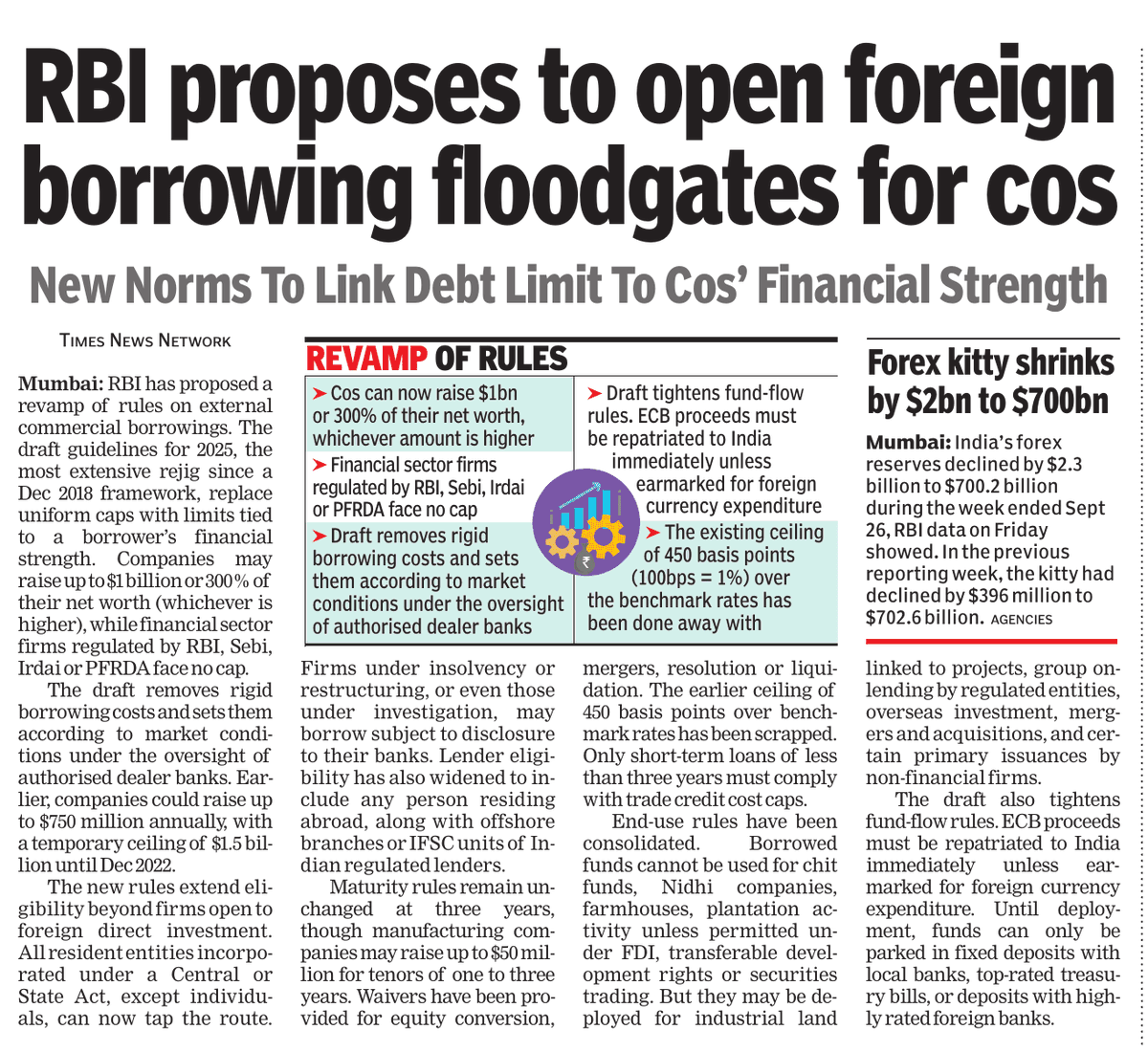
Banks are pressing the Reserve Bank of India to soften a new foreign-exchange rule that dealers say could force the unwinding of large arbitrage positions, deepen trading losses and add fresh strain to the rupee at a fragile moment for the currency market. The central bank has told lenders to keep their net open rupee positions in the onshore deliverable market within $100 million by the end of each business day from April 10, replacing a far more flexible regime under which banks’ boards could set limits linked to capital.

The pushback from lenders has grown because the rule change lands after weeks of pressure on the rupee from higher oil prices, foreign portfolio outflows and war-driven risk aversion across global markets. The rupee touched a record low of 94.84 against the US dollar after a sharp slide this week, underscoring the urgency with which the central bank is trying to contain volatility and regain influence over price formation in the domestic market.

At the heart of the dispute is a trading structure that banks have used to profit from differences between the onshore market and the offshore non-deliverable forward, or NDF, market. Under the earlier framework, dealers could offset positions across the two venues without breaching broader exposure limits. The new rule narrows that room sharply by capping end-of-day net open rupee exposure in the onshore deliverable market, regardless of how positions are balanced elsewhere. Traders told Reuters that arbitrage books likely to be affected are worth about $10 billion to $18 billion, while Bloomberg reported that banks see total unwinding pressure building toward roughly $30 billion.

That distinction matters because the RBI appears to be targeting a channel through which offshore pricing has increasingly spilled back into the domestic market. By tightening end-of-day exposure, the central bank is seeking to reduce the ability of banks to transmit volatility from the NDF market into onshore rupee trading, while making its own intervention in the domestic market more effective. That objective fits with a broader pattern this month, as the RBI has been active in spot, futures and non-deliverable forward markets to steady the currency.

Banks, however, argue that the speed of implementation could be costly. Treasury officials have warned that compressing positions before the April 10 deadline may force disorderly exits, widen onshore-offshore spreads and crystallise mark-to-market losses on trades that had previously been profitable. The immediate complaint is not only about tighter oversight but also about the lack of transition time for legacy positions built under the old regime. Reports from the domestic financial press say lenders have asked the central bank to reconsider or provide relief, reflecting concern that a hard cap applied uniformly across banks does not distinguish between speculative bets and market-making activity.

The central bank’s tougher line comes as India’s external buffers, while still substantial, have been tested by intervention. RBI data cited in a Reuters report showed foreign-exchange reserves at $709.76 billion as of March 13, enough to cover 11.2 months of imports and about 95 per cent of outstanding external debt. Even so, reserves had fallen notably over the month as the central bank sold dollars to smooth rupee moves. That means policymakers are trying to balance two goals at once: preserving confidence in India’s macro-financial resilience while discouraging trading structures that may amplify pressure during periods of external shock.

Another layer of complexity is that the RBI had, only weeks earlier, proposed broader reforms that would ease some foreign-exchange transaction norms for authorised dealers and give market participants greater flexibility in hedging and balance-sheet management. That makes the present clampdown look less like a reversal of liberalisation and more like a targeted response to extraordinary market conditions. For banks, though, the contrast has sharpened frustration: one arm of the regulatory agenda promises flexibility, while another has suddenly imposed a hard operational ceiling on rupee positions.

Arabian Post Staff -Dubai US Vice President JD Vance has sought to reassure voters and markets that Washington does not intend to become locked into a prolonged military commitment in Iran, arguing that higher fuel costs are a temporary consequence of a campaign the administration expects to wrap up rather than harden into another open-ended Middle East war. His remarks come as the Trump administration faces a […]

By K Raveendran US President Donald Trump’s attempt to jawbone oil lower has run into the hard edge of market reality. At the start, the strategy appeared to work. When he signalled that peace talks with Iran were possible and suggested a diplomatic opening, crude quickly gave back a large share of its war premium. […]

The article Energy Markets See Through Shallow Peace Talk, Move On Their Own Terms appeared first on Latest India news, analysis and reports on Newspack by India Press Agency).

Morgan Stanley has moved to shake up the crowded US spot bitcoin exchange-traded fund market by proposing a fee of 14 basis points for its planned Morgan Stanley Bitcoin Trust, a level that would make it the cheapest fund in the segment if regulators clear the product for launch. The filing marks a sharper price challenge than many on Wall Street expected from a late entrant and […]

Bitcoin slid to a two-week low on Friday, dropping below $67,000 as a wave of forced liquidations swept through crypto derivatives markets and a broader retreat from risk assets gathered pace. Ether also moved down towards the $2,000 mark, underscoring how quickly sentiment has turned as traders confront weaker equities, elevated oil prices and fading conviction in leveraged bets. The pullback reflected more than a routine bout […]

  Gulf tensions are sharpening the risks for African health systems already reliant on imported medicines, as disrupted shipping routes, higher freight bills and delayed emergency supplies expose how vulnerable the continent remains to external shocks while governments push to expand local drug production. The strain has moved beyond theory. Aid officials said this week that cholera supplies for countries including Chad and South Sudan were being […]

African Development Bank Group is set to launch the 2026 edition of its Africa’s Macroeconomic Performance and Outlook report on 30 March at its headquarters in Abidjan, Côte d’Ivoire, placing the continent’s growth prospects, debt strains and inflation risks under fresh scrutiny at a time of heightened global uncertainty. The event is expected to draw policymakers, investors and development specialists looking for updated guidance on how African […]

  Safe-haven demand pushed the US dollar towards its strongest monthly advance since July, as investors sought liquidity and relative shelter from a widening Middle East energy shock while also scaling back expectations for Federal Reserve easing this year. The dollar index was trading near 100.17 on March 27 and was up about 2.6 per cent for the month, a move that outpaced most major peers. Currency […]

Arabian Post Staff -Dubai Omniyat has moved to reassure investors that it has enough liquidity to meet its debt obligations after the Dubai ultra-luxury developer was placed on watch for a possible downgrade, arguing that its cash position and funding profile leave it well equipped to handle maturities without depending on a fresh burst of property sales or a quick return to calmer markets. The company said […]

Blackstone has invested $250 million in an Abu Dhabi-based payments and data intelligence platform aimed at regulated digital markets, pressing ahead with a Gulf deal even as the war involving Iran continues to unsettle investors, energy markets and regional transport links. The investment in Advanced Digital Gaming Technology, or ADGT, marks what LSEG identified as the first private equity-backed inbound transaction in the Gulf since the conflict […]

VISHNU RAJA
RYO YAMADA
HITORI GOTOH
IKUYO KITA