News related to
risk

Spotify is grappling with a sophisticated tool designed to bypass its subscription system, a move that could threaten the platform’s financial model. The tool, named Eevee, is designed to enable users to access premium services without paying for them, circumventing Spotify’s paywall and enabling a rise in piracy, while challenging the music streaming giant’s attempts to curb unauthorized access. Eevee, a software aimed at Spotify’s premium tier, […]

Leading players in the cryptocurrency industry, including Coinbase, Binance, Kraken, Robinhood, PayPal, Ripple, and others, have launched the Beacon Network, a collaborative effort to tackle the growing issue of stolen cryptocurrency. By working alongside law enforcement and researchers such as ZachXBT, the network aims to offer a real-time solution to prevent the illicit transfer and withdrawal of stolen crypto assets.

The Beacon Network functions by blacklisting suspicious crypto addresses and immediately freezing any funds that are attempted to be withdrawn to an exchange. This swift action is designed to prevent stolen funds from being converted into liquid assets or used for further illegal activities. It is part of a broader effort to safeguard the integrity of the crypto ecosystem and help victims recover assets that have been taken through hacks, scams, and other forms of cybercrime.

The network’s development is timely, as the scale of cryptocurrency thefts continues to escalate. Since 2023, an estimated $47 billion has been funneled into fraudulent wallets, often linked to a range of malicious activities, including hacks, scams, and illicit funding of groups such as North Korean cybercriminals. These trends have prompted both public and private sector entities to take stronger measures to address the vulnerabilities in the crypto world.

One of the key objectives of the Beacon Network is to fight against the growing threat posed by cybercriminals who exploit the anonymity of cryptocurrencies. By leveraging the collective resources of major crypto exchanges and financial platforms, the network seeks to build a collaborative system that can trace stolen assets in real-time. This is expected to disrupt the operations of hackers who often rely on the difficulty of tracking digital currency transactions to launder their ill-gotten gains.

In addition to dealing with cybercriminals, the Beacon Network is also focused on combating other high-profile security threats, such as the use of stolen funds to finance terrorism or support state-sponsored hacking activities. The collaboration between the crypto industry and law enforcement aims to create a more resilient framework for addressing these issues, preventing funds from reaching dangerous or malicious actors.

This initiative marks a significant shift in how cryptocurrency exchanges, financial institutions, and even government bodies approach the problem of stolen crypto. For years, the industry has struggled with the negative perception of cryptocurrencies being used for illicit activities. However, the Beacon Network serves as an example of how crypto giants can take a proactive role in addressing security concerns while maintaining the privacy and decentralised nature of their operations.

The development of the Beacon Network is also an indication of how the cryptocurrency sector is maturing. What was once an unregulated space largely dominated by individual actors and exchanges is now seeing a concerted effort to adopt more formalised and secure practices. The collaboration among these prominent crypto platforms is expected to encourage others in the industry to follow suit, creating a more secure environment for users and reducing the risks associated with digital currency theft.

For the victims of crypto theft, the Beacon Network offers hope for recovering stolen assets. With its automated tracking and freezing capabilities, users will be able to report and prevent further damage to their stolen funds before they can be laundered or moved across borders. While the process is still in its early stages, the network’s potential to return stolen assets to their rightful owners represents a significant step forward in the fight against crypto-related crime.

The UAE government has unveiled a transformative public-private partnership framework aimed at boosting the national economy and attracting further investment. This new initiative aims to streamline and enhance the collaboration between the public and private sectors, providing a cohesive platform for businesses to engage with government projects more effectively. Under the new framework, the UAE seeks to build on its existing infrastructure while introducing new policies that […]

Binance has partnered with TRM Labs to unveil a groundbreaking initiative aimed at tackling cryptocurrency-related crime. The newly launched Beacon Network is designed to enhance the security and integrity of the digital assets market. This collaboration marks a significant step in addressing the increasing concerns surrounding illicit activities in the crypto space.

Beacon, powered by TRM Labs, will provide a comprehensive suite of tools to track and identify suspicious activities across the blockchain. The network’s capabilities extend beyond the identification of suspicious transactions; it will also monitor exchanges and wallet providers for potential risks associated with money laundering, fraud, and terrorist financing.

This partnership is timely, as the cryptocurrency sector continues to expand and evolve, with regulators and lawmakers increasingly focusing on how to prevent its use for illegal activities. Binance, a global leader in digital asset exchanges, has long faced scrutiny over its role in the market and its ability to ensure compliance with anti-money laundering and know-your-customer standards. By working with TRM Labs, the company seeks to bolster its efforts in this area and demonstrate its commitment to ensuring the safety and legitimacy of the platform.

TRM Labs, a firm specializing in blockchain forensics and compliance tools, brings a wealth of experience to the table. The company’s technology is already used by financial institutions, law enforcement agencies, and regulators worldwide to detect and investigate financial crimes in the cryptocurrency ecosystem. Its role in the Beacon Network will help provide real-time analysis and actionable insights that can prevent fraudulent activities before they escalate.

A key feature of the Beacon Network is its use of advanced artificial intelligence and machine learning algorithms to detect emerging patterns in financial transactions. This technology will continuously monitor the blockchain, adapting to new methods of crime as they emerge. The platform will also integrate data from numerous public and private blockchains, creating a unified view of the crypto landscape that will be accessible to stakeholders across the industry.

While the initial focus of the Beacon Network will be on detecting fraud and money laundering, the partnership with Binance also signals a broader ambition to enhance overall regulatory compliance within the crypto space. Binance’s decision to invest in this technology is part of its wider effort to improve transparency and strengthen its reputation among regulators, especially in markets like the United States and Europe, where scrutiny has been particularly intense.

The collaboration also highlights the growing recognition that the cryptocurrency industry must take a more proactive stance in preventing crime and enhancing security. As the industry continues to grow, so too does the scale and sophistication of the threats it faces. The launch of the Beacon Network is therefore seen as an important step in building trust with both regulators and users, addressing concerns over the potential for digital assets to be used for illicit purposes.

Despite these efforts, challenges remain. The decentralized and pseudonymous nature of cryptocurrencies makes it inherently difficult to track illicit transactions. However, by combining Binance’s vast resources with TRM Labs’ expertise in blockchain analytics, the Beacon Network aims to create a powerful tool that will help combat the dark side of the crypto revolution. This collaboration is expected to set a new standard for industry best practices and contribute to the broader goal of mainstream adoption of digital currencies.

The UAE General Civil Aviation Authority has unveiled a new Civil Aviation Regulation aimed at revolutionising aerodrome crisis management. The regulation sets a robust framework to strengthen the nation’s airport readiness in handling emergencies, aiming to improve overall safety, response efficiency, and recovery strategies in the face of crises.

The new rules come as a response to growing demands for enhanced operational resilience at airports, which are essential hubs in global transport and commerce. With air traffic increasing steadily, the regulation focuses on both proactive measures for risk management and the efficient handling of unforeseen disruptions.

According to the GCAA, the new CAR focuses on three core areas: preparedness, response, and recovery. These areas are designed to ensure that airports can effectively manage crisis situations, be it natural disasters, technical failures, or unexpected large-scale incidents. By implementing a coordinated, multi-departmental approach, airports will be better equipped to minimise operational interruptions and ensure the safety of passengers and personnel.

The regulation outlines specific operational requirements, including the establishment of Crisis Management Teams at each aerodrome. These teams, which will be made up of senior airport and aviation management, are tasked with overseeing crisis response procedures and ensuring that all airport operations adhere to the established standards. The CAR also mandates the development of detailed emergency response plans that can be activated in real-time during crises, integrating airport emergency services, air traffic control, and external agencies.

The GCAA has stipulated that aerodromes must conduct regular crisis simulation exercises to assess their preparedness and response mechanisms. These drills will be evaluated by the GCAA, ensuring that each airport meets the required standards for crisis management. The regulation also stresses continuous training for airport staff, highlighting the importance of equipping personnel with the necessary skills to handle high-pressure situations effectively.

The move aligns with international aviation safety standards, with the GCAA’s regulation being designed to complement global best practices. The introduction of these measures comes in the wake of several high-profile airport disruptions globally, which have underscored the need for proactive crisis management at aerodromes worldwide. By adopting such a framework, the UAE is positioning itself as a leader in airport crisis preparedness within the region, ensuring its air travel hubs remain safe, efficient, and resilient.

The GCAA has indicated that the regulation will be implemented gradually, with all airports required to comply with the new standards within the coming months. As part of the transition, GCAA will work closely with airport operators to ensure smooth implementation and address any challenges faced by aerodromes.

Key players in the UAE aviation sector have expressed strong support for the regulation, acknowledging its potential to significantly enhance the safety and security of air transport. Industry experts have also highlighted that the regulation will foster collaboration between airport authorities, airlines, and other stakeholders, strengthening the overall aviation ecosystem.

The broader aviation community has also taken note of the UAE’s progressive approach, with many looking to the country as a model for modernising aerodrome crisis management procedures. The introduction of the CAR aligns with the UAE’s broader efforts to develop its aviation infrastructure, focusing not only on expanding airport capacity but also on improving the quality and resilience of services provided to travellers.

HONG KONG SAR – Media OutReach Newswire – 22 August 2025 – Southco Asia Ltd., a subsidiary of Southco Inc., a leading global provider of engineered access solutions such as locks, latches, captive fasteners, electronic access solutions and hinges/ positioning technology has introduced RA Rack Attach to the server industries. RA Rack Attach As the race for the best AI technology heats up, manufacturers are turning to […]

Matein Khalid It is now all but certain that the Federal Reserve will cut the US overnight borrowing rate, currently 4.25 percent, by at least 25 basis points at its September 18 Federal Open Market Committee (FOMC) meeting. The labour market is losing momentum, while tariff-driven inflation has yet to show up in the Consumer Price Index. The Trump White House has ramped up pressure on Fed Chair […]

Advertisements

Implementing the Core Strategy of “Single Brand, Multi-Categories, Diversified Channels” | Excelling Through Professionalism, Strengthening Strategic Foundations FINANCIAL HIGHLIGHTS In the first half of the year, the Group recorded the following operating results: – Revenue rose by 3.3% to RMB14,817 million; gross profit margin declined by 0.4 percentage points to 50% – Net operating cash inflow was RMB2,411 million – Net profit attributable to equity holders was […]

A popular virtual private network application, advertised as a secure and private way to browse the internet, has been caught secretly monitoring its users’ online activities. The app, which boasts Google verification, claims to protect user data by masking their IP addresses and encrypting internet traffic. However, investigations have uncovered that it has been collecting extensive personal information without user consent. The VPN, downloaded by millions globally, […]

Hurricane Erin has intensified into a Category 2 storm as it pounds the Outer Banks in North Carolina, generating life-threatening conditions along the East Coast. With maximum sustained winds of 105 mph, the storm is unleashing dangerous surf and rip currents, urging authorities to issue urgent warnings for residents and tourists in the affected areas. As Erin continues to churn across the Atlantic, meteorologists have predicted further […]

Hedge funds are experiencing an unprecedented influx of capital as investors increasingly turn to them for potential high returns in an unpredictable market landscape. The surge, described as the largest in over a decade, comes amid heightened volatility in global markets, with investors seeking refuge in strategies that can navigate turbulent times.

The influx is reflective of broader economic uncertainties that have marked the past few years. Inflation, interest rate fluctuations, and geopolitical tensions have prompted a shift in how investors are approaching their portfolios. For many, hedge funds, which are designed to capitalise on market inefficiencies and often utilise a mix of complex investment strategies, have become a more attractive option for diversifying risk.

Industry analysts attribute the renewed interest to hedge funds’ ability to hedge against downside risks while still positioning themselves for upside potential. These funds, which include strategies such as long/short equity, event-driven, and macroeconomic investing, are seen as flexible enough to take advantage of both market downturns and rallies.

The timing of this shift is significant, with hedge fund inflows peaking in the first half of this year. According to reports, the volume of new money invested in hedge funds has surpassed previous records, with institutional investors making up the majority of the capital. Pension funds, endowments, and family offices have notably increased their allocations, recognising the potential benefits of diversifying into hedge funds’ more sophisticated strategies.

This trend is also linked to the performance of hedge funds in recent years. After a period of underperformance following the global financial crisis and the subsequent slow recovery, hedge funds have returned to form, outpacing traditional equity indices in certain periods. While not all hedge funds have delivered stellar returns, the overall industry has shown resilience and adaptability, particularly in the face of market turbulence.

One of the critical drivers behind this renewed interest is the diversification factor. Hedge funds often employ strategies that are less correlated with traditional markets, allowing them to profit from opportunities that might not be available to standard equity investors. For example, in a period of high volatility or economic downturn, many hedge funds profit from short-selling overvalued stocks, participating in distressed asset sales, or capitalising on arbitrage opportunities.

However, the strategy comes with inherent risks. While hedge funds aim to mitigate risk through their sophisticated techniques, they are not immune to market downturns. Moreover, the fees associated with hedge funds—usually a performance fee based on profits earned—can be a deterrent for some investors. These fees often include a “two and twenty” structure, meaning the fund takes a 2% management fee and 20% of any profits generated, which can substantially erode returns for the investor.

Despite the risks, the demand for hedge funds remains strong. Their perceived ability to manage volatility and generate alpha—the excess return relative to the market—has attracted a growing number of high-net-worth individuals looking for alternatives to the traditional stock and bond markets. The shift in investment patterns suggests a broader reevaluation of risk, with more investors open to the idea of using hedge funds as part of their long-term asset allocation strategy.

Another contributing factor to the surge in hedge fund investments is the growing acceptance of environmental, social, and governance factors within the industry. Many hedge funds have incorporated ESG strategies into their models, appealing to institutional investors who are placing greater emphasis on sustainability and ethical governance. Hedge funds with a track record of navigating ESG challenges have become particularly attractive to a new generation of investors who are focused not just on financial returns but on social and environmental impact as well.

The global economic environment is expected to remain volatile, with central banks’ monetary policies, inflationary pressures, and geopolitical instability all factors that will influence market dynamics. Hedge funds, with their adaptive strategies, are likely to continue drawing significant attention as investors seek to position themselves to take advantage of potential market dislocations.

Norway’s Sovereign Wealth Fund, managed by Norges Bank Investment Management, has achieved a new milestone in its investment portfolio with an increased exposure to Bitcoin. This exposure, reaching a record high, is now valued at the equivalent of 7,161 Bitcoin, achieved through investments in companies that hold Bitcoin on their balance sheets. This move signifies a notable shift in the fund’s diversification strategy, as it moves further into the digital asset space.

The fund’s strategy typically involves investing in a broad spectrum of assets, including global equities, bonds, and real estate. However, the rising value of cryptocurrencies and their growing acceptance in mainstream financial markets have prompted the fund to increase its indirect exposure to Bitcoin. NBIM’s current indirect holdings represent a stake in Bitcoin through companies that have embraced cryptocurrency, such as MicroStrategy and Tesla, which have allocated significant portions of their balance sheets to the digital currency.

With Bitcoin’s price having seen significant volatility over the years, the fund’s exposure to the digital asset has raised questions about the risks and benefits of investing in such a volatile commodity. As of the latest figures, the total value of these Bitcoin-linked investments stands at approximately 1,387 Norwegian kroner per Norwegian citizen, based on the current exchange rates and Bitcoin’s market price.

This development underscores the growing integration of digital currencies into traditional investment portfolios. The Norwegian Sovereign Wealth Fund, traditionally focused on more conventional assets, has now ventured into a more speculative investment arena. While the fund’s management has assured that this exposure remains minimal compared to its total assets, the move reflects broader trends within institutional investment.

NBIM’s strategy aligns with increasing interest among large-scale investors in diversifying into Bitcoin and other cryptocurrencies. Over the past few years, several prominent investment funds and financial institutions have adjusted their portfolios to include Bitcoin as a hedge against inflation or as a long-term store of value. These entities view Bitcoin’s finite supply and its potential as an alternative investment vehicle in a world of low-interest rates and global economic uncertainties as key drivers behind their investment decisions.

However, the fund’s Bitcoin exposure remains highly indirect. Instead of holding Bitcoin directly, NBIM’s stake comes from investments in companies like MicroStrategy, whose CEO, Michael Saylor, is a known advocate for Bitcoin. Tesla, another key player in the space, made headlines in 2021 when it disclosed its investment in Bitcoin, which led to an immediate surge in the digital currency’s value.

The Norwegian government, which oversees the fund’s operations, has expressed cautious optimism about its cryptocurrency exposure. While the fund is generally conservative in its investment approach, there is recognition that digital assets could play a role in long-term portfolio diversification. The Fund has made it clear that its current exposure is small and that the risk of loss is something it continues to monitor.

While Bitcoin has proven to be an incredibly volatile asset, some argue that its performance over time, including periods of significant appreciation, has made it an attractive speculative asset. Proponents believe that as Bitcoin becomes more integrated into the financial system and more institutional investors enter the market, its volatility will decrease, and its value will continue to appreciate in the long term. Conversely, critics caution that Bitcoin’s lack of intrinsic value and its exposure to regulatory scrutiny could render it a risky bet for long-term investors.

The Norwegian Sovereign Wealth Fund’s growing interest in Bitcoin is part of a wider trend that is seeing institutional investors increasingly embrace digital currencies. In addition to companies like MicroStrategy and Tesla, several other financial entities have made substantial investments in Bitcoin, such as Grayscale Investments and the publicly traded Bitcoin ETF, which tracks the price of Bitcoin directly.

As this trend continues, it raises broader questions about the role of cryptocurrencies in the global financial system. While Bitcoin and other digital assets were once viewed primarily as speculative investments or a form of digital gold, they are now starting to be considered by more traditional investors as part of a diversified investment strategy. The Norwegian Sovereign Wealth Fund’s increasing exposure to Bitcoin may serve as a bellwether for other institutional investors contemplating similar moves.

The White House has launched an official account on TikTok, sparking fresh debate over the platform’s role in US politics and its uncertain future in the country. This unexpected move comes as the Biden administration continues to scrutinise TikTok’s operations within the United States, with concerns primarily centred around data privacy and national security. The account, created under the handle @whitehouse, aims to reach a younger audience […]

US Treasury Secretary Scott Bessent last week made a comment that should have sent markets into deep reflection. Instead, it was largely shrugged off. He suggested that the White House’s unprecedented revenue-sharing deal with Nvidia and AMD could be extended to other industries. This single line carries profound implications — and the muted reaction says more about investor complacency than anything else. The arrangement currently in place […]

By Nitya Chakraborty India-China political relations have started improving giving all the indications that the leaderships of the two countries with the largest population in the world, are ready for building stable relationship after an uneasy period of five years since the Galwan killings on the border in 2020 in which 20 Indian soldiers lost […]

The US Food and Drug Administration has issued a public health warning regarding a specific brand of shrimp sold at Walmart stores across the country. The advisory, which comes after routine checks, highlights concerns over the presence of radioactive material detected in the product. The shrimp, which is imported from overseas, has sparked alarm among health experts, prompting an immediate call for consumers to dispose of any […]

The Trump family has completed the acquisition of financial technology firm ALT5 Sigma in a move expected to reshape their investment portfolio. At a purchase price of $15 billion, the deal signals a shift towards further diversification of their business interests, marking a significant venture into the fintech space. This acquisition, which involved a combination of private equity and strategic investments, has drawn the attention of hedge funds and investment groups keen on gaining a stake in the evolving financial technology sector.

ALT5 Sigma, known for its sophisticated algorithms and artificial intelligence solutions aimed at streamlining investment strategies, has long been regarded as a key player in the fintech arena. The company provides innovative tools for hedge funds and asset managers to optimise trading operations and enhance decision-making processes. In acquiring the firm, the Trump family gains access to these advanced technologies, positioning themselves at the forefront of the increasingly competitive tech-driven investment world.

Hedge funds have been particularly keen on ALT5 Sigma’s cutting-edge trading platforms, which leverage artificial intelligence and machine learning to predict market movements and analyse large sets of data. These tools have proven invaluable in helping firms maximise returns, mitigate risks, and remain agile in an ever-evolving market. By entering the fintech industry, the Trump family secures a stake in a sector that is expected to grow exponentially in the coming years.

Financial experts suggest that the acquisition could help the Trump family tap into new revenue streams while also increasing their exposure to emerging technologies. The fintech sector has been attracting substantial investment over the past decade, with companies like ALT5 Sigma leading the charge in transforming how financial services are delivered. With this acquisition, the Trump family joins the ranks of high-profile investors looking to capitalise on the growing demand for innovative financial tools.

The involvement of hedge funds in the deal further highlights the strategic importance of ALT5 Sigma’s offerings. Several prominent hedge funds have expressed interest in supporting the Trump family’s new venture, recognising the potential for long-term returns through the use of cutting-edge trading systems. These hedge funds, which are known for their appetite for high-risk, high-reward investments, view the acquisition as a means to enhance their portfolios by gaining access to superior trading technology.

For the Trump family, the acquisition also marks a potential shift in their investment strategy. Historically known for real estate and branding ventures, this deal represents a move into the tech industry, which could position them for success in the rapidly expanding digital economy. By diversifying into fintech, they not only gain access to a lucrative sector but also strengthen their influence in the evolving financial landscape.

Industry analysts have raised questions about the potential challenges the Trump family may face as they navigate the complexities of the fintech sector. The industry is known for its regulatory challenges, technological demands, and intense competition. However, with the backing of well-established financial firms and a strong track record of business acumen, the Trump family may be well-positioned to overcome these obstacles.

As the Trump family’s acquisition of ALT5 Sigma begins to take shape, the deal is expected to attract increasing interest from other investors and stakeholders within the fintech space. Analysts will be closely monitoring how the family leverages its new acquisition, particularly in how it integrates ALT5 Sigma’s technologies into its broader investment strategies.

Pakistan’s authorities have implemented a sweeping ban on gambling and casino apps, alongside unregulated forex trading platforms and apps that gather users’ personal data. The decision follows increasing concerns over the safety, privacy, and legality of these mobile applications, which have gained significant traction in the country. The Federal Ministry of Information Technology and Telecommunication, in a statement, announced the prohibition of several mobile applications deemed harmful […]

New research has highlighted the significant long-term effects of Covid-19 on vascular health, revealing that even mild infections can accelerate the aging of blood vessels. The study shows that arterial stiffness increases by approximately five years, particularly in women, raising concerns about the long-term risk of cardiovascular events such as heart attacks and strokes. According to the findings, blood vessels of individuals who had contracted Covid-19 exhibit […]

Greenlogue/AP The United States has solidified its position as the leading source of greenfield foreign direct investment in Saudi Arabia during the first half of 2025, with American companies backing 61 projects worth a total of $2.7 billion. This surge in American investments marks a significant shift in global investment trends, as US-based firms continue to bolster the Kingdom’s economic diversification efforts under its Vision 2030 initiative. […]

Backpack Exchange, a leading digital asset platform, has announced the launch of daily Proof of Reserves audits, marking a significant step in promoting transparency and security within the cryptocurrency exchange space. This move, verified by cybersecurity firm OtterSec, aims to provide users with real-time assurance that the exchange maintains more than enough reserves to cover all customer deposits.

The PoR initiative is part of a broader effort by cryptocurrency platforms to rebuild trust after a series of high-profile exchange collapses. These audits will detail the reserve ratio, with Backpack Exchange’s current reserve ratio standing at 100.42%. This indicates that for every unit of cryptocurrency held in customer accounts, the exchange holds an equivalent amount and more, ensuring liquidity and solvency.

The verification process, carried out by OtterSec, involves rigorous checks on Backpack Exchange’s crypto holdings and liabilities. This third-party validation is designed to increase investor confidence by ensuring that the platform does not engage in risky lending practices or operate with insufficient backing. The daily audits will be publicly accessible, allowing users to independently verify the platform’s financial stability.

This move comes as part of a growing trend in the cryptocurrency industry, where exchanges are being pressed to adopt higher standards of transparency in the wake of the collapse of firms like FTX and Celsius. These platforms were accused of operating with insufficient reserves and failing to disclose critical financial information to users and regulators. In response, many exchanges, including Backpack Exchange, are now taking proactive steps to restore credibility and accountability.

One of the major concerns that has plagued the crypto industry is the lack of clear regulation and oversight. While governments around the world have begun to implement new laws to protect investors, many exchanges have faced criticism for not providing enough information about their financial operations. Backpack Exchange’s decision to make PoR a daily practice is an attempt to address this concern directly, giving users the tools they need to assess the health of the platform without relying solely on regulatory bodies.

While the PoR audits provide an additional layer of transparency, experts caution that these measures should be viewed as part of a broader effort to ensure that exchanges operate within a secure and well-regulated framework. “Proof of reserves is important, but it does not guarantee the absence of other risks, such as fraud or mismanagement,” says Laura Tan, a blockchain security expert. “It is crucial that exchanges continue to improve their operational practices, beyond just audits, to protect users.”

The timing of Backpack Exchange’s announcement is also noteworthy, as it comes amid increasing scrutiny from both regulators and the public. In many jurisdictions, regulators are seeking to enforce stricter compliance requirements on cryptocurrency exchanges, including mandatory audits and greater financial disclosures. This trend is part of a larger push for comprehensive regulation in the crypto space, aimed at reducing market manipulation, fraud, and investor losses.

Despite the growing regulatory pressure, the cryptocurrency industry remains largely self-regulated, with few standardized practices for exchanges to follow. As a result, platforms like Backpack Exchange that adopt self-imposed transparency measures may set the bar for others to follow. Experts believe that this trend could encourage further innovation in the space, driving exchanges to develop new methods of ensuring financial integrity and user protection.

Another key benefit of daily PoR is its potential to deter malicious actors. By making the platform’s reserve status publicly available, Backpack Exchange creates an environment where any attempt to manipulate reserves would be immediately apparent. This level of visibility can help prevent fraud and instil confidence among users, knowing that they can rely on independent verification of the platform’s solvency at any given moment.

The decision to implement daily audits reflects a growing recognition that the cryptocurrency market must evolve to attract and retain mainstream investors. Institutional investors, in particular, have been cautious about entering the market due to concerns about security and transparency. With daily PoR audits, Backpack Exchange may be positioning itself as a more secure and trustworthy platform, appealing to both retail and institutional traders.

This transparency initiative also places significant pressure on other exchanges to adopt similar measures. As the market matures and regulatory bodies continue to apply pressure, exchanges that fail to provide adequate transparency or secure user funds may struggle to compete. Backpack Exchange’s early adoption of daily PoR audits could set a new standard for transparency in the crypto industry, raising the bar for exchanges across the board.


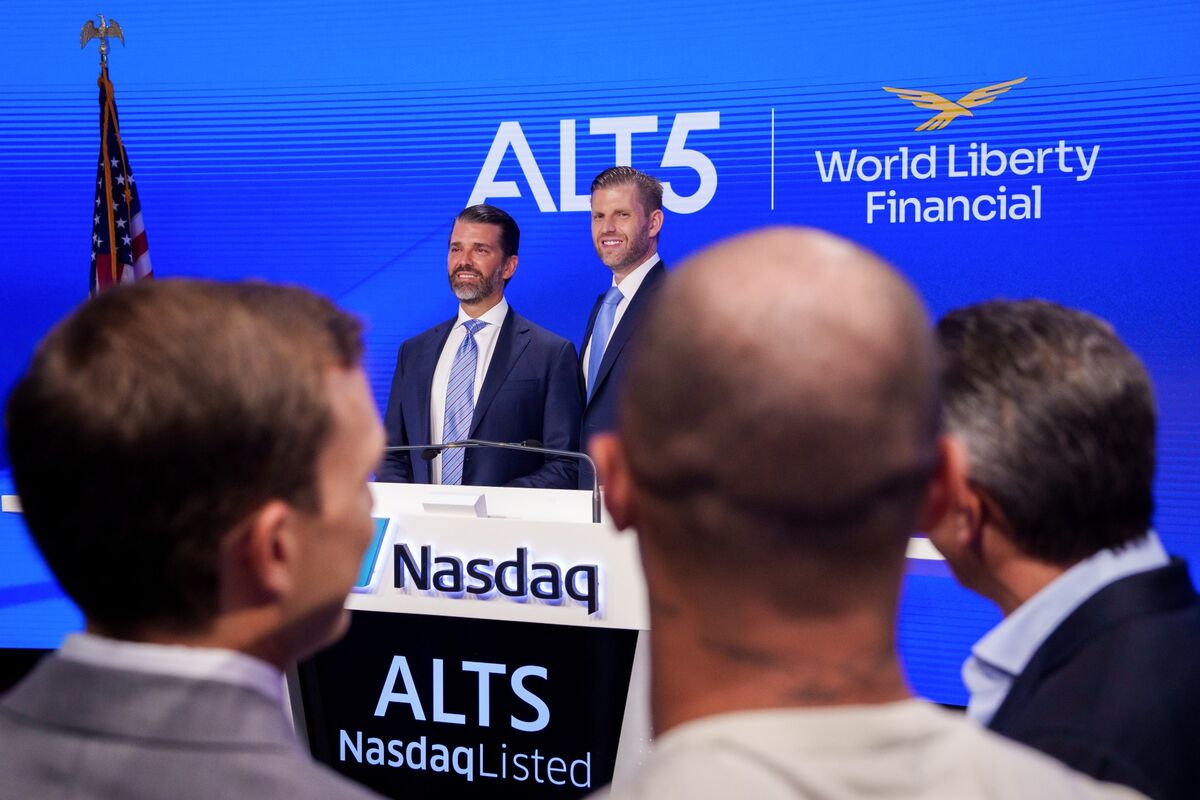
Eric Trump and Donald Trump Jr. marked a significant moment for the Trump family in the financial sector, ringing the Nasdaq opening bell as part of a high-profile $1.5 billion deal. The transaction involved the biotech-turned-crypto payments company Alt5 Sigma Corp. and the Trump-backed World Payment Network, a crypto firm under scrutiny due to its political affiliations. The deal has sparked interest among top financial firms, with Point72 Asset Management and ExodusPoint Capital Management both securing stakes in the venture.

Point72, a prominent hedge fund with a reputation for aggressive trading strategies, has previously invested in various tech-driven industries, but its entry into the crypto space marks a strategic pivot. The firm, led by billionaire Steve Cohen, has long been a major player in hedge funds, with a focus on alternative investments. ExodusPoint, a rising star in the hedge fund world, also moved to acquire a share, further solidifying its presence in the rapidly growing digital assets market.

Alt5 Sigma, originally founded as a biotech company, has undergone a dramatic transformation into a blockchain-powered payment network. With its backing from the Trump family’s business empire, the company has aimed to bridge the gap between cryptocurrency and traditional finance, particularly in the realm of payments processing. This shift has garnered attention from institutional investors and major financial players, eager to tap into the lucrative crypto market.

Both Point72 and ExodusPoint’s moves signal growing institutional interest in crypto-based financial products, which have garnered mixed reactions across the financial world. The cryptocurrency market, often volatile and speculative, remains a space that many traditional investors tread carefully within, though firms like Point72 and ExodusPoint see long-term growth potential.

The involvement of Trump-linked entities, particularly World Payment Network, has added a layer of political intrigue to the deal. World Payment Network, founded in connection with the Trump family’s business operations, has drawn attention for its ties to former President Donald Trump. Critics of the deal have raised concerns over potential conflicts of interest, pointing to the Trump family’s history of leveraging its brand for financial gain. Some worry that the high-profile nature of the Trump name could invite unwanted scrutiny from regulatory bodies, especially in a space already under heavy regulatory pressure.

Despite the controversy, the transaction illustrates the ongoing trend of high-profile figures and firms entering the crypto space, a market known for its innovation but also fraught with risks. In recent months, several hedge funds and institutional investors have increasingly allocated capital into digital assets as they look for high-return opportunities in the wake of traditional financial market fluctuations.

Point72’s foray into crypto comes as no surprise, as Cohen’s fund has long been known for diversifying into new and potentially high-reward areas. However, its involvement with a Trump-backed company adds an interesting layer of complexity, given the family’s polarizing influence on both the financial and political landscapes. ExodusPoint, on the other hand, is still a relatively new player in the hedge fund world, but its rapid growth and aggressive strategies have made it a name to watch. Its decision to back a Trump-linked crypto firm signals its willingness to embrace unconventional investment opportunities.

The crypto payments industry itself is growing rapidly, with companies such as Alt5 Sigma Corp. and World Payment Network at the forefront of bridging the gap between blockchain technology and traditional financial systems. The potential for global expansion and seamless cross-border payments has made blockchain an appealing solution for an industry looking for greater efficiency and security. However, the path forward remains uncertain. Regulatory challenges, particularly in the US, where authorities are seeking to increase oversight on crypto firms, could hamper the growth of companies like Alt5 Sigma.

At the same time, developments in blockchain technology continue to push the envelope for how financial transactions could be conducted in the future. If World Payment Network and its partners can navigate the regulatory hurdles and maintain a level of credibility amid political controversy, they may be well-positioned to capitalize on the growing demand for crypto-based financial services.

Scientists are testing a technique that could reshape the cornea using electricity instead of lasers, offering a potential alternative to traditional laser surgery. Early experiments with rabbit corneas have demonstrated the method can correct vision in minutes without any incisions—a promising development that may redefine the future of refractive correction. At the American Chemical Society Fall meeting, held from 17-21 August 2025, research led by Michael Hill […]

The combined platform supports agribusinesses in meeting EU Deforestation Regulation (EUDR) and ESG requirements with end-to-end transparency across key commodities. SINGAPORE – Media OutReach Newswire – 19 August 2025 – Agridence Grp Holdings Pte. Ltd. (“Agridence”), a Singapore-based leader in digital agri-commodity supply chain solutions, announced its acquisition of farmer connect, a European compliance and traceability platform. This acquisition comes alongside Agridence’s newly secured investment, enabling the […]

VISHNU RAJA
RYO YAMADA
HITORI GOTOH
IKUYO KITA