News related to
trade

Etihad Airways and Ethiopian Airlines have launched a strategic codeshare partnership designed to broaden travel options and enhance connectivity across their global networks. This collaboration enables passengers to access a wider array of destinations with seamless transfer options, utilising the complementary routes of the two carriers. The agreement allows Etihad, based in Abu Dhabi, and Ethiopian Airlines, headquartered in Addis Ababa, to offer joint flight services where […]

Vietnam is first market in Southeast Asia to embrace Click to Pay, offering unmatched convenience, security, and efficiency in e-commerce transactions. HCMC, VIETNAM – Media OutReach Newswire – 9 June 2025 – Visa, a world leader in digital payments, is introducing its issuer-offered Click to Pay solution to the market. Military Commercial Joint Stock Bank (MB), Vietnam Technological and Commercial Joint Stock Bank (Techcombank), JSC Bank for […]

Cancer patients, survivors and their loves ones formed an inaugural dragon boat team Citizens and tourists dive into the Dragon Boat Frenzy HONG KONG SAR – Media OutReach Newswire – 9 June 2025 – The “2025 Sun Life Hong Kong International Dragon Boat Races”, organized by the Hong Kong Tourism Board in collaboration with the Hong Kong China Dragon Boat Association and proudly title-sponsored by Sun Life, […]

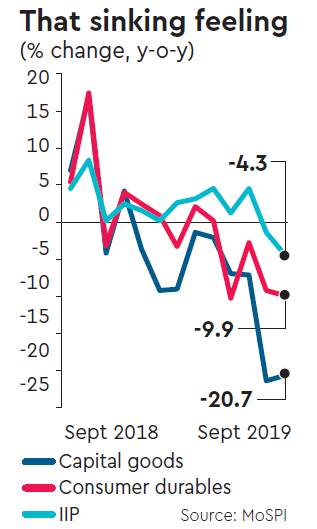
By Nantoo Banerjee India’s economic growth figures seem to be getting increasingly delinked with domestic manufacturing, industrial output, and job generation. The manufacturing sector had a very little contribution to the country’s 6.5 percent GDP growth during the last financial year, the slowest in four years. Despite a good monsoon last year, the country’s agriculture […]

Dubai’s FIX Dessert Chocolatier confirmed it will unveil a new chocolate bar at Mall of the Emirates this Friday, June 13, launching a three‑day pop-up from 10 AM until midnight through Sunday, June 15. The brand, already famed for its pistachio‑and‑knafeh‑filled “Dubai Chocolate” bars, has withheld details on the new variant, teasing only that it draws from “childhood memories”. Shoppers will also encounter interactive games, prize giveaways and brand‑curated surprises […]

Hong Kong’s Hang Seng index climbed past the 24,000 mark, reaching heights unseen since March, fuelled by renewed optimism surrounding US-China trade discussions. Investor sentiment improved as market participants weighed the possibility of easing tensions between the two largest economies, sparking a notable rally in Hong Kong’s benchmark index. However, this upbeat mood contrasted sharply with the performance of Bitcoin, which struggled amid uncertainties over inflation dynamics and broader market volatility.

The Hang Seng’s advance reflected a growing belief that US and Chinese officials are making progress toward resolving key trade disputes. Early talks aimed at addressing tariffs, technology restrictions, and investment barriers have led investors to anticipate a thawing in one of the most consequential economic standoffs globally. The improving trade dialogue appears to be encouraging capital inflows into Hong Kong-listed shares, particularly in sectors sensitive to cross-border trade such as technology, manufacturing, and finance.

Market experts highlight that investor focus remains fixed on the trajectory of these negotiations, with any breakthroughs potentially unlocking significant value in the region’s equities. The rally also aligns with a more cautious but hopeful stance among traders that a prolonged trade conflict could ease, bolstering global economic growth prospects. Notably, blue-chip stocks led the gains, signalling confidence among institutional investors betting on recovery and expansion in the Asia-Pacific markets.

Conversely, Bitcoin’s performance diverged, as the leading cryptocurrency grappled with pressure from both macroeconomic and regulatory fronts. The digital asset has faced downward momentum partly due to investor apprehensions over persistent inflationary pressures in the United States. Inflation data remains a key focal point, as higher consumer prices could prompt the Federal Reserve to sustain or accelerate interest rate hikes, tightening liquidity conditions and dampening risk appetite in speculative assets.

Bitcoin’s volatility has also been compounded by shifting regulatory attitudes worldwide. Authorities in various jurisdictions are intensifying scrutiny of digital currencies, citing concerns over money laundering, market manipulation, and financial stability risks. Such regulatory tightening has contributed to a cautious investor approach, limiting Bitcoin’s ability to capitalize on broader risk-on sentiment seen in equities.

Analysts note that while Bitcoin has often been viewed as a potential inflation hedge, its correlation with traditional risk assets has increased, causing it to react sensitively to shifts in monetary policy and global economic uncertainty. This evolving dynamic challenges the narrative of cryptocurrencies as safe havens, complicating portfolio strategies for institutional and retail investors alike.

The Hang Seng’s rally has benefited from strong performances in technology companies listed in Hong Kong. Giants in the semiconductor and telecommunications sectors saw their share prices rise amid speculation that easing trade tensions could reduce supply chain disruptions and promote cross-border business activities. Additionally, financial stocks gained momentum as optimism grew about improving economic fundamentals and potential credit growth in the region.

Meanwhile, traders are closely monitoring upcoming US inflation reports, which could significantly influence market direction. Persistent inflation could lead the Federal Reserve to maintain a hawkish stance, thereby exerting downward pressure on risk assets including equities and cryptocurrencies. Conversely, signs of easing inflation could provide further impetus for market rallies and reduce volatility.

Hong Kong’s role as a financial gateway between China and the global economy continues to underpin investor confidence. The city’s markets are seen as a barometer for broader regional economic health, and the Hang Seng’s rise signals expectations that cross-border trade and investment flows will stabilise or improve amid diplomatic progress. This optimism is tempered by awareness of ongoing geopolitical risks, including Taiwan tensions and global supply chain uncertainties.

Bitcoin’s challenges underscore the growing complexity of the global investment landscape, where traditional and emerging asset classes are influenced by an intertwined set of economic, regulatory, and geopolitical factors. While the cryptocurrency market remains dynamic, its path forward appears increasingly contingent on external economic conditions rather than solely on technological or adoption milestones.

Dubai has recorded a robust 20 per cent increase in overall student enrolment at private higher education institutions during the 2024–25 academic year, pushing total numbers to an unprecedented 42,026 students across 41 KHDA‑licensed campuses. International student presence surged by 29 per cent, now constituting 35 per cent of the total enrolment, while Emirati participation surged by 22 per cent, signalling growing confidence among nationals in private university offerings. This expansion […]

Advertisements

OPEC+ has escalated production quotas by roughly one million barrels per day from March to June, aiming to reactivate idled capacity, yet actual output across the group remains flat, according to data from Morgan Stanley analysts led by Martijn Rats. Saudi Arabia in particular shows no detectable uptick, underscoring a lag between policy shifts and market reality.

The decision to accelerate quota rollbacks follows sustained cuts totalling around 2.2 million b/d, initiated in early 2023 to support prices. With non‑OPEC supply growing and global demand weakening, the efficacy of supply restraint has waned, prompting OPEC+ to pivot back to restoring output gradually. Despite headline quota increases of approximately 137,000 b/d per month since April, actual deliveries appear limited.

Underlying structural factors are at play. Several members—most notably Kazakhstan and Iraq—have reportedly exceeded their quotas, diluting the announced gains. Saudi Arabia, with substantial spare capacity, stands out as the most capable contributor to any genuine rise in output. However, its contribution remains muted so far. Analysts suggest this reflects a strategic choice to reclaim market share rather than an immediate scale-up.

Analysts at Morgan Stanley project modest growth: between June and September, OPEC+ core members may add around 420,000 b/d—approximately half of which could originate from Saudi Arabia. Even then, actual production may fall well short of quotas, with implementation challenges persisting.

This gap between policy and output carries market implications. With more supply forecast, Morgan Stanley predicts a surplus of roughly 800,000 b/d in Q4 and 1.5–2.0 million b/d in early 2026, pressuring Brent crude prices down toward the mid‑$50s. Currently, Brent trades near $66 per barrel—11% below its level at the start of the year.

In parallel, geopolitical friction between Saudi Arabia and Russia surfaced during policy talks. Riyadh favoured a more aggressive quota rollback, while Moscow, alongside Oman and Algeria, urged caution amid worries about demand resilience. The compromise settled on another 411,000 b/d increase for July, a repetition of earlier monthly hikes.

Markets initially responded positively: oil prices climbed 3–4% following the July quota announcement, with Brent touching the mid‑$60s. That rebound, however, reflected relief over continuity rather than enthusiasm over fresh supply. Wildfires in Canada and refinery maintenance cycles were also cited as supporting factors.

Across OPEC+, reliability of quotas remains a concern. While some members exceed limits, others—constrained by infrastructure or investment—may struggle to ramp up. Saudi Arabia’s spare capacity remains central, but constraints on countries like Russia complicate the outlook even as OPEC+ restores cut volumes faster than planned.

Meanwhile, non‑OPEC supply continues to grow, particularly in the U.S., Canada, Guyana and Brazil—with forecast increases of about 1.1 million b/d in 2025. That expansion alone could outpace expected global demand growth of 800,000 b/d, risking oversupply irrespective of OPEC+ decisions.

With a full quota restoration now likely by September 2025—months ahead of the original schedule—and non‑OPEC volumes outweighing demand growth, the market faces a mounting supply glut heading into late 2025 and 2026. Analysts caution that idled capacity may remain untouched for months beyond official quotas, delaying meaningful production gains.

As OPEC+ enters this intensified phase of quota reopening, its central challenge remains execution rather than announcement. High-profile policy shifts are yet to translate into barrels at market, and the divergence between targets and reality could widen over the coming quarters. Market players are now watching whether Saudi Arabia leads by example or the rhetoric fades before the pumps do.


Arabian Post Staff -Dubai DP World Trade Finance and JPMorgan have struck an alliance designed to improve working capital availability in emerging economies, responding to an estimated global trade finance shortfall of US $2.5 trillion. The partnership combines DP World’s logistics capabilities with JPMorgan’s financial services to distribute risk on trade finance deals, ensuring underserved enterprises can access vital credit. The signature transaction under this collaboration financed a leading food company’s […]

Matein Khalid I had analyzed SpaceX as a potential 10X winner in the Dubai media circa late 2020 when it traded at a mere $46 billion in the private market and even invited a number of close friends in an investor syndicate after sourcing shares from the Founders Fund in San Fran via the secondary market. Shakespear’s Henry V praised the English longbow archers who won him […]

PumpFun, a Solana-based memecoin launchpad, has announced plans to distribute protocol revenue to $PUMP token holders through a buyback mechanism. This move marks a significant shift from the typical speculative nature of memecoins, aiming to provide tangible value to its community. However, the platform’s ambitious $4 billion valuation and a targeted $1 billion raise have raised questions about the feasibility and sustainability of its revenue model.

Since its inception in January 2024, PumpFun has facilitated the creation of over 6 million memecoins, positioning itself as a central player in the Solana ecosystem’s resurgence following the FTX collapse. The platform’s user-friendly interface allows individuals to launch tokens with minimal effort, contributing to a surge in activity that saw Solana’s Total Value Locked surpass $5 billion by mid-2025.

The proposed buyback strategy involves using a portion of the platform’s revenue to repurchase $PUMP tokens from the open market, thereby reducing supply and potentially increasing token value. This approach is intended to reward long-term holders and align the interests of the community with the platform’s growth. However, the lack of clarity regarding the specific revenue streams and the proportion allocated for buybacks has led to skepticism among investors and analysts.

PumpFun’s revenue primarily stems from a 1% swap fee on all token trades and a 1.5 SOL fee when a token “graduates” by reaching a market cap of $90,000. While these mechanisms have generated substantial income—estimated at over $380 million—the sustainability of such revenue in the volatile memecoin market remains uncertain. The platform’s reliance on continuous user engagement and token creation raises concerns about the long-term viability of its financial model.

The announcement of the $1 billion raise at a $4 billion valuation has further intensified scrutiny. Critics argue that the valuation may be inflated, given the speculative nature of the memecoin market and the platform’s nascent stage. Comparisons have been drawn to other DeFi projects that have faced challenges in maintaining high valuations without robust and diversified revenue streams.

Community members have expressed mixed reactions to the buyback plan. Some view it as a positive step towards creating a more sustainable and value-driven ecosystem, while others question the timing and transparency of the initiative. The absence of detailed information about the buyback schedule, funding sources, and governance mechanisms has fueled debates about the platform’s commitment to accountability and investor protection.

PumpFun’s leadership, including founders Noah Tweedale, Alon Cohen, and Dylan Kerler, has yet to provide comprehensive details addressing these concerns. The platform’s history of rapid growth and controversial features, such as the now-suspended livestreaming service that allowed for unmoderated content, adds to the apprehension surrounding its governance and operational practices.

The broader context of the DeFi and memecoin markets also plays a role in shaping perceptions of PumpFun’s strategy. The memecoin sector has experienced explosive growth, with market capitalizations reaching unprecedented levels. However, this growth has often been accompanied by high volatility, regulatory scrutiny, and instances of market manipulation, leading to caution among institutional investors and regulators.

Dubai Mall is set to undergo a significant expansion, with Emaar Properties announcing a substantial investment of AED 1.5 billion to enhance the mall’s offerings. The development will introduce 240 new luxury retail stores and food and beverage outlets, further solidifying the mall’s position as a premier global shopping destination. In 2023, Dubai Mall achieved a remarkable milestone by welcoming 105 million visitors, marking a 19% increase […]

Top trade officials from the United States and China are set to meet in London on Monday, 9 June, in a bid to ease escalating tensions over tariffs, technology transfers, and critical mineral exports. The announcement follows a 90-minute phone call between President Donald Trump and President Xi Jinping, during which both leaders agreed to resume dialogue and expressed cautious optimism about resolving key disputes. Leading the […]

World Liberty Financial , a cryptocurrency initiative associated with U.S. President Donald Trump, has executed an airdrop, distributing 47 units of its USD1 stablecoin to each holder of its WLFI token. The distribution, conducted on the Ethereum blockchain, was automatic and required no action from recipients. The figure of 47 USD1 tokens per wallet is widely interpreted as a symbolic reference to Trump’s position as the 47th […]

MEXC, a prominent digital asset exchange, has accelerated its stablecoin expansion strategy after acquiring $20 million worth of USDe tokens, marking a notable milestone as its stablecoin ecosystem surpasses a $100 million total value locked . This move signals a determined push by MEXC to strengthen its position in the increasingly competitive stablecoin market and further diversify its crypto offerings.

The $20 million USDe acquisition represents a calculated effort to bolster liquidity and adoption of stablecoins pegged to the US dollar, which have become vital in reducing volatility within the cryptocurrency sector. Stablecoins like USDe offer users a more reliable medium of exchange and store of value compared to traditional cryptocurrencies, which can experience dramatic price swings. MEXC’s increasing focus on stablecoins aligns with global trends where institutional and retail investors seek safer avenues for digital asset investment amid regulatory uncertainties and market fluctuations.

Beyond the recent purchase of USDe, MEXC’s stablecoin portfolio has seen sustained growth, pushing the platform’s total stablecoin value locked to exceed $100 million. This figure reflects the combined assets users have committed within MEXC’s stablecoin ecosystem, encompassing liquidity pools, staking, and yield farming products. The growing TVL not only underscores user confidence but also enhances the exchange’s capacity to support high-volume trading and DeFi activities anchored by stablecoins.

MEXC’s engagement in the stablecoin space builds upon its earlier strategic $16 million investment in Ethena, a notable innovator specialising in stablecoin technology and ecosystem development. Ethena’s platform focuses on creating programmable, algorithmic stablecoins that aim to maintain price stability through decentralised governance and dynamic supply adjustments. By backing Ethena, MEXC has positioned itself at the forefront of stablecoin innovation, tapping into emerging technologies that could redefine how digital currencies achieve and sustain their peg.

The decision to invest heavily in USDe and Ethena also comes amid rising competition among exchanges and financial platforms seeking to capture market share in stablecoin issuance and trading. Major players like Tether , USD Coin , and Binance USD dominate market capitalization, but newer tokens like USDe have gained traction through enhanced transparency, regulatory compliance, and blockchain interoperability. MEXC’s adoption of USDe highlights its intent to diversify beyond the dominant incumbents, offering users alternatives that may align better with evolving regulatory frameworks.

Industry experts note that the integration of stablecoins into broader financial systems remains a critical driver for crypto adoption. Stablecoins facilitate cross-border payments, remittances, and decentralised finance applications with reduced friction and costs compared to fiat-based mechanisms. MEXC’s strategy of expanding its stablecoin offerings enhances its utility as a hub for such financial activities, making it attractive to a wider range of traders and developers.

Regulatory clarity surrounding stablecoins has varied globally, with some jurisdictions imposing stringent requirements while others promote innovation-friendly policies. MEXC, headquartered in Seychelles with a growing international presence, has adapted to this shifting landscape by aligning its stablecoin partnerships with platforms like Ethena that emphasise compliance and governance transparency. This approach aims to pre-empt potential regulatory hurdles and establish MEXC as a responsible player in the digital currency ecosystem.

The growth in MEXC’s TVL also corresponds with increased user engagement in decentralised finance products facilitated by stablecoins. Yield farming and staking opportunities offered on the platform encourage users to lock their assets in exchange for rewards, helping to boost liquidity and network activity. These products often depend on stablecoins to mitigate risk, offering participants a balance between yield generation and capital preservation.

Market analysts observe that the stablecoin sector is poised for further expansion as demand for digital dollar substitutes rises. Factors such as increasing institutional interest, the rise of central bank digital currencies , and the ongoing integration of blockchain technology into mainstream finance all contribute to stablecoins becoming indispensable in the crypto landscape. MEXC’s proactive steps to expand its stablecoin infrastructure may provide a competitive advantage as these trends accelerate.

The $100 million TVL milestone not only demonstrates MEXC’s capability to attract substantial user funds but also reflects confidence in the exchange’s technical infrastructure and security protocols. Ensuring safe custody and seamless transactions is crucial for stablecoin platforms, given the heightened regulatory scrutiny and user concerns over fraud and hacking incidents in the sector.

MEXC’s roadmap indicates continued efforts to broaden its stablecoin offerings, with potential plans to incorporate additional tokens and enhance cross-chain compatibility. This would enable users to transact stablecoins across multiple blockchain networks, facilitating greater interoperability and expanding MEXC’s reach within the decentralised finance space.

The exchange also plans to deepen its collaboration with DeFi projects and developers, positioning stablecoins as a foundational component for innovative financial products. This aligns with broader industry movements where stablecoins serve as the backbone for lending protocols, decentralised exchanges, and payment solutions.

WASHINGTON D.C, US – Media OutReach Newswire – 7 June 2025 – Vietnam’s Minister of Agriculture and Environment Do Duc Duy led a delegation of nearly 50 agencies, agribusinesses, and associations to the United States from June 2–6, 2025, to promote trade and increase imports of agricultural and timber products. The delegation held business dialogues in Iowa, Ohio, Maryland and Washington, D.C. MoU signing to purchase US […]

DP World Trade Finance and JP Morgan have entered into a strategic partnership aimed at enhancing access to working capital in emerging markets. This collaboration seeks to address the estimated $2.5 trillion global trade finance gap that disproportionately affects small and medium-sized enterprises in developing economies.

The alliance’s inaugural transaction facilitated the procurement of cocoa from Ivory Coast by a leading global food company, unlocking over $70 million in annual procurement opportunities. This deal not only provided significant value to the Ivorian economy but also demonstrated the potential of combining logistics and financial services to mitigate credit risks in supply chains.

Raj Jit Singh Wallia, Board Member at DP World Trade Finance, emphasized the importance of integrating logistics and finance to reduce credit risk profiles and enhance liquidity in emerging markets. He noted that this transaction is one of many anticipated through the partnership, especially as trade expands in regions like Central Asia and Sub-Saharan Africa.

James Fraser, Global Head of Trade & Working Capital at JP Morgan, highlighted the bank’s commitment to supporting global trade through innovative financing solutions. He expressed enthusiasm about working together to broaden access to structured trade finance in pivotal markets via innovative financial frameworks.

The partnership aims to leverage risk-sharing mechanisms and combine them with logistics expertise to reduce the overall credit risk profile, thereby enhancing liquidity in markets where traditional lenders are hesitant due to limited credit data. By co-managing trade finance transactions, DP World and JP Morgan intend to provide more inclusive trade participation opportunities for businesses in developing economies.

Vietnam’s Vingroup and Gulf states are both rewriting their growth playbooks through state-led sustainability drives, forging a parallel transformation from legacy empires into green innovation hubs. HANOI, VIETNAM – Media OutReach Newswire – 6 June 2025 – Vietnam’s Vingroup and Gulf nations share parallel journeys of strategic reinvention, as the old playbooks that delivered decades of growth are showing their limits. While Gulf countries built wealth on […]

Institutional holdings in U.S. spot Bitcoin exchange-traded funds declined by 23% in the first quarter of 2025, falling from $27.4 billion to $21.2 billion. This marks the first quarterly decrease since the launch of these investment vehicles in January 2024.

The downturn is largely attributed to an 11% drop in Bitcoin’s price during the quarter, which significantly impacted the value of holdings. However, strategic repositioning by institutional investors also played a role, with some actively reducing their exposure to Bitcoin ETFs.

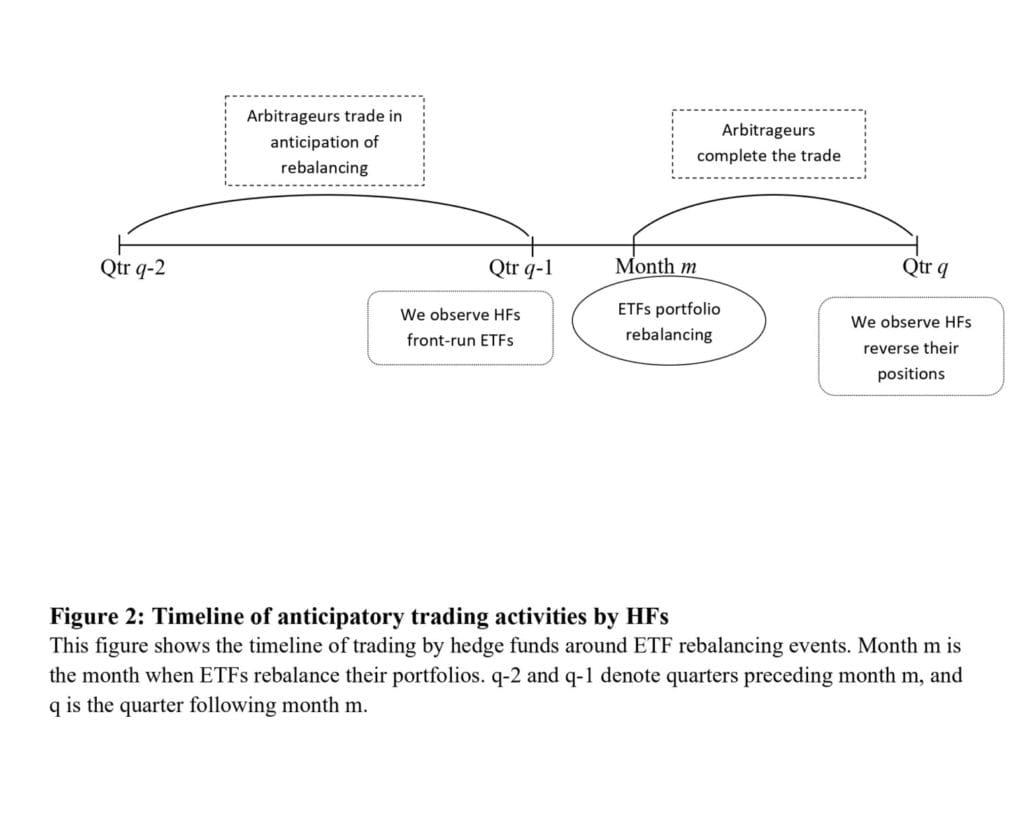
Analysis of Securities and Exchange Commission 13F filings indicates a shift in the composition of institutional investors. Financial advisors increased their share of Bitcoin ETF holdings, rising from 47% to 50%, while hedge funds reduced their stake from 41% to 32%. This suggests a move towards longer-term investment strategies by advisors, contrasted with profit-taking by hedge funds.

The unwinding of the basis trade—a strategy exploiting price differences between Bitcoin futures and spot markets—contributed to the reduction in hedge fund positions. As futures premiums compressed, the profitability of this arbitrage diminished, prompting firms like Millennium Management and Brevan Howard to adjust their holdings accordingly.

Despite the overall decline, corporate treasuries continued to accumulate Bitcoin. Strategy, formerly known as MicroStrategy, led public firms in Bitcoin acquisition during the quarter, adding 81,785 BTC valued at over $8 billion. This brought the company’s total holdings to 553,555 BTC, underscoring a trend of corporations viewing Bitcoin as a strategic reserve asset.

The manufacturing landscape in India is undergoing a profound transformation as nearly all major players invest heavily in artificial intelligence and machine learning technologies. This shift reflects a strategic focus on boosting operational efficiency, driving business impact, and advancing sustainability goals. An extensive survey by Rockwell Automation reveals that Indian manufacturers are rapidly adopting AI and ML to remain competitive in a global marketplace increasingly dominated by digital innovation.

Manufacturers across India are leveraging AI and ML to optimise production processes, reduce costs, and enhance product quality. The integration of these technologies into factory operations enables predictive maintenance, real-time monitoring, and automation of complex tasks. This leads to minimising downtime, improving yield, and accelerating time-to-market. Industrial leaders cite AI and ML as essential tools for unlocking value amid rising raw material prices and supply chain uncertainties.

The adoption rates in India closely mirror global trends but stand out for the intensity of focus on sustainability. AI-driven analytics allow manufacturers to significantly cut energy consumption and waste, contributing to environmental goals aligned with international standards and India’s own climate commitments. Companies are deploying smart sensors and AI algorithms to monitor emissions and optimise resource use, which is crucial as regulatory pressures tighten and consumer expectations evolve.

Executives in India report that their investment in AI and ML technologies is yielding measurable returns. Data from the Rockwell Automation survey indicates that over 90% of respondents observe improved operational performance attributable to these digital initiatives. Furthermore, nearly three-quarters affirm that their AI-driven strategies have enhanced decision-making speed and accuracy, facilitating quicker responses to market demands and disruptions.

The Indian government’s push to encourage digital adoption in manufacturing, through initiatives such as ‘Make in India’ and the National Strategy on AI, complements corporate efforts. Policy frameworks supporting Industry 4.0 advancements, including financial incentives and infrastructure development, have accelerated the uptake of AI and ML technologies. This alignment between public policy and private sector ambition has created a fertile environment for innovation in the manufacturing ecosystem.

Several sectors within Indian manufacturing stand to benefit disproportionately from AI and ML integration. Automotive, pharmaceuticals, and consumer goods producers are early adopters, capitalising on AI’s ability to optimise supply chains, enhance product customisation, and improve quality control. For example, AI algorithms can predict demand patterns more accurately, enabling just-in-time inventory management that reduces excess stock and associated costs.

While enthusiasm for AI and ML is high, manufacturers face challenges in implementation. Shortages of skilled personnel who can develop and maintain AI systems are common, necessitating investment in workforce training and collaboration with technology providers. Cybersecurity remains a critical concern, as increased digital connectivity opens potential vulnerabilities. Firms are therefore balancing rapid technology deployment with robust risk management strategies to safeguard intellectual property and operational integrity.

The evolving role of AI and ML in manufacturing also raises questions about labour dynamics. Automation driven by these technologies has the potential to displace routine manual jobs but also creates opportunities for higher-skilled employment in areas such as data science, system maintenance, and process optimisation. Industry leaders emphasise the need for reskilling initiatives to ensure the workforce adapts to the demands of a more digitally integrated manufacturing sector.

Investors and technology companies are taking notice of India’s growing appetite for AI and ML in manufacturing. Partnerships between domestic manufacturers and global tech firms are expanding, bringing access to advanced AI platforms and expertise. Indian startups specialising in industrial AI solutions are gaining traction, offering innovative products tailored to the unique challenges of Indian factories, such as managing variable power supply and legacy equipment integration.

The emphasis on sustainability powered by AI is gaining traction beyond regulatory compliance. Indian manufacturers recognise that eco-friendly operations can enhance brand value and meet the expectations of increasingly conscious consumers worldwide. Technologies that track carbon footprints, water usage, and waste generation help firms align with global environmental, social, and governance criteria, which are becoming decisive factors for international trade and investment.

As AI and ML technologies mature, their influence on Indian manufacturing’s competitive edge is expected to deepen. Automation of routine tasks frees human workers to focus on innovation and complex problem-solving, potentially accelerating product development cycles and enabling mass customisation. Real-time data analytics empower firms to respond nimbly to market fluctuations and supply chain disruptions, a critical advantage amid ongoing geopolitical and economic uncertainties.

Oil prices maintained stability following a notable rise as market participants reacted to constructive signals from high-level discussions between the United States and China. Brent crude hovered near $65 a barrel, positioning itself for a weekly advance that would mark its first since mid-May. Similarly, West Texas Intermediate settled close to $63, reflecting a cautious but optimistic outlook amid evolving geopolitical dynamics. The dialogue between President Donald […]

Dubai’s real estate sector demonstrated remarkable momentum last month, with property transactions reaching a record AED 66.8 billion , reflecting a substantial 44% increase compared to the previous year. This surge highlights a growing population and robust demand across various market segments, driven by both primary and secondary sales.

The primary ready property segment emerged as a key growth area, experiencing a fourfold increase in sales value to AED 17.9 billion in May 2025. This sharp rise signals strong confidence among buyers seeking completed units, particularly in sought-after developments across Dubai’s key residential hubs. The secondary ready market also recorded significant gains, with sales amounting to AED 24 billion, up 21% year-on-year, underscoring ongoing interest in resale properties.

Combined, the value of primary ready and off-plan transactions soared by 65% to AED 37 billion, while secondary sales posted a 23% rise, reaching AED 29 billion. These figures set new benchmarks for Dubai’s real estate market, reinforcing its status as a vibrant and attractive destination for investors and end-users alike.

Market analysts point to several factors fueling this upward trajectory. Dubai’s population continues to expand rapidly, buoyed by relaxed visa policies and a growing expatriate community. This demographic shift is driving demand for residential properties across the emirate, particularly in areas offering integrated lifestyle amenities and proximity to business districts.

Infrastructure developments and government initiatives aimed at enhancing the city’s appeal remain key contributors to market confidence. Projects such as the Dubai Metro expansion, new business zones, and cultural hubs are attracting both domestic and international buyers. The real estate sector’s performance also benefits from Dubai’s position as a global trade and tourism hub, which sustains demand in the rental and resale markets.

Within the primary ready segment, the quadrupling of sales reflects a broader trend where buyers prefer completed properties over off-plan purchases, reducing exposure to construction delays and market fluctuations. This preference is particularly pronounced among end-users seeking immediate occupancy. Developers have responded by accelerating delivery schedules and introducing competitive pricing strategies to capture this demand.

Off-plan sales maintain a strong presence, contributing significantly to the overall primary market value. The willingness of buyers to commit to projects still under construction suggests continued optimism about Dubai’s long-term growth prospects. Developers are increasingly targeting affluent buyers with luxury offerings and integrated communities that blend residential, retail, and recreational spaces.

The secondary market’s 23% growth highlights the liquidity and resilience of Dubai’s property resale sector. Investors and homeowners alike are capitalising on rising property values, with many opting to upgrade or diversify their portfolios. This active resale market provides a vital avenue for market participants seeking flexible entry and exit points.

Data also reveals that demand is diversifying geographically. While prime locations such as Downtown Dubai, Dubai Marina, and Palm Jumeirah remain highly sought after, emerging areas like Dubai South and Mohammed bin Rashid City are gaining traction. These developments offer competitive pricing and extensive amenities, appealing to both investors and residents aiming for value and quality of life.

Real estate experts caution, however, that sustainability remains a crucial consideration amid rapid growth. Affordability challenges and potential oversupply in certain segments could temper future gains if not managed carefully. Nonetheless, current market dynamics suggest a healthy balance between supply and demand, supported by Dubai’s strategic economic vision.

Ghana’s gold reserves have surged to 31.37 tonnes in 2025, reaffirming its position as Africa’s leading gold producer. However, this growth is shadowed by a significant rise in artisanal and small-scale mining , which now accounts for nearly 40% of national output. The proliferation of unlicensed operations is raising alarms over environmental degradation, regulatory challenges, and the long-term sustainability of the country’s mining sector. The Ghana Chamber […]

Greenlogue/AP The United Arab Emirates will enforce a nationwide prohibition on the import, production, and trade of single-use plastic products starting 1 January 2026, as announced by Dr Amna bint Abdullah Al Dahak, Minister of Climate Change and Environment. This measure builds upon earlier initiatives, including the 2024 ban on plastic bags, and reflects the country’s commitment to environmental sustainability. The upcoming ban will encompass a range […]

VISHNU RAJA
RYO YAMADA
HITORI GOTOH
IKUYO KITA