News related to
trade

Japan’s push to fold crypto-linked products into mainstream finance has gained political momentum, with senior government figures signalling support for digital assets trading on regulated exchanges as the country positions 2026 as a milestone year for its digital economy.

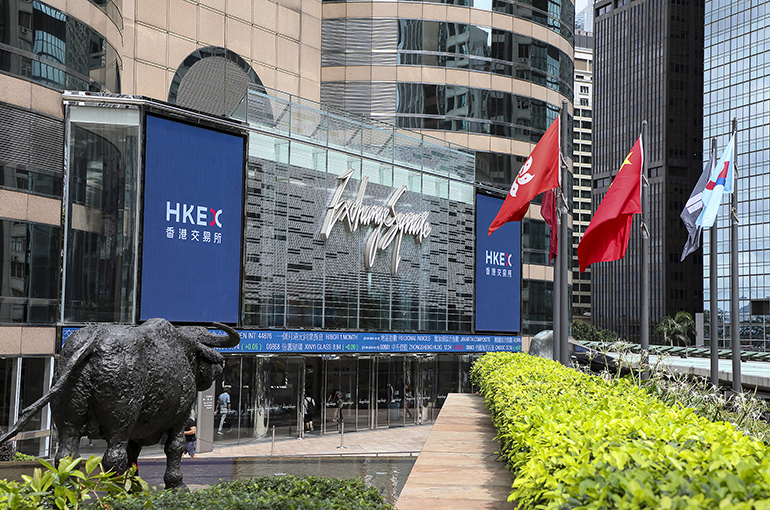
Speaking at a New Year gathering at the Tokyo Stock Exchange, Satsuki Katayama, a prominent member of the ruling Liberal Democratic Party known for her advocacy of financial innovation, outlined a vision in which tokenised assets and crypto-linked exchange-traded products operate alongside equities and commodities. While Katayama does not hold the finance minister portfolio, her remarks reflected broader policy debates underway in Tokyo over how far Japan should go in embracing digital finance within its tightly regulated markets.

The comments arrive as global asset managers press Asian regulators to open the door to crypto exchange-traded funds, following approvals in the United States and growing institutional interest in Europe. Japan has long taken a cautious stance after high-profile exchange failures earlier in the past decade, but officials now argue that clearer rules and stronger custody standards make broader participation possible without undermining investor protection.

Within government circles, 2026 is being framed as a symbolic inflection point. Lawmakers and regulators have increasingly referred to the year as a moment when legacy systems and digital infrastructure converge, particularly in capital markets settlement, identity verification and cross-border payments. Katayama described it as the start of a “digital era” for finance, a phrase that has been echoed in policy discussions tied to Japan’s broader digital transformation agenda.

Regulatory authority for any crypto-linked listings ultimately rests with the Financial Services Agency, which oversees exchanges and approves new financial products. The agency has already moved to modernise rules for security tokens and stablecoins, creating a framework that allows banks and trust companies to issue yen-backed digital currencies under strict supervision. Officials familiar with the discussions say the same principles—segregation of client assets, disclosure standards and market surveillance—would apply to crypto ETFs or similar instruments.

Market operators have begun preparing for that possibility. The Tokyo Stock Exchange’s parent group has invested heavily in trading and clearing systems capable of handling tokenised securities, while major brokerage houses are expanding digital asset teams to service institutional clients. Commodity exchanges have also explored how blockchain-based contracts could streamline settlement and reduce counterparty risk, particularly for energy and metals trading.

Japan’s interest in crypto-linked exchange products also reflects competitive pressure from regional peers. Hong Kong has positioned itself as a hub for virtual asset trading, approving spot crypto ETFs and encouraging global issuers to list in the city. Singapore, while more conservative on retail access, has built a reputation for regulatory clarity that attracts institutional capital. Policymakers in Tokyo are wary of ceding ground, especially as domestic pension funds and insurers look for diversified investment options in a low-yield environment.

Still, scepticism remains within Japan’s policy establishment. Some lawmakers and consumer groups warn that crypto markets remain volatile and vulnerable to manipulation, arguing that wider access through stock exchanges could expose unsophisticated investors to sharp losses. Regulators have responded by stressing that any approved products would likely be limited initially to professional investors, with strict marketing controls and suitability requirements.

Industry executives counter that regulated exchange-traded products may actually reduce risk by shifting activity away from offshore platforms toward transparent, supervised venues. They point to Japan’s experience with security tokens, where pilot issuances have proceeded without major incidents under a clear legal framework.

The debate has also revived questions about taxation and accounting. Crypto gains in Japan are currently taxed as miscellaneous income, a structure critics say discourages long-term investment and innovation. Government panels have been reviewing whether a shift toward capital gains treatment is warranted, particularly if digital assets become embedded in mainstream portfolios through ETFs and listed funds.

MEXC has launched a month-long promotional campaign aimed at boosting user engagement and trading volumes, unveiling its “Galaxy Quest” trading event with rewards of up to 1,000 USDT for eligible participants. The initiative, which began on January 2 and runs until January 29, 2026, underscores intensifying competition among global digital asset exchanges seeking to retain active traders amid shifting market conditions. The campaign offers users the chance […]

U. S President Donald Trump intensified geopolitical tensions by openly warning of possible military action against Colombia following a dramatic U. S. operation that resulted in the capture of Venezuela’s president, Nicolas Maduro. Trump made the comments aboard Air Force One, accusing Colombian President Gustavo Petro of presiding over a “sick” government and suggesting Colombia could be targeted if illicit drug and security concerns were not addressed, […]

  Washington moved to recalibrate its public posture on Venezuela as Secretary of State Marco Rubio outlined a strategy centred on economic coercion rather than direct governance, while President Donald Trump repeated assertions that the United States would be “in charge” following the removal of Nicolás Maduro. The contrasting messages underscored tensions inside the administration over how far Washington should go in reshaping the oil-rich South American […]

Taiwanese security officials and lawmakers have been assessing the implications of Donald Trump’s hardline language on Venezuela’s Nicolás Maduro, viewing it as a signal of how a future Trump administration might project power abroad and deter coercive moves by Beijing, even as they privately acknowledge that no arrest of the Venezuelan leader has taken place. The discussion reflects Taipei’s constant effort to read Washington’s intentions amid growing […]

MiniMax is preparing to price its Hong Kong initial public offering at the top of the marketed range, signalling strong demand for artificial intelligence developers as investors seek exposure to homegrown technology firms with global ambitions, according to people familiar with the transaction.

The Shanghai-based company, best known for its large language models and consumer-facing AI applications, has accelerated its listing timetable amid a surge in interest for Chinese technology firms that are perceived to be less exposed to US trade and regulatory pressures. Bankers involved in the deal say early indications from institutional investors point to robust demand, particularly from Asia-based funds focused on long-term technology themes.

MiniMax, founded in 2021 by former SenseTime and Megvii researchers, has positioned itself as one of the country’s leading independent AI model developers. Its core products include general-purpose foundation models, AI companions and enterprise solutions used across gaming, education and content creation. The firm competes with larger players backed by internet conglomerates while marketing itself as more agile and research-driven.

People familiar with the IPO said the company is targeting a valuation that reflects the premium currently attached to AI-related listings in Hong Kong. While final pricing has not yet been approved, the expectation is that the offer will be set at the upper end of the range to capitalise on strong order books built during early marketing. The shares are expected to begin trading later this year, subject to market conditions and regulatory clearances.

The decision to push for top-range pricing comes as Hong Kong’s equity market shows signs of renewed momentum after a prolonged slowdown. Technology and healthcare deals have drawn increasing attention, supported by policy measures aimed at reviving capital markets and encouraging listings by innovative firms. Fund managers say AI remains one of the few sectors where investors are willing to pay up for growth, despite broader concerns over economic headwinds.

MiniMax’s IPO is also being closely watched as a test case for how investors value Chinese AI companies that operate largely outside the orbit of the country’s major internet platforms. Unlike peers that rely heavily on parent companies for distribution and funding, MiniMax has raised capital from a mix of venture investors and strategic backers, allowing it to retain greater operational independence. That positioning has resonated with some institutional investors seeking exposure to AI innovation without heavy platform risk.

The company has continued to expand its research capabilities, investing heavily in computing infrastructure and talent. Industry analysts note that MiniMax has been among the more visible Chinese developers releasing multilingual models and consumer applications that aim to compete with global offerings. Its emphasis on overseas markets, including Southeast Asia and parts of the Middle East, has helped broaden its revenue base and narrative ahead of the listing.

Still, the firm faces stiff competition. Domestic rivals supported by large technology groups benefit from vast user ecosystems and deep pockets, while international players continue to dominate cutting-edge model development. Pricing the IPO aggressively could raise expectations around execution and financial performance at a time when monetisation of AI remains uneven across the industry.

Market participants say Hong Kong has become a more attractive venue for such listings as regulatory scrutiny on technology firms has stabilised compared with earlier years. The city’s exchange has also updated listing rules to better accommodate companies with heavy research spending and limited near-term profitability, a profile that fits many AI developers.

Bankers involved in the transaction say MiniMax has highlighted its progress in commercialising products, including enterprise contracts and consumer subscriptions, to address investor concerns around sustainability. While the company is not yet profitable, it has signalled a clearer path to revenue growth than at earlier funding rounds, helped by rising demand for customised AI solutions among businesses.

Shares of ITC Ltd. have come under sustained pressure after a sharp shift in analyst sentiment, with about a third of brokerage houses cutting their buy recommendations following higher taxes on cigarettes that have altered earnings expectations for the diversified consumer goods group.

The change in outlook has been swift. Until the latest tax measures, ITC had ranked among the most favoured large-cap stocks on domestic brokerage lists, supported by steady cash flows from cigarettes and growing contributions from fast-moving consumer goods, hotels and paperboards. That balance has been questioned after the government raised duties on tobacco products, squeezing margins in the company’s most profitable segment.

ITC hit by analyst downgrades after tax move has become a defining theme in market commentary as earnings models are recalibrated. Analysts who turned cautious point to limited scope for further price hikes in cigarettes without risking volume erosion, at a time when consumption growth has already been uneven.

Cigarettes contribute a majority of ITC’s operating profit despite accounting for a smaller share of revenue, making tax changes particularly sensitive. The latest duty increase, structured through a combination of higher specific excise and cess components, has raised the effective tax burden across key cigarette categories. Brokerages estimate that, unless offset by price increases or cost efficiencies, operating margins in the segment could compress by 150 to 250 basis points over the coming quarters.

Some analysts expect ITC to pass on part of the tax through selective price increases, a strategy the company has used in earlier cycles. However, several broker notes highlight a more competitive environment, with illicit trade and regional players limiting pricing power. Volume growth assumptions for the cigarette business have been trimmed, with some forecasts now factoring in flat to marginally negative growth.

The reassessment has translated into rating cuts from buy to hold or equivalent neutral stances. Target prices have also been lowered, reflecting reduced earnings visibility and a narrower valuation premium for the cigarette franchise. A few brokerages have flagged that ITC’s valuation multiple had already priced in regulatory stability, leaving little cushion for adverse policy surprises.

Not all analysts are bearish. A significant portion of coverage has retained positive recommendations, arguing that the market reaction may be overdone. Supporters note ITC’s strong balance sheet, consistent dividend payouts and diversified portfolio as buffers against near-term volatility. The company remains debt-free and continues to generate robust free cash flow, providing flexibility to absorb tax shocks.

Attention has also turned to ITC’s non-cigarette businesses, which management has been positioning as long-term growth drivers. The FMCG segment, covering packaged foods, personal care and agri-branded products, has delivered double-digit revenue growth in several quarters, albeit with thinner margins. Analysts broadly agree that sustained investment is required before this segment can materially offset any slowdown in cigarettes.

The hotels business, demerged earlier into a separate listed entity, has been another focal point. While the demerger unlocked value and allowed sharper capital allocation, it also removed a stable earnings contributor from ITC’s consolidated results. Some analysts argue that the timing has amplified the perceived impact of the tobacco tax, as investors now view ITC more squarely through the lens of its cigarette exposure and FMCG transition.

Market participants are also weighing the broader regulatory backdrop. Tobacco taxation remains a policy lever tied to public health objectives and revenue needs, creating an element of unpredictability. Analysts caution that while steep tax hikes may not be annual, periodic adjustments are likely, keeping long-term risk premiums elevated for cigarette makers.

ITC’s management has yet to signal any immediate strategic shift in response to the tax increase. Past commentary has emphasised disciplined pricing, supply chain efficiencies and portfolio premiumisation to protect margins. The company has also highlighted investments in agri-sourcing and digital distribution to strengthen competitiveness across categories.

For investors, the debate has narrowed to whether the stock’s recent underperformance adequately reflects these risks. Some analysts see value emerging if earnings downgrades stabilise and FMCG margins continue to improve. Others maintain that sentiment will remain cautious until clearer evidence emerges that cigarette profitability can be sustained without sacrificing volumes.

Advertisements

Docker is changing how macOS applications are built, tested and deployed, as containerisation gains ground among developers working on Apple hardware. The shift is being driven by the need for consistent development environments, faster performance on Apple silicon machines and smoother collaboration across distributed teams, according to developers and industry analysts tracking software tooling trends. Containerisation allows applications to run in isolated environments that package code with […]

Punkt has entered the spotlight at CES 2026 with the launch of the MC03, a smartphone positioned as a deliberate counterpoint to data-intensive mobile ecosystems. The device, priced at $699 with an additional subscription for key services, places privacy, sustainability and intentional use at the centre of its proposition, targeting consumers increasingly uneasy about how personal data is harvested and monetised. Unveiled during the annual technology gathering in Las Vegas, the […]

Venezuela’s state-run oil industry continued operating without interruption on Saturday despite a dramatic United States operation that led to the capture of President Nicolas Maduro, according to people familiar with the operations of Petróleos de Venezuela, known as PDVSA. Production, refining and internal logistics remained stable, the sources said, with no damage reported at oilfields, pipelines or export terminals that underpin the country’s energy revenues. The announcement […]

Aviation in the United Arab Emirates has deepened its role as a strategic pillar of the national economy, with 2025 marking a year of consolidation that underscored the sector’s influence on trade, tourism, logistics and supply chains. Policymakers and industry leaders say the ecosystem’s direct and indirect contribution has reached as much as 18 per cent of gross domestic product, reflecting the scale of activity generated by airlines, airports, maintenance hubs, free zones and aviation-linked services.

Passenger and cargo volumes across the federation continued to trend higher, supported by steady growth in international travel demand and the country’s positioning as a crossroads between Asia, Europe and Africa. Major hubs operated by Dubai Airports and Abu Dhabi Airports handled sustained traffic flows as carriers expanded networks and frequencies. Capacity discipline and targeted route additions allowed operators to absorb higher volumes while maintaining service standards, reinforcing the UAE’s reputation for operational reliability.

Flag carriers remained central to the sector’s momentum. Emirates Airline pressed ahead with fleet renewal and network optimisation, focusing on long-haul markets that underpin connectivity for tourism and business travel. Etihad Airways pursued a parallel strategy centred on profitability and partnerships, aligning growth with demand and strengthening Abu Dhabi’s role as a transfer hub. Together, the airlines’ scale supported ancillary industries ranging from catering and ground handling to training and aviation finance.

Cargo performance remained a defining feature of the year. Dedicated freighter operations and belly-hold capacity benefited from the UAE’s role in high-value, time-sensitive shipments, including pharmaceuticals, perishables and e-commerce. Logistics providers highlighted improved customs processes and digital clearance systems as key enablers, allowing faster turnaround times and reinforcing confidence among multinational shippers. The integration of air cargo with ports and free zones helped sustain supply chains amid ongoing adjustments in global trade patterns.

Governance and regulation were cited by executives as competitive advantages. The General Civil Aviation Authority continued to align oversight with international standards while supporting innovation through performance-based regulation. Industry participants pointed to predictable policy frameworks and coordinated planning between federal and emirate-level authorities as factors that reduced friction for investors and operators.

Sustainability initiatives gathered pace across airlines and airports, reflecting both regulatory expectations and commercial imperatives. Carriers advanced fuel-efficiency programmes through newer aircraft types and operational measures, while airports invested in energy management, waste reduction and water stewardship. Trials involving sustainable aviation fuel expanded through partnerships with energy suppliers and research institutions, positioning the UAE as an early mover in the region’s decarbonisation efforts. While volumes of alternative fuels remain limited, industry leaders argued that early adoption builds expertise and supply-chain readiness.

Technology adoption also shaped the sector’s evolution. Biometric processing, predictive maintenance and data-driven air traffic management systems were rolled out to improve efficiency and resilience. Airports leveraged automation to manage peak flows without proportional increases in staffing, while airlines used analytics to refine scheduling and revenue management. These investments were framed as necessary to accommodate future growth while preserving service quality.

The aviation workforce expanded alongside operations, with training academies and partnerships focusing on pilots, engineers and air traffic specialists. Officials emphasised localisation and skills development as priorities, citing aviation’s role in high-value employment and knowledge transfer. At the same time, competition for specialised talent remained intense, prompting employers to enhance retention and career progression pathways.

Tourism authorities linked aviation capacity directly to visitor inflows, noting that air connectivity underpins hotel occupancy, events and retail activity. Route launches and increased frequencies supported diversification into new source markets, aligning with broader economic strategies aimed at reducing reliance on hydrocarbons. Business travel and exhibitions contributed to premium traffic, reinforcing the UAE’s positioning as a regional commercial hub.

Matein Khalid 2026 has started with a bullish bang for my Dr. Copper trade, even though a single trading session when half of Asia is still getting over its New Year’s Day hangover is hardly an optimal sample size. Yet as I see LME spot copper trade at $12500 a metric ton, I feel exhilarated as this is precisely the breakout I flagged for my friends and […]

Nvidia is stepping up output of its H200 artificial intelligence processors as demand from technology firms operating in China intensifies, reflecting a wider global race to secure advanced computing power for large-scale AI models. People familiar with the company’s manufacturing plans say production schedules have been tightened and supply allocations adjusted to prioritise customers seeking alternatives to restricted top-tier chips. The H200, built on Nvidia’s Hopper architecture […]

Dogecoin advanced about 4% during early trading on Wednesday, outperforming several large-cap digital assets as speculative interest returned to the memecoin segment and a short-term “golden cross” signal emerged on technical charts. The move followed a broader rally across smaller tokens, driven by renewed retail participation and heavier trading volumes that analysts said could sustain gains if key price levels hold. The token, created as a parody […]

Bitcoin surged beyond the $91,000 mark as a broader rally lifted ether and dogecoin, with traders pointing to political developments tied to Venezuela and signals of possible United States involvement as catalysts for volatility across digital asset markets. The move underscored how geopolitical risk, alongside liquidity conditions and investor positioning, continues to shape price action in cryptocurrencies that are increasingly sensitive to macro and political cues. The […]

Pressure on the global games industry is intensifying as regulators, courts and lawmakers move to tighten oversight on artificial intelligence, child protection, monetisation models and platform accountability, setting up 2026 as a pivotal year for legal risk and compliance. Publishers and studios are entering the year facing overlapping scrutiny from consumer watchdogs, data protection authorities and competition regulators, with legal experts warning that fragmented rules across jurisdictions […]

Food assistance funded by Japan is reaching refugees and returnees in Burundi through the World Food Programme, easing acute hunger pressures in camps and host communities strained by displacement, erratic harvests and rising food costs.

The support targets families who fled violence in neighbouring states and Burundians who have returned after years abroad, many arriving with limited assets and few income options. WFP officials say the funding is enabling monthly rations and nutrition support at a time when humanitarian needs remain elevated across the Great Lakes region.

The programme, implemented by the World Food Programme, prioritises refugees in camps and settlements as well as vulnerable returnees integrated into surrounding communities. Assistance includes staple cereals, pulses and fortified oil, with specialised supplements for pregnant and breastfeeding women and children at risk of malnutrition. Cash-based transfers are also being expanded where markets function, allowing households to choose foods locally and supporting small traders.

Japan’s contribution comes amid sustained displacement into Burundi, primarily from the eastern Democratic Republic of Congo, and a steady flow of returnees following regional diplomatic efforts. According to humanitarian agencies, Burundi hosts tens of thousands of refugees, while returnees often face land disputes, limited livelihoods and overstretched public services upon arrival. Food insecurity has been aggravated by climate variability that has disrupted planting seasons and by global price pressures that have raised the cost of basic staples.

A senior WFP official in Bujumbura said the Japanese funding was critical to stabilising rations and preventing harmful coping strategies such as skipping meals or pulling children out of school. “This support allows us to protect the most vulnerable while we scale solutions that build self-reliance,” the official said, noting that nutrition indicators had shown signs of strain in several camps before the funds were confirmed.

Japan has framed the assistance as part of its broader humanitarian engagement in Africa, with a focus on lifesaving aid and resilience. A representative of the Japanese government said the funding reflected a commitment to human security, adding that food assistance was paired with investments in health, water and education delivered through multilateral partners. Japan has been a long-standing donor to WFP operations worldwide, frequently emphasising efficiency and accountability.

Burundi’s government has welcomed the support, saying it complements national efforts to integrate refugees and returnees while maintaining social cohesion. Officials have encouraged aid agencies to align food assistance with agricultural recovery programmes so that communities can transition from relief to production. WFP has responded by linking rations to community assets projects and by sourcing food locally when possible, a move that shortens supply chains and injects cash into rural economies.

The assistance also intersects with protection efforts led by UNHCR, which coordinates shelter, registration and legal support for displaced populations. Aid agencies say synchronising food distributions with protection services has reduced tensions and improved access for women-headed households and people with disabilities. Monitoring systems track deliveries and outcomes to ensure aid reaches intended recipients.

Analysts caution that funding gaps persist across the humanitarian response in Burundi, where needs compete with crises elsewhere. While Japan’s contribution has stabilised a portion of WFP’s pipeline, agencies say predictable financing remains essential to avoid ration cuts later in the year. Market volatility and climate shocks continue to pose risks, underscoring the importance of flexible programming that can pivot between in-kind food and cash.

Bitcoin has flashed a weekly “death cross”, a technical pattern that has coincided in earlier market cycles with deep drawdowns, prompting traders to reassess downside risk even as longer-term adoption narratives remain intact. The signal, formed when a shorter-term moving average slips below a longer-term one on a weekly chart, has historically preceded declines of 50% to 60% from local highs, according to widely tracked market data […]

XRP has moved back into the top tier of digital assets by market value, overtaking Binance-linked BNB to reclaim fourth place among cryptocurrencies as trading momentum gathered pace and regulatory signals from Washington shifted. Data from major market trackers show the token’s market capitalisation pushing past that of BNB, leaving only Bitcoin and Ethereum ahead when stablecoins are excluded. The advance follows a sharp rally that lifted […]

Air raid sirens sounded across Caracas on Friday as parts of the Venezuelan capital experienced electricity outages, triggering widespread concern and a swift response from authorities who said the alarm reflected a security drill amid heightened tensions rather than an external attack. Officials said the sirens were activated in several districts shortly after dawn, coinciding with intermittent power losses that affected residential neighbourhoods, transport links and mobile […]

Bitcoin is trading within a narrow band at the start of 2026 after pulling back from the $110,000 zone, yet blockchain data and market activity point to mounting pressure beneath the surface. Large holders are adding to positions, exchange balances are thinning and derivatives markets are showing renewed engagement, a combination that has fuelled expectations of a potential double-digit move if key technical levels give way. The […]

Plans to turn India into a major semiconductor manufacturing hub are moving from policy to execution, with four companies scheduled to begin chip production during 2026 and the government setting its sights on becoming one of the world’s leading producers by 2035. The transition marks a decisive phase for a country long dependent on imported chips but now seeking to embed itself in global electronics supply chains amid geopolitical realignments and rising demand for secure manufacturing bases.

The most advanced of the announced projects is the large-scale fabrication facility planned at Dholera in Gujarat, a joint venture between Tata Electronics and Taiwan’s Powerchip Semiconductor Manufacturing Corporation. The plant, cleared with government backing and financial incentives under the Semiconductor Mission, is designed to manufacture mature-node chips used in automobiles, power electronics, consumer devices and industrial equipment. Construction work has progressed through 2025, with commercial production targeted to start the following year, according to timelines shared with policymakers and industry partners.

Alongside the Dholera fab, three other facilities are slated to commence output in 2026, primarily in the assembly, testing, marking and packaging segment. Micron Technology’s ATMP plant at Sanand in Gujarat is expected to be the first major operational unit, focusing on memory products for global markets. Two domestic groups, Tata Electronics and Kaynes Semicon, are also developing advanced packaging facilities, while CG Power, in partnership with Japan’s Renesas Electronics and Thailand’s Stars Microelectronics, is setting up an outsourced semiconductor assembly and test unit in Gujarat. Together, these projects are intended to establish a foundational ecosystem rather than a single flagship plant.

Government officials argue that the emphasis on both fabrication and packaging reflects a deliberate strategy. While advanced-node fabs require decades of experience and heavy capital, mature-node manufacturing and packaging are seen as realistic entry points that align with India’s strengths in engineering talent, scale and cost efficiency. Officials involved in the programme say the objective is to capture value across the semiconductor chain while gradually building capabilities for more complex processes.

Public funding has played a central role. Under the incentive framework, the central government is offering support covering up to half the project cost for approved semiconductor and display manufacturing units, with additional incentives from host states. The total committed investment across approved projects runs into tens of billions of dollars, according to official estimates, making it one of the most capital-intensive industrial initiatives undertaken in the country.

Industry analysts note that the timing coincides with a global rethinking of chip supply chains. Disruptions during the pandemic years, coupled with trade and technology tensions, prompted governments and companies to seek diversified manufacturing locations. India’s pitch combines policy stability, a large domestic electronics market and strategic partnerships with established chipmakers. Executives at electronics firms say the presence of local chip production could shorten supply chains and reduce vulnerability to external shocks.

Challenges remain substantial. Semiconductor manufacturing demands ultra-reliable power, water and logistics, as well as a deep supplier base for chemicals, gases and equipment. Skills development is another constraint. While India produces large numbers of engineers, chip fabrication requires specialised expertise built through years of hands-on experience. To address this, training collaborations with overseas partners and academic institutions have been initiated, and several universities have launched semiconductor-focused programmes.

There is also scepticism about the 2035 ambition. Market researchers point out that becoming a “top” producer can be defined in different ways, whether by volume, value or technological sophistication. Countries such as Taiwan, South Korea and the United States dominate advanced-node manufacturing, while China has invested heavily across the value chain. India’s near-term projects focus on mature technologies, which serve vast markets but command lower margins. Supporters counter that demand for such chips is set to remain strong due to electric vehicles, renewable energy systems and industrial automation.

Ilya Lichtenstein, the convict at the centre of one of the largest bitcoin thefts in history, has walked free from federal custody ahead of his full sentence, publicly attributing his early release to the First Step Act, a criminal justice reform law enacted in 2018 under President Donald Trump. Lichtenstein’s abrupt return to civilian life after serving about 14 months of a five-year term for laundering nearly […]

Iran has signalled that it is prepared to accept cryptocurrency as payment for advanced military hardware, a move that underscores Tehran’s efforts to widen its financial options under sanctions while raising fresh concerns among regulators and security analysts about the use of digital assets in global arms markets. Information published on a government-linked defence export website indicates that prospective buyers could settle contracts using cryptocurrencies for a […]

VISHNU RAJA
RYO YAMADA
HITORI GOTOH
IKUYO KITA