News related to
trade

Kenya’s total exports during the second quarter of 2025 rose by 1.7 per cent to reach KSh 280.0 billion, while imports grew more sharply, pushing up the overall merchandise trade deficit. That dynamic contributed to a wider current account shortfall and signalled that economic headwinds could complicate the country’s external balance even as growth picks up. Export strength this quarter was driven largely by gains in coffee, […]

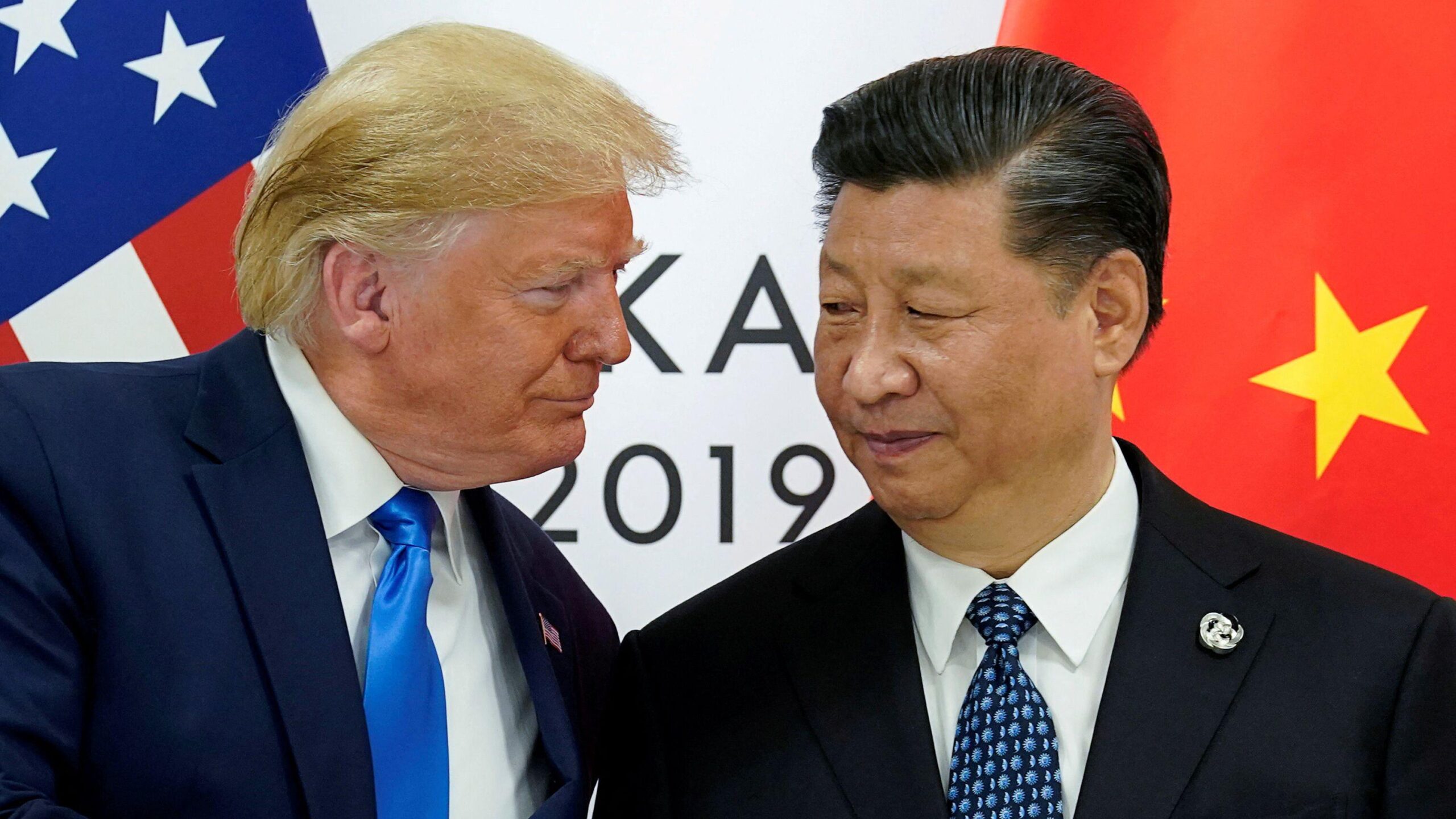
By Nitya Chakraborty 2025 has been a golden year for the Chinese President Xi Jinping in global diplomacy. In the last ten months since taking over the U.S. presidency by Donald Trump on January 20 this year for the second non-consecutive term, Chinese supremo Xi Jinping is on the roll. At the Busan summit in […]

The article How President Xi Jinping Has Emerged Taller In Global Diplomacy In 2025 During Trump.2 Tenure appeared first on Latest India news, analysis and reports on Newspack by India Press Agency).

Dogecoin has attracted fresh attention as price action strengthens in tandem with the debut of its first U. S. spot ETFs, even though initial institutional demand appears muted. Trading volume surged and chart patterns suggest growing bullish conviction among some market participants.

The first U. S.-listed spot Dogecoin ETF, Grayscale GDOG ETF, began trading on the NYSE Arca with a zero-fee structure for early investors. Its opening-day volume totalled just $1.41 million—well below some analyst estimates—but the listing nevertheless marks a milestone, signalling growing institutional interest in meme-coins like Dogecoin. The ETF’s modest start prompted tempered expectations, yet it underscores a desire among asset managers to provide regulated exposure to DOGE beyond speculative retail trading.

Parallel to the ETF launch, DOGE’s price behaviour has drawn attention. The token has been defending a support zone around the $0.15 level. Technical indicators show a compression of exponential moving averages and the formation of a falling wedge on daily and 12-hour charts—structures often interpreted by analysts as consolidation preceding a potential breakout. Should DOGE clear the resistance zone near $0.154–$0.16 with convincing volume, traders believe a move toward $0.18–$0.20 could follow.

Some traders cite the emergence of “higher lows” in recent trading sessions as evidence that buying pressure is gradually building. That pattern reflects increasing confidence in the token’s support base, potentially signalling a shift away from prolonged downtrends that have weighed on many altcoins over recent months.

Still, scepticism persists among observers. The low launch volumes of both the Grayscale ETF and comparable products highlight caution among institutional players. Compared with high-visibility fund flows into leading cryptocurrencies such as Bitcoin, the uptake of DOGE appears subdued—underscoring doubts about the token’s long-term appeal beyond meme status.

Macroeconomic conditions and broader market sentiment remain uncertain. Elevated volatility in crypto markets, combined with macroeconomic headwinds, may continue to dampen aggressive accumulation strategies. For DOGE to sustain upward momentum, technical breakout must align with renewed investor conviction.

At present, DOGE’s trajectory appears to hinge on whether it can secure a decisive breakout above the $0.16 resistance zone backed by volume. A successful move could ignite a rally toward $0.18–$0.20 and possibly higher; failure to do so may leave the token vulnerable to further consolidation or declines.

Stock market information for Dogecoin

A malicious Chrome extension disguised as a trading tool has been unmasked after evidence emerged that it silently siphons cryptocurrency from users executing swaps on the Solana network. The extension, known as Crypto Copilot, inserts secret transfer instructions into swaps made via the decentralized exchange Raydium, routing a portion of users’ SOL to an attacker-controlled wallet without their awareness. Crypto Copilot appeared in mid-2024 promoted as a […]

BANGKOK, THAILAND – Media OutReach Newswire – 27 November 2025 – SCG is advancing its “Regional Optimization” strategy by positioning Vietnam as a key production base to support domestic consumption and exports to global markets. The company is showcasing the strengths of Long Son Petrochemicals (LSP), Vietnam’s first fully integrated petrochemical complex, and Binh Minh Plastics (BMP), the country’s leading manufacturer of premium plastic pipes and fittings. […]

85% of businesses from the region indicate they plan to participate in the festive shopping period Almost 75% of consumers surveyed across these same markets intend to be active shoppers Consumer trust remains a challenge, however, as only about half of the region’s shoppers trust offers presented —underscoring the need for transparency and reliable delivery SINGAPORE – Media OutReach Newswire – 26 November 2025 – Black Friday […]

By K Raveendran A quieter phase has set in around discussions on a potential trade agreement between India and the United States, yet the subdued optics conceal a period of more intense negotiation. Officials on both sides describe a process that has deliberately stepped away from public signalling, opting instead for steady and less visible […]

The article India, US Energy Alignment Shapes A Quieter Trade Push appeared first on Latest India news, analysis and reports on Newspack by India Press Agency).

Advertisements

India has initiated formal negotiations for a Free Trade Agreement with the Eurasian Economic Union, signalling a strategic shift in trade dynamics aimed at expanding commercial engagement beyond traditional markets. Commerce and Industry Minister Piyush Goyal announced in New Delhi that talks with the five-member bloc—comprising Russia, Armenia, Belarus, Kazakhstan and Kyrgyzstan—will begin with negotiations unfolding in the capital this week. The move marks the culmination of the Terms of Reference signed by India and the EAEU in Moscow on 20 August 2025, which laid out an 18-month roadmap for an agreement in goods and potentially services and investment.

Officials from India’s commerce ministry, including Commerce Secretary Rajesh Agrawal, have held preparatory talks in Moscow with EAEU trade officials and representatives of Russian industry to review the roadmap and coordinate next steps. The discussions focused on reinforcing supply-chain resilience, regulatory predictability and balanced growth, with long-term ambitions including an objective to reach USD 100 billion in bilateral trade by 2030.

India’s pivot towards the EAEU reflects a broader strategy to diversify export markets, particularly as trade relations with some Western economies become more uncertain amid shifting tariffs and sanctions regimes. The EAEU spans economies that collectively represent a significant regional market; access to these markets is expected to bolster opportunities for Indian exporters.

Key beneficiaries are expected to include micro, small and medium enterprises, agricultural producers such as farmers and fishermen, and sectors seeking broader market reach. The ToR signed in August emphasised support for these groups, intending to open new avenues for exporters who often face high barriers to entry in traditional trade corridors.

Analysts note that an India–EAEU FTA, if successfully concluded, could reshape trade flows for certain goods. Lower import duties and smoother customs regimes could make exports of textiles, agricultural produce, and processed goods more competitive. Simultaneously, Indian consumers and industries might gain access to competitively priced raw materials, machinery, and intermediate goods from EAEU nations, potentially easing input costs for domestic manufacturing.

Despite the promise, several challenges lie ahead. Disparate regulatory standards across EAEU countries, infrastructure bottlenecks, and logistical complexities could complicate the implementation of tariff liberalisation and non-tariff measures. Observers caution that negotiating consensus among five different economies will entail difficult compromises, especially on sensitive sectors such as agriculture or regulated commodities.

Arabian Post Staff -Dubai Markets across the Gulf Cooperation Council are undergoing a shift as Islamic debt instruments embrace digital formats and new issuance technologies. Outstanding sukuk — Shariah-compliant bonds — in the GCC reached US$1.1 trillion by the end of the third quarter of 2025, marking a 12.7 percent rise over the prior year as debt-capital-market activity surged. Debt capital market issuances in the region saw […]

Matein Khalid want my Arabic friends to address me from now on as Abu Nuhas or Father of Copper. Why? The red metal that has been human kind’s best mineral friend for 30,000 years is also the best conductor of electricity known to man, woman or beast as the AI revolution necessitates a multi-trillion dollar demand shock in upgrading the power grid as the world electrifies, decarbonizes […]

Market attention turned sharply towards World Liberty Financial as its WLFI token climbed more than 7% on the daily chart, supported by renewed momentum in a buyback programme that has drawn heightened interest from traders. The jump in value, which pushed volumes higher across multiple exchanges, underscored a shift in sentiment around the project after a period of steady consolidation in its price trajectory.

Traders noted that the upswing aligned with the recommencement of the token buyback scheme, which had been announced earlier in the year as part of the platform’s strategy to stabilise circulating supply and incentivise long-term holding. The renewed activity around the programme appeared to signal confidence within the project’s core team, with market participants interpreting the move as an effort to strengthen liquidity and reinforce the token’s market position during a phase of broader volatility in digital assets.

The project, positioned as a decentralised finance ecosystem offering yield products and cross-border payment tools, has been attempting to carve out a more distinct space in the congested DeFi landscape. Its token performance has shown periods of sharp movement in line with broader market swings, but the latest rise stood out due to the targeted intervention through the buyback initiative. Analysts tracking on-chain data confirmed a noticeable reduction in WLFI circulating supply over the past 48 hours, indicating execution of the buyback in measurable volumes.

A senior market analyst at a Dubai-based digital asset fund said the token’s rebound reflected “a coordinated liquidity strategy combined with renewed user engagement,” adding that sustained price support would depend on whether the buybacks continue at a stable pace. The analyst also pointed to the rising interest in tokens backed by structured DeFi models, noting that these projects have gained traction as traders search for instruments offering more predictable mechanics compared with purely speculative assets.

WLFI’s latest surge coincided with a broad improvement in sentiment across mid-cap digital tokens, though its gain exceeded the general market trend. Data aggregators showed that while major assets such as Bitcoin and Ether recorded modest upward moves, WLFI’s performance outpaced most alternative tokens in its category. The increase was accompanied by a measurable uptick in wallet activity, with new holders entering the market as trading forums circulated speculation about further buyback rounds.

Company representatives had earlier disclosed that the buyback programme was designed to respond dynamically to market conditions, enabling the project to reinforce token value during periods of instability. Blockchain analysts have noted that such mechanisms, if implemented with transparency and predictable parameters, can help sustain community confidence and mitigate sharp sell-offs. The WLFI team’s renewed engagement, including technical updates and communication around upcoming ecosystem features, also contributed to the current sentiment shift.

Industry observers said market participants were also watching regulatory signals closely, as global jurisdictions continue to refine frameworks for digital assets. A clearer regulatory environment, particularly in markets influential to token liquidity, has historically contributed to greater investor participation. WLFI’s activity in markets such as the UAE and Southeast Asia has expanded over the past year, aided by partnerships with payment service providers and liquidity networks aiming to widen adoption.

Developments in DeFi have shown that buyback-driven appreciation, while effective in the short term, typically requires sustained platform growth to maintain momentum. This has put attention on WLFI’s roadmap, which outlines the rollout of additional financial tools and integrations aimed at strengthening ecosystem utility. Market analysts said user adoption metrics over the next quarter would be critical in determining whether the token can retain the gains recorded following the buyback revival.

The broader digital asset market has been characterised by alternating periods of risk appetite and caution, shaped by shifting macroeconomic indicators and geopolitical developments. WLFI’s rise occurred during a phase where traders were displaying a stronger preference for tokens linked to structured platforms with defined use cases. This positioned WLFI favourably as its developers highlighted enhancements to yield mechanisms and expansion into multi-chain support, which could increase platform accessibility.

Trading desks reported that the token’s order books reflected thicker buy-side interest as the session progressed, suggesting that momentum-driven traders were reinforcing the upward movement. Price analysts, however, cautioned that tokens experiencing sudden appreciation following buybacks may face corrections if broader market sentiment turns or if programme intensity decreases. Despite this, WLFI’s advocates argue that the project’s tokenomics structure is engineered to provide periodic support without distorting long-term market behaviour.

STA. ROSA, LAGUNA, PHILIPPINES – Media OutReach Newswire – 26 November 2025 – DHL Summit Solutions, Inc. (DSSI), the joint venture between DHL Supply Chain APAC and JG Summit Holdings, Inc., today marked a major milestone in its sustainability journey with the inauguration of its Electric Vehicle (EV) fleet. With its investment in 23 electric vehicles and 22 prime movers, DSSI is becoming one of the largest […]

Stablecoins have moved from the fringe of digital finance to the centre of American geopolitical strategy with astonishing speed. A year ago, many analysts still dismissed them as an experiment, an irritant or a regulatory problem. Today they sit at the heart of a much bigger financial vision inside Washington. The Trump administration, I now believe, is using stablecoins as a new mechanism to strengthen the dollar’s […]

By Dr. Nilanjan Banik With the long-awaited trade deal with the US delayed, India is deepening engagement with other developed partners such as the European Union (EU) and New Zealand to secure free trade agreements (FTAs). This shift reflects New Delhi’s intent to diversify its trade relationships and reduce dependency on any single major economy. […]

The article India’s Strategic Shift Toward Diversified Trade And Green Commitments appeared first on Latest India news, analysis and reports on Newspack by India Press Agency).

Dubai’s leadership has approved a landmark three-year fiscal plan totalling AED 302.7 billion in expenditure and AED 329.2 billion in projected revenues for the 2026-2028 period, marking the largest budget cycle in the emirate’s history. The approval came under Law No. 15 of 2025, signed off by His Highness Sheikh Mohammed bin Rashid Al Maktoum in his capacity as Vice-President and Prime Minister of the UAE and […]

Gold futures and spot prices slipped as the US dollar held near six-month highs and investors reconsidered expectations for interest-rate cuts by the Federal Reserve. Spot gold was trading around $4,055.73 per ounce and US futures for December delivery fell to approximately $4,052.40 per ounce. The dollar index rose above 100, a level that poses headwinds for gold since a stronger dollar makes the non-yielding metal more […]

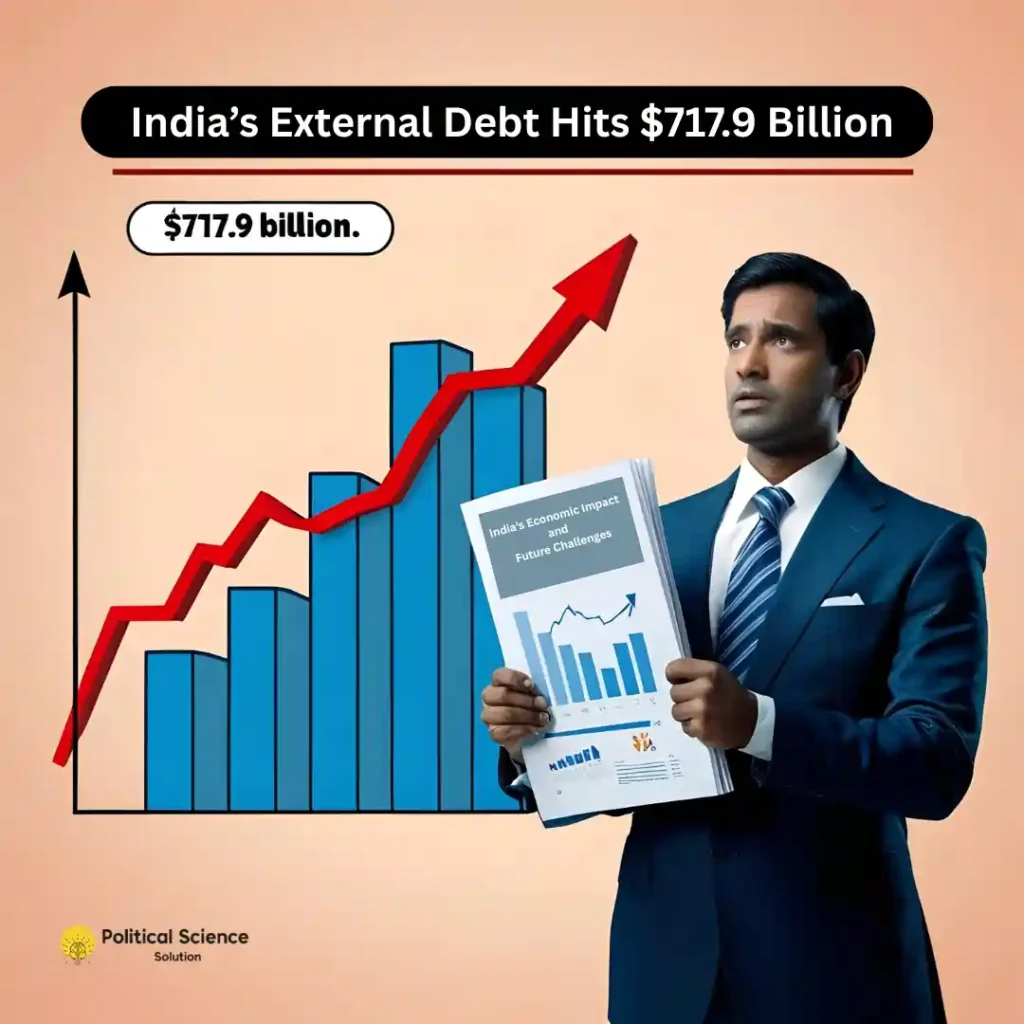
By Nantoo Banerjee The government may disagree but India’s persistent trade deficit is ruining the country’s economy despite its impressive growth. Last month, import-happy India’s trade deficit reached a record high level of US$41 billion as exports witnessed the sharpest monthly decline over a year. Unfortunately, a big surge in gold imports during October by […]

The article Behind India’s Rising Foreign Debt Is Growing Trade Deficit appeared first on Latest India news, analysis and reports on Newspack by India Press Agency).

Dubai’s leadership has endorsed a comprehensive architectural identity for the emirate’s road network, signalling a major shift in how transport infrastructure is designed and experienced. Sheikh Hamdan bin Mohammed bin Rashid Al Maktoum, in his capacity as Chairman of the Executive Council of Dubai, approved the framework that aligns with the city’s broader ambition to deliver integrated, sustainable and visually coherent urban environments. The initiative, overseen by […]

The world’s largest cryptocurrency, Bitcoin, fell swiftly this week as a sustained sell-off put the token on track for its steepest monthly decline since 2022. It slipped as much as 7.6 per cent to around $80,553 before trimming losses, while the broader crypto market cap fell below $3 trillion for the first time since April.

Forced liquidations, institutional outflows and thin liquidity emerged as key drivers of the slide. Analysts at Ergonia pointed to a convergence of derivative blow-outs and structural selling via exchange-traded products as factors creating a “particularly vulnerable state” where even stabilisation efforts face immediate supply pressure. Futures liquidations exceeded $1 billion, and data highlight more than 30 per cent in market cap erasure since early October.

While Bitcoin climbed to an all-time high near $126,000 in early October, the recent downturn amounts to roughly a 25 per cent retreat within the month. Bloomberg data confirm this represents the largest monthly fall since June 2022. The correction has triggered a reevaluation of year-end positioning, with derivatives markets assigning around a 50 per cent chance that Bitcoin finishes the year under $90,000 — marking a significant sentiment shift in a matter of weeks.

One root cause of the near-term pressure lies in the unwind of leveraged positions. Many traders who piled into futures and perpetual contracts saw funding rates turn against them, triggering cascaded liquidations. Binance chief executive Richard Teng described the move as a “healthy consolidation” for the industry, albeit one that comes amid rising risk aversion and tighter macro conditions. The wave of deleveraging has spilled into alt-coins and broader risk assets, emphasising how crypto still mirrors the wider market’s orientation toward volatility and liquidity stress.

Institutional-product flows add another level of challenge. The launch of spot Bitcoin ETFs earlier this year raised expectations of large capital inflows, but the current environment has seen outflows, particularly from funds that repositioned, hedged or redeemed positions. This structural selling has combined with retail and leveraged exits to deepen the draw-down.

Despite the short-term strain, some analysts suggest the correction may clear the way for a healthier structure going forward. Liquidity indicators normally near major crypto rallies are showing signs of restocking, and some models view the current phase as a reset rather than the end of the cycle. However, sceptics caution that macro risks — including higher rates, regulatory headwinds and geopolitical stress — continue to hang over the sector and may dampen the timing or pace of any recovery.

Among market participants, sentiment has shifted markedly. Portfolio manager Nigel Green of deVere Group noted that heavy borrowing in speculative positions meant “any reversal triggers liquidations that accelerate the move”. Others highlight that although corrections of 20–30 per cent have occurred in past Bitcoin bull markets, the current confluence of leverage, product flows and liquidity outflows is unique, suggesting this phase may represent more than a standard dip.

With December positioning now in focus, the coming days will be closely watched. The monthly close looms large — if Bitcoin avoids a full 25 per cent drop it could blunt the signal of stress; if it does not the message to markets could be more definitive. The broader crypto ecosystem will also look for signs of capitulation or stabilisation — levels of derivative stress, fund flows and institutional signals will inform whether this is a tactical pull-back or the early stages of a deeper consolidation.

As one of the first major asset-classes to undergo structural institutional adoption, Bitcoin’s current draw-down serves as a test of how the market absorbs large-scale flows and macro shocks. The unfolding developments will have implications well beyond the crypto world, casting light on how digital assets behave within the larger financial system.

Arabian Post Staff -Dubai A major Abu Dhabi conglomerate has confirmed that it has formally expressed interest in acquiring overseas assets of a large Russian oil group, aligning with other global energy players eyeing the same prize. International Holding Company said it has notified the U. S. Treasury Department of its interest in buying foreign-based assets of Lukoil, placing it in active contention alongside the likes of […]

Microsoft has officially opened the source code of the original Zork trilogy—Zork I, Zork II and Zork III—making the foundational text-adventure games freely available under the MIT licence. The company’s Open Source Programs Office, working alongside its Xbox and Activision divisions, announced that the historic repositories now include source code, build notes, comments and documentation intended to support study, teaching and development. The release does not grant […]

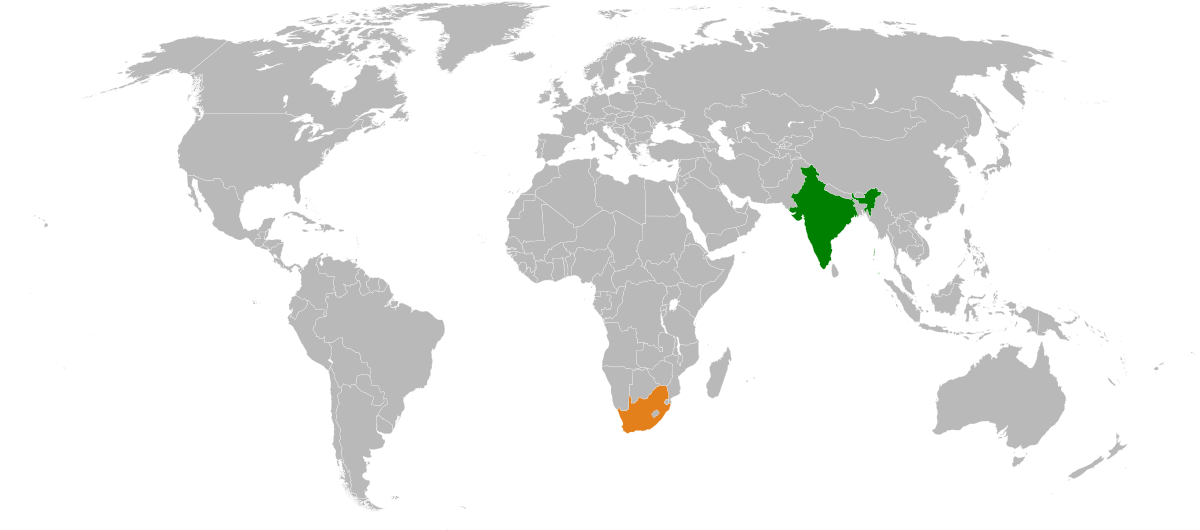
Leaders of India and South Africa affirmed a joint commitment to amplify the resonance of the Global South during a bilateral meeting on the margins of the G20 summit in Johannesburg. India’s Prime Minister met South African President Cyril Ramaphosa to review an expanding partnership that now encompasses trade, digital infrastructure and critical-minerals cooperation.

The leaders emphasised the historical foundation of bilateral ties, tracing back to shared anti-colonial struggles and longstanding people-to-people links. They identified emerging sectors of collaboration, including artificial intelligence and digital public platforms, as well as enhanced investment flows across innovation, infrastructure and mining sectors.

India expressed gratitude to South Africa for its role in relocating cheetahs to India and extended an invitation for South Africa to join the International Big Cat Alliance. At the G20 held in Johannesburg, which is the first summit of its kind hosted on African soil, South Africa has sought to spotlight issues of development, sustainability and Global South equity.

The two countries signalled their readiness to facilitate mutual investments, noting the growing footprint of Indian firms in South Africa and a shared interest in deepening bilateral ties in mining, start-ups, technology and infrastructure. They agreed to enhance support frameworks for these sectors.

In the domain of digital transformation, the meeting explored ways in which India’s Digital Public Infrastructure experience could be shared with South Africa, with the leaders discussing a roadmap for cooperation in those digital arenas that support transparency, inclusion and scalability.

On critical minerals—the backbone of technologies from electric vehicles to renewable energy systems—the dialogue underscored the strategic convergence of India’s growth ambitions and South Africa’s resource endowment. Both governments emphasised sustainable extraction, value-chain development and mutual investment as priorities.

The meeting also took place against the backdrop of global institutional reform debates, where developing countries increasingly seek to adjust frameworks such as the IMF and development banks. South Africa, as serving G20 chair, has framed its presidency around the themes of solidarity, equality and sustainability, particularly as representative of countries in the Global South.

While the two leaders concentrated on bilateral priorities, they also discussed multilateral coordination and collective platforms. They welcomed South Africa’s initiative to convene the IBSA leaders meeting and affirmed cooperation ahead of India’s upcoming chairship of BRICS in 2026.

Observers note that India–South Africa ties have evolved from traditional trade and diplomacy to a more strategic convergence around technology, investment, and global governance. According to experts, this shift reflects the changing priorities of middle powers in a multipolar world, where alignment on development and technological sovereignty is rising.

However, there remain practical challenges. For South Africa, translating resource-rich endowments into sustainable, inclusive growth has long been a domestic policy hurdle. For India, ensuring that digital partnerships respect both sovereignty and local capacity presents implementation risks. Critics argue that while high-level pledges are valuable, they must be matched by concrete mechanisms, regulatory clarity and project-level follow-through.

In trade terms, the two countries’ discussions come at a time when global supply-chain realignments and technology competition are raising the stakes for investment in emerging markets. Indian companies entering South Africa will need to navigate regulatory complexity, local participation requirements and the country’s infrastructure bottlenecks. South Africa, for its part, will have to ensure that its mining and start-up ecosystem attract and retain investment while meeting environmental and community benchmarks.

The diplomatic messaging also signals a broader orientation for both nations. India’s engagement with Africa has increasingly focused on capacity-building and infrastructure, while South Africa has positioned itself as a voice for Africa in global forums. Their joint push to amplify the Global South suggests an intention to influence agendas around debt relief, climate finance, digital equity and reform of global institutions.


Bitcoin climbed to just below $88,000, with fresh momentum in the market fuelling optimism among traders and analysts. The broad crypto ecosystem responded in kind, bringing the total market capitalisation close to the $3 trillion mark — a figure emblematic of expanding institutional interest and regulatory shifts. A growing number of market participants now expect the flagship crypto-asset to press higher, although analysts caution that volatility remains elevated and support levels are becoming increasingly critical.

The asset’s ascent has been driven by multiple factors. Anticipation of potential interest-rate easing by the Federal Reserve, combined with favourable regulatory developments in the US, has bolstered investor confidence. Support from institutional flows appears meaningful: large asset-managers and first-time institutional entrants are moving into crypto-related products. Some technical analysts highlight that the jump above $86,000 marks a breakout from prior resistance, reinforcing bullish narratives.

Key support is identified in the $84,000–$86,000 zone. One analyst from block-chain data firm Glassnode warns that a slip below $88,000 could set up a descent back toward that lower band, which would challenge bullish momentum. The same company points out that trading volumes are lighter than during major rallies of the past, suggesting caution until stronger confirmation arrives.

Looking ahead, technical-chart readings suggest a potential push toward $90,000-plus levels, possibly reaching into the $92,000–$100,000 range if momentum holds and major resistance is overcome. Several analysts highlight the $92,000-$93,000 region as a key hurdle, with failure to clear it likely to trigger a thinned advance. Others remain more cautious, pointing to broader macro and regulatory risks.

From a structural standpoint, one scenario treats the move as part of a wave-four corrective bounce, implying that a wave-five surge could follow. Under that model the next leg upward might push toward $100,000+. On the flip side, critics note that weekend trading volumes typically shrink, making such breakouts less reliable and opening the possibility of false moves.

Altcoins are broadly echoing the trend. Ethereum and major tokens have posted gains, though their trajectories remain more muted compared with Bitcoin’s. The dominance of Bitcoin in the crypto-market cap has widened slightly, underlining that many investors remain focused on the primary asset while altcoin sentiment remains cautious.

Regulatory dynamics are playing a significant role. The US Congress and regulators have advanced legislation and guidance that facilitate crypto-asset integration into mainstream financial systems, including retirement-account access and clearer tax/data rules. Such changes are interpreted by institutional investors as de-risking signals that could unlock further flows.

Google’s top infrastructure executive has informed staff that the company must double its artificial-intelligence compute capacity every six months to keep pace with escalating demand. Amin Vahdat, vice-president of AI infrastructure at Google Cloud, stated that this rapid expansion is critical if the company is to achieve the next “1,000×” increase in compute over the next four to five years. Vahdat delivered the message during an all-hands […]

VISHNU RAJA
RYO YAMADA
HITORI GOTOH
IKUYO KITA