
News related to
trade

SINGAPORE – Media OutReach Newswire – 24 December 2025 – Woodfibre LNG recently marked 2025 as a year of significant progress across construction, environmental protection and community partnerships, as the project moved deeper into its development phase toward delivering responsibly produced Canadian liquefied natural gas to global markets.

Over the past year, the project advanced from planning into visible, on-the-ground execution. Major construction milestones included the pouring of foundations for key modules, continued progress on marine piling, and further implementation of modular construction techniques designed to reduce on-site footprint while accelerating delivery timelines.

These advancements were achieved through close collaboration with project partners, suppliers and contractors, and in partnership with the Sḵwx̱wú7mesh Úxwumixw (Squamish Nation).

In 2025, Woodfibre LNG, a member of the RGE group of companies founded by Sukanto Tanoto, continued to operate its floatel workforce accommodation solution, designed to minimise pressure on local housing and community services. As of November, two floatels were in active operation, providing high-quality, safe and comfortable living conditions for the project workforce while supporting construction efficiency.

Environmental protection remained a central focus throughout the year. The project’s Marine Mammal Monitoring Programme, which includes hydroacoustic monitoring, exclusion zones and shore-based observation posts, delivered measurable outcomes by enabling real-time operational decisions, including pauses to marine activities when marine mammals entered exclusion areas.

In parallel, remediation of legacy materials from the former pulp mill site continued, with hundreds of thousands of tonnes of historical waste removed. These efforts have contributed to improving site conditions for both local communities and marine and terrestrial ecosystems in Howe Sound.

Woodfibre LNG’s Operator Training Programme, delivered in partnership with the Squamish Nation Training and Trades Centre and the British Columbia Institute of Technology (BCIT), progressed throughout the year. The programme’s first cohort of graduates transitioned into full-time roles, supporting the development of long-term, skilled local employment opportunities linked to the project.

Through its Community Partnership Programme (CPP), Woodfibre LNG continued to invest in local communities across the Sea-to-Sky corridor. In 2025, the programme surpassed $1 million in total grants since its inception, supporting initiatives in sports, healthcare, emergency services, arts and culture, and youth development.

Luke Schauerte, CEO of Woodfibre LNG, said, “2025 has been a year of significant progress for Woodfibre LNG. We are proud of what our team and partners have accomplished together and look forward to building on this momentum in the year ahead.”

With more than half of the project’s development now complete, Woodfibre LNG remains focused on advancing construction safely and responsibly, while maintaining strong partnerships with Indigenous communities, local stakeholders and regulators.

As the project looks ahead to 2026, Woodfibre LNG continues its work toward delivering lower-carbon, responsibly produced Canadian energy to international markets.

Hashtag: #RGE #PacificEnergy #PacificCanbriamEnergy #WoodfibreLNG #LNG #environment #partnerships #LNG #liquefiednaturalgas #energy #sustainability

The issuer is solely responsible for the content of this announcement.

About Woodfibre LNG

The Woodfibre LNG Project is owned by Woodfibre LNG Limited Partnership, owned 70 per cent by Pacific Energy Corporation (Canada) Limited and 30 per cent by Enbridge Inc. The Woodfibre LNG facility is being built on the site of the former Woodfibre pulp mill site, which is located about seven kilometres southwest of Squamish, B.C. Woodfibre LNG will source its natural gas from Pacific Canbriam Energy, a Canadian company with operations in Northeastern British Columbia. Pacific Canbriam is an industry leader in sustainable natural gas production. Woodfibre LNG and Pacific Canbriam Energy are subsidiaries of Pacific Energy Corporation Limited. Woodfibre LNG is the first industrial project in Canada to recognise a non-treaty Indigenous government, Sḵwx̱wú7mesh Úxwumixw (Squamish Nation), as a full environmental regulator.

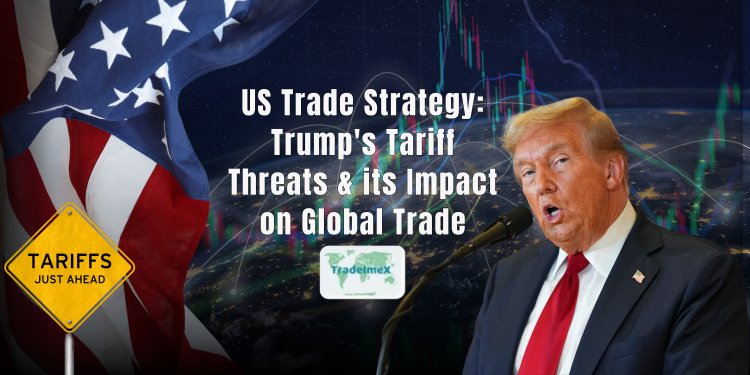
By Nantoo Banerjee US President Donald Trump may have problems with Russia, Venezuela and a host of other states and has every right to decide on the US trade and diplomatic policies to deal with those countries. But he has no right to thrust upon other free nations his likes, dislikes and prejudices. Unfortunately, he […]

The article Trump Has Become A Threat To Free Trade appeared first on Latest India news, analysis and reports on Newspack by India Press Agency).

Oil prices advanced in early Asian trade on Monday after United States authorities intercepted an oil tanker off the coast of Venezuela in international waters, reinforcing concerns over supply risks linked to enforcement actions in key producing regions. Brent crude futures gained 44 cents, or 0.73%, to $60.91 a barrel by 0141 GMT, while U. S. West Texas Intermediate rose 40 cents, or 0.71%, to $56.92. The […]

KUALA LUMPUR, MALAYSIA – Media OutReach Newswire – 22 December 2025 – Although wellness conversations are rising, many Malaysians still struggle with consistent daily self-care. According to the National Health and Morbidity Survey (NHMS) 2019, 54.4% of Malaysian adults are overweight or obese, highlighting widespread lifestyle-related health risks linked to poor diet, inactivity, and inconsistent preventive care. As healthcare costs continue to increase and lifestyle-driven diseases become more common, practical and preventive self-care at home has never been more crucial.

(From left: Ms. Winnie Hsiung (Alpro Trade Marketing Manager); Ms. Mindy Leong (Alpro Branding Manager); Alpro SilverSneakers members)

In response to this growing need, Alpro Group Malaysia (parent company of Alpro Pharmacy, Malaysia’s largest prescription pharmacy chain) today launched the 2026 Health & Habit Calendar, a nationwide self-care education initiative developed to bring simple, credible, and actionable health guidance into Malaysian households throughout the year.

Drawing from daily patient engagements across Alpro’s nationwide network, this calendar compiles real-world self-care gaps frequently observed by pharmacists. It further includes insights curated together with family doctors, nutritionists, and dietitians to ensure each habit is both practical and medically credible.

The 2026 Health & Habit Calendar covers five key foundations of daily wellbeing like nutrition: healthier everyday food choices; rest: better sleep routines and fatigue reduction; movement: simple physical activities suitable for all ages; emotional Wellbeing: stress management and mindful practices; preventive care: small reminders that reduce long-term health risks.

The cover of the calendar presents easy-to-follow habits designed to support gradual, sustainable lifestyle improvement, making self-care more achievable for Malaysian families.

“Most people only start thinking about their health after something goes wrong, and as pharmacists, we see this every day,” said Pharmacist Lim En Ni, Chief Pharmacist and Engagement Director of Alpro Group. “This calendar brings self-care earlier into daily life. When families practice small habits consistently, it can significantly reduce long-term health risks.”

Beyond health education, the initiative also embodies a strong social mission. 100% of proceeds from the 2026 Health & Habit Calendar will be donated to the Alpro Foundation’s Growing Stars Project, providing educational opportunities for underprivileged children nationwide. Each calendar purchased directly contributes to improving both community health and children’s access to education.

The 2026 Health & Habit Calendar is now available for purchase online via Alpro OneClick: https://bit.ly/Alpro-2026-HealthandHabitCalendar . Customers may also receive the calendar with a minimum spend of RM288 at any Alpro subsidiary, including Alpro Pharmacy, Alpro Sugi Pharmacy, Alpro OptiSaver, and Alpro Baby. Members of the public, organisations, and corporate partners are encouraged to support this initiative and help make preventive self-care a visible, daily habit in Malaysian homes.

Hashtag: #Alpro

The issuer is solely responsible for the content of this announcement.

Alpro Group

Founded in 2002, Alpro Group’s ecosystem has grown to include Alpro Pharmacy, Apotek Alpro, Alpro スギ (Sugi) Pharmacy, Alpro Physio, Alpro Clinic, Alpro Baby, Alpro OptiSaver, Alpro Audiology, and Alpro Health. Supported by a team of more than 1,000 healthcare professionals, including doctors, pharmacists, nutritionists, dietitians, physiotherapists, optometrist and many others, Alpro serves over 5 million families in Malaysia and Indonesia through its extensive network of 500 physical outlets.

Alpro Pharmacy is the first and only community pharmacy in the region to offer product liability insurance of MYR 1 million in Malaysia and IDR 3 billion in Indonesia, ensuring the supply of genuine medications and enhancing consumer trust.

With the vision of a healthy and vibrant world, Alpro Group aims to become the No. 1 prescription pharmacy chain in Southeast Asia.

Matein Khalid The Indian equity markets have experienced one of Asia’s most frenetic IPO bonanzas in 2024-25 even if no less than 50% of all new flotations are now trading below their offer price. Despite the decline of the Indian rupee’s new low against the dollar beyond 91 and Dalal Street’s underperformance relative to my fave emerging markets Argentina, Poland and Brazil in 2025, the macro omens […]

MAURITIUS – Media OutReach Newswire – 22 December 2025 – UMSOCIAL, the social trading ecosystem powered by Ultima Markets, continues to empower traders with a transparent and secure way to share strategies, watch real market activity and copy trades in real time. Ultima Markets is an award-winning CFD broker and the first multi-asset trading broker to join the United Nations Global Compact.

UMSOCIAL has grown steadily over the past two years. Today, UMSOCIAL offers over 2,000 live strategies, with more than 10,000 trading accounts actively copying trades on the platform. This growth shows that traders are looking for a place where learning and trading can happen together.

“UMSOCIAL is not just about copying trades. It’s about learning, growing, and sharing success together,” said Jack Li, Regional Business Director at Ultima Markets. “Every Follower has the potential to become a Master. That’s the spirit behind our message: Follow Today, Master Tomorrow.”

A Connected Experience for Both Beginners and Skilled Traders

For beginners, UMSOCIAL provides an accessible way to learn from real-time market activity and trading strategies. New users can review verified performance records, understand trading styles, and mirror strategies from skilled traders in real time. As a social trading app, UMSOCIAL fosters a supportive learning experience for those who are new to markets.

At the same time, seasoned traders gain a structured platform to share their expertise, build credibility within the community, and earn performance-based fees tied to their strategy outcomes.

UMSOCIAL brings both beginner and skilled traders into one cohesive environment. This unified ecosystem supports education, transparency, and professional recognition, enabling every participant to engage with markets at their own pace while benefiting from clear and data-driven insights.

Powered by State-of-the-art Technology and Full Transparency

UMSOCIAL is built on Ultima Markets’ advanced technology infrastructure and strong focus on visibility, ensuring a secure and consistent experience across all user interactions. Every transaction is processed with fast order matching, stable connectivity, and full visibility. Traders can manage their accounts, monitor performance, or switch strategies at any time with just a few clicks.

The platform continues to evolve as one of today’s leading copy trading platforms, offering faster trade execution, real-time insights, and user-friendly tools. Ultima Markets remains focused on building a reliable, fair, and engaging environment where traders can grow and succeed together.

Start your journey with UMSOCIAL by Ultima Markets and trade smarter together.

The issuer is solely responsible for the content of this announcement.

About Ultima Markets

is a licensed, award-winning, multi-asset broker offering access to over 250 CFD instruments across forex, commodities, indices and shares. The company was recently awarded Most Advanced Multi-Asset Trading Platform Europe 2025 and is the first CFD broker to join the UN Global Compact.

CFDs are complex instruments and involve a high risk of losing money rapidly due to leverage. Ensure you fully understand the risks before trading.

Disclaimer

CFDs are complex instruments and come with a high risk of losing money rapidly due to leverage. You should consider whether you understand how CFDs work and whether you can afford to take the high risk of losing your money. Past performance of Masters on UMSOCIAL does not guarantee future results. Trading involves risk, and you are fully responsible for your own trading decisions.

Steven McClurg, chief executive of Canary Capital, has told investors that XRP could reach its cycle high in 2026, diverging from the typical pattern that sees alternative tokens fall sharply when Bitcoin weakens. His remarks come as Bitcoin shows signs of having already topped out for the current cycle, raising questions about whether parts of the digital-asset market are entering a phase of decoupling. McClurg said Bitcoin’s […]

Advertisements

UAE businesses used the Ambiente exhibition in Germany to project the country’s ambition to become a central hub in the global consumer goods trade, as officials and exporters sought to convert visibility into long-term commercial partnerships across Europe, Asia and the Middle East.

The country’s pavilion at the Ambiente fair in Frankfurt brought together manufacturers, designers and trading firms spanning homeware, lifestyle products, gifting and sustainable consumer goods. Organisers said the collective presence was designed to showcase both scale and diversity, with an emphasis on export readiness and cross-border collaboration rather than one-off transactions. The participation formed part of a wider strategy to deepen the UAE’s role in global supply chains at a time when buyers are reassessing sourcing models and regional diversification.

Ambiente is regarded as one of the world’s largest platforms for consumer goods, drawing tens of thousands of buyers, retailers and distributors each year. For UAE exhibitors, the event offered access to European retail networks and international wholesalers seeking alternatives to traditional manufacturing centres. Trade officials accompanying the delegation said meetings during the fair focused on long-term contracts, private-label manufacturing and co-branding arrangements, reflecting a shift towards higher-value engagement.

UAE Ministry of Economy representatives described the fair as a strategic opportunity to align the country’s manufacturing and re-export capabilities with evolving global demand. Officials highlighted the UAE’s logistics infrastructure, trade finance ecosystem and network of comprehensive economic partnership agreements as key advantages in attracting buyers looking for reliability and speed to market. The country has expanded its non-oil exports steadily, with consumer goods playing a growing role alongside metals, plastics and food products.

Exhibitors at the pavilion reported interest from buyers in sustainable materials, contemporary design and flexible production runs. Several companies said European retailers were exploring joint development of products that could be produced in the UAE and distributed across the Gulf, Africa and South Asia. This approach reflects a broader trend among global brands to shorten supply chains while retaining access to multiple consumer markets from a single base.

Frankfurt has become an important meeting point for this recalibration, as trade fairs increasingly serve as venues for strategic sourcing discussions rather than simple product showcases. Industry analysts note that manufacturers from emerging hubs are gaining attention as buyers weigh cost pressures, geopolitical risk and sustainability commitments. The UAE’s pitch at Ambiente centred on stability, regulatory clarity and the ability to integrate manufacturing, warehousing and distribution within a single jurisdiction.

Design-led firms from the UAE also used the exhibition to challenge perceptions that the country’s consumer goods sector is limited to trading and re-export. Several brands showcased original collections developed in collaboration with regional designers, blending Middle Eastern aesthetics with international trends. This creative emphasis was aimed at differentiating UAE products in a crowded marketplace and appealing to premium and mid-market retailers.

Sustainability featured prominently in discussions at the pavilion. Companies highlighted the use of recycled materials, energy-efficient production processes and compliance with European environmental standards. Officials said this focus was essential for competitiveness, as regulatory and consumer scrutiny in Europe continues to intensify. The UAE has invested in sustainability frameworks and industrial policies intended to support greener manufacturing, which exhibitors said helped build confidence among buyers.

The fair also underscored the role of small and medium-sized enterprises in the UAE’s export strategy. Many participating firms were SMEs seeking first-time entry into European markets. Trade support bodies facilitated introductions and provided guidance on certification, packaging requirements and logistics, reflecting an effort to reduce barriers for smaller exporters. Business owners said the ability to present as part of a national pavilion enhanced credibility and opened doors that would be difficult to access independently.

China’s shipments of rare-earth permanent magnets to the United States fell by 11% in November from October, underscoring how strategic trade frictions and regulatory tightening continue to weigh on a supply chain critical to electric vehicles, wind turbines and advanced defence systems. The monthly drop came despite a temporary easing of broader trade tensions between the world’s two largest economies, signalling that structural constraints rather than short-term […]

UK authorities are investigating a sophisticated cyber intrusion into the country’s diplomatic systems after attackers penetrated networks at the Foreign, Commonwealth and Development Office, accessed sensitive material and triggered a sweeping security review across government. The breach, discovered in October 2025 during routine monitoring, has been linked by officials to a state-aligned group assessed to have connections to China, sharpening concerns over espionage risks amid strained geopolitical […]

DraftKings has entered the fast-growing arena of regulated prediction markets with the launch of a new app offering event-based contracts tied to real-world outcomes, marking a notable expansion beyond its core sports-betting business. The company said its CFTC-approved platform, DraftKings Predictions, is live in 38 states, positioning the sports-wagering giant at the intersection of finance, forecasting and gaming at a time of heightened scrutiny over how Americans bet on non-sporting events.

The move places DraftKings alongside a small but expanding group of firms offering event contracts overseen by the US Commodity Futures Trading Commission, a regulatory route that differs from state-by-state gambling laws governing sports betting. Through DraftKings Predictions, users can take positions on outcomes ranging from economic indicators to political and cultural events, structured as contracts rather than traditional wagers. The company argues the model emphasises price discovery and market participation rather than gambling, a distinction that has been central to regulatory debates.

DraftKings said the new product operates through a CFTC-registered entity and complies with federal commodities law, allowing it to reach customers in states where sports betting remains restricted. The company framed the launch as a response to consumer demand for alternative ways to express views on real-world outcomes, while maintaining that safeguards are in place to limit misuse and ensure transparency. Executives have also pointed to risk-management tools and customer-verification standards similar to those used in its sportsbook operations.

The expansion comes as prediction markets gain renewed attention in the United States. Platforms offering event contracts have existed for years, often used by academics and traders to forecast elections or economic trends, but broader public adoption has accelerated as digital platforms have simplified access. Supporters argue these markets aggregate information efficiently and can produce forecasts that rival traditional polling or expert analysis. Critics counter that they blur the line between informed trading and speculative betting, particularly when contracts reference sensitive political events.

Regulators have taken a cautious but engaged stance. The Commodity Futures Trading Commission has emphasised that event contracts must meet standards designed to prevent market manipulation and protect the public interest. Questions over which types of events are permissible have led to consultations and, in some cases, requests for platforms to pause or modify offerings. DraftKings’ entry suggests confidence that its structure aligns with federal expectations, though the space remains under active review.

For DraftKings, the strategic rationale extends beyond regulatory arbitrage. The company has spent the past decade building a large, data-rich user base through daily fantasy sports and online sportsbooks. Prediction markets offer a way to diversify revenue streams and engage customers outside traditional sports calendars, potentially smoothing seasonal fluctuations. Analysts note that margins and customer behaviour in event-contract trading differ from sports betting, with pricing dynamics closer to financial markets than odds-making.

Competition is intensifying. Smaller, specialist platforms pioneered the sector, while mainstream financial apps have shown interest in integrating event contracts as a form of alternative asset. Kalshi, one of the most prominent CFTC-regulated prediction exchanges, has argued that clear federal oversight provides legitimacy and scalability. The arrival of a household name such as DraftKings is likely to increase public awareness and could accelerate policy discussions about the boundaries of the market.

The launch also raises political and ethical considerations. Event contracts linked to elections or public policy outcomes have drawn criticism from lawmakers who worry about perceptions of profiting from democracy or crises. DraftKings has indicated it will curate offerings carefully and comply with any guidance restricting certain categories. The company has previously faced regulatory challenges in the evolution of daily fantasy sports and sports betting, experience that may inform its approach to navigating this new terrain.

Investors are watching closely. DraftKings’ shares have historically been sensitive to regulatory signals and product expansion news, reflecting the company’s reliance on favourable legal frameworks. Entering prediction markets could bolster its growth narrative, but it also exposes the firm to federal-level policy shifts rather than the patchwork of state decisions that shaped sports betting’s rollout. The cost of compliance, technology build-out and potential legal challenges will influence how quickly the segment contributes to earnings.

Citigroup’s global research team is sticking with crypto-linked equities even after bitcoin’s sharp year-end volatility, arguing that listed companies tied to digital assets are increasingly driven by cash flows, regulation and market share rather than the spot price of the world’s largest token. The bank continues to flag Circle as its preferred exposure in the sector, while keeping a constructive view on Bullish and Coinbase, according to […]

Netskope has unveiled a new data centre in Malaysia, sharpening its expansion across Southeast Asia as governments and enterprises tighten rules on data residency and demand greater control over cloud security. The move places the US-based cybersecurity firm closer to customers in regulated industries that are accelerating cloud adoption while seeking assurances on where sensitive information is processed and stored.

The Malaysia facility, located to serve customers across the country and neighbouring markets, extends Netskope’s NewEdge network, the company’s global security infrastructure that underpins its secure access service edge offerings. By processing traffic locally, the firm says it can reduce latency, improve performance for cloud applications, and help organisations meet domestic compliance obligations without fragmenting their security architecture.

This expansion reflects a broader shift in Southeast Asia, where data protection regimes have become more explicit and enforcement has intensified. Malaysia’s Personal Data Protection Act, alongside sector-specific requirements for finance, healthcare and telecommunications, has pushed multinational firms to re-evaluate cross-border data flows. Similar pressures are evident in Singapore, Indonesia and Thailand, creating demand for security platforms that combine global reach with local presence.

Netskope’s regional strategy has focused on building infrastructure rather than relying solely on partner facilities. The Malaysia data centre complements existing points of presence across Asia Pacific and is designed to support services such as cloud access security brokerage, secure web gateways and zero trust network access. Company executives have said that proximity is increasingly critical as enterprises migrate mission-critical workloads to software-as-a-service platforms and public clouds.

Industry analysts note that the competitive landscape in cloud security has intensified as vendors race to offer compliant, low-latency services. Global rivals including Zscaler, Palo Alto Networks and Cisco have all invested in regional infrastructure to address sovereignty concerns. What differentiates players, analysts argue, is the ability to deliver consistent policy enforcement across geographies while adapting to local legal frameworks.

Malaysia has emerged as an attractive hub for such investments due to its growing digital economy, improving connectivity and government incentives aimed at data centre development. The country has positioned itself as a neutral base for regional operations, with policymakers encouraging foreign technology firms to establish infrastructure that supports domestic innovation and cross-border trade.

For enterprises, the presence of a local Netskope facility may ease long-standing concerns about routing traffic through distant jurisdictions. Financial institutions, in particular, have faced scrutiny over outsourcing arrangements and third-party risk management. Local processing can simplify audits and reporting while maintaining alignment with global security standards.

The expansion also speaks to changing threat dynamics. Cyber risk in Southeast Asia has risen alongside digitalisation, with ransomware, phishing and cloud misconfigurations posing persistent challenges. Security teams are under pressure to gain visibility across hybrid environments that span on-premise systems, multiple cloud providers and a distributed workforce. Vendors that can aggregate telemetry and enforce zero-trust principles close to the user are gaining traction.

Netskope has invested heavily in research and development to support this approach, including machine learning models that analyse cloud usage patterns and detect anomalous behaviour. The Malaysia data centre will feed into these capabilities, enabling faster inspection and response times for regional customers.

Beyond compliance and security, performance considerations are becoming a board-level issue. Latency can directly affect user productivity and customer experience, particularly for real-time collaboration tools and data-intensive applications. By shortening network paths, local infrastructure can deliver measurable gains, strengthening the business case for in-country deployments.

The move is expected to bolster Netskope’s channel ecosystem in Southeast Asia, where managed security service providers and systems integrators play a central role in enterprise adoption. Local infrastructure allows partners to offer services tailored to national requirements while leveraging a globally recognised platform.

Eight CryptoPunks non-fungible tokens have been accepted into the permanent collection of New York’s Museum of Modern Art, a move that places one of the most influential crypto-native projects alongside canonical works of modern and contemporary art. The acquisition underscores the growing institutional recognition of blockchain-based art forms, even as debate continues over their cultural and market value. The works were added through a donation organised by […]

Bitcoin’s slide below the closely watched $86,000 threshold has unsettled digital-asset markets, breaking a price floor that traders had treated as a key line of defence since the sharp sell-off in October. The move has triggered renewed volatility across major tokens and prompted a reassessment of risk as investors weigh whether the decline reflects temporary dislocation or a deeper shift in market structure. The breach occurred amid […]

Saudi Arabia is preparing to lift crude oil shipments at the start of 2026, a move that underscores mounting concerns about excess supply as global demand growth remains uneven. Allocations to buyers across Asia, Europe and North America are set to rise, according to trade and shipping data reviewed by market participants, pointing to a more assertive sales posture by the world’s largest exporter after months of […]

Ministry of Finance has announced Cabinet Decision No. 153 of 2025, setting out the application of the reverse charge mechanism on the trading of metal scrap between VAT-registered businesses in the UAE, with the framework scheduled to take effect on 14 January 2026. The move is positioned as a targeted adjustment to the country’s value-added tax regime, aimed at strengthening compliance and reducing tax leakage in a sector long regarded by authorities as vulnerable to misreporting and cash-based transactions.

The decision has been issued under the provisions of Federal Decree Law No. 8 of 2017 on Value Added Tax, along with its subsequent amendments, and Cabinet Resolution No. 52 of 2017 covering the Executive Regulations of the VAT law. Together, these instruments provide the legal basis for shifting VAT liability from the supplier to the recipient in specified transactions, a mechanism already familiar to many businesses operating in regulated or high-risk supply chains.

Under the reverse charge mechanism, the obligation to account for VAT on a transaction moves from the seller to the buyer, provided both parties are registered for VAT. In the context of metal scrap trading, this means suppliers will issue tax invoices without charging VAT, while purchasers will self-account for the tax in their VAT returns, subject to the normal rules on input tax recovery. Officials say the approach is designed to curb evasion practices that can arise where VAT is charged but not remitted to the tax authority.

The Ministry of Finance has framed the decision as part of a broader effort to fine-tune the VAT system since its introduction in 2018, responding to sector-specific risks identified through audits and market monitoring. Metal scrap trading, which often involves multiple intermediaries and fluctuating commodity prices, has been highlighted in several jurisdictions worldwide as an area where reverse charge measures can enhance transparency and simplify enforcement.

The cabinet decision on scrap VAT treatment reflects a policy choice already adopted in parts of Europe and Asia, where tax authorities have used reverse charge rules to counter carousel fraud and other forms of abuse linked to recyclable materials and metals. By aligning with these international practices, the UAE is seeking to balance ease of doing business with the need for robust revenue protection.

Industry participants are now assessing how the change will affect cash flow and contractual arrangements. For suppliers, the removal of VAT charging on eligible scrap transactions may reduce administrative burdens and the need to finance VAT amounts pending recovery. Buyers, on the other hand, will need to ensure their accounting systems can correctly self-assess VAT and reflect the entries accurately in periodic returns. Tax advisers note that while the mechanism is neutral in theory for fully compliant, fully taxable businesses, errors in classification or documentation could lead to penalties.

The decision applies specifically to transactions between registrants, underscoring the importance of verifying counterparties’ VAT registration status. Businesses involved in mixed supplies, or dealing with unregistered parties, will need to distinguish carefully between transactions subject to the reverse charge and those that remain under the standard VAT rules. This distinction is expected to be a focal point of guidance and compliance reviews ahead of the January 2026 effective date.

Officials have indicated that further clarification will be issued through administrative guidance to define the scope of “metal scrap” covered by the decision, drawing on existing definitions used in customs and commercial practice. Market participants expect this to include waste and scrap from metals such as iron, steel, aluminium and copper, though the final interpretation will determine how widely the measure applies across recycling and manufacturing chains.

The timing of the announcement gives businesses more than a year to prepare, adjust contracts and update systems. Tax specialists view this lead time as significant, allowing companies to conduct impact assessments and staff training without disrupting ongoing operations. It also provides an opportunity for the authorities to engage with industry bodies and address practical concerns before enforcement begins.

Arabian Post Staff -Dubai Abu Dhabi National Oil Company has finalised a $2 billion green financing facility backed by the Korea Trade Insurance Corporation, strengthening its funding base for lower-carbon projects as it seeks to align hydrocarbon operations with long-term energy transition goals. The facility, structured under ADNOC’s Sustainable Finance Framework, is earmarked for eligible investments across the company’s upstream, downstream and chemicals businesses, including emissions-reduction technologies, […]

Canada faces another period of economic uncertainty as the U. S. Supreme Court weighs a case that could reshape the legal foundations of tariffs imposed during Donald Trump’s presidency, reviving questions about the stability of cross-border trade rules and the exposure of Canadian industries to abrupt policy shifts. The pending decision centres on the scope of presidential authority to levy tariffs under long-standing U. S. trade statutes, […]

Washington has approved an arms package for Taiwan valued at about $11.1 billion, a move described by officials as the largest single tranche of US military support for the island and one that has prompted a sharp diplomatic response from Beijing. The decision underscores a widening security rift across the Taiwan Strait as pressure on Taipei intensifies through military drills, air patrols and naval manoeuvres. The package, […]

Host Arabia has closed its first edition in Riyadh, positioning the Saudi capital as an emerging focal point for the hospitality and foodservice supply chain at a time when the kingdom is accelerating investment in tourism, leisure and urban development. The three-day event brought together hotel operators, restaurant groups, suppliers and policymakers, underlining the scale of demand being created by new resorts, giga-projects and a fast-expanding domestic dining market.

Held at the Riyadh Front Exhibition and Conference Centre, the inaugural edition drew exhibitors and visitors from across the Middle East, Europe and Asia, reflecting Saudi Arabia’s growing pull as a commercial hub for hospitality equipment, food and beverage solutions, technology and design services. Organisers said the turnout exceeded initial expectations, with strong participation from both international brands seeking market entry and local firms aiming to scale alongside national development plans.

The exhibition opened against the backdrop of an ambitious tourism strategy that targets a sharp rise in annual visitors by the end of the decade, supported by large-scale projects such as Diriyah, Qiddiya, NEOM and the Red Sea destination. These developments are reshaping procurement needs for hotels, resorts, serviced apartments and entertainment venues, driving demand for kitchen equipment, sustainable packaging, digital ordering systems and energy-efficient infrastructure. Host Arabia sought to position itself as a platform where these needs could be matched with suppliers and service providers in a single marketplace.

Industry executives attending the event highlighted Riyadh’s transformation into a year-round destination for conferences, sports and entertainment as a key factor behind the exhibition’s timing. International hotel groups are expanding their presence in the capital, while domestic restaurant concepts are scaling rapidly, supported by a young population and rising disposable incomes. This combination has intensified competition and raised standards, placing greater emphasis on quality, efficiency and sustainability across the hospitality value chain.

The programme featured live culinary demonstrations, equipment showcases and panel discussions focused on workforce development, localisation of supply chains and the adoption of smart technologies. Speakers addressed challenges such as staff training, cost pressures and the integration of sustainability targets into daily operations, themes that resonate strongly with operators navigating rapid expansion. Discussions also touched on regulatory alignment and the role of public-private partnerships in supporting sector growth.

Exhibitors ranged from global manufacturers of commercial kitchen equipment and refrigeration systems to regional producers of food ingredients, tableware and interior solutions. Technology providers showcased point-of-sale platforms, inventory management tools and data analytics designed to help operators manage margins and customer experience more effectively. Several participants noted growing interest in solutions that reduce water and energy consumption, reflecting both regulatory expectations and cost considerations in a desert climate.

Government and industry representatives used the gathering to underline the hospitality sector’s contribution to economic diversification and job creation. Training institutions and recruitment firms reported strong engagement from operators seeking to build local talent pipelines, an area seen as critical to sustaining long-term growth. The emphasis on skills development aligned with broader national objectives to increase private-sector employment and reduce reliance on imported labour over time.

Organisers described the Riyadh edition as a strategic step in establishing Host Arabia as an annual fixture, with plans to expand floor space and content in future editions. Feedback from exhibitors pointed to strong deal-making potential, with several reporting on-site negotiations and follow-up meetings scheduled with hotel developers and restaurant groups. The presence of decision-makers from major projects was cited as a key differentiator compared with more mature regional trade shows.

South Korea’s central bank has unveiled temporary measures to increase the supply of US dollars in the onshore foreign exchange market, responding to renewed pressure on the won and heightened volatility driven by global monetary conditions and capital flows. The steps, announced in Seoul, are designed to stabilise market functioning rather than signal a shift in the broader policy stance, according to officials familiar with the decision.

The Bank of Korea said it would expand and fine-tune existing mechanisms that channel dollar liquidity to domestic banks, including adjustments to foreign exchange swap operations and closer coordination with financial institutions that rely on short-term dollar funding. The announcement followed sharp movements in the won that reflected a stronger dollar globally, shifting expectations over US interest rates and risk-averse sentiment among international investors.

Authorities stressed that the measures are temporary and targeted. Central bank officials indicated that the aim is to smooth excessive fluctuations and ensure that firms and banks can access foreign currency at reasonable costs, rather than to defend a specific exchange rate level. Market participants have long viewed this distinction as important, particularly after past episodes when heavy-handed intervention drew criticism from trading partners.

South Korea’s economy is deeply integrated into global trade and finance, making its currency sensitive to swings in the dollar. Exporters and importers alike depend on predictable access to foreign currency, while domestic banks hold sizeable short-term foreign liabilities that can become vulnerable during periods of stress. Episodes of dollar scarcity can amplify volatility, as companies rush to hedge exposures and banks scramble to secure funding.

The central bank’s move builds on a toolkit refined over the past decade. FX swap facilities allow banks to exchange won for dollars with the central bank for a set period, easing immediate shortages without depleting official reserves. By adjusting maturities, volumes and pricing, policymakers can influence conditions in the onshore market while signalling readiness to act if dislocations worsen.

Government officials, speaking separately, said fiscal and regulatory authorities were aligned with the central bank’s approach. The finance ministry has held regular consultations with the Bank of Korea and financial regulators to monitor cross-border capital movements, particularly as global investors rebalance portfolios in response to shifting yield differentials. Officials noted that South Korea’s foreign exchange reserves remain ample by international standards, offering a buffer against disorderly market moves.

Economists said the measures reflect a broader trend among Asian central banks grappling with a strong dollar environment. While many economies in the region maintain flexible exchange rates, policymakers have shown a willingness to step in when liquidity dries up or price action becomes detached from fundamentals. In South Korea’s case, analysts pointed to stable external balances and a manageable current account position as factors that give authorities room to act calmly.

Banks welcomed the announcement, saying predictable access to dollar liquidity helps reduce funding costs and limits the risk of knock-on effects to credit markets. A senior treasury executive at a major commercial bank said the adjustments would “help smooth day-to-day operations” at a time when global markets remain sensitive to policy signals from Washington and other major capitals.

Currency strategists cautioned, however, that temporary measures alone cannot offset sustained external pressures if global conditions remain unfavourable. They noted that the won’s performance will continue to be influenced by US monetary policy expectations, geopolitical developments and investor appetite for emerging market assets. Any prolonged mismatch between dollar demand and supply could require further action, though officials have signalled a preference for gradual, market-friendly steps.

The Bank of Korea has repeatedly emphasised that foreign exchange policy operates alongside, not in place of, its primary mandate of price stability. With inflation dynamics evolving and domestic growth facing headwinds from weaker external demand, policymakers are balancing multiple objectives. The central bank has avoided linking the FX measures directly to interest rate decisions, underscoring that liquidity management in currency markets serves a different purpose.

Arabian Post Staff -Dubai Kuwait is set to sign a contract next week with China Communications Construction Company to advance the long-delayed Mubarak Al-Kabeer Port, signalling renewed momentum behind a project seen as pivotal to the country’s trade ambitions and its role in regional logistics. Public Works Minister Noura Al-Mashaan confirmed the timeline on Thursday, following formal approval by the Central Agency for Public Tenders for the […]

Matein Khalid I was sure the Medline IPO would be a winner since I have tracked this business since it was acquired in a $30 billion leveraged buyout by Blackstone, Carlyle and the San Fran private equity house Hellman & Friedman after the bankers priced the deal at 29, I even wrote a post several hours before the New York open, reiterating that the largest private equity […]

VISHNU RAJA
RYO YAMADA
HITORI GOTOH
IKUYO KITA