Just in:

News related to
work

Startup founders drained by endless pitch decks, venture capital ghostings, or hallucinating LLMs may still be better off than those feeling stuck in joyless desk jobs. According to a wave of AI entrepreneurs and mental health observers, the strange cocktail of risk, creativity, and irrational optimism that drives many toward launching doomed startups could actually be a viable—if unconventional—antidote to existential malaise. Rather than seeing the creation […]

Bitcoin continues to hover above the US $100,000 mark, yet the network’s on‑chain activity tells a contrasting story. Overall transaction counts have declined sharply—from over 730,000 daily in 2023–24 to between 320,000 and 500,000 so far in 2025—while average transaction values surge, indicating that large investors are driving activity.

Despite fewer overall movements, the economic weight of each transaction remains high. Daily on‑chain settlement averages around US $7.5 billion, peaking at US $16 billion when Bitcoin briefly pierced its all‑time high of US $111.7 thousand. That amounts to an average transaction value of about US $36.2 thousand—dramatically higher than before.

The evidence points to a concentration in high‑value transfers. Transactions exceeding US $100,000 now account for nearly 89 percent of on‑chain volume—a stark increase from around 66 percent in late 2022—while transfers under that threshold have dwindled. Smaller wallets and lower‑value senders are increasingly absent from the blockchain.

Transaction fees are also bucking historical trends. In previous bull markets, network congestion drove fees higher. Now, with Bitcoin nearing all‑time highs, miner fee revenue has dropped to just US $558,000 per day—markedly low in comparison to past cycles. This divergence demonstrates muted block‑space demand despite soaring prices.

Meanwhile, trading activity is shifting decisively off‑chain. Centralised exchanges now dominate, with combined spot, futures and options volumes estimated at seven to 16 times greater than on‑chain settlement values. Futures markets alone trade roughly US $57 billion per day on average, peaking at US $122 billion in November 2024. Spot volumes, although smaller, remain robust, averaging US $10 billion daily.

Total open interest in Bitcoin futures and options has reached about US $96.2 billion. Notably, collateral structures have improved; stablecoin‑margined positions now dominate the derivatives landscape—an encouraging sign of reduced systemic risk following the collapse of FTX.

The on‑chain/off‑chain divergence shapes a nuanced picture: Bitcoin’s price resilience stems less from broad public usage and more from concentrated institutional flows and leveraged activity in centralised markets. While large holders continue to shift substantial sums on‑chain, much of the ecosystem’s vitality lies within off‑chain derivatives.

Factories are increasingly adopting a Unified Namespace architecture—an event‑driven, centralised framework that unites data from diverse systems under a single, real‑time source of truth. By standardising naming conventions and utilising protocols like MQTT, this model dismantles data silos, enhances scalability, and accelerates decision‑making across engineering, operations, and management teams. UNS addresses the critical issue of fragmented automation ecosystems, where legacy PLCs, SCADA, MES, ERP and new IIoT […]

Etihad Rail and Abu Dhabi authorities have formalised a strategic partnership aimed at aligning rail infrastructure planning with the emirate’s broader development goals. The initiative centres on coordinated knowledge exchange around studies, designs, engineering, and strategic development, supporting the integration of Etihad Rail’s projects into Abu Dhabi’s urban and economic landscape.

The agreement, endorsed by Sheikh Theyab bin Mohamed bin Zayed Al Nahyan, Chairman of Etihad Rail, underscores the importance of a fully integrated transport ecosystem. Shadi Malak, CEO of Etihad Rail, confirmed that the collaboration spans infrastructure studies, engineering tender layouts and development planning to ensure rail projects dovetail seamlessly with Abu Dhabi’s urban expansion.

This forms part of a broader wave of recent MoUs signed by Etihad Rail during the Global Rail 2024 conference. Memorandums were inked with a range of international entities—from transport‑focused to tech innovators—to enrich its projects. These include partnerships with Presight AI for AI-driven operational insights; RITES Ltd and South Korea’s KNR/KORAIL on engineering and construction expertise; Austria’s WKÖ for planning cooperation; L&T Technology Services for establishing a national mobility innovation centre; as well as technical alliances with IronLev, Nevomo, Hitachi and Singapore’s SBS Transit.

One high‑profile partnership saw Etihad Rail team up with COSCO’s CSP Abu Dhabi CFS—a key freight terminal operator—under an MoU to bolster multimodal connectivity, enhance logistics flows via rail, and reduce CO₂ emissions, aligning with Abu Dhabi’s Net Zero by 2050 target.

The newly reinforced Abu Dhabi alignment focuses on future passenger services and urban sprawl. While Etihad Rail Stage One and Stage Two freight operations stretch more than 900 km across the UAE, passenger services are under preparation. The Abu Dhabi–Dubai high‑speed link, capable of up to 350 km/h journeys in as little as 30 minutes, has moved through tendering and design finalisation phases. Six passenger stations—including Reem, Saadiyat and Yas Islands plus two in Dubai—are to be integrated with metro and bus networks.

Experts highlight the economic uplift from such rail integration. Mohammed Al Shehhi, Chief Projects Officer, noted that the Abu Dhabi–Dubai high‑speed route could add AED 145 billion to GDP over fifty years, enhancing social cohesion and sustainable mobility.

The collaboration also intersects with major sustainability initiatives. The Ghuweifat freight terminal, which handles cargo from the Saudi border, has been solarised in partnership with Masdar and EDF’s Emerge JV—a project designed to cover 85 % of its power needs, saving over 8 500 tons of CO₂. Rail freight services aim to cut emissions in road transport by 21 % annually by 2050—roughly 8.2 million tonnes of CO₂ per year.

On the regional integration front, Etihad Rail, Oman Rail and Mubadala launched Hafeet Rail—a 300 km link through Al Ain to the port of Sohar. With a US $3 billion contract signed in April 2024, trains are expected to run at 200 km/h and connect Abu Dhabi to Omani ports in just over 100 minutes.

Etihad Rail’s development timeline follows a phased rollout. Stage One became fully operational for freight in January 2016. Stage Two launched freight services in February 2023, completing a 900 km network. Passenger services are yet to be scheduled publicly, though station planning and tendering details are advancing rapidly.

Engineer analysts suggest this partnership framework marks a pivotal shift. By embedding knowledge exchange—covering everything from preliminary studies and engineering specifications to strategic transit modelling—Etihad Rail looks to avoid siloed project delivery. Instead, it positions rail development as core to Abu Dhabi’s urban vision, supported by a holistic transport network and sustainable infrastructure policy.

Public sector observers note the involvement of ADQ, through Etihad Rail, aligns with Emirate-level economic strategies such as Abu Dhabi Economic Vision 2030 and broader UAE Vision 2021. The rail strategy supports logistics, tourism growth, environmental goals, and inter-emirate connectivity. It is built to support freight services now and evolve into passenger transport, high-speed travel, and international rail links.

An Abu Dhabi infrastructure planner stated: “This marks a meaningful move from planning rail as a standalone corridor to delivering integrated mobility that ties directly into the emirate’s urban, economic and environmental objectives.”

Rail specialists emphasise digital and technical partnerships as vital. Collaborations with AI, mobility-as-a-service, maglev and autonomous rail firms reflect Etihad Rail’s push toward a technology-driven, future-ready rail network.

A high‑performance tool named Kingfisher, developed by MongoDB, now enables developers and security teams to detect and validate active secrets—such as API keys and credentials—in codebases in real time. Its release addresses shortcomings in existing scanners by verifying through live checks against cloud services. Kingfisher began as a personal project in July 2024 by MongoDB security engineer Mick Grove, who was dissatisfied with current open‑source secret scanners. […]

When it comes to choosing a broker, it’s essential to consider not only the trading conditions but also how convenient and safe it is to work with the platform every single day. After all, trading isn’t just about placing orders—it’s also about comfort, support, and confidence in tomorrow. That’s exactly why more and more traders are choosing Rock-West. Every element of the service here is designed with […]

Strategy, the publicly traded firm led by Michael Saylor, increased its Bitcoin reserve, purchasing 245 BTC for US $26 million during the week ending 22 June, at an average price of US $105,856 per coin. This augments the company’s holdings to 592,345 BTC, acquired at a cumulative cost of approximately US $41.87 billion and an average cost of US $70,681 per coin. Year‑to‑date, the firm has realised a yield of 19.2% on its Bitcoin portfolio.

Buying at the tail end of a dip—from highs near US $108,900 down to lows just below US $99,000—Strategy appeared undeterred by broader macroeconomic anxieties weighing on crypto markets. The timing underscores a deep conviction in Bitcoin’s long‑term trajectory, reinforced by Saylor’s forecast that the asset could reach US $21 million within 21 years, presented on 21 June.

This additional acquisition keeps Strategy on track with its 2025 target of a 25% annual yield, recently raised from an earlier goal of 15%. As of this purchase, the return-on-holding stands at 19.2%, offering a clear path toward the revised objective.

Despite a broad sentiment shift toward caution in the crypto space—manifest in an estimated US $5.5 billion inflow into institutional products in the three weeks through early May—the decision by Strategy to double down highlights a contrasting stance. Institutional inflows have been largely concentrated in Bitcoin, accounting for US $1.8 billion of the total amid a surge in interest.

Crypto analysts suggest that volatility triggered by geopolitical risks and shifting macroeconomic dynamics, including trade tensions and Federal Reserve policy, is creating opportunities for long‑term players. AInvest noted a “volatility window” in mid‑2025 that may set the stage for a fresh bull run towards US $200,000, drawing in investors anticipating US foreign‑trade and rate‑cut shifts.

Blockchain data firm Glassnode reports that on‑chain accumulation continues steadily, with long‑term holders increasing their reserves despite price swings. This suggests ongoing confidence among institutional and retail actors alike.

Strategy’s accumulation strategy exemplifies a bet on mean reversion and broader adoption of Bitcoin as a hedge against currency debasement and inflation. Saylor has consistently argued that Bitcoin is “hard money” with inherent scarcity, likening it to digital gold—an argument echoed in institutional flows and strategic investor behavior.

Advertisements

Private kindergarten pupils across the UAE will now receive 40 minutes of Arabic instruction each school day under a fresh directive from the Ministry of Education. The policy, effective from the 2025–2026 academic year, establishes a foundation aimed at fostering national identity and language proficiency from the earliest stages of education.

The requirement entails 200 minutes of weekly Arabic lessons—one period per day—from September this year, set to increase to 300 minutes per week by the 2027–2028 school year. Qualified early‑childhood educators will deliver lessons tailored for both native and non‑native speakers using approved resources and age‑appropriate methodologies.

Alongside Arabic, Islamic education will feature for Muslim children in kindergarten, with 90 minutes per week allocated, divided into two 45‑minute sessions or three 30‑minute lessons. Social studies will be incorporated to introduce concepts of family, UAE geography, environmental awareness and broader community values through a mix of classroom and outdoor play-based learning.

Beyond academic scheduling, the Ministry emphasises the move as a cultural cornerstone aimed at nurturing young learners who are confident, rooted in identity and proficient in their mother tongue. Advisory visits to private schools are set before term begins, with compliance inspections commencing in the 2026–2027 academic year.

This initiative forms part of a wider UAE‑wide agenda. Abu Dhabi’s Department of Education and Knowledge introduced a similar policy this academic year, mandating 240 minutes of weekly Arabic instruction in nurseries and kindergartens—rising to 300 minutes in 2026–2027. ADEK highlighted that early childhood is a critical period for language acquisition and stressed the significance of nurturing both native and non‑native Arabic speakers with customised learning pathways.

ADEK executive‑director for early education, Mariam Al Hallami, described the directive as delivering children “the gift of language, identity, and connection starting from day one,” and underscored the use of interactive methods such as storytelling, song and play to engage learners.

These regional policies echo growing sentiments from education officials across the Emirates. In Abu Dhabi, the ADEK strategy parallels curricula in Dubai and Sharjah, which have recently rated private schools on their success in embedding Arabic language and culture. Sharjah’s ruler has previously urged educators to innovate Arabic teaching and revamp pedagogical approaches.

Analysis of early education studies supports the Ministry’s stance. Research indicates that consistent, immersive instruction during foundational years boosts linguistic fluency and cognitive development. Tailored tracks for different proficiency levels also align with global best practices for inclusive early foreign‑language programmes.

Private schools are now working to revamp their curriculums. Administrators across the Emirates are preparing to integrate the additional lessons while ensuring instructional quality. Schools will receive curriculum frameworks and educator training ahead of implementation.

Some teaching professionals caution that the rollout must be carefully managed. A teacher at a leading international school in Dubai, speaking anonymously, noted that maintaining engagement for non‑native pupils requires smaller class sizes and specialised support. Equally, curriculum directors warn against overloading learners with too many structured subjects, advocating balance with play.

Parents have shown mixed reactions. Many expatriate families express strong support for their children learning Arabic early to aid cultural integration, while others voice concerns about the impact on existing literacy or numeracy time. School councils are expected to discuss timetables and resource allocations in the coming weeks.

Home‑school collaboration will be key. The UAE Ministry and ADEK are encouraging schools to involve families with take‑home materials, workshops and community events dedicated to Arabic language and culture. Experts say that parental engagement significantly strengthens children’s retention and enthusiasm for language learning.

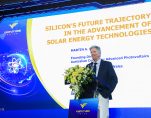
HANOI, VIETNAM – Media OutReach Newswire – 23 June 2025 – With the invention of solar cells using Passivated Emitter and Rear Contact (PERC) technology, Prof. Martin Andrew Green from the University of New South Wales (Australia) and his team made a groundbreaking contribution to green energy production. Two years after receiving the 2023 VinFuture Grand Prize, he continues to push the boundaries of solar innovation, working […]

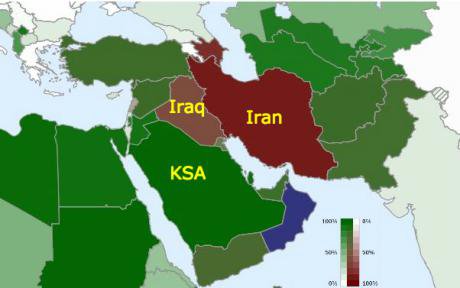
By Nantoo Banerjee It may be wrong to believe that Israel and the United States of America are the only two countries strongly against Iran’s bid to become a nuclear-armed country. The entire world is concerned about nuclear proliferation and nuclear smuggling and its falling into the wrong hands. The nature of the Iranian regime […]

OKX is considering a US initial public offering following its April relaunch in America, which came after the exchange paid a total of $505 million to settle Department of Justice charges for operating without a money-transmitting licence. The settlement comprised an $84 million fine and the forfeiture of $421 million in earnings, predominantly drawn from institutional activity.

The Seychelles-based platform formally pleaded guilty to US anti‑money‑laundering and Know Your Customer deficiencies, marking a significant compliance turnaround. Its re-entry strategy included appointing Roshan Robert, former Barclays director, as its US CEO and establishing a regional headquarters in San Jose, California. The focus is on a phased rollout of a centralised exchange and the OKX Wallet, which supports 130 blockchains and a DEX aggregator with access to more than 10 million tokens.

Insiders suggest that buoyed by regained US compliance and growing user demand, OKX is now assessing an IPO as early as the first quarter of 2026. Such a move would mark its shift from a privately held crypto entity to a publicly accountable company, increasing transparency and potentially assuring investors and regulators alike of its commitment to best practice.

Industry observers note that OKX’s ambition aligns with broader trends in the crypto space. Rivals such as Coinbase underwent similar transitions, leveraging IPOs to enhance visibility and unlock capital for product development. OKX’s path, however, is distinguished by its heavier regulatory baggage and the scale of its US re-entry, which could either strengthen its credibility or raise fresh scrutiny.

Market analysts highlight several factors that could influence the success of an IPO. These include OKX’s ability to sustain compliance upgrades, the performance of its US exchange and wallet division, and the overall sentiment in financial markets towards regulated crypto firms. The firm’s leadership anticipates that demonstrating stringent compliance and deep liquidity will be pivotal in securing investor confidence.

According to statements from OKX’s Star Xu, the exchange aspires to become “the gold standard of global compliance at scale,” an ambition underscored by its decision to engage a compliance consultant post‑settlement.

The timing of the potential IPO is crucial. Market conditions in early 2026 will determine valuation and investor appetite, particularly if macroeconomic headwinds or equity market volatility persist. OKX will also compete for attention with other crypto entrants, including those preparing to go public or seeking regulatory approval for spot Bitcoin ETFs.

OKX insiders stress that success hinges on execution in several areas: maintaining licence approvals in multiple jurisdictions, expanding US user adoption, and integrating fiat ramps to bolster accessibility. The San Jose hub is positioned as a central node for regulatory engagement, staff expansion, and innovation, with the US team reportedly growing aggressively since April.

Should OKX proceed with an IPO, it will signal a full-circle moment—from prosecution and penalties to listing on a major US exchange. The move would also put it in direct competition with publicly traded peers, raising expectations for quarterly reporting, rigorous audits, and adherence to US securities law.

Regulators will likely scrutinise OKX’s filings, probing its past compliance gaps and evaluating its new internal controls. Investors and analysts will examine user metrics, trading volumes, fee structures, and the viability of the wallet service as revenue drivers. The success or failure of OKX’s US debut could shape the narrative for other non-US crypto exchanges contemplating public listings.

A magnitude 5.7 earthquake struck the New Britain region of Papua New Guinea on Monday, registering at a depth of just 10 km, according to the European Mediterranean Seismological Centre. The tremor occurred at approximately 01:17 pm local time, near New Britain Island, and while shallow, it did not prompt any tsunami alerts. Seismologists note that shallow quakes—those less than 70 km deep—tend to produce more intense shaking at the surface. However, […]

Businesses across Houston are accelerating their transition to Voice over Internet Protocol blended with cloud services, aiming to streamline communication, enhance customer experience and reduce costs. Leading this shift is Phonoscope Communications, a Houston-based provider that leverages its fibre-optic metro network to integrate VoIP and cloud-based services for enterprises across eight counties. With a history dating to 1953—and pioneering two-way videotelephony in schools—Phonoscope now supplies unified voice, […]

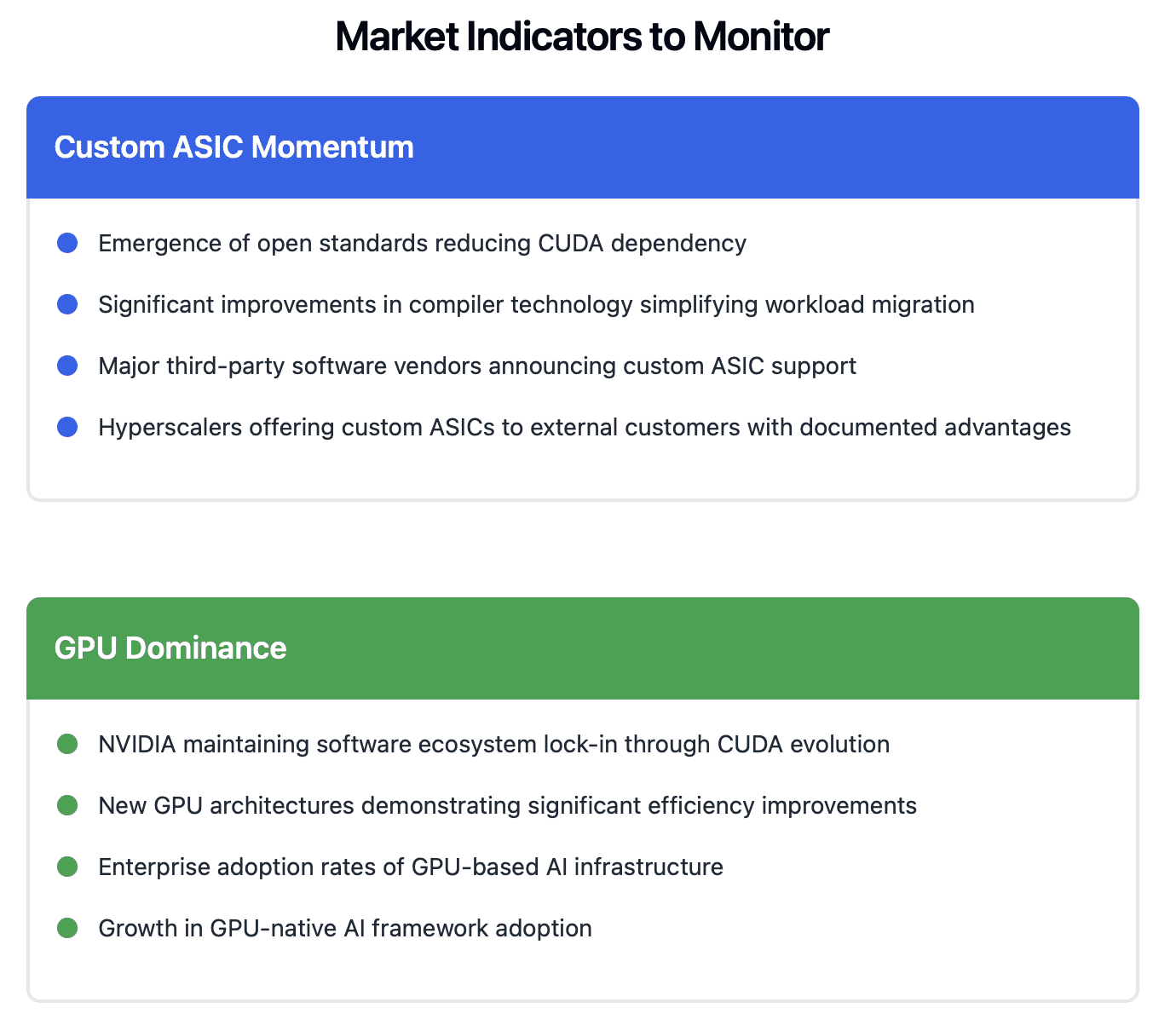
Cloud computing giants AWS, Google, Microsoft, Meta and OpenAI are accelerating in-house development of custom application‑specific integrated circuits, aiming to erode NVIDIA’s dominance in high‑performance AI datacentres. Industry reports highlight a projected annual growth rate of around 50% for ASIC purchases by hyperscalers, marking a strategic pivot in the AI hardware landscape.

NVIDIA’s premium-priced solutions—including Blackwell GPUs—have placed pressure on hyperscalers to secure more cost‑efficient, scalable systems. With single GPUs ranging from $70,000 to $80,000 and fully configured servers tallying up to $3 million, these companies are betting on internal design to manage costs and supply risks.

Amazon Web Services has notably moved ahead with its in‑house chips—Trainium for training and Inferentia for inference—reporting 30 – 40% greater cost efficiency compared with NVIDIA hardware. AWS is also collaborating with Marvell and Taiwan’s Alchip on next‑generation Trainium versions. Internal indications suggest AWS may deploy as many as half‑a‑million ASIC units in its data centres, an expansive scale‑up that could rival NVIDIA’s installed base.

Google, meanwhile, has scaled its TPU v6 Trillium chips, transitioning from single‑supplier to dual‑supplier design by partnering with MediaTek. With deployments reportedly hitting 100,000‑unit clusters to support Gemini 2.0 workloads, Google claims competitive cost-performance metrics relative to NVIDIA GPUs. Microsoft’s forthcoming Maia 200 chip, co‑designed with GUC using TSMC’s 3 nm process, is scheduled for commercial release in 2026.

Meta’s Meta Training and Inference Accelerator, developed alongside Broadcom, Socionext and GUC, is expected in early 2026 on TSMC’s 3 nm node, featuring HBM3e memory—another step towards self‑sufficiency in AI compute. OpenAI has also announced a proprietary training processor, with mass production anticipated at TSMC by 2026.

Market projections reflect this tectonic shift. ASICs are poised to claim between $100 billion and $130 billion of custom AI accelerator spend by 2030, with Broadcom estimating a market of $60 billion to $90 billion by 2027. Traditional ASIC powerhouses—Broadcom, Marvell, MediaTek, Alchip and GUC—are experiencing surging demand as they support hyperscaler transitions.

Despite these developments, hyperscalers continue to reserve capacity for NVIDIA chips, recognising the GPU giant’s entrenched ecosystem—especially its CUDA software stack—and the steep technical barriers to immediate elimination of GPU dependencies.

The trend resembles historical transitions in specialised compute. Just as cryptocurrency mining moved from GPUs to ASICs for lower costs and greater efficiency, hyperscalers now aim to fragment the AI compute supply chain and diversify their hardware portfolios.

TSMC stands to benefit significantly, serving as the foundry for both NVIDIA’s mass‑market GPUs and hyperscaler ASICs. Its chairman emphasises that the competition between NVIDIA and cloud‑designed chips is ultimately beneficial to TSMC, ensuring a broad customer base.

Broadcom has emerged as a frontrunner, with its ASIC and networking chipset revenues soaring 220% to $12.2 billion in 2024. Hyperscalers are investing in clusters featuring up to one million custom XPUs over open‑Ethernet networks—an architecture that places Broadcom and Marvell in strategic positions. Networking ASICs are expected to account for 15–20% of AI data‑centre silicon budgets, rising from the 5–10% range.

Revenue trends reflect these structural shifts. Marvell has secured a multi‑year AI chip deal with AWS and anticipates its AI silicon revenue jumping from $550 million in 2024 to over $2.5 billion in 2026. Broadcom, similarly, is redirecting significant investment toward hyperscaler ASIC demand.

Nevertheless, NVIDIA retains a commanding lead in AI training and general‑purpose GPU compute. Its end‑to‑end platform—from hardware to software—remains deeply embedded in the AI ecosystem. Custom ASICs, by contrast, offer task‑specific gains but lack the breadth of software compatibility that NVIDIA enables.

Analysts caution that the AI compute landscape is evolving toward a more fragmented, mixed‑architecture model combining GPUs and ASICs. Hyperscalers’ shift signals strategic recognition of rising costs, supply constraints, and performance demands. Yet, they also underscore persistent obstacles: software ecosystem maturity, long development cycles, and the complexity of large‑scale deployment.

Questions remain regarding the timeframe in which hyperscalers can meaningfully shift workloads away from NVIDIA GPUs. Industry roadmaps project new ASIC deployments through 2026–27. Analysts expect GPU market share erosion may begin toward the end of the decade, provided in-house ASICs deliver consistent performance and efficiency.

The stage is set for a multi‑year contest in datacentre compute. NVIDIA faces increasing pressure from hyperscalers building bespoke chips to optimise workloads and control supply. The next evolution of AI infrastructure may look less like a GPU‑centric world and more like a diverse ecosystem of specialised, interlocking processors.


An Estonian-based blockchain project is upending traditional cryptocurrency mining by enabling everyday mobile users to mine Bitcoin Solaris via a smartphone app. The Solaris Nova App, currently in its private beta, allows earning tokens through adaptive, low‑energy background processes—sidestepping the need for ASIC rigs and high electricity costs.

The platform combines conventional Proof‑of‑Work with Delegated Proof‑of‑Stake, boasting energy efficiency nearly 99.95% lower than Bitcoin yet capable of processing over 10,000 transactions per second with two‑second finality. It includes built‑in wallet features, real‑time analytics, gamified leaderboards and a marketplace for leasing computational power, aiming for a secure but user‑friendly experience.

Engagement has surged. Over 11,500 users have joined the presale, contributing more than $5 million, at an average price of $8 a token, with scheduled price increases to $9 ahead of a $20 launch value. Phase 7 is underway, confirming momentum as the project enters its final presale phase.

Independent audits from Cyberscope and Freshcoins, plus KYC verification, reinforce security credibility. Market analysts such as Ainvest note the platform’s one‑tap mining and liquid staking features as transformational for retail traders.

Bitcoin Solaris’s dual‑layer architecture merges SHA‑256 Proof‑of‑Work with a high-speed Delegated Proof‑of‑Stake layer. This enables smartphone‑based mining via the Nova App, steering the network’s validation duties to unused storage and CPU cycles—a model described as authentic on-chain participation rather than gamified simulation.

Device‑level mining accommodates Android, iOS, desktop and browser setups. It adjusts load according to hardware: simpler algorithmic backend for phones, scalable tasks for laptops. Energy consumption remains negligible compared to traditional setups. These advancements allow earning BTC‑S tokens immediately, even enabling leasing of computing capacity via smart contracts, and fostering deeper DeFi involvement through liquid staking.

Tokenomics emulate Bitcoin’s scarcity: 21 million total tokens, with 66.7% allocated to mining over 90 years, 20% set aside for presale, and 5% for liquidity. Early presale investors also access bonus slots—up to 10% in earlier phases—highlighting the company’s emphasis on accessible wealth-building.

Crypto commentators highlight its egalitarian potential. Coin World describes it as aimed at making mining accessible to average traders. Analytics Insight suggests mobile mining is generating a wave of new crypto millionaires. Observers such as Crypto Nitro, Crypto Infinity and Crypto Show emphasise its blend of energy efficiency with scalability and inclusivity.

Technical infrastructure rests on security measures, including zero‑knowledge proofs, rotating smart validator sets and continuous audits. Developers argue this permits afforded decentralisation without sacrificing speed or integrity.

Operationally, the project is on a tight timeline: the private beta is active, presale entering its final stage, and full exchange listing expected by July–August. Marketing strategies include referral bonuses, token rewards and daily spins, designed to sustain engagement as broader exposure looms.

Critics note that presale hype may inflate expectations and urge diligence. But Bitcoin Solaris counters with transparent audits, robust KYC, and smart contract evidence of functioning architecture. The simplicity of an app‑based mining system breaks from older models that few retail users can access profitably.

Industry significance could be profound. By transforming everyday devices into contributors to blockchain consensus, Bitcoin Solaris substantially lowers barriers. This may redefine early‑phase crypto wealth dynamics, where first movers historically held advantage via specialist mining investments.

As global attention turns to scalable, eco‑conscious blockchain models, Bitcoin Solaris positions itself at the intersection of accessibility and utility. With the Nova App reaching beta testers and node count rising, the platform is providing tangible participation alternatives for small investors.

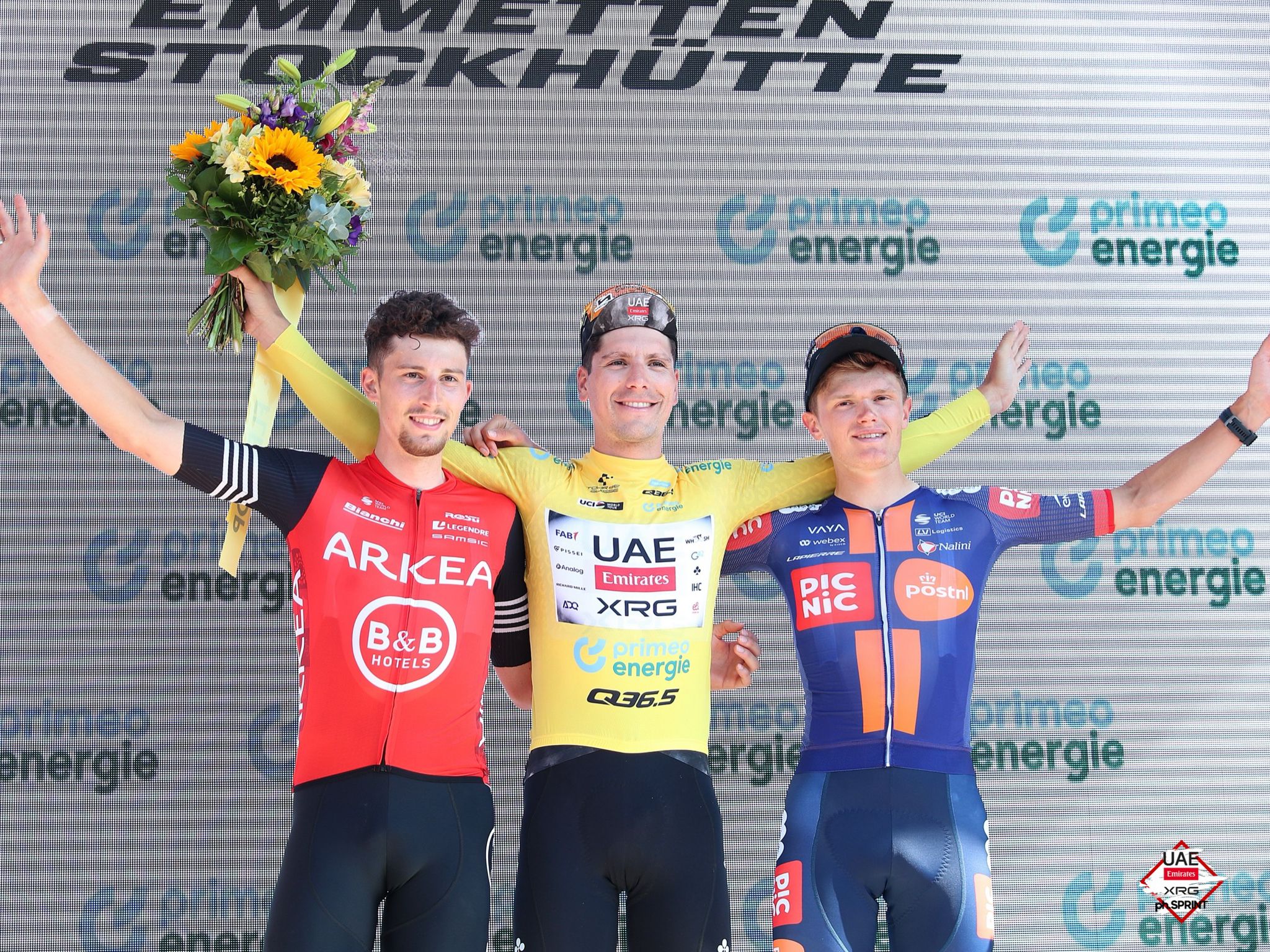
João Almeida secured the general classification at the Tour de Suisse on 22 June, overpowering Kevin Vauquelin in a commanding mountain time trial, while Filippo Baroncini clinched his first overall win at the Baloise Belgium Tour on the same day. The victories mark a milestone weekend for UAE Team Emirates‑XRG, pushing its season tally to a record-breaking 50 wins.

Almeida, wearing the yellow jersey, staged a remarkable turnaround during the 10.1 km ascent from Beckenried to Stockhütte. Starting the final stage 33 seconds behind Vauquelin, he posted a blistering 27:33—beating the Frenchman by 1:40 and sealing the victory by a 1:07 margin. His performance ensured he not only claimed the overall title but also the points jersey.

The Tour de Suisse had already seen Almeida recover from an early setback—losing over three minutes on stage one—by capturing stage four and seven victories, and grinding out bonus seconds during stage seven to stay within reach. The final time trial confirmed his status as one of the WorldTour’s most consistent climber–time‑trial specialists.

Baroncini’s triumph at the Baloise Belgium Tour marked his debut general classification success. He topped the podium with a slender four-second lead over Ethan Hayter, after a tactically astute five‑stage campaign. Baroncini’s consistency in the Ardennes-style terrain and strategic riding during the Golden Kilometre bonus sprints proved decisive.

These wins reflect a broader surge in form across the Emirati team. With Almeida’s mastery in time trials and mountain terrain, complemented by Baroncini’s emergence in hilly classics, the squad demonstrates depth and versatility—especially crucial as attention now turns to the Tour de France.

Analysts highlight that Almeida parlayed a challenging start into a commanding campaign by dominating critical stages and leveraging team support. He paid tribute to his riders and staff after stage seven, noting that every second counted and his boost in morale hinged on teamwork.

Baroncini, meanwhile, operated quietly yet effectively—conserving energy and nabbing time bonuses without making headlines until the final standings were published. His victory signals maturity beyond a first-time winner; his profile suggests he could emerge as a versatile contender in mountainous races later this season.

UAE Team Emirates‑XRG, under the stewardship of General Manager Mauro Gianetti and Team Manager Matxin Fernández, stands third in the UCI WorldTeam rankings this season, boasting eight overall stage‑race victories and seventeen individual stage wins. Tadej Pogačar has led the charge with seven wins, yet Almeida and Baroncini are edging into prominence.

The team’s momentum also offers tactical flexibility for the upcoming Tour de France, where Almeida is expected to support Pogačar, and Baroncini may be deployed in breakaways or mountain stages. Their successes in Switzerland and Belgium send a clear signal: UAE Team Emirates‑XRG will field a multi‑faceted and potent challenge in the Grand Départ.

Reddit is exploring integration of Worldcoin’s iris‑scanning Orb technology to verify that account holders are genuine, unique individuals while preserving user anonymity. The move aims to curb bot activity and AI‑generated content, and to comply with emerging age‑verification regulations. In discussions with Tools for Humanity, the Orb would capture an encrypted representation of a user’s iris—known as an IrisCode—to assign a secure, anonymous World ID. That identifier confirms […]

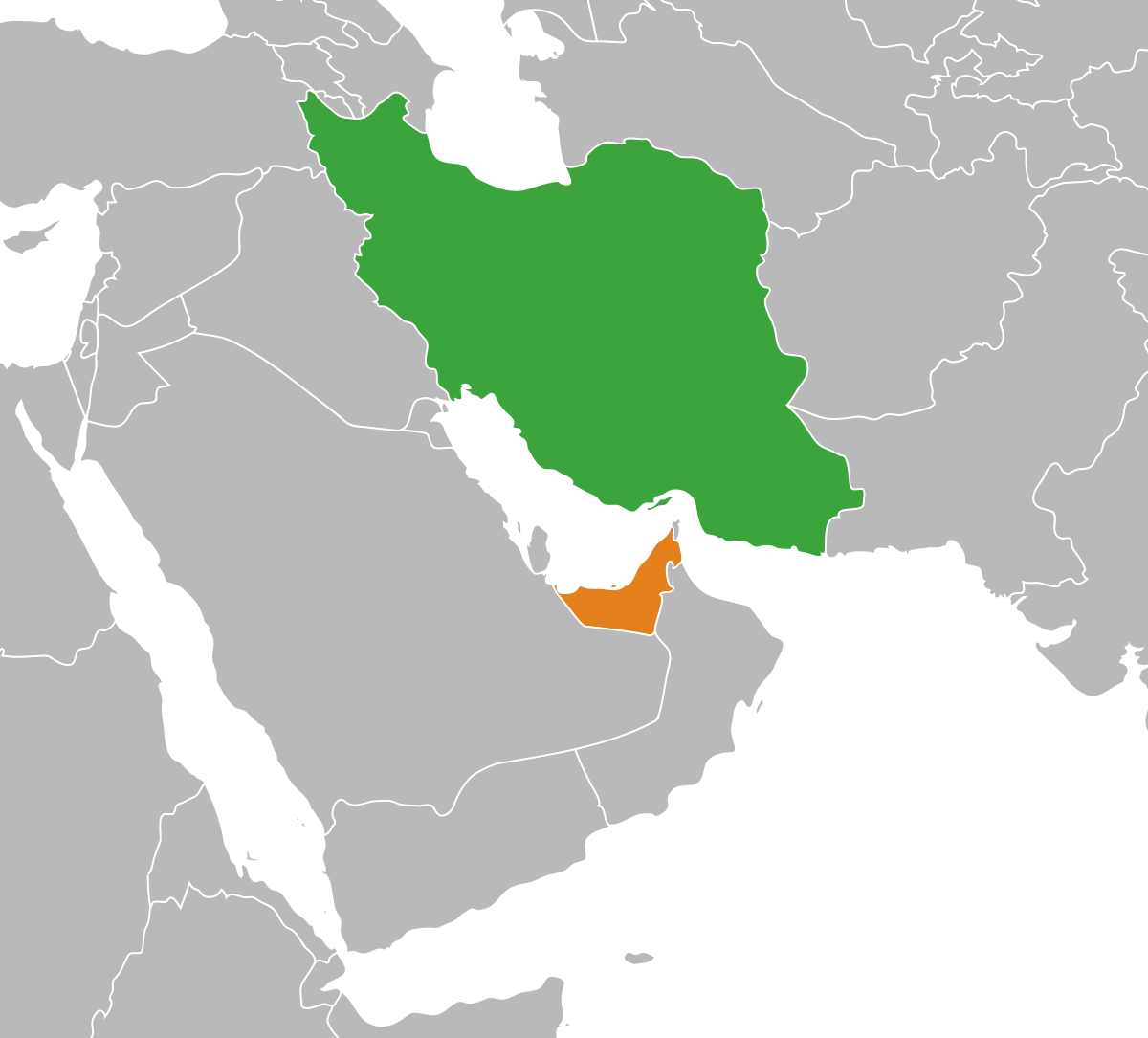
UAE authorities have successfully airlifted both citizens and expatriate residents from Iran amid mounting regional tensions stemming from the ongoing Israel–Iran conflict. These evacuation flights were carried out in full coordination with Iranian officials, who provided necessary transit clearances and logistical assistance, according to the UAE’s Ministry of Foreign Affairs and International Cooperation.

Passengers greeted on arrival in Abu Dhabi included Emirati nationals and resident visa holders. Some were visibly emotional—footage released by WAM showed arrivals embracing airport staff, while others knelt in gratitude upon disembarking. UAE officials confirmed that all evacuees underwent health screening and security checks; no medical emergencies were reported during the operation.

The decision to evacuate was prompted by intensifying hostilities between Iran and Israel, which have resulted in reciprocal missile and drone strikes targeting Iran’s nuclear and military infrastructure. Since 13 June, airspace closures across Iran and neighbouring countries have disrupted commercial flights, leaving many foreign nationals stranded.

While Tehran’s nuclear sites have been under attack, Tehran’s government issued public messages minimising panic, yet civilians promptly fled towards northern provinces, leading to fuel shortages, transport gridlocks, and relief operations along highways. Over 100,000 people are believed to have relocated internally by 15 June, while a few hundred foreign evacuees have used authorised border crossings to exit Iran.

UAE’s timely action reflects an expansion of its foreign crisis response capabilities, built through previous evacuations from conflict zones such as Ukraine, Sudan, and Afghanistan. Evacuating via a mix of chartered aircraft and government-operated flights, the UAE used carefully planned air routes to skirt high-risk regions.

Parallel efforts by Gulf neighbours highlight broader regional coordination. Bahrain, Oman and others secured safe passage for their own nationals via land and air corridors; Oman alone registered over 150 evacuees through Bandar Abbas and Iraq logistics networks. Countries including India, China, the US, Germany and Poland activated repatriation schemes—India’s “Operation Sindhu” successfully repatriated 110 nationals through Armenia by 18 June.

While evacuation pipelines opened, Dubai and Abu Dhabi remain operational, and companies across the Gulf are updating contingency plans amid concerns over possible spill‑over and disruptions to critical infrastructure. Risk advisory firms are reporting heightened demand for intelligence services, crisis preparedness, and staff security measures.

The UAE Ministry of Foreign Affairs has reiterated its call for diplomacy as the sole pathway to stability. Its continuous diplomatic outreach has involved deep engagement with international partners and a strong appeal to the UN Security Council to broker de‑escalation amid what it describes as “exceptional circumstances”.

The evacuation marks a rare cooperative moment between the UAE and Iran, whose bilateral relations have at times been strained. Yet Iranian authorities’ facilitation of access to airports and transit permissions demonstrated a mutual willingness to protect civilians from broader geopolitical fallout.

With all Gulf evacuations through this phase concluded, attention now turns to whether diplomatic avenues will succeed in preventing further civilian displacement. Businesses and governments remain on alert, reinforcing emergency protocols and intelligence monitoring systems to safeguard personnel and operations in the face of uncertainty.

HONG KONG SAR – Media OutReach Newswire – 23 June 2025 – The Hong Kong Institute of Certified Public Accountants (HKICPA) is delighted to announce its renewal of Mutual Recognition Agreement (MRA) with CPA Australia (CPAA). Based on the new MRA, the HKICPA will continue to join hands with peer accounting professional body to cultivate top-tier talents for the accounting profession and foster its development. The HKICPA […]

ArabyAds has secured the prestigious Snapchat Advanced Partner badge, marking a significant milestone that positions the UAE-based ad-tech firm at the forefront of digital innovation across the Middle East and North Africa. The designation grants the company exclusive access to Snapchat’s latest tools, data analytics, and strategic support, enabling clients and creators in the region to harness full‑funnel campaign opportunities on the platform.

This recognition underlines ArabyAds’ deliberate investment in human capital and know‑how, rather than simply technical capability. As part of the Snapchat Advanced Partner programme, the company gains access to private training sessions, expert enablement, account‑management backing and early‑stage features like Snap’s Creator Discovery API and Snap Creator Marketplace Beta. The badge also comes with visibility and credibility as Snapchat builds its ecosystem through trusted agency partnerships.

ArabyAds Vice‑President of Digital, Ayah Reyad, emphasised that working with Snapchat has been instrumental in expanding market share and inspiring creativity, and that the advanced partner status will deepen relationships with clients and unlock new possibilities in digital storytelling. The move adds another layer to ArabyAds’ portfolio of regional achievements, which include being named Marketing Platform of the Year 2023 by MMA Smarties MENA and the prior launch of their AI‑powered Household Graph for cross‑platform audience reach.

Snapchat states that over 67% of users follow creators to see real, everyday moments, underlining the emphasis on authentic connection. The platform reports that 97% of users are open to brand‑sponsored creator content, and 59% have made purchases following exposure to such campaigns. This context sets the stage for ArabyAds to broker more effective creator partnerships on behalf of brands, using bespoke targeting informed by data and platform insight.

The Advanced Partner badge places ArabyAds among an elite selection of regional agencies, including Publicis Groupe‑Content Practice, Creo, InHype and The Goat Agency MENA. Snap’s pilot cohort benefits from direct collaboration opportunities with Snapchat teams, hands‑on enablement events and tailored access to analytics and certification from Snap Focus. A Partner Enablement Day in Dubai offered immediate immersion into platform tools and strategic best practice, reinforcing the parent company’s goal to build a vibrant creator economy across the MENA region.

Senior figures from other agencies in the cohort echoed Snap’s confidence in ArabyAds. Timothée Desormeaux, Managing Partner and Co‑founder of Acquisit, noted that Snap values their data‑driven and measurement‑focused approach, which has helped solve complex client challenges in the region.

Snap’s head of agency relations in the region, Rasha El‑Ghoussaini, described the partner initiative as part of a broader strategy to support agencies amid rapid transformation across digital markets.

For ArabyAds’ clients, the benefits are multifaceted. The Creator Discovery API enables mapping and analysis of over 100,000 MENA creators, enabling data‑led influencer alignment. End‑to‑end ROI tracking, combined with advancement in AR and creative strategy, allows brands to build measurable campaigns that drive deeper engagement and conversions.

ArabyAds is now well placed to offer clients a full‑stack solution on Snapchat: from creator identification and certification through Snap Focus, to influencer campaign activation using the Creator Marketplace, and ongoing optimisation via account management and platform insights. The firm’s trajectory signals intention not only to maintain growth, but to shape what high‑impact creator collaboration looks like in the region.

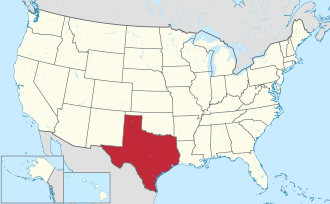
Texas Governor Greg Abbott has enacted Senate Bill 21, empowering the creation of the Texas Strategic Bitcoin Reserve, making it the third US state to legislate a formal Bitcoin reserve following Arizona and New Hampshire. For the first time among its peers, Texas will finance this dedicated fund with public money, distinguishing it from Arizona’s and New Hampshire’s models.

Under the terms of SB 21, the reserve will operate independently of Texas’s treasury and be managed by the Texas Comptroller of Public Accounts, guided by an advisory committee of crypto investment professionals. Only assets with an average market capitalisation exceeding US $500 billion over two years qualify for inclusion—Bitcoin currently stands alone in meeting that benchmark. The fund’s flexibility extends to growth through forks, airdrops, investment returns and public donations, with biennial public disclosures required.

Companion legislation, House Bill 4488, shields the reserve from routine transfer into the general revenue fund and ensures its legal continuity regardless of whether it holds Bitcoin by summer 2025. The Senate passed SB 21 by 25 votes to 5, and the House by 9 to 4; the law will take effect on 1 September 2025.

Proponents frame the reserve as a strategic hedge against inflation and economic volatility, aligning with Texas’s broader approach to diversify its assets. Senator Charles Schwertner, the bill’s author, observed that if the state can invest in gold or land, it should also have the option to invest in Bitcoin—“the best-performing asset of the last 10 years”.

Governor Abbott has been a vocal supporter of cryptocurrency integration, remarking last year that Texas was already home to crypto mining and “should become the crypto capital”. The inclusion of a state fund aligns with his pro-crypto stance and the passage of HB 4488, which he signed shortly after, enhances the law’s stability.

Texas’s approach diverges notably from Arizona and New Hampshire. Arizona’s law permits establishment of a reserve but prohibits spending public funds on asset purchases, whereas New Hampshire enables investment through the treasury—but neither allocates separate, publicly funded funds. By committing public funds and creating a segregated structure, Texas establishes a more robust and intentional framework.

Financial analysts and policymakers have reacted with a mixture of cautious interest and concern. While some view the move as a progressive diversification strategy, sceptics warn of Bitcoin’s price volatility and uncertain long-term value. Reports from the European Central Bank and ECB president have criticised similar shifts by US governments, saying they could undermine monetary sovereignty and disrupt digital euro initiatives. Meanwhile, a February 2025 University of Chicago economist survey found no consensus that borrowing to fund a crypto reserve would be beneficial.

Globally, the action has prompted varied governmental responses. Belarus has emphasised crypto mining; South Korea and Switzerland have explicitly rejected adding Bitcoin to central reserves, citing volatility; India has announced it is reassessing its crypto stance in light of global shifts.

The legislative milestone occurs amid mounting institutional interest in Bitcoin. Public companies such as MicroStrategy, Marathon Digital and Tesla continue to invest heavily, contributing to a surge in corporate holdings—more than 819,000 BTC held across 223 firms, representing nearly 3.9 per cent of total supply. Notable large-scale investments have included Paris-listed The Blockchain Group’s purchase of 182 BTC for US $19.6 million, and Nakamoto Holdings securing US $51.5 million via PIPE funding for further Bitcoin acquisitions.

UAE authorities have flown back several nationals and residents from Iran as part of a security-driven emergency operation amid intensifying regional uncertainty. The coordinated move, which involved direct communication between officials in Abu Dhabi and Tehran, was aimed at ensuring swift and safe repatriation in light of mounting geopolitical instability in the region. The evacuation operation, which took place without prior public notice, was disclosed by the […]

Saudi Arabian Oil Company, widely known as Aramco, is dramatically expanding beyond its oil and petrochemical roots into a diversified, technology-centric energy powerhouse. Under Chief Executive Amin Nasser, the enterprise is balancing its historic role as a revenue pillar for the Kingdom with aggressive investments in artificial intelligence, renewables, blue hydrogen, carbon capture and e‑fuels. Aramco’s strategic pivot is anchored in its financial strength. The company reported […]

Patients Demonstrate Significant Knowledge Gaps in Treatment Options, Leading to Lost Hope and Treatment Discontinuation Over 70% of Vitiligo Patients Desire Skin Repigmentation; New Topical Therapy Introduced in Hong Kong Shows Encouraging Results HONG KONG SAR – Media OutReach Newswire – 22 June 2025 – In observance of World Vitiligo Day (June 25), Hong Kong Vitiligo Support Group has released findings from its latest “Hong Kong Vitiligo […]

VISHNU RAJA
RYO YAMADA
HITORI GOTOH
IKUYO KITA
Just in:
Dubai boat show confirms international shipyard line-up for November // Democrats capture Senate majority with seven Republican seats // As AI Reshapes Education, Singapore Convenes Global Dialogue on the Future of Early Childhood Education // Vance attributes Republican midterm defeats to Iran conflict // Emirates Group records AED 4.1 billion half-year profit // SC to examine students’ exam plea today // CR Longdation Aethereal Cybersecurity × Global Cybersecurity Alliance (GCSA) Join Hands to Establish the “AI and Cybersecurity Research Centre” // e-Crime Bureau Signs Cybersecurity Partnership With Smart Africa, Reinforcing Its Global Expansion // OpenAI identifies 948 Linux privilege escalation flaws using AI // Middle East governments assess Iran war after US vote // Burying Head In “India Made Poverty Reduction” Data Is Dangerous // Govt opposes Arlekar’s PSC action // ADIA and partners establish $1.4 billion aviation venture // Meraas showcases five residential zones at Dubai Design Week // Pinarayi faults UDF over mounting road crashes // Asia Left Behind: Ten international companies have yet to report delivering on their cage-free egg pledges across the region // The “1st Greater Bay Area Health and Longevity Summit & Awards Ceremony” concludes successfully in Macao // Ta’ziz finalises $1.39bn funding for Ruwais industrial facilities // Cloudflare unveils Zero Wire vulnerability intelligence service // Utilities pursue ₹1,992 cr in unpaid bills //