Just in:
Fast Just Got Fastest: STING Energy Boost™ Celebrates Kimi Antonelli’s Formula 1® World Championship and the Fan Energy Behind It // The “1st Greater Bay Area Health and Longevity Summit & Awards Ceremony” concludes successfully in Macao // OpenAI identifies 948 Linux privilege escalation flaws using AI // Cyberport Venture & Capital Forum 2026 Grand Opening // Ta’ziz finalises $1.39bn funding for Ruwais industrial facilities // APT29-linked campaign exploits outdated Apple and Android software // Democrats capture Senate majority with seven Republican seats // As AI Reshapes Education, Singapore Convenes Global Dialogue on the Future of Early Childhood Education // Oil and chip shares retreat after Democratic victories // ADIA and partners establish $1.4 billion aviation venture // Cloudflare unveils Zero Wire vulnerability intelligence service // Burying Head In “India Made Poverty Reduction” Data Is Dangerous // After Reaching 7 Million Users in the Philippines, Skyro Launches Transparent Cash Loans in Malaysia // Utilities pursue ₹1,992 cr in unpaid bills // xCube Access Welcomes Entrust Capital Limited  Expanding Access to Professional Portfolio Management // Anthropic to prohibit persistent abuse of Claude chatbot // CR Longdation Aethereal Cybersecurity × Global Cybersecurity Alliance (GCSA) Join Hands to Establish the “AI and Cybersecurity Research Centre” // UK air traffic outage inflicted £33m financial losses // Vance attributes Republican midterm defeats to Iran conflict // Hong Kong mandates crypto transaction disclosures to tax authorities //

News related to
work

Governor Gavin Newsom has labelled the federal deployment of California National Guard troops to Los Angeles as unlawful and a breach of state sovereignty. He formally requested their withdrawal in a letter to the defence secretary, emphasising that law enforcement agencies on both the state and local level were equipped to manage the protests without military reinforcement. Approximately 2,000 National Guard members, federalised under Title 10 of the […]

Lyntia Networks is advancing its operational support systems through the integration of Oracle’s cloud-native communications technology, aiming to automate service orchestration and enhance the speed and efficiency of its telecom service delivery. The Spanish neutral wholesale operator, known for expanding its footprint in fibre infrastructure, seeks to leverage automation to meet growing market demands and improve customer experience. The deployment of Oracle’s OSS solutions will enable Lyntia […]

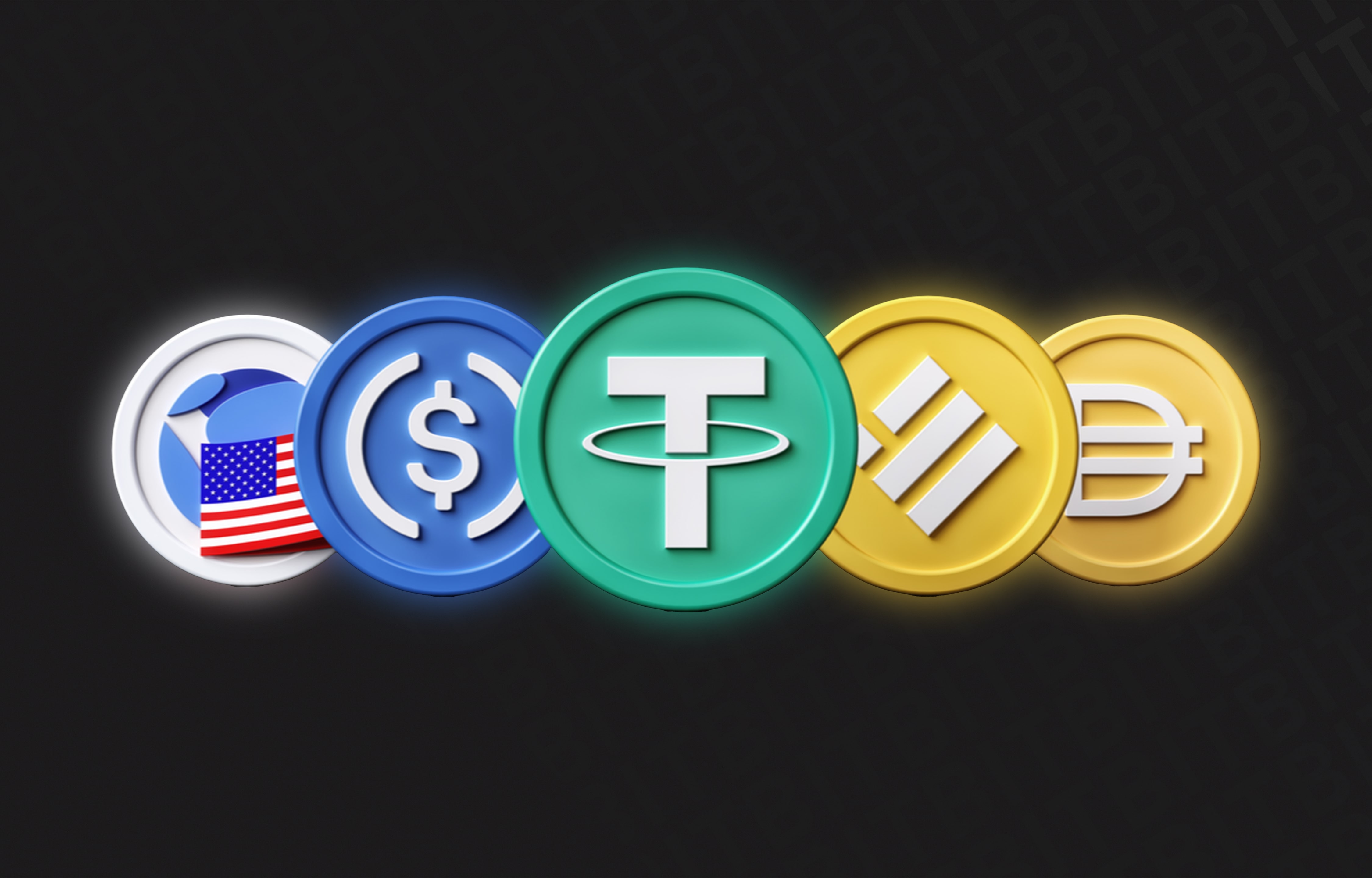
Stablecoins are processing roughly $33 trillion in yearly volume—around 20 times that of PayPal and three times Visa—while amassing $128 billion in U.S. Treasuries, placing these issuers among the top 20 holders of American debt and ahead of major nations such as Germany and Saudi Arabia.

Data from Andreessen Horowitz’s crypto arm shows that over 1 percent of the total U.S. dollar supply is now tokenised on blockchains. Major institutions, including Citi, project that by 2030 stablecoins could accumulate up to $3.7 trillion in Treasury holdings. While Ethereum and Tron currently underpin most of this infrastructure, emerging platforms such as Solana, Arbitrum and Base are gaining traction. Notably, on-chain data reveals that transactional activity in stablecoins appears largely decoupled from broader cryptocurrency trading volumes, indicative of growing real-world adoption. Today, these assets enable sub-second, sub-cent payments—positioning them as serious contenders to onboard the next billion users into the crypto economy.

Market analysts warn that growing stablecoin-backed Treasury holdings may shift demand dynamics for U.S. government debt. One study from academia found that by the end of the first quarter of 2025, Tether held roughly $98.5 billion in Treasury bills—equating to 1.6 percent of total outstanding bills. The research estimates that this level of demand has directly driven down one-month Treasury yields by approximately 24 basis points, indicating that stablecoin issuance is already influencing funding costs and potentially easing liquidity pressures.

Coinciding with this shift is a legislative push in Washington. A bill nearing Congressional approval would require issuers to fully back stablecoins with liquid assets, such as U.S. dollars and short-term Treasuries, and mandate monthly disclosures. Proponents suggest such regulation would reinforce investor trust, legitimize the sector and bolster U.S. debt demand. According to Reuters, Tether and Circle already hold a combined $166 billion in Treasuries—amounts that may increase further under binding legal frameworks.

Financial authorities have offered mixed views. Moody’s warns that large-scale liquidation driven by plunging confidence in stablecoin issuers could destabilise Treasury prices and spill over into broader fixed-income markets. Conversely, policymakers hope that expanded stablecoin activity could facilitate smoother funding for the Treasury, especially if issuers pivot toward demand for short-term debt like bills.

Macro strategies are duly noted. Vanguard’s rates chief suggests that sustained demand from digital currency custodians might spur the Treasury to favour issuing bills over long-term bonds, which could rebalance maturity profiles. Meanwhile, Bitwise’s investment head argues that this growing digital demand could reinforce the dollar’s position as the global reserve currency.

Infrastructure diversification within stablecoins is evolving. Ethereum and Tron continue to dominate, but high-throughput chains like Solana, Arbitrum and Google-backed Base are attracting developers and users aiming to benefit from faster, cheaper payments. The presence of real-world transactions—such as merchant and remittance use cases—underscores that stablecoins are transcending crypto-speculative flows, with sub-cent fees and near-instant settlement now commonplace features.

Emerging risks centre on financial-system vulnerability. The Treasury Borrowing Advisory Committee cautioned that a significant diversion of deposits into stablecoins could dampen demand for Treasuries and potentially curb lending by commercial banks. Money-market managers remain vigilant, with some estimating that stablecoins must scale further before triggering systemic instability.

Proponents counter that regulated stablecoins may alleviate pressures in the Treasury issuance process, with digital platforms absorbing demand in lieu of traditional buyers. Early legislative frameworks could incentivise these issuers to prefer bills over longer-duration instruments, helping to smooth fiscal financing.

Stablecoins are redefining the interface between digital currency networks and the time‑tested Treasury market, leaving policymakers to navigate a complex balance between innovation, stability and monetary control.

The UAE Football Association has imposed substantial sanctions on Sharjah FC’s Khalid Al Dhanhani and Shabab Al Ahli’s Sultan Adil, levying fines of Dh500,000 each and domestic bans spanning five matches. Both clubs have expressed full support for the association’s decision and announced plans to initiate internal reviews into the conduct of the players involved.

The disciplinary measures follow an investigation into conduct deemed inappropriate during recent fixtures in the UAE Pro League. The Football Association’s decision signals a firm stance on maintaining discipline and sportsmanship standards in the country’s top-tier football competitions. Sharjah and Shabab Al Ahli, two of the UAE’s most prominent clubs, have publicly committed to cooperation with the governing body’s directives and have vowed to undertake rigorous internal probes aimed at preventing future breaches.

Officials from Sharjah FC described the imposed sanctions as “just and necessary,” underscoring the club’s zero-tolerance policy towards behaviour that undermines the integrity of the sport. Similarly, Shabab Al Ahli representatives reiterated their support for the Football Association’s rulings, stressing the importance of upholding the reputation of UAE football on domestic and regional stages.

The cases against Al Dhanhani and Adil reportedly involved incidents that breached the association’s code of conduct, though specific details about the nature of the violations have been withheld from public disclosure to protect all parties involved. Observers note that the magnitude of the fines and bans reflects the association’s increased commitment to enforcing discipline and deterring misconduct in a league that continues to grow in regional prominence.

This move aligns with broader efforts by the UAE Football Association to professionalise the sport locally and align with international standards of governance and fairness. The recent enforcement of hefty penalties on high-profile players sends a message to the football community that violations, irrespective of player status, will attract stringent consequences.

Inside the clubs, internal investigations are expected to scrutinise not only the incidents leading to the penalties but also the systemic factors that may have contributed to the lapses in conduct. Sharjah and Shabab Al Ahli’s initiatives aim to reinforce codes of behaviour, improve player education regarding sportsmanship, and implement monitoring mechanisms to prevent recurrence.

The UAE Pro League, which features many international talents alongside local stars, has seen increased scrutiny over player behaviour and match officiating standards in recent seasons. The Football Association’s disciplinary committee has stepped up its vigilance to safeguard the league’s competitive integrity and enhance its appeal to sponsors and fans alike.

Football experts within the region have welcomed the decisive action taken by the association, noting that maintaining discipline is crucial as UAE clubs seek to compete more effectively in continental competitions such as the AFC Champions League. The implementation of fair play principles is viewed as integral to sustaining the sport’s development and nurturing young talent under professional frameworks.

While the penalties levied are severe, they also serve as an opportunity for the players to reflect on their professional conduct and align with the expectations set by their clubs and governing bodies. Both Al Dhanhani and Adil remain key figures within their teams, and their return following suspension will likely come with an emphasis on exemplary behaviour.

The financial fines represent a significant deterrent, especially in a league where clubs are increasingly investing in player welfare and development. The sanctions highlight the balance sought between disciplinary action and the need to foster a positive competitive environment that encourages respect among players, coaches, and officials.

The Football Association’s handling of this matter has been consistent with international best practices, reflecting a growing maturity in sports governance within the UAE. Clubs across the league are anticipated to reinforce internal policies and promote awareness to ensure alignment with the standards enforced by the governing body.

The disciplinary episode involving Al Dhanhani and Adil has also drawn attention to the broader cultural and professional expectations within UAE football, emphasising accountability and ethical behaviour as non-negotiable elements of athlete performance. As clubs prepare for the next stages of the season, the message from the association and participating teams is clear: professionalism and discipline will be upheld at all costs.

Greenlogue/AP The European Commission has initiated a research and innovation project to develop megawatt charging systems tailored for heavy‑duty transport across the EU. Aimed at aligning with the Green Deal’s objective of 90 % CO₂ reductions for HGVs by 2040, the project supports pilot hubs combining ultra-high-power charging with operational road‑haul scenarios on major corridors. The initiative includes constructing two demonstration sites—one in the Nordic region and another […]

Arabian Post Staff -Dubai DP World Trade Finance and JPMorgan have struck an alliance designed to improve working capital availability in emerging economies, responding to an estimated global trade finance shortfall of US $2.5 trillion. The partnership combines DP World’s logistics capabilities with JPMorgan’s financial services to distribute risk on trade finance deals, ensuring underserved enterprises can access vital credit. The signature transaction under this collaboration financed a leading food company’s […]

HONG KONG SAR – Media OutReach Newswire – 9 June 2025 – The Chinese University of Hong Kong (CUHK) continues to attract exceptional international talent, as demonstrated by the success story of Sansita DEWANI, a second-year Integrated Bachelor of Business Administration (IBBAC) student from India. Her journey highlights CUHK’s growing appeal among South Asian students seeking world-class education in Asia. CUHK full scholarship awardee Sansita DEWANI (second […]

Advertisements

LiquidStack has introduced the GigaModular Coolant Distribution Unit, its most advanced liquid‑cooling solution yet, engineered to deliver up to 10 megawatts of scalable, direct‑to‑chip cooling. The debut of this system at the Datacloud Global Congress in Cannes, France, signals a pivotal advance in thermal infrastructure necessary for high‑density AI and cloud‑computing workloads. As data centre rack densities climb past 120 kW and approach projections of 600 kW by 2027, conventional […]

Kali GPT demonstrates a new frontier in cybersecurity, embedding an AI‑powered assistant directly into Kali Linux to streamline penetration testing for professionals and learners. Leveraging GPT‑4 architecture, the tool generates payloads, explains complex tools such as Metasploit and Nmap, and recommends relevant exploits—all within the terminal. For expert practitioners, the assistant accelerates assessments; for novices, it serves as an interactive mentor by translating technical concepts into clear guidance . […]

UAE’s car market is undergoing a fundamental shift as lifestyle-driven mobility rises to prominence, reshaping consumer choices from metal to experience. A surge in preference for digitally enabled, subscription-based, and autonomous transportation is aligning with the emirates’ drive for sustainable, high-tech urban living. Automakers and transport authorities are adapting, marking a new era for mobility in the region.

At the forefront is the uptake of connected and autonomous vehicles. A 2024 Astute Analytica report found that the UAE invested US $500 million in autonomous and connected vehicle infrastructure, and government surveys show that nearly 60 per cent of residents are open to self-driving cars once available . Dubai aims for 25 per cent of its transport network to operate autonomously by 2030, while Abu Dhabi is piloting robotaxis under a combined Dubai Roads and Transport Authority and DP World initiative . Chinese mobility pioneer WeRide has commenced fully driverless robotaxi trials in Abu Dhabi and holds significant UAE licences, further cementing the country’s status as a regional testbed .

Parallel to autonomy, digital car buying and subscription services are gaining ground. A global study by Arthur D. Little reports that UAE has the highest percentage worldwide of buyers willing to complete vehicle purchases entirely online, with 53 per cent preferring full digital transactions . It also notes more than half of car buyers intend to purchase hybrid or electric models for their next car . Major brands such as Jaguar‑Land Rover, Audi and Volvo have launched subscription models allowing flexible short‑term access to vehicles, reflecting a deeper shift from ownership to access .

Luxury meets lifestyle in a market defined by adventure and affluence. The UAE’s love for off‑road capable SUVs—icons like Land Rover, Toyota Land Cruiser and Mercedes G‑Class—remains strong, supported by driving culture and desert heritage . At the same time, social media has amplified the aspirational value of high‑performance and bespoke vehicles, prompting services offering vehicle customisation and luxury rentals to expand .

Despite their prestige, sustainable mobility options are advancing steadily. Government plans aim for EVs to account for 10 per cent of all vehicles by 2030; Dubai Electricity and Water Authority intends to install 1,000 public charging points by 2025 . Financial incentives including free parking and toll exemptions support uptake. While less than 15 per cent of buyers currently prefer full battery‑electric vehicles , more than 50 per cent plan to choose hybrid or electric options next .

Shared mobility and micro‑mobility solutions are gaining traction among urban dwellers. The UAE’s ride‑hailing market grew to US $1.3 billion in 2023, and car‑sharing usage surged by 30 per cent to over 200,000 subscribers . Platforms like Careem, ekar and others expand convenient access while supporting sustainability goals .

Pre‑owned and rental markets also reflect shifting lifestyle demands. The luxury car rental segment caters to business travellers and experience‑seeking residents, accounting for over half of regional luxury rentals . Certified pre‑owned programmes and digital platforms make premium vehicles accessible and promote circular economy models .

Industry participants are racing to adapt. Six major dealers—including Al Futtaim Motors and Al Habtoor—control more than 62 per cent of the auto market by offering hybrid and electric models, digital sales funnels, and after‑sales personalisation services . Additionally, more than 80 per cent of UAE and KSA consumers now value in‑car digital services and are willing to share data for personalised experiences .

Strategic foreign investment continues to flow. In 2024, DP World handled a record 1.3 million vehicles, up 53 per cent year‑on‑year. China led automotive investments region‑wide, with 27 projects worth US $8 billion, generating 20,000 jobs . The UAE attracted 145 automotive projects valued at US $22 billion, solidifying its regional industry leadership .

Air mobility is emerging as a bold frontier. Authorities, including the General Civil Aviation Authority and Technology Innovation Institute, are mapping aerial corridors for air taxis and drones with a view to commercial roll‑out by 2026. Vertiports are under construction as Dubai aims to launch urban air taxi operations in early 2026 . Collaborations with global developers such as Volocopter and Joby Aviation underscore UAE’s intent to lead advanced mobility innovation.

Demographic and behavioural trends are shifting expectations. UAE’s younger, tech‑savvy population demands multimodal transport, sustainable choices, and flexible ownership. European research shows Gen Z and millennials prefer compact, shared, and electric vehicles, and lease options tied to services—mirroring emerging patterns in the Emirates . The convergence of digital retail, in‑car connectivity, autonomous capabilities and lifestyle choices is now the defining feature of the market.

That convergence gives rise to dynamic policy alignment and infrastructure development. Dubai’s Autonomous Transportation Strategy ambitions to ease congestion and strengthen economic diversification, while public‑private partnerships are building the ecosystem for AI‑enabled transport .

The transformation is clear: the UAE auto sector is evolving from a conventional showroom‑focused industry to an experiential mobility ecosystem. Consumers expect seamless digital transactions, autonomous options, flexible subscriptions, and elevated experiences. Governments and businesses are aligning investment and strategy to meet these expectations, fusing luxury with sustainability, and individual desire with urban resilience.

As the 2030 horizon approaches, next‑generation mobility is no longer an aspiration but a reality rolling on UAE roads, in the air, and on digital platforms—heralding a new age for the Gulf’s automotive narrative.


FUZHOU, CHINA – Media OutReach Newswire – 8 June 2025 – Fujian recently launched the “Marine Culture in Fujian” campaign, inviting experts to express their perspectives on the province’s successful marine culture. In this video, Shan Jixiang (Director of the Expert Committee of the Chinese Cultural Relics Society and Director of the Academic Committee of the Palace Museum) and several foreign students visited the traditional village of […]

PumpFun, a Solana-based memecoin launchpad, has announced plans to distribute protocol revenue to $PUMP token holders through a buyback mechanism. This move marks a significant shift from the typical speculative nature of memecoins, aiming to provide tangible value to its community. However, the platform’s ambitious $4 billion valuation and a targeted $1 billion raise have raised questions about the feasibility and sustainability of its revenue model.

Since its inception in January 2024, PumpFun has facilitated the creation of over 6 million memecoins, positioning itself as a central player in the Solana ecosystem’s resurgence following the FTX collapse. The platform’s user-friendly interface allows individuals to launch tokens with minimal effort, contributing to a surge in activity that saw Solana’s Total Value Locked surpass $5 billion by mid-2025.

The proposed buyback strategy involves using a portion of the platform’s revenue to repurchase $PUMP tokens from the open market, thereby reducing supply and potentially increasing token value. This approach is intended to reward long-term holders and align the interests of the community with the platform’s growth. However, the lack of clarity regarding the specific revenue streams and the proportion allocated for buybacks has led to skepticism among investors and analysts.

PumpFun’s revenue primarily stems from a 1% swap fee on all token trades and a 1.5 SOL fee when a token “graduates” by reaching a market cap of $90,000. While these mechanisms have generated substantial income—estimated at over $380 million—the sustainability of such revenue in the volatile memecoin market remains uncertain. The platform’s reliance on continuous user engagement and token creation raises concerns about the long-term viability of its financial model.

The announcement of the $1 billion raise at a $4 billion valuation has further intensified scrutiny. Critics argue that the valuation may be inflated, given the speculative nature of the memecoin market and the platform’s nascent stage. Comparisons have been drawn to other DeFi projects that have faced challenges in maintaining high valuations without robust and diversified revenue streams.

Community members have expressed mixed reactions to the buyback plan. Some view it as a positive step towards creating a more sustainable and value-driven ecosystem, while others question the timing and transparency of the initiative. The absence of detailed information about the buyback schedule, funding sources, and governance mechanisms has fueled debates about the platform’s commitment to accountability and investor protection.

PumpFun’s leadership, including founders Noah Tweedale, Alon Cohen, and Dylan Kerler, has yet to provide comprehensive details addressing these concerns. The platform’s history of rapid growth and controversial features, such as the now-suspended livestreaming service that allowed for unmoderated content, adds to the apprehension surrounding its governance and operational practices.

The broader context of the DeFi and memecoin markets also plays a role in shaping perceptions of PumpFun’s strategy. The memecoin sector has experienced explosive growth, with market capitalizations reaching unprecedented levels. However, this growth has often been accompanied by high volatility, regulatory scrutiny, and instances of market manipulation, leading to caution among institutional investors and regulators.

The Open Infrastructure Foundation has officially integrated into the Linux Foundation, marking a significant consolidation in the open source infrastructure domain. This strategic move aims to enhance collaboration, streamline resources, and address the evolving demands of modern data centers and cloud-native technologies. The merger, unanimously approved by both organizations’ boards, positions OpenInfra as a directed fund within the Linux Foundation, akin to the operational models of the […]

India is poised to release a comprehensive discussion paper on cryptocurrency regulation in June 2025, marking a significant shift in its approach to digital assets. This initiative aims to establish a clear policy framework, drawing from international standards set by the International Monetary Fund and the Financial Stability Board . The move comes amid growing global acceptance of cryptocurrencies and domestic pressures, including a nudge from the Supreme Court, to clarify India’s stance on digital assets.

Currently, India’s cryptocurrency landscape is characterized by a 30% tax on gains and a 1% transaction levy, without formal recognition of crypto assets. These stringent tax measures have led to over 90% of Indian crypto trading shifting offshore, as reported by industry sources. The forthcoming discussion paper is expected to address these issues and invite public feedback, potentially paving the way for a more structured and innovation-friendly crypto ecosystem in the country.

Despite the government’s move towards regulation, the Reserve Bank of India maintains a cautious stance on cryptocurrencies. RBI Governor Sanjay Malhotra reiterated concerns about the potential risks to financial stability and monetary policy, emphasizing that there has been no change in the central bank’s position. The RBI continues to promote its own digital currency, the e₹, as a safer alternative to private digital assets.

In parallel with developments in the crypto sector, the Indian government has introduced stricter requirements for claiming tax deductions in the assessment year 2025-26. Taxpayers are now mandated to provide detailed documentation when filing their Income Tax Returns , particularly under the old income tax regime. For instance, claiming House Rent Allowance now necessitates disclosing the place of work, actual HRA received, rent paid, and landlord information. Similarly, deductions under sections 80C and 80D require specific policy or receipt numbers and details of the insurance providers. These measures aim to reduce fraudulent claims by enabling the tax department to cross-verify the eligibility of deductions.

To assist taxpayers in navigating these complex requirements, AI-driven platforms like TaxBuddy have emerged as valuable tools. TaxBuddy simplifies the tax filing process by offering automation that pre-fills ITR forms using data from PAN, Aadhaar, and uploaded documents. The platform reduces manual data entry and minimizes errors, making the process faster and more efficient. Additionally, TaxBuddy provides expert assistance for complex tax situations, post-filing support for notices or audits, and secure data handling for peace of mind.

Meanwhile, affluent individuals are increasingly leveraging agricultural income exemptions to reduce their tax liabilities. Under the Income Tax Bill 2025, while genuine agricultural income remains tax-free, the government has introduced stricter documentation requirements to verify farming activities. This move aims to curb the misuse of agricultural income exemptions by wealthy individuals who invest in farmlands primarily for tax benefits. Tax experts have highlighted cases where individuals with substantial agricultural revenues have legally avoided significant tax payments, underscoring the need for more transparent and equitable tax policies.

Maein Khalid Since the pandemic, IPO activity across GCC capital markets has surged – offering a sharp contrast to the stop-start pace on New York’s Nasdaq and the near standstill on London’s LSE. Nearly 300 IPOs have raised around $50 billion across the Gulf since 2021. Below I outline six key macro themes shaping this post-Covid IPO boom in the GCC. First, contrary to expectations, the number, […]

MEXC, a prominent digital asset exchange, has accelerated its stablecoin expansion strategy after acquiring $20 million worth of USDe tokens, marking a notable milestone as its stablecoin ecosystem surpasses a $100 million total value locked . This move signals a determined push by MEXC to strengthen its position in the increasingly competitive stablecoin market and further diversify its crypto offerings.

The $20 million USDe acquisition represents a calculated effort to bolster liquidity and adoption of stablecoins pegged to the US dollar, which have become vital in reducing volatility within the cryptocurrency sector. Stablecoins like USDe offer users a more reliable medium of exchange and store of value compared to traditional cryptocurrencies, which can experience dramatic price swings. MEXC’s increasing focus on stablecoins aligns with global trends where institutional and retail investors seek safer avenues for digital asset investment amid regulatory uncertainties and market fluctuations.

Beyond the recent purchase of USDe, MEXC’s stablecoin portfolio has seen sustained growth, pushing the platform’s total stablecoin value locked to exceed $100 million. This figure reflects the combined assets users have committed within MEXC’s stablecoin ecosystem, encompassing liquidity pools, staking, and yield farming products. The growing TVL not only underscores user confidence but also enhances the exchange’s capacity to support high-volume trading and DeFi activities anchored by stablecoins.

MEXC’s engagement in the stablecoin space builds upon its earlier strategic $16 million investment in Ethena, a notable innovator specialising in stablecoin technology and ecosystem development. Ethena’s platform focuses on creating programmable, algorithmic stablecoins that aim to maintain price stability through decentralised governance and dynamic supply adjustments. By backing Ethena, MEXC has positioned itself at the forefront of stablecoin innovation, tapping into emerging technologies that could redefine how digital currencies achieve and sustain their peg.

The decision to invest heavily in USDe and Ethena also comes amid rising competition among exchanges and financial platforms seeking to capture market share in stablecoin issuance and trading. Major players like Tether , USD Coin , and Binance USD dominate market capitalization, but newer tokens like USDe have gained traction through enhanced transparency, regulatory compliance, and blockchain interoperability. MEXC’s adoption of USDe highlights its intent to diversify beyond the dominant incumbents, offering users alternatives that may align better with evolving regulatory frameworks.

Industry experts note that the integration of stablecoins into broader financial systems remains a critical driver for crypto adoption. Stablecoins facilitate cross-border payments, remittances, and decentralised finance applications with reduced friction and costs compared to fiat-based mechanisms. MEXC’s strategy of expanding its stablecoin offerings enhances its utility as a hub for such financial activities, making it attractive to a wider range of traders and developers.

Regulatory clarity surrounding stablecoins has varied globally, with some jurisdictions imposing stringent requirements while others promote innovation-friendly policies. MEXC, headquartered in Seychelles with a growing international presence, has adapted to this shifting landscape by aligning its stablecoin partnerships with platforms like Ethena that emphasise compliance and governance transparency. This approach aims to pre-empt potential regulatory hurdles and establish MEXC as a responsible player in the digital currency ecosystem.

The growth in MEXC’s TVL also corresponds with increased user engagement in decentralised finance products facilitated by stablecoins. Yield farming and staking opportunities offered on the platform encourage users to lock their assets in exchange for rewards, helping to boost liquidity and network activity. These products often depend on stablecoins to mitigate risk, offering participants a balance between yield generation and capital preservation.

Market analysts observe that the stablecoin sector is poised for further expansion as demand for digital dollar substitutes rises. Factors such as increasing institutional interest, the rise of central bank digital currencies , and the ongoing integration of blockchain technology into mainstream finance all contribute to stablecoins becoming indispensable in the crypto landscape. MEXC’s proactive steps to expand its stablecoin infrastructure may provide a competitive advantage as these trends accelerate.

The $100 million TVL milestone not only demonstrates MEXC’s capability to attract substantial user funds but also reflects confidence in the exchange’s technical infrastructure and security protocols. Ensuring safe custody and seamless transactions is crucial for stablecoin platforms, given the heightened regulatory scrutiny and user concerns over fraud and hacking incidents in the sector.

MEXC’s roadmap indicates continued efforts to broaden its stablecoin offerings, with potential plans to incorporate additional tokens and enhance cross-chain compatibility. This would enable users to transact stablecoins across multiple blockchain networks, facilitating greater interoperability and expanding MEXC’s reach within the decentralised finance space.

The exchange also plans to deepen its collaboration with DeFi projects and developers, positioning stablecoins as a foundational component for innovative financial products. This aligns with broader industry movements where stablecoins serve as the backbone for lending protocols, decentralised exchanges, and payment solutions.

WASHINGTON D.C, US – Media OutReach Newswire – 7 June 2025 – Vietnam’s Minister of Agriculture and Environment Do Duc Duy led a delegation of nearly 50 agencies, agribusinesses, and associations to the United States from June 2–6, 2025, to promote trade and increase imports of agricultural and timber products. The delegation held business dialogues in Iowa, Ohio, Maryland and Washington, D.C. MoU signing to purchase US […]

The Dubai International Financial Centre has announced the launch of the Future Sustainability Forum, a global platform aimed at accelerating sustainable finance and innovation. Scheduled to take place on 4–5 December 2024 at Madinat Jumeirah, Dubai, the event seeks to foster collaboration among industry leaders, investors, policymakers, and technology innovators to address pressing environmental challenges.

Arif Amiri, CEO of DIFC Authority, emphasised the forum’s role in advancing climate action through collaborative efforts and innovative financial solutions. The initiative aligns with DIFC’s broader commitment to sustainable economic growth and its leadership in the Dubai Sustainable Finance Working Group, established in 2019.

The forum will explore eight core pillars, including sustainable banking and finance, renewable energy, sustainable infrastructure, and green technology. It aims to channel investment flows between the global north and south, supporting the UAE’s Year of Sustainability and its objectives for COP28.

DP World Trade Finance and JP Morgan have entered into a strategic partnership aimed at enhancing access to working capital in emerging markets. This collaboration seeks to address the estimated $2.5 trillion global trade finance gap that disproportionately affects small and medium-sized enterprises in developing economies.

The alliance’s inaugural transaction facilitated the procurement of cocoa from Ivory Coast by a leading global food company, unlocking over $70 million in annual procurement opportunities. This deal not only provided significant value to the Ivorian economy but also demonstrated the potential of combining logistics and financial services to mitigate credit risks in supply chains.

Raj Jit Singh Wallia, Board Member at DP World Trade Finance, emphasized the importance of integrating logistics and finance to reduce credit risk profiles and enhance liquidity in emerging markets. He noted that this transaction is one of many anticipated through the partnership, especially as trade expands in regions like Central Asia and Sub-Saharan Africa.

James Fraser, Global Head of Trade & Working Capital at JP Morgan, highlighted the bank’s commitment to supporting global trade through innovative financing solutions. He expressed enthusiasm about working together to broaden access to structured trade finance in pivotal markets via innovative financial frameworks.

The partnership aims to leverage risk-sharing mechanisms and combine them with logistics expertise to reduce the overall credit risk profile, thereby enhancing liquidity in markets where traditional lenders are hesitant due to limited credit data. By co-managing trade finance transactions, DP World and JP Morgan intend to provide more inclusive trade participation opportunities for businesses in developing economies.

Willem Blijdorp initially set his sights on a career in tourism. From 1970 to 1975, he studied at the Hotel Management School in Maastricht, the Netherlands. However, upon graduation, he chose an unexpected path. He decided to become the organizer of the now-legendary ‘Butterfahrten’. This marked the beginning of an entrepreneurial journey that continues to this day. The Butterfahrt Concept During a business trip to Germany, Blijdorp was […]

Cryptocurrency exchange Gemini, co-founded by Cameron and Tyler Winklevoss, has confidentially filed for an initial public offering in the United States, signaling a significant step toward entering public markets. The firm is collaborating with investment banks Goldman Sachs and Citigroup on the offering, according to individuals familiar with the matter. While the timeline and final decision remain pending, the confidential nature of the filing allows Gemini to prepare for a potential listing without immediate public disclosure.

This move follows the conclusion of a nearly two-year investigation by the U.S. Securities and Exchange Commission into Gemini’s operations. In February, Cameron Winklevoss announced that the SEC had closed its inquiry without recommending enforcement action, removing a significant regulatory hurdle. Additionally, Gemini settled a separate lawsuit with the Commodity Futures Trading Commission in January, agreeing to a $5 million penalty over allegations related to its 2017 bid to offer Bitcoin futures contracts.

Gemini’s decision to pursue an IPO comes amid a broader shift in the U.S. regulatory landscape under the current administration, which has adopted a more crypto-friendly stance. This environment has encouraged several digital asset firms, including Kraken and Circle, to explore public listings. Notably, the Winklevoss twins were among approximately 30 crypto executives who attended a White House summit focused on digital assets, reflecting the administration’s engagement with the industry.

Founded in 2014, Gemini has positioned itself as a regulated and secure platform for cryptocurrency trading and custody. The exchange operates in multiple global markets, including New York, Singapore, London, and Dublin. In late 2024, Gemini expanded its services to France in anticipation of new EU cryptocurrency regulations. The company has also diversified its offerings, launching products such as the Gemini Dollar stablecoin and acquiring the NFT platform Nifty Gateway in 2019.

Despite its growth, Gemini has faced challenges, particularly related to its Earn program, which allowed customers to lend crypto assets to the now-bankrupt lender Genesis. The program’s suspension in November 2022 led to approximately $940 million in customer assets being frozen. However, a rise in crypto prices has since enabled Gemini and Genesis to return over $2 billion worth of crypto to affected customers.

Elon Musk’s social media platform X has entered into a partnership with Polymarket, a cryptocurrency-based prediction market, enabling users to place bets on future events directly through the platform. This collaboration aims to integrate Polymarket’s forecasting capabilities with X’s user interface, allowing for real-time betting on topics ranging from political elections to economic indicators.

Polymarket, established in 2020, operates as a decentralized platform where users can wager on the outcomes of various events using cryptocurrency. The platform utilizes blockchain technology to ensure transparency and security in transactions. By partnering with X, Polymarket seeks to broaden its user base and bring prediction markets into mainstream social media usage.

Shayne Coplan, CEO of Polymarket, emphasized the significance of this partnership, stating that it represents a convergence of two platforms committed to truth-seeking and transparency. He highlighted that the integration would provide users with a more interactive and informed experience when engaging with current events on X.

The collaboration is set to introduce features that allow users to participate in prediction markets seamlessly within the X platform. This includes the ability to place bets on live events, access real-time data, and receive AI-generated insights to inform their decisions. The integration is designed to enhance user engagement by combining social media interaction with financial incentives tied to real-world outcomes.

Elon Musk has previously expressed interest in the predictive power of markets like Polymarket, suggesting that they can offer more accurate insights than traditional polling methods. By incorporating such a platform into X, Musk aims to provide users with tools that reflect collective intelligence and market-based forecasting.

The partnership also aligns with Musk’s broader vision of transforming X into a multifaceted platform that extends beyond traditional social media functionalities. By integrating financial services, content creation tools, and now prediction markets, X is positioning itself as a comprehensive digital ecosystem.

While the integration promises to offer users new ways to engage with content and events, it also raises questions about regulatory compliance and the potential for market manipulation. Polymarket has faced scrutiny in the past, including a $1.4 million fine from the Commodity Futures Trading Commission in 2022 for operating an unregistered derivatives trading platform. The company has since taken steps to restrict access for U.S. users and ensure compliance with relevant regulations.

As the partnership unfolds, both X and Polymarket will need to navigate the complex landscape of financial regulations, user privacy concerns, and the ethical implications of integrating betting mechanisms into social media. The success of this collaboration will depend on their ability to balance innovation with responsibility, ensuring that users can engage with prediction markets in a secure and informed manner.

The integration is expected to roll out in phases, with initial features becoming available to select users before a broader launch. Both companies have indicated that they will provide updates on the progress of the integration and any new features that become available.

Deutsche Bank is actively assessing the viability of stablecoins and tokenized deposits, signalling a strategic shift towards digital finance. Sabih Behzad, the bank’s Head of Digital Assets and Currencies Transformation, confirmed that the institution is considering issuing its own stablecoin or participating in a broader industry initiative.

This exploration aligns with the bank’s broader efforts to modernize its payment systems and embrace blockchain technology. Behzad noted the increasing momentum of stablecoins, particularly within regulatory environments that are becoming more supportive, especially in the United States. He outlined that banks have various options in engaging with the stablecoin industry, ranging from acting as reserve managers to issuing their own stablecoins, either independently or as part of a consortium.

In addition to stablecoins, Deutsche Bank is delving into tokenized deposit solutions aimed at enhancing payment use cases. These solutions involve digitizing traditional bank deposits using blockchain technology, potentially streamlining transactions and reducing costs. The bank has already conducted experiments in this domain, collaborating with UBS to simulate tokenized deposit payments. These trials utilized the Bundesbank’s Trigger Solution, enabling blockchain-based systems to link to the central bank’s payment infrastructure, facilitating seamless interbank settlements.

Deutsche Bank’s initiatives are part of a broader industry trend toward embracing digital assets and blockchain technology. The bank is participating in various projects, including Project Agorá, which aims to improve cross-border payments using tokenized assets. These efforts reflect a growing recognition among financial institutions of the potential benefits of digital currencies and tokenization in enhancing efficiency and creating new business models.

The bank’s exploration of stablecoins and tokenized deposits also coincides with evolving regulatory landscapes. In the European Union, the Markets in Crypto-Assets regulation is shaping the framework for digital assets, while in the United States, proposed legislation like the STABLE Act and the GENIUS Act are focusing on transparency, fully backed reserves, and anti-money laundering compliance. These regulatory developments are influencing how banks approach digital currencies and related technologies.

Behzad emphasized the importance of a comprehensive approach to digital asset integration, highlighting the need for robust infrastructure encompassing issuance, trading, settlement, and custody. He pointed out that while tokenization offers significant opportunities, successful adoption requires 24/7 operations and advanced risk management, leveraging programmability and composability for maximum potential.

Major technology companies are exploring stablecoin integration to reduce transaction fees and enhance global payment efficiency, signaling a potential shift in the digital payments landscape.

Apple is reportedly in discussions with Circle, the issuer of the USDC stablecoin, to explore potential integration of stablecoin payments into its ecosystem. This move could enable seamless, tap-to-pay transactions using USDC on Apple devices, leveraging the company’s recent decision to open its NFC technology to third-party developers. Such integration would allow users to conduct transactions without relying on traditional banking intermediaries, potentially reducing costs and increasing transaction speed.

Airbnb is collaborating with Worldpay to explore stablecoin payouts, aiming to mitigate the high fees associated with Visa and Mastercard transactions. By integrating stablecoin payments, Airbnb seeks to offer a more cost-effective and efficient payment solution for its global user base. Worldpay’s partnership with stablecoin infrastructure startup BVNK further supports this initiative, enabling businesses to make payouts using stablecoins without the need to handle digital assets directly.

X, formerly known as Twitter, is developing its payments platform, X Money, which is set to launch later this year. The platform will feature Visa as its first partner, enabling secure and instant funding to users’ X Wallets via Visa Direct. X Money has obtained money transmitter licenses in 41 US states and is banking with Citibank, with agreements with Stripe and Adyen. The integration of stablecoin payments into X Money could offer users a seamless and efficient payment experience, aligning with Elon Musk’s vision of transforming X into an “everything app.”

Google Cloud has already taken steps toward stablecoin integration by supporting PayPal’s PYUSD on its Web3 Faucet. This initiative allows developers to access testnet PYUSD on Ethereum and Solana, facilitating the development and testing of applications that utilize stablecoin payments. By providing these tools, Google Cloud aims to support the growth of Web3 applications and the broader adoption of stablecoins in digital commerce.

VISHNU RAJA
RYO YAMADA
HITORI GOTOH
IKUYO KITA
Just in:
UK air traffic outage inflicted £33m financial losses // The “1st Greater Bay Area Health and Longevity Summit & Awards Ceremony” concludes successfully in Macao // Middle East governments assess Iran war after US vote // xCube Access Welcomes Entrust Capital Limited  Expanding Access to Professional Portfolio Management // Ta’ziz finalises $1.39bn funding for Ruwais industrial facilities // Democrats capture Senate majority with seven Republican seats // Emirates Group records AED 4.1 billion half-year profit // CR Longdation Aethereal Cybersecurity × Global Cybersecurity Alliance (GCSA) Join Hands to Establish the “AI and Cybersecurity Research Centre” // Dubai boat show confirms international shipyard line-up for November // Asia Left Behind: Ten international companies have yet to report delivering on their cage-free egg pledges across the region // After Reaching 7 Million Users in the Philippines, Skyro Launches Transparent Cash Loans in Malaysia // Pinarayi faults UDF over mounting road crashes // Cyberport Venture & Capital Forum 2026 Grand Opening // Oil and chip shares retreat after Democratic victories // Utilities pursue ₹1,992 cr in unpaid bills // Anthropic to prohibit persistent abuse of Claude chatbot // As AI Reshapes Education, Singapore Convenes Global Dialogue on the Future of Early Childhood Education // AI trust gap reveals distinct retail priorities: Divergent paths to consumer growth in Hong Kong and the GBA // Cloudflare unveils Zero Wire vulnerability intelligence service // Hong Kong mandates crypto transaction disclosures to tax authorities //