Just in:
Ta’ziz finalises $1.39bn funding for Ruwais industrial facilities // Emirates Group records AED 4.1 billion half-year profit // OpenAI identifies 948 Linux privilege escalation flaws using AI // Xi Jinping Preparing For A Trilateral Summit With Trump And Putin At APEC Summit On Nov 18-19 // APT29-linked campaign exploits outdated Apple and Android software // Hong Kong mandates crypto transaction disclosures to tax authorities // Cyberport Venture & Capital Forum 2026 Grand Opening // ADIA and partners establish $1.4 billion aviation venture // Asia Left Behind: Ten international companies have yet to report delivering on their cage-free egg pledges across the region // Trump’s Iran War Has A Share Of Contribution To His Midterm Debacle // e-Crime Bureau Signs Cybersecurity Partnership With Smart Africa, Reinforcing Its Global Expansion // Millions Of Indians May Soon Be Deprived Of Government Assistance // Meraas showcases five residential zones at Dubai Design Week // The “1st Greater Bay Area Health and Longevity Summit & Awards Ceremony” concludes successfully in Macao // Dubai boat show confirms international shipyard line-up for November // Kochi police detain two actors over bid to honey trap doctor // CR Longdation Aethereal Cybersecurity × Global Cybersecurity Alliance (GCSA) Join Hands to Establish the “AI and Cybersecurity Research Centre” // Fast Just Got Fastest: STING Energy Boost™ Celebrates Kimi Antonelli’s Formula 1® World Championship and the Fan Energy Behind It // Private varsities bill all set to face the axe // UK air traffic outage inflicted £33m financial losses //

News related to
work

U.S. Securities and Exchange Commission chair Paul Atkins has formally withdrawn several cryptocurrency-focused rule proposals initiated under former chair Gary Gensler, representing a decisive shift in regulatory strategy.

At the centre of the SEC’s action are two major proposals: amendments to Exchange Act Rule 3b‑16, which sought to classify decentralized finance protocols as securities exchanges, and the implementation of enhanced custody requirements under the Investment Advisers Act for client crypto assets. The withdrawal, confirmed on 13 June 2025, reflects a broader deregulatory drive under the current administration.

Rule 3b‑16 had been poised to expand the SEC’s definition of “exchange” to include systems bringing together buyers and sellers of securities via smart contracts and other DeFi mechanisms. The proposal would have subjected many decentralised platforms to full regulatory oversight, unsettling industry participants and drawing criticism from blockchain developers and legal experts. Many in the crypto sector argued the move would permanently conflate DeFi infrastructure with traditional securities exchanges, hampering innovation.

The custody rule aimed to require investment advisers to deposit all client crypto assets with “qualified custodians” such as banks or registered broker‑dealers. That would have effectively sidelined many crypto-native custodians that don’t meet these standards. Proponents cited the need for robust safeguards, while opponents warned the rule would force clients into a narrow pool of custodians and increase costs.

The SEC’s withdrawal announcement emphasised that it will not pursue finalisation of these proposals and may “consider new rulemaking in the future.” The reversals are part of a broader retreat from Gensler-era initiatives, including planned ESG reporting mandates and cybersecurity obligations. Acting chair Mark Uyeda had suspended both the DeFi exchange and custody rules in March, and this withdrawal gives that decision official effect.

Market reaction was swift. Coinbase’s chief legal officer, Paul Grewal, declared on X that the agency had scrapped “3b16, qualified custodian, and all other unfinished Gensler rule proposals.” Crypto platforms welcomed the rollback, viewing it as a reaffirmation of self‑custody and decentralised financial innovation.

Institutional stakeholders also voiced support. Brian Laverdure, Senior VP of Digital Assets and Innovation Policy at ICBA, noted the agency’s publication had “withdraws several NPRMs” including definition of “exchange” changes and safeguarding rules, sending confidence ripples through community banks and investment advisers.

The shift in posture follows President Donald Trump’s commitment to reducing regulatory burdens on markets. In tandem, SEC staff and FINRA dismantled a long-standing 2019 joint statement on broker‑dealer custody of digital asset securities on 15 May, paving the way for regulated intermediaries to offer crypto custody services under established rules.

The SEC’s deregulatory drive is echoed in recent comments from Uyeda, who in March announced the agency might scrap or significantly amend crypto custody rules introduced during the previous administration. He emphasised a pivot towards “effective and cost‑efficient regulations that respect the limits of our statutory authority”.

Critics caution that this pivot could expose clients to risks. While standards for DeFi governance, custodial integrity, and cybersecurity remain under voluntary frameworks, there are concerns that stripping formal oversight could open institutional and retail investors to vulnerabilities. Legal analysts predict renewed debate over the SEC’s authority to classify new financial structures as securities.

DeFi proponents, for their part, argue the withdrawal presents an opportunity. With regulatory certainty withdrawn, startups and developers may double down on innovation, integrating hybrid compliance models that rely on decentralised autonomy rather than central oversight. Meanwhile, traditional custodians and broker‑dealers are expected to enter the crypto space more aggressively, now freed from the obligation of specialist “qualified custodian” status.

Remaining questions include whether Congress will move to impose legislative frameworks on digital assets and whether the SEC will pursue fresh proposals under a different legal theory. Commissioner Hester Peirce has signalled support for further dialogue and interpretative guidance, reinforcing a more incremental, consultative regulatory model.

The SEC is now scheduled to hold stakeholder forums and public consultations in the coming months. Industry watchers are closely tracking these developments to assess whether the rollback represents a long-term deregulatory reorientation or a temporary reprieve preceding fresh oversight efforts.

A surge in Adversary‑in‑the‑Middle phishing attacks exploiting Phishing‑as‑a‑Service frameworks has been recorded in 2025, allowing cybercriminals to systematically bypass multi‑factor authentication and harvest corporate credentials at industrial scale. Researchers from Sekoia and Barracuda warn that tools like Tycoon 2FA, EvilProxy and Sneaky 2FA are being rapidly refined, embedding advanced evasion techniques and automation that make detection increasingly challenging. AiTM phishing campaigns leverage reverse proxies that intercept login credentials and […]

Dubai has unveiled a landmark recruitment drive, inviting skilled expatriates to fill key roles across public-sector departments with monthly salaries reaching AED 40,000. The official Dubai Careers Portal currently lists ten positions spanning healthcare, education, IT, infrastructure, social welfare and urban planning, signalling a strategic move to diversify talent in government ranks. Audit Manager roles in energy and industry auditing, Air Traffic Controller posts at Dubai International Airport, […]

E‑commerce platform Shopify will launch a pilot in late June allowing select U.S. and European merchants to accept USDC stablecoin payments, marking its first native integration of crypto payments into the platform-wide setup. Developed in partnership with Coinbase and integrated through Stripe, the initiative leverages Coinbase’s Base blockchain and supports essential e‑commerce features, including refunds, chargebacks and delayed payment capture.

The opt‑out model means USDC acceptance will be enabled by default for participating merchants, who can also access up to 0.5 per cent cashback on USDC transactions. Shopify CEO Tobias Lütke, also a Coinbase board member, highlighted that the platform aspires to expand the pilot to all merchants across the U.S. and Europe by end‑2025.

Coinbase head of blockchain Jesse Pollak described the level of integration as “holy crap” compared to existing solutions, noting that the custom protocol built on Base addresses operational challenges previously unmet by third‑party crypto plug‑ins. Stripe’s role is central in embedding stablecoin functionality into Shopify Payments, enabling merchants to receive USDC or convert funds into local currency seamlessly.

Stablecoins such as USDC offer the stability of a dollar‑pegged asset while enabling near‑instant, low‑cost transactions via Layer‑2 networks like Base. Stripe cites a surge in monthly stablecoin payment volume from $2 billion to $6.3 billion over the past two years. Shopify’s integration now brings that rail within reach of over a million merchants based in 34 countries.

The e‑commerce industry’s attention to stablecoins has intensified, with major financial institutions and tech companies—including Visa, PayPal, JPMorgan, Deutsche Bank, Apple, Meta, Airbnb and Google—either building or experimenting with stablecoin infrastructure. Shopify’s entry at this scale signals a significant shift in digital commerce towards crypto‑native settlement methods.

Operationally, the rollout addresses common e‑commerce pain points. The bespoke smart contract protocol supports standard payment flows—authorisation, capture, refund, tax processing and inventory reservation—aligning cryptocurrency transactions with merchant back‑end operations.

Merchants can choose to receive USDC directly into their crypto wallets or automatically convert to local currency with zero foreign‑exchange fees. Additionally, U.S. customers will start receiving a 1 per cent cashback incentive on USDC payments later this year.

Industry analysts suggest that embedding stablecoin capability into mainstream platforms like Shopify could accelerate global digital currency adoption. It lowers technical barriers for merchants and broadens spending options for customers holding crypto assets.

While credit cards and traditional rails remain dominant, the integration demonstrates that stablecoin payments are maturing into a reliable option for commercial transactions. The pilot will effectively test merchant and consumer appetite for crypto payments on a large scale.

Pending successful outcomes, Shopify plans to roll out access to all merchants using Shopify Payments across the U.S. and Europe by the end of 2025, with potential further extension globally.

Foxconn’s latest customs data confirms that from 1 March to 31 May 2025, an overwhelming 97 per cent of all iPhones assembled in India were destined for the United States, totalling $3.2 billion in exports—nearly double the 50 per cent average seen throughout 2024. May alone accounted for almost $1 billion, the second‑highest monthly export value ever recorded—just behind March’s $1.3 billion. This sharp shift reflects Apple’s concerted effort to navigate escalating U.S. tariffs targeting Chinese […]

Crypto WINNAZ has rolled out an on‑chain yield engine aimed at meme coins, promising returns between 20× and 300× for participants who lock tokens into its lottery‑style prize pool starting 15 June. The initiative seeks to inject utility into tokens that traditionally rely on community hype, offering holders an alternative to sell‑driven volatility.

Meme coins have long suffered from a fundamental flaw: lacking intrinsic utility, they depend solely on speculative interest. This often leads to boom‑and‑bust cycles that leave latecomers holding the bag. Crypto WINNAZ’s model, however, introduces a structured yield mechanism. Participants lock in their meme coins, entering a provably fair lottery that rewards winners with a share of the prize pool—effectively turning stagnant holdings into yield‑bearing positions.

By embedding this financial gameplay at the smart‑contract level, WINNAZ separates itself from conventional meme‑coin launches that prioritise hype over structure. Industry analysts note this innovation addresses the “utility gap” that plagues such assets. Instead of value being purely speculative, holders gain access to periodic payouts, creating behavioural incentives around long‑term holding and moderating the hyper‑volatility typical of pump‑and‑dump schemes.

The timing of the launch coincides with broader meme‑coin ecosystem trends. Platforms such as Solana’s Pump.​fun and Justin Sun’s SunPump have pioneered meme‑coin launch infrastructure, underscoring growing demand for structured token launch engines. WINNAZ adds to the wave by focusing on yield—a pivot emphasised in a 2024 sector analysis which identified “launchpads” and liquidity engines as defining features of the current meme‑coin cycle.

Critics highlight potential risks: lottery models entail asymmetric payoff structures that may favour early or large liquidity contributors. Smaller investors face low probabilities of winning, and on‑chain yield frameworks have occasionally been undermined by exploit attempts. Crypto WINNAZ asserts its lottery contracts are transparent and secured via third‑party audits, although full external verification is pending.

Front‑line voices in the sector emphasise the importance of incentives aligned with holder interests. An HTX Research report on meme‑coin platform evolution underscores that sustainability hinges on blending cultural momentum with financial structure. WINNAZ exemplifies this hybrid, pairing community excitement with measurable yield.

Market reception to the launch announcement is mixed. Early presale interest suggests enthusiasm among yield‑chasing investors, yet sceptics note that without broader ecosystem integration—such as staking utility, cross‑chain interoperability or DAO governance—the yield engine may function fleetingly as a novelty.

Crypto WINNAZ has unveiled a roadmap that outlines evolving functionality, including integration with DeFi protocols and launchpad collaborations. These enhancements could expand utility beyond prize pools and foster secondary‑market liquidity, a recognised challenge for meme coins according to analytics platforms like Artemis, which found meme tokens delivered returns six times higher than average in 30‑day windows, but often lack persistent demand.

As part of its social engagement strategy, WINNAZ is introducing community initiatives and giveaways, aiming to sustain interest across diverse token sub‑communities. In line with developer insights from meme‑coin launch ecosystems, community traction is critical to underpinning utility mechanisms.

Crypto WINNAZ’s experiment brings together two volatile elements: meme‑coin culture and on‑chain yield mechanics. If successful, this hybrid defines a new meme‑coin archetype—one where token holders are rewarded for participation, not just speculation. Its launch could prompt rival projects to consider similar on‑chain utility frameworks when building meme economies.

Emaar Properties today unveiled VYOM, its global digital platform for reselling homes, offering users a streamlined, secure and transparent alternative to conventional resale methods. The platform enables homeowners and investors to list properties, upload images and directly manage buyer inquiries through a single online portal, granting full autonomy over the resale process. Emaar’s founder, Mohamed Ali Alabbar, described VYOM as more than a tool—it represents a shift in resale […]

Advertisements

Bridging French and Hong Kong innovation ecosystems to supercharge global tech development HONG KONG SAR / PARIS,FRANCE – Media OutReach Newswire – 13 June 2025 – Hong Kong Science and Technology Parks Corporation (HKSTP) is leading 18 of Hong Kong’s brightest innovators in AI and robotics, healthtech, greentech and fintech in its first-ever delegation to VivaTech 2025, Europe’s largest startup and tech showcase held in Paris. The […]

IFA Hotels & Resorts, the hospitality arm of Dubai-listed International Financial Advisors Holding Company, has received board approval to increase its capital. The move, sanctioned on 11 June, aims to address borrowings totalling more than KWD 17.3 million, according to the parent company’s announcement. The proposed capital raise follows IFA Hotels’ earlier struggles with mounting liabilities. Listing on the Kuwait Stock Exchange, IFA Hotels specialises in developing, managing and […]

A new maritime alliance took shape on 12 June 2025 as AD Ports Group and the Arab Shipbuilding & Repair Yard Company signed three Heads of Terms, solidifying their collaboration in marine services across Bahrain, in a ceremony attended by H.H. Shaikh Nasser bin Hamad Al Khalifa, His Majesty’s Representative for Humanitarian Works and Youth Affairs and Chairman of Bapco Energies. The agreements build upon the operational success of ASRY Marine, […]

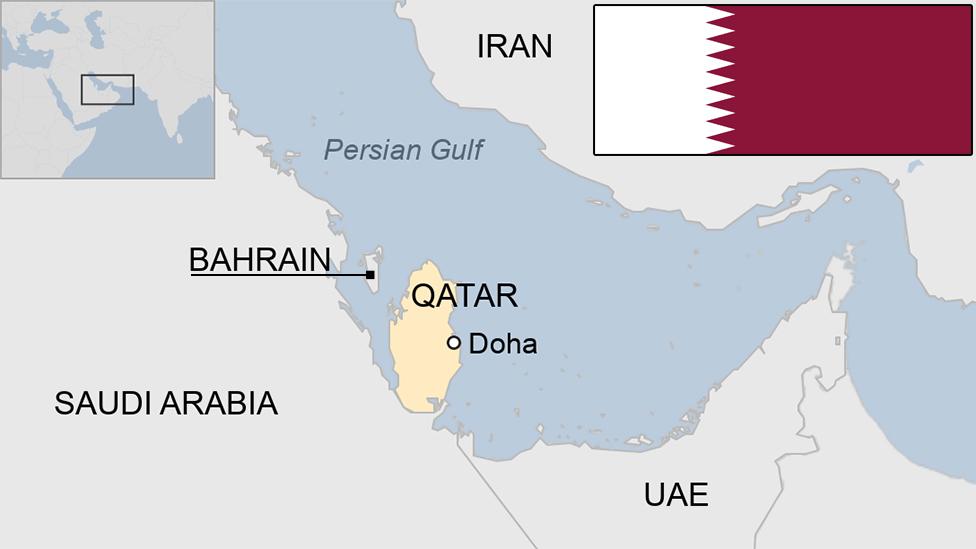
Qatar has embarked on the printing stage of an ambitious architectural endeavour, deploying what are now the world’s largest 3D construction printers to build two public schools. Spearheaded by UCC Holding alongside the Public Works Authority, Ashghal, the project forms part of a broader plan to erect 14 new educational facilities under a public–private partnership, but these two structures alone span 40,000 m²—roughly 40 times larger than any previous 3D‑printed building worldwide.

Two custom-built BODXL printers supplied by Denmark’s COBOD each measure 50 m in length, 30 m in width and 15 m in height—dimensions comparable to a Boeing 737 hangar—making them the largest construction printers ever deployed. The twin schools, each covering 20,000 m² on 100 × 100 m plots, are two-storey edifices designed to showcase scalable, next-gen educational infrastructure.

Extensive preparatory work preceded the launch, including site development, printer assembly and more than 100 full‑scale test prints at a Doha-based trial site using a BOD2 printer. These trials refined concrete mix formulations suited to Qatar’s hot climate and developed bespoke nozzles to enhance precision. In May 2025, UCC engineers trained with COBOD specialists in print sequencing, structural layering and on‑site quality management, cementing Qatar’s local expertise in advanced construction technology.

The project offers clear environmental and operational benefits over conventional construction. By reducing raw material waste, lowering concrete consumption and cutting carbon emissions, 3D printing aligns with sustainable development goals. On‑site production cuts transport requirements and supply chain risk, while round‑the‑clock printing—including overnight operations—helps avoid thermal stress, minimises dust and noise and accelerates timelines.

Architectural design draws inspiration from Qatar’s landscape: sweeping, dune‑inspired curves are possible only through 3D printing’s geometric flexibility—a feat difficult and costly via traditional means. Scheduled to be completed by December 2025, the initiative is expected to redefine sustainable infrastructure while fortifying Qatar’s position as a global innovation hub.

Co‑founder of COBOD, Henrik Lund‑Nielsen, remarked that this marks both a technological milestone and an environmental turning point in building methodology. A spokesperson at UCC Holding said the venture “sets a global benchmark” in construction, as Qatar continues to drive pioneering engineering projects across the Gulf.

All countries under DHL Supply Chain APAC are now certified DHL Supply Chain Japan becomes the newest office to achieve certification SINGAPORE – Media OutReach Newswire – 13 June 2025 – DHL Supply Chain, the global leader in contract logistics, has been certified as a Great Place to Work® across Asia Pacific. DHL Supply Chain Japan is the latest country office to achieve this certification, bringing the […]

HONG KONG SAR – Media OutReach Newswire – 13 June 2025 – The International Automotive & Supply Chain Expo (Hong Kong) 2025 opened on June 12, bringing together global industry leaders. Seizing this strategic opportunity in Hong Kong, Dongfeng Motor is showcasing its technological edge and promoting nine flagship models covering both passenger and commercial vehicle segments. Dongfeng Motor aims to rank among the top three Chinese […]

Swiss pharmaceutical firm Roche has advanced its antibiotic candidate, zosurabalpin, into Phase 3 clinical trials, representing a potential landmark in the fight against Gram-negative bacterial infections. Targeting carbapenem-resistant Acinetobacter baumannii, the drug could mark the first approval of a novel antibiotic class in more than 50 years. Zosurabalpin, a tethered macrocyclic peptide developed in collaboration with Harvard University, disrupts the outer lipopolysaccharide membrane essential for bacterial survival. […]

Organisations grappling with escalating cyber threats are increasingly turning to open‑source Security Operations Center tools to establish proactive, cost‑effective defences. These solutions deliver SIEM, threat detection, incident response, and network monitoring capabilities while offering transparency, flexibility, and community‑driven innovation. Open‑source SOC platforms such as Security Onion, Wazuh, Graylog Open, TheHive and MISP form a modular toolkit that security teams can tailor to specific environments. Security Onion provides […]

An Air India Boeing 787‑8 Dreamliner operating as Flight 171 bound for London Gatwick took off from Ahmedabad’s Sardar Vallabhbhai Patel International Airport at 13:38 IST on 12 June 2025, issued a mayday call shortly after lift‑off, lost contact at approximately 625 ft altitude and plummeted into a doctors’ hostel at B.J. Medical College in the Meghani Nagar neighbourhood. Authorities confirm that at least 204 bodies have been recovered from the crash site, with numerous fatalities among residents on the ground.

The passenger manifest listed 242 occupants—230 passengers and 12 crew, comprising two pilots and ten cabin attendants. Nationalities aboard included 169 Indian citizens, 53 British nationals, seven Portuguese and a Canadian. Though initial reports suggested no survivors, one individual reportedly escaped; several building residents and medical students also suffered injuries as rescue operations intensified amid thick smoke and scattered wreckage.

Flight tracking data from Flightradar24 and eyewitness descriptions indicated that the aircraft was flying unusually low, with the landing gear still extended and flaps in abnormal positions, heightening concerns of possible mechanical malfunction or human error. US aviation consultant Anthony Brickhouse noted the landing gear remained deployed at a stage in the climb when it should have retracted, underscoring anomalies observed before impact.

Boeing and GM Aerospace have dispatched technical teams to assist Indian investigators, working alongside the Directorate General of Civil Aviation, the Aircraft Accident Investigation Bureau and experts from the US National Transportation Safety Board. Weather conditions at the time were reported as clear, with no adverse meteorological factors contributing to the incident.

Prime Minister Narendra Modi described the tragedy as “heartbreaking beyond words,” pledging to coordinate relief efforts, while UK Prime Minister Keir Starmer, King Charles III and Canadian officials offered their condolences and consular aid. Ahmedabad’s airport, managed by the Adani Group, briefly halted operations before resuming limited flights; civil hospitals have established emergency corridors to transport the injured.

Flight 171 marks the first fatal crash involving a Boeing 787 since the Dreamliner entered service in 2011, prompting heightened scrutiny of one of the world’s most advanced long‑haul airliners and raising urgent questions around maintenance, training and design vulnerabilities. The aircraft, tail number VT‑ANB, was delivered to Air India in January 2014 and had completed long‑haul rotations the previous week.

This catastrophe compounds Air India’s legacy of accidents, most notably the 2020 Air India Express Kozhikode runway overrun. Following its acquisition by the Tata Group—completed in 2022—and fleet modernisation efforts, including a $70 billion aircraft order in 2023, the airline’s safety record will now be intensely evaluated.

Boeing’s share value fell by over 6% in pre‑market trading in the US, and analysts suggest this may jeopardise confidence amidst its ongoing recovery from earlier quality and delivery issues. In Ahmedabad, emergency services continue to investigate the building’s collapse and the toll of ground casualties—some reports indicate five hospital beds were destroyed in the crash—while DNA matching and victim identification efforts proceed at affected medical facilities.

Flight 171 is currently the deadliest aviation incident of 2025, surpassing the Jeju Air accident in December, and registers as the first hull‑loss of a 787 aircraft.

The newly announced trade agreement between the United States and China offers temporary relief from economic tensions, but it does not resolve the deep strategic rift between the world’s two largest economies. For investors, I believe, this is a short-term fix within a long-term rivalry, and portfolios must be positioned accordingly. President Donald Trump’s statement that a deal is “done” follows two days of talks in London. […]

Running a business in 2025 is increasingly moving online — and documentation is no exception. One of the most common questions among entrepreneurs and freelancers is how to quickly and correctly issue an invoice without involving accountants, dealing with paperwork, or registering on complex platforms. While managing finances and sending invoices is becoming simpler, it’s just as important to have a reliable online presence to support your […]

Africa’s ageing oilfields are undergoing a transformation as artificial intelligence technologies unlock new opportunities for enhanced oil recovery. Operators across the continent are leveraging data-driven systems, machine‑learning and regional policy incentives to revive mature reservoirs, boost output and improve efficiency. Major energy firms have spearheaded this push. SLB opened a 3,200 sq ft Africa Performance Centre in Luanda, Angola on 28 January 2025, designed to offer a collaborative platform for digital […]

Sharjah achieved a total real estate trading value of AED 5.5 billion during May 2025, recording 8,415 transactions across the emirate. The total area traded reached 13.2 million square feet, underlining the emirate’s advancing market strength. Investors conducted 1,574 outright sales deals, accounting for roughly 18.7 per cent of activity, alongside 381 mortgage registrations totalling AED 1.1 billion—4.5 per cent of the transactions. Additionally, 1,486 initial sale contracts were signed, and 3,619 ownership certificates […]

Basketball legend Shaquille O’Neal has reached a tentative settlement to resolve claims in a class‑action lawsuit filed by investors over his involvement with FTX, agreeing to pay $1.8 million. The deal, pending court approval, would shield him from any future legal actions and prevent him from seeking repayment from FTX’s bankruptcy estate.

O’Neal had been among a number of high‑profile figures accused of promoting FTX as a safe investment, acting in contrast to other endorsers who have dropped out of the case. Though he did not admit wrongdoing, the settlement stipulates his payment in exchange for legal closure.

Lawyers for the plaintiffs argued that O’Neal’s public statements—through social media and other media appearances—played a role in encouraging investors to view FTX as secure. The settlement documents reportedly assert that his endorsement carried weight and may have influenced investment decisions.

FTX collapsed spectacularly in late 2022, with founder Sam Bankman‑Fried’s empire crumbling under scrutiny over misappropriated customer funds and questionable internal controls. Backers like O’Neal, who appeared in ads and social media campaigns, have faced growing legal scrutiny as regulators and civil claimants try to establish accountability.

Earlier in the proceedings, several defendants were dismissed from the lawsuit, either through court rulings or individual settlements. This latest proposal ensures O’Neal will exit the litigation entirely once the $1.8 million is paid, with neither party admitting liability. It also blocks him from filing any future claims against the FTX estate, consolidating the resolution of his legal obligations in one definitive agreement.

Experts suggest the settlement reflects a broader trend of high‑net‑worth endorsers seeking to distance themselves swiftly from legal exposure linked to FTX. By settling, O’Neal may avoid burdensome depositions, prolonged litigation, and unpredictable jury verdicts.

Legal analysts note that the sum paid by O’Neal is modest compared to his estimated net worth, but legally sufficient to satisfy the criteria for settlement under class‑action rules. It also sets a benchmark; similar deals could be expected for other prominent individuals named in the suit.

Representatives for O’Neal declined to comment on the matter. Investor and plaintiff attorneys, while welcoming the proposed deal, are continuing litigation against other endorsers. They highlighted the need to hold accountable those whose promotional efforts may have contributed to widespread investor losses.

FTX’s bankruptcy proceedings remain ongoing. The estate is attempting to maximise recoveries for defrauded investors, including pursuing litigation against companies and individuals believed to have benefited from or enabled the exchange’s operations. The exclusion of O’Neal from future claims ensures one less claim the estate must monitor.

Court filings indicate that a judge will hold a hearing in the coming weeks to approve or modify the terms of the settlement. If endorsed, O’Neal’s payment will be directed to a fund for distribution to class‑action members, in line with established legal protocols.

The outcome of this deal will likely shape the strategy of other defendants in the class action. Some may follow O’Neal’s lead, opting to settle quickly to avoid long‑term exposure, while others may choose to litigate further, challenging allegations in court.

Dubai, UAE -Yalla Hair, the well-known name for men’s hair restoration in Dubai, has been changing people’s lives through their hair replacement systems. These innovative new treatments mean that men can now not only regain the hair they have lost but also the self-assurance that goes with it, without the trauma or expense of a hair transplant. One fascinating case is Abdallah, 34, a UAE resident who had been suffering […]

Brussels has moved to recalibrate its anti-money laundering framework with a significant update to its high‑risk third‑country list. The European Commission has put forward a delegated regulation that, pending a one-month scrutiny by the European Parliament and member states, would remove the United Arab Emirates from the bloc’s “high‑risk” list under the Fourth Anti‑Money Laundering Directive. Simultaneously, Algeria and Lebanon—alongside eight others—will be newly classified as jurisdictions with “strategic deficiencies” in their national AML and counter‑terrorism financing frameworks.

The UAE, delisted in tandem with Barbados, Gibraltar, Jamaica, Panama, the Philippines, Senegal and Uganda, has undergone a sequence of reforms aimed at strengthening judicial oversight, regulatory compliance, and enforcement against illicit financial flows. Its exit from the FATF’s grey list in February 2024 marked the start of a broader crackdown that included the creation of specialised courts for financial crimes and a succession of heavy penalties—most recently, a ₫3.3 million fine imposed by the Central Bank on multiple currency exchange houses for compliance violations.

In Brussels, Commissioner Maria Luís Albuquerque emphasised that the overhaul aligns with global standards and is based on rigorous evaluations involving FATF findings, bilateral dialogues and onsite assessments. The process reflects a broader ambition to shore up the integrity of Europe’s financial system by enforcing transparency and curbing illicit financial flows.

The inclusion of Algeria, Lebanon, Angola, Côte d’Ivoire, Kenya, Laos, Monaco, Namibia, Nepal and Venezuela signals rising concern about governance standards in these jurisdictions. Algeria’s entry follows high-profile anti-corruption prosecutions and its low standing in Transparency International’s Corruption Perceptions Index. Lebanon’s designation reflects ongoing socioeconomic volatility and persistent finance networks linked to non-state armed actors.

Monaco, already on the FATF grey list since mid‑2024, was also added to the EU’s high‑risk list despite its recent enhancements to its financial intelligence unit and AML supervisor. The Commission acknowledged its progress while noting unresolved weaknesses.

The dynamics surrounding the UAE’s delisting, however, are not without controversy. Previously, the European Parliament blocked the move, echoing concerns voiced by Transparency International, citing insufficient progress. Opposition is noted to persist among MEPs, particularly from Spain and its stance on Gibraltar, complicating consensus.

From an economic standpoint, the delistings carry tangible incentives. Banks and financial institutions across the EU will scale back enhanced due diligence on transactions linked to the UAE, reducing compliance burdens and speeding up capital flows. Analysts suggest this could enhance foreign investment, signalling confidence in the UAE’s reputation as a global financial hub and factoring into ongoing free-trade negotiations with the EU.

Despite the acknowledged legislative reforms in the UAE, dissent persists. German Green MEP Rasmus Andresen criticised the move as premature, warning that regulatory gaps remain that could be exploited for illicit financial activities. Commission spokespersons framed the update as technical, decoupled from trade ambitions, though the timing follows the launch of EU–UAE trade negotiations in April.

On the other side, proponents speak of a “reputational course correction” for the UAE, part of a sweeping strategy since 2022 that included legislative overhauls, enforcement operations and judicial mechanisms to reinforce compliance with FATF standards.

Should no objections arise during the legislative review, the updated list will come into force in late July. Transaction oversight requirements across EU financial institutions will adjust accordingly, with the UAE reclassified and new protocols applying to the newly added jurisdictions.

Defense Secretary Pete Hegseth informed the Senate Appropriations Committee on 11 June 2025 that the United States and Qatar have not yet formalised any agreement transferring a Boeing 747‑8 jetliner gifted by the Qatari royal family for potential use as Air Force One. Lawmakers pressing for details were met with repeated deferrals, as Hegseth invoked security and confidentiality concerns.

Senators voiced concern over the lack of transparency surrounding the gift. Senator Jack Reed of Rhode Island demanded insight into contractual terms and timeframe for retrofitting the aircraft to meet presidential standards, only to be told such information was “not for public consumption”. The Pentagon has neither disclosed cost estimates nor identified a specific US contractor for the extensive upgrade work required, including secure communications, defensive capabilities and airworthiness certification.

Despite earlier assurances from Air Force Secretary Troy Meink that retrofitting expenses could remain under USD 400 million, Democrats remain sceptical. Senator Chris Murphy pointed out that past Air Force One modernisation efforts have encountered significant budget escalations, sometimes reaching billions, and questioned the wisdom of funding work on a foreign jet when replacement aircraft are already in production.

Republicans, including Senators Jim Risch and Roger Marshall, defended the deal, asserting that Qatar and the UAE are strong US allies and that the jet donation alleviates procurement delays with Boeing. Secretary Hegseth echoed this view, suggesting that accepting Qatar’s jet could temporarily ease reliance on delayed Boeing‑built VC‑25B aircraft, though he declined to specify projected completion dates or key benchmarks.

Ethical concerns persist across party lines. Opponents argue that accepting a luxury aircraft from a foreign government may trigger Foreign Emoluments Clause issues or at least generate the appearance of impropriety. Qatar, meanwhile, has maintained that the nature of the transaction is under review—possibly a lease or outright purchase rather than a gift—though final details remain unresolved.

The Boeing 747‑8 in question, approximately 13 years old, features lavish interiors and advanced technology, earning it the nickname “palace in the sky.” Converting it to a presidential transport requires secure communications suites, defensive countermeasures, and structural modifications—a process estimated to span years. While Pentagon officials suggest costs may be contained beneath USD 400 million, analysts warn that upgrades for classified systems and nuclear safety could push costs well above one billion dollars.

Beyond the technical and ethical dimensions, questions remain over how accepting Qatar’s jet might affect broader US defence priorities. Some argue that prioritising resources for a foreign-made interim aircraft could detract from funding the delayed VC‑25B programme, which is pivotal to modernising the presidential fleet.

At the same hearing, Hegseth also dismissed calls for transparency, stating that budgetary and negotiating processes must remain classified for national security. This response intensified criticism from Democratic senators, who claim taxpayers deserve clarity on military expenditures and foreign transfers of high-value assets.

Meanwhile, Senate Republicans rejected two resolutions aiming to pause arms sales to Qatar and the UAE, signalling ongoing bipartisan support for the Gulf states despite growing unease over Trump administration’s foreign dealings. Republicans emphasised the strategic importance of maintaining strong defence cooperation, downplaying concerns over the aircraft gift.

The debate is set to continue as the Air Force advances planning and preliminary feasibility studies. Key upcoming moments include formalisation of the memorandum of understanding, selection of retrofit contractors, and disclosure of cost and timeline projections. The outcome will test the administration’s balance between diplomatic expediency, financial responsibility, and institutional transparency.

VISHNU RAJA
RYO YAMADA
HITORI GOTOH
IKUYO KITA
Just in:
SC to examine students’ exam plea today // Fast Just Got Fastest: STING Energy Boost™ Celebrates Kimi Antonelli’s Formula 1® World Championship and the Fan Energy Behind It // Oil and chip shares retreat after Democratic victories // Dubai boat show confirms international shipyard line-up for November // Ta’ziz finalises $1.39bn funding for Ruwais industrial facilities // Emirates Group records AED 4.1 billion half-year profit // Private varsities bill all set to face the axe // APT29-linked campaign exploits outdated Apple and Android software // OpenAI identifies 948 Linux privilege escalation flaws using AI // Kochi police detain two actors over bid to honey trap doctor // Meraas showcases five residential zones at Dubai Design Week // Asia Left Behind: Ten international companies have yet to report delivering on their cage-free egg pledges across the region // ADIA and partners establish $1.4 billion aviation venture // e-Crime Bureau Signs Cybersecurity Partnership With Smart Africa, Reinforcing Its Global Expansion // Xi Jinping Preparing For A Trilateral Summit With Trump And Putin At APEC Summit On Nov 18-19 // Ousted top Kochi cop gets IG post // CR Longdation Aethereal Cybersecurity × Global Cybersecurity Alliance (GCSA) Join Hands to Establish the “AI and Cybersecurity Research Centre” // TVM –Mangaluru Vande Bharat claims top spot // Cloudflare unveils Zero Wire vulnerability intelligence service // Cyberport Venture & Capital Forum 2026 Grand Opening //