Just in:
ADIA and partners establish $1.4 billion aviation venture // Cloudflare unveils Zero Wire vulnerability intelligence service // Fast Just Got Fastest: STING Energy Boost™ Celebrates Kimi Antonelli’s Formula 1® World Championship and the Fan Energy Behind It // Dubai boat show confirms international shipyard line-up for November // Hong Kong mandates crypto transaction disclosures to tax authorities // xCube Access Welcomes Entrust Capital Limited  Expanding Access to Professional Portfolio Management // Ta’ziz finalises $1.39bn funding for Ruwais industrial facilities // e-Crime Bureau Signs Cybersecurity Partnership With Smart Africa, Reinforcing Its Global Expansion // U.S. Mid Term Result Is A Clear Verdict Against Trump’s Authoritarianism // As AI Reshapes Education, Singapore Convenes Global Dialogue on the Future of Early Childhood Education // AI trust gap reveals distinct retail priorities: Divergent paths to consumer growth in Hong Kong and the GBA // APT29-linked campaign exploits outdated Apple and Android software // SC to examine students’ exam plea today // OpenAI identifies 948 Linux privilege escalation flaws using AI // Burying Head In “India Made Poverty Reduction” Data Is Dangerous // Cyberport Venture & Capital Forum 2026 Grand Opening // Utilities pursue ₹1,992 cr in unpaid bills // Oil and chip shares retreat after Democratic victories // Emirates Group records AED 4.1 billion half-year profit // Middle East governments assess Iran war after US vote //

News related to
work

Fedora 42 was officially released on April 15, 2025, introducing a suite of enhancements aimed at improving user experience, system performance, and accessibility. This latest iteration of the Fedora Linux distribution integrates GNOME 48, the Linux 6.14 kernel, and a redesigned installer interface, marking significant progress in the project’s development. The inclusion of GNOME 48 brings several user-centric features to Fedora Workstation 42. Notably, a new well-being […]

SINGAPORE – Media OutReach Newswire – 16 April 2025 – Leong Yik Engineering & Contractor has launched a newly redesigned website to mark its 7th year of operations in Singapore. The new platform features a clean layout, improved navigation, and a more intuitive user interface, all designed to offer a smoother and more informative experience for both new and returning visitors. One of the most notable upgrades […]

OpenHarmony, the open-source operating system founded by Huawei, has made significant strides in its global outreach with the debut of its first-ever European Technical Forum in Rotterdam, the Netherlands. The event marked a key milestone for the project, showcasing its potential for cross-industry innovation and emphasising its commitment to an open, collaborative technological ecosystem. The OpenHarmony project has rapidly evolved since its inception, attracting developers, industry experts, […]

Local governments across China have turned to private companies to offload seized cryptocurrency assets in offshore markets, a move that has sparked concern amid the nation’s ongoing ban on crypto trading. These actions come as part of an effort to generate revenue during an economic slowdown, with figures showing the sale of approximately 15,000 BTC . Reports suggest that around 194,000 BTC are still held within the […]

HONG KONG SAR – Media OutReach Newswire – 16 April 2025 – Zero Fintech Group Limited (“Zero Fintech” or the “Company”, stock code: 0093.HK), a leading fintech innovator, is proud to announce its stellar financial performance for the year ended 31 December 2024, showcasing remarkable growth driven by strategic execution and advanced risk management. 2024 Financial Highlights: Revenue: HK$261.8 million – a 33% increase YoY, driven by […]

BONK, a Solana-based meme coin, is experiencing a notable surge in market activity, driven by significant whale accumulation and bullish technical indicators. The token’s price has shown a strong upward trajectory, with analysts pointing to a potential double-bottom reversal pattern that could signal further gains. A prominent whale has recently invested $4.29 million to acquire 204 billion BONK tokens, increasing their holdings to a total value of […]

Dubai has launched the International Sports and Entertainment Zone Authority , marking the world’s first dedicated free zone cluster for the sports and entertainment sectors. Situated within the Dubai World Trade Centre Free Zone, ISEZA aims to streamline business licensing and foster a collaborative ecosystem for industry growth. ISEZA offers a unified platform for licensing across various domains, including sports management, event organization, talent representation, media broadcasting, […]

Advertisements

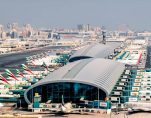
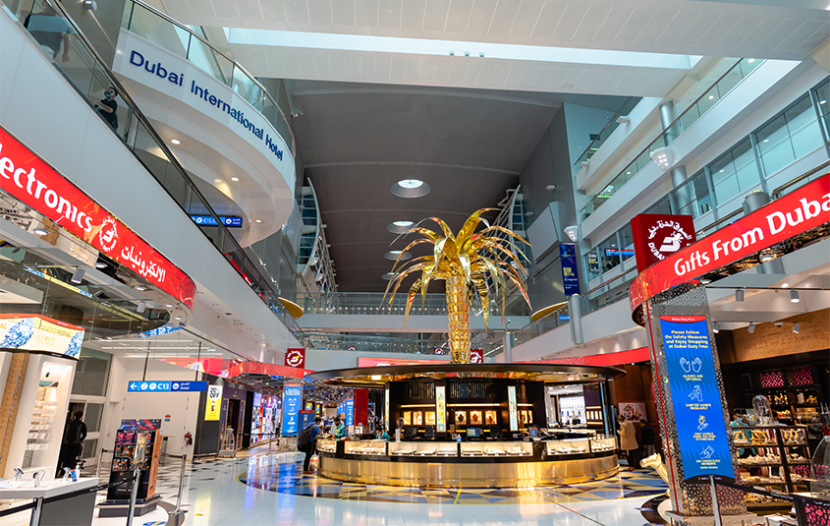
Dubai International Airport achieved a historic benchmark in 2024, welcoming 92.3 million passengers and solidifying its status as the world’s busiest international airport for the tenth consecutive year. This figure eclipses its previous high of 89.1 million set in 2018 and underscores the emirate’s strategic role in global aviation.

The surge in passenger traffic reflects Dubai’s sustained investment in infrastructure and its appeal as a nexus for international travel. December emerged as the busiest month, recording 8.2 million travellers, highlighting the city’s capacity to handle peak demand efficiently.

India remained DXB’s top destination market, contributing 12 million passengers. Saudi Arabia and the United Kingdom followed, with 7.6 million and 6.2 million passengers respectively. The airport’s extensive network now connects to 272 cities across 107 countries, serviced by 106 airlines, reinforcing its position as a global hub.

Operational efficiency has been a cornerstone of DXB’s success. Despite the increased footfall, 98.2% of departing passengers cleared passport control in under ten minutes, and 99.2% passed through security in less than five minutes. Baggage handling also saw improvements, with only 5.5 mishandled bags per 1,000 passengers, outperforming the international standard of 6.9.

Over the past decade, DXB has facilitated over 700 million passenger journeys across more than 3.3 million flights. This consistent performance is attributed to the airport’s commitment to innovation and excellence in service delivery.

Looking ahead, plans are underway to transition operations to Al Maktoum International Airport by 2032. The proposed $35 billion expansion aims to accommodate future growth, featuring five parallel runways and 400 aircraft gates. The design incorporates advanced technologies, including facial recognition systems, to streamline passenger processing and enhance the travel experience.

Dubai’s aviation sector continues to outpace traditional competitors. While London’s Heathrow Airport recorded 63.1 million passengers in the same period, DXB’s figures underscore its dominant position in international air travel.

Global capital turned its back on ESG last year. But that shift, we believe, is temporary and mistaken. ESG investing should and will return to favour, not just because it’s aligned with the challenges and priorities of our time, but because it remains one of the most rational long-term strategies for investors and economies alike. The numbers from 2024 were stark. Global sustainable fund inflows halved. In […]

OpenAI is developing a social networking platform inspired by X , aiming to integrate AI functionalities directly into the user experience. This move signals the company’s intent to diversify beyond its core AI initiatives. An internal prototype of the platform reportedly exists, focusing on combining a social feed with ChatGPT’s image generation capabilities. CEO Sam Altman has been gathering external feedback as the company considers whether to […]

A compromised administrative account within ZKsync’s infrastructure has been identified as the source of an exploit that diverted approximately $5 million worth of unclaimed ZK tokens from the platform’s airdrop contract. The breach, attributed to a compromised private key, was confined to the token airdrop mechanism, according to the project’s security team. An investigation into the incident remains ongoing.

The vulnerability was exploited during the initial phase of ZKsync’s token distribution, which aimed to allocate 17.5% of its total 21 billion ZK token supply to eligible users. The airdrop, intended to reward early adopters and contributors, has been marred by criticisms over its susceptibility to Sybil attacks—a method where an individual creates multiple wallets to illegitimately claim tokens. Reports indicate that one user managed to generate over 21,000 wallets to exploit the airdrop, highlighting significant flaws in the platform’s anti-Sybil measures.

Industry experts have voiced concerns regarding the airdrop’s design. Mudit Gupta, Chief Information Security Officer at Polygon, described the event as potentially the most “farmed” airdrop to date, citing a lack of effective Sybil filtering. Similarly, Adam Cochran of Cinneamhain Ventures criticized the eligibility criteria, suggesting they were easily manipulated by automated scripts, thereby disadvantaging genuine users.

The airdrop’s execution has also been scrutinized for its distribution methodology. Despite the intention to decentralize token ownership, data reveals that a significant portion of the tokens was claimed by a small group of wallets. Approximately 41% of the top recipient wallets have already liquidated their entire allocations, contributing to a 34.5% decline in the token’s value shortly after its launch.

Compounding the situation, the airdrop’s announcement and subsequent distribution were accompanied by a surge in phishing scams and malicious decentralized applications . These fraudulent entities impersonated official ZKsync channels, luring unsuspecting users into compromising their wallets. Security firm Blockaid reported a fivefold increase in malicious dApp activity targeting ZKsync users during this period.

Tether, the issuer of the world’s most widely circulated stablecoin, has acquired a strategic stake in Fizen Limited, a fintech firm specialising in multi-chain stablecoin payments and merchant solutions. The investment aims to accelerate global adoption of stablecoins and expand access to decentralised financial tools, particularly in underserved markets.

Fizen offers a suite of crypto payment services designed to bridge the gap between digital assets and real-world commerce. Its platform enables merchants to accept stablecoins with instant fiat settlement, while consumers can use cryptocurrencies to pay for everyday expenses such as utility bills, mobile top-ups, and travel bookings. The company’s infrastructure supports multiple blockchains and integrates with a wide range of tokens, facilitating seamless transactions across 178 countries.

This partnership builds on previous collaborations between Tether and Fizen, including the ‘Tour de USDt’ initiative in Southeast Asia, which showcased the potential of stablecoins in cross-border payments and financial inclusion. The new investment is expected to deepen this relationship, enabling Tether to leverage Fizen’s technology to promote the use of USDt in everyday transactions.

Tether’s move comes amid a broader push to enhance the utility of stablecoins beyond trading and speculation. By investing in platforms like Fizen, Tether aims to embed stablecoins into the fabric of daily commerce, offering a stable and efficient alternative to traditional payment systems. This strategy aligns with the growing demand for financial services that are accessible, low-cost, and independent of conventional banking infrastructure.

Fizen’s technology is particularly relevant in regions where access to banking services is limited. By facilitating crypto payments for essential services and goods, Fizen empowers users to participate in the digital economy without relying on traditional financial institutions. This approach not only broadens the reach of stablecoins like USDt but also supports economic empowerment in communities that have historically been excluded from mainstream financial systems.

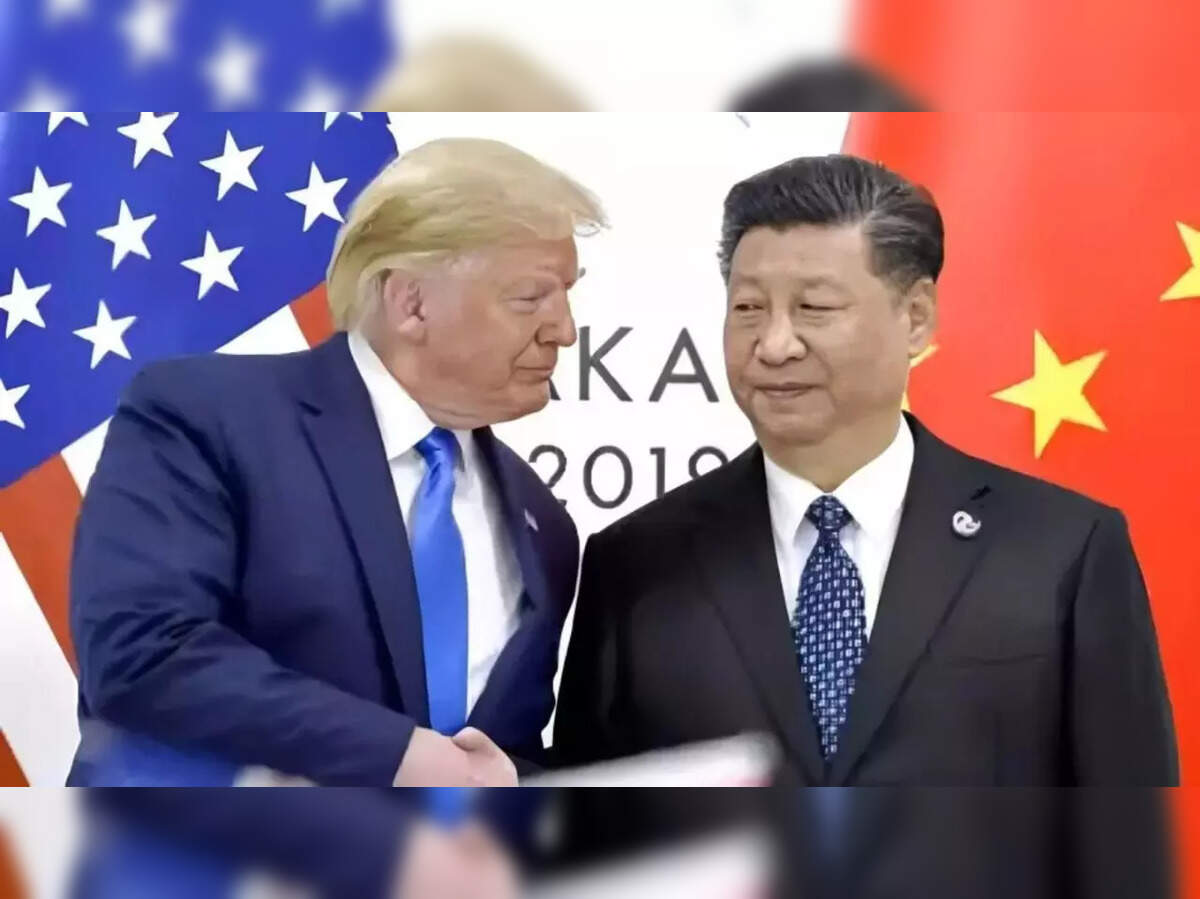
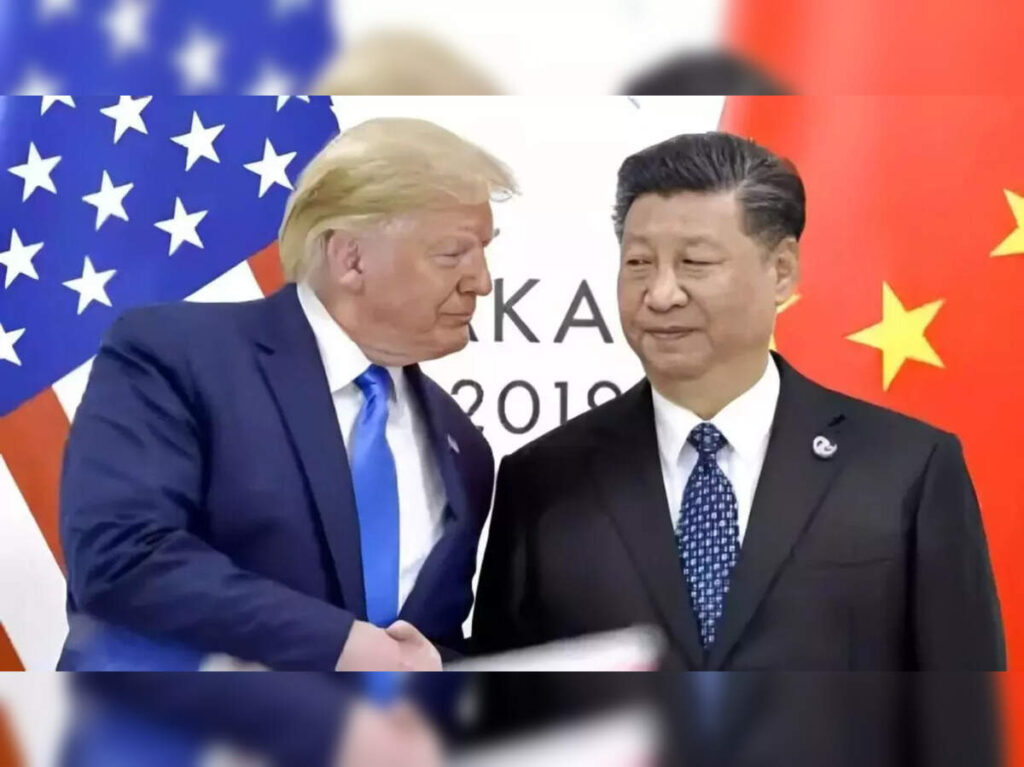
By Nitya Chakraborty Though there is a 90 day pause in Trump’s latest unilateral imposition of reciprocal tariffs on most of the countries, the trade war between the USA and China, the two largest economies of the world is in full steam imparting tremors in global trade and economy. Close advisers of Trump were expecting […]

India is intensifying efforts to onboard 300 million new users to its Unified Payments Interface platform, aiming to solidify its position as a global leader in digital payments. This initiative is part of a broader strategy to enhance UPI’s domestic penetration and promote its adoption internationally.

The National Payments Corporation of India , which oversees UPI, has outlined plans to expand the platform’s reach to 20 countries by 2029. This expansion targets regions with significant Indian diaspora and frequent travel ties, including Southeast Asia, the Middle East, and parts of Africa. Countries like Qatar, Thailand, and other Southeast Asian nations are among those identified for UPI integration.

To facilitate this global outreach, NPCI’s international arm, NPCI International Payments Limited , is collaborating with various nations to develop UPI-like systems tailored to their specific needs. Agreements have been signed with countries such as Peru, Namibia, and Trinidad and Tobago to establish real-time payment infrastructures modeled after UPI. These collaborations aim to enhance financial inclusion and streamline cross-border transactions.

Domestically, UPI continues to dominate India’s digital payment landscape, accounting for approximately 83% of all digital transactions in 2024. The platform’s user-friendly interface and real-time transaction capabilities have contributed to its widespread adoption. The Reserve Bank of India is actively working with stakeholders to further broaden UPI’s scope, focusing on scaling infrastructure, introducing new products, and addressing ecosystem challenges.

Internationally, India is engaging with the Financial Action Task Force to ease compliance requirements for cross-border UPI transactions. The goal is to make UPI more competitive with established global payment networks by advocating for technology-neutral regulations that facilitate smoother international payments.

As part of its expansion strategy, NIPL is also assisting countries in developing their own domestic card schemes similar to India’s RuPay. Collaborations with nations like the United Arab Emirates and Mauritius are underway to create sovereign payment solutions that can eventually integrate with UPI for seamless cross-border transactions.

Google will implement a new advertising policy across the European Union from April 23, mandating that all cryptocurrency-related advertisers be authorised under the Markets in Crypto-Assets regulation and certified by Google. This move aligns the tech giant’s advertising standards with the EU’s comprehensive crypto regulatory framework, aiming to enhance consumer protection and market integrity.

Under the updated policy, advertisers promoting crypto exchanges, wallets, or related services must obtain Google certification, which requires proof of authorisation as Crypto Asset Service Providers under MiCA. Non-compliance will trigger a minimum seven-day warning period before potential account suspension.

MiCA, fully applicable since December 2024, establishes a unified regulatory framework for crypto assets across the EU. It aims to streamline the adoption of blockchain and distributed ledger technology while safeguarding users and investors. The regulation mandates that CASPs adhere to stringent requirements, including capital reserves, governance standards, and consumer protection measures.

Google’s policy update reflects a broader industry trend towards stricter oversight of crypto advertising. The company had previously revised its policies in January 2025 for the UK market, requiring advertisers to be registered with the Financial Conduct Authority and certified by Google. Similar measures are now being extended to the EU, with specific transition periods for certain member states: Finland until June 30, 2025; France until June 30, 2026; and Germany until December 30, 2025.

The enforcement of these policies is expected to impact a wide range of crypto businesses operating within the EU. Advertisers must ensure compliance with both Google’s certification process and MiCA’s regulatory requirements to continue promoting their services on the platform. This dual-layered approach aims to mitigate risks associated with unregulated crypto promotions and enhance the overall trustworthiness of crypto-related advertisements.

KUALA LUMPUR, MALAYSIA – Media OutReach Newswire – 15 April 2025 – Chinese tech company GYMD (GYMD Digital Technology Co., Ltd.) recently launched its new product, the Geega Industrial Operating System, and plans to deploy the system at Proton’s automotive manufacturing plant to enhance digitalization across core operations. With GYMD’s ongoing technological empowerment, Proton’s facility has been steadily advancing its digital and intelligent capabilities. In 2023, witnessed […]

KUALA LUMPUR, MALAYSIA – Media OutReach Newswire – 15 April 2025 – In online trading, speed is king. Below, the experts at Octa, a regulated and trusted broker since 2011, break down the aspects of trading where speed matters most and offer an accessible way to accelerate trading progress. The modern world revolves around speed and solutions that solve problems faster than their predecessors. Speed advantage determines […]

Dubai-listed Mashreqbank has appointed a group of leading banks to oversee a $500 million five-year senior unsecured sukuk offering, marking a significant move in the region’s Islamic finance sector. The sukuk, which will be governed by market conditions, is part of the bank’s broader $2.5 billion trust certificate issuance programme. The issuance will be rated A3 by Moody’s and A by both S&P and Fitch, with a […]

The United States and Saudi Arabia are preparing to sign a preliminary agreement to collaborate on the development of a civil nuclear industry in the Kingdom. This marks a significant step in the two countries’ ongoing energy partnership, reflecting shared interests in enhancing the security and sustainability of global energy resources.

US Energy Secretary Chris Wright, addressing reporters in Riyadh, confirmed the impending deal, which is set to open a new chapter in Saudi Arabia’s ambitions to develop its own nuclear energy sector. The announcement comes amid growing global demand for cleaner and more sustainable energy solutions. Wright’s comments emphasised the importance of this agreement in both supporting Saudi Arabia’s long-term energy goals and strengthening the bilateral ties between the two nations.

The move follows Saudi Arabia’s ambitious Vision 2030 initiative, a broad economic reform programme designed to diversify the country’s economy away from its heavy reliance on oil exports. Among its many facets, Vision 2030 aims to establish a robust nuclear energy sector that can generate significant portions of the country’s electricity, reducing its dependence on fossil fuels. This is crucial for the Kingdom as it seeks to address both domestic energy needs and environmental concerns.

Saudi Arabia has made significant strides in recent years towards the development of nuclear energy. In 2018, the country’s nuclear authorities announced plans to construct two nuclear reactors by 2030, as part of a broader strategy to introduce nuclear power as a reliable energy source. These efforts have garnered attention from global nuclear power experts and energy companies, particularly those from the US, Russia, and China, all of which are vying for a role in the development of the Saudi nuclear industry.

The United States’ involvement in this sector is not new. Over the past decade, American firms have been at the forefront of nuclear technology development, exporting their expertise in reactors, fuel production, and regulatory frameworks. Saudi Arabia’s decision to move forward with a preliminary agreement highlights the growing importance of collaboration with nuclear powers like the US to achieve these ambitious goals. Additionally, American support could help ensure that the Kingdom adheres to international nuclear safety standards, a crucial consideration in the nuclear energy field.

The potential partnership between the US and Saudi Arabia is a step forward in strengthening their long-standing relationship, which spans multiple areas including defence, trade, and energy. Saudi Arabia’s energy infrastructure, heavily dependent on oil, has been under increasing pressure to adapt to the changing global energy landscape. As the world moves towards more sustainable energy sources, Saudi Arabia aims to take advantage of nuclear energy’s potential to generate electricity without emitting the high levels of greenhouse gases associated with fossil fuel consumption.

For the United States, the deal also represents a strategic move to expand its influence in the Middle East’s evolving energy market. The US has long maintained strong energy ties with the Kingdom, but this agreement will further cement its role as a key partner in Saudi Arabia’s energy diversification plans. By providing expertise in the nuclear field, the US ensures that it will be a prominent player in shaping the future of Saudi Arabia’s energy sector.

Critics, however, have raised concerns about the environmental impact of nuclear energy, especially with the potential risks associated with radioactive waste disposal and reactor safety. Despite these concerns, both nations appear committed to ensuring that the nuclear technology used in Saudi Arabia meets the highest safety standards. The Kingdom’s regulatory bodies are expected to follow stringent international protocols, a key point of focus in the upcoming agreement.

In the broader context, this agreement comes at a time when nuclear energy is experiencing a resurgence globally, driven by the need for cleaner alternatives to fossil fuels. Countries like China and Russia have been aggressively advancing their own nuclear energy sectors, while nations in Europe and Asia are exploring similar initiatives. With the increasing demand for clean energy, Saudi Arabia’s foray into the nuclear power industry positions it as a potential leader in the region, with the ability to export energy solutions to neighbouring countries.

The US-Saudi nuclear cooperation deal also plays a part in the shifting dynamics of international geopolitics. The Middle East has long been a region of strategic importance, and energy remains a critical element in the geopolitical landscape. By fostering deeper cooperation with Saudi Arabia, the US further solidifies its influence in the region, while also promoting energy security for both countries.

Banking powerhouse Standard Chartered, in collaboration with global cryptocurrency exchange OKX, has launched an innovative pilot programme in Dubai aimed at reshaping the landscape for institutional investors trading in digital assets. This new initiative, known as the collateral mirroring programme, promises to transform how cryptocurrencies and tokenised money market funds are used as collateral, potentially setting a new standard in the industry.

The programme enables institutions to use their digital assets as collateral for trading purposes without needing to transfer these assets onto an exchange. This method significantly reduces counterparty risk, one of the primary concerns in the crypto world, particularly for large investors. The model allows firms to maintain control over their assets while still participating in the market, addressing long-standing issues surrounding asset security and liquidity.

This venture marks the first time that a major global bank, a regulated crypto platform, and a traditional asset manager have come together to support secure crypto trading for institutional investors. By collaborating, the entities are not only offering a new approach to collateral management but also strengthening the framework for institutional participation in the crypto space.

Dubai, a hub for both traditional and digital finance, serves as the ideal location for this pilot programme. The city has long been at the forefront of adopting innovative financial technologies, positioning itself as a global leader in digital asset regulation. The Dubai Financial Services Authority has consistently supported initiatives that balance innovation with regulatory oversight, providing a clear framework for the crypto industry to grow within secure boundaries.

Institutional investors have traditionally been hesitant to fully engage in cryptocurrency markets due to concerns about volatility, security, and regulatory ambiguity. The new programme addresses these concerns by ensuring that assets are not exposed to the vulnerabilities of traditional exchanges. Instead of transferring assets directly onto an exchange, they remain in the custody of the institutional investors, with their value mirrored for trading purposes. This provides a layer of protection, reducing the risks associated with custodial services and enhancing capital efficiency.

Capital efficiency is another critical factor for institutional investors, who often deal with large volumes of assets. By using cryptocurrencies and tokenised funds as collateral without the need to move them onto exchanges, investors can free up their capital for additional trading opportunities. This is a significant improvement over the current model, where assets typically need to be held in exchange accounts or liquidated to meet collateral requirements.

The programme comes at a time when institutional interest in cryptocurrencies is growing. The global market for digital assets continues to expand, with more traditional financial institutions looking to integrate crypto services into their portfolios. According to industry experts, such initiatives are a necessary step to bridge the gap between the traditional financial system and the emerging world of digital currencies. The collaboration between Standard Chartered and OKX highlights how traditional financial institutions can innovate while still adhering to regulatory standards.

The partnership is also a response to the increasing demand for tokenisation in financial markets. Tokenisation, the process of converting real-world assets into digital tokens, has gained significant traction in recent years. With tokenised assets, transactions become faster, cheaper, and more transparent, making them attractive to institutional investors. This new initiative builds on the growing trend of tokenisation, offering a secure and regulated way for investors to participate in the digital asset market.

OKX, known for its compliance with global regulations, is well-positioned to offer the technological infrastructure needed for such a programme. As one of the largest cryptocurrency exchanges in the world, it provides a secure platform for trading and asset management, making it an ideal partner for institutional investors who demand reliability and transparency.

Standard Chartered’s involvement brings an additional layer of credibility to the initiative. As one of the world’s leading banking institutions, its participation signals a growing acceptance of cryptocurrencies within the mainstream financial system. By partnering with OKX, Standard Chartered is signalling its commitment to staying ahead of the curve in the rapidly evolving world of digital assets.

The collaboration also reflects a broader trend within the financial industry towards digitalisation. More and more, traditional financial institutions are recognising the potential of blockchain and cryptocurrency technologies to enhance financial services. As digital currencies continue to gain acceptance, the lines between traditional and digital finance are becoming increasingly blurred. This programme is a tangible example of how these two worlds can work together to create a more secure, efficient, and transparent financial system.

While this pilot programme represents a major step forward, the broader implications for the global financial system remain to be seen. The success of the programme will likely influence how other financial institutions and regulators approach the integration of digital assets into their operations. Should it prove successful, it could lead to similar initiatives being launched in other financial hubs around the world.

However, challenges remain. The regulatory landscape for digital assets is still evolving, with countries and jurisdictions adopting varying stances on how cryptocurrencies should be treated. This uncertainty could pose challenges for institutions looking to engage in digital asset trading. Nevertheless, Dubai’s proactive regulatory environment provides a model that other financial centres may look to replicate as they develop their own frameworks for crypto regulation.


Dubai’s property market, which has enjoyed a robust 70% rally over the past few years, now faces uncertainty amid growing concerns over global trade tensions and rising tariffs. These external factors are posing risks to the region’s otherwise bullish real estate sector, which had been buoyed by strong demand from both international investors and affluent buyers seeking stable assets.

While the property market in Dubai had been thriving thanks to its appeal as a safe haven for foreign capital, the shifting landscape of international trade and geopolitical issues are beginning to create ripples. Tariffs, particularly those affecting the construction sector, have seen a marked increase, potentially driving up the cost of raw materials such as steel and cement, which could ultimately disrupt the market’s growth trajectory.

Dubai’s real estate market has long been a barometer of economic sentiment, drawing investors from across the globe who have been eager to tap into its lucrative prospects. However, with the imposition of new tariffs between major global economies, analysts suggest that both developers and investors are likely to face additional challenges, as supply chains are strained and costs climb higher.

The UAE government had, up until now, maintained a favourable regulatory environment, with policies aimed at attracting foreign capital and ensuring a favourable investment climate. These efforts have been part of a wider strategy to diversify the nation’s economy and reduce its dependence on oil revenues. However, with rising global inflation rates and the unpredictability of international tariffs, even the UAE’s free-market policies might not be enough to shield the market from external pressures.

The construction sector, which directly impacts the overall real estate market, has already started feeling the heat. Many developers have raised concerns that rising tariffs on imported materials could force them to increase the prices of new homes and commercial properties. This could result in a slowing of the rapid sales pace observed over the last few years, as potential buyers and investors may hesitate to commit to higher-priced assets.

Global economic instability is causing some caution among international investors. High inflation and a fluctuating global market have dampened investment appetites, and the UAE is not immune to these international economic trends. A reduction in international investment could lead to less capital flowing into Dubai’s property market, making it harder for the city to sustain its property price increases.

Despite the looming risks, there are still some positive indicators for Dubai’s property market. The UAE’s economic diversification strategy, alongside government efforts to ensure the stability of the banking system, has helped sustain confidence in the country’s real estate. Furthermore, Dubai’s positioning as a global financial hub, coupled with its luxury real estate offerings, continues to attract high-net-worth individuals, particularly from regions like Europe, Russia, and parts of Asia.

The growth of Dubai’s tourism sector and events such as Expo 2020 have been contributing factors to the property boom. With a steady influx of visitors and the growing number of residents moving to Dubai for work or lifestyle, the demand for high-quality, well-located properties remains strong.

However, as Dubai continues to build its reputation as a global luxury real estate destination, the sector’s reliance on external factors cannot be ignored. Political shifts in major economies, fluctuations in currency values, and trade disruptions are all variables that could significantly affect the long-term outlook of Dubai’s property market.

HANOI, VIETNAM – Media OutReach Neswire – 14 April 2025 – Together with world-renowned scientists including Prof. Joel F. Habener, Prof. Jens Juul Holst and Assoc. Prof. Svetlana Mojsov, Prof. Daniel Drucker at the University of Toronto and the Lunenfeld-Tanenbaum Research Institute, has discovered the role of glucagon-like peptide-1 (GLP-1), leading to life-changing therapies for people with diabetes and obesity while stimulating emerging applications for neurodegenerative diseases. […]

Anchorage Digital Bank, the only federally chartered crypto bank in the United States, is under investigation by the Department of Homeland Security’s El Dorado Task Force. The inquiry focuses on the bank’s financial practices, particularly its compliance with anti-money laundering regulations. This development follows Anchorage’s recent appointments as a custodian for major crypto products, including those of BlackRock and 21Shares.

The El Dorado Task Force, established to combat financial crimes, has initiated the probe by reaching out to former employees of Anchorage Digital. While specific details of the investigation remain undisclosed, it aligns with the bank’s ongoing challenges in meeting AML compliance standards. In April 2022, the Office of the Comptroller of the Currency issued a consent order against Anchorage for failing to implement an adequate AML program, citing violations of the Bank Secrecy Act.

In response to regulatory pressures, Anchorage has made significant leadership changes aimed at strengthening its compliance framework. In January 2023, the bank appointed Mark duBose as Chief Compliance and Risk Officer and brought in Palmer, a former Department of Homeland Security attorney, to enhance its AML controls. These appointments are part of Anchorage’s broader strategy to address regulatory concerns and reinforce its commitment to compliance.

Despite these efforts, Anchorage’s role in the crypto industry has expanded. The bank has been selected as a custodian for several high-profile crypto exchange-traded funds , including the ARK 21Shares Bitcoin ETF and the 21Shares Core Ethereum ETF. These appointments underscore Anchorage’s growing influence in the institutional crypto custody space, even as it navigates regulatory challenges.

Hong Kong Students Pave the Future for Various Industries with AI After an 8-month innovation journey, with the record-breaking number of participating teams tripled compared to last year, the University of Hong Kong, Queen Elizabeth School Old Students’ Association Tong Kwok Wah Secondary School, and Tai Po Old Market Public School have been crowned champions, while Diocesan Girls’ School received the award for Most Active Participating School […]

VISHNU RAJA
RYO YAMADA
HITORI GOTOH
IKUYO KITA
Just in:
CR Longdation Aethereal Cybersecurity × Global Cybersecurity Alliance (GCSA) Join Hands to Establish the “AI and Cybersecurity Research Centre” // Meraas showcases five residential zones at Dubai Design Week // xCube Access Welcomes Entrust Capital Limited  Expanding Access to Professional Portfolio Management // As AI Reshapes Education, Singapore Convenes Global Dialogue on the Future of Early Childhood Education // Asia Left Behind: Ten international companies have yet to report delivering on their cage-free egg pledges across the region // After Reaching 7 Million Users in the Philippines, Skyro Launches Transparent Cash Loans in Malaysia // APT29-linked campaign exploits outdated Apple and Android software // Dubai boat show confirms international shipyard line-up for November // Vance attributes Republican midterm defeats to Iran conflict // UK air traffic outage inflicted £33m financial losses // Anthropic to prohibit persistent abuse of Claude chatbot // SC to examine students’ exam plea today // Emirates Group records AED 4.1 billion half-year profit // ADIA and partners establish $1.4 billion aviation venture // Hong Kong mandates crypto transaction disclosures to tax authorities // Fast Just Got Fastest: STING Energy Boost™ Celebrates Kimi Antonelli’s Formula 1® World Championship and the Fan Energy Behind It // Pinarayi faults UDF over mounting road crashes // e-Crime Bureau Signs Cybersecurity Partnership With Smart Africa, Reinforcing Its Global Expansion // Ta’ziz finalises $1.39bn funding for Ruwais industrial facilities // Cloudflare unveils Zero Wire vulnerability intelligence service //