News related to
AI trade

DMCC and Vermiculus have formalised a strategic partnership through a Memorandum of Understanding, aimed at advancing financial market infrastructure with cutting-edge technological capabilities. The agreement positions DMCC to enhance its support for nearly 26,000 member companies across its business ecosystems through AI-powered, cloud-native fintech solutions.

The MoU will explore collaborative development of technology solutions tailored to exchanges, clearing houses and central securities depositories—including joint projects and knowledge-transfer initiatives. This aligns with DMCC’s broader objective to incorporate AI across its infrastructure and strengthen Dubai’s standing as a global trade and technology centre.

Ahmed Bin Sulayem, Executive Chairman and Chief Executive Officer of DMCC, emphasised the vital role of technology and knowledge exchange in shaping the future of trade and finance. He noted that the partnership lays the groundwork for innovation and business growth, reaffirming DMCC’s commitment to deliver global businesses the environment to thrive from Dubai.

Vermiculus, founded in 2019 in Stockholm, brings expertise in developing state-of-the-art, cloud-native systems with AI integration for mission-critical financial market infrastructure. With experience spanning over 25 years and more than 75 projects for global exchanges, clearing houses and central securities depositories, the firm is well-placed to support DMCC’s ambitious technology strategy.

Taraneh Derayati, CEO of Vermiculus, highlighted the alignment between both organisations’ pursuit of high-quality AI-focused fintech solutions. She cited their successful history of collaboration with DGCX as a natural foundation for this broader partnership.

Nils-Robert Persson, Founder and Chairman of Vermiculus, underlined that working with a dynamic business district such as DMCC presents valuable avenues for mutual growth. He reiterated Vermiculus’s commitment to delivering reliable, innovative solutions to exchanges and financial institutions globally.

The timing of the agreement coincides with deepening economic and technological ties between the UAE and Sweden, reflecting a shared drive toward innovation-led growth. The venture reinforces Dubai’s commitment to attracting impactful partnerships and bolstering its position as an international nexus for commerce and technological advancement.

By facilitating the deployment of AI-driven infrastructure solutions, the collaboration aims to increase resilience, scalability and efficiency in DMCC’s financial market operations. The initiative also signals an increasing convergence between trade hubs and fintech innovators—underscoring Dubai’s strategic pivot toward technology-powered trade ecosystems.

The nature and timeline of specific projects under the MoU have not been detailed publicly, but both parties appear intent on leveraging their capabilities swiftly to deliver tangible benefits across DMCC’s diverse business ecosystem.

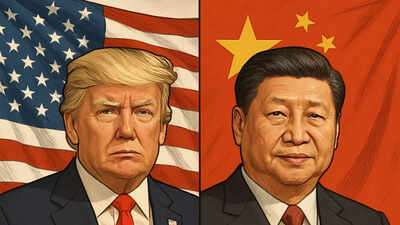
By Nitya Chakraborty Prime Minister Narendra Modi will be facing his major test in diplomacy at the coming summit of the Shanghai Cooperation Organisation (SCO) to be held in Tianjin in China on August 31 and September 1 this year. The SCO meet will be hosted by Chinese President Xi Jinping and will be attended […]

MACAU SAR – Media OutReach Newswire – 25 August 2025 – Galaxy Macau™’s world-class Galaxy Arena is proud to announce the renewal of its three-year strategic partnership with TMElive, extending its existing three-year run of its successful partnership. Under the newly extended agreement, both parties will continue supporting Macau’s quality development in culture and tourism and presenting multifaceted musical spectacles to music lovers, by leveraging shared resources […]

By Nantoo Banerjee Notwithstanding India’s current trade tariff spat with the United States, India should apply caution to further open up imports from China with which it already suffers from massive trade deficits – nearly $100 billion last year when China had severely cut down imports from India. The latter should also avoid the Chinese […]

OKB, the native token of the OKX exchange, has surpassed the $200 mark, generating significant attention in the cryptocurrency market. This surge in price comes after the platform announced the burning of 65 million OKB tokens, a move that has impacted the token’s supply and price trajectory.

The token burn, part of a broader strategy by OKX to reduce the circulating supply, was confirmed by the exchange in its latest quarterly report. The reduction in the available supply has had an immediate effect on the price of OKB, driving it higher as investors react to the scarcity of the token. The burn, valued at over $1.3 billion at current prices, has sent a signal to the market that the platform is committed to managing the long-term sustainability and value of OKB.

In addition to the burning event, several factors are influencing OKB’s upward movement. The growing adoption of the OKX platform, as well as the increasing institutional interest in the wider cryptocurrency market, is contributing to a favourable market sentiment. OKX has also gained recognition for its transparent approach to tokenomics, including regular updates on its burn schedule and token supply adjustments.

The broader context of rising interest in decentralized finance and the increasing use of exchange-native tokens is also playing a role. Many traders and investors are turning to OKB not just as a utility token for the exchange but as an asset that holds value in its own right. The token’s recent price movement has been accompanied by increased trading volumes, further driving up the price.

Experts suggest that the token burn may have created a short-term supply shock, but it is the long-term market fundamentals that will determine OKB’s price stability. While the reduction in token supply tends to lead to a price increase, the overall health of the cryptocurrency market, the strength of OKX’s platform, and the evolving regulatory environment remain key factors in sustaining the current momentum.

The OKB burn is part of OKX’s ongoing efforts to create a deflationary model for the token, which has included previous burns as well as strategic buybacks. These measures are designed to reward holders by increasing the value of the token over time. However, critics argue that while token burns can create upward price pressure in the short term, they do not guarantee long-term price appreciation if demand for the token does not remain strong.

As OKB continues to perform well, some analysts are raising questions about the sustainability of the current rally. They point to potential challenges in the global crypto market, particularly with the tightening of regulations across major jurisdictions. Despite this, OKB has shown resilience, with its strong growth being bolstered by a series of partnerships and its increasing use in DeFi protocols.

OKX has not only focused on tokenomics but also on expanding its range of products and services. The exchange has been integrating its platform with various blockchain ecosystems and is promoting its suite of DeFi tools, which has helped boost OKB’s utility beyond just trading. The introduction of new features such as staking and yield farming for OKB holders is also enhancing its appeal to long-term investors.

Looking ahead, the next steps for OKX could include additional token burns, further integrations with DeFi, and possibly the release of new products aimed at attracting more users to the platform. Investors will be keen to see whether the momentum can be sustained or whether market conditions will pose challenges to OKB’s continued growth.

FUJIAN, CHINA – Media OutReach Newswire – 23 August 2025 – On August 16, 2025, in Hanoi, Vietnam, Chinese maternal and infant brand BB Kitty ushered in a significant moment – the grand opening of the “Strategic Cooperation Signing and Investment Promotion Ceremony” co-hosted with its Vietnamese agent. This event not only marks the official acceleration of BB Kitty’s commercialization process in Southeast Asia, but also represents […]

A US Supreme Court order permitting Mississippi’s social media age-verification law to be enforced has prompted Bluesky to block access across the state. Critics warn the measure infringes on free speech and user privacy, while proponents contend it offers vital protection for children. Bluesky has suspended service entirely to IP addresses in Mississippi, citing the law’s sweeping demands and the technical burden it imposes. The measure—known as […]

Advertisements

Amazon has approached the Commerce Ministry with a proposal to modify foreign direct investment rules by creating a carve-out for export transactions. The company is requesting permission to purchase goods directly from Indian sellers for overseas sales, a departure from the longstanding policy that restricts foreign e-commerce firms to pure marketplace operations.

The policy currently prohibits platforms like Amazon and Walmart-owned Flipkart from holding inventory or selling directly to consumers, aiming to protect small retailers by ensuring a level playing field. Amazon’s pitch emphasises that an export exemption would benefit small Indian sellers by streamlining customs procedures and improving access to international markets. The company adds that it has facilitated US$13 billion in cumulative exporter earnings since 2015 and targets US$80 billion by 2030.

From the Commerce Ministry’s internal documents, it is clear that no decision has been made yet. Any policy adjustment must strictly safeguard the domestic retail market by clearly delineating goods intended solely for export from those that could be sold locally.

The move faces strong resistance. Three industry groups, representing small retailers, voiced concerns during the meeting that Amazon—and Flipkart, which also attended—would gain unfair advantages through preferential arrangements and heavy discounting, further marginalising small businesses.

Amazon and Flipkart did not offer comment at the time, and the Commerce Ministry has not yet responded publicly to media queries.

This development takes place against the backdrop of India’s rapidly expanding e-commerce space, valued at approximately US$125 billion in 2024 and projected to swell to US$345 billion by 2030. Meanwhile, foreign e-commerce operators, particularly U. S.-based Amazon and Flipkart, have long contended that the inventory-based model they use globally is impeded in India by FDI restrictions—restrictions designed to prevent foreign platforms from influencing pricing or favouring affiliated sellers.

Amazon’s request interlinks with broader efforts in the export ecosystem. Earlier this month, the Federation of Indian Export Organisations agreed to sign an MoU with Amazon to support exporters via cross-border e-commerce, including training, compliance assistance and market access support.

The issue also ties into wider trade dynamics. U. S.–India trade tensions remain unresolved, and Amazon’s proposal adds complexity to ongoing discussions. Modifying FDI norms for the export segment could influence negotiations and set precedents for how e-commerce platforms operate within the country.

As exporters grapple with global headwinds, including rising tariffs in key sectors, the government is evaluating how regulatory changes could facilitate global access without dismantling protections for domestic retail.

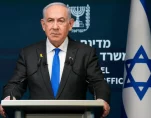
A senior aide to Israeli Prime Minister Benjamin Netanyahu has been dispatched to the United Arab Emirates in a discreet diplomatic move aimed at resolving strains between the two nations. This development marks a critical step in addressing the ongoing challenges faced by the UAE-Israel relationship, particularly in the aftermath of regional shifts and political tensions.

The aide’s visit, which has been kept under wraps to avoid further complicating the delicate diplomatic situation, underscores Israel’s desire to reassert its relations with the UAE following some setbacks in the past year. While the specifics of the discussions remain largely confidential, sources suggest the key focus is on reaffirming the normalization of ties, which was first achieved through the Abraham Accords in 2020. These accords established full diplomatic relations between Israel and the UAE, a historic shift in the Middle East, and the Netanyahu administration has been under pressure to maintain the momentum of these agreements despite regional turbulence.

Diplomatic sources point to a combination of political disagreements, security concerns, and international pressures that have strained the UAE-Israel partnership. One of the main issues is the growing unease in the Gulf over Israel’s stance on Palestinian issues and its handling of tensions in Gaza. While the UAE has remained committed to the Abraham Accords, there has been mounting public and political disquiet over Israel’s domestic policies, especially in relation to its stance on Palestinian sovereignty and peace efforts.

Experts suggest that Netanyahu’s decision to send a trusted aide is a direct response to growing concerns in Abu Dhabi about Israel’s domestic trajectory and its regional posture. This diplomatic outreach is seen as a move to reassure the UAE that Israel remains committed to cooperation, particularly in areas such as trade, technology, and security, which have flourished since the signing of the Abraham Accords.

There is speculation that the UAE has been considering a recalibration of its foreign policy, especially with the changing dynamics in the broader Middle East. With the shifting alliances and new players emerging in the region, including the growing influence of China and Russia, the UAE finds itself needing to maintain a balance between its Western ties, particularly with the United States, and its more recent alignment with Israel.

The UAE-Israel relationship, though officially cordial, has been fraught with complexities. The leadership in Abu Dhabi has long prioritised stability and economic growth, factors which drove the decision to engage diplomatically with Israel. However, regional developments, including the ongoing situation in Gaza and the broader Israeli-Palestinian conflict, have put these relations to the test.

Israel’s efforts to build and sustain relationships with Gulf states have been a key feature of Netanyahu’s foreign policy. The normalization agreements brokered by the Trump administration in 2020 were seen as a major victory for Israel, but they have not been without their challenges. The UAE has been wary of the potential fallout from these ties, particularly in the Arab world, where public sentiment on Israel remains divided.

Despite these challenges, there is a shared interest in several areas. Both countries are looking to advance economic collaborations, particularly in the fields of technology, energy, and defence. Israeli businesses have already established a foothold in the UAE, with cooperation extending to key sectors such as cybersecurity and artificial intelligence. These partnerships are expected to grow further as both nations seek to capitalise on new opportunities.

Israel’s relationship with the UAE has also allowed for greater security cooperation, particularly in the context of regional threats posed by Iran. Both countries share concerns over Iran’s nuclear ambitions and its influence across the region. This shared security interest has provided a basis for increased intelligence-sharing and military coordination, despite the undercurrent of political tensions.

Labour unrest at the CHEP plant in Boksburg, South Africa, escalated on Thursday when approximately 110 workers initiated a strike following two months of failed negotiations. The dispute centres around unresolved wage issues and conditions that employees claim have been neglected by management. The workforce, employed at the CHEP site in Jet Park, halted operations after talks between the unions and management reached an impasse, with no […]

China is reportedly on the brink of a significant policy shift that may see the introduction of yuan-backed stablecoins, a move designed to bolster the international standing of its currency. With global financial markets increasingly leaning towards digital currencies, Beijing’s latest plan could mark a pivotal moment in the international adoption of the yuan.

The Chinese government is set to consider a proposal to allow the issuance of stablecoins pegged to the yuan, which would aim to challenge the dominance of the US dollar and its associated stablecoins in global markets. The proposal, expected to be reviewed by the State Council, reflects Beijing’s ongoing strategy to expand the yuan’s reach beyond its traditional borders, positioning it as a competitor to the greenback.

As part of its broader push for digital currency integration, China could allow key financial hubs such as Hong Kong and Shanghai to be the first to implement the new stablecoin systems. These cities are already at the forefront of China’s broader efforts to foster the growth of digital currencies, and the stablecoin initiative could further solidify their roles as global financial centres.

Discussions surrounding the adoption of yuan-backed stablecoins are expected to feature prominently during high-level meetings, including the upcoming Shanghai Cooperation Organisation Summit. This gathering will provide an important platform for Chinese leaders to outline their vision for the future of digital currencies, while signalling their intent to shape international policy on the use of stablecoins.

The planned move is in direct contrast to China’s earlier stance on cryptocurrency regulation. In recent years, the country has imposed strict measures on the use of private cryptocurrencies, citing concerns about financial stability and capital outflows. The proposed policy reversal regarding stablecoins marks a dramatic shift in strategy, moving from a position of stringent control to one of potential global leadership in digital currency innovation.

Stablecoins, which are digital currencies pegged to stable assets like fiat currencies or commodities, have become increasingly popular among investors seeking to minimise volatility. In particular, US dollar-backed stablecoins have grown exponentially, with major players like Tether and USD Coin dominating the market. The success of these assets has prompted China to explore ways in which the yuan can gain a similar foothold in the emerging digital economy.

By introducing a yuan-backed stablecoin, China would not only be promoting its digital currency but also attempting to influence how digital currencies are adopted globally. The move could significantly shift the dynamics of international trade and finance, particularly in Asia. As countries continue to look for alternatives to US dollar-dominated systems, China’s push for a digital yuan is increasingly seen as a strategic move to improve its influence over global financial markets.

Key stakeholders in the financial sector have already begun to take notice of China’s evolving stance on digital currencies. Financial institutions operating in Hong Kong and Shanghai are expected to play an integral role in the rollout of yuan-backed stablecoins, with implications for both domestic and cross-border transactions. Additionally, blockchain technology providers are closely monitoring developments in this space, anticipating a surge in demand for stablecoin-related infrastructure as China accelerates its digital currency ambitions.

The anticipated approval of yuan-backed stablecoins would also contribute to the development of China’s central bank digital currency, the digital yuan. While the digital yuan has already been tested in select regions, the integration of stablecoins would expand the use of digital yuan products, making it more accessible to international markets. This could significantly enhance the usability of China’s digital assets, providing a stable, digital alternative to traditional fiat currencies for global trade and investment.

At the same time, China’s global competitors, particularly the United States and the European Union, are likely to view this move with caution. While the yuan-backed stablecoin could disrupt traditional financial systems, it could also prompt a race to establish new regulatory frameworks and digital currencies to safeguard the dominance of the US dollar and the euro in global markets.

SINGAPORE – Media OutReach Newswire – 21 August 2025 – CNA, the global news and current affairs brand of Mediacorp, is offering a new service which allows businesses and brands from around the world to seamlessly publish their media releases in a dedicated section on its flagship website, cna.asia, via its very first partner, Media OutReach Newswire. This new third-party paid content service offers businesses unprecedented access […]

Norway’s Sovereign Wealth Fund, managed by Norges Bank Investment Management, has achieved a new milestone in its investment portfolio with an increased exposure to Bitcoin. This exposure, reaching a record high, is now valued at the equivalent of 7,161 Bitcoin, achieved through investments in companies that hold Bitcoin on their balance sheets. This move signifies a notable shift in the fund’s diversification strategy, as it moves further into the digital asset space.

The fund’s strategy typically involves investing in a broad spectrum of assets, including global equities, bonds, and real estate. However, the rising value of cryptocurrencies and their growing acceptance in mainstream financial markets have prompted the fund to increase its indirect exposure to Bitcoin. NBIM’s current indirect holdings represent a stake in Bitcoin through companies that have embraced cryptocurrency, such as MicroStrategy and Tesla, which have allocated significant portions of their balance sheets to the digital currency.

With Bitcoin’s price having seen significant volatility over the years, the fund’s exposure to the digital asset has raised questions about the risks and benefits of investing in such a volatile commodity. As of the latest figures, the total value of these Bitcoin-linked investments stands at approximately 1,387 Norwegian kroner per Norwegian citizen, based on the current exchange rates and Bitcoin’s market price.

This development underscores the growing integration of digital currencies into traditional investment portfolios. The Norwegian Sovereign Wealth Fund, traditionally focused on more conventional assets, has now ventured into a more speculative investment arena. While the fund’s management has assured that this exposure remains minimal compared to its total assets, the move reflects broader trends within institutional investment.

NBIM’s strategy aligns with increasing interest among large-scale investors in diversifying into Bitcoin and other cryptocurrencies. Over the past few years, several prominent investment funds and financial institutions have adjusted their portfolios to include Bitcoin as a hedge against inflation or as a long-term store of value. These entities view Bitcoin’s finite supply and its potential as an alternative investment vehicle in a world of low-interest rates and global economic uncertainties as key drivers behind their investment decisions.

However, the fund’s Bitcoin exposure remains highly indirect. Instead of holding Bitcoin directly, NBIM’s stake comes from investments in companies like MicroStrategy, whose CEO, Michael Saylor, is a known advocate for Bitcoin. Tesla, another key player in the space, made headlines in 2021 when it disclosed its investment in Bitcoin, which led to an immediate surge in the digital currency’s value.

The Norwegian government, which oversees the fund’s operations, has expressed cautious optimism about its cryptocurrency exposure. While the fund is generally conservative in its investment approach, there is recognition that digital assets could play a role in long-term portfolio diversification. The Fund has made it clear that its current exposure is small and that the risk of loss is something it continues to monitor.

While Bitcoin has proven to be an incredibly volatile asset, some argue that its performance over time, including periods of significant appreciation, has made it an attractive speculative asset. Proponents believe that as Bitcoin becomes more integrated into the financial system and more institutional investors enter the market, its volatility will decrease, and its value will continue to appreciate in the long term. Conversely, critics caution that Bitcoin’s lack of intrinsic value and its exposure to regulatory scrutiny could render it a risky bet for long-term investors.

The Norwegian Sovereign Wealth Fund’s growing interest in Bitcoin is part of a wider trend that is seeing institutional investors increasingly embrace digital currencies. In addition to companies like MicroStrategy and Tesla, several other financial entities have made substantial investments in Bitcoin, such as Grayscale Investments and the publicly traded Bitcoin ETF, which tracks the price of Bitcoin directly.

As this trend continues, it raises broader questions about the role of cryptocurrencies in the global financial system. While Bitcoin and other digital assets were once viewed primarily as speculative investments or a form of digital gold, they are now starting to be considered by more traditional investors as part of a diversified investment strategy. The Norwegian Sovereign Wealth Fund’s increasing exposure to Bitcoin may serve as a bellwether for other institutional investors contemplating similar moves.

This Memorandum of Understanding sets the stage for innovative collaborations aimed at enhancing patient experience, improving healthcare affordability and sustainability, and driving positive change in Singapore’s healthcare ecosystem. SINGAPORE – Media OutReach Newswire – 20 August 2025 – AIA Singapore and Mount Alvernia Hospital today signed a Memorandum of Understanding (MoU) to collaborate on initiatives aimed at advancing sustainable healthcare solutions and delivering high-quality, affordable care to […]

US Treasury Secretary Scott Bessent last week made a comment that should have sent markets into deep reflection. Instead, it was largely shrugged off. He suggested that the White House’s unprecedented revenue-sharing deal with Nvidia and AMD could be extended to other industries. This single line carries profound implications — and the muted reaction says more about investor complacency than anything else. The arrangement currently in place […]

By Nitya Chakraborty India-China political relations have started improving giving all the indications that the leaderships of the two countries with the largest population in the world, are ready for building stable relationship after an uneasy period of five years since the Galwan killings on the border in 2020 in which 20 Indian soldiers lost […]

New regional strategy deepens digital platform partnerships, and fuels innovation HONG KONG SAR – Media OutReach Newswire – 20 August 2025 – A new chapter is underway at Carlsberg Asia, as the brand outlines a future-facing digital roadmap anchored in strategic collaborations with three of Asia’s major O2O and quick commerce platforms – Meituan, Grab and Delivery Hero. The initiative comes at a pivotal time, as digital […]

India’s oil import strategy showed a marked shift in July 2023, as figures indicated a significant dip in Russian oil imports, alongside a notable increase in purchases from the United States. According to the latest data, India’s Russian crude oil imports fell by approximately 3.6% in the first seven months of the year, amounting to 1.73 million barrels per day, down from the previous period. This reduction coincided with a rise in imports from the U. S., which surged by 58% over the same period, signalling a reorientation of India’s energy sourcing amid shifting global market dynamics.

The decline in Russian oil imports was most evident in July, a month in which India notably skipped shipments from Latin America, further complicating the global oil trade landscape. The data underlines India’s ongoing balancing act as it navigates its energy needs, political affiliations, and economic pressures in a complex geopolitical environment.

Since the onset of the Ukraine conflict in early 2022, India had sharply increased its reliance on Russian oil, taking advantage of discounted prices amidst Western sanctions. Russia had emerged as one of India’s largest oil suppliers, providing a significant portion of the country’s crude oil requirements at highly competitive rates. However, as global energy markets continue to adapt to the war’s long-term ramifications, shifts in India’s oil import strategies reflect an evolving approach to international energy procurement.

The surge in U. S. oil imports reflects broader trends in India’s engagement with non-Russian sources, particularly the United States. While Russia’s crude oil remained competitively priced, U. S. exports presented an alternative as India’s energy demands surged. As of July, the volume of oil imports from the U. S. showed an impressive rise, suggesting a diversification strategy that aims to reduce dependence on any one country, particularly as Russia faces increasing global scrutiny and sanctions.

This diversification is significant not only in terms of energy security but also geopolitically. With Western countries tightening sanctions against Russia, India’s oil purchases from non-Western suppliers, including the U. S., align with its broader strategy of maintaining an independent foreign policy. By tapping into American oil supplies, India positions itself as an increasingly significant player in the global energy markets, potentially leveraging these resources for both economic and strategic gains.

Simultaneously, the reduction in Latin American oil imports in July suggests a recalibration in India’s sourcing preferences. While Latin America had been a key supplier for India in previous years, particularly from countries like Venezuela and Mexico, geopolitical challenges and shifting global demand patterns appear to have altered these trade flows. This move also underscores the growing influence of U. S. oil in India’s energy mix, a shift likely influenced by factors such as pricing, quality, and strategic alliances.

The evolving oil trade patterns are not just a reflection of changing global dynamics but also highlight India’s domestic policy objectives. As the world’s third-largest oil importer, India is continually navigating the pressures of securing affordable energy while balancing its international relations. India’s energy needs are projected to grow in the coming decades, making the diversification of oil sources crucial for its future economic stability.

Further complicating matters, the global oil market has faced increasing volatility due to fluctuations in supply and demand, driven by the war in Ukraine, OPEC’s production decisions, and broader economic uncertainty. The effects of these disruptions are evident in India’s changing oil import patterns, which seem to be increasingly shaped by price sensitivity and geopolitical considerations.

Pakistan’s authorities have implemented a sweeping ban on gambling and casino apps, alongside unregulated forex trading platforms and apps that gather users’ personal data. The decision follows increasing concerns over the safety, privacy, and legality of these mobile applications, which have gained significant traction in the country. The Federal Ministry of Information Technology and Telecommunication, in a statement, announced the prohibition of several mobile applications deemed harmful […]

Ethiopia’s foreign direct investment reached $4 billion for the fiscal year ending July 2025, according to the country’s Investment Commission. This represents a modest 2.2% increase from the previous year, signalling a steady inflow of capital despite economic challenges. The rise in FDI comes as the country prepares for a major bond restructuring, which aims to alleviate its mounting debt burden. The FDI figure is particularly significant […]

The UAE Funds Transfer System saw a substantial surge in the value of transactions during the first five months of 2025, reaching a remarkable AED9.528 trillion. This reflects the continued growth of the UAE’s banking sector and its central role in facilitating both domestic and international financial transfers.

According to the Central Bank of the UAE, the total value of transfers executed by banks amounted to AED5.963 trillion, a figure that highlights the significant volume of financial activities managed by UAE banks. These transfers are essential for business operations, both locally and globally, given the UAE’s strategic position as a key financial hub in the Middle East.

The monthly breakdown reveals a steady increase in transaction values throughout the first five months of the year. January recorded AED1.1 trillion, February saw AED983.99 billion, while March’s figures jumped to AED1.238 trillion. The upward trend continued into April with AED1.273 trillion, and May closed at AED1.089 trillion, suggesting robust financial momentum across the banking sector.

In addition to bank-to-bank transfers, customers also contributed significantly to the total volume. The total value of transfers executed by customers surpassed AED3.834 trillion. January recorded AED677.65 billion, with February following closely at AED649.48 billion. March saw a spike, reaching AED791.313 billion, while April’s figures hit AED879.94 billion. By May, customer-initiated transfers amounted to AED836.157 billion, demonstrating the increasing role of personal and corporate banking in the country’s financial ecosystem.

The UAEFTS, which facilitates secure and efficient transfers between financial institutions, plays a pivotal role in the country’s economic framework. The consistent growth of these transactions reflects the ongoing strength of the UAE’s banking infrastructure, which continues to cater to a diverse range of financial services, from basic retail banking to complex corporate transactions.

One of the key drivers of this growth is the UAE’s growing stature as a global financial centre. The country’s strategic initiatives to position itself as an international financial hub have attracted a wide variety of global institutions. With its advanced technological infrastructure and regulatory framework, the UAE has positioned itself as a leader in financial services in the Gulf region.

The rise in customer transfers can be attributed to a range of factors, including the increasing integration of digital banking platforms. The shift towards online and mobile banking has made it easier for customers to conduct transfers in real-time, contributing to the overall growth in transaction volumes.

While the total value of transfers is substantial, it also highlights a key trend in the UAE’s financial sector: the increasing reliance on electronic systems for everyday financial transactions. As customers continue to embrace digital banking solutions, the volume of these transactions is likely to rise, further reinforcing the UAE’s reputation as a hub for innovation in financial technology.

The UAE’s banking sector is also witnessing a diversification of services, with many institutions offering enhanced value-added services such as cross-border payment solutions, investment management, and wealth management. These services, which cater to both individual and corporate clients, contribute to the rise in transfer volumes, particularly in a market that has become increasingly open to global trade and investment.

Dubai has taken a significant step toward boosting its business environment with the launch of the ‘One Freezone Passport,’ an innovative initiative designed to ease the process of business expansion within the city’s free zones. The move is expected to simplify operations for companies looking to scale, while also enhancing the emirate’s competitive edge in the global market.

The initiative allows businesses licensed in one of Dubai’s free zones to extend their operations into other zones without the need for additional licenses, thus lowering the financial and administrative burden of expansion. It is part of Dubai’s wider strategy to foster a more streamlined, investor-friendly ecosystem, which has seen numerous developments aimed at reducing bureaucracy and increasing operational efficiency.

The Dubai Free Zones Council, which spearheaded the initiative, expressed that the launch of the ‘One Freezone Passport’ marks a key achievement in Dubai’s economic diversification efforts. The programme is designed to remove regulatory bottlenecks, encouraging smoother transitions for businesses operating across multiple zones. This move comes as part of the city’s broader vision outlined in the Dubai Economic Agenda D33, which aims to double the size of the economy and strengthen its position as a leading global business hub by 2033.

The introduction of the ‘One Freezone Passport’ is aligned with the goals of easing market entry for foreign investors and facilitating greater cross-border trade. By eliminating the need for multiple permits, businesses can now streamline their processes, save costs, and significantly reduce time-to-market. The DFZC’s initiative represents a decisive shift towards creating a more cohesive and interconnected free zone network that could have widespread benefits for companies operating in Dubai.

One of the early adopters of this new system is global luxury brand Louis Vuitton, which has embraced the streamlined process. The company will now operate its warehouse in the Jebel Ali Free Zone, while establishing its corporate office at One Za’abeel, part of the Dubai World Trade Centre Free Zone. This move highlights the growing appeal of Dubai’s free zones for multinational companies, particularly in sectors such as luxury goods and technology.

The ‘One Freezone Passport’ also represents a step forward in Dubai’s ongoing efforts to attract multinational corporations and high-net-worth investors. Dubai’s free zones have long been a cornerstone of its economic strategy, offering companies a range of benefits such as tax exemptions, full ownership rights, and 100% repatriation of profits. With the introduction of the ‘One Freezone Passport,’ the emirate now aims to make it even easier for businesses to operate in multiple free zones simultaneously.

For companies such as Louis Vuitton, the new initiative offers an opportunity to leverage Dubai’s strategic location as a gateway to both regional and international markets. By simplifying the regulatory landscape, businesses can better focus on expanding their operations and exploring new market opportunities across the Middle East, Africa, and beyond.

The initiative’s potential extends well beyond large corporations. Start-ups and small-to-medium enterprises are also expected to benefit from a more accessible and flexible business environment. The ability to operate across multiple free zones without incurring additional licensing fees will likely encourage new ventures, thereby supporting Dubai’s entrepreneurial ecosystem.

The launch of the ‘One Freezone Passport’ is expected to drive a rise in investments within Dubai’s free zone economy. As businesses can now expand their footprint more easily, it opens the door for greater collaboration between sectors, fostering innovation and accelerating growth. Additionally, by streamlining regulatory processes, Dubai aims to position itself as a hub for both regional and international businesses seeking to establish a base in the Middle East.

The programme also underscores Dubai’s broader efforts to integrate digital solutions and technology into its regulatory systems. The ‘One Freezone Passport’ is supported by a digital platform that enables businesses to manage their operations across multiple zones efficiently. This platform allows for the centralisation of licenses, making it easier to handle logistics, administrative tasks, and compliance requirements.

As Dubai continues to enhance its infrastructure and regulatory landscape, the introduction of the ‘One Freezone Passport’ signals a broader trend of business-friendly reforms that cater to a dynamic and diverse economy. The ease of access to Dubai’s free zones, combined with the benefits offered by the initiative, has the potential to attract more companies to establish their operations in the emirate.

Greenlogue/AP The United States has solidified its position as the leading source of greenfield foreign direct investment in Saudi Arabia during the first half of 2025, with American companies backing 61 projects worth a total of $2.7 billion. This surge in American investments marks a significant shift in global investment trends, as US-based firms continue to bolster the Kingdom’s economic diversification efforts under its Vision 2030 initiative. […]

HANOI, VIETNAM – Media OutReach Newswire – 19 August 2025 – Vingroup was awarded the First-Class Labor Order in recognition of its exceptional achievements in developing the National Exhibition Fair Center. This prestigious award acknowledges the Group’s breakthrough efforts and determination in completing the project 15 months ahead of schedule, celebrating the 80th National Day of the Socialist Republic of Vietnam and making a significant contribution to […]

VISHNU RAJA
RYO YAMADA
HITORI GOTOH
IKUYO KITA