Artificial intelligence leaders are facing mounting resistance from investors and President Donald Trump after calls by Anthropic and OpenAI to slow the advance of frontier models triggered sharp losses in technology shares and exposed a widening dispute over how quickly the industry should proceed. Anthropic chief executive Dario Amodei has urged leading developers to reduce the pace at which they improve model capabilities, arguing that safety systems […]
Arabian Post Staff -Dubai Oman has called for new liquefied natural gas export routes that can bypass the Strait of Hormuz, arguing that the months-long disruption to the Gulf’s main energy artery has exposed a critical weakness in global gas supply chains. Energy and Minerals Minister Salim bin Nasser Al Aufi told the Gastech conference in Bangkok on Monday that producers and consumers needed to examine infrastructure […]
LuLu Financial Holdings has cut cross-border settlement costs by 25% to 30% after adopting Circle’s USDC stablecoin and Circle Mint for remittance flows across the Gulf, Middle East, North Africa and Asia-Pacific, according to figures released by Circle. The payments group also recorded a 40% increase in cross-border settlement volume after shifting part of its treasury and settlement infrastructure to USDC. Beneficiaries are credited in under a […]
SINGAPORE – Media OutReach Newswire – 14 September 2026 – Azbil Corporation (Tokyo Stock Exchange Code: 6845) announces that it will participate as a Gold Sponsor at Data Centre World Asia 2026 (hereinafter “DCWA”), Asia’s leading event for data centre technologies and digital infrastructure. The event will take place from 29 – 30 September 2026, at the Marina Bay Sands Expo & Convention Centre in Singapore.
DCWA Gold Sponsor
DCWA is part of Tech Week Singapore and serves as a key platform for data centre operators, technology providers, and industry stakeholders to exchange insights and explore emerging technologies shaping the future of digital infrastructure.
As demand for digital infrastructure continues to grow, data centre operators face increasing pressure to maintain reliable operations while improving energy efficiency. Azbil applies its expertise in measurement, control, and automation to help optimize building and cooling-system operations in mission-critical environments.
At DCWA, Azbil will highlight its Building Automation solutions and specialized services for mission-critical environments, including an intelligent building management system and the chiller plant digital twin. These solutions leverage advanced technologies to improve energy efficiency, support informed decision-making, and enhance the reliability and resilience of critical infrastructure operations.
Guided by its Purpose, “Expanding Technological Frontiers, Unlocking Human Potential,” Azbil will continue to create new value through its advanced measurement, control, and automation technologies and through co-creation with customers and partners, contributing to more reliable, efficient, and sustainable digital infrastructure.
Event Overview
Event
Data Centre World Asia 2026
Dates
29 – 30 September, 2026
Location
Marina Bay Sands Expo & Convention Centre Basement 2, Hall E, Booth M15
An open and scalable platform that integrates, monitors, and controls multiple building systems through a unified interface. It provides operational insights that support efficient facility management and efforts to improve Power Usage Effectiveness (PUE).
Chiller Plant Digital Twin
A virtual replica that simulates energy optimization strategies, detects anomalies, and provides real-time insights to improve chiller plant operations and enhance energy efficiency.
The issuer is solely responsible for the content of this announcement.
About Azbil Corporation
Azbil Corporation, formerly known as Yamatake Corporation, is a leading company in building and industrial automation, using its measurement and control technologies to provide customers with high value-added solutions to make their operations more efficient and sustainable. Founded in 1906, the Azbil Group consists of 30 companies and operates in 16 countries, providing cutting-edge solutions and services to meet the diverse needs of its global customers. As of March 31, 2026, Azbil employed about 9,000 people worldwide and generated JPY 298.9 billion in revenue. To learn more about Azbil Corporation and its solutions, please visit Azbil’s website at https://www.azbil.com.
Arabian Post Staff -Dubai flydubai will begin dedicated freighter operations on October 1, adding three Boeing 737-800 cargo aircraft as the Dubai carrier broadens its freight business and strengthens capacity for regional trade. The aircraft will join the fleet through a wet-lease agreement with SolitAir and will be based at Al Maktoum International Airport, or Dubai World Central. Each freighter will offer payload capacity of up to […]
BRICS leaders have adopted a joint declaration expressing deep concern over escalating tensions in the Middle East and urging maximum restraint, securing consensus among members including Iran, Saudi Arabia and the United Arab Emirates. The New Delhi Declaration, approved on Saturday at the 18th BRICS Summit, called on all sides to avoid actions that could further aggravate the situation and reaffirmed support for resolving international disputes through […]
VinFast has signed memoranda of understanding with 13 dealer groups to develop 27 new showrooms across the Philippines, advancing a plan to build a 60-dealership network in the country during 2026.
The Vietnamese electric-vehicle maker said the proposed outlets would span Luzon, Visayas and Mindanao, extending its reach beyond major centres such as Metro Manila and Cebu into markets including Cagayan de Oro, Tacloban and Subic Bay. The sites are expected to combine vehicle display, customer consultations, sales and after-sales services under VinFast’s global showroom standards.
The agreements, announced on September 11, bring together Elite North Auto Cars Inc., MG Gateway Mantrade Corp., Grand Canyon Multi Holdings Inc., Britannica United Motors Incorporated, VF Auto Sto Tomas Inc., GR8 Marketing Motors Inc., ARCMA Motors Corporation, Autonomics Motor Corp., Gershom Car Trading Corp., Areza Motor Sales Inc., Central Auto Resources Inc., Autolink Global Motors Inc. and Greenport Mobility Inc.
VinFast said the partners’ distribution experience and regional networks would help accelerate expansion and improve access to its electric cars and support services. The company did not disclose investment values, opening dates for individual locations or how many of the 27 sites would provide full workshop facilities.
Antonio Zara, chief executive of VinFast Southeast Asia, said the Philippines remained a key market in the company’s longer-term regional and global plans. He said VinFast was seeking to develop not only its retail footprint but also products, services, infrastructure and the wider electric-vehicle ecosystem, working with local partners to make battery-powered mobility more accessible.
The latest dealer push builds on a network expansion already under way. VinFast said in April 2025 that it had reached agreements with six Philippine dealers to establish more than 60 new showrooms, including planned locations in Metro Manila, Quezon City and other urban centres. Its third-quarter 2025 financial disclosure later said the company had nine showrooms operating nationwide, underscoring the gap between announced development plans and sites actually opened.
That distinction remains important for the new programme: the 27 outlets are covered by memoranda of understanding and are expected to be developed, rather than being newly opened locations. VinFast’s stated target is to develop a total network of 60 dealerships in the Philippines in 2026.
The company has also been adding after-sales and charging capacity as it seeks to reduce practical barriers to electric-vehicle ownership. VinFast previously signed an agreement with Motech aimed at bringing up to 63 service workshops into its authorised repair, warranty and maintenance network. It has also worked with other service partners and has promoted charging infrastructure through V-Green, the charging-network business associated with the wider Vingroup ecosystem.
VinFast entered the Philippine passenger-vehicle market with a battery-electric range that has included the VF 3, VF 5, VF 6, VF 7 and VF 9. At the Philippine International Motor Show in June 2026, the company displayed its broader mobility offering and highlighted programmes combining vehicle access, charging and transport services.
Its expansion comes as carmakers compete for position in a Philippine electric-vehicle market supported by government measures intended to encourage cleaner transport. The Electric Vehicle Industry Development Act established a national policy framework for EV adoption, charging infrastructure and industry development, while tariff measures have lowered import costs for qualifying electric vehicles and components.
Dealer coverage is a central challenge for newer entrants because buyers expect servicing, spare parts and warranty support alongside vehicle sales. VinFast has increasingly used local dealer partnerships across Southeast Asia and other markets rather than relying solely on company-owned retail outlets, allowing it to add sales points faster while drawing on established operators’ local knowledge.
The 13 new partners are expected to help VinFast reach customers across several island groups, where distribution and after-sales logistics can be more complicated than in a single contiguous market. VinFast has separately worked with logistics providers in the Philippines to support vehicle inspection, distribution and servicing as its product range expands.
Modi pressed Iranian President Masoud Pezeshkian to support freedom of navigation, uninterrupted commerce and the safety of seafarers as the two leaders met in New Delhi on Friday amid continuing conflict and shipping disruption across West Asia.
The talks, held on the sidelines of the BRICS summit, focused on bilateral relations and the regional security situation. India’s Prime Minister reiterated that disputes should be resolved through dialogue and diplomacy and called for sustained efforts to secure lasting peace and stability, according to an official statement issued after the meeting.
Modi specifically highlighted the need to safeguard freedom of navigation and commerce and the safety and well-being of seafarers. The issue has become a central concern for New Delhi as attacks on commercial vessels and disruption to maritime routes in the region have affected trade and put crews at risk.
The meeting was Modi and Pezeshkian’s second in less than two weeks. They had met on August 31 on the sidelines of the Shanghai Cooperation Organisation summit in Bishkek, where Modi also raised the protection of commercial shipping and seafarers and urged a diplomatic approach to the West Asia conflict.
Friday’s discussion came as the conflict involving Iran, the United States and Israel continued to place pressure on strategic waterways and supply routes. India has sought to maintain working relations with Iran while also preserving close ties with Israel and Arab states, making maritime security and regional stability important economic as well as diplomatic priorities.
At least 10 nationals of India have been killed in attacks on vessels transiting the region during the conflict. New Delhi has condemned attacks affecting Gulf countries, energy infrastructure and commercial shipping, while repeatedly calling for de-escalation and protection of civilians and maritime workers.
The maritime threat has sharpened concerns over energy shipments through Gulf waters that remain critical to India’s oil and gas imports.
Modi reinforced the same message earlier on Friday at the BRICS Business Forum, saying global trade could advance only when sea lanes were secure, supply routes remained open and seafarers were safe. He described India as a firm supporter of freedom of navigation and the safety of maritime crews.
Pezeshkian, who was making his first visit to India as president, used his participation in BRICS meetings to press for stronger economic cooperation among members and protection of legitimate trade from political and military pressure. He argued that the grouping’s strength would be demonstrated by converting economic capacity into functioning networks for trade, investment and joint financing.
The Iranian president also called for greater use of national currencies in trade among BRICS members and said Tehran was prepared to work as a strategic partner in energy and transport supply chains. His remarks reflected Iran’s effort to reduce exposure to sanctions and other constraints on cross-border commerce.
During the bilateral meeting, Modi thanked Iran for maintaining high-level participation in BRICS-related meetings despite difficult circumstances. He said the grouping could strengthen resilience, innovation, cooperation and sustainability among countries of the Global South.
The two leaders also reviewed broader bilateral ties and cooperation in multilateral organisations. Modi welcomed continuing coordination on issues of mutual interest within BRICS, where Iran is a full member alongside Brazil, Russia, India, China, South Africa and other states that have joined the expanded grouping.
The talks followed Pezeshkian’s participation in the Leaders’ Session of the BRICS Business Forum. Modi thanked him for attending and said engagement between the two countries should continue across bilateral and multilateral channels.
The New Delhi meeting also built on the August 31 discussions in Bishkek, when Pezeshkian told Modi that Tehran favoured a negotiated solution to its confrontation with the United States. Modi at that meeting expressed concern over escalating tensions and said civilians, civilian infrastructure, commercial shipping and seafarers should not be harmed.
Arabian Post Staff -Dubai QatarEnergy is negotiating multi-year liquefied natural gas supply agreements with US producers running through 2031 as it seeks to replace output lost after Iranian strikes damaged key facilities at Ras Laffan, people familiar with the talks said. Discussions include Venture Global, Cheniere Energy and Woodside Energy, according to people with knowledge of the negotiations. The move would shift QatarEnergy beyond the spot-market purchases […]
Arabian Post Staff -Dubai UAE President Sheikh Mohamed bin Zayed Al Nahyan has called for stronger private-sector cooperation with Germany after attending a major business forum in Munich where companies from the two countries signed 30 agreements and commercial partnerships worth about €9.66 billion. Sheikh Mohamed told executives and investors at the Germany-UAE Business Forum on Friday that businesses would play a vital role in advancing the […]
HANOI, VIETNAM – Media OutReach Newswire – 11 September 2026 – VinFast has announced the signing of strategic Memoranda of Understanding (MOUs) with 13 dealer partners in the Philippines to develop 27 new showrooms nationwide. The agreements mark an important step in VinFast’s plan to expand its electric automotive distribution network in the Philippines, while laying a strong foundation for the brand to reach its goal of developing a total of 60 dealerships in the country in 2026.
Representatives of VinFast Philippines and 13 dealer groups at the Memorandum of Understanding (MOU) signing ceremony, aimed at expanding VinFast’s nationwide dealer network.
Under the agreements, the 27 VinFast showrooms are expected to be developed across all three major geographical regions of the Philippines: Luzon in the north, Visayas in the central region, and Mindanao in the south. The network will strengthen VinFast’s presence in major urban centers such as Metro Manila and Cebu, while extending its reach to new, high-potential areas including Cagayan de Oro, Tacloban, and Subic Bay. This will bring VinFast’s electric vehicles and services closer to customers nationwide.
Developed in line with VinFast’s global standards, the showrooms will offer modern and convenient spaces where customers can learn about and experience the brand’s products, as well as access sales and after-sales services. The expanded network will also improve access to electric vehicles and related services, helping meet the growing demand for EVs in the Philippine market.
Supporting VinFast in the development of its new showroom network are 13 established local partners: Elite North Auto Cars Inc., MG Gateway Mantrade Corp., Grand Canyon Multi Holdings Inc., Britannica United Motors Incorporated, VF Auto Sto Tomas Inc., GR8 Marketing Motors Inc., ARCMA Motors Corporation, Autonomics Motor Corp., Gershom Car Trading Corp., Areza Motor Sales Inc., Central Auto Resources Inc., Autolink Global Motors Inc., and Greenport Mobility Inc.
These 13 companies bring extensive experience in automotive distribution in the Philippines and share VinFast’s commitment to advancing the green transition. Their market knowledge, operational capabilities, and extensive networks will provide additional momentum for VinFast to accelerate the development of its distribution system, expand customer access, and enhance service quality across the country.
Mr. Antonio Zara, CEO of VinFast Southest Asia, said: “The Philippines is one of the key markets in VinFast’s long-term growth strategy in the region and globally. Here, we are not only focused on expanding our sales network, but also on building a sustainable foundation for growth spanning products, services, infrastructure, and the broader EV ecosystem. With the support of our local partners, VinFast will continue to expand our operations in the years ahead, gradually making green mobility a more accessible and convenient choice for Filipino consumers.”
VinFast is steadily building a comprehensive “For a Green Future” electric vehicle ecosystem across key markets in Southeast Asia. In the Philippines, VinFast continues to invest in products, services, and infrastructure to make EV ownership as convenient as possible for customers. Alongside a diverse EV lineup and attractive customer support policies, VinFast is placing a strong focus on expanding its after-sales service network and charging infrastructure with the support of V-Green and local partners. Through these efforts, the brand reaffirms its long-term commitment to investing in the Philippines and supporting the country’s transition to green mobility.
Hashtag: #VinFast
The issuer is solely responsible for the content of this announcement.
HANOI, VIETNAM – Media OutReach Newswire – 11 September 2026 – As Asia emerges as the center of global urbanization, Vinhomes is advancing a model of city-building that weaves residential, commercial, educational, healthcare, and green infrastructure into a single, integrated ecosystem. With projects and development plans now extending from Vietnam into Congo, India, Australia, the Philippines, and Indonesia, the company is moving from adopting global urban standards to elevating them on a global scale.
Vinhomes’ projects bring together ESG++ operating standards and a comprehensive All-in-One ecosystem.
Two decades after its first projects broke ground on reclaimed industrial land and riverbank outside Hanoi, Vinhomes, anchored in the wider Vingroup ecosystem and its “ESG++” environmental standards, is positioning itself to help define what a good city looks like for the decades ahead.
Building Cities as Integrated Ecosystems, Not Just Developments
The first Vinhomes projects rose on difficult ground, but their premise was unusual for its time: that a residential development had to fold an entire urban life into a single, walkable proposition. Royal City and Times City were carved from former industrial land in Hanoi, while Vinhomes Riverside took shape on the far side of a river that once marked the edge of the city’s imagination. What set these projects apart was not their scale but their structural approach, schools, clinics, parks, transit, and commerce built in as foundations, not added on later.
That premise has held up. Vietnam’s cities have since become one of the region’s most closely watched growth stories. In 2025, the country drew more than $38 billion in registered foreign direct investment, with real estate the second-largest recipient sector after manufacturing. The capital is following the population, and the population is following the belief that Asian cities will decide what urban life looks like next. Research from the McKinsey Global Institute finds that roughly half of the world’s 600 largest cities by GDP are now in Asia, and that in most Asian countries, cities already generate more than 80 percent of national output.
Vinhomes’ answer to the challenge of urban sequencing has been structural rather than cosmetic, folding its projects into the wider Vingroup ecosystem. A housing development arrives already wired into education (Vinschool, VinUni), healthcare (Vinmec), retail (Vincom Retail), hospitality (Vinpearl, VinWonders), and green mobility (VinFast, V-Green, Green SM), with renewable energy and regional infrastructure now extending that network through VinEnergo and VinSpeed. The premise is that a city assembled this way behaves less like a real-estate product and more like an economy in miniature, one that generates its own demand for jobs, services, and further investment as residents move in.
From ESG++ Leadership to Global Expansion
The newer test for urban development is what a project is willing to leave alone. Vinhomes has framed its approach as “ESG++”, not merely limiting environmental damage, but actively restoring the ecosystems a project sits within. At Can Gio, Vinhomes Green Paradise is being built alongside one of Vietnam’s most significant mangrove systems, with construction is deliberately constrained to protect it. In Ha Long, Vinhomes Global Gate sits beside a UNESCO World Heritage Bay, built with the explicit aim of complementing rather than competing with the landscape.
This approach has drawn notice beyond Vietnam. Vinhomes Green Paradise became the first official global participant in New7Wonders’ “7 Wonders of Future Cities” initiative. Jean-Paul de la Fuente, the campaign’s director, described visiting the project as an encounter with a place where nature, people, and technology converge in ways he had not anticipated from the paperwork alone, adding that few developers anywhere have the execution capacity to build at this scale and speed while still managing that complexity.
The company’s ambitions now extend well beyond its home market. Vinhomes has projects and development plans in Congo, India, Australia, the Philippines, and Indonesia, less an export of a real-estate model than an attempt to carry two decades of Vietnamese urban experience into markets asking the same questions Vietnam once asked itself. For most of the modern era, Vietnamese cities absorbed standards and formats tested elsewhere; that posture is shifting, and not only inside Vietnam.
The data points to a single conclusion: the next several decades of urban growth will be decided in Asia, whether or not Asian developers are ready to define its terms. The United Nations’ World Urbanization Prospects 2025 puts the scale of that growth beyond dispute, cities are now home to 45 percent of the planet’s 8.2 billion people, more than double the share in 1950, with two-thirds of all future population growth through mid-century expected to land in urban areas. The number of megacities has quadrupled since 1975, from eight to 33, and more than half of them sit in Asia. Capital is already voting with its feet, and McKinsey’s research suggests the economic weight has shifted, even if global recognition has not yet caught up.
What Vinhomes is proposing, in effect, is that the second half of that shift, reputation, precedent, the standing to say what a good city looks like, is still being written. Twenty years on from a stretch of marshland and disused factory yards outside Hanoi, the argument is no longer really about towers. It is about whether a place built quickly can still be built to last, for the people living in it and for the land it stands on.
Hashtag: #Vinhomes
The issuer is solely responsible for the content of this announcement.
About Vinhomes
Vinhomes is Vietnam’s largest residential real estate and integrated township developer. The company pioneers the development of synchronized, modern large-scale townships, delivering premium living standards and unlocking sustainable investment opportunities for domestic and international clients.
Arabian Post Staff -Dubai Yemen’s Houthi movement has seized Perim Island and Dhubab on the Bab al-Mandab, giving the Iran-aligned group control of key positions overlooking one of the world’s most important shipping chokepoints as fighting intensifies along the Red Sea coast. The advance followed the withdrawal of forces aligned with Yemen’s internationally recognised government and came a day after the Houthis captured the port city of […]
President Lee Jae Myung’s approval rating has fallen to a new low as opposition hardens against sending South Korean military assets to the Strait of Hormuz, intensifying pressure on his government while Washington urges Seoul to contribute to maritime security.
A National Barometer Survey released Thursday showed 43 per cent of respondents approved of Lee’s handling of state affairs, down seven percentage points from two weeks earlier, while 48 per cent disapproved. It was the first time disapproval exceeded approval in the biweekly poll since Lee took office in June 2025.
The same survey found 45 per cent opposed deploying military assets, including maritime patrol aircraft and support ships, to Hormuz, compared with 36 per cent who supported such a move. Opposition was strongest among respondents in their 40s and 50s and among supporters of Lee’s ruling Democratic Party, underscoring the domestic political risk surrounding any military contribution.
Seoul has repeatedly said no final decision has been made. Seong Ghi-hong, senior presidential secretary for public relations and communication, said Wednesday that the government had not finalised its policy and was “cautiously assessing” the issue. A Defence Ministry inspection team sent to the United Arab Emirates to examine conditions returned on Thursday.
The government has described the mission as an assessment rather than preparation for deployment. National Security Adviser Wi Sung-lac also said talks between Lee and French President Emmanuel Macron in Paris focused on possible contributions to maritime security and freedom of navigation, not on an agreement to send troops.
The debate has sharpened as US President Donald Trump presses allies to help secure Hormuz during the prolonged conflict with Iran. Trump has publicly criticised Seoul over its reluctance to support US efforts in the waterway, which carries a major share of the energy supplies used by South Korea and other Asian economies.
South Korean officials have denied that Washington imposed a deadline for a deployment. The presidential office has said Seoul is discussing practical ways to support peace, stability and free navigation with international partners, while weighing military readiness, legal requirements and the risks of deeper involvement in the conflict.
Any dispatch of troops would require approval from the National Assembly, where Lee’s Democratic Party holds a majority. That gives the government procedural room but does not remove the political cost of acting against a sizeable share of public opinion, including voters aligned with the ruling camp.
A separate Hangil Research survey conducted from September 5 to 7 found 47.1 per cent opposed deployment and 43 per cent supported it, a difference within the poll’s margin of error. Opposition rose to 55.5 per cent among Democratic Party supporters and 62.4 per cent among self-described liberals.
Lee’s broader ratings have also weakened for domestic reasons. A Realmeter survey released Monday put his approval at 37.4 per cent, down 1.5 percentage points over the week and the eighth consecutive weekly decline. The pollster linked the fall primarily to disputes over a cabinet reshuffle and housing-related policy changes rather than the Hormuz question alone.
Gallup Korea last week placed Lee’s approval at 40 per cent, with 51 per cent disapproving. Respondents who viewed him negatively most often cited real estate policy, followed by concerns about the economy and livelihoods and dissatisfaction with personnel appointments.
The Hormuz issue nevertheless adds a foreign-policy dilemma at a sensitive moment. South Korea depends heavily on imported energy, and disruption in the strait has already increased the strategic importance of keeping shipping routes open. At the same time, Iran has warned Seoul against military participation, saying such a move could be viewed as siding with US military action.
Shipping through Hormuz remains sharply below pre-war levels as the United States and Iran continue military and economic pressure around the waterway. The conflict has pushed oil prices higher and complicated supply planning across Asia, giving Seoul a direct economic interest in restoring safer passage without becoming drawn further into hostilities.
The third rebuild of Ramco’s platform in thirty years, moving enterprise software from a system of record towards a system of intelligence and action
KUALA LUMPUR, MALAYSIA – Media OutReach Newswire – 11 September 2026 –Ramco Systems, a global enterprise software company offering next-generation SaaS-enabled platform and products, celebrated three decades of powering enterprise transformation in Malaysia. To mark this milestone, Ramco hosted Ramco Now & Next, an event that traced its regional journey, showcased its vision for the future of enterprise software, and brought customers and industry leaders together for forward-looking discussions.
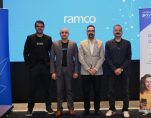
From left to right: Tarun Devasia, Chief Marketing Officer, Subbaraman Ramaswamy, Chief Customer Success Officer (Global Enterprise), Sandesh Bilagi, Chief Executive Officer, Rohit Mathur, Executive VP & SBU Head (Global Payroll & HR, Ramco Systems)
At the event, the company provided a preview of its upcoming AI-native enterprise platform, built to move enterprise software from a system of record to a system of intelligence, and ultimately a system of action. The first two shifts in Ramco’s platform changed how enterprise software was delivered; this one changes what the software is.
The new platform is designed to move away from software that people must log into and interpret, towards a system that surfaces what needs attention and drafts the resulting action for a human to approve. A walkthrough during the keynote showed how the platform would identify a projected stock shortfall across multiple warehouses and prepare the corresponding replenishment requests for approval.
Abinav Raja, Managing Director, Ramco Systems, said, “Nobody running a business today is short of information. They are short of the time to go and assemble it into something they can act on. What we are building is meant to do that assembly for them, and bring the next step with it, while leaving the judgement where it belongs.”
Payroll offers one example of what this looks like in practice: a monthly processing cycle gives way to continuous validation, with anomalies flagged as they arise rather than surfacing at the end of the period. The AI and Machine Learning technology carries out the processing while payroll teams retain the review and the sign-off.
Ramco has operated in Malaysia since 1996 and today processes payroll for more than 100,000 employees every month across more than 50 Malaysian organisations in over 15 industries. Kuala Lumpur serves as one of Ramco’s regional support hubs for HR and Global Payroll, with Singapore as its Asia headquarters.
Sandesh Bilagi, Chief Executive Officer, Ramco Systems, said, “We have spent thirty years in Malaysia solving problems our customers could not afford to get wrong. Some of the organisations we recognised today started with us decades ago. They have been part of our journey and been with us as our platform transformed and modernized over the years. Thirty years is not the achievement. Those relationships are.”
At the event, Ramco recognised its Malaysian clientele, including:
Valiram Group, the Kuala Lumpur headquartered luxury retail specialist with more than 600 stores across Southeast Asia and Oceania, was Ramco’s first retail customer in the region. Ramco provided an integrated solution that could replace the disparate HRIS systems in each country, which were working in silos.
Hitachi Energy used Ramco to build a unified payroll model spanning 20 countries and 8,000 employees. Ramco enabled Hitachi Energy to supplement and empower its retained payroll resources and amplify its expertise across countries.
Aurecon, an Asia Pacific engineering consultancy, went live on Ramco Payce this year, replacing legacy payroll processes across seven Asian markets, including Malaysia, with a single consolidated service. The service covers gross and net pay calculations, retroactive pay and increments, and payslip generation, alongside country-specific statutory compliance. The shift improved payroll accuracy and timeliness and delivered cost efficiencies across payroll and other teams.
Ramco expects the domain knowledge and experience built over three decades in Malaysia to reinforce how the new platform reaches customers across the region. Hashtag: #RamcoSystems
The issuer is solely responsible for the content of this announcement.
Ramco Systems
Ramco Systems is a world-class enterprise software product/ platform provider disrupting the market with its multi-tenant cloud and mobile-based enterprise software, successfully driving innovation for over 30 years. Over the years, Ramco has maintained a consistent track record of serving 800+ customers globally with 2 million+ users, and delivering tangible business value in Global Payroll, Aviation, Aerospace & Defense, and ERP. Ramco’s key differentiator is its innovative approach to develop products through its revolutionary enterprise application assembly and delivery platform. On the innovation front, Ramco is leveraging cutting edge technologies around Artificial Intelligence, Machine Learning, RPA and Blockchain, amongst the others, to help organizations embrace digital transformation.
China exported more passenger cars in the first eight months of 2026 than during all of 2025, underscoring a sharp acceleration in overseas shipments as electric and plug-in hybrid models gain ground abroad.
Passenger-car exports reached more than 6.2 million units between January and August, according to the China Association of Automobile Manufacturers, already topping the roughly 6.04 million passenger vehicles exported during 2025. August shipments alone climbed 67.1% from a year earlier to about 890,000 units.
The milestone highlights how overseas demand has become an increasingly important outlet for China’s automotive manufacturing capacity while its home market weakens. Domestic passenger-car sales fell sharply in August, even as manufacturers pushed record volumes into foreign markets.
Exports of passenger vehicles measured by the China Passenger Car Association rose 77.5% year on year in August to 894,000 units. The association’s figures, compiled on a different basis from those of the broader industry group, also showed particularly rapid growth in exports of battery-electric and plug-in hybrid vehicles, which rose 154.7% from a year earlier.
China’s wider vehicle export sector has expanded at a pace well above expectations set at the start of the year. Total vehicle exports exceeded one million units in a single month for the first time in June and remained above that level in July. The first half alone produced 5.096 million vehicle exports, up 65.3% from a year earlier.
New-energy vehicles have supplied much of the increase. Exports of such vehicles reached 553,000 units in July, up about 150% year on year, after crossing 500,000 for the first time in June. During the first seven months, China exported 2.909 million new-energy vehicles, more than double the level a year earlier.
Conventional fuel vehicles also continued to contribute. July exports of petrol and diesel vehicles totalled about 490,000 units, up 40% from a year earlier, showing that the overseas expansion is not confined to electric models.
The surge has pushed full-year expectations higher. S&P Global Ratings expects China’s passenger-vehicle exports to grow by roughly 50% to 70% this year. The China Passenger Car Association has projected overall vehicle exports could reach about 12 million units in 2026 if the current pace is sustained.
That trajectory would place exports far above the industry’s own initial forecast. CAAM said in January that it expected total vehicle exports of about 7.4 million units this year, an increase of just 4.3% from 2025, when all vehicle exports exceeded seven million.
Manufacturers are increasingly relying on international markets as sales at home come under pressure from softer consumer demand and intense price competition. BYD and Geely have been among the companies reporting record overseas deliveries, while other producers are accelerating plans to sell or manufacture vehicles outside China.
Europe, Latin America, Southeast Asia, the Middle East and Africa have become major destinations as companies diversify away from markets where tariffs are high. Chinese-built electric vehicles face additional duties in the European Union, while access to the United States remains constrained by steep tariffs and regulatory barriers.
Automakers have responded by building assembly plants and manufacturing bases abroad, a strategy that can reduce shipping costs, shorten delivery times and, depending on local rules, limit exposure to import duties. Several groups are also expanding dealer networks and adapting models to local safety, software and charging requirements.
Beijing has sought to curb practices it says could damage the industry’s overseas reputation. Authorities and industry bodies have urged manufacturers to avoid destructive price competition and disorderly exports as the scale of shipments rises, while companies have pledged to comply with guidance aimed at maintaining fair competition.
The automotive boom is also visible in China’s broader trade figures. Customs data showed the value and volume of car exports both increased by more than 50% during the first eight months, helping lift total goods exports by 14.6% in yuan terms from a year earlier.
The US Treasury has sanctioned Xinbi Guarantee, a Chinese-language illicit marketplace accused of connecting Southeast Asian scam centres and transnational crime groups with money launderers, technology providers and other criminal-service vendors. The Office of Foreign Assets Control designated Xinbi Guarantee on September 9 as a significant transnational criminal organisation, while also sanctioning Singapore-based SafeW Technology Co Ltd and Cambodia-based Anwen Technology Co Ltd for providing technological and […]
The Philippines has finalised a $34.4 billion artificial intelligence infrastructure masterplan targeting a thirtyfold increase in AI-ready data centre capacity to 1.5 gigawatts by 2033, while two US-headquartered hyperscalers assess potential sites in Luzon.
The Philippines AI+ Infrastructure Masterplan 2026-2033, launched by the Department of Information and Communications Technology on September 8, sets an initial goal of deploying about 400 megawatts by 2030 from a baseline of roughly 50 MW. The programme is designed to combine public infrastructure spending with substantially larger private investment in computing capacity, power, connectivity, water systems and workforce development.
Information and Communications Technology Secretary Henry Aguda said two unnamed US hyperscale cloud companies are conducting due diligence on locations within the Bataan-Clark and Batangas-Aurora corridors. Each is considering about 200 MW of capacity over five years, but officials have stressed that the figures represent projects under evaluation rather than committed investments.
Aguda said the corridor approach is intended to shorten a site-selection process that can take hyperscalers six to nine months by mapping available land, electricity, connectivity and other requirements before investors make final choices. He said the companies have so far focused on Luzon, and no timetable has been disclosed for investment decisions.
The masterplan estimates that $13.5 billion, or 39 per cent of total funding, would come from public sources and about $21 billion, or 61 per cent, from private capital. Government officials said roughly $18.2 billion is already linked to existing national programmes, mainly in connectivity and energy, leaving an additional requirement of about $16.3 billion. AI compute and data centres account for the largest component, estimated at about $14.6 billion. No project auction has started, and Aguda said the masterplan itself is not funded under the 2027 national budget, though enabling power and water infrastructure may already be covered by broader government programmes serving the grid.
Gemma Baysic, officer-in-charge director of the National ICT Planning, Policy and Standards Bureau, said the strategy is intended to enable the country to build, host, power and support a larger AI ecosystem rather than remain principally a consumer of the technology.
Energy supply is a central constraint. Department of Energy Undersecretary Maria Francesca Del Rosario said planners estimate the infrastructure could support about 152,000 graphics processing units. The department expects natural gas to meet immediate additional electricity needs while aiming for renewable sources, including solar and geothermal power, to provide 40 per cent of the energy used by AI infrastructure by 2033.
Officials said additional generation must be developed without diverting electricity from households. The government is also examining nuclear energy as a longer-term option under the Philippine National Nuclear Energy Safety Act, although no nuclear capacity has been committed specifically to the data centre programme.
The roadmap identifies Clark-Bataan as the primary anchor for large-scale AI infrastructure, with Batangas-Aurora serving as a strategic international gateway. Subic and Calabarzon are designated supporting hubs, while Cebu, Iloilo, Davao and Cagayan de Oro are listed as future regional nodes as capacity expands beyond Luzon.
The plan also links infrastructure investment to labour-market objectives. It calls for reskilling 1.3 million workers in the information technology and business process management sector for AI-enabled services. Government projections envisage more than 500,000 AI-related jobs and a further 175,000 positions associated with AI infrastructure projects by 2033.
Those employment and economic estimates remain targets rather than assured outcomes. The masterplan projects that AI-linked productivity gains and new digital services could increase gross domestic product by 10 to 12 per cent by 2033, dependent on investment, infrastructure delivery, workforce adaptation and wider adoption.
The Asian Development Bank supported preparation of the masterplan. Winfried Wicklein, an ADB director general, described AI infrastructure as a national competitiveness and productivity priority, while emphasising that the launch marks the start of implementation rather than completion of the programme.
The rupee weakened 25 paise to 95.33 against the US dollar on Thursday as elevated crude oil prices increased concern over India’s import bill and kept demand for dollars firm.
The currency came under pressure after Brent crude held above $100 a barrel amid continuing tensions in West Asia, reinforcing worries about higher energy costs for a country that imports more than three-quarters of its crude oil requirements. The rupee had settled at 95.1050 against the dollar on Wednesday after touching 95.2250 during the session.
Dealers said demand for dollars from oil importers, corporate debt repayments and hedging activity added to the pressure. State-run banks were also seen supplying dollars during trading, an action market participants associated with efforts by the Reserve Bank of India to limit excessive volatility in the foreign-exchange market.
Brent crude traded around $101-$102 a barrel during Asian hours after crossing the $100 mark on Wednesday. The move followed renewed military tensions involving the United States and Iran and heightened concern about shipping and energy supply through the Gulf, including routes linked to the Strait of Hormuz.
Higher oil prices are particularly significant for the rupee because petroleum imports are paid largely in dollars. A sustained rise in crude can widen India’s trade deficit, increase demand for foreign currency from refiners and add to inflationary pressure, creating a less favourable backdrop for the local currency.
The rupee has lost roughly 0.7 per cent over the previous two sessions, with traders saying the effect of higher oil prices has become more visible after the currency had initially shown resilience. The movement has also coincided with caution across Asian markets and pressure on domestic equities.
Benchmark share indices were subdued on Thursday after suffering sharp losses in the previous session. The Sensex had dropped 813.35 points, or 1.08 per cent, on Wednesday to close at 74,764.23, while the Nifty 50 fell 203.60 points, or 0.86 per cent, to 23,431.50. The sell-off reflected concern that expensive crude could complicate the inflation and growth outlook.
The Reserve Bank has intervened intermittently in the currency market during periods of sharp rupee weakness. Traders said dollar sales by state-run banks helped the currency recover from Wednesday’s intraday low, although market participants expected central-bank support to restrain volatility rather than reverse pressure created by oil prices and capital flows.
Foreign-exchange dealers were also monitoring overseas portfolio movements. Expectations of capital outflows and demand linked to corporate payments have increased near-term dollar requirements, while the dollar index remained close to 99 against a basket of major currencies, offering only limited relief to emerging-market currencies.
The rise in crude has revived concern over India’s external balances. A higher oil import bill can feed into the current-account deficit if export earnings and other inflows do not offset the additional cost. It can also increase costs for transport, manufacturing and other energy-intensive sectors, depending on the extent to which international prices are passed through domestically.
Domestic fuel prices have so far remained comparatively insulated from the latest jump in international crude, but refiners and oil-marketing companies face greater pressure when global prices rise sharply while retail prices are unchanged. That gap can affect corporate margins and, if sustained, increase the broader fiscal and inflationary policy challenge.
Bond and equity markets are also watching the oil move for its implications for monetary policy. Higher imported energy costs can make inflation management more difficult, while weaker risk appetite may intensify foreign portfolio selling. Traders said those factors could keep the rupee volatile even if the central bank continues to provide dollar liquidity during periods of disorderly movement.
Arabian Post Staff -Dubai Dubai Municipality has signed a cooperation agreement with Singapore’s BCA International after a high-level visit focused on modern building methods, green construction, digital technologies and regulatory practices that could support Dubai’s expanding built environment. The delegation, led by Director-General Marwan Ahmed bin Ghalita, concluded the official visit after meetings with government bodies, construction specialists and technology companies, alongside site inspections examining how Singapore […]
Growth reflects Prudential’s continued investment in adviser development and career progression
HONG KONG SAR – Media OutReach Newswire – 10 September 2026 – Prudential plc (“Prudential”) has retained its No. 2 position among multinational companies in the 2026 Million Dollar Round Table (MDRT) rankings. First-time qualifiers increased 14 per cent year-on-year, reflecting continued momentum in Prudential’s agency business and the impact of its strategy to build a more professional and productive agency force across Asia and Africa.
This momentum is reflected across Prudential’s markets:
Indonesia has held the No. 1 in-country ranking for more than a decade and continues to have the largest number of MDRT members in the market.
Hong Kong climbed three places in MDRT rankings to No. 3 globally and No. 2 in-country, with the second-highest number of Top of Table (TOT) and Court of Table (COT) qualifiers.
Singapore ranked No. 1 in-country for TOT qualifiers, with an 83.8 per cent MDRT member retention rate, and sits in the global top three. It also led the 2026 MDRT Culture of Excellence Awards, with 29 Agency Leader award recipients from a total of 68 winners worldwide.
In Africa, Prudential remains the only insurer represented in the MDRT Global Top 100 company rankings in the last three years, with Nigeria and Ghana each ranked No. 1 in-country.
In the Chinese Mainland, Prudential grew MDRT qualifiers 40 per cent year-on-year in the first half of 2026.
Prudential’s base of quality producers is driving year-on-year double-digit growth in new business profit per MDRT agent, as reported in its 2026 Half Year Results.
Pankaj Banerjee, Group Chief Agency Officer, Prudential plc, said: “Our agency transformation is gathering pace, and our direction is clear: we are building a higher-quality, more professional and more productive agency force, equipped to deliver the trusted advice our customers increasingly need, at every stage of their lives. The continued growth in first-time MDRT qualifiers reflects the progress we are making and the commitment of our advisers, agency leaders and colleagues to raising professional standards across the industry.”
As customer needs become more complex, particularly in health, protection and wealth planning, the demand for trusted, high-quality advice is rising. For Prudential, upholding agency excellence is about providing advisers access to learning, role models, communities and opportunities that help them progress and deliver better outcomes for customers.
This commitment is reflected in Prudential’s long-standing partnership with MDRT, which gives advisers access to a global professional community, learning opportunities and standards of excellence. At every stage of the adviser journey, Prudential continues to invest in attracting high-quality talent, strengthening capabilities and productivity. This includes equipping advisers with deeper wealth planning capabilities, insights and AI-enabled tools to meet evolving customer needs and drive sustained MDRT growth.
To accelerate this progress, Prudential recently established the MDRT Advisory Council, a Group-wide platform bringing together leading producers in 11 agency markets to share best practices, accelerate adviser growth and support advisers in their professional progression across the force.
Prudential’s commitment to adviser development was also reflected at the 2026 MDRT Global Conference in Sydney, where it was recognised as MDRT Premier Sponsor and joined by 400 of its advisers and agency leaders from across different markets.
As MDRT approaches its 100th anniversary, Prudential looks forward to continuing its partnership with MDRT with a focus on expanding development pathways, raising professional standards, and supporting the next generation of advisers to achieve their full potential.
Hashtag: #Prudentialplc
The issuer is solely responsible for the content of this announcement.
About Prudential plc
Prudential provides life and health insurance and asset management in Greater China, ASEAN, India and Africa. Prudential’s mission is to be the most trusted partner and protector for this generation and generations to come, by providing simple and accessible financial and health solutions. The business has dual primary listings on the Stock Exchange of Hong Kong (HKEX: 2378) and the London Stock Exchange (LSE: PRU). It also has a secondary listing on the Singapore Stock Exchange (SGX: K6S) and a listing on the New York Stock Exchange (NYSE: PUK) in the form of American Depositary Receipts. It is a constituent of the Hang Seng Composite Index and is also included for trading in the Shenzhen-Hong Kong Stock Connect programme and the Shanghai-Hong Kong Stock Connect programme.
Prudential is not affiliated in any manner with Prudential Financial, Inc. a company whose principal place of business is in the United States of America, nor with The Prudential Assurance Company Limited, a subsidiary of M&G plc, a company incorporated in the United Kingdom.
By K Raveendran India has spent the past four years demonstrating that energy security can sometimes be protected by refusing to choose sides. Russian crude offered discounts when Western sanctions rearranged the global oil market, Gulf producers remained indispensable despite the new relationship with Moscow, and purchases from the United States and other distant suppliers […]
HO CHI MINH CITY, VIETNAM – Media OutReach Newswire – 9 September 2026 – In 2024, East West Barbershop (Dong Tay Barbershop) opened its first branch in Hungary, marking a milestone in its journey to take a Vietnamese barbering brand global. For Chairman Nguyen Hoai Thanh, Europe represents a demanding test of the company’s operational capabilities, technical expertise and adaptability.
East West Barbershop initially accepted losses to establish its foothold in Europe
Europe: A demanding test for a Vietnamese barbering brand
Founded in Vietnam in 2018, East West Barbershop has grown from a local men’s barbershop into a global men’s grooming brand.
In less than a decade, the chain has expanded across Vietnam and into international markets, becoming one of Asia’s prominent men’s grooming brands.
While expansion in Vietnam has been driven by growing demand for men’s grooming, operating in Europe presents a more complex challenge.
Tax regulations, business requirements, labor laws and working-hour rules are strictly regulated, while costs for premises, personnel and operations are significantly higher.
“Europe is a demanding market, with high service expectations and stringent regulations. To integrate into the market, we did not simply replicate our Vietnamese model in Europe.
I have traveled to Europe several times to study the market, adjust our operating procedures and enhance the customer experience,” said Nguyen Hoai Thanh, Chairman of East West Barbershop Vietnam Joint Stock Company.
These efforts are beginning to yield results. Its Hungary branch has built a base of returning customers, demonstrating that a Vietnamese brand can earn trust in a demanding market by respecting local standards while leveraging its own strengths.
East West Barbershop brings Vietnamese and European barbers together to exchange expertise, share experiences and learn from one another, turning its international expansion into a two-way journey of professional growth.
This reflects the spirit behind the name “East West”: Connecting professionals from different cultures to grow together.
From a haircut to an East-West cultural exchange
Vietnamese and European barbers differ in their professional cultures. In Vietnam, barbers often build close relationships with customers through everyday conversations, personalized advice and an ability to remember individual preferences.
East West Barbershop preserves these values internationally while adapting to European expectations of professionalism, precision, personalization and service consistency.
East West Barbershop brings Vietnamese craftsmanship and identity to Europe
From popular styles such as fades, undercuts and hair tattoos to services including shampooing, facial shaving, ear cleaning and massage, the brand aims to create a personalized grooming experience.
Its stores also feature greenery, bookshelves and relaxation areas, turning a haircut into a genuine moment of leisure.
Today, East West Barbershop operates more than 130 branches globally, with over 1,000 employees.
Behind these figures remains a simple ambition: To take Vietnamese barbering further through the skill and dedication of its barbers.
East West Barbershop’s European journey is more than opening another store. It demonstrates that a Vietnamese brand can enter international markets through craftsmanship, professionalism and a distinctive identity. Hashtag: #EastWestBarbershop
The issuer is solely responsible for the content of this announcement.
HONG KONG SAR – Media OutReach Newswire – 9 September 2026 – The World Intellectual Property Organization (WIPO) released its Global Innovation Index (GII) 2026 on September 8, revealing that the Shenzhen-Hong Kong-Guangzhou metropolitan cluster, located in Southern China, has once again secured the top position among the world’s 100 leading innovation clusters. This marks another triumph for the Guangdong-Hong Kong-Macao Greater Bay Area (GBA), solidifying its status as a global powerhouse for scientific advancement and technological entrepreneurship.
The annual GII ranking evaluates innovation activity through three core metrics: international patent filings via WIPO’s Patent Cooperation Treaty (PCT), scientific publications and the number of venture capital deals. For this year’s ranking, the Shenzhen-Hong Kong-Guangzhou cluster filed 2,259 PCT applications, published 4,060 scientific articles and had 138 venture capital deals, all per 1 million inhabitants over the past five years.
Welcoming the announcement, a spokesman for the Hong Kong Special Administrative Region (HKSAR) Government said the ranking reaffirms the outstanding innovative capacity and the innovation and technology (I&T)-supporting financing ecosystem of the GBA.
“Expediting I&T development has been a policy priority of this Government,” the spokesman added, highlighting the HKSAR Government’s continuous development of the original grant patent system and introduction of the patent box regime, which offers tax concessions for intellectual property income to promote innovation.
The HKSAR Government’s strategic investments are already yielding tangible results. The number of start-ups in Hong Kong has surged from over 1,500 in 2015 to more than 5,200 in 2025. The city’s two I&T flagships—Hong Kong Science Park and Cyberport—have collectively nurtured around 20 unicorns to date.
A landmark development in this trajectory is the official opening of the Hong Kong Park of the Hetao Shenzhen-Hong Kong Science and Technology Innovation Co-operation Zone (the Loop Hong Kong Park) in December 2025. Over 100 technology enterprises and institutions have already signed leases and begun moving in. The Loop Hong Kong Park is poised to serve as an important platform for basic scientific research, commercialisation, pilot production, and international I&T collaboration within the GBA.
Furthermore, the establishment of the San Tin Technopole Company Limited in June 2026 is set to develop 210 hectares of I&T land in the San Tin Technopole, which is located in Hong Kong’s Northern Metropolis development. It will create a vital node for integrated upstream, midstream and downstream industrial development, alongside the Loop Hong Kong Park.
Hong Kong’s financial machinery remains a cornerstone of its innovation success. The city boasts a vibrant private equity market with assets under management nearing US$250 billion, ranking second in Asia after the Chinese Mainland.
Looking ahead, Hong Kong will proactively align its strategy with the National 15th Five-Year Plan to fortify its position as an international I&T centre. The city will also further deepen collaboration with GBA sister cities, and contribute to the nation’s efforts in building a modern industrial system and achieving high-level scientific and technological self-reliance and strength.




 https://www.azbil.com
 https://www.linkedin.com/company/azbil-southeast-asia-and-india/














 https://x.com/Brand_HK/
 https://www.facebook.com/brandhk.isd
 https://www.instagram.com/brandhongkong




