JAKARTA, INDONESIA – Media OutReach Newswire – 2 September 2026 – The Government of the Macao Special Administrative Region of the People’s Republic of China convened a reception alongside the Macao Economic, Trade, and Tourism Investment Promotion Seminar in Jakarta, Indonesia, on September 1, to advance multi-domain cooperation between Macao and Indonesia at both governmental and non-governmental levels. The event hosted over 120 business matching sessions, yielding more than 80 cooperation agreements across key sectors, including tourism, high-tech, healthcare, and conventions and exhibitions.
The event gathered over 350 distinguished guests, including Mr.Sam Hou Fai, Chief Executive of the Macao SAR; Susiwijono Moegiarso, Secretary of the Coordinating Ministry for Economic Affairs, Republic of Indonesia; and Wang Lutong, Chinese Ambassador to Indonesia. Also in attendance were members of the Macao SAR Government and entrepreneur delegations, representatives from the Chinese Embassy in Indonesia, and prominent figures from various sectors in Indonesia.
Mr.Sam Hou Fai stated that the implementation of China’s 15th Five-Year Plan and the Macao SAR’s 3rd Five-Year Plan will unlock cooperation opportunities between Macao and Indonesia. He noted that Indonesia is the birthplace of the “21st Century Maritime Silk Road,” and both Macao and Indonesia are pivotal nodes along this route. Guided by the Belt and Road Initiative and the China-Indonesia Comprehensive Strategic Dialogue mechanism, the friendly cooperative ties are poised to deepen further.
In the first half of this year, international visitor to Macao rose by 6% year-on-year, with approximately 88,000 Indonesian tourists—ranking among the top source markets in Southeast Asia. This highlights the close ties between Macao and Indonesia in people-to-people exchanges, trade, and tourism. The Macao SAR Government is committed to promoting exchanges at all levels. By leveraging Macao’s role as a vital bridgehead for China’s high-level opening-up and as a “precise connector,” Macao aims to strengthen all-around, pragmatic cooperation in trade, investment, MICE, tourism, and cultural exchanges, actively contributing to a China-Indonesia community with a shared future.
Edi Prio Pambudi, Deputy Minister for International Economic Cooperation of the Coordinating Ministry for Economic Affairs of Indonesia, stated in his speech that under the “One Country, Two Systems” principle, Macao has built an outstanding international reputation with its long-term stability, high degree of openness, and strong connectivity. As a vital hub for mutual learning between Chinese and Western civilizations, Macao has successfully gathered global talent, capital, and creativity. Indonesian sectors widely applaud and anticipate Macao’s economic diversification.
He noted that close economic and cultural ties have driven Macao enterprises to invest in Indonesian projects like construction and transportation. In terms of tourism, Macao welcomed over 200,000 visitors from Indonesia last year, ranking Indonesia among Macao’s top source markets in Southeast Asia. Indonesia’s visa-free policy for Macao SAR passport holders will further facilitate mutual exchanges. Looking ahead, Indonesia and Macao share vast potential for cooperation in Halal products, Traditional Chinese Medicine (TCM), and connectivity. Hashtag: #MacaoEconomicTradeandTourismInvestmentPromotionSeminar
The issuer is solely responsible for the content of this announcement.
The Competition and Consumer Commission of Singapore clarified that The Mineral Boutique Limited was not part of the DNA Brands investigation, as the Hong Kong beauty and wellness company looks to its next phase of growth across Asia
HONG KONG SAR – Media OutReach Newswire – 2 September 2026 – The Mineral Boutique Limited, the Hong Kong-registered owner of The Mineral Boutique brand and trademarks, welcomes the clarification issued by the Competition and Consumer Commission of Singapore (“CCS”) concerning its investigation into DNA Brands Co Pte Ltd.
In its clarification of 11 August 2026, CCS confirmed that references to The Mineral Boutique concerned specific Singapore outlets operated by DNA Brands, and that The Mineral Boutique Limited was not subject to the investigation. This distinction has subsequently been reflected in updated media reporting.
CCS stated:
“The Mineral Boutique Limited, and any outlets other than those named above trading under The Mineral Boutique brand trademarks, were not subject to this investigation.”
The distinction is important: operating particular retail outlets under a brand name is separate from ownership or management of the underlying brand.
Because the relevant Singapore outlets traded under The Mineral Boutique name, earlier public reporting sometimes conflated operation of those particular outlets with ownership or management of the underlying brand. The CCS clarification allows that distinction to be reflected accurately in the continuing public record.
The Mineral Boutique Limited supports the continued identification of the relevant Singapore outlets where necessary to assist consumers and the CCS refund process. The company has asked publishers only to ensure that the continuing public record accurately distinguishes those DNA Brands-operated outlets from The Mineral Boutique Limited and its wider business.
CCS’s refund scheme identifies the relevant Singapore outlets at Jewel Changi Airport, NEX and Wheelock Place among the outlets operated by DNA Brands. Consumers who may be eligible for the refund scheme can continue to contact the Consumers Association of Singapore (“CASE”) directly.
Building the Next Phase of The Mineral Boutique
With this distinction now reflected in the official record, The Mineral Boutique is focused on its next stage of development.
The Mineral Boutique is a beauty and wellness concept with an established retail and spa presence across Hong Kong and Macau. Its approach brings together mineral-powered skincare, professional treatments, advanced beauty technology and wellness within an integrated customer experience.
The brand has received consecutive recognition from Vogue Hong Kong, including Best Beauty Flash at the 2025 Vogue Hong Kong Beauty Awards and Best Anti-Aging Mask at the 2026 awards.
Kimmy Lee, Chief Commercial Officer of The Mineral Boutique Limited, said:
“The Mineral Boutique will continue to grow across Asia through a more holistic approach that connects skincare, advanced beauty technology, professional treatments and wellness.
“An upcoming collaboration with Paris-based 48 Collagen Café is one example of how we are extending the customer experience beyond traditional beauty retail.
“We remain focused on innovation, trusted partnerships and consistently high standards of service as we build the next chapter of The Mineral Boutique across the region.”
The Mineral Boutique Limited will continue working constructively with media, partners and other stakeholders to ensure the public record remains accurate while advancing its long-term growth strategy across Asia.
The issuer is solely responsible for the content of this announcement.
About The Mineral Boutique Limited
The Mineral Boutique Limited is a Hong Kong-registered company and owner of The Mineral Boutique brand and trademarks.
The Mineral Boutique combines premium skincare, professional treatments, advanced beauty technology and wellness experiences, with an established retail and spa presence across Hong Kong and Macau.
90% of investors targeting Hong Kong are actively pursuing repositioning or change-of-use strategies
Student accommodation and conversion-led strategies continue to drive Living sector investment activity in Hong Kong
85% of investors across APAC expect to increase Living investment over the next five years
HONG KONG SAR – Media OutReach Newswire – 2 September 2026 – Hong Kong ranked fifth among Asia Pacific’s (APAC) preferred Living investment destinations in Cushman & Wakefield’s inaugural APAC Living Investor Survey 2026, with investors increasingly pursuing student accommodation, repositioning and conversion opportunities to gain exposure to the sector’s long-term growth prospects.
Among respondents who ranked Hong Kong among their preferred investment destinations, 90% are actively considering repositioning or change-of-use opportunities, highlighting the growing importance of conversion-led strategies in addressing the city’s Living sector supply constraints.
Rosanna Tang, Deputy Managing Director & Head of Research, Hong Kong at Cushman & Wakefield, said: “In Hong Kong, recent market transactions show that investors are approaching the Living sector through a value-add lens, particularly through conversion opportunities and student accommodation assets. Since 2021, the market has recorded US$1.63 billion (HK$12.8 billion) of student housing conversion related transactions across 24 deals, including US$739.9 million (HK$5.8 billion) from 10 deals in the first seven months of 2026, involving a broad spectrum of investors. This strong momentum reflects renewed interest from institutional capital, including the return of real estate funds, as investors seek exposure to resilient, education-linked residential assets underpinned by the city’s persistent accommodation shortage and growing student population.”
Investor Conviction Remains Strong Across APAC
Beyond Hong Kong, investor conviction across the APAC Living sector remains strong, with 85% of investors planning to increase Living investment over the next five years and respondents collectively indicating an estimated US$33.2 billion (HK$260.28 billion) of Living-sector deployment over the same period.
The survey found that Living is becoming an increasingly important real estate allocation across the region, supported by resilient demand fundamentals and investor preference for stabilised, income-producing assets. Notably, a third of respondents with diversified real estate portfolios expect Living to account for more than 30% of their real estate portfolio within five years, underscoring the sector’s growing importance in institutional investment strategies.
Conal Newland, International Director, Head of Living, APAC at Cushman & Wakefield, said: “Our inaugural APAC Living Investor Survey reinforces the growing institutionalisation of the sector across the region. Despite heightened economic and geopolitical uncertainty, investors continue to view Living as a long-term strategic allocation supported by resilient demand fundamentals, defensive income characteristics and strong structural growth drivers. The fact that 85% of respondents intend to increase Living investment over the next five years highlights how Living is evolving from an alternative investment strategy into a core institutional real estate allocation.”
Australia and Japan Lead Investor Preferences
Australia/New Zealand and Japan emerged as the region’s most preferred Living investment destinations, ranking clearly ahead of other APAC markets. Japan’s position reflects its scale, liquidity and status as APAC’s most mature institutional multifamily market, while Australia’s housing undersupply and strong rental fundamentals continue to underpin long-term growth potential. Singapore, South Korea and Hong Kong form the next tier of preferred markets, although deployment continues to be constrained by scale, regulation and pricing.
Demand for Stabilised Assets Outpaces Supply
The survey also found that investors are increasingly favouring stabilised, income-producing and defensive Living assets. Recent market volatility has prompted 50% of respondents to report a greater preference for stabilised assets, yet the availability of standing institutional-grade stock remains limited across much of APAC.
This supply-demand imbalance is increasingly pushing investors towards alternative routes to market. Nearly three-quarters (73%) of respondents are actively considering repositioning or change-of-use strategies, while joint ventures emerged as the most likely deal structure over the next one to three years. Office and hotel conversions are also becoming an increasingly important source of Living supply in markets such as Singapore and Hong Kong.
Josh Rose-Nokes, Director, Living Research, APAC at Cushman & Wakefield, said: “What stands out is not a shortage of capital, but a shortage of investable stock. Investors increasingly want stabilised, income-producing Living assets, yet much of APAC lacks sufficient institutional-grade product to satisfy that demand. This mismatch is driving greater competition for stabilised assets and accelerating interest in repositioning, conversions and partnership-led deployment strategies.”
The gap between buyer and seller expectations was identified as the leading investment challenge by 44% of respondents, followed by development viability at 29%. Limited transaction evidence and inconsistent market transparency were also highlighted as barriers to pricing assets accurately and deploying capital efficiently.
About the Survey
The inaugural APAC Living Investor Survey 2026 draws on insights from institutional investors, fund managers, listed property groups and specialist Living-sector participants across APAC, representing approximately 224,000 units or beds. For the purposes of this survey, diversified respondents refer to investors with exposure across multiple real estate sectors and exclude Living-only specialists. The survey was fielded in Q2 2026 during the Middle East hostilities and provides insights into investor sentiment, capital allocation trends and investment priorities across the APAC Living sector. Estimated five-year capital deployment figures were derived from banded responses using midpoints.
For more information and to download the report, please click here.
About Cushman & Wakefield’s Living Platform
Cushman & Wakefield’s Living platform provides integrated advisory services to investors, developers, and operators across the residential investment spectrum, including multifamily, build-to-rent, purpose-built student accommodation, co-living, and senior living. The team delivers integrated advisory across capital markets, valuation, development consultancy, and asset strategy, supported by proprietary research and a region-wide Asia Pacific network, as well as dedicated research and consultancy professionals who provide strategic insights and execution capabilities across the region. Click here for additional information.
Hashtag: #Cushman&Wakefield
The issuer is solely responsible for the content of this announcement.
About Cushman & Wakefield
Cushman & Wakefield (NYSE: CWK) is a leading global commercial real estate services firm for occupiers and investors with approximately 53,000 employees in over 350 offices and nearly 60 countries. In Greater China, a network of 23 offices serves local markets across the region. In 2025, the firm reported revenue of $10.3 billion across its core services of Valuation, Consulting, Project & Development Services, Capital Markets, Project & Occupier Services, Industrial & Logistics, Retail, and others. Built around the belief that Better never settles, the firm receives numerous industry and business accolades for its award-winning culture. For additional information, visit www.cushmanwakefield.com.hk or follow us on LinkedIn (www.linkedin.com/company/cushman-&-wakefield-greater-china).
KUALA LUMPUR, MALAYSIA – Media OutReach Newswire – 2 September 2026 – Malaysia-born. ASEAN-bound. Asia-ready. One of Malaysia’s longest running media publishers, Inovatif Media Asia Sdn. Bhd. (IMA) is honoured to welcome YABhg. Tun Dato’ Seri Utama Ahmad Fuzi Abdul Razak as its Strategic Advisor.
Setting the Regional Agenda – CT Cheah (L) and Tun Ahmad Fuzi (R) inked the Official Appointment, marking a new chapter in IMA’s regional growth
A distinguished leader who served as the 8th Governor (Yang di-Pertua Negeri) of the Malaysian state of Penang, Tun Fuzi will advise IMA on its regional growth strategy, strategic partnerships, and institutional engagement as the Publisher accelerates the expansion of its leading business magazine title, The SmartInvestor (TSI) across ASEAN.
“Onboarding Tun Fuzi is a milestone not only for IMA, but Malaysia’s media publication industry. Undoubtedly a seasoned leader fortified by his long diplomatic career experience, we are confident that his strategic insights will pave the way for TSI’s stronger regional voice,” said CT Cheah, IMA’s Managing Director and TSI’s Managing Editor.
Currently, TSI has established its presence in Hong Kong in addition to Malaysia via its magazine content and dedicated website platforms. The publication also recently relaunched https://smartinvestor.com.my and https://smartinvestor.hk and is also in progress to rolling out its China website by the first half of 2027.
Beyond expansion plans, Tun Fuzi also shares a common vision with IMA in empowering communities through financial literacy as the partnership will kickstart initiatives to promote practical grassroots financial education, strengthen awareness on governance and regulatory compliance as well as encourage informed financial-decision making among communities, business and future generations.
“A well-informed society is fundamental to sustainable economic growth. I believe the media has an important role in promoting financial awareness, encouraging good governance, and connecting businesses and communities across borders. Working with IMA, I am committed to supporting its nation-building initiative of advancing financial literacy and responsible investment knowledge across ASEAN,” stated Tun Fuzi.
With its expansion strategy in place and leveraging on the new appointment, IMA is exploring new opportunities for regional collaboration to broaden its reach and relevance across Asia. At the heart of this ambition is a commitment of combining credible journalism with education, contributing to a more informed, resilient and inclusive society.
The issuer is solely responsible for the content of this announcement.
About Inovatif Media Asia (IMA)
Founded in 2002, IMA has built a reputation for producing high-quality business and lifestyle publications. Apart from its leading business magazine The SmartInvestor, the Publisher also owns titles including Calibre, FENG, The G.Mag and The Real Time.
With a new management onboard in 2023, IMA is slated to expand its regional presence for publications, business dialogues and cross-border collaborations.
SINGAPORE – Media OutReach Newswire – 1 September 2026 – The Macao Special Administrative Region (MSAR) Government hosted a reception and the Macao Economic, Trade, Tourism and Investment Promotion Seminar in Singapore on August 31, aiming to practically advance cooperation between Macao and Singapore across multiple official and non-governmental sectors. The event featured over 130 business matching sessions and witnessed the signing of more than 80 agreements, covering key areas such as high technology, traditional Chinese medicine (TCM) and big health, conventions and exhibitions (MICE), tourism, modern finance, and industry-academia-research collaboration.
The event gathered over 350 distinguished guests, including Sam Hou Fai, Chief Executive of the MSAR; Gan Siow Huang, Minister of State, Ministry of Foreign Affairs & Ministry of Trade and Industry; representatives from the Embassy of the People’s Republic of China in Singapore; members of the MSAR Government delegation; delegates from the Macao-Hengqin and Mainland China economic, trade, and tourism delegation; as well as representatives from Singapore’s political, business, cultural, tourism, and trade association sectors.
Sam Hou Fai stated that last June, coinciding with the 35th anniversary of the establishment of diplomatic relations between China and Singapore, Prime Minister Lawrence Wong made a successful visit to China. President Xi Jinping and Prime Minister Wong jointly charted the course for the stable and healthy development of China-Singapore relations in this new phase. He noted that leading the delegation to Singapore this time is both a concrete action to implement the important consensus reached by the leaders of both countries, and a key initiative for Macao to leverage its unique advantages, deepen and expand exchanges and cooperation with Singapore, and inject new momentum into China-Singapore relations.
This year marks the inaugural year of China’s “15th Five-Year Plan,” and to ensure seamless alignment and coordination, the Macao SAR Government recently promulgated the “Third Five-Year Development Plan for the Economic and Social Development of the Macao Special Administrative Region (2026-2030).” The key strategic deployments of the Plan focus on driving diversified economic development on a solid footing, with four major engineering projects and government-guided funds serving as the primary leverage, while deepening Macao-Hengqin integration to advance the high-quality development of the Guangdong-Macao In-Depth Co-operation Zone in Hengqin. Furthermore, the Plan aims to accelerate urban renewal to build a beautiful and smart Macao, alongside actively participating in the high-quality development of the Guangdong-Hong Kong-Macao Greater Bay Area (GBA) to position Macao as a vital bridgehead for the nation’s high-level opening-up and an essential window for mutual learning and exchanges between Chinese and Western civilizations. Concurrently, Macao will actively establish a convenient and highly efficient public service system, fostering a world-class, market-oriented, law-based, and internationalized business environment to earnestly protect the legitimate rights and interests of all market entities and investors, thereby offering foreign investors a more attractive and reliable investment climate.
Gan Siow Huang remarked that Macao and Singapore have long maintained close and friendly relations, achieving fruitful cooperation in fields such as economy, trade, tourism, education, and cultural exchanges. Looking ahead, both sides can leverage their complementary strengths to further deepen cooperation in tourism and urban development, working together to seize new opportunities for regional development and economic growth.
Both Singapore and Macao have established internationally renowned tourism industries and destination brands, allowing the two regions to draw on each other’s experiences in crafting premium visitor experiences, developing integrated tourism products, and building vibrant, highly livable cities. Singapore looks forward to sharing practical experiences in tourism industry development with Macao and fostering productive partnerships between their respective business sectors. Furthermore, as enterprises in both regions value their domestic markets while increasingly casting their eyes on broader overseas opportunities, Singapore and Macao can serve as mutually trusted partners to bridge the markets of the Guangdong-Hong Kong-Macao Greater Bay Area (GBA) and Southeast Asia, supporting businesses from both sides in tapping into new opportunities and constructing robust cross-regional networks. At the same time, by pooling corporate strengths, both sides can carve out new avenues of growth in key economic sectors such as digitalization, innovation, sustainable development, and eldercare services.
Russian President Vladimir Putin met Iranian President Masoud Pezeshkian in Bishkek on Tuesday, opening bilateral talks on the sidelines of the Shanghai Cooperation Organisation summit as Tehran confronts renewed military tensions with the United States. The Kremlin confirmed that Putin was holding a meeting with Pezeshkian during the gathering in Kyrgyzstan, where leaders of the 10-member SCO assembled for the organisation’s 25th anniversary summit. The talks brought […]
SCX Logistics Reports More Than 240% Revenue Growth in the First Half, Reflecting Demand for Next-Generation Industrial Infrastructure Sets Roadmap to Expand Its Logistics Portfolio Beyond 1,000,000 sq.m. and Further Strengthen Its Presence in Bangna and the EEC
BANGKOK, THAILAND – Media OutReach Newswire – 1 September 2026 – SCX Corporation, SC Group’s recurring-income business platform, is advancing sustainable growth through the strategic expansion of SCX Logistics. The company has set a roadmap to expand its logistics portfolio to more than 1,000,000 sq.m. by 2029, following strong demand from customers across diverse industries. SCX Logistics reported revenue growth of more than 240% in the first half of 2026, compared with the same period last year.
Rachod Nantakwang, CEO, SCX
The company also highlights the completion of SCX Logistics Bangna Km.20, an 80,000 sq.m. logistics development that embodies SC’s three promises: Quality, Care, and Responsibility. Combining a strategic location, total cost efficiency, flexibility, and future readiness, SCX Logistics is designed to meet the increasingly complex needs of the industrial sector. The company plans to expand across the strategic Bangna and EEC corridors by a further 200,000 sq.m. by 2027.
Mr. Rachod Nantakwang, Chief Executive Officer of SCX Corporation Co., Ltd., said that SCX continues to advance SC Group’s recurring-income businesses to build a stronger and more sustainable foundation for long-term growth. SCX Logistics is a key part of this strategy, and the company remains committed to its 2029 roadmap to expand its logistics portfolio from 200,000 sq.m. at the end of 2025 to more than 1,000,000 sq.m. in strategic logistics locations nationwide. The objective is to create greater value for customers while developing infrastructure that genuinely meets business needs.
Warehouse 1
“The warehouse market continues to experience strong demand. However, customer requirements today are markedly different from the past. Customers no longer assess warehouses solely on rental rates per square metre. They consider the entire production and logistics ecosystem: locations that reduce transportation time, flexible functionality that can adapt to future change, clean-energy solutions that support business sustainability, and, critically, a warehouse partner that can work alongside them to solve their business challenges.
Warehouse 2
We understand these evolving needs. This understanding has earned us the trust of customers across a wide range of industries and contributed to SCX Logistics achieving revenue growth of more than 240% in the first half of 2026, compared with the same period last year,” Mr. Rachod said.
SCX has consistently upheld SC’s three promises: Quality, Care, and Responsibility. The company also applies SC’s strengths in Design, Function, and Trust to its logistics developments, placing a strong emphasis on understanding each customer’s operations from the outset. This enables SCX Logistics to design spaces around actual business requirements, from building layouts and transportation flows to loading and unloading areas, as well as future energy and technology needs.
This approach is reflected in SCX Logistics Bangna Km.20, which has recently been completed across the full 80,000 sq.m. development. The project demonstrates SCX’s customer-centric approach to warehouse development, beginning with an understanding of customer requirements rather than a building concept. The project is currently fully occupied, with an occupancy rate of 100%.
SCX Logistics Bangna Km.20 is located on Bangna-Trad Road at Km.20 in Samut Prakan, on a site of more than 90 rai. It is a strategic location for logistics and transportation, serving warehouses, distribution centres, and industrial facilities across a range of sectors. The development offers both ready-built buildings and built-to-suit solutions tailored to specific customer requirements.
The project serves international customers from Asia and Europe across industries including logistics, manufacturing, data centres, and digital infrastructure.
Mr. Rachod added that SCX Logistics’ expansion plans for 2026 and 2027 will focus on strategic locations that play an important role in Thailand’s logistics network. Under the concept “Corridor, Not Just Land,” SCX selects investment locations based on the role each area plays in the supply chain and its ability to connect businesses with regional markets, rather than simply on the size of the land plot.
The company plans to add approximately 200,000 sq.m. of logistics space across key locations, including Bangna, Laem Chabang, Amata Chonburi, and the Eastern Economic Corridor (EEC). This expansion is expected to bring SCX Logistics’ total warehouse portfolio to approximately 400,000 sq.m. by the end of 2027.
“Each location plays a distinct role in supporting our customers’ businesses. Bangna is a key connection between Bangkok, Suvarnabhumi Airport, and the EEC. Laem Chabang is an important gateway for international trade, while Amata and the EEC are among the country’s major manufacturing bases.
We therefore do not see ourselves simply as a warehouse developer and operator. We aim to be an infrastructure partner that can deliver solutions tailored to the needs of customers across industries, while contributing to the development of Thailand’s infrastructure and supporting investment that drives national economic growth,” Mr. Rachod said.
SCX Logistics will continue to be a new and recurring source of income for SC Group over the long term. The company expects SCX Logistics’ full-year revenue to grow by approximately 280% from the previous year.
SCX Corporation operates under the vision “The Prospering Expedition” and the mission “The Way Forward,” with a focus on exploring new business opportunities that generate consistent recurring income over the long term.
Its portfolio includes SCX Logistics, which operates the warehouse business and has developed five projects totalling more than 200,000 sq.m. in strategic locations; SCX Hospitality, which operates hotels in Bangkok and other key destinations, including KROMO Bangkok, Curio Collection by Hilton, The Standard Pattaya Na Jomtien, and YANH Ratchawat; and SCX Working Solutions, which operates more than 120,000 sq.m. of office space, including Shinawatra Tower 3.
SCX’s growth is supported by a diverse and capable team, strong strategic partnerships, and a corporate culture that places customers and the environment at the heart of business development.
For more information, please contact [email protected] or visit https://www.scx.co.th. Hashtag: #SCXcorporation #SCXLogistics #SC #SCWarehouse #Logistics #Engine2 #RecurringIncome
The issuer is solely responsible for the content of this announcement.
SCX Corporation
SCX Corporation operates under the vision “The Prospering Expedition” and the mission “The Way Forward,” with a commitment to exploring new business opportunities that generate consistent recurring income.
Its portfolio comprises SCX Logistics, which operates in the warehouse business and has developed a cumulative portfolio of five projects, totaling more than 200,000 sq.m. across strategic locations; SCX Hospitality, which operates hotels in Bangkok and other provinces, including KROMO Bangkok, Curio Collection by Hilton, The Standard Pattaya Na Jomtien, YANH Ratchawat, and voco Bangkok Siam; and SCX Working Solutions, which operates office buildings with a combined area of more than 120,000 sq.m., including Shinawatra Tower 3.
SCX is supported by a diverse and capable team, strong strategic partnerships, and an organizational culture that places customers and the environment at the heart of its business.
For more information, please contact [email protected] or visit https://www.scx.co.th.
Highlights of the Interim Results for theSix Months Ended June 30, 2026:
Benefiting from sustained strong chip demand across the AI data center (“AIDC”), storage and robotics sectors, the Group’s revenue increased by approximately 98.4% year-on-year to approximately RMB13,249.2 million;
The Group recorded gross profit of approximately RMB799.7 million and net profit of approximately RMB373.0 million. Profit attributable to equity shareholders of the Company amounted to approximately RMB278.9 million, representing a year-on-year increase of approximately 111.1%;
The Group has strategically upgraded from an “AI hardware distributor” into a “Token computing power operator”, opening up a second growth curve; and
The Group has formally entered into Token computing power services contracts worth more than US$1 billion, with delivery expected to commence in the fourth quarter of 2026.
HONG KONG SAR – Media OutReach Newswire – 31 August 2026 – Ingdan, Inc. (“Ingdan” or the “Company”; Stock Code: 400.HK, together with its subsidiaries, the “Group”), an ecosystem services platform anchored in artificial intelligence (“AI”) chips and principally engaged in the businesses of “Comtech” and “Ingdan” today announced its unaudited interim results for the six months ended June 30, 2026 (the “First Half of 2026” or the “Period”).
Financial Highlights for the First Half of 2026
During the Period, benefiting from sustained strong chip demand across the AIDC, storage and robotics sectors, the Group recorded revenue of approximately RMB13,249.2 million, representing an increase of approximately 98.4% from approximately RMB6,676.5 million for the corresponding period in 2025.
The Group’s gross profit amounted to approximately RMB799.7 million, representing a year-on-year increase of approximately 36.5%. Operating profit was approximately RMB517.2 million, representing a year-on-year increase of approximately 87.7%. Net profit after tax amounted to approximately RMB373.0 million, representing a year-on-year increase of approximately 96.3%.
Business Review
Strategic Upgrade Milestone: Token Factory Order Formally Secured, Opening Up a Second Growth Curve
During the First Half of 2026, the Group achieved a landmark breakthrough in its AI-driven strategic upgrade. The previously disclosed intent service orders exceeding US$1 billion have now been formalized into services contracts. Delivery is expected to commence in the fourth quarter of 2026, with the contracts expected to generate aggregate service revenue of more than US$1 billion over the next five years. This milestone signifies a fundamental evolution in the Group’s growth model—from “selling chips” to “selling computing power”—and its formal upgrade into an “Token computing power operator”, presenting a compelling new value proposition to the capital markets.
Three Growth Drivers for Rapid Expansion
The Group’s performance growth is supported by three core drivers:
AI computing power: The accelerating development of global data centers continues to drive strong demand for GPUs and CPUs. The Group provides full-stack computing power support, from chips to application solutions, and is deeply involved in the development of cloud-based intelligent computing centers;
Storage cycle: Surging demand for AI foundation model training and inference is driving expansion in the memory chip market. Leveraging the resources of leading global suppliers, the Group ensures a reliable supply of memory chips and complementary solutions; and
Embodied intelligence and robotics: As humanoid robots enter the mass-production stage, the Group is strengthening its full-stack deployment, from edge AI computing solutions built around platforms such as NVIDIA Jetson to enterprise-level computing clusters.
Full-Chain Technology Services Platform
As a technology services platform based on AI chips, the Group connects upstream AI chip technologies with the needs of downstream innovative enterprises. Leveraging the resources of leading global chip manufacturers, including NVIDIA, Intel, AMD and SanDisk, the Group has established a comprehensive product portfolio covering GPUs, CPUs, FPGAs, ASICs, memory chips and software ecosystems. With chip distribution serving as its entry point, the Group provides customers with integrated, full-chain services encompassing technology solutions, supply chain management, technical training, and after-sales operation and maintenance. Its services cover a broad range of application scenarios, including cloud-based intelligent computing centers, edge AI, robotics, drones and enterprise-level computing power services.
Global Computing Power Network Deployment
To support the large-scale delivery of its Token factory business, the Group is accelerating the development of a global computing power network. In the near term, it plans to expand its computing centers footprint into multiple Asian countries, with total planned computing capacity exceeding 100 megawatts. Through its proprietary Token computing power scheduling platform, the Group provides one-stop services encompassing computing power scheduling, cluster operation and maintenance, and Token computing power services. Its customers include leading internet cloud service providers and market-leading enterprises in vertical robotics segments, demonstrating the commercial viability of the Group’s business model.
Outlook
Mr. Jeffrey Kang, Chairmanand CEO of Ingdan, Inc., commented: “As demand across AIDC, storage, robotics and AI Token services continue to grow, the Group’s strategic positioning as a ‘Token computing power operator’ has been further strengthened. We expect robust customer demand in the second half of the year, while the AI Token factory business is expected to become the Group’s second growth curve. This will further enhance the capital market’s recognition of the visibility of the Company’s growth and its long-term development potential.”
Cautionary Statement
The information contained in this document has not been independently verified. Neither the Company nor any of its affiliates, advisers or representatives makes any express or implied representation, undertaking or warranty as to the fairness, accuracy, completeness or correctness of the information or opinions presented or contained herein. No person should rely on this document as a basis for any decision.
The information contained in this document should be considered in the context of the circumstances prevailing at the relevant time and is subject to change without notice. The Company undertakes no obligation to update the information contained herein to reflect any developments occurring after the date of this document. This document is not intended to provide, and should not be relied upon as providing, a complete or comprehensive analysis of the Company or its financial or operating condition or prospects. Neither the Company nor any of its affiliates, advisers or representatives shall have any obligation or accept any liability, whether in negligence or otherwise, for any loss arising from any use of this document or its contents or otherwise arising in connection with this document.
This document may contain statements reflecting the Company’s current intentions, beliefs and expectations regarding the future as of the relevant dates indicated herein. Such forward-looking statements do not constitute guarantees of future performance. They are based on certain assumptions concerning the Company’s operations and on factors beyond the Company’s control, and are subject to significant risks and uncertainties. Accordingly, actual results may differ materially from those described in such forward-looking statements. Neither the Company nor any of its affiliates, advisers or representatives has any obligation or undertakes to update any forward-looking statement to reflect events or unforeseen circumstances arising after the relevant date.
The issuer is solely responsible for the content of this announcement.
Ingdan, Inc.
Ingdan, Inc. (Stock Code: 400.HK) is an ecosystem services platform anchored in artificial intelligence (“AI”) chips. The Group captures the rapidly growing demand across numerous industries, from AI computing centers to AI-powered intelligent terminals, by converting AI chip resources into a broad range of rapidly deployable application solutions that provide the core driving force for customers’ intelligent upgrade. Through its proprietary AI technologies, large models and specialized industry knowledge bases, the Group provides customers with advanced chip application technology solutions and efficient supply chain management services.
Headquartered in Shenzhen, the Group operates offices and branches across major cities in China, including Hong Kong, Beijing, Shanghai, Guangzhou, Hangzhou , Suzhou, Wuhan and Chengdu, as well as operations in Singapore and Japan. The Group’s core businesses are Comtech — a technology services platform for the chip industry; and Ingdan — a platform providing Artificial Intelligence of Things (“AIoT”) technology and services.
For further information, please refer to the Company’s website at www.ingdangroup.com
Partnered with CB Insights to unveil Hong Kong leads Asia and ranks fifth globally for high-potential start-ups, orchestrating the next era of global tech innovation
Key Takeaways:
HKSTP’s 25th Anniversary Prelude theme, “Innovation. Next by Nature.”, brings together great minds and bold ideas to inspire what comes next for Hong Kong’s innovation ecosystem.
The CB Insights-HKSTP white paper ranks Hong Kong first in Asia and fifth globally, with a Mosaic score of 370 — a key indicator of high-potential ventures and future unicorns.
The research highlights Chinese Mainland’s lead in Asia’s physical AI wave, as the region powers global growth in robotics and AI funding.
HONG KONG SAR – Media OutReach Newswire – 31 August 2026 – The Hong Kong Science and Technology Parks Corporation (HKSTP) today officially kicked off its year-long 25th anniversary celebration with a landmark event “Together to NEXT”, bringing together Innovation and Technology Partners, Park Companies, industry leaders, academia and startups to mark a quarter-century of transforming bold ideas into global impact.
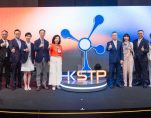
HKSTP’s 25th Anniversary Prelude theme, “Innovation. Next by Nature.”, brings together great minds and bold ideas to inspire what comes next for Hong Kong’s innovation ecosystem. Ms Cordelia Chung, Chairman of HKSTP (6th from left), Mr Terry Wong, CEO at HKSTP (6th from right), Mr Aldous Mak, Chief Financial Officer of HKSTP (5th from left), Ms Hilda Chan, Chief Marketing Officer, HKSTP (5th from right), Ms Filla Mak, Chief Property and Asset Officer, HKSTP (4th from left), Mr Eric Or, Chief Ecosystem Development Officer, HKSTP (4th from right), Ms Fanny Wong, Chief Talent Officer, HKSTP (3rd from right), Mr Oscar Wong, Acting Chief Business Development Officer, HKSTP (2nd from right) and members from the management team officiate the event.
To commemorate this milestone, HKSTP unveiled its anniversary theme, “Innovation. Next by Nature.”, a vision that signals its evolution from ecosystem enabler to orchestrator of the next era of global innovation. HKSTP also announced the findings of a landmark study, “Inside Asia’s Fast-Track to Global Tech Scale,” conducted in partnership with the leading technology market intelligence firm CB Insights, revealing Hong Kong ranks first in Asia and fifth globally, with a Mosaic score of 370. Mosaic score is CB Insight’s proprietary and industry-recognised indicator of high-potential ventures and future unicorns, evaluating momentum, financing, market opportunity and leadership quality. Hong Kong’s top ranking among Asian markets reflects a concentrated pool of scale-ready ventures and highly-investable innovation.
Ms Cordelia Chung, Chairman of HKSTP, said: “For 25 years, HKSTP has driven I&T as Hong Kong’s economic engine. Across our 240-hectare infrastructure and service ecosystem—comprising Science Park, InnoCentre, three InnoParks, and our Shenzhen Park—we turn research into real-world impact. Looking ahead, our ‘What’s Next’ vision is built on four dimensions, ‘Broad and Deep, Far Yet Near’: Broad means building a diverse talent ecosystem where human minds leverage technology; Deep involves advancing tech-industry convergence; Far entails expanding our global footprint; and Near focuses on drawing the future nearer with immediate action. Our community is our heartbeat. Together, we must strengthen, enhance, and collaborate, harnessing Hong Kong’s unique advantages to shape a better future for all.”
To kick off this next era, HKSTP has partnered with CB Insights to launch a white paper titled “Inside Asia‘s Fast-Track to Global Tech Scale.“ The report shows how Asia is reshaping the global innovation playbook with a network of specialist clusters, each optimised for a different stage of the innovation journey and built for today’s multipolar market landscape. CB Insights is a global tech intelligence leader and predictive data platform trusted by Fortune 500 companies.
Mr Terry Wong, CEO at HKSTP, said: “Asia’s rising innovation power is rewriting the global innovation map. While Silicon Valley grew as a single, all-in-one hub, Asia, with the Chinese Mainland as a key technology engine, is evolving an accelerated and more specialised network for global innovation. Hong Kong’s role as a super connector and value-adder has never been more important as Asia sets a new benchmark for start-up ecosystems. As HKSTP steps up as an ecosystem orchestrator, we are connecting innovators with capital, talent, deep Mainland China links and trusted pathways to global markets.”
Other Key Report Findings:
Chinese Mainland drives physical AI takeover Asia’s AI investment exploding as physical AI leads the way with robotics raising US$26.1B and AI infrastructure hit US$21.4 billion in 2025, outpacing generative AI and fintech. China dominates region with close to 100% of deals in emerging segments: robot/industrial humanoid robot foundation models, vision language and autonomous driving models.
Asia‘s specialist hubs as accelerators of growth across innovation lifecycle
Asia vies for global R&D lead to complement established manufacturing and consumer power The region’s global R&D expenditure surge from 24% in 2007 to 45% in 2024, according to WIPO, while already the dominant region for global manufacturing as well as driving global consumption with growing purchasing power with Asia’s GDP reaching 48.6 percent in 2025, according to Boao Forum for Asia (BFA).
HKSTP: Global I&T Ecosystem Orchestrator and Innovation Accelerator
HKSTP’s 25th anniversary signals a renewed mission to make Hong Kong the global heartbeat of what’s next in innovation and technology (I&T). As HKSTP approaches its 25th anniversary, the new brand theme, “Innovation. Next by Nature.”, positions HKSTP as inherently built to lead the change. The year-long celebrative campaign “25 to NEXT” starts from August 2026 to July 2027 with 25 high-impact activations and cultural moments.
Anchored by three core goals — The Next Habitat (cultivating an innovation culture by connecting ecosystem stakeholders with signature events), The Next Horizon (broadening perspectives through industry-guiding insights, including the landmark study in partnership with CB Insights and 25 KOL collaborations), and The Next Pinnacle (developing overseas delegations and platforms across international markets). The campaign positions HKSTP as a more connected engine and forward-oriented convener of talent, capital, infrastructure and partnerships across sectors and borders.
Since its establishment, HKSTP has grown into Hong Kong’s largest I&T ecosystem, driving breakthroughs across Life and Health Technology, AI and Data Science, Microelectronics and Advanced Manufacturing, and GreenTech and New Energy. As the ecosystem orchestrator, HKSTP is committed to powering Hong Kong’s rise as the international I&T hub, underpinned by leading critical partnerships across Hong Kong and beyond, attracting talent, engaging stakeholders, and building a connected, forward-looking I&T community for the next era of global innovation. Hashtag: #HongKongScienceandTechnologyParksCorporation #HKSTP
The issuer is solely responsible for the content of this announcement.
About Hong Kong Science and Technology Parks Corporation
Hong Kong Science and Technology Parks Corporation (HKSTP) was established in 2001 and has built a proven foundation as Hong Kong’s leading innovation and technology (I&T) ecosystem. Established for 25 years, HKSTP is supporting 14 unicorns, has nurtured more than 17,000 research professionals and built a community of over 2,600 technology companies from 26 countries and regions across four strategic technology clusters: Life and Health Technology, AI and Data Science, Micro-electronics, and New Energy and Green Technology.
As an ecosystem orchestrator, HKSTP provides end-to-end support to attract and nurture talent, accelerate commercialisation and help technology ventures scale. Its innovation infrastructure spans over 240 hectares covering Hong Kong Science Park in Pak Shek Kok, InnoCentre in Kowloon Tong, and three modern InnoParks in Tai Po, Tseung Kwan O and Yuen Long, advancing Hong Kong’s vision for new industrialisation and smart manufacturing.
Hong Kong Science Park Shenzhen Branch in Futian, Shenzhen, strengthens cross-border collaboration by connecting Hong Kong, the Chinese Mainland and global innovation networks and propels Chinese innovators onto the world stage, while also delivering comprehensive GBA landing support to accelerate cross-border success for local and international ventures.
As HKSTP enters its next chapter with strong foundations, it continues to deepen impact, elevate quality and create value for innovators. As an ecosystem built to lead change, HKSTP is empowering Hong Kong to define what comes next in innovation, growth and opportunity.
More information about HKSTP is available at www.hkstp.org.
Matein Khalid Chinese fast-fashion giant Shein is set to list in Hong Kong on September 1 at a valuation of up to $27 billion. That is less than half the $64 billion valuation at which Abu Dhabi sovereign wealth fund Mubadala invested in 2023. It is a brutal comedown for a retailer once expected to be worth $100 billion. My knowledge of sartorial retailing is admittedly less than encyclopaedic. Yet I […]
Jungheinrich marks 25 years of presence in Singapore, as country’s backbone for material flow of goods and a driver of sustainable intralogistics solutions, with more than 7,000 machines in the market and over 100 warehouse solutions implemented
Jungheinrich Singapore established itself as one of the few full-liner suppliers of material handling equipment and solutions in the country, and the pioneer of electrification, with an estimate market share of 25% in electrified machines
Milestone marked with an anniversary dinner on 28 August 2026, attended by Guests of Honour: Thomas Motak, Deputy Head of Mission of the Federal Republic of Germany to Singapore, and Nadine Despineux, Member of the Board of Management, Chief Sales Officer, Jungheinrich
SINGAPORE – Media OutReach Newswire – 31 August 2026 – Jungheinrich, a global leader in sustainable material handling solutions, celebrated 25 years of presence in Singapore as country’s backbone for material flow of goods and a driver of sustainable intralogistics solutions, with more than 7,000 machines in the market and over 100 total warehouse solutions implemented.
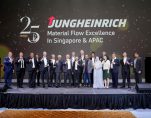
Jungheinrich Singapore celebrates 25 years of material flow excellence, marking the milestone with Managing Director, Singapore and Malaysia, Benedict Kothe; Guest of Honour Thomas Motak, Deputy Head of Mission of the Federal Republic of Germany to Singapore; Jungheinrich Chief Sales Officer Nadine Despineux; and key industry leaders and guests.
On 28 August 2026, Jungheinrich celebrated this silver jubilee with an anniversary gala dinner at Pan Pacific Orchard Singapore, graced by Guests of Honour: Thomas Motak, Deputy Head of Mission of the Federal Republic of Germany to Singapore, and Nadine Despineux, Member of the Board of Management, Chief Sales Officer, Jungheinrich, alongside key attendees such as, Manojit Acharya, Vice President – Asia Pacific & Managing Director, India, Benedict Kothe, Managing Director, Singapore and Malaysia, Jungheinrich, Jens Rübbert, President of the European Chamber of Commerce, Singapore, Soo Haw Yun, Vice President, Global Enterprises, Singapore Economic Development Board, and the various Jungheinrich teams, customers and partners in the APAC region.
A special toast was raised to mark Jungheinrich Singapore’s 25-year journey and its evolution into a strategic hub for Asia-Pacific (APAC). Established on 21 February 2001 as the first country unit in APAC, Jungheinrich Singapore is now part of a regional network spanning eight country units and 14 partner companies, supported by over 1,500 employees. The Singapore operation oversees key regional functions including training, automation, dealer management, sales, customer service and human resources, with the APAC spare parts distribution centre also based here.
Jungheinrich has also established itself as one of the few full-liner suppliers of material handling equipment and solutions in Singapore, offering warehouse trucks, racking, automation, digital solutions and customer service all under one roof. The Singapore team, comprising of 150 employees, works closely with Jungheinrich’s partners across APAC, supporting the company’s regional reach and market development.
Over the past 25 years, Jungheinrich Singapore has pioneered the adoption of electric material handling equipment in the country, with an estimated 25% share of the electrified machines market. Its team of 50 technicians strive to provide industry-benchmark service, supporting the logistics sector’s shift towards more efficient and professional operations. In recognition of its innovation and education initiatives, Jungheinrich Singapore was named Supply Chain Innovator of the Year (CSR) at the prestigious Supply Chain Asia Awards 2025, and has also achieved Great Place To Work® Certified™ status.
Notably, Jungheinrich Singapore was the first in APAC to open a Jungheinrich Experience Centre, established in May 2024, to showcase product innovation and illustrate how material flow interacts within a warehouse setting. The centre has since welcomed visitors including Kuehne & Nagel, Supply Chain Asia, the German Embassy in Singapore, and a slew of students from Republic Polytechnic (Singapore) and the University of St. Gallen (Switzerland).
Jungheinrich Singapore has also played an active role in supporting the local community, serving as the official logistics sponsor for the annual National Day Parade for 2 consecutive years in 2025 and 2026, deploying electric forklifts, pallet trucks and reach trucks to help distribute close to 250,000 fun packs to spectators. The organisation also donated warehouse trucks to support Willing Hearts and Food Bank Singapore in their operations, and provided pallet jacks and forklifts for the United Buddy Bears Exhibition at Gardens by the Bay in September 2025, which marked the 60th anniversary of diplomatic ties between Singapore and Germany.
Looking ahead, Jungheinrich Singapore will focus on developing localised automation solutions, expanding the rollout of AntOn by Jungheinrich, and introducing sustainable material handling solutions tailored to customers across APAC. Building on the launch of its first electric van in July 2025, the organisation is also targeting a fully green-energy service fleet by 2030, supporting its commitment to Carbon Neutrality by 2030 for Scope 1 emissions.
“As we celebrate 25 years in Singapore, we are proud of the strong foundation we have built with 150 intralogistics experts who support our customers across industries. Our journey has been defined by innovation, partnership, and a commitment to improving material flow efficiency. Looking ahead, we remain focused on helping businesses enhance productivity, increase warehouse safety and quality, and achieve sustainable growth through advanced material handling solutions,” said Benedict Kothe, Managing Director, Singapore and Malaysia, Jungheinrich.
“We congratulate Jungheinrich on 25 years in Singapore. Over the years, Jungheinrich has grown its Singapore operations into a strategic APAC hub, driving initiatives such as automation, innovation, and sustainability. We look forward to deepening our partnership with Jungheinrich as it contributes to Singapore’s logistics sector and develops solutions for the region,” said Soo Haw Yun, Vice President, Singapore Economic Development Board.
As Jungheinrich Singapore enters its next chapter, the organisation remains committed to supporting customers’ growth with innovative, sustainable and increasingly automated material handling solutions.Hashtag: #Jungheinrich #Manufacturing #Logistics
The issuer is solely responsible for the content of this announcement.
Jungheinrich Singapore
As one of the world’s leading providers of material handling solutions, Jungheinrich has advanced the development of innovative, sustainable products and solutions for material flows for more than 70 years. The family-owned, listed business generated revenue of €5.5 billion in the 2025 financial year with a workforce of over 21,000, and service and sales companies across 42 countries. In APAC, the company has established eight country units and over 14 partner companies, supported by over 1,500 employees. Established in Singapore in 2001, Jungheinrich Singapore marks its 25th anniversary in 2026 as the company’s strategic hub for the region.
Arabian Post Staff -Dubai Venezuelan acting President Delcy Rodríguez faced criticism on Sunday from opposition figures and former Chavista officials over a sweeping oil agreement that gives the United States majority control over output tied to 65 billion barrels of proven crude reserves. Rodríguez defended the 25-year arrangement in a televised address, insisting Venezuela would retain ownership and sovereignty over its natural resources while using US capital, […]
India’s hotel industry is expected to strengthen in the second half of FY27 as robust domestic leisure travel, improving corporate demand, weddings and a seasonal recovery in international arrivals support occupancy and room rates.
A sector assessment by PhillipCapital said the April-June quarter had already shown resilience despite geopolitical disruptions, with industry occupancy rising by two to four percentage points from a year earlier. Average room rates increased 6-8 per cent, while revenue per available room, or RevPAR, advanced 11-13 per cent.
The brokerage expects business conditions to improve further during the October-March period, helped by a heavier wedding calendar, stronger meetings, incentives, conferences and exhibitions activity and higher international travel during the traditional peak season. Corporate travel, which was softer earlier in the year amid uncertainty linked to the West Asia conflict, has also shown signs of gradual recovery.
Limited additions to room supply in key markets are expected to give operators continued pricing power if demand strengthens as projected. That imbalance between demand and new capacity has been an important support for average room rates across several major destinations and is likely to remain favourable through the second half of the financial year.
The outlook is consistent with ICRA’s projection that hospitality industry revenues will rise 7-9 per cent year on year in FY27, following an estimated 9-12 per cent increase in FY26. The ratings agency expects pan-India premium hotel occupancy to remain at 72-74 per cent, broadly unchanged from FY26, while average room rates for premium hotels rise to Rs 8,600-8,800 from Rs 8,200-8,500.
Domestic travellers remain the principal source of demand and have helped cushion the industry from weaker foreign arrivals and disruptions to international air routes. ICRA estimated occupancy at 66-68 per cent during the first two months of FY27, compared with 62-64 per cent a year earlier, while average room rates were estimated at Rs 7,800-8,000 against Rs 7,500-7,700.
Leisure destinations have generally performed better than business-focused hotels during the opening months of the year. Indian Hotels Company reported strong demand across its domestic portfolio, with revenue from operations within India rising during the June quarter and leisure markets contributing significantly to growth.
Other listed hotel operators have also reported positive RevPAR trends, though performance has varied by city, customer mix and exposure to international guests. The sector’s recovery in the first quarter was more occupancy-led than in earlier periods, when sharp increases in room rates were the dominant driver of revenue growth.
Demand from corporate customers is expected to become more supportive as travel budgets normalise and business activity strengthens. Bengaluru, Hyderabad and Delhi have shown firmer room rates in parts of the second quarter, aided by technology, global capability centre and broader corporate travel demand.
International traffic remains a key variable. Foreign tourist arrivals were hit earlier by disruptions associated with the conflict in West Asia, but the Ministry of Tourism’s data portal indicates arrivals during 2026 have begun to show year-on-year improvement in available updates. A seasonal rise from October would add higher-paying international travellers to the domestic base.
Wedding demand is also expected to provide a material lift. Hotels typically benefit not only from room bookings during large celebrations but also from food and beverage, banquet and event revenue, making the wedding calendar an important contributor during the second half.
Meetings and exhibition business is another area expected to improve as companies resume travel and events. Stronger MICE demand can lift weekday occupancy at city hotels, complementing leisure traffic that is often concentrated around weekends, holidays and destination markets.
Risks to the outlook remain. A prolonged escalation in West Asia could again disrupt international travel and corporate spending, while inflation could weigh on discretionary consumption. ICRA has said these factors remain monitorable even though domestic demand has so far limited the direct impact on the sector.
Mistral AI and Saudi Arabia’s HUMAIN have agreed a strategic collaboration worth hundreds of millions of euros, linking local computing infrastructure with model development and enterprise deployments across the kingdom and the wider Middle East. The agreement, announced on August 24, will see Paris-based Mistral explore using HUMAIN’s data centre infrastructure to meet growing local computing demand while the companies jointly develop and localise advanced artificial intelligence […]
OpenAI has appointed Meta’s India and Southeast Asia vice-president Sandhya Devanathan as its vice-president for Southeast Asia and Australia, strengthening the ChatGPT maker’s regional leadership as it expands consumer, enterprise and government engagement across Asia-Pacific.
Devanathan is due to take up the newly created role in October and will be based in Singapore, reporting to Kiran Mani, OpenAI’s managing director for Asia-Pacific. Her responsibilities will cover consumer growth, enterprise adoption and partnerships, regulatory engagement and operations across Southeast Asia and Australia.
The move gives OpenAI an experienced technology executive as competition intensifies among artificial intelligence companies for users, corporate customers, developers and public-sector partnerships. Devanathan has spent more than a decade at Meta and has held senior roles spanning ecommerce, gaming and country leadership across Asia-Pacific.
Devanathan announced her departure from Meta on Friday, describing the decision as “bittersweet” and saying she would take a short break before beginning her next chapter. OpenAI subsequently confirmed that she would join the company in the regional position.
Her departure also reshapes Meta’s reporting structure in one of its largest markets. Arun Srinivas, Meta’s managing director and country head for India, will report directly to Benjamin Joe, the company’s vice-president for Asia-Pacific. Srinivas had been reporting to Devanathan.
Devanathan joined Meta in 2016 and helped build its businesses and teams in Singapore and Vietnam, as well as ecommerce initiatives across Southeast Asia. She moved in 2020 to lead Meta’s gaming business in Asia-Pacific before being appointed vice-president and head of India, taking up that position in January 2023. Her remit was later expanded to include Southeast Asia.
At Meta, her work covered the company’s business and revenue priorities, relationships with major brands, advertisers, creators and partners, and the expansion of digital commerce and messaging services. She has more than 25 years of experience across banking, payments and technology.
OpenAI’s appointment places Devanathan in charge of markets where governments and companies are accelerating investment in generative artificial intelligence while also debating rules on safety, data, copyright and the use of advanced models. Her remit includes regulatory engagement, making her role important to OpenAI’s efforts to navigate differing policy regimes across Southeast Asia and Australia.
The company has been expanding its physical and management presence across Asia-Pacific, with offices in Singapore, Tokyo, Seoul, Sydney and Delhi. It has also strengthened its leadership in India, where it appointed former Uber executive Prabhjeet Singh as managing director earlier this year.
OpenAI has made India a significant part of its regional growth strategy as demand for generative AI tools rises among consumers, developers and businesses. In February, the company launched OpenAI for India, an initiative focused on artificial intelligence infrastructure, enterprise adoption, skills development and education partnerships.
Devanathan’s appointment extends that regional build-out beyond India, giving OpenAI a senior executive responsible for Southeast Asia and Australia from Singapore. The role combines commercial expansion with policy and operational responsibilities rather than focusing solely on sales or partnerships.
For Meta, the leadership change comes as the company continues to manage its advertising, messaging and social-media businesses across the region while increasing investment in artificial intelligence. Devanathan’s departure removes an executive who had overseen both India and Southeast Asia and had been part of Meta’s Asia-Pacific leadership structure.
When Meta appointed Devanathan to lead its India operations in 2022, the company said she would bring together its business and revenue priorities and strengthen relationships with brands, creators, advertisers and partners. She moved back to India for the role after earlier assignments in Singapore and Southeast Asia.
In her departure message, Devanathan highlighted work involving government citizen services delivered through WhatsApp in India and small businesses using Meta’s applications as digital storefronts in Vietnam, Indonesia and Thailand. She also referred to her experience helping technology companies and creators grow across the region.
Moscow is hosting more than 1,200 competitors this weekend as the Abu Dhabi Jiu-Jitsu Grand Slam brings one of its biggest international fields to the Russian capital for the 2026-2027 season. The two-day competition, running on August 29 and 30 at the Dynamo Sports Academy, has attracted 1,220 male and female athletes from 32 countries. The field includes 85 black belts, giving the Moscow stop a strong […]
Arabian Post Staff -Dubai Jordan’s industrial exports to the UAE jumped 29% in the first half of 2026, adding about JD45 million to their value as manufacturers expanded sales across major regional and global markets. The increase implies industrial shipments to the UAE reached roughly JD200 million during the January-June period, compared with about JD155 million a year earlier. The JD45 million gain is equivalent to about […]
India and Kuwait have agreed to deepen defence cooperation across military training, exercises, medicine, staff-level exchanges, defence production and research, giving operational shape to the strategic partnership established between the two countries in 2024.
The agreement emerged from the inaugural meeting of the India-Kuwait Joint Defence Committee in New Delhi on August 28, marking the first formal session of the mechanism created to institutionalise expanding security and military ties.
The talks were co-chaired by Joint Secretary Amitabh Prasad and Brigadier General Raed Alsakran, who headed a five-member delegation from Kuwait. India’s delegation brought together representatives of the Army, Navy and Air Force along with officials from the Department of Defence Production, Defence Research and Development Organisation, Armed Forces Medical Services and Ministry of External Affairs.
Both sides identified training and military exercises as priority areas, opening the possibility of greater exchanges between personnel and institutions. Military medicine and structured staff talks were also placed on the cooperation agenda, potentially creating regular channels through which officers can exchange operational experience and develop closer institutional links.
Defence manufacturing formed another important component of the discussions. The Kuwaiti delegation visited DPSU Bhawan in New Delhi and held talks with representatives of India’s defence industry on potential areas of cooperation. A separate interaction with industry representatives was also included in the delegation’s programme, indicating that commercial and technological partnerships are becoming a stronger part of the bilateral defence relationship.
The engagement gives practical momentum to the memorandum of understanding on defence cooperation signed during Prime Minister Narendra Modi’s visit to Kuwait on December 21-22, 2024. The agreement was designed to institutionalise cooperation in training, exchanges of personnel and experts, joint exercises, defence manufacturing, supply of military equipment and research and development.
That visit also saw India and Kuwait elevate their relationship to a strategic partnership, broadening a relationship traditionally centred on energy, trade and the movement of people. Defence and security have since gained greater prominence as both governments seek more structured engagement amid shifting geopolitical and security conditions across the Gulf and wider West Asian region.
The Joint Defence Committee provides a mechanism through which the provisions of the 2024 agreement can be translated into programmes, exchanges and projects. Its composition also reflects the wide scope envisaged for cooperation, extending beyond conventional military contacts into medical services, technology development and defence manufacturing.
Kuwait has traditionally relied heavily on international suppliers for defence equipment, while India has been expanding its efforts to become a larger producer and exporter of military systems. New Delhi has been encouraging overseas partnerships for domestically manufactured weapons, platforms, electronics and support systems as defence production capacity expands.
Research and development cooperation could therefore become a significant part of the relationship. Participation by the Defence Research and Development Organisation at the committee meeting creates an institutional route for exploring technology-based projects alongside conventional equipment sales and training arrangements.
The talks also come as Kuwait broadens defence engagement with partners across Asia while navigating a complex regional security environment. Its location at the northern end of the Gulf, close to Iraq, Saudi Arabia and Iran, has made military preparedness and diversified security partnerships enduring priorities for the country.
For India, deeper defence engagement with Kuwait complements its expanding strategic relationships with Gulf Cooperation Council states. New Delhi has progressively widened military exercises, naval engagements, training programmes and defence-industry cooperation with countries across the Gulf as economic and energy relationships have developed into broader strategic ties.
Brigadier General Alsakran also laid a wreath at the National War Memorial in New Delhi ahead of the committee meeting, paying homage to fallen military personnel. The gesture formed part of a programme combining official consultations, ceremonial engagements and meetings with defence-sector representatives.
Arabian Post Staff -Dubai Americana Restaurants International Plc has signed an exclusive development agreement to bring Taco Bell back to the UAE, opening the way for a phased expansion of the Mexican-inspired quick-service restaurant brand into additional GCC markets. The UAE will be the first market developed under the agreement with Taco Bell UK and Europe Ltd, a subsidiary of Yum! Brands Inc. The partners have not […]
Forest City SFZ sets out who may qualify for its 5% special corporate tax rate, how the separate Malaysia Digital tax incentive works, and which activities and conditions apply to each scheme.
JOHOR, MALAYSIA – Media OutReach Newswire – 29 August 2026 – Forest City has, over the past decade, built a recognised track record in green-building and sustainability credentials. Since the Malaysian Government announced the Forest City Special Financial Zone (“SFZ”) incentive package on 20 September 2024, the development has added a financial-services and digital-economy dimension. The Forest City Special Financial Zone (“FC-SFZ”) Tax Incentive offers a 5% special corporate tax rate for 10 consecutive years of assessment, extendable for a second 10-year period, to eligible companies undertaking qualifying fintech, Financial Global Business Services (“FGBS”) or Foreign Payment System Operator (“FPSO”) activities in Pulau 1, Forest City. Malaysia Digital Economy Corporation (“MDEC”) is the appointed government agency to process applications, which are assessed by the National Committee on Investment (“NCI”).
Forest City at night, looking across the Strait of Johor towards Singapore. Forest City lies approximately 2 km from Singapore at its nearest point.
The FC-SFZ Tax Incentive is separate from Malaysia Digital (“MD”) Status and the MD Tax Incentive. A company does not need MD Status to qualify for the FC-SFZ Tax Incentive. Under MDEC’s current rules, an FC-SFZ applicant must also not have been granted another tax incentive for the same qualifying activity. Eligible MD Status companies may separately apply for the MD Tax Incentive, subject to the applicable criteria and approval process.
Key Incentives at a Glance
Forest City’s first decade was defined in part by its green-building and sustainability record. Forest City reports nearly 40 international awards and certifications as at August 2026, including LEED for Core and Shell (“LEED-CS”) Gold pre-certification and GreenRE Gold ratings. On 20 September 2024, the Malaysian Government announced the Forest City SFZ incentive package, adding a financial-services and digital-economy dimension to the development.
The current incentive landscape has four main components:
Forest City SFZ corporate tax rate: Eligible companies undertaking qualifying fintech, FGBS or FPSO activities in Pulau 1 may receive a 5% special corporate tax rate for 10 consecutive years of assessment, extendable for a second 10-year period, subject to approval and continued compliance. The qualifying activity must use at least one promoted technology enabler specified by MDEC.
Single Family Office (“SFO”) Scheme: A qualifying Single Family Office Vehicle (“SFOV”) may receive a 0% tax rate on chargeable income from its qualifying holding and investment activities for an initial 10 years, with a possible extension for a further 10 years, subject to the Securities Commission Malaysia (“SC”) requirements.
Knowledge workers: Eligible knowledge workers working within the Johor-Singapore Special Economic Zone (“JS-SEZ”), which includes Forest City as a designated flagship area, may qualify for a special 15% personal income tax rate for 10 years, subject to the applicable conditions.
Malaysia Digital tax incentive: This is a separate national incentive administered by MDEC. For New Investment, eligible companies may choose between a reduced tax rate — 0% on qualifying intellectual-property (“IP”) income, subject to the modified nexus approach, and 5% or 10% on qualifying non-IP income for up to 10 years — or an Investment Tax Allowance (“ITA”) of 60% or 100% of qualifying capital expenditure for up to five years. Different rates apply to the Expansion Incentive. Applications are open until 31 December 2027.
Taken together, these measures position Forest City SFZ as a potential regional base for qualifying financial-services and technology-enabled businesses assessing Malaysia’s tax framework, proximity to Singapore and access to ASEAN markets. However, the schemes are separate and should not be treated as automatically cumulative.
Forest City Tax Framework for Fintech and Technology-Enabled Financial Services
The FC-SFZ Tax Incentive is not a blanket 100% tax exemption for fintech, AI or technology companies. It is a 5% special corporate tax rate for qualifying activities under the FC-SFZ framework. MDEC is the appointed agency to process applications, while applications are assessed by the NCI.
The 5% rate applies to qualifying fintech activities, FGBS and FPSO activities carried out in Pulau 1, Forest City. The qualifying activity must utilise at least one promoted technology enabler: artificial intelligence (“AI”) or big data analytics (“BDA”); Internet of Things (“IoT”); cybersecurity; cloud; blockchain; creative media technology, including extended reality (“XR”) or mixed reality (“MR”); robotics or automation; or advanced network connectivity or telecommunications technology. Eligibility is not automatic based on location alone; companies must also satisfy the applicable corporate, activity, substance, regulatory and compliance conditions.
The “up to 100%” figure sometimes cited in relation to Malaysia Digital refers to the ITA available under the MD New Investment Incentive. It is an allowance on qualifying capital expenditure, not a 100% income tax holiday. The MD Tax Incentive is also separate from the FC-SFZ Tax Incentive and should not be assumed to stack with it for the same qualifying activity.
Comparison table:
Scheme
What it covers
Headline rate / benefit
Authority & key note
Forest City SFZ — fintech / FGBS / FPSO incentive
Qualifying fintech, FGBS and FPSO activities in Pulau 1 using at least one promoted technology enabler
5% special corporate tax rate for 10 consecutive years of assessment; extendable for a second 10-year period
MDEC processes applications; NCI assessment. Applications open 1 Sep 2024–31 Dec 2034.
Forest City SFZ — Single Family Office
Qualifying SFOV holding and investment activities
0% tax rate for an initial 10 years; possible extension for a further 10 years
Securities Commission Malaysia; SFO tax rules gazetted on 3 Oct 2025.
JS-SEZ — eligible knowledge workers
Eligible knowledge workers working within the JS-SEZ, including qualifying roles in Forest City
15% personal income tax rate for 10 years
Ministry of Finance / JS-SEZ incentive package; subject to eligibility conditions.
Malaysia Digital Tax Incentive — New Investment
Eligible MD Status companies undertaking qualifying Malaysia Digital Activities
0% on qualifying IP income and 5% or 10% on qualifying non-IP income for up to 10 years; OR 60% or 100% ITA for up to 5 years
MDEC; MD Status required before tax-incentive application. Applications open until 31 Dec 2027.
Malaysia Digital Tax Incentive — Expansion
Eligible MD/MSC Malaysia Status companies undertaking qualifying new or expansion activities
15% reduced tax rate for up to 5 years; OR 30% or 60% ITA for up to 5 years
MDEC; subject to the Expansion Incentive criteria. Applications open until 31 Dec 2027.
Malaysia standard corporate rate
Companies not qualifying for a lower or special rate
24% headline corporate income tax rate
Inland Revenue Board of Malaysia (LHDN); lower tiered rates may apply to qualifying SMEs.
For accurate and current policy information, companies should refer directly to official sources, including:
Malaysia Digital Status and Tax Incentive: A Separate National Framework
MD Status is granted nationally by MDEC. An MD Status company may then be eligible to apply separately for the MD Tax Incentive, subject to the relevant criteria. Under MDEC’s current framework, qualifying Malaysia Digital Activities comprise the research, development or commercialisation of solutions, or the provision of services, using promoted technology enablers such as AI or BDA, IoT, cybersecurity, cloud, blockchain, drone technology, creative media technology, integrated-circuit design with embedded software, robotics or automation, and advanced network connectivity or telecommunications technology.
Under the current MD Tax Incentive, the available options differ between New Investment and Expansion:
New Investment: A 0% reduced tax rate on qualifying IP income, subject to the modified nexus approach, and a 5% or 10% reduced tax rate on qualifying non-IP income, for up to 10 years; or an ITA of 60% or 100% of qualifying capital expenditure against up to 100% of statutory income, for up to five years.
Expansion: A 15% reduced tax rate on qualifying IP income, subject to the modified nexus approach, and non-IP income, for up to five years; or an ITA of 30% or 60% of qualifying capital expenditure against up to 100% of statutory income, for up to five years.
The “100%” figure therefore refers to the ITA rate under the New Investment Incentive. It does not mean that all company income is tax-free.
The MD Tax Incentive is open for applications until 31 December 2027. A company must first obtain MD Status before submitting an application for the MD Tax Incentive.
MD Status also provides access to non-tax benefits under the MD Bill of Guarantees, including the ability to apply for foreign knowledge-worker quotas and passes, subject to the relevant immigration requirements. MDEC’s Expats Service Centre administers the related Foreign Knowledge Worker processes for eligible companies.
Eligibility Summary: Entities, Sectors and Permitted Activities
Forest City SFZ 5% rate
Activity-based: Qualifying services are limited to fintech-related activities, FGBS and FPSO activities.
Technology condition: The qualifying activity must utilise at least one promoted technology enabler specified by MDEC, including AI or BDA, IoT, cybersecurity, cloud, blockchain, creative media technology, robotics or automation, or advanced network connectivity or telecommunications technology.
Location condition: The qualifying activity must be carried out in Pulau 1, Forest City.
Substance and compliance conditions: Approved companies must meet the conditions set out in their approval letter, including commitments relating to full-time employees, knowledge workers, annual operating expenditure, ESG requirements, relevant regulatory approvals or licences, and annual compliance reporting verified by an independent auditor.
Malaysia Digital (MD) Status and MD Tax Incentive
Activity-based: MD eligibility is tied to Malaysia Digital Activities that use the promoted technology enablers specified by MDEC. Merely operating an AI, cloud, fintech or digital business does not automatically confer tax-incentive eligibility.
Status and tax-incentive process: MD Status is granted by MDEC. The MD Tax Incentive is a separate application available to eligible MD or MSC Malaysia Status companies, depending on the relevant incentive category.
Geographic scope: MD Status is a national programme and does not require a company to be located in Forest City.
No automatic stacking: MDEC states that an FC-SFZ Tax Incentive applicant must not already have been granted a tax incentive for the same qualifying activity. MDEC also confirms that MD Status is not required to apply for the FC-SFZ Tax Incentive.
Accordingly, companies should assess the FC-SFZ and MD frameworks separately. Any proposed structure involving different activities, income streams or incentive programmes should be verified with MDEC and qualified tax advisers before any combined tax outcome is assumed.
Strategic Rationale: Proximity, Talent Incentives and Regional Access
Forest City’s location proposition is based on three interlocking factors: proximity to Singapore, targeted talent incentives and early investor interest.
Proximity as operational leverage: Forest City lies approximately 2 km from Singapore at its nearest point, placing qualifying operations close to one of Asia’s major financial and technology hubs. The Johor Bahru-Singapore RTS Link will connect Bukit Chagar in central Johor Bahru with Woodlands North in Singapore. MRT Corp has stated that service is targeted to commence on 31 December 2026. The RTS Link does not serve Forest City directly, so onward road transport between Forest City and central Johor Bahru will still be required.
Talent as a bundled enabler: Eligible knowledge workers in the JS-SEZ may qualify for a special 15% personal income tax rate for 10 years, while eligible MD Status companies may apply for foreign knowledge-worker quotas and passes through MDEC’s expatriate facilitation framework. These are separate benefits with their own eligibility and approval requirements.
Decision Framework: Two Pathways and a Diligence Caveat
The incentive structure is best assessed through two distinct pathways, with a separate due-diligence lens for investors and advisers.
Pathway A – FC-SFZ presence on Pulau 1: This is relevant to eligible fintech companies, FGBS providers and FPSO businesses that can satisfy the physical-location, activity, substance and compliance requirements. The 5% special corporate tax rate is available for 10 consecutive years of assessment and may be extended for a second 10-year period, subject to continued compliance and approval.
This route may suit businesses that value proximity to Singapore while maintaining qualifying operations in Pulau 1. The RTS Link is expected to improve connectivity between central Johor Bahru and Singapore, but it does not remove the requirement for companies to maintain the approved substance and qualifying activities in Forest City.
Pathway B – MD Status and MD Tax Incentive nationwide: This pathway may be relevant to eligible digital companies operating elsewhere in Malaysia. MD Status is granted nationally by MDEC, and eligible companies may subsequently apply for the MD Tax Incentive. The applicable reduced tax rate or ITA depends on whether the company applies under the New Investment or Expansion category and on the conditions it meets.
Investors and advisers should note that headline rates are not the same as effective tax rates. The outcome for any entity depends on qualifying activities and income, approved commitments, substance conditions and the specific incentive secured. Groups with annual consolidated revenue of EUR750 million or more may also be subject to Malaysia’s domestic top-up tax rules where the relevant effective tax rate falls below 15%. Tax outcomes should therefore be modelled only after verification against current primary sources and professional advice.
The Verdict
Forest City’s proposition to fintech and technology-enabled financial-services companies is specific and condition-based: a 5% special corporate tax rate for qualifying fintech, FGBS and FPSO activities carried out in Pulau 1 using promoted technology enablers. The incentive runs for 10 consecutive years of assessment and may be extended for a second 10-year period, subject to compliance and approval. It is neither a blanket 5% rate for all AI or technology companies nor a 100% income tax exemption.
Alongside this are the separate SFO Incentive Scheme, which may provide a 0% tax rate for up to 20 years subject to SC requirements; the JS-SEZ’s special 15% personal income tax rate for eligible knowledge workers for 10 years; and the national MD Tax Incentive, which offers different reduced tax rates or ITA options depending on whether an applicant qualifies under the New Investment or Expansion category. Applications for the MD Tax Incentive are open until 31 December 2027.
Reported traction includes 260 cumulative investor enquiries recorded by Invest Johor by June 2026 and six families granted conditional approval under the SFO Incentive Scheme, with indicative assets under management close to RM400 million as reported by the SC in October 2025. Forest City also benefits from proximity to Singapore, while the RTS Link is targeted to commence service on 31 December 2026 between central Johor Bahru and Woodlands North.
For companies and investors, the key question is not simply whether these incentives exist, but whether their exact activities, income streams, location, substance commitments and corporate structure satisfy the conditions required to access them in practice. Current official guidance and qualified tax advice should be obtained before any investment or structuringHashtag: #ForestCity
The issuer is solely responsible for the content of this announcement.
The UAE National Golf Team will leave for Beijing early on Saturday as a three-player squad prepares to contest the Nomura Cup, one of the Asia-Pacific region’s leading amateur team championships. Mohammad Skaik, Sayed Rayan Ahmed and Sam Mullane will represent the UAE at the Asia-Pacific Amateur Golf Team Championship, scheduled from September 1 to 4 at Bayhood No. 9 International Golf Club in Beijing. The delegation […]
Strengthening Competitiveness via Online-to-Offline Integration and Supply Chain Agility
Results Highlights
Revenue reached US$301.51 million, representing a strong increase of 23.2%.
Gross profit grew by 28.2% to US$93.98 million, with gross profit margin expanding to 31.2%.
Operating profit increased by 30.1% to US$24.29 million.
Net profit surged by 30.0% to US$18.30 million, with net profit margin improving to 6.1%.
Business-to-consumer (B2C) platform YesStyle recorded revenue of US$215.07 million, up 30.5%, accounting for 71.3% of the Group’s total revenue. Offline expansion was enhanced with the opening of its first physical concept store in the US.
Business-to-business (B2B) platform AsianBeautyWholesale (ABW) recorded revenue of US$82.75 million, up 6.2%, accounting for 27.4% of the Group’s total revenue.
HONG KONG SAR – Media OutReach Newswire – 28 August 2026 – YesAsia Holdings Limited (“YesAsia Holdings”, together with its subsidiaries, the “Group”) (2209.HK), a leading e-commerce platform operator recognized for its expertise in curating Asian beauty and lifestyle products, announced today its interim results for the six months ended 30 June 2026 (the “Reporting Period”).
The Group continued to capture strong global demand for Korean Beauty (“K-Beauty”) products, driving revenue up by 23.2% year-on-year to US$301.51 million. Gross profit increased by 28.2% to US$93.98 million, with gross profit margin expanding by 1.2 percentage points to 31.2%. Operating profit grew by 30.1% to US$24.29 million. Benefiting from forward-looking investments in localized and tech-driven logistics infrastructure, which successfully mitigated geopolitical and freight cost pressures, profit for the period surged by 30.0% to US$18.30 million, after recognition of an one-off expense of approximately US$1.24 million in termination benefits arising from the organizational streamlining. Net profit margin improved to 6.1%. Basic earnings per share were US4.39 cents (1H 2025: US3.43 cents).
Navigating Uncertainties through Market Diversification and Logistics Agility
A global market footprint remains pivotal in mitigating geopolitical risks. The US, the Group’s largest market, has absorbed the tariff shock and delivered progressive improvement during the Reporting Period, with revenue exceeding 2H 2025 even outside the typical holiday peak season. Among non-core markets (excluding the US, the UK, Canada, and Australia), robust demand across Europe and Latin America, unlocked new growth momentum, with revenue from Europe and associated countries and Latin America growing by 22.1% and 178.4%, respectively. In the Middle East, the Group navigated the regional tensions to achieve steady revenue growth of 33.4%.
Complementing market diversification, strategic investments in logistics infrastructure spanning Hong Kong, South Korea, the US, and Europe, alongside the adoption of automation technologies like AMRs, have built a highly resilient and scalable supply chain. These capabilities enabled the Group to maintain a stable baseline for business costs and absorb freight and fuel price spikes stemming from Middle East conflicts during the Reporting Period. Consequently, the increase in operating costs remained well below revenue growth, with freight cost as a percentage of revenue dropping to 19.0%, demonstrating the Group’s robust cost control and operational agility.
Integrating O2O Experiences to Drive B2C-B2B Dual-Engine Synergy
Social media marketing remained one of the Group’s core strengths during the Reporting Period, supported by an ecosystem of over 557,000 unique influencers that generated US$85.70 million and contributed nearly 40% of YesStyle‘s revenue. To amplify this online impact, the Group strategically expanded its global offline presence to seamlessly bridge online and offline customer experiences. YesStyle debuted a 1,500 sq. ft. concept store in the San Francisco Bay Area. At the same time, the Group staged high-profile activations, including a Madrid café pop-up that generated over 2 million impressions and brand events at Seoul’s Yesful Land that accumulated over 3 million impressions. Together, these physical and digital touchpoints successfully converted customer engagement into sustained loyalty.
This heightened brand exposure across end-consumer markets directly catalyzed overseas B2B purchasing demand. During the Reporting Period, ABW consolidated its newly built partnerships with retailers in the US and Latin America. Notably, ABW Online’s average order size surged 38.6% year-on-year to US$3,590.60. This uptick reflects substantially stronger purchasing appetite and inventory confidence for K-Beauty products among retailers, underscoring the powerful synergy of the Group’s B2C-B2B dual-engine model.
Mr. Joshua Lau, Founder, Executive Director and Chief Executive Officer of YesAsia Holdings, said: “K-Beauty remains on an upward trajectory as it becomes a mainstream player in the global beauty business. Looking ahead, we believe that there is ample room for growth for YesAsia Holdings in both the retail and wholesale spheres worldwide. Amid geopolitical and supply chain uncertainties, we are continuously reinforcing our competitive moat and market leadership through AI-empowered customer services, a highly agile supply chain, and a strategy that seamlessly converts online traffic into immersive physical experiences, thereby driving long-term value for our shareholders in a fast-evolving market landscape.”
Hashtag: #YesAsia
The issuer is solely responsible for the content of this announcement.
About YesAsia Holdings Limited (02209.HK)
Established in 1997, YesAsia Holdings is a leading e‑commerce platform operator recognized for its expertise in identifying and procuring quality Asian beauty products. Headquartered in Hong Kong, the Group delivers products promptly and efficiently to a global audience through its strong ties with over 400 leading Asian beauty brand and supplier partners. The Group operates two major channels: YesStyle, a B2C e‑commerce platform serving the growing demand for Asian beauty, fashion and lifestyle products, particularly Korean beauty products; and AsianBeautyWholesale, a B2B‑oriented business for Asian beauty products via online and offline channels. YesAsia Holdings is a constituent of the MSCI Hong Kong Micro Cap Index.
Asian equities traded cautiously on Friday as South Korea’s Kospi fell sharply, with investors cutting exposure to heavyweight technology stocks ahead of Federal Reserve Chair Kevin Warsh’s closely watched Jackson Hole address.
The Kospi closed 1.79% lower at 6,788.88, shedding 123.49 points and snapping a three-session advance. Samsung Electronics dropped 3.38% to 257,000 won, while SK hynix fell 4.45% to 1.653 million won as investors locked in gains following an earlier technology rally fuelled by strong results from Nvidia. Foreign and institutional investors sold a combined 2 trillion won of Seoul-listed shares, while retail investors were net buyers.
The retreat highlighted growing caution over valuations in artificial intelligence-linked stocks. Nvidia had jumped nearly 9% in the previous Wall Street session after delivering strong quarterly results and indicating that spending on artificial intelligence infrastructure remained robust. The performance initially lifted technology stocks across the region, but enthusiasm faded in Seoul as attention shifted towards interest rates and the outlook for global bond yields.
Warsh’s first keynote address as Federal Reserve chair at the annual Jackson Hole symposium became the central focus for markets. Investors were looking for guidance on how the central bank would respond to persistent inflation pressures and whether policymakers were moving closer to raising borrowing costs. Interest-rate futures before the speech indicated roughly a one-third probability of an increase at the September meeting, with markets pricing in a move by December.
Bond markets have become particularly sensitive to Federal Reserve communication after longer-term Treasury yields climbed amid concerns that inflation could remain above target. The 30-year US Treasury yield was around 5.2% on Friday after briefly exceeding 5.3%, its highest level since 2007. The 10-year yield stood near 4.67%, while the two-year yield was about 4.23% before Warsh addressed the gathering.
Elsewhere in Asia, market performances were mixed. Japan’s Nikkei advanced around 0.5%, supported by technology shares and inflation data that reinforced expectations of further monetary tightening by the Bank of Japan. Tokyo consumer inflation for August remained close to the central bank’s 2% objective, keeping expectations of another interest-rate increase alive.
Taiwanese shares gained about 1.2%, benefiting more directly from Nvidia’s strong performance because of the island’s extensive semiconductor supply chain. Hong Kong shares moved slightly lower during part of the session, while mainland Chinese equities traded in a narrow range. The CSI 300 slipped about 0.1% at one stage and the Shanghai Composite edged higher, with investors also preparing for purchasing managers’ index data due next week.
Australia’s ASX 200 gained around 0.5%, while Singapore’s Straits Times Index advanced modestly. The Nifty 50 also moved higher as technology shares supported a rebound after two sessions of losses. Regional investors nevertheless avoided large positions as the direction of US monetary policy remained the dominant influence on risk appetite.
Currency markets were similarly restrained. The dollar index hovered around 99.1 and was on course for a weekly gain. The Australian dollar performed strongly after hotter inflation data led traders to reassess the interest-rate outlook, touching a three-month high near $0.72 and extending what was set to become a ninth consecutive weekly advance.
Oil prices provided some relief for equities after falling sharply during the week. Brent crude traded around $89.6-$89.7 a barrel and was heading for a weekly decline of more than 5%, partly reflecting developments involving Iran and Oman over administration of traffic through the Strait of Hormuz. Lower energy prices eased one source of inflation concern, although geopolitical risks remained embedded in commodity markets.
Gold slipped towards $4,590 an ounce as traders awaited clearer signals on US rates. The broader MSCI Asia-Pacific index outside Japan was little changed, showing how the powerful Nvidia-led technology trade was being offset by uncertainty over monetary policy, elevated chip valuations and higher bond yields.
India’s foreign-exchange reserves climbed to an all-time high of $729.33 billion as strong dollar inflows boosted the country’s external buffer and gave the Reserve Bank of India greater room to manage currency volatility.
The reserves increased by $12.42 billion in the week ended August 21, extending their rise for an eighth consecutive week. The latest accumulation pushed the stockpile above the previous record of about $728.5 billion reached in February and marked an increase of roughly $63 billion over eight weeks.
Foreign currency assets, which form the largest part of the reserves, rose by $9.48 billion during the week to $591.33 billion. Gold reserves climbed by $2.80 billion to $114.22 billion, reflecting valuation gains as well as changes in reserve holdings.
Special Drawing Rights increased by $112 million to $18.85 billion, while the country’s reserve position with the International Monetary Fund rose by $26 million to $4.93 billion. Total reserves were $38.22 billion higher than at the end of March and about $38.61 billion above their level a year earlier.
The sharp build-up follows measures introduced by the Reserve Bank of India in June to strengthen capital inflows during a period of pressure on the rupee and heightened uncertainty in global financial and energy markets. The steps provided favourable foreign-exchange swap arrangements for overseas deposits and borrowing programmes, encouraging banks and companies to bring additional dollars into the country.
Nearly $73 billion was mobilised through the programmes between early June and August 21, with foreign currency non-resident bank deposits accounting for about $65 billion. The scale of the response prompted the central bank to bring forward the closure of the special swap facility linked to these deposits.
Deposits mobilised until August 31 remain eligible under the scheme, while banks can complete qualifying swaps with the central bank until September 11. Facilities supporting external commercial borrowings and overseas foreign currency borrowing are scheduled to remain available until December 31.
The programme allows eligible foreign-currency funds to be swapped with the Reserve Bank of India, enabling the central bank to absorb dollars while supplying rupee liquidity to participating institutions. The structure reduces hedging costs for banks and borrowers and has made overseas fund-raising more attractive at a time when global borrowing conditions remain demanding.
Banks have also stepped up offshore debt issuance. Union Bank of India returned to the dollar bond market this month after a 12-year absence, raising $600 million through three-year and five-year securities. State Bank of India and Bank of Baroda have also raised dollar funds, while other lenders have used international financial centres and overseas markets to secure foreign-currency financing. Banks collectively raised more than $11 billion through offshore bond issuance from June into August.
The inflows have helped stabilise the rupee after months of pressure from portfolio withdrawals, elevated oil prices and uncertainty surrounding global interest rates. The currency ended Friday at about 95.38 to the dollar, gaining around 0.3% over the week as dollar supplies increased ahead of the closure of the deposit window.
The Reserve Bank of India has continued to intervene in foreign-exchange markets to limit excessive movements rather than defend a specific exchange rate. Its enlarged reserves provide greater capacity to sell dollars when needed while absorbing incoming foreign currency when supply becomes unusually heavy.
The strengthened reserve position is particularly significant because India remains dependent on imported crude oil and other commodities priced in dollars. A larger foreign-exchange buffer can soften the impact of sudden increases in energy prices, capital outflows or global market disruption, although sustained intervention can also influence domestic liquidity.
External risks remain substantial. Oil prices have stayed elevated amid geopolitical disruptions, while changes in US monetary policy could influence capital flows towards emerging markets. A stronger dollar or higher US interest rates could again increase pressure on the rupee and other Asian currencies.
For policymakers, the surge in reserves also creates a balancing challenge. Large dollar purchases add rupee liquidity to the financial system, potentially requiring the central bank to absorb excess funds through other instruments. At the same time, allowing the rupee to strengthen too sharply because of temporary inflows could affect exporters and create greater currency volatility once those flows diminish.







 https://themineralboutique.com
 https://www.facebook.com/TheMineralBoutique/
 https://www.instagram.com/themineralboutiqueofficial/


 www.linkedin.com/company/cushman-&-wakefield-greater-china




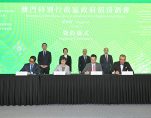





 https://www.youtube.com/@SCXCorporation