India’s foreign-exchange reserves climbed to an all-time high of $729.33 billion as strong dollar inflows boosted the country’s external buffer and gave the Reserve Bank of India greater room to manage currency volatility.
The reserves increased by $12.42 billion in the week ended August 21, extending their rise for an eighth consecutive week. The latest accumulation pushed the stockpile above the previous record of about $728.5 billion reached in February and marked an increase of roughly $63 billion over eight weeks.
Foreign currency assets, which form the largest part of the reserves, rose by $9.48 billion during the week to $591.33 billion. Gold reserves climbed by $2.80 billion to $114.22 billion, reflecting valuation gains as well as changes in reserve holdings.
Special Drawing Rights increased by $112 million to $18.85 billion, while the country’s reserve position with the International Monetary Fund rose by $26 million to $4.93 billion. Total reserves were $38.22 billion higher than at the end of March and about $38.61 billion above their level a year earlier.
The sharp build-up follows measures introduced by the Reserve Bank of India in June to strengthen capital inflows during a period of pressure on the rupee and heightened uncertainty in global financial and energy markets. The steps provided favourable foreign-exchange swap arrangements for overseas deposits and borrowing programmes, encouraging banks and companies to bring additional dollars into the country.
Nearly $73 billion was mobilised through the programmes between early June and August 21, with foreign currency non-resident bank deposits accounting for about $65 billion. The scale of the response prompted the central bank to bring forward the closure of the special swap facility linked to these deposits.
Deposits mobilised until August 31 remain eligible under the scheme, while banks can complete qualifying swaps with the central bank until September 11. Facilities supporting external commercial borrowings and overseas foreign currency borrowing are scheduled to remain available until December 31.
The programme allows eligible foreign-currency funds to be swapped with the Reserve Bank of India, enabling the central bank to absorb dollars while supplying rupee liquidity to participating institutions. The structure reduces hedging costs for banks and borrowers and has made overseas fund-raising more attractive at a time when global borrowing conditions remain demanding.
Banks have also stepped up offshore debt issuance. Union Bank of India returned to the dollar bond market this month after a 12-year absence, raising $600 million through three-year and five-year securities. State Bank of India and Bank of Baroda have also raised dollar funds, while other lenders have used international financial centres and overseas markets to secure foreign-currency financing. Banks collectively raised more than $11 billion through offshore bond issuance from June into August.
The inflows have helped stabilise the rupee after months of pressure from portfolio withdrawals, elevated oil prices and uncertainty surrounding global interest rates. The currency ended Friday at about 95.38 to the dollar, gaining around 0.3% over the week as dollar supplies increased ahead of the closure of the deposit window.
The Reserve Bank of India has continued to intervene in foreign-exchange markets to limit excessive movements rather than defend a specific exchange rate. Its enlarged reserves provide greater capacity to sell dollars when needed while absorbing incoming foreign currency when supply becomes unusually heavy.
The strengthened reserve position is particularly significant because India remains dependent on imported crude oil and other commodities priced in dollars. A larger foreign-exchange buffer can soften the impact of sudden increases in energy prices, capital outflows or global market disruption, although sustained intervention can also influence domestic liquidity.
External risks remain substantial. Oil prices have stayed elevated amid geopolitical disruptions, while changes in US monetary policy could influence capital flows towards emerging markets. A stronger dollar or higher US interest rates could again increase pressure on the rupee and other Asian currencies.
For policymakers, the surge in reserves also creates a balancing challenge. Large dollar purchases add rupee liquidity to the financial system, potentially requiring the central bank to absorb excess funds through other instruments. At the same time, allowing the rupee to strengthen too sharply because of temporary inflows could affect exporters and create greater currency volatility once those flows diminish.
Arabian Post Staff -Dubai Venezuela is weighing whether to leave OPEC, raising fresh questions about the producer group’s cohesion only months after the United Arab Emirates ended its membership and further weakening the organisation’s hold over global oil supply. No final decision has been taken in Caracas, but the possibility has emerged during discussions with US officials as Venezuela seeks to rebuild its battered petroleum industry and […]
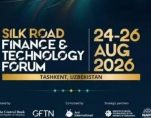
Issac John The Silk Road Finance & Technology Forum concluded in Tashkent with a proposition that carries important implications for the UAE: Central Asia wants its historic trade routes transformed into new corridors for money, payments, technology and investment. For a country whose prosperity has been built partly on functioning as the commercial and financial crossroads between East and West, that raises an intriguing question. Does the […]
SINGAPORE – Media OutReach Newswire – 28 August 2026 – Aolani, a Singapore-founded neocloud powering AI growth, today announced the launch of the Aolani Token Factory, a managed inference platform that enables organisations to deploy and scale AI models on a pay-per-token basis without provisioning or managing the underlying GPU infrastructure. The launch of the token factory will make Aolani the first Singapore-founded neocloud to offer production-grade, managed inference at scale.
As global AI companies expand their operations in Singapore, and companies around the world invest in AI to drive real business outcomes, the demand for production-grade inference infrastructure is quickly accelerating. Aolani Token Factory is designed to close the accessibility gap, giving AI-native companies and companies a highly compliant and high-performance path from AI experimentation to production-scale deployment.
The Aolani Token Factory will be offered as a per-token metering, where customers can pre-purchase credits and pay based on token consumption, rather than investing in capital-intensive GPU infrastructure. Aolani manages the full inference stack, including GPU capacity allocation, model serving, orchestration, scheduling, and workload optimisation, which allows customers to scale consumption without continuously provisioning additional infrastructure.
The platform supports leading open-source models at launch, including DeepSeek, GLM, Kimi, and Qwen. Aolani plans to further expand the model catalogue over time based on customer demand and availability. Customers can also deploy their own models through OpenAI-compatible APIs. Dedicated capacity and data isolation options are available for enterprise customers with strict compliance and data residency requirements.
The Aolani Token Factory will support three core production use cases:
AI agents for high-volume inference and workflow automation
Enterprise AI applications including internal copilots, knowledge assistants, and document intelligence
Coding agents for code generation, completion, testing, and review
Sea Xu, Applied AI Research Lead at Aolani said: “The Aolani Token Factory is built on a high-performance inference stack that supports the most in-demand open-source model families. We designed the platform for fast model adaptation and deployment, so our customers can get access quickly as new models emerge. As Southeast Asia’s AI ecosystem evolves and grows rapidly, it is our goal to ensure that the infrastructure serving it keeps pace.”
Nicholas Chia, Chief Executive Officer at Aolani said: “Fast-moving AI natives want to build and ship products flexibly and on-demand, without the need to manage GPU fleets. With our competitive per-token pricing and a fully managed stack, companies can go from model selection to production deployment without the capital outlay or operational complexity of self-managed infrastructure. This is a significant milestone for us and our customers as the Aolani Token Factory will fundamentally change how customers access AI compute.”
The issuer is solely responsible for the content of this announcement.
Aolani
Where AI gets built in Asia. Headquartered in Singapore and founded in 2023, Aolani is backed by compliant and purpose-built infrastructure to deliver the performance capabilities for next-generation AI. Aolani’s AI factories enable organisations to build with confidence, scale ambitiously, and move at hyper-speed in the world’s fastest-growing AI market.
Empowering SMEs and Working Professionals to Embrace AI and Foster Widespread AI Adoption in Hong Kong
HONG KONG SAR – Media OutReach Newswire – 28 August 2026 – The Hong Kong Productivity Council (HKPC) today held the Launching Ceremony of the “AI for All” Inclusive Programme, aligning with the National 15th Five-Year Plan and the “AI+” initiative, and supporting the HKSAR Government’s policies of “industries for AI, AI for industries” and “AI for All”. Coordinated by the Innovation, Technology and Industry Bureau (ITIB), the “AI for All” Inclusive Programme aims to promote the widespread adoption of AI across society. As one of the programme implementation partners, HKPC will lead the “AI with HKPC – Business Empowerment” sub-programme, focusing on practical business applications, talent development, and inclusive technology adoption. The initiative will provide targeted support to SMEs, professionals, labour groups, and underprivileged communities through a range of training courses, hands-on application programmes, and industry-academia-research collaboration, promoting AI literacy and the practical deployment of AI technologies.
Professor SUN Dong, JP, Secretary for Innovation, Technology and Industry, officiated at the ceremony, joined by Mr Emil YU Chen-on, BBS, JP, Deputy Chairman of HKPC, and Mr Mohamed Butt, MH, Executive Director of HKPC. The event also brought together representatives from leading international and Chinese Mainland technology enterprises, chambers of commerce, and industry leaders, who shared successful case studies and practical insights, fostering collaboration across sectors to advance Hong Kong’s AI ecosystem.
Professor SUN Dong, JP, Secretary for Innovation, Technology and Industry, said: “AI has become a key factor in global industrial upgrading and driving the development of the digital economy. Helping SMEs to achieve digital transformation and enhance competitiveness through AI is one of the focal points of the ‘AI for All’ inclusive programme. This time, HKPC as the third implementing organisation for the ‘AI for All’ inclusive programme, leverages its years of experience serving businesses to provide targeted and professional support to SMEs, helping them seize opportunities in the AI era. I hope that through the ‘AI for All’ inclusive programme, AI will not only serve as an empowering tool to enhance corporate value and competitiveness but also transform into a super dividend that benefits SMEs and the general public. Let ‘AI for All’ become Hong Kong’s vision for ‘Upgrading for All’ and ‘Opportunities for All’.”
Mr Emil YU Chen-on, BBS, JP, Deputy Chairman of HKPC, said: “AI should not be a privilege reserved for large enterprises. It should become a productivity tool that every business, every employee, and people from all walks of life can leverage. HKPC has long been committed to helping enterprises, particularly SMEs, enhance productivity, drive digital transformation, and convert innovative technologies into tangible business value. We focus on integrating AI technologies across different industries by providing practical, scalable and replicable solutions that support smart transformation. As one of the implementation organisations of the ‘AI for All’ Inclusive Programme, HKPC will centre its efforts on ‘AI with HKPC – Business Empowerment’, connecting Government, industry, academia, technology partners and social service organisations to help enterprises, SMEs, professionals and underprivileged communities acquire AI capabilities and transform AI into real productivity and business value, thereby advancing Hong Kong’s high-quality development and digital inclusion.”
“AI for All” Officially Launches with “Business Empowerment” Series to Drive Widespread AI Adoption
To advance the “AI for All” Inclusive Programme, HKPC has launched the “AI with HKPC – Business Empowerment” training series, centred on practical business applications. Through a two-year training and promotion programme, HKPC will work with technology companies, chambers of commerce, labour groups and community partners to help SMEs, professionals, working individuals, labour organisations, underprivileged groups and the general public acquire AI knowledge and application skills. The initiative aims to accelerate the adoption of AI and support digital and smart transformation across industries, sectors and communities through three key focus areas:
1. Business and Industry Upgrading: Through AI-focused programmes such as “AI+ Industry Boost Training” and “SME AI Connect”, enterprises can rapidly adopt AI technologies to enhance productivity and competitiveness. Key training topics include:
Practical Applications of Generative AI: Learning how to use generative AI tools for content creation, data analysis, and workflow optimisation.
AI Applications Across Industries: Exploring how AI enhances efficiency, optimises operations and drives innovation in sectors including education, healthcare, manufacturing, retail and logistics.
AI Project Workshops: Providing hands-on experience in AI application development and implementation, enabling participants to integrate AI solutions into real business scenarios.
2. Human Resources and Leadership: HKPC will continue conducting the “Hong Kong Enterprise AI Application Trends Survey” and share insights through “AI Talent Winning Tips”, helping organisations understand AI talent management and application trends while preparing for future workforce needs. Key topics include:
AI and Career Development: Examining the impact of AI on the future workplace and helping professionals understand emerging skills requirements.
AI Talent Management and Application Strategies: Sharing successful corporate experiences and practical strategies for AI transformation and talent development.
3. AI for ALL: Through the free online learning platform “AI BiteClass”, HKPC will provide convenient AI learning resources for SMEs, professionals, senior citizens and underprivileged communities, enabling people from all backgrounds to access AI fundamentals and the latest application trends anytime, anywhere. Key topics include:
Introduction to AI Fundamentals: Covering basic AI concepts, operating principles, common use cases and future trends.
Getting Started with Generative AI: Introducing generative AI tools and their everyday applications.
AI Ethics and Responsible Use: Building awareness of responsible AI adoption, including issues relating to data privacy, bias and transparency.
“AI BiteClass” Debuts at Launch Ceremony, Bringing Global Technology Expertise to Hong Kong
As part of the launch event, HKPC presented a live edition of the “AI BiteClass”, featuring experts from HKPC and leading global technology companies, including Amazon Web Services (AWS), Google Cloud, Huawei Cloud, Lenovo, Samsung, Tencent Cloud and Microsoft. The sessions shared practical AI techniques and real-world application cases tailored for SMEs. Through concise yet insightful presentations, the guest speakers highlighted the best practices and implementation strategies for AI, demonstrating how businesses can leverage AI to drive growth and enhance operational efficiency.
Looking ahead, the “AI BiteClass” will introduce a range of free online courses covering popular topics such as generative AI, AI agents, workflow automation, data analytics and enterprise transformation. Members of the public will be able to access practical AI learning resources at any time through the online platform or via iAM Smart.
HKPC has long positioned itself as a “technology adopter and enabler”, committed to helping enterprises transform innovation into tangible business value. Since 2024, HKPC has organised more than 600 AI training sessions, serving over 32,000 participants, including SMEs, large enterprises, HR professionals, industry leaders, students, educators and members of the public. These efforts have played a pivotal role in fostering a more competitive AI application ecosystem in Hong Kong.
A series of “AI with HKPC – Business Empowerment” activities will be rolled out progressively. Enterprises and members of the public are welcome to register via iAM Smart and stay updated on the latest programmes. Through collaboration with global technology enterprises, industry organisations and community partners, HKPC aims to bring AI into businesses, workplaces and communities, advancing the vision of “AI for All” while empowering enterprises and co-building Hong Kong’s intelligent future. For details, please visit: https://www.hkpcacademy.org/en/aiforall/
Professor SUN Dong, JP, Secretary for Innovation, Technology and Industry of the HKSAR Government, delivers a speech at the ceremony, sharing the Government’s vision for advancing the “AI for All” Inclusive Programme, accelerating AI adoption and fostering innovation and technology development in Hong Kong.
Professor SUN Dong, JP, Secretary for Innovation, Technology and Industry of the HKSAR Government (middle), Mr Emil YU Chen-on, BBS, JP, Deputy Chairman of HKPC (left), and Mr Mohamed Butt, MH, Executive Director of HKPC (right) officiate the HKPC Launching Ceremony of the “AI for All” Inclusive Programme, jointly promoting AI literacy and application.
Mr Emil YU Chen-on, BBS, JP, Deputy Chairman of HKPC, says HKPC will help enterprises and talent master AI technologies through the “AI with HKPC – Business Empowerment” series, supporting the transition from AI awareness to practical application.
The “AI for All” Inclusive Programme attracts representatives from the business and innovation and technology sectors to explore the latest AI developments and application opportunities.
HKPC hosts an “AI BiteClass” sharing session on the day of the Launching Ceremony, inviting technology companies and industry experts to present practical AI experiences and success stories, helping enterprises enhance productivity and competitiveness through AI.
Hashtag: #HKPC
The issuer is solely responsible for the content of this announcement.
About the Hong Kong Productivity Council
The Hong Kong Productivity Council (HKPC) is a statutory body established in 1967, dedicated to enhancing the productivity and competitiveness of Hong Kong enterprises through world-class applied R&D, innovative technology services, and integrated manufacturing solutions. As a market-oriented, international R&D organisation, HKPC leverages its deep expertise and extensive industry experience in key areas such as AI, advanced manufacturing, life and health technology, green technology and new energy to drive new industrialisation and support the growth of emerging and future industries.
HKPC focuses on addressing businesses challenges and industrial technology needs, promoting the full integration between technological and industrial innovation. Through technology transfer, product innovation, intellectual property protection and commercialisation of R&D outcomes, the Council fosters collaboration with the local business community as well as top global R&D institutions, delivering added value to industries and advancing the development of new productive forces. HKPC’s world-class R&D achievements have been widely recognised over the years, winning an array of local and overseas accolades, reinforcing Hong Kong’s role as an international innovation and technology centre and a smart city.
To help enterprises capitalise on Hong Kong’s strengths in international connectivity to expand into global markets, HKPC offers comprehensive overseas expansion services tailored to critical areas including product development, technology, manufacturing, and management, enabling businesses to successfully go global from Hong Kong.
HKPC is also committed to providing timely and practical support to SMEs and startups with timely and practical , assisting them in accessing Government funding programmes. Through its FutureSkills training initiatives, HKPC helps both industry and academia stay ahead in latest digital and STEM technologies, nurturing a future-ready talent pool for Hong Kong.
For more information, please visit HKPC’s website: www.hkpc.org/en.
HOHHOT, CHINA – Media OutReach Newswire – 28 August 2026 – On 25 August, Hohhot convened a conference on deepening the integration of technological innovation and industrial innovation. At the event, the city officially released its Measures for Advancing Deep Integration of Technological Innovation and Industrial Innovation, together with an overarching implementation plan. The 20 measures share one objective: to place economic and social development firmly on an innovation-driven path and accelerate Hohhot’s emergence as an important growth pole for high-quality development in northern China.
Scene from Hohhot’s Conference on Deepening the Integration of Technological Innovation and Industrial Innovation
“The less developed a region is, the more it needs to pursue an innovation-driven development strategy.” This message, voiced at the conference, reflects the clear-eyed resolve of a provincial capital city.
That resolve is underpinned by real strengths.
Here, the National Dairy Technology Innovation Centre has shortened dairy-cattle breeding evaluation from four years to just 45 days and cultivated China’s first probiotic strain for infants and young children derived from Chinese breast milk, helping the “Dairy Capital of China” advance towards becoming a global dairy hub. A major scientific facility for aerospace, sky-to-ground, cross-scale metrology, benchmarked against international leaders, is rising in Horinger New District. Inner Mongolia University of Technology has launched the region’s first new-energy industrial large model open to the world. Meanwhile, a domestic enterprise—the only one currently able to produce 4N5 high-purity germanium products consistently—is helping quantum technology and calcium-titanium mineral photovoltaics overcome key raw-material bottlenecks. From a single microbial strain to a beam of light, technological and industrial innovation are converging here and reinforcing one another.
Even more compelling is the city’s tangible commitment.
Municipal fiscal investment in science and technology will double in 2026 and double again in 2027. Newly recognised national-level innovation platforms will receive a one-off research grant of RMB 3 million, while each “Qingcheng Science and Technology Innovation Leading Talent” may receive up to RMB 500,000 in research support. By 2030, Hohhot aims to introduce an additional 10 academicians of the Chinese Academy of Sciences and the Chinese Academy of Engineering, as well as 50 high-level innovation teams. Through a policy approach of “enjoy benefits without application and receive them directly and swiftly”, the city will provide inclusive computing-power vouchers, model vouchers and token vouchers to technology-oriented small and medium-sized enterprises—lowering barriers to innovation and demonstrating the city’s sincerity in supporting innovators.
The World Dairy Capital sculpture is unveiled at Yili Modern Wisdom Health Valley.
Openness is a defining feature of Hohhot.
Drawing on the Hohhot Area of the China (Inner Mongolia) Pilot Free Trade Zone, the city is building an international science and technology cooperation base with countries along the Belt and Road. It is also deepening coordination with Beijing’s Haidian District through a “two-hour innovation circle”, exploring a new pathway in which research and development take place elsewhere while results are transformed and applied in Hohhot. Hohhot understands that innovation cannot thrive as an undertaking enclosed behind walls.
Like the Mongolian horse, it is resilient, diligent and determined—never resting until the goal is achieved. This is the character of the city: the breadth and inclusiveness of the grasslands, combined with the courage and pioneering spirit to open northwards, explore new frontiers and put ideas into action.
From the “Dairy Capital of China” to China’s “Cloud Valley”, from the pastures of Chilechuan to the computing-power clusters of Horinger, this green city is becoming a city of innovation.
Hohhot extends an invitation to the world: here there are supportive policies, real-world application scenarios and a genuine commitment to partnership—together with a vast landscape in which to join hands with those who strive and build for the future.
Hashtag: #Hohhot
The issuer is solely responsible for the content of this announcement.
HONG KONG SAR – Media OutReach Newswire – 27 August 2026 – In an era when enterprise software valuations are being fundamentally repriced by the rise of agentic AI, Deepexi Technology Co., Ltd. (1384.HK) has emerged as a rare counterexample: a pure-play enterprise AI platform that is delivering both technology leadership and bottom-line profitability. According to the company’s first interim results following its public listing, Deepexi recorded a 115% year-over-year surge in revenue for the first half of the year, powered by a 209% leap in core AI revenue and a decisive turnaround to quarterly GAAP profitability in the second quarter of 2026. This performance has earned the company “Buy” and “Overweight” ratings from multiple brokerages within its first year of listing.
Quarterly Profitability: A Rare Milestone in Hong Kong’s AI Sector
In capital markets, ambitious visions must ultimately be backed by real financial performance—and Deepexi’s interim results provide clear proof of execution.
For the first half of 2026, the company generated RMB 284.0 million in total revenue, marking a 115.0% year-over-year increase. Its AI business served as the primary growth engine, contributing RMB 226.0 million—an impressive 209.2% year-over-year surge—bringing AI revenue to 79.6% of total corporate turnover.
Even more noteworthy is the marked improvement in profitability. First-half gross profit reached RMB 160.0 million, up 120.5% year-over-year, with gross profit margin expanding to 56.5%. Crucially, during the second quarter of 2026, Deepexi posted a standalone quarterly net profit of approximately RMB 30.1 million, officially crossing the breakeven threshold.
In Hong Kong’s technology sector, pure-play enterprise AI companies capable of achieving quarterly net profitability while sustaining high R&D investment remain exceptionally rare. This milestone underscores Deepexi’s operational efficiency, scalable software delivery, and self-sustaining monetization engine.
This scarcity value is equally evident in the company’s revenue composition and vertical reach. Industrial manufacturing accounted for more than 50% of total revenue, while retail and consumer goods contributed 30%, alongside expanding footholds in healthcare and smart transportation. In manufacturing, for example, equipment troubleshooting and predictive maintenance involve dense engineering schematics, real-time IoT sensor telemetry, and extensive historical maintenance logs—all of which Deepexi translates into structured logic that AI models can readily interpret. This deep vertical expertise and proprietary data accumulation create a formidable competitive barrier that general-purpose AI vendors cannot easily match.
Beyond the “SaaSpocalypse”: Deepexi’s AI-Native Platform Defies the Software Valuation Reset
The first quarter of 2026 witnessed what market observers have dubbed the “SaaSpocalypse”—a tectonic shift in which approximately $2 trillion in market capitalization was erased from B2B software equities, driven by a fundamental fear that agentic AI would cannibalize the traditional per-seat licensing model. The iShares Expanded Tech-Software ETF (IGV) plunged nearly 21% year-to-date, and enterprise software multiples (EV/Sales) cratered from a 5.6x average at the end of 2025 to 4.2x by mid-March.
Investors have pivoted decisively toward AI-native infrastructure—companies that manage the data and underlying plumbing of autonomous systems—while penalizing traditional application-layer SaaS vendors reliant on human-centric interfaces. As a recent Windsor Drake analysis notes, “AI-native agentic platforms clear 14x to 22x revenue, with private rounds at 20x to 30x,” while legacy standalone RPA trades at just 2.5x to 5x. The market is now rewarding AI-native architecture and measurable workflow ownership.
Deepexi sits squarely on the winning side of this divergence. Unlike traditional SaaS vendors whose revenues are tied to human seat counts—and thus vulnerable to agentic displacement—Deepexi’s token-based, consumption-driven model aligns directly with the agentic AI future. The company’s DeepWorks enterprise Agent platform does not sell per-seat licenses; it sells AI productivity, enabling enterprises to deploy autonomous agents that replace repetitive administrative work, not software seats. As the market shifts from “AI as a feature” to “AI as a replacement,” Deepexi’s business model is structurally insulated from the seat-compression forces that have punished legacy software vendors.
Focus on Enterprise AI Applications and Proprietary Domain Data
To ensure AI truly meets real-world enterprise demands, generic foundational models are insufficient on their own. Deepexi’s core competitive edge lies in its specialized “Data + AI” dual-engine architecture, anchored by the FastData enterprise data intelligence platform, the FastAGI agentic AI suite, and the Deepexi Enterprise Large Model Platform, supported by its proprietary Deepology ontology dataset containing over 2,000 vertical industry skills.
At the foundational layer, the FastData platform—powered by the FastData Foil fusion engine—acts as an intelligent lakehouse that tokenizes structured, semi-structured, and complex unstructured enterprise data into standardized formats ready for large model training and inference. Building upon this data foundation, the FastAGI platform and DeepWorks Enterprise Agent Platform provide organizations with a flexible, modular AI operating system.
Featuring a pluggable architecture, the platform connects seamlessly to leading open-source foundation models such as DeepSeek and Zhipu AI, giving enterprise clients complete autonomy while eliminating vendor lock-in. This “model-agnostic” approach is a key differentiator in an environment where enterprises increasingly demand flexibility to choose the best model for each use case, rather than being locked into a single provider.
Through native Model Context Protocol (MCP) frameworks and specialized agents—ranging from operational decision-making agents to productivity and autonomous workflow execution agents—Deepexi embeds intelligence directly into core business operations. DeepWorks is fully integrated with mainstream workplace collaboration suites such as DingTalk, Feishu, and Tencent Meeting, allowing employees to summon AI copilots directly for automated weekly reporting, data synthesis, and cross-departmental coordination—effectively turning AI into an indispensable daily productivity tool.
In an enterprise AI market where 42% of organizations already have AI agents in production and 72% are deploying across production and pilots combined, Deepexi’s proven, governed agentic workflows are no longer an experiment—they are core infrastructure.
Strategic Partnership with Huawei Cloud: Tackling Compute and Data Bottlenecks
In the commercialization of enterprise AI, computing costs and access to high-quality domain data represent two of the industry’s most critical bottlenecks. On August 12, Deepexi announced a strategic alliance with Huawei Cloud to jointly launch enterprise data intelligence solutions, providing strong operational backing for the company’s long-term expansion.
The partnership combines the complementary strengths of both technology leaders. Huawei Cloud provides underlying Ascend AI computing clusters and distributed cloud infrastructure, while Deepexi brings its deep expertise in enterprise data governance, data tokenization, and vertical AI agent deployments. By integrating with Huawei’s domestic Ascend compute clusters, Deepexi not only secures stable, long-term computing power but also significantly drives down token processing costs. This cost efficiency establishes ideal conditions for exploring usage-based, token-metered commercial billing models—precisely the kind of consumption-based pricing that aligns with the agentic AI future.
Crucially, falling AI costs are widely expected to accelerate enterprise adoption of autonomous agents. Deepexi’s partnership with Huawei Cloud positions the company to capture this demand wave with a cost structure that improves as token volumes scale—a powerful margin-expansion dynamic that stands in stark contrast to the fixed-cost burden of traditional SaaS.
Strong Institutional Backing Highlights Long-Term Investment Value
Reflecting strong capital market confidence, Deepexi announced on August 17 the successful placement of 14,286,000 new H-shares at HK$35.00 per share, raising net proceeds of approximately HK$488.0 million. Successfully closing a sizeable placement amid broader market volatility demonstrates strong institutional recognition of Deepexi’s proven business model, robust unit economics, and profitability trajectory.
The company’s strategic shareholder structure provides a solid foundation for long-term growth. It is supported by prominent independent investors, including Hillhouse, 5Y Capital, and BAI, as well as industry-focused investors such as Shanghai AI. These partnerships enhance Deepexi’s industry reputation, drive technological innovation, and strengthen its market competitiveness.
The newly raised funds are earmarked primarily for continuous R&D in next-generation enterprise agent systems and token productivity platforms—positioning the company to capture the $206.5 billion AI agent software market projected for 2026, which Gartner expects to grow to $376.3 billion in 2027.
Investment Thesis: Why Deepexi Stands Apart
1. AI-Native Architecture in an Agentic World. Unlike legacy SaaS vendors facing seat compression, Deepexi’s token-based model is structurally aligned with the agentic AI future. The company doesn’t sell software seats—it sells AI productivity.
2. Rare Profitability in Enterprise AI. Quarterly GAAP profitability at a 56.5% gross margin, with projected revenue CAGR of 95.5% through 2027, places Deepexi among the most financially disciplined enterprise AI companies globally.
3. Model-Agnostic, Vendor-Neutral Platform. In an environment where enterprises demand flexibility, Deepexi’s pluggable architecture—supporting DeepSeek, Zhipu, and other open-source models—eliminates lock-in and captures value regardless of which foundation model wins.
4. Proprietary Data Moat. With over 2,000 vertical industry skills and deep expertise in manufacturing, retail, healthcare, and transportation, Deepexi’s domain-specific data capabilities create barriers that general-purpose AI vendors cannot replicate.
5. Strategic Compute Partnership with Huawei Cloud. Long-term, cost-effective compute access, combined with token-metered pricing models, positions Deepexi for sustained margin expansion as token volumes scale.
6. Institutional Validation. Backing from top-tier investors and a successful HK$488 million placement amid market volatility signal strong institutional confidence in Deepexi’s business model and growth trajectory.
The enterprise AI market has decisively shifted from early conceptual exploration into a new era of commercial execution and tangible financial delivery. Backed by mature product suites across FastData and FastAGI, proprietary vertical ontologies, strategic cloud partnerships, and an official transition to net profitability, Deepexi Technology has proven that enterprise AI can deliver both transformative technology and sustainable profits.
Hashtag: #DeepexiTechnology
The issuer is solely responsible for the content of this announcement.
About Deepexi Technology
Deepexi Technology is China’s leading provider of enterprise large model AI application solutions. Through its FastData enterprise data intelligence solution and FastAGI enterprise AI solution, it empowers enterprises to integrate their data, decisions and operations efficiently at scale. Deepexi ranked fifth in China’s enterprise large model AI application solution market in terms of revenue in 2024. Its solutions have achieved large-scale commercialization across multiple verticals, including consumer goods, manufacturing, healthcare and transportation. As of June 30, 2025, Deepexi Technology served a cumulative total of 283 enterprise customers across various industries.
This press release contains forward-looking statements that involve risks and uncertainties. Actual results may differ materially from those projected. The company undertakes no obligation to update any forward-looking statements.
Arabian Post Staff -Dubai Qatar Investment Authority has backed autonomous trucking company Gatik in a $200 million funding round aimed at expanding driverless freight operations across major North American supply chains. The Series D financing was co-led by QIA and Koch Disruptive Technologies, with Millennium Management, ARK Invest, Intact Private Capital and Arca Continental among the other participants. Gatik plans to use the capital to expand its […]
JPMorgan Chase has evaluated launching its own stablecoin as major banks reconsider their approach to blockchain-based money amid growing demand for digital payments and clearer US regulation. The deliberations mark a potential shift for the world’s largest bank by market capitalisation, which has so far concentrated on tokenised bank deposits rather than issuing a conventional stablecoin. JPMorgan already operates JPM Coin, a dollar-denominated deposit token designed for […]
Project integrates UNESCO-recognized Can Gio mangrove forest as core climate infrastructure, expanding ESG to include Regeneration and Climate Adaptation
HANOI, VIETNAM – Media OutReach Newswire – 26 August 2026 – Vinhomes Green Paradise, the 2,870-hectare coastal urban development in Can Gio, has become the first greenfield project worldwide to receive the Interim Custom ISO 37122 Smart City Certification from the World Council on City Data (WCCD), even before the arrival of its first residents.
An aerial master plan of Vinhomes Green Paradise in Can Gio, the world’s first greenfield project to achieve early-stage ISO 37122 Smart City Certification from the World Council on City Data.
The milestone reinforces Vinhomes’ pioneering “ESG++” model for the project, a framework that moves beyond traditional environmental, social and governance pillars to explicitly incorporate Regeneration and Climate Adaptation as core design principles.
By placing the adjacent UNESCO-recognized Cần Giờ Mangrove Biosphere Reserve at the center of its urban strategy, rather than treating it as peripheral landscape, Vinhomes is demonstrating that large-scale coastal development can simultaneously address biodiversity loss, carbon sequestration and long-term climate resilience.
A measured response to the global urban health crisis
The urgency of rethinking urban models is underscored by global health data. According to the Health Effects Institute’s State of Global Air 2025 report, air pollution was linked to 8.1 million deaths worldwide in 2021, overtaking tobacco to become the second-leading global risk factor for death and the leading cause of death for children under five after malnutrition. The World Health Organization estimates that approximately 89% of the 4.2 million annual premature deaths attributed to outdoor air pollution occur in low- and middle-income countries, precisely the regions experiencing the fastest urban growth.
This reality has redirected global capital flows. Grand View Research projects the global smart-city market to reach USD 3.76 trillion by 2030, compounding at nearly 30% annually, one of the fastest expansion rates across any industry sector. In this context, the question is no longer whether smart cities are worth building, but which developments can demonstrate independently verifiable performance.
Vinhomes Green Paradise has addressed this global benchmark through its Interim Custom ISO 37122 Smart City Certification, awarded by the World Council on City Data (WCCD), which validates its smart infrastructure and data-driven urban governance against international standards.
Moving beyond conventional standards, the project operates under an elevated philosophy known as ESG++, integrating two commitments that extend well past standard corporate reporting: Regeneration and Climate Adaptation. Under the pillar of Regeneration, the development goes beyond traditional conservation by actively restoring local coastal ecosystems through targeted mangrove reforestation, biodiversity preservation and community environmental education.
Concurrently, its Climate Adaptation strategy re-engineers urban infrastructure to proactively withstand long-term environmental hazards such as sea-level rise, storm surges and coastal erosion, ensuring the city is built for future resilience rather than simply reacting to present conditions.
Community perspectives reflect the broader appeal of this approach. Ho Chi Minh City-based content creator FABO Nguyen, speaking to CNBC, described his affection for the city’s dynamism alongside growing concerns about air quality and congestion. For him, and for many urban residents weighing similar trade-offs, the Vinhomes Green Paradise model offers a forward-looking alternative that does not require leaving the region, but instead redefines what a sustainable, livable urban environment can look like.
Mangrove forests as climate infrastructure
What sets Vinhomes Green Paradise apart from most coastal megaprojects globally is not merely its size, but its ecological adjacency. The development borders the Can Gio Mangrove Biosphere Reserve, a UNESCO-recognized site spanning over 75,000 hectares, one of southern Vietnam’s most valuable natural assets.
Recent scientific research has revalued the role of mangroves in climate regulation. A study published in Nature Communications indicates that while mangroves account for just 0.36% of global forest area, they sequester carbon per hectare at nearly four times the rate of mature terrestrial forests, making them among the most efficient natural carbon sinks on Earth. According to the Blue Carbon Initiative, a single hectare of mangrove forest can store carbon equivalent to approximately 1,500 tons of CO₂, a figure no concrete structure can replicate.
Against a backdrop where global mangrove cover has declined by as much as 67% in some estimates, Vinhomes has adopted a preservation-first strategy. The Vinhomes Green Paradise master plan limits building density to just 16% of the total area and establishes a dedicated Forest Regeneration and Climate Adaptation Fund. These measures treat the adjacent mangrove ecosystem not as passive scenery but as active, natural defensive infrastructure against coastal erosion and storm surges, precisely the approach that climate scientists are urging coastal cities worldwide to adopt.
This ecological commitment aligns with measurable economic value. JLL’s research across Asia Pacific, based on an analysis of nearly 3,100 Grade A office buildings in 14 cities, shows that green-certified buildings can command rental premiums as high as 28% over non-certified equivalents in the region’s tightest markets, with supply continuing to lag behind occupier demand. Sustainability, in other words, has ceased to be simply a virtue and has become a measurable asset class.
Similarly, the global energy transition reinforces the viability of Vinhomes Green Paradise’s renewable-energy targets. The Global Wind Energy Council forecasts offshore wind capacity to nearly triple from 83 GW in 2024 to approximately 238 GW by 2030, while the International Energy Agency projects global renewable capacity to grow by 4,600 GW over the same period, equivalent to adding the combined current generation capacity of China, the European Union and Japan. Against this backdrop, Vinhomes Green Paradise’s ambition to run on offshore wind, solar and battery storage reflects a broader global trajectory rather than an isolated pledge.
A blueprint for 21st-century urbanization
Taken together, the ISO 37122 certification, the ESG++ framework, the strategic integration of the Can Gio mangrove ecosystem and the economic revaluation of green assets, Vinhomes Green Paradise presents a coherent response to a defining question in contemporary real estate: how to build cities that are both worth living in and built to endure.
The project’s recognition as the first Official Participant in New7Wonders’ global “7 Wonders of Future Cities” campaign further underscores its international relevance. Vinhomes Green Paradise serves as a notable reference point for coastal urban development, illustrating how economic growth and ecological preservation can be integrated in regional contexts.
Hashtag: #Vinhomes
The issuer is solely responsible for the content of this announcement.
About Vinhomes
Vinhomes is Vietnam’s largest residential real estate and integrated township developer. The company pioneers the development of synchronized, modern large-scale townships, delivering premium living standards and unlocking sustainable investment opportunities for domestic and international clients.
By Subrata Majumder In the post Japanese Yen appreciation era, Japanese overseas investment shifted to China and ASEAN for low-cost manufacturing, leaving India behind. The trajectory is now witnessing movement in the reverse gear, owing to US President Trump’s high reciprocal tariff. Japanese investment has surged in India, leaving China and ASEAN behind. While Japanese […]
SpaceX has unveiled plans to invest $100 billion in a vast Louisiana spaceport designed to become its largest launch complex and support thousands of Starship missions each year. The project, named Starbase Louisiana, will occupy about 125,000 acres in Vermilion Parish near Pecan Island on the Gulf Coast. Construction is expected to begin in 2027, while SpaceX is targeting its first Starship launch from the site in […]
Alibaba Group Holding’s powerful insiders have stepped in to buy shares after its $10.2 billion equity placement, but their show of confidence has done little to settle investor unease over dilution and the rising cost of the company’s artificial intelligence ambitions.
Founder Jack Ma bought more than HK$600 million worth of Alibaba’s Hong Kong-listed shares over consecutive trading days, while chairman Joe Tsai and chief executive Eddie Wu together purchased more than HK$200 million of stock. The buying helped shares recover modestly after the placement triggered their sharpest setback in months, but the stock remained well below levels preceding the deal.
Alibaba priced 710 million new shares at HK$112.70 each, raising HK$80 billion, or about $10.2 billion. The price represented an 8.4% discount to the August 21 Hong Kong close of HK$123 and increased the company’s outstanding share count by roughly 3.7%.
Hong Kong-listed shares slumped 8.5% on August 24, closing at HK$112.50 after trading as low as HK$110.10. They recovered 1.5% to HK$114.20 on Tuesday as purchases by senior executives became known, leaving them still more than 7% below the price immediately before the placement was announced.
The transaction has become a test of whether investors will continue financing increasingly expensive AI expansion despite the near-term pressure it places on earnings and cash generation. Alibaba has earmarked all net proceeds for its full-stack AI capabilities, covering computing infrastructure, chips, models and other technologies required to expand its cloud and generative AI businesses.
Demand for the offering itself was strong. Investor orders reached roughly $28 billion, making the placement almost three times subscribed. Sovereign wealth funds and long-only institutional investors accounted for a sizeable portion of allocations. The deal ranks as the largest primary follow-on share offering by a Hong Kong-listed company.
The discomfort instead centres on the scale and timing of Alibaba’s capital requirements. The company spent close to $10 billion on capital expenditure during the three months through June, an increase of about 75% from a year earlier. Net profit dropped about 75%, while free cash flow turned into an outflow of roughly $6.6 billion.
Alibaba has already deployed almost half of the 380 billion yuan it pledged last year to spend on AI and cloud infrastructure over three years. Management has argued that rapidly growing demand justifies accelerating investment and has shortened its expected payback period for AI expenditure to about two-and-a-half years from three years.
That argument is supported by Alibaba Cloud’s accelerating expansion. Revenue from the cloud business has been growing strongly, helped by demand for AI-related products, while the company continues to build computing capacity overseas. Alibaba Cloud this month opened a third data centre in South Korea, taking its network to 104 availability zones across 30 regions.
Its Qwen family of large language models has also strengthened Alibaba’s position among leading Chinese AI developers. New iterations have improved performance in coding, reasoning and agent-based tasks, helping the company compete with models from domestic rivals and leading US technology groups.
Investors nevertheless face a difficult balance between the longer-term AI opportunity and the immediate financial cost. Expensive processors, servers, data centres and networking equipment require large upfront commitments, while competition is pushing model providers towards lower prices. Alibaba is simultaneously spending heavily on quick commerce and other consumer businesses, adding pressure to margins.
The share sale has also revived scrutiny of capital allocation. Alibaba spent years repurchasing billions of dollars of its own shares, only to issue new equity at a sizeable discount as AI spending accelerated. Although the company still has substantial cash resources, investors have questioned why such a large equity raising was preferable to greater use of its balance sheet or debt financing.
Issac John Uzbekistan has emerged from the three-day Silk Road Finance & Technology Forum with an audacious ambition: to establish Tashkent as Central Asia’s financial technology gateway and, increasingly, as a bridge between the region and the $6 trillion global Islamic finance industry. The question is whether this is achievable — or is it just another aspirational hub strategy in an increasingly crowded financial geography. There […]
HONG KONG SAR – Media OutReach Newswire – 26 August 2026 – Redress, the Asia-focused environmental NGO dedicated to reducing clothing’s negative environmental impacts since 2007, is calling on consumers worldwide to vote online for their favourite Finalist in the Redress Design Award 2026, the world’s leading sustainable fashion design competition. Voting for the People’s Choice Award is open until 31 August 2026, with the winner to be announced at the Grand Final Fashion Show in Hong Kong on 2 September.
The Finalists’ collections showcase innovative approaches to tackling textile waste, transforming discarded leather offcuts, secondhand hardware and industrial waste through reconstruction and upcycling techniques, while exploring next-generation materials such as biodegradable fruit leather and ethical non-livestock wool to reimagine raw materials for circular fashion.
Organised by Redress and supported by the Cultural and Creative Industries Development Agency (CCIDA) of the Government of the Hong Kong Special Administrative Region as Lead Sponsor, the Redress Design Award invites the public to discover the tactile beauty of circular fashion through its latest photoshoot and cast their votes to champion sustainable fashion while empowering the next generation of circular design talents.
The photoshoot: sensory storytelling
Photographed by acclaimed Hong Kong creative Paul Sunga with hair by Davines and makeup by MakeupBees, the photoshoot celebrates the creative decisions behind each Finalist’s collection, highlighting the unique textures, craftsmanship and natural imperfections of their materials while underscoring why design matters: 80% of a garment’s environmental impact is determined at the design stage[1].
“The Finalists of the Redress Design Award are proving that thoughtful design can transform textile waste into something beautiful. Getting up close to these garments, you see how every material choice, texture and technique tells a story, reminding us that the biggest opportunity to reduce fashion’s environmental impact begins at the design stage. I can’t wait for people to discover these collections through the photoshoot and vote for their favourite,” says photoshoot photographer Paul Sunga.
The Finalists’ collections are transported from overseas to Hong Kong for the photoshoot and upcoming Grand Final using DHL Express’ GoGreen Plus service. This service helps reduce greenhouse gas emissions through a Book & Claim mechanism, where the environmental attributes of Sustainable Aviation Fuel (SAF) are allocated to participating shipments. Made from alternative raw materials with a lower-emission energy profile, such as used cooking oil, waste and hydrogen, SAF can reduce the air transport shipments’ lifecycle greenhouse gas emissions by around 80 percent compared with conventional jet fuel.
Find out who wins at the grand final show
The People’s Choice Award winner will be announced at the Redress Design Award 2026 Grand Final Fashion Show, along with the coveted first prize including a week-long trip to the UK to connect with leading voices in sustainable fashion through a visit to Simple Approach’s Manchester operations to gain insight into responsible fashion design, development, and manufacturing, and an intensive experience with the team at luxury womenswear brand Roksanda to work on an upcycling design project.
The Redress Design Award 2026 Grand Final Fashion Show is open to an exclusive in-person audience and will be livestreamed globally on 2 September 2026 (Wednesday), at 5pm HKT / 11am CET via Facebook and WeChat. Save the date here.
Alumni showcase at centrestage open to public
Redress will also present a total of six Redress Alumni brands as part of both the Grand Final Fashion Show, and at a showcase of Alumni brands at CENTRESTAGE in Hong Kong from 2–5 September 2026 (Wednesday–Saturday, 11am–7pm) supported by DHL. Industry professionals and the public alike are all welcome to come, meet designers, and see up close their sustainable, waste-reducing collections.
The Redress Design Award 2026 Photoshoot Credits
Photographer: Paul Sunga
Models: Pak Yan Wong (Self Management Hong Kong), Max Holmström (Primo Management Ltd)
Production: Katt Bidegain, Charly Cheung, Nancy Liu
Studio: Soho House Hong Kong
Lighting: Ming Suet
BTS videographer: Jimmy Yu
BTS photographer: Nicky Chan
[1] European Commission: Directorate-General for Enterprise and Industry and Directorate-General for Energy, Ecodesign your future – How ecodesign can help the environment by making products smarter, European Commission, 2012
Hashtag: #Redress
The issuer is solely responsible for the content of this announcement.
Redress
Redress (www.redress.com.hk) is a Hong Kong-based, Asia-focused environmental NGO with a mission to accelerate the change to a circular fashion industry by educating and empowering designers and consumers so as to reduce clothing’s negative environmental impacts.
The Redress Design Award
The Redress Design Award(www.redressdesignaward.com) is the world’s leading sustainable fashion design competition that educates and empowers emerging fashion designers about circular design techniques to reduce fashion’s negative environmental impacts. Organised by Hong Kong-based, Asia-focused environmental NGO Redress since 2011, the competition partners with academic institutions globally and attracts designer applicants from over 50 countries and regions to win prizes that connect them with global-leading fashion businesses to accelerate the change to a circular fashion industry.
Cultural and Creative Industries Development Agency (CCIDA)
The Cultural and Creative Industries Development Agency (CCIDA) (www.ccida.gov.hk), formerly known as Create Hong Kong (CreateHK) since 2009, was established in June 2024. CCIDA is a dedicated office under the Culture, Sports and Tourism Bureau of the Government of the Hong Kong Special Administrative Region (HKSAR Government) to provide one-stop services and support to the cultural and creative sectors with a mission to foster a conducive environment in Hong Kong to facilitate development of the arts, culture and creative sectors as industries. CCIDA’s strategic foci are nurturing talent and facilitating start-ups, exploring markets, promoting cross-sectoral and multi-disciplinary collaboration, promoting industrialisation of the arts, culture and creative sectors under the industry-oriented principle, and fostering a creative atmosphere in the community, thereby reinforcing Hong Kong as Asia’s creative capital and our positioning as the East-meets-West centre for international cultural exchange.
Disclaimer: The Government of the Hong Kong Special Administrative Region provides funding support to the project only, and does not otherwise take part in the project. Any opinions, findings, conclusions or recommendations expressed in these materials/events (or by members of the project team) are those of the project organisers only and do not reflect the views of the Government of the Hong Kong Special Administrative Region, the Culture, Sports and Tourism Bureau, the Cultural and Creative Industries Development Agency, the CreateSmart Initiative Secretariat or the CreateSmart Initiative Vetting Committee.
Arabian Post Staff -Dubai Abu Dhabi Islamic Bank’s board has approved plans to raise up to Dh1.75 billion through a rights issue, strengthening its capital base as the lender pursues faster expansion under its Vision 2035 strategy. The proposed transaction will involve the issuance of as many as 106.38 million new ordinary shares at Dh16.45 each. The subscription price represents a discount of about 28.8 per cent […]
HONG KONG SAR – Media OutReach Newswire – 25 August 2026 – Knitup, a design-to-manufacturing platform, is introducing a flexible production model tailored to the rapidly expanding global creator economy. As online creators move beyond basic print-on-demand merch, Knitup bridges the gap by offering custom, high-end knitwear with low barriers to entry.
Over 45% of online creators are diversifying revenue through direct product launches, but the creator apparel industry is still stuck in cheap screen-printed blanks that dilute premium IP. Top creators want to build fashion-grade consumer brands, but traditional fashion manufacturers requires high MOQs, long lead times, and technical literacy. High-end creators face a trade-off: basic promotional blanks or massive inventory risk on fashionable products. Knitup solves this by enabling creators with no technical know-how to go from idea to premium products with no minimum requirement. With the advantage of full creative freedom, zero inventory liability, and rapid replenishment cycles, creators can target the premium segment with offerings of BCI Cotton and sustainable merino wool sweaters and beanies, or even step into the luxury tier segment with cashmere cardigan, dresses and blankets.
“We created Knitup to empower the next generation of creators by making the capabilities of a fashion design house accessible,” said Dorothy Pun, Founder of Knitup. “Creators and designers are enabled to make better products with minimal capital outlay. Brands and the planet are saved the burden of inventories. The world sees more creativity and innovation.”
Knitup addresses bottlenecks around mass customization for any knitted products by automatically turning digital design into knitting data that goes straight to knitting machines. What usually takes hours can now take minutes.
Since launching its online design platform in 2022, Knitup has grown to serve over 1,000 brands, ranging from emerging labels to established global names. Key capabilities include:
No Minimums: Produce exactly what the market demands, precisely when it wants it, helping eliminate excess inventory.
Design Expression: Bring visuals to life, from detailed custom jacquards to classic solid stitches and crisp embroidery.
Creation Process, Edited: Styles are visualized using high fidelity virtual samples. No waste even if users over-design and kill many styles. All costed instantly. Guilt-free and simple. Also a perfect tool to get consumers’ feedback on social media.
Sustainable Yarns: Access to environmental friendly materials that deliver both quality and great hand-feel.
Agile Manufacturing: A frictionless three-week production lead time that allows brands to restock rapidly, introduce new styles at speed, or launch limited capsule collections in weeks.
From bold statement graphics to quiet luxury, Knitup makes conscious fashion accessible without sacrificing speed, quality, or creative expression. Hashtag: #Knitup #CreatorCommerce #PremiumKnitwear
The issuer is solely responsible for the content of this announcement.
About Knitup
Knitup is a new kind of design-to-manufacturing platform that caters to everyone, from visionary artists and makers to small businesses and even large global corporations.
We bridge the gap between creativity and commerciality by enabling easy access to a complex knitwear supply chain. Our deep heritage in manufacturing, combined with cutting-edge technology and extensive know-how, unlocks a world of possibility for a creator, brand, or business.
Ultimately, we believe in the power of self-expression. By providing the tools and resources for anyone to bring to life high-quality and sustainable products, we enable creativity to flourish everywhere. From fostering vibrant communities built on shared stories and collaboration, to established corporations venturing out into new avenues.
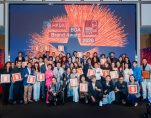
HONG KONG SAR– Media OutReach Newswire – 25 August 2026 – The Hong Kong Designers Association (HKDA) hosted the Hong Kong Design Summit cum BDA Brand Award 2026 Presentation Ceremony Gala Dinner at The Fullerton Ocean Park Hotel Hong Kong, bringing together an elite audience of 180 leading professional designers, creative industry pioneers, and corporate executives, this year’s flagship event serves as an authoritative platform celebrating excellence in design application, cross-sector matching, and strategic design-tech partnerships.
The Summit was honored to have Miss Yvonne Ip, Acting Commissioner for Cultural and Creative Industries, as the Guest of Honour. In her address, Miss Ip highlighted the power of design to drive business growth and emphasized that the Hong Kong Design Summit, now in its third year, has become a key platform for industry exchange and collaboration, bringing design talent and enterprises together through flagship initiatives like DesignMatch, to turn creative ideas into commercial results. The Hong Kong Designers Association has been a pioneering force in the local design ecosystem for half a century, and CCIDA is proud to partner with HKDA to nurture design professionals, accelerate industrialization, and help local enterprises expand into international markets — advancing Hong Kong’s creative economy together.
Chairman’s Welcome: Driving Real Impact Through Strategic Focus
Opening the evening gala, Ms. Mui Kinoshita, Chairman of HKDA, delivered a heartfelt welcoming address reflecting on the Association’s post-pandemic transformation and strategic vision.
Reflecting on the Association’s post-pandemic vision, Ms. Kinoshita highlighted HKDA’s core strategy—”Two Awards, One Summit, One Platform“—designed to deliver tangible benefits by recognising individual design excellence, honoring corporate design investment, and driving commercial partnerships through DesignMatch. She celebrated HKDA’s expansion from 900 to over 1,300 members, calling it a testament to industry trust. Honoring the Association’s 50-year legacy, she paid tribute to founding pioneers whose dedication laid the foundation for Hong Kong’s creative sector. She concluded with a passionate call for open dialogue and unified collaboration to build a stronger, more caring design industry for the next generation.
Star-Studded Gathering of Design Icons and Industry Leaders
The Gala Dinner was anchored by an extraordinary gathering of creative heavyweights, founding pioneers, and distinguished guests across the design, creative sectors, and corporate leaders. Joining Guest of Honour Miss Yvonne Ip and Officiating Guests, including Dr. Kan Tai-Keung, SBS, BBS, Former Chairman of HKDA (Tenure: 1986, 1987, 1988), Mr. Steve Leung, BBS, Chairman of Hong Kong Design Centre, Mr. Alan Cheung, MH, Chairman of Hong Kong Design Council, Federation of Hong Kong Industries, Mr. Kevin Yeung, Chairman of Hong Kong Fashion Designers Association, were celebrated global design icons and industry leaders who attended in strong support of the Summit, including Ms. Vivienne Tam, Designer and Founder, Vivienne Tam Fashion House, Mr. Tino Kwan, Founder and Principal Consultant of the Tino Kwan Lighting Consultants Limited, and Mr. Gu Wei, Head of AIGC Design Business, Alibaba International Digital Commerce Group. The evening was further graced by prominent design masters, industry executives, and organisational representatives. Their presence, alongside premier corporate partners and judging leaders, underscored the unified strength and collective vision of Hong Kong’s creative community.
The annual event unfolds in two key segments: the Hong Kong Design Summit, featuring the Kick-off Ceremony, DesignMatch business matching, and a landmark MOU signing; followed by the BDA Brand Award 2026 Presentation Ceremony.
Hong Kong Design Summit 2026
The opening segment convenes industry leaders and creative professionals to foster commercial growth and educational innovation:
1. DesignMatch Business Matching Sessions: An exclusive, high-impact B2B networking initiative designed to bridge corporations and design professionals, driving immediate business opportunities and accelerating the translation of creative capital into commercial success.
2. Award-Winning Brands Showcase: A curated, high-visibility showcase where outstanding design firms and corporate awardees demonstrate successful project outcomes and share strategic market insights.
3. Strategic Tripartite MOU Signing: A milestone collaboration between School of Design, The Hong Kong Polytechnic University, Alibaba International Design, and Hong Kong Designers Association. The parties intend to explore opportunities for collaborative initiatives in design and AI-related education in the creative industry, as well as strategic collaboration for industry development across Hong Kong and the Greater Bay Area (GBA). Key potential areas of collaboration include: A) Joint development and delivery of academic and professional training courses (with AI courses as the initial program collaboration); B) Industry–academia partnerships to foster design-tech innovation and applied research; C) Co-organisation of training courses, flagship events, forums, and summits to promote design excellence and cross-sector collaboration.
BDA Brand Award 2026 Presentation Ceremony
The second part of the event highlights design leadership and commercial results through an elite evening program, the BDA Brand Award 2026 Presentation Ceremony. An elite gathering celebrating outstanding brand design applications and recognizing excellence across diverse industries. This year’s competition attracted 150 brand entries from diverse industries, further solidifying BDA’s authoritative position as one of Hong Kong’s top brand awards. The BDA Brand Award invites nominations from professional designers or organizations, with submissions evaluated by a panel of experts based on three aspects: brand story, development, and achievements. Additionally, five assessment criteria are considered: 1) Environmental & Social Impact, 2) Cultural Impact, 3) Innovation & Technology, 4) Brand Image, Identity & User Experience and 5) Market Performance & Value.
The awards celebrated winners across multiple categories, including 1) Best Branding Image Award, 2) Best Cultural & Heritage Award, 3) Best ESG Award, 4) Best Innovation & Technology Award, 5) Best Media & Communication Award, as well as Best Award, Grand Award, and the prestigious Best of the Best Award.
A professional jury panel comprised of esteemed first-round judges—Prof Anthony Kong (Assistant Professor, School of Design, The Hong Kong Polytechnic University), Mr. Kirin Leung (Founder, Kirin+lab), Mr. Joe Wong (Founder, Joe Wong Design), Mr. Kenny Li (Founder, FM+ Concepts & FAVEbyKennyLi), and Mr. Jay Leung (Founder, Starz Group) as well as final-round judges—Ms. Mui Kinoshita (Chairman, HKDA), Prof. Viveca Chan (Founder and Chairman, WE Marketing Group), Ms. Hilda Chan (Chief Marketing Officer, HKSTP), Mr. Bosco Leung (Social Responsibility Lead, MTR Corporation Limited), and Mr. Jimmy Li (Head of Brand Partnership, Harvey Nichols Hong Kong). The judges meticulously assessed submissions through a rigorous process, including an initial online evaluation and live presentations.
From a pool of 150 exceptional brand entries, the jury evaluated each brand’s overall excellence, market impact, and alignment with the selection criteria in their respective fields. It is with great pleasure that we announce Sino Group「GoCircular」as the winner of the Best of the Best Award and fwah! as the winner of the Best of the Best Award (Startups). These brands have demonstrated unparalleled excellence, and their selection as winners is a testament to their outstanding achievements.
Additionally, 14 outstanding brands have been recognized with the Grand Award, including (in alphabetical order)
1. a²CIRCLE x TENKA TAIHEI
2. Bone Studio骨子裡
3. BrainX
4. Cohere Design柏納遨天
5. DCH Living 大昌行生活
6. Gridword Communications Ltd
7. HKUST International Summer Campus
8. ISABELLE.C 伊裳
9. Leo Paper Group 利奧紙品集團
10. LOUDER
11. Mini Greeny Heroes
12. Jumbo Kingdom – Tai Pak Floating Restaurant 珍寶王國 – 太白海鮮舫
13. The Living Art
14. Tiger Circle
The full winner list of BDA Brand Award 2026 is listed on Appendix A.
Fostering Strategic Synergies and Future Growth
The 2026 Summit reinforces HKDA’s commitment to elevating design as a core commercial driver while empowering the next generation of designers through AI-driven education and regional integration. Through structured business matching, strategic academia-industry partnerships, and award recognition, the event continues to solidify Hong Kong’s position as a premier global hub for commercial design innovation.
For more details on the event and program updates, please visit the official website at https://www.hkda.hk/
Appendix A – BDA Brand Award 2026 Winners (*in Alphabetical order)
3. ESG VISA – The Global Passport for Sustainable Business
4. PARTYDAY
5. Silver Innovation
6. Starry Learning
7. Xinera by FoodTrack
Startups – Best ESG Award
1. ESG Visa
Startups – Best Cultural & Heritage Award
1. Tu by Tu
Startups – Best Branding Image Award
1. Excelsior interior design limited
2. EyeComfi
3. LegalOne Global Limited
4. 非遺美食 INTANGIBLE CULTURAL HERITAGE FOOD
5. Renovation Guide Consultant Limited
6. Ripple & Co.
Hashtag: #HKDA #BDABrandAward #BDA品牌大獎
The issuer is solely responsible for the content of this announcement.
About Hong Kong Designers Association (HKDA)
Established in 1972, the Hong Kong Designers Association (HKDA) was the first of its kind in Hong Kong and is a founding member of the Hong Kong Design Centre. Its core mission is to promote design’s public interest, cultivate young designers, and elevate the professional status of practising designers across sectors.
HKDA’s flagship programmes include the Global Design Award (GDA) (formerly known as Asia Design Awards), which has been celebrating outstanding global designs biennially since 1975; the Hong Kong International Poster Triennial (HKIPT), which has been documented the development of local and international poster design through competition, exhibition and symposium since 2000; the Sponsorship for International Design Awards (SIDA), a distinguished funding scheme for local designers and design-applying enterprises who are winners of international design awards, which has been running since 2011; Design X Technology (DXT), a progressive programme that integrates design and technology as core components in business strategy to drive innovation and competitive advantage since 2020; and BDA Brand Award (BDA) (formerly known as BDA Brand Design Awards), this award evaluates outstanding brand performance through a professional design lens, honoring long-term strategic commitment to design excellence, and was debuted in 2023, also other strategic initiatives including the Hong Kong Design Summit and the DesignMatch business matching programme connect design professionals directly with market demand across government, commercial, and industrial sectors.
With over 1,300 individuals and corporations in its diverse membership base, HKDA offers a wide range of membership options for professionals, associates, affiliates, students, and corporations that cover six design disciplines: Graphics, Spatial, Product, Digital, Fashion, and Education. Prioritising design excellence, education, technology integration, sustainability, business support, diversity, and inclusivity, HKDA has established itself as a vital platform for its members, as well as designers, businesses, and organisations throughout the Asia-Pacific region. Through its commitment to advancing these key areas, HKDA provides valuable resources, networking opportunities, and expert guidance to its members while also serving as a hub for innovation and collaboration in the design industry.
HKDA is committed to raising public awareness of the value and importance of design in society. It partners and collaborates with other design organisations and institutions worldwide, such as the World Design Organization (WDO) and International Council of Design (ico-D), to promote global design excellence, cultural diversity, and international design exchanges. By working with other design organisations on a global scale, HKDA aims to contribute to the development and advancement of the design industry, both locally and internationally.
Washington has sanctioned the Wellbred commodities group and businesses spanning Singapore, the UAE, Switzerland and France, expanding pressure on a global commercial network linked to Iranian oil trader Mohammad Hossein Shamkhani. The measures designate Singapore-based Wellbred Capital Pte Ltd, UAE-based Wellbred Trading FZCO and Switzerland-based Wellbred Trading SA. La Nivernaise de Raffinage SAS, a French cooking-oil refinery controlled by Wellbred Trading SA, has also been placed under […]
Arabian Post Staff -Dubai France and Saudi Arabia have unveiled a €6 billion leisure development near Paris that is expected to include three theme parks, with a flagship attraction built around the Dragon Ball manga and anime universe. The project will be developed around Cergy-Pontoise, about 30 kilometres northwest of the French capital, and is expected to create about 22,000 direct jobs. Qiddiya Investment Company, the Saudi […]
Arabian Post Staff -Dubai Saudi Aramco has signed agreements with French companies carrying a potential combined value of more than $3.7 billion, expanding cooperation in drilling equipment, specialised oilfield products and industrial artificial intelligence. The agreements were announced during a Saudi-French investment roundtable in Paris on Monday, August 24, attended by Aramco president and chief executive Amin H. Nasser. They form part of a broader push by […]
Alibaba Cloud has opened its third data centre in South Korea, increasing local computing capacity as businesses accelerate investment in artificial intelligence, cloud applications and data-intensive services.
The facility, launched on August 18, expands the company’s Korea region only about 14 months after its second data centre began operating. Alibaba Cloud established its first South Korean data centre in 2022 after entering the market in 2016, reflecting a faster infrastructure build-out as demand for generative AI and enterprise AI agents increases.
The third site adds capacity for computing, storage, networking, databases, security, containers and cloud-native services. It will also support workloads requiring lower latency and stronger disaster-recovery arrangements, while giving customers more options to distribute applications across separate facilities.
Alibaba Cloud has not disclosed the new centre’s power capacity, investment cost, number of graphics processing units or current utilisation rate. The company has indicated that additional computing equipment can be installed as customer demand expands.
Operating three data centres also changes the resilience of Alibaba Cloud’s South Korean infrastructure. With two facilities, disruption at one centre could leave the remaining location handling workloads alone. The addition of a third allows applications to remain distributed between two facilities if another suffers an outage.
The expanded configuration has enabled Alibaba Cloud to raise the service-level availability commitment for its Korea region from 99.95% to 99.99%, strengthening its pitch to companies running business-critical applications and AI services.
Enterprise AI is becoming an increasingly important part of that strategy. Alibaba Cloud is introducing six agentic AI services in South Korea covering development, testing, deployment, operations and cybersecurity. They include AgentRun, STAROps, ACS Agent Sandbox, Agent Security Center, AI Security Guardrails 2.0 and Agentic SOC.
The services are aimed at companies seeking to move AI agents from experimental projects into production environments, where governance, reliability and security become more demanding. Enterprises are increasingly looking beyond access to large language models towards infrastructure capable of operating autonomous or semi-autonomous software agents at scale.
Alibaba Cloud is pairing those services with its broader full-stack AI offering, including infrastructure, development platforms and the Qwen family of AI models. Qwen models have recorded more than 3 billion downloads globally, while developers have created more than 300,000 derivative models based on the family.
South Korean companies are already using parts of Alibaba Cloud’s AI ecosystem. Gwangju-based Gendive has integrated Alibaba models including Wan for video generation and HappyHorse for image generation into its DevDive enterprise automation platform. NAVER Z’s ZEPETO platform also uses Alibaba Cloud infrastructure to support real-time 3D avatar generation and immersive services across Asian markets.
Alibaba Cloud has built local partnerships with companies including Megazone Soft and Team Sparta, seeking to combine its infrastructure with consulting, implementation and industry-specific services. Such alliances are important in a South Korean cloud market where global hyperscalers compete with strong domestic technology groups.
Data sovereignty is another factor shaping cloud investment. Businesses handling sensitive information increasingly want workloads hosted within national borders, particularly as regulators pay greater attention to cybersecurity, resilience and governance surrounding AI systems. Alibaba Cloud says its South Korean infrastructure is designed to comply with applicable local data-protection and cybersecurity requirements.
The Korea expansion forms part of Alibaba’s wider commitment to spend about 380 billion yuan, roughly $53 billion when the programme was announced, on AI and cloud infrastructure over three years. The group has already committed substantial capital to computing capacity, chips and AI development as it attempts to establish cloud services as a larger growth engine.
Alibaba Cloud revenue rose sharply in the April-June quarter of 2026, with cloud and AI-related sales reaching about 48.4 billion yuan and growing 45% from a year earlier. The expansion has come at a cost: Alibaba’s quarterly capital expenditure climbed to nearly 67.7 billion yuan as spending on computing infrastructure and semiconductor components increased.
The company has also expanded cloud infrastructure in France, Japan, Malaysia and Mexico. With the new South Korean facility, Alibaba Cloud says its global network has reached 104 availability zones across 30 regions.
Bitcoin climbed back above $79,000 on Monday, extending a powerful rebound that has restored bullish momentum after weeks of pressure across cryptocurrency markets. The world’s largest digital asset briefly traded around $79,200 before encountering resistance near the psychologically important $80,000 level. The move capped a sharp recovery from levels near $63,400 earlier in the week, representing a gain of more than 20% from the trough. Bitcoin subsequently […]
Standard Chartered has become the first bank to distribute a regulated Hong Kong dollar stablecoin, opening access to Anchorpoint Financial’s HKDAP for eligible institutional clients and partners as Hong Kong pushes tokenised money deeper into mainstream financial services.
The London-headquartered banking group said it will help qualifying customers integrate HKDAP into financial and commercial operations. Planned applications include money-market fund subscriptions, settlements with asset managers, transfers between entities within the bank’s international network and cross-border payments.
The move gives HKDAP a major banking distribution channel less than two weeks after Anchorpoint began its limited institutional rollout on August 12. The stablecoin, whose name stands for HKD At Par, is designed to maintain a one-to-one value with the Hong Kong dollar and is currently available through a controlled beta programme.
Standard Chartered is the majority shareholder in Anchorpoint, which was established with HKT and Animoca Brands. The venture received one of Hong Kong’s first stablecoin issuer licences in April, alongside HSBC, following the introduction of the territory’s Stablecoins Ordinance in August 2025.
Standard Chartered’s role as distributor is distinct from Anchorpoint’s function as issuer. Under Anchorpoint’s business-to-business-to-consumer model, authorised distributors provide access to the token after conducting customer onboarding and know-your-customer checks. That structure is intended to connect regulated tokenised money with banks, exchanges, asset managers, companies and, eventually, individual users.
Access remains restricted during the beta stage to corporates and professional investors. Anchorpoint aims to broaden availability to retail users as early as the end of 2026, subject to operational and market readiness.
HKDAP currently operates on the Ethereum mainnet. Its reserves are held under a trust arrangement for token holders, with Standard Chartered Trustee acting as trustee. The token does not pay interest and is not positioned as an investment product. Instead, it is designed as digital cash for payments, settlement and movement of funds.
Early activity remains deliberately limited. Anchorpoint disclosed circulation of HK$522,000 and transaction volume of HK$658,160 as of August 19, with reserve assets of about HK$1.62 million. Issuance over the preceding 30 days totalled HK$524,130, while HK$4,170 had been redeemed. The small amounts reflect the controlled institutional testing phase rather than a mass-market launch.
The distribution agreement nevertheless represents an important step towards commercial use. Standard Chartered plans to introduce additional HKDAP applications over the coming month, expanding beyond experiments into transactions that could demonstrate whether regulated stablecoins can reduce settlement times and connect conventional banking infrastructure with blockchain-based markets.
The bank has been accelerating its digital-asset strategy across several areas. It already provides institutional trading in deliverable spot Bitcoin and Ether, has expanded digital-asset custody services and has developed blockchain-based settlement and collateral arrangements. In July, it also launched integrated institutional access to Circle’s USDC minting and redemption infrastructure.
Standard Chartered’s scale could give HKDAP a distribution advantage. The group operates across 55 markets and reported total assets of about $993.4 billion at the end of June 2026, up from roughly $920 billion at the end of 2025. First-half operating income reached a record $11.6 billion, while pre-tax profit rose to $4.8 billion.
Hong Kong’s regulated stablecoin experiment is taking shape cautiously. The monetary authority has imposed capital, reserve-management, redemption, governance, anti-money-laundering and risk-management requirements on licensed issuers, seeking to distinguish supervised fiat-backed tokens from the less regulated stablecoins that dominate global cryptocurrency trading.
HSBC, the other initial licensed issuer, is preparing its own Hong Kong dollar stablecoin for launch during the second half of 2026. The entrance of two globally significant banks places Hong Kong among the jurisdictions attempting to develop regulated alternatives to dollar-denominated tokens such as USDT and USDC, which account for the overwhelming majority of global stablecoin activity.
HKDAP’s first commercial targets centre on areas where settlement speed can offer measurable benefits. Tokenised investment products can potentially be subscribed to and redeemed using programmable money without waiting for traditional banking hours. Cross-border corporate transactions and intragroup treasury transfers could similarly move continuously while maintaining a direct link to regulated fiat reserves.


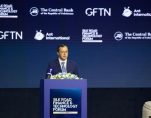

 https://www.aolanicloud.com/
 https://linkedin.com/company/aolani-cloud