News related to
Capital

Blackstone’s private equity fund tailored for wealthy investors registered a hefty net 20 per cent return last year, propelled by strategic investments tied to artificial intelligence platforms and infrastructure, according to financial industry figures. The performance marks one of the strongest showings across alternative asset strategies targeting individual high-net-worth portfolios amid a broader industry push to deliver private markets access beyond institutional clients. The Blackstone Private Equity […]

Arabian Post Staff -Dubai Mohammed Bin Rashid School of Government convened policymakers, academics and technology leaders in Dubai to examine how governments can prepare societies for the rapid workforce shifts driven by artificial intelligence, positioning the emirate at the centre of a wider regional debate on skills, productivity and social stability. The dialogue, held at the school’s headquarters, served as an official pre-summit event for the AI […]

First-Ever Attack-Defence Simulation Aligns with Real Corporate Needs Setting a New Benchmark for Local Cybersecurity Competitions

HONG KONG SAR – Media OutReach Newswire – 13 February 2026 – As cyberattacks grow increasingly complex, cybersecurity has become a critical domain of global concern and a talent shortage. According to the latest “Hong Kong Cybersecurity Outlook 2026” released by the Hong Kong Computer Emergency Response Team Coordination Centre (HKCERT) under the Hong Kong Productivity Council (HKPC), nearly 30% of the 622 surveyed enterprises still lack dedicated cybersecurity staff. Specifically, only 26% of SMEs have a dedicated cybersecurity role, significantly lower than the 59% of large enterprises, reflecting a gap in resource allocation and technology adoption among SMEs.

Now in its sixth year, “HKCERT Capture The Flag Challenge” continues to attract top cybersecurity talents from Hong Kong and beyond, showcasing the capability and vitality of the next generation of local and international cybersecurity professionals.

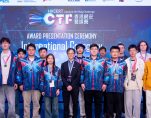
To cultivate practical talent for the cybersecurity sector, the sixth “HKCERT Capture The Flag Challenge 2025” (HKCERT CTF Challenge) was successfully organised by the Digital Policy Office (DPO), HKPC, and HKCERT. This year’s competition was elevated to the first-ever adoption of an attack–defence mode, closely replicating the network setup of real enterprises. Participants experienced first-hand hacking techniques, system vulnerability analysis, threat intelligence gathering, and coordinated response in a simulated real-world environment. Through completing multiple tasks within a limited time, the competition also allowed them to break through the traditional classroom theoretical framework, gain practical experience and build confidence. The event attracted around 1,940 young contestants, an increase of nearly 40% from last year’s 1,385 participants, reaching a record high for the competition. Contestants included teams from Hong Kong, Chinese Mainland, Asia, and Europe, fostering cross-regional exchange and collaboration. In the finals, three local teams and one overseas team were awarded gold prizes in the Secondary School, Tertiary Institution, Open Category, and International Category respectively, while Sing Yin Secondary School received the “Best School Award”. The full list of awardees is available on the event website.

Participants Share Practical Experience Integrating AI into Attack and Defence
The competition was well received by contestants for its innovative format and realistic offensive and defensive environment, offering a valuable platform for learning and exchange. The winning team in the International Category, W&M, commented, “Our members are from Shanxi, Guangdong and Beijing. This was our first time competing together in the HKCERT CTF Challenge. The atmosphere and experience of the finals were excellent. The tasks were centred on an attack‑defence simulation, requiring us to find all vulnerabilities while patching our own systems and attacking other teams at the same time. Some vulnerabilities were discovered and exploited by other teams first, which kept the scores very close and made the competition incredibly tense and exciting”.

They added, “During the competition, we also applied lots of AI techniques for assistance, such as applying AI to analyse vulnerabilities and refine attack methods. In the future, AI may play a deeper role in areas like vulnerability detection and code analysis, but for now it cannot be fully relied upon—human oversight is still essential”.

HKCERT CTF Challenge has now been held for six consecutive years, with its scale expanding annually and participants showing continuous growth. Many secondary school students gain their first hands‑on exposure to cybersecurity through the competition and connect with university mentors, helping them shape their academic and career paths. Several past participants have gone on to compete in local and international events, committing to a future in the cybersecurity field. Beyond attracting overseas talent to exchange ideas in Hong Kong, HKCERT continues to build connections between cybersecurity professionals in Hong Kong and Chinese Mainland. Top‑performing teams can gain direct entry into equivalent finals in Chinese Mainland. For example, participants from the previous HKCERT CTF Challenge 2024 advanced directly to the finals of the “Greater Bay Area Cup Cybersecurity Challenge”, where they secured the top four places in the Hong Kong and Macao category. This also provided local contestants with access to world‑class cybersecurity techniques, effectively promoting cross‑regional elite collaboration and talent development.

Finals Format Upgraded: Attack-Defence Mode Mirrors Real Enterprise Operations
The finals were comprehensively upgraded this year. In addition to increase the overall technical difficulty, the competition introduced an attack‑defence format for the first time that closely mirrors real enterprise cybersecurity operations. Teams played dual roles—both attackers and defenders—in an environment created with reference to the real-world systems. The tasks simulated incident response and live attack-defence scenarios commonly encountered in the cybersecurity field. Within a limited timeframe, participants had to do penetration testing, exploit vulnerabilities and attack, while patching their own systems and monitoring threats in real time against attacks from other teams. This parallel attack‑defence setup reflects actual workflow patterns in the industry, effectively training participants’ analytical abilities and adaptability under pressure. Through hands‑on practice in a likely enterprise environment, contestants developed multifaceted, industry‑aligned capabilities—laying a solid foundation for their future careers in cybersecurity.

Ms Candy CHAN, Assistant Commissioner (Project Governance and Cybersecurity) of the DPO, highlighted the DPO’s commitment to enhancing Hong Kong’s cyber resilience, with one of its key initiatives being the nurturing of the next generation of cybersecurity professionals. She emphasised that the DPO has been collaborating closely with academia and industry partners to foster a robust talent pipeline and build a safer digital environment in Hong Kong. She noted that this year marks the sixth edition of the HKCERT CTF Challenge, which has grown into one of Hong Kong’s most respected and anticipated cybersecurity competitions over the years. Beyond being a contest of technical prowess, the Challenge serves as a dynamic platform for networking, knowledge exchange and community building among the new generation of cybersecurity experts.

Ir Samson SUEN, General Manager of Digital Trust and Transformation Division of HKPC, stated, “HKCERT CTF Challenge has consistently aimed to build an international platform for technical exchange. Through high-intensity simulated contests, we enhance participants’ cyber defence skills and promote cross-regional interaction among emerging cybersecurity talents. This cultivates a new generation of globally competitive professionals in Hong Kong and strengthens the local talent pipeline. This year’s finals first introduced a simulation of real-world cybersecurity operations, enabling teams to experience both offensive and defensive roles in a recent cybersecurity team. This hands-on approach is crucial for developing practical skills and incident response capabilities”.

Fostering Cybersecurity Awareness Across All Sectors of Society
To further enhance cybersecurity awareness across the community, HKCERT has partnered with the DPO and the Cyber Security and Technology Crime Bureau of The Hong Kong Police Force, to launch the “Building a Secure Cyberspace 2026” campaign to promote cybersecurity awareness. The initiative includes various educational activities, such as an “AI-Generated Four-Panel Comic”contest, which encourages the public to make good use of AI tools while strengthening their understanding of cybersecurity. At the corporate governance level, HKCERT will publish a series of practical guidelines addressing emerging risks —such as AI applications and supply chain security—highlighted in the “Hong Kong Cybersecurity Outlook 2026”, to support business in establishing a robust protection framework. In particular for AI governance, the guidelines will offer actionable recommendations covering AI system security assessments, compliance rules for employees using public AI platforms, controls over sensitive data input, and methods for monitoring and defending against AI‑assisted attacks. These resources aim to help enterprises systematically enhance their cyber resilience across governance, technology, and awareness.

As Hong Kong accelerates the development of innovation and technology and advances its digital economy, strengthening cyber defence capabilities has become a key talent need. HKCERT will continue to support businesses and the public through incident response, security guidance, and cybersecurity awareness programmes. The HKCERT CTF Challenge continues to play a vital role in nurturing local talent, fostering cross-regional collaboration, and advancing public education. By enhancing the overall level of protection, the competition contributes to the sustainable development of the digital economy and reinforces Hong Kong’s long‑term competitiveness.

The seventh edition of HKCERT CTF Challenge will be held in November 2026, featuring more innovative attack-defence challenges and continuing to set up an international category to provide local contestants with a platform for technical exchange with top teams from Hong Kong, Chinese Mainland, and overseas. Registration opens in September 2026, with finalists competing in the live finals in February 2027.

Hashtag: #HKCERT

The issuer is solely responsible for the content of this announcement.

About Hong Kong Productivity Council

The Hong Kong Productivity Council (HKPC) is a statutory body established in 1967, dedicated to enhancing the productivity and competitiveness of Hong Kong enterprises through world-class applied R&D, innovative technology services, and integrated manufacturing solutions. As a market-oriented, international R&D organisation, HKPC leverages its deep expertise and extensive industry experience in key areas such as AI, advanced manufacturing, life and health technology, green technology and new energy to drive new industrialisation and support the growth of emerging and future industries.

HKPC focuses on addressing businesses challenges and industrial technology needs, promoting the full integration between technological and industrial innovation. Through technology transfer, product innovation, intellectual property protection and commercialisation of R&D outcomes, the Council fosters collaboration with the local business community as well as top global R&D institutions, delivering added value to industries and advancing the development of new productive forces. HKPC’s world-class R&D achievements have been widely recognised over the years, winning an array of local and overseas accolades, reinforcing Hong Kong’s role as an international innovation and technology centre and a smart city.

To help enterprises capitalise on Hong Kong’s strengths in international connectivity to expand into global markets, HKPC offers comprehensive overseas expansion services tailored to critical areas including product development, technology, manufacturing, and management, enabling businesses to successfully go global from Hong Kong.

HKPC is also committed to providing timely and practical support to SMEs and startups with timely and practical , assisting them in accessing Government funding programmes. Through its FutureSkills training initiatives, HKPC helps both industry and academia stay ahead in latest digital and STEM technologies, nurturing a future-ready talent pool for Hong Kong.

For more information, please visit HKPC’s website: .

A wave of stress signs emerging across the global private credit market is prompting closer scrutiny from investors and analysts, with covenant defaults climbing, leverage rising and slowing earnings growth among private companies shaping the outlook for direct lenders and credit managers. Recent proprietary data from valuation specialists and market trackers show covenant default rates creeping higher compared with historical averages, while a combination of weaker cash […]

New Delhi has approved a proposal worth about $39 billion to expand the country’s fleet of Rafale fighter aircraft, marking one of the largest defence procurement decisions in its history and signalling a further shift towards advanced Western platforms in its combat air strategy.

The clearance by the defence ministry paves the way for negotiations with France’s Dassault Aviation for additional Rafale jets, building on an earlier $8.7 billion contract for 36 aircraft for the Air Force, deliveries of which were completed in 2024. A separate agreement has also been signed for 26 Rafale-M naval variants intended for deployment aboard aircraft carriers, underscoring a broader push to strengthen maritime air power.

New Delhi pushes major Rafale fleet expansion as it seeks to address concerns over squadron strength and ageing aircraft. The Air Force’s sanctioned strength stands at 42 squadrons, yet operational numbers have hovered well below that benchmark for years, raising debate within strategic circles over preparedness along contested borders with China and Pakistan.

Officials familiar with the procurement process say the new proposal reflects both operational requirements and long-term modernisation goals. India’s fleet still includes a significant number of Soviet-era MiG-21s and other legacy platforms, many of which are due for phased retirement. The Rafale, a 4.5-generation multirole fighter equipped with advanced avionics, electronic warfare systems and long-range precision weapons, has been positioned as a key element in bridging capability gaps.

The initial induction of 36 Rafales was widely viewed as a stopgap measure after the earlier Medium Multi-Role Combat Aircraft tender was scrapped amid cost and contractual disputes. Since their deployment at Ambala and Hasimara air bases, the aircraft have been integrated with India-specific enhancements, including advanced radar and electronic countermeasures. Defence planners argue that expanding the Rafale fleet would provide logistical and training efficiencies compared with diversifying further across multiple foreign platforms.

The naval variant, Rafale-M, has been selected to operate from the INS Vikrant, the country’s first domestically built aircraft carrier, and potentially from INS Vikramaditya. Naval aviation officials have indicated that the twin-engine aircraft meets requirements for carrier-based operations, including ski-jump take-offs and arrested landings, following evaluation trials against competitors such as Boeing’s F/A-18 Super Hornet.

Strategic analysts view the combined air force and naval acquisitions as part of a wider recalibration of procurement policy. Over the past decade, New Delhi has sought to balance self-reliance initiatives with the need for timely capability upgrades. Programmes under the “Atmanirbhar Bharat” framework aim to boost domestic manufacturing, yet complex fighter development remains a long-term endeavour. The Light Combat Aircraft Tejas, produced by Hindustan Aeronautics Limited, has entered service and secured additional orders, but it is not seen as a direct substitute for heavier multirole platforms like the Rafale.

Financial implications are significant. A $39 billion outlay would rank among the largest defence capital expenditures, at a time when the government is managing competing demands from infrastructure, welfare and economic stimulus. Officials have indicated that staggered payments and potential technology transfers could form part of negotiations, with an emphasis on local industry participation.

Previous Rafale contracts were accompanied by offset obligations requiring Dassault and its partners to invest in the domestic aerospace ecosystem. Whether similar provisions will apply to the expanded deal remains a subject of scrutiny, particularly as policymakers seek to deepen supply-chain integration and reduce long-term import dependence.

Diplomatically, the move reinforces defence ties with France, which has emerged as a key security partner in the Indo-Pacific. Bilateral cooperation spans joint exercises, maritime surveillance and submarine technology. Paris has consistently supported India’s strategic autonomy, a factor often cited by policymakers as attractive compared with other major arms suppliers.

Political debate is likely to accompany the procurement, as the earlier Rafale deal became a focal point of parliamentary contestation over pricing and process transparency. Government representatives have maintained that all procedures were followed in accordance with defence acquisition rules, and that operational urgency justified the intergovernmental route adopted at the time.

Air power specialists argue that a larger Rafale fleet would enhance interoperability and deterrence. The aircraft’s ability to carry Meteor beyond-visual-range missiles and SCALP cruise missiles has been highlighted as a force multiplier. Integration with indigenous weapons and network-centric warfare systems is also under way, reflecting a hybrid approach that blends imported hardware with domestic innovation.

Beyond immediate operational considerations, the proposal signals continuity in defence planning that spans successive administrations. India remains among the world’s largest arms importers, yet officials have reiterated ambitions to transition towards greater domestic production capacity over the coming decade. Achieving that balance, while sustaining readiness across land, sea and air domains, presents both fiscal and industrial challenges.

ServerDirect has finalised a €25 million enterprise artificial intelligence infrastructure deployment, marking one of the largest projects in its portfolio and underscoring Europe’s accelerating investment in high-performance computing for corporate AI workloads. The Netherlands-based systems integrator said the project, delivered in partnership with Super Micro Computer, widely known as Supermicro, involved the design, supply and commissioning of advanced GPU-accelerated servers and supporting data centre architecture for a […]

Nexon Co., Ltd. reported revenue of $3.1 billion for 2025, a 6.5 per cent increase on the previous year, marking its third consecutive year of record-breaking sales as strong performance from key titles, including the much-anticipated Arc Raiders, bolstered earnings. The Tokyo-listed gaming group said operating income also rose year on year, supported by sustained engagement across its core franchises and improved monetisation in overseas markets. Management […]

Advertisements

Construction of the first 200 megawatts of the Stargate Data Centre project in the UAE is advancing, according to ALEC Holdings, as structural works near completion and major mechanical and electrical installations gather pace. ALEC, a subsidiary of the Investment Corporation of Dubai, informed the Dubai Financial Market that building structures have been erected and that mechanical, electrical and plumbing works are well under way. The update […]

Abu Dhabi’s ADNOC Gas signalled a marked increase in investment alongside a record financial performance, projecting capital expenditure of $4 billion to $4.5 billion for this year and laying groundwork for expanded processing capacity across key facilities as it pursues its multi-phase Rich Gas Development project. The state-owned company reported full-year net income of $5.2 billion for 2025, a 3 per cent rise from the prior year, […]

Arabian Post Staff -Dubai Capital is moving with greater intensity between Gulf and Asian debt markets as issuers and investors seek stability and yield in a volatile global environment. Bankers and asset managers say order books for Middle Eastern sovereign and corporate bonds are showing a rising share of allocations to Asia-based funds, while Gulf investors are increasing exposure to Asian credit, particularly China. The shift reflects […]

Washington is debating the future of digital assets just as dollar-backed stablecoins are reaching escape velocity in global payments. With Congress weighing the Clarity Act and regulators refining oversight frameworks introduced under last year’s Genius Act, the question is no longer whether stablecoins matter — but whether the US will shape the infrastructure now emerging around them. Behind the policy discussion sits a hard commercial reality. After […]

African technology ventures attracted $174 million in funding in January 2026, signalling a measured but steady start to the year for a sector navigating tighter global capital conditions. The figure, compiled by market intelligence platform Africa: The Big Deal, covers equity, debt and grant financing across the continent. The total marks a continuation of cautious investor behaviour that characterised much of the past two years, following the […]

South African share prices rose on Thursday as investors balanced optimism over global market trends with caution ahead of President Cyril Ramaphosa’s keynote address to Parliament and the release of critical domestic economic information. The benchmark Johannesburg Stock Exchange Top-40 index climbed around 0.5 per cent during early trade, buoyed by gains in resource and financial stocks, while the rand strengthened modestly against the US dollar, reflecting […]

PARIS, FRANCE – Media OutReach Newswire – 12 February 2026 – On February 10, the day of China’s Little New Year, An Encounter with China: Chinese New Year was held at the UNESCO Headquarters in Paris. The millennia‑old ancient capital Nanjing presented a “condensed version” of Chinese New Year through folk customs, art dialogues, and other forms. Representatives from permanent delegations of over 100 countries and international friends gathered to celebrate the Spring Festival, building a bridge for mutual learning among civilizations.

An Encounter with China: Celebrating Chinese New Year

In December 2024, the Spring Festival was inscribed on the UNESCO Representative List of the Intangible Cultural Heritage of Humanity. Khaled El-Enany, Director‑General of UNESCO, stated that the Spring Festival has become a globally shared cultural event, and its inscription highlights the global influence of Chinese culture. Yang Xinyu, Ambassador of China’s Permanent Delegation to UNESCO, praised Nanjing, calling this “City of Literature” a city that brings the charm and warmth of the Spring Festival to Paris, showcasing the profound heritage and contemporary value of Chinese culture.

image-1.jpeg

Nanjing is home to the Nanjing City Wall, the largest existing ancient city wall in the world, and its Yunjin brocade weaving technique has been inscribed on the UNESCO Representative List of the Intangible Cultural Heritage of Humanity. At the event, the 2026 Spring Festival Temple Fair, hosted by China’s Permanent Delegation to UNESCO, kicked off with great excitement. Inside the headquarters hall, the Nanjing Cultural Symbols Exhibition drew large crowds: Fuma lanterns and Yulong lanterns glittered with brilliance, while Yunjin brocade and velvet flower crafts dazzled with their exquisite artistry. At the interactive area titled “Rubbing to Transmit Cultural Heritage,” guests personally took rubbings of inscriptions from Nanjing City Wall bricks.

In Nanjing itself, the Qinhuai Lantern Fair, with a history of over 1,700 years, illuminates the Confucius Temple; around the Ming City Wall, people “climb the city wall to walk off ailments,” visit temple fairs, and attend exhibitions, making the stories of the city wall a bond connecting the world.

During the event, Nanjing intangible cultural heritage inheritors, design scholars, and world‑leading designers gathered at the Manufacture Nationale de France for a dialogue titled “Reshaping and Interweaving Heritage.” Nanjing upholds the principles of “living heritage and two‑way empowerment,” through authentic restoration, international exchanges, and artistic co‑creation, allowing millennia‑old craftsmanship wisdom to serve the present, and enabling the world to appreciate the charm of Chinese New Year and the enduring power of Chinese civilization.

Hashtag: #Nanjing

The issuer is solely responsible for the content of this announcement.

Tokyo set a fresh milestone on Thursday as the Nikkei 225 Index briefly breached the 58,000 mark, propelled by confidence in a bold economic agenda from Prime Minister Sanae Takaichi’s government. Yet while equities and the yen have rallied, a sharper debate is unfolding across Japan’s financial markets over the sustainability of fiscal policy amid expansive spending commitments and tax relief measures that lack clearly defined funding sources.

Equity markets have responded robustly since Takaichi’s emphatic landslide in the general election on 8 February, with domestic shares climbing sharply on expectations of pro-growth fiscal measures aimed at bolstering consumption and strategic sector investment. The broader Topix index also advanced, and the yen strengthened against the dollar, reflecting a sense of reduced political risk now that the ruling Liberal Democratic Party holds a commanding super-majority in the lower house of parliament. Despite these gains, bond markets have registered heightened volatility, with Japanese Government Bond yields spiking at various maturities, signalling investor unease over Japan’s already elevated public debt levels and the scale of planned fiscal support.

Takaichi’s policy blueprint encompasses an array of measures long favoured by fiscal conservatives and economic nationalists alike, including a two-year suspension of the 8 per cent consumption tax on food items and expanded public investment across sectors such as semiconductors, artificial intelligence and defence. The Prime Minister frames these interventions as critical to ending what she terms “chronic underinvestment” and galvanising growth after decades of modest performance. Economists note that this approach echoes aspects of previous reflationary strategies such as “Abenomics”, with an emphasis on proactive government involvement in crisis-management and targeted growth stimulation.

While equities have responded positively, fixed-income markets have told a more cautious story. Yields on both short- and long-dated JGBs have climbed, reflecting market pricing in potential increases in government borrowing and inflation expectations should growth accelerate faster than anticipated. Some market participants fear that expansive fiscal operations without clear revenue offsets could elevate Japan’s risk premium, potentially triggering fresh volatility or sell-offs in debt markets should confidence ebb.

The so-called “Takaichi trade” has been a defining narrative across markets, capturing the dual dynamic of optimism in equity performance and trepidation around sovereign debt issuance and currency movements. Investors have been closely monitoring the Bank of Japan’s posture, as monetary authorities navigate between maintaining ultra-low interest rates to support economic activity and addressing inflationary pressures that can be exacerbated by a weaker yen. Signals from central bankers and government advisors suggest that rate adjustments could be considered to counter imported inflation, even as policy remains broadly accommodative.

Currency markets have mirrored these conflicting forces. The yen, which initially weakened against the dollar on expectations of aggressive fiscal support and prolonged monetary easing, has later shown episodes of strengthening as risk sentiment and intervention concerns have ebbed and flowed. Japan’s top currency diplomat has emphasised that authorities remain vigilant to exchange-rate volatility and are in close communication with international counterparts, reinforcing that the policy stance is not shifting toward overt market manipulation.

Analysts and investors are also paying attention to cross-border implications. The government faces pressure to deliver on substantial trans-Pacific investment pledges, which hinge on significant capital flows and corporate involvement in overseas projects. Japanese firms have expressed both interest and caution, as logistical and regulatory complexities weigh on decision-making. These external commitments add another layer of scrutiny to Takaichi’s broader economic narrative, which seeks to balance growth ambitions with geopolitical and fiscal credibility.

Within Japan, views on Takaichi’s approach are sharply divided. Supporters argue that decisive action is necessary to break longstanding cycles of low growth and demographic headwinds, positing that strategic tax relief and investment can catalyse domestic demand and technological competitiveness. Critics caution that without robust revenue strategies and prudent debt management, the fiscal trajectory may amplify structural risks rather than alleviate them. Central to this debate is the question of policy coordination: how fiscal expansion will align with monetary oversight and long-term debt sustainability while maintaining investor confidence and macroeconomic stability. New Zealand][7])

YZi Labs is carving out a niche in venture capital by backing ideas that remain largely theoretical, wagering on founders who are attempting to build products and platforms that do not yet exist. Speaking about the firm’s strategy, managing partner Ella Zhang says YZi Labs is guided less by market cycles and more by what she calls “first principles thinking” — a focus on fundamental technological shifts […]

ETHZilla has launched a tokenised aviation product that allows accredited investors to gain exposure to commercial jet engines with a minimum outlay of $100, marking a new attempt to bring fractional ownership to a traditionally capital-intensive corner of the aircraft leasing market. The digital asset, named Eurus Aero Token I, represents an interest in lease income generated by two in-service commercial jet engines. According to the company, […]

Amsterdam is set to host one of Europe’s most closely watched digital asset gatherings as Dutch Blockchain Week 2026 returns from 22 to 28 June, with organisers signalling a broader international footprint and stronger corporate backing than previous editions. Event coordinators say leading exchanges, fintech firms, venture capital funds and regulatory specialists have confirmed participation, underscoring the Netherlands’ growing role as a gateway for blockchain innovation within […]

Arabian Post Staff -Dubai Doha’s flagship agriculture exhibition has drawn more than 300 exhibitors this year, with Nasser Bin Khaled Heavy Equipment unveiling a broad portfolio of advanced machinery aimed at boosting farm productivity and landscaping efficiency across arid environments. Staged at the Doha Exhibition and Convention Center, AgriteQ 2026 has cemented its position as one of the Gulf’s most prominent agricultural platforms, bringing together manufacturers, distributors […]

HANOI, VIETNAM – Media OutReach Newswire – 12 February 2026 – Vingroup and Vinhomes have been recognized by TIME (USA) in the ranking of ASIA-PACIFIC’S BEST COMPANIES OF 2026, placing both companies among the Top 500 enterprises in the region.The simultaneous presence of Vingroup and Vinhomes with impressive rankings in TIME’s prestigious list not only affirms the global scale and stature of their ecosystem, but also underscores the growing influence of Vietnam’s economy on the international stage.

Vingroup and Vinhomes have been named among the Top 500 Best Companies in Asia-Pacific 2026 by TIME Magazine.

This year’s ranking honors 500 outstanding companies that are elevating the Asia-Pacific region’s role on the global economic map under the title ASIA-PACIFIC’S BEST COMPANIES OF 2026. Vingroup achieved a total score of 89.68, ranking 57th. Vinhomes ranked 352nd with a score of 80.69.

The results are based on a rigorous and transparent evaluation process conducted by TIME in collaboration with Statista. The assessment draws on comprehensive data collection and in-depth analysis across three key criteria: Financial Performance, Sustainability Transparency (ESG), and Employee Satisfaction.

Under the Financial Performance criterion, Vingroup received high recognition from TIME, recording consolidated net revenue of VND 332.77 trillion in 2025, up 76% year-on-year, the highest in the Group’s history. This exceptional performance was driven by the simultaneous launch of large-scale real estate mega-projects nationwide, alongside strong breakthroughs in its technology and industrial segments.

Vinhomes reported consolidated net revenue of VND 154.102 trillion in 2025. Its total consolidated net revenue (adjusted) reached VND 183.923 trillion, while consolidated profit after tax amounted to VND 42.111 trillion, representing year-on-year increases of 30% and 20%, respectively, compared to 2024. These figures not only exceeded business targets but also set new records, securing Vinhomes’ place among the region’s most prestigious Top 500 companies.

Under Sustainability Transparency (ESG), Vingroup continued to demonstrate meaningful contributions across environmental, governance, and social dimensions. ESG principles are integrated across all of the Group’s operations, from advancing green industrial development and building a comprehensive electric vehicle ecosystem centered on VinFast, to developing Vinhomes’ large-scale urban projects based on sustainable planning standards from inception.

A standout example is Vinhomes’ mega-project, Vinhomes Green Paradise, located in Can Gio. The project aims to achieve international certifications including BREEAM Communities and ISO 37122. Beyond merely adhering to global standards, Vinhomes Green Paradise pioneers an upgraded ESG++ urban model built upon five pillars: Environment – Social – Governance – Regeneration – Climate Change Adaptation. This ESG++ framework is set to become the benchmark for all future Vinhomes developments.

With a forward-looking vision, Vinhomes Green Paradise has also become the first Official Participant in the “7 Wonders of Future Cities” campaign initiated by New7Wonders, affirming its global aspiration in shaping a model city of the future.

Under the Employee Satisfaction criterion, Vingroup ranked 55th globally, while Vinhomes placed 335th, reflecting a dynamic working environment that fosters creativity, dedication, and continuous personal development.

In Vietnam, Vingroup and Vinhomes have consistently led national rankings of “Best Workplaces” announced by independent organizations, reinforcing their human capital strategy as a core foundation for sustainable, long-term growth.

This marks the third consecutive year that Vingroup and its subsidiaries have been honored by TIME in prestigious global rankings. Previously, VinFast was named among the world’s Most Influential Companies 2024 and included in ASIA-PACIFIC’S BEST COMPANIES OF 2025. Also in 2025, Vingroup became the first and only Vietnamese company to be honored among the World’s Best Companies 2025.

The continued recognition of Vingroup and its ecosystem companies by TIME underscores the rising strength and expanding global influence of Vietnamese enterprises.

TIME, headquartered in New York, USA, is one of the world’s most respected publications, with a history spanning 103 years and a broad international presence. Its annual rankings are widely regarded for their objectivity, rigorous evaluation methodology, and comprehensive criteria, earning strong credibility within the global business community.

Hashtag: #Vingroup #Vinhomes

The issuer is solely responsible for the content of this announcement.

Gold purchases across Hong Kong have gathered pace as households and small investors stock up on bullion and coins ahead of Lunar New Year celebrations, with dealers reporting brisk trade while global prices hover close to historic highs.

Retail counters in districts such as Sheung Wan, Mong Kok and Causeway Bay have seen steady queues for small bars and commemorative coins traditionally exchanged as gifts during the festive season. Traders say customers are focusing on one-tael bars and smaller denominations that are easier to present in red packets, reflecting a blend of cultural practice and financial caution.

International gold prices have been supported by expectations of looser monetary policy in major economies, persistent geopolitical tensions and sustained central bank buying. Spot prices have traded near record levels in recent weeks, reinforcing bullion’s appeal as a store of value. Silver has also drawn interest, though gold remains the dominant choice for gift-giving in Hong Kong.

Local jewellers and bullion dealers describe a noticeable shift in purchasing patterns compared with previous years marked by pandemic restrictions and subdued retail activity. Cross-border travel between Hong Kong and mainland cities has normalised, reviving tourist flows that are critical for the territory’s jewellery trade. Shop owners say visitors from across the boundary are contributing to higher volumes, particularly in high-purity investment-grade products.

Industry data from the Hong Kong Census and Statistics Department show that jewellery, watches and clocks sales have rebounded since border controls were lifted, though monthly figures remain sensitive to price swings. Analysts note that high gold prices can dampen jewellery demand, yet investment-led buying often offsets this when households view bullion as a hedge against currency volatility or equity market fluctuations.

The Lunar New Year period is traditionally one of the busiest seasons for precious metals across Chinese communities worldwide. Gold symbolises prosperity and good fortune, and gifting bullion is considered auspicious. Dealers in Hong Kong say that beyond cultural motivations, clients are also reacting to global uncertainties, including conflicts in the Middle East and Europe and uneven economic growth in major markets.

Bank wealth managers in the city report increased inquiries about gold-backed exchange-traded funds and structured products linked to precious metals. While retail investors still favour physical holdings for gifting, more sophisticated clients are diversifying through financial instruments. Analysts at several global banks have projected that gold could remain supported if the US Federal Reserve begins cutting interest rates later this year, reducing the opportunity cost of holding non-yielding assets.

At the same time, some economists caution that demand could moderate if prices extend gains too rapidly. Jewellery manufacturers operate on tight margins, and elevated bullion costs can squeeze profitability or prompt consumers to reduce the weight of items purchased. Silver, which trades at a lower price point, has benefited from substitution among price-sensitive buyers, though its cultural resonance is weaker than gold’s.

Central bank purchases have emerged as a significant structural driver in the global market. Data from the World Gold Council indicate that official sector buying has reached multi-decade highs, led by emerging market institutions seeking to diversify reserves. This trend has added a floor to prices even as speculative positioning fluctuates on futures exchanges in New York and Shanghai.

Hong Kong’s role as a conduit for precious metals into mainland markets remains important, despite structural shifts in trade flows over the past decade. The territory’s free-port status and established refining and logistics infrastructure continue to attract regional trading activity. Market participants say that any sustained premium between onshore and offshore prices can influence cross-border arbitrage and inventory movements.

Currency dynamics also play a role. The Hong Kong dollar’s peg to the US dollar means local bullion prices closely track movements in the greenback. A softer US currency typically supports higher gold prices globally, while a stronger dollar can temper gains. For residents holding savings in local currency, gold’s performance is effectively tied to broader US monetary policy.

Retailers note that beyond bars and coins, demand for lightweight jewellery pieces suitable for gifting children has risen. Designers are incorporating zodiac motifs for the coming year, adding a seasonal dimension to sales. Some shops have introduced limited-edition products to capitalise on festive sentiment, combining craftsmanship with investment appeal.

HONG KONG SAR – Media OutReach Newswire – 12 February 2026 – As real‑world asset (RWA) tokenization shifts from niche pilots to core infrastructure for institutional wealth management, it is redefining how capital flows across borders, asset classes, and generations. On February 9, 2026, FutureOne MENA (“FOM”), a pioneering enterprise focused on connecting family offices with future technology, with a particular emphasis on tokenization and RWAs, enabling them to access, structure, and invest in next-generation finance, and the Dubai Multi Commodities Centre (“DMCC”), a Government of Dubai authority and the region’s leading global business hub, signed a Memorandum of Understanding (MOU) during an exclusive family office dinner themed “The Future of Tokenizing Wealth” at Rosewood Hong Kong.

The partnership will create a strategic wealth corridor between Dubai and Hong Kong, enabling institutional‑grade RWA tokenization that connects Middle Eastern capital with Asia‑Pacific opportunities. By combining FOM’s AI‑driven investment intelligence and family‑office expertise with DMCC’s regulated, commodity‑rich ecosystem, the collaboration aims to unlock fractional, cross‑border ownership of high‑value assets, enhance liquidity for traditionally illiquid holdings, and accelerate the adoption of compliant, on‑chain wealth solutions for ultra‑high‑net‑worth investors and family offices.

The event, hosted by FOM with the support of InvestHK, convened over 100 high‑profile representatives from global family offices and institutional investors, including notable participants from Sunwah Group, CT Bright (CP Group), Keyestone Group, Lee Kum Kee Group, MindWorks Capital, Park Capital Group, E Fund Asset Management Hong Kong, K. Wah, and many others.

Dr. Anina Ho, Founder & CEO, FOM, stated “Today we formalize our collaboration on cross-border digital asset and RWA initiatives between Dubai and Hong Kong. This partnership bridges two of Asia’s leading financial hubs, creating institutional-grade solutions for family offices navigating digital wealth transformation.”

Belal Jassoma, Senior Director of Tech Ecosystems, DMCC, added, “This partnership reflects the next phase of digital asset adoption – moving beyond experimentation to institutional‑grade infrastructure. By connecting Dubai and Hong Kong as twin hubs for regulated real‑world asset tokenization, we are strengthening the framework through which family offices and institutional players can operate with confidence. Through DMCC’s Crypto Centre, Wealth Hub and other ecosystems and Dubai’s regulatory frameworks, combined with FOM’s strong family offices network, this collaboration establishes a practical wealth corridor that enhances cross‑border collaboration, transparency, and long‑term business expansion across two of the world’s most dynamic trade centers.”

Key value propositions

1. Establishing a powerful UAE-HK wealth corridor

Under the MOU, FOM and DMCC will collaborate to integrate the Middle East and Hong Kong financial ecosystems, leveraging DMCC’s specialized licensing, corporate structuring capabilities, and free‑trade zone advantages alongside FOM’s cutting‑edge digital asset solutions and connectivity to Hong Kong. This strategic alliance is poised to help family offices and high‑net‑worth individuals (HNWIs) in Dubai and Hong Kong capture the surging demand for compliant, institutional‑grade digital asset and alternative investment solutions, while maintaining strong governance and operational efficiency.

The initiative positions Dubai and Hong Kong as twin hubs for regulated RWA tokenization, connecting Middle Eastern capital with Asia‑Pacific opportunities through secure, transparent, and institutionally robust digital asset infrastructure. For family offices, this means greater diversification, improved risk‑adjusted returns, and streamlined access to global opportunities without compromising regulatory compliance.

2. Enhancing digital asset ecosystem

Through the strategic partnership, FOM and DMCC will develop robust frameworks for tokenizing RWAs including real estate, commodities, and other institutional-grade assets, thereby establishing standards for asset custody, settlement, compliance, and cross-border tokenization operations. This UAE-Hong Kong wealth corridor will not only facilitate capital flows but also provide a transparent and compliant environment for digital asset issuance, trading, and reporting, empowering family offices and institutional investors with confidence and clarity in private‑market deal‑making and public‑market participation.

Shaping the future of RWA tokenization

Following the MOU signing, the event featured insightful panel discussions titled “Turning Real‑World Assets into Digital Wealth” and “Everyday Digital Wealth: Stablecoins, Payments and Tokenized Income,” along with a fireside chat on “The Future of Digital Asset Platforms.” These discussions examined how Dubai and Hong Kong can collaboratively advance regulated structures, stable‑wealth solutions, and real‑world applications for institutional and family capital.

Distinguished panelists and speakers included Dr. Anina Ho, Founder & CEO, FOM; Mr. Belal Jassoma, Senior Director of Tech Ecosystems, DMCC; Mr. Ben Zhou, Co-Founder & CEO, Bybit; Mr. Bernard Charnwut Chan, GBM, GBS, JP; Ms. Denise Zhou, Chief Strategy Officer, FOM; Mr. Henri Arslanian, Co‑Founder, Nine Blocks Capital; Mr. Jesse Guild, Vice President, Product Management, Crypto & Digital Assets, Mastercard; Mr. Lennix Lai, Chief Commercial Officer, OKX; Ms. Lingling Jiang, Partner, DWF Labs; and Mr. Yat Siu, Co‑Founder & Executive Chairman, Animoca Brands. Together, these leaders exchanged insights on how emerging technologies, including blockchain, AI, and quantum computing are reshaping asset management and cross‑border investment frameworks. The event showcased the powerful synergy between Hong Kong’s innovation ecosystem and Dubai’s regulatory excellence, creating the foundation for global RWA leadership.

The strategic partnership between FOM and DMCC unites cutting-edge technology with world-class regulatory framework to establish a UAE-Hong Kong wealth corridor, connecting cross-border capital flows, enabling compliant digital transformation, and powering institutional-grade RWA opportunities for family offices and institutional investors.

Photos and photo captions:
https://drive.google.com/drive/folders/1FfQLNGYvDLKEoHWqKNxKyIK64tGU0aAC?usp=sharing

  1. Belal Jassoma (left), Senior Director of Tech Ecosystems, DMCC and Dr. Anina Ho (right), Founder & CEO, FOM sign a MOU during an exclusive family office dinner themed “The Future of Tokenizing Wealth” on February 9, 2026.
  2. Belal Jassoma (left), Senior Director of Tech Ecosystems, DMCC and Dr. Anina Ho (right), Founder & CEO, FOM shake hands after the MOU signing.
  3. Dr. Anina Ho, Founder & CEO, FOM delivers welcome remarks and introduces the event theme “From Theory to Real Use Cases in Tokenizing Wealth Between Dubai and Hong Kong.”
  4. Belal Jassoma, Senior Director of Tech Ecosystems, DMCC shares insights on “Bridging Physical Commodities & Digital Assets as a Global Trade Hub.”
  5. During the panel discussion titled “Turning Real World Assets into Digital Wealth,” moderated by Ms. Denise Zhou (left), Chief Strategy Officer, FOM, Mr. Lennix Lai (center), Chief Commercial Officer, OKX, and Mr. Belal Jassoma (right), Senior Director of Tech Ecosystems, DMCC share their insights on how tokenization is transforming traditional asset ownership and access.
  6. During the panel discussion titled “Everyday Digital Wealth: Stablecoins, Payments and Tokenized Income,” moderated by Mr. Henri Arslanian (first from the left), Co‑Founder, Nine Blocks Capital, Mr. Jesse Guild (second from the left), Vice President, Product Management, Crypto & Digital Assets, Mastercard, Ms. Lingling Jiang (second from the right), Partner, DWF Labs, and Mr. Yat Siu (first from the right), Co‑Founder & Executive Chairman, Animoca Brands explore how digital assets and tokenized products are taking shape in everyday finance.
  7. During the fireside chat moderated by Ms. Denise Zhou (left), Chief Strategy Officer, FOM, Mr. Ben Zhou (right), Co-Founder & CEO, Bybit shares insights on the future of digital asset platforms.

General Disclaimer
The press release is distributed solely as a corporate announcement of a strategic partnership and event recap, and not as an offer or solicitation to acquire any specific investment product, token, fund, or securities.

The information herein is based on sources believed reliable but not guaranteed as to accuracy or completeness. Recipients should conduct their own due diligence and consult qualified advisors before investing. No liability is accepted for decisions based on this material.

Hashtag: #FOM

The issuer is solely responsible for the content of this announcement.

About FutureOne MENA

FutureOne MENA (“FOM”) is a pioneering consultancy firm focused on connecting family offices with future technology, with a particular emphasis on tokenization and RWAs, enabling them to access, structure, and invest in next-generation finance. FOM integrates comprehensive market analysis with proprietary multi-agent AI systems to deliver actionable insights across technology, political, economic, financial, and security dimensions. As the cornerstone of the AFFLUENCE Integrated Ecosystem, FOM connects QonBay (digital payments), FutureOne MENA (family office network), FutureOne Bloom (ESG finance), FutureOne Capital (asset management & RWA), and FutureRyse (quantum AI optimization), empowering investors with intelligent tools for portfolio optimization, deal analysis, and strategic engagement with tokenized assets. For more information, please visit .

About DMCC

Dubai Multi Commodities Centre (“DMCC”) is a leading international business district that drives the flow of global trade through Dubai. We make it easier for our members to do business, helping them access the world’s fastest growing markets from a dynamic district that offers everything they need to thrive. This approach is why we are the preferred location for over 26,000 top multinationals and high-impact startups, contributing significantly to Dubai’s position as a global hub for trade and innovation. DMCC is where the world does business. For more information, please visit .

BingX has announced a significant overhaul of its copy trading suite, introducing a new Copy Trading Plaza and a redesigned Lead Trader Homepage as it intensifies competition in the fast-growing social trading segment of the cryptocurrency market. The Panama City-based exchange said the upgrade is designed to streamline discovery, enhance transparency and provide more granular performance insights for users who follow so-called lead traders. The changes form […]

Ripple chief executive Brad Garlinghouse has declared that XRP will “always be the top priority” for the company, seeking to calm markets as heavy selling pressure grips the token and unsettles retail investors. The remarks came as XRP experienced heightened volatility, with sharp price swings reflecting a broader retreat across digital assets and renewed anxiety among traders over liquidity conditions and regulatory overhangs. Market data showed a […]

VISHNU RAJA
RYO YAMADA
HITORI GOTOH
IKUYO KITA