News related to
India’s

Commercial carriers are suspending flights across Middle‑Eastern airspace following the US strike on Iranian nuclear facilities, with empty skies appearing over Iran, Iraq, Syria and Israel as airlines divert or cancel services. Singapore Airlines described the situation as “fluid”, cancelling its Singapore–Dubai service after a security review, while British Airways and Air France‑KLM also halted flights involving Dubai, Doha, Riyadh and Riyadh, indicating growing caution among global […]

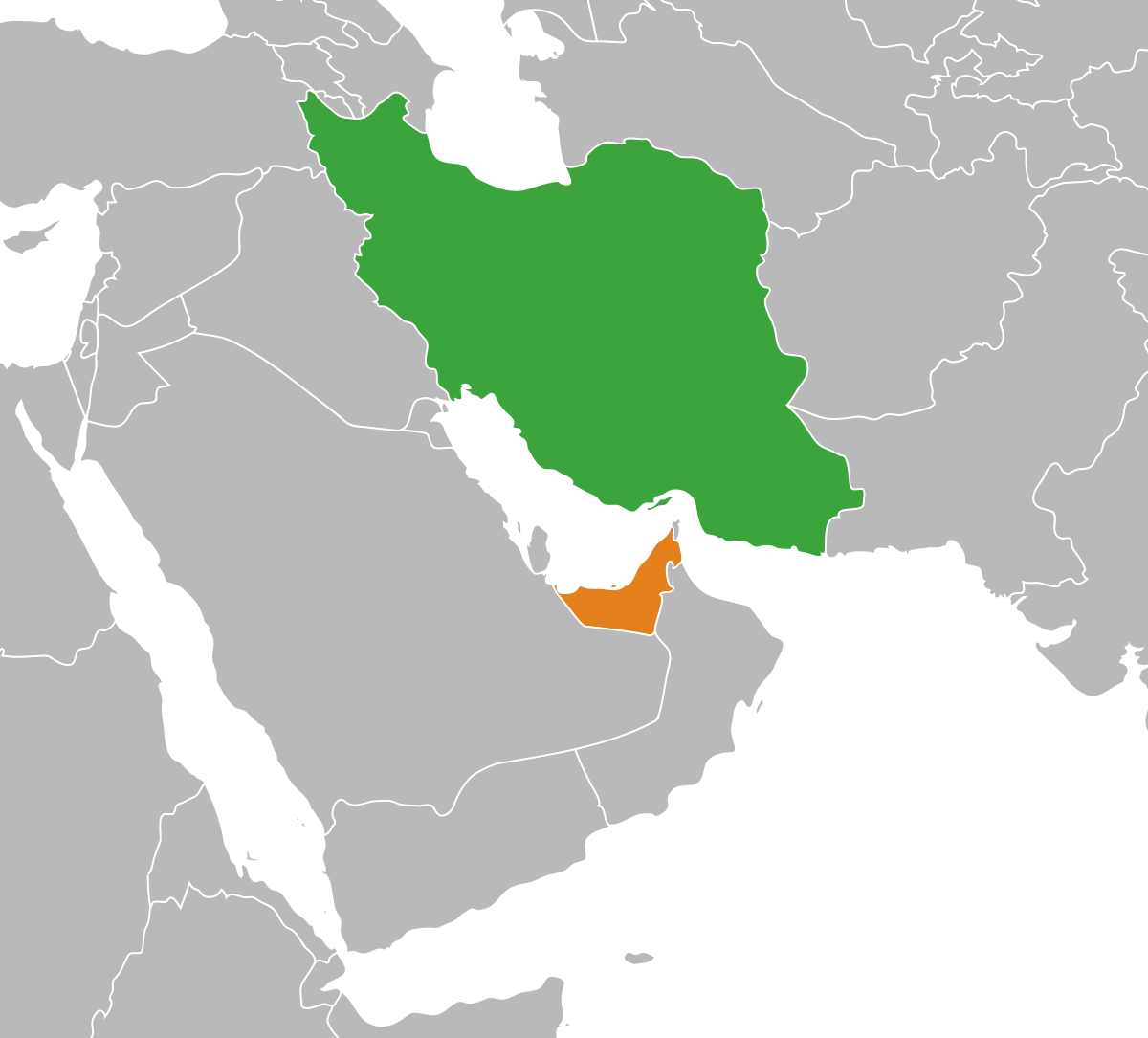
UAE authorities have successfully airlifted both citizens and expatriate residents from Iran amid mounting regional tensions stemming from the ongoing Israel–Iran conflict. These evacuation flights were carried out in full coordination with Iranian officials, who provided necessary transit clearances and logistical assistance, according to the UAE’s Ministry of Foreign Affairs and International Cooperation.

Passengers greeted on arrival in Abu Dhabi included Emirati nationals and resident visa holders. Some were visibly emotional—footage released by WAM showed arrivals embracing airport staff, while others knelt in gratitude upon disembarking. UAE officials confirmed that all evacuees underwent health screening and security checks; no medical emergencies were reported during the operation.

The decision to evacuate was prompted by intensifying hostilities between Iran and Israel, which have resulted in reciprocal missile and drone strikes targeting Iran’s nuclear and military infrastructure. Since 13 June, airspace closures across Iran and neighbouring countries have disrupted commercial flights, leaving many foreign nationals stranded.

While Tehran’s nuclear sites have been under attack, Tehran’s government issued public messages minimising panic, yet civilians promptly fled towards northern provinces, leading to fuel shortages, transport gridlocks, and relief operations along highways. Over 100,000 people are believed to have relocated internally by 15 June, while a few hundred foreign evacuees have used authorised border crossings to exit Iran.

UAE’s timely action reflects an expansion of its foreign crisis response capabilities, built through previous evacuations from conflict zones such as Ukraine, Sudan, and Afghanistan. Evacuating via a mix of chartered aircraft and government-operated flights, the UAE used carefully planned air routes to skirt high-risk regions.

Parallel efforts by Gulf neighbours highlight broader regional coordination. Bahrain, Oman and others secured safe passage for their own nationals via land and air corridors; Oman alone registered over 150 evacuees through Bandar Abbas and Iraq logistics networks. Countries including India, China, the US, Germany and Poland activated repatriation schemes—India’s “Operation Sindhu” successfully repatriated 110 nationals through Armenia by 18 June.

While evacuation pipelines opened, Dubai and Abu Dhabi remain operational, and companies across the Gulf are updating contingency plans amid concerns over possible spill‑over and disruptions to critical infrastructure. Risk advisory firms are reporting heightened demand for intelligence services, crisis preparedness, and staff security measures.

The UAE Ministry of Foreign Affairs has reiterated its call for diplomacy as the sole pathway to stability. Its continuous diplomatic outreach has involved deep engagement with international partners and a strong appeal to the UN Security Council to broker de‑escalation amid what it describes as “exceptional circumstances”.

The evacuation marks a rare cooperative moment between the UAE and Iran, whose bilateral relations have at times been strained. Yet Iranian authorities’ facilitation of access to airports and transit permissions demonstrated a mutual willingness to protect civilians from broader geopolitical fallout.

With all Gulf evacuations through this phase concluded, attention now turns to whether diplomatic avenues will succeed in preventing further civilian displacement. Businesses and governments remain on alert, reinforcing emergency protocols and intelligence monitoring systems to safeguard personnel and operations in the face of uncertainty.

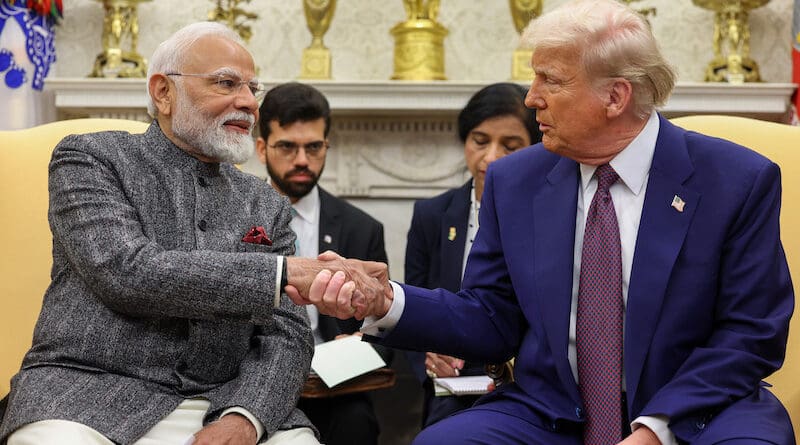
By K Raveendran Last week shattered any lingering illusions about the supposedly robust camaraderie between Prime Minister Narendra Modi and former U.S. President Donald Trump—a relationship that had been paraded for years as emblematic of India’s rise on the global stage. The myth of a strategic friendship, carefully choreographed across Howdy Modi rallies and effusive […]

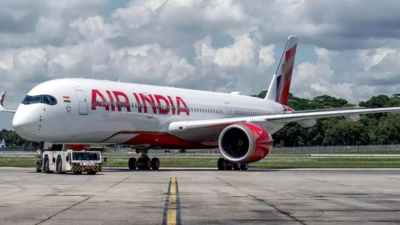
DGCA has directed Air India to strip three senior officials of all responsibilities in crew scheduling and rostering, citing repeated and serious violations of licensing, rest periods, and flight‑duty time norms, according to its order dated 20 June. The order targets a divisional vice‑president and two crew‑scheduling managers, requiring disciplinary proceedings and immediate reassignment to non‑operational roles until reforms are enacted.

Air India must report the outcomes of disciplinary measures within ten days, while the DGCA warns that further breaches could result in financial penalties, licence suspensions, or even revocation of operating permissions. The directive followed a post‑transition audit after the airline migrated from ARMS to the CAE flight‑and‑crew management platform, which uncovered unauthorised crew pairings and scheduling beyond permissible duty hours.

Officials identified include Choorah Singh, Divisional Vice‑President; Pinky Mittal, Chief Manager, DOPS – Crew Scheduling; and Payal Arora, Planning – Crew Scheduling. The DGCA noted that these individuals were directly responsible for the failures in licensing compliance, rest‑period requirements and recency norms—a critical safety concern.

Two long‑haul Bangalore–London flights on 16 and 17 May exceeded the 10‑hour flight‑duty time limit under a special dispensation, prompting a separate show‑cause notice to the airline’s accountable manager.

This regulatory action follows last week’s Boeing 787 crash shortly after take‑off from Ahmedabad, which claimed 270 lives. Though the crew‑rostering order is not directly linked to the crash, it adds to the broader investigation and safety scrutiny surrounding Air India operations.

The DGCA’s move underscores systemic lapses in Air India’s crew‑management framework. The regulator expressed “serious and repeated” concerns, despite self‑disclosure by the airline, highlighting deficiencies in internal oversight and compliance controls. Air India has been instructed to implement corrective reforms to align with Civil Aviation Requirements, specifically those governing flight‑duty time‑limitations intended to mitigate fatigue.

These revisions are timely: new pilot duty‑and‑rest hour regulations will take effect from 1 July, increasing minimum weekly rest from 36 to 48 hours and capping night‑operation landings at two. The DGCA’s enforcement thus dovetails with wider efforts to bolster systemic safety in the aftermath of the Ahmedabad tragedy.

Regulatory experts observe that such administrative and disciplinary responses are not anomalies. In May, the DGCA issued warnings regarding overdue maintenance checks on three Airbus aircraft, including emergency‑equipment inspections. Earlier in the year, Air India received fines totalling ₹30 lakh for pilot recency violations.

Commenting on the broader safety landscape, former regulators note that consistent oversight is crucial in preventing fatigue‑related lapses and mechanical oversights. A sustained regulatory push is under way to restore confidence in Air India’s operational reliability.

Air India has yet to publicly respond to the DGCA directive. In previous instances, the airline has emphasised cooperation and accelerated internal reforms. As it enters the 10‑day deadline, the aviation community will closely monitor how the airline reshapes its rostering protocols and whether these measures signal a lasting shift in safety governance.

Twelve consolidated copyright suits filed by US authors and news outlets against OpenAI and Microsoft have landed in the Southern District of New York, elevating the question of whether the extent of human input in AI training crosses the threshold of lawful fair use. The judicial panel cited shared legal and technical claims involving unauthorised use of copyrighted material, notably books and newspapers, as justifying centralised legal […]

By P. Sudhir It may appear rather unusual to recall the inglorious sequence of events that began at midnight on June 25, 1975, with the declaration of the Internal Emergency. However, we are reminded of those immortal words of wisdom: ‘those who tend to forget the lessons of history are condemned to repeat them.’ These […]

A minor yet persistent air leak inside the Zvezda service module of the International Space Station has led NASA to indefinitely postpone Axiom Mission 4, highlighting widening concerns over the station’s ageing infrastructure and safety. Though currently stable, pressure readings in the affected segment continue to require close monitoring by NASA and Roscosmos, reinforcing questions over the ISS’s longevity and future viability. The anomaly was detected in […]

Advertisements

Asian Cricket Council officials are accelerating preparations to shift the 2025 Asia Cup to the United Arab Emirates, prompted by escalating diplomatic tensions and logistical barriers between India and Pakistan. Originally awarded to India, the tournament, scheduled for September, will adopt a neutral venue in a bid to preserve participation from all eight qualifying teams. Sources within ACC and Pakistan Cricket Board suggest that holding the entire tournament in UAE offers the only viable path forward, ensuring both cricketing integrity and commercial viability.

Accruing nearly US$170 million in media rights, the Asia Cup commands considerable financial stakes. With India and Pakistan at the centre of its appeal, organisers are unwilling to jeopardise the competition. Forbes reports confirm that ACC officials have concluded that relocating the tournament is more feasible than attempting a hybrid model involving split venues. The UAE becomes the default choice, replicating approaches from previous tournaments when political dynamics between South Asian nations hindered full-fledged hosting arrangements.

PCB figures confirm that Pakistan will participate in the UAE-hosted event, despite its reluctance to travel to India. Pakistan also plans a preparatory tri-series in August in Dubai involving Afghanistan and the UAE team—effectively replacing previously scheduled fixtures and maintaining match readiness should the Asia Cup shift occur. With the PCB’s Mohsin Naqvi doubling as ACC president, such parallel initiatives underscore Pakistan’s active role in preserving the tournament’s continuity.

Yet India has maintained a discreet stance. The Board of Control for Cricket in India has neither confirmed nor denied its capacity to host or participate, with internal caution dominating its external posture. BCCI secretary Devajit Saikia recently refuted reports that India would withdraw from all ACC events. Still, precedent indicates India’s avoidance of Pakistan-hosted events: The team did not travel to Pakistan for the Champions Trophy in February–March, instead participating in Dubai under a hybrid format.

Recalling historical context affirms the ACC’s decision. In 2018, the tournament was relocated from India to UAE amid similar political friction. Such precedent sets a framework for crisis management within the sport, suggesting that regional hostilities do not necessarily derail cricketing schedules. Observers also note that India has consistently leveraged a hybrid model since 2022, notably playing Asia Cup matches in UAE and Sri Lanka rather than Pakistan.

Operationally, staging the Asia Cup in UAE will require careful planning, balancing weather conditions in September, broadcast scheduling for global audiences, and coordination with the tri-series. The PCB’s tri-series proposal is advancing, reflecting a proactive stance. Meanwhile, ACC is likely to convene soon, under Naqvi’s leadership, to finalise the tournament’s relocation, format adjustments, and confirmation of venues in Dubai and Abu Dhabi. No official announcement has yet been made, but reports from hindustantimes.com, ET and ProPakistani align in describing the move as imminent.

Stakeholders are weighing broader implications. Indian broadcasters and advertisers depend heavily on premium fixtures, particularly India–Pakistan matches that attract unparalleled viewership. A full UAE tournament may retain this commercial allure while circumventing diplomatic entanglements. For smaller teams such as Hong Kong, Oman and UAE—each having qualified through ACC’s Premier Cup—the neutral format ensures on-field exposure without political fallout.

However, dissenting voices warn against complacency. Some Pakistani conspirators question whether a UAE relocation diminishes Pakistan’s role as host, contrary to its status as 2025 Champions Trophy host and an ACC full member. Conversely, BCCI’s insistence on a hybrid model has previously delayed Pakistan-based hosting, but this time the initial hosting rights belong to India. Any pivot could attract scrutiny over ACC governance and fairness, adding dimension to an already complex political backdrop.

Supporters of the hybrid model note that India’s hybrid strategy for the Champions Trophy earlier this year preserved integrity but exposed limitations. Attendance at Dubai was lukewarm; Australia–India clashes lacked the vibrancy typical of full-capacity Pakistan venues. UAE’s smaller suburban stadiums and shorter pitches may limit spectator buzz, but logistical expediency and political neutrality weigh heavily.

Athletes themselves face uncertainty. India and Pakistan players have not toured regularly since 2008 in bilateral series, and momentum often arises through ICC events. The Asia Cup in UAE represents another opportunity for competitive engagement before the T20 World Cup in 2026. With eight teams and nineteen matches planned, this Asia Cup holds relevance for Qatar 2026 preparations. Still, fragmented venues and political overtones could overshadow performance, causing players and fans to question cricket’s autonomy from geopolitics.

As the ACC readies its final call, timing remains critical. A decision made before July is necessary to confirm bilateral arrangements, tickets, broadcasting contracts, and tri-series scheduling. ACC’s resolution will reverberate across regional cricket administration, testing confidence in neutral venues as a template for coping with diplomatic disruptions.

A landmark agreement between UAE’s Autocraft and Indonesian aerospace maintenance giant GMF AeroAsia positions the Autocraft E20+ electric vertical take‑off and landing aircraft for regional deployment, signalling a major advance in Southeast Asian air mobility. Signed on 11 June at the Indo Defence Expo in Jakarta, the memorandum of understanding enlists GMF as the official Maintenance, Repair and Overhaul partner for the E20+ platform, while establishing frameworks […]

By Nantoo Banerjee With the country’s consumer price inflation rate hovering around 3.20 percent in the last two years, the Reserve Bank of India’s latest decision to cut the bank rate by 50 basis points, the third consecutive reduction since February this year, may be understandable. However, it seems to have come at the wrong […]

Malé’s foreign exchange reserves have surged by more than $400 million, marking a notable strengthening of the nation’s external liquidity following a currency swap arrangement with the Reserve Bank of India. The Maldives Monetary Authority drew down the entire $400 million facility in October 2024, with the impact reflecting sharply in the country’s gross reserves, which rose to approximately $856 million by April 2025 from a low of $371 million earlier in the year.

Fitch Ratings has affirmed the Maldives’ Long‑Term Foreign‑Currency Issuer Default Rating at ‘CC’, citing the infusion from the RBI swap as a key factor in easing the country’s liquidity pressures. The agency also credited sustained tourism receipts and the implementation of the Foreign Currency Act, which compels tourism‑related businesses to convert a mandated portion of their monthly foreign‑currency revenues, for boosting reserves.

Despite the uplift in reserves, Fitch emphasised that gross holdings now cover just 1.5 months of external payments—well below the three‑and‑a‑half‑month median for comparable peers. Net reserves, after subtracting short‑term liabilities, remain critically thin at around $28 million. In its rating statement dated 12 June 2025, Fitch maintained the view that a sovereign default “remains a likely scenario within the foreseeable future” absent significant further support or reform.

The agency highlighted looming debt repayments of $688 million in the second half of 2025, rising to $1.1 billion in 2026, including bonds and sukuk. Policymakers in Malé are negotiating with external partners—including India, China, multilateral lenders and possibly the IMF—to secure deferments, fresh currency‑swap lines, or restructuring deals. Notwithstanding the swap, Fitch reiterated its concerns over persistent fiscal imbalance: the fiscal deficit is projected to widen to 14.5 per cent of GDP in 2025, public debt is set to reach 125 per cent of GDP by 2026, and important reforms—particularly in subsidy and healthcare spending—have been delayed on political grounds.

India formally welcomed the strengthening of Maldivian reserves, with the Indian High Commission in Malé posting on X that it “noted with satisfaction” the impact of the $400 million swap in easing external liquidity pressures. The move is part of broader bilateral economic cooperation anchored within the SAARC framework, signalling a continued role for India in supporting economic stability in Maldives.

Tourism continues to underpin the archipelago’s economy, with record visitor numbers bolstering inflows. Policymakers hope that the expansion of resort capacity and full operation of the new terminal at Velana International Airport will sustain growth and further cushion foreign currency earnings. Fitch projects GDP growth of around 4.8 per cent in 2025, increasing to 6.0 per cent in 2026 as tourism infrastructure develops.

The Foreign Currency Act, introduced last year as a fiscal measure, requires tourism businesses to sell at least 20 per cent of their monthly foreign exchange earnings to licensed banks. Separately, the MMA raised mandatory bank conversion thresholds from 60 per cent to 90 per cent, measures aimed at shoring up foreign‑exchange liquidity.

While the currency swap has delivered a temporary liquidity bridge, analysts caution that it falls short of addressing structural weaknesses. The MMA and government officials have underscored intentions to pursue fiscal consolidation and attract medium‑term financing. But Fitch has warned that absent sustained reserve accumulation, clear evidence of reform, and stronger fiscal discipline, the Maldives remains vulnerable to credit deterioration or a potential sovereign default.

India’s willingness to extend financial assistance underscores geopolitical and strategic interests. The inclusion of swap facilities, alongside ongoing debt negotiations with China and potential IMF engagement, may provide short‑term relief, but Maldives must improve its debt servicing capacity and rebuild buffers to avert future policy shocks.

Turkish authorities have clearly denied that Turkish Technic conducted any maintenance on the Boeing 787‑8 Dreamliner of Air India Flight 171, which crashed on 12 June 2025 near Ahmedabad, resulting in 279 fatalities. The Directorate of Communications’ Centre for Countering Disinformation labelled the claims “false” and “disinformation”, emphasising that existing agreements with Air India in 2024–25 strictly covered Boeing 777 aircraft—not the 787‑8 model involved in the disaster.

Flight AI 171 had lifted off from Sardar Vallabhbhai Patel International Airport bound for London Gatwick, crashed approximately 30 seconds later into a hostel block of B. J. Medical College in Ahmedabad’s Meghani­nagar area. Of the 242 onboard, only one passenger survived; the crash also claimed around 38 lives on the ground.

Turkish officials reiterated that the maintenance contract signed with Air India was limited to B777 aircraft serviced at Turkish Technic’s Istanbul facilities, and never extended to Dreamliner models. They acknowledged awareness of the company that last serviced the crashed aircraft, but refrained from naming it to avoid speculation amid the ongoing investigation.

The denial followed sensational allegations by yoga guru Baba Ramdev, who suggested a Turkish maintenance firm’s involvement, describing a possible “foreign conspiracy.” Turkish agencies sharply rejected his claims as baseless and manipulative.

The crash—the first fatal hull-loss involving a Boeing 787 since its entry into service—has sparked a major international investigation. India’s Aircraft Accident Investigation Bureau is leading the probe under Annex 13 protocols, with support from Boeing, GE Aerospace, and UK and US aviation authorities. Investigators are examining multiple lines of inquiry, including engine thrust anomalies, flap alignment, landing gear deployment, possible bird strike, and maintenance protocols.

India’s civil aviation regulator has ordered additional inspections across Air India’s Boeing 787 fleet, comprising 33 jets, and directed IndiGo to review its single 787. This unprecedented disaster, marking the deadliest global aviation accident involving a 787 in over a decade, has sharpened scrutiny on Air India’s maintenance regimes and Boeing’s safety standing.

Eyewitness and CCTV footage captured a distressing mayday call: “Thrust not achieved. Falling,” suggesting a rapid loss of lift. Preliminary observations indicate that the aircraft may have experienced dual-engine thrust failure or malfunctioning flaps or landing gear, heightening the risk of aerodynamic stall.

An aviation expert, retired captain Alok Singh, stressed that while the Boeing 787 platform is broadly reliable, such incidents often arise from a confluence of mechanical issues, procedural errors, or environmental factors such as bird ingestion. Meanwhile, industry analyst Steven Chen has advanced the theory that inadvertent flap retraction by the co‑pilot during take‑off may have disrupted lift, though this remains speculative pending flight data.

The Aircraft Accident Investigation Bureau has recovered the flight data recorder. Retrieval of the cockpit voice recorder is still in progress. Both are expected to yield critical insight into procedural actions and system failures. India’s government has established a high-level panel with a three-month deadline to issue findings.

In response to the tragedy and international concern, Boeing and GE Aerospace withdrew from the Paris Air Show to concentrate on search and investigative support. Boeing’s CEO Kelly Ortberg expressed condolences and pledged full cooperation, even as the company navigates ongoing operational and reputational pressures following prior safety incidents.

Air India, now under Tata Group ownership since 2022, has announced financial compensation packages for victims’ families and is working with authorities on victim identification through DNA and dental records. Public anxiety has surged, with many calling for systemic reforms in aircraft maintenance oversight, cross-border service dependencies, and regulatory enforcement.

Ahmedabad authorities have recovered both black boxes from the wreckage of the Boeing 787 Dreamliner that crashed shortly after departure en route to London Gatwick, killing 241 of the 242 people aboard and dozens on the ground. Emphasis now is on analysing flight data and cockpit voice recordings to establish whether engine thrust, control surfaces or pilot actions led to the fatal descent. India’s Aircraft Accident Investigation Bureau is spearheading the probe, with support from UK, US and Boeing specialists.

Rescue and forensic teams continued sifting through the charred remains of buildings and aircraft debris in Ahmedabad’s densely populated medical college area. They are gathering fragments of flaps, landing gear, engines and fuel systems to reconstruct the sequence of events. Authorities have also collected dental records and DNA samples to identify victims whose remains were severely burned.

Preliminary scrutiny points to a sudden loss of thrust or possible flap misalignment during the initial climb. Flight-tracking data indicates the aircraft briefly ascended to about 625 feet before entering a steep descent, around 475 ft per minute, video footage shows abnormal wing-flap positioning and attempts at emergency corrective actions.

India’s Directorate General of Civil Aviation has issued an immediate directive for pre-departure technical checks across Air India’s 787-8 and 787-9 fleet, including engine-system diagnostics, cabin-air compressors, hydraulics and fuel-pressure systems. These measures are mandatory before the affected aircraft can resume service. GE Aerospace has pledged full cooperation with the inspections, while Boeing and US aviation regulators have dispatched technical teams to support the investigation.

Prime Minister Narendra Modi, shortly after arriving at the site, described the event as “heartbreaking beyond words” and met with the lone survivor, British national Viswashkumar Ramesh, who recalled escaping the fuselage through an exit door and was treated for minor injuries. The survivor’s account provides a rare eyewitness perspective amid the apex of data analysis in the coming days.

Air India’s reputation and “world-class airline” ambitions under Tata Group ownership are under intense international scrutiny. Experts warn the incident—Air India’s first fatal accident in decades and the first crash of a 787 Dreamliner—could severely undermine trust in the carrier’s safety oversight. The regulator’s maintenance order seeks to allay those concerns, but aviation analysts emphasise that rebuilding credibility will require transparent investigation and disciplined operational safeguards.

Families of victims remain in anguish, many having to wait for dental and DNA verification to identify the deceased. Hospital staff and forensic teams are painstakingly processing remains amidst anxious relatives at Ahmedabad Civil Hospital. Emotional distress is intensifying calls for accountability and answers as grieving relatives await official findings.

Experts caution aviation investigations can span several months, often involving layered analysis of mechanical faults, human errors, manufacturing quality and maintenance procedures. The cooperation of international agencies—including UK’s Air Accidents Investigation Branch, the US NTSB and FAA—forms the backbone of a thorough inquiry, especially given multiple jurisdictions involved.

Next steps hinge on decoding the black boxes, which are being analysed at a specialised laboratory in New Delhi. A clearer picture is expected to emerge once flight parameters, cockpit communications and mechanical readings are correlated with crash-site reconstructions.

The urgency around maintenance audits and global oversight has intensified as aviation authorities aim to prevent similar tragedies. Meanwhile, the carrier’s elderly 787 fleet—many delivered in 2014–15—remain grounded pending conclusive safety checks.

By Nitya Chakraborty On Thursday June 12, Indian diplomacy under the Prime Minister Narendra Modi reached its lowest ebb when India abstained in the United Nations General Assembly from a vote on a resolution demanding an immediate, unconditional and permanent ceasefire in Gaza. The 193 member UN general assembly passed the resolution overwhelmingly with 149 […]

A leading news magazine has issued an unreserved apology after provoking ire with an airplane cartoon linked to the tragic Air India crash on 12 June in Ahmedabad, when flight AI171 went down shortly after take‑off carrying over 240 passengers. The sketch, which many saw as insensitive and lacking compassion, appeared in the aftermath of the catastrophe—and has since drawn widespread condemnation. The cartoon, featuring a minimalist aeroplane […]

Foxconn’s latest customs data confirms that from 1 March to 31 May 2025, an overwhelming 97 per cent of all iPhones assembled in India were destined for the United States, totalling $3.2 billion in exports—nearly double the 50 per cent average seen throughout 2024. May alone accounted for almost $1 billion, the second‑highest monthly export value ever recorded—just behind March’s $1.3 billion. This sharp shift reflects Apple’s concerted effort to navigate escalating U.S. tariffs targeting Chinese […]

An Air India Boeing 787‑8 Dreamliner operating as Flight 171 bound for London Gatwick took off from Ahmedabad’s Sardar Vallabhbhai Patel International Airport at 13:38 IST on 12 June 2025, issued a mayday call shortly after lift‑off, lost contact at approximately 625 ft altitude and plummeted into a doctors’ hostel at B.J. Medical College in the Meghani Nagar neighbourhood. Authorities confirm that at least 204 bodies have been recovered from the crash site, with numerous fatalities among residents on the ground.

The passenger manifest listed 242 occupants—230 passengers and 12 crew, comprising two pilots and ten cabin attendants. Nationalities aboard included 169 Indian citizens, 53 British nationals, seven Portuguese and a Canadian. Though initial reports suggested no survivors, one individual reportedly escaped; several building residents and medical students also suffered injuries as rescue operations intensified amid thick smoke and scattered wreckage.

Flight tracking data from Flightradar24 and eyewitness descriptions indicated that the aircraft was flying unusually low, with the landing gear still extended and flaps in abnormal positions, heightening concerns of possible mechanical malfunction or human error. US aviation consultant Anthony Brickhouse noted the landing gear remained deployed at a stage in the climb when it should have retracted, underscoring anomalies observed before impact.

Boeing and GM Aerospace have dispatched technical teams to assist Indian investigators, working alongside the Directorate General of Civil Aviation, the Aircraft Accident Investigation Bureau and experts from the US National Transportation Safety Board. Weather conditions at the time were reported as clear, with no adverse meteorological factors contributing to the incident.

Prime Minister Narendra Modi described the tragedy as “heartbreaking beyond words,” pledging to coordinate relief efforts, while UK Prime Minister Keir Starmer, King Charles III and Canadian officials offered their condolences and consular aid. Ahmedabad’s airport, managed by the Adani Group, briefly halted operations before resuming limited flights; civil hospitals have established emergency corridors to transport the injured.

Flight 171 marks the first fatal crash involving a Boeing 787 since the Dreamliner entered service in 2011, prompting heightened scrutiny of one of the world’s most advanced long‑haul airliners and raising urgent questions around maintenance, training and design vulnerabilities. The aircraft, tail number VT‑ANB, was delivered to Air India in January 2014 and had completed long‑haul rotations the previous week.

This catastrophe compounds Air India’s legacy of accidents, most notably the 2020 Air India Express Kozhikode runway overrun. Following its acquisition by the Tata Group—completed in 2022—and fleet modernisation efforts, including a $70 billion aircraft order in 2023, the airline’s safety record will now be intensely evaluated.

Boeing’s share value fell by over 6% in pre‑market trading in the US, and analysts suggest this may jeopardise confidence amidst its ongoing recovery from earlier quality and delivery issues. In Ahmedabad, emergency services continue to investigate the building’s collapse and the toll of ground casualties—some reports indicate five hospital beds were destroyed in the crash—while DNA matching and victim identification efforts proceed at affected medical facilities.

Flight 171 is currently the deadliest aviation incident of 2025, surpassing the Jeju Air accident in December, and registers as the first hull‑loss of a 787 aircraft.

By Nitya Chakraborty More than a month after the pause of India’s Operation Sindoor on May 10 at 5 PM, time has come to state it in candid terms that our Prime Minister’s doctrine of New Normal in respect of relations with Pakistan has failed to convince the major global powers. While strongly defending India […]

OpenAI is holding discussions with a range of international investors—including Saudi Arabia’s Public Investment Fund, Reliance Industries of India, and Abu Dhabi’s MGX—to raise around $40 billion in fresh equity. The move marks a pivotal effort to underwrite its ambitious next-generation AI models and the expansive Stargate infrastructure initiative. The round is being led by Japan’s SoftBank, which aims to shepherd significant capital into artificial intelligence advancements. At […]

Air India has partnered with blockchain-based loyalty specialist Loyyal to allow Maharaja Club members to earn points on everyday purchases across key brands in the United States and the United Kingdom. The collaboration enables members to accrue Maharaja Points on shopping at major retailers such as Walmart, Victoria’s Secret, New Balance, GAP, Victorinox and Alamo – marking a significant expansion of the airline’s loyalty programme.

Members now earn up to 99 Maharaja Points per USD 100 spent at Walmart, 310 points per GBP 100 at Victoria’s Secret, 300 points at Victorinox, 45 at New Balance, 180 at GAP and 64 points at Alamo. These offerings are accessible via the Maharaja Club Partner Offers page on Air India’s website, where members can select a brand and follow on-screen prompts to initiate their purchases.

Shailesh Kumar Singh, Head of Loyalty at Air India, commented that the alliance with Loyyal “makes it easier for our members to earn Maharaja Points on everyday essentials and shopping, without needing to fly frequently”. Meanwhile, Loyyal CEO Ashish Kumar Singh noted that the initiative “significantly boosts the earning potential for Maharaja Club’s members,” adding that it enriches daily experiences and complements travel benefits.

The partnership follows a broader revamp of the Maharaja Club, which adopted a simplified tier structure, updated identity and enhanced customer features. Air India has added more than 50 non-airline partners over the last 18 months, supporting its transformation under the Vihaan.AI strategy and leveraging its Star Alliance membership.

The move aligns with global loyalty trends, where airlines increasingly engage shoppers via retail partnerships. By enabling points accrual through non-travel spend, loyalty programmes become more relevant to everyday consumer behaviour, fostering engagement beyond flight activity. Consumers, meanwhile, gain tangible value even during non-travel periods.

Maharaja Club’s integration with Star Alliance further enhances its value proposition. As noted by Air India’s own commentary, elite-tier members benefit from worldwide priority check-in, lounge access at over 1,100 locations, extra baggage allowance, and the ability to accrue and redeem points across the alliance’s 25 carriers. These features remain central to the programme’s repositioning.

Industry analysts highlight that Loyyal’s blockchain-based platform offers secure, transparent point tracking and easier integration of diverse partners. Though Air India and Loyyal have not disclosed technical details publicly, Loyyal’s existing reputation in travel loyalty schemes supports confidence in seamless implementation.

Under the agreement, Air India continues to broaden access to Maharaja Points across shopping categories. The move targets customers traveling abroad or residing outside India, reinforcing Air India’s global outreach following its Tata Group-led transformation. In support, the programme emphasises that points can be redeemed for award flights and cabin upgrades through Air India or Star Alliance partners.

The timing of the launch coincides with Air India’s widened network with new interline agreements and route expansions, such as recent pacts with airlines like airBaltic, Cyprus Airways and Uzbekistan Airways, aimed at increasing global connectivity. As passengers gain more travel options, the value of earning and using loyalty points is projected to grow.

As more household and lifestyle brands are added to the programme, members could diversify their point accrual even further. Air India has indicated that additional partners will be announced in due course, though specifics have not yet been released.

Maharaja Club members benefit from streamlined user experience with clearly stated earning rates for each participating brand. For example, spending at Victoria’s Secret yields 310 points per GBP 100, while spending at Victorinox delivers 300 points per USD 100 – figures that are prominently showcased on the shopping portal.

Air India’s alignment with Loyyal fits within its hospitality-driven repositioning under Vihaan.AI, along with fleet modernisation, training investments, new routes, and enhanced premium services. The airline aims to appeal to international leisure and business travellers – particularly those based abroad – by offering points that can accrue through both travel and lifestyle spending.

Industry commentators suggest that Loyyal’s blockchain solution offers underlying benefits including transparent audit trails, fraud reduction and easy tracking of reward accrual from non-travel sources. This increases both partner and consumer confidence in the integrity of the loyalty ecosystem.


By Nitya Chakraborty The interim Chief Adviser of Bangladesh Government Dr. Muhammad Yunus has finally announced the holding of national elections in the country in the first half of April next year defying the demand of the main opposition party BNP to hold it in December this year. The final dates will be notified by […]
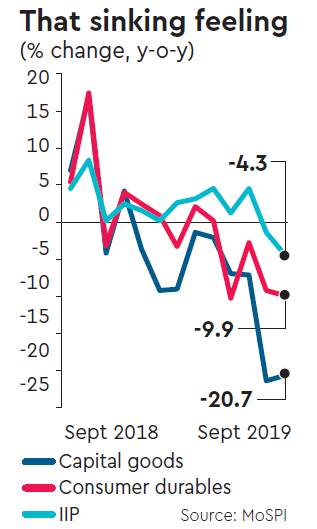
By Nantoo Banerjee India’s economic growth figures seem to be getting increasingly delinked with domestic manufacturing, industrial output, and job generation. The manufacturing sector had a very little contribution to the country’s 6.5 percent GDP growth during the last financial year, the slowest in four years. Despite a good monsoon last year, the country’s agriculture […]

The manufacturing landscape in India is undergoing a profound transformation as nearly all major players invest heavily in artificial intelligence and machine learning technologies. This shift reflects a strategic focus on boosting operational efficiency, driving business impact, and advancing sustainability goals. An extensive survey by Rockwell Automation reveals that Indian manufacturers are rapidly adopting AI and ML to remain competitive in a global marketplace increasingly dominated by digital innovation.

Manufacturers across India are leveraging AI and ML to optimise production processes, reduce costs, and enhance product quality. The integration of these technologies into factory operations enables predictive maintenance, real-time monitoring, and automation of complex tasks. This leads to minimising downtime, improving yield, and accelerating time-to-market. Industrial leaders cite AI and ML as essential tools for unlocking value amid rising raw material prices and supply chain uncertainties.

The adoption rates in India closely mirror global trends but stand out for the intensity of focus on sustainability. AI-driven analytics allow manufacturers to significantly cut energy consumption and waste, contributing to environmental goals aligned with international standards and India’s own climate commitments. Companies are deploying smart sensors and AI algorithms to monitor emissions and optimise resource use, which is crucial as regulatory pressures tighten and consumer expectations evolve.

Executives in India report that their investment in AI and ML technologies is yielding measurable returns. Data from the Rockwell Automation survey indicates that over 90% of respondents observe improved operational performance attributable to these digital initiatives. Furthermore, nearly three-quarters affirm that their AI-driven strategies have enhanced decision-making speed and accuracy, facilitating quicker responses to market demands and disruptions.

The Indian government’s push to encourage digital adoption in manufacturing, through initiatives such as ‘Make in India’ and the National Strategy on AI, complements corporate efforts. Policy frameworks supporting Industry 4.0 advancements, including financial incentives and infrastructure development, have accelerated the uptake of AI and ML technologies. This alignment between public policy and private sector ambition has created a fertile environment for innovation in the manufacturing ecosystem.

Several sectors within Indian manufacturing stand to benefit disproportionately from AI and ML integration. Automotive, pharmaceuticals, and consumer goods producers are early adopters, capitalising on AI’s ability to optimise supply chains, enhance product customisation, and improve quality control. For example, AI algorithms can predict demand patterns more accurately, enabling just-in-time inventory management that reduces excess stock and associated costs.

While enthusiasm for AI and ML is high, manufacturers face challenges in implementation. Shortages of skilled personnel who can develop and maintain AI systems are common, necessitating investment in workforce training and collaboration with technology providers. Cybersecurity remains a critical concern, as increased digital connectivity opens potential vulnerabilities. Firms are therefore balancing rapid technology deployment with robust risk management strategies to safeguard intellectual property and operational integrity.

The evolving role of AI and ML in manufacturing also raises questions about labour dynamics. Automation driven by these technologies has the potential to displace routine manual jobs but also creates opportunities for higher-skilled employment in areas such as data science, system maintenance, and process optimisation. Industry leaders emphasise the need for reskilling initiatives to ensure the workforce adapts to the demands of a more digitally integrated manufacturing sector.

Investors and technology companies are taking notice of India’s growing appetite for AI and ML in manufacturing. Partnerships between domestic manufacturers and global tech firms are expanding, bringing access to advanced AI platforms and expertise. Indian startups specialising in industrial AI solutions are gaining traction, offering innovative products tailored to the unique challenges of Indian factories, such as managing variable power supply and legacy equipment integration.

The emphasis on sustainability powered by AI is gaining traction beyond regulatory compliance. Indian manufacturers recognise that eco-friendly operations can enhance brand value and meet the expectations of increasingly conscious consumers worldwide. Technologies that track carbon footprints, water usage, and waste generation help firms align with global environmental, social, and governance criteria, which are becoming decisive factors for international trade and investment.

As AI and ML technologies mature, their influence on Indian manufacturing’s competitive edge is expected to deepen. Automation of routine tasks frees human workers to focus on innovation and complex problem-solving, potentially accelerating product development cycles and enabling mass customisation. Real-time data analytics empower firms to respond nimbly to market fluctuations and supply chain disruptions, a critical advantage amid ongoing geopolitical and economic uncertainties.

By Nitya Chakraborty 26 days have passed since the temporary truce in the limited four day war between India and Pakistan taking effect on May 10 this year. Prime Minister Narendra Modi has been talking of his three point doctrine since then, the most important of which is no dialogue with Pakistan unless the ruling […]

VISHNU RAJA
RYO YAMADA
HITORI GOTOH
IKUYO KITA