News related to
India’s

By Nitya Chakraborty The allegation by the Canadian Prime Minister Justine Trudeau involving Indian diplomats of the high commission in the killing of the Sikh extremist Canadian citizen, Hardeep Singh Nijjar, last year and also in the assassination attempt on another Sikh lawyer G S Pannun in USA, has created a storm in the global […]
By Nitya Chakraborty Bangladesh is the diplomatic battleground of two super powers USA and China since the interim Government took over power on August 9 this year following the ouster of the Sheikh Hasina led Awami League regime on August 5 last. In the last five weeks of the new government led by Chief Adviser […]

Concerns over increasing precious metal exports from the United Arab Emirates to India have sparked discussions between officials from both nations. As the UAE has emerged as a crucial hub for gold trading, India’s government is seeking measures to regulate the flow of these metals, which have seen a substantial rise in volume and value. The issue gained traction following the report that India had imposed a […]

By Dr. Gyan Pathak “NPPA revises the ceiling prices of eight scheduled drugs to meet the twin objectives of availability and affordability,” reads the title of the press release published on the Press Information Bureau’s website pib.gov.in. The title reverberated the sole esoteric Modi Mantra of the ritual of the price rise, that no one […]

Bengaluru Airport City has officially launched its new 2 million square feet business park as part of an ambitious effort to bolster the city’s Global Capability Centre (GCC) ecosystem. This development, located within Kempegowda International Airport’s larger Airport City project, spans over 17.7 acres and is set to transform the area into a mixed-use destination. The new facility is designed to attract global corporations, promote innovation, and elevate Bengaluru’s status as India’s hub for technology, biotechnology, and aerospace sectors.

Rao Munukutla, the Executive Director and CEO of Bengaluru Airport City Limited (BACL), highlighted that the business park is expected to play a key role in driving growth, both for the city’s economy and the global companies that will set up operations there. Bengaluru already accounts for 36% of India’s GCC workforce, with significant contributions from industries such as IT, biotechnology, and automotive. This new business park aims to strengthen this lead, creating a thriving space for companies to innovate and expand.

The larger Airport City project at Kempegowda International Airport is envisioned as more than just a business hub. It will include dedicated zones for education, health care, research and development, entertainment, and hospitality, making it an integrated destination for work and leisure. Among the planned amenities are India’s first concert arena within an airport ecosystem and a state-of-the-art convention and exhibition centre. These additions are expected to attract international events and boost the city’s profile as a premier destination for business and tourism.

By Nantoo Banerjee It is heartening to note that global lenders are increasingly coming forward to strongly support India’s ongoing clean and green energy expansion programmes. India, the world’s third largest energy consumer after China and the United States, has set a target to reduce the carbon intensity of the nation’s economy by less than […]

A video that recently resurfaced online has reignited concerns over the alleged tampering of Amul ice cream, sparking a wave of misinformation and public debate. The Gujarat Cooperative Milk Marketing Federation (GCMMF), which oversees the Amul brand, has swiftly denied any wrongdoing, reaffirming its commitment to maintaining the highest standards of product quality.

The video, originally circulated years ago, made its way back onto social media, accusing Amul of using non-vegetarian ingredients in its ice cream, particularly an emulsifier labeled as E-471, which the rumors claimed was derived from animal fat. This allegation triggered alarm among various communities, as Amul is widely known and trusted as a brand that delivers purely vegetarian products.

To quell the situation, R S Sodhi, Managing Director of GCMMF, issued an official statement through both video and print channels, dismissing the claims as false and malicious. Sodhi clarified that the emulsifier in question is derived from 100% plant-based oils, such as those from soybean, sunflower, or palm, which are commonly used in the food industry. He emphasized that Amul’s products adhere to strict vegetarian sourcing, aligning with the trust placed in the brand by millions of consumers across the country.

The controversy over the emulsifier is not new. Various food products globally use E-471, which can be derived from either plant or animal sources. The persistence of these rumors, despite clarification, appears to be part of a targeted misinformation campaign, with vested interests aiming to damage the reputation of one of India’s most beloved dairy brands. The swift public relations response by Amul underscores the company’s proactive stance in maintaining consumer trust and protecting its brand integrity.

The original video that caused the uproar showed alleged tampering of Amul’s ice cream packaging and implied that animal-based ingredients were being used, which stirred strong reactions, particularly among those adhering to vegetarian or religious dietary restrictions. However, GCMMF countered the claims, explaining that all processes in its manufacturing chain are transparent, strictly regulated, and in line with the company’s commitment to high-quality dairy production.

Social media platforms have played a central role in the spread of these allegations, prompting a range of reactions from consumers. While some voiced concerns about product safety, others came to the defense of the brand, highlighting their long-standing loyalty to Amul and dismissing the video as another attempt to mislead the public. Various users have expressed their unwavering trust in Amul, calling it a cornerstone of the Indian dairy industry. Many pointed out that Amul, as a cooperative, represents the interests of millions of farmers, making it an ethical brand focused on delivering value to both producers and consumers.

The controversy has led to renewed discussions about how easily misinformation spreads on social media, and the role of companies in actively addressing public concerns. Amul’s rapid response has been seen as a strategic effort to maintain consumer confidence amid growing digital challenges. Sodhi also urged the public to be cautious about believing unverified information circulating online, stressing the importance of relying on credible sources for product information.

Advertisements

IIT Madras has inaugurated the Centre for Cybersecurity, Trust, and Reliability (CyStar), marking a significant step towards advancing India’s cybersecurity capabilities. The newly established CyStar is expected to play a pivotal role in fortifying the nation’s cyber defenses amid growing threats across various industries, including finance, healthcare, and critical infrastructure. The Center’s focus is both broad and ambitious, covering sectors from artificial intelligence to post-quantum cryptography, while aiming to create an ecosystem of innovation and collaboration.

Speaking at the launch, IIT Madras Director Prof. V. Kamakoti emphasized the increasing prevalence of cyberattacks, which are not limited to financial motives but often target key infrastructure sectors. To counter this evolving threat landscape, CyStar will focus on developing proactive defense mechanisms to safeguard the country’s digital assets. The initiative is part of the institution’s broader strategy to contribute to the global cybersecurity ecosystem, incorporating interdisciplinary research and technological advancement to meet today’s complex security demands.

CyStar has been structured with a vision to drive innovation through fundamental and applied research, fostering collaboration between academia, industry, and government. The Center will partner with prominent organizations, including the Ministry of Electronics and Information Technology, the Ministry of Education, Kaspersky, IDBI Bank, LG India, and numerous other local and international players. These partnerships aim to tackle a range of cybersecurity issues, from data privacy to the protection of critical infrastructure.

At the heart of CyStar’s mission is the desire to address cybersecurity challenges in India’s diverse social and business environments. The Center’s multi-disciplinary team will focus on developing cutting-edge solutions, including security frameworks for artificial intelligence, blockchain technology, and quantum computing. The ultimate goal is to secure vital sectors of the economy, especially those that rely heavily on digital infrastructure.

CyStar’s key coordinators, including Prof. Shweta Agrawal and Prof. Chester Rebeiro, outlined the Center’s approach, which spans fundamental research to practical applications. Agrawal stressed the importance of a collaborative environment that brings together experts from varied fields to tackle the complex problem of cybersecurity. Rebeiro added that the Center’s outreach programs and industry-academia relationships would help foster innovation and secure India’s critical industries.

By integrating cybersecurity advancements into real-world applications, the Center also aims to contribute to startup ecosystems, helping to cultivate new companies that focus on cybersecurity solutions. This aligns with India’s broader ambition to become a global leader in technology-driven innovation. Furthermore, the center will explore advanced cybersecurity applications in sectors such as healthcare, electronics, and automotive, industries that are highly dependent on secure and reliable digital systems.

In the keynote address, internationally renowned cybersecurity experts, including Prof. Shafi Goldwasser of MIT and Prof. Christian Scheideler of Paderborn University, emphasized the importance of innovative research to counter emerging cyber threats. They noted that as technology evolves, particularly in areas such as AI and quantum computing, cyber threats will become more sophisticated, requiring a comprehensive and forward-thinking approach. CyStar’s work, they suggested, is poised to meet these challenges head-on by developing next-generation solutions for AI security, quantum encryption, and IoT security.

Adani Group, led by billionaire Gautam Adani, is reportedly engaged in discussions with a Middle Eastern sovereign wealth fund to secure a significant investment in its airport business. The move is seen as part of the conglomerate’s broader strategy to raise up to $1 billion to fund its airports division. These talks come at a critical juncture as Adani seeks to solidify its position in India’s infrastructure and aviation sector while addressing concerns over its debt levels.

Adani Airports, a subsidiary of the Adani Group, currently operates several major airports across India. It has been aggressively expanding its footprint in the country’s aviation industry, holding stakes in seven airports, including those in Mumbai, Ahmedabad, and Lucknow. This push into the airport sector is part of the group’s broader goal to diversify its operations and strengthen its presence in infrastructure, energy, and transportation. Airports have become a key focus area for Adani in recent years, reflecting the company’s long-term bet on India’s growing demand for air travel and infrastructure development.

Reports suggest that the potential deal with the Middle Eastern sovereign wealth fund could result in a capital injection that would help Adani Airports scale up its operations, reduce its debt burden, and maintain financial stability. While the identity of the sovereign wealth fund has not been publicly disclosed, sources familiar with the matter indicate that the discussions are at an advanced stage. The potential investment is expected to bolster Adani’s ability to meet its expansion goals and improve its financial health, particularly after facing scrutiny over its leverage levels following a short-seller report earlier this year.

The interest from the sovereign wealth fund also signals the growing appetite among Gulf-based investors to participate in India’s infrastructure growth. The Middle East, particularly countries like the United Arab Emirates and Saudi Arabia, has increasingly turned its attention to the Indian market, recognizing the long-term potential in sectors such as energy, logistics, and aviation. Adani’s airport business, with its strategic portfolio of assets, is an attractive proposition for investors seeking exposure to India’s booming aviation industry and infrastructure projects.

For the Adani Group, securing this investment would mark a significant milestone. The company has been under pressure to demonstrate its ability to navigate financial challenges while continuing its rapid expansion across key sectors. Earlier in 2023, Adani’s financial dealings came under intense global scrutiny after a report by the U.S.-based short seller Hindenburg Research accused the group of stock manipulation and accounting fraud. The allegations triggered a sharp decline in Adani’s share prices and forced the group to undertake damage control efforts, including scaling back its capital expenditure plans and repaying debt to allay investor concerns.

Despite these challenges, the group has maintained its aggressive growth trajectory, particularly in sectors like airports, ports, power generation, and renewable energy. Adani Airports, in particular, has been a core element of the company’s infrastructure portfolio, with the group committing substantial resources to transform its airport assets into world-class aviation hubs. The airport business is seen as a long-term growth driver for Adani, especially as India continues to witness strong growth in air passenger traffic. Pre-pandemic projections had anticipated India to become the world’s third-largest aviation market by 2025, and the post-pandemic recovery has further fueled optimism about the sector’s prospects.

Adani’s push for fresh capital comes as the Indian government intensifies its focus on modernizing and expanding the country’s airport infrastructure to meet growing demand. The government has introduced several policy reforms aimed at attracting private investment in the aviation sector, including public-private partnerships and airport privatization initiatives. Adani’s airports division has been a major beneficiary of these reforms, having won competitive bids to operate several airports under long-term concession agreements.

This potential $1 billion capital raise aligns with the company’s broader strategy of attracting foreign investments to support its infrastructure ambitions. In recent years, the Adani Group has successfully secured investments from global players, including a $6 billion investment from TotalEnergies for its renewable energy business. By bringing in a strategic partner for its airport business, Adani aims to replicate this success in aviation, further boosting its ability to scale up operations and enhance the efficiency of its airport assets.

The timing of these negotiations also coincides with increasing interest from international investors in India’s growing aviation market. India is expected to witness a rapid increase in air traffic over the next decade, driven by rising middle-class incomes, urbanization, and increased business travel. With this backdrop, Adani’s airport business is poised to capture a significant share of this growth, particularly as the company continues to expand its airport operations and invest in modernizing its existing assets.

While the final terms of the deal are yet to be finalized, industry analysts believe that the investment from the Middle Eastern sovereign wealth fund could serve as a crucial catalyst for Adani’s airport ambitions. The deal would provide much-needed liquidity to the group and enhance its ability to fund future airport projects, including terminal expansions, new runway constructions, and modernization efforts at its airports.

Ratan Tata, a stalwart in India’s corporate landscape and a key figure in elevating the Tata Group to international prominence, has passed away at the age of 86. His leadership was marked by significant transformations within the Tata Group, extending its reach across various sectors including steel, automotive, and technology, while also prioritizing philanthropic initiatives that enhanced the group’s societal contributions. Tata’s tenure as chairman began in […]

India is set to become a global leader in sustainable aviation fuel (SAF) production by 2040, aiming for a target of 8-10 million tonnes annually. This ambitious goal is driven by the country’s commitment to decarbonizing its rapidly growing aviation sector, which ranks among the fastest-expanding in the world. The initiative is also expected to attract an estimated investment of USD 70-85 billion over the coming years, as reported by industry experts.

The planned SAF output could significantly contribute to reducing carbon emissions, with projections indicating a reduction of 20-25 million tonnes of carbon dioxide annually. This effort aligns with global sustainability goals and places India as a potential major player in the SAF market, not only meeting domestic demand but also catering to the international aviation industry. The country’s strategic location, close to major airline hubs in the Middle East and Europe, further enhances its potential as a key SAF exporter.

To realize these ambitions, India’s SAF production strategy focuses on leveraging its agricultural and municipal waste as primary feedstocks. The country produces around 230 million tonnes of surplus agricultural residue, which will be crucial for producing biofuels through advanced technologies. This includes the Alcohol-to-Jet (AtJ) process, which converts ethanol derived from agricultural waste into aviation fuel. Ethanol (second generation) produced from non-food sources like agricultural residue and municipal solid waste is expected to be a cornerstone of India’s SAF development.

The initiative aims to generate significant economic benefits. It is projected to create between 1.1 and 1.4 million jobs throughout the SAF production value chain. The reduction in crude oil imports, estimated at USD 5-7 billion annually, is another expected outcome of the country’s SAF development efforts.

India’s aviation sector has been exploring diverse feedstocks for SAF production, with options ranging from used cooking oil and municipal solid waste to more unconventional sources like sweet sorghum and seaweed. Experts believe that the scalability and success of these alternative materials will depend on technological advancements and regulatory support over the next decade.

A comprehensive SAF roadmap was recently unveiled, detailing the investments needed to meet production targets while also highlighting the environmental and economic benefits for India. Government policies, coupled with private sector involvement, are expected to play a crucial role in scaling up SAF production. The international market for SAF is expanding rapidly, and India’s competitive cost structures may position it favorably to supply global aviation giants as demand surges.

However, challenges remain in ramping up production and creating a reliable supply chain for SAF in India. Infrastructure bottlenecks, technological constraints, and the need for regulatory incentives are key issues that need to be addressed to achieve the ambitious targets set for 2040. Yet, experts remain optimistic that with sustained investment and collaboration between public and private sectors, India will be able to meet its SAF production goals.

This focus on SAF is part of a broader trend in India’s decarbonization efforts across multiple sectors. The aviation industry’s move towards cleaner fuels not only reduces greenhouse gas emissions but also aligns with India’s broader climate commitments under the Paris Agreement. As the global aviation industry looks for greener alternatives, India’s push for SAF could place it at the forefront of this transformation, catering to both domestic and international markets.

In addition to benefiting the environment, the production of SAF in India is expected to improve the incomes of local farmers by 10-15% through the utilization of agricultural residue that would otherwise be burned. This has the potential to address long-standing environmental issues like air pollution caused by crop stubble burning, particularly in northern India.

M A Hossain The upcoming US presidential election on November 5, 2024, carries significant implications for the entire world, including Bangladesh’s political landscape. With the recent ouster of Prime Minister Sheikh Hasina and her fleeing the country thus taking refuge in India, Bangladesh stands at a political crossroads, facing unprecedented geopolitical pressures. An intriguing aspect of this shift is the waning interest of foreign lobbyists in Washington, […]

A groundbreaking initiative named BharatGen has been launched by the Government of India, aiming to harness artificial intelligence to improve public service delivery across the country. This innovative project is touted as the first government-backed AI initiative in India, set to create advanced multilingual and multimodal models tailored for diverse public sector applications. BharatGen is designed to address challenges in government services by leveraging AI technology to facilitate better communication and accessibility for citizens, especially those from marginalized communities.

The initiative’s unveiling coincides with a broader trend where governments globally are increasingly adopting AI solutions to enhance efficiency and citizen engagement. BharatGen is expected to serve as a significant leap in this direction, promoting the development of AI applications that cater specifically to the linguistic and cultural diversity of India. By utilizing machine learning and natural language processing, BharatGen aims to create tools that can interact in various regional languages, thus broadening the reach of governmental services to every corner of the nation.

As part of its implementation strategy, BharatGen will focus on several key areas, including healthcare, education, and welfare programs. The initiative will foster the development of AI systems capable of assisting citizens in navigating government services, accessing critical information, and receiving personalized support. This is particularly crucial in a country like India, where language barriers often hinder effective communication between citizens and public institutions.

The initiative has garnered attention not only for its ambitious goals but also for the strategic partnerships it is forming with leading tech companies and research institutions. Collaborations with renowned AI researchers and organizations are aimed at ensuring that BharatGen’s models are developed using the best practices and cutting-edge technologies available. This approach underscores the Indian government’s commitment to establishing a robust AI ecosystem that encourages innovation while prioritizing ethical considerations and data privacy.

Experts have noted that the implementation of BharatGen is timely, given the accelerating pace of digital transformation in public services. As citizens increasingly rely on digital platforms for accessing information and services, BharatGen stands to facilitate a seamless interaction experience. By integrating AI technologies into government frameworks, the initiative is poised to reduce response times, minimize bureaucratic hurdles, and enhance the overall efficiency of public service delivery.

However, the path to effective implementation is not without challenges. Concerns regarding data privacy, algorithmic bias, and transparency in AI systems have been raised by various stakeholders, including civil society organizations and technology experts. To address these issues, the government has emphasized its commitment to developing ethical guidelines that govern the use of AI in public services. These guidelines will focus on ensuring fairness, accountability, and transparency, thereby building public trust in the initiative.

BharatGen will serve as a model for future AI initiatives in other sectors, potentially inspiring similar projects in agriculture, transportation, and urban planning. By showcasing the potential of AI to tackle complex societal issues, the initiative may pave the way for an array of AI applications tailored to India’s unique needs.

In a statement during the launch event, the Minister of Electronics and Information Technology highlighted the transformative potential of BharatGen, stating that the initiative aims to empower citizens by making government services more accessible and responsive. He remarked that the integration of AI technologies in public services is not just about efficiency but also about ensuring that no citizen is left behind in the digital era.

The launch of BharatGen has received a warm reception from various sectors, with many viewing it as a significant step toward modernizing public service delivery in India. Technology enthusiasts and policy analysts have expressed optimism regarding the initiative’s potential impact, emphasizing that successful implementation could lead to substantial improvements in citizen satisfaction and engagement with government services.

The initiative is expected to contribute to India’s positioning as a global leader in AI technology. By prioritizing the development of homegrown AI solutions, BharatGen aligns with the national vision of fostering a self-reliant and technologically advanced society. This vision is supported by initiatives such as the Digital India campaign, which aims to transform India into a digitally empowered society and knowledge economy.

As BharatGen embarks on its journey, the emphasis will be on iterative development and continuous feedback from users. The government plans to establish mechanisms for gathering public input on the effectiveness of AI applications and to make necessary adjustments based on user experiences. This feedback loop is essential for refining the models and ensuring that they remain relevant to the evolving needs of citizens.

Abu Dhabi Investment Authority (ADIA), one of the world’s largest sovereign wealth funds, has established a subsidiary in Gujarat International Finance Tec-City (GIFT City), India’s first operational smart city and International Financial Services Centre (IFSC). This strategic move underlines ADIA’s growing interest in India’s financial ecosystem and is expected to accelerate the UAE’s investments in key sectors of the Indian economy.

ADIA’s decision aligns with the broader UAE-India economic collaboration that has deepened in recent years, driven by the Comprehensive Economic Partnership Agreement (CEPA). Signed in May 2022, CEPA has already resulted in substantial gains in bilateral trade, particularly in non-oil sectors, reaching $28.2 billion in the first half of 2024 alone. This agreement, designed to remove trade barriers, has also spurred significant foreign direct investment (FDI) inflows into India, with ADIA playing a prominent role.

The new subsidiary will benefit from GIFT City’s unique regulatory and tax advantages, enhancing ADIA’s capacity to manage and diversify its global portfolio from India. GIFT City offers a conducive environment for international businesses, with simplified tax regimes, ease of operations, and direct access to Indian and global markets, making it an attractive hub for financial activities. ADIA’s expansion into this zone signals a potential increase in UAE-driven investments, particularly in infrastructure, real estate, and technology sectors, areas where India is actively seeking foreign capital.

This development follows a series of UAE-led initiatives in India, such as the establishment of food parks and logistics hubs, and marks the strengthening of bilateral ties under the leadership of Indian Prime Minister Narendra Modi and UAE President Sheikh Mohamed bin Zayed Al Nahyan. Both leaders have emphasized the significance of UAE’s investments in India, with projects spanning across infrastructure, renewable energy, and technology sectors. The bilateral focus is not just on economic gains but also on fostering sustainable growth and innovation.

ADIA’s growing footprint in India is part of a broader trend of Middle Eastern sovereign wealth funds seeking to diversify their investment portfolios amidst global economic uncertainties. India, with its burgeoning middle class, robust consumption patterns, and ambitious infrastructure development plans, has emerged as a prime destination for such funds. ADIA’s investments are not only expected to boost India’s financial services sector but also contribute to the creation of high-skilled jobs and the development of a sophisticated financial ecosystem.

The subsidiary in GIFT City is anticipated to further bolster ADIA’s long-standing presence in India, where it has already invested in a variety of sectors including logistics, highways, and affordable housing. Over the past few years, the fund has also collaborated with local partners to channel investments into emerging sectors like e-commerce, technology, and healthcare. The new base in GIFT City could facilitate the expansion of ADIA’s investment portfolio, providing opportunities for greater collaboration with Indian companies and startups, especially those focusing on cutting-edge technologies like artificial intelligence (AI) and renewable energy.

With ADIA’s move into GIFT City, the potential for synergies between UAE’s sovereign funds and India’s development goals has significantly increased. GIFT City is positioned to be a critical financial hub, and the entry of global players like ADIA could accelerate the transformation of this zone into a regional powerhouse. India’s policymakers have been actively promoting GIFT City as a destination for international financial services, aiming to attract leading global financial institutions to establish a presence there. ADIA’s entry could prompt other sovereign funds and multinational corporations to follow suit, further cementing GIFT City’s role in global finance.

The announcement of ADIA’s subsidiary comes at a time when India is also witnessing a surge in foreign investments across various sectors, thanks in part to favorable government policies and the country’s economic resilience. Despite global headwinds, India remains one of the fastest-growing economies in the world, and its government has been keen on securing investments that contribute to long-term growth. The cooperation between India and the UAE, symbolized by initiatives such as ADIA’s expansion, is seen as a key pillar in India’s broader strategy to bolster its economic prospects through strategic partnerships with key global players.

Abu Dhabi Investment Authority (ADIA) has announced the establishment of a subsidiary within India’s GIFT City, a move that is set to enhance the region’s reputation as a global financial hub. This development reflects ADIA’s strategic intent to tap into emerging opportunities in India and reinforces the country’s growing appeal as an investment destination.

GIFT City, located in Gandhinagar, Gujarat, is designed as a smart city to facilitate financial services and technology-driven initiatives. The city operates under a special economic zone framework, offering favorable regulations and tax incentives to attract foreign investment. ADIA’s entry into GIFT City marks a significant milestone for the financial landscape of India, signaling confidence in the country’s economic trajectory.

The establishment of the subsidiary comes amid a surge in foreign direct investment (FDI) in India, particularly in sectors such as technology, renewable energy, and infrastructure. ADIA’s foray into GIFT City aligns with the broader trend of institutional investors increasingly seeking to diversify their portfolios by exploring opportunities in India’s rapidly expanding economy.

As a sovereign wealth fund managing assets exceeding $800 billion, ADIA’s strategic investments are focused on long-term growth and value creation. The authority has a history of investing in various sectors globally, including real estate, technology, and infrastructure, aiming to capitalize on lucrative opportunities that emerge across different markets.

The GIFT City initiative is being touted as a transformative project for India, attracting several global financial institutions and tech companies. By hosting a variety of financial services and fostering innovation, GIFT City aims to emerge as a key player in the global finance landscape. ADIA’s presence will likely encourage other foreign investors to consider GIFT City as a viable option for investment, further bolstering the city’s standing.

Experts have noted that GIFT City’s establishment has provided a platform for financial technology (fintech) companies to thrive. The city has already attracted notable players in the fintech space, aiming to facilitate seamless financial transactions and enhance service delivery in the sector. ADIA’s new subsidiary could further catalyze this growth by potentially investing in innovative fintech solutions.

The announcement of ADIA’s subsidiary also highlights a growing trend of collaboration between sovereign wealth funds and local governments to stimulate economic growth. The Indian government has been actively promoting GIFT City as a hub for international business and finance, reflecting its commitment to making India a preferred investment destination.

GIFT City’s unique position as a designated financial zone allows it to offer services such as international banking, insurance, and capital market operations under a single umbrella. This integrated approach has garnered attention from various sectors, making it an attractive proposition for foreign investors.

Industry analysts predict that the collaboration between ADIA and GIFT City will lead to the development of new financial products and services that cater to both local and international markets. The subsidiary could also explore partnerships with Indian startups and established companies to foster innovation and growth within the financial sector.

As ADIA embarks on this new venture, its role will likely extend beyond mere investment. The authority’s extensive global experience and resources can contribute to knowledge sharing and capacity building within GIFT City, potentially enhancing the capabilities of local firms and promoting sustainable development.

This development comes at a time when India is striving to position itself as a global economic powerhouse. The government’s focus on digital transformation, infrastructure development, and policy reforms is aimed at enhancing the ease of doing business and attracting foreign investments. ADIA’s commitment to establishing a subsidiary in GIFT City is indicative of the growing interest from global investors in India’s economic potential.

India stands at the cusp of an AI-driven revolution, a transformation led by its burgeoning software-as-a-service (SaaS) market and a rapidly growing talent pool in artificial intelligence. As global demand for AI-based solutions intensifies, India’s developers are crucial to harnessing this opportunity. The country’s tech landscape is expanding with AI start-ups, cutting-edge research, and AI-powered platforms, yet a significant gap remains: a shortage of highly specialized developers needed to accelerate this transformation.

The Indian SaaS sector is uniquely positioned to benefit from artificial intelligence. As businesses worldwide shift towards cloud computing and automation, Indian companies are emerging as key players in delivering scalable AI-powered solutions. Indian SaaS firms have been instrumental in providing software that caters to a wide array of industries, from healthcare to financial services, retail, and logistics. AI integration into these sectors can provide enhanced decision-making capabilities, process automation, and predictive analytics. But the key enablers for such integration are India’s developers, who must possess the requisite skills to drive innovation.

India already has a solid base of AI talent, with thousands of engineers graduating from prestigious institutions every year. These developers are skilled in areas like machine learning, natural language processing, and computer vision. However, many experts believe that a gap still exists between the number of developers available and the demand for highly specialized talent in AI development. As artificial intelligence becomes more sophisticated, businesses require developers who can design complex AI models, scale algorithms efficiently, and apply AI to solve real-world problems. Closing this gap is critical to ensuring that India remains a global leader in AI innovation.

Many challenges hinder the development of a more robust AI developer ecosystem in India. The skill gap is one of the foremost concerns, especially as AI evolves into more complex fields like deep learning, generative adversarial networks, and reinforcement learning. These advanced concepts require developers to be fluent not only in programming languages but also in mathematical modeling, data science, and statistical analysis. While India produces a significant number of developers each year, few receive formal training in such advanced AI technologies. Bridging this educational divide is essential to boosting India’s competitiveness in AI.

A lack of industry-relevant exposure for developers remains a bottleneck. Much of the AI research happening in academic institutions does not always translate into industry-ready applications. Many developers, while skilled in theory, lack practical experience with large-scale AI projects or are unfamiliar with integrating AI solutions into business ecosystems. This disconnect between academia and industry must be addressed through greater collaboration between educational institutions and the corporate sector. Providing developers with opportunities to work on real-world AI projects, whether through internships, mentorship programs, or partnerships with tech companies, is essential.

Another barrier to strengthening India’s AI developer community is the challenge of retaining talent. With the global demand for AI professionals skyrocketing, Indian developers often find themselves being recruited by foreign companies. This talent drain means that many of India’s most skilled AI developers leave the country to work on high-profile projects abroad. While this is a testament to the strength of India’s tech talent, it also creates a vacuum domestically. Indian companies must create environments that foster innovation and offer competitive compensation to keep talent from leaving. Moreover, providing opportunities for continuous learning and professional growth will ensure that developers remain engaged and invested in contributing to the AI landscape in India.

Building a strong AI developer community also requires investment in infrastructure and resources. Developing AI solutions requires access to vast amounts of data, computing power, and sophisticated tools for model building and testing. Start-ups and smaller companies, especially in the SaaS sector, may not have the necessary resources to invest in these technologies on their own. Government initiatives and public-private partnerships can help by providing grants, funding research, and setting up AI innovation hubs where developers can collaborate on projects. Creating a supportive ecosystem where developers have access to the tools they need is vital for fostering AI innovation.

One of the most promising areas of growth for India’s AI sector is the integration of AI into traditional industries like agriculture, manufacturing, and healthcare. These sectors are ripe for disruption through AI-powered technologies, whether by using predictive analytics for crop yields, automating manufacturing processes, or deploying AI-driven diagnostics in healthcare. However, for this transformation to occur, developers must be equipped to work with industry-specific data and understand the unique challenges these sectors face. Investing in upskilling programs that target AI applications in these sectors could significantly boost India’s AI capabilities and ensure that developers can build solutions tailored to the needs of these industries.

Another challenge that India’s developer community must overcome is ensuring ethical and responsible AI development. As AI becomes more pervasive, concerns about privacy, data security, and algorithmic bias have become increasingly prevalent. Developers play a crucial role in addressing these concerns by designing AI systems that are transparent, fair, and accountable. This requires a deep understanding of the ethical implications of AI and a commitment to developing technologies that benefit society as a whole. Training developers to approach AI development with these ethical considerations in mind will be key to ensuring that India leads in the responsible deployment of AI technologies.

The role of government policy in shaping India’s AI future cannot be overstated. Encouraging innovation in AI development requires regulatory frameworks that strike a balance between fostering innovation and protecting public interests. Policies that promote AI research, provide funding for start-ups, and incentivize companies to invest in AI development will help create an environment where developers can thrive. Furthermore, government support for AI education initiatives, whether through funding universities or creating AI-specific learning modules for schools, can help nurture the next generation of AI developers.

India’s strong cultural affinity for education and technology positions the country to capitalize on the AI boom, but this potential will only be realized if the developer community is nurtured and supported. The demand for AI-driven business solutions is set to grow exponentially, and the SaaS market is well-placed to ride this wave. However, without a strong developer base, India risks falling behind in the global AI race. Investing in education, infrastructure, industry collaboration, and ethical AI practices will be critical in closing the skill gap and ensuring that India can fully leverage the power of artificial intelligence.

The global AI race is intensifying, with countries around the world vying for leadership in AI innovation. While India has established itself as a key player in the global tech landscape, maintaining its edge in the AI sector will require sustained efforts to build a stronger developer ecosystem. The demand for AI professionals is increasing, and as businesses move towards more advanced AI technologies, the need for highly specialized developers will become even more pronounced.


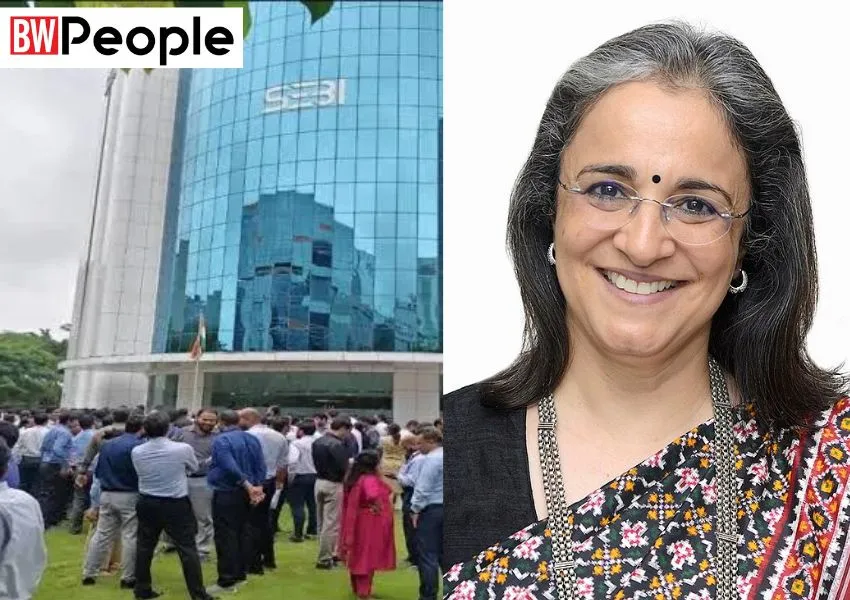
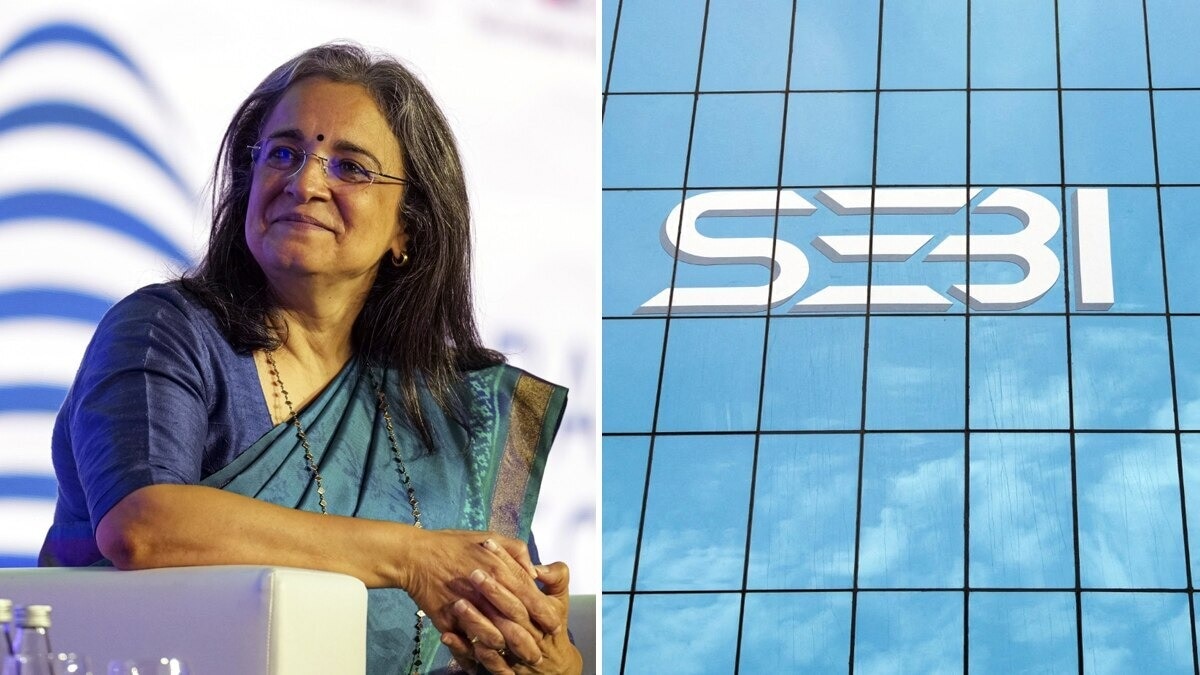
By K Raveendran The outcome of the much-anticipated SEBI board meeting on Monday showed beyond doubt that the board has become a captive in the hands of chairperson Madhabi Puri Buch, who is facing serious allegations of misconduct. The toxic work culture and unprofessionalism that the SEBI employees have been complaining about have now engulfed […]
By Nitya Chakraborty In the first battle between the interim Government of Bangladesh and India in the international forum — that is the United Nations, Bangladesh interim government chief adviser Dr. Muhammad Yunus had a clear victory over Prime Minister Narendra Modi without having any one on one meeting between the two. Dr. Yunus was […]

Premier banking forum unites 150+ banking leaders, regulators, advisory partners, and tech visionaries from across Asia. HO CHI MINH CITY, VIETNAM – Media OutReach Newswire – 26 September 2024 – Backbase, the global leader in engagement banking successfully concluded its flagship event, ENGAGE Asia 2024, in Ho Chi Minh City on September 11-12, 2024. The event, held at Le Méridien Saigon, was attended by over 150 banking […]

By K Raveendran SEBI chairperson Madhabi Puri Buch has revealed her mantra: regulatory humility. “Markets today are so complex; any arrogant regulator is doomed to fail,” she said addressing an event in Mumbai, held by the Association of Mutual Funds of India this week. Obviously, she has seen how a ‘friendly neighbourhood regulator’ is the […]


Sectigo, a global leader in digital certificates and Certificate Lifecycle Management (CLM), has officially opened its new office in Chennai, aiming to enhance its customer service delivery across the region. This strategic move not only strengthens Sectigo’s foothold in the rapidly growing technology sector in Chennai but also positions the company to better serve its increasing clientele in India and beyond.

The Chennai office will serve as a critical hub for Sectigo, enabling the company to offer improved technical support, sales, and customer service to its extensive portfolio of clients, which includes businesses of all sizes across various industries. The city is recognized for its robust tech ecosystem, featuring numerous IT parks and a skilled workforce, making it an ideal location for Sectigo’s expansion.

Chennai is among India’s most important technology centers, with a vibrant landscape of IT services and software development firms. The establishment of the new office aligns with the growing demand for digital security solutions as businesses increasingly rely on online transactions and digital platforms. With cyber threats becoming more sophisticated, organizations are prioritizing security measures, thereby driving the need for reliable certificate management.

In a statement during the opening ceremony, Sectigo’s executives emphasized the importance of this expansion in addressing the rising concerns over cybersecurity in the digital age. The Chennai office is expected to facilitate quicker response times and personalized service to clients, ultimately enhancing customer satisfaction.

The Indian market has become a focal point for many global tech companies, and Sectigo’s investment in Chennai signifies its commitment to harnessing the region’s potential. The decision to establish a local presence is driven by the growing adoption of cloud technologies and the shift towards digital-first strategies by businesses. As more companies migrate to cloud-based solutions, the need for secure digital identities becomes paramount, positioning Sectigo as a vital player in this landscape.

Sectigo’s expansion comes at a time when the demand for digital certificates is surging, fueled by the increasing reliance on secure online communications. The company’s comprehensive portfolio includes SSL/TLS certificates, code signing certificates, and IoT device certificates, all of which are critical in establishing trust and securing digital transactions.

The Chennai office is part of Sectigo’s broader strategy to expand its global reach while ensuring localized service. The establishment of regional offices allows Sectigo to better understand and cater to the specific needs of local markets. By leveraging Chennai’s skilled workforce, the company aims to enhance its operational efficiency and technical expertise.

Industry analysts note that the competitive landscape for digital security solutions is evolving rapidly. With the rise of cyber threats, organizations are seeking more robust and scalable solutions. Sectigo’s proactive approach to expanding its operations in key markets like India reflects an understanding of the regional dynamics and the growing demand for advanced security measures.

The Chennai office is expected to play a pivotal role in driving innovation within Sectigo, enabling the company to develop and deploy new security solutions tailored to local market needs. By collaborating with local technology firms and startups, Sectigo aims to foster a culture of innovation and leverage emerging technologies to enhance its service offerings.

This expansion not only supports Sectigo’s growth objectives but also contributes to the local economy by creating job opportunities and fostering talent development. The company plans to recruit skilled professionals from various disciplines, including cybersecurity, technical support, and sales, further bolstering Chennai’s reputation as a technology hub.

As organizations navigate the complexities of digital transformation, the demand for expert guidance in implementing effective security strategies is more critical than ever. Sectigo’s presence in Chennai positions it as a key partner for businesses looking to enhance their cybersecurity posture and protect their digital assets.

The establishment of the Chennai office is also a testament to Sectigo’s long-term vision for growth in the Asia-Pacific region. By investing in local infrastructure and resources, the company aims to create a sustainable model that not only addresses immediate customer needs but also anticipates future trends in the digital security landscape.

By Arun Kumar Shrivastav In quick-paced developments, Myanmar’s ruling junta has invited the armed rebel groups to stop fighting and participate in political talks. “We invite ethnic armed groups, terrorist insurgent groups, and terrorist PDF groups which are fighting against the state to give up terrorist fighting and communicate with us to solve political problems […]
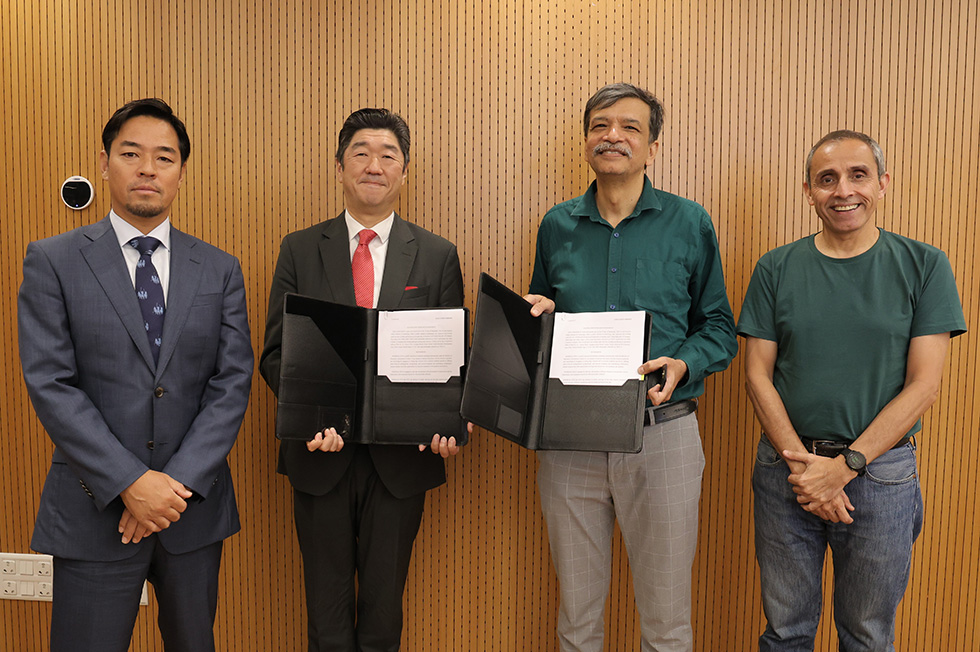

A significant collaboration between the Indian Institute of Technology Delhi (IIT Delhi) and Honda Cars India Ltd. (HCIL) is poised to reshape the future of mobility in India. The two entities have entered into a Memorandum of Understanding (MoU) aimed at advancing cooperative intelligence (CI) technologies that could pave the way for safer, more efficient transport systems. This partnership underscores the growing trend of academia-industry collaboration in the rapidly evolving field of intelligent transportation systems.

The MoU brings together the expertise of IIT Delhi’s researchers and Honda’s engineers, particularly those from HCIL and Honda R&D Co., Ltd., a subsidiary focused on research and development. The goal is to conduct joint research on CI technologies that can potentially reduce traffic collisions, enhance road safety, and enable automated driving systems. With India’s road safety record being a significant concern, such efforts to reduce human errors in driving are considered crucial for the future.

India has long struggled with high rates of traffic accidents, largely attributed to human error. The collaboration between IIT Delhi and Honda aims to address these issues through the development of advanced driver-assistance systems (ADAS) and other mobility solutions. ADAS, which involves technologies like adaptive cruise control, lane-keeping assistance, and collision avoidance systems, has the potential to significantly lower the risk of accidents and make roads safer for all users.

While Honda has been a key player in automotive innovation, this partnership marks a significant step in its efforts to explore more complex applications of artificial intelligence (AI) in driving. Honda’s engineers will work closely with IIT Delhi’s faculty and students to explore new algorithms, machine learning models, and data analytics techniques that can improve vehicle decision-making in real-time. The research will also focus on leveraging big data and connectivity technologies to anticipate traffic conditions, respond to sudden changes on the road, and ensure safer driving experiences.

IIT Delhi’s role in this collaboration is equally significant, given its strong reputation for cutting-edge research in artificial intelligence, robotics, and transportation systems. The institution’s researchers are expected to bring advanced expertise in areas like machine learning, sensor technologies, and networked vehicles. This collaboration provides a platform for academic researchers to apply theoretical knowledge to practical challenges faced by the automotive industry.

Through this MoU, both parties are set to explore the concept of cooperative intelligence, which involves enabling communication between vehicles, infrastructure, and other road users to create an interconnected transportation network. The aim is to develop intelligent transport systems that can predict traffic patterns, communicate with surrounding vehicles, and make autonomous decisions that enhance overall road safety. As automated and connected vehicles gain momentum globally, these technologies will play an essential role in the future of mobility.

Cooperative intelligence, as a concept, goes beyond traditional vehicle automation. It focuses on creating systems where vehicles not only respond to their environment but also interact with other vehicles and infrastructure to optimize the flow of traffic and prevent accidents. This vision aligns with Honda’s global initiative to develop “Safety for Everyone” technologies, which seek to eliminate road fatalities by utilizing AI and machine learning tools.

While the research aims to contribute to global advancements in automated driving, there is a particular focus on addressing India-specific challenges. Road conditions in India vary widely, with congested urban streets, rural roads, and highways posing distinct challenges for vehicles. The CI technologies developed under this MoU will need to adapt to these diverse environments. The hope is that future vehicles equipped with CI technologies will not only improve safety on India’s roads but also enhance overall driving comfort and reduce the stress associated with navigating through heavy traffic.

The collaboration also opens doors for students and researchers at IIT Delhi to gain hands-on experience working with real-world automotive challenges. By partnering with Honda, they will have the opportunity to apply their knowledge to cutting-edge projects that could have significant implications for the future of mobility. This real-world experience is expected to help prepare a new generation of engineers and researchers who can contribute to the development of safer and smarter transportation systems, both in India and globally.

As part of the agreement, IIT Delhi and Honda will jointly work on research projects and share intellectual resources. The partnership also allows for the testing and evaluation of prototypes developed as part of the research. This will ensure that the solutions developed are practical, effective, and can be scaled up for real-world application.

The MoU signifies Honda’s commitment to India, a market where it has a strong presence but faces increasing competition from both global and domestic automakers. As the automotive industry shifts towards electric vehicles (EVs) and autonomous driving technologies, partnerships like this one with IIT Delhi are crucial for staying competitive in a rapidly changing landscape. By collaborating with leading academic institutions, Honda aims to maintain its edge in innovation while contributing to the advancement of mobility technologies that are not only relevant to India but also to global markets.

An Amazon seller has filed a legal challenge against the antitrust investigations conducted by India’s Competition Commission (CCI), claiming that the probe into e-commerce giants Amazon and Flipkart is biased and unlawful. The seller, Cloudtail, a former key partner of Amazon India, argues that the watchdog’s investigation unfairly targets its business practices, while failing to take into account the competitive pressures and operational complexities of the marketplace. […]

VISHNU RAJA
RYO YAMADA
HITORI GOTOH
IKUYO KITA