Just in:
Abu Dhabi property transaction value climbs 76.1 percent // Trump’s Defeat In Midterm May Lead To Both Challenges And Opportunities For Indian Economy // Setback for Usha in Olympic body // Bank of England flags sharper AI share correction risks // Setback for Usha in Olympic body // Sber announces results of GigaArt AI-art festival: Nearly half a million images // Trump directs Justice Department scrutiny of Democratic threats // NIA Highlights Three Exemplary Breakthroughs from National Innovation Awards, Driving Thailand Toward a Global ‘Innovation Nation’ // European refrigeration hacks expose Gulf retail security risks // Recognition under the U.S. Green Building Council’s rating system confirms the 22-residence tower is on track for full certification on completion // Lee Kum Kee Sauce-Sponsored 2026/27 Hong Kong Windsurfing Circuit – iQFOiL Championships Conclude Successfully // Deemed status for high-performing aided colleges // LNG tanker exits through Hormuz reach wartime peak // AutoSwift secures close to A$10 million from Singapore’s X Star Technology to scale AI WINGMAN // Republicans Struggling To Come Out Of Nov 3 Debacle To Prepare For 2028 Prez Polls // Vasavan alleges one-man show by CM Satheesan // PhotonPay Strengthens North American Regulatory Footprint with Canada’s RPAA Registration // BJP leader condemns cyber attacks over Mammootty wedding visit // From Seoul to Wuzhen: Korean Celebrities and Creators Spark a Water Town Slow-Living Trend // Gulf states formalise joint railway operating framework //

News related to
India’s

By K Raveendran The global oil market is once again caught between geopolitics and fundamentals, as a new set of developments forces traders, producers, and consumers to recalibrate expectations. With the United States and the European Union signalling a hardening of positions on Russian oil, and with the Middle East simmering in heightened tensions, Brent […]

The article World Oil Flows At A Critical Juncture As India, US Try To Hammer Out A Deal appeared first on Latest India news, analysis and reports on Newspack by India Press Agency).

Beacon Media, the entertainment venture co-founded by wellness advocate Dr Deepak Chopra, has joined forces with MovieVerse Studios — the mainstream content arm of IN10 Media Network — to launch a content alliance aimed at elevating storytellers across the Global South. The partnership seeks to establish a “borderless content ecosystem” connecting Hollywood, India, the Middle East, Africa and Latin America — with a prospective audience reach exceeding […]

The Union Cabinet has cleared a major scheme under the Department of Scientific and Industrial Research and the Council of Scientific and Industrial Research to infuse ₹2,277.397 crore into capacity building and human resource development in science and technology over the 2021–22 to 2025–26 span.

The “Capacity Building and Human Resource Development ” scheme will be implemented by CSIR and will extend support to research and development institutions, national laboratories, Institutes of National Importance, Institutes of Eminence and universities across the country. It aims to nurture talent in fields spanning science, technology, engineering, medicine and mathematics.

Officials describe the initiative as a strategic instrument to shore up India’s research ecosystem. It offers four sub-programmes: doctoral and postdoctoral fellowships; an extramural research scheme including Emeritus and Bhatnagar Fellowships; awards for scientific excellence; and grants to promote travel and symposia.

Science and Technology Minister Jitendra Singh stated that the scheme will “strengthen the research and development ecosystem by training researchers, nurturing scientific talent and promoting innovation to build a future-ready India.” Under this plan, promising scientists will receive institutional support through mentoring, infrastructure access and networking opportunities.

The government places renewed emphasis on bridging gaps in the researcher base. India currently ranks 39th in the Global Innovation Index, and the authorities expect the new scheme to push that further upward. Higher numbers of researchers per million population, more publications, and stronger institutional linkages are cited as expected outcomes.

Within CSIR, the umbrella programme is designed to consolidate scattered efforts and reduce duplication. Many laboratories and institutes already run fellowships or grant schemes; under CBHRD, these are to be aligned, coordinated and accelerated. CSIR is now in its 84th year of operation and oversees the umbrella scheme.

One critical ambition is to stem brain drain, particularly among early-stage researchers. The fellowship provisions and funding for travel and international collaboration are meant to give Indian-based scientists incentives to stay. Experts in the policy space note that merit, institutional support and continuity of funding will be decisive in preventing talent outflow.

A potential challenge lies in implementation. Institutions in more remote or underserved regions may lack existing capacity in infrastructure or mentoring frameworks. Ensuring equitable distribution of resources will test administrative agility. Monitoring and evaluation mechanisms will be crucial to track how funds are deployed and whether intended outcomes are achieved.

Beyond the scheme, India is deploying complementary initiatives. For example, the National Quantum Mission—approved earlier—allocates over ₹6,000 crore to develop quantum technology capabilities from 2023 to 2031. This too hinges on a pool of highly qualified researchers and labs equipped for frontier science.

The CBHRD scheme also dovetails with India’s Sustainable Development Goals in science and technology, aiming to boost research intensity and capacity across states and institutions. Coordinated investments and policy coherence may drive systemic transformation in the scientific sector.

Critics caution that past announcements in the research domain often fall short in sustaining funding beyond initial phases. Long-term maintenance, recurring costs, infrastructure upkeep and human capital churn are likely stress points. The success of this scheme will depend on consistent funding flows, institutional accountability, and adaptability.

India has engaged with Washington over the U. S. decision to impose a one-time $100,000 fee on new H-1B visa applications, warning that the move threatens the mobility of skilled professionals and could strain bilateral trade ties.

The External Affairs Ministry affirmed it would continue talks with relevant stakeholders in the United States, emphasising that talent exchange has underpinned innovation and growth in both economies. The government noted that the new rule may disproportionately affect Indian nationals, since they constitute a significant share of the H-1B pool.

The White House announced that the fee will apply only to fresh petitions filed from September 21, 2025 onwards, not to renewals or existing visa holders. The administration framed this shift as part of efforts to prevent misuse of the visa system and prioritise higher-wage, high-skilled cases.

India’s reaction underscores deep concerns within its technology sector—many firms rely on U. S. operations staffed via H-1B sponsorship. Analysts estimate that the fee hike could reduce IT margins by 4–13 percent depending on visa intensity, while Indian IT stocks saw steep declines following the announcement.

At the same time, India is navigating friction on trade. U. S. tariffs levied on Indian goods—particularly a 50 percent cumulative duty tied to India’s oil imports from Russia—are already under scrutiny in bilateral talks. Officials assert that the visa and trade issues will be addressed as interconnected elements of the broader U. S.–India partnership.

During meetings on the sidelines of the U. N. General Assembly, India’s Foreign Minister and Commerce Minister held discussions with their U. S. counterparts, reinforcing that continued engagement is essential to manage tensions. The Indian side has also said that relevant domestic departments are evaluating options concerning the impact of the tariffs.

Despite the pushback, some U. S. industry figures support the new fee. Leaders at firms such as Nvidia, OpenAI and Netflix have welcomed the shift as a mechanism to prioritise high-value talent. Others, including JPMorgan’s CEO, have warned it risks driving skilled workers to competing nations. U. S. medical associations are lobbying for exemptions, arguing that the steep cost could impede physician recruitment, particularly in underserved areas.

India’s Finance Ministry has called for heightened monitoring of the economic fallout, citing possible impacts on remittance inflows and service exports. The ministry has described the short term as manageable but warned of long-term risks if the regime remains in place.

Within India’s tech industry, there has been a strategic pivot. Companies have invested over $1 billion in onshore training and hiring in the U. S., reducing dependence on H-1B deployment. Industry bodies argue that this shift could help absorb the shock should visa access tighten further.

Still, experts caution that such mitigation has limits. Smaller firms and startups that depend on cross-border talent mobility may feel the squeeze most acutely. Some analysts suggest that alternative destinations, including Canada, South Korea and the UK, may be more appealing to Indian professionals seeking global opportunities.

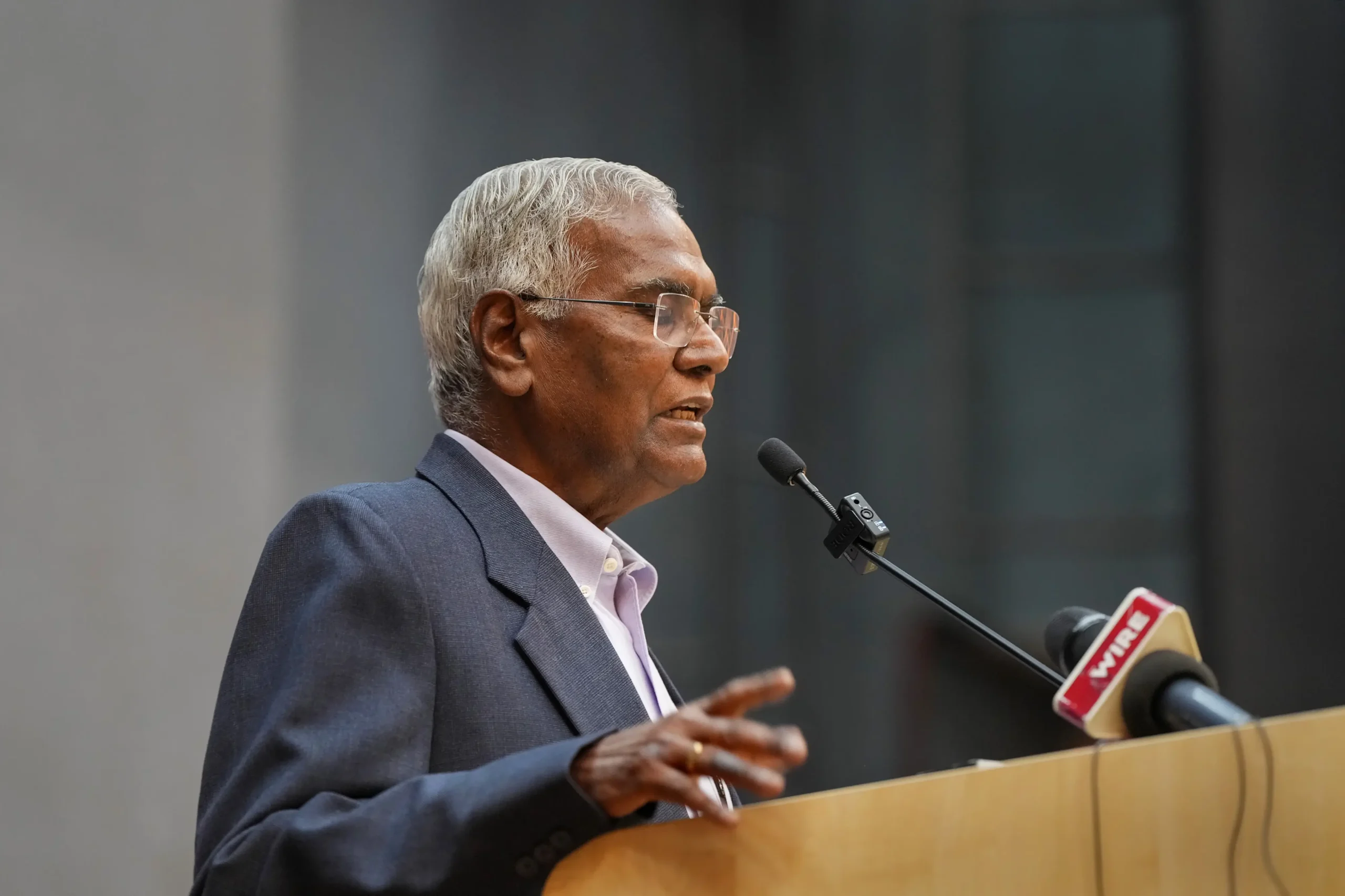
By Satyaki Chakraborty The Communist Party of India(CPI) concluded its five day Party Congress at Chandigarh on September 25 reelecting D. Raja as the general secretary of the CPI for another three year term. Raja is the first dalit leader to head the CPI in 2019 after the then party secretary S Sudhakar Reddy sought […]

The article CPI’s 25th Party Congress Elects D Raja As The General Secretary For The Third Time appeared first on Latest India news, analysis and reports on Newspack by India Press Agency).

The Indian rupee plunged to a lifetime low of ₹88.7975 per US dollar, sliding about 0.5 per cent on the day as fears over a sharp hike in U. S. H-1B visa fees rallied selling pressure across foreign exchange markets. Intervention by the Reserve Bank of India failed to staunch the slide fully, leaving the currency exposed amid faltering capital inflows and heightened external risks.

Markets pointed to the visa fee jump as a critical trigger. The Trump administration’s new proclamation imposes a $100,000 application cost on fresh H-1B visa petitions, vastly above its prior range, and is widely seen as a threat to remittance flows and the earnings outlook for India’s technology exporters. Meanwhile, persistent foreign portfolio outflows and U. S. tariff tensions on Indian goods compounded downward pressure.

Analysts estimate that remittances from the U. S. account for roughly 3.4 per cent of India’s GDP, making any disruption in the flow of workers and repatriated funds significant for the external balance. The visa change, if sustained, could erode that buffer. Traders now widely expect the rupee’s trajectory to remain weak in the coming weeks unless policy tailwinds emerge.

Speculation is building that the RBI sold dollars via state banks in the ₹88.50 zone to support the rupee, but the support was limited. While intervention took multiple forms—spot market, non-deliverable forwards and futures—the central bank appears to be managing volatility more than defending a fixed exchange rate. Some market participants view the decline as partly calibrated and allowable, until macro fundamentals justify a reversal.

Data from the RBI’s monthly bulletin show that in July alone, the central bank sold a net $2.54 billion in the spot foreign exchange market. It held forward dollar sales of about $57.85 billion at the end of July—suggesting pre-emptive hedging and reserve deployment to offset pressure. The use of forward sales is a tool to mitigate speculative demand and signal resolve.

U. S. rate expectations and the global dollar trajectory also weigh heavily. The U. S. dollar index remains firm, underpinning strength in emerging market currency pairs’ downside. Weakness in India’s export performance and looming protectionist measures add to caution. In September to date, foreign investors withdrew over $1 billion from Indian equities, pushing year-to-date outflows to roughly $16 billion.

Technology stocks bore the brunt of the rupee stress. With margins threatened by the visa fee shock, several large IT firms are already budgeting for higher immigration costs. Estimates place incremental fee burdens between $150 million and $550 million for major firms, depending on visa volumes and contract structures.

The Indian government mounted a diplomatic push in response, deploying a high-level delegation to Washington to discuss the visa fee policy and broader trade concerns. Delhi has warned of “humanitarian consequences,” arguing that abrupt changes in visa costs risk disrupting families and the livelihood of highly skilled professionals. In public remarks, Commerce Minister Piyush Goyal and other officials have insisted that they will press for reversals or carveouts.

White House sources clarified that the $100,000 fee will apply only to new applications, not renewals or current visa holders—a move that soothed some immediate concerns in the IT industry. That assurance has allowed short-term relief in some quarters, though uncertainty lingers over enforcement guidelines and compliance timelines.

Defence stocks will rally and global investors will be paying attention, I believe. The reason the bullish analysis is a catalyst came the moment President Donald Trump, after meeting Ukraine’s President Volodymyr Zelenskyy at the UN General Assembly, declared that Kyiv can reclaim all territory seized by Russia, an abrupt and market-moving pivot from his earlier calls for compromise. In a single statement, the world’s largest economy […]

Advertisements

Exports of gasoline and diesel from India have climbed to multi-year highs in 2025, pushed by expanded refinery output, elevated ethanol blending, and weakening domestic demand during the monsoon season. Analysts expect gasoil shipments to reach 610,000–630,000 barrels per day, according to Wood Mackenzie, while Kpler forecasts hover nearer 560,000 bpd.

Heightened crude processing capacity has enabled major refiners such as Reliance Industries and Mangalore Refinery and Petrochemicals Ltd to divert more fuel into exports. Gasoline exports are estimated at about 400,000 bpd this year, supported by the country’s adoption of 20 % ethanol blending in petrol—a marked rise from 12 % in 2023.

Much of India’s diesel is now bound for Europe, where supply may tighten later this year due to refinery maintenance across the Middle East and Europe. The shift is occurring as the European Union phases in restrictions on refined petroleum imports derived from Russian crude, which clears the way for alternative sources. In August alone, India’s diesel exports to Europe surged by 137 % year-on-year, reaching 242,000 bpd.

India’s push into export markets is aided by discounts on Russian crude supplied during Western sanctions, allowing refiners to maintain margins even as exports grow. The increase in export volumes comes despite diplomatic criticism from Washington, which questions the use of discounted crude for profit. India asserts that its procurement practices stabilise global fuel markets rather than distort them.

Domestically, the monsoon period has dampened fuel demand, helping free up surplus supply for export. In parallel, Indian refiners have managed fewer unscheduled maintenance shutdowns, keeping plants operating near capacity. Wood Mackenzie anticipates India’s crude processing will increase by 130,000 to 160,000 bpd in 2025, reaching around 5.51 million bpd.

The higher share of ethanol in petrol has been key to redirecting conventional fuel toward exports. As of August, India achieved a 19.8 % ethanol blend—putting the country on track for its 20 % target. To facilitate further expansion of cleaner fuels, the Directorate General of Foreign Trade has also authorised exports of second-generation ethanol, subject to certification and authorisation.

Europe’s transition away from Russian-derived refined products leaves a strategic opening for India. Saudi Arabia’s refined product shipments are projected to dip by about 300,000 bpd in October–November due to maintenance of several Aramco plants, creating additional export opportunities for Indian producers.

Yet the surge is not without complexity. In April 2025, India’s diesel exports hit their lowest point in over a decade, dropping to an estimated 1.15 million metric tons amid refinery maintenance at the Jamnagar complex. That earlier slump underscores the delicate balance between sustaining export momentum and managing domestic operations.

Simultaneously, India is also redirecting surplus rice stocks toward ethanol production to bolster blending targets. The government has allocated 5.2 million metric tons of rice for biofuel conversion—a move that helps ease pressure on grain reserves while reinforcing fuel strategy.

By Nitya Chakraborty India’s South Asia diplomacy is proving a disaster as the neighbouring countries of the South Asian Association of Regional Cooperation (SAARC) are discussing in details the issue of the revival of SAARC which has been lying inactive in the political arena since 2016 due to India’s decision not to deal with Pakistan […]

The article How Narendra Modi’s Ego Has Destroyed India’s South Asian Diplomacy In The Recent Past? appeared first on Latest India news, analysis and reports on Newspack by India Press Agency).

By Nantoo Banerjee Few will disagree that India should keep investing substantially in both onshore and offshore oil search as the country is becoming increasingly dependent on the import of petroleum crude to meet its energy needs. Currently, almost 86 percent of India’s annual crude petroleum needs are being met through imports. During his recent […]

The article Higher GST Will Hurt Oil-Starved India’s Exploration Drills appeared first on Latest India news, analysis and reports on IPA Newspack.

SAP’s global chief executive Christian Klein announced a strategic expansion of cloud infrastructure in New Delhi today, unveiling the launch of SAP Software Cloud in India and urging that cloud computing and artificial intelligence must underpin India’s path towards self-reliance and a digitally fortified economy. He warned that India is on track to generate 10 zettabytes of data by 2025, and stressed that harnessing this data effectively will be critical for national growth.

Addressing an audience of business leaders, technologists, and government representatives, Klein emphasised that mission-critical infrastructure must increasingly rely on sovereign cloud offerings. These are systems where data storage, processing, and control are governed under local legal standards—ensuring both security and regulatory compliance. He added that many organisations will not yet have requirements for sovereign cloud, but sectors such as defence, utilities and others handling classified data are likely to lead adoption.

SAP India’s president and managing director, Manish Prasad, highlighted the firm’s 30-year legacy in the region, and the growing need to make AI “relevant”—not just in proof-of-concepts but in full-scale deployments. He made clear that India must benefit more from its data, not simply generate it. Enhanced capabilities in secure engineering, data sovereignty, and local control of cloud operations are being positioned as foundational elements for India’s next phase of growth.

One major component of SAP’s plan is investment: globally, the company is committing €20 billion by next year toward cloud infrastructure and expansion. India is being treated as a key strategic market for that investment. SAP says it will deliver the “full stack” for cloud solutions—including those with compliance, localised control planes and sovereign cloud services where required.

Klein also underscored that government policy, regulation and innovation capacity must keep pace with technological opportunity. India’s regulatory environment around data sovereignty and digital infrastructure is evolving, and sectors with critical or regulated data will demand clarity and trust in legal and technical frameworks. Without that, investing in sovereign cloud becomes more difficult for those clients.

Digital sovereignty loomed large in SAP’s message. Martin Merz, president of SAP’s sovereign cloud division, said that while physical infrastructure is important, operational, technical and legal dimensions of data sovereignty matter at least as much. He pointed out that SAP has already delivered sovereign cloud services to highly security-sensitive organisations globally, and that India offers “great potential.”

UAE–India non-oil trade reached US$37.6 billion in the first half of 2025, marking a 33.9 per cent increase over the same period last year, the UAE’s Minister of Foreign Trade, Dr Thani bin Ahmed Al Zeyoudi, announced. This growth is seen as firm evidence that both countries are on track to meet their shared goal of US$100 billion in annual non-oil trade by 2030. Dr Al Zeyoudi […]

Sharjah has posted a striking upturn in foreign direct investment capital in the first half of 2025, attracting $1.5 billion, a leap of 361 percent compared to $325 million in the same period last year. The emirate also saw the launch of 74 new projects—57 percent more than in H1 2024—and generated 2,578 new jobs, an increase of 45 percent. The gains are concentrated in four sectors: […]

/India Press Agency/

By Nitya Chakraborty Prime Minister Narendra Modi has stepped into his 75th year on Wednesday, September 17.His birthday is being celebrated by the BJP nationally. The significance is much more as PM’s 75th birthday celebrations have coincided with the centenary programmes on the founding of the RSS in 1925.On October 2 this year, Vijaya Dasami […]

The article Decoding Prime Minister Narendra Modi As A Political Leader On His 75th Birthday appeared first on Latest India news, analysis and reports on IPA Newspack.

Government officials in New Delhi have unveiled a secure integrated circuit solution, fully developed within India, designed to underpin future digital identity systems including e-passports. All intellectual property is said to reside domestically, marking a significant milestone in the nation’s tech self-sufficiency drive.

The secure IC is embedded with a “smart OS”, enabling secure authentication, encryption, and identity verification. It is intended for deployment in identity credentials issued by federal authorities. Verification features include tamper resistance, cryptographic protection of stored data, and interoperability with global identity verification standards. The OS is modular, allowing updates and extension of features such as biometric modules, NFC, and remote authentication.

The development is part of the broader India Semiconductor Mission and Semicon India Programme, with an investment outlay of ₹76,000 crore supporting chip fabrication, assembly, display fabs, and design projects. The pilot line for this secure chip is being hosted in Gujarat at an OSAT facility.

Sources indicate that ten semiconductor manufacturing projects have been approved across six states—Gujarat, Assam, Uttar Pradesh, Punjab, Odisha, and Andhra Pradesh—with total investment commitments exceeding ₹1.60 lakh crore. These projects include multiple fabs, ATMP/OSAT facilities, and chip design initiatives.

Among recent achievements is the development of Vikram-3201, a 32-bit space-grade processor by the ISRO Semiconductor Laboratory, presented to the Prime Minister at Semicon India 2025. It has been validated in the PSLV-C60 mission and is said to be robust under extreme launch-vehicle conditions. It was fabricated using a 180 nm CMOS process.

The secure IC is expected to be somewhat different in specifications from Vikram-3201: targeted more towards identity and citizen services rather than space applications. Performance metrics are likely less extreme, but security requirements—such as resistance to physical tampering, side-channel attack mitigation, secure boot, and cryptographic module certification—are being prioritised. Implementation of secure OS standards is underway.

In tandem with hardware development, the government has accelerated IP and design ecosystem support. Under the Design Linked Incentive scheme, 23 design projects have been approved to foster startups, MSMEs, and academic participation. Skill development in VLSI design, packaging, EDA tools, and fab-operations is being emphasised.

Policy observers note that global supply-chain disruptions and geopolitical shifts have provided a backdrop that intensifies India’s push for technological sovereignty. External partnerships—for example in materials, equipment, packaging technologies—are being pursued to fill gaps in the domestic ecosystem.

Challenges remain. Process node maturity is one area—while the 180 nm node is proven and reliable for many applications including space, more advanced nodes dominate consumer electronics and high-performance identity solutions globally. Also, certifications for security standards, supply of trusted materials, secure hardware lifecycle management, and scaling production to volumes needed for national identity issuance will test capacity. Ensuring interoperability with international identity verification frameworks will also be essential.


Prime Minister Narendra Modi turned 75 today amid widespread greetings and the launch of a two-week “Sewa Pakhwada” campaign aimed at welfare and outreach efforts across India. State and central leaders as well as ordinary citizens extolled his leadership, while a slate of new programs for women, children and tribal communities were rolled out, especially from Dhar in Madhya Pradesh.

President Droupadi Murmu hailed Modi as “an exemplar of hard work” who has inspired the nation to set and pursue large goals. She wished him health and joy, emphasising how his leadership has helped shape India’s progress globally. Union ministers including Rajnath Singh, Nitin Gadkari and BJP president J. P. Nadda echoed these sentiments, pointing to Modi’s role in promoting self-reliance, elevating India’s international stature, and executing reforms across sectors.

The “Sewa Pakhwada” initiative has been structured as a fortnight of activity ending on 2 October, coinciding with the birth anniversaries of Mahatma Gandhi and Lal Bahadur Shastri. Under the campaign, programmes such as health check-ups, cleanliness drives, blood donation camps, environmental awareness efforts, promotion of indigenous products, exhibitions, and sports events will take place. BJP youth wings are staging runs and community events in dozens of cities to mark the milestone.

From his birthplace town of Vadnagar in Gujarat to distant corners of the country, celebrations have taken on local flavour. In Madhya Pradesh’s Dhar district, special welfare initiatives for women, children and tribal populations were unveiled. Across India, schools and public spaces have hosted rangoli displays, devotional prayers, and cultural performances. Special Ganga Aarti ceremonies have been organised and major state capitals are seeing visual tributes such as large-scale posters and tricolours.

Political reaction has been overwhelmingly positive, with opposition voices largely restrained or offering measured praise. Chief ministers from various states, as well as senior figures within BJP and allies, emphasised continuity of governance and commitment to delivering public services. Some messages focused on Modi’s global diplomatic presence, while others lauded domestic schemes and grassroots infrastructure projects.

Analysts see the birthday observances and accompanying welfare push as both symbolic and strategic. The scale of the celebrations and outreach efforts suggests an aim to reinforce popular support ahead of upcoming elections. The use of service initiatives spans across regions and social groups; the focus on tribal welfare and women’s health is being viewed as an attempt to address longstanding development gaps. Modi’s third consecutive term as Prime Minister has already witnessed significant policy moves in defence, infrastructure, manufacturing, and digital governance, boosting India’s international profile even as challenges such as inflation, unemployment and rural distress persist.

Arabian Post Staff India’s Rana Group has launched Erisha Smart Manufacturing Hub that will see the development of 150 large industries with an investment outlay of US$10 billion (Dh3.7 billion) at Al Ghail Industrial Area in Ras Al Khaimah, UAE, in the next five years. Rana Group has recently signed an agreement with Ras Al Khaimah Economic Zones (RAKEZ) to acquire the license and the industrial plots […]

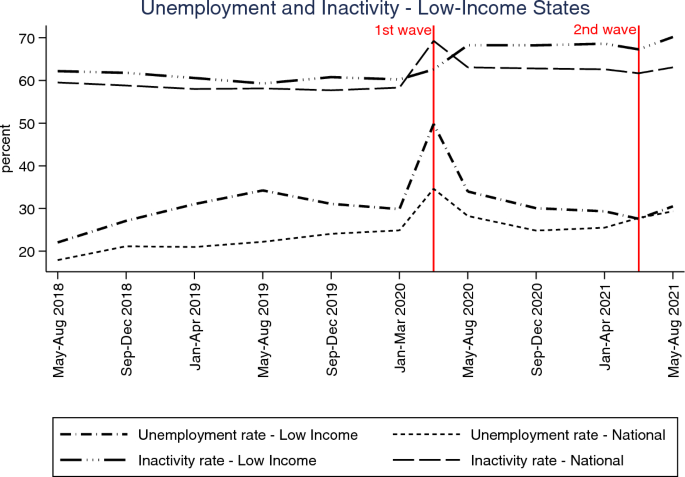
By Nantoo Banerjee Union Labour and Employment Minister Mansukh Mandaviya’s recent claim of the country’s unemployment rate being the lowest among the G20 nations at two percent seems to lack credibility as per the records available with various government and non-government agencies connected with the matter. Mandaviya’s reference to India’s low unemployment rate came during […]
By Nitya Chakraborty Prime Minister Narendra Modi has been talking of Neighbourhood First programme since he took over power in 2014. In these eleven years of his rule, India has got isolated from most of the countries who are its neighbours and belong to the South Asian Association of Regional Cooperation (SAARC). The latest developments […]
By D. Raja The coming to power of the BJP with an absolute majority in the 2014 general elections was not merely a routine transfer of power from one democratically elected government to another. It marked a qualitative shift in the very nature of our polity. The BJP is the political arm of the Rashtriya […]

Discussions between Washington and New Delhi are said to have reached a critical stage, with US officials making India’s cessation of buying Russian oil a central condition for sealing a bilateral trade agreement. Ambassador-nominee Sergio Gor, during his Senate Foreign Relations Committee hearing, stated that the two sides are “not that far apart” and are now negotiating “the nitty-gritty” of deal terms. He added that ending oil purchases from Russia is one of the Trump administration’s highest priorities. Those talks are expected to involve India’s trade and commerce ministers in Washington next week.

Commerce Secretary Howard Lutnick echoed Gor’s position in an interview, saying the US will resolve trade barriers with India once India stops purchasing Russian oil. The US has imposed a 50% tariff on certain Indian goods, partly as a penalty tied to India’s energy imports from Russia, while insisting that market openness and reciprocal concessions are essential.

India’s leadership has defended its energy procurement strategy as aligned with national interests, citing economic factors and global market conditions. Finance Minister Nirmala Sitharaman reaffirmed that New Delhi intends to continue buying Russian crude, describing it as a practical choice given price and supply stability. She referenced the high import dependency for energy and refined fuels and argued that decisions about suppliers are driven by utility and cost.

Diplomatic signals suggest that the trade impasse stems from more than tariffs and oil. Gor characterised previous delays as “hiccups” and praised the personal rapport between President Donald Trump and Prime Minister Narendra Modi as playing a pivotal role in reopening the dialogue. He noted shared strategic goals, including countering Chinese influence, enhancing regional stability, and expanding cooperation in defence and infrastructure.

Analysts warn that making the Russian oil condition a non-negotiable requirement may limit India’s flexibility. New Delhi has maintained that certain sectors — agriculture, dairy, small producers — cannot absorb full opening of its markets without harming domestic stakeholders. As US pressure mounts through tariffs and public statements, India seeks assurances about trade access, particularly for its exports, while preserving sovereign control over energy policy.

Bybit has restored full access to its mobile app for users in India, marking a pivotal stage in its compliance efforts and reaffirming its long-term presence in the market. Access to its website is being reinstated in phases and is expected to be fully live within the next three to four days. This marks a strategic relaunch of services including spot trading, derivatives, options and copy trading, supported by enhanced Know Your Customer protocols and security measures.

The exchange began its compliance drive earlier this year by registering with the Financial Intelligence Unit-India as a reporting entity under the Prevention of Money Laundering Act in January 2025. That move followed a penalty of approximately INR 9.27 crore imposed for operating without proper registration. Services had trickled back in February for authorised users, but full restoration remained pending until now.

Bybit co-founder and CEO Ben Zhou said the company views this phase Bybit Restores Full Trading Access in India as more than a mere return—it signals a renewed chapter in its India operations. He emphasised India’s potential as a leading digital-asset market and reiterated the company’s commitment to delivering secure, transparent, world-class trading experiences. Vikas Gupta, Country Manager of Bybit India, described the moment as a landmark in providing Indian clients a seamless and compliant trading environment. He also spoke of broader ambitions to nurture India’s crypto ecosystem through education, strategic partnerships and community initiatives.

Legal counsel from Cyril Amarchand Mangaldas led Bybit’s regulatory realignment, navigating months of negotiations and product realignment to meet Indian norms and transaction-reporting requirements. The process has been framed as a model for other offshore platforms seeking a compliant pathway into India’s tightening regulatory environment.

Bybit has intensified its outreach in the Indian market, serving as title sponsor for the India Blockchain Tour 2025 and preparing for the next leg, “Metamorphosis – India Blockchain Tour,” in New Delhi on 27–28 September. The exchange has also unveiled its World Series of Trading 2025, offering welcome bonuses and prizes such as cars and smartphones to attract users.

India remains one of the world’s most dynamic cryptocurrency markets, despite stiff tax and regulatory hurdles—such as a 30 per cent tax on crypto gains and no comprehensive legal framework yet in place. The restoration of Bybit’s services under tighter compliance standards reflects its resilience and underscores the importance of regulatory alignment for offshore platforms.

A Delhi court barred several journalists and activists from publishing or circulating unverified, allegedly defamatory material about Adani Enterprises Ltd, also ordering the removal of existing posts within strict timeframes while safeguarding fair reporting—Adani Enterprises Secures Ex Parte Injunction Against Journalists, Activists.

A bench presided over by Senior Civil Judge Anuj Kumar Singh passed an ex parte interim order on Saturday, 6 September 2025, directing defendants—including Paranjoy Guha Thakurta, Ravi Nair, Abir Dasgupta, Ayaskanta Das, Ayush Joshi and certain organisations—to expunge allegedly defamatory material from their websites, articles and social media posts. If the removal by the authors proved infeasible, intermediaries were instructed to disable access within 36 hours pursuant to the Information Technology Rules. The order also restrained publication or dissemination of further unverified content until the next hearing on 9 October 2025.

The court accepted AEL’s submission that coordinated publications on platforms such as paranjoy. in, adaniwatch. org and adanifiles. com. au had inflicted serious reputational damage, financial losses to stakeholders and harm to India’s global brand equity, further alleging alignment with “anti-India interests” that disrupted critical infrastructure and energy projects, including Australian operations. Citing the Hindenburg Research report of 2023, which had alleged massive stock manipulation and accounting fraud causing a collapse in market value, AEL argued the repeated references by defendants exacerbated investor anxiety and project delays.

Judge Singh ruled the plaintiff had satisfied the conventional three-part test for interim relief—presenting a prima facie case, showing balance of convenience in its favour and establishing risk of irreparable harm. At the same time, he acknowledged constitutional free-speech guarantees, declining to impose a blanket ban on fair, verified, and substantiated reporting, thus maintaining space for responsible journalism.

AEL’s counsel, Advocate Vijay Aggarwal, emphasised that unrestrained publication of malicious allegations risked undermining investor confidence, delaying infrastructure timelines, and tarnishing both the firm’s and the nation’s image. The court responded by allowing AEL to flag further problematic links for takedown, while intermediaries such as Google, YouTube and X were enjoined to act swiftly on notifications.

The order, codenamed CS SCJ 1066/2025, also stipulates procedural directives for service of summons via post, email and WhatsApp, with the next hearing scheduled for 9 October 2025.

By Nitya Chakraborty Is the Prime Minister Narendra Modi retracting from his commitment to the SCO declaration issued on September 1 and the BRICS statement of July 6 this year to send some sort of signals to US President Donald Trump about restoring reciprocity in the India-US relations? The question is very relevant as one […]
VISHNU RAJA
RYO YAMADA
HITORI GOTOH
IKUYO KITA