Just in:
Public Protests Challenge Elected Power In Europe And India // From Seoul to Wuzhen: Korean Celebrities and Creators Spark a Water Town Slow-Living Trend // BJP leader condemns cyber attacks over Mammootty wedding visit // North Korean hackers channel Binance funds through fake tokens // Japan’s Nikkei advances as buyers return after sell-off // PhotonPay Strengthens North American Regulatory Footprint with Canada’s RPAA Registration // Deemed status for high-performing aided colleges // California electorate defeats proposed levy on billionaire wealth // Jailbroken AI agent targets European telecom infrastructure // Smart home choices widen as compatibility standards advance // Recognition under the U.S. Green Building Council’s rating system confirms the 22-residence tower is on track for full certification on completion // Trump’s Defeat In Midterm May Lead To Both Challenges And Opportunities For Indian Economy // European refrigeration hacks expose Gulf retail security risks // LNG tanker exits through Hormuz reach wartime peak // Bank of England flags sharper AI share correction risks // Setback for Usha in Olympic body // NIA Highlights Three Exemplary Breakthroughs from National Innovation Awards, Driving Thailand Toward a Global ‘Innovation Nation’ // Lee Kum Kee Sauce-Sponsored 2026/27 Hong Kong Windsurfing Circuit – iQFOiL Championships Conclude Successfully // FATF unveils measures to dismantle global scam networks // FinCEN identifies $8 billion in suspect overseas payments //

News related to
India’s

Russian President Vladimir Putin arrived in New Delhi for a two-day visit aimed at reviving and expanding energy and defence cooperation with India. His agenda includes proposals for increased Russian oil exports alongside renewed offers of missile systems and fighter jets, as part of efforts to restore ties challenged by global pressure on Moscow.

The visit coincides with heightened scrutiny of India’s oil and weapon imports from Russia, but also signals Moscow’s determination to deepen the “special and privileged strategic partnership” with New Delhi. Kremlin officials, including Russia’s deputy prime minister overseeing trade, emphasised that the India-Russia forum planned around the summit would explore ways to diversify bilateral trade, extend industrial cooperation and foster joint investments across high-technology and raw-material sectors.

On offer are new arms deals including advanced air-defence platforms and additional batches of combat aircraft. Negotiations are expected to cover the procurement of more units of the S-400 missile system and potential acquisition of fifth-generation Su-57 jets and the next-generation S-500 air-defence shield. Although India has widened its defence procurement sources over recent years, Moscow remains one of its leading suppliers, bolstered by long-standing familiarity and legacy hardware in the armed forces. Analysts note that these proposed arms deals would reaffirm Russia’s influence in India’s defence posture, even as New Delhi attempts to balance Western and Russian dependencies.

Energy cooperation is another key pillar. Russia is offering discounted crude oil supplies under new trade arrangements, including through intermediaries and possibly via joint ventures or extraction projects in Russia’s Far East and Arctic regions. This appears geared toward circumventing Western sanctions on Russian energy exports, while ensuring that India retains access to competitively priced hydrocarbons. At the same time, Indian officials are conscious of growing trade imbalances caused by large-scale Russian imports and have flagged the need to augment Indian exports to Russia, particularly in equipment, raw materials and food products.

Efforts to revive large-scale trade go beyond energy and defence. The India-Russia forum accompanying the summit is expected to chart cooperation in civil nuclear projects, space technology, and high-tech industrial ventures. Signals from the Russian side underscore a long-term vision of a resilient, multifaceted partnership rooted in historical ties. While geopolitical pressures from Western capitals and tariffs on Indian goods pose real challenges, both Moscow and New Delhi appear keen to insulate their bilateral engagement from external strains.

Government of India has broadened access to advanced semiconductor design by enabling universities across the country to use industry-grade Electronic Design Automation tools and Multi-Project Wafer fabrication services under the Chips to Start-up Programme. At a handover event at Semiconductor Laboratory, Mohali saw 28 chips—comprising 600 bare dies and 600 packaged units—designed by students from 17 institutions returned to their teams. Officials confirmed that 122 design tape-outs from 46 institutions were processed over the past year through five MPW shuttles, with over 175 lakh hours of EDA usage logged by more than 380 academic and research organisations via the ChipIN Centre.

Union Minister for Electronics & Information Technology, Railways and Information & Broadcasting, Ashwini Vaishnaw, described the effort as a transformation of India’s semiconductor landscape, arguing the shift empowers students and researchers to work with the same tools global chipmakers use and turns campuses into active nodes of chip innovation and design. SCL and ChipIN’s collaboration enables institutions to prototype, validate and manufacture chips under one integrated workflow—from design to wafer fabrication and packaging.

Analysts note that this initiative addresses previous barriers faced by academic institutions seeking to explore integrated circuit design, where lack of access to expensive EDA licences and manufacturing services often made projects unviable. By providing a centralised national facility, the government is effectively building a talent pipeline and offering practical exposure to chip fabrication, potentially reducing India’s reliance on foreign design and fabrication services over time.

The rollout comes against the backdrop of a wider push to develop domestic semiconductor manufacturing capabilities. Plans to upgrade SCL with an injection of ₹4,500 crore aim to expand fabrication capacity nearly hundred-fold and advance manufacturing to smaller nodes, reinforcing the analog and digital production backbone that the academic chip designs will feed into. Combining design empowerment with fabrication capacity creates a rare integrated ecosystem where chip concept can travel from whiteboard to silicone within the country.

Start-ups too are benefitting: institutions under C2S and ChipIN aren’t limited to student projects but include over 90 young companies. These entities logged about 50 lakh hours of EDA use, indicating that the programme serves both academic and commercial ambitions. Sector analysts suggest that with incentives under the broader India Semiconductor Mission—including design-linked and deployment-linked incentives—this could accelerate design work in fields such as 5G, electric vehicles, AI, industrial automation and defence electronics.

By Nantoo Banerjee It is encouraging to note that the government has decided to invest large sums of money in support of rare earth magnet manufacturing and substantially improve the country’s rare earth-based metals production to escape China’s global chokehold in this strategic sector. Presently, there are a few small Indian companies engaged in manufacturing […]

The article India’s Push For Self-Reliance In Rare Earth Magnet Making Is Laudable appeared first on Latest India news, analysis and reports on Newspack by India Press Agency).

By K Raveendran An evolving convergence of political intent and economic pragmatism is giving fresh momentum to the India–Russia relationship, placing the forthcoming summit in New Delhi as a significant moment in a partnership that has already weathered decades of geopolitical shifts. The visit of President Vladimir Putin, framed within the terminology of a ‘Special […]
The article Delhi Summit To See A New Strategic Reset In India-Russia Partnership appeared first on Latest India news, analysis and reports on Newspack by India Press Agency).

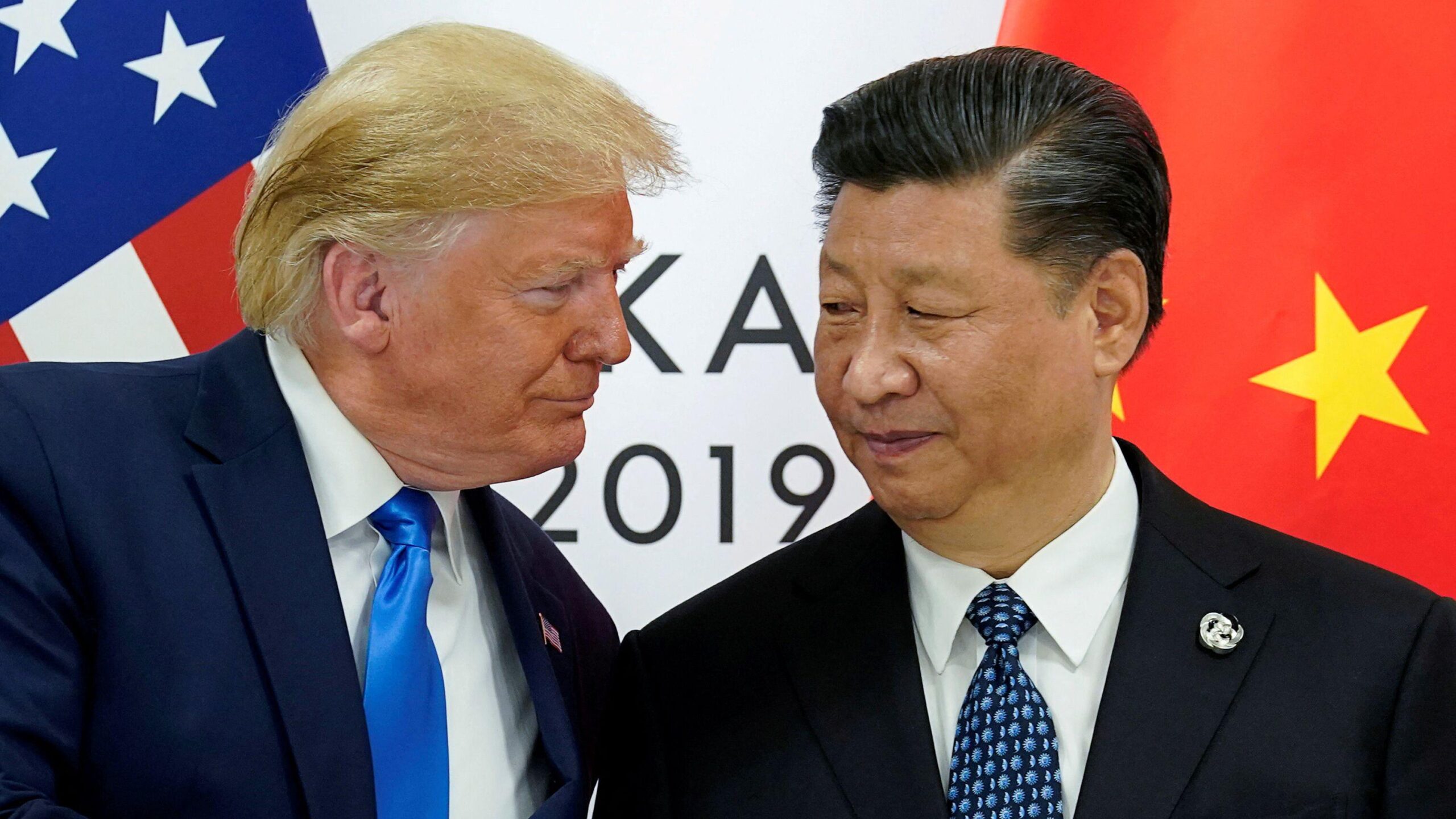
By Nitya Chakraborty 2025 has been a golden year for the Chinese President Xi Jinping in global diplomacy. In the last ten months since taking over the U.S. presidency by Donald Trump on January 20 this year for the second non-consecutive term, Chinese supremo Xi Jinping is on the roll. At the Busan summit in […]

The article How President Xi Jinping Has Emerged Taller In Global Diplomacy In 2025 During Trump.2 Tenure appeared first on Latest India news, analysis and reports on Newspack by India Press Agency).

By K Raveendran A quieter phase has set in around discussions on a potential trade agreement between India and the United States, yet the subdued optics conceal a period of more intense negotiation. Officials on both sides describe a process that has deliberately stepped away from public signalling, opting instead for steady and less visible […]

The article India, US Energy Alignment Shapes A Quieter Trade Push appeared first on Latest India news, analysis and reports on Newspack by India Press Agency).

India has initiated formal negotiations for a Free Trade Agreement with the Eurasian Economic Union, signalling a strategic shift in trade dynamics aimed at expanding commercial engagement beyond traditional markets. Commerce and Industry Minister Piyush Goyal announced in New Delhi that talks with the five-member bloc—comprising Russia, Armenia, Belarus, Kazakhstan and Kyrgyzstan—will begin with negotiations unfolding in the capital this week. The move marks the culmination of the Terms of Reference signed by India and the EAEU in Moscow on 20 August 2025, which laid out an 18-month roadmap for an agreement in goods and potentially services and investment.

Officials from India’s commerce ministry, including Commerce Secretary Rajesh Agrawal, have held preparatory talks in Moscow with EAEU trade officials and representatives of Russian industry to review the roadmap and coordinate next steps. The discussions focused on reinforcing supply-chain resilience, regulatory predictability and balanced growth, with long-term ambitions including an objective to reach USD 100 billion in bilateral trade by 2030.

India’s pivot towards the EAEU reflects a broader strategy to diversify export markets, particularly as trade relations with some Western economies become more uncertain amid shifting tariffs and sanctions regimes. The EAEU spans economies that collectively represent a significant regional market; access to these markets is expected to bolster opportunities for Indian exporters.

Key beneficiaries are expected to include micro, small and medium enterprises, agricultural producers such as farmers and fishermen, and sectors seeking broader market reach. The ToR signed in August emphasised support for these groups, intending to open new avenues for exporters who often face high barriers to entry in traditional trade corridors.

Analysts note that an India–EAEU FTA, if successfully concluded, could reshape trade flows for certain goods. Lower import duties and smoother customs regimes could make exports of textiles, agricultural produce, and processed goods more competitive. Simultaneously, Indian consumers and industries might gain access to competitively priced raw materials, machinery, and intermediate goods from EAEU nations, potentially easing input costs for domestic manufacturing.

Despite the promise, several challenges lie ahead. Disparate regulatory standards across EAEU countries, infrastructure bottlenecks, and logistical complexities could complicate the implementation of tariff liberalisation and non-tariff measures. Observers caution that negotiating consensus among five different economies will entail difficult compromises, especially on sensitive sectors such as agriculture or regulated commodities.

Advertisements

Luxury housing continues to dominate the residential real estate market across India’s major cities, with luxury and ultra-luxury segments driving a marked rise in overall transaction value even as unit sales taper. Data from a leading national consultancy shows that although the number of homes sold in the top seven cities dropped by 9 percent year-on-year in Q3 2025, the total value of transactions surged 14 percent. That divergence underscores how costlier, higher-end homes are reshaping demand dynamics.

Results from the period reveal average residential prices across these cities climbed by 9 percent to roughly ₹9,105 per square foot, compared with ₹8,390 per square foot a year earlier. Among the seven-city group, the region surrounding the national capital registered the steepest price rise at 24 percent, followed by the technology hub city which posted a 10 percent increase.

The shift towards premium properties appears structural rather than cyclical. In the financial year 2025, approximately 4.22 lakh residences were sold across the top cities, with aggregate sales value reaching ₹5.59 lakh crore. Developers and analysts foresee FY26 sales value climbing to around ₹6.65 lakh crore, representing nearly a 20 percent increase over the previous year — even if volume growth remains constrained.

Market segmentation by price reveals where the momentum lies. Homes priced in the luxury and ultra-luxury bracket accounted for the largest share of new supply in Q2 2025 at 27 percent, signalling a deliberate tilt by developers toward high-end inventory. This contrasts sharply with affordable housing, which is witnessing comparatively modest demand and shrinking market share.

Affordability pressures and shifting buyer preferences explain part of this trend. Slower demand for lower-cost units has pushed developers to prioritise mid-income to luxury segments, where margins remain attractive and buyers appear increasingly willing — and able — to pay a premium for space, amenities and perceived investment value.

Regional markets display distinct characteristics. The national capital region stands out for highest price gains, reflecting sustained demand from corporate professionals drawn to well-located urban residences. The technology-driven city registers steady growth, supported by IT professionals and expatriate buyers seeking quality housing. The metropolitan coastal region remains the nation’s most expensive housing market, with baseline prices significantly above the national average — a reflection of limited land availability, redevelopment activity and interest from non-resident buyers.

By Dr. Nilanjan Banik With the long-awaited trade deal with the US delayed, India is deepening engagement with other developed partners such as the European Union (EU) and New Zealand to secure free trade agreements (FTAs). This shift reflects New Delhi’s intent to diversify its trade relationships and reduce dependency on any single major economy. […]

The article India’s Strategic Shift Toward Diversified Trade And Green Commitments appeared first on Latest India news, analysis and reports on Newspack by India Press Agency).

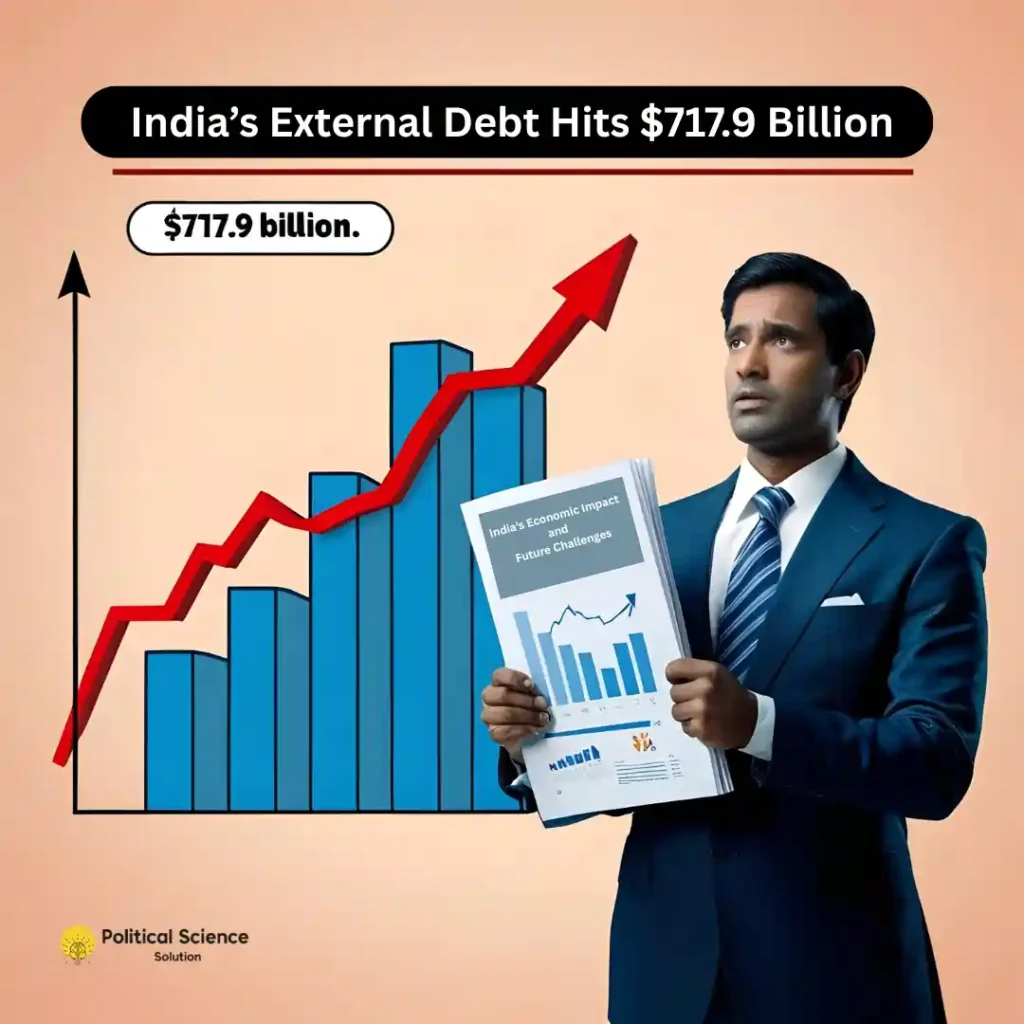
By Nantoo Banerjee The government may disagree but India’s persistent trade deficit is ruining the country’s economy despite its impressive growth. Last month, import-happy India’s trade deficit reached a record high level of US$41 billion as exports witnessed the sharpest monthly decline over a year. Unfortunately, a big surge in gold imports during October by […]

The article Behind India’s Rising Foreign Debt Is Growing Trade Deficit appeared first on Latest India news, analysis and reports on Newspack by India Press Agency).

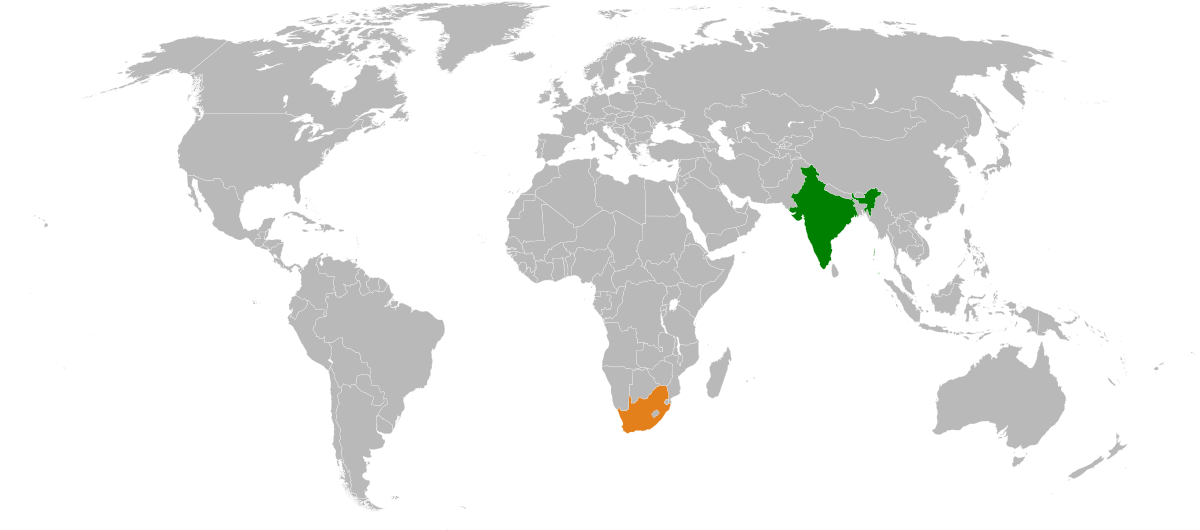
Leaders of India and South Africa affirmed a joint commitment to amplify the resonance of the Global South during a bilateral meeting on the margins of the G20 summit in Johannesburg. India’s Prime Minister met South African President Cyril Ramaphosa to review an expanding partnership that now encompasses trade, digital infrastructure and critical-minerals cooperation.

The leaders emphasised the historical foundation of bilateral ties, tracing back to shared anti-colonial struggles and longstanding people-to-people links. They identified emerging sectors of collaboration, including artificial intelligence and digital public platforms, as well as enhanced investment flows across innovation, infrastructure and mining sectors.

India expressed gratitude to South Africa for its role in relocating cheetahs to India and extended an invitation for South Africa to join the International Big Cat Alliance. At the G20 held in Johannesburg, which is the first summit of its kind hosted on African soil, South Africa has sought to spotlight issues of development, sustainability and Global South equity.

The two countries signalled their readiness to facilitate mutual investments, noting the growing footprint of Indian firms in South Africa and a shared interest in deepening bilateral ties in mining, start-ups, technology and infrastructure. They agreed to enhance support frameworks for these sectors.

In the domain of digital transformation, the meeting explored ways in which India’s Digital Public Infrastructure experience could be shared with South Africa, with the leaders discussing a roadmap for cooperation in those digital arenas that support transparency, inclusion and scalability.

On critical minerals—the backbone of technologies from electric vehicles to renewable energy systems—the dialogue underscored the strategic convergence of India’s growth ambitions and South Africa’s resource endowment. Both governments emphasised sustainable extraction, value-chain development and mutual investment as priorities.

The meeting also took place against the backdrop of global institutional reform debates, where developing countries increasingly seek to adjust frameworks such as the IMF and development banks. South Africa, as serving G20 chair, has framed its presidency around the themes of solidarity, equality and sustainability, particularly as representative of countries in the Global South.

While the two leaders concentrated on bilateral priorities, they also discussed multilateral coordination and collective platforms. They welcomed South Africa’s initiative to convene the IBSA leaders meeting and affirmed cooperation ahead of India’s upcoming chairship of BRICS in 2026.

Observers note that India–South Africa ties have evolved from traditional trade and diplomacy to a more strategic convergence around technology, investment, and global governance. According to experts, this shift reflects the changing priorities of middle powers in a multipolar world, where alignment on development and technological sovereignty is rising.

However, there remain practical challenges. For South Africa, translating resource-rich endowments into sustainable, inclusive growth has long been a domestic policy hurdle. For India, ensuring that digital partnerships respect both sovereignty and local capacity presents implementation risks. Critics argue that while high-level pledges are valuable, they must be matched by concrete mechanisms, regulatory clarity and project-level follow-through.

In trade terms, the two countries’ discussions come at a time when global supply-chain realignments and technology competition are raising the stakes for investment in emerging markets. Indian companies entering South Africa will need to navigate regulatory complexity, local participation requirements and the country’s infrastructure bottlenecks. South Africa, for its part, will have to ensure that its mining and start-up ecosystem attract and retain investment while meeting environmental and community benchmarks.

The diplomatic messaging also signals a broader orientation for both nations. India’s engagement with Africa has increasingly focused on capacity-building and infrastructure, while South Africa has positioned itself as a voice for Africa in global forums. Their joint push to amplify the Global South suggests an intention to influence agendas around debt relief, climate finance, digital equity and reform of global institutions.

By R. Suryamurthy India’s student mobility crisis is no longer a question of data, it is an indictment of a system that has refused to reform while the world moved on. The new NITI Aayog paper does not so much analyse this imbalance as expose it. The numbers are brutal: for every foreign student who […]

The article India’s Higher-Education System Is Driving Students Out — Not Bringing The World In appeared first on Latest India news, analysis and reports on Newspack by India Press Agency).

Matein Khalid India’s NSE Nifty scaled a milestone on Dalal Street this morning, rising 160 points as I write to 26205. This has little to do with Nvidia/Jensen Huang’s fabulous guidance last night and everything to do with global fund managers attracted Asia’s Cinderella EM of 2025 by the BJP’s supply side policy pivot to slash the GST, ramp up post-Bihar election capex, boost consumption even as […]

By Nitya Chakraborty Prime Minister Narendra Modi will be attending G20 summit at Johannesburg on November 22 and 23 amidst the diplomatic crisis for India over the Bangladesh demand for deportation of the ousted Prime Minister Sheikh Hasina from her shelter in India. On November 17, the International Crimes Tribunal of Bangladesh indicted Hasina on […]

The article Winning Perception Battle Against Bangladesh Is The Main Task Of Narendra Modi At G-20 Summit appeared first on Latest India news, analysis and reports on Newspack by India Press Agency).

By Dr. Gyan Pathak By the Day 9 November 18, the COP30at Belem (Amazonia) under the Brazilian Presidency recorded several achievements, but the two key issues still remain sticking points – financing the climate action, and clear roadmap for phasing out of fossil fuels. We have now three days to go until the last day […]

The article COP30 So Far Have Some Achievements, But Finance Remains A Sticking Point appeared first on Latest India news, analysis and reports on Newspack by India Press Agency).

India’s workforce is entering a critical phase as artificial intelligence reshapes job markets and industry demands, with upskilling emerging as a non-negotiable necessity for both individuals and organisations. According to a recent assessment of the Asia-Pacific region, India needs to scale up its skilling efforts rapidly to avoid falling behind in the global AI marathon. A report by Asian Development Bank and Google. org warns that without accessible AI-skilling initiatives, large segments of the workforce risk being left out of the transition.

The country already boasts one of the youngest and fastest-growing workforces in the world, offering a potential advantage in the AI era. Yet the report highlights a mismatch: numerous workers in labour-intensive sectors such as textiles, manufacturing and logistics perform roles with high automation risk — for example data-entry, scheduling and support functions — and these roles are disproportionately held by women and informal workers. With AI-driven automation advancing quickly, these groups could be among the hardest hit unless targeted training interventions are introduced.

Data published by NASSCOM indicates that India’s existing AI talent pool, estimated at around 600,000 today, must expand to more than 1.2 million by 2027 to fill expected demand—implying a shortfall of more than a million skilled professionals. This gap emerges despite the country producing hundreds of thousands of engineering graduates each year. Industry trackers indicate that more than half the workforce in technology services is already undergoing training in AI, machine learning and related domains, yet skills still lag employer expectations.

Business research from Microsoft found that across Indian organisations two-thirds of employees and four-fifths of leaders are now familiar with AI agents. Within the next 12-18 months more than half of these companies will place upskilling at the top of their agenda, and more than half expect AI training to become a core team responsibility within five years. These trends confirm that industry demand is ahead of the skill supply curve.

Beyond technical expertise, new job roles are emerging. Organisations are recruiting for “AI Workflow Designers”, “Software Operators” and multi-agent system builders. The most vulnerable workers are those in roles focused on infrastructure management, manual testing, and basic coding — positions that technology is already beginning to automate. This points to an imperative for current employees to acquire cross-functional, human-centric skills such as critical thinking, adaptability and collaboration with AI.

Educational institutions and vocational training providers are responding. For example, an initiative at Andhra University in partnership with NASSCOM integrates advanced skill modules into non-engineering streams and appoints department-wise coordinators to ensure student readiness. The move reflects recognition that skilling must extend beyond traditional tech fields to arts and sciences, and must address digital literacy gaps.

Nonetheless, major structural obstacles remain. A digital divide persists: only about one in five young adults in some South Asian regions has reliable internet access at home, limiting participation in online skilling programmes. Language barriers and low digital literacy further hamper effective engagement. Informal-sector workers, who often lack formal training and social protections, face a double risk of displacement without clear pathways into higher-value work.

The informal economy accounts for a large share of India’s employment, and workers in this segment are often overlooked in skill-development policies. Analysts warn that unless training programmes are redesigned for accessibility — offering tailored formats for women re-entering the workforce, rural populations and digitally disadvantaged groups — AI adoption may deepen existing inequalities.

By T N Ashok When Bangladesh’s ousted prime minister Sheikh Hasina was sentenced to death in absentia on November 17 by a special tribunal in Dhaka, the shock rippled across the region. Yet the most curious reactions came not from Bangladesh—but from India. India’s government, normally swift to comment on developments in a neighbouring country, […]

The article Congress MP Shashi Tharoor Acted As A Test Balloon For PM Modi On Death Sentence To Sheikh Hasina appeared first on Latest India news, analysis and reports on Newspack by India Press Agency).

By Nitya Chakraborty Bangladesh plunged into a fresh turbulence on Monday, November 17 after the International Crimes Tribunal (ICT) announced its verdict sentencing to death former Bangladesh Prime Minister Sheikh Hasina for” crimes against humanity” committed during last year’s student led agitation that led to the fall of her Awami League Government on August 5, […]

The article Bangladesh Plunges Into Fresh Turbulence After Tribunal’s Death Penalty To Sheikh Hasina appeared first on Latest India news, analysis and reports on Newspack by India Press Agency).

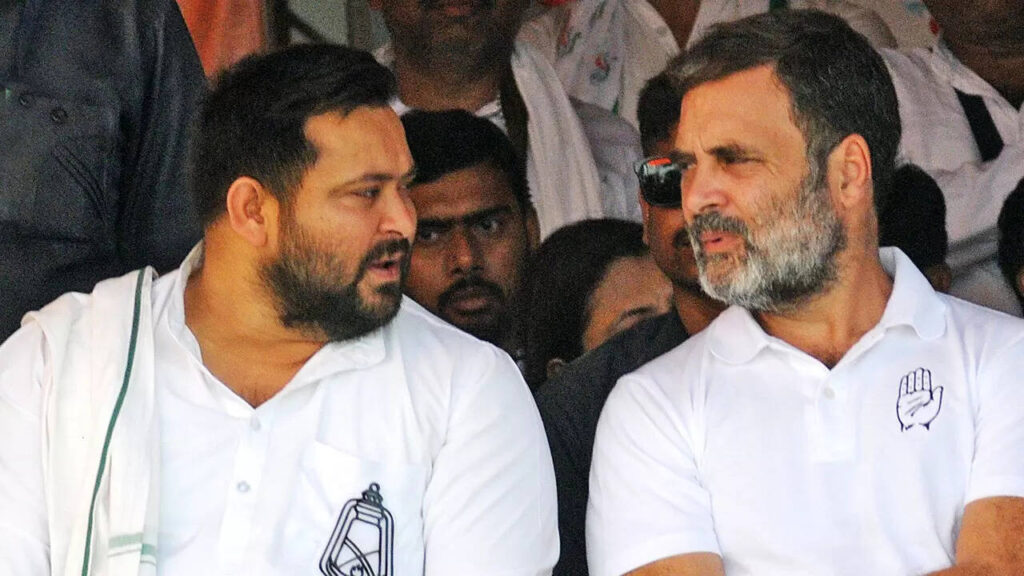
By K Raveendran Rahul Gandhi’s reaction to the Bihar election outcome, framed by surprise and a sense of unfairness, must reopen a debate about the structural imbalances that shape electoral competition in India. His argument, on its surface, reflects the opposition’s frustration after a contest that produced a seat tally far more skewed than the […]

The article Bihar’s Unfair Results: Rahul Gandhi Gets It Wrong For One More Time appeared first on Latest India news, analysis and reports on Newspack by India Press Agency).

By K Raveendran President Donald Trump has declared that a ‘fair trade deal’ with India is forthcoming, asserting that once concluded, India will once again ‘love’ America. He framed it as a departure from past arrangements that, in his view, had been ‘pretty unfair,’ and suggested both countries were ‘pretty close’ to a deal that […]

The article Trump’s Fair Deal Promise Sounds More Realistic Than Before appeared first on Latest India news, analysis and reports on Newspack by India Press Agency).

By Nantoo Banerjee It is difficult to grasp the fact that even 78 years after its independence, India, the world’s most populous country, continues to be heavily dependent on imported fertilizer to produce crops to feed its 1.46 billion-plus population. The prospect of a sudden fertiliser price surge ahead of its most important Rabi (winter) […]

The article Fertiliser Import Price Surge May Hit India’s Rabi Crop Output appeared first on Latest India news, analysis and reports on Newspack by India Press Agency).

By Nitya Chakraborty In Chinese media, lot of interest is focused on the future of the US sponsored security bloc QUAD and what will be India’s relations with it in the backdrop of US President Donald Trump’s strained relations with the Indian Prime Minister Narendra Modi and the last August 30 summit of the Indian […]

The article China Sees Political Coldness In India’s Dealing With Coming QUAD Summit appeared first on Latest India news, analysis and reports on Newspack by India Press Agency).

By Nitya Chakraborty US President Donald Trump’s favourite grouping Quadrilateral Security Dialogue (QUAD) is in deep crisis due to the strain in India-US relations in 2025 covering both trade and political issues and also a dip in personal ties between Trump and the Indian Prime Minister Narendra Modi over the role of the US President […]

The article Future Of Trump’s Favourite Grouping QUAD Is At Stake Due To India-US Schism appeared first on Latest India news, analysis and reports on Newspack by India Press Agency).

The Abu Dhabi Investment Authority has secured a 4.7 per cent stake in the initial public offering of India’s investment-platform operator Groww, acquiring approximately 14 million shares via its India subsidiary Monsoon for 1.4 billion rupees. The investment was made through two separate transactions ahead of Groww’s IPO, in which 298.45 million equity shares were earmarked for institutional investors.

Groww’s anchor book raised 29.8 billion rupees from 102 institutional investors ahead of its public offer, which opens on 4 November and aims for a valuation of around US$754 million. The Government of Singapore committed 1.39 billion rupees in the anchor round for a 4.68 per cent stake.

The depth of anchor demand underlines strong institutional confidence in the Bengaluru-based company. The anchor tranche accounted for five out of the six largest global sovereign-wealth funds involved, and domestic mutual funds took nearly half of the allotted 29.84 million shares in the anchor raise at a unit price of ₹100. Groww’s parent, Billionbrains Garage Ventures, will deploy fresh issue proceeds for cloud-infrastructure upgrades, brand building and margin-trading facility expansion.

Groww faces a turning point as it transitions beyond core broking. In the quarter ended June 2025, broking revenue accounted for 79.5 per cent of total revenues, down from 87.4 per cent a year earlier, as the company ramps enrollment in commodities, bonds and margin-trading services. With strong backing from marquee institutional players, Groww appears to be counting on growth in wealth-management, lending and derivatives to justify its IPO valuation.

The involvement of ADIA gives Groww not only capital but credibility in the public markets. For the Abu Dhabi fund, the deal provides further exposure to India’s dynamic fintech ecosystem as it continues to expand its footprint through Asia-focused growth equity deals. The participation of the Government of Singapore and multiple global asset managers reinforces the message that the Indian retail-investment rally still commands global attention.

VISHNU RAJA
RYO YAMADA
HITORI GOTOH
IKUYO KITA
Just in:
Vasavan alleges one-man show by CM Satheesan // California electorate defeats proposed levy on billionaire wealth // Abu Dhabi unveils restored Porsche from royal motorcade // Republicans Struggling To Come Out Of Nov 3 Debacle To Prepare For 2028 Prez Polls // AutoSwift secures close to A$10 million from Singapore’s X Star Technology to scale AI WINGMAN // NIA Highlights Three Exemplary Breakthroughs from National Innovation Awards, Driving Thailand Toward a Global ‘Innovation Nation’ // Recognition under the U.S. Green Building Council’s rating system confirms the 22-residence tower is on track for full certification on completion // Setback for Usha in Olympic body // FATF unveils measures to dismantle global scam networks // AI stock rout erodes sovereign and pension holdings // Lee Kum Kee Sauce-Sponsored 2026/27 Hong Kong Windsurfing Circuit – iQFOiL Championships Conclude Successfully // Public Protests Challenge Elected Power In Europe And India // Google patches actively exploited Chrome XML security flaw // From Seoul to Wuzhen: Korean Celebrities and Creators Spark a Water Town Slow-Living Trend // FinCEN identifies $8 billion in suspect overseas payments // European refrigeration hacks expose Gulf retail security risks // BJP leader condemns cyber attacks over Mammootty wedding visit // Smart home choices widen as compatibility standards advance // Abu Dhabi court holds NMC executives liable for fraud // Trump’s Defeat In Midterm May Lead To Both Challenges And Opportunities For Indian Economy //