Reliance Industries has unveiled plans to establish one of the world’s largest AI data centers in Jamnagar, India. The project, which is estimated to cost between $20 billion to $30 billion, is poised to become a significant player in the global data infrastructure sector. Once completed, it will boast a capacity of three gigawatts, supporting the growing demand for artificial intelligence and cloud computing services.
This initiative marks a monumental step in Reliance’s ongoing push into the technology and digital services sectors. The company, led by billionaire Mukesh Ambani, has consistently sought to diversify its business interests, expanding from its roots in petrochemicals and telecommunications into cutting-edge digital and tech infrastructure. With the world increasingly leaning towards AI-driven innovations, the proposed data center aims to cater to this global shift.
The AI data center in Jamnagar will serve as a cornerstone for Reliance’s plans to tap into the rising demand for AI processing and cloud services. As artificial intelligence and machine learning applications continue to surge across industries such as healthcare, finance, and manufacturing, the demand for high-performance computing facilities like data centers has never been higher. The facility in Jamnagar will provide cloud infrastructure to businesses and governments, both within India and globally, to power their AI-driven operations.
Reliance’s ambitious investment in the data center underscores the growing role of India in the global AI ecosystem. The country has long been recognized as a hub for IT outsourcing and software development, but the establishment of a state-of-the-art AI data center will further cement its place as a global player in the technology sector. This move also aligns with the Indian government’s Digital India initiative, which aims to boost digital infrastructure and make India a leader in emerging technologies.
The choice of Jamnagar as the site for the massive data center is strategic, as the city is located in close proximity to key infrastructure such as ports and highways. Additionally, the region offers a reliable power supply and favorable geographical conditions, both essential for the energy-intensive operations of a large-scale data center. The location also places the facility within reach of other key business hubs in Gujarat, one of India’s most industrialized states.
Reliance’s data center project is not only about advancing technology; it also represents a significant economic opportunity for the region. The construction and eventual operation of the facility will create thousands of jobs, ranging from construction workers to highly specialized engineers and IT professionals. The facility will also serve as a major hub for tech startups, enabling them to access advanced computing infrastructure without having to make the hefty investments in building their own data centers.
The massive scale of the data center is a reflection of Reliance’s confidence in the future of AI technologies and the increasing reliance on data processing and storage. With AI applications expected to grow exponentially in the coming years, the company’s investment positions it at the forefront of a digital revolution. The facility will also support a range of advanced technologies, including 5G networks, IoT , and edge computing, further enhancing its relevance in the evolving tech landscape.
One of the central features of the Jamnagar data center will be its emphasis on sustainability. Given the environmental concerns surrounding the energy consumption of data centers, Reliance has pledged to incorporate renewable energy sources into the facility’s operations. The company has made significant strides in transitioning towards green energy in its other business divisions, and the new data center will follow suit by integrating solar power and other renewable energy technologies to ensure its operations align with global sustainability standards.
While Reliance’s venture into AI and data infrastructure may initially appear as an expansion into a new market, it is deeply connected to the company’s broader strategy. As one of the largest conglomerates in India, Reliance has access to a vast array of resources, including capital, land, and talent, which gives it a distinct competitive advantage. Furthermore, the data center is expected to strengthen the company’s position within its digital ecosystem, complementing its existing ventures in e-commerce, telecommunications, and digital services.
The project will also further bolster the strength of Jio Platforms, Reliance’s telecom arm, which has emerged as a major player in India’s digital services sector. Jio has made significant strides in providing affordable internet access across the country, and the new data center will help to support its growing cloud services. The combination of Jio’s telecom infrastructure and the cutting-edge AI capabilities of the new data center will offer businesses the tools they need to take advantage of the latest technological developments.
Given the increasing demand for AI and cloud computing services, Reliance is also set to face stiff competition from both global tech giants and other regional players. Companies like Amazon Web Services, Microsoft Azure, and Google Cloud have already established a strong presence in India, and their advanced data center infrastructures are widely used by businesses in the region. However, Reliance’s significant investments in the sector, its strong regional presence, and its ability to offer tailored services to the Indian market may give it a competitive edge.



 By Anjan Roy The only big idea about the eighth budget of finance minister, Nirmala Sitharaman, is an announcement of an income tax exemption of upto Rs 12 lakhs. It is a big jump no doubt, from the exemption level of Rs 7 lakh earlier. There is a political catch in that though. But in […]
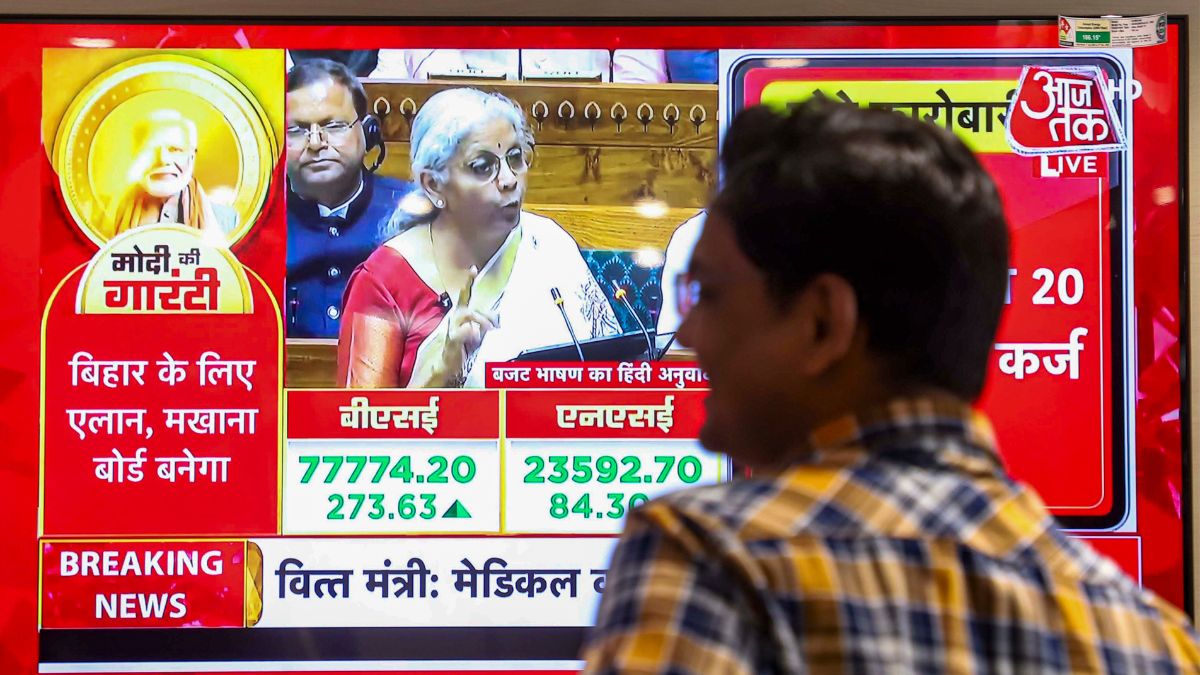
 By Dr. Gyan Pathak Union Minister of Finance Nirmala Sitharaman has emphasized on 100 per cent skilled labour with meaningful employment; 100 per cent quality, good school education; and access to quality, affordable and comprehensive healthcare as part of Vikasit Bharat initiative in her speech while presenting Union Budget 2025-26 on February 1. However, the […]
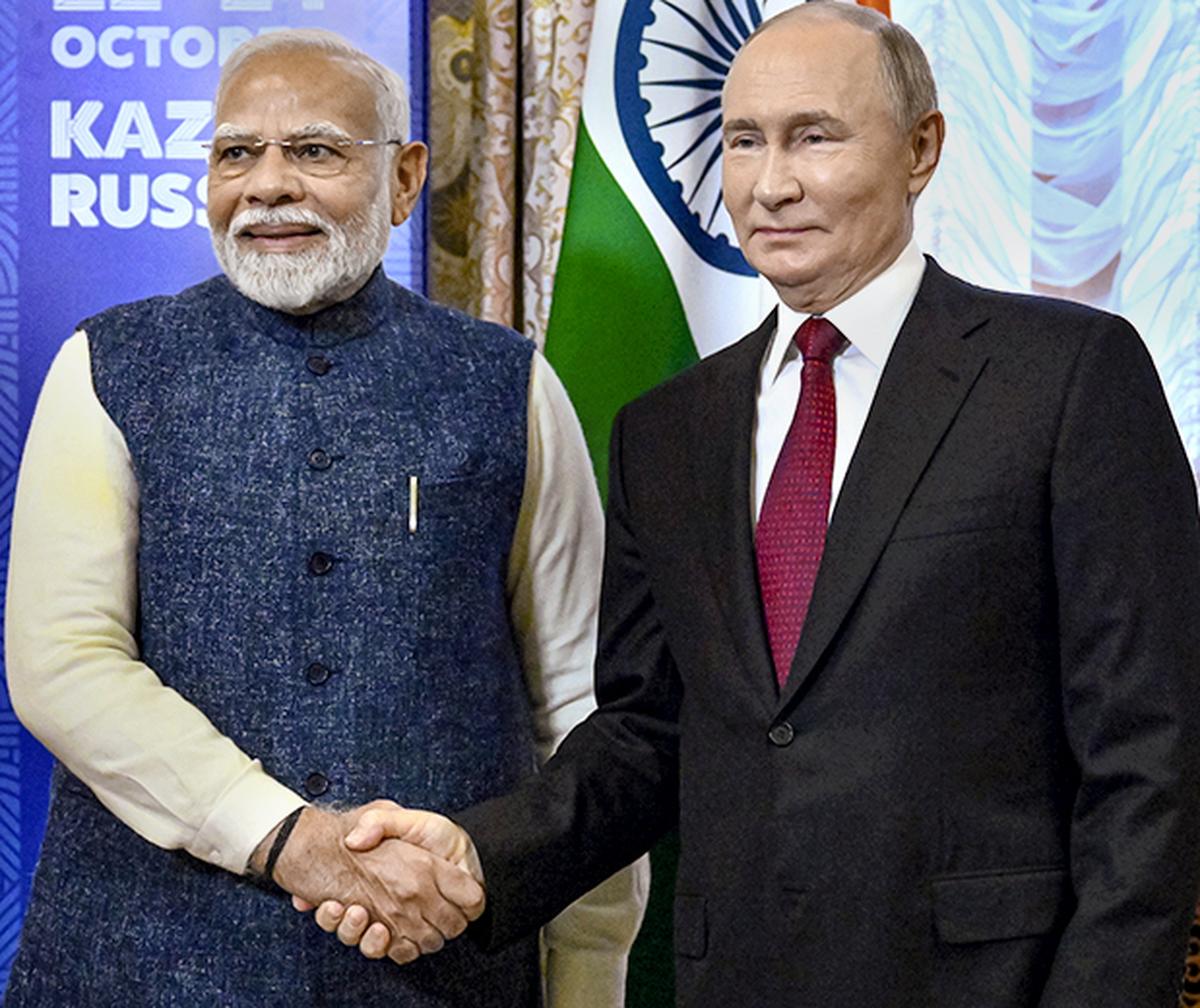
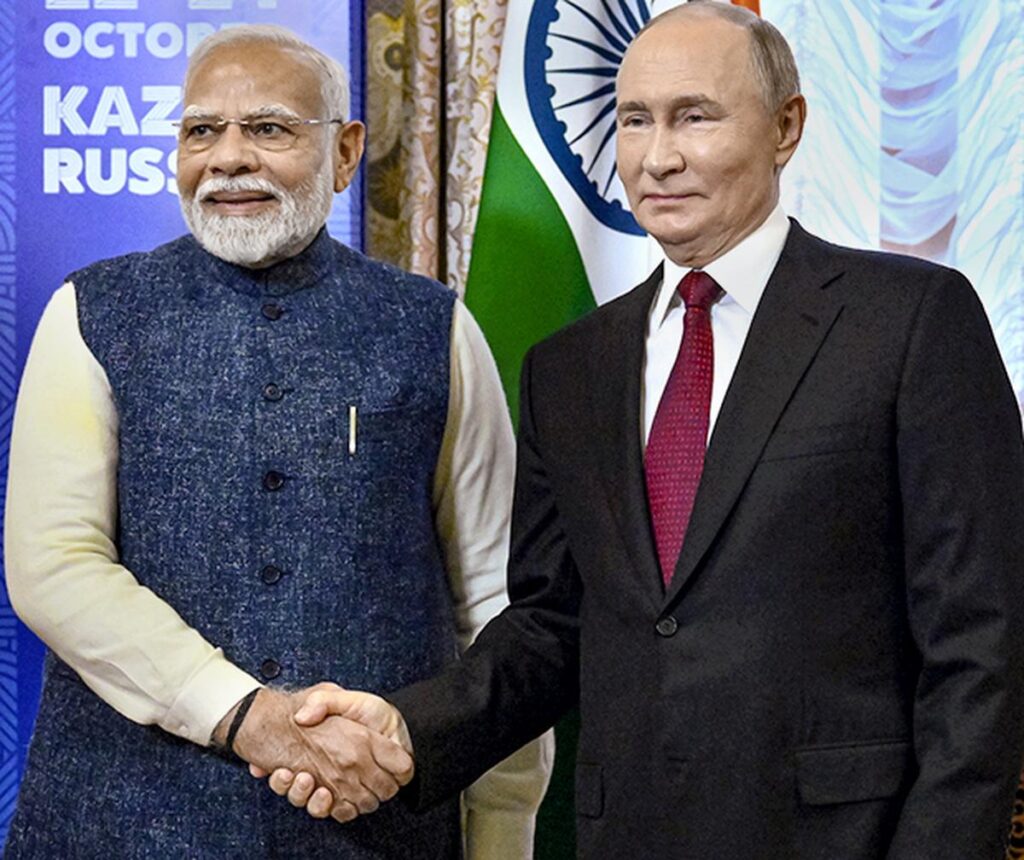 By Nitya Chakraborty What is happening to the proposed official visit of the Russian President Vladimir Putin to India early this year? Is the Prime Minister Narendra Modi’s invitation to the Russian President to visit India given at the BRICS summit at Kazan on October 22 still valid? Doubts are being raised about the visit […]

 By Dr. Nilanjan Banik The Budget deals with allocating money towards areas where the government thinks it is essential to spend, and finding out ways such as taxes, to finance it. The government primarily requires money to spend on social infrastructure (such as schools, hospitals, water, sanitation, etc.), physical infrastructure (such as railways, roads, airports, […]

 By Nitya Chakraborty Narendra Modi government is due to present its second budget in the third term of the Modi regime on February 1 in an environment of domestic downturn in GDP growth along with global uncertainty in trade due to U.S. President Donald Trump’s disruptive trade and tariff programme. Latest official data show that […]

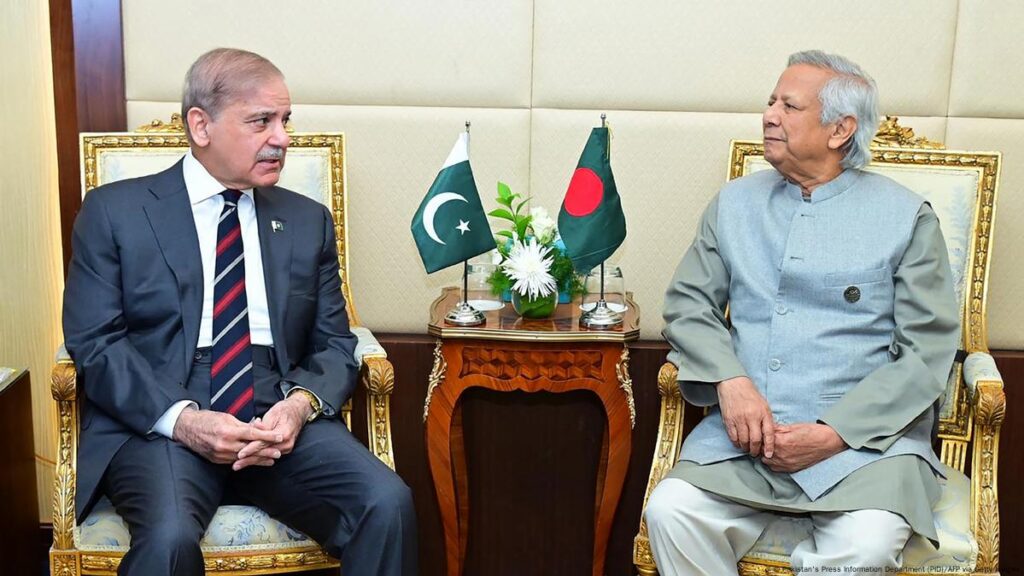 By Satyaki Chakraborty More than six weeks have passed since the visit of Indian foreign secretary Vikram Misri to Dhaka on December 9 and his wide ranging talks with his Bangladeshi counterpart to improve the worsening bilateral relations between the two neighbouring countries. Latest indications, however, suggest that the interim government headed by Dr. Mohammad […]
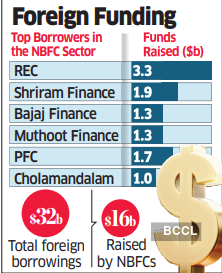

 By Anjan Roy The recent volatility in the exchange rate of the Indian rupee against the US dollar has given rise to a debate on how the central bank should react to the situation of progressive depreciation of the national currency. To wit, the rupee appears to hit 90 to a dollar in no time, […]
 By Dr. Gyan Pathak January 16, 2025 was celebrated by Union Government of India as National Startup Day, which was followed by a boasting that India with more than 1.59 lakh startups has now firmly established itself as the third-largest startup ecosystem in the world. The claim was on the rise of numbers, while in […]
 By K Raveendran Microsoft’s deepening engagement with India is both a strategic imperative and a reflection of its renewed focus on emerging technologies under the leadership of Satya Nadella. Nadella’s connection to India goes beyond his heritage; his initiatives underscore a profound appreciation for the country’s pivotal role in shaping the future of technology. As […]

 By K Raveendran As we enter 2025, the accelerating proliferation of artificial intelligence (AI) is poised to reshape the global landscape in ways akin to the transformational impact the internet had in the late 20th century. Within the first few days of the year, AI-driven technology stocks have seen substantial surges, with shares of major […]
 By Nantoo Banerjee The slump in India’s GDP growth rate is understandable. Contrary to the government claims, the job market is down. The income growth, in general, is shrinking. A vast section of consumers are not spending enough, except for wage goods or daily dire necessities, as their real income is not growing. The FMCG […]

 By K Raveendran The year 2024 marked a historic period for gold, perhaps fit to be called the ‘Year of Gold’ due to the yellow metal’s remarkable performance across various metrics. Total demand for God surpassed an unprecedented US $100 billion, underpinned by robust investment activity and a supportive macroeconomic backdrop. This astounding demand surge […]



 By D Raja History of the Communist Party of India in the last 100 years is a glorious saga of struggles and sacrifices for our country and its people. History of our freedom movement and our progress after independence are incomplete without the blood and sweat of communists all over the country. The foundation day […]
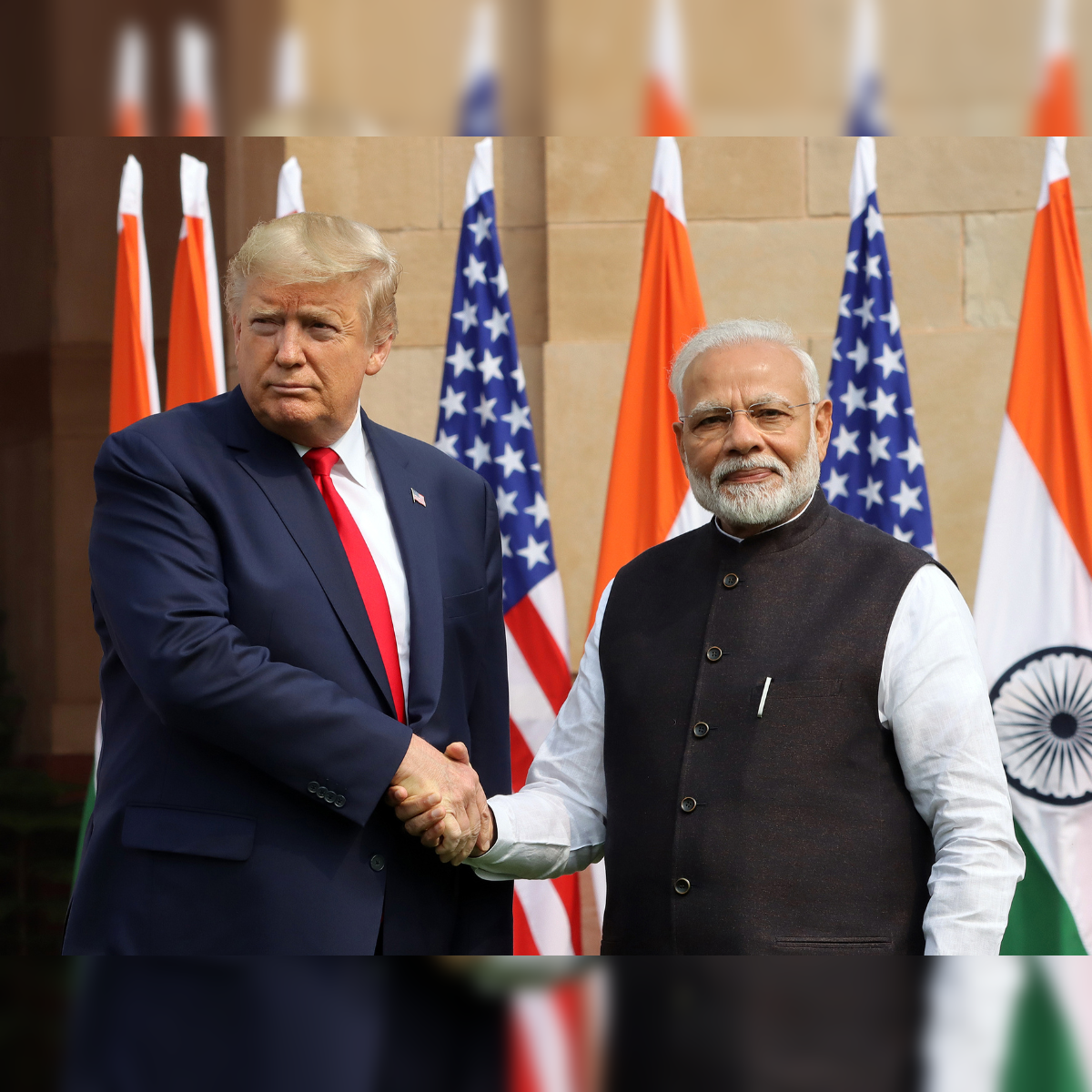
 By K Raveendran While Prime Minister Narendra Modi’s ‘friend’, the US President-elect Donald J Trump, is set to move into White House, once again, it need not be particularly beneficial for India. If anything, Trump can be said to be “anti-India” even while remaining “pro-Modi”. The camaraderie contrasts starkly with the president-elect’s anti-India economic stance, […]



