News related to
India’s

JSW Neo Energy has successfully completed the acquisition of a 4.7 GW renewable energy platform from O2 Power, marking a significant leap in its energy portfolio. This acquisition brings the total capacity of JSW Neo Energy to 12.2 GW, positioning it closer to its ambitious target of reaching 20 GW by 2030. The deal is part of the company’s strategic push to solidify its presence in India’s rapidly growing renewable energy sector.

With the energy landscape in India transitioning towards a more sustainable future, JSW Neo Energy’s expansion aligns with the government’s vision of achieving 500 GW of non-fossil fuel-based power capacity by 2030. The platform acquired from O2 Power, which includes both operational and under-construction projects, covers a diverse mix of solar and wind energy. These assets are expected to provide significant long-term revenue streams and diversify JSW Neo Energy’s renewable portfolio.

This move comes as part of JSW Energy’s broader strategy to accelerate its green energy initiatives. In line with this, the company aims to focus on scaling up its renewable capacity while phasing out fossil fuel-based assets. The acquisition enhances JSW Neo Energy’s position as one of India’s key players in the renewable energy market, alongside other major industry players such as ReNew Power, Adani Green, and NTPC. The renewable energy sector, which has seen robust growth due to favorable policy frameworks and increasing investment, is becoming an attractive space for both established energy companies and new entrants.

O2 Power, a prominent renewable energy developer in India, made the decision to divest a part of its portfolio as part of its strategy to streamline operations and focus on other business ventures. The deal reflects a broader trend in India’s renewable energy sector, where companies are consolidating and scaling operations to meet the increasing demand for clean energy. This transaction also underscores the competitive landscape in the sector, with firms vying for a larger share of the renewable energy pie.

For JSW Neo Energy, this acquisition not only expands its operational footprint but also accelerates its progress towards meeting India’s energy transition goals. The company has been actively involved in both the solar and wind energy segments and plans to continue investing in projects that enhance its renewable energy capacity. In recent years, JSW Neo Energy has been building its portfolio through a series of acquisitions and partnerships, including deals with leading international investors and developers.

The renewable energy sector in India has witnessed increased investments, supported by policy initiatives such as the National Wind-Solar Hybrid Policy and the Renewable Energy Purchase Obligation , which mandate that utilities must procure a certain percentage of power from renewable sources. These policies have created a conducive environment for energy companies like JSW Neo Energy to expand and scale their operations.

The push towards renewable energy also reflects a growing awareness of the need to address climate change and reduce reliance on fossil fuels. India has committed to achieving net-zero emissions by 2070, with an interim target of achieving 50% of its energy needs from non-fossil fuel sources by 2030. This aligns with JSW Neo Energy’s commitment to sustainable growth and its long-term vision of becoming a leader in the green energy space.

Experts in the industry believe that the consolidation of renewable energy assets through acquisitions, such as the one completed by JSW Neo Energy, is crucial for driving economies of scale. By consolidating assets, companies can reduce operational costs, increase efficiency, and improve their financial viability. Additionally, large-scale renewable projects allow companies to attract capital more easily, which is essential for financing the growth of the sector.
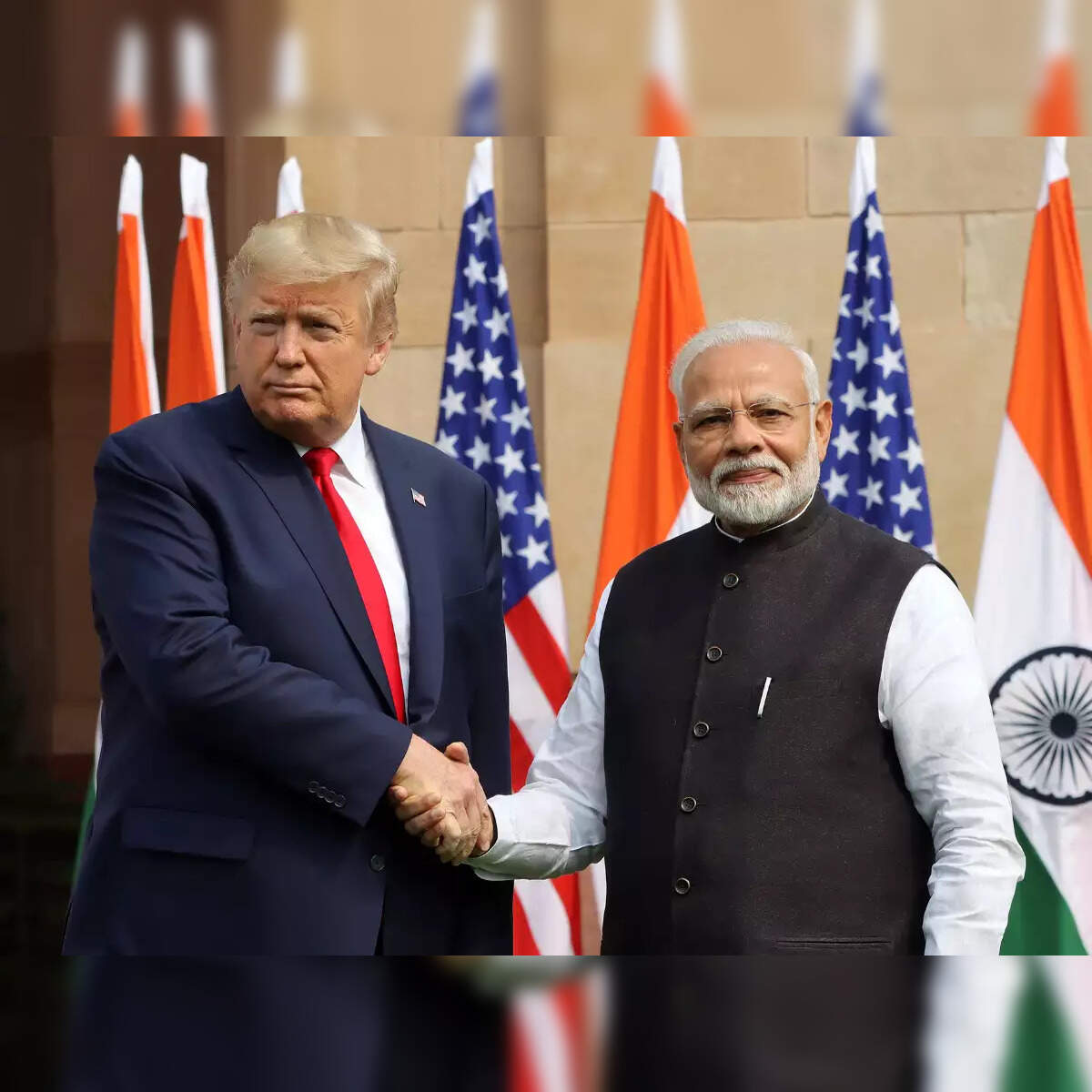
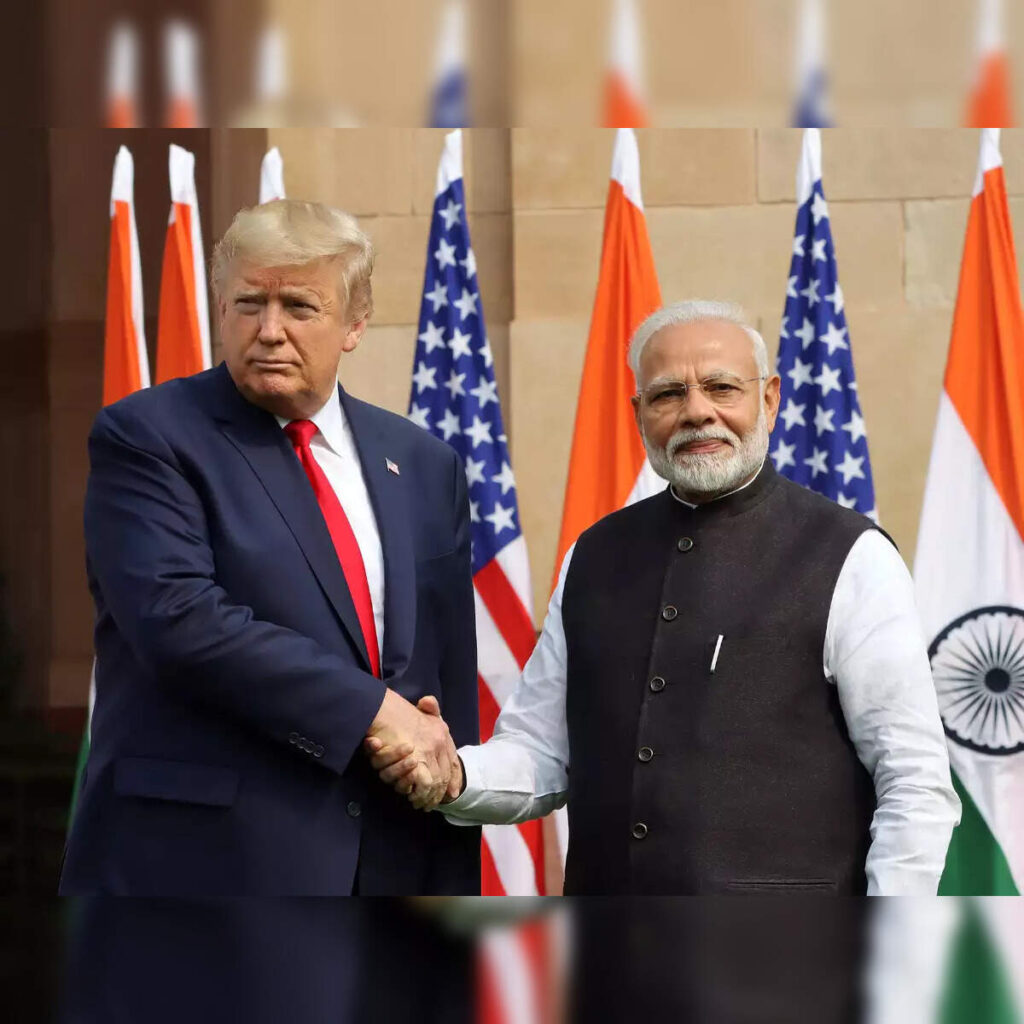
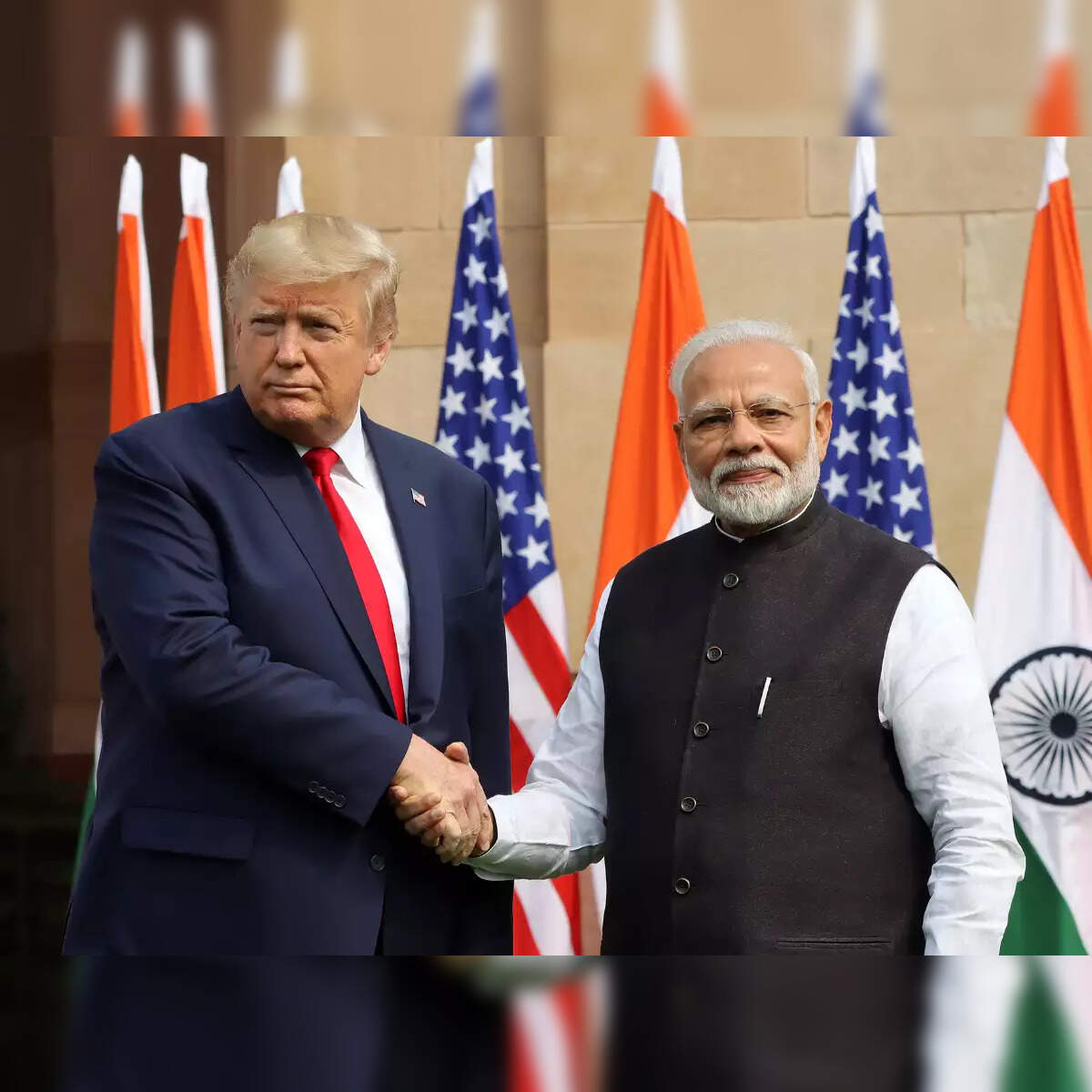
By K Raveendran In both foolhardiness in decision making and shameless flip-flop in dealing with disastrous aftermaths, Narendra Modi and Donald Trump have exhibited a total lack of honesty in admitting their mistakes. The similarity is too striking to be missed. Thanks to recklessness and impulsiveness in decision making—Narendra Modi with demonetization and Donald Trump […]
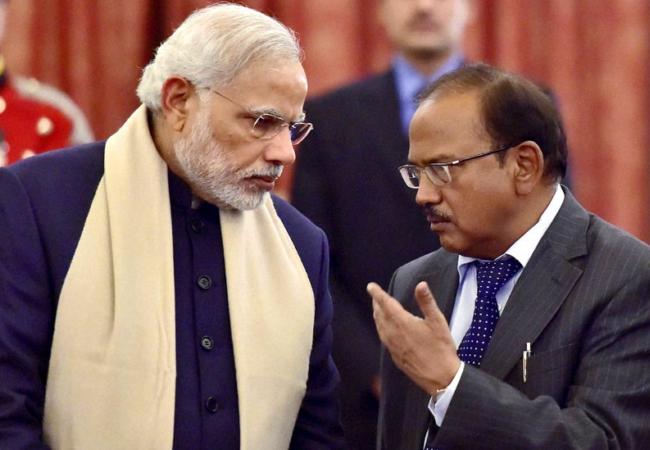
By Nitya Chakraborty What is happening to the “Neighbourhood First” policy of the Indian Prime Minister Narendra Modi in the year 2025? Modi is an expert in coining attractive slogans whether those finally work or not. For South Asia, he opted for Neighbourhood First and for South East Asia and ASEAN nations Act East. At […]
By K Raveendran Donald Trump and Narendra Modi never seem to tire of expressing admiration for each other, their mutual regard forming an odd but undeniable transnational political camaraderie. What binds them is not simply shared ideology but a similar worldview shaped by populism, nativism, and a flair for dramatic, often reckless, decision-making. Modi’s ‘Atmanirbhar […]
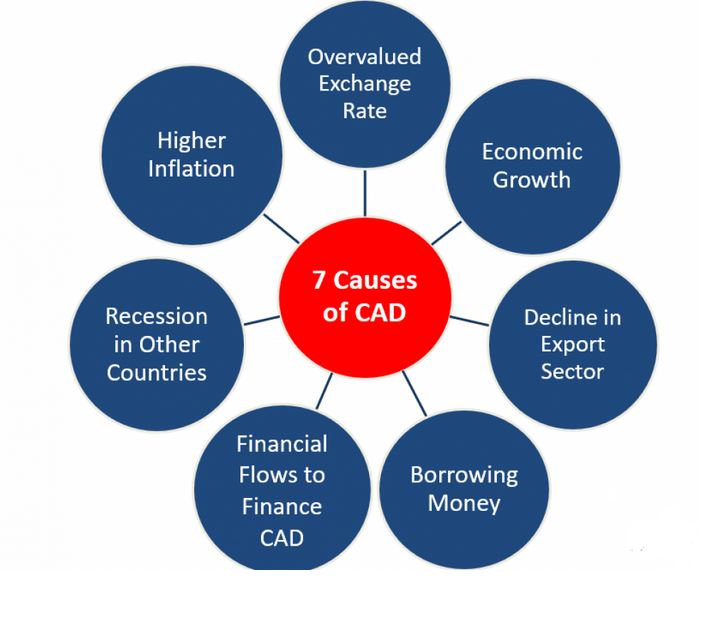
By Subrata Majumder The entire world is deepening into geopolitical tensions and increasing uncertainty in trade following the announcement made by the U.S. President Donald Trump the new tariff rates on April 2. The U.S. slapped 27 percent import tariff on India. President Trump exhilarated this as “discounted replication”, despite India imposing 52 percent and […]
By Nantoo Banerjee If in the United States, the world’s second largest federal democracy, the number of seats in the House of Representatives could remain capped at 435 since 1913, there is no reason to justify the latest delimitation exercise to freshly fix the number of seats and boundaries of territorial constituencies in each state […]
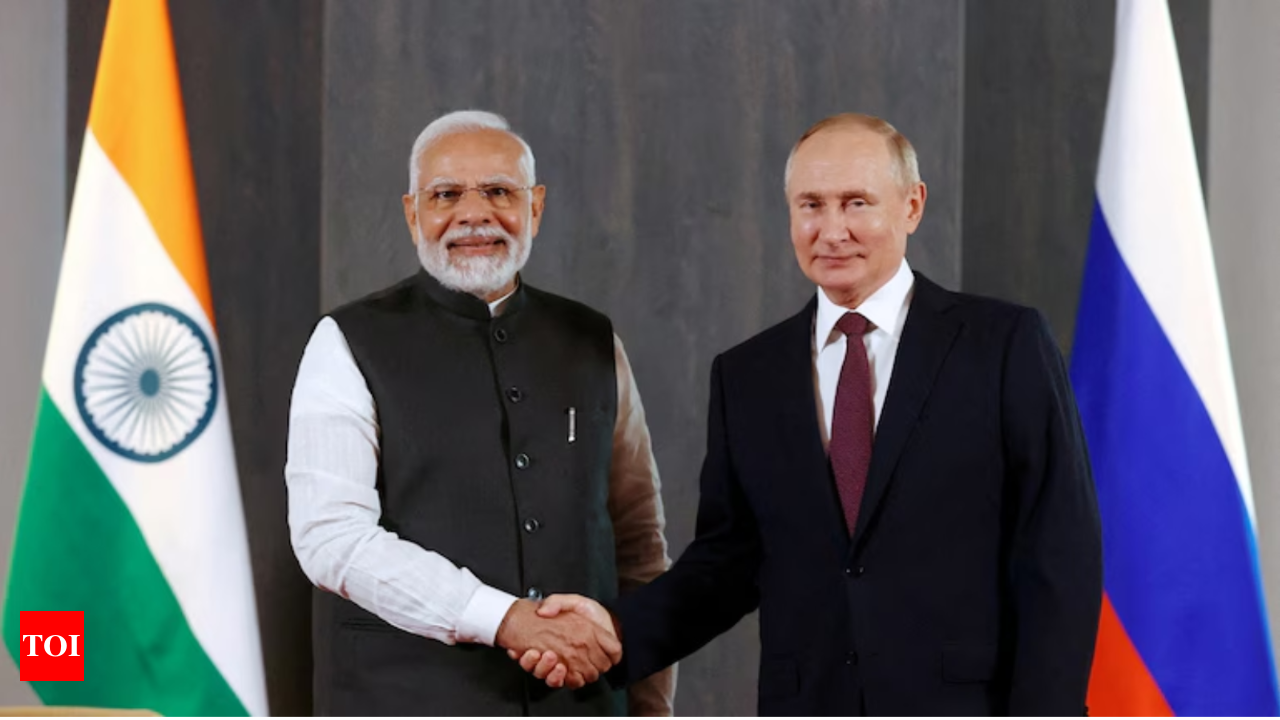
By Nitya Chakraborty Russian President’s pending visit to India has turned into a big diplomatic mystery as in the last five months since the Kazan summit on October 22 last year when Putin officially confirmed his visit to India in the presence of the Indian Prime Minister Narendra Modi amidst full media and TV glare, […]
Advertisements
By Nitya Chakraborty Prime Minister Narendra Modi is known as the super salesman of jumlas. Beginning from Jan Dhan account of Rs. 15 lakh for everyone to generating two crore jobs for youth every year, all the hyped up propaganda of the BJP led government since 2014 have turned into a big flop. Even in […]
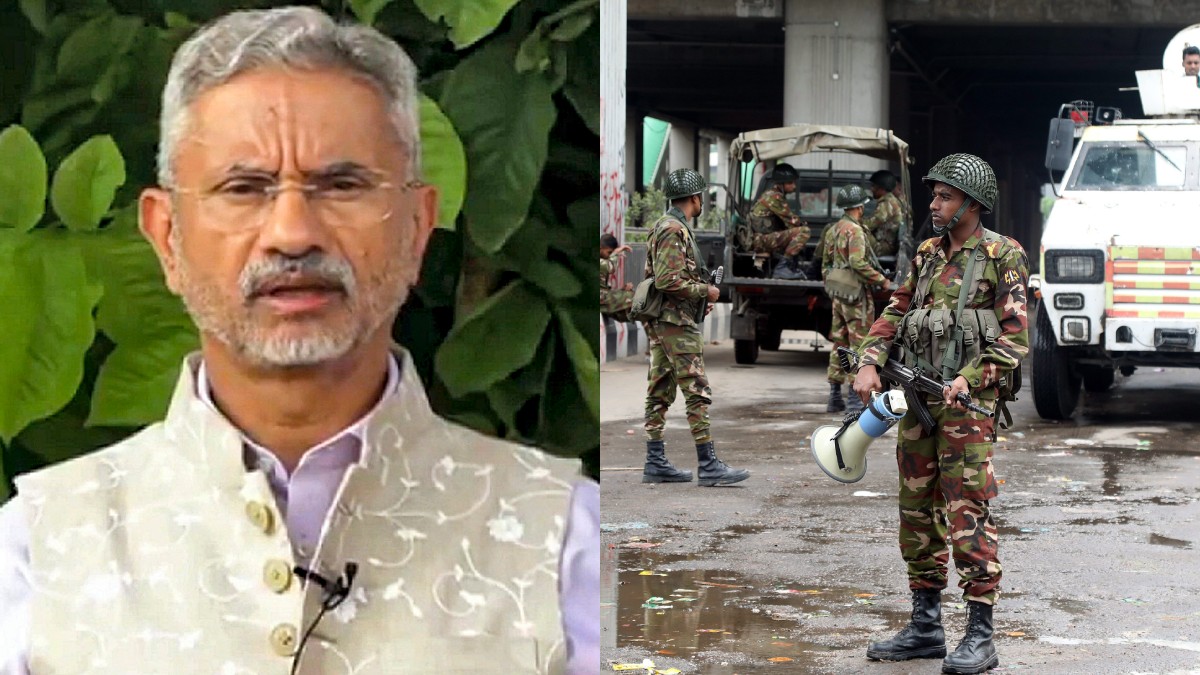
By Nitya Chakraborty Is the Bangladesh Army going to take over control of their politically turbulent country, either from front or behind, to precipitate the holding of early elections? This question is being raised by the seasoned political observers in Dhaka, as the whole of last week was dominated by highly controversial posts on Facebook, […]

By K Raveendran It would be an understatement that the discovery of a large stash of cash from the residence of Delhi High Court Justice Yashwant Varma has sent shockwaves. This unexpected incident has raised uncomfortable questions about corruption and integrity within the judiciary, often viewed as the guardian of justice and moral rectitude. While […]
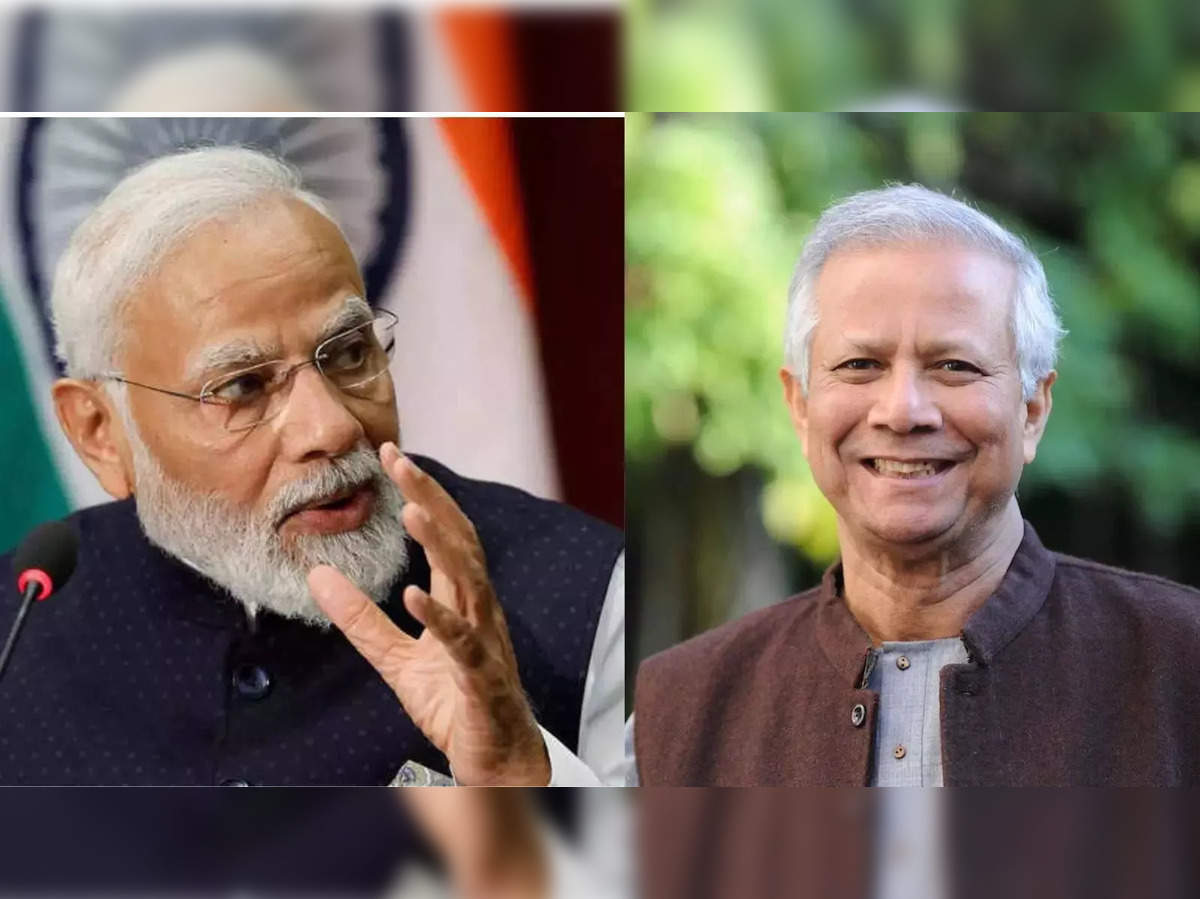
By Nitya Chakraborty Bangladesh has officially sought a meeting between their head of interim government Dr. Mohammad Yunus and the Indian Prime Minister Narendra Modi on the sidelines of the coming BIMSTEC meeting at Bangkok on April 2-4 next. Both countries are members of BIMSTEC. As per present schedule, both have confirmed their presence at […]
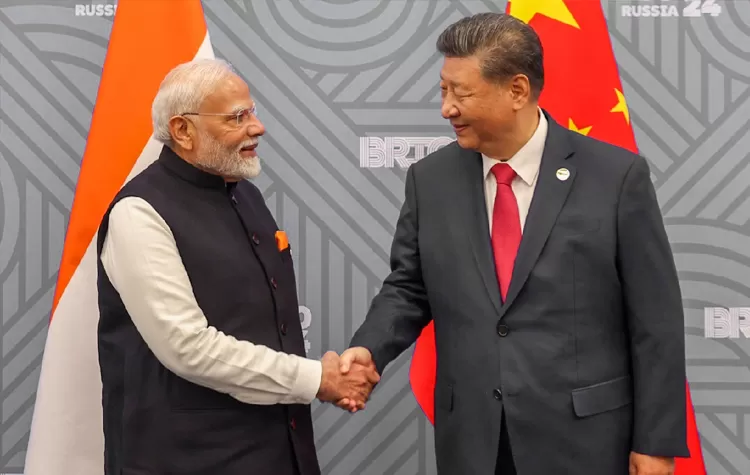
By Nitya Chakraborty Narendra Modi has been heading the Indian government as the Prime Minister since 2014. He has made so far many observations about the delicate India-China relations in the last nearly eleven years, but his observations on this issue made to the American journalist cum researcher Lex Fridman in his podcast released on […]
By Deeksha Dwivedi The recent arrest of Mahmoud Khalil in the United States, an active member of Columbia University’s protests against the ongoing genocide in Gaza, takes me back to 2016 when student political leaders Umar Khalid, Kanhaiya Kumar and Anirban Bhattacharya were arrested by the Delhi Police on charges of sedition. A controversy had […]
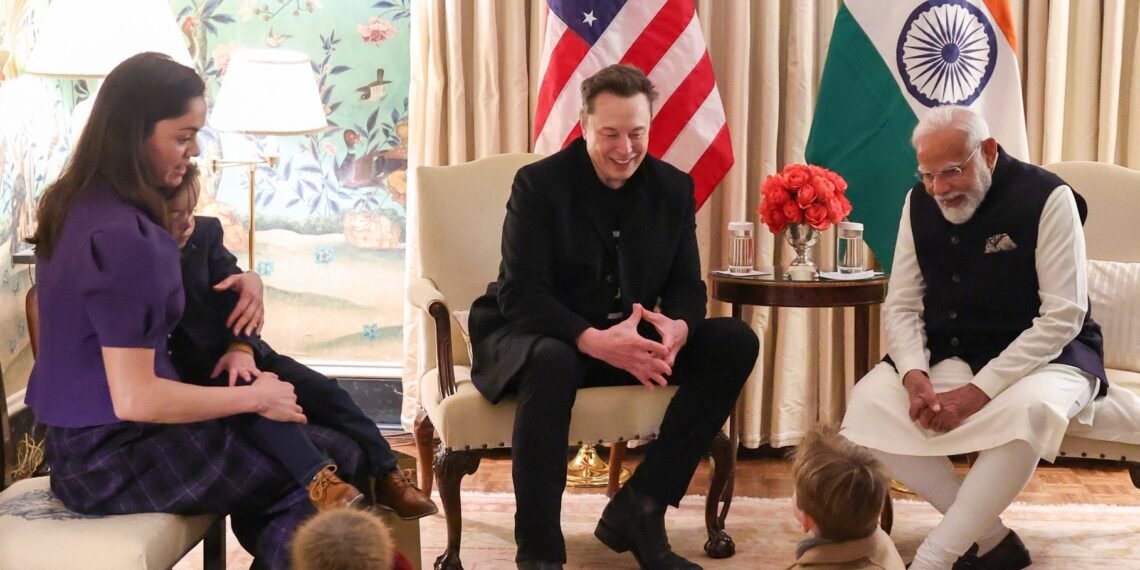
By K Raveendran Prime Minister Narendra Modi’s proclivity for favouring friends has become an enduring characteristic of his leadership, a trait that has shaped both his domestic and international strategies. His approach to governance, often criticised for prioritizing personal and political loyalties over broader national interest, is once again evident in the unfolding saga of […]
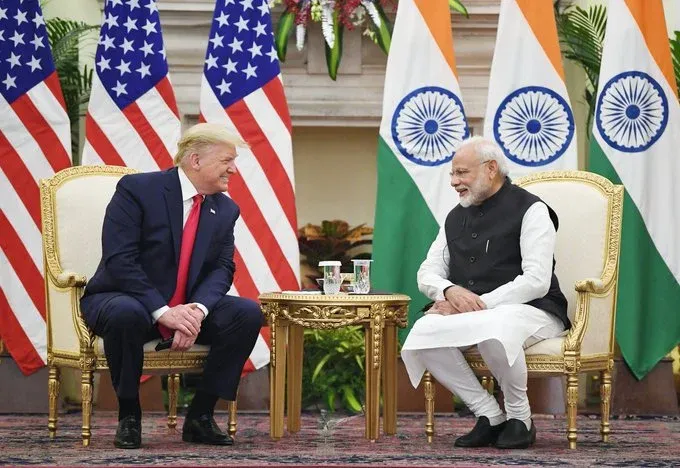
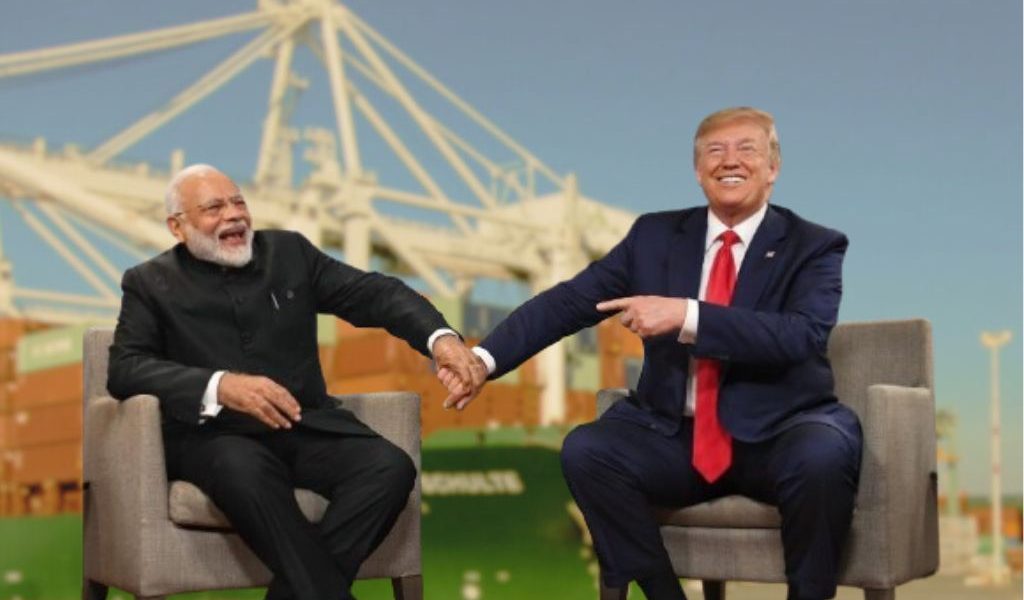
By Tajul Islam On January 20, 2025, US President Donald Trump issued an executive order suspending all USAID and State Department-funded projects, totaling $60 billion, for 90 days. This decision was framed as a reassessment of foreign aid effectiveness and its alignment with the administration’s strategic priorities. The abrupt termination of nearly 10,000 foreign aid grants and contracts has sent economic and humanitarian shockwaves through countries in […]

By P. Sudhir The US President Donald Trump, in his first address to the US Congress following his election, has threatened to impose tariffs on countries that he considers are taking advantage of US trade policies. In his list is India, along with Canada, Mexico, China, Brazil and the European Union. Trump has repeatedly named […]
By K Raveendran President Trump’s repeated assertions that India has agreed to reduce tariffs “way down” have sparked a predictable wave of denials from New Delhi, underscoring the fraught and often opaque nature of trade negotiations between the two countries. While Trump’s tendency to make exaggerated or even unverified claims is well-known, in this particular […]

Startups in India’s deep-tech and semiconductor sectors are increasingly positioning themselves as key players in the global technological race. With innovations spanning automotive semiconductors, AI-driven edge computing, and secure connectivity solutions, these startups are poised to lead the next wave of technological advancement.

The role of India’s emerging deep-tech ecosystem is gaining global recognition, especially in fields where cutting-edge technology is required to meet the rapidly evolving demands of industries. Notably, companies in the semiconductor sector are contributing significantly to the development of next-generation automotive systems. These systems rely heavily on semiconductor components to enable functions like autonomous driving, safety features, and advanced in-car connectivity, all of which are in high demand globally.

NXP Semiconductors, a global leader in semiconductor solutions, has highlighted the critical role India’s deep-tech startups are playing in this technological transformation. According to NXP executives, Indian startups are at the forefront of developing innovative solutions that can cater to the evolving needs of the automotive industry. “India’s deep-tech ecosystem is thriving, particularly in the semiconductor space, which is foundational for automotive technologies,” stated an NXP spokesperson. These startups are not only serving the domestic market but are also well-positioned to tap into the vast global market for automotive semiconductors.

India’s progress in automotive technology is attributed to a blend of innovation, government support, and a rapidly growing pool of highly skilled engineers and entrepreneurs. The country’s focus on fostering startups through initiatives like the ‘Startup India’ programme has provided a conducive environment for these companies to flourish. Additionally, the Indian government’s emphasis on expanding its semiconductor manufacturing capabilities has laid the foundation for more home-grown innovations in this sector.

While the automotive sector is receiving significant attention, Indian startups are also making strides in other high-growth sectors like AI-driven edge computing. These technologies are revolutionizing industries by enabling faster data processing at the source of data generation, as opposed to relying solely on cloud infrastructure. The ability to process data at the edge, especially in real-time applications such as smart cities and industrial IoT , is proving to be a game-changer. Indian startups are developing solutions that make edge computing more scalable, efficient, and secure, which is crucial for industries that demand low-latency operations and enhanced security.

India’s deep-tech startups are playing a vital role in advancing secure connectivity solutions, an area that has seen increasing demand with the rise of the Internet of Things and the digitalisation of services. In an era where data security is paramount, these companies are creating cutting-edge technologies to secure communications and data transmissions across various platforms. The emphasis on cybersecurity and secure communication protocols is vital in safeguarding critical infrastructure, especially with industries such as healthcare, finance, and defence becoming more interconnected.

Industry leaders believe that the synergy between India’s deep-tech startups and the government’s efforts to boost innovation will create a strong foundation for India’s dominance in these high-tech sectors. A key component of this success lies in the startups’ ability to develop customised solutions for both domestic and international markets. This is where their deep understanding of local challenges combined with global aspirations gives them a competitive edge.

With significant investments flowing into the country’s startup ecosystem, especially in semiconductors, AI, and edge computing, the outlook for India’s deep-tech sector is promising. The advent of 5G technology, in particular, is expected to further accelerate demand for these innovative solutions, particularly in automotive, smart cities, and industrial sectors. The country’s deep-tech startups are expected to play an instrumental role in the development and deployment of 5G-enabled technologies, which will provide them with more opportunities to scale globally.

India’s push towards developing indigenous semiconductor manufacturing capabilities has also opened doors for local companies to cater to the international semiconductor market. The government has actively sought to reduce India’s reliance on imported semiconductors, which has led to a surge in the development of local semiconductor fabs and research and development facilities. With global supply chains under pressure due to geopolitical factors, the demand for domestic semiconductor solutions has risen sharply. Indian startups are emerging as key players in this sector, meeting both the needs of the domestic market and providing competitive alternatives to global suppliers.

Experts predict that Indian deep-tech startups are not only set to lead in traditional areas like automotive and semiconductor technologies but are also likely to make breakthroughs in emerging fields such as quantum computing, robotics, and biotechnology. With the convergence of AI, machine learning, and quantum technologies, Indian startups are uniquely positioned to innovate at the intersection of these fields, driving future technological revolutions.

One of the challenges Indian startups face, however, is the scaling-up process. While the innovation coming out of India is impressive, the ability to scale these technologies globally remains a complex task. To overcome these challenges, Indian startups are increasingly collaborating with global players and securing strategic partnerships that help them expand their reach and capabilities. These partnerships also provide them with access to crucial markets and resources, enabling them to scale their solutions faster and more efficiently.

By Nantoo Banerjee If the United States of America is the provider of the largest trade surplus to India year after year, there is no reason for India to impose unreasonable tariffs on merchandise imported from its best trading partner. In fact, the import tariff should not be allowed to be a bone of contention […]

By Raju Kumar BHOPAL: Madhya Pradesh, often referred to as the “Heart of India,” is renowned for its rich historical, cultural, and natural heritage. The state government has implemented various initiatives to develop the tourism sector and attract investments. The Global Investors Summit 2025 in Bhopal has raised hopes for a renewed focus on the […]
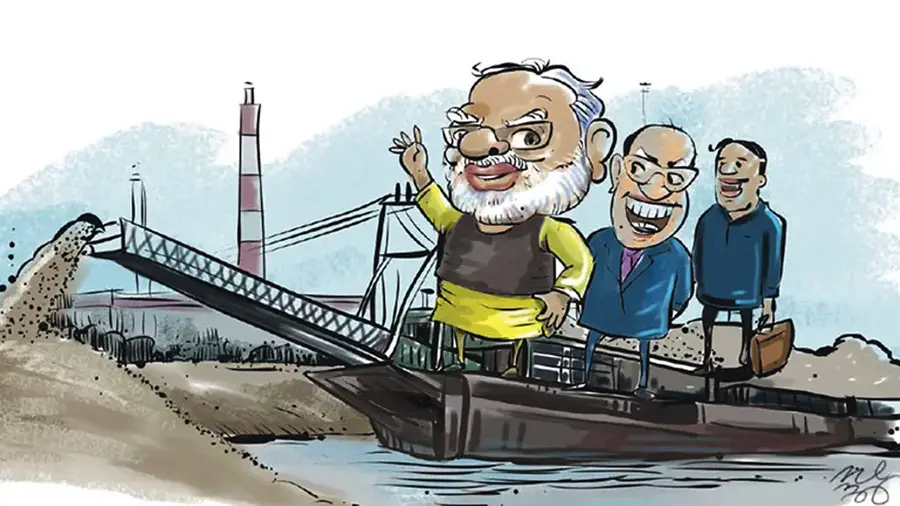
By K Raveendran Tension is mounting over the Centre’s plan for offshore sand mining, with the issue rapidly evolving into yet another flashpoint between the Modi government and opposition-led coastal states. At the heart of the controversy lies not just the environmental and economic concerns raised by the affected communities but also the underlying political […]
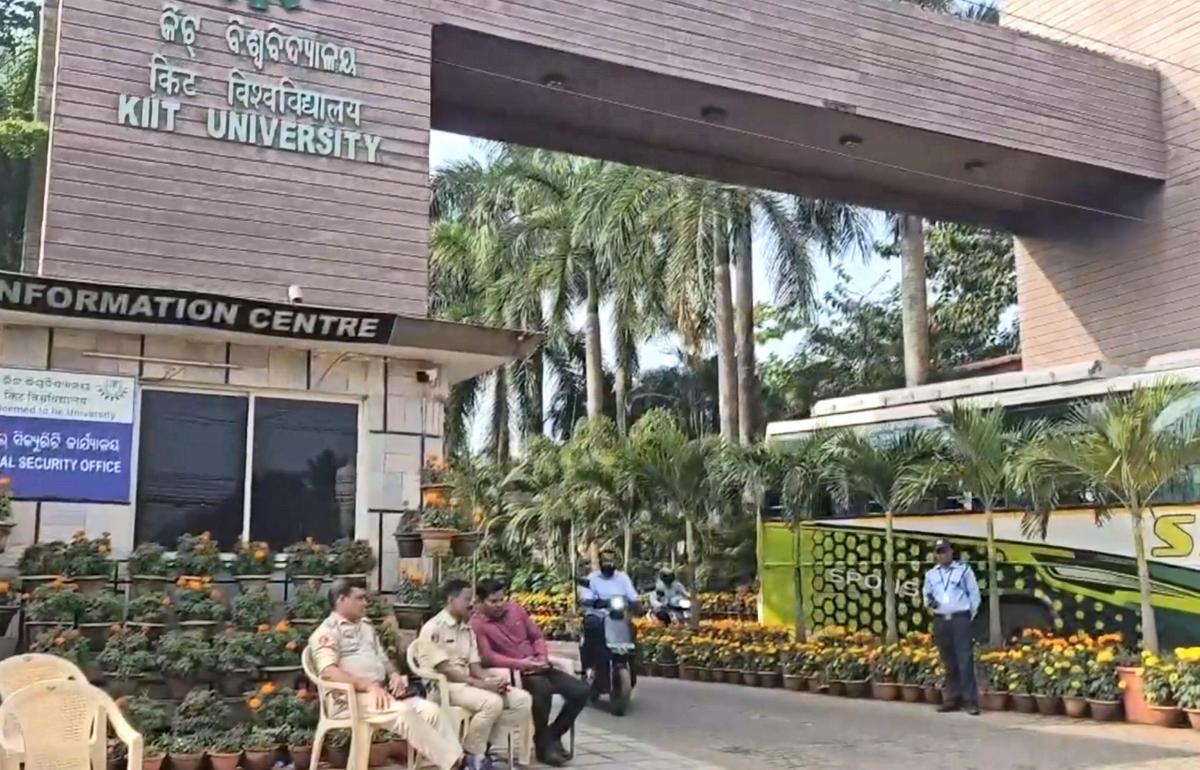
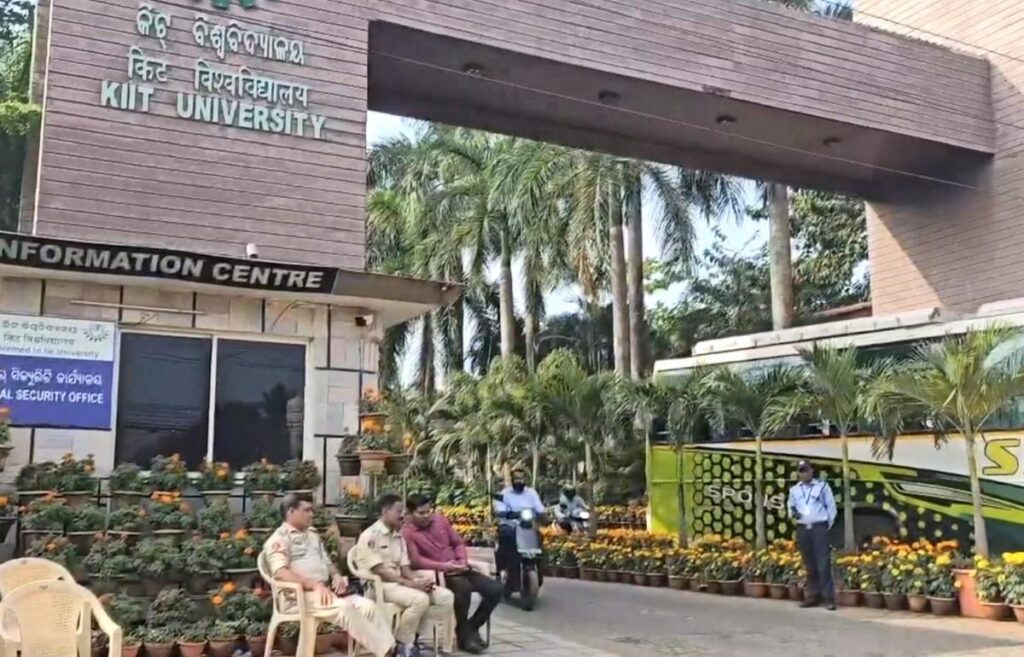
By Aditi Jha The tragic death of Prakriti Lamsal, a Nepali B.Tech student at Kalinga Institute of Industrial Technology (KIIT), a private engineering college in Bhubaneswar, Odisha, in February 2025, exposed serious problems of institutional incompetence and poor management. Prakriti’s death was followed by protests by Nepali students who claimed that the university administration had […]

By Sushil Kutty External Affairs Minister S Jaishankar never seems to finish his thoughts. People might mistake him to be a hesitant hacker. But that isn’t the case. EAM Jaishankar is the second longest serving foreign minister after Jawaharlal Nehru, who kept the external affairs portfolio with him, for the entirety of his tenure as […]

A new initiative, the Build for Bharat Fellowship, has been launched in India, offering students the opportunity to directly contribute to public governance through technology. The fellowship, aimed at early-career technologists, focuses on leveraging students’ skills to tackle some of India’s most pressing public challenges while strengthening the country’s digital systems.

With a deadline set for 7th March, the program is designed to provide students with a unique platform to work alongside government departments, where they can engage in high-impact technology projects. These projects, often involving innovative digital solutions, aim to enhance the efficiency of government operations and improve the quality of life for millions of citizens. The fellowship promises hands-on exposure to real-world applications of technology, guiding future technologists through a complex landscape of public service.

The need for such initiatives has become evident as India’s rapid digitalisation continues to evolve. From providing digital access to healthcare services to improving governance through data, the country’s technological landscape has seen an unprecedented transformation in recent years. However, the success of these advancements relies on skilled technologists who understand both the nuances of technology and the intricacies of governance. The Build for Bharat Fellowship seeks to address this gap by training future public-interest technologists who can design, develop, and implement tech solutions in public service.

Fellows will undergo a rigorous orientation program designed to help them navigate the complexities of public service, policy, and the unique challenges that arise when implementing technology in social and governmental frameworks. This immersive learning experience will provide students with insights into how government departments work, offering a critical perspective on the role of technology in public administration.

Moreover, the program connects fellows with top industry experts. Fellows will have access to mentorship through online office hours with leaders in fields such as databases, security, distributed systems, and open-source technology. These experts come from diverse sectors, including top tech companies, academia, and the public sector, offering invaluable guidance to participants as they embark on their projects.

By training the next generation of public-interest technologists, the fellowship program aims to modernise the country’s digital infrastructure while ensuring that technology solutions remain human-centred. As India continues to expand its digital footprint, there is a growing need for professionals who are not only technically skilled but also understand the broader social and governance contexts in which technology operates. The fellowship is designed to nurture such professionals, allowing them to contribute meaningfully to the country’s digital governance systems.

Applications for the fellowship are now open, with the deadline fast approaching. Students with a background in technology, whether in software development, design, or systems architecture, are encouraged to apply. The program promises not only to be a valuable learning experience but also an opportunity to make a tangible impact on the country’s technological landscape.

Interested applicants can submit their applications through the official form available at this link. With the closing date of 7th March, aspiring technologists are urged to apply soon to seize the opportunity to be part of this groundbreaking initiative.

The Build for Bharat Fellowship is not just an internship—it’s a chance for students to actively shape the future of India’s digital governance while working alongside the very departments that form the backbone of the country’s administration. It is a stepping stone for young professionals eager to apply their tech skills for the public good, ensuring that India’s digital transformation remains inclusive, effective, and sustainable for all.

VISHNU RAJA
RYO YAMADA
HITORI GOTOH
IKUYO KITA