News related to
Middle East

HAMBURG, GERMANY – EQS Newswire – 1 September 2025 – Preferred Supply Agreements (PSAs) have been awarded for supply of monopile foundations to EEW Special Pipe Construction GmbH, transition pieces to Dajin Heavy Industry, foundation transportation and installation to Seaway7 and inter-array cable supply and installation to the consortium of Boskalis and TKF. The Gennaker project is securing employment local to the project in the Mecklenburg-Vorpommern region […]

Novacore Innovations, based in Mumbai, has launched India’s inaugural GPU cloud platform built around NVIDIA’s Blackwell‑based B200 servers. The platform, powered by a ₹44.6 crore line of credit led by Rashi Fincorp with backing from U. S. and Abu Dhabi investors, is being deployed in Hyderabad to serve startups, researchers and enterprises across India, the U. S. and the Middle East.

This GPU‑as‑a‑service offering centres on the NVIDIA B200, an iteration of the Blackwell architecture that boasts up to 2.3× higher peak performance and double the real‑world AI speed over its predecessors. It is equipped with 192 GB of HBM3e memory, 8 TB/s bandwidth, fifth‑generation tensor cores and dual transformer engines, which collectively accelerate training by up to 3× and inference throughput by as much as 15×, while enhancing energy efficiency up to 25×.

Novacore’s co‑founders, Ranbir Badwal and Aryamaan Singhania, credit India’s low energy costs, technical workforce and Hyderabad’s robust data‑centre ecosystem for enabling this development. They emphasise that the platform offers lower hosting costs, rapid provisioning, and scalable compute for generative AI, large language models, scientific computing and real‑time analytics.

As an incentive to foster uptake, Novacore is offering trial access to qualifying startups and research labs across its target markets.

The platform also aligns with wider developments in India’s AI infrastructure. NVIDIA is collaborating with major domestic firms such as Reliance and Tata to expand locally hosted AI data‑centre capabilities powered by renewable energy, supporting India’s sustainability and net‑zero objectives. Meanwhile, the domestic AI‑as‑a‑service market is forecast to expand at a compound annual growth rate of roughly 26.4 percent, reaching an estimated $31.94 billion by 2031.

The launch of this platform by Novacore marks a significant enhancement in India’s ability to support advanced, high‑performance AI workloads locally. Transactions such as a similar move by CoreWeave in North America—deploying Blackwell Ultra GPUs commercially in July 2025—highlight a global push toward increasingly capable and efficient AI infrastructure.

MACAU SAR – Media OutReach Newswire – 1 September 2025 – In a landmark move to deepen regional ties and expand its international footprint, Galaxy Entertainment Group (hereinafter as “GEG”) proudly announces the opening of a new overseas office in Singapore. This strategic initiative marks a new chapter in GEG’s growth trajectory and underscores its commitment to promoting Macau as the “World Centre of Tourism and Leisure” […]

StuDIYo Lab, a design‑technology and woodworking centre for young learners based in Dubai, has entered into a five‑year memorandum of understanding with the Bhubaneswar City Knowledge Innovation Cluster Foundation, under the Office of the Principal Scientific Adviser to the Government of India. The agreement sets a clear trajectory for rolling out maker‑based education, inclusive workshops, bootcamps and vocational training across India and the UAE.

The collaboration begins by launching School Innovation Labs in targeted Indian states. Over the next six months, the partners plan to establish up to four pilot labs, train some 20 educators, and engage over 500 learners. The agenda emphasizes accessibility for underserved groups, including tribal communities and neurodiverse participants, aiming to extend the reach of creative, skill‑based education beyond urban centres.

As part of the initiative, vocational programmes will be tailored specifically for women and youth, while inclusive workshops will cater to special‑needs learners. Innovation and entrepreneurship bootcamps are also planned to nurture student‑led startups and ideas.

This partnership represents a strategic convergence of StuDIYo Lab’s international pedagogical expertise and BCKIC’s deep grassroots network in India, reflecting a commitment to equitable and experiential learning. Capt. G. S. R., Adviser to the foundation, and Lina Sadek, founder and CEO of StuDIYo Lab, were present during the signing of the MoU in August 2025.

StuDIYo Lab has earned the Certified Autism Center™ designation, a mark of its dedication to inclusive environments and creative engagement for sensory‑sensitive individuals. The CAC accreditation underscores the lab’s commitment to accessibility and may enhance the quality and inclusivity of programmes deployed under the new agreement.

BCKIC has a track record of forging multi‑sector partnerships to support innovation, sustainable livelihoods, and inclusive growth across communities. Its ecosystem‑building efforts have previously included collaborations with educational institutions, startups, NGOs and research organisations.

This latest MoU follows a pattern of strategic alliances BCKIC has been cultivating. Earlier in August 2025, BCKIC signed a pact with AIIMS Bhubaneswar and KIIT‑TBI to support healthcare innovation, start‑up incubation and the development of joint Centres of Excellence. The new partnership with StuDIYo Lab signals an expansion of its mandate into design-oriented and maker-based learning pathways.

The timing reflects growing attention to bridging practical skill development with innovation ecosystems. By emphasising maker labs, vocational training, and inclusion across demographic and geographic lines, the pact contributes to a broader agenda of democratizing access to creative and technological learning.

This alliance also opens doors for corporate social responsibility initiatives from Middle Eastern and philanthropic partners, creating a channel for investment into inclusive educational infrastructure and innovation in India.

With its applied learning model and certified inclusivity, StuDIYo Lab brings a distinctive approach that complements BCKIC’s innovation cluster framework. The aim is to replicate scalable, equitable education solutions across diverse Indian regions—encompassing tribal, rural, urban and neurodiverse communities alike.

The experimental nature of the pilot labs and the focused goals for learner and teacher engagement indicate a test-and-scale strategy. If successful, this could form a template for expanding maker-based, design-driven learning nationwide.

By linking UAE’s expertise in accessible, hands-on learning with a credible Indian innovation ecosystem actor, the partnership may serve as a model of cross-border collaboration in education—a bridge between global pedagogy and local implementation at scale.


Choithrams Is Turning Everyday Shopping into Lifesaving Support at Choithrams.com and across outlets in UAE to support WFP’s nutrition programme for schoolchildren DUBAI, UNITED ARAB EMIRATES – EQS Newswire – 1 September 2025 – Choithrams (www.Choithrams.com), Dubai’s leading supermarket chain, and the United Nations World Food Programme (WFP) are launching the latest edition of the “End Hunger with Goodness” campaign to support school meal programmes across the […]

Bilateral non-oil trade between the UAE and India surged past US $37.6 billion in the first half of 2025, marking a 33.9 per cent increase compared with the same period in the previous year. The UAE’s Foreign Trade Minister, Dr Thani bin Ahmed Al Zeyoudi, highlighted during his Mumbai visit the pivotal role of the Comprehensive Economic Partnership Agreement in propelling this growth. Discussions focused on expanding cooperation across pharmaceuticals, food and logistics, alongside Bharat Mart, a 2.7 million sq ft trade complex in Jebel Ali Free Zone designed for Indian exporters to reach markets across the Middle East, Africa and Europe.

Trade figures underscore that CEPA has significantly deepened economic ties. In 2024, non-oil trade between the two nations topped US $65 billion, reflecting a 19.7 per cent increase from 2023 and more than doubling the 2020 tally of US $27.9 billion. UAE investments in India reached around US $17 billion by late 2023, while Indian investments in the UAE climbed to approximately US $8 billion—total mutual investment topping US $25 billion, with the UAE accounting for 70 per cent of that figure.

This dynamic was further backed by the UAE-India CEPA Council’s Start-up Series, which has drawn more than 10,000 applications from Indian entrepreneurs since its launch in June 2025. The initiative, showcased in New Delhi by Ahmed Aljneibi, has made stops at leading institutions including Banaras Hindu University and the Master’s Union School of Business, offering mentorship, regulatory guidance and pathways for cross-border scale-up.

The strategic focus on innovation also extends beyond startups. Sheraa, Sharjah’s entrepreneurship centre, and Startup Middle East signed a memorandum to establish an India Startup Hub in Sharjah, aimed at facilitating the entry of Indian ventures into the UAE market and strengthening regional innovation ecosystems.

Policy measures in the UAE are evolving to match this economic outreach. Amendments to more than 40 laws, most notably the Commercial Companies Law enabling 100 per cent foreign ownership, are part of a broader strategy to double the non-oil economy—from US $381 billion to US $762 billion—by 2030. Foreign trade is viewed as central to achieving that ambition, with the UAE’s connectivity, infrastructure and logistics network seen as vital assets for Indian businesses seeking wider regional access.

CEPA’s architecture underscores its comprehensive approach: since its implementation in May 2022, tariffs on more than 80 per cent of Indian exports to the UAE have been reduced or eliminated immediately, benefiting sectors from gems and jewellery to pharmaceuticals and automobiles. Additional gains accrue from streamlined customs protocols, regulatory harmonisation and a joint committee addressing market-access and technical barriers.

Experts point to CEPA as transformative for both economies. Indian gems and jewellery exports more than doubled from US $4.9 billion to US $8 billion in fiscal year 2024, aided by duty removals. Labour-intensive industries such as textiles, leather, footwear, sports goods, plastics, furniture, engineering goods, agricultural produce and food items have also gained momentum, while regulatory alignment has accelerated entry of generic drugs and medical devices, boosting health-sector cooperation and supply-chain resilience.

Further integration is visible in emerging fintech and logistics initiatives. Bharat Mart reinforces logistical synergy, while the nascent Virtual Trade Corridor, fintech sandboxes and experiments such as India’s MagRail pilot demonstrate growing interoperability in digital trade and compliance systems.

At the political level, the CEPA enters its third year this February. Al Zeyoudi noted that India remains the UAE’s second-largest non-oil export destination, accounting for 13.5 per cent of total non-oil exports in 2024—a 75.2 per cent rise year-on-year. Conversely, the UAE is India’s third-largest trading partner and a major investor, illustrating the strategic depth CEPA has added to bilateral ties.

Mastercard and Circle have deepened their collaboration to enable settlement of transactions in USDC and EURC stablecoins for acquirers and merchants across Eastern Europe, the Middle East and Africa. Arab Financial Services and Eazy Financial Services are among the first institutions to access this capability, which integrates stablecoin payments into Mastercard’s established global network.

The initiative marks a clear shift towards tokenised money. Mastercard’s President for EEMEA, Dimitrios Dosis, emphasised the ambition to bring stablecoins into mainstream finance by investing in infrastructure, governance and partnerships, while leveraging the company’s longstanding expertise in security and compliance. Kash Razzaghi, Chief Business Officer at Circle, framed the move as a step towards “borderless, real‑time commerce,” seeking to make USDC as ubiquitous as traditional payments.

Arab Financial Services highlighted the tangible value of the new model: improved liquidity, operational efficiencies and dramatically reduced friction in high‑volume reconciliations. Eazy Financial Services underscored how the expanded settlement option aligns with its mission to offer faster, more secure, and efficient payment solutions, setting a fresh standard for digital settlements in EEMEA.

This development builds on existing collaborations such as crypto payment card solutions with the likes of Bybit and S1LKPAY, which already use USDC for settlement in the region. Mastercard further extends its stablecoin portfolio beyond USDC and EURC, already supporting USDG, FIUSD and PYUSD across various use‑cases spanning remittances, B2B, and payouts via platforms like Mastercard Move and the Multi‑Token Network, underpinned by its Crypto Credential and Crypto Secure frameworks.

Financial infrastructure experts view the rollout as particularly meaningful for emerging markets. World Bank data indicates cross‑border transfer costs remain high—around 8% on average—far exceeding the UN’s Sustainable Development Goal threshold of 3%. Introducing stablecoin settlement is expected to trim costs, accelerate transfers, and bolster working capital and currency resilience for small and medium businesses.

Analyses point to early adopters witnessing significant gains: settlement speeds up by 30%, and liquidity costs drop around 20%, according to some reports. Mastercard’s compliance infrastructure, combined with evolving regulatory frameworks like the European MiCA and US GENIUS Act, fosters institutional trust in this digital settlement evolution.

Circle is working to fortify USDC’s global footprint beyond this initiative. Its broader strategy includes partnerships with Finastra to plug USDC into traditional payment hubs, OKX for zero‑fee USDC conversions, and ventures with SBI Group and Ripple in Asia—all aimed at building liquidity, interoperability and widespread adoption.

Advertisements

A sophisticated cyber‑espionage operation is exploiting Windows shortcut files disguised alongside seemingly genuine PDF newsletters to surreptitiously infiltrate institutions across Asia and the Middle East. This deeply orchestrated campaign has been attributed to APT‑37, a North Korean‑linked group known for precision targeting. Threat actors dispatch archives containing a PDF titled “National Intelligence Research Society Newsletter” together with a malicious companion: an LNK file that mirrors the PDF’s […]

Al Ghurair Mobility has sealed a landmark agreement with Dongfeng Motor Corporation to bring the premium electrified automotive brands MHero and Voyah into the Kingdom of Saudi Arabia. The accord positions Al Ghurair Mobility as the exclusive regional partner responsible for the brands’ launch and rollout, in line with the country’s strategic shift towards sustainable mobility.

The deal was formalised during a signing ceremony attended by John Iossifidis, Group CEO of Al Ghurair Mobility; Oscar Rivoli, CEO of Motors at Al Ghurair Mobility; and Qiu Xiaojun, CEO of Dongfeng’s Overseas Marketing Division. This collaboration underscores a union of Al Ghurair’s regional stature with Dongfeng’s technological innovations.

Voyah, launched in 2021, represents Dongfeng’s vision for luxury electric mobility. Its flagship models—Voyah FREE SUV and Voyah DREAM MPV—are distinguished by elegant aesthetics, extended range capabilities, and advanced driver-assist functions, targeting buyers seeking a refined alternative to traditional luxury marques.

Meanwhile, MHero, introduced in 2022, draws from Dongfeng’s heritage in rugged, military-grade engineering. Its models, such as the MHero 1 and MHero 2, marry off-road prowess with electrified powertrains and premium comfort, offering a distinctive proposition within luxury off-road SUVs.

Industry analysis suggests this move aligns with a broader three‑year strategic partnership between Dongfeng and Al Ghurair, aimed at establishing the brands across the Gulf region. The agreement signifies Dongfeng’s growing commitment to the Middle East market and is designed to dovetail with Saudi Arabia’s Vision 2030 agenda, which prioritises sustainable development and diversification.

For Saudi consumers, the arrival of MHero and Voyah promises a novel blend of luxury, performance, and eco‑friendly technology. Al Ghurair Mobility is expected to support these brands through not only sales and marketing infrastructure but also after‑sales service and technical support, leveraging its established regional presence.

The venture underlines both a strategic and symbolic development in Saudi Arabia’s automotive sector. The availability of high-end electric and hybrid vehicles—backed by major regional players—signals the Kingdom’s evolving consumer preferences and its commitment to transforming the mobility ecosystem.

3 Cross-regional fashion events kicking off at CENTRESTAGE in Hong Kong followed by a fashion show and exhibition in Seoul Bringing together 35 units of renowned and emerging designers from Guangdong-Hong Kong-Macao Greater Bay Area and Korea to present over 100 creations Breaking cultural boundaries with Cantopop, K-pop and films from Hong Kong and Korea to open a new frontier in cultural exchange HONG KONG SAR – […]

A quarter of white‑collar professionals in the UAE express concern that artificial intelligence might one day replace their roles, yet more than half acknowledge that AI tools have made their work noticeably easier—presenting a complex picture of apprehension tempered by appreciation.

LinkedIn data shows that 80 per cent of professionals in the UAE now use AI tools “regularly,” a significant increase from 56 per cent in 2024. This puts the UAE second globally in AI adoption behind only India, where the figure stands at 85 per cent. Confidence in experimenting with AI is high, with 81 per cent of local professionals saying they enjoy exploring AI tools, and 73 per cent reporting more frequent and confident usage compared with the previous year. Many describe learning AI as “a second job.”

A survey by The National found that roughly 25 per cent of the 200 respondents worry about AI’s future impact on their jobs. Yet more than half affirm that AI has made their current tasks easier, and 7 per cent report that their roles have already been replaced—though they emphasise this is based on a small sample. Roles in media, advertising and marketing appear particularly vulnerable to automation. Nevertheless, David Mackenzie of recruitment firm Mackenzie Jones Middle East maintains that, at present, AI lacks the sophistication to supplant senior professionals in white‑collar roles.

Broader sentiment in the UAE workforce is largely optimistic. A Korn Ferry workforce report indicates that 82 per cent of employees in the UAE feel positive about AI’s potential—a stance mirrored in neighbouring Saudi Arabia. Moreover, a survey reveals only 7 per cent of UAE professionals would resist working alongside AI as a colleague, compared with 21 per cent globally. There is, however, cautious pragmatism: 35 per cent support limiting automation in sensitive sectors such as healthcare and education, and 61 per cent would endorse full automation only if accompanied by a universal basic income or welfare compensation, compared with 40 per cent worldwide.

These mixed perspectives take shape against a backdrop of national ambition and infrastructural investment. The UAE has broadened its Golden Visa programme to attract global talent in AI, climate technology and advanced digital industries—a strategic move to make itself a hub for technological innovation and sustainable growth. The country’s AI strategy also includes the establishment of dedicated institutions and leadership structures, such as the Ministry of State for Artificial Intelligence, Digital Economy and Remote Work Applications, led by Omar Sultan Al Olama, who was appointed in 2020 as the world’s first minister for artificial intelligence.

Academic insights reinforce the nuanced impact of AI across sectors. A recent study of creative professionals—including journalists and filmmakers—reveals that while AI enhances operational efficiency and reduces costs, it also raises concerns about authenticity, cultural integrity and skill erosion. The absence of sector‑specific guidelines leaves individuals to navigate AI adoption on their own.

On a global scale, developments are shaping discourse on AI’s real effects. A Stanford‑led study has documented a 16 per cent decline in employment among workers aged 22–25 in sectors vulnerable to automation, such as customer service and software development, between late 2022 and mid‑2025. Experienced workers remain comparatively shielded as AI takes over repetitive tasks. The report emphasises the importance of policies that favour human‑AI collaboration rather than outright replacement. Microsoft’s AI chief Mustafa Suleyman urges professionals not to fear job loss, but rather stagnation—championing reskilling, collaboration, and a growth mindset.

These threads converge as the UAE continues to pursue its goal of becoming an AI leader by 2031—anchored in education, infrastructure, investment and workforce transformation. Yet the responses of professionals remain varied: a blend of anxiety, adaptability and optimism defines the evolving relationship between AI and work in the UAE.

First Abu Dhabi Bank has unveiled a pioneering five‑year Blue Bond worth HKD 390 million, marking the first such issuance by a financial institution in the Gulf. Placed via private placement and backed by an Article 9 investor, the bond signals a bold move into water‑ and marine‑related sustainable financing. FAB’s issuance aligns with its Sustainable Finance Framework 2023 and adheres to the International Capital Market Association’s Green Bond Principles. […]

HONG KONG SAR – Media OutReach Newswire – 29 August 2025 – Dataplugs announced the launch of its Tokyo Dedicated Server platform, bringing enterprise‑grade bare metal performance, low‑latency connectivity, and 24/7 onsite technical support to customers targeting Japan and the wider Asia‑Pacific region. The new location is engineered for latency‑sensitive workloads and compliance‑focused deployments, with a default 250Mbps BGP International bandwidth and an optional upgrade to CN2 […]

A surge of enthusiasm from the United Arab Emirates’ retail investors is bolstering domestic stock markets, signalling growing public confidence in the country’s economic trajectory. Data from the latest edition of the UAE Retail Investor Beat, conducted between 10 and 21 July 2025, shows that 85 per cent of people taking investment decisions are now allocated to UAE-listed equities, with 39 per cent invested in Abu Dhabi shares, 28 per cent in Dubai, and 18 per cent holding positions in both platforms.

Investor confidence appears grounded. Currently, 63 per cent report being “very confident” in the UAE’s economic performance, while a further 29 per cent describe themselves as “somewhat confident.” When looking ahead, 59 per cent express strong confidence in the long-term performance of locally listed stocks, with an additional 32 per cent somewhat confident. Investors remain optimistic about the near future: 48 per cent anticipate substantial gains over the next 12 months, while 34 per cent expect steady growth. On a regional scale, 58 per cent believe the Middle East will generate the highest returns over the next five years, ahead of the United States at 50 per cent.

Sectoral preferences reveal clear priorities. Real estate leads with 55 per cent of investors expressing confidence, followed by technology at 48 per cent, and both financial services and energy at 37 per cent each.

George Naddaf, managing director of eToro MENA, framed these findings in the context of market performance: the Dubai Financial Market and Abu Dhabi Securities Exchange are among the top-performing exchanges globally, outperforming the S&P 500 by a wide margin. He credits sustained earnings, robust macroeconomic conditions, and supportive government measures for underpinning investor sentiment and reinforcing preference for local opportunities.

Despite this supportive sentiment, geopolitical risks remain front of mind. Nine‑tenths of respondents expect tariffs and trade disputes to exert meaningful pressure on their portfolios over the next six months, and 89 per cent have either adjusted or intend to adjust investment strategies in response. More than half—53 per cent—are tilting further towards UAE equities, while 51 per cent are increasing exposure to commodities. Gold and precious metals are viewed as the most resilient asset class by 49 per cent of investors; cryptocurrency ranks second at 45 per cent and is already the most held class, with 54 per cent ownership.

Naddaf described this as a “disciplined, dual-track approach,” combining reinforcement in domestic equities with defensive hedges in commodities.

Capital commitment remains strong. Sixty‑five per cent of UAE retail investors have already stepped up contributions in past months, while 76 per cent anticipate further increases in the coming three months.

Paragraf has clinched a $55 million Series C financing round, anchored by a $35 million injection from Mubadala Investment Company—the sovereign wealth fund of Abu Dhabi—earning Mubadala a 12.8 per cent equity stake in the UK-based firm. The deal, formally approved under the National Security and Investment Act, will underpin Paragraf’s bid to scale up production of graphene-based semiconductors and pursue global expansion plans. Leading the company’s development, co‑founder […]

ADNOC has sealed a 15‑year Sales and Purchase Agreement with Indian Oil Corporation Ltd for the annual supply of 1 million tonnes of liquefied natural gas, marking a definitive move from the previous memorandum. The cargoes will be eligible for delivery to any port across India, reinforcing ADNOC’s position as a dependable supplier to meet India’s expanding energy needs and energy security demands. ADNOC’s Ruwais LNG project, […]

NMC Healthcare, one of the United Arab Emirates’ foremost private healthcare providers, has turned to Snowflake’s AI Data Cloud platform to elevate its patient-care capabilities. The agreement empowers NMC to consolidate operational and clinical data from across its network of 70 facilities, enabling real-time, AI-powered analytics to enhance point‑of‑care decision‑making and patient experience.

Christopher Habib, Chief Strategy Officer at NMC Healthcare, has emphasised that Snowflake’s infrastructure equips teams to “act on insights in real time — whether that’s enhancing patient care and experience or optimising operations.” This development represents a significant stride in the organisation’s digital transformation and innovation trajectory.

Centralising data across numerous outlets lays the groundwork for scalable systems tailored to evolving regulatory, operational, and patient‑care demands. By deploying an AI‑ready platform, NMC intends to boost speed‑to‑insight and enrich its analytics capacity across the board.

Analysts note that real‑time analytics are increasingly pivotal in healthcare—particularly amid growing volumes of patient data and demand for timely interventions. Platforms like Snowflake support seamless integration of disparate data sources, enabling care teams to deliver personalised responses and predictive insights.

Beyond regional impact, Snowflake has cultivated a growing presence in Middle Eastern healthcare initiatives, positioning AI‑powered data platforms as strategic enablers of digital health advancement.

NMC’s embrace of Snowflake underscores a wider pivot among UAE healthcare providers towards data‑driven operations. Consolidated data empowers administrators to monitor performance across locations, refine resource allocation, and respond swiftly to patient needs.

Industry voices suggest that accessible 360‑degree patient profiles—enabled by secure, unified data platforms—enhance clinicians’ ability to anticipate complications, tailor treatments, and improve outcomes.

Operationally, the shift supports more efficient workflows. With instantaneous analytics, NMC can optimise scheduling, predict demand surges, and better manage inventory across its hospital network. This aligns with corporate growth strategy and innovation goals.

Centralising analytics also simplifies compliance. A unified platform helps ensure consistent data governance, audit capabilities, and adherence to evolving healthcare regulations focused on patient privacy and data security.

Although immediate rollout details remain undisclosed, the scale of NMC’s network suggests that implementation could significantly elevate operational agility. Snowflake’s cloud‑native design also offers flexibility—allowing future expansion and integration with emerging health‑tech tools.

NMC Healthcare’s strategic turn signals that Middle Eastern private health systems are entering a new era—where advanced data infrastructure not only supports clinical decisions, but also underpins broader organisational resilience.

Emerging trends suggest that demand for AI‑enabled, centralised data ecosystems will rise further, particularly as providers seek to standardise care quality and scalability across regions. NMC’s move may well serve as a model for other networks aiming to harmonise operations and elevate patient care through data intelligence.

Finance watchers may note that Snowflake, listed on NYSE under the ticker SNOW, continues to grow its market presence, backed in part by strategic partnerships like this one. The company’s capabilities align neatly with healthcare sector demands for secure, interoperable data solutions.

TAIPEI, TAIWAN – Media OutReach Newswire – 26 August 2025 – CyCraft Technology, a leading AI-driven solution provider based in Taiwan, announces its partnership with Serbia-based DARSOC, marking its first Endpoint MSSP collaboration in Eastern Europe. DARSOC adopted CyCraft’s XCockpit Endpoint (Endpoint Security Posture Management) to protect its clients, marking a key milestone for CyCraft in the region. (Left) Miroslav Vajda, CEO of DARSOC, is eager to […]

MACAU SAR – Media OutReach Newswire – 25 August 2025 – Galaxy Macau™’s world-class Galaxy Arena is proud to announce the renewal of its three-year strategic partnership with TMElive, extending its existing three-year run of its successful partnership. Under the newly extended agreement, both parties will continue supporting Macau’s quality development in culture and tourism and presenting multifaceted musical spectacles to music lovers, by leveraging shared resources […]

Dubai’s education sector is set for a substantial transformation as the city prepares to welcome six new schools, 16 early childhood centres, and three prestigious international universities in the 2025–26 academic year. This growth is part of the emirate’s ongoing commitment to becoming a global hub for top-tier education and family-friendly living, making it an increasingly attractive destination for expatriates and local families alike. The new institutions […]

The GCC debt capital market is gearing up for a surge of new issuances following an active start to the year, despite a quiet period during the early days of August. With the market showing strong resilience, experts predict that the second half of the year could bring new opportunities for issuers, albeit under certain market conditions.

The first half of 2025 witnessed robust activity in the debt market, with significant bond and sukuk issuances across the Gulf Cooperation Council region. Several large corporations, sovereigns, and financial institutions took advantage of favourable conditions, including low interest rates, to raise funds and meet liquidity needs. This rush of issuances demonstrates the ongoing demand for GCC debt despite global economic uncertainties.

Victor Mourad, Co-Head of CEEMEA Debt Financing at Citi, highlighted the market’s performance, noting that the first half was particularly strong. “We had a phenomenal first half,” Mourad said. “The pipeline in the second half could be smaller, unless a drop in rates sparks a pre-funding strategy toward year-end, pulling transactions planned for early 2026 into November.” He pointed out that the timing of issuances would depend on a combination of factors, particularly the interest rate environment.

The market cooled off in the first three weeks of August, a period traditionally marked by lower activity, as many market players take a break before gearing up for the final months of the year. However, Mourad remains optimistic, suggesting that a rate reduction in the coming months could lead to a wave of issuances in the final quarter, as companies and governments look to lock in favourable terms before rates climb again.

Issuers are likely to adopt a strategic approach in the second half, with many considering early funding to avoid higher borrowing costs in 2026. A drop in rates could accelerate this strategy, as issuers push forward deals planned for the following year. It remains to be seen whether this shift in strategy will materialise, but the potential for an uptick in transactions towards the year-end remains high.

Investors will also play a key role in shaping the market dynamics. With yields on GCC bonds still appealing compared to those in other regions, demand for debt from the Gulf is expected to remain strong. The relatively stable economic backdrop, coupled with favourable oil prices, offers an attractive investment proposition for global investors looking for higher returns in a low-interest-rate environment.

Another crucial factor influencing the market will be the sovereign debt landscape across the GCC countries. Governments have continued to implement fiscal reforms and drive diversification efforts, which have bolstered the creditworthiness of the region’s sovereign issuers. As a result, GCC sovereign bonds have become a key asset class for international investors, offering a blend of safety and yield in uncertain times.

Corporate issuers in the region have also adapted to the shifting dynamics. Many have been tapping into the capital markets to fund expansion plans and refinance maturing debt, while also benefitting from government-backed stimulus packages. These initiatives have helped to stabilise the regional economy and offer liquidity to businesses during challenging periods.

However, challenges remain for certain sectors, particularly those heavily reliant on global supply chains or exposed to geopolitical risks. Tensions in the wider Middle East region could create volatility, which might impact investor sentiment. As the global economy continues to grapple with inflationary pressures and tightening monetary policies, GCC issuers will need to balance their strategies carefully to ensure they remain attractive to both local and international investors.

TAQA, the Abu Dhabi National Energy Company, has announced a significant acquisition aimed at expanding its global water platform. The company is set to acquire a 100% stake in GS Inima, a Spanish water infrastructure firm, for $1.2 billion. This strategic move will bolster TAQA’s existing water operations and position it as a leading player in the global water sector, reflecting the company’s ambition to diversify its portfolio and contribute to addressing the world’s growing water demands.

The acquisition will also align with TAQA’s sustainability goals, reinforcing its commitment to providing essential services in the water and energy sectors. With water scarcity becoming an increasingly urgent global issue, TAQA’s foray into water management is expected to play a pivotal role in meeting the needs of populations in water-stressed regions.

TAQA’s investment is seen as a response to the growing demand for sustainable water solutions, especially in the Middle East and North Africa, where the water scarcity issue is particularly pressing. The acquisition of GS Inima gives TAQA access to a portfolio of water treatment facilities, including desalination plants, water treatment plants, and wastewater management projects. These assets will allow TAQA to extend its reach in providing integrated solutions for water supply and wastewater treatment, addressing both operational and environmental challenges.

GS Inima, which has a proven track record in the management and operation of water infrastructure projects, will bring valuable expertise to TAQA. The Spanish company operates in various international markets, including Latin America, the Middle East, and Europe. Its portfolio includes some of the largest and most advanced desalination plants globally, complementing TAQA’s existing energy and water projects in the UAE and other regions.

For TAQA, the acquisition represents a strategic diversification into a critical infrastructure segment. The company has been shifting focus toward renewable energy and sustainable projects, reflecting broader trends in the energy sector. In line with the UAE’s commitment to sustainability, TAQA aims to contribute to global water security while also expanding its renewable energy footprint.

TAQA’s expansion into the water sector also serves as a response to market trends that indicate increasing investments in water infrastructure. According to industry experts, water scarcity is becoming a more pronounced challenge, particularly in urbanising and industrialising regions. The integration of water assets into TAQA’s broader portfolio enhances its ability to deliver sustainable solutions across both the energy and water sectors, offering customers integrated service offerings.

This acquisition also signals a shift in the regional market dynamics, where energy companies are increasingly seeking to tap into water management solutions. With over 50% of the world’s population living in water-scarce regions, the water market is expected to see continued growth. The UAE, known for its ambitious water desalination projects, stands to benefit from TAQA’s increased investment in water infrastructure, ensuring a more sustainable future for its rapidly growing population.

The integration of GS Inima into TAQA’s operations will also provide the company with a solid platform for further expansion. TAQA has been involved in several large-scale water and energy projects in the UAE, such as the development of renewable energy initiatives and large desalination plants. By merging with GS Inima, TAQA can leverage its experience to improve water management solutions worldwide and position itself as a leader in sustainable water resource management.

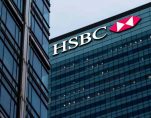
HSBC Holdings Plc’s Swiss private banking division is severing ties with numerous high-net-worth individuals from the Middle East, a move aimed at reducing exposure to high-risk clients. This decision, which impacts more than 1,000 clients from countries including Saudi Arabia, Lebanon, Qatar, and Egypt, comes as part of the bank’s strategy to streamline its wealth management business and comply with evolving global financial regulations.

The clients affected are those with substantial assets, some exceeding $100 million, who will no longer be able to maintain accounts with HSBC’s Swiss arm. The bank’s decision reflects growing scrutiny over financial institutions’ relationships with clients deemed risky due to their geopolitical associations, business dealings, or regulatory concerns.

HSBC’s Swiss private banking unit, once a lucrative segment for the bank, has been subject to increasing pressure, particularly after several international regulatory challenges over the years. The Swiss division had long been a hub for wealth management services, catering to high-net-worth individuals seeking to safeguard and grow their assets. However, with stricter global regulations targeting the private banking sector, particularly surrounding anti-money laundering practices and financial transparency, HSBC has been forced to reassess its client base.

The bank’s decision to end these relationships comes as part of a broader push by financial institutions to reduce their exposure to high-risk clients. Over the past several years, there has been an uptick in global regulatory pressure aimed at preventing money laundering and promoting transparency, especially for private banks handling large sums of money. This has led some banks to adopt more stringent vetting procedures for clients, scrutinising not only their financial standing but also their backgrounds and business affiliations.

HSBC’s move aligns with the ongoing trend within the banking sector to de-risk their portfolios and distance themselves from controversial clients. Wealthy individuals from certain regions, particularly those in the Middle East, have increasingly come under the microscope due to political and legal concerns. For instance, clients who are heavily tied to governments or businesses with unclear or controversial financial practices have raised alarms for regulatory bodies.

In the case of HSBC, the bank is reportedly working to ensure that the wealth management division in Switzerland only maintains relationships with clients who meet its revised risk criteria. The bank’s decision, while part of an ongoing strategy to refine its client list, has caused concern among those impacted, who now face limited options for managing their wealth within Switzerland’s historically secure banking environment.

For many of the clients affected, the closure of their accounts represents a significant shift, as Swiss private banking has long been considered a safe haven for those seeking discretion, financial stability, and robust wealth management services. Some clients have expressed frustration over the decision, noting that their wealth and business activities have been fully transparent and compliant with international laws.

The Swiss banking landscape, however, is changing. With growing demands for increased transparency and a crackdown on illegal financial activities, institutions such as HSBC are recalibrating their approach to international wealth management. As financial regulations continue to tighten globally, private banks are expected to adopt more stringent policies regarding the kinds of clients they choose to serve.

HSBC’s move could set a precedent for other global financial institutions to follow. The bank’s focus on reducing its exposure to high-risk individuals in the Middle East highlights the changing nature of international banking. Other banks with significant wealth management operations, particularly in regions with unstable political environments or controversial business practices, may follow suit in an effort to mitigate risks and align with global financial regulations.

FUJIAN, CHINA – Media OutReach Newswire – 23 August 2025 – On August 16, 2025, in Hanoi, Vietnam, Chinese maternal and infant brand BB Kitty ushered in a significant moment – the grand opening of the “Strategic Cooperation Signing and Investment Promotion Ceremony” co-hosted with its Vietnamese agent. This event not only marks the official acceleration of BB Kitty’s commercialization process in Southeast Asia, but also represents […]

VISHNU RAJA
RYO YAMADA
HITORI GOTOH
IKUYO KITA