News related to
Middle East

ADNOC Gas has finalised a supply agreement worth 1.5 billion dirhams with Germany’s SEFE Securing Energy for Europe, signalling a significant push to reinforce the energy partnership between the UAE and European markets. The three-year contract will see ADNOC Gas deliver 0.7 million tonnes of liquefied natural gas, with shipments commencing this year from the Das Island liquefaction facility. The deal forms part of Europe’s broader strategy […]

HONG KONG SAR – Media OutReach Newswire – 11 July 2025 – Today, IX Asia Indexes announced the 2025 2nd quarter review of the ixCrypto Index Series and the IX Digital Asset Industry Index Series. The constituent changes will be implemented on the effective date of 18th July 2025 (Friday). The results of the constituent review and exchange review are as follows: 1. Constituent Review – ixCrypto […]

Charles Group has entered a $1 billion strategic partnership with the US-based Patel Family Office to co-develop a digital investment platform targeting real estate and infrastructure assets across the UK, GCC, India and the SAARC region. The memorandum of understanding, signed at the Global Wealth Conference 2025 hosted by the Sovereign Wealth Fund Institute at London’s Mansion House, was finalised in the Egyptian Hall and witnessed by over […]

Senior officials from Saudi Arabia, the United Arab Emirates and Kuwait have defended the August production boost of 548,000 barrels per day, stating that global markets are absorbing the extra supply without piling up inventories. UAE Energy Minister Suhail al‑Mazrouei told delegates in Vienna that inventories have remained stable despite the accelerated output increases, reflecting genuine consumption growth. Kuwait Petroleum Corp. echoed this view, with its CEO Sheikh Nawaf Al‑Sabah noting strong demand from Asian customers and signalling a tighter market than widely perceived.

Oil markets displayed resilience as Brent crude climbed above $70 a barrel, recovering from an initial dip following the OPEC+ announcement. Analysts cite robust summer travel demand, Middle East geopolitical strains—such as intermittent Houthi attacks in the Red Sea—and tighter fuel product cracks as underpinning near‑term market firmness. The supply surge, although substantial, has not yet triggered signs of oversupply. OECD stock levels remain flat, while US Strategic Petroleum Reserve levels stay well below maximum, pointing to a balanced market setup and sustained product demand.

The OPEC+ decision marks an acceleration of a reversal programme that began in April with a modest 138,000 bpd increase, followed by three successive monthly hikes of 411,000 bpd. The latest announcement represents a strategic shift: rather than merely unwinding voluntary cuts, producers are intent on reclaiming market share and anchoring long-term stability. Saudi Arabia, which had shouldered most of the original production curbs, is now pushing ahead to restore output levels much faster than previously scheduled.

UAE officials emphasise fundamentals over headlines, asserting that additional barrels were essential to maintain equilibrium rather than depress prices. “We haven’t seen a major buildup in inventories, which means the market needed those barrels,” al‑Mazrouei said, stressing the need for steady investment in oil infrastructure. Kuwait’s Sheikh Nawaf further highlighted sustained demand growth—particularly in Asia—estimating additional global need of up to 1.3 million bpd over the year and pointing to record-high shipments from his country in June.

Supporting evidence emerges in price trend analysis. Despite the supply increase, Brent crude closed near $69–$70 per barrel, with West Texas Intermediate at approximately $68. Reuters reported a 1 per cent rise in oil prices shortly after the announcement, driven by stronger-than-expected demand signals and a dip in US production projections. Market commentary suggests that the anticipated supply surplus may not materialise until later in the year, allowing current price support to persist.

However, concern is building among forecasters regarding the risk of supply outpacing demand in the months ahead. Analysts at ING and Bloomberg caution that cumulative increases—including a potential similar rise in September—could tilt the market towards surplus by winter. Goldman Sachs predicts Brent could drop to an average of $59 in the fourth quarter if these trendlines hold. Such projections underscore the delicate balance between stabilising markets today and sowing the seeds of tomorrow’s oversupply.

Geopolitical factors continue to sway market sentiment. Renewed attacks by Houthi forces on shipping lanes in the Red Sea have boosted risk premiums and contributed to diverging regional price dynamics. In conjunction with potential US tariffs on trade partners, these developments inject layers of complexity into demand forecasts and shipping routes. Meanwhile, softer oil output projections from US shale producers, prompted by lower prices this year, have lent additional upward momentum to benchmarks.

Central to OPEC+ strategy is ensuring investment resilience in producing countries. UAE highlighted underinvestment concerns, warning that deferred spending could undermine long-term supply stability. The August lift, they argue, responds to both short-term demand and the need to signal commitment to investors. Kuwait pointed to customer outreach as evidence of healthy demand and stressed its competitive edge in terms of low-cost, lower-carbon intensity oil—a differentiator in markets such as China, Japan and South Korea.

Market analysts remain split on the outlook. Enverus Intelligence Research recently contended that prevailing data does not support a bearish narrative, noting flat stock levels in OECD countries, strong seasonal consumption, and resilient cracks. By contrast, energy consultancy FGE flagged the limitations of ramping up production, citing member compliance and infrastructure constraints that may prevent full implementation of quotas—particularly in Iraq and Kazakhstan.

SINGAPORE – Media OutReach Newswire – 10 July 2025 – To celebrate Singapore’s SG60 milestone, Chevron Singapore, which operates the Caltex retail brand, has launched a limited-edition SG60 picnic set comprising a picnic box and two chairs. Designed to enrich Singaporeans’ upcoming National Day celebrations while fostering a sense of local community spirit, these unique items will be available for purchase at all 26 Caltex stations nationwide […]

On June 19–20, Baku successfully hosted the Baku ID 2025 Innovation Festival. This year’s theme, The Regional Nexus, brought together leading entrepreneurs and technology leaders from the Caucasus, Central Asia, the Middle East, and North Africa, positioning Azerbaijan as the region’s innovation hub. The festival was organized by SABAH.HUB Innovation Center with the support of the Ministry of Science and Education of Azerbaijan, SOCAR, PASHA Holding, and the Center for Analysis and Coordination of the […]

With Bitcoin prices soaring past $100,000 again and investor optimism at a high, the UAE’s strategic push into crypto is paying off. But what does this bull market really mean for the country’s economy, its investors, and its long-term financial future? The UAE has spent the last few years laying the groundwork to become a global crypto capital. While some countries have struggled to regulate or simply […]

Advertisements

Emirates Airline has formalised a strategic alliance with Crypto. com aimed at integrating Crypto. com Pay into its digital payment systems, underscoring a strong commitment to security and regulatory compliance. The partnership, set to activate next year, was marked by a Memorandum of Understanding signed by Adnan Kazim, Emirates’ Deputy President and Chief Commercial Officer, alongside Mohammed Al Hakim, President of Crypto. com’s UAE operations. The signing took place under the witness of Sheikh Ahmed bin Saeed Al Maktoum, Chairman and Chief Executive of Emirates Airline & Group, and Michael Doersam, Emirates’ Chief Financial & Group Services Officer.

Emirates’ leadership highlighted the rationale behind the move: embracing the growing demand among tech-savvy travellers and aligning with Dubai’s broader ambition to lead in financial innovation. Adnan Kazim emphasised the airline’s dedication to “meeting evolving customer preferences” and offering travelers more flexibility in payments. The integration also positions Emirates to engage with a younger demographic increasingly comfortable with digital currencies.

Crypto. com echoed this forward-looking sentiment. Eric Anziani, President and COO, described the agreement as a catalyst for wider cryptocurrency adoption in consumer finance. He welcomed Emirates as “an exceptional partner,” stressing that the integration will push momentum across the digital asset sector in the Gulf region.

The MoU outlines not only the technical integration of Crypto. com Pay but also joint marketing initiatives to increase awareness and encourage uptake. Emirates and Crypto. com intend to launch promotional campaigns aimed at customers, educating them on the convenience and security of paying with digital assets.

This collaboration reflects a broader trend within the UAE, where regulators have implemented a notable framework to encourage blockchain innovation while maintaining robust investor protection and financial system integrity. Dubai, in particular, has seen a surge in cryptocurrency utility across multiple sectors, including property, retail, and telecommunications. The MoU aligns with this ecosystem, reinforcing Dubai’s vision to be a global hub for crypto innovation.

Financial experts observing the region note that infrastructure investments, regulatory clarity, and consumer interest have driven a significant crypto inflow—valued at approximately US$34 billion between July 2023 and June 2024—suggesting strong institutional confidence. Adoption of digital payments by major consumer-facing corporations such as Emirates is seen as a transformative step in normalising cryptocurrencies as mainstream payment options.

Emirates’ approach to this partnership has been cautious yet calculated. Emphasis on security, compliance, and regulatory alignment indicates a measured strategy that places integrity at the forefront. The airline assures customers that the integration will meet “the highest security and compliance standards,” a crucial reassurance in light of global scrutiny surrounding crypto-related risks.

This is not Emirates’ first foray into strategic payment alliances. Earlier this year, the airline partnered with American Express Middle East to enhance offerings for small and medium‑sized enterprises across the Middle East and North Africa regions. The Crypto. com collaboration signals a parallel move into the emerging digital asset sphere, indicating Emirates’ growing appetite for financial innovation beyond traditional banking channels.

Industry analysts observe that including crypto payments could broaden Emirates’ appeal among adventurous travellers and those engaged in the digital economy. For Crypto. com, the partnership adds to a burgeoning presence in the GCC, enabling the company to showcase real-use cases with a prestigious flag-carrier.

The path ahead involves critical integration steps, including system upgrades, staff training, customer education, and regulatory coordination. Both parties have set a goal for full deployment by next year, providing a practical timeline for technology deployment and market engagement strategies.

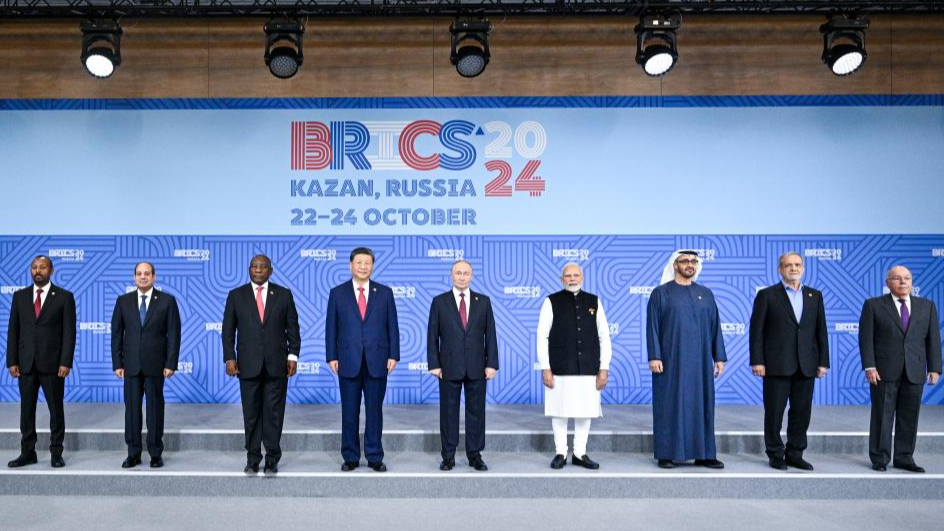
XI’s BICKS NO-SHOW: STRATEGIC SHIFT OR SILENT WARNING? CHINESE SYMBOLISM ON CONFIDENCE IN FULL PLAY M A Hossain In the realm of global politics, symbolism matters almost as much as substance. President Xi Jinping of China has decided not to attend this year’s BRICS summit which will be held in Rio de Janeiro. This is the first time President Xi will not be at the summit since […]

To choose the best creative agency in Dubai, which is located in the center of the innovation hub of the Middle East, it is not enough to just choose a vendor; rather, it is necessary to choose a brand partner for the long term.  The city of Dubai, which is one of the most competitive, multicultural, and technologically advanced marketplaces in the world, demands advertising firms that […]

Continues to see strong growth in traditional powerhouse sectors such as automotive, technology and e-commerce Sees new opportunities in Malaysia for growth in life sciences and healthcare as well as new energy DHL is well-positioned to support Malaysia’s trade and logistics ambitions with expanded investments and capabilities KUALA LUMPUR, MALAYSIA – Media OutReach Newswire – 9 July 2025 – DHL, the world’s leading logistics provider, has reaffirmed […]

Dubai‑based hospitality firm Tashas Group is entering a rapid new phase of expansion across the Middle East and South Africa, with founder Natasha Sideris spearheading a strategy that balances boutique charm with accelerated growth. Operating 40 venues in five countries—including 18 in South Africa, 17 across the UAE, three in Saudi Arabia, and single locations in Bahrain and the UK—the group plans to open a further 15 […]

European luxury houses are experiencing a marked shift, with faltering Chinese demand prompting a strategic pivot toward alternative markets and refined brand positioning. According to Bain & Co, global personal luxury goods sales are projected to contract by 2–5 per cent in 2025, following a €364 billion market in 2024, suggesting prolonged headwinds in China and weakened consumer confidence across key economies. Concurrently, LVMH reported a 5 per cent decline in fashion and leather goods, while Kering’s Gucci saw a 24 per cent slump in Q3 2024—underscoring the drag from Chinese spending.

Amid this slowdown, brands are accelerating efforts to broaden geographic reach. McKinsey projects that the US luxury market will grow by 4–6 per cent annually through 2027—outpacing China and Europe—and emerging regions such as the Middle East, Latin America and Southeast Asia are gaining traction as bright spots. Evidence of reorientation is visible: LVMH is expanding its US production capacity, and Kering, Hermès and Prada are intensifying investment in North America.

Not all brands are equally affected. Brunello Cucinelli, less exposed to Chinese consumption, disclosed robust sales forecasts—upgrading its annual growth outlook to 11–12 per cent based on strong European demand and continued traction among ultra-high-net-worth clients. Hermès, too, has weathered the storm, maintaining sales growth while peers grapple with revenue declines.

The luxury slowdown in China is rooted in multiple structural challenges. Economic growth has softened below 5 per cent, real estate woes persist, and shifting demographic trends have eroded consumer sentiment. Simon‑Kucher reports that many Chinese consumers are becoming cost-conscious, displaying a polarization between aspirational and high-end luxury buyers, and embracing domestic brands as alternatives. Particularly, cultural shifts—such as “luxury shame”—have fuelled a move toward discretion and frugality in visible consumption.

Although major international houses such as Chanel and Dior continue to engage Chinese consumers through culturally attuned storytelling—launching region‑specific collections and targeted local campaigns—some smaller brands have shuttered stores in mainland China, acknowledging a recalibration of in‑market commitment.

Domestic luxury players are also benefitting from this transition. Laopu Gold, a jewellery brand rooted in traditional Chinese symbolism, has doubled same‑store sales and quadrupled online revenue this year, with a market valuation exceeding HK$170 billion, thereby challenging European incumbents—though its international footprint remains limited.

Global brands recalibrating their China approach are employing a range of strategic pivots: tighter inventory control to avoid discounting and preserve brand equity; stimulant-focused aspirational campaigns; and product diversification into understated luxury or second-hand luxury to resonate with new consumer segments. The second‑hand luxury market in China alone has grown at an annual rate exceeding 30 per cent since 2020.

Europe itself remains central to the luxury ecosystem, as evidenced by European markets holding nearly half of Armani’s revenues in 2024—an increase relative to Asia Pacific’s diminished share—while the group strategically channels investment into flagship stores and digital-commerce. Cost control, brand consistency, and quality-focused messaging have become priorities as demand becomes more selective.

Globally, brand strategies are evolving with renewed emphasis on sustainability, resilience and storytelling. Price hikes once driven by so‑called “greedflation” are now tempered, with average increases forecast at 3.5 per cent in 2025—lower than peak levels—and justified by genuine craftsmanship and material innovation. Product lines are being refined: leather goods, jewellery and beauty segments are poised for stronger performance, while deeper integration of sustainability and consumer‑centric narratives is prioritised.

Brands are also investing in localisation in other markets and exploring omnichannel retail strategies. Digital-owned channels, experiential stores, and culturally sensitive campaigns are being deployed to engage consumers in tier‑2 and tier‑3 urban centres, particularly in Asia outside China.

European luxury houses are at a strategic inflection point: with the decline in Chinese demand now measurable, success hinges on geographic rebalancing, product portfolio refinement, inventory discipline and culturally resonant marketing. The winners will be those able to preserve brand prestige while adapting to economic reality and evolving consumer psychology across diverse global markets.


KUALA LUMPUR, MALAYSIA – Media OutReach Newswire – 7 July 2025 – Kenanga Investment Bank Berhad (“Kenanga Group” or “The Group“), Malaysia’s no. 1 issuer of structured warrants, proudly announces the launch of its first-ever Hang Seng China Enterprises Index (“HSCEI“) structured warrants – HSCEI-CAA and HSCEI-HBA – and Hang Seng TECH Index (“HSTECH“) structured warrants – HSTECH-C30 and HSTECH-H27 – under its flagship brand, NagaWarrants by […]

Dubai’s Roads and Transport Authority has formalised a Memorandum of Understanding with Pony. ai to commence pilot trials of self‑driving vehicles across the emirate later this year, laying the foundation for a fully driverless commercial service by 2026. The agreement marks a pivotal milestone in Dubai’s Smart Self‑Driving Transport Strategy, which aims to convert a quarter of the city’s journey volume into autonomous mobility by 2030. Senior […]

KUALA LUMPUR, MALAYSIA – Media OutReach Newswire – 7 July 2025 – For many traders, one of the main concerns when choosing a financial broker is the risk of falling victim to various shady tricks. The experts at Octa, a globally regulated and trusted broker since 2011, explain some of the questionable practices that traders must look out for when planning their journey in the markets. Trading […]

OPEC+ has opted to raise oil production by approximately 548,000 barrels per day in August, marking a sharp departure from earlier plans and surprising markets worldwide. The move, confirmed in a brief video conference, is projected to accumulate a surplus towards the close of the year, potentially eroding revenues for both OPEC members and higher-cost producers, including US shale firms.

With Brent crude prices slipping over 1% to around $67.50 and West Texas Intermediate falling to the mid‑$65 range, the group’s decision has already begun to ripple through markets. The scale of the increase is unprecedented compared to prior months—more than 130% larger than April’s hike and substantially above the 411,000 bpd rise earlier this summer.

Leaders within OPEC+ signalled that this shift reflects a strategic pivot: from defending elevated prices to asserting market share. Saudi Arabia, the group’s dominant force, spearheaded the increase, while also raising premiums for Arab Light crude sold to Asian markets—a move widely interpreted as a signal of confidence in near-term demand.

Analysts emphasise that current market structure is supportive of absorbing this surge. UBS’s Giovanni Staunovo remarked that “the oil market remains tight, suggesting it can absorb additional barrels,” though he cautioned about potential headwinds from macroeconomic uncertainties and lingering trade tensions in the next 6–12 months. Similarly, Reuters reporting notes that the decision followed assessments of low inventories and healthy economic indicators.

US President Donald Trump, whose administration has repeatedly lobbied for lower fuel costs domestically, is widely seen as a direct beneficiary of this policy. OPEC+ officials framed the increase as responsive to US pressure, with Saudi Arabia effectively stepping into a balancing role ahead of diplomatic visits.

Nevertheless, market watchers warn of mounting risks. RBC Capital projects that around 80% of the voluntary cuts—a total of 2.2 million bpd—will be reversed by September, hinting at oversupply. Financial institutions such as Morgan Stanley anticipate Brent could slide below $60 by early 2026, while ING and Barclays have also trimmed their forecasts in response to expanding inventories.

Geopolitical variables add further complexity. Though Middle Eastern tensions have eased since the brief flare‑up between Israel and Iran, any resurgence in conflict could inject volatility into the supply outlook. Moreover, internal cohesion within OPEC+ remains fragile, with nations such as Kazakhstan and Iraq reportedly exceeding quotas in recent months.

US domestic production continues its ascent, as data shows output from shale and other sources has hit record levels—adding to potential global gluts. The prospect of elevated US tariffs and slowing economic momentum could further suppress demand, amplifying price pressures.

Even so, OPEC+ remains optimistic in the short run. Saudi Arabia’s decision to lift regional premiums and analysts’ assessments of supportive market conditions reinforce this stance.

As this enlarged supply enters the market, price-sensitive producers such as US shale operators may face tighter margins. Global capitals will closely follow whether OPEC+ sustains this production path or retreats in the face of a deepening surplus.

Abu Dhabi Securities Exchange has opened the pricing stage for the first blockchain-based digital bond in the Middle East and North Africa, issued by First Abu Dhabi Bank and powered by HSBC Orion, marking a significant leap in regional capital market innovation. Global investors will be able to participate through accounts at the Central Moneymarkets Unit in Hong Kong, Euroclear, Clearstream or via HSBC Orion, either directly or through […]

Primrose Capital Management has obtained in‑principle approval from the Financial Services Regulatory Authority of Abu Dhabi Global Market, marking the inception of its journey toward a full Financial Services Permission. The clearance paves the way for the Singapore‑based quantitative trading firm to establish a regulated presence in the UAE’s leading international financial centre, offering data‑driven investment products to regional institutional investors and family offices. Approval from the […]

A record net outflow of 16,500 high-net-worth individuals is set to leave the UK in 2025, marking the largest wealth exodus recorded globally. This trend, stemming from major shifts in tax policy and visa regulations, signals a turning point in the UK’s appeal to the global rich. High earners are relocating in large numbers in response to the scrapping of the non-domicile status in favour of a […]

By Nitya Chakraborty On the eve of the 17th BRICS Summit scheduled at Rio de Janeiro in Brazil on July 6 and 7, the ongoing discussions among the senior officials of the member countries for the preparation of the draft joint declaration from the Summit, are showing big divergence of views on the two major […]

Primrose Capital Management has obtained in‑principle approval from the Financial Services Regulatory Authority of Abu Dhabi Global Market, positioning itself for full licencing and regional expansion. The firm plans to recruit portfolio‑engineering and client‑coverage specialists in Abu Dhabi and aims to launch MENA‑domiciled feeder funds in the latter part of 2025. With the Gulf family office sector estimated at approximately $500 billion, Primrose’s data‑driven, machine‑learning strategies in global […]

A coalition of eight OPEC+ nations is preparing to approve another increase in oil production for August, locking in a 411,000 barrels‑per‑day boost during their meeting on Saturday. The group—comprising Saudi Arabia, Russia, the UAE, Kuwait, Oman, Iraq, Kazakhstan and Algeria—has steadily wound back earlier cuts, reversing a 2.2 million bpd reduction begun in April.

Market analysts note that this would mark the fourth straight monthly escalation, totaling around 1.78 million bpd so far this year—equivalent to more than 1.5 per cent of global oil consumption. While the group has repeatedly implemented these increases, actual output has varied, as some members still clamp down to make up for past quota overshoots.

A shift ahead of schedule

OPEC+ fast‑tracked this weekend’s gathering by one day, underscoring its urgency to reclaim market share amid rising competition, particularly from U. S. shale producers. This realignment follows a strategy change observed across May, June and July, a pivot away from enforced cuts towards restoration of production volumes.

Internal friction persists

Tensions within the group continue, especially with Kazakhstan. The country’s June output reached record levels—1.88 million bpd—far exceeding its quota, as Chevron’s expansion at the Tengiz field ramped up operations. Other members, observing tighter compliance, have expressed frustration over these deviations. Observers suggest the bulk output increases serve multiple purposes: penalising over‑producers and deterring further deviations by rewarding compliant members.

Price and market reception

Brent crude recently edged lower, trading in the mid‑$60s per barrel, partly due to assurances that supply will remain ample, and also on uncertainties around U. S. tariff policy. Analysts at ING and Morgan Stanley expect prices to hover near $60‑$67, citing well‑supplied markets. Goldman Sachs forecasts a similar output increase at 0.41 mbpd and anticipates stable production after August, projecting average Brent prices around $60 in 2025.

HSBC, meanwhile, warned that ongoing supply hikes could push Brent below $65 in the fourth quarter, predicting mounting market surplus through 2026 and into 2027.

Strategic trade‑offs

OPEC+ appears to be walking a tightrope between market share expansion and price support. The rollout of successive supply increases challenges the group’s previous aim of bolstering prices. Analysts from Energy Aspects and RBC’s Helima Croft view this as a deliberate shift: smoothing out supply reductions to prevent erosion of influence, while retaining flexibility to respond to demand surprises.

Geopolitical context also features in the calculus. The group continues to factor in global uncertainties—such as U. S. tariff threats and geopolitical strains in the Middle East—into its supply decisions. Saudi Arabia is expected to raise its official selling prices to Asia in August, even amid the production uptick, reflecting efforts to defend revenue amid market volatility.

Looking ahead, market watchers will scrutinise whether all eight members will fully support the proposed increase—or whether some seek a more aggressive supply push above the already ambitious 411,000 bpd figure.

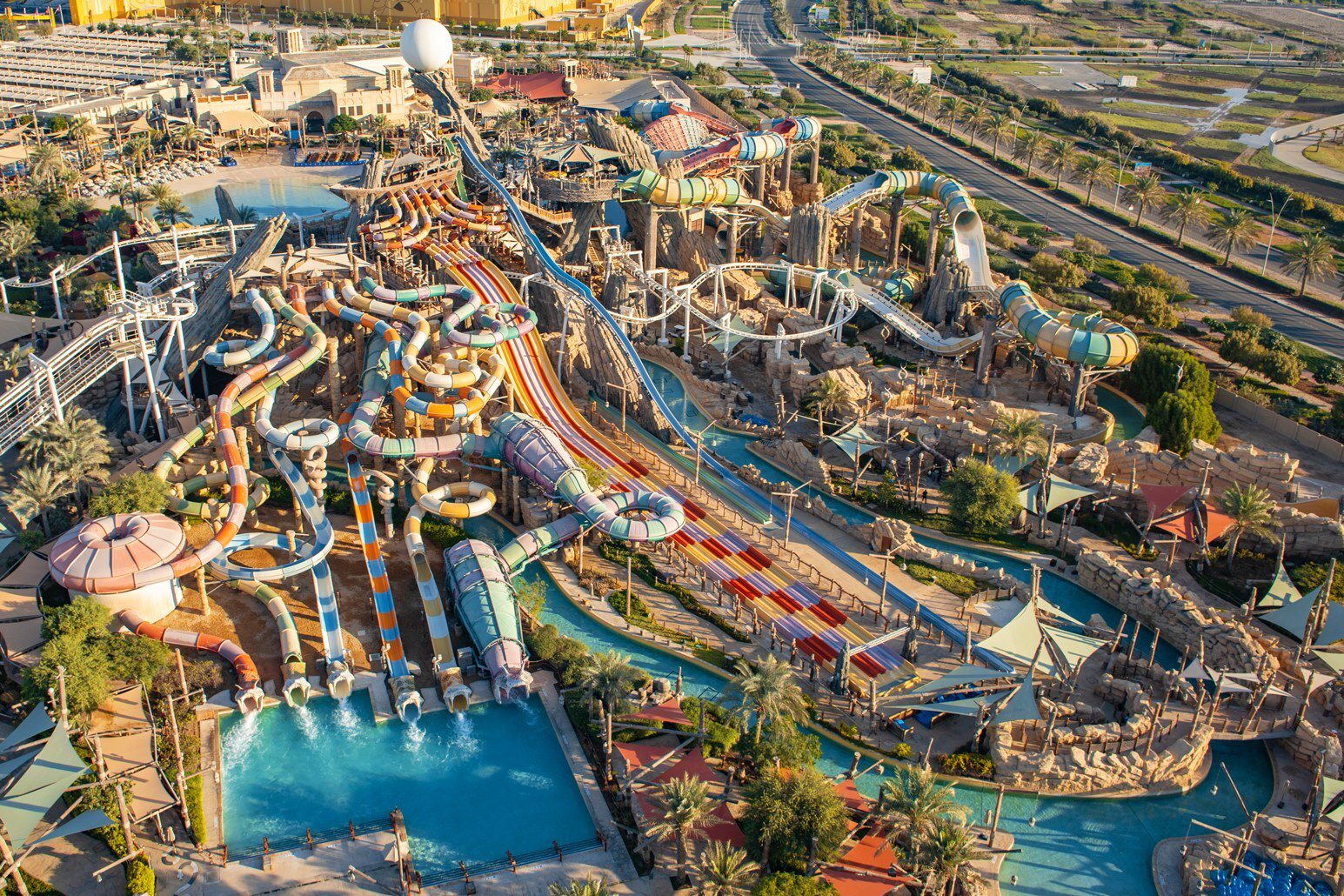
A dramatic expansion at Yas Waterworld has introduced Bandit’s Village, a new adventure zone featuring over 20 attractions, including a massive crocodile-themed slide and a reimagined storyline inspired by classic Arabian tales. The addition marks a significant enhancement to Abu Dhabi’s flagship water park, aiming to draw larger family crowds during the extended summer season.

Unveiled with theatrical flair, the centrepiece ride sends guests plunging through the jaws of a giant crocodile-like creature, a centrepiece built to evoke high drama and immersive storytelling. The new water attractions are framed within an interactive environment designed to transport visitors into the world of the Bandit, a long-standing character in the waterpark’s lore. Park officials confirmed that the development adds both visual spectacle and narrative continuity to the attraction, reinforcing the park’s position as a destination for experiential entertainment.

Spanning several zones and themed in intricate detail, Bandit’s Village includes multiple flume rides, splash pads, climbing features, and water tunnels, all constructed to appeal to children and adults alike. The area has been crafted to extend the duration of visitor engagement, providing more diverse experiences and encouraging longer dwell times. With extended operating hours throughout the peak travel months, the new zone is expected to contribute substantially to footfall and guest satisfaction.

The new expansion reflects Yas Island’s broader strategic emphasis on integrated family entertainment. With Abu Dhabi increasingly positioning itself as a regional leisure destination, the timing of the rollout aligns with efforts to boost tourism traffic, particularly among residents from the Gulf region and international travellers looking for curated family activities. This move is part of a wider pattern of competitive theming and investment by parks on Yas Island to match global leisure benchmarks.

Located within proximity to other major attractions such as Ferrari World and Warner Bros. World, Yas Waterworld has leveraged its thematic strength around Emirati culture and folklore to differentiate itself. The character of the Bandit has played a central role in the park’s storytelling framework since its inception, and the Village serves as an expanded narrative environment where guests can experience the backstory more fully through ride design, queue experiences, and environmental elements.

Guests can expect theatrical elements embedded into the ride sequences, with interactive lighting, sound effects, and character appearances throughout the zone. One of the signature features involves a multi-slide experience that mimics an escape from a bandit ambush, concluding in a dramatic plunge through the crocodilian mouth installation. Park designers have emphasised the attention given to architectural authenticity and atmosphere, using textured stonework, tribal motifs, and animated props to deepen immersion.

The opening of Bandit’s Village also responds to changing visitor expectations in the post-pandemic leisure economy. Analysts tracking theme park trends have noted a shift towards more story-driven and customisable experiences, as audiences seek environments that merge thrill with narrative depth. This aligns with Yas Waterworld’s long-term strategy of building on local cultural roots while embracing global design standards.

With Yas Waterworld already home to over 40 rides and attractions, the new zone increases its offering to more than 60, strengthening its profile as one of the Middle East’s largest water-based theme parks. Management teams behind the expansion have hinted at further phased developments within the Bandit storyline, suggesting that the current unveiling may be the first in a series of immersive expansions.

VISHNU RAJA
RYO YAMADA
HITORI GOTOH
IKUYO KITA