News related to
Partnerships

The official ceremony underscores Southeast Asia’s growing role in the global semiconductor value chain through collaboration, innovation and ecosystem-wide partnerships

KUALA LUMPUR, MALAYSIA – Media OutReach Newswire – 5 May 2026 – SEMICON Southeast Asia (SEMICON SEA) 2026 was officially launched today at the Malaysia International Trade and Exhibition Centre (MITEC), bringing together policymakers, manufacturers, suppliers, researchers, investors and emerging talent from across the global semiconductor ecosystem for three days of industry dialogue, technology showcases and business engagement.

The opening ceremony was officiated by YB Datuk Seri Johari Abdul Ghani, Minister of Investment, Trade and Industry (MITI), and attended by SEMI leadership, the Malaysian Investment Development Authority (MIDA) led by the Chief Executive Officer Datuk Sikh Shamsul Ibrahim Sikh Abdul Majid, and senior executives from global semiconductor companies.

Held under the theme ‘Transform Tomorrow’ in strategic partnership with MITI and MIDA, SEMICON Southeast Asia 2026 is expected to welcome more than 20,000 innovators, policymakers and technology experts. The three-day event focuses on key industry priorities including manufacturing scale-up, advanced packaging, intelligent manufacturing and workforce development, as companies respond to demand driven by artificial intelligence, high-performance computing and advanced electronics.

Datuk Sikh Shamsul Ibrahim Sikh Abdul Majid, Chief Executive Officer of MIDA, said Malaysia is approaching the next phase of semiconductor growth as an active builder rather than a beneficiary of global trends.

“The semiconductor industry is at an inflection point, and Malaysia intends to be at the centre of what comes next. Under the MADANI Economy Framework and the New Industrial Master Plan 2030, we are not simply maintaining our position in the global semiconductor supply chain, we are deliberately reshaping it. The NIMP 2030 sets a clear direction for the E&E sector to move beyond assembly and test into design, advanced packaging and innovation-driven manufacturing, and MIDA is here to make that transition real. The RM28.5 billion secured by the E&E sector in 2025 is proof that global confidence in Malaysia has not wavered. What we are now building is the ecosystem to match that confidence, through supply chain integration, local capability development and the kind of high-value partnerships that platforms like SEMICON Southeast Asia are uniquely placed to catalyse,” said Datuk Sikh Shamsul Ibrahim.

“SEMI’s role has always been to bring together the global semiconductor ecosystem, and that responsibility becomes even more important as the industry grows in scale and complexity. Today, innovation is no longer confined to a single segment. It requires closer alignment across design, manufacturing, materials and supply chains. SEMICON Southeast Asia provides a platform to bridge these different parts of the ecosystem, enabling stakeholders to engage in more meaningful collaboration and move from discussion to execution,” said Ajit Manocha, President and CEO of SEMI.

“As demand continues to be driven by artificial intelligence, high-performance computing and advanced electronics, the ability to coordinate across regions and capabilities will be critical. SEMICON Southeast Asia 2026 is not only about showcasing technology, but about strengthening the partnerships needed to support long-term industry growth and resilience.”

The event features key leadership programmes including the Executive Leadership Summit, MIDA Strategic Semiconductor Forum and Seminar, Sustainability and Energy Summit, TechZoomers Challenge and TalentCONNECT, reflecting SEMICON Southeast Asia’s role not only as an exhibition platform, but as a convening point for leadership, capability and execution across the region’s semiconductor ecosystem.

Marking over a decade of strategic collaboration, MIDA and SEMI today reinforce 12 years of a transformative partnership dedicated to elevating Malaysia’s standing in the global semiconductor value chain. This enduring alliance remains anchored on three core pillars designed to future-proof the nation’s industrial landscape:

  • Ecosystem Integration: Harmonising domestic and international supply chains to ensure seamless operational synergy.
  • Enterprise Capability: Empowering local businesses to scale their technical expertise and compete on a global stage.
  • Talent Advancement: Cultivating a high-skilled workforce as the essential bedrock of Malaysia’s long-term economic resilience and competitive edge.

SEMICON Southeast Asia 2026 runs from 5–7 May 2026 at MITEC, Kuala Lumpur, with participation from companies and organisations across Asia, the United States and Europe.

The issuer is solely responsible for the content of this announcement.

About MIDA

MIDA is the government’s principal investment promotion and development agency under the Ministry of Investment, Trade and Industry (MITI) to oversee and drive investments into the manufacturing and services sectors in Malaysia. Headquartered in Kuala Lumpur Sentral, MIDA has 12 regional and 20 overseas offices. MIDA partners with investors at every stage of their journey, supporting sustainable growth and long-term value creation for Malaysia. For more information, please visit and follow MIDA on X, Instagram, Facebook, LinkedIn, TikTok and YouTube.

About SEMI

SEMI® is the global industry association connecting over 4,000-member companies and 1.5 million professionals worldwide across the semiconductor and electronics design and manufacturing supply chain. We accelerate member collaboration on solutions to top industry challenges through Advocacy, Workforce Development, Sustainability, Supply Chain Management and other programs. Our SEMICON® expositions and events, technology communities, standards and market intelligence help advance our members’ business growth and innovations in design, devices, equipment, materials, services and software, enabling smarter, faster, more secure electronics. Visit , contact a regional office, and connect with SEMI on and to learn more.

Arabian Post Staff -Dubai   UAE authorities condemned a wave of missile and drone attacks on civilian sites after national air defence systems intercepted 12 ballistic missiles, three cruise missiles and four unmanned aerial vehicles on May 4, preventing wider damage in an escalation that has sharpened security concerns across the Gulf. Three people suffered moderate injuries and were taken to hospital, with officials identifying them as […]

Greenlogue/AP Ethiopia’s drive to turn abundant renewable electricity into wider power access and cheaper transport has gained fresh backing from Europe, with new UK and EU-linked investments targeting electric mobility, transmission upgrades and rural electrification. The latest financing adds momentum to Addis Ababa’s wider strategy of using hydropower-led electricity generation to cut fuel imports, expand industrial capacity and speed up the shift to electric vehicles. The UK […]

Auto China 2026 closed in Beijing on Sunday after setting new benchmarks for scale, attendance and vehicle premieres, reinforcing China’s position as the central battleground for electric vehicles, intelligent driving and next-generation automotive supply chains.

The 19th Beijing International Automotive Exhibition, held from April 24 to May 3, brought together nearly 1,000 companies from 26 countries and regions across two venues for the first time. Its 380,000 square metres of exhibition space, spread across 17 halls at the China International Exhibition Center in Shunyi and the Capital International Convention and Exhibition Center, made it the largest edition in the event’s history.

Organisers recorded 1.28 million visitors, including about 65,000 overseas attendees, underlining the show’s growing appeal beyond China’s domestic market. A total of 1,451 vehicles were displayed, including 181 world premieres and 71 concept cars, placing the event among the most active global platforms for new model launches.

The numbers told only part of the story. Auto China 2026 was dominated by a clear shift from conventional vehicle launches to software-defined mobility, artificial intelligence, battery breakthroughs and advanced driver assistance. Carmakers used the show not merely to present new models, but to demonstrate how quickly vehicles are becoming technology platforms.

China’s home-grown manufacturers were at the centre of the exhibition’s momentum. BYD, XPeng, Nio, Geely, Chery, Dongfeng and Huawei-linked brands showcased vehicles and systems aimed at defending their lead in the world’s largest car market while accelerating overseas expansion. Their focus was sharply aligned with consumer demand for longer range, faster charging, smarter cabins and more automated driving functions.

BYD highlighted fast-charging and low-temperature battery performance, including technology designed to charge under conditions as cold as minus 30 degrees Celsius. CATL drew attention with new battery systems promising ultra-fast charging and longer driving ranges, including a version of its Shenxing battery that can charge from 10 per cent to 98 per cent in about six and a half minutes. These advances added further pressure on global rivals still working to close gaps in battery cost, charging speed and supply-chain depth.

Huawei’s presence illustrated the growing power of technology suppliers inside the automotive ecosystem. Its intelligent driving systems, HarmonyOS cockpit technology and vehicle partnerships featured prominently across several brands. The company’s Qiankun advanced driving system was presented as part of a broader push into AI-assisted mobility, with claims of stronger collision avoidance and more natural in-car interaction.

XPeng used the event to promote intelligent driving features that can detect when a driver is unable to control the vehicle, pull over automatically and alert emergency services. Nio displayed its three brands, Nio, Onvo and Firefly, together at the same booth, signalling a wider product strategy covering premium, family and mass-market electric segments.

Foreign automakers also used Beijing to reset their China strategies. Volkswagen introduced China-focused electric models and AI-driven cockpit features developed with local partners, including XPeng and Horizon Robotics. BMW, Mercedes-Benz and Toyota presented products tailored to a market where customers increasingly expect high-end digital functions even in mid-priced vehicles.

The competitive pressure remains intense. China’s passenger car sales fell sharply in the first quarter from a year earlier, reflecting weaker subsidy support, cautious consumers and price competition across the sector. Exports, however, continued to expand strongly as China-made vehicles gained ground in Europe, Southeast Asia, Latin America and other growth markets.

That divergence shaped much of the discussion around the exhibition. Domestic demand is tougher, margins are thinner and consolidation risks are rising, yet China’s automakers and suppliers are moving faster on product cycles than many overseas competitors. More than 80 new models were launched in China in March alone, a pace that underscores the speed of iteration in the market.

Auto China 2026 also showed that global expansion is entering a new phase. Chinese manufacturers are no longer relying only on exports. Several are building or planning overseas production bases to reduce tariff exposure, ease regulatory concerns and strengthen local market access. Hungary, Turkey, Southeast Asia and Latin America have emerged as important destinations for investment.

India’s electronics manufacturing drive has gained fresh momentum after Ashwini Vaishnaw said the country was positioned to become a trusted global value chain and supply chain partner, placing semiconductors, mobile phones, artificial intelligence infrastructure and component manufacturing at the centre of its industrial strategy.

The Union Minister for Electronics and Information Technology, Railways and Information and Broadcasting made the remarks at the ground-breaking ceremony of the Google Cloud India AI Hub in Visakhapatnam, a project carrying an estimated investment of $15 billion. The facility, planned with Adani ConneX and Airtel Nxtra, will include a 1GW hyperscale AI data centre, with about 600 acres allocated across Turluvada, Rambilli and Adavivaram in Andhra Pradesh.

Vaishnaw’s comments reflect a broader policy effort to shift India’s role from assembly-led electronics manufacturing to deeper participation in global technology supply chains. The government is seeking to build domestic capability across finished devices, modules, sub-modules, components, raw materials, tools and manufacturing machinery, a progression seen as essential for reducing import dependence and gaining a larger share of global production.

Mobile phones remain the strongest evidence of that transition. Electronics production has risen from about ₹1.9 lakh crore in 2014-15 to about ₹11.3 lakh crore in 2024-25, while electronics exports climbed from about ₹38,000 crore to about ₹3.3 lakh crore over the same period. Mobile phone production expanded from about ₹18,000 crore to roughly ₹5.5 lakh crore, and mobile phone exports rose from about ₹1,500 crore to nearly ₹2 lakh crore, making the category one of the country’s most visible export successes.

Smartphones have become a leading export product, with Apple, Samsung, Tata Electronics, Foxconn, Dixon Technologies and other manufacturers playing prominent roles in the production ecosystem. The shift has been supported by the Production Linked Incentive scheme for large-scale electronics manufacturing, which helped attract global brands and contract manufacturers to expand capacity. The sector’s next phase, however, will depend less on assembly incentives and more on the availability of components, precision engineering, skilled labour, predictable taxation and faster logistics.

The Google Cloud project adds a digital infrastructure dimension to this manufacturing agenda. Vaishnaw urged global technology companies, including Google, to consider manufacturing servers, GPUs and chips in the country, arguing that the domestic data centre boom could create demand for high-value electronics and advanced computing hardware. Visakhapatnam is being positioned as an artificial intelligence hub, with subsea cable links expected to improve global connectivity through routes connecting Australia, the Middle East, Europe, Africa and the United States.

Semiconductors are the most strategic part of the plan. The India Semiconductor Mission has already helped draw investment into assembly, testing, marking and packaging facilities, chip design centres and fabrication proposals. Approved projects across several states include packaging units, display driver chip capacity and compound semiconductor facilities. The sector remains capital-intensive and technologically demanding, and India is entering a field dominated by Taiwan, South Korea, the United States, Japan, the Netherlands and China. Timelines, execution quality and ecosystem depth will determine whether the country can move beyond packaging and design services into higher-value production.

The government’s target of building a $500 billion domestic electronics ecosystem by 2030-31 is ambitious. It requires not only export-led growth but also a domestic supplier base for printed circuit boards, camera modules, batteries, displays, sensors, connectors, power electronics and semiconductor materials. Without local component depth, headline export gains can mask high import content, limiting value addition and leaving manufacturers exposed to currency swings and global supply disruptions.

Industry executives have generally welcomed the policy focus but continue to point to operational challenges. High logistics costs, customs procedures, dependence on imported inputs, limited component clusters, power quality, land acquisition delays and uneven state-level implementation remain constraints. Global companies also compare India with Vietnam, Mexico, Malaysia and Thailand when allocating production, making policy certainty and execution speed critical.

Labour availability is one of India’s advantages. Electronics manufacturing has generated large-scale employment, including substantial hiring of young women in assembly lines and component facilities. This has helped states such as Tamil Nadu, Karnataka, Uttar Pradesh, Andhra Pradesh and Gujarat compete for investment. Yet sustained growth will require improvements in industrial training, factory housing, transport, safety standards and career progression, particularly as production moves from assembly to precision manufacturing.

Geopolitics has created an opening. Companies are diversifying supply chains because of trade tensions, tariff risks, pandemic-era disruptions and concerns over concentration in China. India’s democratic institutions, large market, engineering talent and improving infrastructure make it a credible candidate for “China plus one” strategies. The challenge is to convert interest into anchored manufacturing networks that include suppliers, tooling companies, testing labs, logistics providers and research partnerships.

  Chainlink has drawn fresh attention from digital-asset investors after a string of institutional tie-ups strengthened its claim to be a core infrastructure layer between traditional finance and blockchain-based markets. The latest push centres on the integration of market data from SIX Swiss Exchange and BME Exchange, bringing equities with a combined value of more than €2 trillion on-chain through Chainlink’s DataLink service. The move gives decentralised […]

Arabian Post Staff -Dubai Abu Dhabi National Oil Company will award Dh200 billion worth of project contracts between 2026 and 2028, marking one of the largest new execution phases in the Gulf energy sector as Abu Dhabi moves to expand capacity, secure supply chains and deepen local manufacturing. The planned awards, equivalent to about $55 billion, form the first major tranche of ADNOC’s $150 billion capital expenditure […]

Advertisements

Arabian Post Staff -Dubai Damac International has launched Harir Residences inside its Damac Hills Baghdad master community, adding twin premium residential towers to a capital city property market increasingly shaped by private developers, affluent buyers and demand for planned urban living. The project comprises two 12-storey towers with 210 apartments, offering one-, two- and three-bedroom units. The towers are positioned within a larger community near Baghdad International […]

Having led 100+ Hong Kong tech firms to SE Asia over the past year, accelerating global expansion through strategic collaboration

HONG KONG SAR – Media OutReach Newswire – 30 April 2026 – Hong Kong Science and Technology Parks Corporation continues to deepen its innovation and technology (I&T) collaboration with Southeast Asia, actively playing an orchestrating role in supporting Hong Kong’s tech firms go global. HKSTP debuted as an official exhibitor at Southeast Asia’s largest public safety conference, Milipol TechX Summit 2026 (MTX 2026). Under the theme “Supercharging Innovation for Our Safer Tomorrow”, MTX 2026 is a strategic platform to advance business opportunities through government-backed collaboration. HKSTP showcased 10 park companies presenting breakthrough public safety solutions and signed a Memorandum of Understanding (MoU) with Singapore’s TechX Ventures (TechX, a private subsidiary by the HTX – Home Team Science and Technology Agency of Singapore) — HKSTP’s first MoU signed with an organization in Southeast Asia — establishing a structured framework to advance cross-border innovation partnerships focused on practical applications in public safety.

HKSTP debuted as an official exhibitor at Southeast Asia’s largest public safety conference, Milipol TechX Summit 2026 (MTX 2026). Eric Or, Chief Ecosystem Development Officer and Gladys Oon, Director of Partnerships and Account Management of HKSTP, officiated the opening of HKSTP Pavilion.

Singapore and Hong Kong share a substantive relationship, grounded in regular high-level engagement. These include the Prime Minister of Singapore’s official visit to Hong Kong last month, during which he met with the Chief Executive of the Hong Kong Special Administrative Region and visited the Hong Kong Park of the Hetao Shenzhen-Hong Kong Science and Technology Innovation Co-operation Zone (the Hong Kong Park in the Loop). The I&T connection also features HKSTP-led delegations to Singapore platforms such as Singapore Week of Innovation and Technology (SWITCH) and SLINGSHOT 2025, etc. Over the past year, more than 100 HKSTP park companies explored Southeast Asian opportunities, securing over HK$25 million in confirmed business deals with additional potential contracts exceeding HK$20 million directly supported by HKSTP.

Eric Or, Chief Ecosystem Development Officer, HKSTP, said, “At HKSTP, we enable innovators to solve real public safety challenges where trust and demonstrated results matter most. Collaborating with TechX and Singapore’s Public Safety ecosystem gives ventures faster access to decision-makers, enables solution testing in operational environments, and supports scaling validated technologies across Asia.”

Eric Chua, Chief Executive Officer, TechX Ventures said: “SPINN District was designed to be more than a startup village — it is a proving ground where bold founders showcase innovations that matter. Seeing HKSTP’s park companies engage meaningfully with the global public safety ecosystem at MTX 2026 reflects exactly the kind of cross-border momentum we built this platform for. This MoU marks the beginning of something lasting: a structured pipeline that turns innovation into operational impact, as we work together to build a safer world.”

The collaboration between HKSTP and TechX is aimed to establish a comprehensive framework to identify, co-create, and validate operational public safety solutions. Under the partnership, HKSTP and its counterparts will move from identified needs to real deployment through annual solution scouting visits to Hong Kong Science Park, funding of around HK$600,000 (S$100,000) per company for proof-of-concept trials with Singapore Public Safety experts, and an ongoing exchange of challenges and insights. This demand-led model accelerates problem-solution fit and reinforces HKSTP’s leadership in regional safety technology collaboration.

The HKSTP Pavilion, themed “Hong Kong’s Technology for Public Safety and Security — Global Application and Global Impact,” featured 10 park companies showcasing solutions proven in deployments across Hong Kong enforcement departments, the Greater Bay Area, and Singapore-related projects. Cutting-edge public safety technologies were showcased across AI-Driven & Robotics, Network & Communications Infrastructure, and Drones, Unmanned Aerial Vehicle (UAV) & Low-altitude Economy (LAE). MTX is the largest public safety conference in Southeast Asia, the HKSTP pavilion is strategically positioned within the startup-centric SPINN District, effectively facilitated targeted engagements, secured curated matching opportunities with Singapore government agencies for each participating company, and advanced pilot projects and partnerships.

Park companies eSIX and Weitu AI participated in the signature global innovation challenge Dimension X Cohort 6 and the inaugural cohort of the In-Beta tech verification capability programme organized by Hatch, the innovation centre of Singapore’s HTX, achieving significant success. These companies were the only Hong Kong representatives selected for the programmes, underscoring the global competitiveness and real-world impact of Hong Kong’s innovation ecosystem. eSIX, which delivers patented high-speed networking for Industrial IoT and 5G-enabled remote machine control, was awarded a place at Dimension X. The company received S$100,000 in prize money to complete a four-month proof-of-concept and was invited to showcase its solutions. Weitu AI, which provides world-leading multimodal video understanding for fast, accurate analysis across industries was awarded a place at In-Beta, received S$30,000 in prize money with opportunities to verify their promising tech through rapid experimentation and onsite demo.

Building on existing engagement across the region, HKSTP will continue to strengthen collaboration with regional partners, expand support for park companies, and promote technology‑driven solutions that enhance safety and resilience. The initiative reflects HKSTP’s ongoing commitment to fostering sustained innovation and regional cooperation.

Hashtag: #HKSTP

The issuer is solely responsible for the content of this announcement.

About Hong Kong Science and Technology Parks Corporation

Hong Kong Science and Technology Parks Corporation (HKSTP), established in 2001, has built a thriving innovation and technology (I&T) ecosystem in Hong Kong, supporting 12 unicorns, nurturing over 17,000 research talents, and hosting more than 2,500 technology companies from 26 countries and regions specializing in biomedicine, AI and robotics, fintech, and smart city development. HKSTP is dedicated to positioning Hong Kong as an international I&T hub.

To align with Hong Kong’s future development, HKSTP is committed to attracting and cultivating I&T talent, accelerating the commercialization of innovative outcomes, and providing comprehensive support for technology companies and professionals on their innovation journey. Its vibrant I&T ecosystem continues to grow, encompassing Hong Kong Science Park in Pak Shek Kok, InnoCentre in Kowloon Tong, and three InnoParks in Tai Po, Yuen Long, and Tseung Kwan O. These facilities drive advancements in applied technology, focusing on industries such as advanced manufacturing, micro- electronics, and biotechnology, steering Hong Kong toward new industrialization.

Hong Kong Science Park Shenzhen Branch, located in Futian, Shenzhen, leverages the strategic advantage of “support of the Motherland, connecting to the world.” It serves as a bridge for “bringing in and going global,” actively fostering cross-border I&T collaboration. The Shenzhen Branch supports global technology companies and professionals by providing research and collaboration spaces, with a focus on enterprises in seven key sectors: Medtech, big data and AI, robotics, new materials, microelectronics, fintech, and sustainable development.

HKSTP is dedicated to advancing Hong Kong’s I&T development by providing research infrastructure, startup and enterprise support services, professional investment and business expertise, fostering partnership networks, and attracting top talent. These efforts drive innovation as a new engine for economic growth for Hong Kong.

More information about HKSTP is available at .

About TechX Ventures

TechX Ventures is a wholly owned subsidiary of Singapore’s Home Team Science & Technology Agency (HTX) that operates at the intersection of government mandate and entrepreneurial drive. TechX serves as the engine behind a thriving innovation ecosystem where cutting-edge science and technology are put to work protecting people.

At the heart of it, TechX is established to connect global innovators and partners in advancing public safety innovation. Guided by our Safer World philosophy — the belief that progress means nothing if it doesn’t safeguard public safety — TechX approaches safety not as a sector, but as a shared mission. This conviction shapes every partnership forged, every programme designed, and every measure of success. Safety, at TechX, is our purpose.

TechX delivers its mission through two core areas of expertise: to build and to connect. TechX designs and develops innovation initiatives and programmes alongside partners from across the globe, including flagship platforms such as HTX’s Innovation Centre, Hatch — a structured innovation centre that gives frontier deep-tech a clear pathway to validate and deploy solutions for real public safety challenges. TechX also bridges industry, startups, and government agencies into a global network, producing landmark events such as Millipol TechX, and bringing international communities like DEF CON® to Singapore for the first time.

With active partnerships spanning over 30 ecosystems globally — from Hong Kong to South Korea, and the United States, TechX sits at the heart of a growing worldwide alliance united by one ambition: Bringing Together a Safer World.

  • New strategy highlights synergy among Global Payment, Global Account and Inclusive and Embedded Finance services built on progress in AI and interoperability.
  • As a foundation to the business, Ant International’s global payment services support over 300 payment methods, including more than 10 national QR systems and 50 digital wallets and bank apps, and exceed 20 million daily transactions on average.

KUALA LUMPUR, MALAYSIA – Media OutReach Newswire – 30 April 2026 – Ant International now connects over 150 million global merchants with more than 2 billion user accounts globally, the company disclosed at its flagship MoMents 2026 fintech executive forum in Kuala Lumpur, Malaysia.

Ant International CEO Peng Yang shares the company's global strategy for the era of AI commerce
Ant International CEO Peng Yang shares the company’s global strategy for the era of AI commerce

Ant International is a leading global digital payment, digitisation and financial technology provider. The company now supports 300+ payment methods in over 220 markets, including all card schemes, 50 mobile payment partners and more than 10 national QR systems, including Singapore’s SGQR, Malaysia’s DuitNow, South Korea’s ZeroPay, Thailand’s PromptPay, Indonesia’s QRIS, Sri Lanka’s LankaPay, and more. It recently onboarded more leading global e-wallets and bank apps such as iFAST Global Bank from the UK, KBank and SCB from Thailand, barq from Saudi Arabia and ShopeePay from Southeast Asia.

With an average of over 20 million transactions daily, Ant International is building broader market reach through new licenses and partnerships in Asia, Latin America and EMEA. In Vietnam, it partners with NAPAS and Vietcombank to roll out cross-border QR payment service, and is also working with the Ho Chi Minh City government on the development of an international financial centre. In Latin America, it formed a strategic partnership with Mexican fintech company R2 in late 2025, supporting the expansion of SME lending across the region. In the Middle East, Ant International collaborates with the Saudi Central Bank (SAMA) and national payment network mada, with plans to introduce Alipay+ cross-border QR payments in 2026. Its recent initiatives also include plans to roll out Islamic finance programs in Southeast Asia and other emerging markets.

While serving businesses in their global expansion, Ant International also ranks in first place in terms of the number of global accounts it has been managing for businesses, particularly SMEs, engaged in cross-border commerce.

“New models of financial interoperability and AI commerce give us powerful tools to help global giants as well as mom-and-pop shops to increase resilience and expand revenue streams,” said Peng Yang, CEO, Ant International. “A broader and deeper network means we can work with more partners on more levels to deliver more innovative, trusted, and high ROI fintech solutions in the world’s fastest growing markets.”

Layered solutions for enterprises, SMEs and emerging markets to achieve inclusive growth

Yang underlined a strategy to combine the forces of its four main businesses – Alipay+, Antom, Bettr and WorldFirst – to offer more connected growth solutions for businesses of all sizes.

  • Global payment: Making payments a growth engine for businesses of all sizes to thrive in the global digital economy.
  • Global account: Enabling AI-powered borderless global accounts for businesses of all sizes, and serving as the ticket to digital trade and commerce. This makes ‘born global’ a reality for all businesses from day one.
  • Strategic value boosters: Leveraging innovation and technology to deliver embedded financing, credit and treasury solutions that power inclusive growth.
  • Innovation and technology leadership: Grounded in extensive expertise in supporting global payments and businesses of all sizes, Ant International’s leading AI and blockchain solutions are co-developed with customers, partners and regulators to deliver real impact while ensuring security and compliance.

Go-to-market FinAI solutions for real-world problem solving

Working with top LLMs, card schemes and other fintechs, Ant International builds out FinAI capacities and solutions for merchants and financial institutions to tackle real-world growth and security challenges. Key examples include:

Agentic Mobile Protocol (AMP)

At MoMents 2026, Ant International has introduced the open-sourced AMP – the world’s first agentic payment framework designed for mobile interfaces – to help drive AI commerce. The protocol enables secure, AIOps-native agentic payment connection to mobile services including digital wallets, banking apps, super apps, and mobile portals from phones to wearable devices.

AI-as-a-Service Platform

Ant International’s AI-as-a-Service platform GenAI Cockpit equips fintech partners with tools to build a wide range of agentic solutions, from customer-service assistants to sales copilots. Malaysia’s leading e-wallet TNG eWallet, and easypaisa, Pakistan’s first digital bank, are using the platform to deliver better customer experiences with AI.

AI SHIELD

Ant International’s 3-in-1 risk management transformer maintains trust in the ecosystem by providing a robust security layer underpinning all transactions processed by the company. The model is supported by over 7 billion parameters, and combines graph, sequential and tabular data to identify high-risk transactions with over 95% precision, while improving payment success rates by up to 13.5%.

Falcon TST AI FX model

The industry-first MoE-based AI FX model makes long-term forecasts with prediction accuracy of up to 93%, leveraging over 8.5 billion parameters. Deployed internally at Ant International to manage cashflow and FX exposure on an hourly, daily and weekly basis, Falcon TST has helped to cut the company’s FX costs by up to 60%. The model was open-sourced in 2025 to expand access to its capabilities and invite collaboration to advance time-series learning.

EPOS360

A pioneering AI-powered SME app, EPOS360 integrates practical AI tools with POS system, payments, banking, financing and growth operations for small businesses. The suite of AI-powered tools and payment capabilities was launched in Singapore, and is also available to merchants in Malaysia as a mini-programme via TNG eWallet.

Antom Copilot

Antom Copilot provides automation and assistance for merchants based on learnings from real-world cases, improving efficiency of services such as chargeback dispute handling by up to 46%. Within a year of its launch, 72% of Antom-onboarded merchants completed self-service payment integration with the copilot.

At the MoMents 2026 fintech executive forum held in Kuala Lumpur, Malaysia, executives from global payment networks, banks, fintechs, tech companies, and governors came together to discuss the future of financial services in the era of AI commerce. Conversations focused on new forms of payment transformation, multi-layer global interoperability, super app evolution with AI-native tech, innovation of Islamic financing and initiatives around trust and security.

Ant International launched its Digital Business Center in Kuala Lumpur in 2024.
Hashtag: #AntInternational

The issuer is solely responsible for the content of this announcement.

About Ant International

Ant International is a leading global digital payment, digitisation and financial technology provider. Through collaboration across the private and public sectors, our unified techfin platform supports financial institutions and merchants of all sizes to achieve inclusive growth through a comprehensive range of cutting-edge digital payment and financial services solutions. To learn more, please visit

  • Rhenus Group acquires remaining 49 percent of LBH Group, achieving full ownership
  • Partnership further strengthens global maritime and port logistics network
  • LBH continues operating under its renowned brand while maintaining its recognized service quality

SINGAPORE – Media OutReach Newswire – 29 April 2026 – Rhenus Group announced the successful closing of the acquisition of the remaining 49 percent stake in LBH Global Agencies Inc. LBH Group is a globally active port agency with business sites in 24 countries worldwide. As an international maritime shipping agency, LBH Group manages incoming and outgoing vessels handling bulk goods, liquid cargo, containers, and general cargo. With the acquisition of the remaining shares from the Lagendijk family, the company is now a wholly owned subsidiary of Rhenus – a strategic step that has been pursued since the two companies joined forces in 2023. For many years, both parties have fostered a close and trustful relationship based on a shared goal.

Joined expertise for strong international customer service

The partnership between Rhenus and LBH Group was initially established with the shared objective of combining LBH’s global reach in port agency services with the international logistics network of Rhenus. Since then, the collaboration has strengthened both companies’ capabilities, enabling the development of more comprehensive service offerings and supporting customers with increasingly customized, resilient, and efficient supply chain solutions. Uniting two highly skilled and specialized teams marks another milestone in the Rhenus Group’s strategic growth plan in global trade, aiming to expand its network and foster supply chains worldwide.

Under full ownership, LBH Group will remain a central pillar of the maritime strategy of Rhenus. The company will continue to operate under its established brand, maintaining its market presence and well-recognized service quality. Inspired by the vision of expanding global logistics operations as one global team, the acquisition underscores the importance of reliable partnerships that continue to pave the way for the Rhenus Group’s growth trajectory.

Hashtag: #Rhenus

The issuer is solely responsible for the content of this announcement.

About Rhenus

The Rhenus Group is one of the leading logistics specialists with global business operations and annual turnover amounting to EUR 8.2 billion. 39,000 employees work at 1,300 business sites in more than 70 countries and develop innovative solutions along the complete supply chain. Whether providing transport, warehousing, customs clearance or value-added services, the family-owned business pools its operations in various business units where the needs of customers are the major focus at all times.

Arabian Post Staff -Dubai Etihad Airways has launched a codeshare partnership with Air Cambodia, widening its Southeast Asian network and giving travellers a single-ticket connection from Abu Dhabi and beyond to Siem Reap through Phnom Penh. The agreement allows Etihad customers to book journeys from across its international network to Siem Reap, the gateway to the Angkor Wat temple complex, via the Cambodian capital. The arrangement includes […]

SINGAPORE – Media OutReach Newswire – 28 April 2026 – The Institute of Singapore Chartered Accountants (ISCA) held its 2025/2026 Annual General Meeting (AGM) on 24 April 2026, where members reflected on a year of deliberate investment to strengthen member value and looked ahead to the priorities for the year ahead. The AGM also saw the election and appointment of the 2026 ISCA Council.

This year’s AGM saw members returning to Singapore to attend in person, alongside strong participation from those joining virtually.

A year of reset and strategic investment

In 2025, ISCA recorded its first operating deficit in a decade. This was the result of a deliberate decision to invest in areas that will strengthen the Institute’s long-term value to members and the profession. ISCA continues to maintain a strong financial position, with healthy reserves and a resilient balance sheet.

Rather than maintaining the status quo, ISCA undertook a year of reset and renewal, with spending focused on building stronger capabilities, growing the talent pipeline, expanding into new markets and building new growth engines.

ISCA emphasised that these investments were not made for growth alone, but more importantly, to better support members and provide greater member value in a rapidly evolving business and professional landscape.

Looking ahead, ISCA’s priorities remain clear: to deliver a better member experience, strengthen the talent pipeline and enhance its regional relevance. In 2026, the focus will be on ensuring that these investments translate into tangible and visible outcomes for members.

Expanding opportunities through internationalisation

At the AGM, ISCA Council and management addressed members’ questions on the institute’s plans to expand internationally. ISCA’s regional efforts are aimed at making it easier for members to access opportunities beyond Singapore. For members based in Singapore, this means more job opportunities, potential clients and partnerships across the region. For members based overseas, it means stronger local support and a more connected ISCA network where they live and work. ISCA CEO Ms Fann Kor cited an example of a member who had spent over 20 years building his career in China and was looking to return to Singapore. Through ISCA’s network, he was connected to a listed company seeking deep China experience, creating an opportunity that would otherwise have been difficult to access.

Progress across key areas

Despite being an investment year, ISCA reported progress across several areas:

  • Membership grew to 43,500, with 11% growth and a 98.3% renewal rate
  • ISCA House recorded 30,000 visits, with member satisfaction at 94%
  • Singapore Chartered Accountant Qualification (SCAQ) candidate numbers grew by 37%, including 400 overseas candidates
  • ISCA expanded its regional footprint to 12 overseas chapters across 9 countries, with 6 overseas offices and 3 Professional Services Centres
  • Chartered Accountants Lab (CA Lab) readership reached 39,000, across more than 30 countries
  • ISCA developed 8 AI agents and implemented 180 system enhancements to improve access and member experience
  • ISCA Academy delivered close to 199,000 Continuing Professional Development (CPD) hours, while reducing average cost per hour by 6% to $37.70
  • ISCA Cares marked its 10-year milestone, disbursing $1.5 million and supporting nearly 500 students
  • For the first time, SCAQ is being promoted beyond Singapore, making ISCA the first professional body in Asia to promote our national CA qualification overseas
  • The SCAQ was embedded in an overseas university for the first time, at Nanjing University of Finance and Economics

2026 ISCA Council Lineup

The newly-elected Council Members are:

  • Mr Alan Chang Chi Hsung, Managing Director, OA Assurance PAC
  • Ms Chua Siew Hwi, Senior Vice President, Changi Airport Group
  • Mr Quah Zheng Wei, CEO, Accredify Pte Ltd
  • Ms Tan Aik Na, Senior Vice President (Administration), Nanyang Technological University
  • Ms Yong Zen Yun, Partner, General Assurance Leader, Pricewaterhousecoopers LLP

The re-elected Council Members are:

  • Ms Jocelyn Goh Chern Ni, Audit & Assurance Partner, BDO LLP
  • Mr Koh Wee Kwang, Director, Nexia Singapore PAC
  • Mr Lee Boon Teck, Regional Managing Partner, Audit & Assurance, Deloitte & Touche LLP

The Council also appointed Ms Juliet Teo Juet Sim, Joint Head, Portfolio Development Group and Head, Ecosystem Enablement, Temasek Singapore Pte Ltd. Ms Teo was appointed for her expertise on how the finance profession is evolving in response to changing business models, sustainability priorities and global economic trends.

Office bearers

At the first Council meeting following the AGM, the ISCA office bearers were appointed. Mr Teo Ser Luck, immediate past president, was also appointed as ISCA Adviser.

President: Mr Lee Boon Teck

Vice Presidents:

  • Ms Ang Suat Ching
  • Ms Jocelyn Goh

Treasurer: Mr Song Yeow Chung

Secretary: Ms Judy Ng

Leadership perspectives

The newly elected ISCA President, Mr Lee Boon Teck, said: “The investments we have made over the past year lay the groundwork for a stronger, more connected profession. Our focus now is to ensure that every member, whether they are starting their career, leading an organisation, or building a practice overseas, can see and feel the difference ISCA makes. I am honoured to lead ISCA at this pivotal moment, and I look forward to working with the Council and our members to build on the strong foundations we have in place.”

ISCA Adviser and immediate past President Mr Teo Ser Luck said: “It has been a great privilege to serve ISCA, our members, and the accountancy sector over the past four years. This journey has been one of the most fulfilling I have ever embarked on. None of it would have been possible without an exceptional Council, a dedicated management team, and members who believed in what we were building together. My sincere appreciation to ISCA and our members for the opportunity to serve.”

ISCA CEO Ms Fann Kor said: “2025 was a year of deliberate investment to strengthen what matters most to our members and to the profession. We invested in the talent pipeline, member support, digital capability and regional connectivity so that ISCA can continue to stay relevant and useful in a changing environment. I would also like to thank Mr Teo Ser Luck for his leadership and contributions over the past four years. Under his stewardship, ISCA made meaningful progress in strengthening the profession, growing the Singapore CA Qualification and expanding our regional footprint. Management looks forward to working closely with the new Council to turn these investments into stronger outcomes and clearer value for members.

For the biographies of the elected office bearers, new and re-elected Council Members, please click here.
Hashtag: #DifferenceMakers #Accountancy #ISCACouncil #AGM

The issuer is solely responsible for the content of this announcement.

Institute of Singapore Chartered Accountants (ISCA)

The Institute of Singapore Chartered Accountants (ISCA) is the national accountancy body of Singapore. Established in 1963, ISCA administers the Singapore Chartered Accountant Qualification programme and is the designated entity by the Singapore Ministry of Finance to confer the Chartered Accountant of Singapore [CA (Singapore)] designation.

ISCA supports over 43,000 members across industries in Singapore and globally, with members in more than 40 countries. With a growing international presence, ISCA has 12 overseas chapters, 7 offices across 10 countries and a network of over 150 strategic partners, strengthening professional connections and opportunities across borders. ISCA is also a member of Chartered Accountants Worldwide, a global network representing more than 1.8 million Chartered Accountants and students across over 190 countries.

ISCA advances professional development and lifelong learning through ISCA Academy, its training arm and drives community impact through ISCA Cares, its charity arm.

For more information, visit .

  • Agentic Mobile Protocol (AMP) is the world’s first agentic payment framework designed for mobile interfaces, including digital wallets, super apps, and wearable devices.
  • Fully open-sourced, the protocol enables LLMs, platforms and merchants’ seamless agentic connection to 4.4 billion digital wallet users worldwide through simple and secure integration.

KUALA LUMPUR, MALAYSIA – Media OutReach Newswire – 28 April 2026 – Ant International is introducing the Agentic Mobile Protocol (AMP) for the agentic commerce industry to enable secure, AIOps-native agentic payment connection to mobile services including digital wallets, banking apps, super apps, and mobile portals from phones to wearable devices.

Ant International launches Agentic Mobile Protocol (AMP), the world’s first agentic payment framework designed for mobile interfaces, including digital wallets, super apps, and wearable devices.

“We are deeply grateful for partners, acquirers and developers who contributed to this project. An agentic protocol for mobile commerce that ensures superior efficiency and security results will be key for businesses large and small expanding into the world’s fastest growing markets. We look forward to expanding our multi-layered partnerships to enable real-world successes of AI commerce,” said Jiang-Ming Yang, Chief Innovation Officer, Ant International.

Wallets and mobile payment key driver for agentic commerce

The global agentic commerce market could reach around USD 28 billion by 2030 with a 46% CAGR as the industry fast-forwards from pilot AI agent programs to full-scale autonomous transaction systems[1]. The number of global digital wallet users reached 4.4 billion in 2025, and is expected to exceed 6 billion – over 75% of the global population – by 2030[2].

While the new payment rails are positioned to become a primary interface for AI commerce, current AI payments protocols are designed largely for card rails. Merchants and digital wallets need to be able to offer smooth payment experience, authenticate trusted agents and verify credentials without disruption, as well as seamlessly handle post-checkout settlement and transaction management tasks in a mobile- and AI-native environment.

With the Agentic Mobile Protocol, merchants – LLMs, AI platforms, merchants with self-developed agents, and agent builders – and digital wallets can embed agentic payment functionality directly into their workflows, eliminating the need for system overhauls.

Ant International has open-sourced the AMP to help establish a universal, auditable standard to ensure that AI agents can transact securely and seamlessly across any global platform.

The AMP framework features:

  • A superior agentic checkout experience through:
    • Faster agent integration: reducing the number of steps required to link a payment agent to a digital wallet by 50% compared to traditional card-binding methods.
    • Money-back guarantee: every agent-initiated transaction is backed by a money-back guarantee mechanism for payment partners in cases of account takeovers.
    • Cross-device compatibility: payment agents can work on mobile interfaces across smartphones, smartwatches, AR glasses and in-car systems, a capability absent in card-based systems.
  • A more efficient and secure trust architecture for agent delegation to ensure secure and precise delegation of payment authority to AI agents — whether it is ordering coffee, booking a ride, or planning a trip – with full visibility and the ability to revoke or modify tasks at any time.
  • A high-frequency agent-to-agent (A2A) settlement mechanism enables automated, ultra-small transactions between AI agents. It’s capable of handling nano-transactions as small as $0.000001 between agents with real-time accounting and clearing. A2A settlement is crucial to agentic economy, which requires the capacity to process high-frequency, sub-cent agent transactions that traditional payment rails cannot support.
  • A full-spectrum Know Your Agent (KYA) framework establishes an agent’s digital identity and certifies its authorised capabilities. The proprietary Agent Trust Rating mechanism offers an additional layer of protection, a dynamic risk-management tool that determines whether an agent is trustworthy and controls the level of autonomy.

A 40 member-strong wallet ecosystem in cross-sector coordination

Ant International is working with wallet partners of Alipay+, the company’s global wallet gateway, to implement the AMP. Alipay+ now connects over 40 digital wallet partners, covering 1.8 billion user accounts and 150 million merchants globally.

Building on this payment partnership network that spans wallets, acquirers, super apps and cards, Ant International is among the first partners of Mastercard and Visa to pilot card-based transaction capabilities for AI agents, while collaborating with Google on its protocols for agentic commerce and payments.

Hashtag: #AntInternational

The issuer is solely responsible for the content of this announcement.

About Ant International

Ant International is a leading global digital payment, digitisation and financial technology provider. Through collaboration across the private and public sectors, our unified techfin platform supports financial institutions and merchants of all sizes to achieve inclusive growth through a comprehensive range of cutting-edge digital payment and financial services solutions. To learn more, please visit

By Saifur Rahman GCC financial wealth is projected to grow by roughly 4.7–5.2 percent annually, reaching US$3.5 trillion by 2026–2027, up from US$2.7–US$2.8 trillion in 2021–2022, driven by high oil prices, robust IPO activity in the UAE and Saudi Arabia, and a rising influx of high-net-worth individuals, according to a report by Boston Consulting Group. The recently announced plans by the UAE Government to automate 50 per […]

SINGAPORE – Media OutReach Newswire – 28 April 2026 – Asia Pacific Rayon (APR), a leading global manufacturer of viscose rayon, has reinforced its long-term commitment to customers in Indonesia and India through a series of targeted industry engagements.

The company recently marked its eighth consecutive participation at Indo Intertex Expo in Jakarta, where it showcased new opportunities for viscose and lyocell fibres and strengthened relationships across the textile value chain. The exhibition brought together suppliers and buyers seeking new product ideas and business opportunities, giving APR a platform to deepen collaboration and expand market connections.

Central to APR’s Jakarta presence was a showcase featuring seven partner companies spanning spinning, weaving, knitting and garment manufacturing. By presenting these partners together, APR, a member of the RGE group of companies founded by Sukanto Tanoto, demonstrated the interconnected ecosystem underpinning Indonesia’s textile sector and the shared value created through close collaboration between fibre producers and downstream manufacturers.

A highlight of the showcase was a dedicated display of lyocell fabrics designed for batik applications. Batik, the wax-resist dyeing craft recognised by UNESCO as part of Indonesia’s cultural heritage, remains central to the nation’s textile identity. Lyocell’s compatibility with traditional dyeing methods offers artisans the opportunity to combine heritage craftsmanship with modern fibre innovation.

Building on this momentum, APR continued its engagement in India through participation in the Fibers & Yarns Expo in Mumbai, one of India’s premier textile trade fairs and a vital networking platform for the country’s extensive supply chain. The event enabled APR to deepen market engagement, forge new partnerships and reconnect with a rapidly expanding customer base.

At the Mumbai exhibition, APR introduced BVF, a finer denier viscose engineered for fine count spinning applications and targeting premium segments such as high-end fashion, athleisure, intimate apparel and home textiles. The Indian market continues to present significant growth potential as manufacturers seek reliable fibre supply, consistent product quality and proactive technical support to meet evolving consumer demands both domestically and internationally.

Sachin Malik, Commercial Head, Asia Pacific Rayon, said: “In the current market scenario, success is not a solo pursuit. It is about how effectively we integrate into our customers’ reality. Our strategy in Indonesia and India demonstrates that fibre producers must align their growth with the success of customers and the wider textile value chain.”

As regional supply chains face increasing pressure to become more resilient, APR’s exhibition strategy underscores a clear message: in textiles, competitive advantage is built not through scale alone, but through trusted partnerships that deliver stability, technical expertise and shared progress.
Hashtag: #RGE #APR #viscose #rayon #Indonesia #India

The issuer is solely responsible for the content of this announcement.

About Asia Pacific Rayon

Asia Pacific Rayon (APR), based in Indonesia, is Asia’s first fully integrated viscose rayon producer, from plantation to fibre. APR, which has a capacity of 325,000 tons per year, is located in Pangkalan Kerinci, Riau Province, Indonesia. APR is committed to becoming a leading viscose staple fibre producer with the principles of sustainability, transparency and operational excellence, and serving the interests of the community, country and climate, while providing value to customers. APR is part of the RGE group of companies.

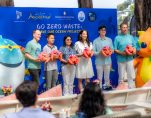
PHUKET, THAILAND – Media OutReach Newswire – 28 April 2026 – In observance of Earth Week 2026, a globally recognized week dedicated to environmental awareness, Proud Group, together with its affiliated companies — Andamanda Phuket, InterContinental Phuket Resort by IHG, and Reefuel — announce the continuation of their flagship sustainability initiative, “Go Zero Waste, Save Our Ocean Project 2026,” reaffirming the group’s commitment to responsible business and marine conservation.

The executive team, under the leadership of Khun Proudputh Liptapanlop, gathered for a photo prior to the start of the sea turtle release.

A Vision Rooted in Sustainable Tourism

Guided by its corporate vision to grow sustainably across all dimensions of Environmental, Social, and Governance (ESG), Proud Group aims to set the benchmark for quality tourism that is responsible to the planet — balancing long-term business growth with the preservation of natural resources for generations to come.

Highlight Activity: Returning Ten Sea Turtles to the Wild

This year, the project hosted its signature event — the release of 10 sea turtles back into the wild on Saturday, 25 April 2026, from 09:00 to 10:00 hrs, at the Wedding Pavilion, InterContinental Phuket Resort by IHG.

As part of the event, Proud Group presented a donation of THB 200,000 to the Mai Khao Marine Turtle Foundation, raised through Reefuel drinking water sales and a curated collection of eco-friendly merchandise, including reusable cups, Sarang-Pu fisherman dolls, sea turtle bracelets, sea turtle keychains, and dugong-patterned hats.

The activity was made possible through close collaboration with the Department of Marine and Coastal Resources (DMCR), via the Upper Andaman Marine and Coastal Resources Research Center, whose expertise ensured each turtle was fully prepared for release. This cross-sector partnership contributed to tangible conservation outcomes, supporting sea turtle survival rates and strengthening the long-term resilience of marine ecosystems.

Building on Four Years of Progress

Since its inception in 2022, the “Go Zero Waste, Save Our Ocean Project“ has steadily expanded its impact. In 2024, the project successfully released 5 sea turtles back into the wild — three in the first release and two in the second — contributing to the recovery of marine ecosystems in Phuket. The initiative also champions plastic reduction through its Reusable Cup campaign, with proceeds and ongoing support from Andamanda Phuket channeled directly into long-term conservation efforts.

A Portfolio of Ongoing Sustainability Initiatives

Over the years, Proud Group and its affiliates have implemented a comprehensive portfolio of sustainability programs:

  • No Single-Use Plastic by Andamanda Phuket — eliminating single-use plastics across operations and promoting eco-friendly alternatives throughout the guest experience.
  • Integrated Water Management — combining Water Circulation and Water Reuse technologies, achieving daily water loss of only ~3%.
  • Reefuel Paper-Carton Drinking Water — a plastic-reducing alternative.
  • “PROUD Kamala Project” by InterContinental Phuket Resort by IHG together with Proud Group® and Kamala Subdistrict Administrative Organization — continuous beach-care covering over 3 km of Kamala Beach all year round.
  • License to Clean 001 — Andamanda Phuket and InterContinental Phuket Resort by IHG with Ocean For All Foundation, using an eco-conscious catamaran to collect ocean waste for proper recycling and waste management.
  • Marine Life Conservation Program — strategic partnerships with government agencies and local communities to restore and protect marine resources.

Toward a Shared, Sustainable Future

The “Go Zero Waste, Save Our Ocean Project 2026” reflects the collective intention of Proud Group and its partners to drive responsible tourism — balancing business growth with environmental conservation and sustainable community development. Proud Group invites everyone, locally and globally, to embrace small, meaningful changes in everyday life, creating positive impact that endures for our planet.

Hashtag: #Andamandaphuket #CSR #Sustainable #GoZeroWasteSaveOurOcean #EarthWeek2026 #ProudGroup #AndamandaPhuket #InterContinentalPhuket #Reefuel #SustainableTourism #Phuket


The issuer is solely responsible for the content of this announcement.

About Proud Group

Proud Group is a leading developer of integrated entertainment and resort destinations in Thailand, with a portfolio that includes hospitality, real estate, water parks, and lifestyle retail. Anchored in the principles of sustainable business, the group is committed to building experiences that elevate communities, protect natural resources, and inspire conscious travel.

By Nantoo Banerjee Only six months in power, Japan’s first female prime minister, Sanae Takaichi, has emerged as the world’s most powerful woman reshaping the country’s domestic social and economic policies and international relations, taking a hard line on China. Takaichi has taken a firm stance on China suggesting that a “Taiwan contingency is a […]

The article Japan’s Pro-India Takaichi Is The World’s Most Powerful Lady appeared first on Latest India news, analysis and reports on Newspack by India Press Agency).

POL remained under selling pressure over the past 24 hours as traders struggled to rebuild momentum despite Polygon Labs’ deeper push into stablecoin payments, leaving the token below key intraday recovery levels and close to the lower end of its short-term trading range. The Polygon ecosystem token traded near $0.09 on 26 April, with market capitalisation hovering below $1bn and daily sentiment still cautious after failed rebounds […]

Arabian Post Staff -Dubai   Qatar’s media-sector push has gained fresh momentum after Media City Qatar and the International Association for MediaTech entered a Platinum Partnership designed to raise the country’s profile as a regional centre for media, technology and content creation. Announced in Doha on 26 April 2026, the agreement gives Media City Qatar wider access to IAMT’s international platforms, industry events, market intelligence and training […]

Arabian Post Staff -Dubai Nokia has chosen Egypt as its support hub for the Middle East and Africa, setting up a centralised operational centre in Cairo to handle regional support activities and customer services across one of the world’s most diverse telecoms markets. The move places Egypt at the centre of Nokia’s service delivery model for operators, enterprises and public-sector customers across the region. The Cairo hub […]

Arabian Post Staff -Dubai Gulf Bank has renewed its long-term strategic collaboration with Mastercard, strengthening a payments alliance aimed at expanding digital banking services, improving transaction security and responding to changing customer behaviour across Kuwait’s financial sector. The renewed agreement gives Gulf Bank continued access to Mastercard’s payment technologies, digital solutions and global expertise, with a focus on contactless payments, mobile wallet services, card security, customer convenience […]

  Dubai has moved to link social policy with high-end retail employment after the Community Development Authority signed an agreement with Louis Vuitton aimed at opening more career pathways for Emiratis and People of Determination across fashion, retail and craftsmanship. The memorandum of understanding, announced on 22 April, sets out training and employment tracks that officials say are designed to convert inclusion goals into long-term jobs rather […]

HONG KONG SAR – Media OutReach Newswire – 23 April 2026 – Hong Kong’s small businesses delivered their strongest performance in a decade in 2025, while confidence in the year ahead has climbed to a record high, according to CPA Australia’s latest Asia‑Pacific Small Business Survey 2025–26.

Stable economy and digital transformation power Hong Kong SMEs to decade high performance, CPA Australia survey

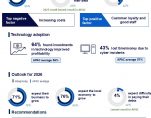
The survey shows that 68 per cent of Hong Kong SMEs recorded growth in 2025, up from 65 per cent in 2024 and marking the highest result on record. This positive momentum is expected to continue this year, with 71 per cent of SMEs expecting their businesses to grow and 76 per cent anticipating growth in the local economy — both at record highs. Customer loyalty and a strong workforce were identified as key drivers behind SMEs’ solid performance last year.

Mr Cliff Ip, Councillor of CPA Australia’s Greater China Divisional Council, said Hong Kong’s improving business environment played a critical role in supporting SME growth. “Hong Kong’s business confidence and economic growth strengthened last year, supported by robust capital markets, a recovery in tourism and consumption, and signs of stabilisation in the property market,” said Mr Ip. “Against this stable and supportive backdrop, small businesses not only benefited from increased business activity, but were also able to expand in a healthy and sustainable manner.”

Looking ahead, Mr Ip noted that while global geopolitical tensions and external uncertainties pose rising challenges, Hong Kong’s underlying strengths remain a key advantage for SMEs. “Rising geopolitical risks are likely to create headwinds for many sectors such as trade and logistics through higher fuel costs and supply chain disruptions. However, I remain confident about Hong Kong’s overall business outlook this year,” he said. “As many regions become more unpredictable or less secure, Hong Kong’s stable and consistent business environment, together with supportive policy settings including the city’s low and simple tax regime stand out as important advantages in attracting international companies and investors.”

Mr Ip added that these developments also present new opportunities for local SMEs, particularly as increased international interest creates scope to build partnerships, expand networks and tap into new markets. “This environment also creates favourable conditions for younger entrepreneurs to explore emerging markets and pursue new business opportunities,” he said.

Improved business performance has strengthened the solvency of many local SMEs. The share of businesses reporting difficulty paying debts fell sharply from 22 per cent in 2024 to just 3 per cent in 2025, while only 4 per cent expect to face difficulties this year, down markedly from 26 per cent previously. As a result, Hong Kong small businesses are now the least likely among the surveyed businesses to report solvency concerns.

Mr Ip said, “The solvency of many SMEs has notably improved, driven by stronger cash flow from improved business growth, a robust capital market and a recovering property market over the past year. This healthier cashflow has both supported easier access to external finance and reduced the need for such finance.”

Hong Kong SMEs have also strengthened their capability to invest in technology that delivers rapid improvements in profitability. In 2025, 64 per cent of SMEs reported that their technology investment in that year helped improve profitability, up from 59 per cent in 2024. Two in five Hong Kong SMEs invested in artificial intelligence (AI) last year, making it the leading technology investment among local SMEs, followed by customer relationship management (CRM) software.

At the same time, cyber protection has improved, with the share of Hong Kong businesses reporting losses from cyber incidents falling sharply from 72 per cent in 2024 to 43 per cent in 2025. However, as digitalisation accelerates, cyber risks remain elevated, with nearly three in five SMEs expecting to face cyber threats this year, above the survey average 42 per cent.

Mr Davy Leung, Deputy Chairperson of CPA Australia’s SME and Entrepreneurship Committee of Greater China, said the growing maturity and availability of AI tools is helping SMEs enhance productivity, reduce operating costs and improve customer experience.

(Left) Mr Davy Leung, Deputy Chairperson of SME and Entrepreneurship Committee 2026 from CPA Australia (Right) Mr Cliff Ip Greater China Divisional Councillor 2025 from CPA Australia

“However, rising digital fraud, wider AI adoption and SMEs’ increasing reliance on digital banking have prompted the Hong Kong Government to significantly strengthen banking security and cybersecurity resilience over the past year. This includes the rollout of low-cost and practical initiatives such as the Cybersec One Programme and the continued implementation of the ‘9+5’ SME support measures. The decline of cyberattack-related losses reported in the survey in part reflects the effectiveness of these measures.

“As cybersecurity threats and digital fraud risks continue to escalate, SMEs should make better use of these available resources, including free website risk assessments and vulnerability identification services, to strengthen their defence capabilities and safeguard business operations.”

Mr Leung also suggested that the Government consider revamping the Technology Voucher Programme to support broader digitalisation efforts, including the adoption of both AI and non-AI technologies. He added that enhanced training support would help SMEs identify and implement modern tools to drive innovation, improve efficiency and strengthen long-term competitiveness.

Rising costs remain a key challenge for Hong Kong SMEs in 2025, with 29 per cent reporting it having a negative impact on their business. However, this was the second‑lowest level among all surveyed markets, underscoring Hong Kong’s relatively low inflationary environment last year. Notably, the share of SMEs citing staff costs as a negative factor rose from 35 per cent to 42 per cent, making it the most significant cost pressure for Hong Kong businesses in 2025. This increase may help explain why the proportion of SMEs hiring additional staff declined from 42 per cent to 38 per cent last year.

Mr Leung said, “Increasing costs remain a significant barrier for many SMEs across Asia‑Pacific region, but Hong Kong’s relatively low inflation has helped cushion the impact on local small businesses,” Mr Leung said.

Mr Leung added that while headcount growth has moderated, overall staff costs have continued to rise as businesses invest in higher‑value talent. “Greater digitalisation and automation have helped ease labour constraints in Hong Kong. When SMEs do add staff, they are increasingly recruiting employees with digital and AI capabilities, or creating new roles to support business transformation. These positions typically command higher salaries, which has contributed to higher overall staff costs despite slower hiring growth.”

The annual survey collected the views of 4,166 small businesses across 11 Asia-Pacific markets, including Singapore, the Chinese Mainland, and Australia, with 305 respondents from Hong Kong.
Hashtag: #CPAAustralia

The issuer is solely responsible for the content of this announcement.

About CPA Australia

CPA Australia is Australia’s leading professional accounting body and one of the largest in the world. We have more than 176,000 members in over 100 countries and regions. Our core services include education, training, technical support and advocacy. CPA Australia provides thought leadership on local, national and international issues affecting the accounting profession and public interest. We engage with governments, regulators and industries to advocate policies that stimulate sustainable economic growth and have positive business and public outcomes. A CPA is a Certified Practising Accountant. More at

VISHNU RAJA
RYO YAMADA
HITORI GOTOH
IKUYO KITA