JAKARTA, INDONESIA – Media OutReach Newswire – 22 October 2026 – The New Asia Forum (NAF) 2026 aims to mobilize US$30 billion in investment across the New Asia region by strengthening strategic partnerships and accelerating investment execution. Held under the patronage of President Prabowo Subianto, with Danantara Indonesia as a founding partner, the forum will take place on 3–4 December 2026 in Bali, Indonesia.
NAF 2026 is designed as an action-oriented platform connecting global investors, industry leaders, and policymakers to advance investment opportunities across strategic sectors. Moving beyond conventional economic dialogue, the forum seeks to translate investment interest into concrete commitments, financing structures, and measurable outcomes.
Pahala Nugraha Mansury, Managing Director of Global Relations & Communications at Danantara Indonesia, emphasized Asia’s growing potential to attract long-term global capital amid shifting economic and geopolitical dynamics.
“Our focus is on encouraging long-term capital to recognize the many investment opportunities across Asian countries, because this is precisely where the center of gravity for growth lies. This will enable growth at scale, anchored by ASEAN and driven by Indonesia as the largest country in ASEAN,” said Pahala.
The Asia-Pacific region currently accounts for nearly 60% of global economic growth. However, long-term international capital allocation to the region remains below its potential, presenting significant opportunities for greater investment collaboration.
NAF 2026 expects to convene more than 1,000 global leaders, feature over 100 speakers, and host more than 40 sessions involving sovereign wealth funds, institutional investors, development finance institutions, multinational corporations, and government representatives. Notable speakers include President Prabowo Subianto of Indonesia; Masayoshi Son, Chairman and CEO of SoftBank Group; Tshering Tobgay, Prime Minister of Bhutan; Kathleen Quirk, Chief Executive Officer of Freeport-McMoRan; Matteo Renzi, former Prime Minister of Italy; and Israfil Mammadov, Chief Executive Officer of the State Oil Fund of the Republic of Azerbaijan.
The forum will follow a two-day structure: Discovery & Diligence on 3 December, focusing on investment opportunities, feasibility, and transaction structures; and Action & Execution on 4 December, advancing capital commitments, strategic partnerships, and implementation milestones.
Eight priority sectors will anchor the discussions: strategic resources and downstreaming; energy and power; advanced mobility and manufacturing; digital infrastructure and AI; food and agribusiness; trade and connectivity; tourism and creative economy; and education and human capital.
As a founding partner, Danantara Indonesia will participate as a co-investor alongside global partners, supporting investment in strategic sectors and reinforcing Indonesia’s role in regional economic transformation.
Through its transaction-focused approach, NAF 2026 aims to deliver preliminary investment agreements, bankable financing structures, and clearly defined implementation milestones. Investment commitments and progress will be tracked across subsequent editions to promote accountability, continuity, and tangible economic impact for Indonesia and the wider region.
Hashtag: #NewAsiaForum2026
The issuer is solely responsible for the content of this announcement.
Photographs purportedly showing Natco Pharma representatives meeting Health Minister K Muraleedharan on August 5 have surfaced amid a controversy over medicines for spinal muscular atrophy (SMA), prompting the minister to clarify that the discussions concerned corporate social responsibility activities. The images are…
By Dr. Gyan Pathak Though India has asserted at the UN General Assembly’s Third Committee, on the agenda item concerning the Working Group on Enforced Disappearance, that human rights should not be used as an instrument of political pressure or selective targeting of countries, India’s democratic institutions and International reputation is on stake on account […]
KUALA LUMPUR, MALAYSIA – Media OutReach Newswire – 21 October 2026 – UEM Edgenta Berhad (“UEM Edgenta” or “the Company”), a leading Asset Management and Infrastructure Solutions company, today announced the launch of its inaugural Young Entrepreneurship Programme (YEP), a new initiative developed to identify, train and mentor young entrepreneurs within the Company’s vendor ecosystem. The inaugural cohort comprises six vendors from UEM Edgenta’s Infrastructure Solutions and Asset Management business ecosystems, marking the start of a structured, multi-phase journey towards operational readiness and long-term business growth.
The six vendors were selected through a rigorous, multi-tiered screening process. Companies were assessed against eligibility criteria centred on youthful leadership and business track record, before undergoing desktop audits, pre-assessments and site visits benchmarked against the Malaysia Business Excellence Framework (MBEF). Vendors demonstrating the required readiness, strategic relevance to UEM Edgenta and potential for sustainable growth were shortlisted for the inaugural cohort.
YEP is designed to build on the success of UEM Edgenta’s existing Vendor Development Programme, with a sharper focus on empowering young business owners. The programme aims to develop industry-ready vendors that meet UEM Edgenta’s operational and compliance standards, while strengthening their long-term business viability. In doing so, YEP supports the aspirations of Rancangan Malaysia Ke-13 (RMK13) to raise the socioeconomic standing of the rakyat, particularly through youth empowerment, digital innovation, financial inclusion, and Technical and Vocational Education and Training (TVET).
To deliver the training component, the Company has forged strategic partnerships with Institut Keusahawanan Negara (INSKEN) and the Construction Industry Development Board (CIDB) Malaysia. INSKEN will lead training on business model development, leadership, and strategic planning, culminating in an INSKEN certification, while CIDB will provide technical training on tender, contract, and financial management as well as management systems, supporting participants’ compliance and competitiveness within the construction and infrastructure industry. These external modules are complemented by internal business training delivered through Edgenta Academy.
Shaiful Subhan, Managing Director/Chief Executive Officer of UEM Edgenta, said the programme reflects the Company’s commitment in nurturing a resilient and future-ready vendor base. “As we look ahead, we want to build a supplier ecosystem that is diverse, competitive and driven by capability and performance. We believe opportunities should be earned through commitment, quality and willingness to grow, not simply by how long a company has been in business. A strong supply chain is not built overnight. It is built by investing in people, developing capabilities and creating long-term partnerships that grow together,” he said.
Beyond its immediate vendor ecosystem, UEM Edgenta views YEP as a platform to contribute to the broader national agenda of socioeconomic mobility, helping young business owners transform innovative ideas into commercially viable ventures that, in time, create new employment opportunities within their own communities. The inaugural cohort has been intentionally kept small to allow for high-quality, intensive mentorship and customised training. The Company will evaluate the outcomes of this inaugural batch to guide future investment and the potential expansion of the programme to a wider pool of young entrepreneurs in subsequent years.
The issuer is solely responsible for the content of this announcement.
About UEM Edgenta
UEM Edgenta Berhad (“UEM Edgenta”), a wholly-owned subsidiary of UEM Group Berhad, is an Asset Management and Infrastructure Solutions company that delivers integrated, end-to-end solutions across the entire asset lifecycle, combining engineering excellence in design, project management and asset consultancy with tech-enabled asset management capabilities to optimise asset performance, efficiency and resilience.
With operations across Malaysia, Singapore, Indonesia, Taiwan, the United Arab Emirates and the Kingdom of Saudi Arabia, UEM Edgenta supports the reliable and sustainable performance of critical assets, including healthcare facilities, transportation networks and industrial infrastructure.
Figma co-founder and chief executive Dylan Field has questioned the limitations of the Model Context Protocol (MCP), warning that unrestricted access to company data could increase security risks even as the design software developer expands its artificial intelligence partnerships. Field said the open-source protocol, which enables AI agents to connect with external applications and information, requires substantial improvement. His comments followed Figma’s announcement of 20 additional MCP […]
President of Botswana Duma Gideon Boko’s visit underscores Botswana’s longstanding ties with Chow Tai Fook across the natural diamond value chain
BEIJING, CHINA – Media OutReach Newswire – 20 October 2026 – During his State Visit to China, President of the Republic of Botswana Duma Gideon Boko led a delegation to visit the newly opened signature boutique of Chow Tai Fook Jewellery Group Limited (“Chow Tai Fook Jewellery”, the “Group” or the “Company”; SEHK stock code: 1929) at Beijing SKP on 14 October, for an exchange on China–Botswana cooperation across the natural diamond value chain. Mr Kent Wong, Managing Director of Chow Tai Fook Jewellery Group, welcomed President Boko and the delegation, highlighting the Group’s longstanding ties with Botswana’s diamond industry and sharing how Chow Tai Fook creates new value to natural diamonds through cultural heritage reinterpretation and contemporary design.
Mr Kent Wong, Managing Director of Chow Tai Fook Jewellery Group (left) welcomes President of Botswana Duma Gideon Boko (right) to the newly opened signature boutique at Beijing SKP, during his State Visit to China, and the President presents a heartfelt message to the Group
President Boko’s visit took place as China and Botswana elevated bilateral relations to a comprehensive strategic cooperative partnership. The two countries also agreed to deepen cooperation in the diamond sector and enhance access for Botswana’s diamond products to the Chinese market.
Mr Kent Wong, Managing Director of Chow Tai Fook Jewellery Group, said, ” We are deeply honoured to welcome President Boko to Chow Tai Fook in Beijing. Botswana holds an important place in the global natural diamond value chain and in Chow Tai Fook’s own journey with natural diamonds. Our longstanding partnerships with Botswana’s diamond industry and De Beers Group reflect a shared commitment to the enduring value of natural diamonds. We look forward to continuing to contribute our expertise in craftsmanship, design and retail to enhance consumer confidence in natural diamonds and support the industry’s sustainable development.”
Deepening ties across the natural diamond value chain
Botswana is one of the world’s leading diamond-producing countries, and diamonds are an important pillar of China-Botswana economic cooperation. The latest China-Botswana Joint Statement identifies the diamond sector as an area for further cooperation, including improved access for Botswana’s diamond products to the Chinese market.
Chow Tai Fook has deep roots in the natural diamond industry, underpinned by established global sourcing capabilities. The Group’s relationship with De Beers Group dates back to 1973, when Chow Tai Fook became a De Beers Group Sightholder. Since 2011, Chow Tai Fook has operated its own diamond cutting and polishing facility in Botswana, extending the Group’s involvement across the value chain from sourcing and craftsmanship to jewellery design and retail.
Chow Tai Fook has also been an early advocate of diamond traceability. Launched in 2016, T·MARK enables customers to trace the journey of selected diamonds from sourcing, cutting and polishing to certification and setting. In FY2026, all newly procured T·MARK diamonds were traceable to their country of origin.
Reimagining natural diamonds through Chinese creativity
Natural diamonds embody both the extraordinary beauty of nature and the emotions and memories that jewellery carries across generations. Through design and craftsmanship, Chow Tai Fook brings Chinese cultural heritage into a contemporary context, creating natural diamond jewellery that resonates with evolving lifestyles and expressions of individuality.
In September 2026, Chow Tai Fook participated in the signing of the Beijing Declaration on Natural Diamonds and Sustainable Development. Convened by The Shanghai Diamond Exchange, the initiative brought together government representatives from Botswana, Namibia and South Africa, as well as members of the Chinese and international diamond industry. It supports closer engagement between diamond-producing countries and the Chinese market, while advancing consumer understanding of the enduring value of natural diamonds.
Chow Tai Fook and De Beers Group also recently launched the Desert Rose Collection, inspired by desert rose stone formations and the resilience of plants thriving in arid landscapes. The collaboration builds on the two companies’ longstanding relationship and their shared focus on strengthening consumer appreciation and confidence in natural diamonds.
Looking ahead, Chow Tai Fook will continue to invest in design, craftsmanship and consumer engagement, while working with partners across the natural diamond value chain to support the industry’s sustainable development and contribute to deeper ties between China and Botswana.
The issuer is solely responsible for the content of this announcement.
About De Beers Group
Established in 1888, De Beers Group is the world’s leading diamond company with expertise in the exploration, mining, marketing and retailing of diamonds. Together with its joint venture partners, De Beers Group employs more than 20,000 people across the diamond pipeline and is the world’s largest diamond producer by value, with diamond mining operations in Botswana, Canada, Namibia and South Africa. Innovation sits at the heart of De Beers Group’s strategy as it develops a portfolio of offers that span the diamond value chain, including its jewellery houses, De Beers London and Forevermark, and other pioneering solutions such as diamond sourcing and traceability initiatives Tracr and GemFair. De Beers Group also provides leading services and technology to the diamond industry in the form of education and laboratory services and a wide range of diamond sorting, detection and classification technology services. De Beers Group is committed to ‘Building Forever,’ a holistic and integrated approach to sustainability that underpins our efforts to create meaningful impact for the people and places where our diamonds are discovered. Building Forever focuses on three key areas where, through collaborations and partnerships around the globe, we have an enhanced ability to drive positive impact; Livelihoods, Climate and Nature. De Beers Group is a member of the Anglo American plc group. For further information, visit www.debeersgroup.com.
About Chow Tai Fook Jewellery Group Limited
Since its founding in 1929, CHOW TAI FOOK, the flagship brand of Chow Tai Fook Jewellery Group, has been celebrated for its bold designs and meticulous attention to detail. Our commitment to innovation and craftsmanship has made us synonymous with excellence, value, and authenticity.
As a global Chinese luxury group, we blend contemporary designs with traditional techniques to create timeless pieces. Each collection reflects our customers’ stories and lives, celebrating their special moments. We aspire to inspire and captivate generations to come, weaving the story of CHOW TAI FOOK into their own.
Our brand portfolio includes the iconic CHOW TAI FOOK flagship brand, HEARTS ON FIRE, ENZO, and MONOLOGUE, offering a wide variety of products, including an expanding range of cuttingedge IP collaborations. With over 5,000 stores worldwide, we offer a seamless client journey across all touchpoints through a network spanning China and a growing number of global locations.
Chow Tai Fook Jewellery Group Limited (SEHK: 1929) has been listed on the Main Board of the Hong Kong Stock Exchange since December 2011. We are committed to delivering sustainable long-term value for our stakeholders by continually enhancing earnings quality and driving higher value growth.
Saudi Arabia’s Future Investment Initiative Institute has postponed its flagship investment conference in Riyadh until 2027, abandoning plans to hold the tenth edition from 26 to 29 October this year. The institute announced the decision on Monday, just one week before the scheduled opening of FII10, which was to carry the theme “The Power of Legacy”. It has not specified replacement dates but said a new timetable […]
Sheikh Mohammed bin Rashid Al Maktoum, Vice President and Prime Minister of the UAE and Ruler of Dubai, has urged Gulf nations to strengthen cooperation and resist divisive social media campaigns that threaten their shared interests and longstanding relationships. His appeal, published on Monday in a message addressed to the people of the Gulf, emphasised that political differences, online disputes and narrow agendas should not undermine generations […]
In Singapore, global leaders in ocean science, exploration and conservation examine how evidence, storytelling and education can help shape the ocean’s future
SINGAPORE – Media OutReach Newswire – 19 October 2026 – What does it take to turn ocean discovery into lasting change? That question connected three days of conversations at the OceanX Summit 2026, where leaders from ocean science, government, exploration, education and conservation considered how evidence can inform protection, how immersive learning can engage the next generation, and how local leadership can shape solutions.
The Summit brought together oceanographer Sylvia Earle; filmmaker and deep-sea explorer James Cameron; Jill Tiefenthaler, CEO of the National Geographic Society; Takashi Kudo of international art collective teamLab; Benoît Dageville, Co-Founder and President of Products at Snowflake; Rizza Sacra-Dejucos, Asia Regional Coordinator of the High Seas Alliance; Professor Peter Ng of NUS; and conservation leaders Titouan Bernicot of Coral Gardeners and Rili Joani-Mohamed of the Coral Triangle Centre. Singapore Deputy Prime Minister and Minister for Energy, Trade and Industry (Trade) Gan Kim Yong opened the Summit, with Minister for Education Desmond Lee later addressing the role of ocean exploration in student learning.
A clear message emerged: ocean knowledge has its greatest value when it can be shared, understood and used. Discussions on artificial intelligence highlighted both its potential to connect fragmented datasets and its dependence on high-quality information from regions that remain underrepresented. Sessions on finance and marine protected areas explored how public policy, private-sector expertise and philanthropic support can work together, with the needs of coastal communities in view.
“The Summit brought the ocean into the room in a way people could experience. Immersive education can turn curiosity into a personal connection, and help students see how their skills can contribute to ocean science and its future. We need to open those experiences and career pathways to more young people,” said Mark Dalio.
Science that can inform action
The programme connected scientific discovery with the international effort to conserve marine biodiversity beyond national jurisdiction. The Into the Deep: Monsoon Rise expedition, jointly led by OceanX and NUS, mapped more than 8,300 square kilometres of seafloor in the eastern Indian Ocean. Scientists from Southeast Asia and the Pacific worked alongside Singapore researchers, with approximately 2,000 specimens now contributing to continuing biodiversity research.
The Summit also explored the wider challenge of making ocean data useful across disciplines and regions, as countries implement the BBNJ Agreement. OceanX has committed a significant share of its 2027 expedition time to high seas research.
“The Summit made clear that there is a need to collect much more ocean data which is necessary to make informed decisions around ocean stewardship. We need to connect information across disciplines, close gaps in what is known, and make evidence accessible to people working on decision making. Science must work in collaboration with all stakeholders to move together if knowledge is to support lasting ocean protection,” said Vincent Pieribone.
Education and storytelling bring the ocean closer
Singapore’s partnership with OceanX through the Ministry of Education and Science Centre Board has enabled more than 570 students and educators to visit OceanXplorer since 2024, while hundreds more have joined ship-to-shore expedition livestreams. At the Summit, Desmond Lee spoke about how experiences like these help students connect classroom learning to real research and see how skills in engineering, data science and communications contribute to scientific discovery.
The Summit also featured more than 20 immersive installations developed by OceanX Education and its Changemaker community. These experiences put audiences inside ocean stories and research, demonstrating how art, media and technology can build understanding and invite people into the work.
A discussion between Mark Dalio and Anderson Tanoto of Tanoto Foundation highlighted education pathways across Southeast Asia. Nine Tanoto Foundation scholars have participated in OceanX’s Young Explorers programme, while the partnership continues to develop opportunities through fellowships, hackathons and other immersive learning experiences.
Local leadership turns ambition into practice
Speakers from across the conservation community showed how ocean protection is already being advanced by local leaders. Coral Gardeners founder Titouan Bernicot described an island-led movement that has grown to 97 full-time employees and planted more than 250,000 corals across French Polynesia, Fiji and Thailand. Other changemakers presented projects using AI for reef monitoring and immersive media to connect audiences with marine ecosystems.
These examples brought the Summit’s discussions back to people and places: local knowledge must shape conservation, and communities need a meaningful voice in decisions affecting their ocean. The Summit convened more than 750+ participants, including 223 students and educators, around the relationships and ideas that can carry this work forward.
The issuer is solely responsible for the content of this announcement.
About OceanX
OceanX is a nonprofit working to unlock the ocean’s sustainable potential. Through a dual focus on science and education, we’re building a new paradigm where humanity and the ocean mutually thrive. Our approach is fueled by exploration, leveraging advanced research, multimedia educational programs, cross-sector partnerships, and advanced technology to transform how people understand and value the ocean. Our work strives to fortify biodiversity and increase the sustainable use of ocean resources to help ensure the ocean remains a foundation for human wellbeing and future potential. OceanX is a nonprofit operating program of Dalio Philanthropies. For more information, visit www.oceanx.org and follow OceanX on Facebook, Instagram, X,TikTok, LinkedIn, and YouTube.
By Kalyani Shankar A novice in politics, Tamil Nadu’s nearly five-month-old Chief Minister Joseph Vijay and his party, the TVK, have joined the Congress-led INDIA opposition coalition, reshaping the state’s political landscape. His predecessor was a key member of INDIA, but M.K. Stalin stepped down after the 2026 Assembly elections. Vijay is learning politics as […]
India’s space economy could expand fivefold to $45 billion within eight years as the government seeks more private investment, quicker regulatory clearances and stronger commercial demand, Space Minister Jitendra Singh has said.
Singh estimated the sector’s current value at approximately $9 billion and projected it could reach $40 billion to $45 billion over seven to eight years. Speaking at a New Delhi roundtable on Saturday, he said the next priority was building internationally competitive businesses rather than simply demonstrating technological capabilities.
The minister identified predictable customer demand, domestic and overseas capital, efficient approvals and sustainable business models as essential conditions for expansion. His remarks at the Bloomberg New Economy Forum placed commercial viability at the centre of the government’s efforts to enlarge the role of private companies in space activities.
Government departments could become anchor customers for emerging enterprises, Singh said, providing contracts that enable businesses to test technology and develop products for wider markets. Support for proof-of-concept projects would also help companies demonstrate practical applications before committing to larger production programmes.
Such arrangements could address a central challenge for space ventures: securing reliable revenue while facing substantial development costs and lengthy periods before projects generate returns. Singh argued that an identifiable customer base would encourage manufacturing investment and allow companies to establish more durable commercial operations.
He also called for defined timeframes for installation and export licences, alongside lower operating costs and better integration of supply chains. Regulatory improvements, he said, must produce practical results for companies seeking to enter the market or expand their activities.
Singh referred to goods and services tax measures affecting space products, saying policy changes should deliver tangible benefits to industry. He did not announce a fresh tax package or specify new deadlines for regulatory decisions during the discussion.
The forecast broadly matches the longer-term ambition set out by the Indian National Space Promotion and Authorisation Centre, or IN-SPACe, which has outlined a $44 billion space economy by 2033. Its strategy envisages $11 billion in exports, with opportunities spanning satellite communications, navigation, Earth observation, manufacturing and launch services.
That target remains an aspiration rather than an assured outcome. Delivering it would require sustained growth across multiple segments, with private operators securing customers and financing while navigating technical, regulatory and commercial risks.
Figures disclosed to Parliament in July illustrate both the expansion of private participation and the distance still to travel. Singh said cumulative private investment had reached $618.5 million by March 31, 2026, while $187 million had been reported during 2026. The government had granted 105 authorisations to non-government entities as of July 14.
Those authorisations are subject to national security and strategic considerations under IN-SPACe procedures. The government has said it is developing dedicated safety and security guidelines as commercial activity expands, reflecting the need to balance market access with oversight of sensitive technologies.
Singh said international partnerships could bring investment, technological expertise and access to overseas customers, while domestic capabilities remained important for strategic autonomy. He advocated closer cooperation among government agencies, private enterprises and foreign partners, particularly where collaboration could strengthen manufacturing networks and market access.
He pointed to satellite communications, geospatial services and Earth observation as areas where space technology already supports economic activity. Applications include infrastructure monitoring, agriculture, disaster management and defence, alongside services built around satellite data.
The minister highlighted government use of geotagging to monitor development projects, track implementation schedules and assist administrative clearances. He also cited space-based disaster information supplied to neighbouring countries, including Myanmar, Bangladesh and Sri Lanka.
The commercialisation programme follows the opening of space activities to private participation in 2019 and 2020, a change that enabled enterprises to work alongside public institutions. Singh said that cooperation had yielded results but that technical achievement alone would not guarantee commercial success. The distinction is significant for companies developing satellite hardware, data services and launch technologies: demonstrating that a system works is different from securing repeat orders at prices sufficient to sustain operations. Public procurement and export access could therefore influence investment decisions.
The roundtable, titled Space, Sovereignty and New Economy, included IN-SPACe promotion director Vinod Kumar and Aisha Bowe, founder and chief executive of STEMBoard and LINGO, a former NASA engineer who has flown with Blue Origin. Participants discussed investment, international cooperation and the challenge of converting national space capabilities into commercially viable enterprises.
SINGAPORE – Media OutReach Newswire – 19 October 2026 – Solomon Credit Management (“Solomon”) and SACH Pte Ltd (“SACH”) today announced plans to establish a joint venture to identify, secure distribution rights for and distribute consumer brands across the wellness, medical technology, health technology and lifestyle industries. BUZUD, a Singapore-based healthcare technology company, has appointed SACH as an authorised distributor in Singapore, with Solomon expected to join the distributorship.
SACH brings experience in technology, e-commerce, retail, consumer engagement and live events, helping brands reach consumers through online and offline channels. Solomon, an independent business financing firm, will serve as Capital Partner, contributing capital and commercial and financial expertise to support distribution and expansion.
The companies intend to develop the partnership in stages: Solomon first supports SACH’s distribution of BUZUD as Capital Partner, then joins the distributorship, before both parties establish a dedicated business unit to secure distribution rights and distribute brands across multiple territories. Key terms and responsibilities are being finalised.
BUZUD focuses on accessible healthcare through medical devices and digital health technologies. It has a research collaboration with Tan Tock Seng Hospital to develop AI-supported diabetes management solutions combining carbohydrate estimation with continuous glucose monitoring. BUZUD also operates retail outlets at Raffles Hospital and Novena Square 2, alongside a retail partnership with Guardian Singapore.
Distribution will begin in Singapore, with expansion into other Southeast Asian markets as rights are secured, through e-commerce, retail, live events and partnerships with businesses, hospitals and research bodies.
“We strongly believe capital should do more than support business growth — it should create opportunities and meaningful impact. Our partnership with SACH represents a strategic step into the fast-growing healthcare and wellness sector, where we see tremendous long-term potential. By combining our financial expertise with SACH’s distribution capabilities, we aim to help promising brands like BUZUD expand their reach, scale sustainably and bring innovative healthcare solutions closer to the people who need them,” said Liong Qin Kai, Partner, Solomon Credit Management.
“Great healthcare products only create impact when they reach the people who need them. Our partnership with Solomon marks an important step for SACH into the healthcare and wellness sector, combining their financial strength with our distribution and consumer engagement capabilities. BUZUD is the first of many brands we hope to bring to market, helping them expand their reach, build lasting relationships with customers and make innovative healthcare solutions more accessible across Southeast Asia,” said Jonathan Zhang, CEO, SACH.
The partners are targeting completion of the proposed arrangement in December 2026, with further details to be announced once terms are finalised. Hashtag: #SACH
The issuer is solely responsible for the content of this announcement.
About Solomon Credit Management
Solomon Credit Management is an independent business financing firm lending its own capital to small and medium-sized companies and larger corporates. Its financing approach is grounded in disciplined credit assessment and a clear understanding of each borrower’s business, cash flows and assets.
About SACH
SACH develops products and services across technology, e-commerce, retail, consumer engagement and live events.
Signing of strategic collaboration agreement deepens collaboration on PCIM Asia Shanghai, opening international opportunities for microelectronics companies
HONG KONG SAR – Media OutReach Newswire – 19 October 2026 – From efficient power supply for artificial intelligence (AI) data centres to precision control in smart robotics, power electronics is enabling the next wave of industrial innovation. Hong Kong Science and Technology Parks Corporation (HKSTP) and PCM Asia Shanghai signed a strategic collaboration agreement at Hong Kong Science Park to strengthen their collaboration on PCIM Asia Shanghai, Asia’s premier exhibition for power electronics exhibition.
Together, the two organisations also co-hosted the “Power Electronics Innovation Across Asia” seminar, bringing together international technology companies, academics from local universities, innovators and investors to explore advances in power electronics and power semiconductors, as well as trends and opportunities shaping Asia’s industrial future.
Deepening Cross-Boundary Collaboration to Expand International Market Access
The partnership aims to extend professional exchange into sustained collaboration across the innovation and technology (I&T) ecosystem. By combining the corporate networks, industry platforms, and regional strengths of HKSTP and PCIM Asia Shanghai, the partnership will foster knowledge exchange and industry collaboration across power electronics, semiconductors, electrification and renewable energy.
Through annual cross-boundary exchange activities, coordination meetings, and showcasing opportunities for start-ups, innovative solutions and ecosystem participants, the two parties plan to raise the international profile of emerging technologies and ventures, and help companies to build vital market connections.
The collaboration will also strengthen Hong Kong’s role as a hub for strategic partnerships and bring together international research institutions, integrated circuit (IC) design houses, technology developers and investors, while providing access to the manufacturing capabilities in the Greater Bay Area (GBA) and the Chinese Mainland, driving technologies from R&D, device design and prototyping, and pilot production to market adoption.
Mr Terry Wong, Chief Executive Officer of HKSTP, said: “We are entering an era where AI is ubiquitous, embedded in vehicles, factories, power grids, communications networks and smart devices. None of these systems can function without efficient power conversion, power control and power management. That is why power electronics is becoming one of the most important enabling technologies of the next industrial era. With Hong Kong’s strengths in design-led electronics and the manufacturing capabilities of the Greater Bay Area, HKSTP provides an end-to-end pathway from research and prototyping to pilot production, manufacturing and market adoption. Through our partnership with Messe Frankfurt on PCIM Asia, we can help innovators raise their international profile, connect with new partners and expand into global markets. Together, we aim to build Hong Kong into a leading centre for research, design and system integration in power semiconductors, and strengthen its role as a regional gateway for global power microelectronics collaboration.”
Mr. Richard Li, Executive Director of Messe Frankfurt (HK) Ltd cum Chairperson of the Board of Management, Guangzhou Guangya Messe Frankfurt Co Ltd, said, ‘With 25 years of history, the PCIM Asia series of events has consistently brought together power electronics companies, engineers, and researchers from Asia and around the world. After having held in Shanghai and Shenzhen, PCIM Asia has built a professional exchange platform focusing on power semiconductors, intelligent motion control, renewable energy, and energy management. Meanwhile, Hong Kong possesses outstanding R&D capabilities and global business network, backed by the robust manufacturing base of the Guangdong-Hong Kong-Macao Greater Bay Area. HKSTP has attracted over 300 micro-e companies and has been equipped with comprehensive infrastructure for R&D, prototyping and pilot production. Leveraging Messe Frankfurt’s global exhibition resources as well as the local industrial ecosystem of HKSTP, this strategic collaboration aims to connect Hong Kong’s research capabilities with the Asian power electronics industry. It will elevate the industry exposure of the city’s innovative technologies, and promote long-term sustainable partnerships among industry partners in the Chinese mainland, Hong Kong, and the world”
Connecting Research with Industry Needs in AI and Advanced Energy Applications
The event attracted representatives from industry, academia and the wider I&T ecosystem. Through keynote presentations, expert discussions, technology demonstrations, company pitches and talent networking session, the event explored opportunities to bring power electronics innovations to market.
Experts from international technology leaders, including Mitsubishi Electric, Infineon Technologies, Bosch, STMicroelectronics, Murata, SMC and Vtech, as well as scholars from four local universities discussed AI data centre power supply, smart robotics and advanced energy applications. Discussions focused on translating power semiconductor and intelligent control technologies into integrated, market-ready solutions.
On-site showcases featured gallium nitride (GaN) motor drives, silicon carbide (SiC) chips and power modules, and advanced packaging solutions for AI data centres, intelligent robots and energy systems. The exhibits highlighted how microelectronics can improve energy efficiency and support emerging industries, while creating opportunities for researchers, technology companies and industry partners to collaborate.
Strengthening the Pathway from Research to Pilot Production
HKSTP is home to more than 300 microelectronics companies. Its facilities—including the Hardware Lab, Sensor Packaging and Integration Lab, Heterogeneous Integration Lab and Pilot-Scale Manufacturing Lab—support companies across design, prototyping, and trial production.
Located at the Microelectronics Centre in Yuen Long InnoPark within the Northern Metropolis, the Hong Kong Microelectronics Research and Development Institute (MRDI) supports semiconductor product development and trial production through its pilot lines, helping accelerate the translation of research into practical applications.
HKSTP is also advancing the Microelectronics Centre expansion project (MECX), which will provide approximately 7,500 square metres of additional floor space to attract and support companies across the semiconductor value chain, fostering industry clustering and collaboration.
Hashtag: #HKSTP #PCM
The issuer is solely responsible for the content of this announcement.
Technology companies, start-ups and financial technology ventures could help lift India-UAE bilateral trade to $200 billion, a diplomat told a Dubai forum, identifying opportunities beyond established trade.
Vishnu Vardhan Reddy, Consul General of India in Dubai and the Northern Emirates, said innovation, renewable energy, defence and space technology could contribute to the next phase of economic expansion. He was addressing the Innovators and Investors Series organised by the Indian People’s Forum on October 16.
The proposal comes as both governments pursue a target of $200 billion in bilateral trade by 2032. Trade reached $101.25 billion during India’s 2025-26 financial year, exceeding $100 billion for a second consecutive year, according to official figures.
Reddy urged businesses and investors to establish partnerships capable of taking emerging enterprises into international markets. Investment in technology businesses, he argued, could create additional commercial activity while linking the UAE’s capital providers with enterprises developing products and services in India.
His remarks were an assessment, not a new government commitment or forecast backed by contracts. Achieving the target would require substantial expansion across multiple sectors, including those already accounting for the largest share of bilateral commerce. The $200 billion figure is a bilateral merchandise trade ambition, not a valuation of technology investments or start-up fundraising.
India’s exports to the UAE totalled approximately $37.36 billion in 2025-26, while imports were about $63.89 billion. The UAE remained India’s third-largest trading partner and second-largest export destination. India was the UAE’s second-largest trading partner, according to diplomatic trade data.
The technology emphasis follows a September meeting of the UAE-India High Level Joint Task Force on Investments, where officials agreed to advance work on local-currency settlement, payment-system integration and central-bank digital currencies. Those initiatives are intended to make financial transactions and cross-border commerce more efficient. Officials also discussed cooperation in financial infrastructure, an area where payment interoperability could lower friction for businesses operating in both markets.
The task force also examined investment proposals involving manufacturing, food processing and logistics. Projects discussed included an integrated aluminium complex proposed for Odisha, a food park in Gujarat and opportunities for aviation and logistics development at Dholera.
At the Dubai forum, speakers called for greater participation by UAE investors in start-ups seeking financing, commercial partnerships and access to international customers. The gathering connected entrepreneurs with businesses and potential financial backers.
Two enterprises, JE Plus Healthcare and University Living, presented their business models. JE Plus Healthcare focuses on distribution and logistics for healthcare products, while University Living provides accommodation services for students studying away from home. Both were seeking investment to expand their operations. Their presentations illustrated the range of businesses seeking support, from physical supply chains to digital services for international customers.
Actor and investor Vivek Oberoi told participants that unsuccessful investments were part of entrepreneurship and that investors needed to recognise the lessons associated with business failures. He said he had invested in 35 companies, with mixed results across his portfolio.
Jitendra Vaidya, national president of the Indian People’s Forum, said stronger two-way investment could support commercial ties between the countries. The organisation’s business representatives encouraged investors to examine opportunities in technology, artificial intelligence, machine learning and robotics.
Mahesh Advani, convenor of the forum’s business council, urged UAE investors to consider start-up financing. Piyush Jhunjhunwala, co-convenor of its business and professional council, identified technology-led businesses as a potential destination for private capital.
Figures circulated at the event described a substantial start-up and venture investment ecosystem in India, including companies operating in financial services and advanced technology. However, the figures covered different categories of businesses and financing activity, making direct comparisons difficult without consistent definitions and reporting periods.
The bilateral trade framework rests on the Comprehensive Economic Partnership Agreement, which entered into force in May 2022. It reduced trade barriers across numerous product categories and provided a platform for wider business cooperation. Trade volumes nevertheless remain sensitive to energy prices, demand conditions and changes in the composition of imports and exports.
Government initiatives now include Bharat Mart, intended to support access to markets, and a Virtual Trade Corridor designed to simplify trade processes. Both form part of efforts to improve the movement of goods and information between the two economies.
The Dubai forum was organised by the Indian People’s Forum, a community organisation that also conducts business and professional networking activities in the UAE.
Arabian Post Staff -Dubai Kuwaiti-founded Tap Payments has climbed to 13th place in the 2026 Forbes Middle East Fintech 50, gaining 11 positions over two years and securing a third consecutive appearance on the regional ranking. The payments technology company rose from 18th position in 2025 and 24th in 2024, reflecting a sustained improvement in its standing among financial technology businesses operating across the Middle East and […]
Circle is preparing to enter approximately 40 emerging and developing markets as demand for dollar-backed digital currencies accelerates, chief executive and chairman Jeremy Allaire said. The expansion will target economies across Southeast Asia, Latin America, Africa and the Middle East, where individuals and businesses are increasingly using stablecoins for payments and access to digital financial services. Allaire outlined the plans during the International Monetary Fund and World […]
Ras Al Khaimah Ruler Sheikh Saud bin Saqr Al Qasimi held talks with India’s External Affairs Minister Subrahmanyam Jaishankar on Friday, focusing on strengthening economic and trade cooperation between the UAE and India.
The meeting brought together the Supreme Council Member and the visiting minister as both countries seek to expand commercial partnerships, investment opportunities and diplomatic engagement. Discussions also covered bilateral relations and developments affecting the Gulf region.
Jaishankar described the meeting as an opportunity to exchange views on strengthening relations between the two countries and expanding engagement across the region. He acknowledged Sheikh Saud’s perspectives on bilateral cooperation and confirmed that the situation in the Gulf featured in their discussions.
The talks took place during the final day of Jaishankar’s three-day official visit to the UAE, which began on October 14. The visit was intended to review progress under the Comprehensive Strategic Partnership and identify opportunities for further cooperation across economic and diplomatic sectors.
Neither side announced a new investment agreement, trade target or commercial project following Friday’s meeting. The discussions nevertheless provided another channel for engagement between India’s government and the leadership of individual UAE emirates, alongside established federal diplomatic arrangements.
Economic cooperation remains central to relations between the two countries. Their Comprehensive Economic Partnership Agreement, which entered into force in May 2022, provides preferential market access for eligible goods and establishes mechanisms to facilitate trade and investment.
The agreement has supported efforts to diversify commercial exchanges beyond traditional energy transactions, with businesses exploring opportunities in manufacturing, logistics, infrastructure, technology and services. Its implementation also provides a framework for addressing commercial barriers and encouraging greater participation by companies operating in both markets.
Ras Al Khaimah has pursued investment partnerships involving manufacturing, industrial production, construction materials and logistics. Its industrial infrastructure and connections to regional shipping networks provide opportunities for businesses seeking production facilities and access to markets across the Gulf.
The emirate’s commercial engagement with India was also discussed during a July meeting between Sheikh Saud and India’s Ambassador to the UAE, Deepak Mittal, who was accompanied by business representatives.
That meeting examined opportunities for cooperation across several sectors and ways to utilise Ras Al Khaimah’s economic advantages. The discussions reflected continuing engagement between the emirate’s leadership and businesses interested in developing commercial operations within its jurisdiction.
Friday’s meeting followed talks on Wednesday between Jaishankar and UAE Deputy Prime Minister and Foreign Minister Sheikh Abdullah bin Zayed Al Nahyan in Abu Dhabi.
The two ministers reviewed cooperation under the Comprehensive Strategic Partnership and Comprehensive Economic Partnership, with particular attention to trade, investment and economic development. They also exchanged views on international issues and developments affecting regional stability.
Sheikh Abdullah reaffirmed the UAE’s commitment to strengthening bilateral relations and identifying opportunities that support the development priorities of both countries. Their discussions covered existing cooperation and possibilities for expanding engagement in sectors considered important to their respective economies.
The diplomatic exchanges come as governments and businesses assess the implications of uncertainty across the Gulf for investment, shipping and energy supplies. Regional stability remains an important consideration for commercial activity involving the UAE and India, particularly given their extensive trade and transport connections.
Jaishankar also participated in the Raisina Middle East Dialogue in Abu Dhabi on Thursday, joining discussions about international connectivity, strategic partnerships and the changing economic geography of global trade.
Speaking during a session examining continental corridors, he highlighted growing competition, emerging transport constraints and the importance of building reliable partnerships. His remarks addressed the challenges facing countries seeking secure commercial connections amid shifting geopolitical and economic conditions.
The dialogue, held on October 14 and 15, brought together participants to examine regional and international developments, including connectivity initiatives and cooperation between governments.
India’s relationship with the UAE also encompasses energy supplies, defence cooperation and investment, alongside extensive people-to-people connections. These established links provide an additional foundation for discussions involving the federal government and individual emirates.
The Embassy of India in Abu Dhabi estimated that approximately 4.3 million nationals from India were living in the UAE in 2024, representing roughly 35 per cent of the country’s population.
Ras Al Khaimah’s geographical position near the Strait of Hormuz adds a regional dimension to discussions about trade and connectivity. The emirate borders Oman and maintains industrial and maritime facilities serving businesses involved in manufacturing, construction materials and international commerce.
Arabian Post Staff -Dubai Dubai’s Government Media Office has opened discussions with Shenzhen News Group on expanding media cooperation, strengthening institutional links and increasing coverage of the emirate across Chinese news platforms. The meeting took place in Shenzhen during the Dubai Business Forum – China, organised by Dubai Chambers, bringing together representatives of both organisations to examine opportunities for content development, professional exchanges and collaboration in digital […]
Arabian Post Staff -Dubai Saudi Arabia’s next Media Forum will take place in Riyadh from February 1 to 3, 2027, under the patronage of King Salman bin Abdulaziz Al Saud, organisers have confirmed. Mohammed bin Fahad Al-Harthi, president of the Saudi Media Forum, reiterated the dates during a reception on the sidelines of MIPCOM, the international television and entertainment industry market in Cannes, France. The gathering brought […]
32,000+ visitors, RM100,000 in local business revenue and international sporting participation put Sabak Bernam’s unique heritage landscape on the tourism map
SABAK BERNAM, MALAYSIA – Media OutReach Newswire – 16 October 2026 – From a 30-kilometre British-era waterway built to sustain Selangor’s paddy fields to a destination for sport, culture, tourism and community enterprise, Ban Canal is entering a new chapter — and Karnival Ban Canal 2026 is set to take it further.
Returning for its fourth edition from 6 to 8 November 2026 at Ban Canal Parit 14, Simpang Lima, Sabak Bernam, the award-winning Karnival Ban Canal (KBC 2026) is building a distinctive rural tourism platform around the theme Alam * Budaya * Lestari (Nature * Culture * Sustainability).
The festival attracted more than 32,190 visitors in 2025 and generated over RM100,000 in local business revenue. KBC 2026 aims to build on that momentum, attracting visitors from across Malaysia and internationally while creating greater economic opportunities for local communities.
Where heritage meets adventure
KBC 2026 brings together experiences rarely found in a single festival — from the Larian Bendang and fishing competitions to Kanu Slalom featuring international participants from countries including Japan and China, wall climbing and a flying fox spanning the historic Ban Canal.
The festival will also showcase Sabak Bernam’s multicultural heritage through traditional performances, Bual Bicara Malam Jumaat, local food and produce, Platform Selangor (PLATS) entrepreneur showcases, Jualan Eko Tani and nightly entertainment featuring leading Malaysian artists.
The result is more than a weekend festival. It is a platform connecting tourism, local enterprise, culture, sport and community participation, bringing visitors directly into the rural economy.
A growing platform for brands and partners
As visitor numbers and local economic activity grow, KBC 2026 is also emerging as an attractive platform for corporate partners looking to connect with audiences through experiential, community-driven and sustainability-led engagement.
Corporate partners can gain visibility across the festival ecosystem through digital and social media exposure, main-stage LED presence, on-ground branding and opportunities for direct audience engagement.
Sponsorship opportunities are available across Gold, Silver and Bronze partnerships, with scope for brands to develop activations aligned with their marketing, sustainability and community-impact objectives.
For brands looking beyond conventional advertising, KBC offers something different: the opportunity to be part of a growing destination story while putting the brand directly into the experiences of the people who visit it.
From historic waterway to living tourism destination
Ban Canal sits within the transition and buffer zones of the proposed Anjung Utara Selangor Biosphere Reserve (AUSBR) — Selangor’s 297,661-hectare “ridge-to-sea” living-economy nomination under UNESCO.
Originally constructed to channel water to the state’s interior paddy fields, the historic waterway is being reimagined as a platform for eco-tourism, rural enterprise and community development.
Karnival Ban Canal is a tangible expression of that transformation, demonstrating how natural and cultural assets can generate tourism activity, support local businesses and create new economic opportunities while preserving the character of the landscape.
Driven by the Selangor State Government, MBI Selangor, SABDA and the Sabak Bernam District Council (MDSB), KBC 2026 brings together government, communities, businesses, athletes, artists and visitors around a common proposition: that sustainable tourism can be both commercially vibrant and locally meaningful.
As Ban Canal continues its transformation, KBC 2026 offers visitors a reason to discover Sabak Bernam, businesses a platform to engage new audiences, and sponsors an opportunity to become part of a destination with a story that is still being written.
Hashtag: #SABDA
The issuer is solely responsible for the content of this announcement.
SABDA
The Sabak Bernam Development Area (SABDA) is a strategic economic development initiative of the Selangor State Government under Rancangan Selangor Pertama. SABDA seeks to unlock Sabak Bernam’s full economic potential while strengthening Malaysia’s food production, raising local incomes and improving community livelihoods. Its vision is to establish Sabak Bernam as a driver of sustainable economic growth, food security, resilience and environmental stewardship.
Menteri Besar Selangor (Incorporation) (MBI Selangor)
Menteri Besar Selangor (Incorporation) (MBI Selangor) is the strategic investment arm of the State Government of Selangor, mandated to drive sustainable economic growth and long-term value creation for the state.
MBI Selangor plays a central role in catalysing high-impact developments, facilitating strategic partnerships and unlocking the potential of key sectors to strengthen Selangor’s position as a leading economic hub in Malaysia and the region. Its investment focus spans infrastructure, industrial development, energy, digital economy and other priority sectors aligned with the state’s long-term development agenda.
Guided by the aspirations of Rancangan Selangor Pertama (RS-1), MBI Selangor actively supports initiatives that enhance competitiveness, attract quality investments and create meaningful socio-economic opportunities for the people of Selangor.
Through a disciplined and forward-looking investment approach, MBI Selangor is committed to delivering sustainable, inclusive and resilient growth, while strengthening governance, environmental stewardship and stakeholder value across its portfolio.
BANGKOK, THAILAND – Media OutReach Newswire – 16 October 2026 – Access to nutritious food remains a critical part of food security. In Thailand, around one in 10 children under five lives in severe child food poverty, while national data show that 13% of children under five are stunted and 7% are underweight, underscoring that food security is not only about having enough food, but also about ensuring consistent access to safe and nutritious diets.
Against this backdrop, Charoen Pokphand Foods Public Company Limited (CPF), in partnership with the Charoen Pokphand for Rural Lives’ Development Foundation, is expanding the “Eggs for Next Gen” program, a long-running school nutrition initiative, to 1,030 schools across Thailand, with 12 new schools joining this year. The expansion builds on nearly four decades of efforts to help children gain regular access to fresh eggs as a source of quality protein, while enabling schools to establish sustainable food production.
Launched in 1989, the program goes beyond providing food for school lunches. Participating schools receive support including poultry houses, equipment, laying hens and feed, together with technical knowledge in animal health, farm management, sanitation, production planning and egg management. Students and teachers gain practical agricultural skills, while schools can use eggs for meals and manage surplus production to generate revolving income that helps sustain future production cycles.
The initiative had reached 1,030 schools across 74 provinces, benefiting more than 229,502 students, 17,447 academic staff and2,690 communities. More than523 persons with disabilitieshave also participated in the programme, which targets approximately28 million eggs per production cycle.
Eggs for Next Gen reflects CPF’s broader view that food security depends not only on producing enough food, but on making nutritious food consistently available, accessible and sustainable over time. By helping schools produce fresh eggs locally, the programme brings quality protein closer to children, supports healthier diets, and builds practical knowledge and capabilities that allow schools to maintain food production beyond a single cycle. In this way, the initiative moves beyond short-term food support toward stronger food self-reliance at the school and community level.
As a global integrated agro-industrial and food company with operations and investments across 17 countries and products distributed in more than 50 countries, CPF advances its “Kitchen of the World” vision by placing food security at the heart of its sustainability strategy. Its global presence helps expand access to food for consumers worldwide, while its approach goes beyond producing sufficient food to strengthen quality and food safety, nutrition, responsible production and sustainable supply chains. Together, these efforts support a more resilient and sustainable food system capable of serving people over the long term.
Kobboon Srichai, Head of Corporate Affairs and Investor Relations at CPF, said:
“For CPF, food security means ensuring that people can access food that is safe, traceable and affordable today and in the future. To achieve this, we need to strengthen the entire food system, from production to access. By combining technology and automation, strong partnerships, and advances in biotechnology and nutrition, we can improve both the quality and resilience of the food system. Eggs for Next Gen demonstrates how these capabilities can be translated into practical impact, improving children’s access to quality nutrition while helping schools and communities build greater food self-reliance over the long term.”
With the program now expanding to 1,030 schools, CPF continues to translate its food expertise into practical action. Supporting healthier children, stronger communities and a more resilient and sustainable food system.
SINGAPORE – Media OutReach Newswire – 15 October 2026 – Held on 11 October 2026 at Shangri-La Rasa Sentosa in Singapore, AIMCONNECT 2026 gathered industry leaders from 11 countries under the theme “Where Mobility Meets the Future.” Organised by X Star Technology and Aimotion, the event welcomed representatives from more than 100 automotive organisations, over 60 financial institutions and around 20 technology companies to explore how collaboration across industries can create a more connected mobility ecosystem.
The event was opened by Tin Pei Ling, Member of Parliament, and Dato’ Tony Khor Chong Boon, President of the Federation of Motor and Credit Companies Associations of Malaysia (FMCCAM). Through keynote presentations, panel discussions and live technology demonstrations, participants examined how AI-driven solutions can improve customer experiences while ensuring transparency, security and responsible decision-making.
AIMCONNECT 2026 Highlights the Shift Towards Connected Mobility
During the keynote address, “The Next Mobility Economy: Intelligence, Connection, Trust,” X Star Technology CEO Shawn Yang highlighted the growing gap between consumers’ digital engagement and completed automotive transactions.
Shawn Yang noted that consumers increasingly begin their vehicle purchase journey online, with research showing strong demand for AI-supported decision-making. According to figures shared during the keynote, 90% of car buyers conduct online research before visiting dealerships, 63% expect to use AI during their next vehicle purchase and 67% believe AI will influence their financing decisions.
However, the automotive journey remains fragmented. Customers often move between dealerships, financing providers and multiple systems, creating unnecessary friction during purchasing and ownership processes.
“Customers are not lost in one stage; they are lost to the friction between them,” Yang said. Yang said. The CEO explained that the next stage of mobility innovation requires closer cooperation between automotive companies, financial institutions and technology providers. Rather than improving isolated parts of the journey, the industry must create connected experiences that allow information, decisions and services to move more efficiently between stakeholders.
During AIMCONNECT 2026, technology demonstrations showcased emerging solutions designed to address these challenges. X Star Technology presented its Xport platform, demonstrating one-click lead-to-loan matching and real-time approval capabilities. Aimotion, MStar, AI Wingman and MK.X also introduced their latest innovations, highlighting the potential of AI-enabled tools across the automotive value chain.
Building Trust as AI Takes a Greater Role in Decision-Making
A key theme throughout AIMCONNECT 2026 was the importance of trust as artificial intelligence becomes increasingly involved in customer-facing processes.
While AI can improve speed and efficiency, industry leaders emphasised that technology must operate within clear boundaries. Decisions involving financing, customer eligibility and financial commitments require transparency, human oversight and accountability.
Yang introduced X Star Technology’s proprietary Harness framework, which combines AI operating boundaries, human supervision and traceable data management. The framework is designed to ensure that AI systems operate within authorised parameters while allowing complex cases to be escalated for human review.
“In auto finance, a single flawed decision risks customer harm and regulatory non-compliance. For AI to operate across the customer journey with true autonomy, trust cannot be an afterthought; it must be engineered into the architecture from day one,” Yang said.
The discussions also highlighted the importance of balancing personalisation with privacy. While consumers increasingly expect services tailored to their needs, excessive automation or unnecessary intervention may reduce trust. Effective AI solutions must therefore combine intelligence with appropriate restraint.
Strengthening Connections Across the Auto Finance Ecosystem
Another major discussion at AIMCONNECT 2026 focused on how stronger collaboration between automotive companies, financial institutions and technology providers can create a more efficient and trusted financing experience.
During the panel discussion “Building a Connected Auto Finance Ecosystem,” moderated by MStar CEO Zhang Peng, industry representatives explored the role of data connectivity, cybersecurity and responsible technology adoption in shaping the future of automotive finance.
Speakers from Deloitte, Deutsche Bank, The CEO Circle and JWT Bespoke examined how financial institutions and mobility businesses can use technology to improve decision-making while maintaining customer confidence.
“Better data infrastructure and connectivity can help the industry make more informed financing decisions, but technology must go hand in hand with trust,” Zhang said.
The discussion emphasised that connectivity is not simply about collecting more data. A truly integrated ecosystem requires organisations to establish clear principles for how information is shared, protected and used. Customers must also understand what information they provide and how it contributes to a better service experience.
Matthew Duncan, Director and CEO of JWT Bespoke, highlighted the importance of balancing innovation with consumer protection, drawing from Australia’s experience in automotive and financial regulation.
“Regulation works best when it protects customers and still gives the industry room to improve how people buy and finance their cars,” Duncan said.
Exploring the Future of Vehicle Ownership
Beyond financing and transactions, AIMCONNECT 2026 also examined a broader question facing the mobility industry: how will consumers define vehicle ownership in the future?
The rise of leasing, subscription services, car-sharing and ride-hailing has expanded consumer choices, creating new possibilities beyond traditional ownership models.
During the panel “The Future of Owning a Car,” moderated by Shawn Yang, industry leaders discussed how changing consumer expectations may influence future mobility behaviour.
An audience poll showed a closely divided perspective. While 54% of participants believed flexible mobility solutions could become the preferred choice within the next decade, 46% expected vehicle ownership to remain the dominant preference.
The result reflected the complexity of future mobility trends. Rather than replacing ownership completely, emerging mobility models may provide consumers with more options depending on their lifestyle, financial situation and travel needs.
James Ng, Managing Director of BYD Singapore and President of BYD Philippines, shared insights into BYD’s technology development journey.
“BYD’s first phase was electrification, delivering performance. The second phase is intelligence, using AI to enhance the customer experience. The third phase will focus on integration,” Ng said.
Xiao Ting, CEO of MK.X, noted that increasingly capable AI assistants could change how consumers approach mobility decisions.
“The decision may increasingly be less about owning a car and more about finding the right mobility solution for each journey,” noted the CEO.
Ng also highlighted the broader applications of BYD’s technology beyond vehicles, including Battery Energy Storage Systems (BESS) and renewable energy solutions that contribute to a wider technology ecosystem.
These developments suggest that the future mobility landscape will involve not only automakers, but also dealers, financial institutions and technology platforms adapting their services to meet changing consumer expectations.
AI Is Expanding the Vehicle Experience Beyond the Point of Sale
The role of artificial intelligence throughout the vehicle ownership lifecycle was another key focus at AIMCONNECT 2026.
During the panel “How Is AI Reshaping Mobility?” moderated by X Star Chief Technology Officer Michael Jia, industry experts discussed how AI can support consumers beyond vehicle selection and purchase.
Panel participants included Carson Zhang of Aimotion, Connor Liu of Google Cloud, Dr Harold Teng of MK.X Technology and Bryan Tan of Carro.
When delegates were asked where AI would create the greatest impact, personalised ownership services ranked ahead of vehicle selection, automotive financing and in-car intelligence. The results suggested that industry participants see significant opportunities in improving the ownership experience after purchase.
Bryan Tan, Chief Scientist at Carro Group and CEO of Carro Indonesia, explained that vehicle value assessment is becoming increasingly influenced by new data sources. For electric vehicles, factors such as battery condition and charging history are becoming important considerations alongside traditional indicators such as mileage.
Tan also noted that markets such as Singapore have unique considerations, including the impact of the Certificate of Entitlement (COE) system on vehicle value.
These examples demonstrate how advances in automotive technology are influencing areas beyond driving performance, extending into finance, resale value and long-term ownership decisions.
However, industry leaders agreed that AI adoption must remain focused on practical benefits.
“The focus must remain on delivering practical benefits, enhancing safety and making mobility more intuitive for consumers,” Dr Teng said.
Collaboration Will Define the Next Stage of Mobility Innovation
Across the discussions at AIMCONNECT 2026, one common message emerged: the future of mobility will be shaped by collaboration.
Automotive manufacturers and dealers must better understand customer needs and reduce unnecessary friction throughout the ownership journey. Financial institutions must improve efficiency while maintaining responsible lending practices. Technology providers must develop solutions that meet operational, regulatory and customer expectations.
For policymakers and industry stakeholders, the challenge will be encouraging innovation while maintaining public confidence.
“No single company can transform the entire mobility journey on its own,” Xiao Ting said.
Zhang highlighted that the success of future mobility solutions should be measured not only by speed and efficiency, but also by how effectively the industry works together to serve customers.
“Progress should be measured not only by how quickly a loan can be approved, but by how well the industry works together to serve the customer,” Zhang said.
AIMCONNECT 2026 demonstrated that artificial intelligence will play an increasingly important role in mobility, but technology alone will not define the future. The next phase of automotive transformation will depend on building systems that are intelligent, transparent and connected — supported by stronger partnerships across the mobility ecosystem.
Hashtag: #XStar
The issuer is solely responsible for the content of this announcement.
About AIMCONNECT 2026
AIMCONNECT 2026 brings together automotive leaders, dealers, original equipment manufacturers (OEMs), financial institutions, technology innovators and industry decision-makers to explore the future of automotive commerce and mobility.
Through industry dialogue, thought leadership sessions and live technology demonstrations, AIMCONNECT provides a platform for stakeholders to exchange insights and collaborate on the next generation of connected mobility solutions.
US cybersecurity shares have surrendered part of September’s gains as investors weigh growing demand for artificial intelligence protection against the possibility that AI developers could become competitors to established security companies. Shares in leading vendors fell on Wednesday, 14 October, amid speculation that OpenAI was exploring an acquisition of security specialist Trail of Bits. No transaction had been announced, and the possibility of a deal did not […]
Three-year partnership celebrates excellence, ambition and Botswana’s remarkable development story through natural diamonds.
LONDON, UK/ GABORONE, BOTSWANA – Media OutReach Newswire – 15 October 2026 – De Beers Group and the Government of the Republic of Botswana today announced the extension of De Beers’ partnership with Olympic champion and Botswana sporting icon Letsile Tebogo. Originally launched in January 2025, when Tebogo was appointed a De Beers Global Ambassador, the partnership has now been expanded into a three-year programme of work between De Beers and the Government of Botswana as part of their wider collaboration to support natural diamond demand and promote Botswana’s unique contribution to the diamond industry. The extended partnership will help shine a light on the progress Botswana has achieved through diamonds as the nation celebrates its ‘diamond’ anniversary of 60 years since independence.
Building on the success of the initial partnership, the relationship will be anchored in a global storytelling platform themed “The Road to LA28”, following Tebogo’s journey as he prepares for the next chapter of his extraordinary career. The collaboration will spotlight the transformative role that natural diamonds play in creating opportunities, supporting communities and driving long-term prosperity in Botswana.
Letsile Tebogo said: “My success story is connected to Botswana’s diamond heritage. The resources that built our schools and sports facilities helped create opportunities for young athletes like me. This partnership goes beyond sport – it is about showcasing how natural resources can drive positive change and create pathways for the next generation.”
In 2024, Tebogo made history when he won Olympic gold in the men’s 200 metres in a time of 19.46 seconds, becoming the first African athlete to win the event and the first Motswana to claim an Olympic gold medal. His achievement captivated audiences worldwide and cemented his status as one of the most exciting talents in global sport.
Since then, Tebogo has continued to establish himself among the world’s elite sprinters. Named World Athletics Men’s Athlete of the Year in 2024, he has remained a leading force on the international circuit, delivering standout performances across global competitions and inspiring a new generation of athletes throughout Africa.
The partnership reflects the powerful connection between Tebogo’s personal journey and Botswana’s development story. Over more than five decades, Botswana’s diamond resources have helped support investments in education, healthcare, infrastructure and sport, creating opportunities for generations of Batswana and helping cultivate talents such as Tebogo. Like a natural diamond formed under pressure and transformed into something exceptional, Tebogo’s rise from Botswana to Olympic glory embodies resilience, determination and the fulfilment of potential.
The Road to LA28
As the face of the campaign, Tebogo will feature in content and storytelling initiatives that explore the dedication, sacrifice and support systems behind elite performance. Building on the Talent Unearthed platform, the campaign will connect sporting excellence with Botswana’s broader story of opportunity, progress and possibility.
Al Cook, CEO of De Beers Group, said: Anything worth having takes time, effort and pressure, whether that’s winning Olympic gold, the growth of a nation or the formation of a natural diamond. We are proud to extend our partnership with Letsile Tebogo, showcasing how Botswana nurtures its human talent just as carefully as it develops its precious natural resources. As Botswana’s approaches its 60th ‘diamond’ anniversary of independence, its people and its diamonds have never shone more brightly.
Honourable Bogolo Kenewendo, Minister of Minerals and Energy, said: “As we celebrate Botswana’s Diamond Jubilee, we have an opportunity to reflect on a remarkable national journey. From independence to today, natural diamonds have helped transform our country and create opportunities for generations of Batswana. Letsile’s rise to Olympic champion is a powerful example of what can be achieved when talent meets opportunity. Through this partnership, the Government of Botswana, De Beers Group and Letsile Tebogo will share Botswana’s story with global audiences while highlighting the enduring value and positive impact of natural diamonds.”
The issuer is solely responsible for the content of this announcement.
About De Beers Group
Established in 1888, De Beers Group is the world’s leading diamond company with expertise in the exploration, mining, marketing and retailing of diamonds. Together with its joint venture partners, De Beers Group employs more than 20,000 people across the diamond pipeline and is the world’s largest diamond producer by value, with diamond mining operations in Botswana, Canada, Namibia and South Africa. Innovation sits at the heart of De Beers Group’s strategy as it develops a portfolio of offers that span the diamond value chain, including its jewellery houses, De Beers London and Forevermark, and other pioneering solutions such as diamond sourcing and traceability initiatives Tracr and GemFair. De Beers Group also provides leading services and technology to the diamond industry in the form of education and laboratory services and a wide range of diamond sorting, detection and classification technology services. De Beers Group is committed to ‘Building Forever,’ a holistic and integrated approach to sustainability that underpins our efforts to create meaningful impact for the people and places where our diamonds are discovered. Building Forever focuses on three key areas where, through collaborations and partnerships around the globe, we have an enhanced ability to drive positive impact; Livelihoods, Climate and Nature. De Beers Group is a member of the Anglo American plc group. For further information, visit www.debeersgroup.com.
About The Republic of Botswana
Botswana is a peaceful and stable country in the heart of Southern Africa, renowned for its diamonds, spectacular wildlife, rich culture and breath-taking landscapes. In 2026, Botswana celebrates 60 years of independence – its Diamond Jubilee, marking six decades of nation-building, resilience and progress. Since independence in 1966, the country has made significant strides in economic and social development, with diamond revenues contributing to education, healthcare, infrastructure and improved livelihoods. Beyond diamonds, Botswana is a world-class tourism destination, home to the Okavango Delta, Chobe National Park, Central Kalahari Game Reserve and Makgadikgadi Pans, offering unforgettable wildlife and safari experiences. The country is also celebrated for its rich cultural heritage, warm hospitality and strong traditions, including the internationally recognised Tswana way of life. As Botswana looks to the future, it is embracing economic diversification, investment, innovation, renewable energy and sustainable tourism, creating new opportunities for both local and international partners. Sixty years on, Botswana stands proud as a nation of peace, natural beauty, valuable resources and opportunity—building on its remarkable past while confidently shaping a prosperous future.


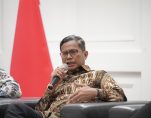


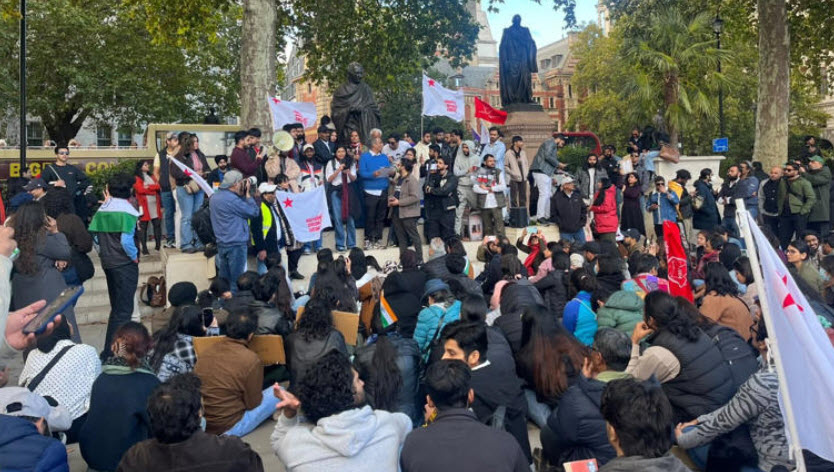

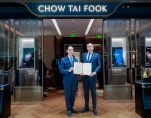

 Building Forever


 LinkedIn,
 YouTube