News related to
Phase

Billionaire investor Bill Ackman has taken a substantial position in Uber Technologies by investing $2.8 billion, marking one of the most significant recent moves by a major hedge fund into the ride-hailing giant. This sizeable commitment comes as Uber navigates an increasingly competitive and evolving landscape in mobility, delivery, and autonomous vehicle development. Ackman’s Pershing Square Capital Management purchased approximately 36.4 million shares, representing nearly 8% of […]

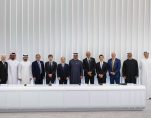
Abu Dhabi is set to host the world’s largest artificial intelligence data centre outside the United States, following a landmark agreement between OpenAI, G42, Oracle, NVIDIA, SoftBank, and Cisco. The project, named Stargate UAE, will be situated at the newly established UAE–US AI Campus in the capital. The Stargate UAE initiative is part of OpenAI’s broader “OpenAI for Countries” programme and represents a significant AI investment by […]

Abu Dhabi’s aerospace firm Space 42 is set to initiate production of prototype platforms designed to operate at altitudes reaching thousands of metres above the Earth’s surface. This development marks a significant step in the emirate’s growing ambitions within the aerospace sector, targeting near-space exploration and flight operations.

The prototypes will serve as platforms to launch near-space flights, a field that bridges traditional aviation and outer space exploration by operating at the edge of the Earth’s atmosphere. Space 42’s initiative is aligned with broader national goals to position Abu Dhabi and the United Arab Emirates as leaders in aerospace innovation and technology development. The company aims to contribute to the emerging commercial space economy by developing technologies capable of operating in the stratosphere and beyond.

Near-space platforms have a variety of potential applications, ranging from scientific research and atmospheric monitoring to telecommunications and high-altitude surveillance. These platforms can also serve as launchpads for suborbital missions, enabling experimental payloads or commercial ventures to access near-space environments more cost-effectively than traditional rockets.

Space 42 plans to produce the prototypes by the end of the year, employing advanced aerospace engineering and leveraging local expertise alongside international collaborations. The company’s approach involves creating modular, reusable platforms that can carry payloads to high altitudes while maintaining stability and control in the thin upper atmosphere.

Abu Dhabi has invested heavily in aerospace and space-related ventures as part of its strategy to diversify the economy away from oil. Space 42 is among several entities in the emirate focused on fostering innovation and building capabilities in advanced technologies. The move toward near-space flights reflects a global trend where governments and private companies alike are investing in technologies that can bridge the gap between Earth-bound aviation and space travel.

The platforms under development will use cutting-edge materials and propulsion technologies tailored to withstand harsh near-space conditions, including extreme temperature variations and low atmospheric pressure. The prototypes are expected to undergo rigorous testing phases before any commercial or scientific deployments.

Space 42’s project is part of a broader wave of interest in high-altitude platforms worldwide. These platforms offer a middle ground between satellites and aircraft, combining endurance and payload capacity with relative ease of deployment and maintenance. Their ability to provide persistent observation or communication coverage without the high costs associated with orbital launches makes them attractive for various industries.

The company’s initiative aligns with the UAE’s long-term space ambitions, which include Mars exploration, satellite development, and fostering a local space industry ecosystem. By manufacturing these prototype platforms, Space 42 aims to develop a technological edge that can be leveraged for both domestic and international markets.

Industry experts note that near-space platforms could transform how data is collected and transmitted across multiple sectors. They can support environmental monitoring by offering high-resolution data on atmospheric conditions, track climate change indicators, and improve weather prediction models. Telecommunications companies see potential in using such platforms to extend internet coverage to remote areas or enhance network resilience during emergencies.

Globally, the near-space flight market is gaining momentum as new entrants join established aerospace firms in developing technologies for stratospheric operations. Governments are increasingly recognising the strategic importance of controlling near-space assets for national security, scientific advancement, and economic competitiveness.

The production of prototype platforms by Space 42 is expected to position Abu Dhabi as a key player in this expanding field. This move may encourage further investments in research and development, talent acquisition, and infrastructure to support near-space flight activities. The initiative also aligns with the UAE’s vision to be a hub for science and technology innovation in the Middle East.

Space 42 has emphasised the role of sustainability and cost-effectiveness in their design philosophy, aiming to reduce the environmental footprint compared to traditional aerospace operations. Reusability and energy-efficient propulsion systems are central to this strategy, ensuring that the platforms can operate repeatedly without significant resource expenditure.

As the prototypes enter production, the company plans to collaborate with academic institutions, industry partners, and government bodies to validate performance and explore potential applications. This cooperation will be critical to overcoming technical challenges inherent in operating at the edge of space, where conditions differ markedly from those experienced by conventional aircraft.

The near-space platform project reflects a strategic blend of ambition and pragmatism. By focusing on prototype development, Space 42 is taking measured steps toward establishing a presence in an area that promises to grow significantly in importance and economic value. The company’s work contributes to the broader narrative of the UAE’s emergence as a forward-looking aerospace nation, committed to advancing scientific knowledge and commercial capabilities beyond the atmosphere.

While the production timeline anticipates completion before year-end, the path ahead will involve iterative testing and refinement. These phases are crucial to ensure the platforms meet stringent operational standards for safety, reliability, and performance under near-space conditions.

The company’s announcement has drawn attention from industry analysts and potential customers interested in utilising high-altitude platforms for various applications, from telecommunications to defence. The development also signals increasing competition in a sector where innovation and technical mastery are vital.

Dubai has embarked on a significant affordable housing initiative, aiming to construct over 17,000 residential units across six locations in the emirate. This development is a collaborative effort between the Roads and Transport Authority , Dubai Municipality, and Wasl Group, aligning with the Dubai 2040 Urban Master Plan.

The first phase of the project encompasses areas including Me’aisem 1, Al Twar 1, Al Qusais Industrial Area 5, and Al Leyan 1, covering approximately 1.46 million square metres. The housing units are intended for skilled professionals of various nationalities employed in both public and private sectors. The initiative seeks to provide quality housing options at affordable rental rates, enhancing living standards and supporting the city’s economic growth.

Sheikh Hamdan bin Mohammed bin Rashid Al Maktoum, Crown Prince of Dubai, Deputy Prime Minister, and Minister of Defence, witnessed the signing of the agreement. He emphasized that the project supports the Dubai 2040 Urban Master Plan and aligns with the city’s affordable housing policy, aiming to improve living standards for the workforce and reinforce Dubai’s status as a premier city to live and work.

Mattar Al Tayer, Director General and Chairman of the Board of Executive Directors of the RTA, highlighted that housing remains a key priority under the leadership’s guidance. He stated that the Affordable Housing Programme is one of the government’s pioneering initiatives aimed at enhancing community well-being and quality of life, aligning with the UAE’s designation of 2025 as the ‘Year of Community’.

Marwan Ahmad bin Ghalita, Director General of Dubai Municipality, noted that the affordable housing projects reflect the vision of building a cohesive and prosperous society. He mentioned that these projects are a significant step in developing sustainable urban centres, contributing to inclusive, healthy communities equipped with comprehensive services and recreational facilities.

Hesham Abdulla Al Qassim, CEO of Wasl Group, expressed the company’s commitment to shaping a future where inclusive urban living is a reality for all. He stated that the collaboration with RTA and Dubai Municipality represents a strategic step forward in delivering sustainable, high-quality housing solutions, supporting the goals of the Dubai 2040 Urban Master Plan.

The initiative also aligns with the ’20-Minute City’ concept, aiming to ensure connectivity to the city centre and access to essential services within a short commute. By optimizing land use and developing residential models tailored to diverse community needs, the project aspires to enhance productivity, reduce commuting times, and improve overall employee satisfaction and well-being.

Ubuntu 25.10 will introduce a significant update to its core user experience by replacing the default terminal and image viewer applications with modern alternatives. This development marks a shift towards more streamlined and feature-rich tools, reflecting the broader trend of enhancing Linux desktop usability without sacrificing performance or stability. The new default terminal, known as “Console,” is set to replace GNOME Terminal, which has been a longstanding […]

Ethereum’s price steadied near $2,400 after a notable pullback, positioning itself for a potential upward move toward the $4,000 mark. The digital asset’s resilience at this support level has drawn increased attention from traders and analysts who are monitoring the market for signs of renewed momentum.

Following a period of heightened volatility, Ethereum has maintained a base close to $2,400, a level viewed by many as a critical buying zone. This price point has historically provided stability amid fluctuating market sentiment, suggesting that investors see value at this threshold. Trading volumes have also seen a surge, indicating a resurgence of interest as participants weigh the likelihood of a recovery rally.

Analysts note that the current consolidation phase may serve as a launchpad for a rebound that could push Ethereum toward its previous highs around $4,000. The cryptocurrency has faced downward pressure stemming from broader macroeconomic factors such as tightening monetary policies, global inflation concerns, and regulatory uncertainties. Despite these headwinds, Ethereum’s underlying technological developments and ecosystem growth continue to bolster confidence among market watchers.

Recent upgrades to the Ethereum network, particularly those enhancing scalability and reducing transaction fees, have strengthened the asset’s appeal. The transition to a proof-of-stake consensus mechanism, completed with the Merge, has also significantly reduced Ethereum’s energy consumption, aligning it with global sustainability goals. These technological milestones are seen as critical factors supporting long-term value, especially as decentralised finance platforms and non-fungible tokens continue to rely heavily on Ethereum’s infrastructure.

Market sentiment is further influenced by institutional adoption and increasing integration of Ethereum-based applications across various sectors. Financial firms and multinational corporations are exploring blockchain solutions that utilise Ethereum’s smart contract capabilities, highlighting the token’s growing utility beyond speculative trading. This expanding use case has created a more diversified demand base that could underpin price stability.

On the technical front, Ethereum’s price charts show a clear pattern of support forming around the $2,400 mark, which has acted as a floor against deeper declines. Momentum indicators such as the Relative Strength Index have hovered near neutral levels, indicating neither overbought nor oversold conditions. This suggests room for upward movement if buying pressure intensifies.

Traders are also closely watching the broader crypto market, where Bitcoin’s performance often sets the tone. Bitcoin’s stabilisation above key support levels has contributed to a more optimistic environment for altcoins like Ethereum. Correlations between Bitcoin and Ethereum prices remain significant, meaning that a bullish trend in Bitcoin could catalyse Ethereum’s push toward $4,000.

Regulatory developments continue to shape investor behaviour. Authorities in major economies are increasingly engaging with digital asset regulation, aiming to establish frameworks that encourage innovation while protecting investors. The clarity brought by such regulations, though sometimes viewed as restrictive, can reduce uncertainty and foster institutional investment.

Ethereum’s developer community remains active, with ongoing initiatives focused on network improvements and new protocol enhancements. These efforts aim to address scalability challenges and reduce costs further, which are essential for supporting growing user adoption. The vitality of this ecosystem contributes to Ethereum’s positioning as the leading platform for decentralised applications.

Investor interest is also driven by the emergence of layer-two solutions, which operate atop the Ethereum blockchain to increase transaction throughput and lower fees. These technologies are critical for managing network congestion and enhancing user experience, making Ethereum more competitive with alternative blockchains.

Dubai’s real estate sector, having witnessed a remarkable 70 percent surge in property values over four years, is increasingly attracting the attention of major Wall Street investors, signalling a fresh wave of international capital flowing into the market. Among those showing strong interest is Brookfield Corp., a prominent global asset manager, which is reportedly considering a significant residential project in the Dubai Hills district. This potential move marks Brookfield’s first foray into the region’s residential property market, highlighting confidence in Dubai’s continued urban growth and economic resilience.

The Dubai Hills area, known for its integrated community developments blending residential, commercial, and leisure spaces, has become a prime target for investors aiming to capitalise on the emirate’s strategic location and expanding infrastructure. Brookfield’s plans reportedly focus on creating a mixed-use community, aligning with the city’s broader vision of enhancing livability and attracting diverse demographics including expatriates, business professionals, and families. This development would add to the already dynamic residential landscape that has benefitted from Dubai’s liberal property ownership laws and tax-friendly environment.

Singapore-based Temasek Holdings Pte., through one of its property management subsidiaries, is also actively scouting investment opportunities in Dubai, reflecting growing confidence from Asian institutional investors. Temasek’s involvement would bring considerable financial firepower and experience in managing large-scale real estate assets, further validating Dubai’s position as a regional hub for property investment. The company is reportedly assessing a range of options from commercial towers to high-end residential complexes, keen on leveraging Dubai’s status as a global financial and tourism centre.

The surge in property values has been driven by a confluence of factors including Dubai’s rapid economic diversification away from oil dependence, the government’s successful rollout of major infrastructure projects, and the city’s appeal as a safe haven for wealth amid geopolitical uncertainties. The Expo 2020 event, although delayed to 2021 due to the pandemic, had a notable impact in energising the real estate market, with sustained interest seen in areas like Dubai Marina, Downtown Dubai, and Palm Jumeirah.

Experts suggest that Dubai’s regulatory framework, which includes long-term visas for property investors and entrepreneurs, has created an inviting climate for foreign capital. This has been complemented by a steady increase in expatriate population, fostering demand for rental properties and driving rental yields. The UAE’s ongoing focus on enhancing its financial services sector and promoting innovation and technology hubs further supports long-term real estate demand.

Despite the enthusiasm, the market is not without challenges. Some analysts caution that the sharp rise in prices over a short period raises concerns about affordability and potential market overheating. The post-pandemic recovery phase has also exposed vulnerabilities such as fluctuating oil prices and shifting global economic conditions, which could affect investor sentiment. Additionally, the emergence of remote working trends may reshape residential preferences, potentially influencing demand patterns in Dubai’s real estate sector.

Brookfield’s possible entry into the residential segment is seen as a strategic bet that reflects confidence in Dubai’s ability to maintain its growth trajectory. The company’s expertise in infrastructure and real estate investment positions it well to navigate the complex regulatory and operational landscape of the region. Industry insiders point out that such high-profile involvement could encourage further inflows of private equity and institutional capital, contributing to market stability and innovation in property development.

Temasek’s active exploration in Dubai also underscores the emirate’s rising prominence on the Asian investment radar. The city’s connectivity, free-trade zones, and business-friendly policies make it an attractive gateway for investors seeking exposure to the Middle East, Africa, and South Asia markets. Temasek’s investment approach, typically characterised by long-term value creation and active asset management, may influence the development of more sustainable and diversified real estate offerings in Dubai.

Market observers note that while the residential sector is gaining momentum, commercial real estate remains a vital pillar of Dubai’s property market. The growth of co-working spaces, logistics hubs, and retail developments reflects the changing nature of work and consumption in the post-pandemic world. These trends complement residential growth by fostering integrated urban environments that cater to evolving lifestyles.

Advertisements

Cryptocurrency mining companies have registered a notable surge following the announcement of a strategic partnership between OpenAI and CoreWeave, a leading cloud computing provider. This alliance signals a growing intersection between artificial intelligence infrastructure and blockchain technology, propelling mining stocks higher and generating renewed investor interest in the sector.

CoreWeave, known for its specialised GPU-powered cloud services tailored to AI workloads, has struck a deal to supply critical computational capacity for OpenAI’s expanding suite of applications. This development positions CoreWeave as a vital player in supporting the back-end infrastructure of AI innovation. The company’s move has rippled through the crypto mining ecosystem, where hardware capable of efficiently processing complex algorithms is central to mining operations.

Investors responded positively to CoreWeave’s enhanced profile, with shares of prominent crypto mining firms climbing on various exchanges. The broader cryptocurrency market, however, displayed a more cautious stance, maintaining a consolidation phase despite escalating inflation expectations that often trigger volatility. This divergence highlights the nuanced market dynamics where infrastructure providers linked to AI growth are gaining momentum independent of general crypto price trends.

The launch of Galaxy Digital on the Nasdaq exchange further accentuated market activity around crypto-related firms. Galaxy Digital, a diversified financial services and investment management firm focusing on digital assets and blockchain technology, made a striking debut with its share price surging significantly on the first day of trading. The successful Nasdaq listing underscores growing institutional interest in the crypto and blockchain sectors, affirming confidence in their long-term viability despite fluctuating asset prices.

Market analysts note that the OpenAI-CoreWeave partnership exemplifies the convergence of artificial intelligence and blockchain technology, two sectors undergoing rapid expansion. This synergy offers mining companies an avenue to diversify and stabilise revenues by capitalising on increased demand for computational power beyond traditional cryptocurrency mining. As AI applications become more sophisticated and resource-intensive, providers like CoreWeave stand to benefit from expanded contracts and elevated valuations.

The partnership also sheds light on evolving mining operations, which now encompass hybrid models combining cryptocurrency validation with AI data processing tasks. This integration potentially improves profitability and operational resilience amid regulatory uncertainties and market fluctuations in the crypto domain. Mining firms that embrace such technological advancements may position themselves ahead of competitors relying solely on conventional blockchain mining.

Despite these promising developments, the crypto market continues to face challenges from macroeconomic factors, notably inflation expectations that often influence investor behaviour. Although asset prices across major markets, including cryptocurrencies, largely shrugged off these concerns, some volatility is expected as central banks adjust monetary policies. Cryptocurrency’s inherent volatility remains a consideration for both retail and institutional investors, who must weigh technological advancements against broader economic risks.

CoreWeave’s strategic positioning within this ecosystem is particularly significant given the rising demand for GPU-intensive workloads. The company’s infrastructure supports not only OpenAI’s needs but also a wide array of AI-driven enterprises, creating a robust client base and diversified revenue streams. This diversification contrasts with many mining firms whose fortunes are tightly correlated to cryptocurrency price cycles, adding an element of stability that appeals to investors.

Galaxy Digital’s Nasdaq listing is emblematic of the maturing crypto investment landscape. Founded by industry veteran Michael Novogratz, the firm has established itself as a critical bridge between traditional financial markets and the digital asset space. Its successful public offering reflects growing acceptance and integration of digital assets within mainstream finance, an important milestone for the sector.

Market watchers observe that while the immediate reaction favours companies linked to AI and cloud computing, the broader cryptocurrency market is navigating a complex environment marked by geopolitical tensions, regulatory scrutiny, and shifting monetary policies. These factors contribute to a cautious sentiment among traders, with prices consolidating rather than surging dramatically.

Nonetheless, the interplay between AI infrastructure providers and crypto mining firms represents a promising frontier. This convergence may drive innovation in both fields, fostering new business models and operational efficiencies. Companies that adapt to this trend could harness the dual momentum of AI growth and blockchain technology to sustain competitive advantages.

Dogecoin has witnessed significant accumulation by large holders, with so-called whales amassing more than one billion DOGE tokens amid key technical support forming near the $0.21 price level. This activity underscores a notable resilience in the meme-inspired cryptocurrency despite volatile price swings exceeding 4%, signaling potential upward momentum within the market.

Market data reveals that addresses holding between 100,000 and 10 million DOGE have collectively increased their holdings in recent weeks. This behaviour contrasts with retail investors who have shown more erratic trading patterns, pointing to growing confidence among institutional or high-net-worth participants. These larger players typically exert considerable influence on price dynamics, and their accumulation suggests an expectation of future gains.

Dogecoin’s price has stabilised around the $0.212 mark, a level identified by technical analysts as a critical support zone. This threshold has historically acted as a buffer preventing further declines during downward market pressures. Despite the broader cryptocurrency market experiencing turbulence, DOGE’s ability to hold this support hints at underlying strength in demand and investor interest.

Volatility remains a defining feature of Dogecoin’s market movements. Price fluctuations of over 4% within short timeframes have created a challenging environment for traders but have not deterred whale investors. Their continued accumulation during such swings points to a strategic long-term outlook rather than short-term speculative trading.

Experts highlight that the unique cultural and community-driven aspects of Dogecoin contribute to its enduring popularity. Unlike many cryptocurrencies built solely for utility or investment, DOGE benefits from a robust online community and high-profile endorsements, which can act as catalysts during market dips. This social factor often translates into tangible market activity, especially among larger holders who gauge community sentiment as part of their investment calculus.

The increasing concentration of DOGE among whale addresses also raises questions about liquidity and potential price manipulation risks. When a small number of holders control a significant portion of a token’s supply, market swings can be amplified. However, analysts note that the current accumulation patterns appear more aligned with organic positioning rather than coordinated efforts to influence prices artificially.

Further, Dogecoin’s integration in various payment systems and its acceptance among select merchants contribute to its utility value. This adoption enhances the token’s attractiveness beyond speculative appeal, supporting demand from users who transact regularly with DOGE. The presence of large holders accumulating during periods of price weakness could indicate confidence in the token’s sustained relevance in payments and microtransactions.

Technological developments within the Dogecoin ecosystem remain modest compared to other projects but continue to evolve. Ongoing discussions around potential protocol upgrades and partnerships seek to enhance scalability and transaction efficiency. While these improvements are incremental, they add to the positive sentiment surrounding DOGE’s future prospects.

Market watchers are also closely monitoring the broader macroeconomic environment influencing cryptocurrencies. Factors such as regulatory scrutiny, interest rate policies, and global economic trends have a direct impact on investor behaviour across digital assets. Dogecoin’s ability to maintain a firm support level amid these conditions suggests it may be carving out a distinct niche in an increasingly crowded market.

Despite the meme coin’s history of sharp rallies and corrections, the current whale-driven accumulation phase points to a shift toward more sustained price stability. This could create a foundation for renewed upward trends if buying pressure continues to outweigh selling activity.

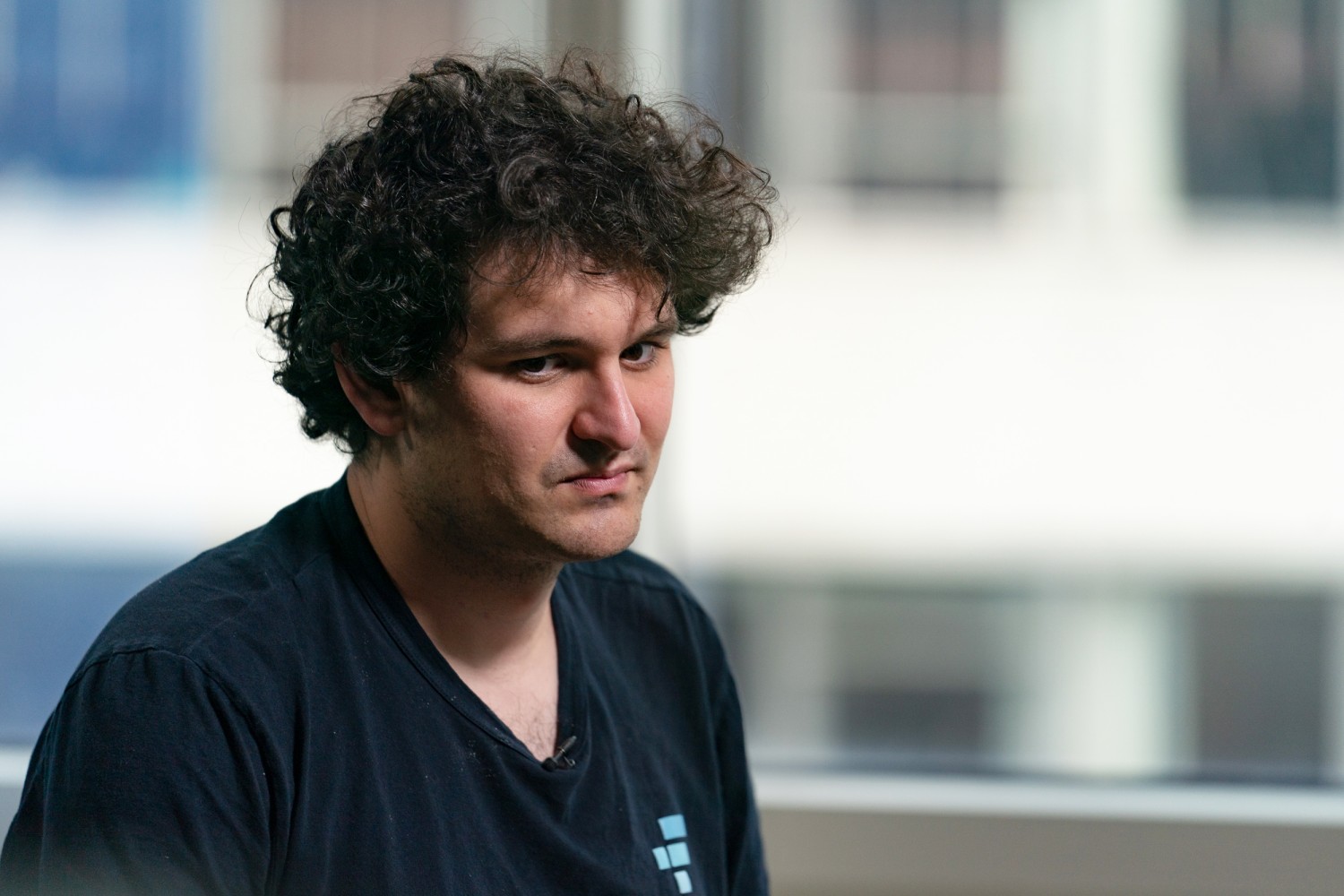
FTX, the defunct cryptocurrency exchange that filed for bankruptcy in November 2022, is poised to commence payouts exceeding $5 billion to its creditors starting May 30, 2025. This marks a significant milestone in one of the most complex bankruptcy proceedings in the crypto industry.

Under the court-approved reorganization plan, approximately 98% of FTX’s creditors are expected to recover 119% of their allowed claims, which includes the principal amount plus accrued interest. This repayment strategy is based on the valuation of crypto assets as of the bankruptcy filing date in November 2022, a point of contention given the substantial appreciation of cryptocurrencies since then.

The initial phase of repayments will prioritize creditors with claims of $50,000 or less, often referred to as the “convenience class.” This group is slated to receive their full repayments within 60 days of the plan’s effective date, amounting to approximately $1.2 billion in total. To facilitate these distributions, FTX has partnered with cryptocurrency platforms Kraken and BitGo, requiring creditors to complete Know Your Customer verifications and submit necessary tax documentation through the FTX Debtors’ Customer Portal.

The substantial funds available for distribution, estimated between $14.7 billion and $16.5 billion, have been amassed through the liquidation of FTX’s investments and the appreciation of certain assets. Notably, the estate’s stake in the AI startup Anthropic contributed significantly to the recovery pool. Despite these efforts, equity holders and investors in FTX’s proprietary token are not expected to receive any compensation.

While the repayment plan has been lauded for its unprecedented recovery rate in bankruptcy proceedings, it has also faced criticism. Some creditors argue that calculating repayments based on the 2022 valuations fails to account for the dramatic rise in cryptocurrency prices, particularly Bitcoin, which has surged from around $16,000 at the time of FTX’s collapse to over $105,000. This discrepancy has led to legal challenges and dissatisfaction among certain creditor groups.

FTX’s current CEO, John J. Ray III, who took over following the company’s collapse, has emphasized the importance of adhering to legal standards in the distribution process. He has also highlighted the challenges in balancing the interests of various stakeholders while navigating the complexities of the bankruptcy estate.

SINGAPORE – Media OutReach Newswire – 16 May 2025 – LussoCitta, a Singapore-based online platform selling branded and designer products, has entered a partnership with KrisShop, flagship omnichannel retailer. The collaboration, which commenced in October 2024, forms part of Lusso Città’s broader retail expansion strategy aimed at making luxury products more accessible to a wider audience. Lussocitta is partnering with KrisShop Elevating the Shopping Experience for KrisFlyer […]

FTX is set to initiate its second round of creditor distributions on 30 May 2025, aiming to disburse more than $5 billion to eligible claimants. This follows the initial payouts that commenced in February, targeting creditors with claims under $50,000. The forthcoming distribution will focus on creditors with larger claims, marking a significant step in the exchange’s bankruptcy resolution process.

The distribution process will be facilitated through BitGo and Kraken, the designated Distribution Service Providers . Claimants can expect to receive their funds within one to three business days post-distribution. To qualify, creditors must have completed Know Your Customer verification, submitted necessary tax forms, and onboarded with one of the DSPs by the record date of 11 April 2025. Failure to meet these requirements may result in forfeiture of the distribution.

Under the Chapter 11 Plan, the recovery rates vary across different claim categories. Dotcom Customer Entitlement Claims are set to receive 72% of their claim value, US Customer Entitlement Claims 54%, General Unsecured Claims and Digital Asset Loan Claims 61% each, and Convenience Claims 120%. These percentages are based on the USD value of assets at the time of FTX’s bankruptcy filing in November 2022, not accounting for subsequent market fluctuations.

FTX’s estate, under the leadership of CEO John J. Ray III, has approximately $11.4 billion earmarked for creditor repayments. The second distribution phase is a continuation of the estate’s efforts to resolve the claims of a diverse creditor base, including customers, vendors, and trading partners. The process underscores the complexities involved in unwinding the operations of the collapsed cryptocurrency exchange.

The selection of BitGo and Kraken as DSPs is strategic, considering their capabilities in handling large-scale digital asset transactions. Both platforms offer options for claimants to convert their distributions into digital assets or withdraw funds in fiat currency, subject to applicable fees and regulations. However, once a claimant selects a DSP, the choice is irrevocable, and distributions will be routed exclusively through the chosen provider.

The upcoming distribution is part of FTX’s broader strategy to address the claims of its creditors systematically. The estate has emphasized the importance of compliance with the outlined procedures to ensure a smooth distribution process. Claimants are advised to adhere strictly to the guidelines provided in the FTX Customer Portal to facilitate timely receipt of their funds.

FTX’s collapse in 2022 sent shockwaves through the cryptocurrency industry, leading to increased scrutiny and calls for more robust regulatory frameworks. The ongoing distribution efforts represent a critical phase in the exchange’s bankruptcy proceedings, offering some restitution to affected parties. While the repayments are based on historical asset values, they provide a measure of closure for many creditors who have awaited resolution for over two years.

Arabian Post Staff -Dubai Qatar Airways has finalised a monumental agreement to acquire up to 210 Boeing aircraft, marking the largest wide-body order in the company’s history. The deal, valued at $96 billion, was announced during U.S. President Donald Trump’s visit to Doha, underscoring a significant enhancement in U.S.-Qatar economic relations. The order encompasses 130 Boeing 787 Dreamliners, 30 777X jets, and options for an additional 50 […]

HONG KONG SAR – Media OutReach Newswire – 12 May 2025 – 0xmd, a global startup specializing in Generative Artificial Intelligence for healthcare, has entered into a strategic partnership with SENAI CIMATEC, one of Brazil’s leading technology and innovation institutions. This agreement marks the beginning of 0xmd’s operations in Brazil, expanding the company’s presence in the Latin American market. The collaboration will see 0xmd bring its cutting-edge […]

Salik, Dubai’s exclusive toll gate operator, has entered into a strategic partnership with ENOC Group to enable seamless, contactless payments at fuel stations across the emirate. The agreement, formalised through a memorandum of understanding signed at ENOC’s headquarters, will allow motorists to pay for fuel and services using Salik’s e-wallet, with charges automatically deducted via automatic number plate recognition technology.

The collaboration marks a significant step in both companies’ digital transformation strategies. Salik’s CEO, Ibrahim Sultan Al Haddad, emphasised that the initiative reinforces the company’s commitment to delivering advanced technologies that simplify transactions and improve operational efficiency. ENOC’s Group CEO, Saif Humaid Al Falasi, highlighted that the partnership enhances the customer journey and opens new avenues to add value and strengthen ENOC’s market position.

The MoU outlines joint technical integration efforts, a phased introduction of the new payment system across ENOC outlets, and upcoming co-branded marketing campaigns to increase public awareness. The two entities are also considering a broader strategic alliance.

This development follows Salik’s implementation of a variable toll pricing system across all Salik gates, effective from January 31, 2025. The new system offers different rates for peak and off-peak hours, aiming to ease congestion and improve traffic flow during peak times.

The integration of Salik’s e-wallet with ENOC’s fuel stations is part of a broader push towards customer-focused mobility solutions. By offering simple and secure ways to pay, the partnership aims to make everyday life in Dubai more convenient.

The new payment system will utilise ANPR technology, already deployed by Salik at over 25 parking locations and soon expanding to 127 locations, to offer contactless payments at ENOC’s retail and service network. This technology allows for automatic deduction of transaction values through vehicle number plate recognition, eliminating the need for cash or card payments.

Both companies are exploring further collaboration to extend these services across ENOC’s full network, reinforcing Dubai’s broader vision of a connected, smart economy. The partnership is expected to support Salik’s goal to grow ancillary revenue streams and expand its role in Dubai’s smart mobility infrastructure.

The agreement also includes joint marketing efforts, plans for phased technical integration, and potential for a deeper strategic partnership. ENOC, meanwhile, said the collaboration reflects its commitment to enhancing customer experience and exploring new digital revenue channels.

The partnership leverages automatic number plate recognition technology, already deployed by Salik at over 25 parking locations and soon expanding to 127 locations, to offer contactless payments at ENOC’s retail and service network. It marks a significant step in both companies’ digital transformation strategies.

Salik said the agreement supports its goal to grow ancillary revenue streams and expand its role in Dubai’s smart mobility infrastructure. ENOC, meanwhile, said the collaboration reflects its commitment to enhancing customer experience and exploring new digital revenue channels.

The new system will allow customers to pay for fuel and services without physical interaction, with charges automatically deducted from their Salik accounts based on vehicle number plates. This move is part of a larger plan by both companies to go digital and make things easier for customers. It will help save time, reduce the need for cash or card payments, and improve the overall experience for drivers.

The agreement was formalised at ENOC’s headquarters in Dubai, with Salik CEO Ibrahim Sultan Al Haddad and ENOC Retail Managing Director Zaid Alqufaidi signing on behalf of their respective organisations. The partnership is expected to support Salik’s goal to grow ancillary revenue streams and expand its role in Dubai’s smart mobility infrastructure.

ENOC, meanwhile, said the collaboration reflects its commitment to enhancing customer experience and exploring new digital revenue channels. The agreement also includes joint marketing efforts, plans for phased technical integration, and potential for a deeper strategic partnership.

Both companies are exploring further collaboration to extend these services across ENOC’s full network, reinforcing Dubai’s broader vision of a connected, smart economy. The partnership is expected to support Salik’s goal to grow ancillary revenue streams and expand its role in Dubai’s smart mobility infrastructure.

Oman has allocated approximately OMR60 million towards artificial intelligence initiatives between 2021 and 2024, as part of its strategic drive to position itself as a regional leader in digital innovation. This investment, overseen by the Ministry of Transport, Communications and Information Technology, underscores the sultanate’s commitment to integrating AI across various sectors to enhance public service efficiency and stimulate economic growth. The National Programme for Artificial Intelligence […]

PARIS, FRANCE – Media OutReach Newswire – 8 May 2025 – VinFast today announced the signing of a dealership agreement with ASTRADA SIMVA, its first official dealer partner in France, and Schachtschneider Automobile GmbH & Co KG, its second dealer in Germany. This marks a significant milestone in VinFast’s strategy to accelerate its sales model through dealerships globally, while reaffirming the Company’s strong commitment to driving the […]

Bjarke Ingels Group , the renowned architectural firm, has unveiled a groundbreaking plan to redevelop the Jebel Ali Racecourse into a vibrant, sustainable urban district. The ambitious project, in collaboration with ARM Holding, a prominent Dubai-based development company, aims to revitalise a sprawling 5-square-kilometre area, turning the historical site into a hub for both residential and commercial spaces.

The proposal includes creating an environmentally friendly, mixed-use community that integrates cutting-edge design with green technologies. This redevelopment is expected to redefine urban living in Dubai, focusing on sustainability, innovation, and improved connectivity within the city.

BIG’s design concept emphasises green spaces, pedestrian-friendly walkways, and eco-conscious architecture, making it a model for future urban developments. The plan includes residential units, office spaces, recreational areas, and cultural hubs, all within a green environment designed to reduce the carbon footprint. The development aims to cater to the growing demand for urban spaces that not only meet residential needs but also foster community engagement and sustainability.

The project is being seen as a significant step in Dubai’s broader urban planning strategy, which aligns with the city’s Vision 2040. This vision focuses on creating a sustainable and diversified economy, with an emphasis on innovative, eco-friendly developments. By transforming the Jebel Ali Racecourse, the project supports the city’s ongoing efforts to establish a greener, more resilient urban landscape.

The existing racecourse, a significant landmark for horse racing enthusiasts in Dubai, will be integrated into the new district, preserving its cultural and historical value. The developers plan to retain the iconic racetrack as a key feature, while surrounding it with modern amenities and green infrastructure.

One of the key aspects of the plan is the extensive use of renewable energy sources and energy-efficient designs. Solar panels, energy-efficient buildings, and water conservation systems will be incorporated throughout the district. This will not only minimise the environmental impact of the development but also contribute to Dubai’s goals of reducing carbon emissions and enhancing the sustainability of its infrastructure.

The residential aspect of the development will offer a range of living options, including apartments, townhouses, and villas, catering to a diverse demographic. A variety of amenities, such as schools, healthcare facilities, and retail outlets, will be integrated into the design to ensure that the community is self-sufficient and well-connected.

The district will feature a state-of-the-art transportation network, including electric vehicle charging stations, bike paths, and enhanced public transport links. This will ensure that the development is easily accessible and fully integrated into the wider urban fabric of Dubai. The emphasis on sustainability extends to mobility solutions, with plans for a smart transport system aimed at reducing congestion and promoting greener travel alternatives.

The partnership between BIG and ARM Holding is a significant development for the city’s real estate market, with both parties bringing their expertise to the project. BIG, known for its innovative and sustainable designs, will be responsible for the architectural vision, while ARM Holding will manage the development and construction phases. Their collaboration is expected to set new benchmarks for urban development in the region.

As part of Dubai’s push to become a global leader in sustainable urban planning, the Jebel Ali Racecourse redevelopment is expected to attract considerable interest from international investors. The project aligns with Dubai’s efforts to position itself as a hub for innovation and sustainability in the Middle East.

The transformation of the Jebel Ali Racecourse site is part of a larger trend of reimagining historical spaces in Dubai to meet the demands of a growing population and economy. Similar projects are already underway in other parts of the city, focusing on transforming underutilised or outdated areas into modern, sustainable communities that offer high quality of life for residents.

The economic impact of this project is expected to be substantial, with job creation during the construction phase and long-term benefits from increased tourism, commerce, and real estate investments. The development will also contribute to the diversification of Dubai’s economy, with a focus on attracting high-tech industries and green businesses.

While the project is still in the early stages, it has already generated significant excitement in the city’s real estate and architectural sectors. Dubai’s reputation for ambitious and futuristic developments has been bolstered by similar large-scale projects, such as the Dubai Creek Tower and the Museum of the Future. The Jebel Ali Racecourse redevelopment is expected to continue this trend, setting a new standard for sustainable urban design in the region.


Formula E has showcased a significant advancement in electric vehicle technology by completing a full lap of the Monaco circuit using energy solely regenerated through braking. This achievement was accomplished by the GENBETA prototype, a modified version of the GEN3 race car, during a controlled descent of over 1,000 vertical metres on the Col de Braus in the French Alps. The GENBETA prototype represents a leap in […]

TECOM Group PJSC has reported a 21% year-on-year increase in revenue, reaching AED 680 million for the first quarter of 2025. Net profit rose by 23% to AED 361 million, reflecting strong operational performance and strategic investments across its diversified asset portfolio. The company’s EBITDA grew by 23% year-on-year to AED 540 million, with the EBITDA margin improving to 79%. These figures underscore the group’s commitment to […]

Dubai International Airport is expected to cease operations in the near future, with Dubai Airports CEO Paul Griffiths confirming that Al Maktoum International Airport will eventually replace DXB as the city’s primary air travel hub. Griffiths revealed the plan at the Arabian Travel Market this week, indicating that DWC’s expansion would pave the way for the closure of DXB. As Dubai continues to experience rapid growth in […]

Chelsea Football Club has signed a landmark partnership agreement with DAMAC Properties, appointing the Dubai-based luxury real estate developer as the club’s official Property Development Partner. The collaboration will see the launch of Chelsea Residences by DAMAC, a high-end residential development in Dubai that will merge world-class football branding with luxurious living.

The development will be situated in Dubai Maritime City, an area known for its premium waterfront views and proximity to the heart of Dubai. This location will offer residents seafront views and easy access to the city’s key attractions. Chelsea Residences is slated to include over 1,400 residential units, ranging from apartments to luxury villas, designed to meet the needs of affluent buyers seeking both high-end living and a touch of football culture in their homes.

The project’s design promises to blend the elegance of Chelsea’s iconic blue branding with the sophisticated and modern style synonymous with DAMAC Properties. It will feature Chelsea-branded amenities, including state-of-the-art fitness centres, wellness facilities, and a football-themed community space, which aims to embody the values of health, fitness, and well-being that the club advocates both on and off the pitch.

In addition to providing a distinctive football-themed residential experience, the collaboration will also see the creation of exclusive lifestyle experiences for residents. This could include special events, VIP access to Chelsea games, and potential meet-and-greet opportunities with players and management. The project is expected to attract not only football fans but also investors interested in combining luxury living with a globally recognized sports brand.

This partnership marks a strategic move by Chelsea FC to further enhance its brand value beyond football, entering the lucrative real estate market. For DAMAC Properties, the association with one of the world’s most popular football clubs is an opportunity to expand its portfolio and tap into new demographics, particularly those with a passion for football.

The project also underscores Dubai’s status as a global hub for luxury real estate and sports investment. The city, known for its ambitious development projects and high-profile partnerships, continues to draw attention from international investors. By combining the global appeal of Chelsea FC with DAMAC’s reputation for delivering top-tier residential projects, Chelsea Residences aims to attract both local and international buyers looking for a distinctive and luxurious living environment.

The development aligns with the UAE’s wider strategy to position itself as a leader in luxury lifestyle offerings, particularly in the areas of hospitality, sports, and entertainment. Dubai has long been a magnet for wealthy expatriates and investors, with its real estate market offering a unique blend of high-end developments and tax-free benefits.

While DAMAC Properties is no stranger to branding collaborations, this partnership with Chelsea FC is particularly notable for its scale and the integration of football culture into real estate. Previous DAMAC ventures have included high-profile collaborations with fashion brands like Versace and Fendi, but the Chelsea partnership takes it a step further by incorporating a sport with such a massive global following.

Chelsea Residences by DAMAC is part of a broader trend of football clubs seeking new ways to monetise their brand through property developments and other ventures outside of traditional sponsorship deals. Similar moves have been made by other top European clubs, which have entered the real estate market to capitalize on their large, global fanbases. However, this development is unique for its strong focus on the football experience and its integration of Chelsea’s ethos and values.

The project is expected to be completed in phases, with the first units likely to be ready for occupancy within a few years. The development’s timeline will likely be influenced by factors such as the economic climate and demand for luxury properties in the region. However, early interest in the project is anticipated to be strong, particularly among Chelsea fans and international investors looking to secure a piece of the high-end Dubai market.

This partnership also highlights a growing trend in the sports industry, where clubs are diversifying their revenue streams and looking beyond traditional matchday earnings, broadcasting deals, and merchandise sales. With its extensive global fanbase, Chelsea FC’s partnership with DAMAC opens up the potential for new revenue streams, while offering DAMAC a chance to strengthen its brand association with one of the most successful football clubs in the world.

The Instagram accounts of several high-profile Pakistani actors, including Hania Aamir and Mahira Khan, have been blocked in India, igniting a wave of speculation regarding the reasons behind the sudden move. The affected profiles, which boasted millions of followers, are now inaccessible to users across the border, while others, like Fawad Khan and the Pasoori singers Ali Sethi and Shae Gill, remain unaffected.

This action has raised questions about the influence of geopolitics on social media platforms, with many linking it to the ongoing tensions between India and Pakistan. The rationale behind the selective restriction of some accounts while allowing others to remain online has fueled debate about whether these moves are politically motivated or driven by different factors.

Reports suggest that the blocking of certain accounts, including those of Aamir and Khan, is likely connected to the complex political dynamics between the two nations. While both actors enjoy immense popularity in India, their affiliations with Pakistan have led to their profiles becoming targets amid heightened nationalist sentiments. The decision to block their accounts, however, has sparked an outcry from fans and industry insiders alike, with many expressing their concerns over the restrictions imposed on artists who have long been cultural icons.

Interestingly, despite the suspension of several profiles, some accounts, like those of Fawad Khan, Ali Sethi, and Shae Gill, continue to operate without hindrance. These artists have not faced similar restrictions, which has prompted some to speculate that Instagram’s decisions may not solely be influenced by national political relations but also by other internal policies or even the specific content shared by the users involved.

Fawad Khan, known for his roles in popular Indian television dramas, has remained an important figure in cross-border entertainment, particularly after the success of his shows and films in India. Despite the political challenges faced by the entertainment industry, Khan continues to maintain a strong fanbase in both countries. Similarly, the Pasoori track, which gained significant traction on global music platforms, has kept Ali Sethi and Shae Gill in the spotlight, with their Instagram accounts still accessible in India.

The differing treatment of these celebrities has led to further confusion, as critics point to the selective nature of the blocks. Some observers argue that it may not be a coincidence that the artists who still have access to their social media accounts tend to be those with a more neutral or apolitical public image. For instance, Fawad Khan’s involvement in humanitarian causes, and Sethi and Gill’s focus on music rather than overtly political statements, could have played a role in their profiles escaping the restrictions.

Social media platforms like Instagram have increasingly become an arena for diplomatic and political clashes. Over the past few years, the divide between India and Pakistan, exacerbated by conflicts and tensions over various issues, has had a marked impact on the entertainment industry. Artists from both sides of the border, especially those who have gained recognition in India or Pakistan, have faced scrutiny or even censorship, depending on the prevailing political climate.

This trend, however, has also highlighted the growing influence of digital platforms in shaping public opinion. As people increasingly turn to social media to connect with celebrities, access entertainment, and share opinions, the role of platforms like Instagram in regulating content has come under scrutiny. Critics argue that blocking accounts of artists could have broader implications, affecting the cultural exchange and soft power that both India and Pakistan have historically shared through film, music, and television.

India and Pakistan have a long history of cultural exchange, with artists from both countries enjoying success across the border. Pakistani dramas, films, and music have found a loyal audience in India, while Bollywood actors and singers have been embraced by fans in Pakistan. These cross-border collaborations have often been seen as a bridge between the two countries, offering a form of soft diplomacy that transcends politics. However, the rise of nationalist sentiments in both nations has led to growing restrictions on such collaborations, particularly in the wake of the 2016 Uri attack and subsequent tensions between the two governments.

With the blockage of these Instagram accounts, many are questioning whether the entertainment industry is being used as a tool for political statements, and whether the social media restrictions are an extension of these sentiments. The selective blocking of celebrity accounts could potentially signal the prioritisation of nationalistic policies over the freedom of expression, as the state’s influence over digital platforms grows.

The broader impact of these social media restrictions on the entertainment industry remains to be seen. For artists who have built their careers through online platforms, such as Instagram, the sudden loss of access to millions of followers in a major market like India is a blow to their brand and reach. The effect on their career prospects in India may be significant, as the platform serves as a primary means of communication with fans, especially during the promotional phases of their work.

As Dubai continues to expand its real estate offering, a noticeable shift is underway in how residential developments are being conceptualized and delivered. Traditional high-rise towers, long considered the hallmark of urban prestige in Dubai, are increasingly being complemented — and in some cases, replaced — by boutique-scale, low-rise residential buildings designed for privacy, walkability, and long-term lifestyle value. At the center of this movement is Dubai […]

VISHNU RAJA
RYO YAMADA
HITORI GOTOH
IKUYO KITA