News related to
Phase

By K Raveendran Prime Minister Narendra Modi’s call for greater emphasis on the Global South in the evolving world order shaped by artificial intelligence is a strategic proposition. With AI becoming the most critical technological force of the 21st century, it is imperative that developing nations, particularly those in the Global South, have a role […]

Enhanced safety and security of goods entering the EU HONG KONG SAR – Media OutReach Newswire – 12 February 2025 – The European Union’s Import Control System 2 (ICS2) aims to enhance the safety and security of goods entering the EU by introducing a standardised, pre-arrival customs process for all transportation modes, including road and rail, in addition to the existing air, maritime and inland waterway requirements. […]

Lightchain AI, a nascent cryptocurrency project, is gaining significant attention with its innovative blend of blockchain technology and artificial intelligence. Currently in its presale phase, the project has already amassed over $15.5 million, indicating strong investor interest. citeturn0search1

The presale, now in its 14th stage, offers tokens at $0.006 each. Investors can participate by connecting decentralized wallets like MetaMask or Trust Wallet to the Ethereum network and purchasing tokens using Ethereum or Tether . citeturn0search3

Lightchain AI aims to revolutionize the crypto landscape by integrating artificial intelligence into its blockchain platform. This fusion is designed to enhance transaction efficiency, security, and scalability, setting it apart from existing cryptocurrencies. citeturn0search0

The project’s testnet has been launched, allowing developers and users to explore its capabilities before the mainnet release. This step is crucial for identifying potential issues and ensuring a robust platform upon full deployment. citeturn0search8

In the competitive crypto market, several projects are vying to outperform established players like Solana. Platforms such as Sui, Sei, Aptos, Monad, and Base have been identified as potential competitors, each offering unique features and innovations. citeturn0search2

Despite a general market downturn, Lightchain AI’s presale success reflects growing confidence in its approach. The integration of AI and blockchain is seen by many as a promising advancement, potentially addressing current limitations in transaction speed and security. citeturn0search4

As the presale progresses, investors are closely monitoring Lightchain AI’s developments. The project’s roadmap includes plans for further technological enhancements and strategic partnerships, aiming to solidify its position in the crypto ecosystem. citeturn0search0

Monoclonal antibodies have emerged as a promising approach in the fight against Alzheimer’s disease, offering hope for slowing its progression. These laboratory-produced molecules are designed to target specific proteins associated with the disease, particularly amyloid-beta, which accumulates abnormally in the brains of Alzheimer’s patients. Lecanemab, marketed as Leqembi, is one such antibody that has gained attention. Developed by Eisai and Biogen, it received accelerated approval from the […]

Dubai Electricity and Water Authority has announced a significant change in its water consumption measurement, transitioning from the imperial gallon to the cubic metre starting with the March 2025 billing cycle. This move aligns with Cabinet Resolution No. of 2023 and Ministerial Resolution No. of 2024, issued by the Ministry of Industry and Advanced Technology, which mandate the discontinuation of the imperial gallon unit in water meters across the UAE.

Saeed Mohammed Al Tayer, MD & CEO of DEWA, emphasized the importance of this transition, stating that adopting the cubic metre as a uniform and globally recognized measurement unit is a significant step towards enhancing alignment with international best practices. He noted that this change would facilitate benchmarking across sectors and support DEWA’s efforts to provide world-class services, ultimately benefiting customers and stakeholders.

To ensure a smooth transition, DEWA has confirmed that the current smart meters installed for customers are already compatible with the cubic metre measurement system, eliminating the need for any changes to customers’ meters. During the preparatory phase, DEWA will include both units in water bills and on the customer dashboard. The final adoption of the new unit will take effect with the March 2025 billing cycle. Customers will be informed of the change through official communication channels.

This initiative reflects DEWA’s commitment to adhering to local and international regulations to ensure services meet the highest standards of quality, efficiency, reliability, and availability. By aligning with international best practices, DEWA aims to enhance its leadership in innovation and sustainability.

The adoption of the cubic metre as the standard unit for measuring water consumption is expected to provide customers with a clearer understanding of their water usage, promoting more efficient consumption patterns. This change also aligns DEWA with other utilities in the UAE, fostering a unified approach to resource management across the nation.

In the lead-up to the March 2025 implementation, DEWA plans to engage in extensive customer outreach to ensure that all users are well-informed about the upcoming changes. This will include detailed explanations of the new billing units and guidance on interpreting water consumption data in cubic metres.

The shift from the imperial gallon to the cubic metre is part of a broader strategy to modernize utility services in Dubai. By standardizing measurement units, DEWA aims to improve transparency in billing and enhance customer satisfaction.

Mutuum Finance, a decentralized lending protocol, is garnering significant attention in the decentralized finance sector. The platform’s presale phase has seen substantial participation from prominent investors, driven by projections of a 1300% increase in token value by its official launch.

The platform offers a dual-market approach: Peer-to-Contract and Peer-to-Peer . In the P2C market, transactions are automated through smart contracts, providing a secure method for users to supply or borrow assets. This market accepts only tokens that meet stringent safety and risk criteria, such as stablecoins like USDT or established assets like ETH, ensuring a safer environment for users aiming to minimize risk while earning or accessing funds. Conversely, the P2P market enables direct user-to-user transactions, allowing the exchange of a broader range of tokens, including newer or higher-risk assets like memecoins and recently launched cryptocurrencies. While these tokens carry higher risks, they also offer opportunities for users seeking potential higher returns. Both markets are powered by smart contracts, ensuring transactions remain secure, decentralized, and efficient across the platform.

The presale is structured across multiple stages, with the initial phase pricing MUTM tokens at $0.01. Early investors have the opportunity to secure tokens at this entry point, with the price set to increase in subsequent stages, culminating in a launch price of $0.06. This structure offers early participants a potential 1100% return by the time of the platform’s official launch. For instance, an investment of $1,200 at this stage could potentially grow to $13,200 at launch.

Analysts predict further price growth post-launch, driven by the platform’s live beta release and increasing community interest. Anticipated listings on top-tier centralized exchanges could further enhance the token’s value, with projections suggesting an additional 1100% increase or more.

To engage and reward its community, Mutuum Finance has announced a $100,000 giveaway. The prize pool will be divided among 10 winners, each receiving $10,000 worth of MUTM tokens. Participants are required to follow Mutuum Finance on social media platforms and actively engage with the community. Detailed instructions for participation are available on the official website.

BANGKOK, THAILAND – Media OutReach Newswire – 6 February 2025 – The Ministry of Higher Education, Science, Research, and Innovation (MHESI), through the National Innovation Agency (Public Organisation) or NIA, has revealed an overview of Thailand’s startup growth for 2024. The data shows a consistent upward trajectory, with a cumulative growth rate of 3.3% since 2021, reinforcing Thailand’s position as one of the world’s most startup-friendly hubs. […]

Advertisements

18-29 year olds significantly more optimistic and feel more financially prepared to confront the year compared to 40-49 year olds. SINGAPORE – Media OutReach Newswire – 6 February 2025 – AIA Singapore today announced findings from the seventh edition of the AIA Live Better Study, which reflects the evolution of a society where more than 4 in 5 (83%) of Singapore residents plan to actively manage their […]

LAGOS, NIGERIA – Media OutReach Newswire – 8 February 2025 – Tolaram, the Singapore-headquartered owners and operators of Lagos Free Zone are proud to announce that the International Finance Corporation (IFC) has committed an equity investment of up to $50 million to support the development of Lagos Free Zone. The investment, aimed at closing key infrastructure gaps to enhance Nigeria’s global competitiveness, will help accelerate the first […]

OpenAI CEO Sam Altman is scheduled to visit the United Arab Emirates this week for discussions with the Abu Dhabi-based investment group MGX. The meeting will focus on securing funding for OpenAI’s ongoing projects, particularly its model development and the expansive Stargate infrastructure initiative, which is central to the company’s long-term strategy.

The meeting in Abu Dhabi comes as OpenAI embarks on a $40bn fundraising effort to support its next phase of growth. This funding is crucial as OpenAI looks to expand its capabilities, especially in light of intensifying competition from Chinese alternatives in the artificial intelligence space.

OpenAI, known for its development of the popular language model ChatGPT, is seeking to raise a significant sum to push forward with its plans to enhance AI models and infrastructure. The Stargate project is particularly important, as it aims to revolutionise OpenAI’s computational resources and data handling capabilities, laying the groundwork for more advanced AI systems. Altman’s visit to the UAE comes at a pivotal moment for OpenAI, as it strives to maintain its competitive edge in a rapidly evolving AI landscape.

The company is facing increasing pressure from cheaper Chinese alternatives, particularly DeepSeek, which has emerged as a formidable challenger in the AI market. DeepSeek’s ability to provide cost-effective solutions has gained attention, potentially disrupting the US-dominated sector. This new wave of competition has forced US companies, including OpenAI, to rethink their strategies and accelerate the development of more advanced and resource-intensive AI models.

Altman’s trip to Abu Dhabi is part of a broader effort by OpenAI to secure partnerships and financial backing from international investors. MGX, known for its significant influence in the Middle East’s investment landscape, is a key player in the UAE’s ambitious push to position itself as a global leader in technology and innovation. OpenAI’s appeal to MGX is underscored by the potential for lucrative returns in the burgeoning AI sector, which continues to attract attention from global investors looking to capitalise on the future of artificial intelligence.

As OpenAI seeks to cement its position as a leader in AI development, the company is also navigating the challenges that come with maintaining a competitive edge. The emergence of DeepSeek, backed by strong financial support and growing technical capabilities, has added a new dimension to the AI race. The Chinese company’s ability to offer AI solutions at a lower cost has made it an attractive alternative for businesses looking to deploy AI at scale, putting pressure on US companies to innovate more rapidly and efficiently.

Altman’s discussions with MGX are expected to focus not only on securing the necessary funds for Stargate and model development but also on building strategic partnerships that could help OpenAI fend off the growing competition from China. The UAE has become an increasingly important player in the global tech ecosystem, with its investments in AI, fintech, and other cutting-edge technologies positioning it as a hub for innovation in the region.

The timing of Altman’s visit to the UAE highlights the importance of securing international investment to sustain OpenAI’s aggressive growth strategy. The UAE’s commitment to fostering technological innovation and supporting global AI leaders aligns with OpenAI’s goals, making it a natural partner in the quest for funding and resources.

In recent months, OpenAI has made significant strides in its model development, releasing new versions of its language models and expanding the scope of its offerings. The company’s plans to scale its operations and invest heavily in infrastructure are essential for staying ahead of rivals like DeepSeek, whose rapid advancements have put additional pressure on the US tech sector to invest more heavily in AI research and development.

The competition between OpenAI and DeepSeek is not just a matter of technological advancement but also of financial strength. OpenAI’s ability to raise $40bn would provide a significant boost to its efforts to outpace competitors, especially as global demand for AI-powered solutions continues to grow. However, the challenge of securing funding in a highly competitive market underscores the stakes for both companies as they vie for dominance in the AI space.

For Altman and OpenAI, the upcoming meetings in Abu Dhabi are a critical opportunity to secure the backing needed to sustain their leadership position. With the stakes higher than ever, OpenAI is focusing on securing long-term partnerships and investments that will allow it to continue pushing the boundaries of AI technology. The collaboration with MGX could play a pivotal role in shaping the future of OpenAI and its efforts to remain at the forefront of artificial intelligence development.

SINGAPORE – Media OutReach Newswire – 5 February 2025 – Coopers Hill, an international consultancy specialising in landscape architecture, urban design and masterplanning, today announced its acquisition of Scape Design UK, Europe’s premier hospitality and luxury lifestyle landscape architects. With its new London studio, Coopers Hill establishes its first European office marking the firm’s seventh international office following its Dubai opening in 2023. With a 40-year legacy […]

Cryptocurrency markets began the day with a notable lack of movement, as trading volumes dropped by nearly 30%, marking a period of consolidation. Amid this trend, both bullish and bearish forces have remained active, but the lack of significant price fluctuations points to a potential for range-bound consolidation in the coming period. As major assets like Bitcoin, Ethereum, and XRP continue to experience subdued movement, two particular blockchain projects—Solana and SUI—stand out as they face pivotal moments in their market trajectories.

Solana, once considered one of the leading contenders in the blockchain space, is encountering a crucial juncture. The network, which rose to prominence with its promise of fast transaction speeds and low fees, has seen its price experience a steady decline. As the broader market grapples with low liquidity, Solana’s ability to maintain relevance is being tested. Despite an initial surge fueled by optimism regarding its scalability and unique consensus mechanism, Solana now faces concerns over network outages and heightened competition from other smart contract platforms, including Ethereum and newer contenders such as Avalanche and SUI.

Recent updates from Solana Labs highlight ongoing improvements to the network, including enhancements to decentralisation and transaction throughput. However, these developments have not been enough to stem the downward price pressure that has plagued SOL for months. The volatility seen in its earlier days is now replaced by uncertainty. While Solana remains a top-tier blockchain in terms of market capitalization, many analysts are watching closely to determine whether the project can sustain its position or if it risks falling into the shadows of more dominant platforms.

At the same time, the SUI network—launched with the backing of former Meta engineers—has been positioning itself as a potential long-term winner in the smart contract ecosystem. While it is still in its infancy compared to more established blockchains, SUI has garnered attention for its innovative approach to scalability. Its unique Move programming language, designed to offer flexibility and efficiency in asset management, could differentiate it from competitors.

However, SUI is still in a critical phase where the market must confirm whether it can deliver on its promise. Despite some initial interest, the lack of a clear price surge has left many investors on edge, waiting for concrete signs of bullish momentum. The current market conditions, combined with the cautious stance of many institutional investors, have led to a stagnation in SUI’s growth. Many analysts are closely observing SUI’s ability to break through its resistance levels, which could indicate the start of a more pronounced rally.

As Solana faces its critical point, SUI’s development remains a topic of growing importance in the crypto space. The two projects, while vastly different in terms of their technology and goals, both embody the shifting dynamics of blockchain development. Solana’s struggle to regain its former strength is tempered by the rising expectations around SUI, which is yet to prove itself on a large scale.

The outlook for Solana hinges significantly on its ability to address its scalability issues while maintaining a stable, decentralized network. With its price below key support levels, market watchers have been closely monitoring for any signs of recovery. Some experts argue that Solana might need to focus on strengthening its developer ecosystem, as many of the more successful blockchain platforms owe their success to vibrant communities and continuous innovation.

On the other hand, SUI’s success is largely dependent on its ability to convince both developers and users of its scalability and security advantages. Although SUI’s underlying technology is promising, many in the industry remain sceptical about whether it can achieve significant adoption and whether its distinct approach to data handling will stand the test of time.

The broader market environment plays a crucial role in shaping the trajectories of both networks. If the overall crypto market begins to recover, both Solana and SUI could stand to benefit. However, the current market sentiment remains cautious, as traders wait for more definitive signals. The drop in trading volume indicates that many are waiting for a trigger that might set off the next phase of market activity, whether it’s a bullish breakout or another downtrend.

As it stands, the near-term outlook for Solana is one of continued consolidation, with a focus on whether its core development team can introduce updates capable of restoring confidence in the network. For SUI, the situation is somewhat different; it still has to prove itself in terms of user adoption and building out its ecosystem. While the blockchain space is rife with competition, SUI’s innovative features may yet allow it to carve out a significant position if the market sees an influx of interest in its offerings.

Bitcoin traders are bracing for a possible downturn as market sentiment shifts. The flagship cryptocurrency has been under pressure for weeks, with experts warning that a significant price drop could be on the horizon. According to on-chain metrics, factors such as increased selling activity and a slowing bullish momentum are contributing to the growing concern.

Bitcoin, which has long been a cornerstone of the cryptocurrency market, has experienced remarkable volatility in recent months. After reaching new highs, the cryptocurrency has struggled to maintain its upward momentum, with many analysts suggesting that the market is entering a phase of heightened risk. A key factor in this shift is the increasing sell-off activity by long-term holders and institutional investors, who have been cashing in on their positions after a period of sustained growth.

As Bitcoin faces heightened selling pressure, experts point to several signs indicating a potential price correction. On-chain metrics, which track activity on the blockchain, show that many investors are currently in a profit-taking mode. This has created a significant imbalance between buying and selling, with more sellers than buyers in the market. Historically, this has been a precursor to price declines as selling pressure increases, and Bitcoin’s price fluctuates as a result.

Several prominent analysts have expressed concern about Bitcoin’s price trajectory, with some predicting that the cryptocurrency could plummet to as low as $74,000 if the current trend continues. This figure is significantly lower than Bitcoin’s recent highs, marking a potential decline that could shake investor confidence. For many in the crypto community, this warning serves as a reminder of the market’s inherent volatility, where massive swings in value are not unusual.

Despite these concerns, there are still optimists within the market who believe Bitcoin’s current price levels are merely part of a natural correction. Many investors argue that the cryptocurrency market is in the midst of a healthy consolidation phase, which often precedes further upward movement. They point to Bitcoin’s resilience over the years and the increasing adoption of digital assets by traditional financial institutions as reasons to remain bullish in the long term. However, even among these optimists, the prevailing sentiment is that market conditions are growing more uncertain.

At the heart of the current debate is the role of institutional investors. Bitcoin has increasingly attracted attention from large-scale investors, many of whom have been instrumental in driving its previous price surges. However, their involvement has also introduced a new level of complexity to the market. Institutional investors tend to take a more measured approach, often selling off their holdings when they perceive a downturn, which can amplify downward pressure on the price.

The technical indicators also suggest that Bitcoin is facing a critical juncture. On-chain analysis reveals that key support levels are being tested, and a break below these levels could trigger a cascade of selling. If the price drops below $74,000, many analysts expect further liquidation from investors, which could accelerate the decline. This potential scenario has left some traders on edge, as they weigh their options amid the uncertainty.

Adding to the unease is the broader economic environment. The cryptocurrency market, like many others, is not immune to the effects of global economic shifts. In recent months, regulatory scrutiny around cryptocurrencies has increased, particularly in major markets such as the United States and the European Union. The prospect of stricter regulations or increased taxes on crypto transactions has the potential to further weigh on Bitcoin’s price, as it could reduce market liquidity and discourage new investment.

Despite these pressures, there are also several factors working in Bitcoin’s favour. The increasing institutional adoption of digital currencies continues to grow, with companies like Tesla and Square adding Bitcoin to their balance sheets. This trend is expected to continue, as more traditional companies see Bitcoin as a hedge against inflation and a store of value. Moreover, Bitcoin’s use as a digital asset for cross-border payments and remittances continues to expand, particularly in regions where inflation and currency instability are concerns.

Israeli Prime Minister Benjamin Netanyahu met with U.S. President Donald Trump in Washington on Tuesday to discuss the fragile ceasefire between Israel and Hamas in the Gaza Strip. The leaders aimed to strategize on extending the truce and addressing broader Middle East concerns, including Iran’s regional influence and nuclear ambitions.

The ceasefire, brokered with U.S. involvement, has led to the release of several hostages and prisoners. However, President Trump cautioned that there are no guarantees the truce will hold, emphasizing the unpredictable nature of the situation. He also proposed the controversial idea of relocating Palestinians from Gaza to neighboring countries, a suggestion that has faced widespread rejection from Arab leaders.

Prime Minister Netanyahu faces internal political pressure, with right-wing coalition members urging a return to military action against Hamas unless all Israeli hostages are released. This internal divide complicates Israel’s position in the negotiations. Netanyahu announced plans to convene his security cabinet upon returning to Israel to deliberate on the next steps regarding the ceasefire.

In parallel, discussions have commenced on the second phase of the ceasefire agreement. A delegation from Israel is scheduled to travel to Doha to negotiate the release of additional hostages and address technical details of the truce. Hamas has indicated its willingness to engage in these talks, signaling a potential path forward.

Despite these diplomatic efforts, tensions remain high. Israeli military operations in the West Bank city of Jenin have resulted in significant casualties and displacement of residents, actions that have drawn international concern. The United Nations has expressed alarm over the escalating humanitarian crisis in the area.

Dubai’s real estate sector is showing remarkable growth, with off-plan property sales dominating the market. A new report from Engel & Völkers Middle East reveals that off-plan transactions now account for 63 percent of all property sales in 2024, marking a significant increase from 54 percent in 2023. This shift highlights an evolving demand for newly developed properties, driven by a mix of competitive pricing, flexible payment […]

Hamas has released three Israeli hostages, including 19-year-old soldier Agam Berger, as part of ongoing ceasefire negotiations. Berger, who was captured during the October 2023 attack, was handed over to the Red Cross in Gaza and is now undergoing medical assessment before reuniting with her family. The other released hostages are Arbel Yehud, 29, and 80-year-old Gadi Moses. Additionally, five Thai nationals were freed in this latest exchange.

The ceasefire agreement, brokered by U.S.-led mediators, aims to facilitate the release of hostages in exchange for Palestinian prisoners. Under the terms, Hamas is expected to release a total of 33 hostages, while Israel will free approximately 1,900 Palestinian prisoners. This truce seeks to halt the intense conflict that has resulted in significant casualties on both sides.

The release of Berger, the last female soldier held in Gaza, was met with celebrations in Tel Aviv. Footage showed her waving to the crowd upon her release, indicating she is alive and well. The emotional return has been a source of relief for her family and supporters.

The ceasefire has also allowed hundreds of thousands of Palestinians to return to northern Gaza, though they face significant devastation upon their return. Negotiations for further exchanges and a permanent end to the war are ongoing, with the next phase focusing on releasing remaining hostages and withdrawing Israeli troops from Gaza. The final phase will involve returning the bodies of deceased hostages and reconstructing Gaza.

The October 7, 2023, attack by Hamas resulted in over 1,200 deaths and 250 kidnappings, sparking the subsequent conflict. The recent releases are part of efforts to de-escalate tensions and work towards a more lasting peace in the region.

As part of the ceasefire deal, Israel has agreed to release 110 Palestinian prisoners. The truce, which paused the conflict earlier this month, is part of a larger deal aiming for a more extended halt in hostilities and the release of more captives. However, negotiations for a deeper, lasting peace remain complex and uncertain.

The release of hostages and prisoners is seen as a significant step towards de-escalation, but the path to a lasting peace remains fraught with challenges. Both sides have expressed a commitment to continuing negotiations, with the hope of achieving a more comprehensive resolution to the conflict.

The international community continues to monitor the situation closely, with many nations expressing support for the ceasefire and the ongoing negotiations. The hope is that these developments will lead to a sustainable peace and stability in the region.

As the situation evolves, the focus remains on the safe return of all hostages and the implementation of measures to prevent further escalation. The coming days and weeks will be critical in determining the future trajectory of the Israeli-Palestinian conflict.

The recent releases have provided a glimmer of hope in an otherwise tumultuous period, highlighting the potential for diplomacy and negotiation to yield positive outcomes even in the most challenging circumstances.

While significant hurdles remain, the progress made thus far underscores the importance of continued dialogue and the pursuit of peaceful solutions to longstanding conflicts.

The international community remains cautiously optimistic, recognizing that while the road ahead is uncertain, the recent developments represent a meaningful step towards a more peaceful and stable future for both Israelis and Palestinians.

The situation remains fluid, and stakeholders on all sides are urged to exercise restraint and continue working towards a comprehensive and lasting resolution to the conflict.

The hope is that through sustained efforts and mutual compromise, a durable peace can be achieved, bringing an end to the cycle of violence and suffering that has plagued the region for decades.

The recent hostage releases serve as a reminder of the human cost of the conflict and the urgent need for a resolution that ensures the safety and well-being of all individuals affected by the ongoing strife.

As negotiations continue, the focus remains on achieving tangible outcomes that pave the way for a peaceful coexistence between Israelis and Palestinians, fostering a future where both communities can thrive in harmony.

The international community stands ready to support these efforts, recognizing that a lasting peace in the Middle East is not only a regional imperative but also a global one, with far-reaching implications for international stability and security.

The path to peace is seldom straightforward, but the recent developments offer a beacon of hope, illustrating that even in the face of deep-seated animosities, progress is possible through dialogue, negotiation, and a shared commitment to a better future.

As the world watches, the actions taken in the coming days will be pivotal in shaping the course of the Israeli-Palestinian conflict and determining whether this moment of hope can be transformed into a lasting reality.

The release of hostages and the ongoing ceasefire negotiations represent a critical juncture, offering an opportunity to break the cycle of violence and lay the groundwork for a sustainable peace that benefits all parties involved.

The international community remains engaged, ready to assist in facilitating dialogue and providing support to ensure that the progress made is not only preserved but also built upon in the pursuit of a just and enduring resolution to the conflict.


As the cryptocurrency landscape evolves, investors are closely monitoring projects with the potential to outperform established coins in the first quarter of 2025. Among these, Lightchain AI has garnered significant attention for its innovative approach to integrating artificial intelligence with blockchain technology.

Lightchain AI distinguishes itself through its Proof of Intelligence consensus mechanism and the Artificial Intelligence Virtual Machine . The PoI system rewards nodes for executing AI-specific tasks, such as model training and inference, thereby enhancing both network security and advancing AI capabilities. The AIVM provides a dedicated environment for running AI workloads, positioning Lightchain AI as a versatile platform for industries including healthcare, finance, and supply chain management. During its presale phase, Lightchain AI raised over $8 million, with tokens priced at $0.004875 each. Analysts predict that by the end of Q1 2025, the token could reach values between $0.15 and $0.20, contingent on adoption rates and ecosystem development.

In addition to Lightchain AI, other cryptocurrencies are anticipated to perform well in early 2025. Ethereum , the leading platform for decentralized applications and decentralized finance , is expected to benefit from the increasing adoption of Layer 2 scaling solutions like Arbitrum and Optimism. These solutions aim to enhance transaction throughput and reduce fees, thereby improving user experience. Price forecasts for Ethereum suggest it could reach between $5,000 and $6,000 in the first quarter, driven by the growing popularity of DeFi platforms and non-fungible tokens .

Cardano , recognized for its research-driven approach and commitment to scalability, is also on investors’ radars. The platform’s focus on sustainability and decentralized governance has attracted a dedicated community. With the anticipated launch of enhanced DeFi capabilities in early 2025, Cardano’s utility is expected to increase. Analysts project that ADA could trade between $1.50 and $2.50 during this period, with potential for higher gains if its ecosystem achieves significant adoption.

The broader cryptocurrency market is experiencing a surge in interest, partly due to favorable regulatory developments. The current U.S. administration has signaled a more crypto-friendly stance, with proposals to appoint pro-crypto figures to key regulatory positions. This shift is expected to provide greater clarity and support for the industry, potentially leading to increased institutional investment and mainstream adoption.

XRP, a prominent cryptocurrency, is poised for a significant development with the potential launch of futures contracts. The Chicago Mercantile Exchange Group has indicated that it may introduce XRP futures as early as February 10, pending regulatory approval. This move is anticipated to enhance market liquidity and provide investors with new avenues for trading and hedging.

In the meantime, the memecoin PEPETO has gained substantial attention, surpassing $4 million in its presale phase. This surge reflects growing investor interest in alternative cryptocurrencies, particularly those with unique features and strong community engagement.

The proposed launch of XRP futures by CME represents a significant milestone for the cryptocurrency market. Futures contracts allow investors to speculate on the future price of an asset, providing opportunities for both hedging and profit. The introduction of such products is expected to attract institutional investors, thereby increasing market depth and stability. However, the CME has clarified that the information regarding the launch was released prematurely and that no official decisions have been made.

Floki is embarking on a strategic collaboration with CoinGecko to bolster its market presence through an extensive three-month marketing campaign, set to begin on January 31, 2025. CoinGecko, a prominent cryptocurrency data aggregator, offers a vast and influential platform that is poised to amplify Floki’s visibility in the competitive landscape of digital finance. The initiative marks a crucial phase in Floki’s growth strategy, particularly its push to increase the adoption of its Trading Bot platform.

The collaboration with CoinGecko, a leader in providing real-time market data, news, and insights on cryptocurrencies, positions Floki to tap into a highly engaged and data-driven audience. With CoinGecko’s extensive reach across the cryptocurrency space, this partnership is expected to offer Floki a unique opportunity to elevate its Trading Bot offerings to a broader and more targeted user base. CoinGecko’s platform attracts millions of monthly visitors, primarily traders and investors looking for reliable data to inform their decisions. By aligning with CoinGecko, Floki is setting the stage to amplify its message to this crucial demographic.

The Trading Bot platform, which forms a central component of Floki’s ecosystem, aims to streamline and automate trading strategies for both novice and experienced cryptocurrency traders. The bot is designed to execute trades based on user-defined parameters, removing much of the complexity and emotional decision-making associated with manual trading. Floki’s initiative with CoinGecko intends to underscore the effectiveness and reliability of this technology in navigating the volatility of the crypto markets.

This collaboration is particularly significant for Floki, which has been seeking ways to differentiate itself in a crowded and competitive field. Cryptocurrency trading bots have gained popularity as a tool to automate strategies, but the space is increasingly populated with numerous offerings. Floki’s partnership with CoinGecko represents an effort to gain a competitive edge by aligning with an industry leader, thereby positioning its platform as a trusted and cutting-edge solution.

In addition to promoting the Trading Bot, the three-month campaign will focus on increasing awareness of Floki’s broader ecosystem, including its growing suite of products and services. The partnership aims to highlight Floki’s commitment to technological innovation and customer-centric solutions within the crypto industry.

CoinGecko’s role in this collaboration extends beyond just marketing. With its robust data aggregation capabilities, the platform will provide Floki with valuable insights into user engagement and market trends. This data will allow Floki to fine-tune its campaign in real time, ensuring it resonates with the right audience. By utilizing CoinGecko’s tools, Floki aims to optimize its outreach efforts, making them more effective and targeted.

Floki’s marketing campaign will also incorporate various promotional strategies, including digital advertisements, sponsored content, and social media engagement, all tailored to highlight the advantages of its Trading Bot. As part of the collaboration, CoinGecko will feature Floki on its platform, providing additional exposure and direct access to CoinGecko’s vast user base. The campaign will also leverage CoinGecko’s strong presence on platforms like Twitter and Telegram, where cryptocurrency discussions are particularly active, ensuring that Floki’s message reaches a highly engaged community of potential users.

One of the key aspects of this partnership is Floki’s ability to leverage CoinGecko’s extensive network of partnerships within the cryptocurrency ecosystem. Through its established relationships with other major players in the crypto space, CoinGecko can introduce Floki to new audiences and potential collaborators. This expansion of Floki’s network is seen as a pivotal step in its ongoing efforts to enhance its reputation as a trustworthy and innovative player in the market.

The cryptocurrency landscape continues to evolve rapidly, with new players entering the market and innovations occurring almost daily. Floki’s partnership with CoinGecko is a strategic move that aims to capitalize on the growing interest in automated trading tools. By providing a reliable and effective solution for crypto traders, Floki hopes to carve out a larger share of the market and build long-term brand recognition.

As Floki and CoinGecko move forward with the marketing campaign, industry experts will be closely monitoring its impact on Floki’s user acquisition and market positioning. The results of this campaign could serve as a blueprint for other cryptocurrency platforms looking to enhance their visibility through strategic partnerships with data aggregators.

For Floki, this collaboration comes at a time when the cryptocurrency market is experiencing increased scrutiny from regulators and heightened competition. To succeed, the company will need to differentiate itself not only through its marketing efforts but also by delivering on the promises of its products. The success of the Trading Bot platform will largely depend on its ability to provide consistent results in an environment where volatility and risk are ever-present.

Nice One, a rising star in Saudi Arabia’s beauty and e-commerce sectors, made a remarkable debut on the Riyadh stock exchange this January, reflecting the ongoing boom in IPO activity across multiple industries in the Kingdom. The IPO raised an impressive $320 million, a significant milestone for the company, which saw its stock price soar by 30% on its first trading day—the maximum allowed by the exchange.

Shares of Nice One were initially priced at 35 riyals per unit, marking a strong start for the company. As the market opened, the price quickly rose to a high of SAR 64.50, before stabilizing at SAR 55.70 by the close of Wednesday’s trading session. This surge not only underscored investor confidence in the company but also highlighted the growing demand for opportunities in the region’s burgeoning beauty and e-commerce markets.

For the broader Saudi economy, Nice One’s IPO serves as a testament to the Kingdom’s strategic push to diversify its economy away from oil dependency and build up other sectors such as technology, retail, and digital services. This wave of IPOs, particularly in non-energy sectors, aligns with Saudi Vision 2030, an ambitious plan to reshape the country’s economic landscape and foster growth in new industries.

Nice One’s debut has caught the attention of investors and analysts alike, with many viewing it as a potential model for other startups within the beauty and e-commerce space. The company’s rapid rise, spurred by the increasing popularity of online retail in the Kingdom, highlights the shifting consumer behavior in Saudi Arabia, particularly among younger generations who are eager to embrace digital and mobile-first shopping experiences.

The beauty and e-commerce sectors have experienced significant growth in recent years, particularly as digital transformation has accelerated across the region. Online shopping platforms, like Nice One, have become increasingly popular as consumers seek convenience, variety, and competitive pricing. This shift in buying habits has been particularly pronounced during the COVID-19 pandemic, which further propelled the growth of e-commerce, with many consumers opting for home delivery and digital shopping solutions.

Nice One’s success also reflects the growing appeal of online beauty products in the Saudi market. The beauty industry in the region has become a major player in the global market, driven by an increasingly affluent and brand-conscious population. Saudi Arabia is home to a young, tech-savvy demographic, with high disposable incomes and a keen interest in beauty and wellness products. This has created an attractive market for local and international brands looking to expand their presence in the Middle East.

The company’s strong performance is expected to encourage other players in the e-commerce and beauty sectors to follow suit. Analysts predict that as Saudi Arabia’s stock market continues to liberalize and attract international investment, more companies within high-growth industries will consider IPOs as a means to raise capital and gain exposure on a regional or global scale.

It’s worth noting that the success of Nice One’s IPO is also closely tied to Saudi Arabia’s wider push to strengthen its capital markets. The Tadawul exchange, the largest in the Arab world, has become a focal point for IPO activity. As part of its ongoing reforms, the government has introduced initiatives designed to make the stock market more attractive to both local and international investors, including new regulations and incentives for IPO listings.

Beyond the financial impact, Nice One’s IPO also holds significance for the future of the Saudi retail and digital landscape. The company’s strong debut is a clear indicator that there is substantial growth potential in Saudi Arabia’s beauty and e-commerce markets, which have gained increasing traction both within the Kingdom and across the wider Middle East region. This sets the stage for further investment and innovation, as more companies within these sectors look to scale and capture a larger share of the market.

With a price jump of 30% on its debut, Nice One’s IPO is being seen as a benchmark for other companies that are eyeing expansion in the highly competitive beauty and e-commerce space. It serves as a signal to the market that there is a strong appetite for well-positioned companies in high-growth industries. The success of Nice One could pave the way for more consumer-focused businesses to consider listing on Tadawul, further diversifying the Kingdom’s economy.

Looking forward, the focus will be on how Nice One navigates its post-IPO growth phase. While the early performance of its stock has been promising, the company will need to demonstrate its ability to scale and maintain investor confidence. This will require continued innovation, strategic expansion, and effective management of the rapidly evolving beauty and e-commerce landscape.

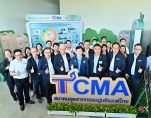
BANGKOK, THAILAND – Media OutReach Newswire – 29 January 2025 – Thai Cement Manufacturers Association (TCMA) and cement manufacturers with fully support to Saraburi Province, government agencies, private sectors, and civil society to present the one-year anniversary of progress of SARABURI SANDBOX, Thailand’s first low-carbon city. The initiative is set to advance efforts in clean energy transition, green industry, and value creation for carbon with support from […]

Bitwarden, a prominent password management service, has introduced a new security feature aimed at enhancing account protection for users who have not enabled two-factor authentication . This latest update adds an additional layer of defense against unauthorized access, catering specifically to accounts that may still be vulnerable due to the absence of 2FA. With cyber threats continuously evolving, password management platforms have increasingly become targets for hackers […]

Redeem 4 Limited-Edition “Denim Style Cushions” Plus “Magic Cling Fai Chun” to Decorate Your Home and Bring Good Luck HONG KONG SAR – Media OutReach Newswire – 23 January 2025 – 7-Eleven is here to help you celebrate a joyful and prosperous Year of the Snake! Following the overwhelming popularity of our first “New Year, New Look” collection featuring 8 Denim Style bags with Peko-chan and Sho-chan, […]

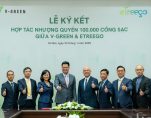
HANOI, VIETNAM – Media OutReach Newswire – 22 January 2025 – V-GREEN has signed a Memorandum of Understanding (MoU) with eTreego, a Taiwanese green energy company, to significantly expand VinFast electric vehicle charging station infrastructure. This partnership aims to install 100,000 charging portals in VinFast’s three key Southeast Asian markets, Indonesia, the Philippines and Vietnam, underscoring V-GREEN’s commitment to building a comprehensive electric vehicle ecosystem and meet […]

VISHNU RAJA
RYO YAMADA
HITORI GOTOH
IKUYO KITA