News related to
Phase

Global capital turned its back on ESG last year. But that shift, we believe, is temporary and mistaken. ESG investing should and will return to favour, not just because it’s aligned with the challenges and priorities of our time, but because it remains one of the most rational long-term strategies for investors and economies alike. The numbers from 2024 were stark. Global sustainable fund inflows halved. In […]

A compromised administrative account within ZKsync’s infrastructure has been identified as the source of an exploit that diverted approximately $5 million worth of unclaimed ZK tokens from the platform’s airdrop contract. The breach, attributed to a compromised private key, was confined to the token airdrop mechanism, according to the project’s security team. An investigation into the incident remains ongoing.

The vulnerability was exploited during the initial phase of ZKsync’s token distribution, which aimed to allocate 17.5% of its total 21 billion ZK token supply to eligible users. The airdrop, intended to reward early adopters and contributors, has been marred by criticisms over its susceptibility to Sybil attacks—a method where an individual creates multiple wallets to illegitimately claim tokens. Reports indicate that one user managed to generate over 21,000 wallets to exploit the airdrop, highlighting significant flaws in the platform’s anti-Sybil measures.

Industry experts have voiced concerns regarding the airdrop’s design. Mudit Gupta, Chief Information Security Officer at Polygon, described the event as potentially the most “farmed” airdrop to date, citing a lack of effective Sybil filtering. Similarly, Adam Cochran of Cinneamhain Ventures criticized the eligibility criteria, suggesting they were easily manipulated by automated scripts, thereby disadvantaging genuine users.

The airdrop’s execution has also been scrutinized for its distribution methodology. Despite the intention to decentralize token ownership, data reveals that a significant portion of the tokens was claimed by a small group of wallets. Approximately 41% of the top recipient wallets have already liquidated their entire allocations, contributing to a 34.5% decline in the token’s value shortly after its launch.

Compounding the situation, the airdrop’s announcement and subsequent distribution were accompanied by a surge in phishing scams and malicious decentralized applications . These fraudulent entities impersonated official ZKsync channels, luring unsuspecting users into compromising their wallets. Security firm Blockaid reported a fivefold increase in malicious dApp activity targeting ZKsync users during this period.

Global oil demand projections for 2025 have been adjusted downward by the Organization of the Petroleum Exporting Countries , marking the first such revision since December. The updated forecast anticipates a growth of 1.30 million barrels per day in 2025, a reduction of 150,000 bpd from previous estimates. Similarly, the 2026 forecast has been lowered to 1.28 million bpd. This adjustment reflects weaker-than-expected data from the first […]

Hong Kong Students Pave the Future for Various Industries with AI After an 8-month innovation journey, with the record-breaking number of participating teams tripled compared to last year, the University of Hong Kong, Queen Elizabeth School Old Students’ Association Tong Kwok Wah Secondary School, and Tai Po Old Market Public School have been crowned champions, while Diocesan Girls’ School received the award for Most Active Participating School […]

The Nigerian National Petroleum Company Limited is under increasing scrutiny following the suspension of its Naira-for-Crude policy, a move that has drawn sharp criticism from various stakeholders who argue it undermines local refinery operations and exacerbates economic challenges. Introduced in October 2024, the Naira-for-Crude initiative aimed to supply crude oil to domestic refineries in exchange for payment in Naira, thereby reducing reliance on foreign exchange and stabilizing […]

New industry survey reveals that 80% of respondents confirm venture capital firms in Dubai are actively seeking AI-driven startups, reinforcing the city’s position as a global hub for AI investment and technological innovation. The findings are part of the newly released Practical Guide to Dubai’s AI Ecosystem 2025, developed by Duamentes Global Alliance in collaboration with Dubai Silicon Oasis (DSO). The guide provides key insights into investment trends, AI adoption, […]

Nakheel Properties has unveiled the third phase of its Bay Grove Residences development on Dubai Islands, introducing 241 residential units across three contemporary buildings. This expansion aims to meet the increasing demand for upscale waterfront living in Dubai.

The new phase offers a variety of living spaces, including one, two, and three-bedroom apartments, as well as four-bedroom duplexes. Unit sizes range from approximately 861 to 3,625 square feet, with prices starting at AED 2 million. Each residence is designed to provide expansive views of the sea and the Dubai skyline, featuring modern interiors and private terraces.

Residents will have access to a range of amenities, such as an infinity pool, fitness center, clubhouse, children’s play areas, and landscaped gardens. The development also offers direct access to a pristine beach, enhancing the coastal living experience.

Strategically located on Island B of Dubai Islands, Bay Grove Residences ensures seamless connectivity to key areas of the city. The development is approximately 14.6 kilometers from Dubai International Airport and 9 kilometers from Deira Island Beach. The newly constructed Infinity Bridge further facilitates convenient access to Dubai’s major attractions and business districts.

The project aligns with the Dubai 2040 Urban Master Plan, which emphasizes sustainable urban development and aims to position Dubai as a global hub for tourism and investment. Dubai Islands comprises five interconnected islands, offering over 20 kilometers of beaches and extensive waterfront living options.

Advertisements

The Open Network Foundation has announced plans to make its self-custodial TON Wallet available to users in the United States during the second quarter of 2025. This development follows a series of strategic initiatives aimed at expanding the global reach of the TON ecosystem, particularly through its integration with the Telegram messaging platform.

The TON Wallet, a self-custodial digital asset management tool, enables users to store, send, and receive Toncoin and other digital assets directly within Telegram. This integration seeks to simplify cryptocurrency transactions for Telegram’s extensive user base, which exceeds 950 million monthly active users. The wallet’s design emphasizes user control, allowing individuals to manage their private keys and assets without reliance on third-party custodians.

The journey toward this U.S. launch has been marked by significant milestones. In November 2023, the TON Foundation initiated the global rollout of the wallet, starting with select countries in Africa. This phased approach aimed to address regional regulatory considerations and ensure a smooth user experience across different markets. Subsequent expansions targeted the Middle East, Europe, and the Asia-Pacific region, with the goal of achieving worldwide availability by the second quarter of 2024.

However, the U.S. market presented unique challenges. Regulatory complexities necessitated a more cautious approach, leading to a delayed introduction of the TON Wallet in the United States. The TON Foundation has been actively engaging with U.S. regulators to ensure compliance with local laws and to facilitate a secure and legally sound launch.

This expansion aligns with a deepening partnership between the TON Foundation and Telegram. In January 2025, the two entities announced an exclusivity agreement, designating TON as the sole blockchain infrastructure for Telegram’s Mini App ecosystem. Central to this collaboration is the adoption of TON Connect, a protocol that links Telegram Mini Apps to blockchain wallets, streamlining user interactions with decentralized applications within the messaging platform.

Telegram has committed to accepting Toncoin as the exclusive cryptocurrency for non-fiat payments on its platform. This includes services such as Telegram Stars, Telegram Premium, Telegram Ads, and Telegram Gateway. Developers and channel owners are set to receive payments and advertisement revenues exclusively in Toncoin, reinforcing the token’s utility within the Telegram ecosystem.

The introduction of the TON Wallet to U.S. users is anticipated to significantly enhance the adoption of Toncoin and related services. By integrating cryptocurrency management directly into Telegram, the TON Foundation aims to lower the barriers to entry for users new to digital assets, offering a familiar and user-friendly interface.

Industry observers note that this move could have broader implications for the cryptocurrency landscape in the United States. The seamless integration of a self-custodial wallet into a widely used messaging app may serve as a model for other platforms seeking to incorporate digital asset functionalities. Moreover, it underscores the growing convergence between social media platforms and blockchain technologies, a trend that is likely to shape the future of digital interactions.

As the second quarter of 2025 approaches, U.S. users can anticipate access to the TON Wallet within their Telegram app settings. The TON Foundation has expressed confidence that this launch will not only expand the user base of Toncoin but also foster greater engagement with decentralized applications and services built on the TON blockchain.

By Anjan Roy In the wake of Trump’s tariffs and restrictive trade practices, a global economic warfare has been sparked off, with all major economies working up stringent measures to teach the newly elected US prescient, Donald Trump, a lesson: Tariffs are a two way instrument. If you impose tariffs on others, others can impose […]

SINGAPORE – Media OutReach Newswire – 8 April 2025 – Juspay, a global leader in payment infrastructure for enterprises and banks, has secured $60 million as part of its Series D funding round in a combination of primary and secondary investments. This investment round was led by Kedaara Capital with participation from existing investors Softbank and Accel. Juspay has expanded its global footprint across Asia-Pacific, Latin America, […]

Cryptocurrency exchange FTX has disqualified approximately 392,000 customer claims after users failed to verify their identities by the March 3 deadline, potentially nullifying claims exceeding $2.5 billion. This action affects a substantial portion of creditors seeking restitution following FTX’s collapse in November 2022.

FTX creditor advocate Sunil Kavuri estimates that claims under $50,000, totaling around $655 million, and larger claims amounting to approximately $1.9 billion are subject to disqualification due to Know Your Customer violations. The KYC process, a standard compliance measure in the financial industry, requires users to provide personal identification information to prevent fraud and money laundering.

FTX’s bankruptcy proceedings have been complex and protracted. In October 2024, U.S. Bankruptcy Judge John Dorsey approved the company’s wind-down plan, allowing FTX to utilize up to $16.5 billion in recovered assets to fully repay customers. The plan prioritized customers with claims of $50,000 or less, aiming to reimburse 98% of such claimants within 60 days of the plan’s effective date.

The repayment process commenced on February 18, 2025, targeting the “convenience class” of creditors with claims under $50,000. Distributions were facilitated through cryptocurrency firms Kraken and BitGo, with customers expected to receive funds within one to three business days. FTX Recovery Trust Plan Administrator John J. Ray III acknowledged the significance of this milestone but emphasized the ongoing nature of recovery efforts.

The next phase of repayments is scheduled to begin on May 30, 2025, addressing larger claims exceeding $50,000. FTX has amassed an $11.4 billion cash reserve to fund these payments. Bankruptcy attorney Andrew Dietderich informed the court that while minor creditors have started receiving payments, the first distribution to major debt holders is set for late May.

Despite these efforts, some creditors have expressed dissatisfaction with the repayment terms. Concerns have been raised about reimbursements being based on cryptocurrency valuations from November 2022, when prices were significantly lower. For instance, Bitcoin was trading at approximately $16,000 during that period, compared to its current value exceeding $100,000. This discrepancy means that creditors might receive only 10–25% of their crypto’s current value.

Dubai’s Roads and Transport Authority has entered into a strategic partnership with Uber Technologies Inc. and autonomous driving technology firm WeRide to introduce self-driving taxis to the city’s transportation network. This collaboration aligns with Dubai’s ambition to transform 25% of all journeys into autonomous trips by 2030, as part of its Self-Driving Transport Strategy.

His Excellency Mattar Al Tayer, Director General and Chairman of the Board of Executive Directors of RTA, emphasized the significance of this initiative, stating that the partnership represents a crucial step in advancing Dubai’s autonomous transportation goals. Noah Zych, Uber’s Global Head of Autonomous Mobility and Delivery Operations, expressed enthusiasm about the collaboration, highlighting the company’s commitment to integrating autonomous vehicles onto the Uber platform in Dubai, with WeRide as the initial technology partner.

WeRide, a Guangzhou-based autonomous driving company, has been expanding its global footprint. The firm previously launched a commercial robotaxi service in Abu Dhabi in December 2024, marking Uber’s first deployment of autonomous vehicles outside the United States. The expansion into Dubai signifies the second Middle Eastern city to feature WeRide and Uber’s autonomous ride-hailing service, further solidifying their presence in the region.

The collaboration will commence with pilot programs utilizing Uber’s technology to connect riders with WeRide’s autonomous vehicles, ensuring a seamless user experience. Details regarding the pilot program and subsequent phases are expected to be disclosed in the coming months. The initiative aims to enhance urban mobility by providing reliable and forward-thinking transportation solutions that align with Dubai’s vision for smart cities and future transport.

In addition to this partnership, RTA has been actively expanding its global collaborations with leading autonomous driving technology providers. The authority recently announced a partnership with Baidu’s Apollo Go to deploy autonomous taxis in Dubai, further advancing the city’s autonomous transportation objectives.

The introduction of self-driving taxis is anticipated to transform Dubai’s transport landscape by improving connectivity and reducing accidents. Trials for the autonomous vehicles are scheduled to commence this year, with a safety driver present during the initial phase. Commercial operations are projected to launch in 2026, contributing to the city’s goal of achieving 25% autonomous trips by 2030.

WeRide’s involvement in Dubai builds upon its global expertise in autonomous driving and complements Uber’s leadership in ride-hailing and mobility solutions. The partnership positions Dubai as a pioneering hub for smart transportation, leveraging advanced technology to enhance the city’s public transit system.

Dubai-based Edgnex Data Centers, a subsidiary of the Damac Group, has acquired Finnish data center company Hyperco, marking a significant expansion into the Nordic region. The financial terms of the deal have not been disclosed. Hyperco operates data centers in Finland and Sweden, leveraging the region’s sustainable energy resources, mature digital ecosystems, and high connectivity. The company’s three co-founders and existing team will continue to lead operations […]

Ripple has integrated its US dollar-pegged stablecoin, RLUSD, into its cross-border payments platform, Ripple Payments. This integration aims to enhance the efficiency and scalability of international transactions. The move coincides with RLUSD’s listing on the cryptocurrency exchange Kraken, broadening its accessibility to both institutional and retail users.

Launched in December 2024, RLUSD has rapidly approached a market capitalization of $250 million, reflecting significant adoption within the digital asset ecosystem. The stablecoin is fully backed by U.S. dollar deposits, government bonds, and cash equivalents, ensuring its stability and reliability. Ripple has positioned RLUSD as an enterprise-grade asset designed to streamline cross-border payments by providing a stable and efficient medium of exchange.

The integration of RLUSD into Ripple Payments is part of a phased rollout. Select customers, including cross-border payment providers BKK Forex and iSend, are already utilizing RLUSD to enhance their treasury operations. This development underscores Ripple’s commitment to combining its expertise in payments with a robust payout network and a compliant stablecoin to deliver fast, low-cost, and scalable cross-border payment solutions.

In addition to its integration into Ripple Payments, RLUSD’s listing on Kraken marks a significant milestone in its adoption. Kraken joins a growing list of platforms supporting RLUSD, including LMAX Digital, Zero Hash, Bitstamp, and Bullish. This expansion increases RLUSD’s liquidity and provides users with more avenues to access and utilize the stablecoin.

Jack McDonald, Ripple’s Senior Vice President of Stablecoins, noted that RLUSD’s market capitalization has exceeded internal projections, with adoption spanning multiple financial sectors. He highlighted that RLUSD is being used as collateral in both crypto-native and traditional finance trading markets. Furthermore, Ripple is actively collaborating with non-governmental organizations to explore the potential of stablecoins in streamlining charitable giving.

The stablecoin market has been predominantly dominated by Tether and USD Coin , which together account for nearly 90% of the total market capitalization. Ripple’s entry into this space with RLUSD signifies a strategic move to challenge these incumbents by leveraging its established infrastructure and expertise in cross-border payments. The company’s recent legal victory against the Securities and Exchange Commission has further bolstered its position in the cryptocurrency industry, enabling it to pursue new ventures such as RLUSD with greater confidence.

Ripple’s approach to RLUSD emphasizes compliance and transparency. The stablecoin is 100% backed by U.S. dollar deposits, U.S. government bonds, and cash equivalents. To oversee RLUSD’s operations and ensure adherence to regulatory standards, Ripple has appointed an advisory board that includes notable figures such as Sheila Bair, former chair of the U.S. Federal Deposit Insurance Corporation.

The integration of RLUSD into Ripple Payments and its listing on Kraken are expected to drive further adoption of the stablecoin. By providing a stable and efficient medium for cross-border transactions, RLUSD aims to address the challenges associated with traditional international payments, such as high costs and lengthy processing times.

As the digital asset landscape continues to evolve, the role of stablecoins like RLUSD in facilitating seamless and efficient transactions is likely to expand. Ripple’s strategic initiatives with RLUSD position the company to play a pivotal role in the future of cross-border payments, offering both enterprises and individuals a reliable alternative to traditional payment methods.

Apple is developing an AI-powered virtual health coach as part of a major revamp of its Health app, aiming to make its products central to personal wellness. The initiative, referred to internally as Project Mulberry, is designed to provide users with personalized health advice through an intelligent, virtual assistant, marking a significant step towards integrating artificial intelligence into everyday health management. The Health app overhaul is poised […]

EDGNEX Data Centers, the digital infrastructure arm of DAMAC Group, has solidified its position in the European market with the acquisition of Hyperco, a data centre company founded in Finland. The acquisition marks a significant step in EDGNEX’s strategy to enhance its global footprint, particularly within Europe, which is known for its robust digital infrastructure and commitment to sustainability. Hyperco operates cutting-edge data centres across Finland and […]

Greenlogue/AP Abu Dhabi National Oil Company has initiated a tender process for the engineering, procurement, and construction of Project Rabdan, a low-carbon ammonia production facility slated for construction in the Taziz industrial complex. The plant is designed to produce one million tonnes per year of blue ammonia, leveraging natural gas feedstocks while capturing and storing carbon dioxide emissions to reduce its carbon footprint. The EPC tender follows […]

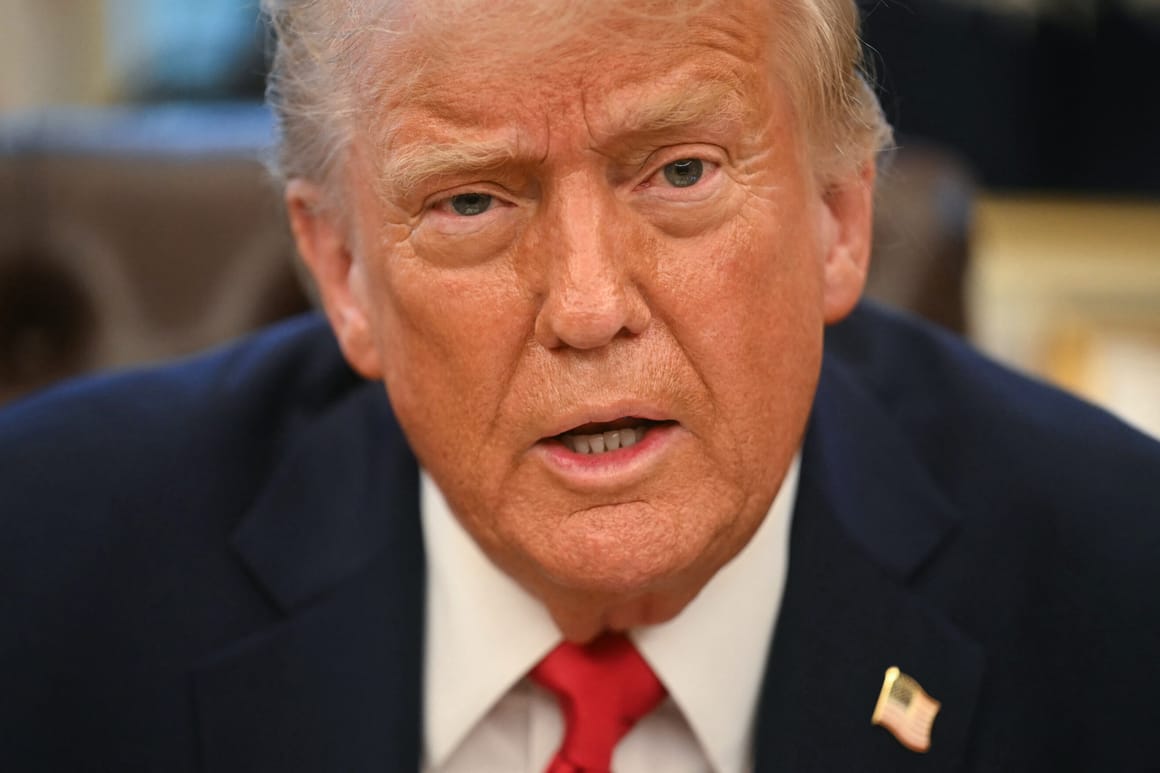
President Donald Trump has indicated that his first international trip in his second term will likely include visits to key countries in the Middle East, namely Saudi Arabia, the United Arab Emirates , and Qatar. While speaking to the press in the Oval Office, Trump suggested the visit could occur next month, though he noted it might be slightly delayed depending on diplomatic and scheduling considerations.

This trip is expected to be a crucial moment in Trump’s foreign policy, as it will focus on reinforcing the United States’ strategic relationships in the region, particularly in the wake of his administration’s efforts to reshape the dynamics of the Middle East through initiatives such as the Abraham Accords and military partnerships. The planned visit underscores the ongoing importance of these Gulf nations as key players in both regional and global geopolitical matters, including security, energy, and economic cooperation.

The president’s statement reflects the evolving nature of U.S. foreign policy in the Middle East, where traditional alliances have been reinforced while new partnerships, especially with the UAE and Bahrain, have emerged over the past few years. The Abraham Accords, signed in 2020, have opened new avenues for diplomatic engagement in the region, with several Arab countries normalising ties with Israel, a move that has significantly altered the political landscape.

Saudi Arabia, as a longstanding ally of the United States, remains at the heart of the Middle East’s geopolitics, particularly in relation to energy markets and security concerns regarding Iran’s growing influence. Trump’s administration was marked by its staunch support for the kingdom, including a controversial stance on the murder of journalist Jamal Khashoggi and its military cooperation in the region. A visit to Riyadh would likely reaffirm these strategic ties, especially as the U.S. continues to grapple with Iran’s nuclear ambitions and its role in regional instability.

The UAE has also become an increasingly influential partner, not only in terms of energy and security but also in fostering technological innovation and investment. In addition to hosting Israeli diplomatic missions following the Abraham Accords, the UAE has positioned itself as a hub for economic development, hosting major events like Expo 2020 Dubai and advancing its space exploration programme. Trump’s engagement with the UAE signals an ongoing commitment to strengthen ties with nations that have emerged as leaders in the Middle East’s economic diversification efforts.

Qatar, a key player in regional diplomacy and a host to the massive U.S. military base at Al Udeid, will also play a central role in Trump’s plans. As a small but influential country, Qatar has positioned itself as a mediator in various regional conflicts, often serving as an intermediary between conflicting parties in the region. Trump’s relationship with Qatar has been critical, particularly in relation to military cooperation and counter-terrorism efforts, and his visit would likely reaffirm the importance of these ongoing collaborations.

While the specifics of the trip remain unclear, the White House has made it known that the president’s travels will reflect the continued prioritisation of U.S. interests in the Middle East. Following years of tension over issues such as the U.S. withdrawal from Afghanistan and its approach to Iran, the Middle East remains a focal point of U.S. foreign policy. This visit could signal a shift towards a more engaged and active approach, particularly as the region faces new challenges ranging from economic instability to security threats from non-state actors.

Experts suggest that Trump’s trip will also serve as a signal to other global powers, particularly China and Russia, of the U.S.’s commitment to maintaining its influence in the Middle East. The region’s role in global energy production, combined with its strategic location at the crossroads of Europe, Africa, and Asia, makes it a critical area for U.S. interests. Trump’s visit is expected to focus on advancing energy partnerships, countering the growing influence of China in the region, and ensuring that U.S. military presence continues to be a stabilising factor in the face of Iranian provocations and broader geopolitical shifts.

Trump’s visit comes at a time when the Middle East is witnessing significant shifts in its diplomatic and economic alignments. Saudi Arabia, for example, has begun to recalibrate its foreign policy, striking deals with China and Russia, and there are signs that the kingdom is exploring new relationships outside its traditional Western alliances. Trump’s visit could also serve to counter these new trends, reinforcing U.S. leadership in the region.

The trip could be particularly significant for the future of U.S. relations with Israel. Although Israel’s peace agreements with several Arab states have altered the region’s political landscape, U.S. support for Israel remains a cornerstone of its Middle East policy. Trump’s visit will likely address how the U.S. plans to build on these agreements while navigating the evolving dynamics between Israel and its Arab neighbours.

As Trump prepares for his visit, discussions will also revolve around the broader implications of his foreign policy agenda. The Middle East is not only a region of military importance but also a key player in the global fight against terrorism, as well as in shaping energy markets and technological innovations. Trump’s emphasis on strengthening partnerships with countries like Saudi Arabia, the UAE, and Qatar will be crucial in setting the tone for the next phase of U.S. involvement in the region.


Highlights of the Annual Results for the Year Ended December 31, 2024: With rising demand for chips from AI technology-related industries, AI chip orders from Comtech continued to grow, driving the Group’s revenue up by 14.3% year-on-year to RMB10,129.1 million. The Group recorded a gross profit of approximately RMB889.4 million and a net profit of approximately RMB273.5 million. Profit attributable to equity shareholders of the Company was […]

Autogo, a UAE-based autonomous mobility solutions provider under Kintsugi Holding, has commenced trials for its RoboTaxi service in Abu Dhabi, aiming for full-scale operations by 2026. The initial phase involves deploying several autonomous vehicles in select areas of the city, with plans to expand the fleet and coverage area in the coming years. These trials are conducted in close coordination with Abu Dhabi’s Integrated Transport Centre to […]

Norwegian robotics firm 1X Technologies is set to initiate in-home trials of its humanoid robot, Neo Gamma, deploying the units in several hundred residences by the end of 2025. Bernt Børnich, CEO of 1X, emphasized the significance of these trials in advancing household robotics, stating, “This is a pivotal step towards integrating humanoid robots into daily life, allowing us to understand and enhance their interactions within real-world […]

Hong Kong’s Largest Data Centre Built for the New AI Era HONG KONG SAR – Media OutReach Newswire – 27 March 2025 – SUNeVision, the technology arm of Sun Hung Kai Properties (SHKP), today announced the commencement of construction for Phase Two of MEGA IDC in Tseung Kwan O. (From left)SHKP Executive Director and SUNeVision Vice Chairman Allen Fung, SHKP Chairman & Managing Director and SUNeVision Chairman […]

Dubai’s ambitious Palm Jebel Ali project is witnessing a significant revival, positioning itself as a prime destination in the global luxury real estate market. Originally launched in 2002, the development faced delays due to the 2008 financial crisis but was revitalized in 2023. Today, it stands as a testament to Dubai’s resilience and vision for expansive waterfront living. Spanning approximately 147 million square feet—more than double the […]

CoreSky, a platform dedicated to the incubation of meme coins, has successfully raised $15 million in a Series A funding round. This infusion of capital aims to accelerate the development of its platform, which facilitates user engagement in the early stages of meme token creation.

The funding round was led by Tido Capital, with participation from WAGMI Ventures, CoPilot Ventures Studio, Web3vision, and Parallel Ventures. This investment brings CoreSky’s total funding to $21 million; however, the company’s valuation remains undisclosed.

CoreSky’s platform introduces a community-driven approach to meme coin development. By enabling user voting, it gauges public opinion during the initial phases of a meme token’s lifecycle. This mechanism aims to foster fair distribution and grassroots involvement, addressing challenges often associated with the meme coin market.

VISHNU RAJA
RYO YAMADA
HITORI GOTOH
IKUYO KITA