News related to
Phase

The Guangdong-Hong Kong-Macao Greater Bay Area Listed Companies Summit 2024 Unveils the “Hong Kong—Best Headquarters Choice for Greater Bay Area Listed Companies” Initiative Empowering Mainland Enterprises to Leverage Hong Kong for IPOs and International Growth HONG KONG SAR – Media OutReach Newswire – 26 November 2024 – On November 25, the “Guangdong-Hong Kong-Macao Greater Bay Area Listed Companies Summit 2024,” hosted by the Greater Bay Area Association […]

Suriname’s presidential candidate Maya Parbhoe has unveiled a groundbreaking strategy to transform the nation’s financial system by adopting Bitcoin as its primary currency, seeking to make Suriname a global pioneer in cryptocurrency-based governance. If elected, Parbhoe plans to declare Bitcoin as legal tender immediately and phase out the Suriname dollar (SRD), positioning the nation at the forefront of decentralized economic reform.

This initiative, inspired by El Salvador’s trailblazing adoption of Bitcoin, represents a broader ambition to overhaul the country’s financial framework and diminish reliance on international financial institutions, including the International Monetary Fund (IMF). Parbhoe envisions Bitcoin as not just a currency but a foundation for economic sovereignty and a shield against corruption.

Parbhoe’s proposal to introduce Bitcoin as legal tender hinges on its expedited implementation. The executive order required for this change, she asserts, could bypass legislative hurdles, ensuring rapid adoption. This measure would follow her inauguration, signaling the start of a comprehensive economic transition designed to dismantle existing financial hierarchies and empower local populations. With Bitcoin replacing the SRD as the national currency, Suriname could set an unprecedented example of large-scale cryptocurrency integration.

To facilitate this transition, Parbhoe has assembled a specialized economic advisory group, including Austrian economist Philip Baggis, who has extensive experience in decentralized financial systems. The advisory panel is drafting a roadmap to ensure a structured shift to Bitcoin while addressing potential legal and logistical challenges. This transformation, estimated to take two to three years, would also involve public education initiatives to familiarize citizens with cryptocurrency usage.

The candidate’s campaign has gained international attention, particularly among the global cryptocurrency community. A crowdfunding effort on Geyser, a platform tailored for Bitcoin projects, has so far raised approximately $45,000. This support has not only fueled her political campaign but also enabled local development projects, including technology centers and community food initiatives, reinforcing her image as a reformist leader.

Suriname’s modest economy and relatively small population provide an environment conducive to such a bold financial experiment. Parbhoe believes that adopting Bitcoin will allow the nation to bypass conventional financial constraints, reduce dependency on volatile currency exchange rates, and attract foreign investment. The revenue from oil reserves, projected to rise significantly by 2028, is another pillar of her strategy, aimed at repaying external debts and ensuring financial autonomy.

Critics, however, caution against the risks associated with volatile cryptocurrency markets and the social upheaval that could accompany such a sweeping economic change. Skeptics argue that a lack of infrastructure and widespread understanding of Bitcoin could create barriers to implementation, potentially alienating sections of the population and disrupting everyday transactions.

HONG KONG SAR – Media OutReach Newswire – 26 November 2024 – Is Hong Kong back to normal? It’s a question that continues to be asked of people who live in Hong Kong, and to those who visit Hong Kong. It assumes that the city has not been itself in recent years. However, Hong Kong has always been a vibrant and entrepreneurial city with unique quirks and […]

ShapeHero Factory, currently in Early Access on PC, is a dynamic hybrid of tower defense and factory-building genres that emphasizes strategy, adaptability, and repetition. The game invites players to create tools of war in a factory setting, utilizing a unique blend of roguelite elements and strategic planning. As you craft units, heroes, and spells, the goal is to defend against increasingly powerful enemies and bosses in a […]

Reducing waste by collaborating with the World Green Organisation and a local farm to upcycle materials for farming use HONG KONG SAR – Media OutReach Newswire – 25 November 2024 – Mead Johnson Nutrition Hong Kong (“Mead Johnson”) is re-introducing the “We CAN Protect the Future” formula cans recycling program today, inviting parents and the community to join forces in promoting recycling and resource recovery. Additionally, the […]

Riyadh is set to mark a significant milestone in its urban development with the much-anticipated launch of the Riyadh Metro’s first phase on November 27. This phase will feature three key lines, marking the beginning of a transformative project aimed at reshaping the city’s public transport landscape.

The Riyadh Metro is one of the largest and most ambitious transportation projects in the world, spearheading the Saudi capital’s efforts to modernize infrastructure and reduce congestion. The first phase includes three lines: the Red Line, Green Line, and Blue Line. Together, these lines will cover a network spanning more than 40 kilometers and will offer commuters a fast, efficient, and environmentally friendly alternative to the city’s heavily congested roads.

The metro network is designed to cater to the growing population of Riyadh, which has seen rapid urbanization over the past few decades. With a population now surpassing 7.5 million, the city has been grappling with traffic congestion, air pollution, and a lack of efficient public transport options. The Riyadh Metro aims to address these challenges by providing a reliable, sustainable mode of transportation for both residents and visitors.

The project has been a long time in the making, with construction having begun in 2014. The Riyadh Metro is being developed by the Saudi Arabian government in collaboration with a number of international firms, including the Spanish company Obrascon Huarte Lain (OHL), the French multinational Alstom, and the American company Bechtel, among others. The project is a cornerstone of the Kingdom’s Vision 2030, which seeks to modernize and diversify the economy and improve the quality of life for Saudi citizens.

The Red Line, which will be the longest of the three, spans 22 kilometers and runs along a north-south axis, connecting key areas such as the King Abdulaziz Historical Center, King Saud University, and the King Khalid International Airport. This line is expected to significantly reduce travel times for residents and visitors moving between the city center and the airport, as well as improving access to cultural and commercial hubs.

The Green Line, at 13 kilometers in length, runs east-west and links some of Riyadh’s most densely populated neighborhoods. This line will provide an important service for commuters traveling between residential areas, business districts, and major shopping centers. The Green Line also intersects with the Red Line at several key points, allowing passengers to easily transfer between the two.

The Blue Line, though shorter at just 5 kilometers, will provide crucial access to critical sites within Riyadh’s urban core, including government buildings, commercial centers, and transportation hubs. This line is expected to help alleviate congestion in the city’s busiest areas, particularly during rush hours.

The Riyadh Metro’s infrastructure is designed with sustainability in mind, incorporating advanced technology to ensure minimal environmental impact. The system will be powered by electricity, which aligns with Saudi Arabia’s broader push toward cleaner, renewable energy sources. The trains are designed to be energy-efficient, with an automated system to reduce energy consumption during non-peak hours. In addition to being environmentally friendly, the metro is designed to handle high passenger volumes, with the system expected to carry around 1.16 million passengers per day once fully operational.

As the first phase of the Riyadh Metro prepares for its official launch, the city has been undergoing a significant transformation to accommodate the new system. New stations, depots, and maintenance facilities have been built, while roadways and pedestrian infrastructure have been upgraded to facilitate easy access to metro stations. Several test runs have been conducted to ensure the system operates smoothly and efficiently, and the Saudi government has promised to offer free rides during the initial months to encourage adoption among the city’s residents.

The Riyadh Metro will play a central role in addressing the Kingdom’s broader goals for urban mobility. Public transportation in Saudi Arabia has historically been limited, with car ownership and road travel being the primary modes of transport for most residents. The Riyadh Metro is expected to significantly reduce the city’s reliance on private cars, thus easing congestion and cutting down on air pollution. The metro is also expected to boost Riyadh’s economic development by providing better access to key business areas, enabling greater productivity and increasing the overall efficiency of the urban environment.

In addition to its environmental and economic benefits, the Riyadh Metro project is set to improve the quality of life for residents by reducing travel times and providing a safe, reliable, and convenient alternative to private cars. The metro stations have been designed with accessibility in mind, catering to the needs of people with disabilities, and offering modern amenities such as air-conditioned waiting areas, Wi-Fi, and ample space for commuters.

The completion of the first phase is just the beginning of a larger metro network planned for Riyadh. Future phases of the project will include additional lines, connecting more neighborhoods, business districts, and cultural centers. This expansion will help integrate the metro system into the city’s broader transportation ecosystem, which includes bus services, taxis, and ride-sharing options. The overall aim is to create a comprehensive, multimodal transportation system that enhances mobility and improves quality of life for all of Riyadh’s residents.


The cryptocurrency market has witnessed a remarkable shift as altcoins gain significant bullish momentum, pushing Bitcoin to the sidelines while driving substantial market activity. The latest data reveals that liquidations across the crypto market have surpassed $494 million, primarily fueled by a surge in altcoins such as Stellar Lumens (XLM), Decentraland (MANA), and The Sandbox (SAND).

Bitcoin’s recent performance has been characterized by a steady consolidation phase, with the leading cryptocurrency closing out its third consecutive week within the price discovery phase. However, this period of indecision in Bitcoin’s market action has paved the way for a growing rally among altcoins, suggesting that investors may be shifting their focus to smaller tokens as they look for promising returns. Analysts point to the altcoin market’s strong performance as a sign of growing investor confidence outside of Bitcoin, possibly indicating the start of a broader shift in market trends.

Stellar Lumens, for example, has seen its value surge by over 30% in the past week alone, driven by renewed interest in its cross-border payment solutions. Similarly, Decentraland, the virtual reality platform, and The Sandbox, which provides a decentralized gaming experience, have also posted impressive gains. These altcoins, benefiting from positive market sentiment and strong project fundamentals, have been attracting both retail and institutional investors. Experts suggest that the increased focus on the decentralized finance (DeFi) sector and non-fungible tokens (NFTs) could be contributing factors to the bullish trends seen in these specific assets.

As Bitcoin’s price remained relatively stable, hovering around the $35,000 mark for the past several weeks, the broader cryptocurrency market saw increased volatility, particularly with altcoins. Liquidations—when leveraged positions are forcibly closed out due to price movements—have been a significant aspect of the market activity. The total liquidation figure for this week alone has exceeded $494 million, with the majority stemming from short and long positions in altcoins. This high liquidation value reflects the volatility that altcoins are experiencing, driven by sudden price shifts and investor actions within these smaller tokens.

The liquidations have sparked mixed reactions among market participants. On one hand, some see these liquidations as a sign of caution, where traders who bet on price declines in altcoins have been forced to cover their positions after the sudden upward momentum in these tokens. On the other hand, others view the liquidations as a natural part of the market cycle, often marking the end of a bearish phase and signaling the potential for further gains in altcoins.

In addition to individual altcoins like XLM, MANA, and SAND, the broader DeFi ecosystem has been undergoing rapid development. The sector, which aims to replicate traditional financial services like lending, borrowing, and trading on the blockchain, has been a key driver of altcoin value growth. DeFi protocols have seen a sharp increase in user engagement, which, in turn, has led to the appreciation of tokens associated with these platforms. As institutional investors begin to show more interest in the DeFi space, many believe this sector will continue to outperform Bitcoin in the short term.

While Bitcoin continues to hold its position as the dominant cryptocurrency by market capitalization, the altcoin sector is showing signs of growth that cannot be ignored. Many analysts have pointed out that the market’s focus on altcoins could be indicative of a growing shift in investor strategy. With Bitcoin’s price action stagnating, some traders are diversifying their portfolios by increasing their holdings in smaller, high-potential coins. This shift toward altcoins is particularly noticeable in the wake of Bitcoin’s dominance in the market, with Bitcoin’s market share dipping below 50% in recent weeks as altcoins rise in prominence.

This altcoin rally, however, comes with its own set of risks. The volatility seen in the altcoin market can lead to drastic price swings, as evidenced by the liquidations in the past week. The rise of altcoins also coincides with heightened regulatory scrutiny in various jurisdictions, which could bring about new challenges for these assets. Many in the market are closely watching the regulatory landscape, especially as governments and financial authorities begin to focus more on the potential risks associated with decentralized finance and crypto assets in general.

At the same time, altcoins such as Stellar Lumens and Decentraland have benefitted from major partnerships and network upgrades. These developments, along with increasing user adoption, have played a crucial role in the altcoin market’s ongoing rise. Stellar, for example, has been making strides in the cross-border payments industry, which has been increasingly appealing to investors looking for practical use cases for their digital assets. Decentraland’s integration of virtual real estate within its metaverse platform has also attracted significant attention, with institutional players and major brands seeking to capitalize on the growing trend of digital spaces.

Advertisements

New Students Enrolling in December Courses Enjoy Exclusive Double Rewards HONG KONG SAR – Media OutReach Newswire – 21 November 2024 – The Kumon Method was first established in Japan in 1958 and has developed over the past 60 years to become a worldwide phenomenon. Classes have been opened in over 60 countries and regions with over 3 million students. Kumon offers Maths, English and Chinese programmes […]

JAKARTA, INDONESIA – Media OutReach Newswire – 22 November 2024 – VinFast Auto has officially launched the delivery of its electric VF 5, at the Gaikindo Jakarta Auto Week, held from November 22 to December 1, 2024. This is the second electric car model VinFast has delivered in Indonesia, reinforcing its mission to make electric vehicles accessible for all and contributing to the green transportation revolution in […]

Donald Trump’s Media and Technology Group (TMTG), parent company of Truth Social, has taken a significant step into the cryptocurrency sector. Reports suggest the company has filed a trademark application for “TruthFi,” signaling plans to develop a platform for cryptocurrency payments, digital asset custody, and trading. This move aligns with its reported discussions to acquire shares in Bakkt, a prominent cryptocurrency exchange platform backed by Intercontinental Exchange.

TMTG’s ambitions in the crypto domain appear to capitalize on the growing influence of digital assets. By potentially acquiring Bakkt, the company seeks to enhance its foothold in the emerging market of decentralized finance and digital payments. Bakkt’s infrastructure, which includes a consumer app for managing cryptocurrencies and other digital assets, could serve as a robust foundation for TMTG’s new venture. Market analysts speculate that this acquisition could bridge Truth Social’s ecosystem with blockchain technology, fostering a streamlined integration of social media and financial technology.

The decision comes during a bullish phase for cryptocurrencies. Bitcoin recently surpassed $93,000, buoyed by optimism surrounding President-elect Donald Trump’s policies, which are expected to favor a lighter regulatory approach to digital assets. This spike has further stimulated activity in the cryptocurrency market, with Ethereum and decentralized finance tokens also experiencing substantial gains.

Bakkt, which went public via a SPAC merger in 2021, has positioned itself as a significant player in the crypto market, offering a regulated platform for trading and managing digital assets. Its potential integration with TMTG could unlock opportunities for users seeking seamless transactions within a politically conservative ecosystem. Trump’s team has declined to comment on the acquisition, though Bakkt acknowledged the market speculation but refrained from issuing a confirmation.

The broader implications of this development extend beyond TMTG’s immediate interests. Analysts believe that a successful foray into cryptocurrency by Trump’s media group could reshape the financial technology landscape, especially by linking ideological media with decentralized finance. This could cater to a niche market of users aligned with Trump’s policies while leveraging the soaring popularity of cryptocurrencies.

Shares of Bakkt surged over 160% following reports of the potential deal, reflecting market optimism. Similarly, TMTG shares experienced fluctuations as speculation about the acquisition grew. Industry observers anticipate further volatility as negotiations progress, with a formal announcement expected to clarify the strategic objectives of the partnership.

As TMTG continues to diversify its portfolio, the integration of cryptocurrency services marks a transformative step in the evolution of its digital ventures. While the success of this endeavor hinges on regulatory approvals and market reception, the potential synergy between Truth Social’s platform and Bakkt’s crypto expertise underscores the growing intersection of media, politics, and finance in the digital age.

This strategic pivot also aligns with Trump’s broader vision to establish a technology-driven economy with minimal government intervention, appealing to proponents of blockchain innovation. As cryptocurrency adoption accelerates globally, TMTG’s initiatives could set a precedent for other media companies exploring similar integrations.

Supervive, a hybrid of Multiplayer Online Battle Arena (MOBA) and battle royale genres, has officially launched into early access, following an overwhelmingly positive response to its recent Steam demo. The game, which blends fast-paced MOBA elements with the tactical survival intensity of battle royale, quickly attracted attention for its unique gameplay and engaging mechanics, carving out a significant niche within the competitive gaming landscape. The early access […]

Saudi Aramco, the world’s largest oil company, is advancing its debt strategy, seeking to optimize financial resources while prioritizing consistent dividend payouts to its shareholders. This strategy aligns with the company’s broader goals to remain resilient in the face of global energy market fluctuations and economic challenges.

Aramco’s approach comes at a time when global oil markets are in a state of volatility, driven by geopolitical tensions, supply chain disruptions, and shifting demand. The company’s decision to increase its debt load is seen as an effort to safeguard its dividend policy, which is a critical aspect of its value proposition to investors. Aramco’s dividends have been a significant draw for shareholders, especially given the company’s size and influence in the energy sector.

The company’s recent bond issuance, one of the largest in its history, is a key element in this strategy. Analysts suggest that Aramco is strategically leveraging debt to bolster its liquidity while avoiding the pitfalls of excessive dependence on oil revenues alone. As oil prices fluctuate, Aramco has turned to debt instruments to help ensure stability in its cash flow, a move that underscores its commitment to its long-standing dividend policy.

In its latest move, Aramco plans to issue more bonds and engage in strategic financing activities. The company has emphasized that this will allow it to balance its capital expenditures, which include investments in both upstream and downstream operations, while maintaining robust dividends for its stakeholders. By strengthening its debt profile, Aramco is positioning itself for long-term sustainability, despite potential market risks.

The strategy is designed to support Aramco’s ambitious growth plans. These include continuing investment in key oilfields and enhancing its refining and chemical operations, which are integral to its diversification efforts. The company has also focused on its low-carbon initiatives and investments in renewable energy, both of which have become critical to securing its future in an energy transition world.

With the global energy landscape in flux, Aramco’s management is keenly aware of the pressures that both internal and external factors exert on the company’s financial performance. The increase in debt comes at a time when the company must balance short-term obligations with long-term growth objectives. As part of this initiative, Aramco has reassured investors that the funds raised through debt will be used strategically to support both its operational goals and financial returns.

Aramco’s expanded debt strategy is expected to ensure its ability to maintain a competitive edge in an increasingly dynamic and uncertain energy market. The company’s solid track record of profitability, bolstered by its vast reserves and global footprint, provides a foundation for this enhanced financial approach. By strategically increasing its debt levels, Aramco aims to navigate the unpredictable nature of the oil market while positioning itself as a financially stable and attractive option for investors.

Financial analysts closely monitoring Aramco’s moves believe that the company’s debt strategy could have wider implications for the energy sector. As the global energy transition accelerates, many energy giants are exploring similar strategies to adapt to new market conditions. For Aramco, the challenge will be balancing its debt load with continued operational success, especially as global energy consumption patterns evolve.

Some experts suggest that while Aramco’s strategy to increase debt is sound in the short term, it could present challenges in the longer term, particularly if energy prices experience sustained declines. The company’s massive capital expenditures in the form of infrastructure development and the diversification into non-oil sectors could be financially strained if global oil prices slump. However, with its deep pockets and strong backing from the Saudi government, Aramco is likely to weather these challenges better than most.

Aramco’s increasing reliance on debt raises broader questions about the future of the global energy sector, especially among state-owned oil giants. The move is seen as a response to the changing dynamics of global energy, where sustainability and long-term shareholder value are becoming more important than immediate profits. For Aramco, the shift in focus to maintaining dividends through debt could mark a new phase in its evolution, one where financial flexibility becomes as important as its oil and gas output.

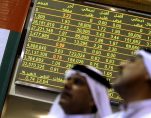
A milestone decision has been reached by Gulf Cooperation Council (GCC) financial regulators, setting a framework for streamlined fund passporting within the bloc. This move is poised to enhance market integration and facilitate cross-border investments among member states. The announcement follows deliberations during the 29th meeting of the GCC Committee of Heads of Financial Market Authorities, underlining a collective aim to boost the region’s financial landscape.

The approved framework includes detailed passporting regulations designed to ease the registration of investment funds, enabling them to operate seamlessly across GCC markets. By adopting a unified approach, member states aim to attract international investors, create competitive opportunities for local fund managers, and strengthen the region’s position as a financial hub. The framework represents a critical step in fostering economic collaboration and reducing barriers to capital flow in the Gulf.

Authorities emphasized the significance of this framework in promoting transparency, improving operational efficiency, and aligning with global financial practices. They underscored that the initiative aims not only to streamline processes for fund managers but also to ensure investor protection through standardized regulatory oversight. By harmonizing regulations, the GCC markets are expected to enhance their collective appeal to institutional investors and global asset managers.

The passporting mechanism will allow funds licensed in one GCC state to be marketed in others without the need for separate approvals in each jurisdiction. This system mirrors successful models in regions like the European Union, which has demonstrated the benefits of regulatory alignment for mutual fund operations. Industry analysts predict that the GCC’s adoption of such a mechanism could significantly boost regional fund performance and attract higher levels of foreign direct investment.

Market participants have expressed optimism about the move, viewing it as a catalyst for growth in the asset management industry across the Gulf. The alignment of regulatory practices is expected to lower operational costs, reduce duplication of efforts, and enhance market efficiency. Fund managers stand to benefit from simplified procedures, while investors are likely to gain access to a broader range of investment opportunities within the region.

This development comes against the backdrop of ongoing efforts by GCC nations to diversify their economies and reduce reliance on oil revenues. The region has been investing heavily in financial sector reforms, infrastructure, and technology to create a more conducive environment for economic growth. Fund passporting is seen as an integral part of these reforms, aiming to stimulate capital markets and support the broader objectives of economic integration.

Implementation of the framework is expected to be phased, with member states aligning their domestic regulations to the new standards over the coming months. Industry experts believe that a successful rollout will depend on effective coordination between regulatory bodies and market players, ensuring that the framework’s benefits are realized without compromising market stability.

The GCC’s financial authorities have highlighted their commitment to addressing challenges and refining the framework as needed to meet evolving market demands. Regular consultations with stakeholders are planned to ensure the initiative remains responsive to industry trends and investor needs. This collaborative approach is anticipated to foster trust and confidence among market participants, paving the way for greater regional financial integration.

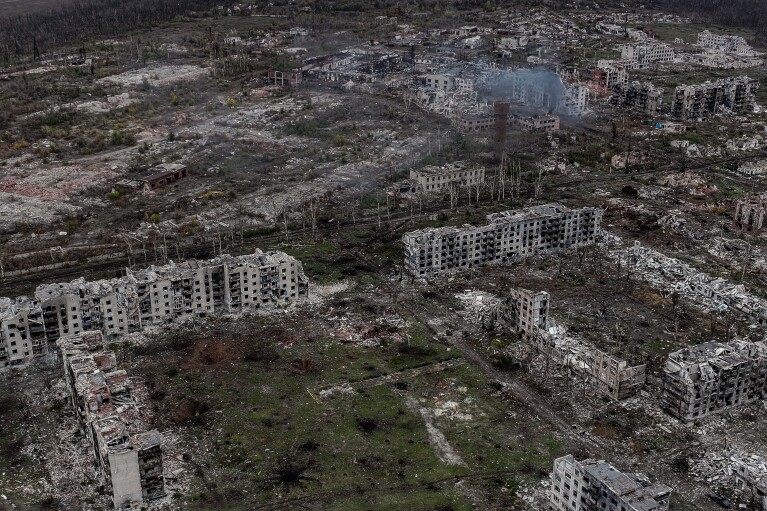
By Nitya Chakraborty The Ukraine war entered its 1000th day on Tuesday, November 19 and on the same afternoon, President Zelensky used for the first time high tech AATCMS missiles for striking inside Russia after getting green signal from the outgoing President Joe Biden only two days before. Soon after, President Putin announced lowering the […]

Apple has proposed a $100 million investment to resolve the ongoing ban of its iPhone 16 model in Indonesia. This move comes as part of the company’s efforts to comply with new regulations that require foreign companies to increase their investments and local involvement to maintain access to the country’s lucrative smartphone market. The Indonesian government’s decision to halt iPhone 16 sales stems from concerns about the […]

Autocraft, a leading subsidiary of Kintsugi, unveiled its innovative EVTOL (Electric Vertical Takeoff and Landing) air taxi concept, the E20⁺, at the Abu Dhabi Air Expo. The announcement marks a pivotal step toward transforming air mobility within the UAE, aiming to revolutionize urban transportation by offering a green and efficient alternative to traditional methods.

The E20⁺ is designed to address the growing demand for sustainable, on-demand air travel in urban environments. With its vertical takeoff and landing capabilities, it promises to bypass congested ground transportation routes, significantly reducing travel time and environmental impact. By integrating electric propulsion, the air taxi aligns with global efforts to decarbonize the aviation industry and provide cities with a new mobility solution that is both practical and eco-friendly.

At the unveiling, Autocraft highlighted the potential of the E20⁺ to reshape transport in the UAE, a country that is positioning itself at the forefront of futuristic technologies, particularly in the aerospace and urban mobility sectors. The company emphasized the E20⁺ as not only a leap forward in air transport but as a key component in creating a smarter, more sustainable transportation network within the region.

The unveiling comes at a time when the UAE is heavily investing in advancing its infrastructure and technological capabilities. Autocraft’s E20⁺, while still in its conceptual phase, is part of the country’s broader push to embrace cutting-edge innovations in aviation and electric vehicles. The air taxi concept aligns with the UAE’s ambitious goals to become a global hub for innovation and sustainable technologies, as outlined in its Vision 2030 initiatives.

The EVTOL aircraft features a modular design with a focus on flexibility, speed, and minimal environmental footprint. It operates on an electric powertrain, significantly lowering operational costs compared to traditional air transport while maintaining the necessary performance for urban air mobility. The cabin is designed to carry up to four passengers, making it suitable for both private and shared air taxi services.

Autocraft has also placed a strong emphasis on safety, with multiple redundancies built into the design to ensure smooth operations in various weather conditions. The vehicle’s advanced avionics and automated flight systems are intended to provide a fully autonomous flying experience, ensuring efficiency while reducing human error.

Several experts in urban air mobility have noted that the development of electric air taxis like the E20⁺ is gaining momentum globally, with companies like Autocraft positioning themselves as key players in this rapidly emerging industry. Despite facing challenges in scaling up EVTOL technology, particularly in regulatory approval and infrastructure development, the progress made by Autocraft signals strong momentum in the field.

The Abu Dhabi Air Expo also served as a platform for discussions on the practicalities of integrating air taxis into urban environments. Industry leaders and aviation authorities are focused on developing policies and regulations that would govern the operations of EVTOLs, addressing concerns ranging from airspace management to public safety. Autocraft has been actively engaging with regulators and stakeholders to ensure that the E20⁺ can be introduced in a manner that is both efficient and safe.

The UAE’s role as a global leader in aviation innovation, bolstered by its strategic investments and forward-thinking policies, makes it an ideal testing ground for such ambitious projects. The country’s already robust infrastructure, combined with its willingness to embrace disruptive technologies, positions the UAE to be one of the first in the world to fully integrate EVTOL air taxis into its transportation systems.

Autocraft is not alone in its push to develop electric air mobility solutions. Several other companies worldwide are working on similar technologies, including large aerospace firms and startups focused on air mobility. The competition is intensifying as these companies race to develop viable, scalable air taxis that can serve both urban centers and more remote areas, creating an entirely new segment in the global transportation ecosystem.

For the UAE, the E20⁺ is not just a technological feat but a symbol of the nation’s broader goals to diversify its economy, reduce its carbon footprint, and cement its position as a leader in futuristic urban mobility. The air taxi’s introduction could lead to broader partnerships between the public and private sectors, paving the way for additional innovations that will further transform the aviation and transportation sectors.

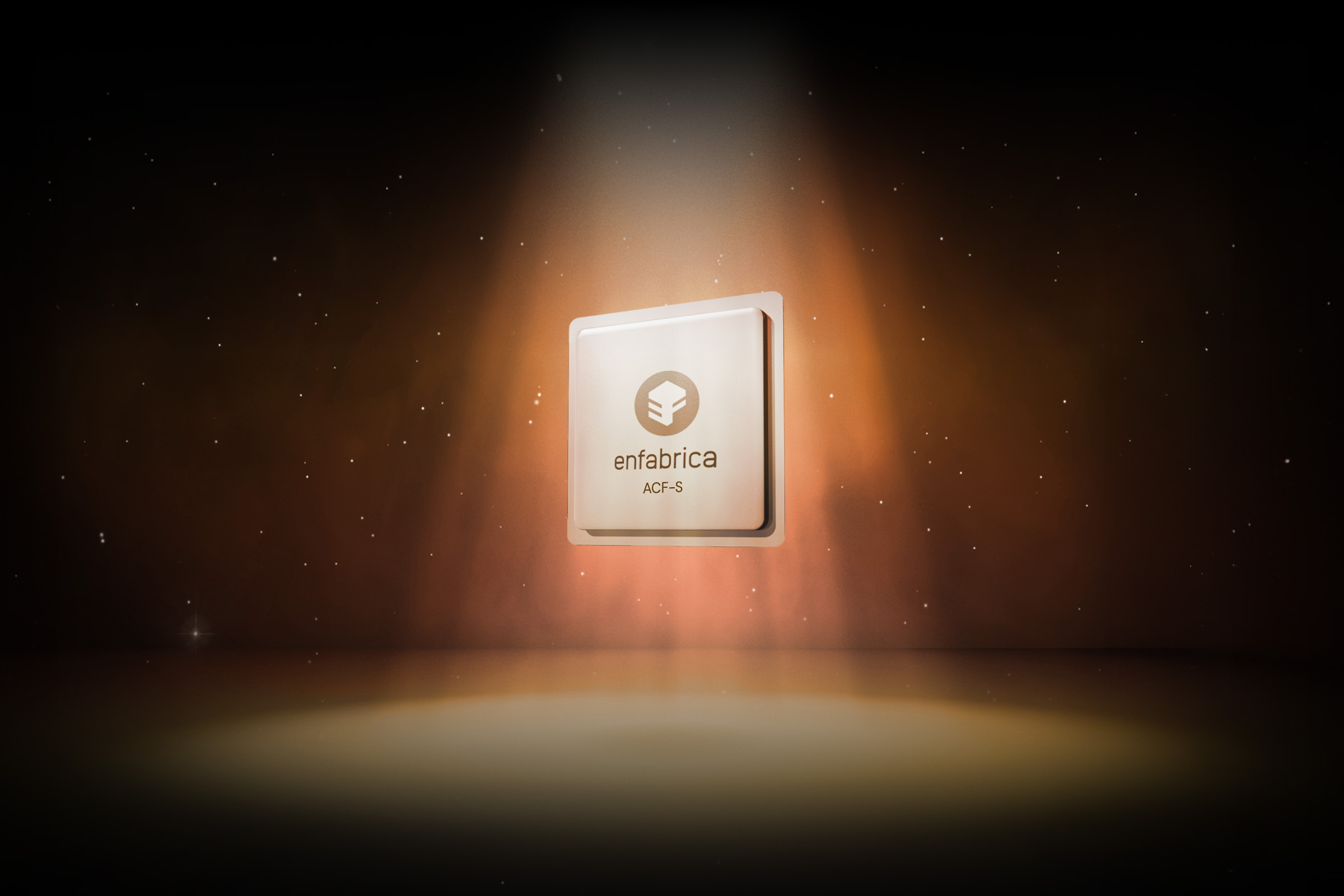
Enfabrica, a leading provider of high-performance networking silicon for accelerated computing and artificial intelligence (AI), has secured $115 million in a Series C funding round. The announcement was made at Supercomputing 2024 (SC24), a key event for the global high-performance computing (HPC) community. The oversubscribed round was led by prominent investors, underscoring growing confidence in Enfabrica’s solutions aimed at transforming AI workloads through specialized networking technologies.

This funding marks a significant milestone for the company, which focuses on delivering innovations in data center infrastructure designed to optimize network performance for compute-intensive AI applications. The company’s solutions address key challenges in AI, including bottlenecks caused by traditional networking methods, by providing high-speed, low-latency connections tailored for the demands of modern AI and machine learning (ML) workloads.

The funds will be used to further enhance Enfabrica’s product portfolio and expand its market presence. CEO and co-founder Dr. Ramin Moghaddam highlighted that the new capital will support the company’s efforts in accelerating the development of next-generation networking technologies and increasing its customer base. Enfabrica’s products have already attracted significant interest from leaders in the tech and AI sectors, with major cloud providers and enterprise customers looking to deploy its silicon to improve their AI capabilities.

According to Enfabrica, its networking solutions are designed to integrate seamlessly with the latest advancements in semiconductor and cloud technologies, offering customers the ability to scale AI workloads more efficiently and at lower cost. These capabilities are crucial as enterprises and research institutions push the boundaries of AI models that require more data processing and faster communication between computing resources.

The need for specialized networking solutions has never been more apparent. AI workloads, especially those in training large-scale models, demand ultra-fast data transfers, precision, and reliability. Traditional networking infrastructure, often based on general-purpose designs, struggles to meet these requirements, leading to inefficiencies that hinder performance. Enfabrica’s networking silicon aims to bridge this gap by offering purpose-built solutions optimized for the specific needs of AI, deep learning, and other advanced computational applications.

Enfabrica’s network solutions are built around a custom silicon architecture designed to handle the large volumes of data generated by AI models. With increasing demand for computational power in AI research, the company’s innovations are timely, aligning with the broader industry trend towards purpose-built hardware that enables breakthroughs in AI performance.

The funding round has drawn attention to the growing importance of specialized hardware in driving AI and machine learning breakthroughs. Companies across the semiconductor, AI, and cloud sectors are racing to develop more efficient and scalable technologies to support the exponential growth in AI use cases, ranging from generative models to autonomous systems. Enfabrica’s contributions to this ecosystem are poised to play a central role in the next phase of AI innovation.

In a statement, Dr. Moghaddam expressed enthusiasm about the funding’s potential to help Enfabrica meet the growing demand for advanced networking infrastructure. He emphasized that AI’s rapid evolution presents an opportunity for companies like Enfabrica to address the scalability and performance challenges faced by AI practitioners.

“We are excited to partner with our investors to drive forward the next generation of networking technologies for AI,” said Moghaddam. “Our focus is to deliver infrastructure that supports the exponential growth of AI workloads, providing our customers with the speed, efficiency, and scalability they need to remain competitive in this rapidly changing market.”

The funding round also highlights the investor community’s increasing interest in infrastructure startups that are positioning themselves as essential players in the AI ecosystem. With the influx of capital, Enfabrica will be able to scale its operations to meet the growing demand for AI-focused network technologies, which are becoming integral to the success of AI applications across industries, including finance, healthcare, and autonomous driving.

As AI and machine learning continue to evolve, Enfabrica’s innovations could help alleviate the data transfer bottlenecks and processing delays that hamper the performance of modern AI systems. The company’s solutions promise to enhance the efficiency of training deep learning models and optimize the interaction between compute nodes in large-scale AI deployments, which could have far-reaching implications for industries that rely on AI-driven solutions.

With the market for AI networking solutions expanding rapidly, Enfabrica is well-positioned to capitalize on the demand for specialized hardware. The company’s Series C funding provides a strong foundation for further advancements in AI networking and positions Enfabrica as a key player in the evolving AI infrastructure landscape.

Artificial intelligence (AI) is advancing rapidly, and its potential integration into cryptocurrencies is growing. According to Jesus Rodriguez, the CEO of IntoTheBlock, AI agents could revolutionize how digital currencies are used in the AI ecosystem. However, challenges remain that could delay the full realization of this vision.

Rodriguez highlighted the possibility of a future where AI agents and cryptocurrencies converge to reshape financial systems. He noted that cryptocurrencies could play a crucial role as the financial backbone of AI networks, enabling seamless, efficient transactions for AI-powered applications. Yet, he stressed that this transformation requires overcoming significant hurdles, such as scalability, regulatory clarity, and interoperability between various blockchain systems.

As AI continues to disrupt multiple industries, from healthcare to finance, its integration with blockchain and cryptocurrencies seems like a logical step. AI agents, capable of autonomously conducting transactions and executing decisions, could enhance the functionality of digital currencies by enabling AI to manage crypto portfolios, optimize investments, and facilitate payments in decentralized ecosystems. The rapid rise of decentralized finance (DeFi) platforms already illustrates the growing role of blockchain in the digital economy, but AI’s potential to manage and interact with these platforms in real-time is what could drive the next phase of crypto’s growth.

However, while the promise is clear, the reality is complex. One of the major challenges lies in improving the scalability of blockchain networks. Rodriguez explained that current blockchain technologies are struggling to handle the massive transaction volumes required by AI-driven applications, which often involve complex computations and large datasets. Blockchain platforms, including Ethereum and Bitcoin, face limitations in transaction speed and costs, making them impractical for real-time AI-driven applications that demand high throughput and low latency.

Regulatory issues continue to pose a significant barrier to the widespread adoption of AI and cryptocurrencies. Governments around the world are grappling with how to regulate digital currencies and ensure their security and stability. The regulatory landscape for crypto is still fragmented, with some regions adopting stringent laws while others are taking a more relaxed approach. For AI-driven cryptocurrencies to become mainstream, there needs to be a cohesive, global regulatory framework that provides both innovation and investor protection.

Rodriguez also pointed to interoperability as another crucial factor in realizing the potential of AI and crypto. Different blockchains operate with varying consensus mechanisms, protocols, and features, which makes it difficult for them to interact seamlessly. To enable AI to work efficiently across blockchain networks, developers need to create solutions that allow different blockchain platforms to communicate and work together without friction. This is especially important for AI agents that may need to access and operate across multiple decentralized platforms in order to execute transactions or access data.

Despite these challenges, there are promising developments on the horizon. Blockchain projects that aim to solve scalability issues, such as Ethereum’s transition to Ethereum 2.0 and the rise of Layer 2 solutions like Polygon, are providing a glimpse into the future of faster, more efficient blockchain networks. Additionally, advancements in AI technology are opening up new possibilities for how AI could operate on decentralized platforms. For example, AI models could be trained on blockchain-based datasets and then used to optimize blockchain transactions or identify patterns in the cryptocurrency market that human traders might miss.

One of the most exciting prospects is the possibility of creating AI agents that can autonomously participate in the crypto market. These AI agents would not only manage investments but could also interact with decentralized applications (dApps), participate in governance decisions, and execute smart contracts without human intervention. As AI systems continue to become more sophisticated, the idea of autonomous crypto agents could significantly reduce the friction and inefficiency in the current market, offering benefits such as improved liquidity, faster transaction times, and more accurate price predictions.

However, Rodriguez cautioned that the integration of AI into the crypto ecosystem requires more than just technical advancements. “The underlying infrastructure needs to be robust enough to handle the new demands of AI and crypto integration. It’s not just about faster blockchains; it’s about creating a whole new ecosystem that can support both AI and crypto at scale,” he said. This includes creating user-friendly tools for developers, as well as ensuring that AI-powered systems are transparent and accountable, which will be crucial for building trust among users and investors.

Looking forward, the role of AI in cryptocurrency could become even more prominent as both technologies evolve. AI’s ability to process vast amounts of data and make autonomous decisions is ideally suited for the highly dynamic and data-driven world of cryptocurrency. Whether it’s helping users optimize their portfolios or powering decentralized finance applications, AI could help crypto achieve greater utility in everyday transactions and financial services.

The Emirates Nuclear Energy Company (ENEC) has unveiled a refreshed brand identity that highlights its evolving role as a key national player in the UAE’s energy sector. The rebranding aims to emphasize the company’s commitment to sustainable, low-carbon energy production, alongside its growing influence in the global nuclear energy landscape.

The new visual identity, which includes an updated logo, color palette, and tagline, was designed to reflect ENEC’s focus on innovation, environmental responsibility, and its future role in the UAE’s energy transition. The rebranding also signifies ENEC’s transition from being a project-centric organization to one with broader operational and strategic capabilities as it continues to oversee the Barakah nuclear power plant, the UAE’s flagship nuclear energy facility.

The launch event in Abu Dhabi, which featured senior leadership from ENEC, government officials, and energy industry experts, showcased the company’s vision of a sustainable energy future. ENEC’s CEO, Mohamed Al Hammadi, spoke about how the new brand reflects the company’s core values of innovation and environmental stewardship. “Our new identity is not just about how we look, but what we stand for,” Al Hammadi stated. “As we embark on the next phase of our journey, our rebrand symbolizes our commitment to ensuring that nuclear energy is a central pillar of the UAE’s energy mix for decades to come.”

The Barakah nuclear power plant, located in the Al Dhafra region of the UAE, serves as a crucial part of the country’s strategy to diversify its energy sources. ENEC’s role in operating and managing the plant has placed it at the forefront of the UAE’s ambitious energy goals. With the completion of its four reactors, the Barakah facility is expected to provide up to 25% of the country’s electricity, contributing significantly to the UAE’s carbon-neutrality targets for 2050.

This shift in identity comes as ENEC prepares to expand its operations and partner with international entities to further develop nuclear energy. The UAE’s successful nuclear program has already made significant strides in promoting global collaboration in nuclear technology, with ENEC having signed agreements with organizations such as the International Atomic Energy Agency (IAEA) and other national nuclear operators.

Energy experts view the rebranding as a strategic move that highlights ENEC’s ambitions to not only lead in the UAE but to become a recognized authority in the global nuclear energy sector. The company’s new identity is being seen as part of a broader narrative of energy transition and innovation, with a focus on sustainability. ENEC’s efforts align with the UAE’s long-term vision for energy diversification, as outlined in the UAE Energy Strategy 2050, which seeks to increase the share of clean energy in the national energy mix.

ENEC’s transformation also comes in the wake of increasing global interest in clean energy solutions and nuclear power’s potential in addressing energy security and climate change. With countries around the world looking to reduce their carbon footprints, nuclear energy is increasingly seen as a viable option. The UAE’s nuclear energy ambitions, guided by ENEC’s expertise, are positioning the country as a leader in the global nuclear industry.

The company’s new branding was also designed to reflect ENEC’s forward-looking vision, with an emphasis on technology, transparency, and corporate social responsibility. Al Hammadi noted that the rebranding is not just a visual change but also a reflection of how ENEC operates internally and interacts with its stakeholders. The emphasis on sustainability and environmental stewardship is clear in the new logo, which incorporates elements of nature, underscoring the company’s commitment to providing energy in an environmentally responsible manner.

As ENEC moves into the next phase of its development, the company is expected to increase its focus on expanding its expertise in nuclear operations, safety, and technology. The UAE’s commitment to nuclear energy, as part of a broader strategy to achieve net-zero emissions, places ENEC at the forefront of the region’s energy transformation. This rebranding also positions the company to play a pivotal role in the UAE’s efforts to become a key player in the global clean energy economy.

With the UAE’s first nuclear plant now fully operational, ENEC is exploring new opportunities for nuclear energy development, both within the UAE and internationally. As part of its evolving strategy, ENEC is considering partnerships with other nations seeking to adopt nuclear energy as a low-carbon energy source. This global expansion will help ENEC build a reputation as a trusted partner in nuclear energy, contributing to the company’s efforts to drive innovation and excellence across the nuclear sector.

Abu Dhabi Catalyst Partners (ADCP) has entered into a strategic partnership with Investindustrial, a prominent European investment firm, to accelerate growth and innovation in the Middle East and North Africa (MENA) region. The collaboration, which is set to combine ADCP’s deep regional expertise with Investindustrial’s robust investment portfolio, marks a significant milestone for both firms as they aim to strengthen the economic ecosystem across the region. Under […]

Accelsius, a Texas-based innovator in high-performance computing and data center solutions, has secured $24 million in a Series A funding round to propel its revolutionary NeuCool cooling technology. Designed to address growing energy demands in artificial intelligence and high-performance computing sectors, this two-phase liquid cooling system is a breakthrough in sustainability and efficiency. NeuCool technology enables direct-to-chip cooling, reducing energy consumption by up to 50% compared to […]

The US-based private capital software platform sets up base in Sydney as part of Investment NSW’s efforts to grow New South Wales into a thriving global hub for business. SYDNEY, AUSTRALIA / SINGAPORE – Media OutReach Newswire – 14 November 2024 – Carta today announced its expansion into the Australian market, marking a significant milestone in the company’s roadmap to connect more startups and investors with its […]

Hong Kong’s first spectacular pyrotechnic show at a shopping mall 2,024 dazzling pyrotechnics light up Sha Tin’s night sky A day of exciting free activities, 300 shopping discounts and mega events to boost the local economy HONG KONG SAR – Media OutReach Newswire – 17 November 2024 – In a year that marks the 75th anniversary of the founding of the People’s Republic of China, Sun Hung […]

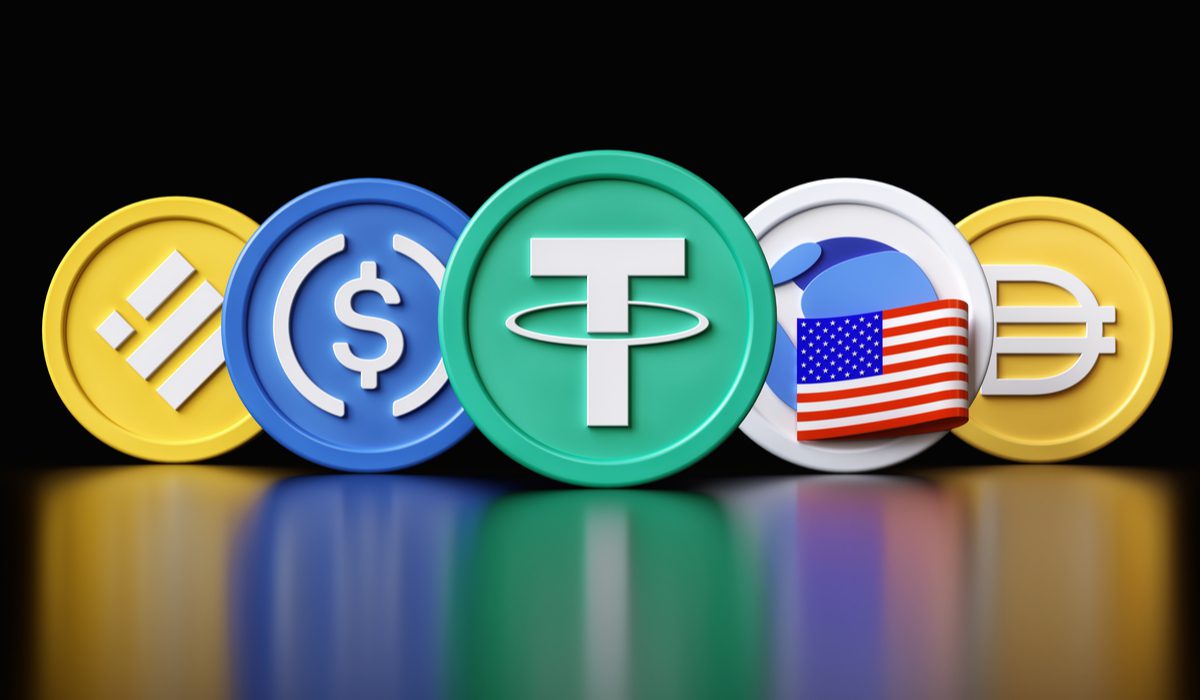
The surge in stablecoin transactions has brought the digital asset market to a pivotal moment, with adjusted on-chain volumes edging close to those of Visa, a global payment giant. Stablecoins, valued for their pegged nature to fiat currencies, have reached a circulation supply exceeding $150 billion, supported by an ecosystem of 27.5 million monthly active users. However, a nuanced examination reveals that this rapid growth masks complexities and operational challenges within the sector.

A significant portion of stablecoin activity is driven by large-scale traders and automated bots, as noted in a detailed study conducted by Visa in collaboration with Allium Labs. The findings highlighted that while on-chain stablecoin transactions surpassed $2.2 trillion in April alone, only $149 billion represented organic payment activities originating from genuine users. This discrepancy raises questions about the utility and adoption of stablecoins as mainstream payment instruments.

The competitive landscape within the stablecoin market has also intensified. Circle’s USDC has outperformed Tether’s USDT in transaction volumes, signifying shifting user preferences and adoption trends. On-chain analyses have further confirmed that the overall stablecoin transaction volume has exceeded Visa’s average monthly transaction values for 2023. Despite these milestones, experts underscore that stablecoin networks remain in a nascent phase of development.

Challenges, including double-counting during cross-chain transactions, contribute to inflated transaction figures. For instance, transferring $100 of USDC to another stablecoin on decentralized platforms such as Uniswap is recorded as $200 in on-chain activity. These anomalies underscore the need for more precise tracking mechanisms to evaluate the actual usage of stablecoins effectively.

Industry leaders, including Visa, are closely monitoring this evolution. Analysts forecast that the total value of circulating stablecoins could reach $2.8 trillion by 2028, marking an 18-fold increase from current levels. However, the pathway to achieving this growth depends on addressing critical infrastructural and regulatory hurdles. Observations from payments platforms such as Airwallex emphasize the importance of refining existing systems to improve the efficiency of stablecoin networks.

Glassnode’s analysis of stablecoin velocity, which measures the speed at which value circulates within networks, shows that only 20% of the total supply is transacted daily. Such metrics illustrate the limited penetration of stablecoins into broader economic activities despite their expanding market capitalization.

VISHNU RAJA
RYO YAMADA
HITORI GOTOH
IKUYO KITA