News related to
Phase

Dubai’s skyline is poised for a new addition as Dar Global, a London-listed luxury real estate developer, has appointed Edrafor Emirates LLC to carry out enabling and foundational works for the Trump International Hotel & Tower project along Sheikh Zayed Road, marking a significant early stage in the development of what is set to be one of the city’s most ambitious luxury properties. The contract covers the […]

Senegal is moving to start construction of a domestic gas pipeline network before the end of 2025, marking a decisive step in its strategy to channel offshore gas discoveries into power generation and industrial development. The announcement from Petroleum and Energies Minister Birame Soulèye Diop signals that the government aims to accelerate the transition from planning to execution as major gas projects come onstream. The minister confirmed […]

The Central Bank of the UAE confirmed that the Digital Dirham — its central-bank-issued digital currency — is poised for phased rollout, following the nation’s first government-level payment settled in Digital Dirham. The transaction, processed in under two minutes via the mBridge multi-CBDC platform, involved the Ministry of Finance and the Dubai Department of Finance, underscoring readiness of infrastructure and institutional coordination. This marks a transition from […]

By K Raveendran Trade negotiations between Washington and New Delhi have moved into a critical phase as senior American trade officials arrive in India with the stated intention of clearing the final hurdles to a long-discussed agreement. The presence of Deputy US Trade Representative Rick Switzer and chief India-deal negotiator Brendan Lynch underscores the renewed […]

The article US Officials’ Delhi Trip Takes Trade Negotiations Into A Decisive Stage appeared first on Latest India news, analysis and reports on Newspack by India Press Agency).

Growing concerns over the expansion of dollar-linked digital tokens have prompted the International Monetary Fund to issue a caution over the strain stablecoins could place on emerging markets, with the institution arguing that widespread use of these instruments risks weakening domestic monetary frameworks. The warning centres on the potential for currency substitution and accelerated outflows should stablecoins gain traction in jurisdictions where confidence in local units is fragile. This caution mirrors the broader message conveyed in IMF warns of stablecoin strain on emerging economies, underscoring the possibility of digital tokens amplifying financial vulnerabilities.

The Fund’s latest assessment highlights the challenge posed by USD-pegged tokens such as USDT and USDC, which together dominate the global stablecoin market. Analysts tracking flows note that these instruments have evolved into widely used vehicles for cross-border transfers, digital asset trading and store-of-value purposes in countries with volatile currencies. The IMF argues that their adoption can reduce the capacity of central banks to manage liquidity conditions, especially in economies where monetary authorities already contend with limited tools to stabilise inflation and anchor expectations. The institution has urged regulators to assume a proactive posture, particularly in markets where capital controls or shallow financial systems heighten the risk of abrupt movements.

The concerns reflect a shift from earlier phases of the digital asset cycle, when stablecoins attracted regulatory scrutiny largely due to their reserve backing and operational transparency. With greater clarity emerging around reserve audits and redemption mechanisms, policymakers are now looking beyond technical design and towards systemic implications. Economic experts cautioned that dollar-denominated tokens might evolve into parallel settlement channels, enabling households and corporates to bypass domestic banking systems during periods of stress. For countries with restricted foreign exchange markets, that pattern could complicate monetary management and accelerate the erosion of trust in local units.

Despite these warnings, several analysts point out that the scale of stablecoin adoption across developing economies remains uneven. Data from blockchain analytics firms suggests that while usage has grown in parts of Latin America, Africa, Eastern Europe and South Asia, activity is still far from the threshold that would trigger systemic currency substitution. Experts add that stablecoins often function as short-term hedging tools rather than long-term savings instruments, meaning their impact on monetary sovereignty is not yet of the magnitude implied by more pessimistic scenarios. Many economists argue that structural weaknesses in local economies, such as persistent inflation or fiscal imbalances, are more significant drivers of currency instability than the availability of digital dollar substitutes.

Regulators in several markets have already begun drafting frameworks to govern stablecoin issuance and use. Authorities in regions including the Gulf, the European Union, Singapore and parts of East Asia have introduced licensing requirements and reserve rules to ensure issuers maintain high-quality backing assets. These frameworks emphasise transparency and redemption at par, which policymakers view as essential to preventing destabilising runs. Some central banks are also exploring bilateral agreements to manage cross-border flows facilitated by stablecoins, particularly where local banks have limited capacity to monitor or report such transactions.

Several financial commentators suggest that concerns over capital flight through stablecoins stem from gaps in existing capital control regimes rather than from the forms of technology used to move funds. They argue that digital tokens merely enhance the speed and efficiency of transfers that might otherwise occur through informal channels. Nonetheless, the IMF stresses that the visibility and liquidity offered by stablecoins could encourage larger volumes to exit strained economies during periods of uncertainty. The institution asserts that emerging markets could face amplified volatility if households and corporates shift towards digital dollars at scale.

The rise of stablecoins has also coincided with broader experimentation in monetary innovation, with more than one hundred central banks evaluating options for digital currencies. Some economists view central bank digital currencies as a potential counterbalance to dollar-pegged private tokens, offering residents a regulated alternative for digital payments while preserving oversight. Others note that CBDCs alone will not offset the appeal of USD-linked tokens in countries where macroeconomic fundamentals drive demand for safer units. Policymakers face the challenge of building credibility, strengthening reserves and reinforcing inflation-targeting regimes while managing digital asset adoption.

While a number of market strategists acknowledge the IMF’s concerns, they contend that fears of widespread dominance of dollar-linked tokens may be overstated at the current stage of development. Adoption depends heavily on access to smartphones, internet connectivity, financial literacy and the availability of compliant service providers. These conditions vary widely across emerging economies, limiting the capacity of stablecoins to displace formal banking for now. Yet industry participants agree that the trajectory of digital finance warrants close oversight as stablecoin issuers expand their footprint and integration with payment networks.

Long-term operating lease to expand Center 66’s retail area by nearly 40% HONG KONG AND SHANGHAI – Media OutReach Newswire – 9 December 2025 – Hang Lung Properties Limited (SEHK Stock Code: 00101) (“Hang Lung” or the “Company”) today announced a partnership with Wuxi Liangxi City Development Group Co., Ltd.* to secure a long-term operating lease for a landmark commercial redevelopment project in central Wuxi. Expected to […]

Strong momentum around sustainability and policy alignment set the tone as Automechanika Dubai opened its three-day run at the Dubai World Trade Centre, drawing widespread attention to how manufacturers, regulators, and technology providers are coordinating strategies to future-proof the region’s automotive aftermarket. Organisers underscored that the exhibition, recognised as the Middle East’s largest platform for aftermarket products and services, has become a focal point for dialogue on efficiency standards, emissions reduction, and supply-chain innovation across Gulf markets.

Delegates arriving for the opening day reported a clear emphasis on accelerating collaboration between public agencies and private-sector operators, an approach that exhibitors said is critical as the sector adapts to shifts in fuel technologies, mobility patterns, and environmental expectations. The message was reinforced by senior officials highlighting ongoing government programmes supporting advanced manufacturing, electric-vehicle servicing capabilities, and circular-economy models designed to reduce waste in parts and materials. Industry leaders noted that the presence of policy representatives at the show indicated growing institutional commitment to standardising quality benchmarks for components traded across regional markets.

The exhibition floor featured a broad cross-section of global and regional suppliers, including established parts manufacturers, diagnostics specialists, and emerging technology firms developing AI-enabled maintenance platforms. Several company executives pointed to the UAE’s long-term industrial strategy and its targets for cleaner transport as a source of demand for new product lines, especially in electric-vehicle battery servicing, thermal-management systems, and lightweight components. Some suppliers said the regulatory clarity provided by ongoing transport-sector initiatives has encouraged them to scale up investment in test facilities and distribution hubs across the Gulf.

A surge in visitor numbers compared with earlier editions reflected strong commercial interest from trading companies, fleet operators, and workshop networks seeking to position themselves for the next phase of regional mobility growth. Market analysts attending the exhibition commented that the Gulf’s rising vehicle parc, coupled with rapid urbanisation, continues to underpin demand for quality replacement parts and advanced repair technologies. They added that Dubai’s role as a re-export centre gives Automechanika Dubai outsized influence in shaping product pipelines bound for Africa, South Asia, and parts of Europe.

Exhibitors specialising in sustainability solutions drew particular attention on the opening day. Firms showcasing refurbished components, remanufactured engines, and eco-friendly consumables signalled that demand for lower-impact products is gaining traction across workshop networks. Several companies highlighted investments in closed-loop systems that reduce the environmental footprint of tyres, lubricants, and metal parts. Executives from diagnostics and telematics providers described how predictive-maintenance tools are helping fleet operators extend vehicle life cycles, improving both cost efficiency and emissions outcomes.

Government participation reinforced the event’s focus on regulatory evolution. Transport and industrial-development officials presented updates on national frameworks aimed at improving automotive-aftermarket oversight, including certification programmes, workshop accreditation standards, and traceability requirements to curb counterfeit parts. Trade-facilitation agencies outlined digital-customs initiatives designed to streamline the movement of genuine components through regional ports, an issue flagged repeatedly by manufacturers seeking more secure and transparent supply chains.

Technology demonstrations formed another prominent attraction. Autonomous-inspection systems, connected workshop tools, and advanced calibration equipment drew steady crowds as exhibitors explained how digital solutions can address labour shortages and support skills development. Training centres affiliated with several global brands used the event to highlight upskilling programmes for technicians preparing to service electric and hybrid vehicles. Senior trainers said the shift towards high-voltage systems requires updated curricula and investments in safety infrastructure, emphasising that workforce readiness remains a central pillar of regional mobility planning.

Executives from multinational suppliers said the show’s first day underscored the strategic importance of Dubai as a testing ground for new automotive-aftermarket models. They noted that regulatory predictability, strong logistics infrastructure, and sustained government interest in industrial diversification have combined to create favourable conditions for technology adoption. Some pointed to collaborations with Gulf-based research institutions developing materials science, battery-repair techniques, and advanced fluid technologies, suggesting that locally rooted innovation has begun to influence global supply chains.

Fleet-management firms attending the event highlighted the operational impact of sustainability mandates, stressing that cleaner fleets are no longer viewed solely through an environmental lens but as a commercial imperative shaped by fuel-efficiency metrics and customer expectations. Executives said digital-fleet platforms now integrate emissions tracking, automated maintenance scheduling, and component-health monitoring, trends that align with broader mobility transformations occurring across the Gulf.


Advertisements

Global skill games leader HB Leisure introduces an all-in-one carnival-inspired destination for play, drinks and dining – bringing the internationally recognised ‘competitive socialising’ concept to Malaysia KUALA LUMPUR, MALAYSIA – Media OutReach Newswire – 9 December 2025 – Backed by global skill games leader HB Leisure (HBL), Carousel & Co. is set to debut Malaysia’s first social entertainment venue at Avenue K in December 2025 – an […]

Alpha Dhabi Holding moved to reassure investors with confirmation of a new three-year dividend framework and a parallel plan to repurchase a portion of its shares, signalling a strategic effort to sustain value creation across its portfolio. The Abu Dhabi-listed conglomerate said the policy is designed to provide predictable returns while supporting the group’s long-term expansion. The company said the proposed framework targets annual dividends of AED […]

A dramatic shift in digital asset markets unfolded as one of the year’s fastest-rising crypto trades, which surged more than 2,600% at its peak, unravelled with an 86% wipeout, shaking confidence across a sector already grappling with volatility, liquidity strains, and shifting regulatory expectations. The abrupt reversal, mirrored in the steep fall of smaller token clusters linked to speculative momentum strategies, highlighted how rapidly sentiment can turn in an ecosystem vulnerable to leverage-driven cycles.

Market data from major exchanges showed that the trade, centred on a group of micro-capitalisation tokens propelled by algorithmic buying, began losing momentum after a wave of profit-taking by early entrants. Traders close to proprietary desks reported that liquidation cascades—triggered as automated systems unwound positions—accelerated the decline. The severe downturn echoed patterns seen during previous speculative surges, where liquidity gaps magnified losses within hours.

Analysts tracking blockchain activity noted that the rally’s ascent had attracted retail inflows, partly due to social-media-driven narratives framing the tokens as high-growth opportunities. As prices climbed, leverage amplified exposure, drawing in traders seeking outsized returns. Once selling pressure gained traction, that leverage turned into a critical vulnerability, forcing positions to unwind just as liquidity thinned. Several independent market researchers observed that the velocity of the downturn suggested a structural fragility, rather than a simple correction.

The collapse also revived discussion about the role of automated strategies in amplifying market instability. Many of the instruments involved were linked to quant-driven flows, where bots responded to volatility triggers rather than underlying fundamentals. As one portfolio strategist explained, these systems can cause price swings that move far beyond what traditional finance would consider tolerable, adding that crypto lacks the circuit-breaker mechanisms that help stabilise other asset classes. This dynamic, according to several fund managers, remains one of the most persistent challenges for institutions considering deeper exposure to decentralised markets.

Regulatory uncertainty added to the unease. Authorities in key jurisdictions have been scrutinising high-risk digital asset structures, and policymakers have signalled the possibility of tighter oversight for tokens driven by momentum rather than intrinsic value. Market observers said that while there is no direct link between regulatory commentary and the downturn, the broader environment has weighed on risk appetite. Investor caution intensified as questions resurfaced about transparency in the trading strategies behind the surge.

The downturn also exposed liquidity fragmentation across exchanges. Some platforms reported delays in order execution as volumes spiked, and spreads widened sharply during peak selling. Professional traders said this fragmentation remains a major impediment to maturing the sector, as it complicates price discovery and heightens vulnerability to abrupt swings. Several firms specialising in market-making suggested that the episode would likely prompt renewed calls for better liquidity management frameworks within decentralised ecosystems.

Amid the turmoil, major digital assets such as Bitcoin and Ether showed relative resilience, though both experienced elevated intraday volatility. Their ability to avoid the extreme swings seen in smaller tokens prompted commentary that the market may be entering a phase where speculative micro-caps detach from more established assets. Still, derivatives positions linked to broader sentiment recorded notable adjustments, indicating that traders remain sensitive to signs of systemic stress.

Industry insiders highlighted that the steep crash follows a pattern of momentum-driven phases that have punctuated crypto cycles since the first wave of retail adoption. A veteran analyst noted that while earlier episodes centred on initial coin offerings or meme-driven tokens, the current one underscores how algorithmic and social-media amplification have merged, producing sharper and faster boom-and-bust phases. The analyst added that such swings complicate long-term valuation models, as fundamental metrics often become secondary to speculative flows.

Venture-backed projects tied to the affected tokens faced heightened scrutiny as investors assessed whether the price collapse would impair broader ecosystem development. Some founders sought to reassure stakeholders by highlighting active user bases and ongoing technical upgrades, although several funds acknowledged that valuation resets were unavoidable. Market participants stressed that while token prices do not always reflect underlying project viability, extreme volatility can hinder funding conversations and stall adoption.

Netflix is set to take control of Warner Bros. Entertainment’s core studio and streaming assets through a landmark transaction valued at about $72 billion in equity, marking one of the largest media takeovers in decades and reshaping the balance of power across Hollywood. The agreement follows months of industry speculation over the future of Warner Bros. Discovery, which had been under pressure to stabilise debt while navigating […]

Urban development in the UAE is undergoing a noticeable shift toward environments that support long-term physical and mental wellbeing. As cities across the Emirates continue to grow, architecture and planning agencies increasingly treat wellness not as an amenity but as a structural principle shaping buildings, public spaces, and residential communities. Recent projects, including PASSO by Beyond, reflect this new direction in which design is guided by light, airflow, […]

Forecasts from major US banks suggest the bull market will remain intact in 2026, with some projecting the S&P 500 above 7,500 by year end. The latest Financial Times survey, covering nine major investment banks, reinforces this confidence with an average forecast of roughly 10% upside from current levels. I understand why that optimism exists. The US economy continues to outperform expectations, corporate earnings have held up, […]

Sui’s token structure is drawing heightened attention as analysts warn that the network’s locked supply and insider concentration could influence market behaviour during the next phase of token distribution. A new assessment suggests that questions around the durability of Sui’s rally persist despite the project’s growing activity in decentralised applications and its positioning as an alternative to high-throughput chains. The concerns have surfaced as market participants look for signals on whether Sui could mirror the type of extended rally seen in Solana during its strong periods of expansion.

Sui’s token model includes a large quantity of locked tokens that are programmed to enter circulation according to a long-term schedule. Data compiled by blockchain monitoring platforms indicates that more than half of the total supply, around 50.57 per cent, remains locked. The release of these tokens is staggered, but analysts note that the size of the locked tranche means the market will continue to grapple with questions about absorption capacity and price impact. A cohort of early backers and core contributors holds about 15.3 per cent of the supply, a figure that has prompted market watchers to examine whether insider allocations could add to selling pressure once vesting windows open.

Developers behind the network emphasise that the emissions framework was designed to support long-term decentralisation and sustainable staking rewards. They argue that the programme aligns incentives for validators, node operators and builders working on the Layer-1 blockchain. However, the scale of the locked supply and the pace at which it is due to unlock have remained central to external evaluations, especially against the backdrop of aggressive capital rotation across digital asset markets.

Sui has promoted itself as a platform capable of handling high transaction throughput through its parallel execution model, distinguishing itself from chains that rely heavily on sequential processing. The project has advocated for its ability to support complex applications, with gaming, asset tokenisation and digital commerce cited as core areas of growth. Activity on the network has picked up over multiple trading cycles, with decentralised exchanges and gaming protocols playing a visible role in boosting usage. Even so, market analysts caution that network adoption alone cannot insulate the token from structural risks tied to large unlocks.

The comparison with Solana has intensified as traders search for the next high-growth ecosystem. Solana’s expansion was driven by rising developer activity, strong venture backing and an improving macro climate for risk assets, elements that contributed to a prolonged appreciation in its token price. Some traders argue that Sui possesses a similar mix of technical ambition and ecosystem investment. Others counter that Solana’s earlier supply dynamics were markedly different, with less pronounced unlocking over short intervals. These observers state that expectations of a parallel trajectory should be tempered until Sui demonstrates a firmer balance between token issuance and organic demand.

Several research desks have highlighted that tokenomics alone do not determine the long-term trajectory of a blockchain project but can exert considerable influence during early growth phases. Analysts tracking the project have pointed to previous unlock waves that resulted in more volatile trading sessions. They note that liquidity conditions matter significantly when large quantities of tokens transition from locked to tradable status, particularly during market downturns. Market participants monitoring derivatives markets also report that funding rates and open interest data reflect cautious positioning around major unlock dates.

The project’s foundation continues to emphasise builder incentives, community grants and ecosystem expansion. Grants directed towards game studios, consumer applications and infrastructure tools have created steady interest among developers seeking alternatives to more congested chains. Daily active accounts and transaction counts have shown periodic spikes, although interpreters of blockchain data stress that differentiating genuine usage from opportunistic activity remains essential when evaluating the long-term strength of an ecosystem.

A growing number of young people in the UK are trading ambition for a university degree in favour of apprenticeships and vocational training in skilled trades — a shift driven by worries that artificial-intelligence tools will undermine the viability of many white-collar careers. At London’s City of Westminster College, enrolments in plumbing, electrical work, construction, carpentry and similar hands-on courses are climbing sharply. Among those heading to […]

A 25-basis-point reduction in the policy repo rate has set the stage for a notable shift in housing sentiment as the year draws to a close, giving the real estate sector a stronger footing after months of price escalation across major urban centres. Market participants described the cut as a timely boost for homebuyers facing rising borrowing costs and double-digit appreciation in property values through 2025, with many developers expecting the decision to influence purchase behaviour almost immediately.

The RBI move lifts realty outlook theme echoed through the sector as developers, housing finance executives and market analysts assessed the implications of lower lending rates on affordability and sales velocity. The cut follows earlier easing phases this year, forming a broader cycle aimed at supporting domestic demand while keeping inflation within the central bank’s comfort range. Housing markets have been particularly sensitive to borrowing costs, and the value proposition for aspiring homebuyers had tightened as average prices climbed around 10% across the seven largest cities, according to widely tracked industry assessments.

The central expectation among market analysts is that the rate cut could ease pressure on households evaluating home purchases in the affordable and mid-income categories. These segments have shown persistent demand through the year, supported by rising urban employment and continuing interest from younger households. Yet higher prices and limited correction in construction costs have constrained affordability. A lower repo rate opens the possibility of more competitive home loan pricing once lenders adjust their marginal cost of funds-based lending rates and benchmark-linked rates.

Banks are now under scrutiny for the pace at which they transmit the reduction to borrowers. Transmission has varied across lenders in earlier cycles, with some responding quickly and others adjusting rates more cautiously, depending on liquidity conditions and deposit costs. Senior executives in the mortgage market indicated that lending rate revisions are under active consideration and that competitive pressure would likely encourage faster alignment. A prompt pass-through is expected to be a decisive factor in determining whether the anticipated surge in sales materialises through the first quarter of 2026.

Developers are preparing for an uptick in enquiries, particularly from buyers who had deferred decisions amid upward price trends. Several large developers noted that ready-to-move inventory in key metros has been absorbed at an accelerated pace this year, leaving new launches in the mid-income category positioned to capture renewed interest. Many builders believe that households that had been undecided due to higher equated monthly instalments would reassess their position once banks adjust retail lending rates, potentially adding momentum to year-end bookings.

Luxury housing, which has played an outsized role in supporting revenue growth in the sector this year, is expected to maintain its strong performance into 2026. This segment has been less affected by interest rate movements, relying instead on wealth-driven demand and portfolio diversification among high-net-worth buyers. Developers pointed to sustained traction in high-value projects across major metros, supported by resilient stock market gains and stronger capital inflows into premium residential assets.

The affordability challenge, however, remains significant for many households despite the policy easing. Construction input costs have risen steadily over the year, and land prices in established urban clusters show no sign of correction. These factors have been passed on to consumers, compressing the share of buyers in the lower and mid-income categories who are able to meet both down-payment requirements and monthly repayment thresholds. The rate cut eases the burden but does not eliminate structural pressures, prompting some market economists to emphasise the need for calibrated price discipline and wider supply in budget-friendly categories.

Housing finance companies have also highlighted the potential for refinancing activity as borrowers explore opportunities to switch to lower-rate products. Such movement typically intensifies during periods of policy easing and can influence lender strategies as they work to retain existing customers. The scale of refinancing will depend on how individual lenders approach rate revisions and how aggressively they compete for home loan market share.

A proposed acquisition involving Solmate and RockawayX is set to form a digital-asset business valued at about $2 billion, marking one of the most significant consolidation moves in the crypto infrastructure segment this year. The companies have signed a term sheet that lays the foundation for a unified institutional platform, bringing together treasury management, custody, infrastructure services, and investment capabilities under a single framework aimed at accelerating growth in regulated markets.

The structure under discussion places Marco Santori at the helm of Solmate as chief executive, overseeing the combined treasury and infrastructure strategy. Santori, whose career has spanned legal, compliance and policy roles across the crypto sector, is expected to steer the organisation through advancing regulatory requirements and the maturation of institutional demand for blockchain-based services. Viktor Fischer will continue as chief executive of the RockawayX subsidiary, maintaining operational continuity for the unit’s investment and venture activities, while supporting its integration into the broader strategy being shaped for the merged entity.

The term sheet signals a drive toward strengthening institutional-grade products, an area that has been expanding as asset managers, banks and corporates look for secure and compliant exposure to digital assets. Market analysts note that consolidation among service providers has intensified during the year, with firms seeking scale to meet tighter rules around custody, disclosures and consumer protection. The combined platform is positioned to benefit from these pressures, particularly as policymakers in Europe and the Gulf continue to advance clearer frameworks for crypto trading and asset tokenisation.

Both companies have been active in digital-asset infrastructure, with Solmate operating from the UAE while expanding its footprint across treasury services, custody architecture and enterprise solutions, and RockawayX building a presence in venture investment and decentralised finance infrastructure. Industry observers point out that merging these capabilities could create a diversified revenue base that spans recurring service fees and strategic investment returns. The proposal aligns with a wider shift toward vertically integrated models, enabling providers to streamline operations and reduce dependence on external platforms.

The acquisition plan comes at a time when institutional appetite for blockchain-based solutions has grown. Asset tokenisation has gained traction across global financial centres, with several regulators encouraging pilots in settlement, fund distribution and real-world asset token structures. Market estimates from financial institutions tracking tokenisation flows suggest that the segment could expand into multi-trillion-dollar territory over the next decade, creating opportunities for firms positioned to serve corporate treasuries and fund managers seeking secure digital infrastructure.

Santori has highlighted in prior industry engagements that regulatory clarity is central to institutional adoption. His role in shaping the combined strategy is seen as critical as Solmate works to align its offerings with evolving rules across the EU, the UK and the Gulf. Fischer, meanwhile, has maintained a focus on early-stage blockchain innovation and decentralised services, an area where RockawayX has built strong networks with founders and developers. The proposed structure allows both executives to operate within their respective strengths while contributing to a unified long-term roadmap.

The companies are expected to enter a detailed due-diligence phase, during which they will assess operational integration, regulatory conditions and market positioning. While the term sheet outlines key leadership and structural arrangements, the final agreement will depend on further negotiations and any regulatory permissions required in relevant jurisdictions. People familiar with transactions of this scale emphasise that the coming stages typically involve extensive compliance reviews, cybersecurity audits and technology-stack assessments, especially for firms engaged in digital-asset custody and treasury operations.

Market participants say the combined entity’s valuation of around $2 billion reflects the premium placed on platforms capable of serving institutional demand for secure storage, liquidity management, infrastructure and tokenisation support. Comparable transactions this year have highlighted a rising interest among investors in firms that can bridge traditional financial practices with advanced blockchain tools. Analysts also point out that bringing treasury and venture operations together may create synergies, allowing insights from early-stage ecosystems to inform enterprise-level product design.

California’s effort to advance autonomous freight transport moved a step forward as the state’s Department of Motor Vehicles unveiled a proposal to lift the long-standing prohibition on testing heavy self-driving trucks on public highways. The move sets the stage for a significant shift in how freight could be moved across the state, opening a path for commercial deployment as early as 2027 if safety benchmarks are met […]

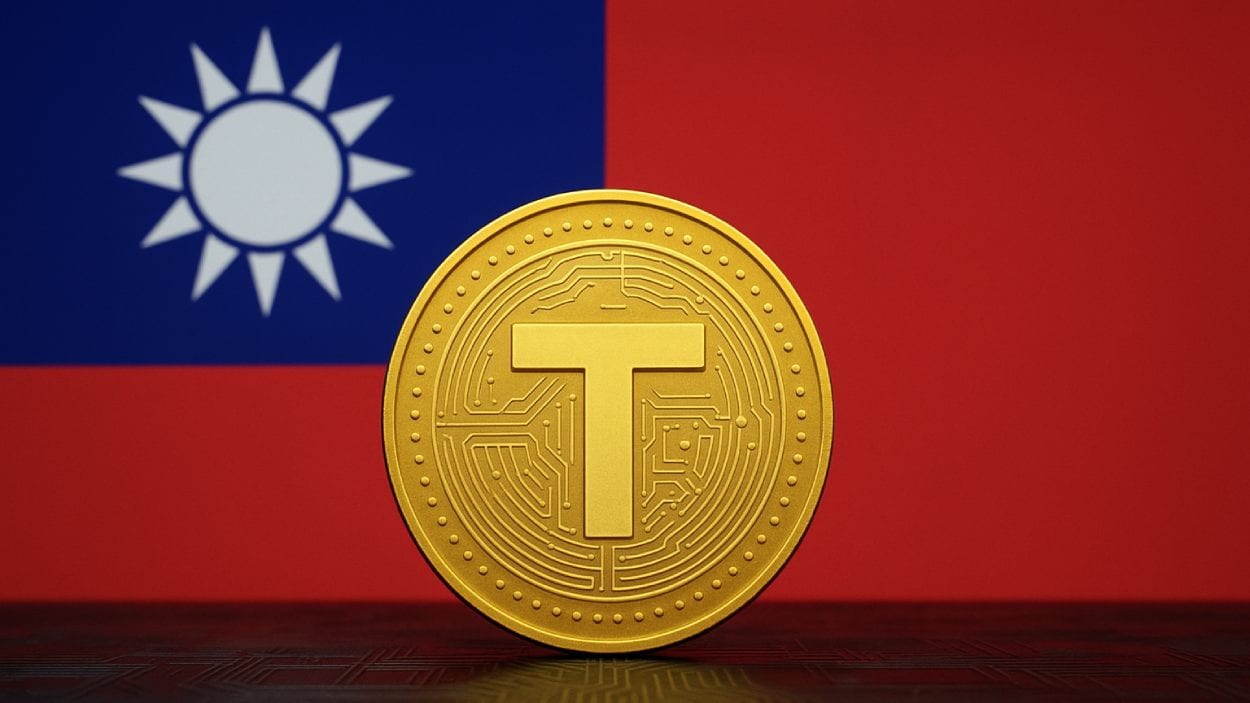
Taiwan’s financial authorities have confirmed that the territory is preparing to introduce its first regulated stablecoin by the second half of 2026, marking a significant step in its oversight of digital assets. The move establishes a formal framework for issuers and signals a wider effort to balance financial innovation with stricter consumer safeguards.

The Financial Supervisory Commission said the project aims to create a compliant asset-backed token that can operate within a supervised environment. Officials outlined that the proposed model would require issuers to undergo licensing, maintain verifiable reserves and implement robust disclosure rules. The initiative forms part of a broader regulatory roadmap that includes enhanced governance standards for exchanges and custodians, supplemented by anti-money laundering protocols already legislated in earlier phases of Taiwan’s digital asset oversight.

Taiwan has seen increased retail interest in digital tokens over the past two years, accompanied by concerns about informal trading platforms and fragmented reserve practices. Authorities have been developing clearer definitions around virtual asset providers, following earlier commitments to draft bespoke legislation for the sector. The stablecoin proposal marks the first time regulators have publicly set a target date for a national, fully supervised token that can circulate in mainstream financial channels.

Officials involved in the planning process described the stablecoin framework as an attempt to reduce systemic vulnerabilities that arise from lightly governed instruments. They indicated that the 2026 timeline allows sufficient room for market consultation with local banks, fintech operators and blockchain firms. The authorities emphasised the need for transparency around backing assets, independent audits and liquidity arrangements to prevent redemption shocks during periods of market stress.

Taipei’s policy trajectory mirrors a wider shift across Asia, where governments have begun formalising rules for digital currencies amid concerns about financial stability and technological competitiveness. Japan’s stablecoin regulations came into force earlier, requiring issuers to be banks, trust companies or registered intermediaries. Singapore’s approach has focused on wallet security, reserve segregation and consumer risk warnings. Taiwan’s proposed regime appears to blend elements of both models, adapting them to domestic institutions and supervisory capacities.

Market analysts say the announcement demonstrates how regulators are transitioning from broad guidance to more detailed rule-making. They note that several local financial institutions have shown interest in blockchain-based settlement systems but have lacked the legal certainty required to develop pilot projects. A regulated stablecoin could allow banks to explore tokenised deposits, speed up cross-border payments and reduce settlement backlogs, provided the technology meets stringent compliance standards.

Developers and industry groups argue that clarity around governance will be crucial to gaining public trust. They expect Taiwan’s framework to include ring-fencing of reserves, real-time reporting tools and strong oversight of custodial arrangements. Several blockchain service providers in Taiwan have already contributed to consultation papers, advocating for interoperability with international systems and stronger penalties for misappropriation of client funds.

Policy advisers involved in the consultation say authorities are mindful of global regulatory pressure, as jurisdictions coordinate rules for financial stability and cross-market supervision. They note that Taiwan has studied overseas cases where unbacked or poorly audited stablecoins faced severe liquidity issues, prompting large-scale withdrawals and disruptive price swings. Officials believe a regulated model will help Taiwan avoid similar vulnerabilities and foster safer digital innovation.

Some opposition lawmakers have urged the commission to publish more technical details, particularly regarding the choice of reserve assets, settlement architecture and the criteria required to issue the token. They want clearer rules on redemptions, consumer rights and supervisory intervention during market volatility. Financial regulators responded that these elements remain under review and will be formalised following extended consultation with the private sector.

Industry observers expect the stablecoin to be structured as a fully collateralised token backed by high-quality liquid assets such as government bonds or cash equivalents. This design is intended to minimise counterparty risk and ensure immediate redemption at par value. Regulators are also exploring how to embed cybersecurity requirements and resilience testing into the licensing regime, responding to heightened concerns about digital infrastructure vulnerabilities.

Cushman & Wakefield Experts Share Market Insights at MIPIM Asia Summit HONG KONG SAR – Media OutReach Newswire – 4 December 2025 – China’s Real Estate Investment Trust (C-REIT) market is entering a transformative phase, marked by rapid expansion in issuance size, diversification into emerging asset classes, and rising institutional investor confidence. Since its inception, the market has grown to reach a total issuance scale of RMB207 […]

Saudi energy giant Saudi Aramco has begun output from the first phase of its vast Jafurah gas field, signalling a major milestone in the Kingdom’s shift toward natural gas. The project, valued at around $100 billion, has an initial production capacity of 450 million cubic feet per day, according to the Saudi Finance Ministry’s 2026 budget statement.

The field holds an estimated 229 trillion standard cubic feet of raw gas along with 75 billion stock tank barrels of condensate—making Jafurah the largest non-associated gas development in Saudi Arabia and among the largest shale-gas plays outside the United States.

Completion of the first development phase allows Aramco to begin supplying sales gas domestically. The company plans to ramp production gradually and aims to reach a sustainable output of 2 billion cubic feet per day by 2030.

To support its gas-processing infrastructure, Aramco earlier sealed an $11 billion lease-and-leaseback agreement with a consortium led by Global Infrastructure Partners, part of BlackRock. Under the deal, a newly formed subsidiary, Jafurah Midstream Gas Company, will lease the processing and fractionation facilities — which Aramco will then lease back for a 20-year period. Aramco retains majority ownership with a 51% stake, while the investor group holds 49%. The transaction is designed to inject capital without constraining production volumes.

Aramco’s move reflects a broader strategic shift. By ramping up gas production, the company aims to reduce domestic reliance on crude oil for power generation — thereby freeing more crude for export. Gas from Jafurah is expected not only to meet domestic power and utility needs but also to provide feedstock for petrochemicals, hydrogen, and potentially emerging sectors such as AI data-centres.

Analysts view Jafurah as a potential game-changer for both Saudi Arabia and global gas markets. With reserves comparable to major U. S. shale plays and a projected daily output of 2 bcf by 2030, the project could make Saudi Arabia a more prominent natural-gas exporter or LNG player — a significant rebalancing from its traditional role as an oil-dominated supplier.

Through this transformation, Aramco underlines its long-term aim of reinventing its energy portfolio — aligning with efforts to diversify the country’s economy and meet shifting global demand patterns.

Brooge Petroleum and Gas Investment Company, a subsidiary of shipping and logistics firm Gulf Navigation, has finalised an agreement to launch front-end engineering design for a new refinery in Fujairah aimed at producing Euro 5-grade gasoline from naphtha. The first phase of the project is expected to yield around 15,000 barrels per day. Under the agreement, BPGIC will work with PEG to steer the FEED stage — […]

Scientists have reported a marked extension of lifespan and physical resilience in extremely old male mice after administering a two-drug combination that targets fundamental mechanisms of ageing. The findings outline a shift in longevity research, showing that even late-life intervention can trigger substantial recovery in biological systems typically regarded as irreversibly deteriorated. Researchers observed that administering oxytocin together with an Alk5 inhibitor led to a pronounced improvement […]

Concerns over Oracle Corporation’s massive borrowing to fund its artificial-intelligence ambitions have pushed its debt instruments into territory unseen since the 2008 financial crisis. The company’s bonds have sold off, yields on maturing notes have climbed, and its credit default swap spreads have surged — signalling growing investor anxiety about the sustainability of its heavy spending on cloud and AI infrastructure. The sell-off follows disclosure that Oracle […]

VISHNU RAJA
RYO YAMADA
HITORI GOTOH
IKUYO KITA