News related to
Phase

Sharon AI and New Era Helium have initiated plans to develop a 250-megawatt net-zero energy data center in Ector County, Texas. The companies have signed a non-binding letter of intent with GROW Odessa, an economic development corporation, to acquire a 200-acre site for the project. The proposed data center will be powered by natural gas supplied by New Era Helium, with plans to implement carbon capture utilization […]

Microsoft has officially announced the end of Skype’s era as the company shifts its focus towards Teams as its primary platform for video calling and communication. After 23 years of providing messaging, voice, and video calling services to millions globally, Skype will no longer be a key player in Microsoft’s communication strategy. This move underscores a broader trend in the tech industry where organisations are consolidating their […]

Saudi Arabia’s Public Investment Fund , managing assets totaling $925 billion, has imposed a one-year suspension on PricewaterhouseCoopers from securing advisory and consulting contracts. This directive, effective until February 2026, affects PwC’s operations within one of the world’s most lucrative markets. The firm’s auditing services, however, remain unaffected.

Executives across PIF and its over 100 subsidiaries received instructions to cease awarding consulting projects to PwC. The fund did not publicly disclose the reasons behind this decision, and representatives from both PIF and PwC declined to comment.

This development comes two years after PwC established its regional headquarters in Saudi Arabia, obtaining a license to operate within the kingdom. The firm employs more than 2,000 professionals across Riyadh, Jeddah, AlUla, Al Khobar, and Dhahran, with operations spanning over 20 locations in the Middle East.

PwC’s non-audit services in the region encompass mergers and acquisitions, tax advisory, and strategic consulting. The Middle East has been the fastest-growing geography within PwC UK, the corporate entity overseeing the firm’s activities in the region. In its most recent fiscal year, PwC reported revenues of £1.97 billion in the Middle East, marking a 26% increase from the previous year.

The PIF plays a pivotal role in Saudi Arabia’s Vision 2030, an ambitious initiative aimed at diversifying the economy away from oil dependence. The fund has been instrumental in launching nearly 100 affiliated companies, including the $1.5 trillion Neom project—a futuristic city on the kingdom’s west coast. Other significant projects under PIF’s purview involve developing historic sites like Diriyah and AlUla into global tourist destinations.

The Middle East represents one of the most profitable markets for global consulting firms, including McKinsey & Company and Boston Consulting Group. The PIF’s decision to suspend PwC’s advisory role may have implications for the consulting landscape in the region, given the fund’s substantial influence and investment activities.

This move aligns with a broader trend of fiscal prudence within Saudi Arabia. The kingdom has been recalibrating its ambitious Vision 2030 economic transformation plans, emphasizing financial transparency and ethical governance. Government departments have been instructed to reduce spending on consultants, and state-related entities are tightening their budgets. Some projects are being scaled back or phased over extended timelines to ensure economic stability.

PwC has not publicly commented on the suspension but is expected to address the concerns raised by PIF. Meanwhile, other consulting firms operating in the region may face closer scrutiny as Saudi Arabia reinforces its commitment to financial integrity and accountability.

GRVT, a pioneering hybrid cryptocurrency exchange, has announced a strategic partnership with CoinRoutes, a leading cryptocurrency order execution management system . This collaboration aims to provide institutional traders with seamless access to advanced on-chain trading strategies, addressing the growing demand for secure and efficient decentralized finance solutions.

In January 2025, mainstream decentralized exchanges experienced a significant surge in trading volumes, reaching a record $454.1 billion—a 40% increase from December 2024’s $323.89 billion. This uptick underscores the escalating interest from institutional investors in decentralized trading platforms. GRVT’s unique hybrid model, which combines the security of self-custody with the speed of centralized exchanges, positions it as a compelling option for institutions seeking compliant and high-performance trading venues.

Through this integration, institutional clients can now access GRVT directly via CoinRoutes’ interface, unlocking a suite of sophisticated trading tools. These include smart order routing and execution algorithms designed to optimize trades across multiple liquidity pools, real-time market data dashboards for informed decision-making, and proprietary transaction cost analysis to assess and enhance execution quality. Additionally, the platform supports automated spread and multi-product trading, enabling complex strategies across various assets and trading pairs, as well as cross-exchange arbitrage and token farming opportunities.

To further incentivize institutional participation, GRVT and CoinRoutes are introducing a two-phase program. The initial phase offers exclusive signup bonuses for new institutional users onboarding through CoinRoutes. The subsequent phase provides volume-based incentives and rebates, encouraging high-frequency and large-scale trading activities.

In a strategic move within the cryptocurrency market, holders of the meme-based token PEPE are diversifying their portfolios by investing in FloppyPepe , an emerging AI-driven meme coin. This trend is influenced by FPPE’s potential for significant returns, with projections suggesting a 5,628% increase by 2025.

PEPE, inspired by the internet meme “Pepe the Frog,” has experienced notable activity. Its current price stands at $0.00000846, with a 24-hour trading volume of approximately $751.60 million. This represents a 2.18% increase in price over the past day, though the token remains 70.11% below its all-time high of $0.000028. The surge in trading volume has been interpreted by some analysts as indicative of a potential selloff, prompting investors to explore alternative opportunities.

FloppyPepe has emerged as a compelling option for these investors. Launched as a tribute to “Pepe the Frog,” FPPE distinguishes itself by integrating advanced artificial intelligence features. The project offers utilities such as an AI video agent and a text-to-image AI agent, enabling users to generate viral content seamlessly. These innovations position FPPE at the intersection of AI technology and meme culture, appealing to a broad spectrum of crypto enthusiasts.

The presale phase of FPPE has garnered significant attention, with tokens available at a discounted price of $0.0000002. Early adopters have invested over $907,200, reflecting strong confidence in the project’s potential. Analysts have highlighted FPPE’s unique blend of humor, community engagement, and real-world applications as factors contributing to its projected growth.

The broader cryptocurrency market has witnessed a surge in AI-powered tokens, with projects like SingularityNET and TURBO gaining traction. However, FPPE’s distinctive approach, combining AI capabilities with meme coin dynamics, sets it apart from its peers. The upcoming release of FPPE’s text-to-image AI agent, scheduled to be accessible via their Telegram community in two weeks, is anticipated to further enhance user engagement and solidify its market position.

SINGAPORE – Media OutReach Newswire – 26 February 2025 – On February 20, the “Exploring New Growth” OPPO Ads Connect 2025 Southeast Asia Salon was successfully held in Singapore alongside the launch of OPPO Ads’ new Device+ Marketing Solution. This is OPPO Ads’ first platform-level event abroad, showcasing its strategic capabilities, creative accomplishments, market insights, and marketing product solutions. Attended by marketers, service providers, developers, industry practitioners, […]

The cryptocurrency market is experiencing significant volatility, with Bitcoin’s value dropping below $90,000 and the Crypto Fear and Greed Index falling to levels indicative of heightened investor anxiety.

Bitcoin, the leading cryptocurrency by market capitalization, has seen a substantial decline, trading at $88,420, a decrease of approximately 3.9% from the previous close. This downturn is part of a broader market sell-off affecting various digital assets.

The Crypto Fear and Greed Index, a tool that gauges market sentiment by analyzing factors such as volatility, market momentum, and social media trends, has dropped to 25, categorizing the current sentiment as “Extreme Fear.” This marks a significant shift from the previous day’s neutral position at 49.

Several factors have contributed to this decline in market confidence. A notable incident is the $1.5 billion hack of Ether from the Bybit exchange, which has raised concerns about the security of digital assets and the robustness of trading platforms. Additionally, global economic uncertainties, including potential shifts in U.S. economic policies and impending tariffs on imports from Canada and Mexico, have added to investor apprehension.

The impact of this sentiment is evident across various cryptocurrencies. Ethereum is currently trading at $2,476.08, reflecting a 1.2% decrease. Other major cryptocurrencies such as Solana , XRP, and Dogecoin have also experienced declines, with SOL plunging 14% and both XRP and DOGE down by over 8% in the past 24 hours.

Market analysts suggest that the current bearish sentiment may be overextended. They emphasize the importance of macroeconomic decisions in influencing market trajectories and caution against reactionary trading based solely on short-term market movements.

In response to the growing institutional interest in cryptocurrencies, Citadel Securities, under the leadership of Ken Griffin, has announced plans to enter the cryptocurrency market-making sector. This move aims to provide liquidity for cryptocurrencies on global exchanges, signaling a shift from the firm’s previously cautious stance on digital assets.

Despite the prevailing market downturn, some industry leaders remain optimistic about the long-term prospects of cryptocurrencies. Cathie Wood, CEO of ARK Investment Management, highlighted that institutional adoption of Bitcoin is still in its early stages. She anticipates a significant increase in Bitcoin’s value as more institutions engage with the cryptocurrency, suggesting that the current market consolidation is a healthy phase before potential growth.

Conversely, the rapid proliferation of meme-based cryptocurrencies has introduced additional volatility into the market. These meme coins, often driven by speculative trading and lacking fundamental value, have led to financial losses for many investors. High-profile endorsements and subsequent failures of such coins have underscored the need for clearer regulations to protect investors and maintain market integrity.

The recent downturn has also led to significant liquidations across the market, with over $1.5 billion in positions being liquidated within a 24-hour period. This wave of liquidations has further exacerbated the downward pressure on cryptocurrency prices, contributing to the prevailing atmosphere of fear and uncertainty among investors.


Advertisements

UAE-based fintech company Flow48 has successfully raised $69 million in a Series A funding round, combining debt and equity, to enhance its financing solutions for small and medium-sized enterprises and expand into Saudi Arabia. The investment round was led by Paris-based venture capital firm Breega, with participation from investors including 212, Speedinvest, Daphni, Endeavor Catalyst, Evolution Ventures, and Plus VC. Founded in 2022 by CEO Idriss Al […]

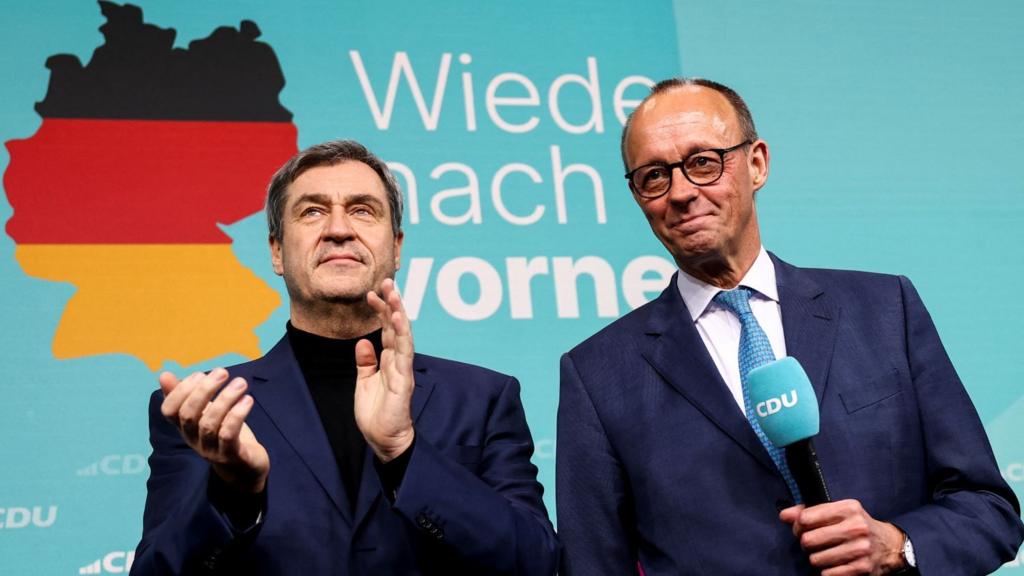
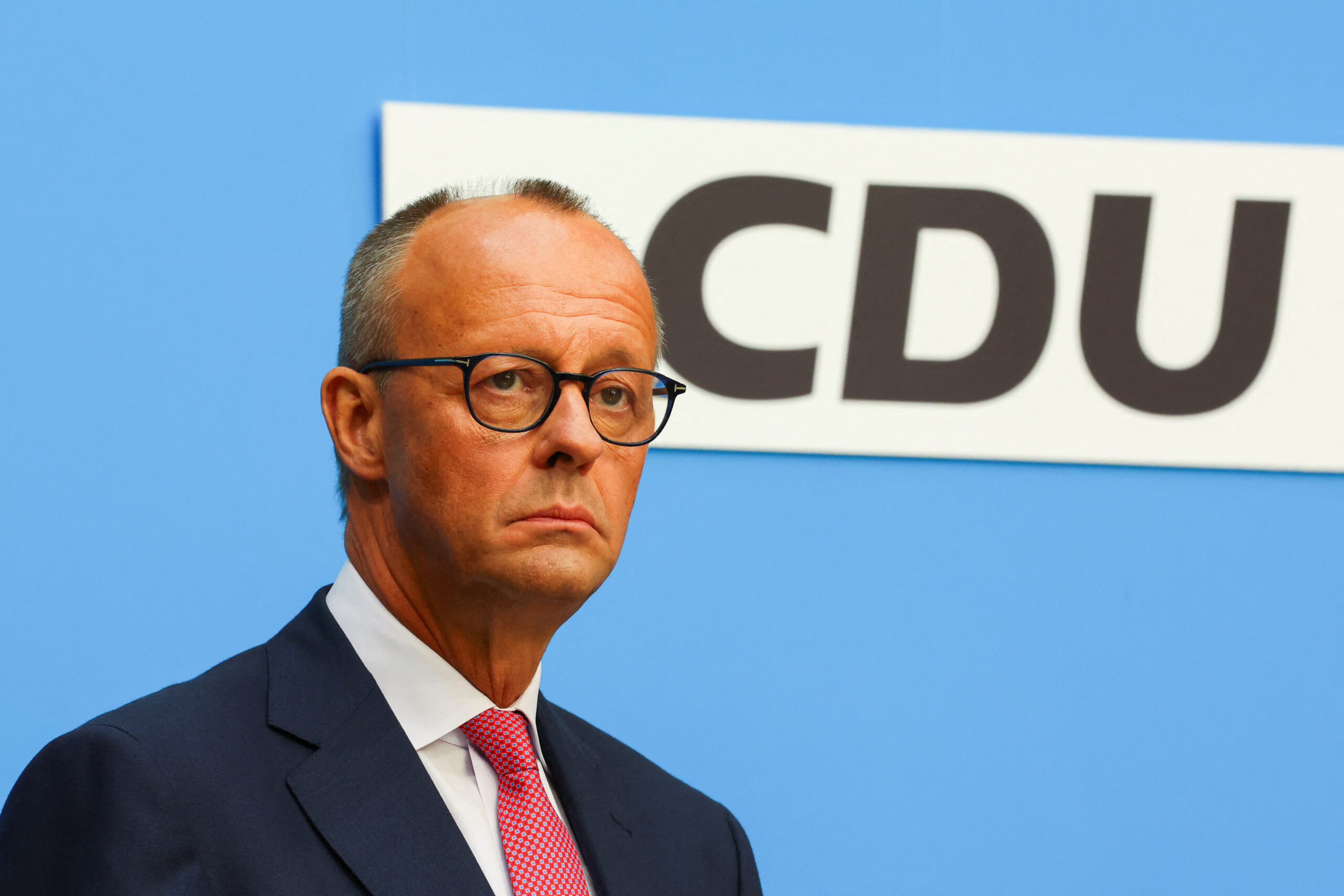
By Satyaki Chakraborty The polarization in German politics widened after national elections on Sunday, February 23 in which the conservative CDU/CSU with 28.5 per cent votes topped among the political parties followed by the far right AFD at 20.7 per cent and the centre-left SPD at 16.5 per cent. The remarkable feature was the resurgence […]

Google has announced a significant overhaul to its Gmail authentication process, transitioning from SMS-based two-factor authentication to QR code verification. This change aims to enhance user security and address vulnerabilities associated with SMS authentication methods. Ross Richendrfer, Google’s head of security and privacy public relations, confirmed the company’s plan to move away from SMS authentication. He emphasized that, similar to their initiative to eliminate traditional passwords through […]

BlockDAG, a pioneering Layer 1 blockchain network, is making significant strides in the cryptocurrency landscape by integrating the security and decentralization of Bitcoin with the speed and scalability of Directed Acyclic Graph technology. This innovative approach aims to address the longstanding challenges of scalability and transaction speed that have hindered traditional blockchain platforms.

At the core of BlockDAG’s architecture is its unique consensus mechanism, which diverges from the conventional linear chain of blocks. Instead, it employs a DAG structure, allowing for parallel processing of transactions. This design enables the network to achieve remarkable speeds, reportedly reaching up to 10 blocks per second, with aspirations to surpass 100 blocks per second in the near future. Such capabilities position BlockDAG as a formidable contender in the race to develop scalable and efficient blockchain solutions.

The native cryptocurrency of the BlockDAG network, BDAG, plays a pivotal role in its ecosystem. BDAG serves multiple functions, including covering transaction fees, facilitating peer-to-peer transfers, and providing staking rewards for validators who contribute to network security. The total supply of BDAG is capped at 150 billion coins, with a halving event scheduled every 12 months to control inflation and maintain value. Notably, 50 billion BDAG coins have been allocated for the presale phase, aiming to attract early supporters and enhance the network’s visibility in the competitive crypto market.

Mining BDAG is accessible to a broad audience, thanks to BlockDAG’s suite of mining solutions tailored to various user needs. The X1 Miner app, available on both iOS and Android platforms, has garnered significant attention, attracting over 500,000 users who mine BDAG coins daily. This mobile application allows individuals to mine up to 20 BDAG coins per day without taxing their device’s resources, making crypto mining more approachable for the general public. For more intensive mining operations, BlockDAG offers hardware solutions such as the X10, X30, and X100 miners, catering to small-scale miners and large industrial operations alike.

Security remains a cornerstone of BlockDAG’s design. By utilizing a Proof-of-Work consensus mechanism, the network ensures robust protection against potential threats, including double-spend attacks. The integration of advanced cryptographic algorithms further fortifies the network’s defenses, maintaining the integrity and trustworthiness of transactions. This commitment to security, combined with its scalable architecture, positions BlockDAG as a promising platform for decentralized applications and other blockchain-based services.

Abu Dhabi’s Tadweer Group has partnered with FAMS Technologies to introduce the region’s first AI-driven Integrated Waste Management Platform, marking a significant advancement in the emirate’s approach to waste management. This innovative platform leverages Artificial Intelligence and the Internet of Things to enhance efficiency and sustainability across all stages of waste handling.

The newly launched platform is designed to revolutionise waste management by integrating AI and IoT technologies into every phase, from collection to disposal. By utilising real-time data and predictive analytics, the system aims to optimise waste collection routes, monitor processing facilities, and improve overall operational efficiency. This approach not only reduces operational costs but also minimises environmental impact by decreasing carbon emissions associated with waste transportation and processing.

Eng. Ali Al Dhaheri, CEO and Managing Director of Tadweer Group, emphasised the transformative potential of this initiative, stating that the collaboration with FAMS Technologies aligns with Tadweer’s mission to build an integrated waste management system and drive the conversion of waste into an economic asset. He highlighted that the AI-driven platform is a testament to their commitment to redefining waste management in the emirate and keeping pace with the global transition towards a circular economy.

The partnership with FAMS Technologies brings together Tadweer’s extensive experience in waste management and FAMS’s expertise in AI and IoT solutions. This collaboration is poised to set new benchmarks in the industry, positioning Abu Dhabi as a leader in adopting cutting-edge technologies for environmental sustainability. The AI-Integrated Waste Management Platform is expected to serve as a model for other regions aiming to modernise their waste management practices.

In addition to technological advancements, the platform is designed with scalability in mind, allowing for future expansions and integrations. This flexibility ensures that the system can adapt to the growing needs of Abu Dhabi’s urban landscape and its increasing waste management demands. The platform’s modular architecture facilitates the incorporation of new technologies and processes as they emerge, ensuring that Abu Dhabi remains at the forefront of sustainable waste management practices.

The implementation of this AI-driven platform is anticipated to have far-reaching economic benefits. By streamlining operations and reducing waste-related expenditures, the system is expected to generate cost savings for the municipality. These savings can be redirected towards other sustainability initiatives, further enhancing the city’s environmental stewardship. Moreover, the platform’s data-driven approach provides valuable insights that can inform policy decisions and strategic planning in waste management.

Environmental experts have lauded this initiative as a significant step towards achieving a circular economy in the region. By transforming waste into a resource through efficient management and processing, Abu Dhabi is making strides in reducing its ecological footprint. The AI-Integrated Waste Management Platform exemplifies how technology can be harnessed to address environmental challenges, setting a precedent for other cities worldwide.

This development comes as part of Tadweer Group’s broader strategy to enhance sustainability and environmental responsibility in Abu Dhabi. The group has been actively involved in various initiatives aimed at promoting recycling, waste reduction, and resource optimisation. The introduction of the AI-driven platform complements these efforts, providing a comprehensive solution that addresses multiple facets of waste management.

Raydium’s RAY token experienced a significant decline of 25% as Pump.Fun initiated tests on its own Automated Market Maker exchange. This development has raised concerns among investors regarding the future of Raydium’s platform and its competitive positioning within the decentralized finance ecosystem.

Pump.Fun, a prominent tool within the Solana blockchain network, has been instrumental in facilitating various DeFi activities. The testing of its proprietary AMM exchange signifies a strategic move to expand its service offerings, potentially positioning itself as a direct competitor to existing platforms like Raydium. This strategic shift has introduced uncertainty into the market, leading to a notable sell-off of RAY tokens.

The introduction of a new AMM by Pump.Fun could lead to a redistribution of liquidity within the Solana ecosystem. Investors are closely monitoring how this development might impact Raydium’s market share and user engagement. The potential for increased competition has prompted a reassessment of RAY’s valuation, contributing to its sharp price decline.

Market analysts suggest that the testing phase of Pump.Fun’s AMM exchange is a critical period that could reshape the dynamics of DeFi platforms on the Solana network. The outcome of these tests may influence user preferences and liquidity flows, thereby affecting the operational viability of existing platforms like Raydium.

SINGAPORE – Media OutReach Newswire – 24 February 2025 – British Council Singapore celebrated the achievements of exceptional UK alumni at the Study UK Alumni Awards 2025, held at The Fullerton Hotel Singapore, on 20 February. This flagship event honours individuals who have leveraged their UK education to make significant contributions to their professions, communities and societies. British Council Singapore Honours Outstanding UK Alumni at the Study […]

Linux has made significant strides in the gaming industry, challenging the long-standing dominance of Windows. Recent data indicates that Linux’s market share on Valve’s Steam platform reached 2.29% in December 2024, up from 2.03% in November. Although there was a slight decline to 2.06% in January 2025, the overall trend showcases a growing acceptance of Linux among gamers. This upward trajectory can be attributed to several factors, […]

The cryptocurrency landscape is witnessing the emergence of Pepeto, a meme coin that has garnered significant attention during its presale phase. Priced at a mere $0.000000112, Pepeto positions itself as a potential high-return investment, reminiscent of the early days of Shiba Inu .

Shiba Inu’s meteoric rise transformed modest investments into substantial fortunes. An individual who invested $1,000 in SHIB during its inception in August 2020 would see that investment balloon to approximately $12.67 million today. This surge underscores the lucrative potential inherent in early-stage meme coin investments.

Pepeto aims to capitalize on this trend by presenting itself as the “true Pepe,” seeking to rectify past missteps in the meme coin sector. Beyond its humorous branding, Pepeto introduces innovative features designed to enhance user experience and market appeal. Central to its ecosystem is PepetoSwap, a platform offering zero-fee trading, a significant departure from the often hefty fees associated with traditional exchanges. Additionally, the development of the Pepeto Exchange aims to bolster liquidity and minimize slippage, ensuring smoother transactions for users.

The total token supply for Pepeto mirrors that of the original PEPE coin, set at 420 trillion tokens. This deliberate choice reflects a strategic effort to draw parallels with successful predecessors while carving out its unique identity in the crypto space.

The cryptocurrency landscape is witnessing a notable shift as FloppyPepe , a small-cap AI-integrated meme coin, gains traction among investors traditionally aligned with established tokens like Cardano . This trend highlights the dynamic nature of the crypto market, where emerging technologies and innovative projects can rapidly alter investor preferences.

FloppyPepe has distinguished itself by merging meme culture with artificial intelligence, creating a unique niche in the crypto ecosystem. The token’s recent SolidProof certification has bolstered investor confidence by ensuring the security and reliability of its smart contracts. This certification, achieved during its ongoing presale phase, underscores the project’s commitment to transparency and technological robustness.

The presale of FPPE has demonstrated remarkable momentum, reportedly raising nearly $1 million within 24 hours. This rapid capital influx is indicative of strong market interest and suggests a growing belief in FPPE’s potential. Contributing to this enthusiasm is the announcement of an upcoming text-to-image AI agent on Telegram, slated for release in two weeks, which aims to enhance user engagement and broaden the token’s utility.

In contrast, Cardano , a well-established blockchain platform known for its proof-of-stake consensus mechanism and focus on sustainability, has experienced a modest decline in its token value. Currently trading at approximately $0.769463, ADA has seen a 4.07% decrease over the past 24 hours. Despite its strong market position and a market capitalization exceeding $27 billion, ADA’s recent performance reflects the volatile nature of the cryptocurrency market and the challenges faced by established tokens amidst emerging competitors.

The rise of FPPE is part of a broader trend where investors are exploring alternative assets with high growth potential. Reports indicate that holders of Cardano and Dogecoin are reallocating funds towards emerging tokens like FPPE, driven by the prospect of substantial returns. Analysts have identified FPPE as a formidable contender in the AI crypto sector, with projections suggesting significant growth potential.

FPPE’s innovative approach includes deflationary tokenomics, where 1% of every transaction is burned, reducing the total supply over time and potentially increasing the token’s value. Additionally, 3% of each transaction is redistributed to long-term holders, incentivizing sustained investment and fostering a loyal community. These mechanisms are designed to create scarcity and reward commitment, distinguishing FPPE from other meme coins.

The convergence of meme culture and AI technology in FPPE represents a novel fusion that appeals to a diverse investor base. This blend not only capitalizes on the viral nature of meme coins but also integrates practical AI applications, offering users tangible utility beyond speculative trading. The forthcoming AI-driven features are anticipated to enhance user interaction and provide unique functionalities within the crypto space.

While FPPE’s ascent is noteworthy, it operates within a highly competitive and unpredictable market. Established entities like Cardano possess extensive ecosystems and substantial developer communities, providing them with resilience and the capacity for innovation. Cardano’s ongoing developments and strategic initiatives continue to position it as a significant player in the blockchain arena.

Medical science is undergoing a transformative phase, with innovative approaches like xenotransplantation, 3D bioprinting, and stem cell therapies offering potential solutions to the persistent organ shortage crisis. These cutting-edge technologies aim to bridge the gap between organ demand and supply, providing hope to thousands awaiting transplants. Xenotransplantation, the practice of transplanting organs from one species to another, has seen significant strides. In November 2024, Towana Looney, a […]

By Satyaki Chakraborty With just two days left for the national elections in Germany scheduled for next Sunday, February 23, all opinion polls suggest a near ten point lead by the conservative CDU/CSU combo as against the far right AFD which is threatening to take over power in European Union’s richest economy with the open […]


Zearn.fun has introduced a groundbreaking platform, positioning itself as the world’s first universal AI agent launchpad. This innovative framework, built upon ZetaChain’s cross-chain capabilities, enables users to create, deploy, and scale autonomous AI agents, thereby redefining the landscape of decentralized finance and meme culture. The platform’s architecture comprises three core components: an AI agent engine, sentient AI agents, and a universal cross-chain yield singularity. The AI agent […]

The cryptocurrency landscape is experiencing notable fluctuations as political developments and new digital assets influence investor sentiment. Solana , a prominent blockchain platform, has seen its token price oscillate amid these dynamics. As of February 21, 2025, SOL is trading at $179.81, reflecting a 3.79% increase from the previous close. This movement comes in the wake of recent political events and the introduction of new meme coins like Panshibi , which are capturing market attention.

The re-election of President Donald Trump has introduced a wave of optimism among cryptocurrency enthusiasts, particularly due to his administration’s perceived crypto-friendly stance. This sentiment has been bolstered by the resignation of former SEC Chair Gary Gensler and the appointment of Paul Atkins, known for his favorable views on digital assets. These changes have led to a surge in applications for cryptocurrency exchange-traded funds , with asset managers seeking approval for funds focusing on altcoins such as Solana, XRP, and Dogecoin. Market analysts suggest that the approval of these ETFs could significantly impact the valuation and adoption of the associated cryptocurrencies.

However, the market’s response has been mixed. While the anticipation of regulatory support has driven some positive momentum, concerns over market volatility persist. Analysts have issued cautionary notes regarding Solana’s price trajectory. Some forecasts indicate the potential for a substantial correction, with prices possibly declining by up to 50% during the summer months of 2025, potentially reaching the $44 range. Factors contributing to this outlook include speculative trading and the proliferation of meme coins on the Solana network, which may undermine investor confidence.

The emergence of Panshibi exemplifies the growing interest in meme-based cryptocurrencies. Launched with a presale price of $0.004, Panshibi has rapidly garnered attention, raising over $700,000 in its initial phase. The project has undergone a security audit and implemented long-term liquidity locking, measures aimed at enhancing investor trust. Analysts have drawn parallels between Panshibi and earlier meme coins, noting the potential for significant returns. Projections suggest that Panshibi could experience a presale price increase of 1,200%, with post-launch surges reaching up to 145,000%. These figures, while speculative, highlight the high-risk, high-reward nature of meme coin investments.

The highly anticipated launch of Pi Network’s open mainnet on 20 February 2025 led to a dramatic 65% decline in the value of its native cryptocurrency, Pi Coin , within 24 hours. Initially trading at $1.97 upon its debut, Pi Coin’s price plummeted to $0.64 by the following day, raising concerns among investors and market analysts.

Pi Network, a blockchain project that enables users to mine Pi Coins via mobile devices, transitioned from its enclosed mainnet phase—active since December 2021—to an open mainnet on 20 February. This shift allowed users to transfer and trade their Pi Coins on various cryptocurrency exchanges. Major platforms such as OKX, Bitget, and MEXC promptly listed the token, facilitating its entry into the broader crypto market.

Despite the initial enthusiasm, the market response was swift and severe. The coin’s value experienced a sharp decline, dropping from a peak of $1.97 to $0.64 within a day. Analysts attribute this rapid depreciation to several factors, including mass sell-offs by early adopters, limited initial liquidity, and broader market uncertainties.

Mass sell-offs by early adopters significantly contributed to the downward pressure on Pi Coin’s price. Many users, having accumulated Pi during the network’s development phase, opted to liquidate their holdings upon gaining the ability to trade, leading to an oversupply in the market. This influx of sell orders overwhelmed the available buy orders, exacerbating the price decline.

The limited initial liquidity on exchanges further intensified the situation. As Pi Coin became tradable, the market struggled to absorb the high volume of sell orders due to insufficient liquidity. This imbalance between supply and demand accelerated the price drop, as buyers were unable to match the selling pressure.

Broader market uncertainties also played a role in the coin’s performance. The cryptocurrency market is known for its volatility, and new entrants often face skepticism from investors. Concerns regarding the project’s legitimacy emerged, particularly after Bybit CEO Ben Zhou publicly questioned Pi Network’s credibility. Citing a 2023 warning from Chinese authorities that labeled the project a “scam” targeting the elderly, Zhou challenged the Pi Network team to address these allegations. He stated that Bybit had no plans to list Pi Coin, further influencing market sentiment.

The Pi Network community expressed mixed reactions to the coin’s market debut. While some members remained optimistic about the project’s long-term potential, others voiced concerns over the immediate price volatility and the project’s overall transparency. The sudden price drop prompted discussions about the need for clear communication from the Pi Network team regarding their roadmap and measures to ensure investor confidence.

Cryptocurrency exchange Kraken has announced plans to delist five stablecoins for users in the European Economic Area to align with the European Union’s Markets in Crypto-Assets regulations. The affected stablecoins are Tether , PayPal USD , Tether EURt , TrueUSD , and TerraUSD Classic . The delisting process will occur in phases, culminating in the full removal of these assets by 31 March 2025.

The MiCA regulations, which came into full effect on 30 December 2024, establish a comprehensive legal framework for crypto-assets within the EU. These regulations introduce stringent requirements for stablecoin issuers, including the necessity for asset-backed reserves and adherence to operational standards. Algorithmic stablecoins, such as TerraUSD Classic, are explicitly prohibited under MiCA due to their lack of traditional asset backing.

Kraken’s decision to delist these stablecoins reflects its commitment to regulatory compliance within the EEA. The exchange has outlined a phased approach to minimize disruption for its users. Spot trading for the affected assets will cease on 24 March 2025, at 12:00 PM UTC, with all open orders being closed at that time. Users holding these stablecoins are advised to convert or withdraw their assets before 31 March 2025, after which any remaining balances will be automatically converted into a compliant equivalent stablecoin.

This move by Kraken is part of a broader trend among cryptocurrency exchanges adjusting their offerings to meet the new regulatory standards set by MiCA. Other major platforms, such as Crypto.com and Coinbase, have also taken steps to delist non-compliant stablecoins within the EU market. These actions underscore the significant impact MiCA is having on the operational strategies of crypto service providers in the region.

The delisting of Tether’s USDT is particularly noteworthy, given its status as one of the most widely used stablecoins globally. Tether has faced scrutiny over its reserve practices and transparency, and its decision not to comply with MiCA’s stringent requirements has led to its removal from several European platforms. In contrast, competitors like Circle’s USD Coin have chosen to align with the new regulations, potentially positioning themselves more favorably within the EU market.

The implementation of MiCA aims to enhance consumer protection and market integrity within the European crypto-asset space. By enforcing strict compliance standards, the EU seeks to create a more secure and transparent environment for both investors and service providers. However, these regulations also present challenges for existing crypto businesses, particularly those operating with models that do not meet the new compliance criteria.

Solana , once a darling of the cryptocurrency world, is currently navigating a series of challenges that have significantly impacted its market performance. Over the past month, SOL’s value has plummeted by more than 40%, a decline attributed to a confluence of factors including meme coin scams, impending token unlocks, and a general downturn in trading volumes.

A notable incident exacerbating Solana’s woes involves the LIBRA token, which garnered attention after promotion by Argentine President Javier Milei. Following his endorsement, the token’s value surged, only to collapse shortly thereafter. Blockchain analysis firms Chainalysis and Nansen reported that approximately $99 million worth of cryptocurrency was withdrawn by wallets linked to LIBRA’s creator, leading to significant investor losses and a federal investigation into Milei’s involvement. This scandal not only undermined confidence in the LIBRA token but also cast a shadow over the Solana network, which hosted the token.

The proliferation of meme coins on the Solana blockchain has further strained its reputation. Platforms like Pump.fun have facilitated the creation of numerous meme coins, leading to network saturation and an influx of speculative assets. This environment has been fertile ground for scams, with the LIBRA incident serving as a prime example. The rapid rise and fall of such tokens have left many investors wary, contributing to a decline in trust and participation within the Solana ecosystem.

Adding to the downward pressure on SOL’s price is the scheduled release of over 15 million SOL tokens, valued at more than $2.5 billion, set for March 1. This significant token unlock has raised concerns about potential sell-offs, as investors anticipate increased supply in the market. The combination of these factors has led to a 19% decrease in Solana’s decentralized finance total value locked and a notable contraction in decentralized exchange trading volumes, indicating waning network engagement.

In stark contrast, Rollblock is experiencing a surge in user adoption and market interest. Rollblock, operating within the GambleFi sector, has introduced a deflationary revenue-sharing model that has captivated investors. The platform allocates up to 30% of its profits to buy back RBLK tokens from the open market. Of these repurchased tokens, 60% are permanently burned, reducing the overall supply and creating scarcity, while the remaining 40% are distributed as staking rewards, offering up to 30% annual percentage yield to long-term holders. This mechanism not only incentivizes holding but also fosters a sustainable increase in token value.

Rollblock’s ecosystem is further bolstered by its efficient transaction processes, allowing instant deposits and withdrawals in major cryptocurrencies such as Bitcoin, Ethereum, and Solana. This user-friendly approach has attracted a diverse investor base, including significant interest from holders of other cryptocurrencies like Polkadot. During its presale phase, RBLK’s price experienced a remarkable 420% increase, with the project raising over $10 million and attracting more than 45,000 investors.

The contrasting trajectories of Solana and Rollblock underscore the dynamic and rapidly evolving nature of the cryptocurrency landscape. While Solana grapples with challenges stemming from meme coin scams and market saturation, Rollblock’s innovative approach and robust ecosystem have positioned it as a promising contender in the crypto space.

VISHNU RAJA
RYO YAMADA
HITORI GOTOH
IKUYO KITA