News related to
Phase

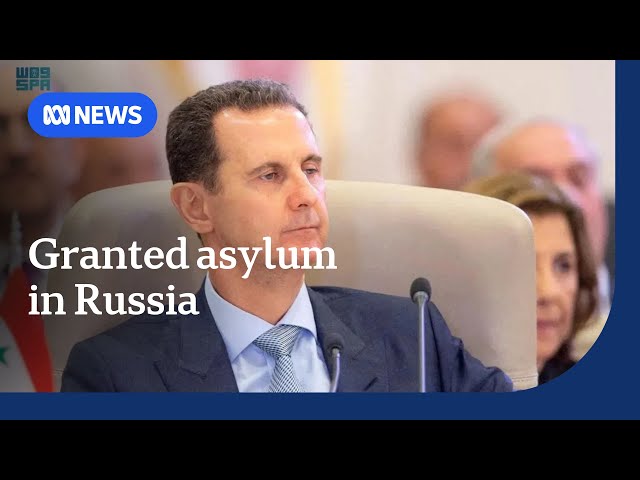
By Nitya Chakraborty The already war ravaged West Asian region has entered into a new phase of geo political turmoil with the ouster of the Syrian President Bashar-al Assad Government and the President fleeing from Damascus on Sunday to Moscow and granted asylum there by the Russian Government. The defeat of the Syrian Bath Party […]

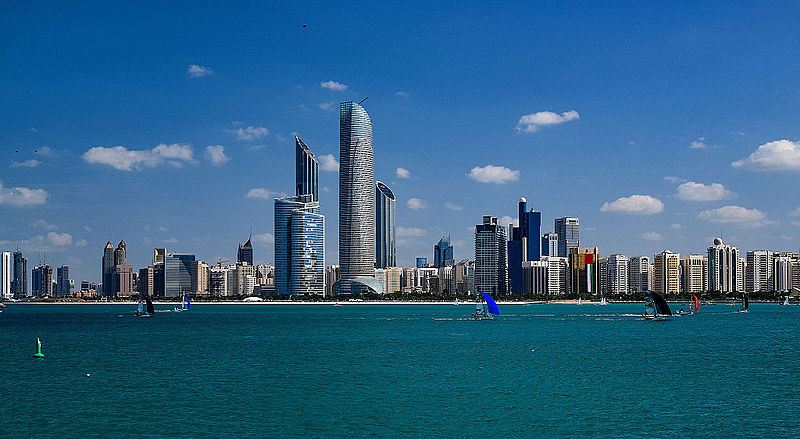
Eric Trump, the son of former U.S. President Donald Trump, is set to deliver a keynote address at the Bitcoin MENA conference in Abu Dhabi, marking his debut at a major cryptocurrency event. The conference, one of the most anticipated gatherings of cryptocurrency enthusiasts and investors in the Middle East and North Africa (MENA) region, comes at a time when the global digital asset market is experiencing a surge in both interest and investment.

Bitcoin MENA, which is scheduled to take place in Abu Dhabi in the coming weeks, will bring together industry leaders, investors, regulators, and developers from around the world to discuss the future of digital currencies and blockchain technology. The event is expected to focus on the rapid developments in the cryptocurrency space, regulatory changes, and opportunities for growth, especially in emerging markets.

Eric Trump’s involvement is seen as significant given his family’s established prominence in the political and business arenas. As the executive vice president of the Trump Organization, Eric Trump has been involved in several business ventures, though this marks a rare public appearance in the cryptocurrency sector. His participation is seen as part of a broader trend where mainstream business figures are increasingly engaging with digital assets as part of their investment strategies.

The cryptocurrency market has seen explosive growth over the past few years, with Bitcoin and other digital currencies reaching all-time highs in value. The MENA region, in particular, has emerged as a key player in the global crypto space, with several countries, including the UAE, creating favorable environments for blockchain and cryptocurrency innovations. Abu Dhabi, with its burgeoning tech infrastructure and regulatory framework, has positioned itself as a hub for fintech and digital finance in the region.

The UAE, where Bitcoin MENA is taking place, has been proactive in adopting blockchain technology. The UAE government’s initiative to integrate blockchain into various sectors, including finance, real estate, and healthcare, has been a driving force in the rise of digital assets within the region. The UAE’s progressive stance on cryptocurrencies has attracted significant foreign investment and a growing number of startups focused on blockchain technology.

In particular, the Abu Dhabi Global Market (ADGM), a financial free zone, has been pivotal in shaping the regulatory landscape for cryptocurrencies in the region. ADGM has implemented clear regulations for cryptocurrency exchanges and trading, creating a safer and more attractive environment for investors and businesses. The UAE’s leadership has also signaled its intent to develop the nation into a leading global fintech center, with blockchain technology at the forefront of these ambitions.

The timing of the Bitcoin MENA conference is particularly notable given the broader context of the cryptocurrency market’s performance. Bitcoin, the largest cryptocurrency by market capitalization, recently surpassed $35,000, reaching new heights despite some ongoing concerns around regulatory scrutiny and market volatility. Analysts suggest that the market is entering a new phase, characterized by institutional adoption and growing acceptance of cryptocurrencies as a legitimate asset class.

Several factors have contributed to the rise of cryptocurrency, including the increasing institutional interest in digital assets, as well as the growing recognition of blockchain technology’s potential to revolutionize various industries. Investment firms, hedge funds, and even governments are increasingly looking at ways to incorporate digital currencies into their portfolios, with some countries exploring the creation of central bank digital currencies (CBDCs) as part of their financial strategies.

For Eric Trump, his appearance at the Bitcoin MENA conference aligns with his family’s broader interest in global business opportunities, including those in the tech and finance sectors. Though primarily known for his family’s real estate business, the Trump Organization has diversified its interests into various fields over the years. Eric Trump’s participation is also likely to draw attention from investors who are looking to connect the worlds of traditional business and cryptocurrency.

The UAE’s role as a key player in the digital economy is also attracting increasing interest from global investors, particularly those looking for opportunities in the cryptocurrency and blockchain sectors. The country’s focus on diversifying its economy away from oil dependence has led to a greater emphasis on tech-driven industries, including fintech, artificial intelligence, and digital assets. This approach aligns with the global trend toward digitization and offers promising prospects for growth in the cryptocurrency market.

As Bitcoin and other cryptocurrencies continue to gain traction across the globe, the role of events like Bitcoin MENA will be crucial in shaping the discourse around regulation, innovation, and market development. The conference will provide an opportunity for thought leaders and experts to engage in discussions on the future of digital currencies, including their impact on global financial systems and their potential to disrupt traditional industries.

MACAO SAR – Media OutReach Newswire – 5 December 2024 – On December 4, 2024, the “Celebration of the 25th Anniversary of Macao’s Return to the Motherland: The Story of Centenary Hotel Central Book Launch & Documentary Screening” event, organized by Lek Hang Group and supported by the Macao Government Tourism Office and the Commerce and Investment Promotion Institute, was held at Bona International Cineplex in Macau. […]

Yondr Group has reached a key milestone in its ambitious sustainable data center project in Bischofsheim, Germany, located south of Frankfurt. The company recently completed the first phase of its 40 MW data center, successfully deploying 20 MW of capacity. This achievement marks a significant step in the company’s efforts to build an energy-efficient, environmentally friendly hyperscale data center that aligns with growing demand for sustainable digital […]

Abu Dhabi’s Natural History Museum has unveiled an impressive collection of ancient treasures, including rare fossils that offer a glimpse into the planet’s distant past. The museum, which is fast becoming one of the UAE’s key cultural landmarks, showcases a wide range of specimens that span millions of years, including a fossil of a seven-million-year-old four-tusked Arabian elephant. This creature roamed the landscape of Abu Dhabi at a time when rivers, forests, and savannas were dominant across the region. The exhibit also includes a diverse range of dinosaurs, prehistoric mammals, and artifacts from space that offer insight into both Earth’s and the universe’s history.

The fossil of the four-tusked elephant is among the most significant of the museum’s collection. Its discovery is not just a testament to the ancient biodiversity of the region, but it also sheds light on the evolution of the elephant species, a topic that has fascinated paleontologists for years. The four-tusked elephant, now extinct, once walked the earth alongside other prehistoric creatures in what was then a verdant environment in the Arabian Peninsula. The specimen was uncovered in the Liwa desert, an area known for its rich fossil beds, which have yielded remarkable discoveries over the years.

Beyond the elephant, the museum’s display includes several dinosaur fossils that provide critical insights into the creatures that once inhabited this part of the world. The museum’s paleontology team has worked diligently to preserve these delicate specimens, each offering unique stories of ancient ecosystems. Notably, the fossils of a sauropod, an enormous herbivorous dinosaur, are on display. These massive creatures, which once thrived during the Mesozoic Era, now serve as a reminder of the sheer scale of life forms that existed millions of years ago.

In addition to the terrestrial fossils, the museum’s collection extends into the cosmos with its exhibition of meteorites and scale models of celestial bodies. Among the more captivating items on display is a sample of the famous meteorite that landed in the UAE desert. This rock, which dates back to the formation of the solar system, provides a tangible link to the earliest days of our universe. The museum’s collection of space-related artifacts not only highlights the UAE’s growing interest in space exploration but also emphasizes its role as a hub for scientific research in the region.

The design of the museum itself is as innovative as the exhibits it houses. Its architecture is a fusion of traditional Arabian elements with modern techniques, symbolizing the UAE’s commitment to blending heritage with progress. The structure is visually striking, with large, circular windows that mirror the moon’s phases, and spaces that open up to natural light, evoking a sense of discovery and exploration. As visitors move through the museum, they encounter carefully curated displays that guide them through Earth’s geological history, from its formation to the age of mammals and beyond.

The museum’s unveiling has been met with enthusiasm by the scientific community, as it marks a significant step in advancing the region’s status as a center for paleontological and archaeological research. Dr. Ahmed Al-Mansoori, a leading paleontologist involved with the project, remarked that the museum would be a valuable resource for researchers and students alike. “This museum will be a place where future generations can learn about the Earth’s history and its diverse forms of life,” he said. His sentiments reflect the broader educational mission of the museum, which is not only to display ancient treasures but also to educate the public about the processes that shaped the natural world.

The museum is also playing an essential role in fostering international collaboration. Experts from across the globe have contributed to its exhibits, and the museum is actively involved in numerous international paleontological digs. Through partnerships with other museums and universities, it seeks to expand its collection and provide a platform for global research initiatives. This exchange of knowledge will undoubtedly benefit both local and international scientific communities, as the museum continues to establish itself as a world-class institution.

One of the museum’s more interactive exhibits is its virtual reality (VR) section, which allows visitors to engage with the prehistoric world in an immersive way. Using advanced technology, guests can experience life in the age of dinosaurs, observing how these creatures lived, moved, and interacted with their environment. This cutting-edge technology, paired with the physical exhibits, creates a dynamic learning experience for visitors of all ages.

The Natural History Museum in Abu Dhabi is set to become an integral part of the city’s cultural landscape. Its mission to explore the natural world and its history is further enhanced by its strategic location in a city that has increasingly become a cultural crossroads for science, art, and heritage. Abu Dhabi’s drive to become a global center for innovation is reflected in its investment in such scientific endeavors, contributing not only to the UAE’s prestige but also to the wider global knowledge base.

The U.S. financial regulators have directed banks to avoid offering services to cryptocurrency companies, a practice that could severely impact the sector’s integration with traditional financial systems. Coinbase, one of the largest cryptocurrency exchanges in the world, has disclosed this information through a set of letters obtained from the authorities, further escalating the tensions between the crypto industry and U.S. regulators.

The letters, which were sent by the Federal Reserve and the Office of the Comptroller of the Currency (OCC), allegedly instruct banks to carefully assess the risks associated with doing business with crypto firms. The regulatory bodies have raised concerns about the volatility of digital assets, the potential for money laundering, and the sector’s limited consumer protections. According to Coinbase, these communications suggest a systemic effort by U.S. regulators to limit the reach and influence of cryptocurrencies by preventing them from gaining access to essential banking services.

Coinbase’s Chief Legal Officer, Paul Grewal, reacted strongly to the revelations. He described the letters as “hard evidence” supporting the claims that U.S. regulators were deliberately pushing the cryptocurrency industry out of the traditional banking ecosystem. Grewal emphasized that the industry’s concerns about being unfairly targeted had previously been dismissed by some as conspiracy theories. However, the disclosed letters now provide tangible proof that such fears were well-founded, he said.

The controversy highlights an ongoing and intensifying battle between the U.S. government and the rapidly expanding cryptocurrency sector. Over the past year, several high-profile crypto companies, including Coinbase, have faced increased scrutiny from U.S. regulators, which have argued that the industry operates in a legal gray area. The push for clearer regulatory frameworks has been met with resistance by crypto advocates, who argue that these measures are overly restrictive and stifle innovation.

While the U.S. Securities and Exchange Commission (SEC) has been particularly vocal in its efforts to regulate crypto exchanges, the Federal Reserve and OCC have focused their attention on the relationships between traditional banks and crypto firms. According to the letters obtained by Coinbase, regulators have been cautious about exposing banks to the risk of crypto-related assets and transactions. Banks have been warned that they must be prepared to mitigate any risks associated with crypto partnerships, especially given the unpredictable nature of digital currencies.

In response to these developments, several U.S.-based crypto companies have publicly criticized the regulatory stance. They argue that the lack of clarity around regulations is stifling innovation in the space and pushing U.S. businesses abroad to more crypto-friendly jurisdictions. Coinbase, in particular, has been at the forefront of this battle, with Grewal and CEO Brian Armstrong both making public statements against what they view as an overly aggressive regulatory push.

The U.S. has long been seen as a global leader in technological innovation, but the cryptocurrency industry’s struggle with regulators may signal a shift. As crypto adoption continues to rise, the tension between innovation and regulation appears to be deepening. Proponents of digital assets argue that regulatory actions are forcing the industry to move offshore, depriving the U.S. economy of a significant opportunity for job creation and technological growth. Meanwhile, those in favor of strict oversight claim that more regulation is needed to protect consumers and maintain financial stability.

The legal battles between U.S. regulators and the cryptocurrency industry are far from over. Coinbase, along with other companies in the sector, has vowed to continue its fight for clearer, fairer regulations. The company’s legal team is already preparing to challenge the restrictions imposed by the SEC and other financial watchdogs, aiming to shift the regulatory landscape in a more favorable direction for the industry.

As the debate unfolds, the broader financial sector is closely watching the outcome. Financial institutions are weighing the risks of entering the crypto space, and some are hesitant to move forward without clearer regulatory guidelines. Others have already taken steps to engage with crypto assets, setting up special units to deal with the growing demand for blockchain-based services. The next phase of the regulatory discourse could determine the future role of cryptocurrencies within the global financial system.

The confrontation between regulators and crypto advocates also brings attention to the U.S. political environment. While some lawmakers have expressed concerns about the lack of oversight, others have called for a more hands-off approach, recognizing the potential of blockchain technology and its implications for sectors such as finance, healthcare, and supply chain management.

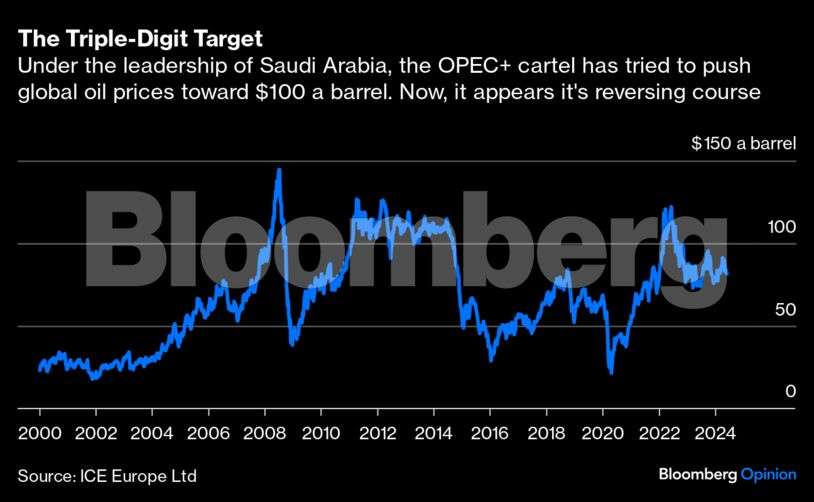
By K Raveendran OPEC+ has recalibrated its production strategy, extending voluntary output adjustments to stabilize oil markets in the face of uncertain global demand and geopolitical pressures. The alliance’s decision to prolong cuts until the first quarter of 2025 aims to counterbalance potential oversupply and demand fluctuations, particularly linked to Donald Trump’s policies and China’s […]
Advertisements

HOHHOT, CHINA – Media OutReach Newswire – 5 December 2024 – Recently, the 2024 Green Methanol Energy Industry Development Forum and the Farizon New Energy Commercial Vehicle Methanol-Hydrogen Product Showcase were held in Hohhot, Inner Mongolia. These events have not only highlighted Inner Mongolia’s innovation and breakthroughs in the new energy sector but also outlined a clear path towards a greener future. Methanol, recognized for its efficient […]

Gautam Hari Singhania has been appointed Executive Chairman of Raymond Lifestyle, following shareholder approval of the decision. This move marks a significant step for the company after the recent demerger of its lifestyle business, which now operates separately from Raymond’s other ventures. The reshaping of leadership within Raymond Lifestyle is seen as part of a broader strategy to enhance its growth prospects in a highly competitive market.

The demerger has allowed Raymond to streamline its operations, with the lifestyle business focusing exclusively on apparel, textiles, and retail. The appointment of Singhania, who has been involved in the family business for decades, underscores the company’s efforts to strengthen its leadership and position itself for the future. Under his stewardship, Raymond Lifestyle aims to continue its legacy in the textile and fashion sectors while diversifying its product offerings and expanding its market reach.

Singhania’s extensive experience in the corporate world is expected to bring a new era of innovation and growth for the company. His leadership will focus on maintaining Raymond’s strong market presence while navigating the challenges of a rapidly changing retail environment. With an emphasis on sustainable business practices and digital transformation, the company is poised to capture the shifting demands of modern consumers.

As Raymond Lifestyle operates in the highly competitive and fast-evolving fashion and retail sector, the company’s decision to appoint Singhania comes at a critical juncture. With the demerger now complete, the focus will be on maximizing operational efficiencies, expanding its retail footprint, and enhancing its digital capabilities. Singhania’s leadership will be integral in ensuring the brand remains relevant and agile in a market increasingly dominated by e-commerce and fast fashion.

The demerger itself is a strategic decision aimed at enabling both Raymond Lifestyle and the other businesses under the Raymond umbrella to flourish independently. Raymond Lifestyle, which has built a strong reputation for its high-quality apparel, will now have the flexibility to pursue its growth objectives without the complexities of managing non-core businesses. This move is expected to create a more focused entity, better able to respond to the needs of the modern consumer while continuing to leverage the strength of the Raymond brand.

Under Singhania’s direction, Raymond Lifestyle is also expected to further capitalize on emerging trends in sustainability and digital transformation. The company has already begun investing in eco-friendly fabrics and production methods, aligning with broader industry shifts towards more responsible manufacturing. As global consumers demand more transparency and sustainability from their brands, Raymond Lifestyle is well-positioned to lead in these areas.

Singhania’s appointment also signals a broader shift in corporate governance at Raymond Lifestyle. The company’s focus on innovation, sustainability, and digital transformation is expected to continue driving its long-term growth strategy. As the fashion industry undergoes rapid changes, the leadership of Raymond Lifestyle will need to remain adaptive, ensuring it can respond to both challenges and opportunities that lie ahead.

The demerger and Singhania’s appointment come at a time when Raymond is looking to consolidate its position in the market, ensuring that its lifestyle segment remains competitive while expanding its presence across the country and abroad. As global markets become more interconnected, Raymond Lifestyle’s ability to innovate and respond to consumer demands will be key to its success.

In the long term, Raymond Lifestyle is expected to deepen its presence in both domestic and international markets. The brand has already established a strong footprint in India, and Singhania’s leadership will be crucial in helping the company expand further into new international markets. With a focus on both digital and brick-and-mortar retail, Raymond Lifestyle will aim to provide an integrated shopping experience for consumers who are increasingly seeking convenience and personalization in their shopping choices.

As Raymond Lifestyle enters this new phase under Gautam Singhania’s leadership, industry observers are keen to see how the company navigates the challenges ahead. The fashion and lifestyle sector is undergoing a transformation, with shifting consumer preferences, supply chain challenges, and the rise of online retail. Singhania’s vast experience in both traditional business management and adapting to modern market trends will play a pivotal role in the company’s ability to thrive in this dynamic environment.

Tesla’s long-anticipated Cybertruck production has been put on hold, marking a significant setback for Elon Musk and the electric vehicle giant. The delay follows a series of hurdles that have shaken investor confidence and raised concerns about the company’s ability to meet its ambitious targets. These setbacks compound the challenges Musk has faced this week, including a major drop in his stock valuation and continued issues related […]

Ubisoft has announced that it will be shutting down the servers for its free-to-play first-person shooter, *XDefiant*, after just seven months of operation. The decision comes as a result of the game’s inability to maintain a substantial player base and continued issues with player engagement. Ubisoft has confirmed that servers will officially close on June 3, 2024, but players can continue to enjoy the game until then. […]

Saudi Aramco, the world’s leading energy firm, has unveiled plans to establish one of the largest carbon capture and storage (CCS) hubs in Jubail. The project is part of the company’s ambitious initiative to tackle carbon emissions and advance global decarbonization efforts. By collaborating with two major industry players, Linde and SLB, Aramco aims to position Saudi Arabia at the forefront of technological solutions addressing climate change. […]

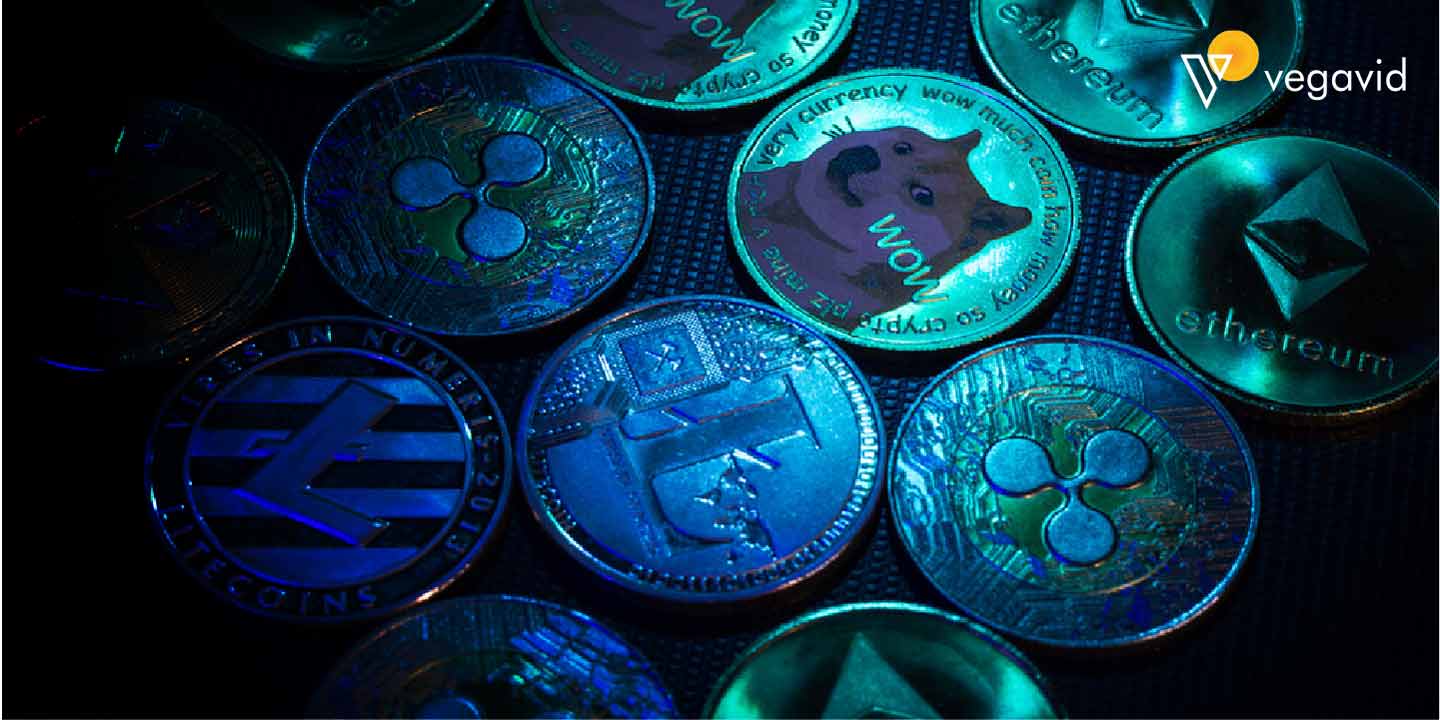
Bitcoin dominance has dropped significantly, falling from 61.53% in November 2024 to 55.24%, marking a substantial shift in the cryptocurrency market. This decline has allowed altcoins to rise, with over 75% of the top 100 altcoins outperforming Bitcoin in recent market trends. The surge in altcoin performance is reflected in the Altcoin Season Index, which has surged to 88 points, signaling a potential shift in investor focus toward alternative cryptocurrencies.

The fall in Bitcoin’s dominance comes at a time when altcoins, including Ethereum, Solana, and newer entrants, have gained traction. Investors, once solely focused on Bitcoin, are now diversifying their portfolios, seeing opportunities in altcoins that offer different use cases and growth potential. Ethereum, the second-largest cryptocurrency by market cap, has benefited from its upgrades and use cases in decentralized finance (DeFi) and non-fungible tokens (NFTs). Similarly, Solana’s faster transaction times and lower fees have made it an attractive alternative for developers and traders alike.

The decline in Bitcoin dominance indicates a broader trend in the market where investors are increasingly seeking higher returns by diversifying their holdings. Bitcoin, long viewed as a store of value, has struggled to maintain its dominance amidst growing competition from altcoins offering more advanced technological solutions. While Bitcoin remains the most recognized cryptocurrency, the emerging competition presents a challenge to its market supremacy.

The rise of decentralized finance platforms, smart contract capabilities, and innovations such as layer-2 solutions have further contributed to the growing popularity of altcoins. These technologies promise greater scalability, lower costs, and faster transaction speeds, which make them more appealing for developers and users alike. In particular, layer-2 networks built on Ethereum, such as Optimism and Arbitrum, have seen increasing use due to their ability to handle transactions more efficiently, leading to greater adoption in sectors like gaming and decentralized exchanges (DEXs).

Ethereum’s network upgrades have played a significant role in shifting the focus away from Bitcoin. Ethereum’s transition to Proof of Stake (PoS) with the Merge in 2022 reduced its energy consumption, which in turn attracted more environmentally-conscious investors. Moreover, Ethereum’s growing role in enabling decentralized applications (dApps) and facilitating the rise of NFTs has contributed to its recent resurgence in market performance.

Solana, with its high throughput capabilities, is emerging as a strong competitor. The blockchain’s fast transaction speeds, scalability, and low fees have made it an attractive option for both developers and users. Additionally, Solana’s ecosystem is growing rapidly with more decentralized applications (dApps) and projects built on the blockchain. These developments have attracted substantial capital and boosted Solana’s position among the top altcoins.

Several newer altcoins such as Polkadot, Cardano, and Avalanche have also garnered attention from both investors and developers. Polkadot’s focus on interoperability between different blockchains allows for a more interconnected decentralized ecosystem, making it a key player in the altcoin market. Similarly, Avalanche’s consensus protocol, which promises to enable faster transaction finality and scalability, has helped it build a solid user base.

The increasing performance of these altcoins has been evident in various metrics, from market capitalization to developer activity and adoption by decentralized finance platforms. As the dominance of Bitcoin wanes, a broader market shift toward alternative cryptocurrencies seems to be underway, with altcoins now commanding a more significant portion of the market share. The Altcoin Season Index, which tracks the performance of the top 50 altcoins in comparison to Bitcoin, has surged to 88 points, indicating that altcoins are now outpacing Bitcoin in the current market environment.

As the altcoin season intensifies, the shifting focus of investors toward these alternative cryptocurrencies may continue. While Bitcoin remains a significant force in the cryptocurrency space, its market dominance is being challenged by altcoins that are gaining relevance due to their innovation, use cases, and technological improvements. The increased performance and adoption of these cryptocurrencies signal a potential new phase for the digital asset market, with altcoins leading the way in growth.

BANGKOK, THAILAND – Media OutReach Newswire – 3 December 2024 – Capstone Asset Co., Ltd. proudly unveils Peylaa Phuket Bang Tao, a THB 3.4 billion luxury condominium development in the iconic Bang Tao area of Phuket. Renowned for its world-class attractions and vibrant lifestyle offerings, this neighbourhood provides residents with proximity to Boat Avenue, golf courses, international schools, cafes, restaurants, shopping malls, and more. Peylaa Phuket Bang […]

KPay strengthens its position as the leading regional platform for merchants to simplify financial management and streamline business operations. The investment by Apis Growth Markets Fund III and Apis Global Growth Fund III will accelerate KPay’s trajectory to support one million merchants across Asia in the next five years HONG KONG/SINGAPORE – Media OutReach Newswire – 3 December 2024 – KPay Group (KPay), a one-stop financial management […]

Taiwan has implemented a stringent regulatory framework aimed at tightening the oversight of Virtual Asset Service Providers (VASPs), marking a significant shift in the country’s approach to managing the digital asset industry. Effective from November 30, new rules under the Financial Supervisory Commission (FSC) mandate rigorous anti-money laundering (AML) measures, pushing for transparency and compliance across all cryptocurrency operators.

The FSC’s framework introduces a phased regulatory process, culminating in comprehensive legislation expected by mid-2025. All VASPs, including new and existing operators, must submit initial applications by March 2025, with final registration due by September 2025. Penalties for non-compliance include fines of up to NT$5 million and potential imprisonment of up to two years, a clear indication of the government’s commitment to addressing financial misconduct within the virtual asset market.

VASPs operating overseas must establish a local presence in Taiwan, conforming to requirements under the Company Act and adhering to stringent AML compliance protocols. The measures seek to enhance consumer protection, promote financial integrity, and foster a more secure cryptocurrency ecosystem.

HONG KONG SAR – Media OutReach Newswire – 2 December 2024 – Golden Resources Development International Limited today announces its HK$1 billion ambitious plan to transform more than 250,000 square meters of acquired land and properties in Hokkaido’s Niseko into Hirafu Grand Centro, a game-changing retailtainment destination over the next decade. Project Hir@fu, the initiative’s pilot phase, will launch seven new restaurants in Niseko for the 2024 […]

Abu Dhabi Investment Group is set to deploy a significant $100 billion in Brazil’s economy, marking a major step in the strengthening of bilateral economic ties between the UAE and Latin America’s largest economy. The announcement, made in late November 2024, highlights the UAE’s growing investment interests in Brazil, underscoring the nation’s desire to diversify its portfolio globally. The planned investments span a range of sectors, with […]

Solana’s decentralized finance (DeFi) ecosystem has surged in November, reaching $420.7 million in total value locked (TVL), significantly outpacing Ethereum’s $161.2 million for the month. This marks a sharp 161% increase in Solana’s DeFi earnings, largely attributed to its low transaction fees, high throughput, and a revival of its ecosystem following a challenging period.

Ethereum, long the dominant platform in the DeFi space, has faced stiff competition from Solana, whose technological upgrades and network enhancements have bolstered its position. As Ethereum continues to struggle with scaling issues and high fees, Solana’s faster and cheaper transactions have made it increasingly attractive to developers and users in the DeFi sector.

The dramatic increase in Solana’s DeFi activity is also a reflection of the broader recovery within its blockchain ecosystem, which was hit hard by a series of setbacks, including the collapse of the FTX exchange in late 2022. However, Solana’s resilience in recovering and innovating has allowed it to gain ground on Ethereum, traditionally the go-to platform for decentralized applications (dApps) and smart contract protocols.

Key factors driving Solana’s DeFi boom are its low transaction fees, which remain a major pain point for Ethereum users, especially during periods of high network congestion. While Ethereum’s gas fees can surge to hundreds of dollars for simple transactions, Solana offers an almost negligible fee structure, making it more attractive for smaller, retail investors and developers looking to build cost-efficient DeFi applications.

Solana’s speed is another competitive advantage. It boasts a transaction processing capability of more than 60,000 transactions per second (TPS), far exceeding Ethereum’s current capacity of 30 transactions per second, though Ethereum is working on scaling solutions such as sharding and layer 2 networks. Solana’s network speed allows for quicker and more scalable applications, which is crucial for DeFi protocols that require near-instant transactions to function efficiently, especially in volatile markets.

The ecosystem recovery of Solana has also been spurred by significant developments in its DeFi protocols. A growing number of decentralized exchanges (DEXs), lending platforms, and yield farming protocols have been launched or migrated to Solana’s blockchain, further boosting the platform’s TVL. Solana’s DeFi landscape has seen contributions from several key players, including Serum, Mango Markets, and Radium, all of which provide users with advanced trading options, liquidity, and competitive rewards.

Another contributing factor to Solana’s success is the strategic collaborations and partnerships it has secured with both established companies and up-and-coming startups. Solana has garnered attention from top-tier venture capitalists, along with prominent figures in the cryptocurrency space, who have supported the blockchain’s development and growth. These relationships have helped Solana gain credibility and foster an environment conducive to innovation and expansion.

The increase in DeFi activity on Solana has also been supported by growing interest in the broader Solana ecosystem. After a period of price volatility and uncertainty, Solana’s native cryptocurrency, SOL, has stabilized and regained much of its value. This recovery has sparked renewed confidence in the network and its long-term viability, which has translated into higher DeFi activity. As a result, users are increasingly willing to stake and invest in the network, propelling the overall market cap of Solana’s ecosystem.

Ethereum, on the other hand, continues to dominate the broader smart contract and dApp landscape, largely due to its first-mover advantage and large developer base. Ethereum’s switch to a proof-of-stake (PoS) consensus mechanism with the Ethereum 2.0 upgrade is expected to bring improvements in scalability and energy efficiency. However, Ethereum’s network congestion and high fees remain major hurdles for DeFi users and developers, especially in times of increased demand. These issues are likely to persist unless significant scalability solutions are implemented.

Although Ethereum has a stronghold on the DeFi sector, Solana’s rapid growth underscores the increasing diversification of the space. With its advanced technology, Solana is emerging as a serious challenger, offering viable alternatives for decentralized financial services. Furthermore, Solana’s growing TVL is not only a reflection of the platform’s technological edge but also an indication of the rising demand for alternative DeFi solutions that prioritize scalability, cost-efficiency, and innovation.

Experts suggest that the DeFi landscape is entering a new phase, where competition between smart contract platforms like Solana and Ethereum will be crucial to the long-term development of the ecosystem. As developers continue to search for faster, cheaper, and more scalable platforms, Solana’s performance in November provides a clear indication of the potential for DeFi to flourish on blockchains beyond Ethereum. The focus on speed and cost-effectiveness is expected to drive more DeFi protocols to explore alternatives to Ethereum, opening up the market to a wider range of participants.


HONG KONG SAR – Media OutReach Newswire – 27 November 2024 – The first baijiu company listed on the Hong Kong Stock Exchange, ZJLD Group Inc. (“ZJLD” or the “Company”, SEHK stock code: 06979. HK), is pleased to announce that the Group has been awarded the “Greater Bay Area (GBA) Listed Companies ESG100 Green Advancement Awards – Value Champion Award” at the inaugural event. The “GBA Listed […]

The UAE’s entertainment and gaming industry has entered a transformative phase with the official introduction of the nation’s first regulated lottery system, The UAE Lottery. This initiative is set to redefine the country’s gaming landscape, catering to a diverse audience while adhering to robust ethical and regulatory standards.

The game has been unveiled as a comprehensive platform, offering participants an opportunity to engage in a state-regulated lottery with significant prizes while promoting responsible gaming practices. By establishing this first-of-its-kind operation, the UAE is cementing its commitment to diversify its entertainment options and foster innovative business opportunities in a sector traditionally limited by stringent laws.

This launch aligns with the nation’s broader strategic goals of expanding its non-oil sectors. The UAE Lottery is envisioned not only as a recreational platform but as a catalyst for economic growth, offering revenue streams that will benefit public welfare programs. The framework of the lottery prioritizes transparency, with the promise of rigorous monitoring to ensure fair play and participant trust.

Industry observers view this development as a pivotal moment, marking the UAE’s gradual embrace of global trends in gaming and entertainment. While the country has previously allowed raffles and prize draws, this regulated lottery represents a formal acknowledgment of the potential in this sector. With significant backing from government and private entities, the lottery is positioned to operate under strict compliance with international best practices.

Details surrounding the ticket purchasing process, prize distribution mechanisms, and the anticipated societal impact have been meticulously designed to resonate with the UAE’s cultural and economic ethos. The system leverages cutting-edge technology to ensure security and efficiency, underscoring the country’s ambition to set new benchmarks in regulated gaming.

Early reports suggest that the rollout of The UAE Lottery has garnered significant public interest, with an enthusiastic reception from various demographics. Marketing campaigns have emphasized the initiative’s alignment with the UAE’s values, showcasing it as a responsible and socially beneficial form of entertainment.

The UAE Lottery’s impact is expected to extend beyond its entertainment value. Experts predict it will significantly contribute to the nation’s economic diversification efforts, creating new jobs and boosting ancillary industries. Moreover, the revenues generated are likely to support key sectors, including education, healthcare, and infrastructure development.

Although the concept of a national lottery is novel in the region, The UAE Lottery’s introduction reflects a progressive shift in attitudes toward regulated entertainment. Analysts highlight this as an indication of the UAE’s willingness to adopt global innovations, adapting them to fit local contexts.

Emirates is signaling significant fleet expansion as the airline considers increasing its order of Airbus A350 aircraft beyond the current commitment of 65 jets. President Tim Clark, speaking at an aviation industry event, highlighted this potential move as part of Emirates’ strategy to accommodate growing passenger demand and sustain its competitive edge in the evolving global aviation market. The A350, known for its fuel efficiency and advanced […]

By Rabindra Nath Sinha KOLKATA: It is not just that the Bharatiya Janata Party cut a sorry figure in the electoral battle 2024 for Jharkhand assembly despite a high octane campaigning that had strong communal overtones and in which the party’s money power was all too evident. Some new developments, which may shape future politics […]


Emirates will introduce its first-ever Airbus A350 service to Edinburgh starting January 3, marking a new chapter in its global expansion. The new route will provide enhanced connectivity between the Scottish capital and Dubai, reflecting the airline’s strategy to further increase its presence in the UK market.

The Airbus A350, which Emirates debuted into its fleet in 2022, offers a blend of advanced technology and passenger comfort. It will replace the Boeing 777 on the Edinburgh route, further elevating the travel experience for passengers. The decision to operate the A350 on this route is part of the airline’s broader initiative to modernize its fleet and reduce its carbon footprint, while offering travelers the latest in aircraft design and amenities.

The introduction of the A350 on the Edinburgh route will provide passengers with a state-of-the-art flying experience. The aircraft features the latest cabin innovations, including fully private suites in first class, lie-flat seats in business class, and spacious economy class seating. Additionally, the A350 is equipped with advanced fuel-efficient engines, making it a key player in Emirates’ commitment to reducing emissions. The airline has emphasized that the aircraft is one of the most environmentally friendly options available in the market today, contributing to the airline’s sustainability goals.

The Edinburgh route is expected to be a significant boost to the city’s tourism and business travel sectors. As a popular destination for both leisure and corporate travelers, Edinburgh is anticipated to benefit from the increased air traffic and the arrival of Emirates’ premium services. The new service will provide more than just a direct link to Dubai; it will also connect Scottish passengers to Emirates’ extensive network in the Middle East, Asia, and beyond, including key destinations like India, Australia, and Africa.

The route launch has been met with optimism from local authorities and business leaders. Edinburgh Airport’s CEO, Gordon Dewar, expressed excitement over the introduction of the A350 service. He noted that Emirates’ decision to operate the A350 reflects the growing importance of Edinburgh in international aviation, reinforcing the city’s position as a major hub for global connectivity. The new service is expected to strengthen Edinburgh’s attractiveness as a destination for both business and leisure travelers.

For Emirates, this launch signals its continued commitment to expanding its UK network. The airline already operates a busy schedule from London Heathrow, Manchester, Birmingham, and Glasgow. Edinburgh’s inclusion in this network is seen as a strategic move to cater to the rising demand for flights to and from Scotland, particularly with the growing number of business ventures and investments being made in the region.

The A350’s launch into Edinburgh is not only significant for Emirates but also for the airline industry as a whole. With the aviation sector still recovering from the impacts of the global pandemic, carriers are increasingly looking to optimize their fleets for efficiency, sustainability, and customer experience. Emirates’ decision to operate the A350 on this route underscores the airline’s focus on staying ahead of industry trends and embracing technological advancements in aviation.

As the aviation industry continues to evolve, Emirates is positioning itself at the forefront of these changes. The airline has been upgrading its fleet to include more eco-efficient aircraft, with the A350 being a central part of this strategy. The move to phase out older, less efficient aircraft in favor of modern, environmentally friendly options is a key part of Emirates’ broader commitment to sustainability.

The new service is expected to operate daily, offering travelers flexible options for both outbound and return flights. The introduction of the A350 will be welcomed by many passengers who have long sought a more comfortable and sustainable travel experience on the Edinburgh-Dubai route.

VISHNU RAJA
RYO YAMADA
HITORI GOTOH
IKUYO KITA