News related to
Phase

Samsung is deepening its collaboration with Coinbase to integrate cryptocurrency services directly into its Wallet app. Users with Galaxy devices in the U. S. will now be able to make crypto purchases using Samsung Pay, and enjoy enhanced access to Coinbase’s premium offerings.

Wallet users will gain special access to a three-month subscription to Coinbase One, and early users may receive a $25 credit after placing their first trade. The alliance bridges Samsung’s digital wallet ecosystem with Coinbase’s crypto infrastructure to simplify onboarding for mainstream consumers.

The rollout begins with U. S. Galaxy customers, where Samsung says more than 75 million device owners could benefit. Samsung executives have signalled plans to extend the integration to other markets globally.

This isn’t the first foray for the two companies. The integration was first announced in July, enabling Samsung Pay within the Coinbase app, allowing users to fund crypto purchases without leaving the app or switching payment methods.

Under the new details, Samsung Wallet becomes a conduit not just for payments and identity, but also crypto trading, staking, and portfolio oversight. The partnership emphasises security, leveraging Samsung’s Knox platform and tokenisation to protect user assets and data.

Shan Aggarwal, Coinbase’s Chief Business Officer, said the tie-up aligns with the firm’s mission to bring “more than a billion people on chain” by meeting them on devices they already use. Drew Blackard, Senior Vice President at Samsung, noted that Galaxy users already rely on their phones for payments, identity verification and digital storage—and crypto access is a natural extension.

The push is part of Coinbase’s broader strategy of embedding crypto capabilities across consumer channels. In August, the company disclosed $1.5 billion in Q2 revenue and underscored its ambition to become what it calls “the everything exchange” — a unified gateway to trading, payments, and on-chain finance.

In parallel, Coinbase has struck partnerships with financial institutions. Notably, it is collaborating with JPMorgan Chase to let customers link their bank accounts to Coinbase wallets, enabling crypto trading and the conversion of credit card points into digital assets.

Industry observers view the Samsung integration as one of the most ambitious consumer-level crypto distribution moves to date. By embedding exchange functionality directly into a widely used mobile wallet, Coinbase and Samsung seek to lower structural barriers that often frustrate new crypto users.

That said, challenges remain. The U. S. regulatory environment around crypto remains volatile, with the SEC and other agencies scrutinising exchanges, token listings, and taxation. Skeptics warn that bundling crypto into everyday apps could expose users to market risk without full awareness.

Meanwhile, the phased rollout in the U. S. and Canada will test adoption rates, user behaviour, cross-border compliance, and competition from rival wallets like Apple Pay or Google Wallet, some of which may pursue their own crypto plans.
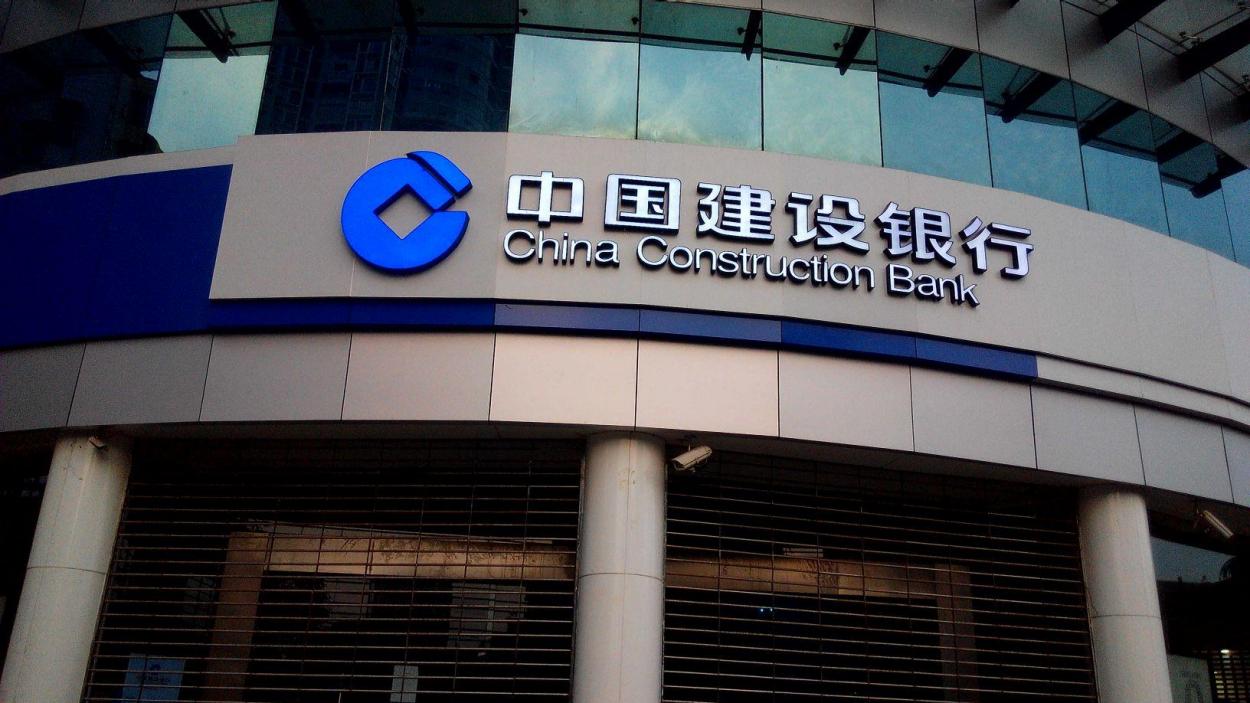

China’s largest state banks have committed over $3.75 billion in debt financing to Saudi Aramco’s Jafurah gas project, while Chinese investment funds have declined to take equity stakes in the venture, sources told Reuters.

The bulk of this funding comes from Bank of China, ICBC and China Construction Bank, each contributing around $1 billion, and Agricultural Bank of China adding roughly $750 million. This debt financing accounts for more than one-third of the total capital sought for what is expected to be the largest shale gas development outside the United States.

Aramco’s deal involves an $11 billion lease-and-leaseback agreement signed in August with a consortium led by Global Infrastructure Partners, an arm of BlackRock. Under the arrangement, a new entity called Jafurah Midstream Gas Company will lease processing assets to Aramco for 20 years. Aramco retains a 51 per cent stake, while the consortium holds the remaining 49 per cent.

Despite the opportunity to join the equity syndicate, several Chinese state-linked funds declined to participate, a move that sources attribute to heightened U. S.–China tensions. Beijing is said to have discouraged fund-level engagement with U. S.-affiliated private capital firms, even when such firms do not have overt U. S. exposure.

The Chinese banks’ decision to provide senior debt but avoid equity signals a calibrated strategic posture: backing the project financially without direct governance alignment with U. S.-linked investors.

Aramco’s broader ambition is to expand its gas production capacity by 60 per cent over 2021 levels by 2030. The Jafurah basin is estimated to contain 229 trillion standard cubic feet of raw gas and 75 billion stock tank barrels of condensate.

The BlackRock-led consortium is also negotiating additional capital of around $10.3 billion with a mix of debt instruments; participants in those talks include JPMorgan and Sumitomo Mitsui Banking Corporation. Those financial structures are intended to support the lease-and-leaseback model without ceding control of core infrastructure assets to external parties.

Within the Gulf, Chinese lenders’ prominent involvement in Jafurah’s financing echoes a broader trend. Analysts note that China is repositioning its role in Gulf energy infrastructure by leveraging its strengths in project debt and export credit rather than co-investment in U. S.-sponsored equity schemes.

Saudi Arabia is concurrently expanding its gas network. It has signed over $25 billion in contracts for the second phase of Jafurah development and further gas-network enhancements, including pipeline extensions of 4,000 km to increase capacity by 3.2 billion standard cubic feet per day. Chinese firms, such as Sinopec, are among the contractors participating in these projects.

For Aramco, the dual approach of securing large-scale debt from Chinese banks while partnering with international investors via the leaseback model helps it mobilise capital without relinquishing decisive control. The arrangement offers investors predictable tariff-based returns.

Chinese banks’ exposure gives them influence over covenant terms, loan pricing and repayment schedules. That leverage, without the burdens or political friction associated with equity, aligns with Beijing’s financial diplomacy toward strategic energy corridors.

The full constellation of debt and equity deals around Jafurah—and the dynamics among Gulf producers, Chinese state capital, and U. S.-linked private investors—will be among the key nodes shaping the next wave of energy infrastructure financing.

Visitors in Saudi Arabia will be able to open local bank accounts using their “Visitor ID,” following a decision by the Saudi Central Bank to accept the identification document issued by the Ministry of Interior. This marks a major regulatory shift in how non-residents can access financial services in the Kingdom.

SAMA’s directive mandates that banks recognise the Visitor ID—traditionally used for immigration and internal tracking—as a valid identity document for account onboarding, provided it is digitally verifiable through government-authorised platforms. According to SAMA, this adjustment will enable banks to reach new customer segments without altering their existing account-opening rules.

This change aligns with Saudi Arabia’s push under Vision 2030 to expand financial inclusion and improve the visitor experience. By lowering barriers to formal banking, the Kingdom aims to reduce dependence on cash, support digital payments, and draw more tourists, business travellers and pilgrims into regulated financial channels.

Banks will be required to adjust verification systems and compliance protocols to integrate the new policy. Many are expected to link the Visitor ID to local digital check platforms and mobile wallets, allowing holders to conduct everyday transactions. Some limitations may apply: banks may restrict access to credit, loans or other advanced banking services until further identification or residency status is established.

Under existing SAMA account rules, banks already require robust customer identification steps for all new accounts. These include verifying identity documents, screening for anti-money laundering, and collecting customer contact and address details. The updated regulation does not eliminate those checks but changes the baseline identity document accepted for visitors.

Observers see this as one of several steps in a broader regional movement. While Gulf states have long required residence permits or more rigid documentation to open standard accounts, the Saudi reform may test whether similar access models are feasible elsewhere. Already, financial technology and tourism stakeholders are evaluating the competitive edge this gives Saudi Arabia.

Critics caution that implementation risks must be managed carefully. Allowing visitor-based accounts introduces potential anti-money laundering and fraud vulnerabilities. Banks will need to balance user convenience with real-time monitoring, transaction limits, and strong identity verification safeguards.

From the visitor standpoint, the reform reduces friction in accessing local banking: new arrivals will no longer have to rely solely on foreign banks, prepaid cards or cash. Pilgrims and business travellers handling local payments, donations, or services should benefit directly.

SAMA emphasised that the change came through its periodic policy review, intended to keep regulations in line with evolving financial technology trends and market needs. The central bank said it expects the reform to reinforce the Kingdom’s cashless payments infrastructure and strengthen the banking ecosystem’s responsiveness to global customer expectations.

The policy rollout may occur in phases, as banks update internal systems, train staff, and obtain approvals from compliance units. Over the coming weeks, banks are likely to issue guidelines explaining account features, permissible transaction types, and validity periods tied to the Visitor ID status.

Riyadh has unveiled a bold draft plan to permit all non-resident foreign investors direct access to the main Saudi stock market, eliminating the need for the current Qualified Foreign Investor framework and abolishing swap agreements. The Capital Market Authority has opened a 30-day public consultation on the proposal, which, if adopted, would mark a major liberalisation in the Kingdom’s capital markets.

Under the draft, non-resident investors would no longer need to satisfy eligibility thresholds currently required for QFI status, and would be permitted to hold shares in listed companies in their own names. The plan would also phase out swap arrangements that allow foreign parties to obtain economic exposure to Saudi stocks without holding legal title. The consultation period runs until 31 October 2025.

The CMA says the changes aim to broaden the investor base, increase liquidity and attract a wider pool of capital. Foreign holdings in the main market had already reached SAR 412 billion by mid-2025, comprising more than 471 percent growth from SAR 72 billion in 2015. Non-resident capital under the QFI regime, combined with swap exposure, totals over SAR 528 billion.

The QFI system currently imposes strict entry criteria — one requirement is minimum assets under management of SAR 1.875 billion. QFIs also enjoy direct ownership and voting rights, whereas swap-based investors operate indirectly. Under the rules, non-resident foreign investors face a cap of 10 percent in any listed firm, while aggregate foreign ownership in a company is capped at 49 percent. Swap contracts are legally structured to grant economic benefits without formal shareholding rights under the depositary centre system.

Market analysts say lifting QFI restrictions could lower barriers for small and mid-sized international asset managers that presently cannot meet the QFI thresholds. “This is a structural shift — it moves Saudi from a screened-access regime to an open one,” commented a Gulf region investment strategist. Observers note, however, that tightening surveillance, settlement and disclosure mechanisms will be essential to managing risks of volatility and capital flight.

Under the draft, swap accounts held by foreign investors would need to be converted to direct shareholding accounts within a transition period of up to 12 months. The CMA also proposes adjustments to reporting, market conduct and corporate governance rules to ensure fairness.

The consultation draft aligns with broader reforms introduced in 2025, including simplification of account opening for some foreign investor categories, especially GCC-residents or overseas investors with prior residency in the region. That move had already signalled a gradual loosening of restrictions.

Equity markets in the Gulf contrast in openness. The UAE and Qatar allow broader foreign participation, while Saudi’s incumbent QFI plus swap structure has long been viewed as more restrictive. Proponents of liberalisation contend that full direct access may raise Saudi’s appeal as a regional hub and deepen cross-border portfolio flows.

HONG KONG SAR – Media OutReach Newswire – 1 October 2025 – Aluminium Products Company (ALUPCO), an aluminum extrusion producer in Saudi Arabia and Asia Aluminum Group (AAG), a leading Hong Kong aluminum extrusion manufacturer with a production base in Mainland China, signed an agreement on September 29 in Hong Kong. The partnership will form three joint ventures, including AAG member companies AluHouse and MacMetal, With a […]

Global private equity heavyweight KKR has acquired a minority share in the company that leases Abu Dhabi National Oil Company’s gas pipelines, deepening its commitment to the UAE’s energy infrastructure. The financial terms and precise percentage of the stake were not disclosed. The deal gives KKR exposure to ADNOC Gas Pipeline Assets LLC, which holds the lease rights for a network of 38 pipelines across the UAE, […]

A joint venture between UAE grocer Spinneys and Philippines conglomerate Ayala Corporation aims to introduce premium supermarkets across the archipelago, with the first outlet slated for the fourth quarter of 2026. Ayala will control 60 per cent of the venture, with Spinneys holding the remaining 40 per cent, launching the Dubai-based brand’s first expansion beyond the Gulf Cooperation Council. The two-phase deal calls for Spinneys to bring […]

Advertisements

The city-state’s employers have set a striking pace as they head into the final quarter of 2025: a Net Employment Outlook of 45 per cent signals that nearly three in five organisations expect to expand their workforces. That optimism comes amid shifting global headwinds, structural reforms, and a rising demand for specialised talent.

The ManpowerGroup Employment Outlook Survey canvassed 525 UAE employers across sectors to assess hiring intentions. A positive balance of 45 per cent means that those anticipating workforce increases outnumber those expecting reductions by nearly half. This figure places the UAE among the world’s more aggressive labour markets, especially given challenges such as global trade uncertainty, rising automation, and fluctuating commodity prices.

This projected hiring boom is not evenly distributed. The strongest demand lies in transport, logistics and automotive, energy and utilities, and consumer goods and services. These sectors appear ready to leverage infrastructure projects, green energy transitions, and regional consumption growth. Meanwhile, the information technology sector is showing solid demand at +48 per cent, reflecting sustained digital transformation pushes.

Driving much of this confidence is corporate expansion: 40 per cent of participating firms cited scaling operations as their primary reason for hiring. Another 28 per cent pointed to pivoting business models and growth into new areas. In addition, nearly 30 per cent of respondents acknowledged that talent shortages—and competition for specialised skills—are influencing recruitment strategies.

Yet the buoyant sentiment is tempered by caution. Roughly 10 per cent of employers still expect to trim staff, particularly in roles vulnerable to automation or in sectors facing structural disruption. Around 15 per cent responded that they will hold staffing constant, prioritising internal upskilling over external recruitment. In interviews, some HR executives noted that while they want to hire aggressively, wage inflation, geopolitical uncertainty, and regulatory shifts may prompt them to phase recruitment over several quarters.

Regional and global context strengthens the UAE’s position. In the third quarter of 2025, the UAE recorded a world-leading NEO of +48 per cent. That marked a standout alignment with its long-term growth strategy, and the Q4 figure of +45 per cent suggests sustained momentum rather than a cyclical spike. Elsewhere, the global average NEO stood at +24 per cent during Q3 — placing the UAE’s outlook nearly double the global benchmark.

Analysts view this hiring optimism as part of a broader strategy to reposition the UAE as a knowledge-economy hub. Recent government initiatives have focused on advanced manufacturing, artificial intelligence, sustainability, and logistics corridors. These programs have triggered demand not only for engineers and technicians but also for data scientists, sustainability consultants, and cross-disciplinary professionals. In one corporates sector round-table, a senior UAE CEO observed that “the competition for deep tech talent is global, and we must offer not just pay but opportunity, stability and a pathway for growth.”

Labour authorities are also aligning policies with employer needs. New visa frameworks, targeted Emiratisation programmes, and regulatory incentives for R&D investment are being synchronized with workforce forecasts. At the same time, the UAE’s PMI for non-oil activity has held above the expansion threshold, underlining demand growth across private sectors and supporting hiring intent.

However, potential headwinds remain significant. Global supply chain disruptions, slowing demand in key export markets, and monetary tightening in major economies could dampen growth. Employers may delay or scale back hiring plans if external pressures intensify. Some labour economists warn of mismatches between skills supplied locally and those demanded, especially in emerging fields.

Governments, tech firms and international bodies are intensifying efforts to structure artificial intelligence oversight, with sharp divergence emerging between innovation-led and precaution-based models. The European Union has begun implementing core provisions of its AI Act, the United States has unveiled a sweeping federal strategy prioritising deregulation, and Asia—with China leading—has laid out a coordinated global governance agenda. The EU’s AI Act, formally effective since August 2024, is […]

HONG KONG SAR – Media OutReach Newswire – 1 October 2025 – As Hong Kong’s iconic green transport infrastructure, MTR Corporation is committed to keeping cities moving and creating value for the sustainable development of Hong Kong. The Corporation announces today (23 September 2025) that with the support of 15 leading international banks, it has signed a HKD30 billion seven-year syndicated green term loan facility (the “Facility”), […]

HONG KONG SAR – Media OutReach Newswire – 29 September 2025 – Cushman & Wakefield, a leading global real estate services firm, today released its annual Greater China Retail Supply/Demand Trends report. According to the report, by Q2 2025, the total prime retail property stock in the core markets of the 15 major cities we track in Greater China reached 116.7 million sq m. During the past […]

BEIJING, CHINA – Media OutReach Newswire – 28 September 2025 – As the Xinjiang Uygur Autonomous Region marks its 70th founding anniversary, a special report titled “Great Love for My Land Xinjiang” highlights the region’s transformation through groundbreaking projects and ecological perseverance. The Tianshan Mountains, which span across one-third of Xinjiang, long stood as a natural barrier between north and south. The completion of the Tianshan Shengli […]

By Salah Uddin Shoaib Choudhury Bangladesh is entering one of the most dangerous phases of its history. At the centre of this looming crisis is the unelected regime of Muhammad Yunus, which is presenting itself abroad as democratic and reformist while systematically dismantling the country’s defence and intelligence structure. Behind the veneer of Nobel fame and global endorsements lies a far darker reality: Yunus’ growing alignment with […]

Emergent today announced it has secured a total of USD 30 million in funding, led by a USD 23 million Series A round from Lightspeed, marking a strategic push into the Middle East and North Africa region. The Bengaluru-based startup, founded in 2025, is already claiming USD 15 million in annual recurring revenue within 90 days of launch, underlining strong investor confidence in its rapid growth model. […]

Fortescue has sealed a flurry of contracts to deploy 300 to 400 zero-emission haul trucks at its Pilbara operations and to bolster its renewable energy capacity with the full acquisition of a Spanish wind tech company. The shifts represent a decisive scaling of its “Real Zero by 2030” ambition.

Under the new agreements, Chinese manufacturer XCMG will supply up to half of the electric 240-tonne haul truck fleet, with deliveries phased between 2028 and 2030. The remaining trucks will be produced by Liebherr, under an amended version of an earlier deal. The contracts build on an earlier framework signed in 2024 for battery-electric ancillary mining equipment.
XCMG itself refers to the Fortescue order as the largest export order for green mining equipment from China to date. The trucks may include autonomous features and use advanced software, similar to those operating in China’s open-pit mines.
Fortescue is also finalising its full takeover of Nabrawind, a Spanish wind tower and turbine technology company in which it held a minority stake since 2023. With full ownership, Fortescue plans to integrate Nabrawind’s self-lifting tower designs with turbines supplied by Envision Energy, aiming to deploy up to 2.1 GW of installed wind capacity in its Pilbara “East Pilbara generation hub.” The first wind energy is expected online by 2028, pending regulatory approval.

To support its Decarbonisation roadmap, Fortescue has signed supply agreements with several other Chinese clean-tech firms: BYD will supply energy storage systems; LONGi will provide photovoltaic modules; and Envision will deliver turbines and smart energy solutions. Fortescue describes the partnerships as a “multilateral collaboration” to access the best manufacturing capacity globally.
Andrew Forrest, the company’s Executive Chairman, emphasised that China’s ability to scale green technologies rapidly makes it a key partner in Fortescue’s strategy. He remarked that industry should “glue back” international cooperation through practical alliances rather than mere rhetoric. The company also continues to operate its R&D arm, Fortescue Zero, which is tasked with integrating and optimising power systems across its fleet and operations.

However, the pivot towards Chinese suppliers has already prompted adjustments to the Liebherr arrangement. Fortescue has scaled back Liebherr’s role to supplying at minimum half the haul trucks, down from its originally envisaged share, reallocating greater share to XCMG. Analyses suggest the move is intended to diversify risk, ensure supply chain resilience, and meet aggressive deployment timelines.
The decision also appears to reflect broader challenges in the green hydrogen sector: Fortescue has walked away from planned hydrogen projects in Arizona and Queensland, absorbing write-downs, and is now emphasizing electrification and green iron production instead. Internal restructuring and leadership turnover at Fortescue Zero have raised questions about execution, but the company underscores that the new strategy remains intact.

The Union Cabinet has cleared a major scheme under the Department of Scientific and Industrial Research and the Council of Scientific and Industrial Research to infuse ₹2,277.397 crore into capacity building and human resource development in science and technology over the 2021–22 to 2025–26 span.

The “Capacity Building and Human Resource Development ” scheme will be implemented by CSIR and will extend support to research and development institutions, national laboratories, Institutes of National Importance, Institutes of Eminence and universities across the country. It aims to nurture talent in fields spanning science, technology, engineering, medicine and mathematics.

Officials describe the initiative as a strategic instrument to shore up India’s research ecosystem. It offers four sub-programmes: doctoral and postdoctoral fellowships; an extramural research scheme including Emeritus and Bhatnagar Fellowships; awards for scientific excellence; and grants to promote travel and symposia.

Science and Technology Minister Jitendra Singh stated that the scheme will “strengthen the research and development ecosystem by training researchers, nurturing scientific talent and promoting innovation to build a future-ready India.” Under this plan, promising scientists will receive institutional support through mentoring, infrastructure access and networking opportunities.

The government places renewed emphasis on bridging gaps in the researcher base. India currently ranks 39th in the Global Innovation Index, and the authorities expect the new scheme to push that further upward. Higher numbers of researchers per million population, more publications, and stronger institutional linkages are cited as expected outcomes.

Within CSIR, the umbrella programme is designed to consolidate scattered efforts and reduce duplication. Many laboratories and institutes already run fellowships or grant schemes; under CBHRD, these are to be aligned, coordinated and accelerated. CSIR is now in its 84th year of operation and oversees the umbrella scheme.

One critical ambition is to stem brain drain, particularly among early-stage researchers. The fellowship provisions and funding for travel and international collaboration are meant to give Indian-based scientists incentives to stay. Experts in the policy space note that merit, institutional support and continuity of funding will be decisive in preventing talent outflow.

A potential challenge lies in implementation. Institutions in more remote or underserved regions may lack existing capacity in infrastructure or mentoring frameworks. Ensuring equitable distribution of resources will test administrative agility. Monitoring and evaluation mechanisms will be crucial to track how funds are deployed and whether intended outcomes are achieved.

Beyond the scheme, India is deploying complementary initiatives. For example, the National Quantum Mission—approved earlier—allocates over ₹6,000 crore to develop quantum technology capabilities from 2023 to 2031. This too hinges on a pool of highly qualified researchers and labs equipped for frontier science.

The CBHRD scheme also dovetails with India’s Sustainable Development Goals in science and technology, aiming to boost research intensity and capacity across states and institutions. Coordinated investments and policy coherence may drive systemic transformation in the scientific sector.

Critics caution that past announcements in the research domain often fall short in sustaining funding beyond initial phases. Long-term maintenance, recurring costs, infrastructure upkeep and human capital churn are likely stress points. The success of this scheme will depend on consistent funding flows, institutional accountability, and adaptability.

The Ministry of Energy and Infrastructure has set in motion a major infrastructure programme valued at AED 750 million to upgrade Emirates Road over two years, aimed at relieving traffic congestion and accelerating inter-emirate connectivity. Stretching some 25 km from the Al Badee Interchange to Umm Al Quwain, the project will expand the highway from three to five lanes in each direction and reinforce its capacity to […]

Abu Dhabi-based XRG P. J. S. C. has finalised its acquisition of an 11.7 percent equity interest in Phase 1 of the Rio Grande LNG project in Brownsville, Texas, marking the company’s first natural gas investment in the United States. The purchase was made through a joint-venture structure involving Global Infrastructure Partners, an investment vehicle affiliated with BlackRock. Phase 1 of Rio Grande LNG is one of […]

The decentralized finance space is undergoing a critical transformation in 2025, ushering in what many observers call “DeFi 3.0.” While the earlier waves of DeFi focused on decentralized exchanges and liquidity incentives, the next generation is centered on permissionless lending, composability, capital efficiency, and real-time adaptation. As platforms such as Euler, Morpho and Hyperliquid gain traction, the shifts promise to reshape how capital moves, how risk is […]

A high-profile gathering scheduled for 29 September in Singapore will convene health professionals, AI innovators and medtech entrepreneurs to examine the evolving intersection of artificial intelligence and clinical care. Titled CliniConnect: AI X Healthcare SG Edition, the event aims to catalyse collaboration across disciplines and continents.

Organisers say the agenda will include interactive panels, pitch sessions, and roundtable debates focused on real-world adoption of AI in diagnostics, hospital systems, and patient care. They expect participation from clinicians, researchers, startup founders and regulatory stakeholders alike. The event is expected to coincide with TOKEN2049, a major AI & blockchain gathering, offering cross-domain exposure and synergy.

CliniConnect has hosted several prior editions in Singapore and other regional hubs, with past speakers including Dr Adam Chee, founding lead of Singapore’s Centre for AI-Enabled Health. These gatherings have emphasised bridging the gap between algorithm development and clinical deployment, with attention to ethics, data governance and system integration.

One central topic will be how hospitals and health systems can scale AI solutions beyond pilot phase. Many institutions struggle to integrate point-solutions into legacy electronic health records or workflows. Executives and innovation leads at the event will share strategies for deploying AI at scale without fragmenting operations.

Another critical strand will explore trust, explainability and regulatory oversight. While AI is making strides in pathology, radiology and triage, clinicians often resist “black-box” models. Some speakers plan to advocate hybrid approaches combining model outputs with human oversight or modular interpretability frameworks.

Regulatory perspectives are expected to feature heavily. Several jurisdictions are updating medical device rules to account for adaptive algorithms. Singapore’s Health Sciences Authority has begun consultations on AI frameworks, and regional alignment across ASEAN markets remains a challenge. CliniConnect hopes to provide a forum for convergence on standards, data privacy and cross-border validation.

On the entrepreneurship front, medtech startups will pitch innovations aimed at workflow automation, predisposition risk modeling, remote patient monitoring, and imaging augmentation. Organisers have indicated that venture capital and hospital innovation arms will be present, seeking collaborations or early investments.

The event also intends to showcase case studies from institutions that have begun deploying AI in clinical settings. Narratives are expected from hospitals in Singapore, South Korea, India and Dubai on how they piloted decision-support tools, performance-monitoring systems or diagnostic assistants, and the bottlenecks they encountered in scaling. These stories will help attendees assess trade-offs, resource requirements and institutional readiness.

Observers note CliniConnect’s growing ambition: it now brands itself not just as a regional meetup but as a bridge between Asia’s health tech communities and global AI networks. By aligning with TOKEN2049 and leveraging cross-sector partnerships, it hopes to attract more international participants and raise its influence in defining health AI standards.

Arada has acquired a 75 percent stake in London-based residential developer Regal as part of a Dhs 2.5 billion investment that marks its first UK foray and second international expansion after Australia. The UK business will be rebranded as Arada London, with an ambition to turbocharge Regal’s pipeline from 10,000 units across 11 projects to over 30,000 within three years.

The acquisition was formalised in a ceremony attended by Sheikh Sultan bin Ahmed bin Sultan Al Qasimi, Chairman of Arada. Arada’s Group CEO, Ahmed Alkhoshaibi, said that more than half of the capital will be channelled into accelerating development and securing new land parcels. He described the London market environment as one presenting “right opportunities to acquire the right sites at the right price”.

Regal’s chief executive, Jonathan Seal, and the existing executive team will remain in post after the transaction. Seal remarked that Arada’s alignment with Regal’s strategic values and long-term vision made it a fitting partner to lead the next phase of growth.

The deal gives Arada an immediate platform in London, tapping into Regal’s diversified portfolio, which spans for-sale residential units, purpose-built student accommodation, and mixed-use regeneration schemes. Among ongoing developments is the Fulton & Fifth project in Wembley, comprising 876 homes of which 40 percent are designated as affordable housing, and Orchard Wharf in Tower Hamlets, which recently secured approval for 1,365 student beds and 200 homes.

Analysts see strategic logic in entering London via acquisition rather than greenfield development, citing the complexities and regulatory friction in the UK housing sector. Arada’s move follows a wave of Gulf-based developers expanding into London, including Damac, Aldar, and Modon, often via partnerships or subsidiaries.

However, entering the London residential market is not without risk. Regal’s 2024 accounts showed £252 million in short-term debt, contrasted against £196 million of investment property, reflecting potential balance-sheet stress. The UK housing sector continues to face headwinds from construction inflation, planning delays, and demand volatility.

Arada has defended the timing. Alkhoshaibi stated that entering markets when sentiment is subdued allows for acquiring desirable assets at lower cost, positioning for upside when conditions recover. He noted that Arada’s approach is to maintain momentum in its UAE operations while layering growth abroad.

Beyond the UK, Arada is also contemplating further regional expansion. The company is reportedly in discussions with Saudi Arabia’s Public Investment Fund about a large mixed-use project in the kingdom. In the UAE itself, Arada plans a Dhs 3 billion development project in Ras Al Khaimah next year, reinforcing its domestic footprint.

Exports of gasoline and diesel from India have climbed to multi-year highs in 2025, pushed by expanded refinery output, elevated ethanol blending, and weakening domestic demand during the monsoon season. Analysts expect gasoil shipments to reach 610,000–630,000 barrels per day, according to Wood Mackenzie, while Kpler forecasts hover nearer 560,000 bpd.

Heightened crude processing capacity has enabled major refiners such as Reliance Industries and Mangalore Refinery and Petrochemicals Ltd to divert more fuel into exports. Gasoline exports are estimated at about 400,000 bpd this year, supported by the country’s adoption of 20 % ethanol blending in petrol—a marked rise from 12 % in 2023.

Much of India’s diesel is now bound for Europe, where supply may tighten later this year due to refinery maintenance across the Middle East and Europe. The shift is occurring as the European Union phases in restrictions on refined petroleum imports derived from Russian crude, which clears the way for alternative sources. In August alone, India’s diesel exports to Europe surged by 137 % year-on-year, reaching 242,000 bpd.

India’s push into export markets is aided by discounts on Russian crude supplied during Western sanctions, allowing refiners to maintain margins even as exports grow. The increase in export volumes comes despite diplomatic criticism from Washington, which questions the use of discounted crude for profit. India asserts that its procurement practices stabilise global fuel markets rather than distort them.

Domestically, the monsoon period has dampened fuel demand, helping free up surplus supply for export. In parallel, Indian refiners have managed fewer unscheduled maintenance shutdowns, keeping plants operating near capacity. Wood Mackenzie anticipates India’s crude processing will increase by 130,000 to 160,000 bpd in 2025, reaching around 5.51 million bpd.

The higher share of ethanol in petrol has been key to redirecting conventional fuel toward exports. As of August, India achieved a 19.8 % ethanol blend—putting the country on track for its 20 % target. To facilitate further expansion of cleaner fuels, the Directorate General of Foreign Trade has also authorised exports of second-generation ethanol, subject to certification and authorisation.

Europe’s transition away from Russian-derived refined products leaves a strategic opening for India. Saudi Arabia’s refined product shipments are projected to dip by about 300,000 bpd in October–November due to maintenance of several Aramco plants, creating additional export opportunities for Indian producers.

Yet the surge is not without complexity. In April 2025, India’s diesel exports hit their lowest point in over a decade, dropping to an estimated 1.15 million metric tons amid refinery maintenance at the Jamnagar complex. That earlier slump underscores the delicate balance between sustaining export momentum and managing domestic operations.

Simultaneously, India is also redirecting surplus rice stocks toward ethanol production to bolster blending targets. The government has allocated 5.2 million metric tons of rice for biofuel conversion—a move that helps ease pressure on grain reserves while reinforcing fuel strategy.

Aldar Properties has acquired Modon Holding’s full 17.45 per cent indirect stake in Aldar Estates, pushing its total ownership to 82.55 per cent. The shares had been held through Modon’s subsidiary ADNEC Group. Financial terms of the deal were not made public. With the transaction, Aldar retains its position as majority stakeholder, consolidating its influence over the real-estate services arm. Aldar Estates, launched in 2023 via a […]

China’s solar manufacturing industry is under pressure as Beijing intensifies efforts to restrain aggressive pricing tactics and eliminate surplus capacity. The National Energy Administration has signalled that firms engaging in destructive price competition will face stricter oversight, while draft regulations threaten shutdowns of plants that fail to comply with energy efficiency standards.

Wang Hongzhi, head of the NEA, published a directive ordering more balanced alignment between supply and demand, with emphasis on improving quality across the solar value chain. His message highlights that continued overcapacity and “cut-throat competition” must be contained to preserve the viability of the sector.

A key focus lies in the polysilicon segment. New standards proposed by China’s Standardization Administration would require factories to meet energy consumption thresholds—6.4 kgce/kg initially, and 5.5 kgce/kg after remediation. Facilities failing to upgrade would be shut. These rules could remove about 16.4 percent of capacity, trimming effective production to roughly 2.4 million metric tons annually.

At the same time, major polysilicon producers are planning capacity cuts via a 50 billion yuan consolidation fund. That plan aims to retire roughly one-third of low-efficiency production and impose output quotas akin to those used by oil producers. The expected cutback would reduce capacity from approximately 3.25 million tons to around 2 million.

Industry ministry meetings with solar firms have escalated in frequency, with Li Lecheng of the Ministry of Industry and Information Technology reiterating the need to phase out outdated lines, raise product standards, and enforce self-discipline among companies. The government is pushing for cleaner governance, stiffer quality controls, and curbs on unfair price undercutting. Several top-tier firms—LONGi, Trina, JA Solar, GCL, and others—attended these discussions.

Financial pressures on the solar sector have been acute. In 2024, the manufacturing chain posted losses of about US$40 billion. Many firms slashed their workforce by nearly a third. Utilisation rates in polysilicon and module production have hovered near 50 percent, constraining margins. Recent easing of pricing pressures shows polysilicon prices rebounding as the market anticipates tighter supply control.

Emerging leaders in next-generation module technology may gain an edge as the sector readjusts. N-type modules—such as TOPCon and HJT types—are being seen by some manufacturers as instruments to command premium pricing and differentiate from low-cost rivals. Companies that invest early could secure advantages in both domestic and export markets.

A longer-term obstacle is aligning central directives with local compliance. Local governments have historically defended regional solar output through subsidies, land allocation, and lax enforcement. Analysts warn that meeting the central government’s expectations may prove disruptive to local industrial planning. Enforcement is anticipated to ramp over the coming months.

VISHNU RAJA
RYO YAMADA
HITORI GOTOH
IKUYO KITA