News related to
Phase

OPEC+ has announced a revised schedule for seven member nations to implement additional oil output cuts, aiming to compensate for previous overproduction. These measures are set to overshadow the planned production increases slated for next month.

The updated plan mandates monthly reductions ranging from 189,000 to 435,000 barrels per day , with the cuts extending until June 2026. This initiative seeks to address the excess output that has occurred despite the group’s ongoing efforts to stabilize the oil market.

Since 2022, OPEC+, which includes members of the Organization of the Petroleum Exporting Countries along with Russia and other allies, has been implementing output cuts totaling 5.85 million bpd, approximately 5.7% of global supply. These cuts were introduced in phases to support market stability amid fluctuating demand and geopolitical tensions.

Despite these efforts, certain member countries have exceeded their production quotas. Kazakhstan, for instance, has seen a significant production surge due to Chevron’s expansion at the Tengiz oilfield, leading to output levels surpassing its OPEC+ quota.

To address this imbalance, the new compensatory cuts will require substantial contributions from Iraq, Kazakhstan, and Russia, with Saudi Arabia also making smaller adjustments. These measures are designed to offset the previous overproduction and align the group’s output with agreed targets.

Concurrently, OPEC+ has decided to proceed with a modest production increase of 138,000 bpd starting in April, citing healthier market conditions. This marks the beginning of a series of monthly hikes intended to gradually restore a total of 2.2 million bpd over the next 18 months, following repeated delays since 2022.

However, the introduction of compensatory cuts raises questions about the net effect on global oil supply. The scheduled reductions are expected to more than offset the planned production hikes, potentially tightening the market further. This development comes amid new U.S. sanctions targeting Chinese entities involved in supplying Iranian oil, which have contributed to a recent uptick in oil prices.

As of Friday, Brent crude futures rose 0.3% to $72.21 per barrel, and U.S. West Texas Intermediate crude futures increased 0.4% to $68.32 per barrel. Both benchmarks were set to rise about 2% for the week, marking the largest weekly gains since early 2025.

The International Energy Agency has noted that increasing global trade tensions and new U.S. tariffs are negatively impacting oil demand and economic growth, creating uncertainty. The IEA revised its oil-demand growth estimates down to 1.03 million bpd from an earlier 1.1 million bpd, while OPEC projects higher growth at 1.45 million bpd.

With OPEC+ set to raise output beyond April and increased production in regions like Kazakhstan, Iran, and Venezuela, the IEA expects global oil supply to exceed demand, foreseeing a surplus of approximately 600,000 bpd. Total supply could average 104.5 million bpd by 2025, driven by non-OPEC+ production growth.


JAKARTA, INDONESIA – Media OutReach Newswire – 21 March 2025 – VinFast has signed a Memorandum of Understanding (MoU) with PT Aribi Amartapura (Amarta), one of Indonesia’s leading vehicle distributors, to accelerate the expansion of its showroom network in the country. This partnership marks a significant milestone in VinFast’s global dealership strategy, enhancing brand visibility and bringing its electric vehicles closer to Indonesian customers. VinFast Asia CEO […]

Dubai has embarked on a groundbreaking initiative to revolutionise its real estate sector by launching a pilot project for property tokenization. Spearheaded by the Dubai Land Department , this endeavour positions Dubai as the first property registration authority in the Middle East to integrate blockchain technology into property title deeds, marking a significant milestone in the region’s technological advancement. The core objective of this project is to […]

Escalating conflict in the Middle East has led to significant upheavals in global financial markets. On March 18, 2025, Israel launched extensive airstrikes across the Gaza Strip, effectively ending a ceasefire that had been in place since January. These strikes resulted in over 400 Palestinian casualties, including many women and children, marking one of the deadliest 24-hour periods in the region since 2023. Israeli Prime Minister Benjamin […]

Abu Dhabi’s Department of Municipalities and Transport has introduced the Value Housing Programme, a strategic initiative designed to diversify the emirate’s real estate market and elevate living standards for both individuals and families. This programme underscores the emirate’s commitment to fostering inclusive and sustainable communities, aligning with the broader objectives of the UAE Year of Community. The programme’s phased implementation aims to address the increasing demand for […]

A consortium of investors, spearheaded by Singapore-based private equity firm RRJ Capital, has committed $600 million in equity to Dubai-headquartered private aviation company Vista. This significant infusion aims to optimize Vista’s capital structure, enhance free cash flow, and reduce existing debt. The transaction is anticipated to conclude by the end of this month.

Vista, recognized globally for its private aviation services, views this investment as a pivotal milestone in its growth trajectory. The company’s founder and chairman, Thomas Flohr, remarked, “Today’s announcement is a strong endorsement of our strategy and long-term vision for the future, while also providing us with great partners for years to come.” He further expressed enthusiasm about collaborating with RRJ Capital and its consortium to support Vista’s forthcoming growth phases.

Established in 2004 by Flohr, Vista has evolved into a prominent entity in the private aviation sector. The company operates renowned brands such as VistaJet and XO, offering clients worldwide access to a fleet of private jets. Over the years, Vista has strategically expanded through acquisitions, including the purchase of JetSmarter in 2019, a digital platform likened to the “Uber of private aviation,” and XOJET in 2018, consolidating its position in the industry.

The lead investor, RRJ Capital, is an esteemed Asian investment firm managing approximately $16 billion in long-term capital. Richard Ong, founder and CEO of RRJ Capital, expressed his satisfaction with the partnership, stating, “RRJ is very pleased to become a long-term partner to Vista, the leading private jet company in the world.” He highlighted Vista’s two decades of industry innovation and its global market presence as factors that make this investment an exciting new chapter for both entities.

The investment aligns with Vista’s commitment to accelerate deleveraging and diversify its investor base, thereby strengthening its financial standing. This move is expected to bolster the company’s ability to meet the increasing demand for private aviation services, especially in a post-pandemic world where personalized and flexible travel solutions have gained prominence.

Financial advisory roles in this transaction were undertaken by UBS for RRJ Capital and Jefferies for Vista, ensuring that the deal aligns with both parties’ strategic and financial objectives.

Vista’s journey reflects a series of strategic decisions aimed at consolidating its market position. The company’s acquisition of JetSmarter and XOJET were pivotal in expanding its service offerings and client base. These moves have positioned Vista to cater to a broader audience seeking private aviation solutions.

The private aviation industry has witnessed notable growth, driven by a surge in demand for personalized travel experiences and the need for flexible travel options. Vista’s ability to adapt to these market dynamics has been instrumental in its sustained growth and appeal to investors.

The $600 million equity investment by RRJ Capital and its consortium is not just a testament to Vista’s past performance but also an endorsement of its future potential. By optimizing its capital structure and reducing debt, Vista is poised to enhance its operational efficiency and service delivery, thereby solidifying its leadership in the private aviation sector.

JAKARTA, INDONESIA – Media OutReach Newswire – 11 March 2025 – VinFast and PT Bank Negara Indonesia (Persero) Tbk (BNI), signed a Memorandum of Understanding (MOU) during the Vietnam-Indonesia High-Level Business Dialogue, themed “Vietnam-Indonesia: Partnership for Progress and Prosperity.” The signing ceremony took place in the presence of To Lam, General Secretary of the Communist Party of Vietnam, along with ministers from both Vietnam and Indonesia. This […]

Advertisements

The Xen Project has announced the release of Xen 4.20, the latest iteration of its open-source type-1 hypervisor, introducing significant enhancements in security, performance, and hardware compatibility. This version, developed over seven months, underscores the project’s commitment to providing a robust and versatile virtualization platform. A cornerstone of Xen 4.20 is its bolstered security framework. The integration of the Undefined Behaviour Sanitiser by default across x86, Arm64, […]

AIQ, a subsidiary of Presight, has secured a $340 million contract from Abu Dhabi National Oil Company to deploy its ENERGYai platform and associated artificial intelligence solutions across ADNOC’s upstream operations. This three-year agreement marks a significant advancement in integrating AI within the energy sector, aiming to enhance efficiency and operational performance. The contract follows the successful completion of a proof-of-concept phase, during which ENERGYai demonstrated its […]

At the CERAWeek conference in Houston, Saudi Aramco’s President and CEO, Amin Nasser, delivered a sharp critique of current global energy transition strategies, labelling them as “self-destructive” and warning of potential economic and energy security consequences. Nasser emphasized that the prevailing approach, which aims to rapidly phase out conventional energy sources in favour of immature alternatives, is flawed. He argued that such strategies are not only unrealistic […]

The European Central Bank has announced plans to introduce a digital euro by October 2025, contingent upon the completion of necessary legislative processes. ECB President Christine Lagarde emphasized the significance of this timeline, underscoring the institution’s commitment to modernizing Europe’s financial landscape.

The digital euro initiative aims to provide a secure, efficient, and accessible digital currency for the eurozone, complementing traditional cash. This move is part of a broader effort to adapt to the rapidly evolving digital economy and to ensure that Europe remains at the forefront of digital payment solutions.

The journey toward a digital euro began in October 2020 when the ECB published a comprehensive report outlining the potential benefits and challenges of introducing a central bank digital currency . Since then, the project has progressed through various phases, including public consultations and collaborative experiments with financial institutions to test the feasibility of different design options.

In June 2023, the European Commission introduced a legislative proposal to establish a legal framework for the digital euro. This proposal seeks to ensure uniform rules and conditions across the euro area, facilitating seamless integration of the digital euro into the existing financial system. The legislative package also aims to guarantee continued access to physical euro banknotes and coins, reflecting a commitment to inclusivity in payment options.

The proposed regulation grants the digital euro legal tender status, meaning it would be universally accepted for payments within the euro area. However, certain exceptions are outlined, such as allowing microenterprises to opt out unless they already accept comparable digital payment methods. This approach balances the goal of widespread adoption with the practical considerations of smaller businesses.

The ECB has been proactive in its preparations, engaging with external companies to prototype user interfaces and conducting market research to assess the technical feasibility of various design choices. These efforts have demonstrated that integrating a digital euro into the current payment landscape is achievable, with potential for both online and offline functionalities.

Despite these advancements, the project faces scrutiny from various stakeholders. Some lawmakers and banking representatives have expressed reservations about the necessity and potential implications of a digital euro. Concerns range from the impact on financial stability to issues of privacy and the role of traditional banks in a transformed financial ecosystem.

The ECB acknowledges these concerns and has emphasized that the digital euro is not intended to replace cash but to complement it. The central bank also highlights that the digital euro would offer a public digital means of payment, ensuring that citizens have access to central bank money in an increasingly digital world.

As the ECB moves forward with its plans, the timeline remains subject to the completion of the legislative process. The European Parliament and the European Council must approve the proposed regulation before the digital euro can be officially launched. The ECB has indicated that it will consider any necessary adjustments to the design of the digital euro based on the outcomes of legislative deliberations.

The global context adds another layer of urgency to the project. With countries like China advancing their own digital currencies and the rise of private digital payment solutions, there is a strategic imperative for Europe to develop its own CBDC. This ensures that the eurozone retains control over its monetary policy and financial infrastructure in the face of rapid technological change.

In a recent interview, ECB board member Piero Cipollone expressed optimism about the legislative process, noting that external developments, such as other countries’ digital currency initiatives, could accelerate the EU’s efforts. He emphasized the importance of the digital euro in maintaining Europe’s monetary sovereignty and adapting to the evolving global financial landscape.

The ECB’s commitment to an October 2025 launch reflects a clear timeline for stakeholders. However, this target date is contingent upon the timely approval of the legislative framework. The ECB has stated that its readiness encompasses not only the technical development of the digital currency but also the establishment of all necessary legal and regulatory frameworks to support its launch.

As the project progresses, the ECB plans to continue its engagement with the public and stakeholders to address concerns and ensure that the digital euro meets the needs of all users. This includes considerations of privacy, security, and ease of use, which are critical for the widespread adoption of the digital currency.

Dubai’s Roads and Transport Authority has launched the next-generation 360 Services Policy, aiming to revolutionise customer experience by delivering integrated, seamless, and proactive digital services without necessitating in-person visits. This initiative is a significant stride in RTA’s ongoing digital transformation, transitioning services to self-service models accessible through shared digital platforms like the “Dubai Now” app. His Excellency Mattar Al Tayer, Director General and Chairman of the Board […]

KUALA LUMPUR, MALAYSIA – Media OutReach Newswire – 9 March 2025 – In 2025, global markets are navigating a phase of economic uncertainty as potential inflationary pressures induced by trade tariffs, shifting central bank policy, and geopolitical risk shape trading conditions. Traders who integrate fundamental analysis into their strategies can navigate these uncertainties more effectively, positioning themselves ahead of major market movements. Kar Yong Ang, a financial […]

Saudi Arabia, the world’s leading oil exporter, has announced a reduction in its official selling price for crude oil destined for Asian markets in April. This marks the first price cut in three months and aligns with the recent decision by OPEC+ to incrementally boost oil production starting next month. State-owned oil giant Saudi Aramco has decreased the OSP for its flagship Arab Light crude by 40 […]

Saudi National Bank has successfully issued a $750 million five-year Formosa bond, attracting an order book totaling $1.1 billion, including $121 million from joint lead managers. The bond, priced at the Secured Overnight Financing Rate plus 120 basis points, is scheduled to be listed on the Taipei Exchange on 17th March. Crédit Agricole CIB and KGI Securities Co Ltd served as joint managers, with HSBC acting as the lead manager.

Formosa bonds are debt instruments issued in Taiwan but denominated in foreign currencies, typically targeting international investors seeking exposure to foreign issuers. This issuance marks SNB’s second foray into the Formosa market, following its inaugural $500 million five-year senior unsecured floating-rate note bond in July 2024. That initial issuance was part of SNB’s $5 billion Euro Medium Term Note Programme and was notable for being the first by a Saudi bank in the Taiwanese market.

The latest bond issuance underscores SNB’s strategic efforts to diversify its funding sources and strengthen its presence in international capital markets. The oversubscription by $350 million indicates robust investor confidence in SNB’s creditworthiness and the economic stability of Saudi Arabia. This confidence is further bolstered by the bank’s proactive engagement with a broad set of top-tier international investors, reflecting the strong appeal of SNB’s credit profile to the global investor community.

In the broader context, Gulf Cooperation Council banks have been increasingly tapping into the Formosa bond market to diversify their funding bases and access competitive pricing. For instance, Qatar National Bank Group, the region’s largest bank, completed a $1 billion five-year Formosa bond issuance under its Euro Medium Term Note Programme in the first half of 2024. This trend highlights the growing significance of the Formosa market as an attractive platform for Middle Eastern banks seeking to broaden their investor base and secure favorable funding terms.

SNB’s successful bond issuance aligns with Saudi Arabia’s Vision 2030 initiatives, which aim to diversify the Kingdom’s economy and reduce its dependence on oil revenues. By accessing international capital markets and engaging with a diverse range of investors, SNB is contributing to the development of a more resilient and diversified financial sector in Saudi Arabia.

The choice of SOFR as the benchmark rate for the bond pricing reflects a broader shift in global financial markets toward alternative reference rates, following the phase-out of the London Interbank Offered Rate . SOFR, based on overnight transactions in the U.S. Treasury repurchase market, is considered a more robust and reliable benchmark, aligning with international best practices.

DuckDuckGo, the search engine renowned for its commitment to user privacy, has introduced a suite of artificial intelligence tools aimed at enhancing user experience while maintaining strict privacy standards. These developments mark a significant step in the company’s efforts to integrate advanced AI functionalities without compromising its foundational principles. The company has officially launched Duck.ai, an AI chatbot designed to provide users with conversational interactions. This feature […]

BANGKOK, THAILAND – Media OutReach Newswire – 6 March 2025 – Ananda Development has announced MIRA VALLEY, a landmark luxury residential project spanning 8,000 acres of Phuket’s largest untouched forest. Located between Kamala Mountain and Bang Niao Dum Reservoir, this groundbreaking development features over 100 kilometers of pristine nature trails and exclusive equestrian facilities. A $1.4 billion adventure in luxury, where leisure meets legacy. “MIRA VALLEY redefines […]

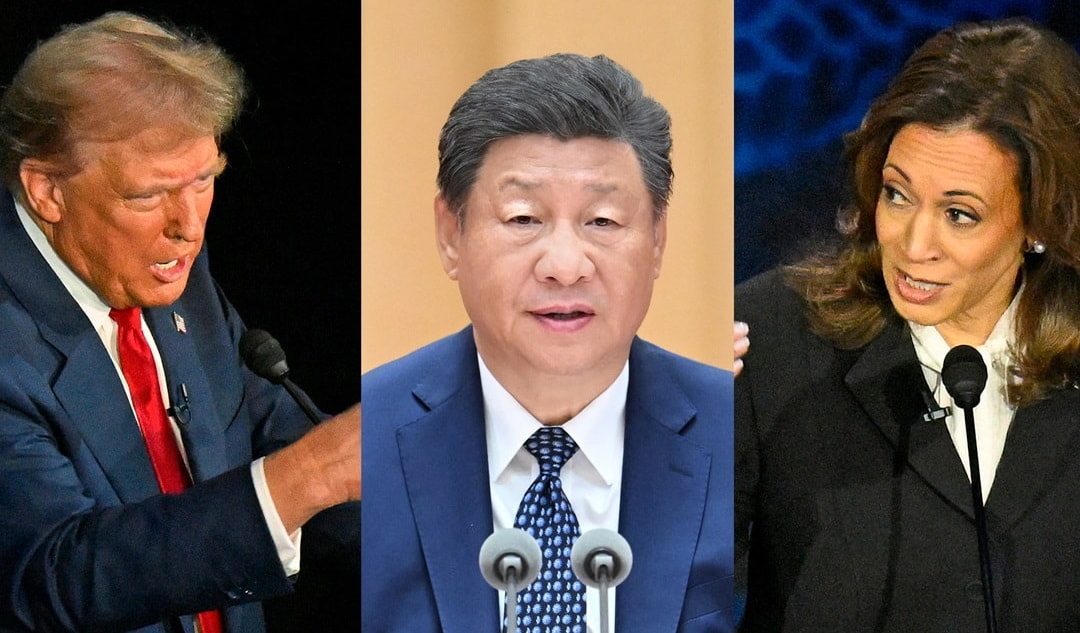
By Nitya Chakraborty How is China, the second largest economic and military power of the world after the United States is planning to confront the second term U.S. President Donald Trump’s resurgence disrupting the so long established global order to impose his total domination on international politics? Every political analyst is looking at the current […]


Oil prices in the Middle East have experienced a significant decline, with the cost of Oman crude on the Gulf Mercantile Exchange falling below Brent crude for the first time since late 2024. This shift marks the end of the Middle Eastern grade’s longest run of premiums over the global benchmark since 2023. The downturn is largely attributed to the anticipated increase in oil supplies from OPEC+ nations, prompting a selloff in the region’s crudes.

The Organization of the Petroleum Exporting Countries and its allies, collectively known as OPEC+, have confirmed plans to proceed with a gradual increase in oil production starting April 2025. This decision involves unwinding the 2.2 million barrels per day of voluntary production cuts that were implemented to stabilize the market. The phased approach will see an average monthly rise of 137,000 bpd, extending until September 2026. Notably, the United Arab Emirates will receive a 300,000 bpd increase in its production target over this period.

This strategic move by OPEC+ reflects a response to healthier market fundamentals and a positive outlook for global oil demand. However, the group has emphasized flexibility, stating that the planned production increases may be paused or reversed if market conditions warrant such adjustments. This adaptability aims to maintain oil market stability amid evolving economic landscapes.

The announcement has exerted downward pressure on global oil prices. Brent crude futures fell by 1.6%, settling at $71.62 per barrel, while West Texas Intermediate crude dropped by 2.0%, closing at $68.37 per barrel. These figures represent the lowest closing prices for Brent and WTI since early December 2024.

Market analysts attribute the price decline to multiple factors beyond the anticipated OPEC+ supply boost. President Donald Trump’s recent announcement of imposing tariffs on imports from Canada and Mexico, as well as increasing duties on Chinese goods, has raised concerns about potential dampening effects on energy demand. Additionally, the U.S. decision to pause military aid to Ukraine and speculation about easing sanctions on Russia have contributed to market volatility and uncertainty.

The increase in oil production is expected to come from several OPEC members and their allies, adding approximately 2.2 million barrels over the next 18 months. Analysts suggest that this decision could lead to oversupply issues, further pressuring prices if demand does not keep pace. This situation has negatively impacted major oil company stocks, with significant declines observed in Exxon Mobil, Chevron, BP, Shell, and Total Energies.

The shifting dynamics in the oil market underscore a potential transition of influence from traditional producers like OPEC to other global players. The rise of electric vehicles, advancements in fuel efficiency, and reduced reliance on oil for power and heating have contributed to weaker demand, challenging the market power of oil-producing nations.

Japan has officially approved Circle’s USD Coin as the first dollar-pegged stablecoin to be legally distributed in the country, marking a significant milestone in the nation’s cryptocurrency landscape. This development comes as SBI VC Trade, a subsidiary of financial conglomerate SBI Holdings, secured regulatory approval under the Financial Services Agency’s revised regulations to list and distribute USDC.

SBI VC Trade’s registration as an Electronic Payment Instruments Business Operator under Japan’s updated regulatory framework allows the exchange to handle stablecoin transactions. This approval positions USDC as the only global dollar stablecoin authorized for use in Japan. Circle CEO Jeremy Allaire highlighted this achievement, stating that USDC is now “the first and only global dollar stablecoin to become approved for use in Japan.”

The exchange plans to initiate USDC transactions with selected users on March 12, following scheduled system maintenance. This phased rollout aims to ensure compliance with local regulations while enhancing Japan’s digital asset landscape. SBI VC Trade’s CEO, Tomohiko Kondo, emphasized the company’s commitment to expanding USDC adoption and offering secure, compliant digital payment solutions.

Japan’s stance on stablecoins has undergone a significant transformation since 2023, when regulators lifted a long-standing ban on foreign stablecoins. The FSA recently approved a policy report recommending the relaxation of stablecoin-related regulations, paving the way for licensed intermediaries to handle foreign stablecoins under strict oversight.

SBI Holdings has been an active player in the crypto sector, forging partnerships with major U.S. companies like Ripple. The company’s exchange arm, SBI VC Trade, currently supports various cryptocurrencies, including Bitcoin. The integration of USDC into its offerings signifies a pivotal moment for Japan’s crypto market, potentially enhancing cross-border transactions and digital asset innovation.

Circle’s USDC has been gaining global regulatory recognition and is currently the only major stablecoin compliant with the European Union’s Markets in Crypto-Assets regulations. This compliance gives it a competitive advantage over other stablecoins in the region. The approval in Japan further solidifies USDC’s position in the global market, reflecting a growing trend toward regulatory acceptance of stablecoins.

The rivalry between Circle’s USDC and Tether’s USDT has been a focal point in the cryptocurrency industry. Tether, the industry leader, has faced criticism for its opaque practices and alleged associations with criminal activities, while Circle promotes regulatory compliance and transparency. Allaire’s efforts to push for regulations aim to undermine Tether, which some believe threatens the anti-establishment ethos of crypto. As Circle gains ground, Tether relies on allies in the pro-crypto Trump administration, with Commerce Secretary Howard Lutnick as a key figure. The rivalry is heating up as new regulations and legislations emerge, potentially reshaping the future landscape of the $3 trillion crypto industry.

SBI VC Trade’s move to list USDC aligns with Japan’s broader efforts to embrace digital innovation while ensuring financial stability. The country’s regulatory framework aims to balance the benefits of digital assets with the need to protect consumers and maintain market integrity. This approach reflects a cautious yet progressive stance toward integrating stablecoins into the traditional financial system.

The introduction of USDC into Japan’s market is expected to have a ripple effect on the adoption of digital currencies in the region. Businesses and consumers may find new opportunities for efficient transactions, remittances, and financial services. The stablecoin’s approval could also encourage other countries to reevaluate their regulatory approaches to digital assets, potentially leading to broader acceptance and integration worldwide.

SBI VC Trade’s strategic move to integrate USDC into its platform demonstrates the company’s commitment to staying at the forefront of digital finance. By offering stablecoin transactions, the exchange aims to provide seamless and efficient digital payment solutions to its customers. This initiative aligns with the global trend of financial institutions exploring blockchain technology and digital currencies to enhance their services.

The collaboration between Circle and SBI VC Trade underscores the importance of partnerships in the evolving digital asset ecosystem. By working together, these companies are setting a precedent for how traditional financial institutions and fintech firms can collaborate to bring innovative solutions to market. This partnership also highlights the potential for stablecoins to bridge the gap between traditional finance and the emerging digital economy.

As SBI VC Trade prepares for the official rollout of USDC, the company is poised to play a significant role in shaping the future of digital payments in Japan. The exchange’s efforts to integrate stablecoin transactions into its financial offerings reflect a broader commitment to embracing technological advancements while adhering to regulatory standards. This approach ensures that innovation is balanced with responsibility, fostering trust and confidence among consumers and investors alike.

Pioneering AI-Powered Cleaning Technology Deployment Marks Strategic Expansion into Hong Kong Market SINGAPORE – Media OutReach Newswire – 4 March 2025 – Primech AI Pte. Ltd. (“Primech AI”) or (the “Company”), a subsidiary of Primech Holdings Limited (Nasdaq: PMEC), is proud to announce the launch of its innovative Robotics as a Service (RaaS) business line, revolutionizing the cleaning solutions industry. This strategic initiative addresses critical industry challenges […]

HA LONG, VIETNAM – Media OutReach Newswire – 4 March 2025 – Vingroup and global investment firm JTA Investment Qatar have announced a Memorandum of Understanding (MOU), opening up strategic investment opportunities in the electric vehicle and tourism sectors. Accordingly, JTA Investment Qatar recognizes VinFast’s global growth strategy, alongside the significant value of Vinpearl’s premium hotels and resorts, leading amusement parks and entertainment clusters, thereby aiming to […]

Internxt, a Valencia-based tech company, has become the first cloud storage provider to implement post-quantum encryption, marking a significant advancement in data security. This move addresses growing concerns about the potential threats posed by quantum computing to traditional encryption methods. Quantum computers, leveraging the principles of quantum mechanics, have the potential to perform computations at speeds unattainable by classical computers. This capability threatens current encryption protocols, as […]

Thousands of Israelis converged on Tel Aviv’s Hostages Square on Saturday, demanding the immediate release of hostages held by Hamas as the initial phase of the Gaza ceasefire concluded without a clear path forward. The demonstrators, comprising families of captives and supporters, voiced frustration over the stalled negotiations and the uncertain fate of their loved ones. The 42-day truce, which began on January 19, halted 15 months […]

VISHNU RAJA
RYO YAMADA
HITORI GOTOH
IKUYO KITA