News related to
Strategy

Prointek, a prominent player in the interactive technology and unified communication sectors, has officially opened its latest manufacturing facility in Greater Noida, marking a significant step towards bolstering India’s self-reliance in high-tech production. This new facility, strategically located in the National Capital Region, is expected to not only increase the company’s production capacity but also enhance its contribution to the rapidly expanding sector.

The 250,000-square-foot plant, which has been in development for several months, will focus on the production of a variety of interactive displays and unified communication solutions. The facility is a response to the growing demand for high-quality tech products that support modern communication systems, particularly as businesses and educational institutions continue to embrace digital transformation.

Prointek’s expansion aligns with the government’s ongoing push for “Atmanirbhar Bharat” , which encourages domestic manufacturing and aims to reduce dependency on foreign imports. By investing in local production capabilities, Prointek seeks to not only cater to the local market but also expand its presence globally, making the plant a crucial element in the company’s long-term strategy.

The company’s expansion is poised to have a significant impact on the regional economy as well. The facility is expected to create numerous job opportunities, both in the manufacturing sector and in associated roles such as research and development, logistics, and sales. Local suppliers of materials and components are also likely to benefit from the enhanced production activity, fostering growth in ancillary industries.

Prointek’s decision to build the facility in Greater Noida reflects the area’s attractiveness for tech-focused investments. The region has become a hub for IT and electronics manufacturing, with proximity to Delhi and well-established infrastructure facilitating easier access to global markets. The presence of skilled labour and a supportive business environment has also made Greater Noida an ideal location for such expansions.

The new manufacturing plant will primarily focus on producing cutting-edge interactive displays, smartboards, and video conferencing systems. These products are highly sought after in various sectors, including education, corporate communications, government services, and healthcare. As hybrid work models and remote learning continue to gain popularity, the demand for advanced technology solutions that bridge physical and virtual spaces has seen substantial growth.

In line with its commitment to sustainability, Prointek has incorporated green technologies into the facility’s design and operations. The plant is equipped with energy-efficient systems and has adopted a zero-waste policy, reflecting the company’s dedication to minimizing its environmental footprint while meeting the demands of the digital age. This move positions Prointek as a leader in eco-conscious manufacturing practices within the technology sector.

The expansion is not only about increasing production capacity but also about enhancing the company’s research and development efforts. Prointek plans to leverage the new facility as a hub for innovation, where cutting-edge technologies can be developed to meet the evolving needs of global markets. With a growing focus on artificial intelligence and machine learning in interactive systems, the company aims to integrate these technologies into its products to provide more dynamic and user-friendly solutions.

Prointek’s growth trajectory has been impressive, with the company already enjoying a strong presence in key international markets. The establishment of the Greater Noida facility is expected to strengthen its competitive edge, enabling the company to meet increasing demand across the globe. As technology continues to play an integral role in communication and business operations, Prointek’s commitment to quality and innovation positions it for continued success.

This move comes at a time when the Indian government is actively encouraging foreign direct investment and supporting the growth of the manufacturing sector through initiatives such as the Production Linked Incentive scheme. These policies are designed to attract global tech companies and encourage domestic companies like Prointek to expand their capabilities. The opening of the new facility is likely to act as a catalyst for further investments in India’s tech manufacturing space.

The growth of Prointek’s operations in India reflects the broader trend of tech companies increasing their local manufacturing presence. This shift is driven by various factors, including the desire to mitigate supply chain risks, reduce lead times, and take advantage of the favourable business environment in India. The opening of Prointek’s plant is a clear indication that India is becoming an increasingly important player in the global tech manufacturing landscape.

Industry analysts expect that Prointek’s new facility will further strengthen India’s position in the global technology market. As more companies follow suit and ramp up domestic manufacturing capabilities, India could become a key hub for the production of high-tech products, offering a competitive alternative to traditional manufacturing centres in Asia and beyond.

The defence sector is no longer a niche or cyclical play—it is becoming a structural necessity in investor portfolios. With rising geopolitical tensions and global security realignments, the financial case for defence stocks has never been stronger. The surge in defence equities over the past year suggests a fundamental shift, not just a reaction to short-term events. At the Munich Security Conference last weekend, European leaders signalled […]

Robinhood is set to enter the Singaporean cryptocurrency market in 2025, marking a significant expansion of its services beyond traditional stock trading. The platform, known for democratizing investing in stocks, will leverage Bitstamp’s entities to facilitate its cryptocurrency operations in the region.

This move comes as the global cryptocurrency industry gains more traction, and the demand for user-friendly platforms has grown in Asia. Singapore, a thriving hub for fintech and digital assets, is an ideal location for Robinhood’s expansion into cryptocurrencies, as its government has embraced crypto regulation and blockchain technology.

Robinhood’s partnership with Bitstamp, a prominent European cryptocurrency exchange, is expected to strengthen the platform’s operational capabilities and credibility. The collaboration will allow Robinhood to conduct its cryptocurrency trading activities through Bitstamp’s established infrastructure, which complies with local regulations and security standards.

Singapore has long been a leader in cryptocurrency adoption, with regulatory frameworks that support the growth of blockchain technology. The Monetary Authority of Singapore , the country’s financial regulator, has taken a proactive approach in shaping the digital asset landscape, offering a regulatory sandbox for cryptocurrency firms and ensuring robust consumer protection measures. Robinhood’s entry into this environment signals its commitment to expanding its portfolio in a market with substantial growth potential.

The decision to extend Robinhood’s offerings to include cryptocurrency trading aligns with the company’s broader strategy to diversify its services and tap into the growing demand for digital currencies. Cryptocurrencies have witnessed increased interest in Asia, particularly in Singapore, where retail and institutional investors are keen to explore new opportunities in the space. With the backing of Bitstamp’s infrastructure, Robinhood will be well-positioned to cater to both individual investors and those looking for more secure and regulated trading platforms.

Robinhood’s move into cryptocurrency services follows its increasing focus on diversifying its product offerings. Initially renowned for its commission-free stock trading, the platform has expanded into other asset classes such as options, ETFs, and now digital assets. The company’s emphasis on low-fee trading options aligns with its mission to make financial services more accessible to a broader audience.

The global cryptocurrency market has become increasingly competitive, with established players such as Binance, Coinbase, and Kraken dominating the space. Robinhood’s entry into the market, however, could stir competition by attracting its large user base from its stock trading platform. The platform’s user-friendly interface and commitment to low fees have made it a popular choice among retail investors, and the addition of cryptocurrency services will likely appeal to this demographic.

Analysts predict that Robinhood’s move into the crypto market could bring about significant changes to the competitive landscape, particularly in Singapore. The country’s strong regulatory framework, combined with a growing appetite for digital asset investment, positions Robinhood to tap into a diverse range of customers. As a result, the company’s operations in Singapore will likely influence how cryptocurrency exchanges interact with regulators and consumers in the region.

By entering Singapore, Robinhood also demonstrates its broader vision of becoming a global player in the cryptocurrency market. The company has previously stated its intentions to expand its cryptocurrency offerings beyond the United States, and the Singapore initiative represents a key milestone in that strategy. The move could pave the way for further international expansion into other markets in Asia and beyond.

Despite the promising prospects, Robinhood’s foray into cryptocurrencies may face challenges, particularly concerning regulation and market volatility. Although Singapore’s regulatory environment is regarded as supportive, crypto firms must navigate stringent compliance requirements. Additionally, the volatile nature of cryptocurrency prices may create uncertainty in the market, impacting investor confidence and trading volumes. These risks will require Robinhood to maintain a robust risk management framework as it launches its services in Singapore.

The entry of a major player like Robinhood into the cryptocurrency space is indicative of the growing mainstream acceptance of digital currencies. As traditional financial institutions and established companies continue to embrace cryptocurrencies, the industry is expected to mature and become more integrated with the global financial system. This trend is expected to accelerate as regulatory clarity improves and more investors become comfortable with the risks and rewards of digital assets.

OKX has made a significant stride in its European expansion by securing a Markets in Crypto-Assets license, positioning itself as one of the first global exchanges to comply with the European Union’s new regulatory framework for digital assets. The MiCA license, a milestone in crypto regulation, enables the exchange to legally operate across 28 countries within the European Economic Area , further solidifying OKX’s position as a key player in the global cryptocurrency landscape.

This development comes at a time when the crypto industry is facing increasing regulatory scrutiny, particularly in Europe. The MiCA framework aims to establish a comprehensive regulatory environment for digital assets, addressing concerns such as investor protection, market integrity, and financial stability. By obtaining this license, OKX demonstrates its commitment to operating within the regulatory boundaries set by the EU, enhancing trust and reliability for both individual and institutional users.

With the MiCA license now in place, OKX has expanded its services to include euro-denominated trading pairs, providing a seamless integration for European users. This move allows customers in the EEA region to trade digital assets directly with euros, facilitating smoother transactions and reducing the need for conversions. Furthermore, OKX has introduced free bank transfers and fiat payment options, making it easier for European customers to deposit and withdraw funds.

The decision to offer free bank transfers and fiat payment options is particularly notable, as it addresses one of the common pain points for cryptocurrency users: high transaction fees. By eliminating these charges, OKX is able to enhance its competitiveness in an already crowded market, attracting users who may have been deterred by traditional exchange fees. These efforts also align with the company’s broader strategy to provide a user-friendly and cost-effective platform for its European clientele.

OKX’s expansion into the European market marks a new chapter in the company’s international growth. The exchange, which was founded in 2017, has quickly established itself as one of the largest and most reputable platforms in the crypto space. Its growth has been driven by a focus on innovation, security, and customer service, which has earned it a loyal user base in regions around the world. The company’s expansion into Europe reflects its commitment to diversifying its reach and tapping into the growing demand for crypto services across the continent.

As one of the first global exchanges to secure a MiCA license, OKX is now well-positioned to capitalise on the evolving regulatory environment in Europe. The MiCA framework, which is set to come into full effect in 2024, aims to provide legal certainty for crypto businesses operating in the EU. For exchanges like OKX, compliance with MiCA is essential for maintaining a strong presence in the European market, as regulators seek to ensure that crypto activities are conducted safely and transparently.

The move is also significant because it comes at a time of heightened regulatory uncertainty in other parts of the world. In the United States, for example, the crypto industry is facing increasing pressure from lawmakers and regulators, who are working to create a more structured approach to digital asset regulation. In this context, Europe’s MiCA framework offers a more defined path forward for crypto businesses looking to operate within a regulated environment.

Beyond the regulatory benefits, OKX’s decision to offer localized services tailored to the needs of European users is a key aspect of its strategy. The company has long emphasised the importance of localisation, recognising that each market has its unique requirements and challenges. By offering euro pairs and a range of fiat payment options, OKX is making it easier for European users to engage with the platform and participate in the growing digital asset economy.

OKX’s success in securing the MiCA license also highlights the company’s ongoing efforts to prioritise compliance and security. Over the years, OKX has made significant investments in strengthening its security infrastructure, which is a critical factor in maintaining the trust of its users. The exchange has implemented a variety of measures to safeguard customer assets, including robust encryption protocols, multi-signature wallets, and insurance funds for potential losses due to breaches.

The MiCA license also places OKX in a favourable position to expand its range of services across Europe. As the regulatory environment in Europe becomes clearer, OKX will have the opportunity to offer additional products and services, such as staking, lending, and asset management, to a wider audience. The company’s ability to operate in 28 EEA countries provides it with a significant competitive edge over other exchanges that may be restricted by more stringent regulations.

However, the regulatory landscape for crypto assets remains dynamic, and OKX’s ability to maintain its position in the European market will depend on its continued compliance with MiCA and other evolving regulations. As the EU finalises the implementation of MiCA in the coming years, exchanges like OKX will need to adapt to new rules and requirements that could affect everything from anti-money laundering measures to customer due diligence.

Avarik Labs has unveiled its highly anticipated mobile strategy role-playing game , Red Covenant, introducing a blend of immersive storytelling, tactical gameplay, and blockchain innovation. The game, set in the expansive Avarik Saga Universe, invites players to engage in high-stakes combat, strategic decision-making, and a unique ecosystem powered by blockchain technology.

Red Covenant aims to redefine the mobile RPG experience, combining traditional RPG elements with the power of blockchain to offer players a dynamic and rewarding gaming environment. The integration of blockchain technology allows for ownership of in-game assets, enhancing the player’s experience with the ability to trade, sell, and purchase valuable items securely. This provides a new layer of interaction for gamers, enabling them to create their own legacy within the game’s universe.

The Avarik Saga Universe, which serves as the backdrop for Red Covenant, is known for its dark and immersive lore, filled with complex characters and vast, interconnected narratives. Players are invited to immerse themselves in this world, where every decision shapes their path and their fate within the game’s expansive universe. The game’s developers have paid careful attention to the world-building, offering an expansive landscape filled with rich lore that will keep players engaged as they navigate through various challenges.

The mobile RPG genre has witnessed significant growth in recent years, with more players embracing mobile devices as their primary platform for gaming. Avarik Labs has capitalized on this trend, creating Red Covenant as a highly polished game that is designed for both casual gamers and seasoned RPG enthusiasts. The game’s tactical combat system challenges players to think critically, making each battle a test of strategy rather than mere button-mashing.

What sets Red Covenant apart from other mobile RPGs is its seamless integration of blockchain technology. Unlike traditional RPGs, where in-game items and assets are locked within the confines of the game’s ecosystem, Red Covenant enables players to truly own and control their in-game items. This integration brings the concept of “play-to-earn” to the mobile RPG space, offering players the opportunity to earn rewards in the form of cryptocurrency or NFTs, which can be used within the game or traded on external markets. This move aims to bring a fresh, monetizable dimension to mobile gaming, appealing to players who are looking for more than just entertainment but also the potential for financial gain.

The game’s developers have also implemented smart contract functionality, enabling decentralized gameplay and reducing the reliance on centralized control. This adds a layer of transparency and security, ensuring that the game’s economic systems remain fair and balanced. Players can be assured that the rewards they earn are backed by blockchain technology, providing a level of trust and reliability that traditional in-game economies cannot offer.

Avarik Labs has partnered with several blockchain platforms to ensure smooth and secure integration of these technologies. The collaboration with established blockchain networks ensures that the game’s in-game transactions are secure, transparent, and free from the risks of fraud or manipulation. Players can participate in the game’s economy with confidence, knowing that their transactions are protected by blockchain’s inherent security features.

To enhance the player experience further, Red Covenant offers a wide variety of gameplay modes. Players can engage in single-player quests, where they explore the world, uncover hidden stories, and face off against formidable enemies. Alternatively, multiplayer modes allow for competitive play, where players can team up or battle against each other in real-time combat. The game also features a guild system, where players can join forces with others to tackle larger challenges and earn collective rewards.

While Red Covenant is already gaining attention for its innovative use of blockchain, it’s not without competition. The mobile RPG market is flooded with similar titles, and standing out in this crowded space is a challenge for Avarik Labs. However, the company is confident that its unique combination of tactical gameplay, blockchain integration, and immersive storytelling will appeal to a broad audience. By offering something that goes beyond traditional mobile gaming, Red Covenant positions itself as a forward-thinking entry in a market that increasingly values technological innovation alongside gameplay.

Avarik Labs’ decision to embrace blockchain technology is also reflective of the broader trends in the gaming industry. Blockchain and cryptocurrency are making waves across various sectors, and gaming is no exception. Developers are increasingly exploring the potential of these technologies to provide new ways for players to interact with games, earn rewards, and even shape the direction of the gaming industry. With Red Covenant, Avarik Labs is positioning itself at the forefront of this shift, aiming to be a pioneer in the emerging “play-to-earn” gaming economy.

Despite the innovative features and high expectations surrounding Red Covenant, the game’s success will ultimately depend on its ability to engage players and deliver on its promises. Early reviews from testers have been largely positive, with praise for the game’s deep tactical combat and immersive world-building. However, some players have raised concerns about the complexity of integrating blockchain and the learning curve associated with understanding the game’s economic systems. Avarik Labs is aware of these concerns and has stated that it is committed to providing players with the necessary tools and resources to fully understand the game’s mechanics.

Global Aerospace Logistics , a key player in the UAE’s aerospace and defence sector, has entered into a strategic partnership with GE Aerospace to enhance the development of Emirati talent in the aerospace industry. The Memorandum of Understanding was officially signed on the opening day of the International Defence Exhibition and Conference 2025, marking a significant step forward in the region’s efforts to bolster its workforce in this high-tech, specialised field.

Under the terms of the agreement, GAL and GE Aerospace will collaborate on a series of initiatives aimed at providing Emirati students and professionals with practical, hands-on training and exposure to cutting-edge technologies. The partnership is designed to equip young Emiratis with the skills and knowledge needed to drive innovation and growth within the aerospace sector.

The initiative focuses on creating a pipeline of highly skilled professionals who will contribute to the UAE’s broader vision of becoming a global hub for aerospace innovation. This aligns with the nation’s strategic goals of diversifying its economy, reducing reliance on oil, and investing in high-value industries such as space exploration and defence technology. The collaboration between GAL and GE Aerospace represents a concerted effort to meet these objectives while simultaneously addressing the growing demand for skilled talent in the sector.

The MOU details a comprehensive approach to talent development, combining academic partnerships, vocational training, and industry placements. A key aspect of the programme will be providing training in the latest aerospace technologies, as well as leadership and management skills. Both companies are committed to nurturing the next generation of engineers, technicians, and innovators who will shape the future of the aerospace industry in the UAE.

“This collaboration is a testament to the UAE’s commitment to fostering local talent and ensuring that Emiratis are at the forefront of technological advancements in the aerospace industry,” said a representative from GE Aerospace. The partnership will not only address the skills gap in the local workforce but also build a sustainable framework for long-term growth in the sector.

In addition to technical training, the MOU also focuses on providing opportunities for Emiratis to gain practical experience in aerospace operations. This hands-on exposure is seen as essential in preparing the workforce for the complex challenges of the industry. By working closely with GE Aerospace, GAL aims to create a robust system for skill development that will equip Emiratis with the expertise needed to succeed in both the domestic and international aerospace markets.

The UAE has already made significant strides in developing its aerospace sector. Over the past few years, the country has invested heavily in space exploration, launching the Mars mission and becoming one of the few nations to send an interplanetary probe to the Red Planet. Furthermore, the UAE has built a strong presence in defence technology, with an increasing number of local companies supplying high-tech systems to regional and global markets.

However, the growing aerospace industry also poses a challenge in terms of workforce readiness. There is a pressing need to ensure that Emiratis are well-equipped to take on leadership roles in this rapidly evolving field. This partnership with GE Aerospace is seen as a crucial step in addressing that challenge and ensuring that the UAE’s aerospace ambitions are realised.

The partnership also underscores the UAE’s broader strategy of building international collaborations to drive innovation. By working with global leaders in aerospace technology, the country is positioning itself as a key player on the world stage. GE Aerospace, with its long history and extensive expertise in the field, is an ideal partner for GAL as they work together to build a new generation of aerospace professionals in the UAE.

The signing of the MOU at IDEX 2025 is part of a broader push by the UAE government to position the nation as a global leader in defence and aerospace technologies. The country is actively seeking international partnerships to enhance its technological capabilities, foster innovation, and create job opportunities for Emiratis. The aerospace sector, with its focus on cutting-edge technologies and high-skilled labour, is a central part of this vision.

IDEX 2025, the largest defence exhibition in the region, served as the perfect venue for this announcement, bringing together leading industry players from around the world. The event provided a platform for GAL and GE Aerospace to showcase their shared commitment to advancing the UAE’s aerospace capabilities and talent development initiatives.

Ducab Group has joined forces with the Mohammed Bin Rashid Housing Establishment in a strategic partnership aimed at enhancing Dubai’s large-scale residential developments with advanced cable solutions. This collaboration marks a significant step in promoting sustainability and advancing infrastructure within the emirate, as Ducab provides an array of high-quality products, including low-voltage power cables, wires, flexible cables, and Flam BICC2 fire-resistant cables.

The partnership comes in response to the UAE’s ambitious push for sustainable development, aligning with the country’s wider vision of creating environmentally responsible and energy-efficient housing. MBRHE, tasked with providing affordable homes to UAE nationals, is focused on modernising its housing projects, making this collaboration a key element in ensuring that their new developments adhere to the highest standards of safety, energy efficiency, and environmental sustainability.

The low-voltage power cables, central to the collaboration, are designed to meet the growing demand for reliable energy supply in urban areas. These cables are essential for transmitting electricity efficiently across residential complexes, enabling the seamless operation of essential services such as lighting, heating, and air conditioning. Flexible cables, which allow for easy installation in a variety of configurations, will also play a vital role in maintaining the safety and durability of the electrical systems within these residential areas.

The incorporation of Flam BICC2 fire-resistant cables adds an extra layer of safety, protecting the residents and properties from potential electrical fires. These fire-resistant cables, which meet stringent international standards, provide superior protection by preventing the spread of fire through the electrical infrastructure, crucial in high-rise buildings and densely populated areas. With fire safety becoming an increasing concern in residential construction, these cables will play an important role in mitigating risks and ensuring the well-being of Dubai’s growing population.

Ducab, a prominent manufacturer of cables and electrical products in the UAE, has a long-standing reputation for providing innovative and reliable solutions for various sectors, including construction, energy, and infrastructure. Its involvement in this partnership strengthens its position as a leading provider of electrical solutions for the UAE’s residential and commercial sectors. The company’s commitment to sustainable practices is evident in its product offerings, which not only meet international quality standards but also incorporate eco-friendly manufacturing processes.

The collaboration with MBRHE also signals Ducab’s continued efforts to support the UAE’s ambitious sustainability goals, including its drive to reduce carbon emissions and promote energy efficiency across all industries. By providing cutting-edge cable technology that adheres to the highest safety standards, Ducab is contributing to the UAE’s goal of building smart, sustainable cities that can meet the challenges of the future.

MBRHE’s role in the partnership is pivotal, as it oversees the construction and delivery of homes for UAE nationals. The establishment is responsible for implementing Dubai’s housing strategy, ensuring that projects are not only cost-effective but also meet the sustainability standards required for long-term success. The inclusion of Ducab’s advanced cable solutions is part of a broader initiative to elevate the quality of these homes, ensuring they are equipped with the latest technology and built to withstand the demands of modern living.

Dubai’s housing sector has seen significant transformation over the past few years, with an increasing focus on green building practices and energy-efficient solutions. This partnership between Ducab and MBRHE is a direct response to this shift, as developers and stakeholders strive to meet the growing demand for sustainable housing options. The project aligns with Dubai’s broader goals outlined in its Vision 2021 and other long-term urban planning strategies, which focus on sustainable development, energy efficiency, and the creation of smart cities.

As part of the collaboration, Ducab’s role extends beyond the supply of cables and wires. The company is also involved in providing technical support and expertise, ensuring that the installation and maintenance of these systems meet the highest standards of quality and safety. Ducab’s commitment to research and development ensures that its products continue to evolve in line with technological advancements and the shifting demands of the construction and energy sectors.

The move to integrate advanced cable solutions into Dubai’s residential projects also comes as the emirate ramps up efforts to bolster its position as a global hub for innovation and sustainability. With growing pressure on governments and industries to adopt more environmentally conscious practices, collaborations like the one between Ducab and MBRHE are essential in driving the change needed to support sustainable urban development.

Advertisements

UAE defence authorities announced the signing of 13 major contracts worth Dh4 billion on the opening day of the International Defence Exhibition and Conference 2025, the largest defence expo in the Middle East. The deals highlight the UAE’s strategic efforts to enhance its defence capabilities, focusing on advanced technology, military equipment, and international collaborations. The exhibition, taking place at the Abu Dhabi National Exhibition Centre, marks a […]

Mubadala Investment Company has secured a deal to acquire a minority stake in Apleona, one of Europe’s top integrated facility management providers. This move forms part of a broader investment effort led by Bain Capital’s Private Equity team in Europe, which aims to bolster Apleona’s growth trajectory, further establishing it as a dominant player in the European facility management sector. Headquartered in Neu-Isenburg, Germany, Apleona delivers a […]

PNC Investments, the parent company of Sobha Realty, has hinted at a potential new sukuk issuance rather than tapping into its existing bond when it matures in 2028. Nikunj Patel, the company’s Chief Financial Officer, addressed this in a global investor call last week, suggesting that the firm may opt for a fresh issuance based on its expanding operations and land acquisitions. Sobha Realty, known for its […]

Qatar has unveiled a significant reduction in business set-up fees, a move aimed at making it easier for entrepreneurs to establish entities within the country’s growing financial hub. The Qatar Financial Centre announced that the application fee for licensing an entity within its platform will be reduced by a staggering 90%, dropping from $5,000 to $500.

This reduction applies specifically to businesses that will engage in non-regulated activities within the QFC, although Single Family Offices are excluded from the fee cut. The new initiative is designed to lower entry barriers and encourage more entrepreneurs and businesses to take advantage of Qatar’s thriving financial ecosystem.

The QFC, a key pillar in Qatar’s economic diversification strategy, has positioned itself as a dynamic platform for both local and international companies seeking to operate in the region. This step reflects the country’s growing emphasis on fostering a more open and accessible business environment, especially as it seeks to attract startups, SMEs, and other entrepreneurs from around the globe.

The decision to slash set-up costs for businesses seeking to operate in the QFC is part of Qatar’s broader agenda to strengthen its competitive edge in the Middle East and North Africa region. By making it easier to establish companies, Qatar aims to tap into the growing demand for financial services and other non-regulated activities.

The move is also expected to benefit those looking to establish smaller, niche companies that might not otherwise have considered Qatar as a viable business location due to high initial costs. Qatar’s commitment to creating a more entrepreneur-friendly landscape aligns with its long-term vision of fostering sustainable growth through diversification and innovation.

Notably, while the QFC’s new fee structure is designed to attract entities with non-regulated business models, it also sends a message to the broader market about Qatar’s evolving role as a business hub in the region. By reducing the cost of entry, the country hopes to level the playing field for businesses of all sizes and industries.

This fee reduction aligns with Qatar’s wider economic reforms, including those that aim to ease regulations on foreign investments, offer tax incentives, and provide better access to capital for emerging businesses. The QFC’s efforts also reflect Qatar’s strategic aim of becoming a more diversified, competitive, and resilient economy, reducing its reliance on traditional sectors such as oil and gas.

In recent years, the country has made substantial strides in creating an environment conducive to growth and innovation. Initiatives like this are likely to play a key role in positioning Qatar as an attractive destination for foreign direct investment , which will be pivotal for future economic expansion.

The move is also in keeping with global trends that see financial centres and business hubs competing to provide the most appealing regulatory and fiscal environments. Qatar is positioning itself to meet the growing demand for digital finance, fintech, and other non-regulated sectors, where opportunities for growth and profitability are seen to be abundant.

In addition to these measures, Qatar’s focus on creating a more transparent and streamlined regulatory environment has been instrumental in its quest to attract international businesses. The QFC offers a competitive range of services designed to simplify processes for companies, including business licensing, tax exemptions, and operational support, further enhancing its appeal to potential investors.

Qatar’s economic diversification strategy is being closely monitored by industry experts, with many recognising the country’s growing importance as a business and financial hub in the Gulf region. By lowering business entry fees and removing traditional barriers to establishment, Qatar is positioning itself as a forward-thinking, business-friendly nation eager to promote entrepreneurship and global investment.

Given its strategic geographical location and political stability, Qatar is increasingly seen as a secure and profitable gateway for businesses looking to access the broader MENA region. The government’s proactive approach to enhancing the business climate, evidenced by the fee reduction, has already yielded tangible results in attracting international investors and business operations to the country.

While the new fee structure is a positive development for the QFC, it is also crucial to consider how it will resonate with other financial hubs in the region, such as Dubai and Abu Dhabi. These cities have long been established as business destinations, with comprehensive support networks and attractive fiscal policies. Qatar’s recent measures indicate an understanding of the need to foster a competitive business environment, but the long-term impact on regional competition remains to be fully seen.

For now, however, the move to significantly reduce business licensing fees is expected to boost Qatar’s image as a modern, progressive economy that is actively seeking to expand its footprint in the international business world. It also reflects the wider trend of economic liberalisation and market-friendly reforms sweeping across the Gulf region.

The Mohammed Bin Rashid Aerospace Hub at Dubai South has reached a milestone in private jet movements, recording an unprecedented 17,891 movements in 2024. This represents a 7% increase from the previous year, cementing Dubai’s position as a key global hub for private aviation.

December alone saw over 2,600 private jet movements, marking a staggering 51% rise compared to the same month in 2023. This surge highlights a sustained upward trend in aviation activity, particularly in the final quarter of the year, as Dubai continues to attract significant international traffic.

Several factors are driving this growth, including Dubai’s reputation as a prime destination for international events, leisure, and business activities. The city’s robust tourism industry further bolstered by the steady rise in international visitors contributed significantly to the increase in private jet movements.

With a remarkable 18.72 million international visitors in 2024, Dubai solidified its position as a world-class destination. The UAE’s strategic positioning, its status as a global tourism hub, and the growing appeal of Dubai’s luxury offerings, ranging from top-tier exhibitions to high-profile business conferences, have all contributed to this surge in air traffic.

The aerospace sector is also benefiting from Dubai’s growing importance as a business and leisure nexus, attracting affluent individuals, celebrities, and executives, all of whom rely on private aviation for the convenience and flexibility it provides. This growth in private jet movements has allowed Dubai to expand its aviation infrastructure, with the MBRAH hub now more equipped than ever to handle the increasing demand.

Dubai’s year-round calendar of events has helped sustain this steady growth in the aviation sector. High-profile events such as the Dubai Airshow, Art Dubai, and the Dubai World Cup continue to draw in crowds from all over the world, while the UAE’s leadership in hosting global conferences, such as Expo 2020, further strengthens its role as a premier destination for global business, tourism, and entertainment.

Dubai’s comprehensive tourism strategy has significantly impacted the private aviation sector. Efforts to bolster the city’s appeal to both leisure and business travellers have been fruitful, as evidenced by the growing number of international visitors each year. This influx has directly translated into increased demand for private jet services, ensuring that the aviation sector remains a key player in the emirate’s economy.

Business aviation’s rise in Dubai is not just a reflection of the city’s appeal but also of broader trends within the private jet industry. Globally, business and leisure aviation have surged in popularity, with a growing number of individuals preferring the privacy, convenience, and speed that private jets offer. The UAE, and Dubai in particular, has been quick to capitalize on these global shifts, positioning itself as a central point for high-end travel.

Dubai’s strategic location in the Middle East plays a pivotal role in connecting travellers to major markets across Europe, Asia, and Africa. The city’s status as an international hub makes it an attractive stopover for private jet users who are travelling to and from distant destinations. The growth of international airlines, combined with the continued expansion of Dubai’s own fleet of business jets, enhances its role as a global leader in aviation.

The growing number of private jets arriving in Dubai has also contributed to an expansion of the city’s aviation infrastructure. The increase in private jet movements has led to enhanced facilities at MBRAH, which has significantly improved its capacity to serve high-profile clients and international travellers. This expansion is part of a broader trend in Dubai’s continuous investments in its aviation industry, which have reinforced its status as a hub for global travel.

Notably, private jet traffic has not just been limited to corporate executives and leisure travellers. A rising number of tourists opting for private jet travel are also contributing to the sector’s growth. Dubai’s luxury hotels, exclusive resorts, and world-renowned shopping centres cater to this affluent group of tourists, further incentivising private jet travel.

The city’s commitment to providing exceptional services for private aviation passengers, including bespoke concierge services and streamlined entry processes, has positioned it as an attractive destination for private jet users. With high-end services and access to luxurious facilities, Dubai has become a go-to destination for those seeking an elite travel experience.

The U.S. Securities and Exchange Commission is encountering mounting challenges in its oversight of cryptocurrency exchanges, with key cases involving Binance and Coinbase experiencing temporary halts. These legal pauses have raised questions about the agency’s ability to regulate the burgeoning crypto industry effectively. Now, the potential for similar delays in the high-profile case against Ripple further complicates the SEC’s crypto enforcement strategy.

The SEC’s legal actions against Binance and Coinbase, two of the largest cryptocurrency exchanges in the world, have been central to its efforts to impose stricter controls on the sector. However, court decisions have led to delays in these proceedings, with both companies seeing temporary relief from their legal battles. These pauses have intensified the debate on whether the SEC is losing its grip on cryptocurrency regulation and whether its approach is becoming increasingly ineffective in the face of mounting industry resistance.

The SEC’s lawsuits against Binance and Coinbase have attracted significant attention due to their implications for the broader cryptocurrency market. Binance, which operates globally, has been accused of violating U.S. securities laws by facilitating the trading of unregistered securities. Meanwhile, Coinbase, based in the U.S., has faced similar allegations, drawing the SEC’s scrutiny for listing tokens deemed to be securities under federal law. Both exchanges have denied the allegations, with Binance calling the SEC’s charges “unfounded” and Coinbase asserting that it complies with all relevant regulations.

John Reed Stark, a former SEC official, has played a significant role in commenting on the ongoing legal landscape surrounding cryptocurrency. Stark, who served as Chief of the SEC’s Office of Internet Enforcement, recently speculated that the Ripple case could follow a similar path. He suggested that the outcome of the case, which involves accusations that Ripple’s XRP token constitutes an unregistered security, could determine the future direction of the SEC’s crypto-related litigation. Stark’s remarks highlight growing concerns that the SEC’s attempts to regulate the crypto space might face significant setbacks if its cases continue to stall.

As the legal battles continue, the broader cryptocurrency market is watching closely. Industry advocates and experts argue that regulatory clarity is essential for the sector’s long-term growth. The volatility surrounding these high-profile lawsuits underscores the challenge of applying traditional securities laws to a rapidly evolving technological field. The crypto community remains divided on the effectiveness of the SEC’s approach, with some advocating for a more tailored regulatory framework that considers the unique nature of digital assets.

The delays in the cases against Binance and Coinbase have also brought renewed attention to the SEC’s overall strategy. Some analysts believe that the agency’s aggressive stance may be backfiring, with legal challenges creating uncertainty for both investors and businesses within the crypto space. The possibility that the SEC’s approach may not result in swift, clear decisions has prompted calls for a more measured approach, one that balances enforcement with the need for regulatory clarity and innovation.

Ripple, which has been embroiled in its own legal battle with the SEC for several years, has been another focal point in this ongoing debate. The case hinges on whether XRP, Ripple’s native cryptocurrency, should be classified as a security under U.S. law. If the court rules in favour of Ripple, it could set a significant precedent that limits the SEC’s power to regulate other cryptocurrencies in the same way. However, if the SEC prevails, it could cement its authority over digital assets, further consolidating its control over the market.

Despite the uncertainty, the SEC’s enforcement actions have had tangible effects on the cryptocurrency industry. Many smaller exchanges and crypto firms have taken precautionary measures to ensure they comply with U.S. regulations, fearing similar legal repercussions. Additionally, some companies have begun to relocate their operations overseas to avoid the SEC’s jurisdiction, further complicating the regulatory landscape.

As the lawsuits progress, the SEC faces increasing pressure to demonstrate the effectiveness of its regulatory actions. Industry stakeholders are pushing for a more coherent framework that can accommodate the complexities of blockchain technology while ensuring investor protection. The pause in the cases against Binance and Coinbase, coupled with the ongoing uncertainty surrounding Ripple, leaves the SEC’s crypto enforcement strategy in a state of flux.

KUALA LUMPUR, MALAYSIA – Media OutReach Newswire – 18 February 2025 – The global cryptocurrency market has seen unprecedented growth in the previous year, spearheaded by Bitcoin and Ethereum. Institutional participation was very important in driving prices higher, with Bitcoin reaching an all-time high above $100,000 in December 2024. With the spreading adoption of crypto assets, regulators have paid even more attention to the industry. Kar Yong […]

By Satyaki Chakraborty The anti-discrimination students body which pioneered the massive upsurge in Bangladesh last year leading to the fall of the Awami League government on August 5 and abdication of the then Prime Minister Sheikh Hasina to India, is set to float their new political party with specific programme and constitution by the end […]
NEXUS, formerly known as Action Square, has undertaken significant leadership changes to strengthen its position in the blockchain gaming industry. At an extraordinary general meeting, the company appointed Henry Chang as an internal director, aiming to drive innovation and enhance its open blockchain gaming platform, CROSS Protocol. Henry Chang, the founder of CROSS Protocol and CEO of NEXUS Co. Ltd., brings extensive experience from his previous role […]

SK Telecom has become a founding member of the MIT GenAI Impact Consortium, collaborating with Massachusetts Institute of Technology faculty and global industry leaders to explore the commercialization and societal implications of generative artificial intelligence technologies. The consortium, a strategic initiative led by MIT President Sally Kornbluth, aims to provide practical direction to the AI industry by examining the transformative potential of generative AI across various sectors. […]

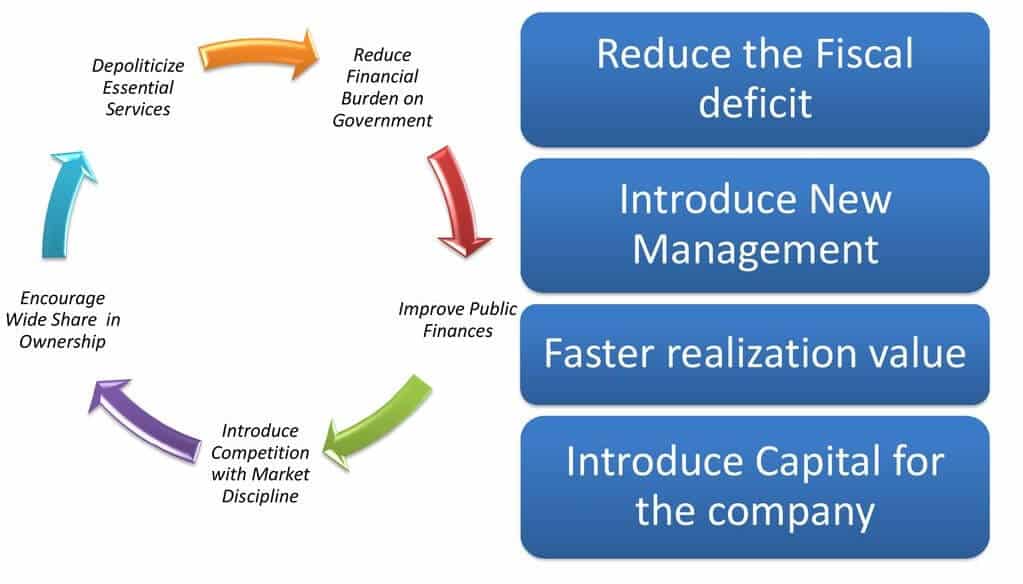
By Nantoo Banerjee The government disinvestment in India’s state-controlled enterprises is always welcome if it is aimed to make them professionally managed entities for faster growth. Unfortunately, the haphazard disinvestments in public sector enterprises (PSE) by the government seem to have only a single purpose — financing part of the annual union budget deficit. The […]

El Salvador is set to make a significant stride in the global cryptocurrency space with the introduction of a dedicated Bitcoin section at its National Library. The initiative aims to promote the understanding of Bitcoin’s role in the modern financial landscape, with the library becoming the first in the world to feature a permanent collection dedicated to the digital currency.

The new section will not only house a variety of books and resources on Bitcoin, but will also include an interactive display that demonstrates the operation of a full Bitcoin node in real-time. This demonstration will showcase the network’s fundamental role in facilitating peer-to-peer transactions, decentralised consensus, and the security of the global Bitcoin system. The library’s innovative move underscores the growing importance of cryptocurrency and blockchain technologies in shaping the future of finance.

El Salvador’s push to integrate Bitcoin into its national framework has been met with both enthusiasm and skepticism. In 2021, the country made headlines as the first in the world to adopt Bitcoin as legal tender, a bold move aimed at fostering financial inclusion and reducing dependency on traditional banking systems. The decision, spearheaded by President Nayib Bukele, generated widespread debate among economists, policy makers, and the global financial community, with concerns ranging from volatility risks to the broader implications for global monetary policy.

The National Library’s Bitcoin section is part of a larger effort by the government to support Bitcoin literacy and educate the public on how the cryptocurrency functions. El Salvador’s decision to incorporate Bitcoin into its official monetary system was a pivotal moment in the global conversation about digital currencies, and the library initiative represents a continuation of that effort. By making Bitcoin more accessible and understandable to the public, the library aims to demystify the technology and encourage individuals to engage with it in a meaningful way.

The section will feature a range of resources, including literature on the history of Bitcoin, its technological underpinnings, and its potential to disrupt traditional financial systems. Additionally, the live Bitcoin node demonstration will allow visitors to see firsthand how transactions are validated and how the network operates, offering a tangible understanding of the underlying infrastructure that powers the cryptocurrency.

Experts in the field of blockchain technology and cryptocurrency have praised El Salvador’s commitment to education and its progressive stance on integrating digital assets into the mainstream. By promoting Bitcoin literacy, the library is helping to build a foundation of knowledge that could enable the next generation of financial professionals to better navigate the evolving digital economy. The initiative also complements the country’s broader strategy of positioning itself as a leader in cryptocurrency adoption, which includes the creation of “Bitcoin Beach” – a community-focused initiative aimed at fostering the use of Bitcoin for everyday transactions.

However, the decision to embrace Bitcoin has not been without controversy. Critics argue that the volatility of Bitcoin poses significant risks to the stability of El Salvador’s economy, particularly given the country’s reliance on remittances, which make up a large portion of its GDP. The price fluctuations of Bitcoin could create instability in the value of these remittances, which are often sent by Salvadorans working abroad. Additionally, concerns have been raised about the environmental impact of Bitcoin mining, which requires significant energy consumption.

Despite these concerns, President Bukele has remained steadfast in his belief that Bitcoin represents a transformative force for economic growth, particularly in emerging markets. By introducing a Bitcoin-focused educational initiative, the National Library is helping to build the groundwork for future developments in blockchain and cryptocurrency technology. The initiative is also part of a broader effort to align El Salvador with the global trend of digitisation, as governments and businesses worldwide increasingly explore the potential of digital currencies and decentralised technologies.

As more countries and institutions around the world begin to explore the possibilities of cryptocurrencies, El Salvador’s National Library stands as a symbol of the country’s forward-thinking approach to technological innovation. The Bitcoin section, along with the live node demonstration, provides a unique opportunity for individuals to engage with the technology in a hands-on way, gaining a deeper understanding of its potential impact on the financial system.

The Bitcoin section at the National Library is expected to attract both local visitors and international tourists, many of whom are keen to learn more about El Salvador’s pioneering role in the cryptocurrency space. It will also serve as a hub for academic research, with scholars and students having access to a wealth of information on Bitcoin and its applications. This initiative could potentially inspire similar efforts in other countries looking to embrace the digital future.

French energy giant EDF has entered a strategic partnership with TAQA Group, a Saudi-based energy company, to push forward innovations in geothermal energy technology. The deal, which also includes power generation and HVAC applications as well as compressed air energy storage, was formalised during the third PIF Private Sector Forum at the King Abdul Aziz International Conference Centre in Riyadh, Saudi Arabia. Omar Aldaweesh, CEO of EDF […]

China has successfully completed its first intercity cargo drone flight, a groundbreaking development in the nation’s push to revolutionise its transportation infrastructure. This historic flight paves the way for a future where drones play a vital role in moving goods swiftly and efficiently across cities. The journey, which covered multiple urban centres, showcases China’s growing capabilities in the field of unmanned aerial vehicles , with potential implications […]

SafeMoon is preparing to release a new memecoin on the Solana blockchain, marking a significant shift for the company and its investors. The announcement follows the recent burning of most of the circulating supply of its native token, SFM. With this strategic move, the company aims to attract new interest and drive liquidity, despite the token’s current low trading volume.

SafeMoon’s decision to burn a substantial portion of the SFM supply has garnered attention in the crypto community. The burn, which reduced the total token count by a considerable margin, is seen as a way to enhance scarcity and increase the value of remaining tokens. As a result, SFM holders now have an opportunity to sell their holdings, though the liquidity remains low. This initiative aligns with SafeMoon’s broader plan to maintain its relevance within the highly competitive cryptocurrency space.

The memecoin launch on Solana represents a new direction for SafeMoon, which had previously been associated with the Binance Smart Chain. By integrating with Solana, the company aims to tap into a growing ecosystem known for its fast transactions and low fees. Solana’s scalability has made it an attractive platform for both developers and investors, with an increasing number of projects migrating to the blockchain.

Solana’s technical advantages, such as its high throughput and lower transaction costs, have made it a favoured choice for memecoins and other decentralized applications. This move may signal a shift in how SafeMoon plans to diversify its offerings and potentially widen its user base. However, the success of this transition remains contingent on several factors, including the broader market sentiment and the response from the Solana community.

As part of the launch, SafeMoon will also introduce new utility features to the memecoin, aiming to distinguish it from other coins in the meme category. While details remain scarce, the company has hinted at unique staking opportunities and integration with decentralized finance platforms. Such features could help the token gain traction beyond speculative trading and offer long-term value to holders.

The timing of SafeMoon’s venture into the memecoin sector is notable, as the meme coin market has seen significant fluctuations. Despite the volatile nature of these assets, the trend of memecoins continues to thrive, with new coins emerging almost daily. SafeMoon’s decision to burn a large portion of its supply may be seen as an attempt to position itself strategically in a market dominated by high-profile coins like Dogecoin and Shiba Inu.

For SFM holders, the new memecoin could offer an alternative investment opportunity. While the value of SFM itself remains uncertain due to the ongoing low liquidity, the introduction of a memecoin on a platform like Solana could reinvigorate interest in the SafeMoon ecosystem. However, the challenge lies in converting the existing SFM tokens into assets that hold tangible value in the broader market.

Despite the potential for growth, SafeMoon will need to address several challenges. The cryptocurrency market is notoriously volatile, and the performance of the new memecoin will depend on various external factors, including regulatory changes, investor sentiment, and competition from other projects. Additionally, the lack of liquidity in the current market may make it difficult for holders to realise significant returns on their tokens.

SafeMoon’s move also raises questions about the long-term sustainability of its model. Critics have pointed out the risks associated with burning large portions of a token’s supply and launching new assets in an already saturated market. While burning tokens can create a sense of scarcity, it does not guarantee that demand will follow, particularly in an environment where many tokens are vying for attention.

Despite these concerns, SafeMoon remains optimistic about its future. The company has expressed confidence in its ability to innovate within the crypto space and provide value to its community. By tapping into Solana’s fast-growing ecosystem, SafeMoon is positioning itself to capitalise on the increasing interest in blockchain-based assets. Whether this strategy will be enough to reinvigorate the SafeMoon brand and attract new investors remains to be seen.

Cryptocurrency exchange Bybit has officially removed itself from the blacklist of France’s financial regulator, the Autorité des Marchés Financiers , after over two years of collaboration. The decision to lift the restriction was confirmed by the exchange’s CEO, who stated that Bybit had worked diligently to address regulatory concerns and align with France’s legal frameworks.

This marks a significant development for the platform, which faced scrutiny in the European nation for operating without proper regulatory approval. The resolution signals a growing acceptance of cryptocurrency exchanges in France, following an increasing global push for tighter controls in the digital asset sector.

Bybit’s relationship with the AMF, which regulates financial markets in France, had been fraught with challenges. The exchange was initially blacklisted by the AMF, a key move made to protect investors and ensure that cryptocurrency platforms met the necessary legal and compliance requirements. However, this ban is now officially lifted, with Bybit’s CEO publicly announcing the successful removal from the list, following a series of efforts to comply with France’s stringent regulatory standards.

The French government has been active in its efforts to manage the growing cryptocurrency market, enforcing regulations designed to mitigate risks such as fraud and money laundering. As one of the major players in the global cryptocurrency exchange landscape, Bybit’s removal from the blacklist is seen as a positive move in terms of broader regulatory acceptance of crypto platforms.

Bybit has stated that its compliance with the AMF has included significant efforts to enhance transparency, bolster anti-money laundering measures, and improve customer protection strategies. The exchange has worked on building a framework that is in line with France’s Financial Markets Law, which governs the activities of digital asset providers in the country. These changes aim to address concerns raised by the AMF and other regulatory bodies.

The approval also comes amid France’s broader strategy to become a leading hub for cryptocurrency in Europe. Last year, the country introduced new laws to encourage crypto innovation while ensuring market participants adhere to regulatory requirements. This regulatory clarity aims to foster a secure environment for digital asset exchanges while protecting both consumers and the financial system.

With the lifting of the ban, Bybit now has the green light to offer its services to French citizens without the looming threat of regulatory sanctions. This is an important step for the exchange, which is one of the largest global platforms for cryptocurrency trading, offering a wide range of products from spot trading to derivatives and futures.

However, the approval also serves as a reminder of the ongoing challenges facing cryptocurrency exchanges globally as regulators grapple with how best to manage the rapidly evolving market. While the lifting of Bybit’s ban signifies progress, it highlights the broader regulatory complexities facing cryptocurrency exchanges across Europe.

The resolution is expected to have a positive impact on Bybit’s growth prospects in Europe, particularly in France, where the digital asset market is experiencing growing interest. France’s move to approve Bybit is likely to influence other European regulators and crypto exchanges, encouraging a more harmonised regulatory approach across the region.

The collaboration between Bybit and the AMF exemplifies how the cryptocurrency market is evolving towards a more regulated and secure environment. Despite initial hurdles, Bybit’s dedication to regulatory compliance in France signals a shift in the broader narrative of how cryptocurrency exchanges must operate within European markets.

While the approval is a step forward for Bybit, it will not necessarily shield the exchange from ongoing regulatory scrutiny. The cryptocurrency industry, while growing, remains under close watch by regulators globally, especially in Europe, where authorities are increasingly taking a proactive approach to combatting financial crime and protecting investors.

A growing trend in the meme coin sector has seen FloppyPepe surpass its predecessor, Pepe , capturing the attention of both investors and cryptocurrency enthusiasts alike. Recently, a notable Dogecoin millionaire garnered media attention after staking a massive $1 million on meme coins, marking a strategic shift from PEPE to FPPE. This bold move, backed by the promising features of FloppyPepe, signals a potentially significant change in the meme coin landscape.

FloppyPepe’s rise is partly driven by its advanced AI-powered utilities and its promise of creating a tangible, real-world impact. Unlike traditional meme coins, which are often criticized for lacking utility, FPPE stands out due to its sophisticated technology that appeals to a more discerning investor base. Its presale event has been nothing short of remarkable, with the coin raising $907,200 within just 24 hours, an indication of both high demand and investor confidence.

Currently priced at $0.0000002 during its ongoing presale, FloppyPepe offers an accessible entry point for those looking to capitalise on what some are calling the next big thing in the meme coin market. This pricing strategy positions the coin for potential mass adoption, especially as it attracts a broader demographic beyond the typical meme coin investor.

The market is taking notice of FloppyPepe’s trajectory. While PEPE continues to hold a significant presence within the meme coin ecosystem, its growth seems to have plateaued as newer contenders with added value start gaining attention. The influx of investors and major players shifting their focus to FloppyPepe reflects a growing trend within the cryptocurrency community to seek projects with both meme potential and solid technological foundations.

Critics of meme coins have often highlighted the speculative nature of these digital assets, with many questioning their long-term viability. However, FloppyPepe is positioning itself as a response to these concerns by adding value through its AI-powered features. These technological advancements are geared towards providing real-world applications, which could elevate the coin’s status from a mere joke to a legitimate player in the broader cryptocurrency market.

FloppyPepe’s private presale was only the beginning. The project’s developers are currently gearing up for a wider public sale, with plans to increase the coin’s exposure to mainstream investors. This effort to build a broad base of supporters is critical to its long-term success, as the market for meme coins continues to evolve. Unlike traditional cryptocurrencies like Bitcoin or Ethereum, which are often defined by their underlying technology and use cases, meme coins like FloppyPepe rely heavily on community support and viral momentum to drive their value.

The increased focus on FloppyPepe has also been accompanied by heightened interest from social media influencers and cryptocurrency advocates, who have taken to various platforms to promote the coin’s potential. These endorsements have further fueled speculation that FloppyPepe could become the next big meme coin to make a significant impact, particularly in a market that thrives on hype and social sentiment.

The surge in FloppyPepe’s presale earnings underscores the coin’s growing popularity. As of now, the presale remains open, with investors keen to secure their share before the public launch. The coin’s affordability during the presale phase has attracted both seasoned investors and newcomers to the cryptocurrency space, each hoping to capitalise on its rapid rise.

With PEPE’s dominance beginning to wane, FloppyPepe is stepping into a vacuum left by older meme coins that have failed to evolve or add meaningful use cases. As more investors flock to FPPE, it becomes evident that the meme coin market is becoming more sophisticated, with an increasing demand for projects that combine meme appeal with innovative features. This shift could potentially reshape the landscape of meme coins, moving beyond the often volatile and speculative nature of past successes.

FloppyPepe’s focus on AI integration is also noteworthy. The coin’s developers have emphasised that the use of AI will play a crucial role in expanding its real-world impact. By utilising cutting-edge technologies, FloppyPepe aims to create a sustainable platform that goes beyond mere speculation, providing value to its users and investors alike. These advancements are expected to create a new wave of meme coin projects that incorporate utility into their ecosystems, setting them apart from older, less innovative alternatives.

VISHNU RAJA
RYO YAMADA
HITORI GOTOH
IKUYO KITA
Just in:
Cloudflare unveils Zero Wire vulnerability intelligence service // Democrats capture Senate majority with seven Republican seats // Utilities pursue ₹1,992 cr in unpaid bills // ADIA and partners establish $1.4 billion aviation venture // Cyberport Venture & Capital Forum 2026 Grand Opening // After Reaching 7 Million Users in the Philippines, Skyro Launches Transparent Cash Loans in Malaysia // Asia Left Behind: Ten international companies have yet to report delivering on their cage-free egg pledges across the region // Fast Just Got Fastest: STING Energy Boost™ Celebrates Kimi Antonelli’s Formula 1® World Championship and the Fan Energy Behind It // U.S. Mid Term Result Is A Clear Verdict Against Trump’s Authoritarianism // Middle East governments assess Iran war after US vote // As AI Reshapes Education, Singapore Convenes Global Dialogue on the Future of Early Childhood Education // Oil and chip shares retreat after Democratic victories // Dubai boat show confirms international shipyard line-up for November // Hong Kong mandates crypto transaction disclosures to tax authorities // Emirates Group records AED 4.1 billion half-year profit // Vance attributes Republican midterm defeats to Iran conflict // Pinarayi faults UDF over mounting road crashes // Burying Head In “India Made Poverty Reduction” Data Is Dangerous // AI trust gap reveals distinct retail priorities: Divergent paths to consumer growth in Hong Kong and the GBA // Meraas showcases five residential zones at Dubai Design Week //