News related to
demand

Cannabis fails to demonstrate meaningful effectiveness in treating anxiety, depression or post-traumatic stress disorder, according to one of the most extensive analyses of medicinal use to date, raising fresh concerns among clinicians and regulators as consumption expands across several regions. The large-scale review, which evaluated hundreds of clinical studies and patient data sets, found no consistent evidence that cannabis-based products alleviate core symptoms of common mental health […]

Phuket is consolidating its reputation as a stable and secure residential destination for international families, driven by rising long-haul connectivity, sustained property demand, and the continued expansion of integrated communities such as Laguna Phuket.

Developers and market observers point to a steady influx of buyers from Europe, the Middle East and parts of Asia, many seeking second homes or relocation options that combine lifestyle appeal with perceived safety and infrastructure reliability. The island’s positioning has strengthened as global travel networks stabilise, with airlines restoring and expanding direct routes that reduce dependence on regional transit hubs.

Property agents report that demand for villas and managed residences has remained resilient despite broader economic uncertainties. Buyers are increasingly prioritising privacy, security and access to international-standard amenities, including healthcare and education, factors that have become central to relocation decisions among globally mobile families. This shift has contributed to sustained price support in premium segments, even as other markets experience fluctuations linked to interest rate pressures.

Laguna Phuket, one of Southeast Asia’s largest integrated resort developments, continues to play a pivotal role in shaping the island’s residential narrative. The area has expanded beyond its origins as a resort complex into a mixed-use community offering branded residences, leisure facilities and infrastructure tailored to long-term living. Industry analysts note that such master-planned developments provide a level of predictability and governance that appeals to foreign buyers navigating unfamiliar regulatory environments.

Thailand’s regulatory framework for foreign ownership remains a key consideration, with condominium purchases offering a more straightforward pathway than landed property. Developers have adapted by structuring projects to align with legal constraints, including leasehold arrangements and managed ownership models. Market participants say this flexibility has allowed Phuket to remain competitive with regional alternatives such as Bali and parts of the Gulf, where regulatory regimes differ but competition for affluent expatriates is intensifying.

Connectivity has emerged as another critical driver. Phuket International Airport has seen a gradual expansion of long-haul routes linking the island to major cities in Europe and the Middle East. Airlines have responded to sustained leisure demand by maintaining seasonal services for longer periods and, in some cases, converting them into year-round operations. This has enhanced accessibility for families seeking to maintain ties with home countries while residing abroad.

Education infrastructure has also expanded, with international schools on the island broadening curricula and increasing capacity. Institutions offering British, American and international baccalaureate programmes have reported rising enrolments, reflecting a more permanent expatriate population rather than short-term visitors. Healthcare services have followed a similar trajectory, with private hospitals investing in facilities and specialist care aimed at international residents.

Security and governance remain central to Phuket’s appeal. Local authorities have emphasised public safety measures and infrastructure upgrades, including road improvements and utilities management, to support population growth. While Thailand’s broader political landscape has seen periods of uncertainty, Phuket’s tourism-driven economy and established administrative structures have provided a degree of continuity valued by investors.

Economic diversification has added another layer to the island’s evolution. Although tourism remains the dominant sector, ancillary industries such as wellness, digital services and remote work hubs have expanded. The rise of remote working has encouraged a segment of professionals to relocate for extended periods, blending lifestyle considerations with employment flexibility. This has reinforced demand for properties designed for year-round occupancy rather than seasonal use.

Pricing dynamics reflect this transition. High-end villa developments and branded residences have seen consistent interest, with some projects reporting strong pre-sales activity. At the same time, mid-market segments have experienced more moderate growth, suggesting a bifurcation driven by buyer profiles. Developers are responding by tailoring offerings to distinct segments, from luxury beachfront estates to compact units suited for remote professionals.

Environmental considerations are increasingly shaping development strategies. Concerns about overdevelopment, waste management and coastal preservation have prompted calls for stricter planning controls. Some projects have incorporated sustainability features such as energy-efficient design and water management systems, aligning with global trends and buyer expectations. Balancing growth with environmental protection remains a challenge, particularly as demand continues to rise.

Competition from other destinations has intensified. Bali has attracted interest with its cultural appeal and relatively accessible property structures, while Gulf cities have promoted tax advantages and large-scale master-planned communities. Phuket’s advantage lies in its combination of established tourism infrastructure, natural assets and a maturing residential market. Analysts note that maintaining this edge will depend on continued investment in connectivity, governance and sustainable development.

Growing international demand, strengthened long-haul connectivity, and the continued evolution of Laguna Phuket are reinforcing Thailand’s largest island as a stable, private, and internationally accessible place to live and invest.

PHUKET, THAILAND – Media OutReach Newswire – 20 March 2026 – Phuket’s evolution from a world-renowned holiday island into a mature international residential community is entering a new phase, supported by expanding long-haul connectivity and sustained global confidence in Thailand as a safe and welcoming destination.

Phuket Strengthens Position as a Secure International Residential Destination for Global Families

The island has recorded consistent growth in long-term residents and international property buyers, reflecting a broader shift among globally mobile families seeking stability, quality of life and secure residency pathways. Phuket offers privacy, natural beauty and international-standard infrastructure within a country known for hospitality and political stability.

Thailand welcomed more than 35 million international visitors in 2025. Long-haul arrivals exceeded 11 million, rising 13% year-on-year and generating approximately 668 billion baht in tourism revenue. Despite short-term geopolitical fluctuations, long-term demand for Thailand as a stable and accessible destination has remained resilient.

Connectivity continues to strengthen with new direct long-haul services from Europe, including Paris, London and Scandinavia. Improved access is driving interest in extended stays, family relocation and residential investment, as visitors increasingly explore long-term living options.

Phuket offers international-standard healthcare, leading international schools, yacht marinas, championship golf courses and well-developed infrastructure. High-speed connectivity and direct air links to more than 80 cities ensure seamless access to global business and travel networks while maintaining privacy and lifestyle comfort.

Industry research ranks Phuket among the world’s leading destinations for branded residences, alongside Dubai, Miami and New York. Foreign buyers account for more than 60% of condominium purchases, underscoring sustained international confidence.

Thailand’s structured long-term visa framework provides renewable residency pathways for retirees, investors, entrepreneurs and remote professionals. For buyers of select premium residences, Banyan Group facilitates Thailand Elite long-term residency visas, offering multi-year entry privileges.

At the centre of this evolution is Laguna Phuket, developed by Banyan Group. Over 35 years it has grown into one of Asia’s most established integrated resort and residential communities. Spanning more than 1,000 acres along Bang Tao Beach, Laguna Phuket includes six hotels, an award-winning golf course, wellness facilities, RAVA beach club and more than 3,000 branded residences linked by scenic lagoons. Residents from over 70 nationalities call it home.

The next phase includes approximately 5,000 additional residences across Laguna Phuket and neighbouring Laguna Lakelands, reflecting sustained confidence in Phuket’s long-term residential future.

Banyan Group Residences, ranked fifth worldwide and number one in Asia in branded residences, plans to launch approximately US$1 billion in new residential projects in Phuket, reinforcing its commitment to the island’s continued development.

Phuket today represents more than a luxury retreat. It has matured into a secure, internationally integrated residential market offering stability, privacy and long-term clarity for globally minded families.
Hashtag: #BanyanGroup

The issuer is solely responsible for the content of this announcement.

Russia has summoned Israel’s ambassador in Moscow following an airstrike in southern Lebanon that reportedly killed journalists linked to Russian state broadcaster RT, escalating tensions between the two countries and adding a new diplomatic dimension to the widening regional conflict. The Russian foreign ministry said the strike targeted a media presence and described the deaths as unacceptable, demanding a full explanation from Israeli authorities. Officials in Moscow […]

Cushman & Wakefield Interpretation Report Highlights Eight Impact Areas for Real Estate Market

HONG KONG SAR – Media OutReach Newswire – 20 March 2026 – Global real estate services firm Cushman & Wakefield has released its China’s Two Sessions 2026: Interpreting the Government Work Report publication. Against a backdrop of increasingly complex domestic and international conditions, the 2026 government work report outlines more flexible and adaptive targets for national economic development. These policy directions will have a profound influence on the real estate sector. The market’s transition from focusing on incremental expansion to revitalizing and optimizing existing assets — combined with the accelerating integration of artificial intelligence across industries —will reshape market structures, redefine asset values, and reconfigure spatial development patterns in far-reaching ways.

Macroeconomic Stability Strengthens the Foundation for Commercial Real Estate Stabilization

China’s core economic targets for 2026 are clearly defined, with GDP growth set between 4.5%–5%, balancing the dual objectives of stabilizing growth and adjusting structure. This forms a strong macro foundation for the stabilization and gradual recovery of the commercial real estate sector. Between 2024 and 2025, GDP growth remained steady at around 5.0%. For 2026, the fiscal deficit ratio is maintained at a relatively high 4.0%, with RMB4.4 trillion in local special‑purpose bonds. The quota for ultra‑long‑term special treasury bonds is further expanded to RMB1.3 trillion. Coordinated fiscal and monetary policies will continue to support leasing demand recovery and improved business sentiment in the commercial property market.

Accelerated Industry Transformation Sees Quality Enhancement of Existing Assets Become the Core Theme

The report emphasizes a three‑pronged approach of “city‑specific policies to control new supply, reduce inventory, and improve quality”, while encouraging diverse channels to revitalize existing housing stock and advancing the construction of “good homes.” This marks an accelerated shift from incremental expansion to quality enhancement of existing assets. In 2024, China’s real estate value‑added as a proportion of GDP was just 6.3%, far below the 12.56% average of developed economies. This reflects a structural imbalance characterized by heavy investment in development and insufficient focus on services and leasing. The ongoing transition will make asset management, property services, and leasing operations increasingly central to asset valuation.

Consumption‑Driven Momentum Creates a New Growth Window for Retail Properties

Consumption‑boosting policies are injecting new vitality into the retail property market. The government work report allocates RMB250 billion of ultra‑long‑term special treasury bonds to support product upgrades and replacement, complemented by RMB100 billion in coordinated fiscal‑financial funds — creating a RMB350 billion consumption stimulus package. In 2025, China’s total retail sales of consumer goods exceeded RMB50 trillion, with per‑capita GDP reaching USD13,953, signaling a critical inflection point where service‑oriented consumption accelerates. With services currently accounting for just 46.1% of consumption, there remains significant room for growth. Policies promoting “high‑quality service consumption” and “new consumption scenarios,” combined with the promotion of staggered school holidays in spring and autumn, will create opportunities for high‑quality shopping centers focused on experiential and social retail formats.

AI‑Powered Intelligent Economy Drives an Upgrade in Office Market Demand

The rapid evolution of the intelligent economy is reshaping office market demand. The work report calls for expansion of “AI+,” wider deployment of intelligent agents, and accelerated development of large‑scale computing clusters, indicating the transition of AI into commercialized and scaled applications. In 2025, China’s core digital economy industries accounted for more than 10.5% of GDP, with the target set at 12.5% during the 15th Five‑Year Plan. AI‑related companies are expected to become key new leasing drivers in 2026. This will also stimulate a fresh investment cycle for data centers and industrial parks, with core computing hub cities — in the Beijing‑Tianjin‑Hebei region, Yangtze River Delta, and the Guangdong‑Hong Kong‑Macao Greater Bay Area — set to benefit first.

Capital Market Reforms Expand, Enabling a Full “Investment–Financing–Management–Exit” Cycle for Commercial Real Estate

Capital market reforms continue to support expansion in commercial real estate investment. The work report calls for deepened reform of comprehensive investment and financing mechanisms, expanded exit channels for private equity and venture capital, and accelerated growth of the public REITs market. By 2025, China’s public REITs issuance exceeded RMB210 billion, making it the largest REITs market in Asia. In 2026, commercial public REITs enter their first year of development, with pilots extended to hotels and commercial offices. This establishes a “dual‑engine” landscape of “infrastructure + commercial real estate” and enables a more complete investment‑financing‑management‑exit cycle

Further Opening‑Up Boosts Cross‑Border Logistics and Foreign Investment Demand

China’s opening‑up objectives in 2026 feature two core characteristics: expanding services sector openness to attract foreign investment, and promoting standardized, high‑quality development of cross‑border e‑commerce. In 2025, China’s cross‑border e‑commerce imports and exports totaled RMB2.75 trillion, with growth outpacing overall trade for the fourth consecutive year. The sector’s demand for high‑specification warehouses — characterized by high density and rapid turnover —continues to rise. Cushman & Wakefield data shows that the warehouse market is experiencing volume growth alongside price adjustment, with notable regional differences. As cross‑border e‑commerce becomes more regulated, and cold‑chain logistics demand continues to expand, green‑certified, intelligent high‑spec warehouses are expected to gain a competitive advantage.

Advancement of New Urbanization Brings Opportunities for Urban Clusters and Urban Renewal

A notable highlight among 2026 urbanization policies is the first‑ever proposal to build “innovation‑driven industrial communities and business communities.” This concept breaks the traditional boundary between industrial parks and business districts, fostering integrated complexes that combine office, commercial, and residential functions. The report also supports the development of world‑class city clusters in the Beijing‑Tianjin‑Hebei region, the Yangtze River Delta, and the Greater Bay Area, while enhancing the dual‑city Chengdu‑Chongqing Economic Circle and accelerating growth in the middle‑Yangtze city cluster — further intensifying regional differentiation in the commercial property market. Urban renewal and revitalization of existing stock assets are core pillars of the current urbanization strategy. Policies promoting the reuse of existing land and idle buildings align closely with efforts to revitalize existing housing stock. For owners and operators of prime urban assets, regeneration projects offer strategic opportunities for repositioning and value enhancement.

Green Transformation Prompts Sustainability Certifications to Become a Key Competitive Advantage

The work report dedicates a standalone section to the green transition, announcing dual controls on total carbon emissions and intensity, as well as new policy tools such as zero‑carbon parks and a national low‑carbon transition fund. In 2025, China’s national carbon market saw 235 million tons of allowances traded, with transaction value reaching RMB14.63 billion, up approximately 24% year‑on‑year. Carbon costs have become an increasingly important factor in corporate leasing and location decisions. With 97.9% of newly built urban buildings in 2024 meeting green standards, green retrofits of existing buildings are gaining momentum. Commercial properties certified under LEED, WELL, and China’s Green Building Label standard enjoy notable advantages in rental premiums and tenant attraction.

Sabrina Wei, Chief Policy Analyst and Head of Research, North China, Cushman & Wakefield, said, “The 2026 government work report outlines a clear development vision for commercial real estate characterized by macroeconomic stability, targeted policies, and structural transformation. A GDP growth rate of 4.5%-5% will provide market stability, a RMB350 billion consumption stimulus will activate demand for retail properties, “AI+” will reshape the office market; capital market reforms and public REITs will enable a full “Investment–Financing–Management–Exit” cycle, urban renewal will unlock values of existing assets, and green certification will define new competitiveness for the industry. As the real estate industry transitions from a construction‑focused model to one centered on operations and services, institutions with strong capabilities in asset management and high‑quality operational service delivery will be best positioned to capture the emerging opportunities of this transformative new cycle.”

To access the full report please click here.
Hashtag: #CushmanWakefield

The issuer is solely responsible for the content of this announcement.

About Cushman & Wakefield

Cushman & Wakefield (NYSE: CWK) is a leading global commercial real estate services firm for occupiers and investors with approximately 53,000 employees in over 350 offices and nearly 60 countries. In Greater China, a network of 23 offices serves local markets across the region. In 2025, the firm reported revenue of $10.3 billion across its core services of Valuation, Consulting, Project & Development Services, Capital Markets, Project & Occupier Services, Industrial & Logistics, Retail, and others. Built around the belief that Better never settles, the firm receives numerous industry and business accolades for its award-winning culture. For additional information, visit or follow us on LinkedIn ().

Dubai’s property market is showing a level of consistency in 2026 that stands out given the broader geopolitical backdrop. Activity has remained elevated into the first quarter, following record transaction levels in recent years. Price growth has also been significant, with residential values rising by roughly 50–60% since the 2020 market trough. These trends point to sustained engagement rather than a short burst of activity. What sits […]

South Africa has approved anti-dumping duties on selected steel imports from China and Thailand, seeking to protect domestic producers after an official investigation concluded that foreign suppliers had been selling products at unfairly low prices, placing sustained pressure on local manufacturers. The decision follows a probe by the International Trade Administration Commission, which determined that certain categories of flat-rolled steel products were entering the market at prices […]

Advertisements

  Authorities across multiple jurisdictions have dismantled a vast network of compromised Internet of Things devices linked to some of the largest distributed denial-of-service attacks ever recorded, with traffic surges reaching an estimated 30 terabits per second. The coordinated operation targeted command-and-control infrastructure that enabled four separate botnets to orchestrate high-volume cyber assaults on critical digital services worldwide. Investigators said the infrastructure had been used to overwhelm […]

Global energy markets are confronting a prolonged disruption after Qatar’s Ras Laffan liquefied natural gas complex, the largest of its kind, was forced offline following a series of strikes that analysts say could reshape supply dynamics for years. The shutdown, triggered by a drone attack attributed to Iran earlier this month and compounded by subsequent retaliatory exchanges linked to an Israeli strike on the South Pars gas […]

Market volatility triggered by escalating tensions involving Iran is pushing traders towards artificial intelligence-driven tools, as investors struggle to interpret fast-moving geopolitical signals and their impact on global assets. Portfolio managers and independent traders alike are increasingly relying on machine-learning models to process the surge of data tied to the conflict, from energy flows and shipping disruptions to diplomatic signals and military developments. The shift reflects both […]

Arabian Post Staff -Dubai Group Amana has been awarded a contract by DP World to deliver a multi-tenant warehouse project at the Jebel Ali Free Zone, marking another expansion in Dubai’s logistics infrastructure as demand for flexible industrial space accelerates. The project, located within Jafza, is designed to support multiple tenants across sectors including trade, e-commerce and light manufacturing. Industry participants say the development reflects a broader […]

A zero-day vulnerability in widely deployed Cisco firewall systems has been exploited for months by a ransomware group, with security teams warning that the breach highlights deep gaps in enterprise network defences and patch management practices. Analysis by Amazon Web Services’ security leadership indicates that attackers began abusing the flaw as early as January, gaining unauthorised access to targeted environments before the vulnerability became publicly known. The […]

By Nitya Chakraborty The U.S.-Israel combo’s war against Iran entered its 20th day on March 19 with global diplomats monitoring closely the Chinese reaction to the continued decimation of Iran’s leadership and key installations by Trump and Netanyahu and also Tehran’s fierce retaliatory attacks against Israel as also the US allies in West Asia including […]

The article Decoding China-U.S. Relations Amidst Trump-Netanyahu’s War Against Iran appeared first on Latest India news, analysis and reports on Newspack by India Press Agency).

Arabian Post Staff -Dubai Casio’s G-Shock has introduced a new iteration of its widely recognised GA-2100 line, drawing design cues from the pulse and visual intensity of urban nightlife, as the brand seeks to strengthen its position among younger consumers and lifestyle-driven watch buyers. The GA-2100K series builds on the enduring popularity of the “CasiOak” silhouette, a model known for its octagonal bezel and lightweight carbon core […]

Global mobility has quietly crossed a threshold. For high-net-worth individuals and entrepreneurs based in the UAE, securing a Schengen visa or a UK travel permit is no longer a logistical task filed under personal travel. It is a strategic investment — one that sits alongside real estate diversification, offshore banking, and corporate structuring in a well-managed portfolio. In 2026, the term “Mobility Portfolio” has entered the lexicon […]

Anchored in a “Single Brand, Multi-categories, Diversified Channels” Strategy
Technology and Premium Sports Resources Drive Our Competitive Edge

FINANCIAL HIGHLIGHTS

  • During the year, the Group recorded the following operating results:
    • Revenue rose by 3.2% to RMB29,598 million; gross profit margin declined by 0.4 percentage points to 49%
    • Net operating cash inflow was RMB4,852 million
    • Net profit attributable to equity holders was RMB2,936 million with net profit margin of 9.9%, and EBITDA margin was 20.8%
  • Working capital remained at a healthy level:
    • The percentage of gross average working capital to revenue was 7.7%
    • The cash conversion cycle was at 37 days, two days longer than last year
  • The Board has recommended the payment of final dividend of RMB23.36 cents per ordinary share for the year ended 31 December 2025, together with the interim dividend of RMB33.59 cents per ordinary share paid in September 2025, the total dividend for the year ended 31 December 2025 will amount to RMB56.95 cents per ordinary share or a total dividend payout ratio of 50%.

OPERATIONAL HIGHLIGHTS

  • The retail sell-through for the overall platform remained flat, including online and offline channels.
  • Offline new product sell-through accounted for 83% of overall offline sell-through, maintaining at healthy and reasonable level.
  • The overall channel inventory turnover was at 4 months, channel inventory level and ageing structure remained healthy.

HONG KONG SAR – Media OutReach Newswire – 19 March 2026 – Li Ning Company Limited (the “Company” or “Li Ning Company”; together with the subsidiaries, the “Group”; stock codes: 2331 (HKD counter) and 82331 (RMB counter)) today announced its audited annual results for the year ended 31 December 2025 (the “Year”).

Financial Results

In 2025, the Group continued to enhance the technological features of its products, optimising channel efficiency, and strengthening the brand’s professional positioning, delivering stable operating performance. During the year, the Group’s revenue amounted to RMB29,598 million, representing an increase of 3.2% compared with 2024 (2024: RMB28,676 million). Gross profit amounted to RMB14,489 million, up 2.4% from 2024 (2024: RMB14,156 million). The overall gross profit margin decreased by 0.4 percentage points to 49.0% (2024: 49.4%).

During the year, the net profit attributable to equity holders was RMB2,936 million (2024: RMB3,013 million). The margin of net profit attributable to equity holders was 9.9% (2024: 10.5%). Return on equity attributable to equity holders was 10.9% (2024: 11.9%). Basic earnings per share was RMB113.91 cents (2024: RMB116.98 cents). The Board has recommended the payment of a final dividend of RMB23.36 cents per ordinary share for the year ended 31 December 2025. Together with the interim dividend of RMB33.59 cents per ordinary share paid in September 2025, the total dividend for the year ended 31 December 2025 will amount to RMB56.95 cents per ordinary share or a total dividend payout ratio of 50% (2024: 50%).

In cash flow management, the Group’s net cash generated from operating activities during the year amounted to RMB4,852 million (2024: RMB5,268 million). As at 31 December 2025, cash and cash equivalents (including cash at banks and on hand, and fixed-term deposits with an original maturity of no more than three months) amounted to RMB16,717 million, an increase of RMB9,218 million compared with 31 December 2024. Adding back the amount recorded as fixed-term deposits held at banks, cash balance at 31 December 2025 amounted to RMB19,973 million, representing a net increase of RMB1,833 million compared with 31 December 2024. During the year, revenue increased year-on-year, while cash-based expenses including marketing costs and tax payments rose, coupled with the settlement time lag of e-commerce platforms, leading to a year-on-year decrease in net cash generated from operating activities. Meanwhile, the maturity and redemption of time deposits led to a significant increase in net cash generated from investing activities. The Group will continue to place extra emphasis on cash flow management to ensure the stable development of the Company in the long term.

Operational Summary

In 2025, the Group remained anchored in its “Single Brand, Multi-categories, Diversified Channels” strategy, advancing development through product upgrades, channel optimisation, and brand marketing.

The Group focused on six core categories—running, basketball, training, badminton, table tennis and sports casual—while actively pursuing opportunities in emerging fields and exploring new sports subcategories, such as outdoor, tennis and pickleball. During the year, the Group continued to upgrade its products through technological innovation and enhance the deployment of professional sports resources, guided by three key pillars: reinforcing a professional sports mindset, showcasing sports-fashion aesthetics, and honouring Chinese cultural heritage. In addition, it worked proactively to strengthen brand influence and increase brand recognition and visibility through diversified, and comprehensive marketing campaigns.

As the official partner of the Chinese Olympic Committee, the Group leveraged its deep expertise and strong professional sports credibility to blend sportsmanship with cutting-edge technology and Eastern aesthetics—all under the narrative theme “China’s Glory, Together with LI-NING.” During the year, it opened the world’s first LI-NING “Loong Store” and launched the “Glory Gold Label” product series, transforming exclusive, top-tier scarce sports resources into a driving force for brand reputation and market recognition, continuously strengthening consumers’ perception of LI-NING’s professional capabilities and product reliability.

In terms of channel development, the Group continued to advance a multi-dimensional channel network layout to expand market coverage while enhancing operational efficiency. In high-end markets, the Group deepened synergistic collaborations with top-tier commercial complexes and leading outlet malls, jointly promoting the planning and implementation of innovative stores. During the year, the Group successfully launched an independent outdoor store “COUNTERFLOW”, marking an important milestone for the brand’s official entry into the outdoor segment. The Group actively carried out cross-industry collaborations, partnering with top IPs embodying Chinese cultural heritage such as the Palace Museum, and launched marketing campaigns by collaborating with channel partners through diverse initiatives, effectively improving brand reach and conversion. In terms of efficiency enhancement, the Group continued to optimize the channel structure and improved rental structures and cooperation models, enhancing overall channel health and operational sustainability through a series of strategic optimization measures. As of 31 December 2025, the LI-NING brand (including LI-NING Core Brand and LI-NING YOUNG) operated a total of 7,609 conventional stores, flagship stores, China LI-NING stores, factory outlets, and multi-brand stores, representing a net increase of 24 POS compared with 31 December 2024.

In terms of retail operations, the Group built a highly profitable, efficient, and replicable single-store operating model. In high-level markets, targeted brand strategies were implemented across key regions, strengthening brand image and improving product operation efficiency through optimised channel structure, store product mix, and shopping experience. The Group established a distribution management model to improve operational efficiency and sustainable development capabilities of the distribution system. In addition, the Group strengthened the efficient coordination between retail outlets and the logistics system. Through refined planning systems, flexible supply chain construction and digital support, channel inventory turnover and full lifecycle product management were realised, thereby comprehensively improving operational quality and efficiency.

In terms of e-commerce operations, the Group made precise deployments that effectively enhanced consumer awareness and market share during major e-commerce campaigns such as Tmall Celebration Day and Tmall Super Product Day. During the year, core IP products such as “Zhui Feng”, “DLO”, “ULTRALIGHT” and “LI REN” delivered outstanding performance, successfully penetrating multiple consumer segments including Gen Z, professional sports and trendy fashion, ranking highly in both sales and reputation across segmented markets. By leveraging top athletes, celebrities, trending events and channel resources, the Group not only enhanced product exposure and achieved traffic acquisition and promotional sales conversion, helping inventory optimisation, but also supported offline business and drove overall revenue growth.

In terms of supply chain, the Group continuously optimised the supplier matrix, aligning high-quality supplier resources for high-end sports, outdoor, premium and sponsored product lines. Meanwhile, the Group aligned with its major product plan by adopting segmented production planning and data-driven management to achieve high-level coordination among product planning, supply chain, logistics, and retail outlets. To improve operational efficiency, the Group adopted multiple measures such as integration of fabric resources, optimization of process structures, large-scale procurement of materials and staggered production scheduling, further improving the cost structure, while enhancing production efficiency. In addition, the Group continued to integrate sustainable development into supply chain management and promoted green products, with the proportion of eco-friendly products exceeding annual targets during the year.

In terms of logistics, the Group launched a channel logistics project to connect the order system with logistics operations, improving product circulation efficiency and fulfilment timeliness. On the digital front, the Group introduced a warehouse coordination system and adopted SKU-level refined management. In terms of automation, automated equipment was introduced into various warehouses, enabling multi-scenario coverage and data visualization management. In December 2025, the East China and North China warehouses took the lead in adopting RFID full-process warehouse management, achieving full-process traceability of logistics data, greatly strengthening inventory management precision, and deployment across all warehouses is expected to be completed in the first quarter of 2026 to continuously drive cost reduction and efficiency improvement.

In terms of its kidswear business, LI-NING YOUNG continued to focus on professional sports and children’s developmental needs, advancing product optimization and exclusive IP creation. In terms of channel strategy, the Group continued to strengthen outlet channel development, improve single-store efficiency and optimize overall channel structure while accelerating its e-commerce deployment. LI-NING YOUNG maintained a coordinated development of wholesale and direct retail. Through refined management and strategic layout, both scale and quality were improved. In terms of marketing, LI-NING YOUNG centred its efforts around three core pillars “Event Cooperation + User Stories + IP Collaboration” to build professional recognition and accumulate its user foundation, successfully expanding its influence among youth and family demographics. As at 31 December 2025, the total number of LI-NING YOUNG POS was 1,518, representing a net increase of 50 POS since 31 December 2024.

Outlook

Entering 2026, the Group will seize the development opportunities arising from the continuous release of domestic demand potential. The Group will remain committed to its core value of “serving the public with sportsmanship,” meticulously refine its “LI-NING’s experience value,” and strive to become the preferred professional sports brand.

1. Technology-driven product upgrades: The Group will firmly implement the development strategy of “Single Brand, Multi-categories, Diversified Channels”, empowering product iterative upgrades with technology to build core competitiveness and market differentiation barriers. Relying on the technical accumulation and R&D of the LI-NING technology innovation platform, the Group will focus on deep cultivation of core categories and actively expand into emerging segments such as outdoor sports. The Group aims to respond to increasingly diversified and personalised consumer demands, achieving full-scenario coverage from professional competitive sports to daily wear. By promoting the ingenious integration of cutting-edge technology and fashion design, the Group will create a product system that combines excellent functionality, technological texture, and aesthetic value. Furthermore, the Group will continuously strengthen the efficiency of transforming scientific and technological achievements, promoting the rapid realization of frontier technologies into product competitiveness.

2. Olympic marketing empowering the brand: The Group will drive value creation through sports marketing, establish emotional connections with consumers, and facilitate the steady enhancement of brand value. By continuously deepening the cooperation with the Chinese Olympic Committee, the Group will seize the development window of the Olympic cycle and promote the brand to achieve a leap from resource cooperation to value co-creation. LI-NING will fully explore the diversified value of the cooperation with the Chinese Olympic Committee. Through systematic marketing layout and technological equipment support, it will convey the story of the mutual growth of LI-NING and Chinese sports, highlighting the technological strength and cultural confidence of the national brand.

3. Dual improvement in quality and efficiency of business operations: The Group will continue to focus on improving quality and efficiency across all aspects of its business. By deepening channel layout, strengthening product operations, and optimising supply chain management, the Group aims to build an efficient operational system, achieve simultaneous improvements in operational quality and efficiency, and lay a solid foundation for the high-quality growth of the enterprise. Offline channels will focus on improving efficiency in high-tier markets and penetrating emerging markets, while exploring new business models. Online channels will strengthen domain synergy and resource integration, promoting complementarity between online and offline channels. In terms of product operations, the Group will optimize the precision of full-chain planning and flexible supply capabilities, and accelerate inventory turnover. The supply chain will achieve coordinated optimization of cost, quality, and delivery time across the entire chain, thereby enhancing overall operational efficiency.

4. Consolidating the foundation to safeguard development: The Group will continuously strengthen three core support capabilities: talent, finance, and digital intelligence, to lay a solid bedrock for high-quality development. In terms of talent strategy, talent development will focus on selection, incentives, and efficiency. In terms of financial management, emphasis will be placed on precise resource allocation and risk control. In terms of digitalization, the Group will promote the deep integration of AI and big data with business operations, enhance operational efficiency and the scientific nature of decision-making, and provide systematic safeguards for the long-term development of the Group.

Mr. Li Ning, Executive Chairman and Joint CEO of the Group, concluded: “2026 marks the first year of the 15th Five-Year Plan. With the strategic goal of accelerating the development of a sports powerhouse, the nation will further unlock sports consumption potential while driving the transformation and upgrading of the sporting goods manufacturing industry. We expect this to release domestic demand potential and create both strong support and a vast stage for the sports industry to thrive.”

“We will remain rooted in the local market while looking ahead, seizing opportunities of the era with greater foresight and more efficient execution. We will continue to deepen the Group’s ‘Single Brand, Multi-categories, Diversified Channels’ strategy, optimising and upgrading our core category matrix while exploring emerging segments. Most importantly, we will keep strengthening the core advantages of our products—professional performance, technological capability, and sports experience—by empowering them with innovative technology and design aesthetics to reward consumer trust.”

Hashtag: #LiNing

The issuer is solely responsible for the content of this announcement.

About Li Ning Company Limited

Li Ning Company Limited is one of the leading sports brand companies in China, mainly operating professional and leisure footwear, apparel, equipment and accessories under the LI-NING brand. The Group has comprehensive research and development, design, manufacturing, marketing, distribution and retail management capabilities. It has established an extensive retail distribution network and supply chain management system in China. We are committed to be the most prominent, stylish, world-leading sports brand from China.

In addition to its core LI-NING brand, the Group also manufactures, develops, markets, distributes, sells various sports products which are self-owned by or licensed to the Group, including Double Happiness (table tennis), AIGLE (outdoor sports) and Kason (badminton), which are operated through joint venture/associate with third parties of the Group.


Large bitcoin holders widely regarded as early adopters have sold more than $100 million worth of the cryptocurrency, reflecting a shift in sentiment as expectations of prolonged high interest rates ripple across global markets. Blockchain tracking data indicates that several long-dormant wallets moved substantial volumes of bitcoin to exchanges over a short period, triggering speculation about coordinated selling by so-called “OG” investors. Market analysts say such movements […]

Nvidia chief executive Jensen Huang has pushed back against mounting criticism of the company’s next-generation DLSS 5 upscaling technology, insisting detractors misunderstand its purpose and impact on creative control in game development. Speaking amid industry debate over the expanding role of artificial intelligence in graphics rendering, Huang said concerns that DLSS 5 overrides artistic intent are misplaced. He argued the technology is designed to enhance performance and […]

Oil prices surged sharply as attacks on key energy facilities across the Middle East intensified fears of supply disruption, pushing markets to price in a broader geopolitical risk premium tied to an escalating conflict now stretching into its third week. Brent crude climbed by as much as 5.1 per cent to approach $113 a barrel during trading, while the most-active West Texas Intermediate contract traded near $96. […]

Arabian Post Staff -Dubai Donald Trump has called on Israel and Iran to cease targeting energy infrastructure, warning that continued strikes on gas facilities risk escalating tensions across West Asia and disrupting global energy markets. The former US president’s remarks come amid heightened hostilities between Israel and Iran-linked forces, where attacks on gas and energy installations have emerged as a new flashpoint. Trump framed the issue as […]

HCMC, VIETNAM – Media OutReach Newswire – 19 March 2026 – Southern Vietnam consistently stands out as one of the country’s most dynamic gateways for international travelers. Anchored by Ho Chi Minh City, Vietnam’s economic and financial nucleus, this region benefits from year-round tropical weather and a richly diverse marine ecosystem, positioning it as a natural tourism hub.

Can Gio: The Emerging Catalyst in Southern Vietnam’s Tourism Transformation

In 2025, Ho Chi Minh City recorded the highest visitor volume nationwide, welcoming over 53.5 million arrivals, including approximately 8.5 million international tourists. Yet, a persistent paradox remains. Despite its status as the country’s primary entry point, the city largely functions as a transit node rather than a destination where visitors choose to linger. Many travelers stay only briefly before continuing to established coastal destinations such as Vung Tau, Phu Quoc, or Phan Thiet.

Ho Chi Minh City has yet to fully evolve into a tourism ecosystem capable of sustaining extended stays. The limitation is not solely due to the absence of large-scale, destination-defining developments, but also stems from a more fundamental constraint, connectivity infrastructure. For years, the southern region’s interprovincial transport network has developed unevenly, resulting in prolonged travel times and overreliance on a limited number of arterial routes.

That landscape, however, is entering a period of inflection.

A new wave of infrastructure investment – arguably the most extensive in the region’s history – is being deployed, with Can Gio at its epicenter. The convergence of strategic transport corridors is not only reducing travel friction between economic and tourism centers, but also unlocking the long-overlooked potential of Can Gio, gradually reshaping the broader economic and tourism geography of southern Vietnam.

The city’s long-term vision positions Can Gio as a new growth pole, with projected capacity to attract approximately 40 million visitors annually. This ambition contributes to Vietnam’s national target of welcoming 30-35 million international tourists and 160-180 million domestic travelers by 2030.

A 40-Million-Visitor Hub and the Transformation of Southern Tourism

Historically, Can Gio has been recognized as the “green lung” of Ho Chi Minh City, home to a vast mangrove ecosystem and a UNESCO-recognized biosphere reserve spanning approximately 75,000 hectares. Under a new development vision, the district is gradually repositioning itself as “Saigon’s seaside”, a large-scale coastal tourism center located just beyond a metropolitan population of over 10 million.

A series of major infrastructure projects is now converging to redefine Can Gio’s accessibility. For the first time, the area will benefit from a multi-layered transport network, effectively dismantling the geographic isolation that has persisted for decades.

On the aviation axis, Can Gio will connect directly to Long Thanh International Airport, designed to handle up to 100 million passengers annually, via Rung Sac Road and the Ben Luc – Long Thanh Expressway.

On the urban rail axis, the Ben Thanh – Can Gio metro line, expected to commence operations in Q3 2028, will reduce travel time from the city center to the coast to just 13 minutes, shorter than a typical coffee break, effectively integrating Can Gio into the daily living, working, and leisure radius of both residents and visitors.

On the road network, the Can Gio Bridge, scheduled for completion in 2029, will replace the existing Binh Khanh ferry and establish seamless connectivity with regional expressways, embedding Can Gio into both domestic and international logistics networks.

Meanwhile, the Can Gio – Vung Tau sea-crossing route, targeted for completion in early 2029, will open a new coastal tourism corridor, enabling Can Gio to capture a share of the more than 18 million annual visitors currently traveling to Vung Tau.

Complementing this infrastructure backbone, the emergence of Vinhomes Green Paradise is widely viewed as a catalytic force, one capable of activating a new “southern economic and tourism super-map.”

Conceived as an ESG mega-urban development, the project is designed not only to deliver integrated hospitality, entertainment, and lifestyle offerings, but also to function as a central gateway and distribution hub for regional tourist flows.

A True ‘Must-play’ Destination

Commenting on the Vinhomes Green Paradise project in Can Gio, Mike Gorman, Senior Project Architect at RTJ II Golf Course Architects, remarked: “This is going to be completely unique to Vietnam. It will become something people from around the world travel to experience, a true ‘must-play’ destination.”

Its large-scale, experience-driven ecosystem includes: VinWonders Can Gio, envisioned as one of the region’s leading entertainment complexes; two international-standard 18-hole golf courses; a network of 5–6 star hotels and boutique properties totaling nearly 7,000 rooms; the 7-hectare Song Xanh Theater; a five-star Vinmec hospital in collaboration with Cleveland Clinic (USA); and Vin New Horizon, a senior living urban model. This diversified offering enables year-round operations, catering to a wide spectrum of visitor demographics and preferences.

Vinhomes Green Paradise has been conceptualized to align with evolving tourism trends, urban utility integration, and experiential demand, while leveraging Can Gio’s ecological assets to create distinctive, place-based experiences for both visitors and residents. Among hundreds of global participant, Vinhomes Green Paradise has been selected as the first official participant in the “7 Wonders of Future Cities” campaign organized by New7Wonders. Jean-Paul de la Fuente, Director of New7Wonders and President of the campaign, described the project as a compelling model for the concept of a future city, where progress is measured by quality of living across generations.

From an investment perspective, the formation of this “southern economic and tourism super-map” signals not only expanded headroom for the tourism sector, but also the influx of capital and the prospect of sustained real estate value appreciation.

For context, Singapore welcomed approximately 16.5 million international visitors in 2025, generating around SGD 29 billion (equivalent to USD 22.6 billion) in tourism revenue. Against this benchmark, Can Gio’s target of 40 million annual visitors serves as a foundation for long-term asset value growth, as the area evolves into a leading coastal economic and tourism urban center in Vietnam and the wider region.

Hashtag: #Vinhomes

The issuer is solely responsible for the content of this announcement.

Asian equities fell sharply while oil prices surged beyond $111 a barrel, intensifying concerns over inflationary pressures and slowing global growth as Wall Street extended its decline.

Trading across major Asian markets reflected a cautious tone, with benchmark indices in Tokyo, Hong Kong, Seoul and Shanghai posting losses amid persistent volatility in energy markets. Investors reacted to the sustained rise in crude prices, which has added to worries about input costs, supply disruptions and the potential for central banks to maintain tighter monetary policies for longer than anticipated.

Brent crude climbed above $111 a barrel, driven by a combination of constrained supply and geopolitical tensions affecting key energy-producing regions. Analysts noted that limited spare capacity among major producers and continued uncertainty around output from certain exporting nations have kept oil markets tight. West Texas Intermediate also traded at elevated levels, reinforcing concerns that energy inflation could remain entrenched.

The sharp move in oil has had a ripple effect across equities, particularly in Asia where many economies are heavily dependent on imported energy. Airlines, manufacturing firms and transport companies bore the brunt of selling pressure as investors reassessed earnings prospects under a higher-cost environment. Export-oriented sectors, which typically benefit from stable input prices, faced additional headwinds.

Market sentiment was further dampened by declines on Wall Street, where major indices closed lower amid renewed concerns about inflation and interest rates. Technology stocks, which are sensitive to borrowing costs, continued to underperform, dragging broader markets down. The negative momentum from the United States spilled over into Asian trading hours, reinforcing risk aversion among investors.

Currency markets reflected the shift towards caution, with the US dollar strengthening against several Asian currencies. A stronger dollar typically tightens financial conditions globally, particularly for emerging markets with significant dollar-denominated debt. Economists warned that sustained currency pressure could complicate policy decisions for central banks across the region, which are already balancing growth concerns against inflation risks.

Energy producers were among the few bright spots in Asian trading, with shares in oil and gas companies posting gains as higher crude prices improved revenue outlooks. However, the broader market impact remained negative, as rising energy costs tend to weigh on consumption and corporate margins.

Central banks are facing a complex policy environment shaped by persistent inflation and uneven economic recovery. While some policymakers have signalled a willingness to pause rate hikes if growth weakens, elevated oil prices could limit that flexibility. Higher fuel costs feed directly into headline inflation and indirectly affect food prices and transportation costs, raising the risk of prolonged price pressures.

Economic data from several Asian economies has shown mixed signals, with manufacturing activity slowing in some regions while services sectors demonstrate resilience. Analysts suggest that the trajectory of energy prices will play a crucial role in determining whether growth can stabilise or faces further downside risks.

Geopolitical factors continue to influence oil markets, with supply disruptions and production decisions by major exporters remaining key variables. Traders are also monitoring inventory levels and demand trends, particularly in large consuming nations, to gauge the sustainability of current price levels.

Investor positioning indicates a shift towards defensive assets, including commodities and safe-haven currencies, as uncertainty persists. Portfolio managers are increasingly cautious about exposure to sectors vulnerable to cost pressures, while seeking opportunities in areas that can benefit from elevated commodity prices.

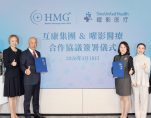
SHANGHAI / HONG KONG – Media OutReach Newswire – 18 March 2026 – HealthMutual Group (HMG) and SinoUnited Health (SUH) today signed a collaboration agreement to establish a comprehensive cross-border medical service framework. This partnership is designed to meet the clients’ growing demand for high-quality medical services in China.

HealthMutual Group and SinoUnited Health Sign Strategic Agreement to Expand Premium Cross-Border Healthcare into Shanghai

Under this agreement, SinoUnited Health will serve as HMG’s anchor hospital and primary healthcare hub in Shanghai. The partnership establishes a standardized framework for cross-border care, focusing on clinical excellence and financial predictability. HMG members will gain access to SinoUnited Health’s elite specialist network across Shanghai, Hangzhou, and Suzhou, supported by fully transparent fee structures.

The collaboration is backed by HMG’s significant operational scale. Currently ranking within the top three in the industry for total new business premium, HMG supports its insurance partners in serving over 700,000 clients. With HK$150 million in medical expenses processed to date, HMG’s network connects 700 specialists and 13 private hospitals in Hong Kong with over 2,000 hospitals across Mainland China.

“The demand for cross-border medical services is increasing rapidly,” said Mr. KC Chan, Founder of HealthMutual Group. “Partnering with SinoUnited Health is a natural expansion of our robust GBA network. SUH’s reputation for excellence ensures that our vision—maintaining medical insurance as a sustainable funding source for quality care—now extends firmly into the Shanghai region.”

Sharon Cheng, Vice President of Business Development, SinoUnited Health added: “This collaboration aligns perfectly with our ‘patient-first’ philosophy. By combining HMG’s massive regional reach with our world-class medical care, we are creating a seamless ‘home-away-from-home’ experience for patients. We are proud to serve as the Shanghai gateway for HMG’s 700,000+ policyholders, offering them professional integrity and access to the latest medical technologies.”

To ensure long-term service quality, the two groups will conduct quarterly professional exchanges and site inspections, allowing Hong Kong insurance partners to directly interface with SUH’s international medical teams and advanced clinical facilities.

Hashtag: #HealthMutualGroup #HMG #SinoUnitedHealth #互康

The issuer is solely responsible for the content of this announcement.

About HealthMutual Group

Established in 2014, HealthMutual Group has emerged as a premier leader in healthcare management across Hong Kong and the Greater China Region. We are committed to leveraging healthcare management to position insurance as a sustainable funding source for healthcare through our Medical Concierge and other essential value-added services. Our knowledge-based, transparent and innovative approach benefits all stakeholders: the insured, insurers and the medical sector, fostering sustainable growth and development. Headquartered in Hong Kong, HMG also operates branch offices in Qianhai and Hainan.

About SinoUnited Health

SinoUnited Health, founded in 2016 and headquartered in Shanghai, ranks among the largest premium private healthcare providers in the Eastern China. As a “physician-driven” medical institution, our “General practitioner + Specialist” model provides patients with holistic, professional, and customized solutions, making high-quality private healthcare truly accessible for every family.

Italy’s annual inflation rate accelerated to 1.5 per cent in February, marking a modest rebound from January’s 1.0 per cent and signalling a gradual shift in price dynamics across the eurozone’s third-largest economy. Data released by the national statistics agency Istat showed consumer prices rising by 0.7 per cent on a month-on-month basis, reflecting a combination of seasonal adjustments and renewed upward pressure in selected sectors, particularly […]

VISHNU RAJA
RYO YAMADA
HITORI GOTOH
IKUYO KITA
Just in:
France identifies Iranian Guards as supermarket hacking suspects // Flydubai Dammam cancellations persist as Etihad extends suspensions // Microsoft 365 Family cuts combined storage to 2TB // FAB takes full ownership of Bahrain fund administrator Yasira // COP31 leaders demand accelerated action as warming intensifies // Iran displays school strike memorial at COP31 summit // Toyota Land Cruiser 2025 and 2026. What Each Trim Costs in the UAE // UAE forecasts heavy showers across northern regions midweek // North Korean hackers channel Binance funds through fake tokens // Prudential announces title sponsorship of “Prudential Hong Kong Winter Wonderland in Tsim Sha Tsui”, lighting up Victoria Harbour this winter // Japan’s Nikkei advances as buyers return after sell-off // Allianz Insurance Singapore Encourages Homeowners to Strengthen Their Home Protection as Residential Fires Continue to Rise // US relocates tankers from second British base amid threats // GCC defence ministers discuss military coordination amid Iran conflict // Google school AI search policy draws Senate challenge // Singapore introduces AI scam alerts for messaging conversations // Thai Airways discloses 60,529 records exposed through Amadeus // The MICHELIN Guide Thailand Celebrates Its Landmark 10th Edition with Record Numbers of Entries and MICHELIN-Starred Dining Venues // California electorate defeats proposed levy on billionaire wealth // Messi secures consecutive MLS Golden Boots with 26 goals //