News related to
demand

Dubai’s property market is grappling with a widening supply-demand gap, as the number of completed units lags behind the increasing volume of new project announcements. While developers continue to launch projects at an accelerated pace, experts warn that this could lead to a critical imbalance in the coming years. According to real estate agency Allsopp & Allsopp, a significant discrepancy is emerging between the number of new […]

Lendlease Global Commercial REIT, a real estate investment trust listed in Singapore, has secured a major acquisition, purchasing a 70% stake in Singapore’s Paya Lebar Quarter mall. The deal, valued at $679 million, sees the Singapore-listed trust take ownership of a significant portion of the property from the Abu Dhabi Investment Authority. The acquisition comprises 70% of the total issued units in the PLQM Trust, which owns […]

The central processing unit has long stood as the cornerstone of computing, from powering individual computers to driving large-scale data centres that underpin the digital world. However, as artificial intelligence has surged in importance, there is a significant shift occurring in the hardware landscape. The increasing complexity and computational demands of AI tasks, such as machine learning, deep learning, and data analytics, have pushed companies to develop […]

The GCC bond market has experienced a surge in activity this week, with borrowers from various sectors seizing the opportunity to tap into favourable financial conditions. The tightening of borrowing costs has created a window of opportunity for sovereigns, banks, and corporations, leading to a total of nine mandates being issued.

The rush for capital comes at a time when borrowing costs have reached historically low levels. For many issuers, this represents an ideal moment to lock in cheap debt ahead of any potential future rate hikes. Among the most notable developments in this surge are the issuances of subordinated US dollar-denominated instruments, which have become increasingly popular among borrowers.

Sovereign issuers have been particularly active, with a mix of established and emerging players entering the market to raise funds for various development projects. These sovereign bonds are typically seen as safe investments, attracting strong interest from global investors. The preference for subordinated debt, which is ranked lower than senior debt in the event of default, reflects the confidence investors have in the region’s economic stability despite global uncertainties.

Banks, too, have been prominent participants in this market rally. With liquidity abundant, financial institutions have been eager to raise funds through bonds in order to strengthen their balance sheets and support lending activities. Several major GCC banks have launched bond issues, with a focus on long-term debt offerings to manage their refinancing needs and capital adequacy requirements.

Corporate borrowers, meanwhile, have been drawn to the bond market as a means of financing expansion and strategic initiatives. In particular, companies with strong credit ratings have capitalised on the tight borrowing conditions to secure funding at competitive rates. The demand for subordinated instruments has allowed corporates to issue debt with slightly higher yields, while still benefiting from the current low-rate environment.

One of the key drivers behind this bond market activity is the broader economic stability in the GCC region. Despite global challenges such as oil price volatility and geopolitical tensions, the region’s sovereign wealth funds and strong fiscal management have provided investors with confidence. Additionally, the implementation of economic diversification strategies across the Gulf States has helped bolster investor sentiment.

Another contributing factor is the continued strength of the US dollar, which is pegged to most of the GCC currencies. With the Federal Reserve maintaining its policy stance and the dollar remaining strong, issuers are able to tap into deep liquidity pools from global investors who are looking to park funds in stable currencies. As a result, demand for US dollar-denominated bonds from the GCC remains robust, particularly in the context of tightening global financial conditions.

The trend towards subordinated debt issuance has also been partly driven by investor demand for higher-yielding instruments, as investors seek returns in an otherwise low-interest-rate environment. Subordinated debt typically offers a higher yield due to its increased risk profile, making it attractive for investors seeking greater returns, especially as other asset classes provide limited growth.

Looking ahead, it is expected that this trend will continue in the short term as issuers capitalise on the current favourable market conditions. Analysts predict that the next few weeks may see even more issuances, as sovereigns and corporates look to take advantage of tight borrowing costs before any potential shifts in the global financial landscape.

Ente, a popular cybersecurity tool, has successfully completed a rigorous audit sponsored by CERN, the European Organization for Nuclear Research. The audit, carried out by five experts from the German cybersecurity firm Cure53, took place over the span of two weeks and focused on evaluating the platform’s security framework and vulnerability to cyber threats. CERN, one of the largest and most advanced scientific research organisations in the […]

Nigeria has successfully raised $2.35 billion through the sale of 10-year and 20-year Eurobonds, marking a significant achievement in its financial strategy. The transaction, announced on Wednesday, attracted a staggering $13 billion in orders, the largest-ever demand for Nigerian sovereign debt. The sale, conducted through the country’s Debt Management Office, highlights strong investor confidence in Nigeria’s economic recovery prospects despite ongoing challenges. The sale included two tranches: […]

Kenya’s leading telecommunications provider, Safaricom, has announced a significant 55 per cent increase in its half-year profits for 2025, driven by robust growth in data services and mobile transactions. The company, which holds a dominant position in East Africa’s telecom market, has seen a notable recovery in its performance following challenges in its Ethiopian venture. The surge in profits comes as Safaricom has navigated through the hurdles […]

Advertisements

Iron ore prices have continued their downward trend, heading towards their most significant weekly decline since February. The ongoing drop in prices is being driven by sluggish demand for steel in China and the tightening profit margins faced by steel mills. These factors have raised concerns about the overall stability of the global iron ore market, particularly in the world’s largest consumer, China.

Steel mills in China, which are the primary drivers of iron ore demand, are facing significant challenges due to rising input costs and tighter margins. The country’s construction and manufacturing sectors, which consume a large portion of steel, have struggled to gain momentum amid slower economic growth. With high input costs and a slowdown in industrial activity, many steelmakers have been forced to curb production, leading to reduced demand for iron ore.

At the same time, steel prices have also been under pressure, further exacerbating the squeeze on mill margins. While there were hopes for a recovery earlier in the year, the anticipated rebound in steel demand has yet to materialise, as economic conditions in China remain uncertain. The country’s industrial output has shown signs of stagnation, with infrastructure projects failing to meet expectations and housing activity continuing to struggle.

In addition to weak demand, iron ore prices have also been affected by rising supply levels. Brazilian mining giant Vale, one of the largest iron ore producers globally, has increased production in recent months, adding to the market’s supply glut. Vale’s expansion of its operations has helped to further ease supply concerns that have plagued the market over the last few years. However, this has created a situation where the supply of iron ore is outpacing demand, particularly given the subdued consumption from China’s steel mills.

The combination of oversupply and weakening demand has led to a decline in iron ore futures. The most actively traded contracts have experienced a significant fall in recent trading sessions, reflecting the broader bearish sentiment in the market. Prices have dropped by as much as 6% this week, marking a notable setback for an industry that had previously seen strong growth due to the post-pandemic recovery phase.

Global iron ore producers are feeling the impact of these declines as well. Companies such as Rio Tinto and BHP have faced a slowdown in earnings growth, despite their dominance in the market. Lower iron ore prices have put pressure on the profitability of these companies, leading to recalibrated forecasts for the rest of the year.

China’s role in the iron ore market remains critical, with the country accounting for over half of global iron ore consumption. However, the shift in the country’s steelmaking practices, including a push towards cleaner and more sustainable steel production, has led to concerns that long-term demand may not be as robust as previously expected. Furthermore, the government’s increasing focus on reducing emissions could eventually affect steel production levels in the country.

Despite these challenges, analysts believe that iron ore prices are unlikely to fall precipitously in the coming months. While demand from China may remain subdued, global steel production is expected to recover in other regions, such as Europe and North America. This could provide some support for iron ore prices, although the pace of recovery remains uncertain.

Apple TV+ experienced a brief service disruption on Thursday night, coinciding with the premiere of Pluribus, the latest series from Vince Gilligan, renowned for his work on Breaking Bad. The outage affected users across various regions, resulting in interruptions during the initial broadcast of the much-awaited show, which had generated significant buzz. Subscribers attempting to access the series faced difficulties connecting to the streaming platform. Error messages […]

Bitcoin’s fair value, according to JPMorgan Chase, should be as high as $170,000, based on a model that compares it to gold’s market role. The investment bank argues that Bitcoin should represent two-thirds of gold’s private investment base, a significant increase from its current value of approximately $102,000 per Bitcoin.

JPMorgan’s analysis draws from its long-standing views on digital assets and traditional commodities, asserting that Bitcoin is on a path to becoming an essential part of the global investment portfolio, particularly among institutional investors. The bank’s model incorporates risk capital metrics and examines the private investment demand for both Bitcoin and gold. As more institutional investors seek exposure to digital assets, Bitcoin is increasingly seen as a hedge against traditional financial uncertainties.

According to the model, Bitcoin’s rise aligns with the expanding use of blockchain technology and cryptocurrencies as a store of value, much like gold has functioned for centuries. This comparison has gained traction, particularly as Bitcoin’s network effects and its decentralized structure differentiate it from other assets. JPMorgan believes that Bitcoin’s potential growth is rooted in its ability to scale and the growing adoption of cryptocurrencies in the financial system.

While Bitcoin’s market capitalisation currently lags behind gold, JPMorgan’s model suggests that it could capture a significant portion of the gold market, primarily in the realm of private investment. The bank’s forecast is based on the assumption that Bitcoin will continue to prove its resilience and utility as an asset, making it increasingly attractive to both institutional and retail investors alike. JPMorgan’s analysis takes into account Bitcoin’s volatile price history, yet the bank remains optimistic about its long-term potential as the digital asset continues to mature.

The bank’s prediction of a $170,000 fair value for Bitcoin is a sharp contrast to its current trading price, which fluctuates in the $30,000 to $35,000 range. However, JPMorgan notes that such a valuation is achievable if Bitcoin continues to gain market share from traditional assets like gold, especially as demand for hedging against inflation and economic uncertainty rises. Additionally, the introduction of Bitcoin ETFs and other investment products could help bridge the gap between digital currencies and mainstream financial markets, facilitating broader adoption.

For JPMorgan, Bitcoin’s fair value also hinges on broader regulatory developments. While the US and other countries have begun to establish clearer regulatory frameworks for cryptocurrencies, the landscape remains uncertain, which could impact Bitcoin’s trajectory. However, JPMorgan suggests that clearer regulations could bring more institutional investors into the space, providing further support for Bitcoin’s long-term growth.

JPMorgan’s bullish outlook on Bitcoin comes amid a broader market trend where digital assets, particularly Bitcoin and Ethereum, are becoming integral to the portfolios of both retail and institutional investors. This shift is propelled by growing recognition of the asset class’s potential to diversify traditional investment portfolios and provide exposure to the evolving digital economy. The rise of decentralized finance platforms and the increasing use of blockchain technology in various industries have helped position Bitcoin as a viable alternative to traditional store-of-value assets like gold.

Bitcoin’s integration into the financial ecosystem is also supported by advancements in blockchain infrastructure and the growing acceptance of cryptocurrencies in various sectors, from payments to banking to supply chain management. As these applications expand, Bitcoin is poised to become a more integral component of financial markets, reinforcing JPMorgan’s argument that its fair value could reach $170,000.


Pine Labs, a prominent Indian fintech firm, has raised a substantial Rs 1,754 crore from anchor investors in preparation for its initial public offering. The move signals strong investor interest ahead of the opening of the IPO on November 7, where shares will be priced within a range of Rs 210 to Rs 221 each.

The anchor investors, who are typically large institutional entities, have been allocated a significant portion of the shares to help stabilise demand for the listing. Among these investors are major domestic and international institutions, including mutual funds, insurance companies, and global financial entities. These strategic investments are expected to provide a solid foundation for Pine Labs’ public debut, further solidifying its position as a leader in the digital payments space.

The company, which is known for providing payment solutions to merchants across Asia and the Middle East, has seen significant growth in recent years, driven by the increasing adoption of cashless transactions and digital payment technologies. The funds raised from the anchor investors will enable Pine Labs to expand its offerings and continue developing cutting-edge solutions for a rapidly evolving market.

The upcoming IPO, which marks a key milestone in the company’s growth trajectory, is expected to attract substantial attention from retail and institutional investors alike. Pine Labs’ business model, which focuses on providing a wide range of payment solutions, has become increasingly relevant in a time when businesses and consumers alike are moving towards digital and contactless payment methods.

Pine Labs is well-positioned to capitalise on the growing demand for digital payment infrastructure. The company has a broad customer base that spans a wide array of industries, including retail, travel, and hospitality. This diverse portfolio allows Pine Labs to weather fluctuations in specific sectors while benefiting from overall trends towards digital transformation.

The funds raised will also support Pine Labs’ ongoing efforts to expand its geographical footprint and penetrate new markets. The company plans to increase its presence in Southeast Asia and the Middle East, where digital payment adoption is growing rapidly. This expansion is part of a broader strategy to become a leading player in the global digital payments ecosystem.

In addition to its core payment services, Pine Labs has been investing in expanding its offerings to include more advanced financial products. The company has introduced services like BNPL, which has garnered attention as a growing trend in the consumer finance space. By diversifying its product range, Pine Labs aims to attract new customers and deepen its relationships with existing clients.

Despite the competitive nature of the fintech industry, Pine Labs has demonstrated a strong track record of financial performance, which has helped to bolster investor confidence in its upcoming IPO. The firm has managed to build solid relationships with leading financial institutions and tech companies, giving it access to capital, resources, and cutting-edge technologies.

Kyndryl, a leading IT services provider, has announced its acquisition of Solvinity Group, a prominent Dutch cloud services company known for its expertise in secure managed and hybrid cloud environments. This strategic move, pending regulatory approval, will significantly enhance Kyndryl’s ability to deliver cutting-edge cloud solutions, with a particular focus on strengthening its security offerings. Solvinity, founded in 2000, has built a strong reputation for its secure […]

DeAgentAI has surged by an astounding 722% in price, captivating the attention of the cryptocurrency market and piquing the interest of investors and traders alike. The token, built within the Sui ecosystem, is designed to power autonomous on-chain agents, a feature crucial for the next-generation automation in Web3. This explosive price rally comes despite an overall downturn in the crypto sector, highlighting the unique drivers behind AIA’s success.

The rally began with an announcement of a strategic partnership with Pieverse, a move that has sent ripples through both the AI and blockchain communities. The Pieverse collaboration promises to extend the utility of AIA beyond its initial Web3 integration, offering new opportunities for developers and businesses alike to leverage autonomous agents for smart contract execution and decentralized applications. Pieverse’s backing adds a significant layer of credibility and exposure to the project, attracting both institutional and retail investors looking to capitalise on the convergence of AI and blockchain technologies.

A key component in AIA’s rapid growth has been its technical breakout, surpassing significant Fibonacci retracement levels. These price levels, commonly used in technical analysis to predict potential areas of support and resistance, indicated a strong bullish momentum for AIA. The breakout above these levels signified to market participants that the token was primed for further price gains, encouraging both short-term traders and long-term investors to buy into the upward movement.

The growing interest in AI technologies has played a critical role in driving demand for DeAgentAI. As artificial intelligence becomes increasingly embedded in various sectors, from finance to healthcare, the crypto market has been eager to incorporate AI capabilities into blockchain networks. AIA’s offering of autonomous agents that operate on the blockchain fits neatly into this emerging trend. Investors are keen to position themselves in projects that aim to bridge the gap between AI advancements and decentralized systems, with DeAgentAI being one of the most prominent players at the intersection of these two fields.

Despite the sharp upward movement in AIA’s price, some analysts have raised questions about the sustainability of the rally. With the broader cryptocurrency market experiencing a dip, many are cautious about the potential for a price correction. The recent surge in AIA’s value, although impressive, has prompted concerns that the rapid increase may have been driven by speculative interest rather than long-term fundamentals. As is often the case with explosive price movements, questions about the stability and longevity of such rallies remain a focal point for both traders and analysts.

The market’s focus on DeAgentAI, however, reflects a growing interest in the broader Sui ecosystem, which has seen increased activity as more projects develop on its platform. Sui’s architecture, designed to scale quickly and efficiently, is drawing attention from developers looking for a robust foundation to build decentralized applications. As the ecosystem grows, projects like DeAgentAI are well-positioned to benefit from the network’s increasing user base and infrastructure.

Investors have also noted that the rise of DeAgentAI is indicative of a broader trend where tokens associated with new and innovative technologies, particularly in AI and Web3, are attracting significant capital. As the blockchain space continues to evolve, more investors are looking to identify the next wave of groundbreaking projects. DeAgentAI’s dramatic price increase positions it as one of the key players in this space, sparking conversations about its future potential and the broader implications for the AI-focused crypto market.

Abu Dhabi-based alternative investment group Ittihad International Investment LLC has priced a benchmark five-year, non-call two years, Reg S sukuk of USD 550 million at par, with a coupon of 7.375 per cent. It carries a make-whole call provision at T+50 basis points. The final book exceeded USD 2 billion, excluding lead manager interest, signalling strong investor demand. The issuance marks a significant milestone for Ittihad, which […]

A forecast from global property and advisory firm BlackBrick indicates that villa communities in Dubai are entering a phase of measured growth, as end-users and investors increasingly favour data-driven decisions over speculative leaps. The firm highlights key drivers behind villa demand in Q4 2025, underlining Dubai’s resilience in luxury real-estate.

According to founder and CEO Matthew Bate, the villa segment is evolving into “an era of intelligent luxury” where lifestyle and long-term value count more than sheer size or opulence. He states that buyers are now prioritising spaces with breathing room, community connection and ownership of land rather than just lavish finishes.

BlackBrick’s outlook identifies several communities expected to outperform over the next 12 months. Among them are Al Barari and Arabian Ranches where projected gains of 15-20 per cent are indicated, while Jumeirah Islands and Jumeirah Golf Estates are assigned more modest growth expectations of 7-12 per cent.

The underlying dynamics reflect broader trends in Dubai’s residential market. Analyst estimates show that prime villa prices increased by 94 per cent between Q1 2020 and Q4 2024, signalling sustained appetite for villa ownership in the emirate. Supply remains tight in several key enclaves, underpinning market strength. According to market commentary, villas continue to command a premium due to their scarcity and appeal to families, expatriates and high-net-worth individuals seeking long-term domiciliation.

BlackBrick’s forecast emphasises five main demand drivers. These include the appeal of open layouts and natural light; ownership of land; upgrade potential in older stock; community-focused living in gated compounds; and timeless design replacing overt extravagance. Bate argues that sustainable growth founded on genuine demand and limited supply reinforces market quality.

From a broader perspective, villa markets in Dubai are benefiting from macro-drivers such as population growth, global mobility and favourable tax frameworks. Consultant data suggests villa and townhouse sales accounted for 20 per cent of transactions but 42 per cent of total sales value in one recent quarter-year period — pointing to concentrated value capture in this segment. Meanwhile rental yields for villas and townhouses continue to remain attractive, further bolstering investor interest.

However, the market is not without caveats. The high entry cost for villas means that affordability remains a barrier to broader participation. While growth has been strong, analysts caution that the pace of appreciation may moderate as the market enters its maturity phase. One consultancy anticipates single-digit annual growth in prime villas going forward. Additionally, investors and buyers are advised to carefully consider developer track-records and listings pipelines, given limited resale inventory in select luxury enclaves.

Data-led brokers like BlackBrick suggest that the path ahead is less about aggressive expansion and more about sustained value capture. End-users, long-term residents and seasoned investors are shaping the villa market’s next chapter — one anchored in lifestyle, location and land ownership, rather than speculative upside alone. The hallmark now is thoughtful investment in vetted communities with established infrastructure, strong connectivity and recognized quality.

SINGAPORE – Media OutReach Newswire – 7 November 2025 – Synology marked its 25th anniversary today by unveiling a new generation of enterprise solutions designed to strengthen cyber resilience and accelerate intelligent transformation. Building on a quarter-century of innovation, it introduced advanced data protection, AI-powered video surveillance and high-performance storage systems tailored for today’s digital enterprises. Thachawan Chinchanakarn, Head of Southeast Asia at Synology, with the company’s […]

CEOs across Africa are signalling substantial confidence in their firms’ growth prospects, driven by plans for increased hiring and investment in artificial intelligence, according to a newly published survey by KPMG. The study shows that 79 % of surveyed executives believe their own organisations will grow, while 88 % plan staff increases within the next year. The survey, covering more than 130 executives across the continent, reveals […]

Saudi Arabia’s two leading technology infrastructure firms, HUMAIN and DataVolt, have entered a strategic partnership aimed at creating a multi-gigawatt-scale data-centre pipeline designed to support high-intensity artificial-intelligence workloads within the Kingdom. The alliance seeks to mobilise capacity on a scale rarely seen in the Middle East and forms a significant step in the country’s broader ambition to become a global AI hub. HUMAIN, a state-backed AI company […]

A field of 73 thoroughbreds are set to line up at Meydan Racecourse in Dubai for the opening evening of the 2025-26 Dubai Racing Carnival, with seven races and a total prize purse of AED 1.33 million. The fixture marks the beginning of a five-month season which culminates with the landmark 30th edition of the Dubai World Cup on 28 March 2026. Trainers and jockeys boasting international […]

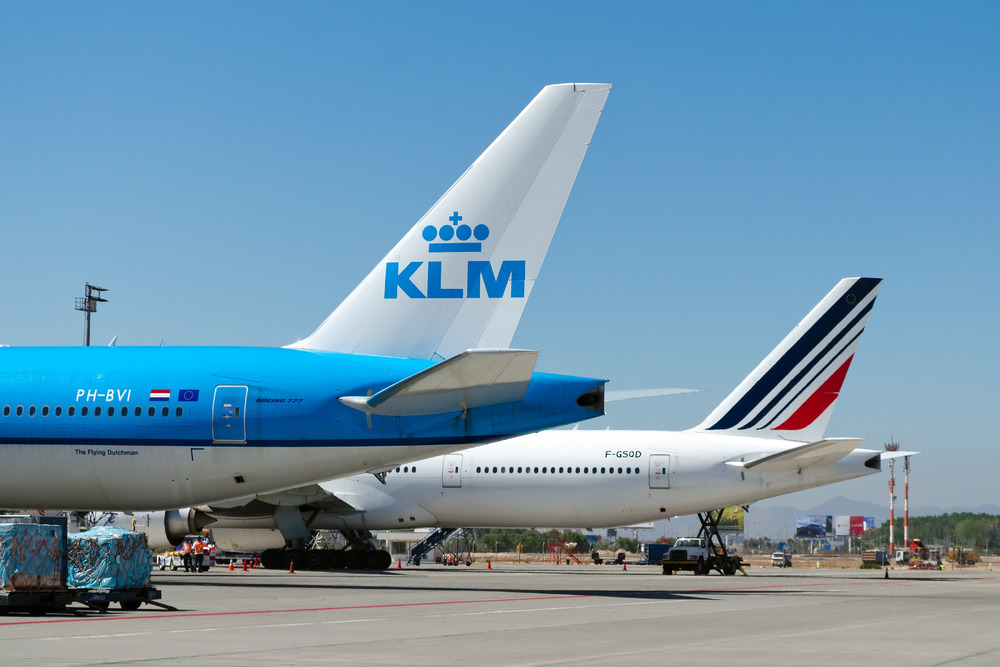
The group led by Air France‑KLM has announced that its Dutch subsidiary KLM Royal Dutch Airlines is under significant pressure as rising charges at Amsterdam’s Schiphol Airport and broad inflation in the Netherlands compel a strategic review of the carrier’s business model. Chief Executive Officer Ben Smith confirmed that “all options are on the table,” noting that the carrier needs to adjust aircraft numbers, fleet types, destinations and staffing to protect profitability.

Group results for the third quarter of 2025 showed an operating profit of €1.203 billion, with an operating margin of 13.1 per cent on revenues of €9.2 billion. While passenger numbers rose 4.7 per cent year-on-year to 29.2 million, unit revenue fell slightly by 0.5 per cent, driven by weaker cargo yields and low-cost operations. The results underscore the contrast between growth in traffic and growing cost headwinds.

KLM, based in the Netherlands and anchored at Schiphol, is especially impacted by local cost escalation. Airport fees at Schiphol jumped by 41 per cent in 2025, the sharpest increase among major European hubs, with KLM publicly calling the rise “unreasonable and unwise”. The carrier is also dealing with inflation-related wage and maintenance cost growth, and declining demand on trans-Atlantic routes.

Smith emphasised that despite the encouraging group-level numbers, KLM’s cost base demands structural adjustment. The carrier must better align capacity with demand, rationalise fleet composition and improve productivity in order to align with the group’s broader “premiumisation” strategy that emphasises long-haul and premium-cabin growth.

Analysts observe that KLM’s challenges reflect a wider trend in the European airline industry, where legacy carriers are grappling with elevated airport charges, staffing pressures and higher regulatory burdens. In KLM’s case, this has triggered management to explore “all levers” including fleet contraction, network rebalancing and even staff reductions. Union leaders and employee groups will be closely monitoring any announcements on workforce adjustments.

From the group’s vantage point, the operational resilience of Air France and its low-cost subsidiary Transavia provide some buffer. For example, the premium cabins at both carriers continue to outperform, supporting higher yields. But the cost pressures at KLM threaten to dilute this upside. With unit costs increasing and revenue growth modest, the margin dynamics at KLM are now a key risk factor for the entire group’s profitability outlook.

Regulatory and competitive contexts complicate the path ahead. Schiphol’s high fees make it less attractive compared with other European hubs and could drive traffic to rivals. That undermines KLM’s hub-based model. At the same time, global demand uncertainties—particularly for business travel to the United States—add another layer of complexity to the group’s planning.

KLM is now said to be accelerating its reviews of aircraft utilisation, evaluating whether older, less efficient models should be retired sooner and whether some routes should be scaled back or handed to Transavia or other affiliates. Management expects that such changes will take time to yield full benefits, while the cost drag remains in place in the interim.

A prominent figure in the cryptocurrency world, Michael Saylor, has publicly declared that Bitcoin is “on sale”, signalling both bullish conviction and market caution in one of the most high-profile corporate crypto strategies. Saylor’s remarks, made via social-media post, come as Bitcoin slipped below the US $100,000 mark and as corporate and institutional appetite for the asset undergoes intense scrutiny.

Saylor, executive chairman of Strategy Inc., posted the phrase “₿itcoin on Sale” on his account, highlighting a rare moment of acquisition opportunity in his view. That post coincided with Bitcoin’s price retreat to just over US $103,000, following a sharp drop from its earlier peak above US $126,000. His firm continues to amass holdings at an average cost far below current market levels, reinforcing his narrative of seizing value amid volatility.

The strategy deployed by Saylor’s company remains centred on treating Bitcoin as a treasury asset rather than a speculative bet. Strategy now holds tens of billions of dollars worth of Bitcoin and has publicly declared an intention not to liquidate those holdings. Analysts estimate that the company faces around US $689 million in annual obligations—dividends, interest and operating costs—that will need to be met without selling crypto holdings. Failure to meet those obligations could force asset sales, but so far the company expects to service its debt and dividend commitments through equity issuance and other financing mechanisms rather than Bitcoin liquidation.

Saylor has reiterated a long-term price target of around US $150,000 for Bitcoin by the end of 2025, citing institutional demand, limited supply and the “digital gold” narrative that underpins his thesis. While that target remains ambitious, it signals the degree to which Strategy is doubling down on a one-asset treasury model. The company’s stock continues to trade at a significant premium to its net Bitcoin holdings, a premium build on investor belief in Saylor’s ability to deliver accretion of Bitcoin per share over time.

Market sentiment, however, tells a more cautious story. Bitcoin’s drop below US $100,000 has triggered outflows from spot-Bitcoin ETFs in the United States exceeding US $1.3 billion, according to data providers. At the same time, Strategy’s own valuation now absorbs significant risk: should Bitcoin stagnate or decline, the company’s heavy reliance on equity issuance to meet its obligations exposes existing shareholders to dilution. Critics such as prominent short-seller James Chanos have labelled the model “financial gibberish”, arguing that investors would be better off buying Bitcoin directly rather than trusting a leveraged equity vehicle.

Still, Strategy retains a cadre of committed supporters who believe the model is defensible if Bitcoin enters a sustained phase of adoption. Analysts covering the company have reaffirmed “buy” ratings and note that Saylor’s team does not appear to be slowing its accumulation of Bitcoin. That continued accumulation supports the “scarcity” argument Saylor advances, namely that corporate and institutional hoarding will reduce the available float and push prices higher.

The broader market context underscores the tension between optimism and caution. Bitcoin proponents emphasise macroeconomic factors such as inflation hedging, central-bank balance-sheet expansion and quantitative easing as tailwinds. Detractors point to regulatory risk, rising interest rates, and the possibility that the current cycle may be peaking or entering a correction phase. Within that dynamic Saylor’s “on sale” statement serves both as a rallying cry and a courageous public stance in a volatile landscape.

Turkish Airlines has finalised a landmark agreement with GE Aerospace to supply engines, spare engines and maintenance services for 75 Boeing 787-9 and -10 wide-body jets that the carrier has committed to acquiring. The deal covers the fleet due for delivery between 2029 and 2034 and marks a major step in the airline’s long-haul modernisation strategy.

The engine deal follows Turkish Airlines’ earlier announcement that it will purchase 75 Boeing long-haul aircraft as part of its fleet expansion. The airline stated that a full tender process for the engine, spare engine and maintenance package has been completed, culminating in the selection of GE Aerospace. The aircraft order is scheduled for delivery in the late-2020s and early 2030s.

Industry analysts note that the package offers Turkish Airlines integrated engine support over the lifecycle of the jets, aligning maintenance and spare-parts provisioning with its growth plans. The choice of GE Aerospace underscores the airline’s preference for a single-vendor solution, reducing complexity and potentially lowering long-term operating costs. Turkish Airlines’ chairman, Ahmet Bolat, stated that the airline expects to meet with Boeing and engine-supplier partners in the coming weeks to finalise its broader narrow-body fleet deals.

The wider fleet strategy to which this engines deal belongs involves Turkish Airlines’ intent to order up to 225 Boeing aircraft, including 75 wide-bodies and 150 narrow-body Boeing 737 MAX jets. That larger order remains subject to engine and maintenance negotiations for the 737 MAX fleet, in particular involving the joint-venture supplier CFM International. The engagement with GE Aerospace for the 787 bundle signals progress in the long-haul component of the airline’s transformation.

From a broader perspective, the engine deal comes at a time when global airlines are aggressively renewing fleets to improve fuel efficiency, reduce emissions and capture growth in international travel. The 787-9 and 787-10 variants are among Boeing’s most modern long-haul offerings, featuring advanced engines, aerodynamic enhancements and lower fuel burn. For GE Aerospace, securing the Turkish Airlines contract strengthens its market position in the wide-body market, where engine aftermarket services and spare-parts businesses constitute major revenue streams.

However, challenges lie ahead for Turkish Airlines. Deliveries of the 75 aircraft are spread out across 2029 to 2034, which means that the full benefits of the programme will not be realised for several years. Additionally, the narrow-body fleet deal remains unresolved, and any delay or change in that part could impact the airline’s overall fleet plan. The engine market itself is under pressure: supply-chain constraints, rising maintenance costs and global competition among engine makers could affect delivery schedules and pricing. For GE Aerospace, while the contract is valuable, it also carries long-term service-commitment risks, especially given the complexity of wide-body fleet operations.

Financial market observers say the announcement may provide a boost to Boeing’s orderbook visibility and reassure suppliers about long-term demand. Boeing will need to coordinate closely with GE Aerospace to support Turkish Airlines’ maintenance-and-spares demands, and the success of this deal may influence competitive dynamics for future orders from other carriers. For Turkish Airlines, the ability to ramp up long-haul services with modern aircraft may enhance its hub connectivity, strengthen its international reach and improve cost-competitiveness versus rivals.

The Public Investment Fund and Jones Lang LaSalle Saudi Arabia Company Limited announced a memorandum of understanding to deepen collaboration in Saudi Arabia’s real-estate sector. The agreement, inked during the Future Investment Initiative in Riyadh, lays out a strategic partnership aimed at leveraging PIF’s infrastructure ambitions and JLL’s global real-estate expertise.

Under the MoU, PIF and JLL intend to focus on critical areas such as market-insight generation, valuation services, project-management frameworks and talent development within the real-estate industry. The goal is to increase private-sector participation, accelerate technology adoption in property development and support the transformation of Saudi Arabia’s built environment.

PIF’s local real-estate strategy positions the fund as a driver of urban innovation, economic diversification and quality-of-life enhancements in line with Vision 2030. As head of PIF’s Local Real Estate Investment Division, Saad Alkroud signed the agreement alongside Sue Aspre y Price, EMEA CEO and global head of Portfolio Services, Work Dynamics at JLL.

Real-estate activity in Saudi Arabia has come under the spotlight as the economy looks beyond oil and prioritises new sectors such as urban development, tourism and infrastructure. Data from real-estate-consultant estimates show that rents and purchase-prices have surged in major urban areas, prompting policymakers to explore responsive measures. Once largely dominated by public-sector investment, the market is shifting toward private-sector engagement — a key objective in the MoU. The agreement signals JLL’s commitment to the Kingdom, where the firm already has operations and plans to expand offerings in valuations, asset management and advisory services.

Execution will be critical. While the MoU is non-binding, it lays the foundation for joint initiatives to build local capacity, deploy digital and prop-tech solutions and drive more efficient project delivery. For JLL the partnership offers a fast-growing real-estate market with the backing of a sovereign investor. For PIF it opens global know-how and operational discipline in property-sector value chains. Analysts observe that the real-estate sector must contend with affordability pressures, consumer-demand dynamics and a need for asset-liability management frameworks in a transitional economy.

The collaboration also supports the broader push for sustainability in built-environment projects. As PIF steers giga-projects and landmark initiatives, JLL’s experience in global sustainability standards and ESG frameworks may be applied to help the Kingdom meet international benchmarks and investor expectations. According to the official statement, acceleration of new-technology adoption and fostering of local talent were emphasised as pillars of growth.

Industry watchers point out that the significance lies not just in the signing but in implementation. The proof will be in how swiftly joint programmes roll out, how private-sector engagement increases and how efficiently project pipelines convert into deliverables. The agreement comes at a time when Saudi policymakers are intensifying efforts to unlock private capital for real-estate, logistic and urban-development assets, with PIF central to that agenda.

With Saudi Arabia targeting a home-ownership rate of 70 per cent and major urban developments underway, the PIF-JLL alliance could become a cornerstone of the real-estate-ecosystem overhaul. Effective governance, transparency and strong monitoring mechanisms will be needed to ensure the partnership delivers the intended economic and social outcomes.

Swiss cloud storage leader pCloud introduces limited-time lifetime deals for Asian markets from November 3 to November 17, offering unmatched value on secure digital storage. ZUG, SWITZERLAND – Media OutReach Newswire – 6 November 2025 – Swiss-based cloud storage provider pCloud, trusted by more than 22 million users worldwide, announced today the launch of its exclusive 11.11 Mega Sale for Asia. Running from November 3 to November […]

VISHNU RAJA
RYO YAMADA
HITORI GOTOH
IKUYO KITA
Just in:
Moonless skies improve stargazing conditions across northern Saudi Arabia // Allianz Insurance Singapore Encourages Homeowners to Strengthen Their Home Protection as Residential Fires Continue to Rise // Messi secures consecutive MLS Golden Boots with 26 goals // North Korean hackers channel Binance funds through fake tokens // New Two Way Trade Momentum Highlighted at China-Africa Cooperation Forum in Yiwu // North Korean hackers widen drone and software attacks // Google Health introduces blood pressure logs and glucose overlays // Prudential announces title sponsorship of “Prudential Hong Kong Winter Wonderland in Tsim Sha Tsui”, lighting up Victoria Harbour this winter // FAB takes full ownership of Bahrain fund administrator Yasira // Google school AI search policy draws Senate challenge // Abu Dhabi unveils restored Porsche from royal motorcade // ADNOC Gas quarterly profit doubles to $1.34 billion // The MICHELIN Guide Thailand Celebrates Its Landmark 10th Edition with Record Numbers of Entries and MICHELIN-Starred Dining Venues // Toyota Land Cruiser 2025 and 2026. What Each Trim Costs in the UAE // Thai Airways discloses 60,529 records exposed through Amadeus // COP31 leaders demand accelerated action as warming intensifies // Canada seeks tariff easing following US election upheaval // UAE forecasts heavy showers across northern regions midweek // Flydubai Dammam cancellations persist as Etihad extends suspensions // GCC defence ministers discuss military coordination amid Iran conflict //