News related to
financial

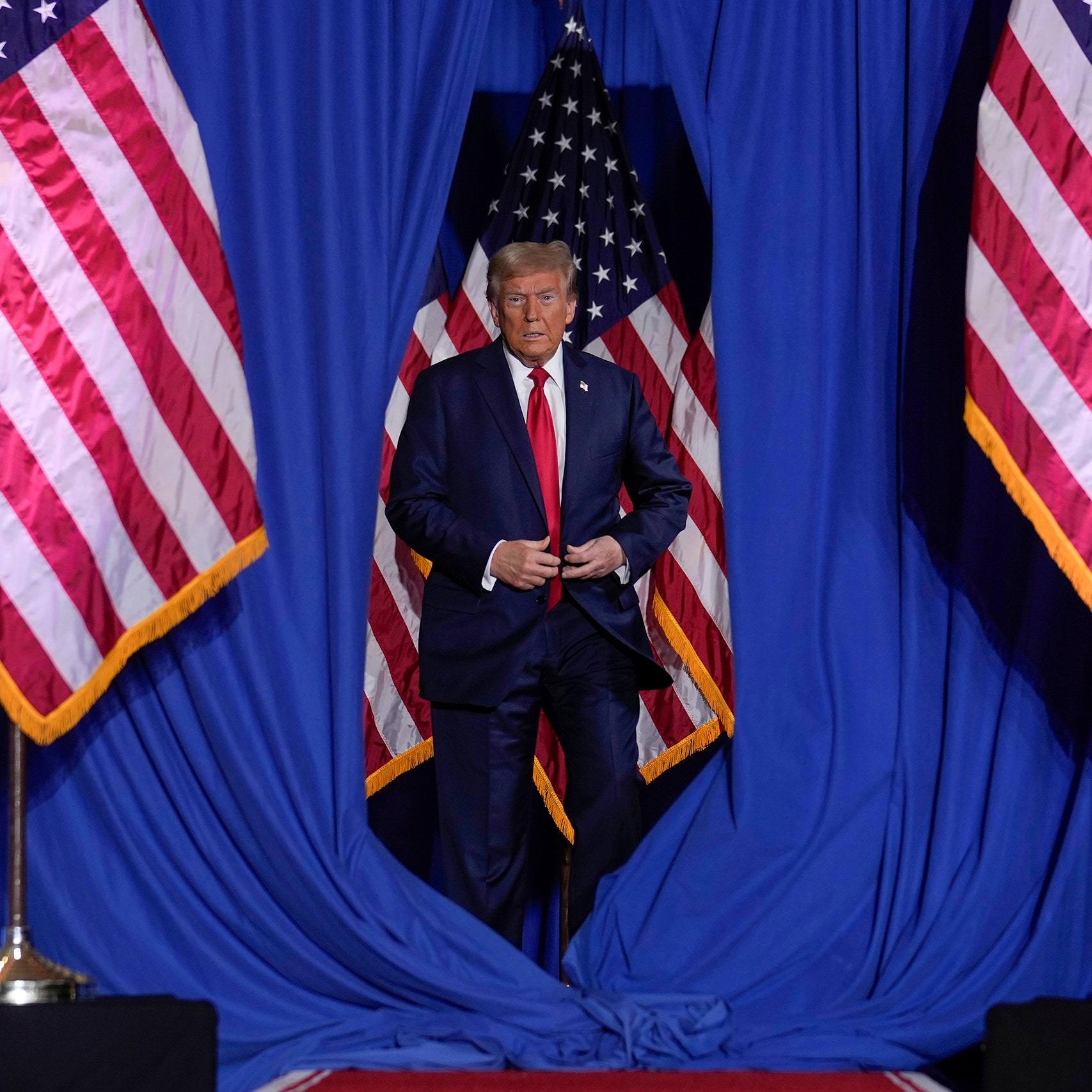
Citadel Securities, the prominent market-making firm led by Ken Griffin, is set to expand its operations into the cryptocurrency sector. The firm plans to provide liquidity on major digital asset exchanges, including Coinbase, Binance, and Crypto.com. This strategic move comes as President Donald Trump’s administration signals a more favorable regulatory environment for digital assets.

Historically, Citadel Securities has exercised caution regarding cryptocurrencies, primarily due to regulatory uncertainties in the United States. The recent political shift, however, has prompted the firm to reconsider its stance. By establishing market-making teams outside the U.S., Citadel aims to navigate potential domestic regulatory challenges while capitalizing on the burgeoning global crypto market.

As of October 1, 2024, Citadel manages approximately $64 billion in assets, reflecting significant growth from $43 billion at the end of 2023. This expansion into digital assets aligns with the firm’s broader strategy to diversify its trading portfolio and adapt to evolving market dynamics.

The decision to engage with platforms like Coinbase, Binance, and Crypto.com underscores Citadel’s commitment to integrating with established cryptocurrency ecosystems. These exchanges are among the largest in the industry, facilitating substantial daily trading volumes. By acting as a liquidity provider, Citadel aims to enhance trading efficiency and stability within these platforms.

Market-making involves quoting both buy and sell prices for assets, profiting from the spread between these prices. In the context of cryptocurrencies, effective market-making can reduce volatility and improve price discovery, benefiting both traders and the broader market. Citadel’s entry into this space is poised to bring increased liquidity and professionalism, potentially attracting more institutional investors to digital assets.

This move also reflects a broader trend of traditional financial institutions embracing cryptocurrencies. Firms such as Fidelity Digital Assets and Charles Schwab have made inroads into the crypto sector, indicating growing mainstream acceptance. Citadel’s participation is expected to further legitimize the market and encourage regulatory frameworks that support innovation while ensuring investor protection.

RIYADH, SAUDI ARABIA – Media OutReach Newswire – 24 February 2025 – Sahm Capital, a leading financial services provider, empowered investors at the CMF Riyadh 2025 Investor Bootcamp. Hadeel Bedeeri, General Manager of Sahm Capital, led a session on navigating the IPO process, equipping attendees with essential knowledge to thrive in Saudi Arabia’s evolving capital market. The Investor Bootcamp, held on February 19th, 2025, is part of […]

The Dubai International Financial Centre has officially recognised USDC and EURC as approved stablecoins, marking a significant advancement in the integration of digital currencies within the region’s financial ecosystem. This move aligns with DIFC’s commitment to fostering innovation while ensuring robust regulatory oversight in the rapidly evolving digital asset landscape.

USDC and EURC, issued by Circle, are stablecoins pegged to the US dollar and the euro, respectively. They are designed to maintain a stable value by being fully backed by their respective fiat currencies, providing a reliable medium of exchange in the digital economy. Circle has ensured that both USDC and EURC comply with the European Union’s Markets in Crypto-Assets regulations, obtaining an Electronic Money Institution licence from France’s Autorité de Contrôle Prudentiel et de Résolution . This compliance underscores Circle’s commitment to adhering to stringent regulatory standards, enhancing the credibility and acceptance of its stablecoins in global markets.

The recognition of these stablecoins by DIFC is a strategic move to position Dubai as a leading hub for digital finance. By incorporating USDC and EURC into its financial framework, DIFC aims to attract a broader spectrum of fintech companies and investors seeking a regulated environment for digital asset transactions. This initiative is expected to facilitate seamless cross-border transactions, reduce reliance on traditional banking systems, and promote financial inclusion by providing accessible digital payment solutions.

Dubai’s proactive approach to digital asset regulation is evident in its comprehensive framework governing crypto tokens. The Dubai Financial Services Authority has established clear guidelines for the issuance and use of crypto tokens within DIFC, ensuring that only recognised tokens meeting specific criteria are permitted. This regulatory clarity is designed to mitigate risks associated with digital assets, such as fraud and market volatility, thereby fostering a secure environment for investors and users.

The inclusion of USDC and EURC in DIFC’s recognised list of stablecoins is anticipated to have a profound impact on the financial landscape of the United Arab Emirates . It offers businesses and consumers a stable and efficient medium for transactions, potentially reducing transaction costs and enhancing the speed of financial operations. Moreover, it aligns with the UAE’s broader vision of embracing digital transformation and becoming a global leader in fintech innovation.

Industry experts view this development as a positive step towards the mainstream adoption of digital currencies in the region. The regulatory endorsement by a reputable financial centre like DIFC not only boosts confidence among existing crypto enthusiasts but also encourages traditional financial institutions to explore and integrate digital assets into their services. This convergence of traditional and digital finance is poised to unlock new opportunities for economic growth and diversification in the UAE.

However, the integration of stablecoins into the financial system is not without challenges. Regulatory bodies must continuously monitor and adapt to the dynamic nature of digital assets to address potential risks such as money laundering, cybersecurity threats, and market manipulation. Collaborative efforts between regulators, financial institutions, and technology providers are essential to establish robust safeguards and ensure the integrity of the financial system.

In the global context, the recognition of USDC and EURC by DIFC reflects a growing trend of regulatory acceptance of stablecoins. Jurisdictions worldwide are acknowledging the potential benefits of stablecoins in enhancing payment systems and promoting financial inclusion. The European Union’s MiCA regulations, for instance, provide a harmonised regulatory framework for crypto assets, aiming to protect consumers and ensure financial stability. Circle’s compliance with these regulations and its subsequent recognition by DIFC exemplify how adherence to regulatory standards can facilitate the integration of digital assets into mainstream finance.

India’s economy could face a reduction of up to 0.6% in its Gross Domestic Product due to proposed tariff increases by the United States, according to a recent analysis by Goldman Sachs. The financial institution’s report highlights the potential economic repercussions for India if the US implements higher tariffs on imported goods.

The analysis outlines three potential scenarios under the US administration’s “Fair and Reciprocal Plan”: country-level reciprocity, product-level reciprocity, and inclusion of non-tariff barriers. In the country-level reciprocity scenario, the US would elevate tariffs on all imports from a specific nation to match the average tariff differential. For India, this could mean an increase of approximately 6.5 percentage points in effective US tariff rates on Indian imports. The product-level reciprocity approach would involve matching tariffs on individual products, potentially leading to an 11.5 percentage point rise in tariffs on Indian goods. The inclusion of non-tariff barriers, such as administrative hurdles and import licensing requirements, presents a more complex scenario, making precise impact assessments challenging.

Goldman Sachs’ report emphasizes that India’s export exposure to the US is relatively modest, with exports to the US accounting for about 2% of India’s GDP in 2023. However, when considering indirect exposure through exports to other countries reliant on US demand, India’s domestic activity exposure rises to approximately 4% of GDP. This broader exposure suggests that the potential impact on India’s GDP growth could range from 0.1 to 0.6 percentage points, depending on the specific tariff measures implemented.

The bilateral trade relationship between India and the US has seen significant growth over the past decade. India’s goods trade surplus with the US expanded from $17 billion in the fiscal year 2014 to $35 billion in fiscal year 2024. This increase is largely attributed to a surge in exports of electronic items, bolstered by initiatives like the Production-Linked Incentive scheme introduced in 2020.

Despite the potential challenges posed by increased US tariffs, India’s central bank governor, Shaktikanta Das, has expressed confidence in the country’s economic resilience. He highlighted India’s substantial foreign exchange reserves, amounting to $676 billion, and the robust growth trajectory of the economy as key factors that equip the nation to navigate global disruptions, including those arising from protectionist trade policies.

The US administration’s move towards implementing reciprocal tariffs is part of a broader strategy to address perceived trade imbalances. A memo signed by President Donald Trump directs the Commerce Department and the US Trade Representative to develop plans for adjusting tariff rates to mirror those imposed by trading partners. These measures are set to be introduced gradually over the coming weeks and months, with an initial focus on countries maintaining significant trade surpluses with the US or those engaged in practices deemed unfair.

While the intended goal of these tariffs is to protect domestic industries and reduce trade deficits, there are concerns about potential unintended consequences. Analysts warn that such measures could lead to increased costs for consumers and businesses, supply chain disruptions, and retaliatory actions from affected trading partners, potentially escalating into broader trade conflicts.

SINGAPORE – Media OutReach Newswire – 24 February 2025 – The Institute of Singapore Chartered Accountants (ISCA) has signed a Memorandum of Understanding (MOU) with Xi’an Jiaotong-Liverpool University (XJTLU) in Suzhou, China, to establish pathways for students in China to pursue the Singapore Chartered Accountant Qualification (SCAQ). The newly-formed partnership marks the first collaboration with a university in China for ISCA, since the launch of its first […]

Arabian Post Staff -Dubai Visa has unveiled its Tap-to-Add Card service in Jordan, enabling cardholders to incorporate their Visa contactless cards into digital wallets by simply tapping them on their mobile devices. This initiative aims to enhance the security and convenience of digital wallet provisioning, eliminating the need for manual data entry—a process often prone to errors and potential security vulnerabilities. Mario Makary, Vice President and Cluster […]

National Central Cooling Company PJSC , a prominent district cooling provider in the United Arab Emirates, has mandated several banks to arrange a five-year, Regulation S, dollar-denominated benchmark green sukuk. This strategic move aims to bolster Tabreed’s financial position and support its ongoing sustainability initiatives.

The consortium of banks includes Citigroup and Standard Chartered Bank as Joint Global Coordinators. Additionally, Citigroup, Emirates NBD Capital, First Abu Dhabi Bank, HSBC, and Standard Chartered Bank have been appointed as Joint Lead Managers and Joint Bookrunners. Abu Dhabi Commercial Bank will serve as Co-Manager for the issuance. Notably, Citigroup, First Abu Dhabi Bank, and Standard Chartered are also acting as Joint Green Structurers, underscoring the green credentials of the sukuk.

This forthcoming green sukuk is part of Tabreed’s broader strategy to refinance existing debt and invest in environmentally sustainable projects. The company has previously issued two $500 million fixed-income instruments: a sukuk in October 2018 and a bond in October 2020. These issuances were supported by Tabreed’s strong credit quality and consistent revenue streams. In line with its commitment to maintaining an optimal debt structure, Tabreed has implemented a conservative debt policy to preserve its investment-grade status, currently rated Baa3 by Moody’s and BBB by Fitch.

In 2022, Tabreed established a Green Finance Framework to align its financing activities with its sustainability objectives. This framework adheres to the Green Bond Principles 2021 and the Green Loan Principles 2021, ensuring that funds raised are allocated to projects with clear environmental benefits. Eligible projects under this framework include investments in energy-efficient district cooling systems, sustainable water and wastewater management, green buildings, and renewable energy initiatives. The framework has received a Second Party Opinion from Sustainalytics, confirming its alignment with the aforementioned principles.

The proceeds from the upcoming green sukuk will be utilized to refinance Tabreed’s existing debt, including the $500 million sukuk issued in 2018, which is due to mature in October 2025. This refinancing effort is part of Tabreed’s proactive approach to debt management, aiming to reduce financing costs and extend debt maturities. Earlier, the company announced plans to issue green bonds or sukuk to refinance $1.2 billion in debt, reflecting its commitment to sustainable financing practices.

Tabreed’s financial performance has remained robust, with the company reporting increased revenue and profits for the year 2024. The company’s revenue reached AED 2.434 billion, with a net profit before tax of AED 624 million, representing a 4% increase over the previous year. Earnings before interest, taxes, depreciation, and amortization also saw a 5% year-on-year increase, amounting to AED 1.252 billion, with an improved margin of 51%. These financial metrics underscore Tabreed’s strong operational performance and prudent financial management.

The decision to issue a green sukuk aligns with the UAE’s broader sustainability goals and the global trend towards green financing. Green sukuk, Islamic bonds specifically earmarked for environmentally friendly projects, have gained traction in recent years as investors increasingly prioritize sustainable investments. By tapping into this growing market, Tabreed not only reinforces its commitment to environmental stewardship but also appeals to a broader base of socially responsible investors.

Tabreed’s leadership in the district cooling sector is complemented by its dedication to innovation and sustainability. The company’s investments in energy-efficient cooling solutions contribute significantly to reducing greenhouse gas emissions and promoting energy conservation in the region. As urbanization and demand for cooling services continue to rise, Tabreed’s sustainable practices position it well to meet these challenges while supporting the UAE’s vision for a greener future.

The successful issuance of the green sukuk will further enhance Tabreed’s financial flexibility, enabling the company to pursue strategic growth opportunities and invest in cutting-edge technologies. Moreover, it sets a benchmark for other companies in the region to adopt sustainable financing mechanisms, fostering a culture of environmental responsibility within the corporate sector.

Advertisements

Shenzhen, a prominent technology hub in southern China’s Guangdong province, has unveiled an ambitious plan to inject 4.5 billion yuan into its burgeoning artificial intelligence and robotics sectors. This substantial financial commitment aims to fortify the city’s position as a global leader in technological innovation.

The newly announced policy package offers significant incentives to enterprises operating within these industries. Businesses can avail themselves of subsidies covering up to 60% of their computing power expenses, with a ceiling of 10 million yuan per company. These vouchers are designed to alleviate the substantial costs associated with high-performance computing, a critical component in AI development. Additionally, the government plans to introduce model vouchers, corpus vouchers, and scene-based subsidies to further stimulate growth and innovation within the AI and robotics sectors.

Lin Yi, the head of Shenzhen’s AI industry department, emphasized the city’s dedication to advancing humanoid robotics. He outlined plans to implement specialized policies aimed at achieving breakthroughs in key technologies, enhancing databases, and scaling up manufacturing processes. These initiatives are expected to accelerate the development and deployment of humanoid robots in various sectors.

To foster a collaborative ecosystem, the Shenzhen government intends to support companies through a ranking system designed to encourage partnerships and expedite technological advancements. This approach aims to create a synergistic environment where industry leaders, startups, and research institutions can collaborate effectively. The allocation of the 4.5 billion yuan fund is slated for this year, with applications for companies opening in March.

In a broader strategic move, Shenzhen plans to integrate AI and robotics into its major science and technology projects. This integration seeks to cultivate robust partnerships between industry players, academic institutions, and research organizations, thereby creating a comprehensive and collaborative innovation ecosystem. Zhang Lin, director of the Shenzhen municipal bureau of science and technology innovation, highlighted the city’s ambition to accelerate the development of a globally influential industrial and technological innovation center, positioning Shenzhen as a beacon of innovation.

Historically, Shenzhen has transformed from a modest fishing village into one of China’s most dynamic and innovative cities. Currently, it is home to over 2,200 AI companies, boasting a comprehensive AI industry chain that spans from smart chip production and algorithm development to large-scale models and software-hardware applications. This extensive ecosystem underscores the city’s capacity to support and sustain rapid technological advancements.

The city’s AI ambitions are not limited to financial incentives. Plans are underway to expand AI applications across various sectors, with an additional 100 scenarios set to be introduced in 2025. These scenarios will focus on areas such as municipal sanitation, emergency response, and healthcare, building upon the nearly 200 AI-powered applications already operational throughout the city. This expansion reflects Shenzhen’s commitment to leveraging AI to enhance public services and quality of life for its residents.

Strengthening Global Trade Financial Solutions NEW YORK, US – Media OutReach Newswire – 24 February 2025 – XTransfer, a leading global B2B cross-border trade payment platform, continues solidifying its regulatory presence in the United States by acquiring five new payment licenses in Illinois, Iowa, New Mexico, Idaho, and South Carolina. This milestone follows the company’s recent expansion into New Hampshire, the District of Columbia, Utah, Georgia, and […]

Dubai is solidifying its status as a premier destination for ultra-high-net-worth individuals and family offices, driven by a confluence of strategic initiatives, favourable economic policies, and an influx of global financial entities. This trend is reshaping the emirate’s financial landscape, positioning it as a global hub for wealth management and investment. The Dubai International Financial Centre has experienced remarkable growth, with the number of hedge funds increasing […]

RAKBANK has entered into a strategic partnership with Faturalab, a prominent provider of smart supply chain solutions, aiming to transform supply chain finance for businesses across the UAE. This collaboration seeks to enhance financial workflows between buyers, suppliers, and banks, promoting operational efficiency and compliance with relevant regulations. Established in 2016, Faturalab has evolved from an invoice financing platform into Turkey’s leading finance technology provider. The company […]

Dubai’s property market is projected to stabilise or experience a slight decline in prices over the next 12 to 18 months, according to a recent report by Moody’s Ratings. This forecast comes as developers confront escalating construction costs and potential project delays, challenges that could reshape the emirate’s real estate landscape. The anticipated stabilisation follows a period of significant growth, with property prices in Dubai increasing by […]

Qatar’s government has entered a five-year partnership with San Francisco-based Scale AI to integrate artificial intelligence into its public services. This collaboration aims to enhance operational efficiency and service quality across various government sectors.

The Ministry of Communications and Information Technology announced that the agreement focuses on deploying AI-powered tools such as predictive analytics, automation, and advanced data analysis. These technologies are expected to streamline government operations, making them more responsive and effective.

Over the next five years, Scale AI will develop more than 50 AI use cases tailored to Qatar’s governmental needs. Trevor Thompson, Scale AI’s global head of growth, emphasized the significance of this initiative, stating it “can be a blueprint for other governments around the world” and reflects a commitment to driving impactful change swiftly.

This move positions Qatar competitively in the regional race for AI leadership, especially amid similar advancements by neighboring countries like Saudi Arabia and the United Arab Emirates. The financial specifics of the deal have not been disclosed.

Founded in 2016, Scale AI specializes in providing accurately labeled data essential for training AI models. The company collaborates with major clients, including Microsoft and Morgan Stanley, to create and refine datasets that power various AI applications.

The partnership aligns with Qatar’s broader strategy to modernize its public sector through digital transformation. By integrating AI solutions, the government aims to improve service delivery, reduce operational complexities, and foster a more efficient administrative environment.

As part of the agreement, Scale AI will also offer training programs to develop the skills of Qatar’s national workforce. This initiative is designed to equip government employees with the necessary expertise to manage and sustain AI-driven systems, ensuring long-term success and self-reliance in technological operations.

The collaboration is expected to yield several benefits, including enhanced data-driven decision-making, improved public service responsiveness, and the creation of new opportunities within the tech sector. By embracing AI, Qatar aims to set a precedent for innovative governance in the region.

This development comes as part of Qatar’s ongoing efforts to diversify its economy and reduce reliance on hydrocarbon revenues. Investing in cutting-edge technologies like AI is a strategic move to build a knowledge-based economy and position the nation as a hub for technological innovation.

The successful implementation of AI solutions in government services could serve as a model for other nations seeking to modernize their public sectors. Qatar’s proactive approach demonstrates a commitment to leveraging technology for national development and improved quality of life for its citizens.

Dubai-based cryptocurrency exchange Bybit has successfully replenished its Ethereum reserves following a massive security breach that resulted in the theft of approximately $1.5 billion worth of Ether . CEO Ben Zhou announced that the exchange has “fully closed the ETH gap,” ensuring all client assets are backed 1:1.

The unprecedented hack occurred during a routine transfer from Bybit’s cold wallet to a warm wallet. Hackers exploited vulnerabilities in the process, gaining control of the cold wallet and siphoning 401,000 ETH to an unknown address. This incident is considered the largest cryptocurrency theft to date, surpassing previous records.

In response to the breach, Bybit took immediate action to secure its platform and reassure its users. The company collaborated with blockchain forensic experts to trace the stolen funds and launched a recovery bounty program, offering up to 10% of the recovered amount to ethical hackers assisting in the retrieval efforts. Despite the scale of the theft, Zhou emphasized that Bybit remains solvent, with unaffected wallets and withdrawals operating normally.

To address the shortfall caused by the hack, Bybit obtained approximately 446,870 ETH through a combination of loans, large investor deposits, and direct purchases. Notably, the exchange acquired 157,660 ETH from crypto investment firms Galaxy Digital, FalconX, and Wintermute via over-the-counter transactions. An additional $304 million in ETH was purchased through centralized and decentralized exchanges.

Bybit plans to publish a new audited proof-of-reserves report to verify that client assets are fully backed on a 1:1 basis. This move aims to restore user confidence and demonstrate the exchange’s commitment to transparency and security.

The hack has raised concerns within the cryptocurrency community, particularly regarding the potential involvement of North Korea’s Lazarus Group, a state-backed hacking organization known for previous cyberattacks on financial institutions. While blockchain analytics firms Arkham Intelligence and Elliptic have traced the hack to the Lazarus Group, official confirmation is still pending.

Following the incident, Bybit experienced a surge in withdrawal requests, processing over 350,000 transactions as users reacted to the news. The exchange assured customers that all assets are safe and that it has the necessary reserves to cover the losses.

This event highlights the ongoing security challenges faced by cryptocurrency exchanges. In 2024 alone, over $2.2 billion was stolen from crypto platforms, underscoring the need for robust security measures and industry-wide cooperation to combat cyber threats.

Bybit’s swift response and proactive measures to address the breach demonstrate its resilience and commitment to user security. As the exchange continues to enhance its security infrastructure, it remains focused on maintaining trust within the cryptocurrency community.

The broader market impact of the hack has been relatively contained. Ethereum’s price experienced a temporary decline of approximately 4% following the news but has since shown signs of recovery. Analysts attribute this resilience to the prompt actions taken by Bybit and the overall maturity of the cryptocurrency market.

As investigations continue, the incident serves as a stark reminder of the importance of security in the rapidly evolving digital asset landscape. Exchanges and users alike are urged to remain vigilant and adopt best practices to safeguard against potential threats.

Bybit’s efforts to restore its reserves and enhance security protocols are steps toward reinforcing trust and stability in the cryptocurrency ecosystem. The exchange’s commitment to transparency and user protection will be closely monitored by industry stakeholders in the coming months.

In the aftermath of the hack, Bybit has also engaged with international law enforcement agencies to aid in the investigation and potential recovery of the stolen funds. The collaboration aims to bring the perpetrators to justice and deter future attacks on cryptocurrency platforms.

While the incident has undoubtedly posed significant challenges, Bybit’s decisive actions reflect a broader industry trend toward strengthening security measures and fostering a culture of accountability. As the cryptocurrency sector continues to grow, such incidents underscore the critical need for continuous improvement in safeguarding digital assets.

Bybit’s experience serves as a case study for other exchanges, highlighting both the vulnerabilities inherent in digital asset management and the effective strategies that can be employed to mitigate risks and protect user interests.

By K Raveendran The term disruption has undergone a significant transformation in meaning over the years. Traditionally, it carried a negative connotation, indicating disorder or interruption. However, in the contemporary technological setting, disruption is celebrated as a driver of innovation, progress, and problem-solving. Companies like Uber, Airbnb, and Tesla have all disrupted their respective industries, […]

Pump.fun, a rapidly growing platform for launching and trading meme tokens, is developing its own automated market maker . This strategic move aims to shift liquidity from Raydium’s pools to Pump.fun’s proprietary system, potentially increasing revenue and offering enhanced rewards to token holders.

Since its inception in January 2024, Pump.fun has enabled users to create and trade meme tokens on the Solana blockchain with minimal initial liquidity. The platform’s user-friendly interface and low entry barriers have attracted a substantial user base, leading to significant daily trading volumes. Currently, external market transactions on Pump.fun rely on Raydium’s liquidity pools, incurring a 0.25% transaction fee per trade. Of this fee, 0.22% is allocated to Raydium’s liquidity providers, and 0.03% supports $RAY token buybacks and ecosystem development. For instance, with a daily trading volume of $100 million, approximately $5 million is routed through Raydium, resulting in daily fees of $12,500 paid by Pump.fun to Raydium, amounting to about $4.56 million annually.

By establishing its own AMM, Pump.fun seeks to internalize these fees, thereby enhancing its revenue stream. Assuming the same trading volume and fee structure, the platform could retain the entire $12,500 daily, or $4.56 million annually, without distributing a portion to external liquidity providers. This development not only promises financial benefits but also grants Pump.fun greater control over its ecosystem, enabling the introduction of additional decentralized finance products such as perpetual contracts and lending protocols. This strategic shift aims to create a self-sustaining on-chain meme DeFi ecosystem, reducing dependence on external platforms.

The announcement of Pump.fun’s AMM initiative has already impacted the market. Raydium’s native token, $RAY, experienced a sharp decline, with a daily drop of 20%, reflecting investor concerns over potential liquidity migration and reduced fee income for Raydium. Conversely, Crack, a meme token used to test Pump.fun’s new liquidity pool, saw its market capitalization surge to $4 million, indicating positive reception from the community.

However, this transition presents challenges. Migrating liquidity from Raydium to Pump.fun’s AMM requires careful coordination to ensure stability and user trust. Additionally, operating an independent AMM necessitates robust infrastructure and security measures to prevent vulnerabilities and maintain seamless trading experiences.

HONG KONG SAR – Media OutReach Newswire – 24 February 2025 – Generali Hong Kong continues to lead efforts in Diversity, Equity, and Inclusion (DE&I) through its continued commitment to fostering an inclusive workplace and promoting understanding and respect across the broader community. Reflecting its mission to be a “Lifetime Partner”, these efforts highlight the company’s dedication to driving positive impact. Generali Hong Kong champions inclusion with […]

Bavaguthu Raghuram Shetty, the founder of the UAE’s largest private healthcare chain, has been ordered by the Dubai International Financial Centre Court to pay $106 million to ICICI Bank. This ruling pertains to personal guarantees Shetty allegedly provided for loans taken by his now-insolvent company, NMC Healthcare.

The judgment, delivered on February 17, 2025, mandates Shetty to fulfill his obligations as a personal guarantor for loans extended to NMC Healthcare. ICICI Bank had sought claims exceeding $125 million after NMC Healthcare and another related entity, Modular Concepts, defaulted on their loan repayments. While the court upheld the claims concerning NMC Healthcare, it dismissed those related to Modular Concepts.

In response to the verdict, Shetty expressed his intention to challenge the decision. He stated, “I am definitely filing an appeal against this judgment, and I’m very confident that this judgment will be overturned by the appeal court. Ultimately, truth will prevail, and I will get justice.”

Central to Shetty’s defense is his assertion that the signatures on the loan documents were forged. Despite his claims, handwriting experts from both ICICI Bank and Shetty’s legal team testified that the signatures matched Shetty’s. Shetty contended, “Looks like my signature, but maybe it’s a fake. Maybe signature expert can check… I’m sure there’s a fraud in this.”

This legal battle is the latest development in the dramatic rise and fall of Shetty’s business empire. Originating from Udupi, Karnataka, Shetty migrated to the UAE in the 1970s and established a conglomerate that included NMC Healthcare, which was listed on the London Stock Exchange in 2012, raising £117 million. In 2018, he joined The Giving Pledge, committing to donate a significant portion of his wealth to philanthropic causes.

However, in 2019, the American short-seller firm Muddy Waters raised concerns about NMC Healthcare’s financial practices, describing its profitability as “too good to be true.” This scrutiny led to revelations of undisclosed debts exceeding $6.6 billion across 75 debt facilities from more than 80 financial institutions. Consequently, NMC Healthcare entered administration in 2020, and Shetty returned to India amid ongoing legal and financial challenges.

Ukrainian President Volodymyr Zelensky is poised to finalize a mineral rights agreement with the United States this week, granting the U.S. significant access to Ukraine’s vast mineral reserves. This development follows extensive negotiations and mounting pressure from the Trump administration, which has sought compensation for military aid provided during Ukraine’s ongoing conflict with Russia. The proposed deal stipulates that 50% of Ukraine’s revenue from natural resources—including critical […]

Qatar Islamic Bank has been distinguished as the ‘Best SME Bank’ in Qatar by Global Finance as part of its 2025 GW Platt Foreign Exchange and SME Bank Awards. This accolade underscores QIB’s pivotal role in supporting small and medium-sized enterprises within the nation, contributing significantly to economic diversification, private sector expansion, and financial inclusion. Global Finance’s annual awards identify financial institutions worldwide that demonstrate exceptional leadership […]

Watani Investment Company, a subsidiary of the National Bank of Kuwait Group, has introduced a comprehensive investment platform named NBK Invest and rebranded its brokerage services from Watani Brokerage to NBK Brokerage. This strategic move aims to unify the company’s investment products and services under the NBK brand, enhancing client accessibility and experience.

NBK Invest is designed to offer clients a seamless and integrated investment experience, providing a range of services tailored to meet diverse financial goals. The platform encompasses various investment solutions, including guided investments, money market funds, equity funds, and bond funds. By consolidating these services under the NBK brand, the company seeks to streamline its offerings and present a cohesive identity to its clientele.

Operating independently from NBK Invest, NBK Brokerage caters to clients seeking an active trading experience. The brokerage service provides access to multiple markets, including Boursa Kuwait, other Gulf Cooperation Council markets, and Egypt. Clients can engage in online trading, subscribe to capital increases, and efficiently manage dividend distributions. The rebranding to NBK Brokerage reflects the company’s commitment to delivering comprehensive brokerage services with expert trading support, all under the trusted NBK name.

The decision to unify investment services under the NBK brand aligns with the company’s broader strategy to enhance brand recognition and trust. By offering a cohesive suite of investment and brokerage services, NBK aims to provide clients with a more streamlined and user-friendly experience. This initiative is expected to bridge the gap between clients and the company’s diverse financial products, fostering a more integrated approach to wealth management.

In addition to the rebranding efforts, NBK has emphasized its commitment to technological innovation within its investment services. The NBK Invest platform incorporates advanced digital tools, enabling clients to monitor their portfolios, execute trades, and access market insights in real-time. This digital-first approach is designed to meet the evolving needs of modern investors, offering convenience and efficiency in managing their investments.

The rebranding of Watani Brokerage to NBK Brokerage also signifies a strategic effort to align the company’s services with the overarching NBK brand identity. This alignment is anticipated to enhance client trust and loyalty, as the NBK brand is synonymous with financial stability and excellence in the region. By integrating its brokerage services under this well-established brand, the company aims to attract a broader client base and reinforce its position in the competitive financial services market.

NBK Brokerage offers specialized services tailored to meet the unique needs of different client segments. For instance, the brokerage provides Sharia-compliant trading options, allowing clients to invest in accordance with Islamic principles. This inclusivity ensures that a diverse range of clients can find investment solutions that align with their financial objectives and ethical considerations.

Edge Artificial Intelligence is rapidly transforming how industries process data by enabling real-time analysis directly on devices. This shift reduces dependence on centralized cloud infrastructures, offering significant advantages in speed, security, and efficiency. By processing data locally, Edge AI minimizes latency, providing immediate responses essential for applications like autonomous vehicles and industrial automation. This on-device computation ensures that critical decisions are made without delays associated with data […]

A significant majority of cryptocurrency users in Latin America are planning to increase their digital asset investments by 2025, according to a recent survey by Binance Research. The study, which encompassed over 10,000 participants from Argentina, Brazil, Colombia, and Mexico, revealed that 95% of respondents intend to expand their cryptocurrency portfolios within the next year.

The survey detailed the investment timelines of these users: 40.1% plan to acquire more cryptocurrencies in the next three months, 15.3% within six months, and 39.7% over the next twelve months. Only a marginal 4.9% of those surveyed indicated no plans to further invest in cryptocurrencies this year.

This enthusiasm is further underscored by projections from payments company Triple-A, which anticipates that Latin America will lead global cryptocurrency adoption with a growth rate of 116% by 2024. Currently, the region boasts approximately 55 million cryptocurrency users, accounting for nearly 10% of the worldwide user base.

The motivations driving Latin American investors towards cryptocurrencies are multifaceted. The survey identified the primary reasons as seeking high returns , achieving financial freedom , hedging against inflation , embracing innovation , diversifying investment portfolios , and prioritizing security and privacy .

Economic challenges in the region, such as Argentina’s inflation rate surpassing 100%, have prompted individuals to explore alternative financial avenues. Cryptocurrencies offer a potential hedge against currency devaluation, making them an attractive option for many. In Brazil, the younger demographic is increasingly turning to digital assets as a means of diversification and wealth accumulation.

Guilherme Nazar, Vice President for Latin America at Binance, highlighted the region’s significance in the company’s strategic plans. He emphasized that regulatory developments will be pivotal in sustaining and guiding the growth of cryptocurrency adoption. Reflecting this commitment, Binance has expanded its operations by acquiring a licensed broker-dealer in Brazil, enabling the provision of a broader spectrum of financial services in compliance with local regulations.

The survey also shed light on the duration of engagement with cryptocurrencies among users. Over half of the respondents have been involved with digital assets for more than a year, indicating a deepening familiarity and trust in the technology. This trend aligns with Binance’s internal data, which reported a 63% increase in its Latin American user base in 2024, coinciding with Bitcoin’s impressive 121% price surge that year.

Cryptocurrency exchange Bybit has made a significant move in the digital asset market by acquiring approximately 36,893 Ether in an over-the-counter transaction valued at $100 million USDT. This strategic purchase, conducted at a rate of $2,711 per ETH, was facilitated through prominent financial services firms Galaxy Digital and FalconX.

This acquisition comes on the heels of a substantial security breach that Bybit experienced on February 21, 2025, where approximately 401,347 ETH, equivalent to $1.12 billion, were illicitly transferred from the exchange’s cold wallet. The hack, attributed to the North Korean Lazarus Group, significantly impacted market confidence and led to a notable decline in Ethereum’s price, which dropped from $2,850 to $2,750 within an hour of the incident.

In response to the breach, Bybit’s CEO, Ben Zhou, addressed the situation in a public forum, assuring users of the exchange’s financial resilience. He stated that the company’s assets exceed the stolen amount, with a cold wallet reserve of nearly $3 billion in USDT. This reassurance aimed to bolster user confidence amidst the turmoil.

The decision to purchase a substantial amount of ETH is part of Bybit’s strategy to replenish its reserves and stabilize its operations following the hack. The transaction was executed through OTC channels to minimize market disruption and secure a fixed purchase price. This approach reflects a growing trend among cryptocurrency exchanges to manage large transactions discreetly, thereby reducing potential volatility in the open market.

Market analysts have observed that such significant acquisitions can influence investor sentiment positively. Following Bybit’s announcement, Ethereum’s price experienced a modest uptick, rising by over 2.3% in the past 24 hours, while the broader CoinDesk 20 Index saw a 0.76% increase during the same period. This price movement suggests a restoration of confidence among investors, despite the recent security concerns.

The broader implications of Bybit’s actions highlight the challenges cryptocurrency exchanges face in ensuring security and maintaining user trust. The swift response to the breach, coupled with transparent communication and decisive financial maneuvers, underscores the importance of robust security protocols and contingency planning in the rapidly evolving digital asset landscape.

As the situation develops, stakeholders within the cryptocurrency ecosystem will be monitoring Bybit’s continued efforts to enhance security measures and restore full operational integrity. The incident serves as a critical reminder of the vulnerabilities inherent in digital asset management and the necessity for continuous advancements in cybersecurity practices.

In the wake of these events, Ethereum’s market performance remains a focal point for investors. The recent price fluctuations underscore the asset’s sensitivity to exchange-related incidents and broader market dynamics. As of now, Ethereum is trading at $2,769.35, reflecting a change of $89.60 from the previous close. The intraday high reached $2,792.69, with a low of $2,679.35, indicating ongoing volatility in the market.

VISHNU RAJA
RYO YAMADA
HITORI GOTOH
IKUYO KITA