News related to
financial

KUALA LUMPUR, MALAYSIA – Media OutReach Newswire – 8 March 2025 – OctaTrader, Octa broker’s proprietary trading platform, was recently awarded for the ‘Best Use of AI in Fintech 2025’ by Global Business Magazine. This award gives due credit to OctaTrader’s diverse suite of AI-powered features, including one of its most powerful tools, the recently released AI Pattern Recognition. The Global Business Magazine award Octa, a global […]

Superstate Services, a prominent tokenized asset manager, has secured its registration as a transfer agent with the U.S. Securities and Exchange Commission . This marks a significant milestone for the company, which plans to enhance its support for tokenized securities, starting with two of its own investment funds. The move positions Superstate at the forefront of the rapidly expanding market for digital assets, signalling its intent to expand its services to a broader range of issuers as the market matures.

Tokenized securities, which represent ownership in real-world assets through blockchain technology, have gained increasing attention as the financial industry seeks innovative ways to streamline operations and democratise access to investment opportunities. The registration with the SEC allows Superstate to operate legally in the United States, providing a secure and compliant platform for transferring and managing tokenized assets.

The firm’s entry into the transfer agent space comes as the digital securities market shows significant growth. Blockchain technology offers new efficiencies and transparency, which appeal to investors looking for safer and more transparent financial markets. As a registered transfer agent, Superstate will be responsible for managing shareholder records, overseeing securities transfers, and ensuring compliance with regulatory standards – all crucial tasks in the management of tokenized securities.

Superstate’s decision to focus initially on supporting its own funds aligns with the company’s strategic approach to entering the market. By concentrating on a controlled set of assets, Superstate aims to fine-tune its operations and build a reputation for reliability and security in a space that is still developing. However, the firm’s long-term ambitions are more expansive. It plans to extend its services to other issuers as the broader market for tokenized securities continues to evolve.

As the market for tokenized assets grows, there is a pressing need for regulatory clarity and standardisation. The SEC’s increased focus on digital assets and tokenisation has provided a foundation for firms like Superstate to operate within a legally recognised framework. Superstate’s ability to navigate this regulatory landscape positions it as a leader in the space, setting a precedent for other companies looking to register as transfer agents for tokenized securities.

One of the driving forces behind the rise of tokenized securities is the potential for fractional ownership. By digitising assets, such as real estate or private equity, tokenisation allows for smaller, more affordable investments, broadening access to traditionally illiquid markets. This democratisation of investment is one of the key advantages that blockchain technology offers, and it has drawn the attention of institutional investors and regulators alike.

The market for tokenized securities is still in its infancy, and there are hurdles to overcome, including addressing concerns about security, market manipulation, and investor protection. Superstate’s registration with the SEC reflects the increasing regulatory scrutiny of the sector, which aims to protect investors while enabling innovation. The company’s move to operate within the bounds of this regulatory framework demonstrates its commitment to transparency and compliance.

Superstate’s work as a transfer agent also positions it as a critical player in the infrastructure of the tokenized securities market. Transfer agents play an essential role in ensuring the integrity of financial transactions, including the smooth transfer of ownership in securities. In the world of tokenized assets, where transactions can be processed quickly and across borders, this function becomes even more vital.

As the demand for tokenized assets rises, the need for reliable intermediaries who can navigate complex legal and regulatory frameworks will continue to grow. Superstate’s move to expand its services beyond its own funds could mark the beginning of a new era in which traditional financial structures and blockchain technology coexist to reshape the future of investing.

The decision to register with the SEC also serves as a validation of the potential for tokenized assets in mainstream finance. While many in the financial industry have been cautious about the broader adoption of blockchain technologies, the actions of firms like Superstate show that tokenisation is moving from a speculative niche to a more established part of the financial landscape.

Looking ahead, Superstate’s position as a registered transfer agent provides a foundation for further growth in the tokenized asset management space. The firm is poised to leverage its expertise in tokenisation and asset management to support a wider range of clients, potentially including large financial institutions and high-net-worth individuals seeking exposure to tokenised assets.

Tether, the issuer of the USDT stablecoin, has frozen approximately $27 million linked to the Russian cryptocurrency exchange Garantex. This decisive move has led Garantex to suspend its trading and withdrawal services, marking a significant escalation in the enforcement of international sanctions against Russia.

Garantex announced the suspension on its official Telegram channel, stating, “Tether has entered the war against the Russian crypto market and blocked our wallets worth more than 2.5 billion rubles.” The exchange, previously sanctioned by both the United States and the European Union, has been accused of facilitating transactions that circumvent international financial restrictions.

The European Union included Garantex in its 16th sanctions package against Russia on 24 February 2025, accusing the crypto exchange of being closely associated with EU-sanctioned Russian banks and responsible for circumventing EU sanctions. This marked the first time the EU directly sanctioned a cryptocurrency exchange, highlighting the bloc’s commitment to closing loopholes in the enforcement of financial restrictions.

Tether’s action to freeze the USDT assets underscores the increasing scrutiny on cryptocurrency platforms that are perceived to be aiding sanctioned entities. Stablecoins like USDT are often used to facilitate transactions in the digital asset space due to their peg to traditional currencies, making them a focal point in the enforcement of financial sanctions.

The implications of Tether’s freeze are profound for Garantex’s users, who now face uncertainties regarding their assets on the platform. This development also sends a clear message to other cryptocurrency exchanges operating in jurisdictions with lax regulatory oversight: compliance with international sanctions is imperative, and failure to do so can result in significant operational disruptions.

The broader cryptocurrency market is likely to feel the ripple effects of this incident. Regulatory bodies worldwide may intensify their oversight of digital asset platforms to ensure adherence to international financial norms. Exchanges may need to bolster their compliance mechanisms to avoid similar punitive actions, potentially leading to a more regulated and transparent cryptocurrency ecosystem.

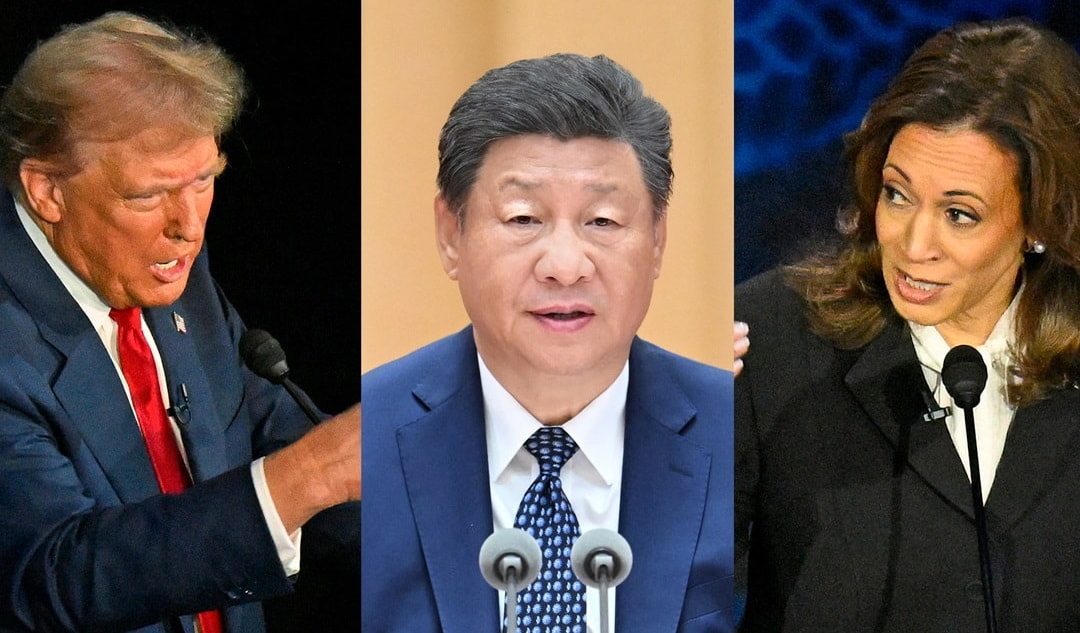
By Nitya Chakraborty How is China, the second largest economic and military power of the world after the United States is planning to confront the second term U.S. President Donald Trump’s resurgence disrupting the so long established global order to impose his total domination on international politics? Every political analyst is looking at the current […]

The Government of Ras Al Khaimah has successfully launched a $1 billion 10-year Regulation S benchmark sukuk, marking a significant development in the emirate’s financial landscape. This Islamic bond issuance is set to be listed on Nasdaq Dubai, underscoring Ras Al Khaimah’s commitment to leveraging Islamic finance instruments for its fiscal strategies. The sukuk was priced at 80 basis points over U.S. Treasuries, reflecting strong investor confidence. […]

Sustainable bond issuance in the Middle East is anticipated to reach between $18 billion and $23 billion in 2025, according to S&P Global Ratings. This projection underscores the region’s commitment to environmental, social, and governance initiatives, with the United Arab Emirates and Saudi Arabia expected to contribute approximately 60% of the total issuance. In 2024, sustainable bonds constituted over 25% of regional corporate and financial institution issuances, […]

The UK government’s proposal to reform copyright law to accommodate artificial intelligence development has ignited a heated debate among creative professionals and industry leaders. The proposed changes aim to allow AI companies to utilize copyrighted works without prior permission from rights holders, provided that the creators do not explicitly opt out. This initiative seeks to position the UK as a leader in AI innovation by simplifying access […]

Advertisements

President Donald Trump’s announcement of a U.S. strategic crypto reserve has sent shockwaves through the cryptocurrency market, leading to significant price surges for selected digital assets.

On March 3, 2025, President Trump unveiled plans to establish a federal stockpile of digital currencies, initially including XRP, Solana , and Cardano . This move represents a substantial shift in governmental approach towards integrating cryptocurrencies into national financial strategies.

The immediate market response was notable. XRP’s value escalated from $2.23 to $2.99, SOL experienced an increase from $140 to $168, and ADA surged from $0.68 to nearly $1. Bitcoin, initially absent from the reserve, saw its price rise by 9% to $93,000, adding $166 billion to its market capitalization.

Following the initial announcement, the administration expanded the reserve to include Bitcoin and Ethereum , acknowledging their foundational roles in the cryptocurrency ecosystem.

The strategic reserve aims to bolster the crypto industry, providing governmental support and potentially stabilizing the market. This initiative aligns with broader Republican policies seeking to position the United States as a leader in digital asset adoption.

In tandem with the reserve’s creation, the White House is set to host a Digital Assets Summit on March 7, 2025. The summit will convene key industry leaders, including Michael Saylor and Brad Garlinghouse, to discuss the future of digital assets and regulatory frameworks.

The administration’s actions have also influenced the regulatory landscape. The U.S. Securities and Exchange Commission is reviewing applications for exchange-traded funds linked to various cryptocurrencies, including Cardano , Solana , XRP, Litecoin , Hedera , Dogecoin , and Polkadot . This development could reshape investor behavior by providing more accessible investment vehicles for digital assets.

The White House’s engagement with blockchain projects extends beyond the reserve. Leading blockchain initiatives, such as Chia , Filecoin , Sui , Aptos , NEAR, and Movement , have participated in discussions with the administration to advocate for clearer legislation and support for the crypto industry.

The administration’s comprehensive approach underscores a commitment to integrating cryptocurrencies into the national financial infrastructure. By establishing the strategic reserve, facilitating industry dialogues, and advancing regulatory clarity, the U.S. positions itself at the forefront of digital asset innovation.

A strategic gathering of House Republicans took place this week at a “Crypto Power Lunch,” which featured key players from the cryptocurrency sector, positioning the event as a precursor to the upcoming White House crypto summit. The meeting included representatives from influential organisations such as the Digital Chamber, Blockchain Association, Paradigm, a16z, CoinFlip, Coinbase, Anchorage Digital, DCG, and ConsenSys. The event highlighted the growing alignment between political leaders and crypto advocates, aiming to shape the future of regulatory frameworks for digital currencies in the United States.

The lunch, hosted in Washington, served as a platform for dialogue between legislators and crypto industry giants. Participants discussed regulatory clarity and the potential for future legislation that would address concerns about market stability, security, and innovation in the rapidly evolving digital assets space. Lawmakers who attended the meeting have voiced a commitment to creating a legislative environment that fosters innovation while ensuring consumer protection.

The move is part of a broader strategy by Republicans to engage with the cryptocurrency community, recognising its potential to drive economic growth and technological advancement. This outreach comes as digital currencies are becoming increasingly mainstream, attracting not only individual investors but also institutional players. Republican lawmakers are positioning themselves as champions of the crypto industry, which has seen explosive growth despite the ongoing regulatory challenges.

The presence of firms like Coinbase and Anchorage Digital signals the crypto industry’s continued interest in influencing policy. Coinbase, one of the largest cryptocurrency exchanges in the world, has long advocated for clear, consistent regulations that would allow businesses to thrive within a defined legal framework. Anchorage Digital, a leader in crypto custody, has similarly lobbied for clarity on how digital assets should be treated by financial regulators.

DCG, the parent company of Grayscale, one of the largest asset managers in the crypto space, also participated in the lunch. DCG’s involvement reflects its ongoing efforts to influence legislative decisions regarding the future of digital asset management. As the largest institutional player in the crypto sector, DCG is concerned about how potential regulation could impact the broader industry, especially in terms of accessibility for institutional investors.

The Blockchain Association and the Digital Chamber, both of which represent a wide array of cryptocurrency-related companies, have been active in advocating for more comprehensive regulation that allows for innovation while addressing concerns related to market manipulation and security risks. Their participation at the lunch signals the need for a more balanced approach to regulation that considers both the opportunities and risks posed by digital currencies.

The event also underscored a growing push from the crypto community to have a seat at the table when it comes to shaping policy. Many industry leaders have expressed concerns over the lack of a clear, unified regulatory framework, which has led to confusion and a fragmented approach to cryptocurrency governance in the US. While some regulators advocate for a more stringent approach, others argue that excessive regulation could stifle innovation and push the industry overseas, potentially leading to the loss of jobs and investment opportunities.

The timing of the lunch is significant, with the White House crypto summit on the horizon. At the summit, President Biden and his administration are expected to engage with both industry leaders and regulatory bodies to discuss the future of cryptocurrency policy. The Republican push to engage with crypto advocates aligns with broader political efforts to ensure that the US remains a global leader in cryptocurrency innovation and adoption.

Some policymakers have called for a more cautious approach, citing the volatility of digital currencies and the potential for misuse in illegal activities such as money laundering or fraud. These concerns have prompted calls for stronger enforcement of anti-money laundering and know-your-customer rules within the industry. However, proponents of the industry argue that the technology behind cryptocurrencies, such as blockchain, offers a more secure and transparent way of conducting financial transactions, reducing the risks of fraud and criminal activity.

As the crypto industry becomes more integrated into the global financial system, the question of how it should be regulated is becoming ever more urgent. The crypto power lunch, which served as a precursor to the summit, represents a concerted effort by Republicans to shape the narrative around digital assets and ensure that any regulatory measures taken in the future reflect the industry’s input.

The impact of these discussions could be far-reaching. Should Congress and the White House agree on a comprehensive regulatory framework for cryptocurrencies, it could set the stage for widespread adoption and integration of digital assets into mainstream financial systems. For businesses operating in the sector, such clarity would provide a level of stability that has been lacking in recent years, potentially unlocking new opportunities for growth and innovation.

SINGAPORE – Media OutReach Newswire – 6 March 2025 – Leading payments technology company, Visa, shared that Singapore residents continue to prioritise travel, with outbound spending surging in December last year, as well as the recent Lunar New Year holiday week. In fact, travel spend by Singapore consumers for December and January hit record levels. Supported by a strong Singapore dollar, cross-border spending remains robust across key […]

Matein Khalid 2024 was the annus horribilis for luxury stocks as ​the Dragon Empire’s cultural DNA under Xi Dada pivoted to Maoist austerity, inflation hit the mass affluent wannabe Gatsbys of Europe and boonie America and Incredible India’s bling-bling badshahs and bhabhijis discovered the hard way that the speculative stock market mania on Dalal Street can and did end in tears. Obviously, Gandhian values are not exactly […]

China has set an ambitious economic growth target of approximately 5% for 2025, maintaining the same figure as the previous year, despite ongoing tensions with the United States in the form of a prolonged tariff war. This announcement comes at a time when both countries are embroiled in a cycle of escalating trade restrictions, and experts are closely watching the impact these developments will have on global economic stability.

The Chinese government’s decision to maintain its 5% growth target for 2025 is indicative of its continued focus on achieving steady economic expansion in the face of significant external challenges. The target is in line with that of 2024, as the country seeks to navigate its way through a complicated geopolitical landscape. Despite the slowdown in the global economy and intensifying trade disputes with Washington, the Chinese government is prioritising stability, especially as it prepares for its own domestic policy goals, including technological self-sufficiency and boosting domestic consumption.

In an attempt to strengthen its economic position, China has introduced retaliatory tariffs on key American imports, notably targeting agricultural products. These include 15% tariffs on chicken, wheat, corn, and cotton from the U.S., alongside a 10% levy on a broader range of agricultural commodities such as sorghum, soybeans, pork, beef, aquatic products, fruits, vegetables, and dairy products. This is a clear response to U.S. tariffs that have impacted Chinese industries, particularly in sectors such as electronics and consumer goods. The trade dispute, which has evolved over the years, now impacts critical supply chains, particularly in sectors where the U.S. and China have intertwined economies.

In parallel with the tariff increases, China has expanded its list of American companies subject to export controls. The Chinese Ministry of Commerce recently added 15 more American firms to its export control list, including drone manufacturer Skydio. This measure is aimed at restricting Chinese firms from providing dual-use technologies—equipment that can serve both civilian and military purposes—to these companies. The move is a direct response to U.S. actions, particularly those targeting Chinese firms like Huawei and TikTok in previous years. By limiting access to advanced technology, China seeks to ensure its technological independence, especially in areas of high strategic importance, such as artificial intelligence, semiconductors, and aerospace.

The trade war, which began under former President Donald Trump, has seen both countries impose tariffs on billions of dollars’ worth of goods. Although the Biden administration initially sought to soften the stance, tensions have reignited as both nations continue to use tariffs as a bargaining chip. The announcement of a 5% growth target comes as China faces several challenges, not only from the trade war but also from domestic economic pressures such as rising debt levels, a struggling property sector, and an aging population.

While the 5% growth target may appear conservative compared to China’s previous years of double-digit expansion, analysts argue that it reflects a more sustainable growth trajectory in the current global climate. The focus is now shifting towards quality growth, with an emphasis on high-tech industries, innovation, and green development. For the Chinese government, maintaining this growth rate is essential for ensuring social stability and reinforcing the Communist Party’s control over the country.

The U.S.-China trade war has led to significant disruptions in global markets, with both sides suffering economic consequences. For instance, the U.S. has seen its farmers and manufacturers experience difficulties due to China’s retaliatory tariffs. At the same time, Chinese companies have faced hurdles in securing advanced technology from U.S. suppliers. This has led to shifts in global supply chains, as companies increasingly seek to diversify their production away from China to avoid the risks posed by further trade escalation.

In response to these challenges, China has been actively exploring alternative markets. This includes strengthening its trade ties with countries in Asia, Africa, and Latin America, as well as making efforts to deepen its economic integration with the European Union. Furthermore, China has focused on boosting its domestic consumption, aiming to reduce its reliance on exports as a driver of growth. This approach has led to the expansion of industries such as electric vehicles and renewable energy, which are seen as crucial for the country’s long-term economic future.

Despite the economic headwinds, China’s leadership remains resolute in its plans to ensure economic growth through a mixture of policy tools. Measures such as infrastructure spending, financial support for key industries, and a continued push for technological advancements are central to these plans. The government’s ability to navigate through this tumultuous period will largely depend on its ability to manage both domestic challenges and international relations, particularly with the U.S.

Dubai is set to bolster its status as a burgeoning hub for hedge funds with the launch of the DIFC Hedge Funds Centre, a facility tailored for emerging hedge fund startups. The Dubai International Financial Centre is repurposing a building to provide short-term, plug-and-play office spaces, enabling firms to pilot their operations before scaling up. This initiative underscores Dubai’s commitment to attracting global financial players and is […]

Dubai’s strategic initiatives have led to a significant influx of multinational companies , with a notable 62.7% originating from Asia in 2024, according to Dubai International Chamber. This trend underscores the emirate’s growing appeal as a global business hub. In 2024, Dubai International Chamber successfully attracted 51 MNCs, marking a 55% increase from the 33 companies in 2023. This growth reflects the emirate’s enhanced global positioning and […]

Sukuk issuance is projected to decline in 2025 following a record-setting year in 2024, driven primarily by reduced refinancing needs from key sovereigns in the Gulf Cooperation Council , particularly Saudi Arabia. According to Moody’s Ratings, the total global issuance is expected to fall to approximately $210 to $220 billion, a significant decrease from the previous year. The sharp decline in issuance is primarily attributed to the […]

Dubai’s exclusive toll gate operator, Salik, reported a net profit of AED 1.16 billion for the fiscal year ending December 31, 2024, reflecting a 5.6% increase from the previous year’s AED 1.1 billion. The company’s total revenue grew by 8.7% year-on-year, reaching AED 2.3 billion, up from AED 2.1 billion in 2023. Earnings before interest, taxes, depreciation, and amortisation for the full year amounted to AED 1.6 […]

Abu Dhabi’s Etihad Airways has delayed its anticipated $1 billion initial public offering until at least next month, following the Eid al-Fitr holiday, according to individuals familiar with the matter.

While the airline had not officially announced a specific date for the IPO, sources previously indicated that an announcement was expected last week, coinciding with Etihad’s report of a significant profit increase. This IPO would mark the first major Gulf airline listing in nearly two decades.

The reasons for the postponement remain undisclosed, with insiders speaking on condition of anonymity due to the sensitivity of the information. Both Etihad and its owner, Abu Dhabi’s $225 billion wealth fund ADQ, declined to comment on the matter.

Etihad, established in 2003, had planned to offer approximately 20% of its business through the IPO to fund its growth ambitions. The airline recently reported a net profit of $476 million, more than tripling its earnings from the previous year. This financial upturn follows a multi-year restructuring and management overhaul, with expansion efforts underway under the leadership of CEO Antonoaldo Neves.

The Gulf region’s airline sector has faced challenges such as delivery delays, labor disruptions, rising costs, and engine issues. In this context, Etihad’s planned IPO could present a promising opportunity for investors, highlighting the resilience and potential of the Middle Eastern aviation market.

Etihad’s strategic initiatives include enhancing Abu Dhabi’s position as a global travel hub connecting Asia and Europe. The airline aims to expand its network to over 125 destinations and increase its fleet to more than 160 aircraft by 2030. These efforts are part of the “Journey 2030” strategy, focusing on sustainable growth and operational excellence.

The White House is set to host a significant summit on March 7, aimed at discussing the future of cryptocurrency and digital assets. The event will see the participation of high-profile figures from the crypto industry, alongside members of the Presidential Working Group on Digital Assets. The gathering will provide a platform for leaders to discuss policy and regulatory frameworks surrounding digital currencies and their potential impact on the economy.

Among the 20 to 25 invitees are key players from some of the most influential companies in the crypto and blockchain sectors. The summit will bring together individuals who have shaped the industry through their work in technology, finance, and digital innovation. Some of the most prominent names on the guest list include Michael Saylor, the CEO of MicroStrategy, who is known for his advocacy of Bitcoin, Brian Armstrong, CEO of Coinbase, and Vlad Tenev, CEO of Robinhood.

Also attending are Arjun Sethi, CEO of Kraken, David Bailey, CEO of Bitcoin Magazine, and Matt Huang, co-founder of Paradigm. These leaders represent a cross-section of the cryptocurrency ecosystem, spanning exchanges, media, and venture capital firms. Other notable attendees include JP Richardson, CEO of Exodus, Kyle Samani, managing partner of Multicoin Capital, and Zach Witkoff, co-founder of WLFI. Sergey Nazarov, the co-founder of Chainlink, will also be present, further emphasizing the blockchain industry’s influence on the digital assets conversation.

The event’s significance extends beyond the individual discussions among these leaders. With the Biden administration focusing on digital assets and their regulatory framework, the summit marks a critical moment in the government’s ongoing effort to better understand the complexities of cryptocurrency markets. Attendees are expected to engage in dialogues that could shape the regulatory environment surrounding digital assets in the United States.

Over the past year, the U.S. government has shown an increasing interest in regulating the cryptocurrency industry. This heightened focus comes amid concerns over the volatility of digital assets, their potential for illicit use, and their long-term impact on financial markets. The summit at the White House is seen as a way to bridge the gap between policymakers and industry leaders, with the goal of crafting policies that support innovation while ensuring consumer protection.

A key topic likely to dominate discussions at the summit is the role of digital assets in the broader financial ecosystem. As cryptocurrencies become more mainstream, there is growing pressure to ensure that they operate within a clear regulatory framework. Some experts argue that without proper regulation, the risk of fraud, money laundering, and market manipulation could undermine trust in digital currencies. Others, however, advocate for a hands-off approach, arguing that overregulation could stifle innovation and limit the potential benefits of digital assets.

The White House summit is expected to focus on a range of issues, from the regulatory treatment of cryptocurrencies to their use in traditional financial markets. A major point of contention has been whether cryptocurrencies should be classified as commodities, securities, or a new class of assets entirely. This distinction has major implications for how they are taxed, traded, and regulated.

For many in the crypto space, this summit represents a critical opportunity to engage directly with policymakers and advocate for policies that support innovation. The presence of prominent figures like Michael Saylor, who has been vocal about his support for Bitcoin as a store of value, and Brian Armstrong, who has been an outspoken advocate for clearer regulatory guidelines, suggests that the meeting will feature a candid and open discussion on the future of digital assets.

One of the critical issues that attendees may address is the potential for a central bank digital currency in the U.S. While other countries, such as China, have made significant strides in developing CBDCs, the U.S. has been cautious in its approach. Some industry leaders are concerned that the introduction of a government-backed digital currency could undermine the decentralised ethos of blockchain technology and compete with private cryptocurrencies like Bitcoin.

At the same time, the growing interest in decentralized finance and non-fungible tokens is likely to feature in conversations. DeFi, in particular, has emerged as one of the most disruptive trends within the cryptocurrency space, offering financial services such as lending and borrowing without the need for traditional intermediaries like banks. This fast-evolving sector could pose challenges for regulators, who will need to balance fostering innovation while ensuring these platforms comply with existing financial laws.

Another important aspect of the summit will be the broader international context. As global governments begin to take action on cryptocurrency regulation, the U.S. faces increasing competition from other countries in setting the pace for crypto innovation. European countries, for example, have introduced their own regulatory frameworks for digital assets, while nations like El Salvador have adopted Bitcoin as legal tender. How the U.S. positions itself in this global race for regulatory leadership could have far-reaching consequences for the industry.


Japan has officially approved Circle’s USD Coin as the first dollar-pegged stablecoin to be legally distributed in the country, marking a significant milestone in the nation’s cryptocurrency landscape. This development comes as SBI VC Trade, a subsidiary of financial conglomerate SBI Holdings, secured regulatory approval under the Financial Services Agency’s revised regulations to list and distribute USDC.

SBI VC Trade’s registration as an Electronic Payment Instruments Business Operator under Japan’s updated regulatory framework allows the exchange to handle stablecoin transactions. This approval positions USDC as the only global dollar stablecoin authorized for use in Japan. Circle CEO Jeremy Allaire highlighted this achievement, stating that USDC is now “the first and only global dollar stablecoin to become approved for use in Japan.”

The exchange plans to initiate USDC transactions with selected users on March 12, following scheduled system maintenance. This phased rollout aims to ensure compliance with local regulations while enhancing Japan’s digital asset landscape. SBI VC Trade’s CEO, Tomohiko Kondo, emphasized the company’s commitment to expanding USDC adoption and offering secure, compliant digital payment solutions.

Japan’s stance on stablecoins has undergone a significant transformation since 2023, when regulators lifted a long-standing ban on foreign stablecoins. The FSA recently approved a policy report recommending the relaxation of stablecoin-related regulations, paving the way for licensed intermediaries to handle foreign stablecoins under strict oversight.

SBI Holdings has been an active player in the crypto sector, forging partnerships with major U.S. companies like Ripple. The company’s exchange arm, SBI VC Trade, currently supports various cryptocurrencies, including Bitcoin. The integration of USDC into its offerings signifies a pivotal moment for Japan’s crypto market, potentially enhancing cross-border transactions and digital asset innovation.

Circle’s USDC has been gaining global regulatory recognition and is currently the only major stablecoin compliant with the European Union’s Markets in Crypto-Assets regulations. This compliance gives it a competitive advantage over other stablecoins in the region. The approval in Japan further solidifies USDC’s position in the global market, reflecting a growing trend toward regulatory acceptance of stablecoins.

The rivalry between Circle’s USDC and Tether’s USDT has been a focal point in the cryptocurrency industry. Tether, the industry leader, has faced criticism for its opaque practices and alleged associations with criminal activities, while Circle promotes regulatory compliance and transparency. Allaire’s efforts to push for regulations aim to undermine Tether, which some believe threatens the anti-establishment ethos of crypto. As Circle gains ground, Tether relies on allies in the pro-crypto Trump administration, with Commerce Secretary Howard Lutnick as a key figure. The rivalry is heating up as new regulations and legislations emerge, potentially reshaping the future landscape of the $3 trillion crypto industry.

SBI VC Trade’s move to list USDC aligns with Japan’s broader efforts to embrace digital innovation while ensuring financial stability. The country’s regulatory framework aims to balance the benefits of digital assets with the need to protect consumers and maintain market integrity. This approach reflects a cautious yet progressive stance toward integrating stablecoins into the traditional financial system.

The introduction of USDC into Japan’s market is expected to have a ripple effect on the adoption of digital currencies in the region. Businesses and consumers may find new opportunities for efficient transactions, remittances, and financial services. The stablecoin’s approval could also encourage other countries to reevaluate their regulatory approaches to digital assets, potentially leading to broader acceptance and integration worldwide.

SBI VC Trade’s strategic move to integrate USDC into its platform demonstrates the company’s commitment to staying at the forefront of digital finance. By offering stablecoin transactions, the exchange aims to provide seamless and efficient digital payment solutions to its customers. This initiative aligns with the global trend of financial institutions exploring blockchain technology and digital currencies to enhance their services.

The collaboration between Circle and SBI VC Trade underscores the importance of partnerships in the evolving digital asset ecosystem. By working together, these companies are setting a precedent for how traditional financial institutions and fintech firms can collaborate to bring innovative solutions to market. This partnership also highlights the potential for stablecoins to bridge the gap between traditional finance and the emerging digital economy.

As SBI VC Trade prepares for the official rollout of USDC, the company is poised to play a significant role in shaping the future of digital payments in Japan. The exchange’s efforts to integrate stablecoin transactions into its financial offerings reflect a broader commitment to embracing technological advancements while adhering to regulatory standards. This approach ensures that innovation is balanced with responsibility, fostering trust and confidence among consumers and investors alike.

Abu Dhabi’s Etihad Airways has deferred its anticipated $1 billion initial public offering until at least next month, following the Eid al-Fitr holiday, according to individuals familiar with the matter. While the airline had not officially announced a specific date for the IPO, sources indicated that an announcement was expected last week, coinciding with Etihad’s report of a substantial profit increase. The reasons for the delay remain undisclosed, as those privy to the situation have chosen to remain anonymous. Both Etihad and its parent company, Abu Dhabi’s $225 billion wealth fund ADQ, have declined to comment on the postponement.

The planned IPO is significant, marking the first major listing of a Gulf airline in nearly two decades. Etihad, established in 2003, had intended to offer approximately 20% of its business through the share issuance to support its growth ambitions. The airline has undergone extensive restructuring and management changes in recent years but has shown signs of expansion under the leadership of CEO Antonoaldo Neves. In its latest financial disclosures, Etihad reported a net profit that more than tripled to $476 million, reflecting a robust recovery in the aviation sector.

The Gulf region has witnessed a surge in IPO activity as governments seek to diversify their economies beyond oil revenues. Etihad’s move to go public aligns with this broader strategy, aiming to attract foreign investment and enhance corporate governance. However, the airline industry globally has faced challenges, including delivery delays, labor disruptions, and rising operational costs. Despite these hurdles, Etihad’s planned IPO has been viewed as a potential bright spot for investors, given the airline’s strategic position and growth prospects.

The delay in the IPO may prompt investors and industry analysts to reassess the timing and valuation of the offering. Market conditions, geopolitical factors, and internal strategic considerations often influence such decisions. As the new timeline extends beyond the Eid al-Fitr holiday, stakeholders will be keenly observing Etihad’s next steps and any further communications regarding the IPO.

Offering Both General and Life Insurance to Meet Customers’ Various Protection Needs HONG KONG SAR – Media OutReach Newswire – 5 March 2025 – PAO Bank Limited (“PAObank”) announced that it has been granted an Insurance Agency Licence from the Insurance Authority (“IA”) and has signed strategic partnership agreements with China Ping An Insurance (Hong Kong) Company Limited (“PAHK”) and FWD Hong Kong (“FWD”) respectively. PAObank is […]

Chinese electric vehicle manufacturer BYD has successfully raised $5.6 billion through a significant share sale, marking the largest equity follow-on offering in the global automotive sector in the past decade. The company sold 129.8 million shares at HK$335.20 each, representing an 8% discount to its previous closing price. The United Arab Emirates-based Al-Futtaim Family Office emerged as a key investor in this transaction, underscoring a strategic partnership […]

ByteDance, the parent company of TikTok, has initiated a new share buyback program for its U.S.-based employees, offering $189.90 per share. This marks an 11% increase from the previous buyback prices of $171 and $181 per share. The latest valuation positions ByteDance at approximately $315 billion, reflecting a significant recovery from its valuation dip in 2023.

The company’s robust balance sheet, bolstered by its expanding domestic and global operations, underpins this enhanced valuation. Despite facing potential U.S. bans over national security concerns, ByteDance continues to demonstrate financial strength. Congress passed legislation last year requiring ByteDance to divest TikTok by January 19, or face a ban in the United States. The enforcement of this ban was postponed for 75 days, allowing the company time to explore its options.

ByteDance’s consistent share buyback programs not only provide liquidity to its investors and early employees but also serve as a testament to its confidence in sustained growth. The company’s valuation trajectory has been noteworthy; in December 2023, a buyback offer valued ByteDance at $268 billion, and by November 2024, this figure had risen to $300 billion.

The company’s flagship product, TikTok, boasts a user base of 170 million Americans. Despite its popularity, TikTok has been under scrutiny due to national security concerns, leading to legislative actions aimed at curbing its operations in the U.S. ByteDance has been actively engaging with the U.S. administration to devise a plan that would allow TikTok to continue operating in the country.

In addition to its share buyback initiatives, ByteDance is making significant investments in artificial intelligence infrastructure. The company plans to spend over $12 billion on AI infrastructure in 2025, with approximately $5.5 billion allocated for acquiring AI chips in China, doubling its expenditure from the previous year. About 60% of these purchases will come from Chinese suppliers like Huawei and Cambricon, with the remainder from Nvidia, modified to comply with U.S. export controls. Furthermore, ByteDance plans to invest around $6.8 billion overseas to enhance its AI model training capabilities.

These strategic investments in AI are part of ByteDance’s efforts to bolster its technological capabilities and maintain a competitive edge in the rapidly evolving digital landscape. The company’s focus on AI aligns with industry trends, as rivals like Baidu, Alibaba, and Tencent also ramp up their AI initiatives.

However, ByteDance’s expansion and valuation growth are not without challenges. The company faces regulatory hurdles, particularly in the U.S., where concerns about data security and potential Chinese government influence have led to calls for stricter oversight or outright bans of TikTok. In response, ByteDance has filed a federal lawsuit against the proposed ban, arguing that it infringes on users’ free speech rights.

Pioneering AI-Powered Cleaning Technology Deployment Marks Strategic Expansion into Hong Kong Market SINGAPORE – Media OutReach Newswire – 4 March 2025 – Primech AI Pte. Ltd. (“Primech AI”) or (the “Company”), a subsidiary of Primech Holdings Limited (Nasdaq: PMEC), is proud to announce the launch of its innovative Robotics as a Service (RaaS) business line, revolutionizing the cleaning solutions industry. This strategic initiative addresses critical industry challenges […]

VISHNU RAJA
RYO YAMADA
HITORI GOTOH
IKUYO KITA
Just in:
Flydubai Dammam cancellations persist as Etihad extends suspensions // France identifies Iranian Guards as supermarket hacking suspects // Google school AI search policy draws Senate challenge // Recognition under the U.S. Green Building Council’s rating system confirms the 22-residence tower is on track for full certification on completion // North Korean hackers channel Binance funds through fake tokens // Allianz Insurance Singapore Encourages Homeowners to Strengthen Their Home Protection as Residential Fires Continue to Rise // Google patches actively exploited Chrome XML security flaw // OnePlus 16 India debut reconsidered amid launch discussions // Iran displays school strike memorial at COP31 summit // US relocates tankers from second British base amid threats // Smart home choices widen as compatibility standards advance // FAB takes full ownership of Bahrain fund administrator Yasira // GCC defence ministers discuss military coordination amid Iran conflict // Microsoft 365 Family cuts combined storage to 2TB // California electorate defeats proposed levy on billionaire wealth // AutoSwift secures close to A$10 million from Singapore’s X Star Technology to scale AI WINGMAN // Lee Kum Kee Sauce-Sponsored 2026/27 Hong Kong Windsurfing Circuit – iQFOiL Championships Conclude Successfully // Japan’s Nikkei advances as buyers return after sell-off // Moonless skies improve stargazing conditions across northern Saudi Arabia // Abu Dhabi unveils restored Porsche from royal motorcade //