News related to
macro

Swiss private bank Lombard Odier executives have stressed that the Middle East is no more inherently risky than other global markets—but warned that wealth managers must perform rigorous due diligence to avoid regulatory pitfalls in future. The bank is increasing its investment in the region and is aiming to more than double its assets under management there. Frédéric Rochat, managing partner at Lombard Odier, and Ali Janoudi, […]

Via Transportation raised US$492.9 million through its initial public offering, with the shares priced notably higher than expected. The transit-tech company sold 10.7 million Class A common shares at US$46 apiece, above its marketed range of US$40 to US$44. The valuation implied by this pricing is around US$3.65 billion. Founded in 2012 and headquartered in New York, Via specialises in software and technology solutions that optimise public […]

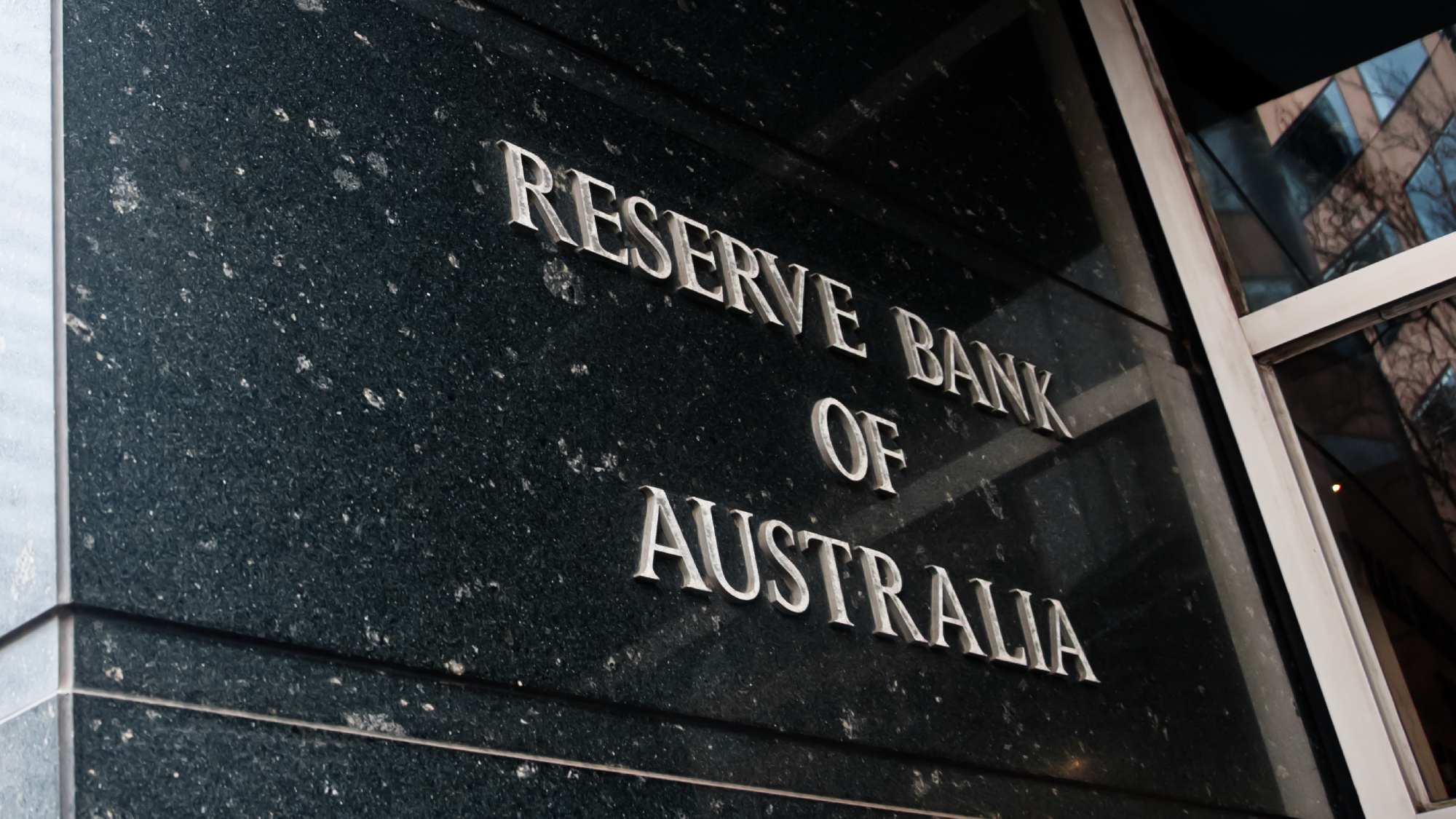
Australia’s Reserve Bank, through Assistant Governor Brad Jones, has warned that the era of stability and integration following the Cold War has given way to a more contested strategic environment that carries elevated risk for governments, financial institutions, and markets. At a FINSIA event in Sydney on 12 September, Jones declared that “the era of the peace dividend is over,” citing geopolitical, technological and operational disruptions reshaping the global financial order.

Jones described the international security and economic system as undergoing “seismic adjustment — on a scale and speed unseen in eight decades.” He flagged multiple forces contributing to instability: rising strategic rivalry, weakening tenets of the rules-based order, frictions in globalisation, and increasing emphasis on self-insurance by nations and firms against a broader set of possible harms.

Technological advances form one front of the risk profile. Jones spoke of an expanding surface for cyber-attacks driven by digitalisation, concerns over concentration risk in cloud services, and quantum computing’s looming threat to encryption systems. Artificial intelligence, while promising productivity gains, poses risks of misinformation, fraud, and systemic instability due to herding behaviour.

Critical infrastructure exposures were cited as especially vulnerable: telecommunications networks, the electrical grid, payment systems, and market infrastructure. Jones referenced a recent example in Europe, where cascading power outages in the Iberian Peninsula disrupted both households and economic activity, pointing out that such disruptions would be far more dangerous if key financial infrastructure were affected.

To respond, the RBA is pressing for what it calls an “anti-fragile” financial system—one not simply capable of withstanding shocks but able to adapt and improve because of them. Innovation, competition, and efficiency are being positioned not as opposing goals to resilience but as complementary. Initiatives under way include work with industry to bolster payments resilience, frameworks to ensure that future payments systems embed reliability and recoverability, migration to quantum-safe encryption standards, and reforms aimed at enabling new entrants in financial market infrastructure to reduce concentration risk.

These concerns build on earlier warnings in the RBA’s Financial Stability Review, which noted that heightened geopolitical tensions, trade uncertainty, and technological vulnerabilities could interact with existing financial system risks. The review flagged operational risks from interconnectedness and dependency on third parties for infrastructure and services.

The shift has implications for monetary policy, regulatory oversight, and business strategy. Regulators are likely to place greater emphasis on risk scenarios involving geopolitics, cyber-threats and supply-chain disruptions; financial institutions will need to review and stress-test against non-traditional threats while ensuring agility; and policy frameworks may need to evolve to address threats outside standard macroeconomic shocks.

By Sushil Kutty Nepal burned and continues to simmer. Next, France is in turmoil. French citizens have invaded streets and roads blocking all that stands in their way, from roads and buildings and commercial establishments. The agitators are calling it ‘Block #verything Movement’, which is not only telling, prophetic and on the dot but is […]

China has seen financial flows totalling about US$4.5 trillion, a figure that many analysts believe marks a turning point in how its markets are engaging with the world. The scale of cross-border investment—both inbound and outbound—is now surpassing trade in many respects, reflecting Beijing’s accelerating liberalisation efforts and a growing confidence among foreign and domestic investors.

The financial sum comprises equity, bond, and other capital movements, and corresponds with recent policy moves designed to reduce restrictions and open up China’s capital markets. One key driver is the Stock Connect programme, which allows mainland Chinese investors to purchase eligible Hong Kong–listed stocks and gives international investors access to A-shares. Southbound flows—money moving from mainland China into Hong Kong—have been especially significant, gathering close to US$100 billion within the first half of 2025. That alone matched the total stock in 2024 via that channel.

Yields on Chinese government bonds have hit highs not seen since late 2024, suggesting investors are now demanding greater returns, but also that they perceive risks such as inflation and currency pressures to be easing. The 10- and 30-year yields climbing indicates that institutions expect stabilization in key macro indicators, even if headline economic growth remains uneven. The bond market, however, has also become more volatile, driven by leveraged buying of equities and speculative pressure in certain sectors.

Another contributing factor is the behaviour of domestic institutional investors. With over 160 trillion yuan in household savings, China’s policy makers are encouraging pension funds, insurance companies, and sovereign funds to shift more capital into domestic equities. These kinds of flows reinforce the internal market strength, even as external capital enters or exits depending on global risk appetite.

Hong Kong’s IPO market has benefited greatly. Several major mainland firms—including tech and battery makers—have either listed in Hong Kong or signalled plans to do so. This has helped Hong Kong reclaim its spot among the world’s most active IPO hubs in 2025. The changes to listing rules, including shorter approval times for eligible mainland firms, have been essential in this revival.

Bitcoin reclaimed the $112,000 level as markets remain focused on the week ahead, with investors balancing caution against emerging momentum across select digital assets. Solana and Dogecoin have seen notable uplift as traders reallocate positions amid mounting anticipation of U. S. macroeconomic releases and Federal Reserve developments.

Bitcoin traded in a tight range near $111,500 to $112,300 as market participants paused, waiting for fresh cues from upcoming Consumer Price Index, Producer Price Index and central bank announcements. This positioning reflects prudence amid heavier macroeconomic noise.

Solana climbed to around $218 to $220, marking a multi-month high as renewed interest drew capital from more established tokens. Meanwhile, Dogecoin extended a weekly gain to approximately $0.24, buoyed by optimism surrounding the imminent debut of the first U. S. memecoin exchange-traded fund.

SignalPlus head of insights Augustine Fan noted that crypto markets have been relatively flat recently, with Bitcoin underperforming both its major peers and traditional assets such as equities and spot gold. That underperformance accompanied weaker inflows into digital asset trusts and reduced activity on centralised exchanges.

Economists have also dialled back inflation and recession worries following revisions to U. S. labour data, prompting some rebound in market sentiment. Bitcoin, alongside European equities, saw support as experts downplayed fears of stagflation.

Prediction markets suggest that a rate cut from the Federal Reserve is increasingly likely, with sentiment split between a further cut or a hold in October. Gold reached record levels in anticipation of looser monetary policy, even as U. S. equity indices pushed higher.

Positioning remains defensive, but the rotation into altcoins signals willingness among traders to explore higher-beta opportunities. Reflecting this, the phrase Traders Push Bitcoin Above $112K captures the shifting dynamic in crypto allocations—but notably, attention remains fixed on upcoming U. S. data releases shaping the next phase of the market.

Liquidity has stayed modest. Reference points in the $110K–$112K zone appear increasingly important as support amid a backdrop of uncertainty.

Matein Khalid My readers and friends know that I have been a boring perma-bull on gold since early 2024, when it became obvious that the People’s Bank of China was accumulating gold bullions as a hedge against an overvalued King Dollar and a capricious White House, which had just seized $300 billion in Russian central bank reserves to punish Putin’s invasion of Ukraine. The bullish gold trade […]

Advertisements

eToro Group Ltd is poised to pursue bolder acquisitions after securing a substantial liquidity base, according to one of its co-founders. At the Ambrosetti Forum in Cernobbio, Italy, Ronen Assia, executive director and co-founder, confirmed that the firm “has cash and cash equivalents of around $1.2 billion at the end of the first half of the year, with a cash position of $988 million, with no debt.” He added: “We’re looking to do more ambitious stuff involving acquisitions,” emphasising that eToro aims to broaden both asset classes and its geographic footprint.

eToro’s deliberate pivot into more aggressive mergers and acquisitions comes on the heels of its listing on Nasdaq in May 2025, where it raised $620 million in its initial public offering. The company’s robust cash war-chest endows it with flexibility to explore new verticals and markets in a dynamic fintech landscape.

Beyond financial strength, eToro is deepening its product offering. The platform recently rolled out tokenisation and artificial intelligence tools targeted at retail investors, along with expanding its global reach. Meanwhile, preliminary selected business metrics for July and August reveal continued operational momentum: assets under administration rose to $19.7 billion, funded accounts approached 3.69 million—both reflecting high year-on-year growth—while crypto trading volumes surged by nearly 50 percent.

The company’s healthy balance sheet is grounded in a successful IPO and product innovation. In Q1 2025, eToro reported $736 million in cash, cash equivalents, and short-term investments, alongside growth in user accounts and assets under administration. The firm also expanded its trading products, launching options in the UK and futures in Europe, while diversifying geographic access to include exchanges in Abu Dhabi and Hong Kong.

This marks a clear signal that bold acquisitions are on eToro’s horizon—a phrase that captures the firm’s evolving strategic ambition and its capacity to act decisively in a competitive market.

The timing of this announcement is significant. Mergers and acquisitions within fintech and crypto sectors have become tools for scale, innovation, and regulatory navigation. With its substantial liquidity and no leverage, eToro may look to acquire firms offering complementary capabilities—whether in tokenisation, AI-driven trading, wealth management, or regional expansion.

Ronen Assia’s stance highlights both intent and preparedness. The expressed goal to take on “more ambitious” deals indicates a readiness to move beyond smaller bolt-ins, aiming instead for transformative moves that could reshape the firm’s product and regional scope. The emphasis on adding asset classes and locales suggests potential targets might include firms with niche offerings or solid footprints in under-penetrated markets.

At a time when many fintech companies are consolidating or recalibrating amid macroeconomic shifts and evolving regulation, eToro’s proactive posture sets it apart. With backing of a strong balance sheet and public market credibility, the platform is well placed to capitalise on strategic M&A opportunities as they arise.

Dream Security and other cybersecurity analysts have identified a widely distributed, Iran-linked spear-phishing campaign that exploited a compromised Ministry of Foreign Affairs mailbox in Paris. The operation impersonated legitimate Omani diplomatic communication to deliver malware-laden Word documents to government, diplomatic, and multilateral institutions across Europe, Africa, Asia, the Americas, and international organisations such as the UN and World Bank. The campaign’s scale, timing, and technical sophistication reflect […]

A looming technical hurdle has landed Bitcoin in precarious territory as veteran trader Peter Brandt cautions that the asset must reclaim the $117,570 level to avoid triggering a bearish reversal known as a double‑top formation. This warning comes amid growing supply pressure and heightened selling activity, marking a defining moment for market direction.

Bitcoin is grappling with the aftermath of a substantial sell‑off, attributed to a major “whale” sale of 24,000 BTC—worth an estimated $2.7 billion—which has intensified caution among traders. Brandt emphasised that such sizable supply events cannot be overlooked, stressing that market tops are often formed through supply or distribution.

Market observers note that Bitcoin’s price now hovers in a seven‑week double‑top pattern, a configuration often associated with impending declines if price resistance remains unbroken. Brandt maintains a strictly neutral stance, drawing attention to the chart’s technical signals rather than issuing a directional forecast.

On‑chain metrics compound the caution. The Taker Buy/Sell Ratio, a measure of buying and selling pressure, has fallen to its lowest point since May 2018—a worrying sign of sustained selling momentum. In addition, Bitcoin’s ability to reclaim $117,570 will play a pivotal role in determining whether bullish momentum holds or falters.

Yet, institutional backing offers a counterbalance to technical concerns. Spot Bitcoin ETFs have attracted considerable institutional inflows, indicating that Bitcoin’s role within global finance continues to strengthen. JPMorgan has also highlighted that Bitcoin appears undervalued relative to gold, estimating that fair‑value models place it approximately $16,000 higher, around $126,000, supported by decreasing volatility and growing corporate treasury holdings.

Technical signals remain mixed. While the double‑top pattern persists as a warning, some analysts underscore Bitcoin’s resilience. Swissblock Technologies, for example, asserts that on‑chain indicators show no decisive bearish divergence, suggesting that the broader trend could still favour upward movement. Others, including Jacob King of WhaleWire, point to past double‑top patterns—such as those in 2017, 2019, and 2021—that preceded steep corrections, reinforcing the need for caution if support fails. Should Bitcoin break above the $117,570 threshold, some analysts suggest that $125,000 or beyond could become realistic targets.

Meanwhile, market activity has remained volatile. Bitcoin is trading in the range of approximately $109,000 to $112,000, with intraday swings reflecting persistent uncertainty. Traders are closely watching for shifts in momentum, knowing that a break above resistance could reignite bullish sentiment, while failure could deepen losses.

Amid these developments, the broader narrative treads between technical fragility and growing financial legitimacy. As Bitcoin straddles this crossroads, its next directional move may be shaped as much by whether it can muster the strength to surpass $117,570 as by the strength of institutional confidence and macroeconomic tailwinds.

Spot gold surged past the $3,500 mark, reaching new record highs amid mounting anticipation of Federal Reserve interest rate reductions and a weakening dollar. Bullion briefly traded near $3,508 an ounce, extending its year-to-date gains to around 30%, as markets grow increasingly uneasy over central bank independence and geopolitical stress.

Markets are pricing in a high likelihood—approaching 90%—that the Fed will proceed with a 25-basis-point cut at its upcoming meeting in mid-September, following dovish signals from Fed Chair Powell and softening macro data. A key US non-farm payrolls release this Friday is expected to reinforce the case for monetary easing, given signs of cooling in the labour market. Lower rates would reduce the appeal of interest-bearing assets, boosting demand for non-yielding gold.

The US dollar’s decline has played a significant role in elevating gold’s appeal, making bullion more attractive to global buyers. Safe-haven flight intensified after mounting investor concern regarding the Fed’s autonomy, stemming from high-profile political pressure, including moves to dismiss Governor Lisa Cook—actions perceived as jeopardising monetary policy credibility.

Investor sentiment has translated into tangible market flows: holdings in gold-backed ETFs have climbed steadily, piling pressure on available stockpiles and raising lease rates, especially in London’s bullion markets. Central banks, including those in emerging economies, continue to accumulate gold, adding institutional momentum to the rally. As a result, gold is increasingly viewed as a strategic hedge amid persistent inflation uncertainty, trade tensions, and an unpredictable global political landscape.

Strategists at UBS have noted that softer economic indicators, lower interest-rate environments, and elevated macro-geopolitical risks enhance gold’s function as a portfolio diversifier. Their outlook anticipates continued upward price movement into the coming quarters. Likewise, Goldman Sachs has raised its year-end target, citing strong central bank demand and ETF inflows despite broader market volatility.

Enterprise technology budgets are increasingly tilted towards AI, with artificial intelligence infrastructure and software commanding the lion’s share of growth while traditional hardware investment shows signs of stagnation. IDC projects global AI spending will surge to over US $632 billion by 2028, propelled by an almost 30 percent compound annual growth rate between 2024 and 2028. Generative AI alone is expected to capture roughly one‑third of this, driven by a […]

A surge of enthusiasm from the United Arab Emirates’ retail investors is bolstering domestic stock markets, signalling growing public confidence in the country’s economic trajectory. Data from the latest edition of the UAE Retail Investor Beat, conducted between 10 and 21 July 2025, shows that 85 per cent of people taking investment decisions are now allocated to UAE-listed equities, with 39 per cent invested in Abu Dhabi shares, 28 per cent in Dubai, and 18 per cent holding positions in both platforms.

Investor confidence appears grounded. Currently, 63 per cent report being “very confident” in the UAE’s economic performance, while a further 29 per cent describe themselves as “somewhat confident.” When looking ahead, 59 per cent express strong confidence in the long-term performance of locally listed stocks, with an additional 32 per cent somewhat confident. Investors remain optimistic about the near future: 48 per cent anticipate substantial gains over the next 12 months, while 34 per cent expect steady growth. On a regional scale, 58 per cent believe the Middle East will generate the highest returns over the next five years, ahead of the United States at 50 per cent.

Sectoral preferences reveal clear priorities. Real estate leads with 55 per cent of investors expressing confidence, followed by technology at 48 per cent, and both financial services and energy at 37 per cent each.

George Naddaf, managing director of eToro MENA, framed these findings in the context of market performance: the Dubai Financial Market and Abu Dhabi Securities Exchange are among the top-performing exchanges globally, outperforming the S&P 500 by a wide margin. He credits sustained earnings, robust macroeconomic conditions, and supportive government measures for underpinning investor sentiment and reinforcing preference for local opportunities.

Despite this supportive sentiment, geopolitical risks remain front of mind. Nine‑tenths of respondents expect tariffs and trade disputes to exert meaningful pressure on their portfolios over the next six months, and 89 per cent have either adjusted or intend to adjust investment strategies in response. More than half—53 per cent—are tilting further towards UAE equities, while 51 per cent are increasing exposure to commodities. Gold and precious metals are viewed as the most resilient asset class by 49 per cent of investors; cryptocurrency ranks second at 45 per cent and is already the most held class, with 54 per cent ownership.

Naddaf described this as a “disciplined, dual-track approach,” combining reinforcement in domestic equities with defensive hedges in commodities.

Capital commitment remains strong. Sixty‑five per cent of UAE retail investors have already stepped up contributions in past months, while 76 per cent anticipate further increases in the coming three months.

Berkshire Hathaway’s National Indemnity Company has lifted its stake in Mitsubishi Corporation to 10.23 %, up from 9.74 % earlier, signalling a reinforced commitment to Japan’s leading trading house. The investment follows similar moves in March across other sogo shosha, including Mitsui & Co.

The decision reflects Warren Buffett’s enduring confidence in Japanese megatraders, whose disciplined capital allocation, governance reforms, and investor-friendly policies align strongly with Berkshire’s investment philosophy. As Buffett admired in his annual letters, these firms’ governance improvements, such as stronger board oversight and enhanced transparency, have elevated their attractiveness globally.

Markets responded with optimism. Mitsubishi shares advanced approximately 1.8 %, while Mitsui and its peers—including Sumitomo, Itochu, and Marubeni—also rose, lifting the Nikkei 225. Notably, Berkshire’s growing yen‑denominated dividend income, estimated at $812 million, substantially exceeds its $135 million in interest costs—from its debt exposure—further underscoring the financial logic behind the move.

Buffett first entered these companies around 2019, building stakes across five major trading houses. At that time, the positions were modest—roughly 5 % each—and have been gradually expanded as corporate reform deepened. Last year, ownership in these firms reached as high as 9.8 %. At the annual shareholder meeting in Omaha, Buffett stressed his intention to hold these stakes “for many decades,” a sentiment shared by vice‑chairman Greg Abel.

Several strategic and structural factors underpin this move. Japanese trading houses are diversifying rapidly—expanding into renewable energy, logistics, tech, and sustainable infrastructure—which offers resilience against inflation and trade volatility. Their shareholder returns via dividends and share buybacks, combined with conservative executive pay, align with Berkshire’s preference for capital‑efficient businesses.

Buffett’s growing exposure coincides with Japan’s corporate governance revolution. Since former Prime Minister Abe’s reforms and the stewardship code, sogo shosha have improved transparency, board independence, and capital discipline—making them far more attractive to foreign investors.

Berkshire’s strategic calculation is also macro‑driven. In a year when the iShares MSCI Japan ETF has gained around 17 %, outperforming the S&P 500, the broader market trend reinforces the allure of Japanese equities.

SHENZHEN, CHINA – Media OutReach Neswire – 26 August 2025 – On August 26, 2025, Linklogis Inc. (09959.HK, “Linklogis”) released its interim results. In the first half of 2025, the total transaction volume processed by its technology solutions reached RMB 203.6 billion. The total revenue and income amounted to RMB 374.5 million. The number of anchor enterprise and financial institution customers for its supply chain finance technology […]

Wall Street surged on Friday as Federal Reserve Chair Jerome Powell’s address at the Jackson Hole symposium signposted a shift in policy direction, lifting the Dow to its highest closing level of 2025. The Dow climbed by around 1.9 per cent, the S&P 500 rose 1.5 per cent, and the Nasdaq jumped by roughly 1.9 per cent. This rally reversed a recent downturn and came amid rising […]

Leveraging B2C and B2B Synergies to Capitalize on the Global K-Beauty Boom Results Highlights Revenue rose by 49.3% to US$243.93 million. Operating profit increased by 31.9% to US$18.68 million. Net profit grew by 26.7% to US$14.08 million. Business-to-Customer (B2C) YesStyle Platforms recorded revenue of US$164.86 million, up 31.7%, contributing 67.6% of the Group’s total revenue. Revenue of Business-to-Business (B2B) platform AsianBeautyWholesale surged by 110.9% to US$77.94 million, […]

Hedge funds are experiencing an unprecedented influx of capital as investors increasingly turn to them for potential high returns in an unpredictable market landscape. The surge, described as the largest in over a decade, comes amid heightened volatility in global markets, with investors seeking refuge in strategies that can navigate turbulent times.

The influx is reflective of broader economic uncertainties that have marked the past few years. Inflation, interest rate fluctuations, and geopolitical tensions have prompted a shift in how investors are approaching their portfolios. For many, hedge funds, which are designed to capitalise on market inefficiencies and often utilise a mix of complex investment strategies, have become a more attractive option for diversifying risk.

Industry analysts attribute the renewed interest to hedge funds’ ability to hedge against downside risks while still positioning themselves for upside potential. These funds, which include strategies such as long/short equity, event-driven, and macroeconomic investing, are seen as flexible enough to take advantage of both market downturns and rallies.

The timing of this shift is significant, with hedge fund inflows peaking in the first half of this year. According to reports, the volume of new money invested in hedge funds has surpassed previous records, with institutional investors making up the majority of the capital. Pension funds, endowments, and family offices have notably increased their allocations, recognising the potential benefits of diversifying into hedge funds’ more sophisticated strategies.

This trend is also linked to the performance of hedge funds in recent years. After a period of underperformance following the global financial crisis and the subsequent slow recovery, hedge funds have returned to form, outpacing traditional equity indices in certain periods. While not all hedge funds have delivered stellar returns, the overall industry has shown resilience and adaptability, particularly in the face of market turbulence.

One of the critical drivers behind this renewed interest is the diversification factor. Hedge funds often employ strategies that are less correlated with traditional markets, allowing them to profit from opportunities that might not be available to standard equity investors. For example, in a period of high volatility or economic downturn, many hedge funds profit from short-selling overvalued stocks, participating in distressed asset sales, or capitalising on arbitrage opportunities.

However, the strategy comes with inherent risks. While hedge funds aim to mitigate risk through their sophisticated techniques, they are not immune to market downturns. Moreover, the fees associated with hedge funds—usually a performance fee based on profits earned—can be a deterrent for some investors. These fees often include a “two and twenty” structure, meaning the fund takes a 2% management fee and 20% of any profits generated, which can substantially erode returns for the investor.

Despite the risks, the demand for hedge funds remains strong. Their perceived ability to manage volatility and generate alpha—the excess return relative to the market—has attracted a growing number of high-net-worth individuals looking for alternatives to the traditional stock and bond markets. The shift in investment patterns suggests a broader reevaluation of risk, with more investors open to the idea of using hedge funds as part of their long-term asset allocation strategy.

Another contributing factor to the surge in hedge fund investments is the growing acceptance of environmental, social, and governance factors within the industry. Many hedge funds have incorporated ESG strategies into their models, appealing to institutional investors who are placing greater emphasis on sustainability and ethical governance. Hedge funds with a track record of navigating ESG challenges have become particularly attractive to a new generation of investors who are focused not just on financial returns but on social and environmental impact as well.

The global economic environment is expected to remain volatile, with central banks’ monetary policies, inflationary pressures, and geopolitical instability all factors that will influence market dynamics. Hedge funds, with their adaptive strategies, are likely to continue drawing significant attention as investors seek to position themselves to take advantage of potential market dislocations.


SINGAPORE – Media OutReach Newswire – 19 August 2025 – With the demand for accountancy and finance professionals growing amid Singapore’s transition to a digital and sustainable economy, the Institute of Singapore Chartered Accountants (ISCA) today launched a $2 million Career Support Programme to help jobseekers and mid-career individuals pivot confidently into the accountancy profession. Unveiled by Ms Indranee Rajah, Minister in the Prime Minister’s Office, Second […]

Gold’s upward trajectory in the UAE is reshaping consumer behaviour, with rising prices shifting the market’s balance away from traditional jewellery purchases toward more affordable and strategic alternatives. Demand for ornamental gold continues to wane even as the metal remains highly prized for investment. Gold jewellery sales across the UAE plunged to their lowest in over two years during April to June 2025, at 7.7 tonnes—down 16 […]

Bitcoin continues to follow the fluctuations of global liquidity, with the broader M2 money supply maintaining a positive correlation with its price movements. Recent data indicates that the cryptocurrency has largely mirrored the ebb and flow of liquidity across financial markets, suggesting that the ongoing dynamics between global monetary policies and Bitcoin’s performance could set the stage for further price gains or potential setbacks in the near future.

The M2 money supply, a key indicator of money in circulation that includes cash, checking deposits, and easily convertible near money, has witnessed significant growth over the past few years. This expansion has been a central feature of global central banks’ responses to economic challenges, including the COVID-19 pandemic and subsequent economic recovery efforts. As governments continue to inject liquidity into their economies through various monetary policies, Bitcoin has benefitted from a favourable environment, with its price often tracking the liquidity’s upward trends.

Bitcoin’s price movements have been closely tied to these liquidity expansions. Historically, periods of increasing global money supply have seen the digital asset rise in tandem, benefiting from increased investor confidence and speculative demand. As central banks keep interest rates low and maintain expansive fiscal policies, the resulting surge in M2 liquidity tends to fuel risk appetite in financial markets, often spilling over into assets like Bitcoin.

However, the current economic climate is marked by signs that this positive correlation might face new challenges. While Bitcoin’s price has largely remained on track with liquidity growth, early signs suggest that a potential correction could be imminent. Some market analysts point to signals such as diminishing returns on investments in certain financial markets, growing inflationary pressures, and tightening monetary policies in select regions as indicators that liquidity-driven asset prices, including Bitcoin, might soon face downward pressure.

The potential for a Bitcoin correction is also being discussed more openly as the cryptocurrency approaches new all-time highs. Historically, Bitcoin has experienced sharp price adjustments after reaching peak levels, driven by a combination of profit-taking, shifting sentiment among institutional investors, and changes in macroeconomic conditions. As a result, while the positive liquidity-Bitcoin correlation remains intact for now, market watchers are increasingly cautious, aware that the prevailing optimism could be replaced by a recalibration in response to evolving economic factors.

At the heart of the concern is the likelihood that the global liquidity boom, fuelled by expansive monetary policies, may be coming to an end. Some central banks, especially in developed economies, have already started to signal their intention to reduce stimulus measures. The United States Federal Reserve, for example, has been gradually winding down its bond-buying programme, a step that many analysts view as the first indication of a potential shift towards tighter monetary conditions. Should this trend continue, it could have significant repercussions for Bitcoin’s price, which has thrived in an environment of abundant liquidity.

Bitcoin’s reliance on speculative investment has always made it vulnerable to shifts in broader financial market conditions. As institutional investors and retail traders adjust their portfolios in response to global liquidity changes, the cryptocurrency market often experiences heightened volatility. A slowdown in liquidity growth, combined with the tightening of fiscal policies, could lead to increased market caution, potentially slowing down Bitcoin’s momentum.

Despite these concerns, Bitcoin’s long-term outlook remains closely intertwined with global liquidity. As central banks continue to maintain expansive monetary policies, the cryptocurrency may still benefit from an influx of capital seeking higher returns in an environment of low interest rates. However, the risk of a market correction should not be underestimated. With rising inflationary pressures in many countries and increasing calls for tighter monetary policies, Bitcoin’s trajectory could experience turbulence in the short term.

Dubai’s real estate sector has seen a notable surge in licensed activities, with 4,049 new registrations reported in the first half of 2025. This increase highlights the city’s continuing appeal as a hub for global investment, underscoring its position as a growing economic powerhouse.

The expansion in real estate-related activities is a key indicator of investor confidence in Dubai’s property market. The city’s ongoing efforts to enhance its investment climate, alongside the development of new regulations and policies, have solidified its standing as a global player in the real estate sector. The uptick in the number of new real estate ventures reflects a broader trend of diversification in the market, as Dubai seeks to expand beyond traditional residential and commercial projects into emerging sectors like hospitality, mixed-use developments, and smart city infrastructure.

The Dubai Land Department has been instrumental in driving these developments by continuing its focus on transparency, innovation, and regulatory improvements. One of the standout features of Dubai’s property market has been its emphasis on simplifying procedures for investors, which has directly contributed to the rise in new real estate-related ventures. The DLD’s efforts to digitise property transactions and improve investor accessibility have been particularly significant in this regard.

Dubai’s status as a business-friendly environment has also played a critical role in attracting international investors. Policies such as long-term residency visas, 100% foreign ownership in certain sectors, and reforms in property ownership laws have all enhanced the city’s attractiveness to global capital. The emirate’s strategic location, offering easy access to both Eastern and Western markets, has further positioned it as a key destination for multinational companies and high-net-worth individuals looking to invest in its growing real estate sector.

Dubai’s commitment to diversification has allowed it to weather global economic fluctuations better than many other markets. The emirate’s drive towards sustainability and innovation in urban planning has led to the development of numerous smart city projects, which blend residential, commercial, and leisure spaces in ways that appeal to both investors and residents. These initiatives have attracted attention from international real estate developers who view Dubai as a model for the future of urban living.

The diversification of Dubai’s real estate market is not limited to the types of properties being developed, but also to the services and amenities that accompany them. The growing prominence of serviced apartments, co-working spaces, and eco-friendly developments shows that the market is increasingly catering to a wide range of needs. The ongoing shift towards more integrated communities reflects broader global trends, such as the rise in remote working and demand for work-life balance.

Dubai’s real estate sector has also been buoyed by its ambitious infrastructure projects, such as the expansion of its transport network, the Dubai Expo City, and the upcoming World Expo 2030, which is expected to bring even more global attention and investment to the emirate. The government’s plans to develop future-focused infrastructure align with global trends in technology, sustainability, and connectivity, positioning the city as a model for future urban development.

Investor interest in Dubai’s property market is further supported by the city’s relatively stable macroeconomic environment. The UAE’s strong economic performance, backed by diversification efforts in sectors like tourism, technology, and renewable energy, continues to drive demand for commercial and residential properties alike. Despite global uncertainties, the Dubai real estate market remains a safe haven for investors, thanks to its robust regulatory framework, investor-friendly policies, and a growing base of international buyers.

Oil prices ended the week with significant losses, influenced by the latest round of US tariffs and the mounting anticipation surrounding US-Russia discussions on a ceasefire for the ongoing Ukraine conflict. Both major oil benchmarks, Brent and West Texas Intermediate, saw considerable weekly declines, with Brent recording a 4.4 per cent drop and WTI losing over 5 per cent. On Friday, Brent crude, which represents the global […]

KUALA LUMPUR, MALAYSIA – Media OutReach Newswire – 8 August 2025 – Octa Broker is providing an in-depth overview of the week’s key events and actionable insights to help traders navigate this high-stakes environment with confidence. July was a relatively quiet month for gold, at least by the recent standards. XAUUSD, the primary financial instrument for trading bullion, fluctuated in a very narrow 30-dollar range between roughly […]

VISHNU RAJA
RYO YAMADA
HITORI GOTOH
IKUYO KITA