News related to
macro

By Nitya Chakraborty Finally, the U.S. election results are out. The Republican candidate Donald Trump has swept the polls by winning convincingly in the presidential contest as also leading the Republican Party to majority in both the Senate and the House of Representatives. There is no grey area. It is apparent that the majority of […]

Lulu Retail Holdings, the prominent Middle Eastern retail chain, expanded its IPO on the Abu Dhabi Securities Exchange (ADX) from 25% to 30% due to substantial investor interest. This adjustment potentially positions Lulu to raise AED 6.32 billion (approximately $1.72 billion) based on the revised stake size, highlighting the Gulf region’s ongoing appeal for significant IPO activity and interest in consumer-driven sectors.

Setting an initial price range between AED 1.94 and AED 2.04 per share, Lulu’s IPO reflects an alignment with regional valuation norms, expected to yield a market capitalization between AED 20.04 billion and AED 21.07 billion. The subscription window, open until November 5, 2024, aims to attract a diverse mix of retail and institutional investors, both regional and international. With these developments, Lulu’s expected proceeds could make this one of the most notable IPOs in Abu Dhabi this year.

This expansion in IPO size reflects broader Gulf trends, where IPOs in sectors ranging from energy to retail have gained traction, driven by favorable macroeconomic conditions and rising consumer spending across GCC countries. Lulu, which operates over 240 stores across the region and holds a dominant market share in countries such as Qatar and Oman, is well-positioned to capitalize on these trends. In the UAE, the retail chain ranks as the second-largest grocery retailer by market share, supporting its robust financial standing and growth potential.

The regional economic environment, marked by population growth and increasing consumer demand, has fortified Lulu’s market footprint, with a 5.6% rise in revenue reported for the first half of 2024, reaching $3.9 billion. Earnings before interest, taxes, depreciation, and amortization (EBITDA) also rose to $391 million, reflecting Lulu’s steady revenue trajectory and focus on operational efficiencies, especially in logistics and e-commerce channels.

Price fluctuations for Bitcoin have surged, reaching levels not seen in three months as the U.S. presidential election approaches. This spike in volatility reflects the heightened uncertainty and speculation among investors in both cryptocurrency and traditional financial markets. As the electoral landscape becomes more complex, analysts suggest that market participants are increasingly turning their attention to the potential impacts of the upcoming election on economic policies and financial regulations.

Bitcoin’s price, a benchmark for the broader cryptocurrency market, recently showed significant swings, underscoring the tendency of digital assets to react strongly to political developments. Analysts note that this uptick in volatility is closely linked to investor sentiment regarding regulatory frameworks that could emerge post-election. With candidates from both major political parties holding contrasting views on cryptocurrency regulation, the stakes for Bitcoin and other digital currencies have escalated.

Investors are particularly attentive to signals from leading candidates, such as the incumbent President and potential challengers. Their positions on digital currency policies and broader economic strategies are being closely monitored, as they could influence the legislative environment surrounding cryptocurrencies. The outcome of the election could determine the trajectory of regulatory measures impacting the sector, which many see as critical for the long-term viability of digital assets.

Market observers emphasize that the correlation between political events and Bitcoin price movements is becoming increasingly pronounced. The volatility jump is viewed as a precursor to more significant price adjustments that could follow the election. Historically, political events have played a crucial role in shaping investor behavior in financial markets, and cryptocurrencies are no exception.

In addition to regulatory concerns, macroeconomic factors such as inflation rates and monetary policy are also contributing to Bitcoin’s volatility. The Federal Reserve’s stance on interest rates and inflationary pressures are vital considerations for investors. A potential change in the administration could result in shifts in fiscal policy that directly affect financial markets, leading to speculative trading behavior.

With analysts predicting increased trading volumes in the lead-up to the election, the interplay between market sentiment and political developments is likely to intensify. Investors in Bitcoin are now more focused on potential outcomes and their implications for the digital currency space, which could lead to rapid price changes. The market’s response to the election will also be influenced by key economic indicators released in the weeks leading up to voting day, such as job reports and inflation data.

The heightened volatility comes amid a broader trend of increasing institutional interest in Bitcoin. Major financial institutions are beginning to incorporate cryptocurrencies into their portfolios, signaling a shift in acceptance and potential mainstream integration of digital assets. This institutional involvement adds another layer of complexity to market dynamics, as larger players with substantial capital can amplify price movements in response to political news.

As traders navigate these turbulent waters, the focus remains on strategies to mitigate risks associated with price swings. Many are employing advanced trading techniques, including options and futures contracts, to hedge against potential losses. This trend reflects a growing sophistication in the cryptocurrency market, as participants become more adept at managing volatility.

The decentralized nature of Bitcoin and its underlying technology, blockchain, continues to attract attention as a revolutionary force in finance. As debates around digital currency regulations unfold, advocates for cryptocurrency assert that the technology can provide financial inclusion and transparency, regardless of the election outcome. However, concerns regarding security, fraud, and consumer protection remain central to discussions on regulation.

In the context of international markets, Bitcoin’s performance is also being viewed against the backdrop of global economic conditions. Investors are keenly aware of how changes in U.S. policy could ripple through global markets, influencing everything from trade relationships to investment flows. The interconnectedness of financial systems means that developments in the U.S. can have significant implications for the broader cryptocurrency ecosystem.

As election day approaches, investors and analysts alike are keeping a close eye on sentiment shifts and potential surprises in the political landscape. The ability of Bitcoin to weather these fluctuations will likely depend on the clarity and stability of regulatory frameworks established post-election. Market participants are poised for action, recognizing that the outcomes of political contests often reverberate far beyond the ballot box, impacting investment strategies and market valuations.

Bitcoin surged to $73,600 during U.S. trading hours, inching close to its previous record of $73,798 established on March 14. This remarkable upward movement has generated renewed optimism among traders, as Bitcoin currently holds steady around $72,200, representing a robust 3% increase in just one day. This trend aligns with a broader positive sentiment across the cryptocurrency market, which has been characterized by rising trading volumes and heightened investor interest.

Market analysts attribute this surge to a confluence of factors. Institutional interest remains a significant driver, with several large-scale investments recently reported. Notably, Fidelity Investments announced its plan to launch a Bitcoin exchange-traded fund (ETF), a move seen as a substantial endorsement of the cryptocurrency. This development has fueled speculation that other major financial institutions might follow suit, further legitimizing Bitcoin as an asset class.

Macroeconomic conditions are contributing to the bullish momentum. With inflation concerns lingering and central banks hinting at prolonged low interest rates, many investors are turning to Bitcoin as a hedge against inflation. This shift in sentiment is underscored by a marked increase in the number of wallets holding Bitcoin, which reflects growing adoption among retail and institutional investors alike.

In addition to institutional interest, the trading behavior of retail investors is also evolving. Following Bitcoin’s rise earlier this month, many retail traders have re-entered the market, leveraging platforms that facilitate easy access to cryptocurrency trading. This influx of retail participation has intensified market dynamics, creating a feedback loop that propels prices higher as more buyers enter the fray.

Emerging trends in blockchain technology further bolster the optimism surrounding Bitcoin. Innovations such as the Lightning Network, which enables faster and cheaper transactions, are enhancing the overall utility of Bitcoin. This technological advancement is likely to attract even more users to the ecosystem, potentially driving up demand and price.

Key players in the cryptocurrency space are also responding to these trends. Exchanges like Binance and Coinbase have reported significant increases in trading volumes, signaling heightened activity among investors. This increased liquidity makes it easier for larger trades to occur without causing substantial price fluctuations, further supporting the bullish case for Bitcoin.

However, challenges remain. Regulatory scrutiny is intensifying in various jurisdictions, as governments seek to establish frameworks for cryptocurrency operations. Notably, discussions around taxation and compliance are ongoing, and any unfavorable regulatory changes could dampen market enthusiasm. Investors are closely monitoring these developments, as regulations could either facilitate further growth or impose constraints on the market.

The sentiment in cryptocurrency circles is largely optimistic, with many analysts projecting that Bitcoin could surpass its all-time high in the near future. Some are targeting even higher price points, with estimates ranging between $74,000 to $80,000 as the next psychological barriers. This speculation is supported by technical analysis indicating that if Bitcoin breaches the $74,000 mark, it could trigger a wave of buying pressure as traders seek to capitalize on momentum.

Investor sentiment, driven by social media platforms and online forums, plays a crucial role in shaping market expectations. Influencers and analysts on platforms like Twitter and Reddit are actively discussing potential price trajectories, contributing to a more dynamic trading environment. This collective discourse influences not only retail investor behavior but also how institutional players position themselves in the market.

The global cryptocurrency market is witnessing a renaissance, characterized by an influx of new entrants and a growing acceptance of digital assets as legitimate investment vehicles. Major financial institutions, hedge funds, and even traditional asset managers are reevaluating their portfolios to include cryptocurrencies. This broadening acceptance of Bitcoin and other cryptocurrencies is gradually reshaping the landscape of global finance.

As Bitcoin navigates this transformative phase, the importance of market education cannot be overstated. Initiatives aimed at educating potential investors about the fundamentals of blockchain technology and the intricacies of trading can significantly enhance participation in the market. A more informed investor base is likely to make more prudent decisions, contributing to the overall stability and maturity of the cryptocurrency market.

The interplay between supply and demand dynamics is also pivotal. With Bitcoin’s supply capped at 21 million coins, any increase in demand has a direct impact on price. Market participants are keenly aware of the halving events that occur roughly every four years, which reduce the rate at which new Bitcoin is generated. This mechanism, along with increasing institutional participation, is expected to create a supply-demand imbalance that could drive prices higher in the long term.


French President Emmanuel Macron is set to arrive in Morocco on October 28, marking a significant effort to repair diplomatic ties that have been strained by a series of disputes and political frictions in recent years. The visit, spanning three days, comes at the invitation of Morocco’s King Mohammed VI and is positioned as an attempt to reinforce cooperation between the two countries amid rising regional challenges and shifting political dynamics.

Diplomatic relations between France and Morocco have been complex over the last decade, with periods of both cooperation and tension. Notable points of contention have involved policy disagreements regarding the Western Sahara, Morocco’s push for greater autonomy, and perceptions of French interference in North African affairs. A perceived coolness in bilateral ties reached a tipping point over the past year, as Morocco deepened its ties with other global powers, particularly the United States and Israel, indicating a shift away from its traditional reliance on France as a key ally and economic partner.

The French administration, aware of the economic and strategic value Morocco holds, has framed this visit as an opportunity for Macron to personally affirm France’s commitment to fostering a balanced and respectful partnership. The agenda is expected to address a range of topics crucial to both countries, including economic trade, security collaboration, and cultural exchanges, as well as a potential reset in policies affecting visa issuance for Moroccan nationals—a sensitive topic that has fuelled public resentment in Morocco. Macron’s planned public appearances, speeches, and bilateral meetings with Moroccan officials are anticipated to underscore shared interests while navigating areas of difference diplomatically.

A focal point of Macron’s visit is expected to be Morocco’s reconstruction and recovery efforts following the recent earthquake that devastated the Atlas Mountains region, leaving a trail of significant human and infrastructural damage. Although French relief support following the earthquake had been met with some criticism regarding its timeliness and adequacy, Macron’s engagement with reconstruction efforts may symbolize France’s willingness to assist its long-standing partner in this critical phase, despite prior political strains.

The visit will also provide a platform to address regional security, particularly as Morocco and France have historically shared concerns over terrorism and human trafficking across the Mediterranean. Both countries continue to be key players in counterterrorism efforts in North Africa and the Sahel region, where extremist groups pose a persistent threat. Macron’s discussions with Moroccan leaders are likely to revisit joint security strategies, including intelligence sharing and border control measures, which have served as pivotal elements of cooperation in past years.

Economic collaboration, too, will feature prominently on the agenda. France remains one of Morocco’s largest trading partners, with French companies heavily invested in sectors such as telecommunications, automotive manufacturing, and renewable energy in Morocco. Macron’s delegation includes business representatives aiming to explore new investments, especially in renewable energy projects, a sector where Morocco has established itself as a regional leader. Macron is expected to promote French participation in Morocco’s green initiatives, aligning with global climate commitments and France’s own economic priorities in clean energy transitions.

Observers believe Macron’s visit also reflects a broader objective: to recalibrate France’s influence in a region where economic and political alliances are rapidly evolving. Morocco’s engagement with other international partners, particularly the United States and China, has accelerated, with significant investment flows reshaping Morocco’s infrastructure and defense capabilities. Additionally, Morocco’s recent normalization of ties with Israel has diversified its diplomatic alliances, a move that France has viewed with cautious optimism, recognizing Morocco’s intent to play a more autonomous role in regional affairs.

Celebration of Cyberport Investors Network’s 7th Anniversary with Total Investments Surpassing HK$2.5B and Membership Exceeding 200 HONG KONG SAR – Media OutReach Newswire – 24 October 2024 – The Cyberport Venture Capital Forum 2024, a premier annual event in the global venture capital scene organised by Cyberport, was inaugurated today. The two-day event, themed “Innovation Challenger: Building New Venture Visions”, brings together over 90 globally influential venture […]

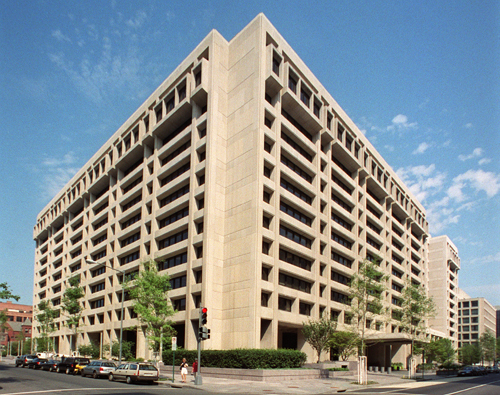
The International Monetary Fund has raised concerns that global markets are underestimating the potential economic impact of geopolitical tensions. Amid signs of improving economic stability, especially as global disinflation enters its final stages, the IMF has identified several medium-term risks that could significantly disrupt financial markets. According to its latest Global Financial Stability Report, while short-term global financial stability risks have receded, major vulnerabilities persist.

The IMF’s warning comes at a time when many market participants are hopeful about the prospects of a “soft landing” for the global economy, aided by disinflation and easing monetary policies. Emerging markets have shown resilience, and international debt issuance has picked up in some frontier economies. Despite these optimistic signs, there are concerns that the financial system remains fragile, especially in light of potential external shocks.

One of the key areas flagged by the IMF is the growing strain in the commercial real estate sector. Rising interest rates over the past year have exposed vulnerabilities within the sector, and further shocks could worsen these conditions. The IMF also points to signs of credit deterioration among corporations, which could intensify if adverse economic conditions continue.

The report highlights that geopolitical tensions remain a significant factor that global markets may be neglecting. Escalating geopolitical conflicts, such as the war in Ukraine and ongoing trade disputes between major economies, present long-term threats that could disrupt financial systems worldwide. These risks are further compounded by cyber threats, which the IMF notes have been on the rise. Although no major systemic disruptions have been caused by cyber incidents so far, the increasing probability of severe cyberattacks poses a looming threat to global macroeconomic stability.

In addition to geopolitical and cyber risks, the IMF underscores the vulnerability of the corporate credit market, which has expanded rapidly in recent years. This market, particularly in private credit, now rivals more traditional forms of lending, including commercial banking. While private credit markets have served as an important source of capital for mid-sized firms, they are also exposed to higher risks. A sudden downturn in economic conditions or a sharp increase in interest rates could leave many of these firms struggling to meet their debt obligations, creating ripple effects throughout the global financial system.

While the IMF acknowledges the progress made in global disinflation and the efforts of central banks to maintain stability, it is urging policymakers and financial institutions to remain vigilant. The report recommends that governments and central banks continue to assess and address medium-term risks while maintaining a focus on geopolitical and cyber threats that could lead to severe disruptions.

Advertisements

Dubizzle Group, the leading online classifieds platform in the Middle East, is preparing for a landmark initial public offering (IPO) expected in 2025. The company’s efforts to restructure and position itself for this significant milestone reflect its commitment to consolidating its market presence and scaling its operations across the MENA region. This move comes after a series of successful funding rounds and acquisitions, further enhancing its valuation […]

KUALA LUMPUR, MALAYSIA – Media OutReach Newswire – 17 October 2024 – BRICS represents a formidable economic bloc that significantly influences global trade and geopolitics. In January, the alliance of Brazil, Russia, India, China, and South Africa formally welcomed Egypt, Ethiopia, Iran, and the United Arab Emirates into its fold. Recent discussions have focused on expanding BRICS to include nations like Malaysia and Indonesia, presenting these countries […]

Octa, a broker with globally recognised licences, will conduct an online trading workshop, ‘Profit Formula’, on 31 October. The event aims to bring the trading community together to share trading expertise. It will feature top industry experts covering crucial trading-related topics and revealing the secrets of achieving consistent success in the financial markets. KUALA LUMPUR, MALAYSIA – Media OutReach Newswire – 18 October 2024 – Many success […]

Taking Place on 24 – 25 October the Forum Brings Together Leading Venture Capitalists and Entrepreneurs to Discuss Global Venture Capital Trends and Challenges, and Explore the Future Path of Hong Kong as the International Innovation and Technology Hub with Fresh Perspectives HONG KONG SAR – Media OutReach Newswire – 19 October 2024 – In the face of the lingering global economic and geopolitical uncertainties, the annual […]

Chinese markets are rallying as the country’s economy demonstrates signs of improvement. While the latest data offers some optimism, significant hurdles persist. Octa Broker analyses the situation and discusses the potential implications for the People’s Bank of China’s upcoming interest rate decision. KUALA LUMPUR, MALAYSIA – Media OutReach Newswire – 19 October 2024 – China has just released a slew of macroeconomic statistics. Although it generally looks […]

First Abu Dhabi Bank (FAB), the largest lender in the United Arab Emirates, has reported a remarkable performance for the third quarter of 2024. The bank posted a net profit of $1.2 billion, exceeding analysts’ expectations and reflecting a robust 38% year-on-year growth. This surge is attributed to a diversified revenue mix and strong growth across its core banking operations and investment banking division. FAB’s positive performance […]

Tesla has shifted its substantial Bitcoin holdings, totaling 11,500 BTC, valued at roughly $760 million, to new, unmarked digital addresses. This significant movement has sparked speculation regarding the company’s intentions concerning its cryptocurrency assets. As the electric vehicle manufacturer is known for its dynamic approach to digital currencies, the implications of this transfer could have noteworthy impacts on market trends and investor sentiment.

The transfer was made public through blockchain analytics platforms, which indicated that the entire Bitcoin stash was moved on October 15. The sudden shift to new addresses raises questions about Tesla’s strategy regarding Bitcoin, especially after CEO Elon Musk’s past enthusiasm for cryptocurrencies. This action comes amid a backdrop of fluctuating Bitcoin prices and a market that has shown volatility due to regulatory scrutiny and macroeconomic conditions.

Musk’s relationship with Bitcoin has been well-documented, with Tesla initially investing heavily in the cryptocurrency last year. In February 2021, Tesla disclosed that it had purchased $1.5 billion worth of Bitcoin, which contributed to a surge in its value. However, following concerns about Bitcoin’s environmental impact, Musk announced in May 2021 that Tesla would stop accepting Bitcoin as payment, a decision that sent shockwaves through the cryptocurrency market.

The latest transfer has led to widespread speculation among analysts and investors. Some believe that Tesla might be repositioning itself within the cryptocurrency market, potentially indicating a future strategy that could involve selling or reinvesting its Bitcoin holdings. The company’s previous actions, including liquidating a portion of its Bitcoin assets in 2022, have created a precedent for such speculation.

Blockchain experts have highlighted the importance of understanding the new addresses to which the Bitcoin has been transferred. Without clear indications of ownership, it remains uncertain whether these addresses are still associated with Tesla or if they represent a shift in ownership. The lack of transparency surrounding these transfers is common in the cryptocurrency space, where pseudonymity is a fundamental feature. However, this characteristic can lead to uncertainty and speculation regarding the motivations behind such significant movements.

Market analysts have observed that Tesla’s transfer of Bitcoin could also be a tactical move to shield its assets from market volatility. By moving Bitcoin to new addresses, the company might be aiming to mitigate risk and enhance security. Such actions are not uncommon among large holders of cryptocurrency, especially during periods of heightened regulatory scrutiny or market fluctuations.

The timing of the transfer coincides with a broader trend of institutional interest in Bitcoin and other cryptocurrencies. Many companies are reassessing their positions in digital assets, and Tesla’s move could be indicative of a larger shift within corporate strategies concerning cryptocurrencies. The ongoing dialogue surrounding cryptocurrency regulation, especially in the United States and Europe, continues to influence corporate decisions.

Elon Musk’s comments on Twitter have historically impacted Bitcoin prices. His influence in the cryptocurrency realm is both significant and contentious. Therefore, any indications of Tesla’s plans for its Bitcoin holdings could sway market perceptions and trading patterns. Industry observers will be closely monitoring Tesla’s next steps and any public statements from Musk regarding the company’s cryptocurrency strategy.

As the cryptocurrency landscape evolves, the actions of high-profile companies like Tesla are crucial in shaping investor sentiment and market dynamics. The movement of such a large Bitcoin holding adds an additional layer of complexity to an already intricate market. Investors are left to ponder whether this transfer is a prelude to selling, a strategy to fortify assets against volatility, or a reallocation of holdings in light of regulatory developments.

The cryptocurrency market has seen an uptick in both institutional and retail investor activity as Bitcoin and other digital assets continue to garner mainstream attention. Amid this growing interest, companies are reevaluating their positions in cryptocurrencies, and Tesla’s actions will likely serve as a case study in corporate cryptocurrency strategy. The decisions made by Tesla regarding its Bitcoin holdings could influence other corporations in the sector, shaping their future engagements with digital currencies.

The cryptocurrency market opened the week on a buoyant note, with Bitcoin soaring above $64,000, reflecting a robust demand from investors. This bullish sentiment extends beyond Bitcoin, with several major cryptocurrencies experiencing notable gains. In particular, memecoins captured significant attention over the weekend, driving trading volumes and investor interest.

Bitcoin’s recent ascent is attributed to various factors, including a wave of institutional investments and ongoing enthusiasm around cryptocurrency adoption. Many analysts highlight the role of exchange-traded funds (ETFs) in boosting market confidence, as institutional players increasingly seek exposure to digital assets. Bitcoin’s price spike comes amid a broader narrative of technological advancements within the blockchain ecosystem, which continues to capture the imagination of retail and institutional investors alike.

Ethereum, the second-largest cryptocurrency by market capitalization, also benefited from Bitcoin’s rally, rising over 5% in value. The upward momentum is attributed to several developments, including the upcoming Ethereum upgrade, which aims to improve network scalability and reduce gas fees. As Ethereum transitions to a proof-of-stake model, many analysts anticipate further institutional interest, given the platform’s essential role in decentralized finance (DeFi) and non-fungible tokens (NFTs).

Meanwhile, the excitement surrounding memecoins—typically inspired by internet memes and social media trends—has significantly influenced market dynamics. Tokens like Dogecoin and Shiba Inu witnessed substantial trading volumes as retail investors flocked to these assets, drawn by their perceived potential for high returns. Social media platforms played a pivotal role in amplifying this trend, with influencers and dedicated communities rallying support for these tokens. The continued engagement of these communities indicates a shift in trading patterns, where retail sentiment increasingly shapes market movements.

China’s latest stimulus announcements, while generating initial optimism, fell short of expectations, impacting broader market sentiments. The country’s efforts to stabilize its economy amid challenges posed by global supply chain disruptions and regulatory crackdowns have elicited mixed reactions from traders. Despite the lackluster stimulus measures, market participants remain hopeful, buoyed by Bitcoin’s upward trajectory and the resilience demonstrated by major cryptocurrencies.

Investors are closely monitoring regulatory developments in various jurisdictions as they navigate the evolving landscape of digital assets. The introduction of clearer regulations in regions such as Europe and the United States has fostered a more secure environment for institutional investments. However, uncertainty remains, particularly in regions where regulatory frameworks are still taking shape.

The recent performance of cryptocurrencies is also influenced by macroeconomic factors, including inflation concerns and shifts in monetary policy. Central banks’ responses to inflationary pressures may significantly impact investor sentiment, with many viewing cryptocurrencies as a hedge against traditional market volatility. As Bitcoin approaches all-time highs, discussions around its role as a digital store of value continue to gain traction among institutional investors.

Emerging trends within the cryptocurrency space, such as the growing popularity of decentralized finance applications, are further contributing to Bitcoin’s appeal. DeFi platforms have gained substantial traction, offering innovative financial services outside traditional banking systems. This trend aligns with a broader movement towards financial inclusivity, where individuals seek alternatives to conventional finance.

As Bitcoin maintains its upward momentum, analysts are keenly observing key price levels that may serve as psychological barriers. The $70,000 mark has become a focal point, with investors speculating on whether Bitcoin can sustain its rally and surpass this threshold. Historical price action suggests that breaking through significant resistance levels often leads to further price discovery, a phenomenon that many traders are keen to capitalize on.

Market sentiment remains a crucial driver of cryptocurrency prices, with investor behavior often influenced by social media trends and news cycles. The ability of key influencers to sway market dynamics underscores the importance of community engagement within the cryptocurrency ecosystem. This trend has been particularly evident with memecoins, where social media platforms act as catalysts for rapid price fluctuations.

The interplay between technological advancements and regulatory developments will continue to shape the cryptocurrency landscape as investors seek to navigate the complexities of digital assets. Institutions are increasingly recognizing the importance of blockchain technology, leading to heightened investment in research and development. This recognition of the underlying technology’s potential may spur further innovation and drive the next wave of adoption across various industries.

DUBAI, UAE – Media OutReach Newswire – 10 October 2024 – JustMarkets, a global leader in trading, has successfully completed its participation in Forex Expo Dubai 2024, one of the largest and most prestigious events in the online trading industry. The event was held during 7-8th October and attracted more than 20,000 visitors, more than 200 exhibitors and 5,000 Forex companies. JustMarkets had its own stand at […]

A leading Chinese hedge fund, with an impressive 800% growth over seven years, has opted to buy the dip in Hong Kong-listed China tech stocks. This decision comes as part of a strategic response to market volatility and reduced valuations, even after a rally earlier this year. The fund’s executives believe that the current dip in stock prices presents an opportune moment to strengthen positions in undervalued […]

Cryptocurrency markets are experiencing notable fluctuations, with Bitcoin holding steady at approximately $62,000 despite significant swings in traditional financial assets like stocks and gold. The dynamics between these markets reveal a complex relationship, influenced by various economic indicators and investor sentiment. While risk assets such as equities have surged, driven by optimistic corporate earnings and robust economic data, precious metals like gold have faced downward pressure. Recent […]

Office availability rate drops while high street retail rents continue to recover The Hong Kong Grade A office market witnessed positive net absorption for the fourth consecutive quarter in Q3 2024 to reach 324,100 sq ft, bringing the overall availability rate down to 19.3%. Core retail district high street rents recorded low single-digit growth q-o-q as leasing momentum gained pace, with banking and financial institutions taking opportunities […]

By Nitya Chakraborty Monday October 7 2024 marks the completion of one year of the Israel-Palestine war which started with the brutal attack on the citizens of Israel by the militant Palestine group Hamas and the more severe retaliation by the Israel Defence Forces (IDF) and the complete annexation of the Gaza area along with […]

Cryptocurrency markets are seeing a revival, largely led by AI-focused tokens, thanks to optimistic economic data from the U.S. and signals of recovery in the broader crypto space. A stronger-than-expected jobs report has bolstered confidence, showing the U.S. added 251,000 jobs in September, calming concerns about a potential recession. This labor market strength has positively impacted market sentiment, as a robust economy hints at the possibility of […]

Growing concerns surrounding geopolitical instability in the Middle East are contributing to heightened volatility in the oil markets, as traders anticipate further price increases. Recent analyses indicate that the tensions between various regional players and broader global dynamics are significantly influencing supply concerns, leading to increased buying activity in oil options. This is particularly evident as major crude benchmarks, including Brent crude and West Texas Intermediate (WTI), have seen notable fluctuations driven by investor sentiment and strategic positioning.

Market data reveals a surge in options trading, suggesting that traders are preparing for potential price movements. Open interest in call options, which give the buyer the right to purchase oil at a predetermined price, has risen sharply. This indicates that market participants expect prices to climb, driven by fears of supply disruptions due to geopolitical unrest, particularly in key oil-producing countries such as Saudi Arabia, Iran, and Iraq. Analysts suggest that the current landscape is reminiscent of past crises, wherein escalating tensions have historically led to significant price spikes.

As oil prices approach the $100 per barrel mark, analysts warn that sustained increases could have broader economic implications. The International Energy Agency (IEA) has projected a potential supply shortfall if geopolitical tensions escalate, particularly with ongoing conflicts in Ukraine and regional disruptions in the Middle East. In this context, market experts emphasize the importance of monitoring geopolitical developments closely, as these factors will be critical in shaping oil price trajectories in the coming months.

The dynamics of oil trading have shifted, with many investors now viewing geopolitical events as pivotal catalysts for price changes. The strategic importance of the Middle East, often referred to as the world’s energy hub, cannot be overstated. The region accounts for a significant portion of global oil supply, and any disruptions can lead to immediate and substantial price reactions in the market.

In light of these developments, the oil market is exhibiting signs of increased speculation. Hedge funds and other large investors have ramped up their positions in oil futures and options, further reflecting the bullish sentiment permeating the market. This trend has been particularly pronounced in the context of the ongoing discussions regarding production cuts by the Organization of the Petroleum Exporting Countries (OPEC) and its allies. OPEC’s decisions will play a crucial role in determining supply levels and influencing price stability.

Saudi Arabia, a leading member of OPEC, has signaled its willingness to adjust production levels in response to market dynamics. The kingdom’s recent commitments to reducing output in order to stabilize prices have fueled discussions regarding potential collaborative efforts among OPEC members to manage supply effectively. This strategy aims to counterbalance the impact of external geopolitical risks and market volatility.

Iran’s continued efforts to revitalize its oil production in the wake of sanctions further complicates the scenario. The Iranian oil sector is poised for growth, but any increase in output is contingent upon the delicate diplomatic landscape. Investors are acutely aware that shifts in U.S. policy towards Iran can have immediate repercussions for oil supply and pricing, leading to a cautious approach in trading activities.

Market sentiment is also influenced by macroeconomic factors, including inflation and interest rates. Recent data suggest that rising inflationary pressures are leading to increased uncertainty regarding economic growth, which could, in turn, impact oil demand. Investors are weighing the potential for a slowdown in global economic activity against the backdrop of supply-side constraints. This balancing act adds another layer of complexity to trading strategies.

Analysts are observing emerging trends in the energy sector, particularly the transition towards renewable energy sources. As nations grapple with climate change initiatives, the demand for traditional fossil fuels is being challenged. However, in the short term, oil remains a critical component of the global energy mix, especially amid geopolitical uncertainties that necessitate a reliable energy supply.

The current landscape underscores the importance of strategic foresight for traders and investors. Understanding the interconnectedness of geopolitical developments, production decisions, and market sentiment will be essential in navigating the complexities of oil trading. Traders are increasingly incorporating a broader range of indicators and data points into their analyses, reflecting the dynamic nature of the oil market.

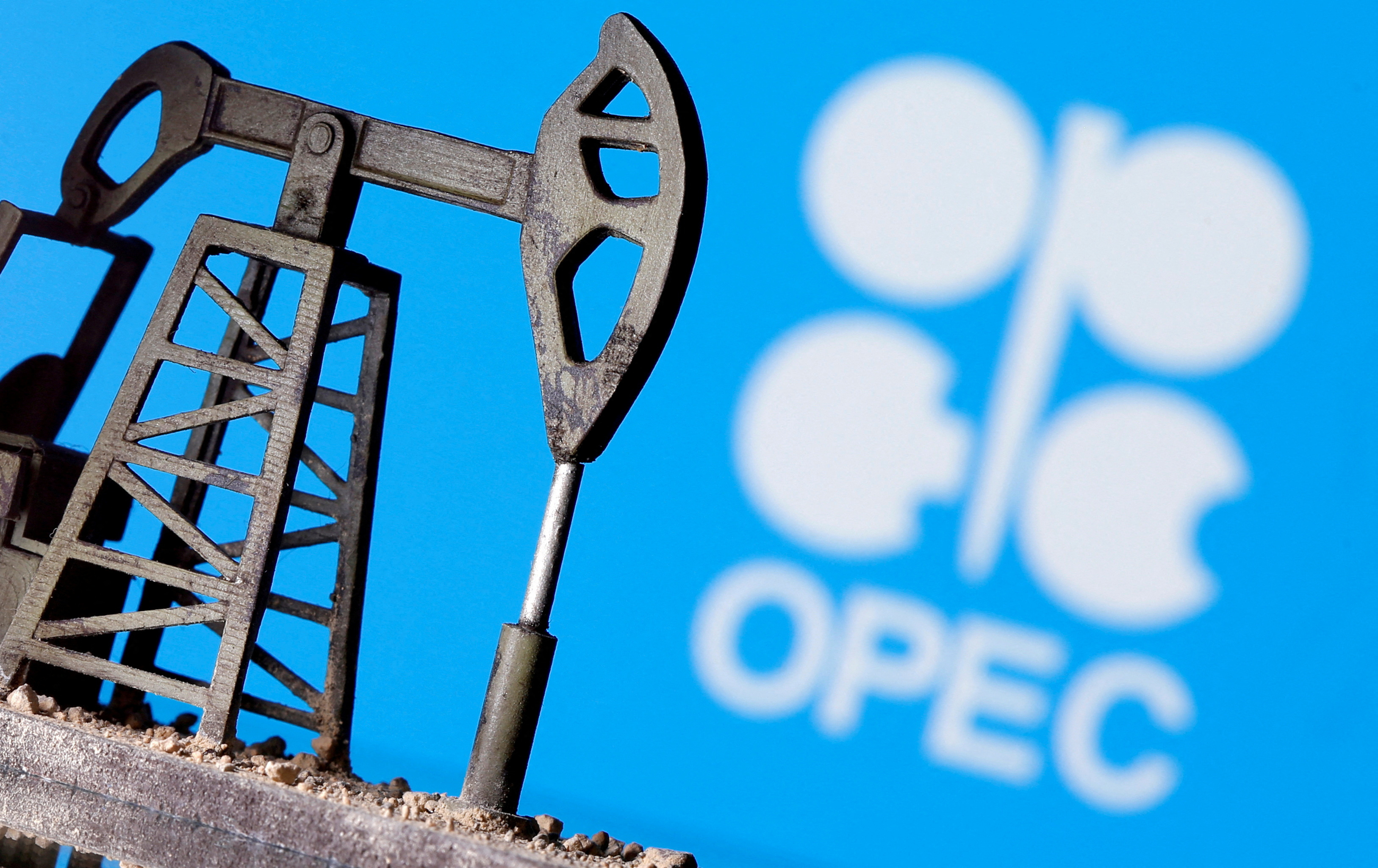
Oil-producing nations in the OPEC+ alliance have decided to maintain the current output policy following a key meeting. The gathering of ministers, which occurred as global energy markets continue to experience volatility, focused on compliance with production cuts and compensatory measures for countries that have exceeded their allocated quotas. As tensions persist over global supply and demand dynamics, this decision underscores OPEC+’s cautious approach in navigating the uncertain landscape.

The meeting, involving some of the world’s largest oil producers, was closely watched by analysts and industry leaders. Observers had anticipated possible adjustments to production levels, but the alliance chose to keep its policy steady for the time being. A source close to the talks confirmed the decision, emphasizing the group’s intent to maintain stability amid unpredictable economic conditions. OPEC+ has long been the primary driver behind oil supply strategies, and its decisions significantly impact global oil prices.

Attention was also directed at countries that have been overproducing relative to their targets. The meeting delved into how these nations might adjust their production in the coming months to align with the overall quotas set by the group. According to one of the sources within OPEC+, ministers discussed altering the schedules for compensating the excess oil production. While compliance remains a key issue, the group’s commitment to ensuring market equilibrium is evident through its continued discussions on corrective actions for overproducers.

OPEC+ includes the 13-member Organization of the Petroleum Exporting Countries (OPEC) along with other major oil producers, including Russia, forming an extended alliance that has managed global oil production since 2016. The group’s coordinated efforts in limiting production have played a critical role in managing global oil supply, especially after demand shocks like the COVID-19 pandemic. OPEC+ agreements, including the output cuts initiated in response to these shocks, have helped stabilize the market, albeit with ongoing challenges.

The current production cuts are part of a broader strategy adopted by OPEC+ to counterbalance the global oil supply. This strategy was designed to address the fluctuating demand patterns caused by economic slowdowns, geopolitical conflicts, and environmental concerns. Although many expected the group to consider tightening production further, the decision to maintain the status quo suggests that ministers are awaiting clearer market signals before making significant adjustments.

Concerns over compliance have surfaced repeatedly within the OPEC+ framework, particularly regarding the member nations that have consistently exceeded their production targets. The alliance had previously implemented a compensation mechanism that allows such countries to compensate for their overproduction by reducing future outputs. Discussions during the latest meeting reiterated the importance of this mechanism, with proposals to recalibrate the compensation schedules for non-compliant members gaining traction.

Market analysts are closely evaluating how these compensation schedules might influence oil prices in the coming months. For many overproducing countries, the challenge lies in balancing domestic energy demands with international commitments. The talks have underscored the need for greater transparency and enforcement within the OPEC+ framework, as stricter compliance will be crucial for the alliance’s long-term credibility and effectiveness.

The broader geopolitical context remains an important factor in OPEC+’s decision-making. Ongoing concerns over global inflation, coupled with fears of economic recessions in key markets, continue to shape the group’s cautious approach. Energy prices have become a focal point of debate in several regions, with governments under pressure to address rising costs while maintaining economic growth. OPEC+, mindful of these dynamics, is likely to continue adjusting its strategies in response to global macroeconomic shifts.

Despite the current output freeze, many industry experts believe that OPEC+ may consider changing its production policies in future meetings, especially if market conditions warrant it. The delicate balance between supply and demand remains a persistent challenge for oil producers, who must navigate not only the economics of energy but also the geopolitical pressures associated with oil dependency.

The global energy landscape continues to evolve, driven by factors such as the transition to renewable energy, geopolitical tensions, and the demand recovery in major economies. OPEC+ is increasingly viewed not just as a traditional oil cartel but as a central player in global energy governance. This meeting further highlights the alliance’s critical role in shaping the future of oil production and pricing.

OPEC+’s production strategies are also being influenced by longer-term shifts in the global energy mix. As the world gradually pivots toward more sustainable energy sources, fossil fuel producers face mounting pressure to diversify their portfolios while continuing to meet the immediate energy needs of a growing global population. For many OPEC+ members, the dual challenge of meeting these short-term and long-term goals will define the future of oil production policy.

Bitcoin miners have recorded their lowest monthly revenue in a year, with September earnings dropping to $816 million. This marks a significant decline in the cryptocurrency mining industry, which has faced mounting pressures from several factors, including rising operational costs and decreased market activity. The downturn has highlighted the challenges miners face in maintaining profitability as Bitcoin’s price volatility and network complexity continue to evolve.

The $816 million revenue generated in September represents a sharp fall from previous months, underscoring the financial struggles within the sector. One of the primary factors contributing to the decline was a notable drop in transaction fee revenue, which reached $13.86 million. This is the lowest level since the introduction of the BRC-20 standard in March 2023, a protocol that had initially generated a spike in transaction volumes and fees.

Bitcoin’s market conditions have been relatively stable in recent months, but this stability has translated into lower transaction activity on the network. The stagnation in trading volumes has had a direct impact on miners’ revenue, as transaction fees make up a significant portion of their earnings alongside block rewards. The decreasing transaction fee revenue suggests a reduction in on-chain activity, with fewer high-value transactions being processed.

Adding to the miners’ woes is the rising difficulty of Bitcoin mining. The Bitcoin network’s difficulty level, which adjusts based on the computational power being used to mine blocks, has been steadily increasing. This rise in difficulty has made it more challenging and resource-intensive for miners to solve the complex cryptographic puzzles required to verify transactions and add new blocks to the blockchain. Consequently, many miners are facing higher operational costs, particularly in terms of energy consumption and hardware maintenance, while earning lower rewards.

The drop in revenue has forced some smaller mining operations to scale back or shut down entirely, as they are unable to compete with larger mining farms that benefit from economies of scale. These larger players are better equipped to absorb the impact of reduced profitability, but even they are feeling the pinch as margins continue to shrink.

In addition to the technical and market-related challenges, regulatory scrutiny has also added pressure to the mining industry. Governments around the world have intensified their focus on cryptocurrency mining, particularly due to concerns over energy consumption and environmental impact. This has led to increased regulatory oversight in certain jurisdictions, with some countries imposing restrictions or outright bans on mining activities. China, which was once the dominant force in Bitcoin mining, implemented a nationwide crackdown on crypto mining in 2021, forcing many miners to relocate to more favorable environments such as the United States, Kazakhstan, and Russia.

Despite this migration, miners in these new locations have encountered their own challenges. In the U.S., for example, some states have introduced stricter regulations or raised electricity rates for mining operations, making it more difficult for miners to maintain profitability. In Kazakhstan, miners have faced power shortages and government-imposed limits on energy consumption, while Russia’s energy infrastructure has struggled to meet the demands of an influx of mining operations.

The impact of these regulatory changes has been compounded by the broader macroeconomic environment. Global inflation, rising interest rates, and increased energy costs have put additional strain on mining operations, particularly those that rely on electricity from non-renewable sources. As energy prices surge, miners with less efficient operations are finding it increasingly difficult to break even, let alone turn a profit.

While the immediate outlook for Bitcoin miners appears bleak, some industry experts believe that the downturn may ultimately benefit the ecosystem by driving greater efficiency and innovation. Miners are being forced to optimize their operations, adopt more sustainable energy sources, and explore new revenue streams beyond traditional block rewards and transaction fees. For example, some mining companies have started to offer cloud mining services, allowing retail investors to participate in mining without having to invest in expensive hardware.

Bitcoin’s next halving event, expected in 2024, could significantly alter the dynamics of the mining industry. The halving, which occurs roughly every four years, reduces the block reward by 50%, making it more difficult for miners to generate profits through new Bitcoin issuance alone. This upcoming halving is likely to further reduce miners’ reliance on block rewards and place a greater emphasis on transaction fees as a source of income. As a result, many miners are hoping for an increase in on-chain activity and higher transaction fees to offset the reduction in block rewards.

The broader cryptocurrency market is also expected to play a crucial role in determining the future of Bitcoin mining. If Bitcoin’s price experiences another bull run, as some analysts predict, the increased demand for transactions could lead to a resurgence in fee revenue and a boost to miners’ earnings. On the other hand, continued price stagnation or a prolonged bear market could exacerbate the financial pressures facing miners, leading to further consolidation in the industry.

VISHNU RAJA
RYO YAMADA
HITORI GOTOH
IKUYO KITA