News related to
macro

Daily active users in the global cryptocurrency market have surged to 30.8 million, marking a 30-fold increase since early 2020 when the figure hovered around just one million. This extraordinary growth underscores a pivotal shift in digital finance adoption, driven by both mainstream institutional participation and decentralised finance innovations.

The five-year acceleration in user activity reflects a maturing market that has gradually moved from speculative volatility toward widespread utility and integrated applications. Analysts link this exponential climb not only to rising asset prices but also to expanding real-world use cases and adoption in emerging markets where crypto offers alternatives to unstable fiat currencies or limited banking access.

Between 2020 and 2021, crypto markets experienced a spike in retail investor interest as Bitcoin and Ethereum reached new price highs. But the subsequent years saw a more diversified set of contributors to active user growth. These included Layer-2 solutions that reduced transaction costs, central bank scrutiny that validated digital assets as long-term economic factors, and increased capital flows into decentralised applications that are now used for lending, trading, and payments.

The upswing has also been aided by a shift in demographics. Users between the ages of 18 and 35 continue to dominate, but there is a discernible rise in users over 50 participating in digital asset portfolios through robo-advisors and automated wealth apps. Fintech platforms have played a central role in onboarding new users, offering wallet services directly within traditional mobile banking interfaces, especially in Southeast Asia, Latin America, and Sub-Saharan Africa.

Regulatory tailwinds have also contributed to this surge. After years of ambiguity, several governments began laying out clearer frameworks for crypto usage and taxation. The European Union’s Markets in Crypto-Assets regulation, now in force, has created greater legal clarity for wallet providers and stablecoin issuers. Meanwhile, jurisdictions such as Singapore, the UAE, and Hong Kong have developed regulatory sandboxes that attract developers without compromising on compliance. The clarity around Know-Your-Customer norms and licensing requirements has encouraged institutional custodians and payment processors to enter the space, further legitimising its growth.

Daily active wallet addresses, which measure unique addresses interacting with blockchain networks, are now being driven by utility rather than speculation. Decentralised social media platforms, blockchain-based gaming, and metaverse transactions contribute heavily to user engagement. On-chain metrics show that average wallet-to-wallet transactions have grown in both frequency and diversity, indicating a broader shift from holding digital assets to actively using them.

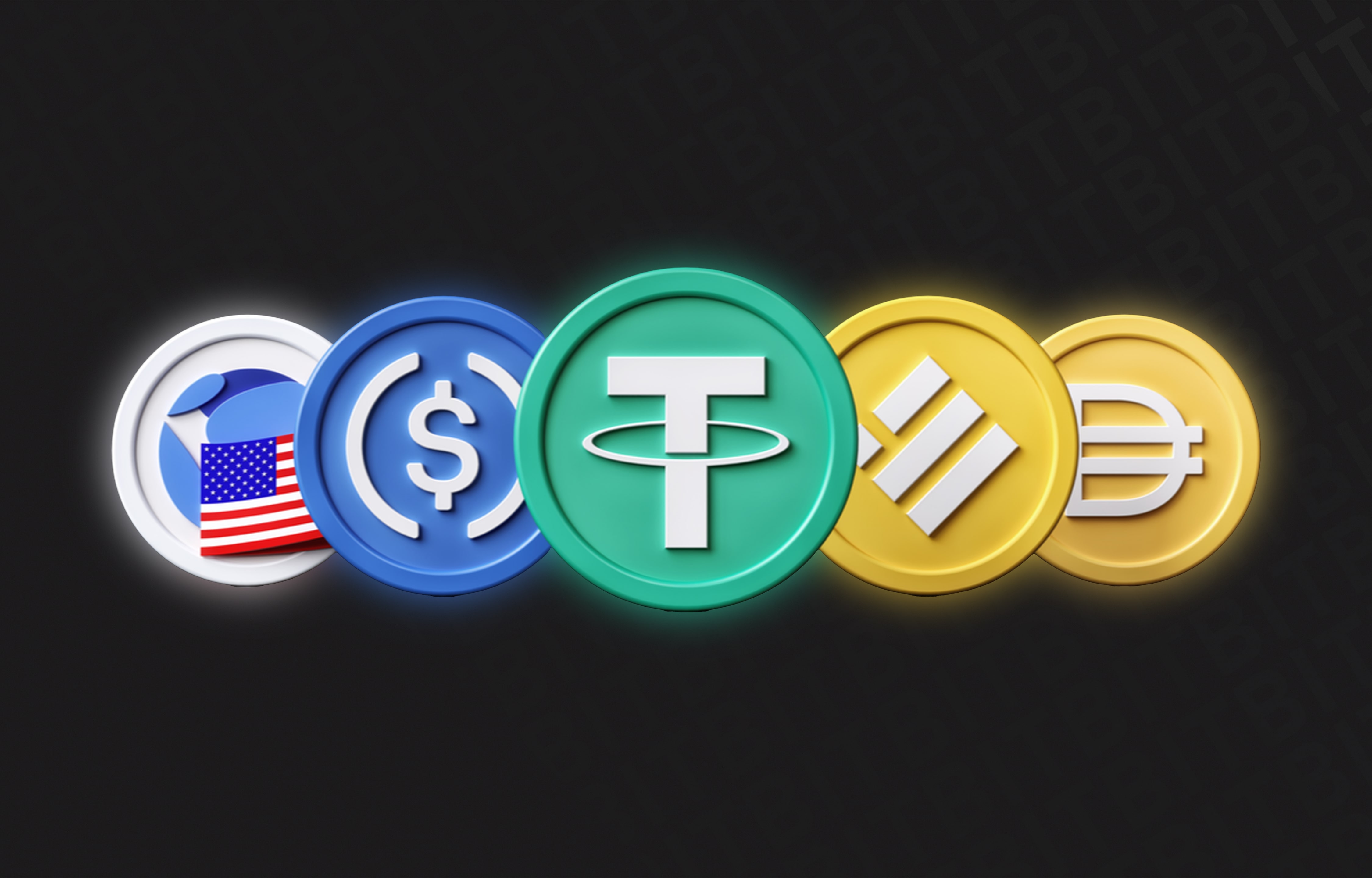
Stablecoins remain a major catalyst. With daily transaction volumes frequently surpassing those of major card networks, these tokens are increasingly used for remittances, salaries, and cross-border commerce. Businesses in Argentina, Nigeria, and the Philippines now routinely accept stablecoins to hedge against inflation and currency volatility. Dollar-pegged tokens such as USDT and USDC remain dominant, but a new wave of regionally anchored stablecoins linked to the euro, yen, and dirham are gaining traction.

This growth has coincided with new product launches by global crypto service providers. Coinbase, Binance, and OKX have all introduced wallet products tailored for mobile-first users, while decentralised apps like MetaMask and Trust Wallet have streamlined onboarding by integrating fiat-to-crypto gateways and social recovery features. Wallet-as-a-service solutions have also proliferated, allowing e-commerce platforms and loyalty programmes to integrate tokenised rewards and payments.

However, the expansion hasn’t been without setbacks. Security breaches and phishing attacks continue to pose significant threats, especially on mobile wallets lacking robust encryption or biometric safeguards. In 2024 alone, more than $600 million was reportedly lost to wallet-targeted hacks. This has forced wallet providers to enhance security protocols and increase user education around seed phrase storage and recovery mechanisms.

The surge in user activity also raises questions about scalability and environmental impact. Ethereum’s successful shift to a proof-of-stake consensus has alleviated some concerns, reducing energy consumption by over 99 percent, but congestion on other chains like Solana and BNB Smart Chain persists during peak usage periods. Developers are now turning to zero-knowledge rollups and modular chain architectures to manage the growing demand without compromising on decentralisation or throughput.

Investment in wallet infrastructure has sharply increased, with venture funding in crypto wallet startups exceeding $2.5 billion over the past year. Several firms are focusing on embedded crypto solutions that operate invisibly behind e-commerce and payment interfaces, enabling crypto usage without requiring users to understand blockchain mechanics. This backend integration has become crucial to onboarding the next 100 million users, according to fintech consultants.

On the macroeconomic front, crypto wallets are increasingly being viewed as components of digital identity. National digital currency trials in countries like Brazil and India are exploring hybrid models that link sovereign wallets to decentralised ones, potentially enabling programmable money systems that maintain user agency while complying with monetary policy.

As blockchain integration deepens across sectors, from healthcare to real estate, wallet functionality is expanding beyond currency storage. New generations of wallets offer token-gated access, voting rights in decentralised autonomous organisations, and certification for digital credentials. These features are pushing crypto adoption beyond financial speculation into everyday life.
Emirates NBD, the UAE’s second-largest bank by total assets, has initiated a mandate for a possible 10-year fixed-rate “Kangaroo” bond denominated in Australian dollars under its A$4 billion Kangaroo Debt Issuance Programme. The bank is seeking indications of interest at initial price thoughts of about 195 basis points above the relevant asset swap rate, aiming to meet growing appetite among institutional investors for high-quality yield. The bond is […]

Arqaam Capital is stepping up its equity capital markets, debt capital markets, and loan syndication operations in response to an upswing in transaction volume across Saudi Arabia and the UAE, positioning itself as a more prominent regional player. The Dubai‑based financial services firm, with licenced offices in the UAE, Saudi Arabia, Egypt and Lebanon, has secured permissions in the Kingdom of Saudi Arabia to advise on ECM […]

Hong Kong’s Hang Seng index climbed past the 24,000 mark, reaching heights unseen since March, fuelled by renewed optimism surrounding US-China trade discussions. Investor sentiment improved as market participants weighed the possibility of easing tensions between the two largest economies, sparking a notable rally in Hong Kong’s benchmark index. However, this upbeat mood contrasted sharply with the performance of Bitcoin, which struggled amid uncertainties over inflation dynamics and broader market volatility.

The Hang Seng’s advance reflected a growing belief that US and Chinese officials are making progress toward resolving key trade disputes. Early talks aimed at addressing tariffs, technology restrictions, and investment barriers have led investors to anticipate a thawing in one of the most consequential economic standoffs globally. The improving trade dialogue appears to be encouraging capital inflows into Hong Kong-listed shares, particularly in sectors sensitive to cross-border trade such as technology, manufacturing, and finance.

Market experts highlight that investor focus remains fixed on the trajectory of these negotiations, with any breakthroughs potentially unlocking significant value in the region’s equities. The rally also aligns with a more cautious but hopeful stance among traders that a prolonged trade conflict could ease, bolstering global economic growth prospects. Notably, blue-chip stocks led the gains, signalling confidence among institutional investors betting on recovery and expansion in the Asia-Pacific markets.

Conversely, Bitcoin’s performance diverged, as the leading cryptocurrency grappled with pressure from both macroeconomic and regulatory fronts. The digital asset has faced downward momentum partly due to investor apprehensions over persistent inflationary pressures in the United States. Inflation data remains a key focal point, as higher consumer prices could prompt the Federal Reserve to sustain or accelerate interest rate hikes, tightening liquidity conditions and dampening risk appetite in speculative assets.

Bitcoin’s volatility has also been compounded by shifting regulatory attitudes worldwide. Authorities in various jurisdictions are intensifying scrutiny of digital currencies, citing concerns over money laundering, market manipulation, and financial stability risks. Such regulatory tightening has contributed to a cautious investor approach, limiting Bitcoin’s ability to capitalize on broader risk-on sentiment seen in equities.

Analysts note that while Bitcoin has often been viewed as a potential inflation hedge, its correlation with traditional risk assets has increased, causing it to react sensitively to shifts in monetary policy and global economic uncertainty. This evolving dynamic challenges the narrative of cryptocurrencies as safe havens, complicating portfolio strategies for institutional and retail investors alike.

The Hang Seng’s rally has benefited from strong performances in technology companies listed in Hong Kong. Giants in the semiconductor and telecommunications sectors saw their share prices rise amid speculation that easing trade tensions could reduce supply chain disruptions and promote cross-border business activities. Additionally, financial stocks gained momentum as optimism grew about improving economic fundamentals and potential credit growth in the region.

Meanwhile, traders are closely monitoring upcoming US inflation reports, which could significantly influence market direction. Persistent inflation could lead the Federal Reserve to maintain a hawkish stance, thereby exerting downward pressure on risk assets including equities and cryptocurrencies. Conversely, signs of easing inflation could provide further impetus for market rallies and reduce volatility.

Hong Kong’s role as a financial gateway between China and the global economy continues to underpin investor confidence. The city’s markets are seen as a barometer for broader regional economic health, and the Hang Seng’s rise signals expectations that cross-border trade and investment flows will stabilise or improve amid diplomatic progress. This optimism is tempered by awareness of ongoing geopolitical risks, including Taiwan tensions and global supply chain uncertainties.

Bitcoin’s challenges underscore the growing complexity of the global investment landscape, where traditional and emerging asset classes are influenced by an intertwined set of economic, regulatory, and geopolitical factors. While the cryptocurrency market remains dynamic, its path forward appears increasingly contingent on external economic conditions rather than solely on technological or adoption milestones.

Stablecoins are processing roughly $33 trillion in yearly volume—around 20 times that of PayPal and three times Visa—while amassing $128 billion in U.S. Treasuries, placing these issuers among the top 20 holders of American debt and ahead of major nations such as Germany and Saudi Arabia.

Data from Andreessen Horowitz’s crypto arm shows that over 1 percent of the total U.S. dollar supply is now tokenised on blockchains. Major institutions, including Citi, project that by 2030 stablecoins could accumulate up to $3.7 trillion in Treasury holdings. While Ethereum and Tron currently underpin most of this infrastructure, emerging platforms such as Solana, Arbitrum and Base are gaining traction. Notably, on-chain data reveals that transactional activity in stablecoins appears largely decoupled from broader cryptocurrency trading volumes, indicative of growing real-world adoption. Today, these assets enable sub-second, sub-cent payments—positioning them as serious contenders to onboard the next billion users into the crypto economy.

Market analysts warn that growing stablecoin-backed Treasury holdings may shift demand dynamics for U.S. government debt. One study from academia found that by the end of the first quarter of 2025, Tether held roughly $98.5 billion in Treasury bills—equating to 1.6 percent of total outstanding bills. The research estimates that this level of demand has directly driven down one-month Treasury yields by approximately 24 basis points, indicating that stablecoin issuance is already influencing funding costs and potentially easing liquidity pressures.

Coinciding with this shift is a legislative push in Washington. A bill nearing Congressional approval would require issuers to fully back stablecoins with liquid assets, such as U.S. dollars and short-term Treasuries, and mandate monthly disclosures. Proponents suggest such regulation would reinforce investor trust, legitimize the sector and bolster U.S. debt demand. According to Reuters, Tether and Circle already hold a combined $166 billion in Treasuries—amounts that may increase further under binding legal frameworks.

Financial authorities have offered mixed views. Moody’s warns that large-scale liquidation driven by plunging confidence in stablecoin issuers could destabilise Treasury prices and spill over into broader fixed-income markets. Conversely, policymakers hope that expanded stablecoin activity could facilitate smoother funding for the Treasury, especially if issuers pivot toward demand for short-term debt like bills.

Macro strategies are duly noted. Vanguard’s rates chief suggests that sustained demand from digital currency custodians might spur the Treasury to favour issuing bills over long-term bonds, which could rebalance maturity profiles. Meanwhile, Bitwise’s investment head argues that this growing digital demand could reinforce the dollar’s position as the global reserve currency.

Infrastructure diversification within stablecoins is evolving. Ethereum and Tron continue to dominate, but high-throughput chains like Solana, Arbitrum and Google-backed Base are attracting developers and users aiming to benefit from faster, cheaper payments. The presence of real-world transactions—such as merchant and remittance use cases—underscores that stablecoins are transcending crypto-speculative flows, with sub-cent fees and near-instant settlement now commonplace features.

Emerging risks centre on financial-system vulnerability. The Treasury Borrowing Advisory Committee cautioned that a significant diversion of deposits into stablecoins could dampen demand for Treasuries and potentially curb lending by commercial banks. Money-market managers remain vigilant, with some estimating that stablecoins must scale further before triggering systemic instability.

Proponents counter that regulated stablecoins may alleviate pressures in the Treasury issuance process, with digital platforms absorbing demand in lieu of traditional buyers. Early legislative frameworks could incentivise these issuers to prefer bills over longer-duration instruments, helping to smooth fiscal financing.

Stablecoins are redefining the interface between digital currency networks and the time‑tested Treasury market, leaving policymakers to navigate a complex balance between innovation, stability and monetary control.

LiquidStack has introduced the GigaModular Coolant Distribution Unit, its most advanced liquid‑cooling solution yet, engineered to deliver up to 10 megawatts of scalable, direct‑to‑chip cooling. The debut of this system at the Datacloud Global Congress in Cannes, France, signals a pivotal advance in thermal infrastructure necessary for high‑density AI and cloud‑computing workloads. As data centre rack densities climb past 120 kW and approach projections of 600 kW by 2027, conventional […]

Maein Khalid Since the pandemic, IPO activity across GCC capital markets has surged – offering a sharp contrast to the stop-start pace on New York’s Nasdaq and the near standstill on London’s LSE. Nearly 300 IPOs have raised around $50 billion across the Gulf since 2021. Below I outline six key macro themes shaping this post-Covid IPO boom in the GCC. First, contrary to expectations, the number, […]

Advertisements
By Anjan Roy The new governor of the Reserve Bank, Sanjay Malhotra, has taken to monetary policy formulation and the world of finance like fish to water. Within a short period of his taking over, Malhotra has got into his charge with a refreshing confidence. RBI’s monetary policy, announced on Friday June 6, is surprisingly […]

Matein Khalid I have had a neurological soft corner for Wall Street’s alternative asset manager stocks ever since I resisted the come hither importunings of multiple Morgan Stanley (MS) managing directors before the firm sold its private wealth division in the DIFC to Credit Suisse. Everyone of these MS honchos wanted me to subscribe to the Blackstone IPO in the summer of 2007 at $32. They assured […]

KUALA LUMPUR, MALAYSIA – Media OutReach Newswire – 5 June 2025 – May proved to be a rather challenging month for gold traders. XAUUSD, the primary financial instrument for trading gold, fluctuated in a relatively broad range between $3,120 and $3,435 per ounce (oz), but finished the month virtually unchanged, narrowly recording a fifth consecutive monthly gain. Although trading started on a bearish note, XAUUSD found support […]

Ethereum has captured the spotlight in the cryptocurrency market, with its price climbing over 80% from April lows of approximately $1,400 to recent highs nearing $2,800. This rally has been accompanied by a significant uptick in social media sentiment, with Ethereum mentions showing a bullish-to-bearish comment ratio of 3:1, indicating strong retail enthusiasm.

In contrast, Bitcoin’s social sentiment reflects a more tempered optimism, with a 1.3:1 ratio of bullish to bearish comments. This suggests that while Bitcoin maintains its position as a leading cryptocurrency, its current market perception is more closely tied to macroeconomic indicators and traditional financial markets.

The divergence in sentiment between Ethereum and Bitcoin underscores differing investor perspectives. Ethereum’s recent performance has been bolstered by factors such as the activation of the Pectra upgrade on its mainnet, which has renewed retail interest after a period of relative dormancy. Additionally, the surge in Ethereum’s price has led to increased open interest in Ethereum futures, signaling growing market participation and confidence in its upward trajectory.

Bitcoin’s sentiment, while positive, appears to be influenced by broader economic discussions, including Federal Reserve Chair Jerome Powell’s remarks on U.S. inflation. Investors seem to associate Bitcoin’s performance with the health of the U.S. economy, viewing it as a hedge against inflation and a digital counterpart to gold.

The contrasting sentiments highlight a shift in retail investor behavior, with Ethereum gaining favor due to its recent price performance and network developments. This renewed interest in Ethereum suggests a potential reevaluation of investment strategies among retail traders, who are increasingly considering alternative cryptocurrencies beyond Bitcoin.

South Korea has witnessed the first notable instance of an institutional investor divesting cryptocurrency assets following the government’s decision to lift its long-standing ban on crypto trading by financial institutions. This marks a significant moment in the country’s evolving digital asset landscape, as regulatory shifts continue to reshape market dynamics and investor behaviour.

The institution in question, a major South Korean asset management firm, has reportedly sold off a substantial portion of its cryptocurrency portfolio. This move comes amid growing caution within the sector, despite regulatory relaxation intended to encourage wider institutional participation. Analysts suggest that the sale signals a pragmatic reassessment by financial entities, weighing regulatory clarity against market volatility and emerging geopolitical risks.

South Korea’s approach to cryptocurrency regulation has long been characterised by stringent restrictions designed to curb speculation and protect investors. The ban on crypto holdings by institutional investors, introduced several years ago, effectively excluded major banks, pension funds, and asset managers from direct crypto market involvement. This policy, aimed at stabilising the financial system, has limited the scale and scope of institutional crypto activity compared to other leading markets.

However, government authorities have recently signalled a more open stance, allowing institutions to hold and trade digital assets under stricter compliance and transparency frameworks. The removal of the ban reflects a broader effort to position South Korea as a competitive hub for blockchain technology and crypto innovation while addressing investor protection concerns. Regulatory bodies have emphasised enhanced due diligence, anti-money laundering measures, and consumer safeguards as prerequisites for institutional engagement.

Despite the regulatory easing, the initial institutional response appears cautious. The divestment by the asset management firm highlights lingering uncertainties, including the lack of comprehensive global regulatory harmonisation and fluctuating crypto valuations. Financial executives involved in the transaction point to increased scrutiny from compliance teams and internal risk committees, which have recommended a more conservative stance amid the unpredictability of crypto markets.

Market observers note that institutional investors have been closely monitoring international regulatory developments, including regulatory crackdowns in major economies such as the United States and the European Union. These external pressures, combined with domestic regulatory adaptations, create a complex environment where institutional players must balance opportunity with risk management.

South Korea’s crypto market itself continues to show robust retail participation, with local exchanges reporting increased trading volumes and new account openings. However, institutional activity remains limited, constrained by cautious regulatory interpretations and the need for clearer operational guidelines. Industry insiders indicate that infrastructure development, such as secure custody solutions and regulatory-approved trading platforms, will be critical to attracting sustained institutional capital.

The government’s gradual liberalisation has also been accompanied by initiatives to bolster blockchain technology development and related financial products. South Korean regulators are promoting pilot projects and innovation hubs, fostering partnerships between traditional finance firms and crypto startups. These efforts aim to build an ecosystem that supports not only trading but also tokenisation, decentralized finance applications, and digital asset custody.

Analysts highlight the importance of regulatory certainty for institutional confidence. The absence of clear rules has historically driven many South Korean financial institutions to adopt a wait-and-see approach, fearing potential legal repercussions and reputational damage. The recent institutional exit underscores the delicate balance regulators must maintain between fostering innovation and imposing adequate safeguards.

Investor sentiment is further influenced by macroeconomic factors, including global interest rate trends, currency fluctuations, and geopolitical tensions impacting asset flows. Cryptocurrency’s volatility relative to traditional assets remains a key consideration for institutional portfolio managers. Many firms are adopting phased approaches, initiating pilot crypto investments or forming dedicated teams to evaluate blockchain’s long-term potential before committing substantial capital.

The South Korean government’s broader digital finance strategy integrates cryptocurrency within its fintech agenda, aiming to create a sustainable and regulated market environment. However, achieving widespread institutional adoption will require ongoing dialogue with industry stakeholders, continuous regulatory refinement, and enhanced transparency mechanisms.

The current institutional crypto divestment could serve as a valuable indicator for regulators and market participants alike, revealing the challenges and reservations that remain despite policy shifts. Financial institutions appear to be navigating a transitional period, balancing innovation enthusiasm with prudent risk controls.

Matein Khalid My macro crystal ball begins to vibrate ominously whenever a perma-bull talking head joins the Squawk Box on CNBC, my spiritual, philosophical and financial lodestar in life and La Dolce Vita of the mercati monetari globali. After all, our beautiful business began as a money lender’s bench in Renaissance Florence 600 years ago and if we ever ran out of cash, they ruptured our banco […]

Bitcoin has surpassed $111,000, marking a significant milestone in its 2025 bull run. Standard Chartered has reiterated its forecast that the cryptocurrency could reach $500,000 before the end of President Donald Trump’s second term in January 2029. This projection is underpinned by increasing institutional interest and a shift in investment strategies towards digital assets.

Geoffrey Kendrick, Standard Chartered’s Global Head of Digital Assets Research, points to the U.S. Securities and Exchange Commission’s Form 13F filings as evidence of growing institutional engagement with Bitcoin. These filings reveal that sovereign wealth funds and state-affiliated institutions are acquiring shares in companies like Strategy , which hold substantial Bitcoin reserves. This indirect exposure is seen as a strategic move to gain access to Bitcoin’s potential upside while navigating regulatory constraints.

The bank’s confidence in Bitcoin’s trajectory is further bolstered by macroeconomic factors. Diminishing returns on traditional government bonds have prompted investors to seek alternative stores of value. Bitcoin’s capped supply of 21 million coins and its growing acceptance as a digital asset make it an attractive option for those looking to hedge against inflation and economic uncertainty.

Standard Chartered’s analysis suggests a phased growth pattern for Bitcoin: reaching $200,000 by the end of 2025, $300,000 by the end of 2026, and ultimately $500,000 by the end of 2028. This outlook is supported by the increasing integration of Bitcoin into institutional portfolios and the maturation of the cryptocurrency market.

While the bank’s projections are optimistic, they are not without caveats. The forecast assumes continued regulatory support, technological advancements, and sustained investor interest. Any significant disruptions in these areas could impact Bitcoin’s price trajectory.

KUALA LUMPUR, MALAYSIA – Media OutReach Newswire – 2 June 2025 – June 2025 is shaping up to be one of the most eventful months of the year for global markets. For traders, this means opportunity—but also volatility. The economic calendar is packed with macroeconomic data releases and central bank meetings, while geopolitical risks remain close to the surface. Beyond the usual inflation prints and interest rate […]

KUALA LUMPUR, MALAYSIA – Media OutReach Newswire – 30 May 2025 – Traders and investors alike are unnerved by the recent turbulence in the bond markets. After Moody’s—a major rating agency—downgraded U.S. government debt on 16 May, and Japanese long-term bond yields soared to multi-decade highs, some market participants started to fear that the world may be on the verge of a major debt crisis. Meanwhile, the […]

James Wynn, a prominent figure in the cryptocurrency trading community, has suffered a staggering loss of approximately $99.3 million following the liquidation of his leveraged Bitcoin positions on the Hyperliquid platform. The liquidation was triggered as Bitcoin’s price fell below the critical $105,000 threshold, leading to the forced closure of Wynn’s positions totaling 949 BTC.

The sequence of events unfolded rapidly. On May 29, Wynn’s position of 94 BTC, valued at around $10 million, was liquidated when Bitcoin’s price dipped to $106,330. The following day, two larger positions were closed: one comprising 527.29 BTC at $104,950, and another of 421.8 BTC at $104,150, amounting to losses of $55.3 million and $43.9 million respectively. These liquidations collectively accounted for the 949 BTC loss, as confirmed by on-chain analytics platforms.

Wynn’s aggressive trading strategy involved a 40x leveraged long position, a high-risk approach that amplifies both potential gains and losses. He had reportedly increased his leveraged position to $1.25 billion on May 24, banking on a bullish trajectory for Bitcoin. However, the market’s downturn, influenced by macroeconomic factors including discussions on tariffs by the US administration, led to a sharp decline in Bitcoin’s value, undermining Wynn’s position.

Despite the significant losses, Wynn continues to hold a substantial position in the market. He currently maintains a 40x leveraged long position in a perpetual contract, which was initiated when Bitcoin was priced at $107,993. This position is presently at an unrealized loss of approximately $3.4 million, with the liquidation price hovering around $104,607. Wynn’s margin usage is nearing 100%, indicating a precarious situation where any further decline in Bitcoin’s price could trigger additional liquidations.

The incident has sparked discussions within the trading community about the risks associated with high-leverage trading strategies. While such approaches can yield substantial profits, they also expose traders to significant losses, particularly in volatile markets. Wynn’s experience serves as a cautionary tale, highlighting the importance of risk management and the potential consequences of aggressive trading tactics.

In a related development, another trader reportedly capitalized on Wynn’s misfortune by adopting a contrarian strategy—shorting when Wynn went long and vice versa—resulting in a profit of $17 million. This underscores the zero-sum nature of leveraged trading, where one trader’s loss can translate into another’s gain.

The broader cryptocurrency market has also felt the impact of the downturn. Within an hour of Bitcoin’s price dropping below $105,000, approximately $345 million was liquidated from the market, reflecting the high volatility and the cascading effect of large-scale liquidations. Analysts note that such events can lead to heightened caution among traders, elevated funding rates, and potential ripple effects on Bitcoin’s price action and overall market sentiment.

HONG KONG SAR – Media OutReach Newswire – 30 May 2025 – The Chinese University of Hong Kong’s Faculty of Law (CUHK LAW) continues to strengthen its position as a leading international legal education institution, offering innovative programmes and conducting impactful research that shapes the future of legal practice across Asia and beyond. Distinguished Academic Excellence Since its establishment in 2004, CUHK LAW has emerged as a […]

Demonstrating Financial Stability, Proposed Final Dividend of HK$0.81 cents per share, Exploring Overseas Market to Diversify Income Source HONG KONG SAR – Media OutReach Newswire – 27 May 2025 – The board of directors of Oi Wah Pawnshop Credit Holdings Limited (HKEx stock code: 1319.HK, the “Group” or “Oi Wah”) announced its annual results and its financial position. For the year ended 28 February 2025 (“FY2025”), the […]

U.S. spot Bitcoin exchange-traded funds recorded a weekly trading volume of $25 billion between May 19 and 23, marking the highest level in 2025. This surge coincided with Bitcoin reaching an all-time high of $111,861, reflecting heightened investor interest and institutional participation.

Net capital inflows into these ETFs totaled $2.75 billion during the same week, one of the largest weekly inflows since their inception in early 2024. ETF issuers, including BlackRock and Fidelity, responded by creating new shares backed by equivalent Bitcoin purchases, thereby increasing market demand.

The combined assets under management of all active spot Bitcoin ETFs have now surpassed $131.4 billion. BlackRock’s iShares Bitcoin Trust leads the sector, with a net asset value exceeding $71 billion as of May 23. IBIT has maintained 30 consecutive trading sessions without a single day of outflows, holding approximately 3.3% of all existing Bitcoins.

Bitcoin’s price surge to over $111,000 has been attributed to several factors, including strong ETF inflows, increased regulatory clarity, and growing institutional adoption. Analysts note that the cryptocurrency’s momentum is further supported by macroeconomic conditions and policy developments.

President Trump’s directive to establish a Strategic Bitcoin Reserve has also influenced market dynamics. The reserve, capitalized with Bitcoin already owned by the federal government, aims to position the U.S. as a leader in the digital asset space.

The altcoin market is under intense scrutiny as a leading blockchain analyst warns of a potential collapse nearing 99% by 2026. This stark projection has intensified debate among investors and industry observers about the sustainability and risks within the broader cryptocurrency ecosystem beyond Bitcoin and Ethereum.

A seasoned on-chain analyst, known for precise timing and market predictions, has publicly announced plans to exit all altcoin holdings by August 2025. The analyst’s outlook is grounded in an examination of historical price trends, network activity, and macroeconomic factors affecting digital assets. Despite periodic rallies often dubbed “altcoin seasons,” the warning signals suggest that many alternative tokens could face dramatic value erosion over the coming years.

Altcoins, which include thousands of cryptocurrencies other than Bitcoin, have historically exhibited higher volatility and speculative characteristics. Periods of rapid price appreciation have often been followed by steep declines. The analyst’s research highlights patterns from past cycles indicating that altcoin prices tend to surge in mid-year months before collapsing sharply over subsequent periods. While these cyclical phenomena have produced short-term gains for some investors, the risk of a severe market downturn remains elevated.

Underlying this bearish view is a cluster of challenges. Regulatory uncertainty looms large across major jurisdictions, with authorities in the United States, Europe, and Asia intensifying scrutiny of cryptocurrency projects. Increased enforcement actions against fraudulent or non-compliant tokens have undermined investor confidence. Furthermore, rising interest rates globally have driven capital away from high-risk assets such as altcoins toward safer instruments, shrinking liquidity in the crypto markets.

Technological factors also contribute to the forecast. Many altcoins suffer from lack of developer engagement, insufficient user adoption, and unclear utility beyond speculative trading. Network activity data reveals a trend of declining transaction volumes and wallet addresses interacting with a majority of smaller projects. This erosion in on-chain activity signals fading real-world relevance, which historically correlates with falling valuations.

Institutional interest has increasingly concentrated on established digital assets with clearer use cases, such as Bitcoin and Ethereum, leaving lesser-known altcoins vulnerable. Large investment funds and hedge managers are selectively reallocating portfolios, favouring assets perceived as more resilient amid tightening monetary conditions. This shift contributes to widening disparities in market capitalisation within the cryptocurrency sector.

The analyst’s planned exit timing in August 2025 aligns with predictive models that identify peak speculative behaviour preceding significant corrections. By exiting well ahead of anticipated declines, the strategy aims to mitigate losses linked to the expected altcoin slump. This contrarian stance challenges narratives promoting imminent altcoin booms and “100x” token gains, cautioning investors against excessive optimism.

Market sentiment remains divided. Proponents of altcoins argue that innovation in decentralized finance , non-fungible tokens , and layer-two scaling solutions could catalyse renewed interest and price recovery. Projects with strong developer communities and proven protocols may weather the storm better than most. However, even promising initiatives must navigate tightening regulations, evolving market dynamics, and competition from traditional financial platforms integrating blockchain technology.

The macroeconomic environment adds complexity. Inflation pressures and geopolitical uncertainties are influencing global investment flows. Crypto markets have shown sensitivity to monetary policy shifts, and tighter credit conditions may limit speculative capital entering altcoins. This contrasts with prior years when expansive liquidity fueled exuberant asset price increases, including in crypto.

Investor behaviour during prior altcoin cycles provides instructive context. The pattern of exuberance followed by capitulation remains a recurring theme. For example, the 2017 bull run ended with widespread losses during the 2018 crash, while subsequent cycles showed similar boom-and-bust dynamics. The warning of a 99% decline aligns with extreme downside scenarios that, while dramatic, are not unprecedented in highly speculative markets.

Surveillance of on-chain metrics and market data continues to be crucial for participants. Indicators such as active addresses, transaction counts, token issuance rates, and exchange flows offer insights into momentum and sustainability. The analytical focus is increasingly on distinguishing quality projects from those vulnerable to failure or manipulation.

This forecast challenges investors and stakeholders to reconsider risk exposure and due diligence processes. Portfolio diversification, rigorous project evaluation, and cautious entry timing emerge as essential strategies. The prospect of a severe altcoin downturn underscores the need for heightened awareness of structural vulnerabilities in the crypto market landscape.

Bitcoin exchange-traded funds have amassed over 75,000 BTC in net inflows over the past month, marking a significant shift in institutional investment patterns and fueling a surge in the cryptocurrency’s valuation. This influx, surpassing $6.5 billion, has been pivotal in driving Bitcoin to an all-time high of $109,900, reflecting a growing confidence among investors in the digital asset’s long-term prospects.

The substantial inflows into Bitcoin ETFs, particularly BlackRock’s iShares Bitcoin Trust , which alone attracted $6.5 billion, underscore a broader trend of institutional adoption. This movement is further evidenced by the actions of major financial entities such as JPMorgan Chase and Morgan Stanley, which have expanded their cryptocurrency offerings in response to increasing client demand.

Analysts attribute this surge to a confluence of factors, including favorable regulatory developments and macroeconomic conditions. The U.S. Senate’s progress on a regulatory bill for stablecoins and the establishment of a Strategic Bitcoin Reserve by the Treasury have provided a supportive policy environment. Concurrently, the weakening of the U.S. dollar and concerns over fiscal policies have prompted investors to seek alternative assets, positioning Bitcoin as a perceived safe haven.

The impact of these developments is evident in the market’s response. Bitcoin’s price trajectory has been bolstered by the sustained ETF inflows, with models estimating its fair value to be between $105,000 and $125,000 at the current rate of investment. This valuation aligns with the observed market behavior, where the cryptocurrency has maintained its upward momentum despite broader economic uncertainties.

The strategic moves by corporations also play a crucial role in this dynamic. Michael Saylor’s Strategy, for instance, has significantly increased its Bitcoin holdings, adding $765 million to its portfolio, which now exceeds $63 billion in value. Such corporate investments not only reflect confidence in Bitcoin’s potential but also contribute to its market stability and growth.

The entry of new players into the Bitcoin ETF space, such as Twenty One, led by the son of President Trump’s commerce secretary, indicates a diversification of investment vehicles and a broadening of the market base. This expansion enhances the accessibility of Bitcoin to a wider range of investors, further solidifying its position in the financial ecosystem.

Bitcoin’s price soared to an unprecedented high of $111,816 on May 21, 2025, coinciding with the 15th anniversary of Bitcoin Pizza Day. This surge reflects a significant shift in investor sentiment, driven by a confluence of regulatory advancements, institutional adoption, and macroeconomic factors.

The rally is largely attributed to growing optimism surrounding impending U.S. cryptocurrency regulations. The proposed Genius Act, aiming to establish a comprehensive framework for stablecoins, has garnered bipartisan support in Congress. This legislative momentum has invigorated investor confidence, leading to substantial inflows into U.S.-based Bitcoin exchange-traded funds , which have seen over $3.6 billion in investments this month alone.

Institutional participation has also intensified. MicroStrategy’s acquisition of $765 million worth of Bitcoin has elevated its holdings to over $63 billion, underscoring the growing corporate interest in digital assets. Additionally, JPMorgan Chase’s decision to permit clients to purchase Bitcoin marks a significant endorsement from traditional financial institutions.

Technical indicators suggest continued bullish momentum. The emergence of a “golden cross” pattern, where the 50-day moving average surpasses the 200-day moving average, typically signals sustained upward trends. Analysts are closely monitoring support levels at $107,000 and $100,000, with projections indicating potential resistance around $120,000.

Macroeconomic factors have further bolstered Bitcoin’s appeal. A weakening U.S. dollar, coupled with rising Treasury yields and concerns over fiscal policies, has prompted investors to seek alternative assets. Bitcoin’s perceived status as a hedge against traditional market volatility has been reinforced by these developments.

The timing of this price milestone on Bitcoin Pizza Day adds symbolic significance. Fifteen years ago, Laszlo Hanyecz’s purchase of two pizzas for 10,000 BTC marked the first real-world Bitcoin transaction. Today, that amount of Bitcoin is valued at over $1.1 billion, highlighting the cryptocurrency’s remarkable journey from a niche experiment to a mainstream financial asset.

Bitcoin has reached a new pinnacle, surpassing $109,000 for the first time, with data indicating that 99% of holders are now in profit. This surge underscores the cryptocurrency’s robust momentum and growing investor confidence.

The digital asset’s ascent has been attributed to a confluence of factors, including increased institutional adoption, favourable regulatory developments, and heightened interest from retail investors. The approval of spot Bitcoin exchange-traded funds by the U.S. Securities and Exchange Commission in early 2024 has notably facilitated greater access for traditional investors, contributing to the asset’s upward trajectory.

Market analysts have observed that the current rally is supported by strong fundamentals. The limited supply of Bitcoin, capped at 21 million coins, combined with sustained demand, continues to exert upward pressure on its price. Additionally, macroeconomic factors such as inflation concerns and currency devaluation in various regions have prompted investors to seek alternative stores of value, with Bitcoin emerging as a preferred choice.

The cryptocurrency’s performance has also been bolstered by significant investments from prominent figures in the financial sector. Notably, a trader identified as James Wynn has reportedly made substantial gains through leveraged positions, reflecting the high-risk, high-reward nature of the market. Wynn’s activities have garnered attention on social media platforms, highlighting the speculative interest that often accompanies Bitcoin’s price movements.

VISHNU RAJA
RYO YAMADA
HITORI GOTOH
IKUYO KITA