News related to
macro

Dogecoin is a crypto in the CRYPTO market.
The price is 0.164341 USD currently with a change of -0.00 USD from the previous close.
The intraday high is 0.167214 USD and the intraday low is 0.161817 USD.

Memecoin Resilience: Dogecoin Holds Firm at $0.16 Level

Dogecoin bounced off the $0.16 mark after a sharp intraday decline, signalling that bulls are defending this multi‑week floor. Trading volume surged near these levels, indicating accumulation and potential consolidation ahead.

The memecoin dropped around 5 per cent intraday, bottoming at approximately $0.161 before recovering to about $0.163, according to CoinDesk’s data. Volume during the bounce doubled the daily average, underscoring robust buyer interest around this critical price band. Market observers note that holding above $0.160 could pave the way for a sustained recovery.

Technical analysts suggest Dogecoin may be forming a base around this level. CoinDesk’s Shaurya Malwa points out that the token remained in a narrow range between $0.162 and $0.164 after the bounce—a pattern often associated with consolidation and trend reversals.

The broader cryptocurrency landscape remains volatile. Macroeconomic pressures—particularly global trade tensions and central bank policy uncertainty—have triggered risk‑off sentiment. That volatility tends to amplify swings in meme‑style tokens like Dogecoin, yet it also creates value opportunities for strategic buyers.

On‑chain interest appears healthy. Cryptocurrency analytics platform CoinGecko reports substantial trading activity across centralised exchanges, with 24‑hour turnover exceeding $900 million, although this reflects a slight dip from the previous week’s average. Coinbase indicates Dogecoin remains the top memecoin by trading volume, commanding approximately 1 per cent of the total crypto market cap.

In European trading on 3 July, Dogecoin climbed close to $0.174 following a defence of the $0.16 region. Analysts caution that this rebound, representing an 11 per cent gain from the low, may end up corrective rather than reflecting a confirmed trend shift. More Crypto Online, a technical analyst, contends the price movement fits an ABC diagonal wave pattern, warning that failure to hold $0.16 could invalidate bullish outlooks. Should the token maintain support, targets around $0.196 appear plausible; yet a break below $0.151 may trigger renewed weakness.

Amid this backdrop, speculation builds around a possible Dogecoin‑based ETF. Amendments filed by Bitwise for a spot‑DOGE ETF have increased optimism, with analysts estimating a high probability of SEC approval by the year‑end. A green light could invite fresh institutional capital and broader market legitimacy, although timing expectations remain uncertain.

Social media and celebrity influence continue to play a strong role. Elon Musk’s intermittent endorsements and jovial online commentary have historically driven surges in trading volume and public interest.

At present, Dogecoin remains range‑bound, with the $0.16 level acting as both a psychological and technical barrier. A sustained break above $0.164—coupled with upticks in volume—could signal a reversal toward mid‑$0.18 or even $0.20. Conversely, capitulation below the $0.16 threshold may re‑test June lows and weaken broader memecoin sentiment.

Traders await forthcoming macroeconomic signals—US inflation data, central bank communications—and updates on ETF applications, all of which could determine whether Dogecoin’s floor holds or fractures.


Saudi energy giant Aramco is preparing to divest up to five gas-fired power plants as part of a broader strategic shift aimed at unlocking billions of dollars to bolster state revenues and maintain fiscal discipline amid softening global oil prices. The proposed sale, focused on gas-based plants supporting key refinery operations, is expected to yield approximately $4 billion, according to individuals familiar with the internal deliberations. These […]

Dubai’s real estate market achieved its most robust performance on record during the second quarter of 2025, with property transactions climbing to unprecedented levels in both volume and value. A total of 53,252 property deals were registered during the three-month period, amounting to a combined value of AED184.3 billion, underscoring the emirate’s sustained appeal as a global investment magnet amid broader geopolitical and economic volatility.

The volume of transactions surged 22 per cent compared to the same quarter last year, while the overall value leapt by 49 per cent, further consolidating Dubai’s position as one of the world’s fastest-growing and most resilient real estate hubs. The latest performance builds on the momentum seen in the first quarter and is reflective of continued interest from both regional and international buyers, particularly in high-end and luxury segments.

Analysts attribute the strong results to a convergence of factors including the emirate’s investor-friendly policies, rapid population growth, strong infrastructure pipeline, and the appeal of Dubai’s tax-free environment. Real estate consultancies tracking market data also note a significant uptick in off-plan sales, accounting for nearly 44 per cent of all transactions in Q2 2025, driven largely by launches from developers targeting the mid-to-premium housing segments.

Demand for ready properties remained equally robust, particularly in waterfront and master-planned communities, as buyers sought out completed units for either immediate occupancy or long-term leasing opportunities. Popular districts such as Dubai Marina, Business Bay, Jumeirah Village Circle, and Downtown Dubai saw double-digit transaction growth, with villa communities in areas like Dubai Hills Estate and Palm Jumeirah also attracting high-net-worth investors.

Developers responded to surging demand by accelerating project launches, with a slew of new developments unveiled during the quarter, many of which sold out within days of announcement. The off-plan boom has been accompanied by heightened investor interest in fractional ownership models and branded residences, trends that have increasingly defined Dubai’s luxury property narrative over the past year.

The secondary market saw sustained activity as well, with resale prices across several prime areas recording upward adjustments due to tight supply and ongoing demand. Apartments recorded a strong increase in both number of units sold and price per square foot, while the villa segment continued to outperform due to limited new supply and a growing preference for larger living spaces, especially among end-users from Europe and Asia.

Several macroeconomic tailwinds continue to support the market’s resilience, including Dubai’s population growth — which is projected to exceed 3.8 million by the end of 2025 — as well as low interest rates, rising foreign direct investment, and policy reforms that promote long-term residency for investors and skilled professionals. The emirate’s status as a financial and logistical hub has also been instrumental in driving sustained inflows of capital into the property market.

Institutional investors and real estate investment trusts have increased their presence across the commercial and mixed-use segments, acquiring assets across hospitality, logistics, and retail sectors. Office leasing volumes also posted notable gains, with Grade A space witnessing reduced vacancy rates in business districts such as DIFC, Dubai Design District, and Sheikh Zayed Road.

Developers are simultaneously placing a stronger focus on sustainability and smart technology integration, with many new launches boasting green building certifications and digital infrastructure enhancements. These features have grown in appeal among environmentally conscious buyers and tech-savvy investors who see long-term value in smart homes and ESG-compliant assets.

The government’s proactive regulatory framework, aimed at improving transparency, investor protection, and market efficiency, has further bolstered sentiment. Initiatives such as unified transaction platforms and digital documentation processes have reduced red tape and enhanced buyer confidence, particularly among first-time investors and international participants unfamiliar with the region’s legal landscape.

Tourism-driven demand has also played a critical role in buoying the short-term rental market, with areas close to entertainment, beach, and retail zones witnessing increased activity. The integration of lifestyle amenities within mixed-use developments has enhanced their attractiveness for both short-stay visitors and long-term residents, contributing to the rising absorption rates across the emirate.

Bitcoin is a crypto in the CRYPTO market.
The price is 107761.0 USD currently with a change of -1627.00 USD from the previous close.
The intraday high is 110000.0 USD and the intraday low is 107741.0 USD.

Whale Exodus, Institutional Surge Define Bitcoin Landscape

A profound shift in Bitcoin ownership is underway as early large holders—or “whales”—have offloaded more than 500,000 BTC over the past year, while institutions such as spot ETFs, corporate treasuries and asset managers have collectively swooped up nearly 900,000 BTC. That haul now places institutional ownership at roughly 4.8 million BTC, equivalent to 25% of the total ~20 million supply.

This reshaping of ownership has already led to a marked decrease in price volatility. Deribit’s 30-day BTC Volatility Index sits at its lowest point in around two years, a trend noted by industry figures such as DRW’s Rob Strebel and Arca’s Jeff Dorman, who have characterised Bitcoin’s market as transitioning from a speculative instrument to “slow‑burn” portfolio allocation. As a result, analysts are revising expectations downward, now forecasting restrained annual returns in the region of 10–20%, rather than expecting sharp bull‑run surges.

The price has stabilised around US $110,000, reflecting the dampening effect of institutional inflows against whale outflows. However, experts caution that this equilibrium may be fragile: if whales continue to sell and institutional inflows cool, Bitcoin could become vulnerable to abrupt corrections, echoing past events when relatively modest outflows of 2% in 2018 and 9% in 2022 triggered collapses of 74% and 64% respectively.

The implications of this structural change extend beyond price mechanics. When whales use institutional venues as an exit route—via ETF conversions or corporate treasuries—they secure liquidity that can facilitate large-scale unwinds without triggering immediate volatility. Critics like Hilary Allen argue this may leave smaller stakeholders exposed in the event of a broader downturn.

Regulatory evolution has played a pivotal role. The introduction of U. S. spot BTC ETFs in January 2024 and subsequent inflows have legitimised institutional participation, with major asset managers—BlackRock, Fidelity and MicroStrategy among them—establishing significant positions, enhancing market depth and resilience.

Interlinked macroeconomic conditions have further shaped trends. A weaker U. S. dollar, increased money supply, rising equity markets and higher mining costs—due to energy pricing—have slowed new issuance, tilting supply‑demand dynamics in Bitcoin’s favour and reinforcing institutional demand.

Nonetheless, the transformation is not without nuance. The repricing of Bitcoin—as volatility subsides—could dampen the appeal among short‑term traders and retail participants who previously thrived on speculative swings. Meanwhile, institutional models of “faster money” mean that large‑scale monthly or quarterly rebalancing could trigger intermittent volatility spikes.

Market observers are now closely monitoring whale behavioural patterns and ETF flow data to gauge whether institutional appetite will sustain. Markus Thielen from 10x Research suggests this transition could define Bitcoin’s identity for years, positioning it for steady, long‑term growth at 10–20% annually—but warns that the absence of new inflows may precipitate sharp market corrections.

Alibaba Cloud has unveiled its third data centre in Malaysia and confirmed plans for a second facility in the Philippines, deepening its infrastructure presence in Southeast Asia. The Malaysian centre became operational on 1 July 2025, while the Philippine hub is scheduled to launch by October 2025. These moves are part of Alibaba’s broader efforts to bolster cloud and AI services across the region.

Growth in cloud demand and the strategic importance of Southeast Asia underpin this expansion. Alibaba Group’s cloud division has embarked on a $52 billion investment over the next three years to build a unified global cloud network, spanning Asia, the Middle East, Europe and the Americas. Southeast Asia has emerged as a pivotal battleground as enterprises accelerate AI adoption and seek resilient digital infrastructure.

At a summit in Singapore marking Alibaba Cloud’s tenth anniversary in the city-state, Eddie Wu, CEO of Alibaba Cloud, highlighted the company’s strategy: “Globalisation is Alibaba Cloud’s long‑term strategy,” he said, adding that the company would “accelerate the development of its global cloud computing network”. These statements reinforce Alibaba’s ambition to deliver end‑to‑end cloud services, spanning compute, storage, networking and AI capabilities.

This announcement follows earlier infrastructure roll‑outs across Asia. The company deployed a second data centre in South Korea in June 2025 and launched new regions in Thailand and Mexico in the first half of the year. Strategic market withdrawals from Australia and India in 2024 appear to be counterbalanced by intensified investment in high‑potential markets.

Southeast Asia’s accelerating digital transformation is creating rising demand for secure, scalable cloud services. Malaysia, with its growing ecosystem of startups and tech‑savvy enterprises, will now benefit from three Alibaba Cloud zones, an improvement in redundancy and local connectivity. The Philippine expansion addresses growing demand in Manila and surrounding urban centres, where cloud adoption is being propelled by fintech, e‑commerce, and the BPO sector.

At the Singapore summit, Alibaba also launched its AI Global Competency Centre, designed to support over 5,000 businesses and 100,000 developers. The centre offers access to advanced AI models, labs and infrastructure support. These investments aim to accelerate enterprise AI adoption by providing both tools and training through partnerships with more than 120 universities, aiming to train 100,000 AI professionals annually.

In addition to infrastructure, Alibaba Cloud is upgrading its cloud offerings. The ninth‑generation intel‑based Enterprise Elastic Compute Service will roll out across Malaysia, the Philippines, Japan, South Korea, Thailand, UAE, Germany and the UK from July. Enhancements to its Data Transmission Service and Platform for AI demonstrate a push to simplify deployment of large language models and accelerate inference capabilities.

Competitive pressure in Southeast Asia is intensifying, with other hyperscalers—AWS, Microsoft Azure, Google Cloud—announcing new regions and services. Alibaba’s bets on localised data centres, AI‑centric products and talent development programmes are its response to positioning itself as a regionally integrated cloud‑AI partner.

Regulatory headwinds and trade tensions, particularly restrictions on Chinese cloud firms, lend further urgency to Alibaba’s diversification strategy. By embedding infrastructure in Southeast Asia, the company aims to mitigate geopolitical risk, offer compliant local services and deliver low‑latency performance.

Corporate results reflect this momentum: Alibaba Cloud has reported double‑digit year‑on‑year growth in AI‑related product revenues for six consecutive quarters, with Q4 cloud revenue hitting CNY 31.7 billion and quarterly growth of 13%. These figures position the unit as the fastest‑growing segment within the broader Alibaba Group.

Tech analysts and regional partners have praised the expansion as timely. “These deployments will significantly improve resilience, latency and service coverage across key markets,” remarked a Southeast Asia‑based CIO. A telco executive added that local data centres are crucial to scaling AI‑powered services like real‑time analytics, IoT and smart city infrastructure.

Channel partners in Malaysia and the Philippines, including telcos and systems integrators, anticipate accelerated digital transformations. Industry groups reported a surge in enquiries following the Malaysian centre’s opening, particularly from manufacturing and education sectors. Cloud‑native startups welcomed the news, viewing the increased compute availability as essential to scaling AI‑driven products.

Optimising energy use and sustainability is also part of the plan. Alibaba’s “Energy Expert” ESG‑focused reporting tool integrates AI into energy management. This aligns with industry benchmarks that 84% of leaders see green AI as important, although 69% are still at early adoption stages. Emerging green data centre practices—including renewable power sourcing and efficient cooling—are expected to feature prominently in the Southeast Asian roll‑outs.

The Malaysian data centre opens amid strong macro trends: Malaysia’s digital economy was projected to grow at over 10% annually through the next five years, while Philippine cloud adoption is forecast to grow at a similar rate, driven by government digitalisation policies and enterprise cloudisation. As Alibaba deploys this enhanced infrastructure, both nations are expected to see AI‑centred cloud services gain momentum in verticals ranging from finance to manufacturing.

Matein Khalid Both Israel and the US were careful not to target Iran’s oil export terminal at Kharg Island, a major reason why Brent crude trades at 68 and not 100. It is ironic that Iran’s oil output is now 5.1-MBD (this figure includes condensates and gas to liquids), its exact amount in 1978, the last year the Shah ruled from his Peacock Throne. There is no […]

The International Monetary Fund has cleared the initial review of its Extended Credit Facility arrangement with the Democratic Republic of Congo, triggering an immediate disbursement of US$ 262 million. That sum bolsters the Kinshasa government’s fiscal breathing room as it seeks to address critical economic vulnerabilities and foster sustainable growth. This second tranche under the three‑year programme comes after IMF staff and Congolese authorities agreed on key conditions aimed […]

Advertisements

Business Bay achieved over AED 4.5 billion in off‑plan real estate sales during the second quarter of 2025, completing more than 1,900 transactions and cementing its reputation as a premier residential and investment epicentre in Dubai. Contributing 5 per cent of the emirate’s total real estate sales value, while representing only 3 per cent of transaction volume, the district demonstrated its enduring appeal and pricing power amid a booming market. Dubai’s overall property […]

BlackRock’s iShares Bitcoin Trust has overtaken its flagship S&P 500 ETF, IVV, in annual fee revenue, marking a significant shift in investor interest. IBIT now generates approximately $187.2 million a year, edging ahead of IVV’s $187.1 million—remarkable given IBIT’s substantially smaller asset base and higher fees.

Since launching in January 2024, IBIT has attracted roughly $52 billion in net inflows—nearly 96% of all capital entering U.S. spot Bitcoin ETFs—and now accounts for more than 55% of the category’s assets. Its success has propelled assets under management to around $72–75 billion, with the fund achieving the fastest-ever climb to $70 billion in just 341 trading days.

The rapid accumulation reflects shifting institutional sentiment. Analysts note that investors are increasingly willing to pay premium fees—IBIT charges 0.25% versus IVV’s mere 0.03%—for access to Bitcoin exposure within trusted regulated vehicles. Nate Geraci, president of the ETF Store, said the milestone “reflects both surging investor demand for Bitcoin and significant fee compression in core equity exposure”.

While fee revenue for IBIT now tops IVV, critics caution that underlying volatility in Bitcoin has diminished, bringing it closer to traditional equity benchmarks. ETF analyst Eric Balchunas noted that IBIT’s volatility—once over five times that of equities—has softened significantly, attributing this partly to institutional scale and maturing market dynamics.

IBIT is also directing the vast majority of new capital entering spot Bitcoin ETFs. Over the past 15 trading days, U.S. spot Bitcoin ETFs have drawn nearly $5 billion in inflows; IBIT alone captured more than 80% of this flow, including $112 million on the final trading day of June. Its individual inflow streak totalled $3.8 billion before plateauing.

Despite its dominance, IBIT has not been immune to market fluctuations. Bitcoin-related ETFs experienced a $342 million outflow in a single day, ending a 15-day positive run. That pause included IBIT seeing no inflows that day, although analysts like Valentin Fournier at BRN Lead Research cautioned it may reflect a temporary cooldown rather than a shift in sentiment.

BlackRock’s success with IBIT is emblematic of broader trends identified by financial research. According to S&P Global, appetite for digitally‑focused funds remains robust, particularly where institutional frameworks offer clarity and accessibility. The Financial Times highlighted that active ETFs—especially crypto and options‑focused products—are capturing disproportionate fee income relative to passive counterparts, driven by higher demand and pricing flexibility.

Regulatory stability since January 2024 has facilitated IBIT’s ascent, making it easier for large-scale investors to allocate to cryptocurrency via mainstream platforms. This institutional flow has, in turn, helped reduce price volatility in Bitcoin itself, narrowing the gap with traditional ETFs.

Yet questions persist about longevity. IBIT’s future depends on sustaining investor interest amid macroeconomic shifts and evolving competition. Emerging Bitcoin ETFs from competitors like Fidelity’s FBTC and Ark Invest’s ARKB are gaining attention, though they trail IBIT significantly. Institutional scrutiny also remains vigilant, focused on fund liquidity, asset custody, and regulatory compliance.

BlackRock is expanding its digital asset strategy beyond the U.S., with plans to introduce a bitcoin ETF in Europe, potentially domiciled in Switzerland, contingent on MiCA framework compliance.

BlackRock’s benchmark S&P 500 ETF, IVV, retains its massive $600+ billion in assets. Though still the industry cornerstone, its fee income has been outstripped for the first time—by a product founded on the dynamic, historically volatile Bitcoin market. The shift underscores a pivotal moment in ETF evolution, as Bitcoin transitions from niche digital asset to mainstream portfolio inclusion.

KUALA LUMPUR – Media OutReach Newswire – 2 July 2025 – This Thursday at 12:30 p.m. UTC, the U.S. Bureau of Labor Statistics will release its highly anticipated Nonfarm Payroll (NFP) report. While typically issued on the first Friday of each month, this week’s release has been brought forward due to the upcoming U.S. Independence Day holiday. The NFP report is traditionally considered to be the most […]

South Africa will receive a $474.6 million loan from the African Development Bank to overhaul its transport systems and energy infrastructure, the Bank announced on Tuesday. The financing, part of a broader international development package, aims to tackle persistent power outages, outdated rail networks and port congestion that have hampered economic performance. The loan is being deployed under the Infrastructure Governance and Green Growth Programme, the Bank’s second […]

Arabian Post Staff -Dubai Nothing has launched its Phone, marking a strategic leap into the flagship smartphone market with a starting price of $799. The device is slated for pre-orders on 4 July and will ship globally on 15 July, including US, UK and European markets. Equipped with a Snapdragon 8s Gen 4 chipset paired with up to 16 GB RAM and 512 GB storage, the Phone positions itself against premium models […]

Saudi Arabia’s Public Investment Fund posted a 60 per cent plunge in net profit for 2024, even as its assets surpassed the US $1 trillion mark, the fund disclosed on 30 June. The drop came amid persistent high interest rates, inflationary pressures, and a wave of impairments tied to escalated costs and shifting operational plans.

Net income dwindled to 25.8 billion riyals, down sharply from 64.4 billion riyals in the prior year. This contrast underscored the divergence between headline growth and bottom‑line volatility within Saudi Arabia’s principal engine for economic diversification.

Assets under management rose by 18 per cent to 4.321 trillion riyals, up from 3.664 trillion riyals in 2023. The surge came largely from fresh capital injections, including transfers from oil‑linked revenues, plus appreciation in existing holdings, particularly in domestic champions such as Saudi Aramco and Saudi National Bank.

Yet, comprehensive income—an accounting measure that factors in unrealised gains and asset revaluations—tipped into negative territory, registering a 140 billion riyals loss following a gain of 138.1 billion riyals the previous year. The swing reflected deep writedowns, tied to project revaluations across the PIF’s footprint.

Monica Malik, chief economist at Abu Dhabi Commercial Bank, attributed the downturn in part to recalibration of investment strategies. She highlighted how “prioritisation of some projects and the extension in the timelines of some giga projects could have been a factor for the impairments,” and pointed to rising costs as another pressure point.

Among these giga‑projects is NEOM, an ambitious urban megacity on Saudi’s Red Sea coast. Backed by hundreds of billions of dollars in PIF funding, NEOM remains central to the fund’s strategy, though its scale and timeline have been under increased scrutiny amid cost inflation and changing economic dynamics.

Cash reserves stood firm at 316 billion riyals, while group loans edged up to 570 billion riyals, signalling ongoing borrowing to propel expansions. This reflects PIF’s dual posture: aggressive investment on one hand, and debt financing on the other.

Historically, PIF has been pivotal to Saudi Arabia’s Vision 2030 programme—Crown Prince Mohammed bin Salman’s blueprint to reduce national dependence on oil by building world‑class tourism, tech and renewable sectors. Since 2015, the fund’s remit expanded from passive equity holdings to sovereign‑directed mega‑investments. By end‑2024, PIF had amassed over US $1 trillion in assets, bolstered by successive Aramco asset transfers.

Its investment portfolio spans global holdings—Uber, Boeing, Disney—and domestic ventures like Qiddiya, the Red Sea luxury resort and NEOM. The fund also pursued high‑profile investments, including planned stakes in Heathrow Airport and European hotel chains. Overseeing this expansion has drawn both political and governance scrutiny, reflecting complex trade‑offs under Saudi rules.

Despite today’s profit contraction, the growth in assets cements the fund’s scale and influence. Dividends from Aramco and SNB now fuel a substantial portion of PIF’s recurring income, augmenting returns from non‑oil investments.

The portfolio writedowns—particularly impairments linked to escalated project outlays—underline broader macroeconomic challenges. High global interest rates have upped the cost of capital for long‑gestating developments, while inflation has pushed construction, labour and materials costs upward. PIF’s balance sheet has borne both pressures.

Operating amid this headwind, the fund has begun recalibrating timelines and reprioritising capital deployment. Malik’s comments suggest PIF faces a complex balancing act: stewarding mega‑projects while preserving fiscal discipline. Illiquidity risk, rising debt and market exposure also feature in ongoing risk assessments.

In parallel, PIF is broadening its footprint via bond issuances and global partnerships. According to finance industry disclosures, it is preparing a seven‑year sukuk targeting US $1.25 billion in proceeds. Such moves signal evolving financing strategies that complement traditional government funding and cash reserves.

Central to this outlook is Vision 2030. Despite the profit slump, PIF retains its mandate to catalyse non‑oil economic sectors, from tourism to tech to renewable energy. Arab regional peers have pursued similar diversification, but few match PIF’s scale. The fund’s willingness to shoulder large‑scale writedowns may reflect long‑term thinking: strategic build‑out today, stabilised returns in future decades.

Global investors and markets will likely watch upcoming quarterly and full‑year data for signs of recovery or further calibrations. Rising global interest rates remain a wildcard. Additionally, cost overruns in mega‑projects may prompt sharper scrutiny and public debate about deliverables.

PIF’s holding company, chaired by the Crown Prince, retains political backing, but governance observers continue to emphasise improved transparency and oversight. The fund’s decisions now carry wider implications: not just for returns, but as a barometer for Saudi Arabia’s Long‑Term economic strategy.

Kazakhstan’s National Bank, under its chairman Timur Suleimenov, is taking steps to build a state-held cryptocurrency reserve managed by a subsidiary entity, following international sovereign fund practices. The proposal outlines funding sources that include confiscated crypto-assets and coins mined through ventures with state participation—measures aimed at enhancing governance and stability within the digital asset ecosystem.

The National Bank is developing a comprehensive framework for the reserve’s formation and administration, emphasising transparency and institutional safeguards. It plans to enshrine in law both the status of the reserve and the protocols for deposit and use, with draft legislation to be submitted to parliament for approval.

Suleimenov highlighted that the envisioned affiliate would follow global norms for sovereign funds, ensuring robust accounting, secure storage, and resilient governance structures. The legal amendments under discussion would affirm the reserve’s legal standing and empower authorities to handle crypto-assets seized under law as well as profits generated from state-linked mining operations.

The banking chief stressed the importance of centralised institutional oversight, noting the high volatility and vulnerability of crypto-assets. Centralisation, he said, is key to mitigating risks such as market fluctuations or cyber threats.

This effort is part of a wider regulatory overhaul targeting cryptocurrency flows. Under proposals by the Ministry of Digital Development, draft laws would impose criminal and administrative liability on grey‑market trades, require licences for investment advisers, and curb unlicensed exchanges and misleading crypto promoters—many of whom target younger investors.

Parliamentary deputies have endorsed the overarching concept. One lawmaker, Kuspekov, recommended creating a “national digital reserve” at the central bank to anchor confiscated digital assets and tighten financial controls. He also urged strengthened due diligence by banks, prohibition of unlicensed crypto platforms, and mandates for licensed investment coaches.

These developments follow a surge in legislative activity since May. The National Bank has proposed amendments defining legal status for digital assets, licensing for crypto exchanges outside the Astana International Financial Centre, and a regulatory sandbox for testing digital services. The objective is to restore confidence in Kazakhstan’s crypto sector after capital flight estimated at US$15 billion last year.

Timur Suleimenov, appointed as National Bank chair in September 2023 and former minister of national economy, has emphasised institutional integrity and macroeconomic resilience. He recently noted that international reserves reached US$104.7 billion at end-2024, bolstered by gains in gold and foreign-exchange holdings.

The crypto reserve initiative appears aligned with broader state efforts. Issuance of AIFC‑backed crypto payment cards was piloted in early June by major banks including Halyk Bank, Forte and Altyn Bank—allowing consumers to instantly convert digital assets into fiat currency for everyday purchases.

The Ministry of Digital Development has proposed the creation of a crypto reserve as a digital asset repository to support the national digital economy. This official endorsement underscores the government’s increasing interest in integrating digital assets within its fiscal infrastructure.

Central to this initiative are practical mechanisms that remain under review. The National Bank is working with law-enforcement agencies and other government bodies to outline operational procedures, compliance norms and asset custody arrangements.

The US leveraged loan market has shown remarkable composure following escalations in the Middle East, with key price benchmarks holding steady and investors largely dismissing broader geopolitical implications. The average bid for the overall US leveraged loan market was 97.34 on 25 June, virtually unchanged from 97.18 on 16 June; similarly, the LPC 100 stood at 98.06, a slight uptick from 97.90 over the same period. Market participants […]

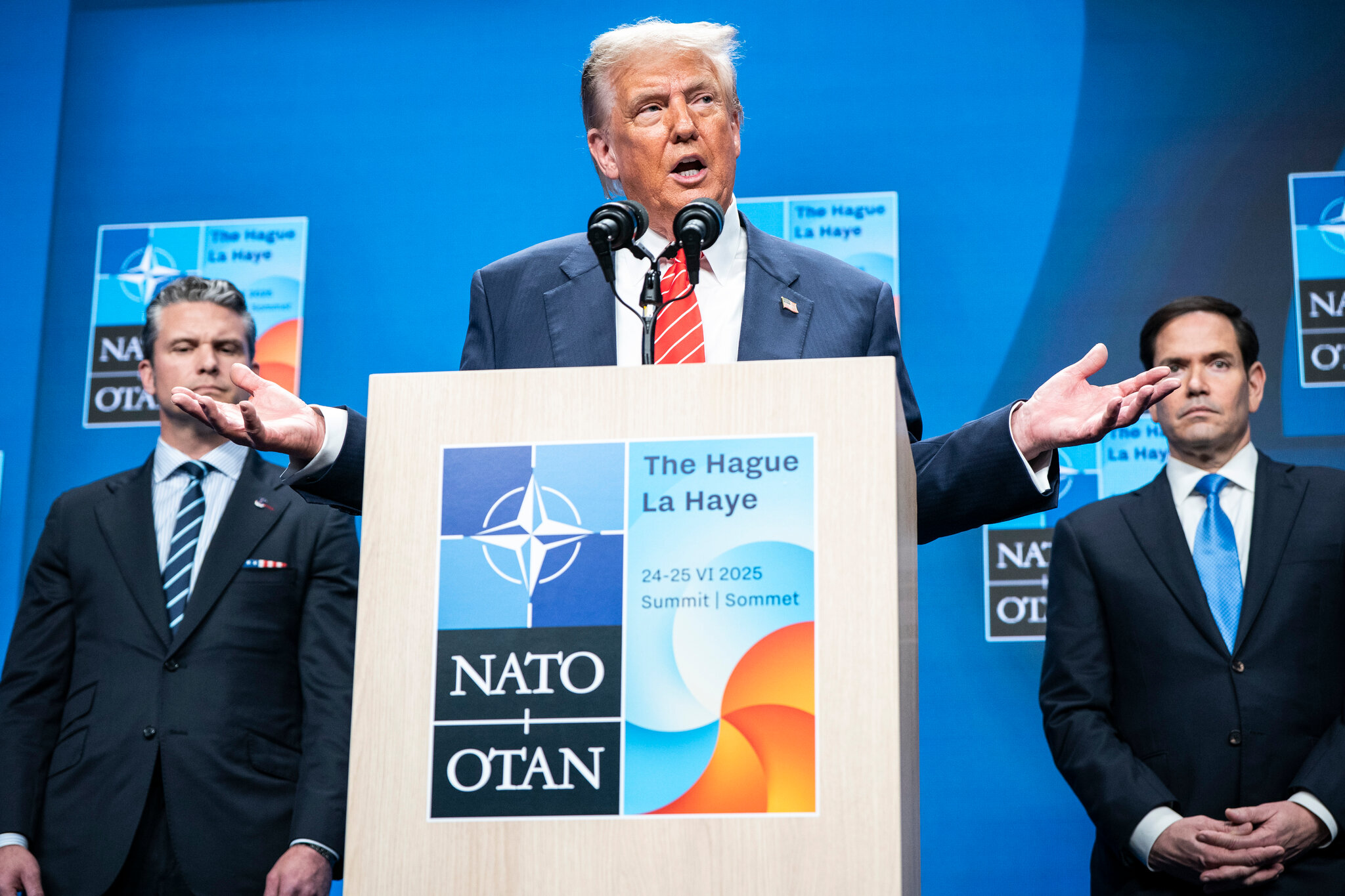
By Nitya Chakraborty The Rambo of the global diplomacy Donald Trump joined the NATO summit at Hague on June 24-25 with a triumphant smile after organizing the ceasefire between Israel and Iran in their 12 day war and strongly imparting the signal that no one matters in the world affairs now excepting the U.S. President. […]


Ghana’s parliament has given approval to a $2.8 billion debt restructuring agreement with 25 creditor nations, including China, France, the United States, Germany and the United Kingdom. This authorisation is vital for unlocking further disbursements from a $3 billion IMF-backed bailout programme initiated in May 2023. Lawmakers, endorsing the restructuring unanimously, approved measures under a memorandum of understanding signed in January 2025 that reschedule debt payments falling due between 20 December 2022 and […]

Mashreq Bank has inaugurated a representative office in Türkiye, marking a significant stride toward enhancing financial collaboration between the Gulf and Turkish markets. This strategic move is central to Mashreq’s initiative to channel risk capacity and capital flows directly to Turkish banks and corporates. Dubai’s Mashreq is already a familiar correspondent to Turkish financial institutions, actively participating in syndicated loans, trade finance, payments, treasury services and capital […]

SINGAPORE – Media OutReach Newswire – 26 June 2025 – Singapore based fintech ROSHI has released a new report analysing credit card debt levels across Southeast Asia, providing insights into how consumers in the region are managing high-interest unsecured debt amidst ongoing economic pressures. Credit Card Debt in ASEAN and Beyond 2025 The report reveals that Singapore has one of the highest average credit card balances in […]

Denmark’s Ministry for Digital Affairs has begun replacing Microsoft Office 365 with LibreOffice and is exploring wider adoption of Linux, citing a strategic imperative to reduce dependency on foreign software providers. Caroline Stage Olsen, Minister for Digital Affairs, stated that nearly half the ministry’s staff will complete the switch this summer, with full implementation scheduled by autumn. While Windows remains in use, Office products are being phased […]

Claira, a New York–based deal intelligence platform, has closed a $7 million seed funding round co-led by Barclays and Citi, alongside Reimagine Tech Ventures. Additional backing came from Activant Capital, KDX and OPCO Ventures. Claira’s platform integrates domain-native artificial intelligence directly into deal workflows, enabling banks, private-credit funds and financial institutions to speed up due diligence, unlock historical deal insights and scale decision‑making processes. Founder and chief executive […]

Matein Khalid It is ironic that Brent crude collapsed from its $78 high on the New York Merc to as low as 66.80 in early Singapore trading even though Iran’s Revolutionary Guards launched a missile strike on America’s largest military base in the Gulf in Qatar. This retaliatory strike was polite, measured and apologetic with advance notice given to Centcom to avoid any US military casualties. Trump […]

Markets surged as President Donald Trump announced a ceasefire agreement between Israel and Iran on Monday, calming fears of a broader Middle Eastern conflict and triggering a sharp drop in oil prices. With Brent crude falling nearly 5% in Asian trading and U.S. West Texas Intermediate declining by around 3%, investors responded swiftly to the prospect of restored supply and reduced geopolitical risk. At the same time, […]

By Saifur Rahman The International Monetary Fund (IMF) has approved the allocation of US$1.33 billion to Bangladesh to support the country’s economy that witnessed slowdown since the change of government in August 2024. The allocation is part of the US$4.7 billion combined support package authorised by the IMF in January 2023 under the US$3.3 billion Extended Credit Facility (ECF) and Extended Fund Facility (EFF) and US$1.4 billion […]

VISHNU RAJA
RYO YAMADA
HITORI GOTOH
IKUYO KITA