News related to
macro

KUALA LUMPUR, MALAYSIA – Media OutReach Newswire – 14 March 2025 – Silver is attracting investor interest, with market analysts predicting a potential leap to $40 per troy ounce in 2025. The metal is rising in global investment portfolios, providing stiff competition to gold’s long reign over commodity markets. Kar Yong Ang, a financial market analyst at Octa Broker, explains why silver has a very good opportunity […]

Matein Khalid I have warned my friends that US recession risk was rising alarmingly in the past month as I saw the price of oil and money (2-year Treasury note yields) tank in unison while metrics of consumer/business confidence nosedived. Now Wall Street has accepted my thesis that the tariff trauma will lead to a deflation Big Chill and not an inflation spike in the US economy. […]

KUALA LUMPUR, MALAYSIA – Media OutReach Newswire – 9 March 2025 – In 2025, global markets are navigating a phase of economic uncertainty as potential inflationary pressures induced by trade tariffs, shifting central bank policy, and geopolitical risk shape trading conditions. Traders who integrate fundamental analysis into their strategies can navigate these uncertainties more effectively, positioning themselves ahead of major market movements. Kar Yong Ang, a financial […]

By K Raveendran Oil prices have hit their lowest since October and by all indications the downward move is far from over. Brent has already dipped below 70 dollars per barrel as the market is feeling the weight of a supply overhang, with OPEC+ barrels set to flood an already well-supplied system, keeping a lid […]

Matein Khalid Trump inherited a US economy with 3% growth, a 4% unemployment rate and near 0% recession risk a mere 6-weeks ago. His outrageous tariff threats, policy U-turns, DOGE cutbacks in government spending and mass deportations have ignited a global trade war as well as slashed economic growth, business/consumer confidence. A US recession has now begun as the Atlanta Fed’s GDP Now sees a -2.8% slump […]

European nations are accelerating defense initiatives in response to concerns over the United States’ commitment to NATO under President Donald Trump. French President Emmanuel Macron has urged European Union members to increase defense spending to between 3% and 3.5% of GDP, citing the necessity for Europe to assume greater responsibility for its security. The European Commission, led by Ursula von der Leyen, has proposed an €800 billion […]

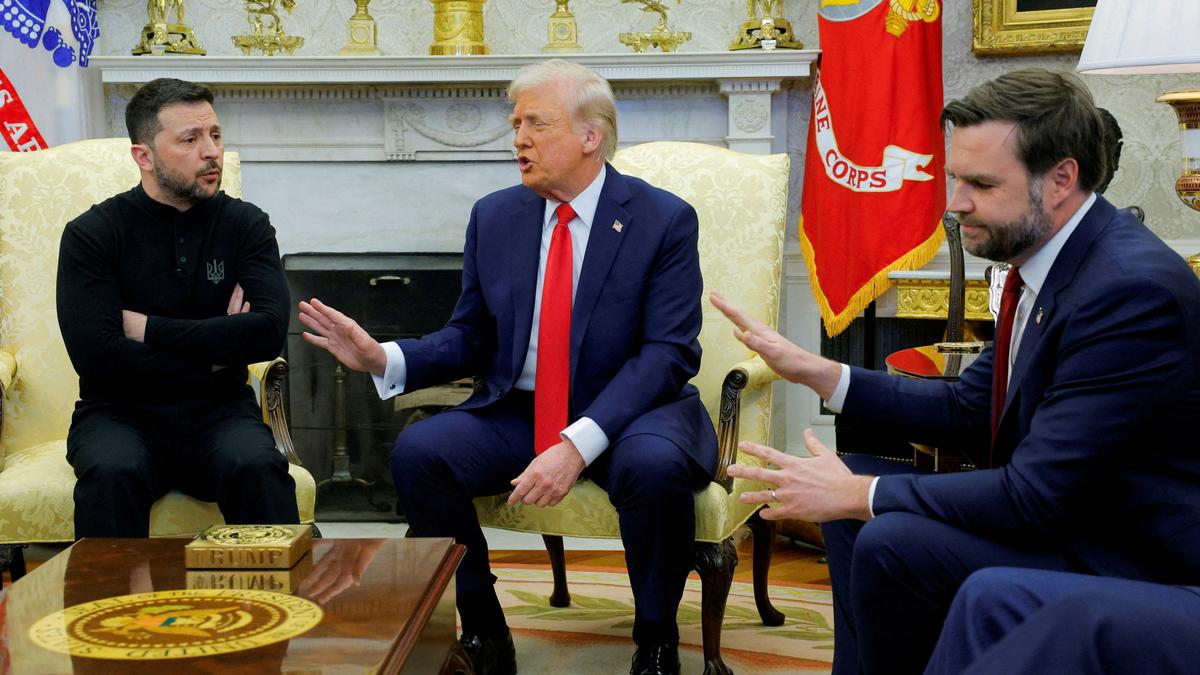
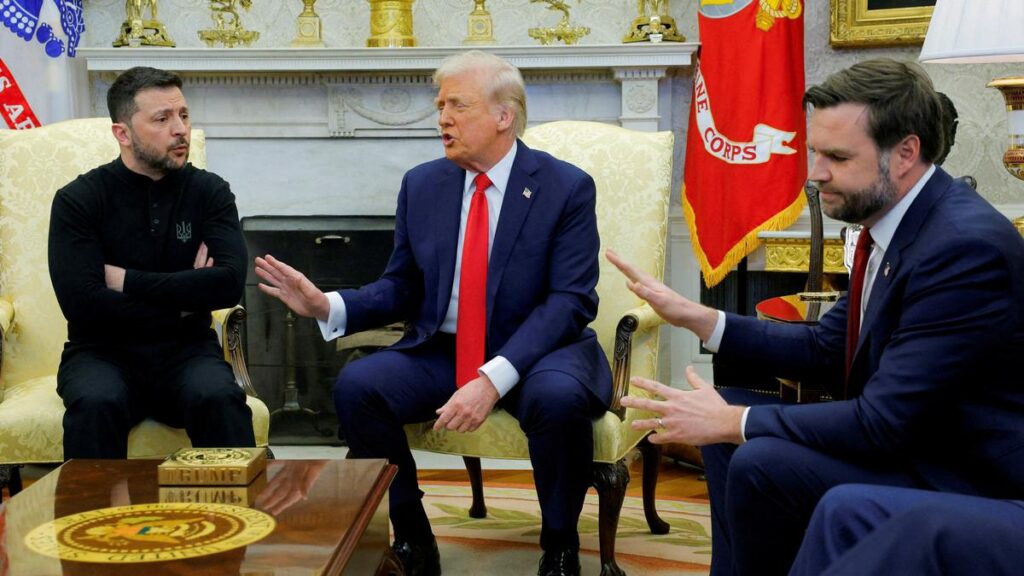
By Nitya Chakraborty The U.S. President Donald Trump has fired his missile on Europe, especially, France, UK and Germany by suspending arms aid to Ukraine after categorically making it clear that President Zelensky has to agree to the peace and security deal proposed by Trump on Friday in the White House meeting. The deal is […]
Advertisements

Tether, the prominent stablecoin issuer, has appointed Simon McWilliams as its new Chief Financial Officer , marking a pivotal move towards achieving a comprehensive financial audit. This strategic decision underscores Tether’s commitment to bolstering transparency and aligning with regulatory standards in the rapidly evolving cryptocurrency landscape.

McWilliams, a seasoned finance executive with over two decades of experience, has a distinguished track record in guiding large investment management firms through meticulous audits. His expertise is expected to play a crucial role in steering Tether towards its goal of a full financial audit, a milestone that has significant implications for the company’s credibility and the broader stablecoin market.

This leadership change also involves Giancarlo Devasini, the former CFO and a key figure in Tether’s inception, transitioning to the role of Chairman of the Group. Devasini’s new position will allow him to focus on macroeconomic strategies, guiding Tether as it continues to support the U.S. financial system while advancing digital asset adoption globally.

Tether has been a dominant force in the stablecoin market, offering users a means to move money between cryptocurrencies without exposure to price volatility. Stablecoins like Tether’s USD₮ are designed to maintain a constant value by being pegged to traditional currencies, providing a stable medium of exchange in the often-volatile cryptocurrency market.

The appointment of McWilliams is a significant step towards addressing longstanding calls for greater transparency within the stablecoin sector. Tether has previously set benchmarks for transparency through quarterly attestations with BDO, a top five global independent accounting firm. However, a full audit would provide a more comprehensive verification of reserves, thereby enhancing financial integrity and building trust among users and regulators alike.

This move comes at a time when regulatory bodies worldwide are intensifying scrutiny of stablecoins, given their growing prominence in the global financial system. By proactively pursuing a full audit, Tether aims to strengthen its position as a trusted partner in the expanding role of cryptocurrencies and the U.S. dollar.

In tandem with this leadership change, Tether has been preparing for broader strategic initiatives. The company recently relocated to El Salvador after securing a Digital Asset Service Provider license, signaling its intent to expand its global footprint and engage more deeply with regulatory frameworks.

Paolo Ardoino, CEO of Tether, expressed confidence in McWilliams’ appointment, stating, “Simon’s expertise in financial audits makes him the perfect CFO to lead Tether into this new era of transparency. With his leadership, we are moving decisively toward a full audit, reinforcing our role in supporting U.S. financial strength and expanding institutional engagement.”

The cryptocurrency industry has been under increasing pressure to enhance transparency and regulatory compliance. Tether’s initiative to undergo a full financial audit sets a precedent that could influence other stablecoin issuers to adopt similar measures, thereby elevating industry standards.

As Tether embarks on this new chapter, the focus will be on how effectively the company can navigate the complexities of a full financial audit and meet the heightened expectations of regulators and users. McWilliams’ extensive experience in financial audits is anticipated to be instrumental in achieving these objectives, potentially setting new benchmarks for transparency and accountability in the stablecoin market.

Matein Khalid Some guy wrote to me that I was bearish for 4-years. Poppycock! In mid-Jan, I wrote a bullish analysis of Prologis (PLD), the world’s largest industrial REIT. PLD was 105 then and 124 now. An 18% return in 6-weeks is a gift for those with the IQ to grasp my logic. Which poor Densa could not. What about VNO at 18, Citi at 60, Wells […]

Bitcoin experienced a notable surge, climbing nearly 10% to reach $86,500, following the White House’s announcement of its inaugural Cryptocurrency Summit scheduled for March 7. President Donald Trump, who has previously identified himself as America’s “first crypto president,” is set to host the event, underscoring his administration’s commitment to positioning the United States at the forefront of the digital currency revolution.

The summit is expected to convene prominent figures from the cryptocurrency industry, including founders, CEOs, and leading investors. This initiative aims to foster dialogue on regulatory frameworks, technological advancements, and the broader adoption of digital assets. The announcement has been met with enthusiasm within the crypto community, reflecting a growing recognition of the sector’s significance in the global financial landscape.

Prior to this development, Bitcoin had been trading below $80,000, reflecting a period of bearish pressure influenced by broader economic uncertainties. Analysts had observed a significant decline from its all-time high of $109,000, attributing the downturn to concerns over U.S. economic instability, particularly inflation and trade policies. President Trump’s confirmation of tariffs on Mexico and Canada had exacerbated these worries, potentially sparking inflation and impacting investments in higher-risk assets like cryptocurrencies and stocks.

In the immediate aftermath of the summit’s announcement, Bitcoin’s price surged by approximately 8%, reaching $86,500. This rapid appreciation underscores the market’s sensitivity to policy signals and institutional engagement. The surge was accompanied by a significant increase in trading volume, highlighting growing anticipation among both institutional and retail investors.

Market analysts are now closely monitoring Bitcoin’s trajectory. Some predict that the cryptocurrency may remain range-bound between $89,000 and $108,000 in the coming weeks, while others caution about potential further declines due to ongoing market volatility. The Relative Strength Index indicates that Bitcoin is nearing oversold levels, suggesting a potential rebound if selling pressures ease.

The upcoming summit also raises questions about potential regulatory shifts. President Trump’s pro-crypto stance has been well-documented, and his administration’s policies have been perceived as supportive of digital assets. The summit may provide further clarity on regulatory approaches, potentially influencing market dynamics and investor sentiment.

In the broader context, Bitcoin’s recent price movements mirror trends observed in traditional safe-haven assets like gold. The precious metal recently reached an all-time high above $2,900 per ounce, driven by economic uncertainties and trade tensions. If Bitcoin continues to follow this pattern, some analysts speculate that it could recover past $100,000 and target $125,000 in the near future.

However, it’s essential to approach such projections with caution. The cryptocurrency market is inherently volatile, influenced by a complex interplay of factors including macroeconomic indicators, regulatory developments, and technological innovations. Investors are advised to conduct thorough research and consider their risk tolerance when engaging with digital assets.

By Nitya Chakraborty Is the global geopolitics moving a full circle after 80 years since the end of the Second World War in 1945? The question is now extremely relevant after the world saw on Friday in TV channels the unprecedented spat between the United States president Donald Trump and the Ukrainian president Volodymyr Zelenskyy. […]

Investors are rapidly acquiring assets with Russian connections, betting on a potential relaxation of sanctions as diplomatic efforts to resolve the Ukraine conflict intensify. This surge in interest reflects a growing belief that the geopolitical landscape may soon shift, opening avenues for financial gains.

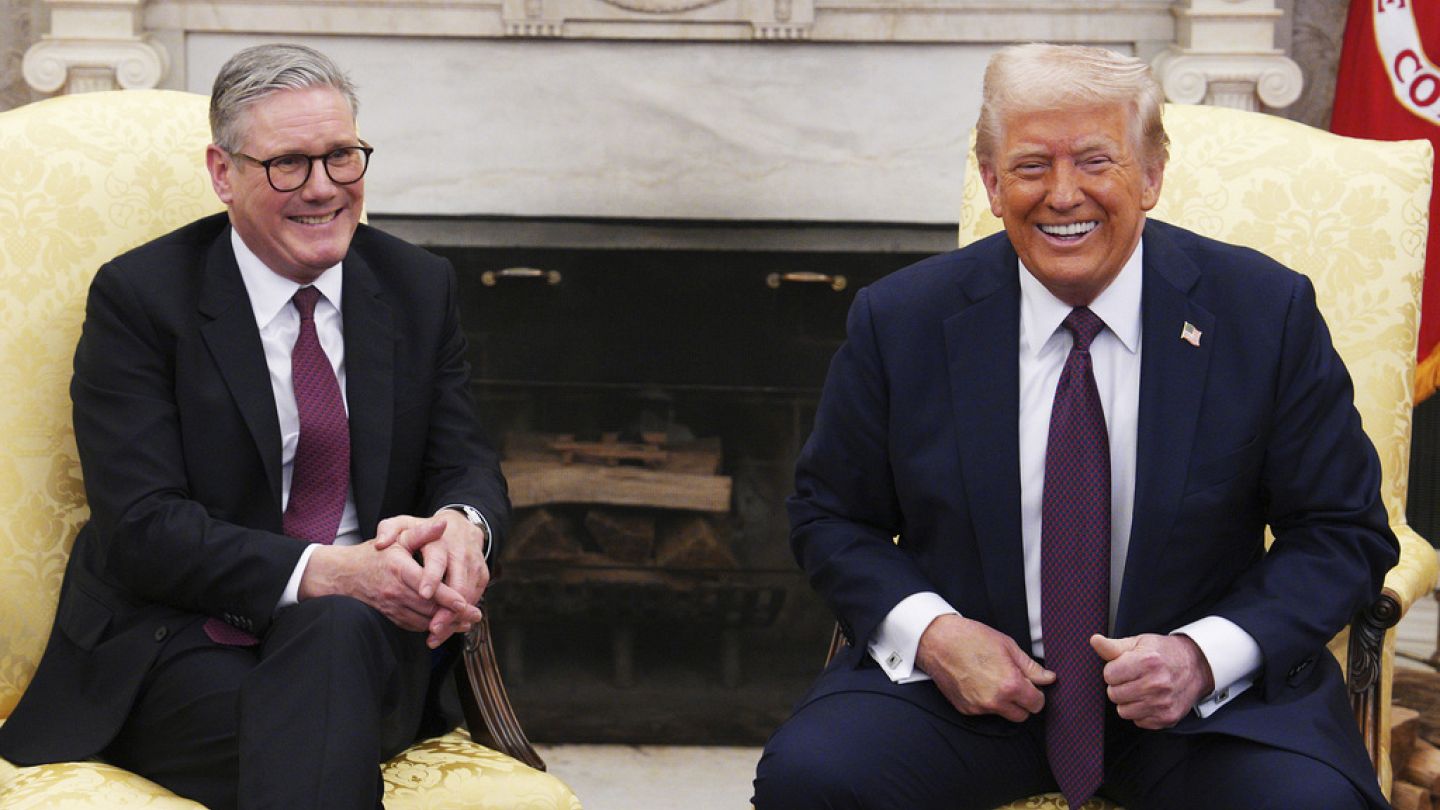
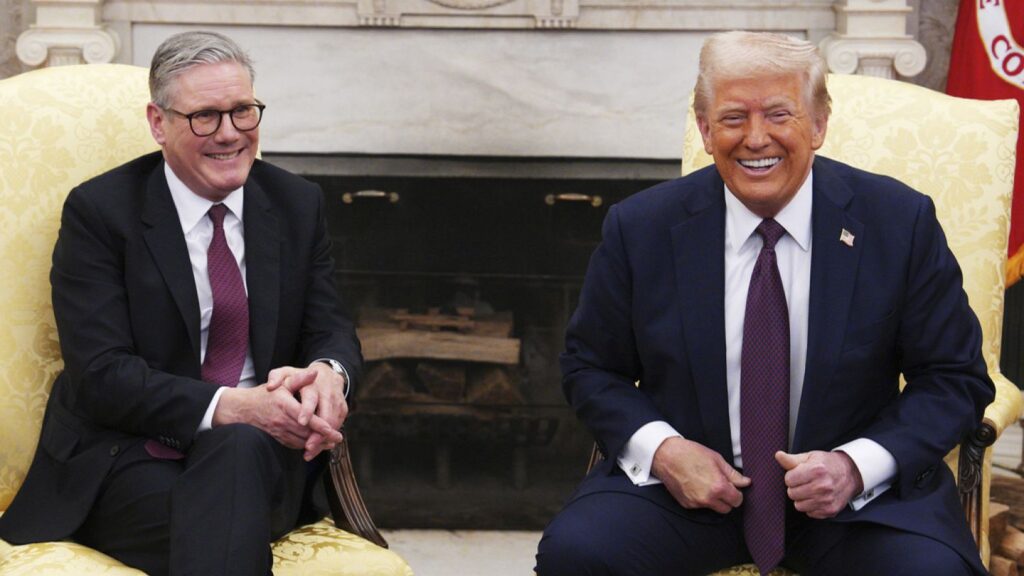
President Donald Trump’s recent diplomatic engagements have fueled this speculation. In a series of high-profile meetings, Trump has emphasized the urgency of achieving peace in Ukraine. During discussions with UK Prime Minister Keir Starmer, Trump underscored the necessity of finalizing a peace agreement promptly to end Europe’s most devastating conflict in decades. Starmer, in turn, pledged to deploy British peacekeeping troops alongside France, signaling a robust European commitment to stabilizing the region.

Further bolstering investor confidence, Ukrainian President Volodymyr Zelensky’s visit to the White House culminated in discussions about a significant economic agreement. This prospective deal aims to fund Ukraine’s post-war reconstruction, with the United States potentially securing a stake in Ukraine’s rare earth elements. Such an arrangement could not only expedite Ukraine’s recovery but also strengthen economic ties between the two nations.

The financial markets have been quick to respond to these developments. Investors are actively seeking opportunities in assets with even tenuous links to Russia, anticipating that a diplomatic resolution could lead to the lifting or easing of existing sanctions. This trend is evident in the increased trading volumes of Russian government and corporate bonds, as well as equities of companies with significant exposure to the Russian market.

However, this surge in investment activity is not without its complexities. The U.S. Treasury Department has previously imposed strict regulations prohibiting American investors from purchasing Russian debt or equities in secondary markets. These measures were designed to exert economic pressure on Russia in response to its actions in Ukraine. Despite the current optimism, these sanctions remain in effect, and any potential easing would require formal policy changes.

Market analysts caution that while the prospect of sanctions relief presents lucrative opportunities, it also carries significant risks. The geopolitical situation remains fluid, and diplomatic negotiations can be unpredictable. Investors are advised to conduct thorough due diligence and remain cognizant of the legal and ethical implications of engaging with Russian-linked assets under the current sanctions regime.

In addition to the economic discussions, security assurances are a critical component of the ongoing negotiations. President Trump has indicated that Russian President Vladimir Putin may be amenable to the presence of European peacekeeping forces in Ukraine as part of a comprehensive peace deal. This potential concession could pave the way for a cessation of hostilities and create a more stable environment for investment and reconstruction efforts.

European leaders have also been actively engaged in the peace process. French President Emmanuel Macron, during his visit to Washington, emphasized the importance of a balanced approach that addresses both security concerns and economic interests. Macron highlighted the European Union’s substantial support for Ukraine and cautioned against any agreements that might inadvertently reward aggression. His stance underscores the need for a unified and strategic approach to the peace negotiations.

Bitcoin, the world’s largest cryptocurrency by market value, experienced a significant decline on Friday, falling over 5% to a three-and-a-half-month low. The digital asset traded below $80,000 for the first time since November 11, reaching $79,666.

This downturn has erased approximately a quarter of Bitcoin’s market value since mid-December, when it peaked at $105,000. The recent decline is attributed to uncertainties surrounding U.S. President Donald Trump’s impending tariff plans and crypto policy, as well as diminished investor confidence following a substantial $1.5 billion hack involving rival cryptocurrency Ether.

President Trump confirmed that a 25% tariff on Mexican and Canadian goods, along with an additional 10% on Chinese imports, will commence on March 4. This announcement has led to a sell-off in risk-sensitive assets, including cryptocurrencies. The broader tech sector has also been affected, with major indices like the Dow Jones, S&P 500, and Nasdaq experiencing considerable losses.

The recent $1.5 billion hack of Ether from the Bybit exchange has further exacerbated negative sentiment in the crypto market. This incident has raised concerns about the security of digital assets, leading to increased withdrawals from Bitcoin-backed exchange-traded funds.

Market analysts suggest that if key support levels, such as $82,000, do not hold, Bitcoin might face further losses. The decline is also influenced by a broader risk-off environment, significant outflows from spot Bitcoin ETFs, and macroeconomic uncertainties.

Matein Khalid I butcher the great Regency poet William Blake’s surreal ode to tigers and dark satanic mills “China, China burning bright/in the forest of the night/what immortal hand or eye/could frame thy fearful symmetry”. JD is up 8% overnight, Alibaba is up 72% since my $85 golden goose post 3-months ago and the KWEB is up 24% YTD. The PBOC is easing monetary policy. Fiscal stimulus […]

The stock market may grab all the headlines, but behind the scenes, savvy investors are making serious moves into corporate bonds. Once seen as the dull cousin to equities, corporate bonds are having a moment as a growing number of investors recognize their ability to deliver attractive returns, stability, and a tactical hedge against volatility. If you’re not paying attention, you’re missing out on what could be […]

On February 26, 2025, spot Bitcoin exchange-traded funds experienced significant outflows, with close to $940 million being withdrawn, as the cryptocurrency saw a sharp decline, dropping below $88,000. This marks its lowest value since November 2024, sparking a wave of investor concern.

The latest data reveals that Bitcoin’s sudden drop sent shockwaves through the ETF market, causing investors to pull back. The vast outflow from spot Bitcoin ETFs represents a major shift in sentiment, highlighting the growing uncertainty surrounding the cryptocurrency’s future performance. Investors seem to have become increasingly risk-averse, with fears about Bitcoin’s short-term volatility playing a role in their decisions.

The sudden downturn in Bitcoin’s value has been attributed to a variety of factors. Experts point to a series of negative developments in both the macroeconomic environment and the cryptocurrency sector. The tightening of global monetary policies has put pressure on high-risk assets, and Bitcoin, often considered a speculative investment, has not been immune. Additionally, regulatory concerns and heightened scrutiny from government bodies have increased investor anxiety, particularly in major markets like the United States and Europe.

The sharp drop in Bitcoin’s price also coincides with a decline in broader market sentiment. Global equity markets have been experiencing their own challenges, with growing concerns over inflation, interest rates, and geopolitical tensions, leading investors to seek safer assets. Bitcoin, traditionally seen as a hedge against inflation, has not lived up to this reputation in the face of broader economic pressures.

Despite these challenges, Bitcoin still retains a strong following among long-term investors and institutional players. However, the massive outflows from spot Bitcoin ETFs suggest that some investors are recalibrating their positions in response to the volatile market conditions. ETF providers, particularly those offering exposure to Bitcoin, have faced significant headwinds as a result of the turbulence in the cryptocurrency market.

In the wake of the outflows, some analysts suggest that Bitcoin’s current price could stabilise as a result of the selling pressure being alleviated. Others, however, warn that the cryptocurrency remains highly vulnerable to further downward price movements. With Bitcoin’s value being particularly sensitive to both macroeconomic and regulatory shifts, many investors are adopting a wait-and-see approach, unwilling to commit more capital until the market finds more clarity.

Bitcoin’s price fluctuation has had ripple effects across the broader cryptocurrency ecosystem. Other digital assets, particularly altcoins, have followed Bitcoin’s downward trajectory. Investors, particularly those involved in the broader crypto market, are keenly watching Bitcoin’s price action, as it has historically been a barometer for the health of the entire market.

The broader impact of Bitcoin’s slide on the cryptocurrency market has raised concerns about the viability of some smaller cryptocurrencies. While Bitcoin remains the dominant player, the fall in its price has reminded many of the inherent risks in the market, particularly for investors who had hoped for sustained growth. Analysts warn that the volatility seen in Bitcoin’s price could spill over into the altcoin sector, potentially exacerbating the losses across the board.

The massive outflows from spot Bitcoin ETFs have also raised questions about the long-term prospects of Bitcoin ETFs as a financial product. While they have offered investors a more accessible route to exposure in the past, the current downturn could lead to a reevaluation of their appeal. Some experts believe that the volatility in Bitcoin’s price could ultimately limit the growth potential of Bitcoin ETFs, especially if the cryptocurrency continues to experience sharp price swings. In contrast, others argue that the evolution of Bitcoin and cryptocurrency regulations will likely determine the future growth of these investment products, regardless of short-term market fluctuations.

The cryptocurrency market is experiencing significant volatility, with Bitcoin’s value dropping below $90,000 and the Crypto Fear and Greed Index falling to levels indicative of heightened investor anxiety.

Bitcoin, the leading cryptocurrency by market capitalization, has seen a substantial decline, trading at $88,420, a decrease of approximately 3.9% from the previous close. This downturn is part of a broader market sell-off affecting various digital assets.

The Crypto Fear and Greed Index, a tool that gauges market sentiment by analyzing factors such as volatility, market momentum, and social media trends, has dropped to 25, categorizing the current sentiment as “Extreme Fear.” This marks a significant shift from the previous day’s neutral position at 49.

Several factors have contributed to this decline in market confidence. A notable incident is the $1.5 billion hack of Ether from the Bybit exchange, which has raised concerns about the security of digital assets and the robustness of trading platforms. Additionally, global economic uncertainties, including potential shifts in U.S. economic policies and impending tariffs on imports from Canada and Mexico, have added to investor apprehension.

The impact of this sentiment is evident across various cryptocurrencies. Ethereum is currently trading at $2,476.08, reflecting a 1.2% decrease. Other major cryptocurrencies such as Solana , XRP, and Dogecoin have also experienced declines, with SOL plunging 14% and both XRP and DOGE down by over 8% in the past 24 hours.

Market analysts suggest that the current bearish sentiment may be overextended. They emphasize the importance of macroeconomic decisions in influencing market trajectories and caution against reactionary trading based solely on short-term market movements.

In response to the growing institutional interest in cryptocurrencies, Citadel Securities, under the leadership of Ken Griffin, has announced plans to enter the cryptocurrency market-making sector. This move aims to provide liquidity for cryptocurrencies on global exchanges, signaling a shift from the firm’s previously cautious stance on digital assets.

Despite the prevailing market downturn, some industry leaders remain optimistic about the long-term prospects of cryptocurrencies. Cathie Wood, CEO of ARK Investment Management, highlighted that institutional adoption of Bitcoin is still in its early stages. She anticipates a significant increase in Bitcoin’s value as more institutions engage with the cryptocurrency, suggesting that the current market consolidation is a healthy phase before potential growth.

Conversely, the rapid proliferation of meme-based cryptocurrencies has introduced additional volatility into the market. These meme coins, often driven by speculative trading and lacking fundamental value, have led to financial losses for many investors. High-profile endorsements and subsequent failures of such coins have underscored the need for clearer regulations to protect investors and maintain market integrity.

The recent downturn has also led to significant liquidations across the market, with over $1.5 billion in positions being liquidated within a 24-hour period. This wave of liquidations has further exacerbated the downward pressure on cryptocurrency prices, contributing to the prevailing atmosphere of fear and uncertainty among investors.

Saudi Arabia and Abu Dhabi are intensifying their efforts to transform their energy sectors, aiming to significantly increase renewable energy capacities by 2030 and 2035, respectively. These initiatives are central to their broader strategies for economic diversification and environmental sustainability. Saudi Arabia’s Vision 2030 outlines a target for renewables to constitute 50% of the nation’s energy mix by 2030, equating to approximately 130 gigawatts of renewable capacity. […]

In today’s competitive business environment, efficiency and data-driven decision-making are essential for success. One of the most powerful tools to enhance productivity and data analysis is Microsoft Excel. At Priority Management Brisbane, we understand the importance of equipping businesses with the right skills to maximize their potential. If you’ve been wondering what Microsoft Excel training can do for your Brisbane business, this guide will highlight the key […]

Stellar’s native cryptocurrency, XLM, is confronting a significant downturn, with technical analyses indicating a potential 35% price drop. Currently trading at approximately $0.298598, XLM has experienced a downward trajectory, influenced by prevailing bearish market sentiments and specific chart patterns.

Technical indicators have identified the formation of a ‘death cross’ on XLM’s daily chart, where the 50-day moving average crosses below the 200-day moving average. This pattern is traditionally viewed as a strong bearish signal, suggesting potential for further declines. Analysts project that if this trend persists, XLM’s price could descend to around $0.22, marking a 35% decrease from its current value.

Further compounding the bearish outlook, the Relative Strength Index for XLM has fallen below the neutral 50.00 threshold, indicating increased selling pressure. The RSI’s decline reflects a shift towards bearish momentum, raising concerns among investors about the cryptocurrency’s near-term performance.

Market sentiment surrounding XLM has also been adversely affected by a broader decline in the cryptocurrency sector. Over the past week, XLM’s price has decreased by approximately 9.74%, aligning with a general downturn observed across various digital assets. This trend suggests that macroeconomic factors and investor caution are contributing to the current market dynamics.

Despite the prevailing bearish indicators, some analysts advise caution before making definitive conclusions about XLM’s future trajectory. While technical patterns like the death cross and declining RSI provide insights into potential trends, they do not guarantee specific outcomes. Investors are encouraged to consider a range of factors, including market volatility and external economic influences, when evaluating their positions in XLM.

In response to the current market conditions, some investors are exploring alternative cryptocurrencies that may offer resilience against the downturn affecting XLM. Assets such as Chainlink and Dogecoin have demonstrated relative stability, prompting market participants to diversify their portfolios in an effort to mitigate potential losses associated with XLM’s decline.

In an unprecedented cyberattack, cryptocurrency exchange Bybit has suffered a $1.5 billion theft, marking the largest crypto heist to date. The U.S. Federal Bureau of Investigation has intensified its search for Park Jin Hyok, a North Korean hacker linked to the Lazarus Group, suspected of orchestrating this massive breach.

Bybit reported that during a routine transfer between digital wallets, an attacker manipulated the process, diverting approximately $1.5 billion worth of Ethereum to an unidentified address. CEO Ben Zhou assured customers that their remaining assets are secure, though withdrawal requests may experience delays. Zhou emphasized the company’s financial resilience, stating that Bybit can absorb the loss and remain solvent even if the stolen funds are not recovered.

The FBI has identified the Lazarus Group, also known as APT38, as the entity responsible for this theft. This group, comprising North Korean state-sponsored cyber actors, has a notorious history of high-profile cybercrimes. Park Jin Hyok, a key member, is allegedly involved in several significant cyber intrusions, including the 2014 Sony Pictures hack and the 2017 WannaCry ransomware attack. The FBI’s wanted list describes Park as a state-sponsored programmer involved in some of the costliest computer intrusions in history.

In response to the breach, Bybit has taken swift measures to mitigate the impact. The company conducted a fresh audit and restored its reserves to a 1:1 ratio within 72 hours of the incident. Blockchain analytics firm Lookonchain reported that Bybit purchased approximately 266,700 ETH, equivalent to $742 million, over two days to replenish its reserves. Zhou confirmed this development, stating that Bybit has fully closed the Ethereum gap caused by the hack.

The cryptocurrency community has been closely monitoring the movement of the stolen funds. Analysts have noted that the hackers face challenges in liquidating the stolen Ethereum due to potential blacklisting by major stablecoin issuers like Circle and Tether. This situation has led to discussions about the possible bullish impact on Ethereum’s price, as the removal of a significant amount of ETH from circulation could affect market dynamics.

This incident has raised concerns about the security of cryptocurrency exchanges and the broader implications for the market. Following the hack, major cryptocurrencies experienced declines. Bitcoin’s price dropped by 0.4% to $95,822, while Ethereum’s price decreased by 4% to $2,698. These downturns are attributed to a combination of the Bybit hack and broader macroeconomic and geopolitical events.

The Bybit heist surpasses previous major cryptocurrency thefts, including the $610 million Poly Network hack in 2021 and the $540 million Ronin Network breach in 2022. These recurring incidents underscore the persistent security challenges within the cryptocurrency industry. In 2024 alone, over $2 billion was lost to hacking, marking the fourth consecutive year of billion-dollar thefts in the sector.

The FBI’s pursuit of Park Jin Hyok and the Lazarus Group highlights the ongoing efforts to combat state-sponsored cybercrimes. The agency has previously linked the group to various cyberattacks, including the $41 million theft from Stake.com in 2023. These actions are part of a broader strategy to hold malicious cyber actors accountable and prevent future incidents.

Cryptocurrency markets have witnessed a sharp downturn, with major tokens such as Solana , XRP, and Dogecoin experiencing significant losses. The market has plunged by double digits, with Solana seeing a drop of 14%, while XRP and Dogecoin both fell by 8%. Analysts are pointing to a combination of macroeconomic factors and market sentiment driving the sell-off, which has left many traders and investors anxious about the future of digital assets.

The sell-off marks another chapter in a volatile year for the cryptocurrency market, which has been heavily impacted by shifts in investor confidence, regulatory pressure, and broader economic conditions. Despite the immediate losses, experts suggest that the bearish sentiment may be overblown and that the situation could improve if broader market conditions stabilise. A significant aspect of the downturn stems from macroeconomic decisions, particularly those related to interest rates and inflationary concerns, which continue to affect global financial markets.

A closer examination of the data reveals that Solana’s decline of 14% has been the most pronounced, as the token has struggled to maintain momentum amid broader market turmoil. Solana, once hailed as a promising competitor to Ethereum due to its high transaction speeds and lower fees, had seen significant growth earlier in the year. However, a combination of investor uncertainty and technical setbacks has prompted a sharp pullback. The cryptocurrency, which had been making strides in various sectors including decentralized finance and NFTs, now faces questions about its long-term prospects.

XRP, the token associated with Ripple Labs, also saw a notable decline. XRP’s price had been particularly sensitive to ongoing regulatory scrutiny. The US Securities and Exchange Commission had filed a lawsuit against Ripple Labs, alleging that XRP was being sold as an unregistered security. While the case has experienced some legal setbacks for the SEC, the uncertainty surrounding its final resolution continues to weigh heavily on XRP’s price. The overall decline of XRP further demonstrates the market’s vulnerability to legal and regulatory challenges.

Dogecoin, once considered a meme coin but now one of the most widely recognised cryptocurrencies, also experienced a sharp decline. Dogecoin has largely been buoyed by its strong community and celebrity endorsements, particularly from Elon Musk, who has been a vocal supporter of the coin. However, the broader market sentiment has put pressure on Dogecoin, and its reliance on external factors such as Musk’s influence has led some analysts to question its sustainability as a long-term investment.

Traders and analysts are divided on the cause of the ongoing market plunge. Many argue that the market is simply undergoing a correction after a period of speculative excess, while others point to external macroeconomic factors such as rising inflation and concerns over central bank policies. The US Federal Reserve’s interest rate hikes have been a particular point of concern, as higher rates tend to increase the cost of borrowing, which can reduce risk appetite among investors.

On the other hand, some market participants suggest that the negative sentiment is exaggerated. “The cryptocurrency market is inherently volatile, and these sharp sell-offs are not unusual,” said one experienced trader. “While the market is facing headwinds, there are still significant opportunities for growth if the macroeconomic landscape improves.” According to these traders, the market may bounce back once investors regain confidence, and the ongoing regulatory developments around cryptocurrencies are clarified.

Market watchers are also considering the role of technological advancements and institutional adoption in shaping the future of digital assets. There has been a growing trend of large institutional players becoming more involved in the cryptocurrency space. Companies such as Tesla and MicroStrategy have been buying up Bitcoin, while various traditional financial institutions have been exploring blockchain-based solutions for their clients. The continued expansion of blockchain technology, particularly in areas like supply chain management and cross-border payments, is expected to contribute to long-term growth in the sector.

However, the current sell-off raises important questions about the underlying value of digital assets. Many investors are beginning to question whether the price levels of cryptocurrencies can sustain themselves without broader economic support. The fear of further regulatory crackdowns and the uncertainty surrounding potential government intervention in the space has left many feeling wary of long-term investments in cryptocurrencies.

In light of the current downturn, some analysts believe that the market could stabilise over the coming months, especially if global financial conditions improve. While the sell-off is painful for many investors, it could also present opportunities for those with a longer-term outlook. “These types of corrections are painful, but they are also a natural part of any market cycle,” said one economist specialising in digital currencies. “If the macroeconomic situation stabilises and governments and regulators take a more balanced approach, the market could bounce back.”

The rise of central bank digital currencies is another aspect that could impact the cryptocurrency landscape. Several countries, including China and the European Union, are actively exploring or testing CBDCs, which could potentially reduce demand for private cryptocurrencies. However, experts believe that CBDCs and cryptocurrencies could coexist, with central banks using digital currencies for state-backed transactions and private cryptocurrencies continuing to serve as alternatives for more speculative or peer-to-peer transactions.


Ukrainian soldiers, entrenched in a protracted battle against Russian forces, have expressed strong skepticism toward U.S. President Donald Trump’s assertions that he can swiftly broker peace with Russia. These remarks come as Trump initiates negotiations with Russian President Vladimir Putin, notably excluding Ukrainian representatives from the discussions. Captain Serhii Filimonov, a battalion commander who has been on the front lines since 2014, voiced his distrust of the […]

Matein Khalid My mystical vegan-pivot makes Christmas goose tab​oo for the rest of my life but my quest for those rare geese that lay golden eggs for me ​on the stock exchanges continues unabated. Alibaba (BABA) was despised/dissed by everyone I respected, from CNBC honcho Jim Cramer to my Indian luminati (but never Illuminati) friends in the DIFC and even hedgies in New York and London who […]

VISHNU RAJA
RYO YAMADA
HITORI GOTOH
IKUYO KITA