News related to
macro

PARIS, FRANCE – Media OutReach Newswire – 2 October 2024 – On September 24, 2024, the third stop of the cultural exchange event featuring Panda Wandering, “Panda’s World” photography exhibition of giant pandas, was grandly inaugurated at the Paris Grand Palais art gallery in France. The opening ceremony was attended by numerous distinguished guests, creating a lively and celebratory atmosphere. Dignitaries from both China and France, including […]

Bitcoin’s sharp decline, coinciding with recent shifts in Japan’s economic landscape, has raised eyebrows among analysts and traders alike. Market participants have been paying close attention to the cryptocurrency’s performance against traditional indices, particularly the Nikkei 225, amid significant fluctuations in the yen. However, the suggestion that Japan’s political dynamics, especially surrounding the potential rise of former Defense Minister Shigeru Ishiba, are driving Bitcoin’s downward momentum may […]

BlackRock’s Ethereum Exchange-Traded Fund (ETF) has faced challenges in attracting capital compared to its Bitcoin counterpart, raising questions about investor sentiment towards the two leading cryptocurrencies. Over the span of seven weeks since its launch, the Ethereum ETF has amassed approximately $1 billion in assets under management (AUM), a significant contrast to the staggering $24 billion accumulated by the Bitcoin ETF during the same period. This disparity […]

KUALA LUMPUR, MALAYSIA – Media OutReach Newswire – 30 September 2024 – The market has reacted live as Vice-President Kamala Harris and former President Donald Trump clashed in their first—and possibly last—debate before the November election. With financial markets already reacting to the debate’s fallout, the candidates’ performance and policies could reshape trading strategies. Below is an outline of what it means for traders’ long-term investment portfolios […]

The crypto market sentiment has shifted into “Greed” territory, following weeks of fluctuating investor confidence. The widely-followed Crypto Fear & Greed Index, which gauges market emotions by analyzing various factors like volatility, trading volume, and social media trends, has seen a significant rise, surpassing the fear levels that dominated the market throughout August. The return to “Greed” reflects a growing optimism among investors, particularly as Bitcoin and […]

The exploration of bioactive peptides has drawn considerable interest in recent years, with a focus on understanding their potential implications in various fields of biotechnology and research. One peptide that has garnered attention is Testagen, a synthetic peptide whose properties and mechanisms are still under investigation. While comprehensive research is ongoing, current data suggest that Testagen may hold valuable properties that have implications in cellular processes, tissue […]

Bitcoin has surged to trade above $65,000, fueled by a significant influx of capital into U.S. spot bitcoin exchange-traded funds (ETFs) and China’s ongoing economic stimulus measures. The cryptocurrency market is witnessing a notable rebound as investors respond to macroeconomic indicators that hint at a revitalized financial landscape. The substantial investment of $365 million in bitcoin ETFs represents one of the highest daily inflows seen this year, […]

Advertisements

Dar Global, the luxury property developer listed on the London Stock Exchange (LSE), has reported a net loss for the first half of 2024. The company, which specializes in high-end residential projects across key markets, highlighted market shifts and fluctuating costs as key factors contributing to the loss. Dar Global, a spinoff from Dubai-based Dar Al Arkan, had made waves in the real estate sector, aiming to […]

Oil markets have experienced an unusual shift, with algorithmic trading exerting increasing influence on prices. What has been seen as a continuous slide in crude oil prices appears to be linked more to advanced trading programs than traditional market fundamentals. This shift highlights the growing dominance of algorithm-driven strategies, leaving oil increasingly vulnerable to swings driven by computer models rather than supply and demand factors alone. The […]

Financial markets are witnessing a surge in volatility, particularly within the cryptocurrency sector, as global monetary policies aim to suppress instability. Arthur Hayes, a prominent figure in the crypto community and co-founder of BitMEX, has highlighted the rising tension in markets fueled by Federal Reserve rate cuts and aggressive monetary easing. These actions are perceived to encourage further money printing, thereby intensifying market fluctuations and posing risks for traditional assets.

The recent decision by the Federal Reserve to cut interest rates is expected to have significant repercussions on the broader financial landscape. Historically, such moves have led to increased liquidity in markets, enabling easy access to capital. This liquidity, however, also raises concerns about inflation and the long-term stability of fiat currencies. In this environment, Bitcoin has emerged as a crucial alternative asset, often regarded as a hedge against inflation and currency devaluation.

As central banks worldwide adopt policies that favor monetary expansion, the crypto community continues to express optimism. Many investors view Bitcoin as a “release valve” that can provide relief from the pressures of traditional finance. The digital asset’s decentralized nature and limited supply make it an appealing option in times of financial uncertainty. Hayes asserts that Bitcoin’s unique characteristics allow it to thrive in an environment marked by excessive money printing and diminishing trust in fiat currencies.

Despite the ongoing volatility, sentiment within the crypto community remains buoyant. Investors are increasingly looking for opportunities amidst the chaos, with many believing that downturns in traditional markets can serve as catalysts for Bitcoin’s adoption and price appreciation. The concept of Bitcoin as “digital gold” underscores its role as a store of value, especially as institutional interest continues to grow. Major financial institutions are now exploring ways to integrate cryptocurrency into their offerings, reflecting a broader acceptance of digital assets.

The interplay between traditional financial systems and cryptocurrency markets has never been more pronounced. With central banks signaling a commitment to maintain accommodative policies, investors are recalibrating their strategies to adapt to these dynamics. The crypto market is characterized by its capacity to respond swiftly to regulatory changes and macroeconomic developments, making it a focal point for those seeking to capitalize on emerging trends.

Institutional involvement in the cryptocurrency space is also a significant factor contributing to the current volatility. Hedge funds, family offices, and publicly traded companies are increasingly allocating a portion of their portfolios to Bitcoin and other digital assets. This trend highlights a growing recognition of the potential benefits that cryptocurrencies can offer, particularly in terms of diversification and risk management.

The ongoing developments in decentralized finance (DeFi) and non-fungible tokens (NFTs) are reshaping the landscape of digital assets. DeFi platforms have gained traction as alternatives to traditional banking services, offering lending, borrowing, and trading functionalities without intermediaries. This innovation attracts both retail and institutional investors, further driving demand for cryptocurrencies.

Regulatory frameworks continue to evolve as governments and regulatory bodies attempt to navigate the complexities of the cryptocurrency ecosystem. While some jurisdictions have embraced digital assets, others remain cautious, leading to a patchwork of regulations. This uncertainty can contribute to market fluctuations, as investors react to news related to regulatory developments.

Amid this backdrop, it is crucial for investors to conduct thorough research and stay informed about the rapidly changing environment. Understanding the implications of monetary policy shifts, as well as the potential risks associated with cryptocurrency investments, is essential for navigating the complexities of the market. The ability to adapt to market conditions will be a key determinant of success for both individual and institutional investors.

Abu Dhabi’s wealth fund ADQ has successfully raised $2 billion through the sale of bonds in an international offering. The issuance marks a significant financial maneuver by the state-owned holding company, as it aims to expand its influence and continue investing across various sectors. ADQ, fully owned by the Abu Dhabi government, is known for its diversified portfolio, including holdings in healthcare, utilities, food, and agriculture, among others. The bond sale is indicative of the fund’s strategic financial planning and its growing role as a key player in the global financial landscape.

The bond issuance saw robust demand from global investors, reflecting confidence in Abu Dhabi’s sovereign wealth funds and their ability to generate returns. ADQ’s bond sale follows a series of high-profile investment activities in sectors like logistics, technology, and food security. The successful sale comes at a time when the global economy faces inflationary pressures and geopolitical uncertainties, with many investors looking for stable assets.

ADQ’s growing influence is also part of a broader strategy by the Abu Dhabi government to diversify its economy away from oil. Abu Dhabi holds over 90 percent of the United Arab Emirates’ oil reserves, but its sovereign wealth funds, including ADQ, have been at the forefront of efforts to invest in non-oil sectors. The proceeds from the bond sale will likely be used to finance these initiatives, providing ADQ with the liquidity to pursue further acquisitions and investments in key industries.

The offering consisted of a dual-tranche structure, with bonds issued in both five-year and ten-year maturities. According to financial analysts, the decision to offer two tranches allowed ADQ to cater to a broader range of investors with varying risk appetites. The five-year tranche was priced with a yield of 4.6 percent, while the ten-year bonds carried a yield of 5.1 percent. Market participants indicated that the pricing was competitive, given the current global market conditions, and highlighted the attractiveness of Abu Dhabi’s credit rating.

ADQ, established in 2018, has rapidly become one of the region’s most important investment vehicles, supporting the UAE’s efforts to become a diversified economic hub. The wealth fund has been expanding its investments both domestically and internationally, particularly in sectors that are viewed as crucial to the country’s long-term economic growth. In the past few years, ADQ has acquired stakes in various food production companies, energy firms, and digital platforms, positioning itself as a forward-thinking entity that aligns with the UAE’s strategic goals.

The bond sale is also notable for its timing, as global financial markets experience volatility due to macroeconomic factors, such as the tightening monetary policies by major central banks. Despite this, ADQ’s successful issuance signals strong investor confidence in Abu Dhabi’s economic fundamentals. Market experts have pointed out that Abu Dhabi’s sovereign wealth funds, including ADQ, are viewed as safe havens by international investors due to their financial stability and strong government backing.

ADQ’s leadership has consistently emphasized the importance of long-term investments that align with the UAE’s Vision 2030 plan, which aims to reduce the country’s dependence on oil revenues and foster growth in sectors like healthcare, education, and renewable energy. With this bond sale, ADQ is well-positioned to continue its investment strategy, supporting key infrastructure projects and the growth of new industries within the UAE and abroad.

The wealth fund has already been involved in several strategic acquisitions and partnerships, including its move to take full control of Al Dahra Holding, a global agribusiness company, and its stake in the Abu Dhabi National Energy Company, also known as TAQA. These acquisitions have not only expanded ADQ’s portfolio but have also contributed to the UAE’s broader goals of ensuring food and energy security, which have become increasingly important in the wake of global supply chain disruptions.

ADQ’s bond issuance fits into a broader trend of Middle Eastern sovereign wealth funds tapping international debt markets to raise capital. The region’s sovereign wealth funds, including ADQ and the Abu Dhabi Investment Authority (ADIA), have become prominent players in the global financial system, frequently issuing bonds to finance both domestic and international projects. This strategy allows them to maintain liquidity while pursuing aggressive growth strategies across multiple sectors.

The UAE’s sovereign wealth funds are among the largest and most diversified in the world, managing hundreds of billions of dollars in assets. ADQ, despite being a relatively new entity compared to some of its peers, has already made significant strides in aligning itself with Abu Dhabi’s long-term economic objectives. The $2 billion raised from this bond sale will enhance the fund’s ability to continue making strategic investments that support the UAE’s vision of a diversified and sustainable economy.

As global economic conditions remain challenging, ADQ’s ability to attract significant interest from international investors underscores the confidence in Abu Dhabi’s long-term economic strategy and financial stability. The bond sale will likely serve as a blueprint for future issuances by other Middle Eastern sovereign wealth funds as they seek to balance growth with fiscal responsibility.

Investor apprehension surrounding Bitcoin custody practices has prompted BlackRock to amend its application for a Bitcoin exchange-traded fund (ETF). The updated application stipulates that Coinbase, designated as the ETF’s custodian, must process Bitcoin withdrawal requests within a strict 12-hour timeframe. This adjustment aims to address mounting concerns over Coinbase’s on-chain settlement processes and the potential risk of acquiring “paper BTC,” which may undermine the true market value of Bitcoin.

Market analysts have noted that Bitcoin has faced significant price stagnation over the past few months, despite a notable surge in institutional investment through various ETF products. This disconnect raises questions regarding the reliability of Coinbase’s custody solutions and the implications for the broader cryptocurrency market.

BlackRock’s strategic decision reflects a broader trend among asset managers to enhance transparency and security in the rapidly evolving cryptocurrency landscape. The company, a global leader in investment management, has been actively pursuing Bitcoin ETF approvals, seeking to capitalize on the increasing interest from institutional investors looking to gain exposure to digital assets.

The demand for Bitcoin ETFs has surged as institutional players seek to navigate the complexities of the cryptocurrency market. However, concerns have been raised about the operational integrity of platforms like Coinbase, particularly regarding their ability to handle large volumes of transactions efficiently. With the growing scrutiny from regulatory bodies and investors alike, BlackRock’s move to enforce stringent withdrawal requirements underscores the need for enhanced governance in the cryptocurrency custody space.

Analysts point out that the introduction of stricter withdrawal timelines could alleviate investor fears regarding liquidity and asset safety. By ensuring that Bitcoin can be swiftly withdrawn from Coinbase, BlackRock aims to foster a more secure investment environment. The move comes amid growing criticism of how exchanges manage customer assets, particularly in light of historical incidents involving exchanges that faced insolvency or operational failures.

Investor sentiment surrounding Bitcoin has fluctuated, particularly with its price stagnating below key resistance levels. While institutional investments have surged, many retail investors remain cautious, leading to questions about the underlying market dynamics. The apparent dichotomy between rising institutional interest and stagnant retail enthusiasm presents a challenge for market participants.

Coinbase has previously faced criticism for its operational practices, particularly regarding its on-chain settlement processes. Concerns have emerged that the exchange may be facilitating the issuance of “paper BTC,” a term that refers to representations of Bitcoin that do not correspond to actual holdings on the blockchain. Such practices could create an inflated sense of supply, potentially exerting downward pressure on Bitcoin prices.

The introduction of BlackRock’s stringent withdrawal requirements serves as a proactive measure to address these concerns, emphasizing the importance of a robust custody framework in fostering investor confidence. As institutional players continue to enter the cryptocurrency market, the need for secure and transparent custodial solutions has never been more critical.

The broader context of Bitcoin’s price performance raises questions about the long-term sustainability of its value proposition. Despite the influx of institutional capital, Bitcoin’s inability to break out of its current price range has left many investors skeptical about its potential for future growth. The dynamics of supply and demand, coupled with macroeconomic factors and regulatory developments, will play a significant role in shaping the cryptocurrency’s trajectory.

Market experts suggest that BlackRock’s amendments to its ETF application could set a precedent for other asset managers looking to establish similar products. As the competition for Bitcoin ETF approvals intensifies, the emphasis on operational transparency and investor protection will likely become a key differentiator in the market. The scrutiny surrounding custody practices is expected to influence how other exchanges operate, potentially leading to industry-wide reforms aimed at enhancing investor confidence.

As BlackRock navigates the regulatory landscape and seeks to launch its Bitcoin ETF, the company’s focus on addressing custody concerns may resonate with both institutional and retail investors. By prioritizing the integrity of the custody process, BlackRock aims to position itself as a leader in the evolving cryptocurrency market.

The crypto market presents a myriad of investment opportunities, particularly for those looking to acquire affordable assets with potential for growth. Amidst a backdrop of fluctuating market conditions, investors are increasingly focusing on lower-priced cryptocurrencies that exhibit strong fundamentals and promising market activity. Several key players have emerged as noteworthy options for investors this month. Among them is Cardano (ADA), which has garnered attention for its innovative […]

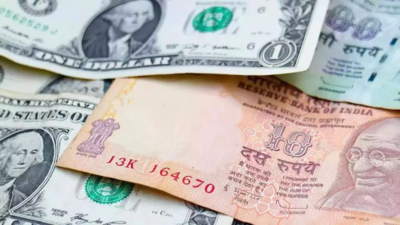
India’s foreign exchange reserves have surged to an unprecedented level of $689.458 billion, marking a crucial milestone for the country’s economic positioning in global markets. The reserves, which reflect the country’s ability to meet external obligations and provide a buffer against financial instability, increased by $223 million in the week ending September 13. This rise has further cemented India’s status as one of the largest holders of foreign currency reserves worldwide, positioning it as a key player in the global financial arena.

Despite this substantial increase in the overall reserves, the composition of these reserves presented a more nuanced picture. Foreign currency assets (FCA), which form the largest component of the reserves, witnessed a reduction of $515 million. These assets, held in different currencies such as the U.S. dollar, euro, pound sterling, and Japanese yen, are a critical indicator of India’s foreign currency holdings and are often affected by currency fluctuations and interest rates in international markets. The decline in FCA was offset by other components of the reserves, particularly the significant increase in gold reserves.

Gold reserves saw a sharp rise of $899 million during the same period, underscoring the metal’s continued relevance as a safe haven asset. This increase suggests that India’s central bank may be looking to diversify its holdings in response to broader global uncertainties. Gold, traditionally regarded as a hedge against inflation and economic instability, has been gaining renewed attention among global central banks. As countries face the challenges of rising geopolitical tensions and economic fluctuations, gold’s role as a stabilizing force has once again come into focus.

While the rise in gold reserves was notable, other components of India’s foreign exchange holdings, such as Special Drawing Rights (SDRs) and the reserve position with the International Monetary Fund (IMF), experienced marginal declines. SDRs, which represent a basket of international currencies and serve as a supplementary reserve asset allocated by the IMF, dropped by $50 million. Similarly, the country’s reserve position in the IMF, which allows access to international liquidity and contributes to global financial stability, recorded a decrease of $111 million.

The overall uptick in reserves comes at a time when India’s economic outlook remains relatively resilient compared to other emerging markets. The reserves serve not only as a tool for defending the rupee in times of volatility but also as an indicator of investor confidence in India’s macroeconomic stability. A stronger reserve position allows India to better manage external shocks, such as oil price fluctuations, trade imbalances, and global financial turbulence.

India’s reserves are now among the highest globally, trailing only China, Japan, and Switzerland. This latest achievement reflects the country’s efforts to build a robust foreign exchange buffer since the economic reforms of the 1990s. Since then, successive governments have prioritized strengthening the reserves to safeguard the country from external vulnerabilities. The rise in reserves has also been fueled by sustained foreign investment inflows and a healthy current account balance in previous quarters, driven in part by a recovery in global demand for goods and services after pandemic-induced disruptions.

Analysts have pointed out that India’s reserve accumulation strategy is likely to be shaped by several factors in the coming months. Global interest rate trends, particularly in the United States, will have a significant impact on foreign currency assets, while commodity prices, especially crude oil, will influence the country’s import bill. Moreover, ongoing geopolitical tensions, trade uncertainties, and inflationary pressures in major economies will also affect the Reserve Bank of India’s (RBI) approach to managing these reserves.

The central bank has maintained a cautious approach toward managing the reserves, intervening in the forex market to curb excessive volatility in the rupee’s value. A stable and sufficient level of reserves allows the RBI greater flexibility in implementing monetary policy and defending the currency against external shocks. With inflationary pressures rising globally and the U.S. Federal Reserve tightening its monetary policy, India’s reserve position will play a critical role in maintaining domestic economic stability.

In the past, India has faced challenges related to its foreign exchange reserves, particularly during the 1991 balance of payments crisis, when reserves had dwindled to just a few weeks’ worth of imports. The crisis marked a turning point in India’s economic policy, leading to structural reforms that opened the economy to greater foreign investment and trade. Since then, India has steadily accumulated reserves, reaching new highs over the years. The importance of a strong forex reserve was highlighted again during the global financial crisis of 2008 and the economic shocks caused by the COVID-19 pandemic, where countries with stronger reserves were better able to weather financial market disruptions.

As of the latest data, India’s forex reserves provide an import cover of approximately 10 months, which is well above the internationally recommended threshold. This gives India a comfortable cushion to meet its external payment obligations and insulate the economy from global shocks. The reserves also provide a buffer to support the rupee, which has faced depreciation pressures amid fluctuating oil prices and changes in global investor sentiment.

Going forward, experts suggest that India’s focus should remain on maintaining a balanced reserve composition. While the accumulation of foreign currency assets is crucial, ensuring diversification through gold and other assets will provide added protection against global market volatility. Moreover, with India being a major importer of crude oil, fluctuations in energy prices will continue to play a significant role in determining the country’s forex reserve levels.

Joint Effort Aims to Accelerate Growth and Expansion of Thai Companies in Singapore SINGAPORE – Media OutReach Newswire – 19 September 2024 – SUNRATE, an intelligent global payment and treasury management platform, announced that it has signed a memorandum of understanding (MOU) with the Singapore-Thai Chamber of Commerce (STCC Thailand) to empower Thai companies seeking to scale and operate in Singapore. As part of the partnership, members […]

Bitcoin’s surge past $62,000 has rekindled interest in the cryptocurrency market, with growing attention from major financial institutions. As fears of a U.S. dollar crisis mount, BlackRock, one of the world’s largest asset management firms, has issued warnings about the potential fallout from America’s rising debt burden. The firm has indicated that this escalating debt, now towering over $35 trillion, could erode confidence in the U.S. dollar, pushing investors toward alternative assets like Bitcoin.

A sharp 0.5% interest rate cut by the U.S. Federal Reserve shocked the financial world, marking a significant policy shift. This surprise move has added momentum to Bitcoin’s rally, with many investors interpreting it as a sign that traditional financial systems may be under strain. The combination of surging inflation, monetary easing, and ballooning U.S. debt levels is seen by some as a perfect storm for institutional investors to seek refuge in digital assets. BlackRock’s growing focus on Bitcoin reflects this sentiment, as it positions itself ahead of potential macroeconomic upheavals.

The asset manager’s shift towards Bitcoin marks a noteworthy moment in the broader adoption of cryptocurrencies by institutional players. Bitcoin, long regarded as a fringe asset or speculative plaything, is increasingly being viewed as a credible alternative to traditional stores of value. The rise of digital currencies is not just a retail phenomenon anymore; institutional investors like BlackRock are finding it prudent to diversify their portfolios in the face of looming economic uncertainty.

Fears over the stability of the U.S. dollar are not unfounded. Analysts have pointed out that the Federal Reserve’s dovish stance, combined with government borrowing, is creating an environment where the dollar could weaken further. With interest rates low and inflation persisting, the purchasing power of the dollar faces increasing pressure. BlackRock has underscored the importance of preparing for such scenarios, highlighting Bitcoin’s distinct potential as a hedge against currency depreciation.

Bitcoin’s unique characteristics are drawing institutional attention. Unlike gold or other traditional safe-haven assets, Bitcoin offers a blend of scarcity, decentralization, and growing utility in global financial systems. As central banks worldwide grapple with inflation and currency fluctuations, Bitcoin’s role as a hedge has gained legitimacy among institutional investors. BlackRock’s analysts have stressed that Bitcoin’s fixed supply—capped at 21 million coins—makes it a robust alternative to fiat currencies, which can be devalued by excessive monetary policies.

The cryptocurrency’s surge past $62,000 has only strengthened the case for its adoption. A combination of factors, including institutional buying and a broader acceptance of Bitcoin as a financial asset, have contributed to its price rally. Analysts believe that Bitcoin’s newfound appeal as a long-term hedge could propel it further, especially as central banks continue to implement aggressive monetary easing measures.

One of the key drivers behind Bitcoin’s rise is the increasing participation of institutional investors. BlackRock’s move signals a broader trend where traditional financial players, who once viewed Bitcoin with skepticism, are now embracing it as part of their risk management strategies. The company’s endorsement of Bitcoin comes at a time when more hedge funds, pension funds, and asset managers are looking to incorporate digital assets into their portfolios. This growing interest marks a pivotal shift in the financial landscape, with Bitcoin no longer confined to niche markets or retail traders.

BlackRock’s leadership in asset management means its endorsement of Bitcoin is likely to resonate across the financial industry. As one of the largest and most influential firms, BlackRock’s insights often set the tone for broader market trends. Its acknowledgment of Bitcoin as a viable hedge against U.S. dollar risks may spur other institutions to reconsider their stance on digital currencies, further driving adoption in the months to come.

Despite the positive momentum surrounding Bitcoin, the cryptocurrency market remains volatile. Bitcoin’s price swings are still more pronounced compared to traditional assets, and some investors are cautious about jumping in. However, BlackRock has argued that Bitcoin’s volatility may be a risk worth taking in the current macroeconomic climate. The firm’s analysts suggest that as long as the U.S. government continues to accumulate debt and rely on monetary easing, Bitcoin’s role as a hedge will become more valuable.

Institutional investors are also looking beyond Bitcoin’s price movements. The underlying technology of blockchain, which supports Bitcoin and other cryptocurrencies, is increasingly being explored for its potential in financial systems. BlackRock has recognized the long-term value of blockchain technology, acknowledging its potential to revolutionize sectors beyond just finance. The company’s interest in Bitcoin can be seen as part of a broader strategy to position itself at the forefront of technological innovation in finance.

Bitcoin’s status as a “digital gold” is being cemented by its growing adoption. BlackRock’s focus on Bitcoin is a reflection of the wider belief that the world’s oldest cryptocurrency could play a significant role in future financial markets. As the U.S. dollar faces challenges from both domestic and international forces, institutional players like BlackRock are preparing for scenarios where traditional assets might underperform. By including Bitcoin in their portfolios, they are hedging against a potential loss of confidence in the world’s reserve currency.

Estithmar Holding Group has successfully listed its debut corporate sukuk, valued at QAR 1 billion, on the London Stock Exchange. This milestone marks the first corporate sukuk denominated in Qatari Riyals to be listed on an international exchange. The issuance aims to diversify the group’s funding sources while bolstering investor confidence in Qatar’s corporate sector. The sukuk, which is Sharia-compliant, represents an important step for Estithmar Holding, […]

A sudden spike in Bitcoin’s value has wiped out more than $200 million in liquidated positions, with the majority being attributed to short positions. The cryptocurrency surged by over 6%, surpassing the $63,300 mark within the last 24 hours. This significant rally has taken traders by surprise, marking another episode of volatility in the digital asset market.

The liquidation wave hit both long and short positions, but it was primarily short sellers who bore the brunt of the surge. Data indicates that $155.5 million of the total liquidations came from short positions, as traders betting against Bitcoin’s price movement were forced to close their positions when the cryptocurrency rallied. Such liquidations typically occur when traders borrow funds to amplify their positions but fail to meet margin requirements when prices move against their bets.

Bitcoin’s value has been fluctuating for weeks, but this sharp upward movement has renewed optimism in the broader crypto market. Analysts are pointing to various potential triggers, including increased institutional interest, favorable regulatory discussions, and a growing sentiment around Bitcoin as a store of value. As the asset crossed the $63,300 threshold, market confidence seemed to grow, further driving the price upward.

A notable factor contributing to the rally is the anticipation of Bitcoin exchange-traded funds (ETFs) gaining approval in the United States. There has been mounting speculation that regulators might finally approve a Bitcoin ETF, potentially opening the floodgates to billions of dollars in institutional capital. Although no official decision has been made, the market’s optimism about a positive outcome is reflected in the current price action.

The broader crypto market has also been riding the coattails of Bitcoin’s rise, with altcoins experiencing gains. Ethereum, the second-largest cryptocurrency by market capitalization, saw a modest increase as well, though it did not match Bitcoin’s sharp surge. Altcoins generally follow Bitcoin’s lead, and positive price action in the dominant cryptocurrency often pulls the entire market upward.

While short sellers were hit hard, some long positions were also liquidated. Market data shows that approximately $44.5 million of long positions were liquidated alongside the much larger short liquidation. This can occur when traders leverage long positions too aggressively and are forced to liquidate as prices fluctuate. However, the overwhelming majority of liquidations came from traders betting against the rally, underscoring the sudden and unexpected nature of Bitcoin’s price movement.

The impact of Bitcoin’s rise extended beyond just the liquidations. Trading volumes on major cryptocurrency exchanges surged, with significant buying activity observed during the rally. The market’s enthusiasm was evident as Bitcoin pushed through psychological resistance levels, emboldening investors who had been hesitant to enter the market amidst fears of regulatory crackdowns and global economic uncertainty.

Some analysts argue that the surge may also be tied to macroeconomic factors. Inflation concerns continue to dominate headlines, particularly in the United States, where the Federal Reserve has been wrestling with policy decisions aimed at controlling inflation without stifling growth. Bitcoin, often referred to as “digital gold,” has been seen by some as a hedge against inflation, which could explain the renewed interest from institutional investors. As inflation concerns mount, assets like Bitcoin, which are perceived as scarce and decentralized, have attracted attention from investors looking for alternatives to traditional financial instruments.

Despite the optimism, the market remains volatile, and experts caution against overconfidence. Bitcoin’s history of rapid price swings has caught both retail and institutional investors off guard in the past. While the current rally is encouraging, it is unlikely to be without pullbacks, as traders reassess their strategies and market conditions evolve.

The surge also raises questions about the future of short trading in the cryptocurrency space. Shorting Bitcoin has become a popular strategy for traders who anticipate downward price movements, but the inherent volatility of the market makes it a risky bet. As this recent wave of liquidations shows, unexpected price jumps can quickly unravel short positions, leading to substantial losses for traders who misjudge the market’s direction.

Regulatory developments remain one of the most critical factors influencing Bitcoin’s trajectory. Governments worldwide are grappling with how to regulate digital assets, and any hint of regulatory clarity or approval for Bitcoin ETFs could dramatically shift market sentiment. However, the market also faces the possibility of increased regulation, particularly in regions like the European Union and China, which have both taken steps to tighten their grip on cryptocurrency trading and mining.

Additionally, institutional adoption of Bitcoin continues to be a key driver of its price movement. More asset managers, hedge funds, and corporations are including Bitcoin in their portfolios, viewing it as a long-term investment. This growing institutional interest has been pivotal in Bitcoin’s rise over the past year, and the latest surge only adds to the narrative that the cryptocurrency is maturing from a speculative asset to a mainstream financial instrument.

A potential reduction in the Federal Reserve’s interest rate might spell trouble for cryptocurrency markets and could signal the end of the era of central bank dominance. Arthur Hayes, a notable figure in the crypto space, has voiced concerns that such a move could trigger inflationary pressures and bolster the Japanese yen, leading to significant disruptions across financial markets.

Hayes, the co-founder of BitMEX, has recently shared his analysis on how a Fed rate cut could reverberate through global economies. According to Hayes, lowering interest rates could potentially stoke inflation, undermining the value of cryptocurrencies as investors might seek refuge in traditional fiat currencies. This shift could lead to a substantial decrease in the market value of digital assets, which have already been grappling with volatility.

The Fed’s stance on interest rates is crucial for various economic sectors, including cryptocurrencies. Typically, lower interest rates make borrowing cheaper and can stimulate investment in riskier assets. However, Hayes argues that the current economic climate, marked by uncertainties and geopolitical tensions, could make cryptocurrencies particularly vulnerable to these shifts. As traditional financial systems adapt to lower rates, cryptocurrencies might face increased selling pressure as investors shift their portfolios in search of stability.

Additionally, Hayes highlights the potential strengthening of the Japanese yen as a critical factor. A rate cut could lead to a depreciation of the U.S. dollar, making the yen a more attractive currency for investors seeking safety. This scenario could impact global trade and investment flows, further destabilizing markets already on edge.

Central banks have long held significant sway over global financial systems, using monetary policy tools to manage economic stability. However, Hayes suggests that the effectiveness of these institutions is waning. The increasing complexity of global financial markets and the rise of alternative investment vehicles, including cryptocurrencies, might be diminishing the traditional influence of central banks.

In his analysis, Hayes points to the broader implications of central banks’ policies on financial stability. As these institutions grapple with the effects of rate cuts and their unintended consequences, the resilience of alternative financial systems, such as decentralized cryptocurrencies, is being tested. The interplay between traditional financial mechanisms and emerging digital assets is becoming increasingly intricate, potentially reshaping how economic stability is managed in the future.

The discussion around central banks and interest rates is further complicated by the ongoing debates about inflation and economic growth. Hayes contends that while central banks attempt to address economic slowdowns with rate cuts, they may inadvertently contribute to inflationary pressures. This dynamic could undermine efforts to stabilize markets and preserve the value of currencies, including both traditional and digital assets.

Investors and market analysts are closely monitoring these developments, as the potential fallout from a Fed rate cut could have wide-ranging effects. The crypto market, known for its sensitivity to macroeconomic changes, might experience heightened volatility as traders react to shifting economic indicators and policy adjustments. Meanwhile, traditional financial markets could face adjustments as currencies like the yen gain prominence.

As the financial world navigates these complex dynamics, the role of central banks and their ability to influence economic outcomes is under scrutiny. Hayes’ perspective sheds light on the evolving landscape of global finance, emphasizing the need for investors and policymakers to stay attuned to the shifting tides of monetary policy and its impact on various asset classes.

Bybit, a leading player in the cryptocurrency industry, has released a joint report with BlockScholes, offering a deep dive into how Bitcoin (BTC) could respond to the upcoming U.S. election and the Federal Reserve’s anticipated rate cuts cycle. As the global economic landscape braces for continued market shifts, crypto investors are closely examining how these key events may influence digital assets, particularly Bitcoin, amid heightened volatility.

The report highlights that Bitcoin is expected to play a pivotal role in shaping the investment portfolios of many as traders weigh traditional and digital assets in a volatile environment. Bybit’s collaboration with BlockScholes, a well-regarded firm specializing in digital asset analysis, provides a timely look at how Bitcoin’s market positioning could shift as macroeconomic conditions evolve in the United States.

Increased volatility is forecasted as the U.S. gears up for its election cycle, coupled with the Federal Reserve signaling rate cuts aimed at addressing inflation and promoting economic growth. The report notes that Bitcoin’s decentralized nature, combined with its growing adoption among institutional investors, positions it as a potential hedge against traditional economic risks, such as inflationary pressures and fluctuations in interest rates.

Experts within the report suggest that Bitcoin could see more significant price fluctuations in the lead-up to the U.S. election as political uncertainty traditionally drives volatility in markets. While rate cuts are generally seen as supportive for risk assets, the impact on Bitcoin is expected to vary, given its unique role within the broader financial system. The report underscores that Bitcoin’s correlation with traditional assets, such as equities, has weakened, allowing it to act as a relatively independent asset class under certain macroeconomic conditions.

Cryptocurrency’s growing prominence in the U.S. election has emerged as a key theme in the report. Regulatory developments and policy stances on digital assets are increasingly coming to the forefront of the political discourse. The report indicates that political candidates’ positions on crypto regulation could directly impact market sentiment, particularly if the regulatory environment tightens or loosens significantly.

Federal Reserve’s impending rate cuts are another critical component analyzed within the report. Traditionally, rate cuts boost liquidity in financial markets and can lead to increased investments in high-risk assets. Bitcoin, often referred to as “digital gold,” has historically reacted to monetary policy shifts in unique ways. Its supply cap of 21 million coins, coupled with its decentralized network, makes it immune to inflationary policies that typically affect fiat currencies. Thus, Bitcoin has become an attractive store of value for those looking to protect their wealth from fiat debasement.

However, the report also warns that Bitcoin’s price volatility, a defining characteristic of the asset, may deter risk-averse investors. This volatility may be further compounded by the uncertain geopolitical environment, including the upcoming U.S. election, which could result in unpredictable swings in market sentiment. As political parties finalize their campaign platforms, their approaches to digital currency regulation could heavily influence Bitcoin’s trajectory.

One of the key insights provided in the report revolves around Bitcoin’s potential to act as a hedge against inflationary pressures that are likely to emerge from the rate cuts cycle. Historically, Bitcoin’s price has shown a correlation with inflation expectations. With the Federal Reserve expected to implement rate cuts to stimulate economic growth, the possibility of higher inflation looms large, leading some investors to turn to Bitcoin as a protective asset.

Bybit and BlockScholes also address the growing institutional interest in Bitcoin. Institutional investors have been increasingly incorporating Bitcoin into their portfolios as a diversification tool. According to the report, Bitcoin’s risk-adjusted returns remain attractive compared to traditional assets, particularly during periods of monetary easing. The report suggests that institutional adoption will likely accelerate if Bitcoin continues to outperform traditional assets, further solidifying its place in the financial ecosystem.

While the report provides an optimistic view of Bitcoin’s role amid macroeconomic uncertainties, it also emphasizes the risks associated with regulatory overreach. Stringent crypto regulations could stifle innovation and adoption, creating headwinds for Bitcoin’s growth. The U.S. election could act as a critical inflection point for the future of cryptocurrency regulation, and any shifts in the political landscape may directly affect Bitcoin’s price movements.

Additionally, Bybit and BlockScholes explore the implications of central bank digital currencies (CBDCs) and their potential impact on Bitcoin. As more governments, including the U.S., explore the introduction of digital currencies, the competition with decentralized cryptocurrencies like Bitcoin could intensify. The report suggests that while CBDCs offer greater control to governments and central banks, Bitcoin’s appeal lies in its decentralized nature, which could bolster its attractiveness as a hedge against centralization.

The report’s findings come at a time when the crypto market is experiencing renewed interest, driven by global economic uncertainty and growing distrust in traditional financial systems. Bybit’s CEO, Ben Zhou, remarked that Bitcoin is poised to benefit from the confluence of economic and political factors, though caution is warranted due to the unpredictable nature of both the election and the rate cuts.

Bybit’s partnership with BlockScholes ensures a thorough and data-driven approach to analyzing Bitcoin’s future prospects. The report consolidates a wide range of market data, including historical performance, macroeconomic trends, and political analysis, providing a holistic view of Bitcoin’s potential paths forward.


By Sushil Kutty The NDA government of Prime Minister Narendra Modi completed its first 100 days on September 17 with Modi as third term Prime Minister. How did he fare was the topic of the day, which was also his birthday. Prime Minister Narendra Modi turned 74 on Tuesday and the celebrations were rather muted. […]


By Tajul Islam As Bangladesh navigates the current turmoil, the path to economic recovery seems increasingly difficult, requiring prompt and decisive action from the interim government to bring stability and restore confidence among both the public and investors. The political unrest has introduced uncertainty, which is directly affecting economic growth. Both local and foreign investors are hesitant to commit their funds in a country where the future […]

Ethereum’s performance against Bitcoin has reached a low not seen in three years, with ETH trading at a mere 0.015% above its January 1 level, while Bitcoin has surged by approximately 37% this year. This significant disparity reflects Ethereum’s struggle to keep pace with Bitcoin’s growth, which has captivated investor interest and driven up demand for BTC. Ethereum’s underperformance compared to Bitcoin is evident in the declining […]

SHENZHEN, CHINA – Media OutReach Newswire – 14 September 2024 – The fifth (2024) Private Entrepreneur Grand Conference (PEGC) convened on Sept 5 and 6 in Shenzhen, Guangdong province. Hosted by leading Chinese educational institution Bosum Institute of Management Science and the Bosum Association, this year’s conference brought together more than 8,000 private entrepreneurs from across China, with its livestream garnering over a million views. Under the […]

VISHNU RAJA
RYO YAMADA
HITORI GOTOH
IKUYO KITA