News related to
macro

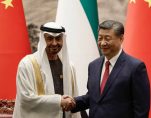
Arabian Post Staff -Dubai Abu Dhabi’s move to establish an investment corridor with China gained further traction after the Abu Dhabi Investment Office confirmed a strategic partnership with China International Capital Corporation aimed at expanding two-way capital flows and creating a formal framework for long-term collaboration. The initiative positions the emirate to attract a new wave of Chinese companies while giving institutional investors in Abu Dhabi structured […]

By K Raveendran Trade negotiations between Washington and New Delhi have moved into a critical phase as senior American trade officials arrive in India with the stated intention of clearing the final hurdles to a long-discussed agreement. The presence of Deputy US Trade Representative Rick Switzer and chief India-deal negotiator Brendan Lynch underscores the renewed […]

The article US Officials’ Delhi Trip Takes Trade Negotiations Into A Decisive Stage appeared first on Latest India news, analysis and reports on Newspack by India Press Agency).

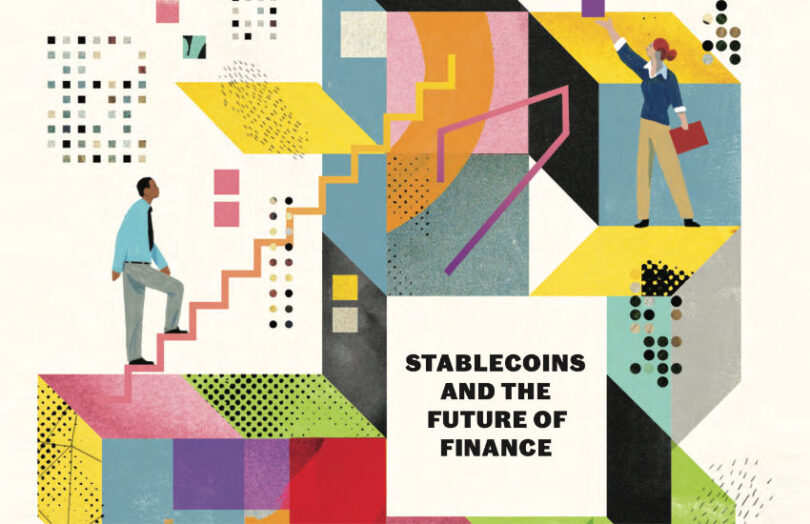
Growing concerns over the expansion of dollar-linked digital tokens have prompted the International Monetary Fund to issue a caution over the strain stablecoins could place on emerging markets, with the institution arguing that widespread use of these instruments risks weakening domestic monetary frameworks. The warning centres on the potential for currency substitution and accelerated outflows should stablecoins gain traction in jurisdictions where confidence in local units is fragile. This caution mirrors the broader message conveyed in IMF warns of stablecoin strain on emerging economies, underscoring the possibility of digital tokens amplifying financial vulnerabilities.

The Fund’s latest assessment highlights the challenge posed by USD-pegged tokens such as USDT and USDC, which together dominate the global stablecoin market. Analysts tracking flows note that these instruments have evolved into widely used vehicles for cross-border transfers, digital asset trading and store-of-value purposes in countries with volatile currencies. The IMF argues that their adoption can reduce the capacity of central banks to manage liquidity conditions, especially in economies where monetary authorities already contend with limited tools to stabilise inflation and anchor expectations. The institution has urged regulators to assume a proactive posture, particularly in markets where capital controls or shallow financial systems heighten the risk of abrupt movements.

The concerns reflect a shift from earlier phases of the digital asset cycle, when stablecoins attracted regulatory scrutiny largely due to their reserve backing and operational transparency. With greater clarity emerging around reserve audits and redemption mechanisms, policymakers are now looking beyond technical design and towards systemic implications. Economic experts cautioned that dollar-denominated tokens might evolve into parallel settlement channels, enabling households and corporates to bypass domestic banking systems during periods of stress. For countries with restricted foreign exchange markets, that pattern could complicate monetary management and accelerate the erosion of trust in local units.

Despite these warnings, several analysts point out that the scale of stablecoin adoption across developing economies remains uneven. Data from blockchain analytics firms suggests that while usage has grown in parts of Latin America, Africa, Eastern Europe and South Asia, activity is still far from the threshold that would trigger systemic currency substitution. Experts add that stablecoins often function as short-term hedging tools rather than long-term savings instruments, meaning their impact on monetary sovereignty is not yet of the magnitude implied by more pessimistic scenarios. Many economists argue that structural weaknesses in local economies, such as persistent inflation or fiscal imbalances, are more significant drivers of currency instability than the availability of digital dollar substitutes.

Regulators in several markets have already begun drafting frameworks to govern stablecoin issuance and use. Authorities in regions including the Gulf, the European Union, Singapore and parts of East Asia have introduced licensing requirements and reserve rules to ensure issuers maintain high-quality backing assets. These frameworks emphasise transparency and redemption at par, which policymakers view as essential to preventing destabilising runs. Some central banks are also exploring bilateral agreements to manage cross-border flows facilitated by stablecoins, particularly where local banks have limited capacity to monitor or report such transactions.

Several financial commentators suggest that concerns over capital flight through stablecoins stem from gaps in existing capital control regimes rather than from the forms of technology used to move funds. They argue that digital tokens merely enhance the speed and efficiency of transfers that might otherwise occur through informal channels. Nonetheless, the IMF stresses that the visibility and liquidity offered by stablecoins could encourage larger volumes to exit strained economies during periods of uncertainty. The institution asserts that emerging markets could face amplified volatility if households and corporates shift towards digital dollars at scale.

The rise of stablecoins has also coincided with broader experimentation in monetary innovation, with more than one hundred central banks evaluating options for digital currencies. Some economists view central bank digital currencies as a potential counterbalance to dollar-pegged private tokens, offering residents a regulated alternative for digital payments while preserving oversight. Others note that CBDCs alone will not offset the appeal of USD-linked tokens in countries where macroeconomic fundamentals drive demand for safer units. Policymakers face the challenge of building credibility, strengthening reserves and reinforcing inflation-targeting regimes while managing digital asset adoption.

While a number of market strategists acknowledge the IMF’s concerns, they contend that fears of widespread dominance of dollar-linked tokens may be overstated at the current stage of development. Adoption depends heavily on access to smartphones, internet connectivity, financial literacy and the availability of compliant service providers. These conditions vary widely across emerging economies, limiting the capacity of stablecoins to displace formal banking for now. Yet industry participants agree that the trajectory of digital finance warrants close oversight as stablecoin issuers expand their footprint and integration with payment networks.

Bank lending across the UAE, Saudi Arabia and wider Middle East is projected to gather momentum next year as resilient economic conditions and steady financing demand strengthen the outlook for regional lenders. The assessment reflects the prevailing view among major rating analysts that banks have entered the coming year with solid balance sheets, expanding pipelines in corporate and retail credit, and a supportive macroeconomic environment. Fitch Ratings […]

Empowering Enterprises with AI-Driven, Built-In Security and Unmatched Flexibility HONG KONG SAR – Media OutReach Newswire – 10 December 2025 – As digitalization accelerates, Hong Kong enterprises of all sizes are confronting an increasingly challenging cyberattack landscape, where system vulnerabilities, phishing, and ransomware are becoming more prevalent, jeopardizing operational continuity and corporate cybersecurity. Addressing these challenges, HGC Global Communications (“HGC”), a fully-fledged ICT service provider and network […]

Abu Dhabi’s ascent as a core pillar of Alan Howard’s hedge fund strategy gained fresh momentum as the billionaire founder detailed how the emirate has rapidly become one of his firm’s most influential trading and investment hubs. The expansion, initiated when Howard established a permanent base in the city in 2023, has evolved into a defining feature of the firm’s global footprint, positioning Abu Dhabi alongside London […]

Alpha Dhabi Holding moved to reassure investors with confirmation of a new three-year dividend framework and a parallel plan to repurchase a portion of its shares, signalling a strategic effort to sustain value creation across its portfolio. The Abu Dhabi-listed conglomerate said the policy is designed to provide predictable returns while supporting the group’s long-term expansion. The company said the proposed framework targets annual dividends of AED […]

Advertisements

Man Group Plc has moved to secure a regulatory licence to establish an Abu Dhabi office next year, signalling a deeper shift among global asset managers toward the Gulf as the region accelerates its ambitions to become a leading centre for alternative investments. The London-listed hedge fund confirmed the application, underscoring its intention to broaden its footprint in a market that has drawn some of the world’s […]

Arabian Post Staff -Dubai Asia Pacific borrowers have significantly increased euro-denominated bond issuance this year, signalling a notable shift away from reliance on the US dollar as a financing standard. According to data compiled this year, euro-denominated issuance accounted for a record 23 per cent of all hard-currency bonds from Asia Pacific borrowers — up six percentage points compared with 2024. The total volume of euro-note sales […]

Gulf Cooperation Council sovereigns and corporates issued a record-breaking $226 billion in debt by November 11, 2025 — the highest single-year total this decade — boosted by surging investor demand and tight spreads across the region.

Issuance of bonds and sukuk vastly outpaced equity capital-market activity, which saw the weakest IPO fundraising since 2020.

Regional governments and major companies returned to debt markets, capitalising on favourable financing conditions. Notable sovereign issuance came from all six GCC states — Saudi Arabia, United Arab Emirates, Kuwait, Qatar, Bahrain and Oman. Corporations also joined, including heavyweight names such as Saudi Aramco and Abu Dhabi National Oil Company.

The rebound in debt issuance reflects a shift in financing strategies. Many issuers had stayed out of markets earlier this year, waiting for better conditions. As spreads tightened sharply, they re-entered. As HSBC’s head of MENA debt capital markets, Nour Safa, put it: the tightening spreads “convinced them to return to the market.”

By the third quarter of 2025, total outstanding debt on GCC debt capital markets reached $1.1 trillion — a 12.7 per cent increase year-on-year. Sukuk issuances led the growth, rising nearly 22 per cent and now accounting for more than 40 per cent of overall debt issuance volume.

The strength emanates largely from the two biggest markets: Saudi Arabia and the UAE. As per recent analysis, these two nations comprise 46 per cent and 30 per cent respectively of total outstanding GCC debt.

Meanwhile, IPO funding has stalled. Across the GCC, 2025 saw a dramatic slump in equity issuance: a total of only 40 IPOs raised about $5.8 billion, down markedly from 2024’s 52 listings which raised $12.9 billion — the lowest fundraising level since 2020.

In the first half of 2025, IPO activity had shown modest resilience: 27 listings raised $4.10 billion, up from $3.57 billion a year earlier. But the second half slowdown reversed much of that progress.

Analysts say the divergence between bond and equity markets has several drivers. Doubts over global macroeconomic stability and trade-policy uncertainty have suppressed investor appetite for riskier equity. At the same time, Gulf issuers found debt markets more attractive: high-quality issuers, deep dollar-denominated bond markets, and relatively higher yields compared with many emerging-market alternatives.

Banks across the region added to the surge: by mid-2025 they had issued over $60 billion of debt — surpassing 2024 levels — much of it Tier-2 or hybrid debt aimed at bolstering capital under evolving regulations and funding growth tied to national development plans.

Arabian Post Staff -Dubai A substantial move by Investcorp Capital to strengthen its presence in the US industrial real estate market has taken shape through the acquisition of a diversified portfolio valued at $400 million. The Abu Dhabi-listed alternative investment firm confirmed the purchase of a 35-building portfolio covering 2.6 million square feet across key coastal markets, reflecting an accelerated shift toward logistics-led strategies and income-generating assets […]

BEIJING, CHINA – Media OutReach Newswire – 5 December 2025 – Peng Liyuan, wife of Chinese President Xi Jinping, and Brigitte Macron, wife of French President Emmanuel Macron, visited the Beijing People’s Art Theatre on Thursday to learn about the theatre’s development and its cultural exchanges with the French theatre community. Following the visit, CGTN published an article highlighting the rich cultural and people-to-people exchanges in recent […]

Sui’s token structure is drawing heightened attention as analysts warn that the network’s locked supply and insider concentration could influence market behaviour during the next phase of token distribution. A new assessment suggests that questions around the durability of Sui’s rally persist despite the project’s growing activity in decentralised applications and its positioning as an alternative to high-throughput chains. The concerns have surfaced as market participants look for signals on whether Sui could mirror the type of extended rally seen in Solana during its strong periods of expansion.

Sui’s token model includes a large quantity of locked tokens that are programmed to enter circulation according to a long-term schedule. Data compiled by blockchain monitoring platforms indicates that more than half of the total supply, around 50.57 per cent, remains locked. The release of these tokens is staggered, but analysts note that the size of the locked tranche means the market will continue to grapple with questions about absorption capacity and price impact. A cohort of early backers and core contributors holds about 15.3 per cent of the supply, a figure that has prompted market watchers to examine whether insider allocations could add to selling pressure once vesting windows open.

Developers behind the network emphasise that the emissions framework was designed to support long-term decentralisation and sustainable staking rewards. They argue that the programme aligns incentives for validators, node operators and builders working on the Layer-1 blockchain. However, the scale of the locked supply and the pace at which it is due to unlock have remained central to external evaluations, especially against the backdrop of aggressive capital rotation across digital asset markets.

Sui has promoted itself as a platform capable of handling high transaction throughput through its parallel execution model, distinguishing itself from chains that rely heavily on sequential processing. The project has advocated for its ability to support complex applications, with gaming, asset tokenisation and digital commerce cited as core areas of growth. Activity on the network has picked up over multiple trading cycles, with decentralised exchanges and gaming protocols playing a visible role in boosting usage. Even so, market analysts caution that network adoption alone cannot insulate the token from structural risks tied to large unlocks.

The comparison with Solana has intensified as traders search for the next high-growth ecosystem. Solana’s expansion was driven by rising developer activity, strong venture backing and an improving macro climate for risk assets, elements that contributed to a prolonged appreciation in its token price. Some traders argue that Sui possesses a similar mix of technical ambition and ecosystem investment. Others counter that Solana’s earlier supply dynamics were markedly different, with less pronounced unlocking over short intervals. These observers state that expectations of a parallel trajectory should be tempered until Sui demonstrates a firmer balance between token issuance and organic demand.

Several research desks have highlighted that tokenomics alone do not determine the long-term trajectory of a blockchain project but can exert considerable influence during early growth phases. Analysts tracking the project have pointed to previous unlock waves that resulted in more volatile trading sessions. They note that liquidity conditions matter significantly when large quantities of tokens transition from locked to tradable status, particularly during market downturns. Market participants monitoring derivatives markets also report that funding rates and open interest data reflect cautious positioning around major unlock dates.

The project’s foundation continues to emphasise builder incentives, community grants and ecosystem expansion. Grants directed towards game studios, consumer applications and infrastructure tools have created steady interest among developers seeking alternatives to more congested chains. Daily active accounts and transaction counts have shown periodic spikes, although interpreters of blockchain data stress that differentiating genuine usage from opportunistic activity remains essential when evaluating the long-term strength of an ecosystem.

A curious experiment in automated finance has produced a result that is raising questions about the limits of machine-driven markets. A trading tournament built to showcase the sophistication of competing AI systems has ended in a collective stumble, with every participating model posting losses. The outcome is fuelling debate over whether advanced algorithms are as market-ready as their creators claim, and whether any model can reliably navigate […]

By Dr. Gyan Pathak When Indian rupee was falling in the Mumbai market against US dollar on Wednesday, December 3, 2023 – sliding past the 90-a-dollar mark for the second day, plumbing a new low of 90.29 in the morning trade after opening flat at 89.96, analysts were pegging the next level for the beleaguered […]

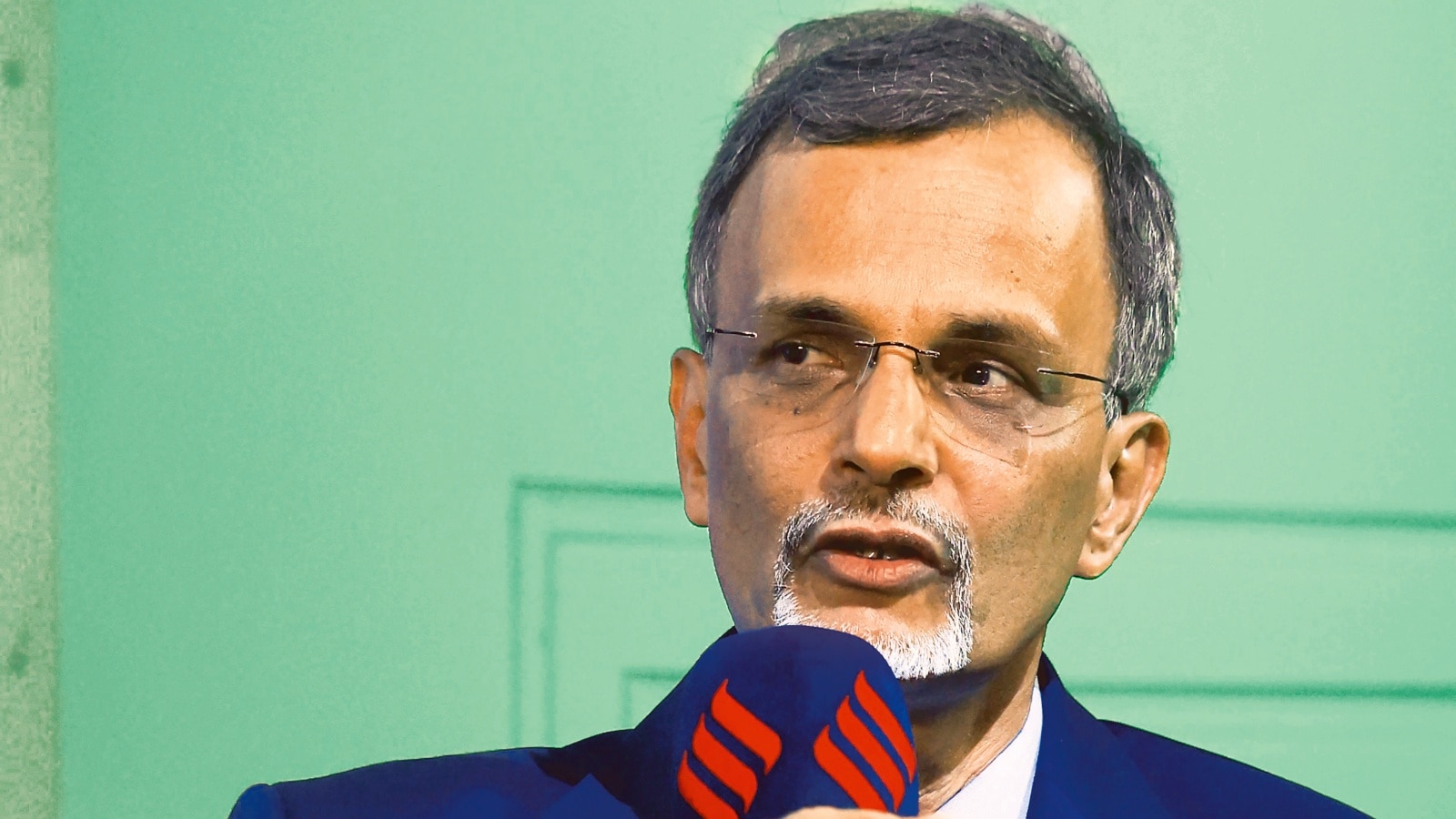
The article CEA’s Calmness Over Steep Fall Of Rupee Ignores Key Risks To India appeared first on Latest India news, analysis and reports on Newspack by India Press Agency).

Geopolitical and macroeconomic uncertainty, tariffs, and cyber risks pose liability challenges for the boards of corporations of all sizes. The increasing number of insolvencies around the globe is becoming a major issue for executives. Claims severity and settlement costs are increasing, especially in the US, while the commercial financial lines insurance market remains highly dynamic. SINGAPORE – Media OutReach Newswire – 3 December 2025 – Around the […]

Crypto markets endured a sharp shake-out as leveraged positions worth roughly $800 million were liquidated within a single 24-hour span, wiping out a wave of long bets across major digital assets.

The dump was triggered when Bitcoin slipped below a key price threshold, pressuring highly leveraged long positions on futures markets and prompting a cascade of forced sell-offs. Platforms such as Hyperliquid and Bybit reportedly absorbed the majority of the liquidations, underscoring how overextended trader leverage remains widespread even after prior volatility.

Data compiled by derivatives-monitoring firms shows hundreds of thousands of traders saw their positions wiped out, reflecting a broad-based unwind rather than a handful of large outliers. Long positions accounted for the lion’s share of the losses, a pattern that analysts argue deepens near-term downside risk while simultaneously resetting excessive leverage.

Market participants suggest the liquidation sequence was worsened by macroeconomic uncertainty. Signals from major central banks hinting at tighter monetary policy have quelled risk appetite, undermining speculative crypto bets built on hopes of renewed easy capital. A stronger dollar and rising bond yields weighed on crypto sentiment and intensified pressure on leveraged positions.

Declines weren’t limited to Bitcoin. Ethereum and other large-cap altcoins also suffered sharp drawdowns as falling prices triggered liquidation cascades across the derivatives market. As leverage unwinding rippled through the system, traders who had bet on a sustained rebound found themselves among the hardest hit.

Some investors framed this purge of leverage as a potential reset for the crypto market. Clearing out excessive long exposure might pave the way for more stable price action if broader buying support returns. Others, however, cautioned that forced liquidations could destabilise confidence and deepen volatility — especially if macro headwinds persist.

Arabian Post Staff -Dubai A US$500 million Sukuk issued by Sharjah Islamic Bank has begun trading on Nasdaq Dubai, strengthening the exchange’s position as a leading hub for Sharia-compliant debt instruments and marking another step in Sharjah’s broader capital-raising strategy. The exchange confirmed that the five-year issuance, structured under the lender’s US$3 billion Trust Certificate Issuance Programme, enhances the visibility of Gulf-based issuers seeking to tap international […]

JPMorgan Chase & Co has upgraded its recommendation on China’s stock market to “overweight,” arguing that potential gains in the coming year now outweigh the risks of sharp losses. Strategists at the firm, including Rajiv Batra, explained that China’s market has already surrendered much of its outperformance this year, creating what they describe as an attractive entry point. They highlighted a combination of factors poised to support equities — widespread adoption of artificial intelligence, renewed consumption measures, and expectations of governance reforms. The performance setback appears to have reset valuations and left positioning relatively light, paving the way for what JPMorgan analysts see as potentially strong upside ahead.

The shift follows a quarter in which the MSCI China Index dropped around 6.2 percent even as broader regional indices in Asia-Pacific posted modest gains. JPMorgan noted that the Chinese equity market remains in the early stages of recovering from a downcycle that began in late 2020. With valuations now seen as acceptable and investor sentiment subdued, the bank anticipates room for rally once supportive catalysts take hold.

Analysts argue that companies tied to technology and AI stand to benefit most from upcoming tailwinds. Firms previously weighed under regulatory and macroeconomic uncertainty may now attract renewed investor interest, especially where corporate governance improvements and capital discipline have strengthened balance sheets. Entities with exposure to domestic consumption, industrial automation, electric vehicles, and energy storage are viewed as especially well positioned.

Some investors remain cautious, citing lingering macroeconomic headwinds, weak property prices, deflationary pressures and subdued consumer sentiment that have dampened retail participation in equity markets. But for long-term investors with a willingness to absorb volatility, JPMorgan’s call marks a turning point: the market’s immediate downside appears limited while its upside — if China’s growth impulses and structural reforms materialise — could be substantial.

JPMorgan also sees potential gains for Asian equities more broadly. With China, Hong Kong, South Korea and India judged as overweight, and Taiwan as neutral, the bank expects the MSCI Asia ex-Japan Index could rise roughly 15 percent from current levels if global liquidity remains supportive. Regional equities, they argue, may benefit from a reorientation of capital flows away from developed markets towards Asia’s current valuations.

At the same time, the bank’s optimism contrasts with more cautious forecasts from some rivals, which warn earnings uncertainty and high valuations could trigger consolidation rather than a sustained rally. That divergence underscores the highly bifurcated nature of the market: selective positioning may offer rewards, but indiscriminate exposure could remain risky.

Dogecoin has attracted fresh attention as price action strengthens in tandem with the debut of its first U. S. spot ETFs, even though initial institutional demand appears muted. Trading volume surged and chart patterns suggest growing bullish conviction among some market participants.

The first U. S.-listed spot Dogecoin ETF, Grayscale GDOG ETF, began trading on the NYSE Arca with a zero-fee structure for early investors. Its opening-day volume totalled just $1.41 million—well below some analyst estimates—but the listing nevertheless marks a milestone, signalling growing institutional interest in meme-coins like Dogecoin. The ETF’s modest start prompted tempered expectations, yet it underscores a desire among asset managers to provide regulated exposure to DOGE beyond speculative retail trading.

Parallel to the ETF launch, DOGE’s price behaviour has drawn attention. The token has been defending a support zone around the $0.15 level. Technical indicators show a compression of exponential moving averages and the formation of a falling wedge on daily and 12-hour charts—structures often interpreted by analysts as consolidation preceding a potential breakout. Should DOGE clear the resistance zone near $0.154–$0.16 with convincing volume, traders believe a move toward $0.18–$0.20 could follow.

Some traders cite the emergence of “higher lows” in recent trading sessions as evidence that buying pressure is gradually building. That pattern reflects increasing confidence in the token’s support base, potentially signalling a shift away from prolonged downtrends that have weighed on many altcoins over recent months.

Still, scepticism persists among observers. The low launch volumes of both the Grayscale ETF and comparable products highlight caution among institutional players. Compared with high-visibility fund flows into leading cryptocurrencies such as Bitcoin, the uptake of DOGE appears subdued—underscoring doubts about the token’s long-term appeal beyond meme status.

Macroeconomic conditions and broader market sentiment remain uncertain. Elevated volatility in crypto markets, combined with macroeconomic headwinds, may continue to dampen aggressive accumulation strategies. For DOGE to sustain upward momentum, technical breakout must align with renewed investor conviction.

At present, DOGE’s trajectory appears to hinge on whether it can secure a decisive breakout above the $0.16 resistance zone backed by volume. A successful move could ignite a rally toward $0.18–$0.20 and possibly higher; failure to do so may leave the token vulnerable to further consolidation or declines.

Stock market information for Dogecoin

Collabora Office has rolled out a brand-new desktop office suite compatible with Windows, macOS and Linux, offering a unified user experience across both online and offline environments. The suite inherits the user interface of Collabora Online — known for its clean, tabbed layout and streamlined tools — while retaining the powerful document compatibility and core engine of LibreOffice. The earlier enterprise-grade LibreOffice-based package has been rebranded as […]

By K Raveendran A quieter phase has set in around discussions on a potential trade agreement between India and the United States, yet the subdued optics conceal a period of more intense negotiation. Officials on both sides describe a process that has deliberately stepped away from public signalling, opting instead for steady and less visible […]

The article India, US Energy Alignment Shapes A Quieter Trade Push appeared first on Latest India news, analysis and reports on Newspack by India Press Agency).

Market attention turned sharply towards World Liberty Financial as its WLFI token climbed more than 7% on the daily chart, supported by renewed momentum in a buyback programme that has drawn heightened interest from traders. The jump in value, which pushed volumes higher across multiple exchanges, underscored a shift in sentiment around the project after a period of steady consolidation in its price trajectory.

Traders noted that the upswing aligned with the recommencement of the token buyback scheme, which had been announced earlier in the year as part of the platform’s strategy to stabilise circulating supply and incentivise long-term holding. The renewed activity around the programme appeared to signal confidence within the project’s core team, with market participants interpreting the move as an effort to strengthen liquidity and reinforce the token’s market position during a phase of broader volatility in digital assets.

The project, positioned as a decentralised finance ecosystem offering yield products and cross-border payment tools, has been attempting to carve out a more distinct space in the congested DeFi landscape. Its token performance has shown periods of sharp movement in line with broader market swings, but the latest rise stood out due to the targeted intervention through the buyback initiative. Analysts tracking on-chain data confirmed a noticeable reduction in WLFI circulating supply over the past 48 hours, indicating execution of the buyback in measurable volumes.

A senior market analyst at a Dubai-based digital asset fund said the token’s rebound reflected “a coordinated liquidity strategy combined with renewed user engagement,” adding that sustained price support would depend on whether the buybacks continue at a stable pace. The analyst also pointed to the rising interest in tokens backed by structured DeFi models, noting that these projects have gained traction as traders search for instruments offering more predictable mechanics compared with purely speculative assets.

WLFI’s latest surge coincided with a broad improvement in sentiment across mid-cap digital tokens, though its gain exceeded the general market trend. Data aggregators showed that while major assets such as Bitcoin and Ether recorded modest upward moves, WLFI’s performance outpaced most alternative tokens in its category. The increase was accompanied by a measurable uptick in wallet activity, with new holders entering the market as trading forums circulated speculation about further buyback rounds.

Company representatives had earlier disclosed that the buyback programme was designed to respond dynamically to market conditions, enabling the project to reinforce token value during periods of instability. Blockchain analysts have noted that such mechanisms, if implemented with transparency and predictable parameters, can help sustain community confidence and mitigate sharp sell-offs. The WLFI team’s renewed engagement, including technical updates and communication around upcoming ecosystem features, also contributed to the current sentiment shift.

Industry observers said market participants were also watching regulatory signals closely, as global jurisdictions continue to refine frameworks for digital assets. A clearer regulatory environment, particularly in markets influential to token liquidity, has historically contributed to greater investor participation. WLFI’s activity in markets such as the UAE and Southeast Asia has expanded over the past year, aided by partnerships with payment service providers and liquidity networks aiming to widen adoption.

Developments in DeFi have shown that buyback-driven appreciation, while effective in the short term, typically requires sustained platform growth to maintain momentum. This has put attention on WLFI’s roadmap, which outlines the rollout of additional financial tools and integrations aimed at strengthening ecosystem utility. Market analysts said user adoption metrics over the next quarter would be critical in determining whether the token can retain the gains recorded following the buyback revival.

The broader digital asset market has been characterised by alternating periods of risk appetite and caution, shaped by shifting macroeconomic indicators and geopolitical developments. WLFI’s rise occurred during a phase where traders were displaying a stronger preference for tokens linked to structured platforms with defined use cases. This positioned WLFI favourably as its developers highlighted enhancements to yield mechanisms and expansion into multi-chain support, which could increase platform accessibility.

Trading desks reported that the token’s order books reflected thicker buy-side interest as the session progressed, suggesting that momentum-driven traders were reinforcing the upward movement. Price analysts, however, cautioned that tokens experiencing sudden appreciation following buybacks may face corrections if broader market sentiment turns or if programme intensity decreases. Despite this, WLFI’s advocates argue that the project’s tokenomics structure is engineered to provide periodic support without distorting long-term market behaviour.


As billion dollar private companies OpenAI and Stripe rapidly rise in prominence, venture capital has once again become a central topic of discussion in business and finance. That is why thought it would be timely to have a conversation with Alessio Vinassa, an entrepreneur, venture builder, thought leader, and philanthropist firmly entrenched in the venture capital space. Alessio speaks like a builder who has seen ideas become […]

VISHNU RAJA
RYO YAMADA
HITORI GOTOH
IKUYO KITA